

Neural stem cell-derived exosomes and regeneration: cell-free therapeutic strategies for traumatic brain injury
Open accessThe DOI matches its Crossref record; 119 of the 119 references it cites were found in a registry or an index.
Abstract
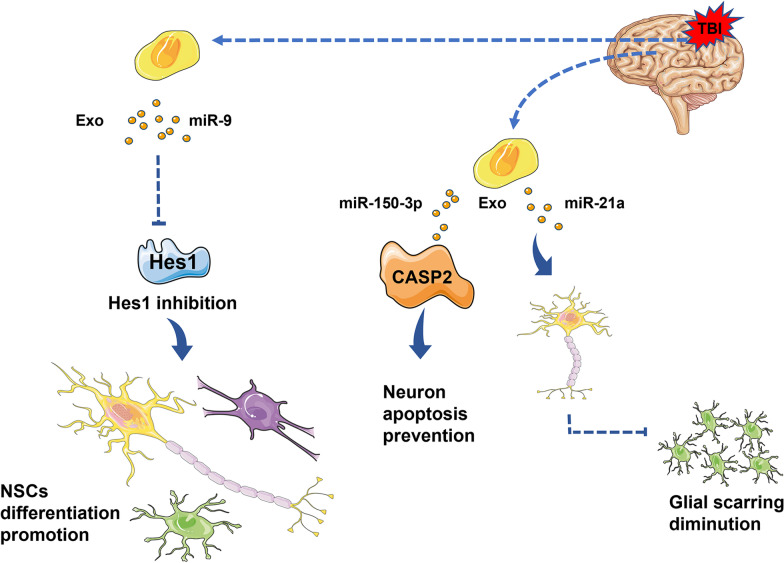
Regenerative repair of the brain after traumatic brain injury (TBI) remains an extensive clinical challenge, inspiring intensified interest in therapeutic approaches to explore superior repair strategies. Exosome therapy is another research hotspot following stem cell alternative therapy. Prior research verified that exosomes produced by neural stem cells can participate in the physiological and pathological changes associated with TBI and have potential neuroregulatory and repair functions. In comparison with their parental stem cells, exosomes have superior stability and immune tolerance and lower tumorigenic risk. In addition, they can readily penetrate the blood‒brain barrier, which makes their treatment efficiency superior to that of transplanted stem cells. Exosomes secreted by neural stem cells present a promising strategy for the development of novel regenerative therapies. Their tissue regeneration and immunomodulatory potential have made them encouraging candidates for TBI repair. The present review addresses the challenges, applications and potential mechanisms of neural stem cell exosomes in regenerating damaged brains.
Overview
The claims and statistics of this paper haven’t been checked yet.
Free: it reads the open-access text and checks the first 5 claims that cite a source we can check. Create a free account to check every claim.
Integrity signals
Registry
Cites
Statistics
Figures
Verification
Claims the paper makes
The claims and statistics of this paper haven’t been checked yet.
Free: it reads the open-access text and checks the first 5 claims that cite a source we can check. Create a free account to check every claim.
Claims other papers make about this one
Each is checked against this paper’s own text: does it say what the citing paper says it does?
The source backs part of the claim, not all of it — or backs it for a different population, condition or comparison.
In the citing paper
“EVs have gained significant attention in CNS injuries, specifically traumatic brain injuries (TBI) and spinal cord injuries (SCI), due to their intricate involvement in injury response, repair processes, and their potential applications as therapeutic agents and biomarkers [175–177].”
From Extracellular vesicles as nanotheranostic platforms for targeted neurological disorder interventions (2024) · cites this paper as [175]
Experimental — accuracy not yet measured
Self-check
Percentages, sums and reported differences re-computed from the paper’s own numbers.
The self-check needs the paper’s full text.
Citations
Cites
The biology , function , and biomedical applications of exosomes
Kalluri, R., & LeBleu, V. S. (2020) · Science · doi:10.1126/science.aau6977 · Cited by 10,770
Biogenesis, Secretion, and Intercellular Interactions of Exosomes and Other Extracellular Vesicles
Colombo, M., Raposo, G., & Théry, C. (2014) · Annual Review of Cell and Developmental Biology · doi:10.1146/annurev-cellbio-101512-122326 · Cited by 6,186 · cited 1×
“Current therapeutic interventions have shown neuroprotective effects of exosomes, which diminish reactive oxygen species (ROS) levels by delivering antioxidants to neurons and alleviating oxidative stress-mediated apoptosis [94, 95].”
BackgroundAstrocyte-endothelial interactions at the blood-brain barrier
Abbott, N. J., Rönnbäck, L., & Hansson, E. (2006) · Nature Reviews Neuroscience · doi:10.1038/nrn1824 · Cited by 5,595 · cited 1×
“As a vital biological barrier of the brain, the BBB is used to maintain biological stability and provide a microenvironment for precise neural regulation [85, 86].”
BackgroundDelivery of siRNA to the mouse brain by systemic injection of targeted exosomes
Alvarez-Erviti, L., Seow, Y., Yin, H., Betts, C., Lakhal, S., & Wood, M. J. A. (2011) · Nature Biotechnology · doi:10.1038/nbt.1807 · Cited by 4,930 · cited 1×
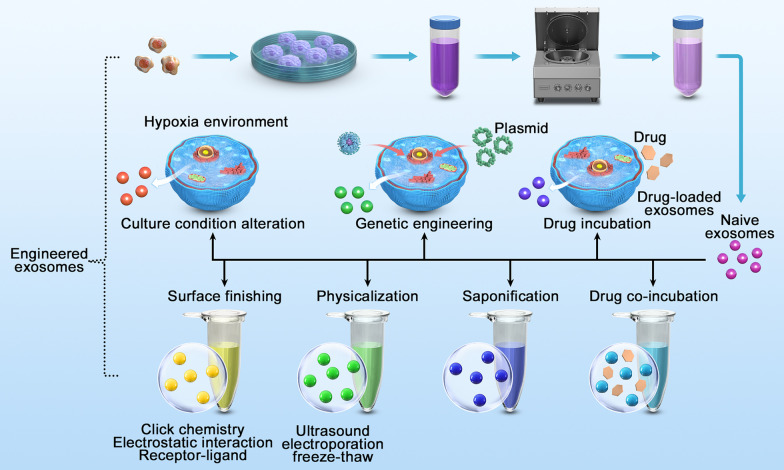
“Alvarez-Erviti et al. [106] discovered that exosomes secreted by dendritic cells transfected with plasmids fused with neuron-specific rabies virus glycoprotein and exosomal lysosomal-associ-ated membrane protein could deliver siRNA to the brain in a targeted manner.”
BackgroundExosomes as drug delivery vehicles for Parkinson’s disease therapy
Haney, M. J., Klyachko, N. L., Zhao, Y., Gupta, R., Plotnikova, E. G., He, Z., Patel, T., Piroyan, A., Sokolsky, M., Kabanov, A. V., et al. (2015) · Journal of Controlled Release · doi:10.1016/j.jconrel.2015.03.033 · Cited by 2,009 · cited 1×
“Neurons could be specifically targeted to receive a functional siRNA by systematically injecting engineered exosomes [114].”
BackgroundProgress in Exosome Isolation Techniques
Li, P., Kaslan, M., Lee, S. H., Yao, J., & Gao, Z. (2017) · Theranostics · doi:10.7150/thno.18133 · Cited by 1,948
Abels, E. R., & Breakefield, X. O. (2016) · Cellular and Molecular Neurobiology · doi:10.1007/s10571-016-0366-z · Cited by 1,678 · cited 1×
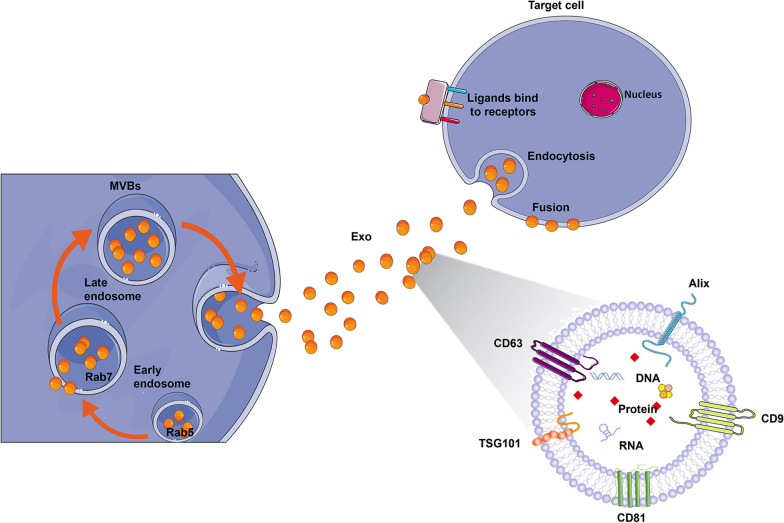
“In addition, exosomes play a critical role in the transport of membrane cells to cytoplasmic proteins, lipids and ribonucleic acid (RNA) [31].”
BackgroundNew Technologies for Analysis of Extracellular Vesicles
Shao, H., Im, H., Castro, C. M., Breakefield, X., Weissleder, R., & Lee, H. (2018) · Chemical Reviews · doi:10.1021/acs.chemrev.7b00534 · Cited by 1,675 · cited 1×
“Common meth-ods for surface marker detection mainly include western blotting, enzyme-linked immunosorbent assay, immuno-fluorescence staining, flow cytometry analysis and mass spectrometry [47].”
MethodEngineering exosomes for targeted drug delivery
Liang, Y., Duan, L., Lu, J., & Xia, J. (2021) · Theranostics · doi:10.7150/thno.52570 · Cited by 1,547 · cited 1×
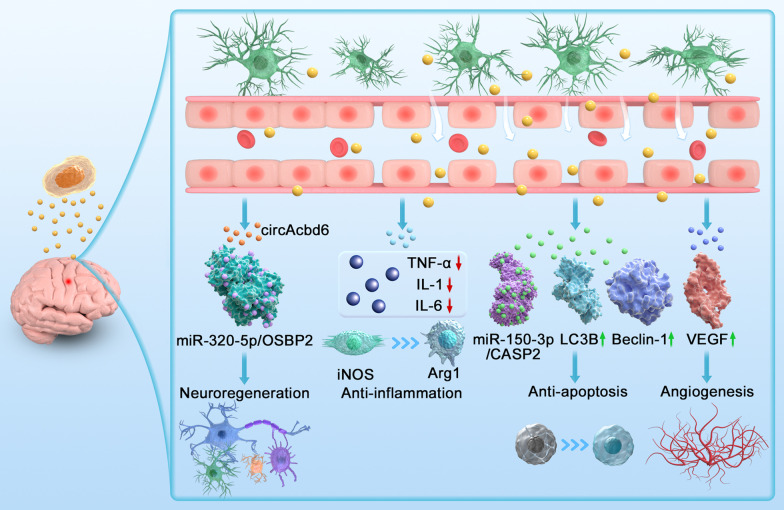
“cell exosomes targeting brain injury Due to their unique nanostructure, lack of immunogenicity [99, 100], low toxicity [101, 102], and good permeability, with the ability to cross the BBB [103, 104], coupled with their important role in tissue regeneration, immune regulation and disease recognition, exosomes have grea…”
BackgroundEndothelial Cells Stimulate Self-Renewal and Expand Neurogenesis of Neural Stem Cells
Shen, Q., Goderie, S. K., Jin, L., Karanth, N., Sun, Y., Abramova, N., Vincent, P., Pumiglia, K., & Temple, S. (2004) · Science · doi:10.1126/science.1095505 · Cited by 1,542 · cited 1×
“Angiogenesis and neurogenesis are interdependent in the neurovascular unit and endothelial cells involved in angiogenesis provide growth factors that regulate NSC self-renewal and neurogenesis [90].”
Background
Cited by
Items 101–119 of 119
Liang, X., Miao, Y., Tong, X., Chen, J., Liu, H., He, Z., Liu, A., & Hu, Z. (2024) · Figshare · doi:10.6084/m9.figshare.26751556
Self-citationLiang, X., Miao, Y., Tong, X., Chen, J., Liu, H., He, Z., Liu, A., & Hu, Z. (2024) · Figshare · doi:10.6084/m9.figshare.26751574
Self-citationAhmadi, M., Saranjam, A., Hamidifar, M., Shoaran, M., & Rezaie, J. (2026) · European Journal of Pharmacology · doi:10.1016/j.ejphar.2026.178536
Advances in basic research on post-cardiac arrest syndrome in adults: a comprehensive review
Liu, R., & Wang, J. (2026) · Frontiers in Medicine · doi:10.3389/fmed.2026.1770983
“In therapeutic contexts, stem cell-derived extracellular vesicles (EVs) have shown promise in repairing BBB damage by delivering bioactive molecules that modulate inflammation, oxidative stress, and neurovascular regeneration (87, 88).”
Self-citationWei, L., Ren, H., Lin, Y., Sun, J., Nie, S., Gao, X., & Huang, Y. (2026) · Cell & Bioscience · doi:10.1186/s13578-026-01551-w
“No cellular risk, easy to store [386, 387] Short duration of therapeutic effect, requiring multiple administrations [388] pluripotency makes embryonic stem cells highly valuable in fields such as regenerative medicine, disease model construction, stem cell therapy, and drug screening [48, 49].”
Liu, X., Liu, A., Li, Y., & Guo, Y. (2026) · International Journal of Molecular Sciences · doi:10.3390/ijms27094078
Self-citationStem cell-derived exosome therapy for traumatic brain injury and its auditory complications
Zhang, H., Xu, M., Cai, B., Wang, Z., Li, T., Jung, S., & Tan, F. (2026) · Biomedicine & Pharmacotherapy · doi:10.1016/j.biopha.2026.119755
Atif, M., Shivhare, K., Sankhwar, P., Nguyen, T. S., Naime, M., & Raza, S. S. (2026) · NeuroImmune Pharmacology and Therapeutics · doi:10.1515/nipt-2026-0015
“Recent developments in stem cell-derived exosome therapy have emerged as an innovative approach to decreasing inflammation in nervous tissue and restoring it [5].”
TGF-β2 exerts neuroprotective effects via inhibition of astrocyte-mediated inflammatory responses
Li, W., Zhang, Q., Shao, J., Jiang, Q., Jh, G., Shi, R., Xu, F., Lu, Y., Cang, C., Liang, C., et al. (2026) · BMC Neuroscience · doi:10.1186/s12868-026-01025-2
Zeng, F., Zhang, Y., Zhou, Y., E, Z., Li, C., Yao, G., & Li, R. (2026) · Cell Death Discovery · doi:10.1038/s41420-026-03250-4
“NSC-derived exosomes (NSC-Exo), with their high safety pro fi le and low immunogenicity, are increasingly recognized as a promising “ cell-free ” strategy for the intervention of brain injury [17, 18].”
Bi, S., Gao, D., Zhu, K., Liu, S., Chen, L., Jiang, W., & Liang, G. (2026) · Frontiers in Neuroscience · doi:10.3389/fnins.2026.1904590
Guo, X., Quan, X., Wang, Y., Liu, G., Yang, H. T., Zheng, D., Tao, F., & Yang, G. (2026) · Journal of Traditional Chinese Medical Sciences · doi:10.1016/j.jtcms.2026.09.001
Luo, Z.-Y., Han, R.-J., Guo, T.-J., Huang, H., Bai-he, S., Xu, J.-L., Zhang, W., Li, J.-Z., Sang, Z., Mei, Z.-T., et al. (2026) · International Journal of Pharmaceutics X · doi:10.1016/j.ijpx.2026.100674
Pathomechanisms and Neuroprotective Strategies in Traumatic Brain Injury
Ja'faruddin, M. R., Prabajati, A. W., Wedantari, N. L. P. F. D., & Innuffus, N. (2026) · Research of Service Administration Health and Sains Healthys. · doi:10.58258/wj4xqr67
Beyond the Cell: Stem Cell‐Derived Exosomes as Next‐Generation Tools in Regenerative Therapy
El-Kady, H. A., Abdelgilil, M. E., Mandour, H. W., Altartoor, R. A. I., El-Wahab, Z. M. A., Alosman, S., Abdelzaher, S. M., Fangary, I. M., & Hosny, Y. (2026) · Stem Cells International · doi:10.1155/sci/1054968
Emerging stem cell strategies for neurodegenerative diseases
Hardjo, M., & Sophian, A. (2026) · Transplant Immunology · doi:10.1016/j.trim.2026.102465
Chemotherapy-Induced Cognitive Impairment: Mechanisms and Potential Neuroprotective Strategies
Dhatrak, S. S., Pardeshi, S. C., Avhad, A. A., Dhonnar, M. D., Pache, M. M., & Darekar, A. B. (2026) · Asian Journal of Research in Pharmaceutical Sciences · doi:10.52711/2231-5659.2026.00058
Clinical application progress of neural stem cells
Dai, L., Chen, S.-X., & Yang, Z.-C. (2026) · Current Opinion in Pharmacology · doi:10.1016/j.coph.2026.102683
Marei, H. E. S. (2026) · Neuroscience Bulletin · doi:10.1007/s12264-026-01731-1
Metadata
- Authors
- Zhong, L., Wang, J., Wang, P., Liu, X., Liu, P., Cheng, X., Cao, L., Wu, H., Chen, J., & Zhou, L.
- Affiliations
- First Affiliated Hospital of Chengdu Medical College (CN)
- Tianjin Hospital (CN)
- Sichuan University (CN)
- Chengdu Medical College (CN)
- Corresponding author
- Wu, Hongwei
- Chen, Jing
- Zhou, Liangxue
- Venue
- Stem Cell Research & Therapy
- Published
- 2023-08-08
- Volume
- 14
- Issue
- 1
- Pages
- 198-198
- ISSN
- 1757-6512 (ISSN-L)
- PMC
- PMC10408078
- OpenAlex
- W4385664550
- Semantic Scholar
- 80c14eabdd601c19e65a3f846a84bb8cf5c94fc6
- Cited by
- 110
- References
- 119
- Citations by year
- 2026: 34 · 2025: 40 · 2024: 34 · 2023: 2
- FWCI
- 2.96
- Type
- journal article
- Language
- en
- Open access
- gold
- doi.org
- Licence
- cc-by
- creativecommons.org/licenses/by/4.0 (tdm)
- creativecommons.org/licenses/by/4.0 (vor)
- Locations
- Stem Cell Research & Therapy (publishedVersion, cc-by)
- PubMed Central (publishedVersion, cc-by)
- PubMed (publishedVersion)
- DOAJ (DOAJ: Directory of Open Access Journals) (submittedVersion, cc-by-sa)
- Funders
- the National Major Scientific and Technological Special Project for Significant New Drugs Development (2019ZX09301-147)
- Topics
- Life Sciences › Biochemistry, Genetics and Molecular Biology › Molecular Biology › Extracellular vesicles in disease
- Health Sciences › Medicine › Clinical Neurology › Traumatic Brain Injury and Neurovascular Disturbances
- Life Sciences › Biochemistry, Genetics and Molecular Biology › Cell Biology › Mesenchymal stem cell research
- Keywords
- traumatic brain injury, cell-free therapy, nerve regeneration, blood-brain barrier penetration, immunomodulation, exosome stability, tumorigenicity, regenerative medicine
- MeSH terms
- Brain Injuries, Traumatic, Brain, Brain Injuries, Humans, Exosomes, Neural Stem Cells
About these checks
Registry, retraction, Cites and statistics results are computed, not judged, with one exception: a printed reference that no index lists is read once by a model before it counts as a citation error. Claims are extracted by a model and kept only when their quote appears verbatim in the text; each cited source is then checked, with a model’s help, for whether it says what the claim relies on. Those verdicts can be wrong — read the claim’s quote and the cited source before relying on one.
Statistics and arithmetic are recomputed, not judged.
Confidence bands are shown only for fields calibrated on our annotated test set. None is calibrated yet, so no band is shown.
What counts as a claim ›How we measure confidence ›How we check this ›
Are you an author, or do you see a problem with this page? Request a review
Data sources
Bibliographic data: Semantic Scholar, OpenAlex, Crossref.
Contains information from the Semantic Scholar Academic Graph Datasets, made available under the ODC Attribution License (ODC-BY 1.0).
Semantic Scholar’s data is described in: Kinney, R., et al. (2023). The Semantic Scholar Open Data Platform. arXiv:2301.10140.
