

Intolerance of uncertainty predicts fear extinction in amygdala-ventromedial prefrontal cortical circuitry
Open accessThe DOI matches its Crossref record; 48 of the 49 references it cites were found in a registry or an index.
Abstract
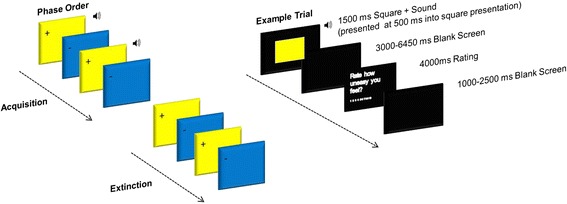
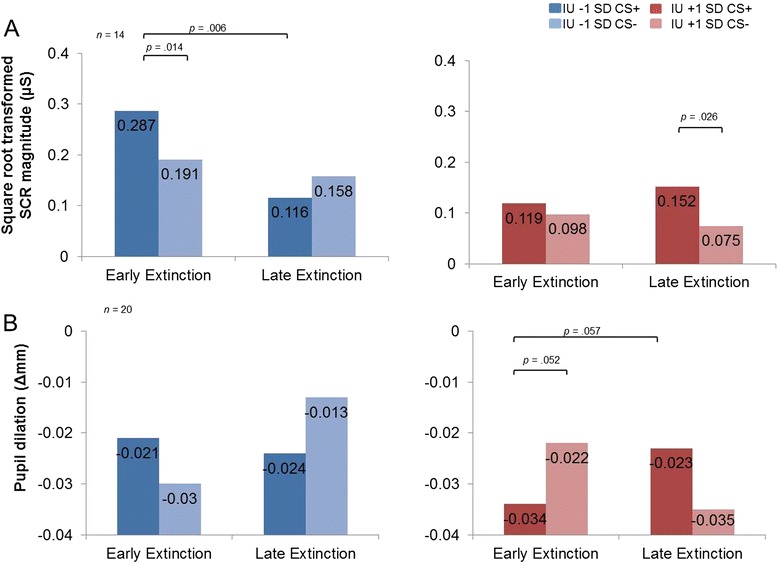
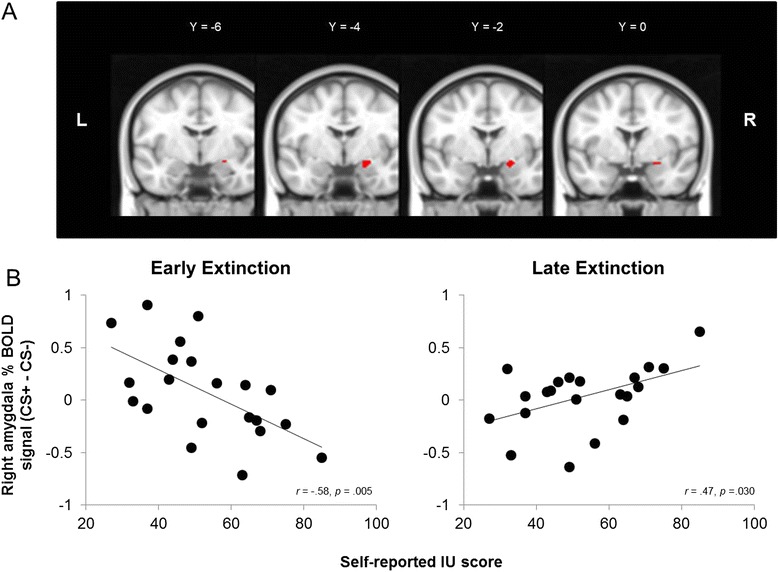
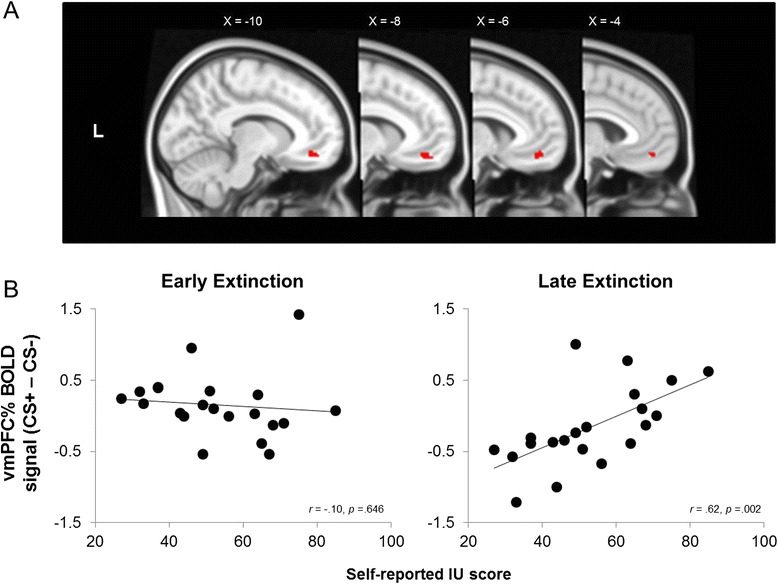
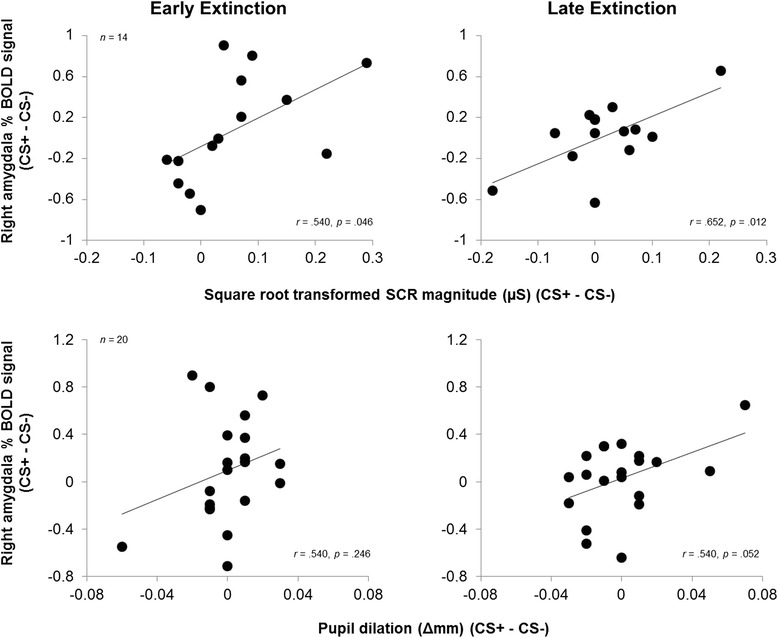
BACKGROUND: Coordination of activity between the amygdala and ventromedial prefrontal cortex (vmPFC) is important for fear-extinction learning. Aberrant recruitment of this circuitry is associated with anxiety disorders. Here, we sought to determine if individual differences in future threat uncertainty sensitivity, a potential risk factor for anxiety disorders, underly compromised recruitment of fear extinction circuitry. Twenty-two healthy subjects completed a cued fear conditioning task with acquisition and extinction phases. During the task, pupil dilation, skin conductance response, and functional magnetic resonance imaging were acquired. We assessed the temporality of fear extinction learning by splitting the extinction phase into early and late extinction. Threat uncertainty sensitivity was measured using self-reported intolerance of uncertainty (IU). RESULTS: During early extinction learning, we found low IU scores to be associated with larger skin conductance responses and right amygdala activity to learned threat vs. safety cues, whereas high IU scores were associated with no skin conductance discrimination and greater activity within the right amygdala to previously learned safety cues. In late extinction learning, low IU scores were associated with successful inhibition of previously learned threat, reflected in comparable skin conductance response and right amgydala activity to learned threat vs. safety cues, whilst high IU scores were associated with continued fear expression to learned threat, indexed by larger skin conductance and amygdala activity to threat vs. safety cues. In addition, high IU scores were associated with greater vmPFC activity to threat vs. safety cues in late extinction. Similar patterns of IU and extinction learning were found for pupil dilation. The results were specific for IU and did not generalize to self-reported trait anxiety. CONCLUSIONS: Overall, the neural and psychophysiological patterns observed here suggest high IU individuals to disproportionately generalize threat during times of uncertainty, which subsequently compromises fear extinction learning. More broadly, these findings highlight the potential of intolerance of uncertainty-based mechanisms to help understand pathological fear in anxiety disorders and inform potential treatment targets.
Overview
The claims and statistics of this paper haven’t been checked yet.
Free: it reads the open-access text and checks the first 5 claims that cite a source we can check. Create a free account to check every claim.
Integrity signals
Registry
Cites
Statistics
Figures
Verification
Claims the paper makes
The claims and statistics of this paper haven’t been checked yet.
Free: it reads the open-access text and checks the first 5 claims that cite a source we can check. Create a free account to check every claim.
Claims other papers make about this one
Each is checked against this paper’s own text: does it say what the citing paper says it does?
The source backs part of the claim, not all of it — or backs it for a different population, condition or comparison.
In the citing paper
“The majority of studies have found specificity of IU over other self-reported anxiety measures in predicting 1) differences in SCR to both learned threat and safety during early trials, 2) greater SCR to learned threat cues versus safety cues during late trials (36,37), or 3) greater SCR to learned threat cues across all trials (15,35).”
From I Doubt It Is Safe: A Meta-analysis of Self-reported Intolerance of Uncertainty and Threat Extinction Training (2021) · cites this paper as [36]
Experimental — accuracy not yet measuredThe cited source says what the claim attributes to it.
In the citing paper
“The generalization of threat to safety cues among those high in intolerance of uncertainty compared to those low in intolerance of uncertainty is also characterized by greater activity in the amygdala (Morriss, Christakou, & van Reekum, 2015), which is a key brain structure involved in fear conditioning and extinction (Davis, 1992; Etkin & Wager, 2007; Myers & Davis, 2007; Phillips & Ledoux, 1992)”
From Enhancing Inhibitory Learning: The Utility of Variability in Exposure (2019) · cites this paper as Morriss, Christakou, & van Reekum, 2015
The cited source says what the claim attributes to it.
In the citing paper
“Interestingly, IU has been shown to predict impaired fear extinction in non-psychiatric volunteers [48]”
From Toward a neurocircuit-based taxonomy to guide treatment of obsessive-compulsive disorder (2021) · cites this paper as [48]
The cited source says what the claim attributes to it.
In the citing paper
“In previous research, a few studies observed differences in SCR to both learned threat and safety cues during the early trials of threat extinction training (36,37).”
From I Doubt It Is Safe: A Meta-analysis of Self-reported Intolerance of Uncertainty and Threat Extinction Training (2021) · cites this paper as [36]
The cited source says what the claim attributes to it.
In the citing paper
“Notably, the original studies that found a relationship between IU and early extinction used a 100% reinforcement rate during acquisition (36,37), where the change in contingencies between acquisition and extinction are more obvious.”
From I Doubt It Is Safe: A Meta-analysis of Self-reported Intolerance of Uncertainty and Threat Extinction Training (2021) · cites this paper as [36]
7 more claims about this paper
Create a free account to see every claim other papers make about this one.
Self-check
Percentages, sums and reported differences re-computed from the paper’s own numbers.
The self-check needs the paper’s full text.
Citations
Cites
Development and validation of brief measures of positive and negative affect: The PANAS scales.
Watson, D., Clark, L. A., & Tellegen, A. (1988) · Journal of Personality and Social Psychology · doi:10.1037/0022-3514.54.6.1063 · Cited by 32,433 · cited 1×
“To assess emotional disposition, we presented the following six questionnaires on a computer: two versions of the Positive and Negative Affect Scales (PANAS-NOW; PANAS-GEN) [42], Spielberger State-Trait Anxiety Inventory, Trait Version (STAIX-2) [39], PSWQ [40], IU [43] and the Barratt Impulsiveness Scale (BIS-11) [44…”
Desikan, R. S., Ségonne, F., Fischl, B., Quinn, B. T., Dickerson, B. C., Blacker, D., Buckner, R. L., Dale, A. M., Maguire, R. P., Hyman, B. T., et al. (2006) · NeuroImage · doi:10.1016/j.neuroimage.2006.01.021 · Cited by 13,324 · cited 1×
“We used anatomically defined masks from the Harvard-Oxford cortical and subcortical structural atlases in FSL [47].”
Jenkinson, M., Bannister, P., Brady, M., & Smith, S. (2002) · NeuroImage · doi:10.1006/nimg.2002.1132 · Cited by 11,888 · cited 3×
“All contrasts were normalized and registered to MNI standard space using FLIRT [46].”
Fast robust automated brain extraction
Smith, S. M. (2002) · Human Brain Mapping · doi:10.1002/hbm.10062 · Cited by 10,496 · cited 1×
“Brains were extracted from their respective T1 images by using the FSL brain extraction tool (BET) [45].”
Development and validation of the Penn State Worry Questionnaire
Meyer, T. J., Miller, M. L., Metzger, R. L., & Borkovec, T. D. (1990) · Behaviour Research and Therapy · doi:10.1016/0005-7967(90)90135-6 · Cited by 5,099 · cited 11×
“We tested the specificity of the involvement of IU by comparing it with broader measures of anxiety, such as Spielberger State-Trait Anxiety Inventory, Trait Version (STAIX-2) [39] and Penn State Worry Questionnaire (PSWQ) [40].”
InfluentialDomingos da Silveira da Luz, A. C., Pereira Dias, G., do Nascimento Bevilaqua, M. C., Cocks, G., Gardino, P. F., Thuret, S., & Nardi, A. E. (2013) · Neuropsychobiology · doi:10.1159/000353269 · Cited by 3,995
Etkin, A., & Wager, T. D. (2007) · American Journal of Psychiatry · doi:10.1176/appi.ajp.2007.07030504 · Cited by 3,391 · cited 1×
“resistance to fear extinction (for reviews see, [3, 14, 15]).”
Uncertainty and anticipation in anxiety: an integrated neurobiological and psychological perspective
Grupe, D. W., & Nitschke, J. B. (2013) · Nature Reviews Neuroscience · doi:10.1038/nrn3524 · Cited by 2,007
Neurons in medial prefrontal cortex signal memory for fear extinction
Milad, M. R., & Quirk, G. J. (2002) · Nature · doi:10.1038/nature01138 · Cited by 1,836 · cited 1×
“reduces responsiveness of amygdala neurons and defensive freezing behavior to conditioned tones [10].”
Phelps, E. A., Delgado, M. R., Nearing, K. I., & LeDoux, J. E. (2004) · Neuron · doi:10.1016/j.neuron.2004.08.042 · Cited by 1,753
Research works printed but not linked: 3
- Frijda NH The emotions 1986 Cambridge Cambridge University Press
- Spielberger CD, Gorsuch RL, Lushene R, Vagg P, Jacobs G. Consulting Psychologists Press, Inc. 2». Palo Alto (CA). 1983.
- Bradley MM Lang PJ The international affective digitized sounds (2nd edition; IADS-2): affective ratings of sounds and instruction manual. Technical report B-3 2007 Gainesville, Florida Florida University
Cited by
Lonsdorf, T. B., Menz, M. M., Andreatta, M., Fullana, M. A., Golkar, A., Haaker, J., Heitland, I., Hermann, A., Kuhn, M., Kruse, O., et al. (2017) · Neuroscience & Biobehavioral Reviews · doi:10.1016/j.neubiorev.2017.02.026 · Cited by 837
Fear extinction in the human brain: A meta-analysis of fMRI studies in healthy participants
Fullana, M. A., Albajes-Eizagirre, A., Soriano-Mas, C., Vervliet, B., Cardoner, N., Benet, O., Radua, J., & Harrison, B. J. (2018) · Neuroscience & Biobehavioral Reviews · doi:10.1016/j.neubiorev.2018.03.002 · Cited by 308
Toward a neurocircuit-based taxonomy to guide treatment of obsessive-compulsive disorder
Shephard, E., Stern, E. R., van den Heuvel, O. A., Costa, D. L. C., Batistuzzo, M. C., Godoy, P. B. G., Lopes, A. C., Brunoni, A. R., Hoexter, M. Q., Shavitt, R. G., et al. (2021) · Molecular Psychiatry · doi:10.1038/s41380-020-01007-8 · Cited by 250
Lonsdorf, T. B., & Merz, C. J. (2017) · Neuroscience & Biobehavioral Reviews · doi:10.1016/j.neubiorev.2017.07.007 · Cited by 231
“, 2015), whereas ratings of uneasiness generally seem less sensitive to the impact of IU (Morriss et al., 2016a,b; Morriss et al., 2015).”
BackgroundResultInfluentialTanovic, E., Gee, D. G., & Joormann, J. (2018) · Clinical Psychology Review · doi:10.1016/j.cpr.2018.01.001 · Cited by 214
“…stimuli is also evidence of disruptions in safety learning, which is further supported by the fact that high IU individuals continued to exhibit elevated SCRs to stimuli that formerly signaled threat in the late extinction period (Morriss et al., 2015; Morriss, Christakou, et al., 2016).”
BackgroundResultInfluentialGu, Y., Gu, S., Lei, Y., & Li, H. (2020) · Neural Plasticity · doi:10.1155/2020/8866386 · Cited by 164
“Studies use IUS as a standard measurement to obtain the score of IU and distinguish high and low IU groups in their experiments [34, 35] or to investigate the association between IU and multiple emotion disorders and many other factors [36–39].”
MethodIntolerance of uncertainty as a vulnerability factor for excessive and inflexible avoidance behavior
Flores, A., López, F. J., Vervliet, B., & Cobos, P. L. (2018) · Behaviour Research and Therapy · doi:10.1016/j.brat.2018.02.008 · Cited by 155
Nothing is safe: Intolerance of uncertainty is associated with compromised fear extinction learning
Morriss, J., Christakou, A., & van Reekum, C. M. (2016) · Biological Psychology · doi:10.1016/j.biopsycho.2016.05.001 · Cited by 152
“…to learned safety vs. threat cues, suggesting threat generalization Furthermore, in late extinction learning, high IU scores were associated with continued fear expression to learned threat vs. safety cues, indexed by larger skin conductance and right amygdala activity (Morriss et al., 2015 .”
Self-citationMorriss, J., Zuj, D. V., & Mertens, G. (2021) · International Journal of Psychophysiology · doi:10.1016/j.ijpsycho.2021.05.011 · Cited by 112
“…et al., 2019c; Morriss and van Reekum, 2019; Wake et al., 2021), corrugator supercilii activity (Morriss, 2019), pupil dilation, amygdala activity (Morriss et al., 2015) and greater late positive potential (event-related attentional component) (Bauer et al., 2020) to the CS + versus CS-during…”
BackgroundInfluentialSelf-citationPicó-Pérez, M., Alemany-Navarro, M., Dunsmoor, J. E., Radua, J., Albajes-Eizagirre, A., Vervliet, B., Cardoner, N., Benet, O., Harrison, B. J., Soriano-Mas, C., et al. (2019) · Neuroscience & Biobehavioral Reviews · doi:10.1016/j.neubiorev.2019.06.029 · Cited by 102
Alexander, L., Wood, C. M., Gaskin, P. L. R., Sawiak, S. J., Fryer, T. D., Hong, Y. T., McIver, L., Clarke, H. F., & Roberts, A. C. (2020) · Nature Communications · doi:10.1038/s41467-020-19167-0 · Cited by 100
What Is Going On Around Here? Intolerance of Uncertainty Predicts Threat Generalization
Morriss, J., Macdonald, B., & van Reekum, C. M. (2016) · PLOS ONE · doi:10.1371/journal.pone.0154494 · Cited by 94
“However, previous studies have observed threat generalization-like behavior during simple cued extinction in high IU individuals [24].”
InfluentialSelf-citationNeural correlates of pupil dilation during human fear learning
Leuchs, L., Schneider, M., Czisch, M., & Spoormaker, V. I. (2016) · NeuroImage · doi:10.1016/j.neuroimage.2016.11.072 · Cited by 91
“We therefore suggest that pupil response magnitude in our task is also influenced by uncertainty or unpredictability, which have previously been found to correlate with pupil diameter (Lavin et al., 2014; Morriss et al., 2015; Nassar et al., 2012; Preuschoff et al., 2011).”
InfluentialMorriss, J., Gell, M., & van Reekum, C. M. (2019) · Neuroscience & Biobehavioral Reviews · doi:10.1016/j.neubiorev.2018.12.013 · Cited by 78
Self-citationSjouwerman, R., Scharfenort, R., & Lonsdorf, T. B. (2020) · Scientific Reports · doi:10.1038/s41598-020-72007-5 · Cited by 78
Intolerance of Uncertainty Predicts Anxiety Outcomes Following CBT in Youth with ASD.
Keefer, A., Kreiser, N. L., Singh, V., Blakeley-Smith, A., Duncan, A., Johnson, C., Klinger, L., Meyer, A., Reaven, J., & Vasa, R. A. (2017) · Journal of Autism and Developmental Disorders · doi:10.1007/s10803-016-2852-z · Cited by 72
“Heightened physiological reactions have been found to drive higher levels of anxiety and worry, which can compromise fear extinction (Morriss et al. 2015).”
BackgroundEnhancing Inhibitory Learning: The Utility of Variability in Exposure
Knowles, K. A., & Olatunji, B. O. (2019) · Cognitive and Behavioral Practice · doi:10.1016/j.cbpra.2017.12.001 · Cited by 60
Intolerance of uncertainty and threat generalization: A replication and extension
Bauer, E., MacNamara, A., Sandre, A., Lonsdorf, T. B., Weinberg, A., Morriss, J., & van Reekum, C. M. (2020) · Psychophysiology · doi:10.1111/psyp.13546 · Cited by 69
Self-citationMorriss, J., Wake, S., Elizabeth, C., & van Reekum, C. M. (2021) · Biological Psychiatry Global Open Science · doi:10.1016/j.bpsgos.2021.05.011 · Cited by 52
“The majority of studies have found specificity of IU over other self-reported anxiety measures in predicting 1) differences in SCR to both learned threat and safety during early trials, 2) greater SCR to learned threat cues versus safety cues during late trials (36,37), or 3) greater SCR to learned threat cues across…”
BackgroundResultSelf-citationFlores, A., López, F. J., Vervliet, B., & Cobos, P. L. (2020) · Journal of Behavior Therapy and Experimental Psychiatry · doi:10.1016/j.jbtep.2019.101527 · Cited by 45
Morriss, J., & van Reekum, C. M. (2019) · Behaviour Research and Therapy · doi:10.1016/j.brat.2019.03.004 · Cited by 46
“The sound consisted of a fear inducing female scream used in our previous experiments (Morriss et al., 2015; Morriss et al., 2016).”
MethodSelf-citationMorriss, J., Saldarini, F., Chapman, C., Pollard, M., & van Reekum, C. M. (2019) · Journal of Experimental Psychopathology · doi:10.1177/2043808719834451 · Cited by 46
Self-citationNg, K. H., Pollock, M. W., Urbanczyk, P. J., & Sangha, S. (2017) · Neurobiology of Learning and Memory · doi:10.1016/j.nlm.2017.11.011 · Cited by 49
Morriss, J. (2019) · Psychophysiology · doi:10.1111/psyp.13396 · Cited by 42
“The sound consisted of a threat inducing female scream used in previous experiments (Morriss et al., 2015; Morriss et al., 2016).”
BackgroundMethodActivity-dependent signaling: influence on plasticity in circuits controlling fear-related behavior
Hill, J. L., & Martinowich, K. (2015) · Current Opinion in Neurobiology · doi:10.1016/j.conb.2015.10.001 · Cited by 44
The role of threat level and intolerance of uncertainty in extinction
Morriss, J., Saldarini, F., & van Reekum, C. M. (2019) · International Journal of Psychophysiology · doi:10.1016/j.ijpsycho.2019.05.013 · Cited by 39
Self-citationWake, S., Morriss, J., Johnstone, T., van Reekum, C. M., & Dodd, H. (2021) · Behaviour Research and Therapy · doi:10.1016/j.brat.2021.103818 · Cited by 38
Self-citationMorriss, J., & McSorley, E. (2019) · Behaviour Research and Therapy · doi:10.1016/j.brat.2019.03.011 · Cited by 37
“…the current study we focus on saccade count and saccade latency measures, which measure spatial and temporal aspects of attention respectively M AN US CR IP T AC CE PT ED ACCEPTED MANUSCRIPT 6 (McSorley & Morriss, 2015; McSorley, Morriss, & van Reekum, 2016; Morriss, McSorley, & van Reekum, 2017).”
BackgroundSelf-citationMorriss, J., Wake, S., Lindner, M., McSorley, E., & Dodd, H. (2020) · International Journal of Psychophysiology · doi:10.1016/j.ijpsycho.2020.04.012 · Cited by 33
Self-citationHunt, C., Exline, J. J., Fletcher, T. L., & Teng, E. J. (2022) · Journal of Anxiety Disorders · doi:10.1016/j.janxdis.2022.102530 · Cited by 34
Intolerance of uncertainty predicts increased striatal volume.
Kim, M. J., Shin, J., Taylor, J. M., Mattek, A. M., Chavez, S., & Whalen, P. J. (2017) · Emotion · doi:10.1037/emo0000331 · Cited by 40
Morriss, J., Chapman, C., Tomlinson, S., & van Reekum, C. M. (2018) · Biological Psychology · doi:10.1016/j.biopsycho.2018.08.017 · Cited by 33
Self-citationJentsch, V. L., Wolf, O. T., & Merz, C. J. (2019) · International Journal of Psychophysiology · doi:10.1016/j.ijpsycho.2019.11.006 · Cited by 38
“Yet, several studies have demonstrated that anticipation of an aversive event during presentation of the CS+ as compared to the CS- was associated with greater pupil dilation (de Voogd et al., 2016; Leuchs et al., 2017; Morriss et al., 2015; Reinhard and Lachnit, 2002; Visser et al., 2015).”
BackgroundMethodMultimodal evidence for delayed threat extinction learning in adolescence and young adulthood
Morriss, J., Christakou, A., & van Reekum, C. M. (2019) · Scientific Reports · doi:10.1038/s41598-019-44150-1 · Cited by 32
Self-citationMorriss, J., McSorley, E., & van Reekum, C. M. (2018) · Cognition and Emotion · doi:10.1080/02699931.2017.1370418 · Cited by 31
“…with previous research showing high IU individuals to display greater expectancy of threat during uncertainty (Chin et al., 2016; Gole et al., 2012; Morriss et al., 2015; Morriss, Christakou, et al., 2016; Morriss, Macdonald, et al., 2016; Nelson, Kessel, et al., 2016; Nelson, Liu, et al., 2016;…”
ResultInfluentialSelf-citationThe effect of cathodal tDCS on fear extinction: A cross-measures study
Ganho-Ávila, A., Gonçalves, Ó. F., Guiomar, R. N. R. M., Boggio, P. S., Asthana, M. K., Krypotos, A., & Almeida, J. (2019) · PLoS ONE · doi:10.1371/journal.pone.0221282 · Cited by 34
“In fact, the expectancy 447 of harm or the intolerance to uncertainty that emerges during the extinction procedure 448 by the absence of the US are differently translated by explicit ratings and SCRs 449 (51,52).”
BackgroundZhou, T., Bao, Y., Guo, D., Bai, Y., Wang, R., Cao, X., Li, H., & Hua, Y. (2022) · Frontiers in Public Health · doi:10.3389/fpubh.2022.1015446 · Cited by 52
Morriss, J. (2025) · Neuroscience & Biobehavioral Reviews · doi:10.1016/j.neubiorev.2025.106138 · Cited by 28
“…oculi activity), and increased activation in brain regions associated with processing salience such as the amygdala, insula, and ventromedial prefrontal cortex (Carsten et al., 2022; Correa et al., 2022; Gorka et al., 2016; Morriss et al., 2020b; Morriss et al., 2015; Morriss et al., 2021a).”
Self-citationReliability of web-based affective auditory stimulus presentation
Seow, T. X. F., & Hauser, T. U. (2021) · Behavior Research Methods · doi:10.3758/s13428-021-01643-0 · Cited by 37
Morriss, J., Bell, T., Biagi, N., Johnstone, T., & van Reekum, C. M. (2021) · Cognitive Affective & Behavioral Neuroscience · doi:10.3758/s13415-021-00932-7 · Cited by 33
Self-citationMorriss, J., Biagi, N., & Dodd, H. F. (2020) · International Journal of Psychophysiology · doi:10.1016/j.ijpsycho.2020.07.009 · Cited by 29
Self-citationFeeling safe: Judgements of safety and anxiety as a function of worry and intolerance of uncertainty
Cupid, J., Stewart, K. E., Sumantry, D., & Koerner, N. (2021) · Behaviour Research and Therapy · doi:10.1016/j.brat.2021.103973 · Cited by 24
Avoiding at all costs? An exploration of avoidance costs in a novel Virtual Reality procedure
Lemmens, A., Smeets, T., Beckers, T., & Dibbets, P. (2021) · Learning and Motivation · doi:10.1016/j.lmot.2021.101710 · Cited by 26
(2021) · doi:10.1016/j.bpsc.2020.12.012 · Cited by 23
The effect of social anxiety on the acquisition and extinction of low-cost avoidance
Wake, S., van Reekum, C. M., & Dodd, H. F. (2021) · Behaviour Research and Therapy · doi:10.1016/j.brat.2021.103967 · Cited by 23
The Impact of Intolerance of Uncertainty and Cognitive Behavioural Instructions on Safety Learning
Wake, S., van Reekum, C. M., Dodd, H., & Morriss, J. (2020) · Cognitive Therapy and Research · doi:10.1007/s10608-020-10113-4 · Cited by 20
Self-citationEncoding of conditioned inhibitors of fear in the infralimbic cortex
Ng, K. H., & Sangha, S. (2022) · Cerebral Cortex · doi:10.1093/cercor/bhac450 · Cited by 24
High-Resolution Resting-State Functional Connectivity of the Extended Amygdala
Tomas, C. W., Huggins, A. A., Bennett, K. P., Parisi, E. A., & Larson, C. L. (2019) · Brain Connectivity · doi:10.1089/brain.2019.0688 · Cited by 22
“…the distinct roles of these structures may help to inform the neural substrates underlying specific features of anxiety, such as intolerance of uncertainty (Grupe and Nitschke, 2013; Morriss et al., 2015, 2016), which may rely preferentially on particular neural circuits in this complex system.”
Klingelhöfer-Jens, M., Morriss, J., & Lonsdorf, T. B. (2022) · International Journal of Psychophysiology · doi:10.1016/j.ijpsycho.2022.05.006 · Cited by 20
Self-citationThe impact of induced anxiety on affective response inhibition
Aylward, J., Valton, V., Goer, F., Mkrtchian, A., Lally, N., Peters, S. E., Limbachya, T., & Robinson, O. J. (2017) · Royal Society Open Science · doi:10.1098/rsos.170084 · Cited by 22
“As a caveat, therefore, we recognize that it may be possible that threat-related behaviour spills over into the safe condition, in keeping with a large body of research on fear conditioning and threat generalization in anxiety [36,37].”
BackgroundNeural responding during uncertain threat anticipation in pediatric anxiety
Michalska, K. J., Benson, B. E., Ivie, E. J., Sachs, J. F., Haller, S. P., Abend, R., McFarlin, D. R., Blackford, J. U., & Pine, D. S. (2022) · International Journal of Psychophysiology · doi:10.1016/j.ijpsycho.2022.07.006 · Cited by 19
Wroblewski, A., Hollandt, M., Yang, Y., Ridderbusch, I. C., Pietzner, A., Szeska, C., Lotze, M., Wittchen, H.-U., Heinig, I., Pittig, A., et al. (2022) · International Journal of Psychophysiology · doi:10.1016/j.ijpsycho.2022.09.001 · Cited by 14
“Regarding the link of IU and TA with neural activation during extinction training, previous results mainly suggest a relation to increased differential activation of the amygdala (Morriss et al., 2015; Morriss et al., 2021a; Sehlmeyer et al., 2011).”
BackgroundResultInfluentialUncertainty-modulated attentional capture: Outcome variance increases attentional priority.
Pearson, D., Chong, A., Chow, J. Y. L., Garner, K., Theeuwes, J., & Pelley, M. E. L. (2024) · Journal of Experimental Psychology General · doi:10.1037/xge0001586 · Cited by 21
“…have been shown to demonstrate an attentional bias to uncertainty-related words (Fergus et al., 2013; Rogers et al., 2022), as well as heightened physiological and neural responses to uncertain threat (e.g., Morriss et al., 2015) and reward (e.g., Gorka et al., 2016; Nelson et al., 2016).”
Individual differences in anxiety and fear learning: The role of working memory capacity
Laing, P. A. F., Burns, N. R., & Baetu, I. (2018) · Acta Psychologica · doi:10.1016/j.actpsy.2018.12.006 · Cited by 17
Radoman, M., & Gorka, S. M. (2022) · International Journal of Psychophysiology · doi:10.1016/j.ijpsycho.2022.09.003 · Cited by 15
Neural underpinnings of preferential pain learning and the modulatory role of fear
Forkmann, K., Wiech, K., Schmidt, K., Schmid-Köhler, J., & Bingel, U. (2023) · Cerebral Cortex · doi:10.1093/cercor/bhad236 · Cited by 13
Morriss, J., Biagi, N., & Wake, S. J. (2024) · International Journal of Psychophysiology · doi:10.1016/j.ijpsycho.2024.112427 · Cited by 14
“…IU and skin conductance responses during threat extinction training (Goldfarb et al., 2021; Kanen et al., 2021; Lucas et al., 2018; Morriss, 2019; Morriss et al., 2015, 2016, 2020; Morriss and van Reekum, 2019; Sjouwerman et al., 2016, 2020, un-published data 2020; Steinman et al., 2022;…”
Self-citationZhou, X., Gu, Y., Wang, J., Huang, L., & Lei, Y. (2023) · Biological Psychology · doi:10.1016/j.biopsycho.2023.108601 · Cited by 9
Ma, Y., Jiao, F., Batsikadze, G., Yavari, F., & Nitsche, M. A. (2024) · Brain stimulation · doi:10.1016/j.brs.2024.07.004 · Cited by 11
“Incorporating additional measures, such as pupillary response, electro-encephalography, and heart rate could provide a more comprehensive and reliable reservoir of physiological outcome measures [79,80].”
BackgroundThe role of intolerance of uncertainty in the acquisition and extinction of reward
Morriss, J., Biagi, N., Lonsdorf, T. B., & Andreatta, M. (2021) · European Journal of Neuroscience · doi:10.1111/ejn.15173 · Cited by 9
Self-citationMcEvoy, P. M., Carleton, R. N., Correa, K. A., Shankman, S. A., & Shihata, S. (2018) · Cambridge University Press eBooks · doi:10.1017/9781108140416.008 · Cited by 11
Fear-potentiated startle reveals diminished threat extinction in pathological anxiety
Newsome, P., Ruiz, S. G., Gold, A. L., Pine, D. S., & Abend, R. (2022) · International Journal of Psychophysiology · doi:10.1016/j.ijpsycho.2022.11.011 · Cited by 8
A Preliminary Test of Novelty-Facilitated Extinction in Individuals With Pathological Anxiety
Steinman, S. A., Dunsmoor, J. E., Gazman, Z., Stovezky, Y. R., Pascucci, O., Pomerenke, J., Phelps, E. A., Fyer, A. J., & Simpson, H. B. (2022) · Frontiers in Behavioral Neuroscience · doi:10.3389/fnbeh.2022.873489 · Cited by 10
Kirlić, N., Kuplicki, R., Touthang, J., Cohen, Z. P., Stewart, J. L., Paulus, M. P., & Aupperle, R. L. (2022) · NeuroImage Clinical · doi:10.1016/j.nicl.2022.103060 · Cited by 7
Intolerance of uncertainty and novelty facilitated extinction: The impact of reinforcement schedule
Wake, S. J., Dodd, H. F., & Morriss, J. (2021) · British Journal of Psychology · doi:10.1111/bjop.12538 · Cited by 5
Self-citationPoirier, G. L., HitoraーImamura, N., & Sandi, C. (2016) · Neurobiology of Stress · doi:10.1016/j.ynstr.2016.08.005 · Cited by 5
“Additionally, a relationship between intolerance to uncertainty and poorer extinction of unambiguous fear cue associated with greater amygdala and vmPFC activation was previously reported in humanwork (Morriss et al., 2015).”
Wendt, J., & Morriss, J. (2022) · International Journal of Psychophysiology · doi:10.1016/j.ijpsycho.2022.05.005 · Cited by 5
“6 (6) IU may be significantly associated with greater ventromedial prefrontal cortex activity during instructed threat extinction training (Morriss et al., 2015; Morriss, Bell, et al., 2021).”
BackgroundSelf-citationLemmens, A., Aarts, E., & Dibbets, P. (2023) · Behaviour Research and Therapy · doi:10.1016/j.brat.2023.104442 · Cited by 4
Carlson, K. W., Smolker, H. R., Smith, L. L., Snyder, H. R., Hankin, B. L., & Banich, M. T. (2025) · Cognitive Affective & Behavioral Neuroscience · doi:10.3758/s13415-024-01262-0 · Cited by 6
“The regions identified in individual studies have ranged across many of the regions discussed in the UAMA model, including dorsolateral and/or medial prefrontal cortex (Schienle et al., 2010; Morriss et al., 2022) to the anterior insula (Gorka et al., 2016) to the amygdala (Morriss et al., 2015).”
Assessment of intolerance of uncertainty: Validation of a modified anagram task
O’Bryan, E. M., Beadel, J. R., McLeish, A. C., & Teachman, B. A. (2021) · Journal of Behavior Therapy and Experimental Psychiatry · doi:10.1016/j.jbtep.2021.101671 · Cited by 4
Cobos, P. L., Valle, T. M., Quintero, M. J., & López, F. J. (2023) · Collabra Psychology · doi:10.1525/collabra.84914 · Cited by 6
Elizabeth A. Hebert, J. M. S., & Dugas, M. J. (2017) · Sage eBooks · doi:10.4135/9781483365817.n761 · Cited by 4
Active information sampling in health and disease
Attaallah, B., Petitet, P., & Husain, M. (2025) · Neuroscience & Biobehavioral Reviews · doi:10.1016/j.neubiorev.2025.106197 · Cited by 3
“…and ventral striatum (VS), which share strong connections with brain regions implicated in uncertainty processing, such as the amygdala and insula (Grupe and Nitschke, 2013; Haber, 2017; Haber and Knutson, 2009; Kim et al., 2011; Morriss et al., 2015; Morriss et al., 2019; Uddin et al., 2017).”
Johnson, D. J., Ho, W., Uddin, B., Tetteh-Quarshie, S., & Morriss, J. (2023) · Collabra Psychology · doi:10.1525/collabra.74822 · Cited by 6
“We followed these up with hierarchical regressions (similar to previous research on IU; Morriss et al., 2015, p. 2016) for differential CS+, and CS+ and CS-separately.”
Self-citationShifty Eyes: The Impact of Intolerance of Uncertainty on Gaze Behaviour During Threat Conditioning
Rodriguez-Sobstel, C., Wake, S. J., Dodd, H. F., McSorley, E., van Reekum, C. M., & Morriss, J. (2023) · Collabra Psychology · doi:10.1525/collabra.82229 · Cited by 3
“…(e.g. skin conductance, corru-gator supercilii) to the CS+ vs. CS-during threat extinction learning and retention (Bauer et al., 2020; Morriss, 2019; Morriss, Christakou, et al., 2016; Morriss et al., 2015, 2019; Morriss, Macdonald, et al., 2016; Morriss & van Reekum, 2019; Wake et al., 2021).”
Self-citationThe effect of cathodal tDCS on fear extinction: a cross-measures studyPreprint
Ganho-Ávila, A., Gonçalves, Ó. F., Guiomar, R. N. R. M., Boggio, P. S., Asthana, M. K., Krypotos, A., & Almeida, J. (2019) · bioRxiv (Cold Spring Harbor Laboratory) · doi:10.1101/561803 · Cited by 3
Morriss, J., Wake, S. J., elizabeth, C., & van Reekum, C. M. (2021) · PsyArXiv (OSF Preprints) · doi:10.31234/osf.io/nrqv6 · Cited by 7
Self-citationIntolerance of uncertainty modulates amygdala habituation to emotional faces
Jeon, J., Kim, H., Hur, J., & Kim, M. J. (2026) · NeuroImage · doi:10.1016/j.neuroimage.2026.121691 · Cited by 3
Receptor tyrosine kinases in Alzheimer's disease: Mechanistic insights and therapeutic implications
Zhao, P., Cao, Z., & Rozpędek‐Kamińska, W. (2026) · Neurochemistry International · doi:10.1016/j.neuint.2026.106117 · Cited by 2
Knowles, K. A., Jessup, S. C., & Olatunji, B. O. (2022) · Journal of Obsessive-Compulsive and Related Disorders · doi:10.1016/j.jocrd.2022.100777 · Cited by 4
The Effect of Social Anxiety on Threat Acquisition and Extinction: A Systematic ReviewPreprint
Wake, S. J., van Reekum, C. M., & Dodd, H. F. (2021) · doi:10.31234/osf.io/amn4h · Cited by 2
Wu, L., Liu, C., Huang, P., Wang, Z., Cai, M., Fang, P., Liang, W., Sun, K., Tang, X., Ouyang, A., et al. (2025) · BMC Psychiatry · doi:10.1186/s12888-025-07091-w · Cited by 1
“Numerous functional magnetic resonance imaging (fMRI) studies have provided neuroimaging evidence of increased amygdala activation in contexts related to IU [79, 80].”
Generalized Anxiety Disorder (GAD): Etiological, Cognitive, and Neuroscientific Aspects
Azab, M. (2022) · Springer eBooks · doi:10.1007/978-3-031-19362-0_1 · Cited by 2
Multimodal assessment of the role of intolerance of uncertainty in fear acquisition and extinction
Malbec, M., Andreatta, M., & Wieser, M. J. (2024) · Biological Psychology · doi:10.1016/j.biopsycho.2024.108860 · Cited by 2
“…to note that several studies have not found an effect of IU on fear responses during acquisition (Johnson et al., 2023; Mertens & Morriss, 2021; Morriss et al., 2015; Morriss, Christakou, et al., 2016; Morriss, 2019; Morriss, Saldarini, Chapman, et al., 2019; Morriss, Saldarini, & van Reekum,…”
InfluentialEvolutionary Threat Assessment Systems Theory
Flannelly, K. J. (2017) · Religion, spirituality and health: a social scientific approach · doi:10.1007/978-3-319-52488-7_14 · Cited by 1
Fear in the Animal and Human Brain
Flannelly, K. J. (2017) · Religion, spirituality and health: a social scientific approach · doi:10.1007/978-3-319-52488-7_10 · Cited by 1
Ecolalia en adultos sanos: correlatos cognitivos y conductuales
Morales, S. V. (2022) · UMA Editorial eBooks · doi:10.24310/mumaedmumaed.5314 · Cited by 1
Faculty Opinions recommendation of Intolerance of uncertainty predicts increased striatal volume.
Westenberg, P. M., & Bas‐Hoogendam, J. M. (2017) · Faculty Opinions – Post-Publication Peer Review of the Biomedical Literature · doi:10.3410/f.727715963.793533294 · Cited by 1
Morriss, J., Bell, T., Biagi, N., Johnstone, T., & van Reekum, C. M. (2020) · bioRxiv (Cold Spring Harbor Laboratory) · doi:10.1101/2020.05.23.112268
“Based on past research (Morriss et al., 2015; Schienle et al., 2010; Shankman et al., 2014; Simmons et al., 2008; Somerville et al., 2013), we hypothesised that higher IU would be associated with: (1) greater phasic and sustained activation in the amygdala and insula during threat, relative to safe…”
BackgroundMethodResultInfluentialSelf-citationMorriss, J., Biagi, N., & Dodd, H. F. (2019) · PsyArXiv (OSF Preprints) · doi:10.31234/osf.io/ys4ju
Self-citationJambazova, A. A., van Rijsbergen, N. J., & Scheepers, C. (2020) · PsyArXiv (OSF Preprints) · doi:10.31234/osf.io/p6z5u
Meanings of Quality: Semantic-Information Distance and Total Quality Management
Steier, F., Zhao, B., Woodhams, W., & Gallup, S. P. (1993)
Wendt, J., & Morriss, J. (2021) · doi:10.31234/osf.io/bnw53
Self-citationWroblewski, A., Hollandt, M., Yang, Y., Ridderbusch, I. C., Pietzner, A., Szeska, C., Lotze, M., Wïttchen, H., Heinig, I., Pittig, A., et al. (2022) · doi:10.31234/osf.io/pm9z5
How Does Uncertainty Evoke Anxiety: The Mediation Role of MasteryPreprint
Ni, R., & Liu, J. (2022) · SSRN Electronic Journal · doi:10.2139/ssrn.4054557 · Cited by 1
Shifty eyes: the impact of intolerance of uncertainty on gaze behaviour during threat conditioningPreprint
Rodriguez-Sobstel, C., Wake, S. J., Dodd, H. F., McSorley, E., van Reekum, C. M., & Morriss, J. (2022) · PsyArXiv (OSF Preprints) · doi:10.31234/osf.io/uqap3
Self-citationLemmens, A. (2022) · Research Publications (Maastricht University) · doi:10.26481/dis.20221222al
V Jornadas de investigación. Facultad de Psicología y Logopedia
Rey-Peña, L. (2022) · UMA Editorial eBooks · doi:10.24310/mumaedmumaed.53
Jiménez, A. R. (2022) · UMA Editorial eBooks · doi:10.24310/mumaedmumaed.5319
Gerrans, P. (2024) · Oxford University Press eBooks · doi:10.1093/9780191994395.003.0008
Metadata
- Authors
- Morriss, J., Christakou, A., & van Reekum, C. M.
- Affiliations
- University of Reading (GB)
- Venue
- Biology of Mood & Anxiety Disorders
- Published
- 2015-07-10
- Volume
- 5
- Issue
- 1
- Pages
- 4-4
- ISSN
- 2045-5380 (ISSN-L)
- PMC
- PMC4496864
- OpenAlex
- W2155777664
- Cited by
- 106
- References
- 49
- Citations by year
- 2026: 6 · 2025: 6 · 2024: 5 · 2023: 6 · 2022: 20 · 2021: 16 · 2020: 9 · 2019: 13 · 2018: 8 · 2017: 10 · 2016: 5 · 2015: 1
- FWCI
- 4.81
- Type
- journal article
- Language
- en
- Open access
- hybrid
- doi.org
- Locations
- Biology of Mood & Anxiety Disorders (publishedVersion, cc-by)
- Europe PMC (PubMed Central) (publishedVersion, cc-by)
- PubMed Central (publishedVersion, cc-by)
- PubMed (publishedVersion)
- CentAUR (University of Reading) (acceptedVersion)
- ePrints Soton (University of Southampton) (submittedVersion)
- Funders
- University of Reading
- Medical Research Council (MR/J003980/1)
- Topics
- Life Sciences › Neuroscience › Cognitive Neuroscience › Memory and Neural Mechanisms
- Social Sciences › Psychology › Experimental and Cognitive Psychology › Anxiety, Depression, Psychometrics, Treatment, Cognitive Processes
- Life Sciences › Neuroscience › Cognitive Neuroscience › Neural and Behavioral Psychology Studies
- Keywords
- intolerance of uncertainty, fear extinction, amygdala, ventromedial prefrontal cortex, fear conditioning, anxiety disorders, skin conductance response, pupil dilation, threat generalization, individual differences
About these checks
Registry, retraction, Cites and statistics results are computed, not judged, with one exception: a printed reference that no index lists is read once by a model before it counts as a citation error. Claims are extracted by a model and kept only when their quote appears verbatim in the text; each cited source is then checked, with a model’s help, for whether it says what the claim relies on. Those verdicts can be wrong — read the claim’s quote and the cited source before relying on one.
Statistics and arithmetic are recomputed, not judged.
Confidence bands are shown only for fields calibrated on our annotated test set. None is calibrated yet, so no band is shown.
What counts as a claim ›How we measure confidence ›How we check this ›
Are you an author, or do you see a problem with this page? Request a review
Data sources
Bibliographic data: Semantic Scholar, OpenAlex, Crossref.
Contains information from the Semantic Scholar Academic Graph Datasets, made available under the ODC Attribution License (ODC-BY 1.0).
Semantic Scholar’s data is described in: Kinney, R., et al. (2023). The Semantic Scholar Open Data Platform. arXiv:2301.10140.
