

Microbiome–host systems interactions: protective effects of propionate upon the blood–brain barrier
Open accessPublished version of a preprint
The DOI matches its Crossref record; 91 of the 92 references it cites were found in a registry or an index.
Abstract
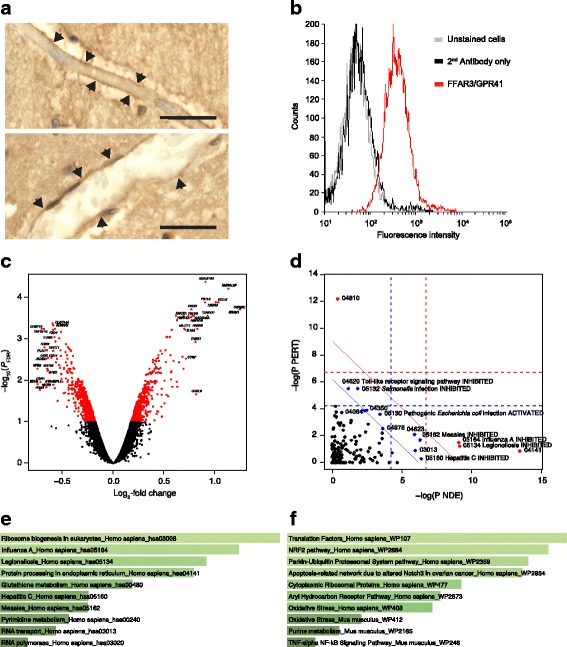
BACKGROUND: Gut microbiota composition and function are symbiotically linked with host health and altered in metabolic, inflammatory and neurodegenerative disorders. Three recognised mechanisms exist by which the microbiome influences the gut-brain axis: modification of autonomic/sensorimotor connections, immune activation, and neuroendocrine pathway regulation. We hypothesised interactions between circulating gut-derived microbial metabolites, and the blood-brain barrier (BBB) also contribute to the gut-brain axis. Propionate, produced from dietary substrates by colonic bacteria, stimulates intestinal gluconeogenesis and is associated with reduced stress behaviours, but its potential endocrine role has not been addressed. RESULTS: After demonstrating expression of the propionate receptor FFAR3 on human brain endothelium, we examined the impact of a physiologically relevant propionate concentration (1 μM) on BBB properties in vitro. Propionate inhibited pathways associated with non-specific microbial infections via a CD14-dependent mechanism, suppressed expression of LRP-1 and protected the BBB from oxidative stress via NRF2 (NFE2L2) signalling. CONCLUSIONS: Together, these results suggest gut-derived microbial metabolites interact with the BBB, representing a fourth facet of the gut-brain axis that warrants further attention.
Overview
The claims and statistics of this paper haven’t been checked yet.
Free: it reads the open-access text and checks the first 5 claims that cite a source we can check. Create a free account to check every claim.
Integrity signals
Registry
Cites
Statistics
Figures
Verification
Claims the paper makes
The claims and statistics of this paper haven’t been checked yet.
Free: it reads the open-access text and checks the first 5 claims that cite a source we can check. Create a free account to check every claim.
Claims other papers make about this one
Each is checked against this paper’s own text: does it say what the citing paper says it does?
The source backs part of the claim, not all of it — or backs it for a different population, condition or comparison.
In the citing paper
“Only FFAR2 is expressed in adipocytes and skeletal muscle, whereas FFAR3 is expressed in the peripheral nervous system and the BBB (Hoyles et al., 2018;Koh et al., 2016).”
From The Microbiota-Gut-Brain Axis (2019) · cites this paper as Hoyles et al., 2018
Experimental — accuracy not yet measuredThe cited source says what the claim attributes to it.
In the citing paper
“Ample evidence has shown that gut microbiota-derived metabolites are important regulators of BBB integrity”
From Microbiota–gut–brain axis and its therapeutic applications in neurodegenerative diseases (2024) · cites this paper as [663]
The cited source says what the claim attributes to it.
In the citing paper
“Numerous studies have confirmed that SCFAs can directly or indirectly affect the central nervous system.”
From The modulatory effects of gut microbes and metabolites on blood-brain barrier integrity and brain function in sepsis-associated encephalopathy (2023) · cites this paper as Hoyles et al., 2018
The cited source says what the claim attributes to it.
In the citing paper
“In addition to crossing BBB, SCFAs seem to play an important role in maintaining its integrity”
From The Role of Short-Chain Fatty Acids From Gut Microbiota in Gut-Brain Communication (2020) · cites this paper as [99]
The cited source says what the claim attributes to it.
In the citing paper
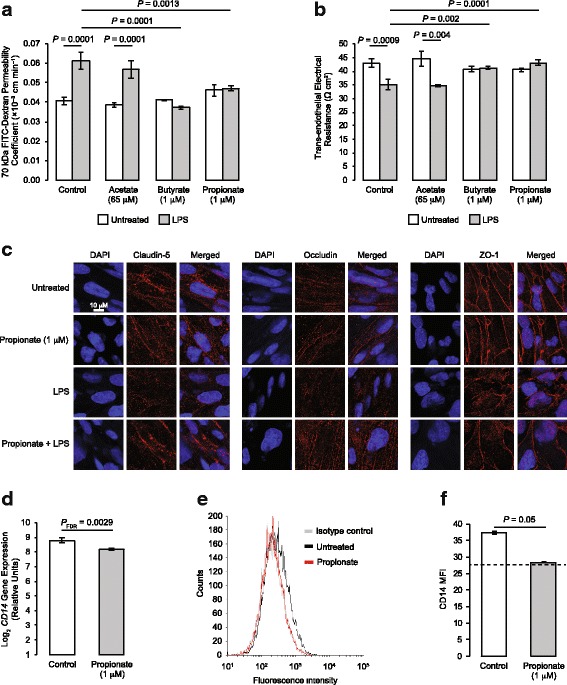
“treatment of an in vitro model of cerebrovascular endothelial cells with propionate attenuates the permeabilizing effects of exposure to lipopolysaccharide (LPS) (99).”
From The Role of Short-Chain Fatty Acids From Gut Microbiota in Gut-Brain Communication (2020) · cites this paper as [99]
5 more claims about this paper
Create a free account to see every claim other papers make about this one.
Self-check
Percentages, sums and reported differences re-computed from the paper’s own numbers.
The self-check needs the paper’s full text.
Citations
Cites
1 retracted
Kouchaki, E., Tamtaji, O. R., Salami, M., Bahmani, F., Daneshvar Kakhaki, R., Akbari, E., Tajabadi-Ebrahimi, M., Jafari, P., & Asemi, Z. (2017) · Clinical Nutrition · doi:10.1016/j.clnu.2016.08.015 · Cited by 317
Retractedlimma powers differential expression analyses for RNA-sequencing and microarray studies
Ritchie, M. E., Phipson, B., Wu, D., Hu, Y., Law, C. W., Shi, W., & Smyth, G. K. (2015) · Nucleic Acids Research · doi:10.1093/nar/gkv007 · Cited by 40,458 · cited 2×
“Differentially expressed genes were identified in microarray data using LIMMA [91]; P values were corrected for multiple testing using the Benjamini–Hochberg procedure (false discovery rate); a P value of less than or equal to 10% was considered significant in this case.”
MethodEnrichr: a comprehensive gene set enrichment analysis web server 2016 update
Kuleshov, M. V., Jones, M. R., Rouillard, A. D., Fernandez, N. F., Duan, Q., Wang, Z., Koplev, S., Jenkins, S. L., Jagodnik, K. M., Lachmann, A., et al. (2016) · Nucleic Acids Research · doi:10.1093/nar/gkw377 · Cited by 10,799 · cited 4×
“Enrichr (Chen et al, 2013; Kuleshov et al, 2016) was used to confirm KEGG findings (with respect to pathways, not their activation/inhibition) and to perform Gene Ontology (GO)- and WikiPathways-based analyses.”
MethodInfluentialA core gut microbiome in obese and lean twins
Turnbaugh, P. J., Hamady, M., Yatsunenko, T., Cantarel, B. L., Duncan, A., Ley, R. E., Sogin, M. L., Jones, W. J., Roe, B. A., Affourtit, J. P., et al. (2009) · Nature · doi:10.1038/nature07540 · Cited by 7,823 · cited 1×
“…associated with numerous pathologies, including diabetes, hepatic diseases, inflammatory bowel disease, viral infections and neurodegenerative disorders (Forslund et al, 2015; Ley et al, 2005; Manichanh et al, 2006; Turnbaugh et al, 2009; Qin et al, 2014; Monaco et al, 2016; Smith et al, 2013).”
BackgroundEnrichr: interactive and collaborative HTML5 gene list enrichment analysis tool
Chen, E. Y., Tan, C. M., Kou, Y., Duan, Q., Wang, Z., Meirelles, G. V., Clark, N. R., & Ma’ayan, A. (2013) · BMC Bioinformatics · doi:10.1186/1471-2105-14-128 · Cited by 7,814 · cited 4×
“Enrichr (Chen et al, 2013; Kuleshov et al, 2016) was used to confirm KEGG findings (with respect to pathways, not their activation/inhibition) and to perform Gene Ontology (GO)- and WikiPathways-based analyses.”
MethodInfluentialChanges of Intestinal Functions in Liver Cirrhosis
Fukui, H., & Wiest, R. (2016) · Inflammatory Intestinal Diseases · doi:10.1159/000444436 · Cited by 6,808
Obesity alters gut microbial ecology
Ley, R. E., Bäckhed, F., Turnbaugh, P., Lozupone, C. A., Knight, R. D., & Gordon, J. I. (2005) · Proceedings of the National Academy of Sciences · doi:10.1073/pnas.0504978102 · Cited by 6,176 · cited 1×
“…associated with numerous pathologies, including diabetes, hepatic diseases, inflammatory bowel disease, viral infections and neurodegenerative disorders (Forslund et al, 2015; Ley et al, 2005; Manichanh et al, 2006; Turnbaugh et al, 2009; Qin et al, 2014; Monaco et al, 2016; Smith et al, 2013).”
Backgroundaffy—analysis of Affymetrix GeneChip data at the probe level
Gautier, L., Cope, L., Bolstad, B. M., & Irizarry, R. A. (2004) · Bioinformatics · doi:10.1093/bioinformatics/btg405 · Cited by 5,218 · cited 2×
“Raw data supplied by Macrogen were quality-checked, log2-transformed and loess-normalised (2 iterations) using affy [82].”
MethodHost-gut microbiota metabolic interactions
Nicholson, J. K., Holmes, E., Kinross, J., Burcelin, R., Gibson, G., Jia, W., & Pettersson, S. (2012) · Science · doi:10.1126/science.1223813 · Cited by 4,760 · cited 2×
“Circulating concentrations of propionate are approximately 1 μM at rest, but these may be expected to increase following consumption of, for example, a meal containing high levels of fermentable fibre [1]; consequently, we examined the effects of 10 μM and 100 μM propionate upon the”
BackgroundSelf-citationModulation of oxidative stress as an anticancer strategy
Gorrini, C., Harris, I. S., & Mak, T. W. (2013) · Nature Reviews Drug Discovery · doi:10.1038/nrd4002 · Cited by 3,579 · cited 3×
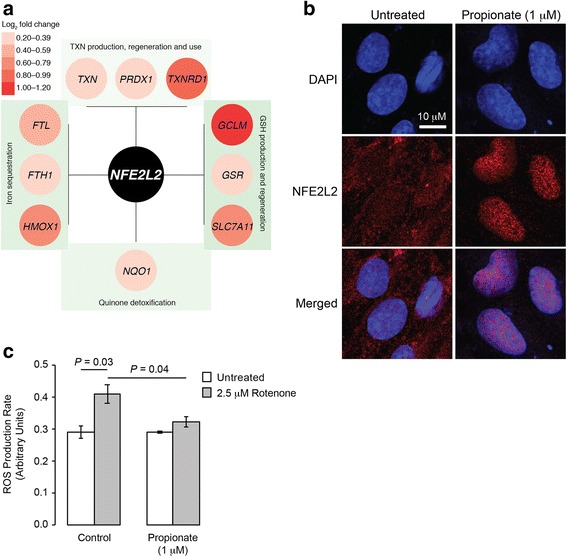
“a Representation of stress response genes significantly upregulated in the current study and directly influenced by NFE2L2, the master regulator of antioxidant responses [54].”
BackgroundInfluential
Research works printed but not linked: 1
- Dunning M Lynch A Eldridge M illuminaHumanv4.db: Illumina HumanHT12v4 annotation data (chip illuminaHumanv4) 2015
Cited by
Items 201–300 of 610
Chulenbayeva, L., Jarmukhanov, Z., Kaliyekova, K., Kozhakhmetov, S., & Kushugulova, A. R. (2025) · Biomolecules · doi:10.3390/biom15071017 · Cited by 44
“Furthermore, reduced propionate levels limit its beneficial systemic effects, such as lipid regulation and glucose homeostasis, potentially linking IBD to associated metabolic comorbidities [78].”
The Microbiota‐Gut‐Brain Connection: A New Horizon in Neurological and Neuropsychiatric Disorders
Faysal, M. F., Zehravi, M., Sutradhar, B., Amin, M. A., Shanmugarajan, T. S., Arjun, U. V. N. V., Ethiraj, S., Durairaj, A., Dayalan, G., Ahamad, S. K., et al. (2025) · CNS Neuroscience & Therapeutics · doi:10.1111/cns.70593 · Cited by 49
“This phenomenon is linked to a lower level of SCFAs in the colon, further linked to neurological and brain dysfunctions [30, 38, 43, 44].”
Zacharias, H. U., Kaleta, C., Cossais, F., Schaeffer, E., Berndt, H., Best, L., Dost, T., Glüsing, S., Groussin, M., Poyet, M., et al. (2022) · Metabolites · doi:10.3390/metabo12121222 · Cited by 41
“As an example, an increasing body of evidence now points to a key role played by shortchain fatty acids (SCFAs) produced by gut bacteria, such as acetate, propionate, and butyrate, in long-range communications with the brain [28,29].”
BackgroundÚbeda, C., Vázquez‐Carretero, M. D., Luque‐Tirado, A., Ríos‐Reina, R., Rubio‐Sánchez, R., Macías, E. F., García‐Miranda, P., Calonge, M. L., & Rubio, M. J. P. (2022) · International Journal of Molecular Sciences · doi:10.3390/ijms24010707 · Cited by 40
Barberio, C., Withers, A. M., Mishra, Y., Couraud, P., Romero, I. A., Weksler, B. B., & Owens, R. M. (2022) · Frontiers in Cellular Neuroscience · doi:10.3389/fncel.2022.1065193 · Cited by 40
Smith, D. G., Martinelli, R., Besra, G. S., Illarionov, P. A., Szatmári, I., Brázda, P., Allen, M. A., Xu, W., Wang, X., Nagy, L., et al. (2019) · Psychopharmacology · doi:10.1007/s00213-019-05253-9 · Cited by 41
Montgomery, T. L., Peipert, D., & Krementsov, D. N. (2024) · Immunological Reviews · doi:10.1111/imr.13343 · Cited by 38
Gut microbiome effects on neuronal excitability & activity: Implications for epilepsy
Darch, H., & McCafferty, C. P. (2022) · Neurobiology of Disease · doi:10.1016/j.nbd.2022.105629 · Cited by 40
“However, although propionate has been found to pass the gut barrier and may have protective influences on blood-brain barrier integrity (Hoyles et al., 2018), it is not yet clear whether potentially neuroactive concentrations of propionate”
BackgroundHeinzel, S., Jureczek, J., Kainulainen, V., Nieminen, A. I., Suenkel, U., von Thaler, A.-K., Kaleta, C., Eschweiler, G. W., Brockmann, K., Aho, V. T. E., et al. (2024) · Scientific Reports · doi:10.1038/s41598-024-63893-0 · Cited by 36
“Propionate has been shown to mitigate the effects of LPS on the blood–brain barrier and has also been associated with a protective effect against cardiovascular diseases 37,38 .”
Huang, T., Shi, H., Xu, Y., & Ji, L. (2021) · Neuroreport · doi:10.1097/wnr.0000000000001585 · Cited by 36
Therapeutic targeting of obesity-induced neuroinflammation and neurodegeneration
Zeng, J., Cheong, L. Y. T., & Lo, C. H. (2025) · Frontiers in Endocrinology · doi:10.3389/fendo.2024.1456948 · Cited by 36
The emerging role of microbiota derived SCFAs in neurodegenerative disorders
Wachamo, S., & Gaultier, A. (2025) · Brain Behavior & Immunity - Health · doi:10.1016/j.bbih.2025.101012 · Cited by 44
“…not fully clear whether brain-resident cells could express SCFA receptors, and there has been some conflicting evidence about their expression with some studies reporting expression (Razazan et al., 2021; Hoyles et al., 2018) while others found no expression (Erny et al., 2015; Nohr et al., 2015).”
Hofman, D. L., Kudla, U., Miqdady, M. S., Nguyễn, T. V. H., Morán‐Ramos, S., & Vandenplas, Y. (2022) · Nutrients · doi:10.3390/nu14050974 · Cited by 38
Lower plasma concentrations of short-chain fatty acids (SCFAs) in patients with ADHD
Yang, L. L., Stiernborg, M., Skott, E., Gillberg, T., Landberg, R., Giacobini, M., & Lavebratt, C. (2022) · Journal of Psychiatric Research · doi:10.1016/j.jpsychires.2022.09.042 · Cited by 39
Yi, C., Sun, W. C., Ding, L., Yan, M., Sun, C. L., Qiu, C., Wang, D., & Wu, L. (2022) · Molecules · doi:10.3390/molecules27248801 · Cited by 39
Zeamer, A. L., Salive, M.-C., An, X., Beaudoin, F. L., House, S. L., Stevens, J. S., Zeng, D., Neylan, T. C., Clifford, G. D., Linnstaedt, S. D., et al. (2023) · Translational Psychiatry · doi:10.1038/s41398-023-02643-8 · Cited by 37
“For example, short-chain fatty acids such as butyrate support gut homeostasis by maintaining gut barrier integrity and inducing anti-in fl ammatory factors which cross the blood-brain barrier [12, 13].”
Ravi, A., Umapathy, S., & Pan, I. (2025) · Cellular and Molecular Neurobiology · doi:10.1007/s10571-025-01609-2 · Cited by 39
“These disease-specific pathways underline the importance of context when considering SCFA-based therapies and point to the potential for personalized interventions targeting the gut microbiota to support CNS health in different neurodegenerative conditions (Schaible et al. 2025).”
InfluentialKassan, M., Kwon, Y., Munkhsaikhan, U., Sahyoun, A. M., Ishrat, T., Galán, M., González, A. A., Abidi, A. H., Kassan, A., & Ait‐Aissa, K. (2023) · Antioxidants · doi:10.3390/antiox12010160 · Cited by 38
“Brain microvascular endothelial cells (BMEC) are known to express the SCFAs receptors GPR 41, GPR 43, and FFAR, indicating that SCFAs might be involved in BMEC activity and mitochondrial function [10].”
BackgroundAssociations between short-chain fatty acid levels and mood disorder symptoms: a systematic review
Bruun, C. F., Hansen, T. H., Vinberg, M., Kessing, L. V., & Coello, K. (2023) · Nutritional Neuroscience · doi:10.1080/1028415x.2023.2277970 · Cited by 35
Gut‐Brain Axis Impact on Canine Anxiety Disorders: New Challenges for Behavioral Veterinary Medicine
Sacoor, C., Marugg, J. D., Lima, N. R., Empadinhas, N., & Montezinho, L. (2024) · Veterinary Medicine International · doi:10.1155/2024/2856759 · Cited by 36
Yin, X., Duan, C., Zhang, L., Zhu, Y., Qiu, Y., Shi, K., Wang, S., Zhang, X., Zhang, H., Hao, Y., et al. (2024) · Journal of Neuroinflammation · doi:10.1186/s12974-024-03061-3 · Cited by 36
Therapeutic potential of gut microbiota modulation in epilepsy: A focus on short-chain fatty acids
Yan, R., Zhang, L., Chen, Y., Zheng, Y., Ping, X., & Xu, Z. (2025) · Neurobiology of Disease · doi:10.1016/j.nbd.2025.106880 · Cited by 37
“Propionic acid promotes the translocation of the transcription factor NRF2 from the cytoplasm to the nucleus and reduces the levels of reactive oxygen species in the cell, thereby protecting the BBB against inflammation and oxidative stress (Hoyles et al., 2018).”
Marć, M. A., Jastrząb, R., & Mytych, J. (2022) · Nutrients · doi:10.3390/nu14193967 · Cited by 36
“demonstrated the contribution of propionate to the BBB integrity and the modulation of gut-brain axis [70].”
BackgroundDietary (Poly)phenols and the Gut–Brain Axis in Ageing
Láng, L., McArthur, S., Lázár, A. S., Pourtau, L., Gaudout, D., Pontifex, M. G., Müller, M. M., & Vauzour, D. (2024) · Nutrients · doi:10.3390/nu16101500 · Cited by 34
Self-citationBedarf, J. R., Romano, S., Heinzmann, S. S., Duncan, A., Τράκα, Μ., Ng, D. Y. K., Segovia-Lizano, D., Simon, M., Narbad, A., Wüllner, U., et al. (2025) · npj Parkinson's Disease · doi:10.1038/s41531-025-00885-5 · Cited by 38
“Propionate, enriched in PD patients after prebiotics, has anti-in fl ammatory and BBB permeability-reducing effects in human brain endothelial cells 52 .”
Vakili, K. G., Fathi, M., Yaghoobpoor, S., Sayehmiri, F., Nazerian, Y., Nazerian, A., Mohamadkhani, A., Khodabakhsh, P., Réus, G. Z., Hajibeygi, R., et al. (2022) · Frontiers in Cellular and Infection Microbiology · doi:10.3389/fcimb.2022.983089 · Cited by 32
Prebiotic role of softwood hemicellulose in healthy mice model
Deloule, V., Boisset, C., Hannani, D., Suau, A., Gouëllec, A. L., Chroboczek, J., Botté, C. Y., Yamaryo‐Botté, Y., Chirat, C., & Toussaint, B. (2019) · Journal of Functional Foods · doi:10.1016/j.jff.2019.103688 · Cited by 32
Zhang, M., Wu, Y., Xie, L., Wu, J., Xu, K., Xiao, J., & Chen, D. (2018) · Frontiers in Pharmacology · doi:10.3389/fphar.2018.00936 · Cited by 32
Junyi, L., Yueyang, W., Liu, B., Xiaohong, D., Wenhui, C., Zhang, N., & Zhang, H. (2024) · Molecular Neurobiology · doi:10.1007/s12035-024-04513-w · Cited by 35
“SCFAs can traverse the BBB via monocarboxylate transporters on endothelial cells, and they also have the ability to protect BBB integrity by inhibiting various pathways associated with non-specific inflammatory responses to microbial infections in vitro [100, 101].”
Scuto, M. C., Anfuso, C. D., Lombardo, C., Fatta, E. D., Ferri, R., Musso, N., Zerbo, G., Terrana, M., Majzúnová, M., Lupo, G., et al. (2025) · International Journal of Molecular Sciences · doi:10.3390/ijms26199391 · Cited by 31
“Similarly, a physiological dose of propionate treatment (1 µ M) attenuated brain endothelial permeability after LPS exposure via Nrf2 signaling in vitro [204].”
From “Leaky Gut” to Impaired Glia-Neuron Communication in Depression
Rudzki, L., & Maes, M. H. J. (2021) · Advances in experimental medicine and biology · doi:10.1007/978-981-33-6044-0_9 · Cited by 33
Nota, M. H. C., Nicolas, S., O’Leary, O. F., & Nolan, Y. M. (2023) · Neuroscience & Biobehavioral Reviews · doi:10.1016/j.neubiorev.2023.105147 · Cited by 33
Savasan, Z. A., Yılmaz, A., Ugur, Z., Aydas, B., Bahado-Singh, R. O., & Graham, S. F. (2019) · Metabolites · doi:10.3390/metabo9020027 · Cited by 58
Fibre-rich diet attenuates chemotherapy-related neuroinflammation in mice
Cross, C., Davies, M. R., Bateman, E. H., Crame, E. E., Joyce, P. M., Wignall, A. D., Ariaee, A., Gladman, M. A., Wardill, H. R., & Bowen, J. M. (2023) · Brain Behavior and Immunity · doi:10.1016/j.bbi.2023.09.018 · Cited by 33
Short-chain fatty acid on blood-brain barrier and glial function in ischemic stroke
Mathias, K., Machado, R. S., Stork, S. D. S., Martins, C. D., dos Santos, D., Lippert, F. W., Prophiro, J. S., & Petronilho, F. C. (2024) · Life Sciences · doi:10.1016/j.lfs.2024.122979 · Cited by 30
Shah, S., Knausenberger, T. B.-A., Pontifex, M. G., Connell, E., Gall, G. L., Hardy, T. A. J., Randall, D. W., McCafferty, K., Yaqoob, M. M., Solito, E., et al. (2024) · Gut Microbes · doi:10.1080/19490976.2024.2431651 · Cited by 36
“Notably, while we and others have shown other gut microbe-derived metabolites, including short-chain fatty acids 8,9 , methylamines 10 , and pCG 65 to reinforce BBB integrity in healthy animals, pCS is overtly detrimental in its effects.”
Self-citationHegelmaier, T., Duscha, A., Desel, C., Fuchs, S., Shapira, M., Amidror, S., Shan, Q., Stangl, G. I., Hirche, F., Kempa, S., et al. (2025) · Scientific Reports · doi:10.1038/s41598-025-29692-x · Cited by 36
“In addition, free fatty acid receptor 3 (Ffar3) is expressed on the human brain endothelium, and its interaction protects the BBB from oxidative stress 61 .”
Zhan, Y., Al‐Nusaif, M., Ding, C., Zhao, L., & Dong, C. (2023) · Frontiers in Neuroscience · doi:10.3389/fnins.2023.1130730 · Cited by 34
Kappéter, Á., Sipos, D., Varga, A., Vigvári, S., Halda-Kiss, B., & Péterfi, Z. (2023) · Microorganisms · doi:10.3390/microorganisms11082083 · Cited by 34
“Propionate protects the blood–brain barrier (BBB) from oxidative stress [44].”
Wu, X., Xu, J., Li, J., Deng, M., Shen, Z., Nie, K., Luo, W., Zhang, C., Ma, K., Chen, X., et al. (2023) · Frontiers in Microbiology · doi:10.3389/fmicb.2023.1287271 · Cited by 31
Naspolini, N. F., Schüroff, P. A., Figueiredo, M. J., Sbardellotto, G. E., Ferreira, F. R., Fatori, D., Polanczyk, G. V., Campos, A. C., & Taddei, C. R. (2024) · Microorganisms · doi:10.3390/microorganisms12030424 · Cited by 34
“…Table S1: Summary of epidemiological studies investigating the association between preterm infants’ gut microbiome and neurode-velopment [66]; Table S2: Summary of epidemiological studies investigating the association between term infants’ gut microbiome and neurodevelopment.”
Guo, H., Tang, X., He, X., Weng, Y., Zhang, Q., Fang, Q., & Zhang, L. (2025) · Biomolecules · doi:10.3390/biom15070920 · Cited by 31
Microbiota and Alcohol Use Disorder: Are Psychobiotics a Novel Therapeutic Strategy?
Rodríguez‐González, A., & Orío, L. (2020) · Current Pharmaceutical Design · doi:10.2174/1381612826666200122153541 · Cited by 31
Boeri, L., Perottoni, S., Izzo, L., Giordano, C., & Albani, D. (2021) · Advanced Healthcare Materials · doi:10.1002/adhm.202002043 · Cited by 29
How do probiotics alleviate constipation? A narrative review of mechanisms
Huang, Y.-P., Shi, J.-Y., Luo, X.-T., Luo, S.-C., Cheung, P. C. K., Corke, H., Yang, Q.-Q., & Zhang, B. (2024) · Critical Reviews in Biotechnology · doi:10.1080/07388551.2024.2336531 · Cited by 30
“Recent studies have also found that 5-HT may play a role in relieving constipation, not only due to an increase in its levels, but also because of alterations in its transportation mechanisms [27,104,106].”
Karczewski, J., Zielińska, A., Staszewski, R., Eder, P., Dobrowolska, A., & Souto, E. B. (2022) · International Journal of Molecular Sciences · doi:10.3390/ijms23116145 · Cited by 26
Melamed, E., Palmer, J. L., & Fonken, C. (2022) · Frontiers in Molecular Neuroscience · doi:10.3389/fnmol.2022.1019877 · Cited by 30
Role of microbial dysbiosis in the pathogenesis of Alzheimer's disease
Susmitha, G., & Kumar, R. K. (2023) · Neuropharmacology · doi:10.1016/j.neuropharm.2023.109478 · Cited by 28
Liang, J., Wang, Y., Liu, B., Dong, X., Cai, W., Zhang, N., & Zhang, H. (2024) · CNS Neuroscience & Therapeutics · doi:10.1111/cns.14704 · Cited by 32
Zhao, Z., Fan, X., Gu, Y., Han, J., Jia, Y., Ye, K., & Zhang, Y. Q. (2020) · Molecular Metabolism · doi:10.1016/j.molmet.2020.101149 · Cited by 29
“To date, considerable research has been devoted to investigating the gutebrain axis, with a steadily growing appreciation of the gut microbiota, which might contribute to aging and influence CNS function in health and disease [70,71].”
BackgroundHan, Q., Bai, Y., Zhou, C., Dong, B., Li, Y., Luo, N., Chen, H., & Yu, Y. (2023) · CNS Neuroscience & Therapeutics · doi:10.1111/cns.14043 · Cited by 26
The Role of Bacteria-Derived Hydrogen Sulfide in Multiple Axes of Disease
Birg, A., & Lin, H. C. (2025) · International Journal of Molecular Sciences · doi:10.3390/ijms26073340 · Cited by 26
“Bacterial products, such as LPS, can increase neuroinflammation by increasing barrier permeability [117,118].”
The Link Between Nutrition and Alzheimer’s Disease: From Prevention to Treatment
Martins, L. B., Silveira, A. L. M., & Teixeira, A. L. (2021) · Neurodegenerative Disease Management · doi:10.2217/nmt-2020-0023 · Cited by 27
Mursaleen, L., Noble, B., Somavarapu, S., & Zariwala, M. G. (2021) · Antioxidants · doi:10.3390/antiox10060887 · Cited by 29
“The hCMEC/D3 cells were exposed to VEGF-free media for 72 h prior to testing to promote tight junction formation [48,50,52,53].”
Liang, J., Liu, B., Dong, X., Wang, Y., Cai, W., Zhang, N., & Zhang, H. (2023) · Frontiers in Neuroscience · doi:10.3389/fnins.2023.1242254 · Cited by 29
Xia, M., Li, C., Wu, D., Wu, F., Kong, L., Jia, Z., Han, W., Chen, S., Fang, W., Liu, Y., et al. (2024) · Frontiers in Veterinary Science · doi:10.3389/fvets.2024.1361908 · Cited by 28
Propionic acid promotes neurite recovery in damaged multiple sclerosis neurons
Gisevius, B., Duscha, A., Poschmann, G., Stühler, K., Motte, J., Fisse, A. L., Augustyniak, S., Rehm, A., Renk, P., Böse, C., et al. (2024) · Brain Communications · doi:10.1093/braincomms/fcae182 · Cited by 26
“38 Although administration of BA exerted no significant impact on the anti-oxidative response in pwMS-specific iPNs, we observed an enhancement of cellular metabolism in iPNs by BA.”
The Gut Microbiota–Brain Axis Expands Neurologic Function: A Nervous Rapport
Bauer, K. C., Rees, T., & Finlay, B. B. (2019) · BioEssays · doi:10.1002/bies.201800268 · Cited by 27
Fettig, N. M., & Osborne, L. C. (2021) · Microbes and Infection · doi:10.1016/j.micinf.2021.104814 · Cited by 27
Liu, J., Chen, Q., & Su, R. (2024) · Medicine · doi:10.1097/md.0000000000037960 · Cited by 25
“[133] Although the BBB is closely associated with the gut brain axis, the specific mechanisms through which SCFAs influence the gut brain axis via the BBB require more in-depth investigation in basic www.md-journal.com and clinical trials.”
Targeting the gut microbiome in the management of sepsis-associated encephalopathy
Barlow, B., Ponnaluri, S., Barlow, A., & Roth, W. (2022) · Frontiers in Neurology · doi:10.3389/fneur.2022.999035 · Cited by 29
Gut Dysbiosis and Blood-Brain Barrier Alteration in Hepatic Encephalopathy: From Gut to Brain
Shahbazi, A., Sepehrinezhad, A., Vahdani, E., Jamali, R., Ghasempour, M., Massoudian, S., Negah, S. S., & Larsen, F. S. (2023) · Biomedicines · doi:10.3390/biomedicines11051272 · Cited by 28
Bendriss, G., MacDonald, R. S., & McVeigh, C. (2023) · International Journal of Molecular Sciences · doi:10.3390/ijms241511978 · Cited by 55
“Similarly, the treatment of an in vitro model of cerebrovascular endothelial cells with propionate attenuated the permeabilizing effects of exposure to lipopolysaccharide (LPS) [63].”
InfluentialGut microbiota metabolites: potential therapeutic targets for Alzheimer’s disease?
Zhang, S., Lu, J., Jin, Z., Xu, H., Zhang, D., Chen, J., & Wang, J. (2024) · Frontiers in Pharmacology · doi:10.3389/fphar.2024.1459655 · Cited by 30
Cross-talk between microbiota–gut–brain axis and blood pressure regulation
Welathanthree, M., Keating, D. J., Macefield, V. G., Carnevale, D., Marques, F. Z., & Muralitharan, R. R. (2025) · Clinical Science · doi:10.1042/cs20240787 · Cited by 26
Microbiome influences on neuro-immune interactions in neurodegenerative disease
Menees, K. B., Otero, B. A., & Tansey, M. G. (2022) · International review of neurobiology · doi:10.1016/bs.irn.2022.07.006 · Cited by 27
The emerging role of the microbiome in Alzheimer's disease
Wasén, C., Simonsen, E., Ekwudo, M. N., Profant, M. R., & Cox, L. M. (2022) · International review of neurobiology · doi:10.1016/bs.irn.2022.09.001 · Cited by 25
Application background and mechanism of short-chain fatty acids in sepsis-associated encephalopathy
Zhang, Q., Lu, C., Fan, W., Zhang, J., & Yin, Y. (2023) · Frontiers in Cellular and Infection Microbiology · doi:10.3389/fcimb.2023.1137161 · Cited by 31
Park, S. J., Kim, K. W., & Lee, E. J. (2024) · Neural Regeneration Research · doi:10.4103/nrr.nrr-d-24-00994 · Cited by 28
“Among them, butyrate supports immune function, gut barrier maintenance, and motility (Ganapathy et al., 2013; Singh et al., 2014) and propionate has antioxidant effects (Hoyles et al., 2018).”
Kamiński, M., Skonieczna‐Żydecka, K., Łoniewski, I., Koulaouzidis, A., & Marlicz, W. M. (2019) · Gastroenterology Review · doi:10.5114/pg.2019.86747 · Cited by 26
“For example, SCFAs stimulate colonic blood flow and gut motility [64].”
BackgroundPatricio-Martínez, A., Patricio, F., Macuil-Chapuli, E., Martínez-Juárez, E. Á., Flores-Díaz, S., Cedillo-Ramirez, M. L., & Limón, I. D. (2025) · Frontiers in Neuroscience · doi:10.3389/fnins.2025.1598011 · Cited by 28
Age-dependent effects of gut microbiota metabolites on brain resident macrophages
Hasavci, D., & Blank, T. (2022) · Frontiers in Cellular Neuroscience · doi:10.3389/fncel.2022.944526 · Cited by 24
“At the same time, data strongly suggest a crucial role for SCFAs in modulating the BBB integrity itself, as seen in the cases of the SCFA butyrate (Park and Sohrabji, 2016) and propionate (Hoyles et al., 2018).”
BackgroundJiang, H., Mao, T., Sun, Z., Shi, L., Han, X., Zhang, Y., Zhang, X., Wang, J., Hu, J., Zhang, L., et al. (2022) · Frontiers in Microbiology · doi:10.3389/fmicb.2022.1001778 · Cited by 27
“, 2017), and specific SCFAs such as propionate together with butyrate are activators of the Keap1-Nrf2 defense pathway (Hoyles et al., 2018; Guo et al., 2020).”
BackgroundMursaleen, L., Chan, S. H. Y., Noble, B., Somavarapu, S., & Zariwala, M. G. (2023) · Antioxidants · doi:10.3390/antiox12010130 · Cited by 24
Steckler, R., Magzal, F., Kokot, M., Walkowiak, J., & Tamir, S. (2024) · Brain Behavior & Immunity - Health · doi:10.1016/j.bbih.2024.100829 · Cited by 30
“For example, butyrate has anti-inflammatory effects and may prevent colon cancer, while propionate can protect the blood-brain barrier and stimulate the secretion of norepinephrine (Erny et al., 2015; Hoyles et al., 2018).”
Propionic Acid Impact on Multiple Sclerosis: Evidence and Challenges
Lorefice, L., & Żołędziewska, M. (2024) · Nutrients · doi:10.3390/nu16223887 · Cited by 25
Gut Microbiota as a Hidden Player in the Pathogenesis of Alzheimer’s Disease
Choi, H., Lee, D., & Mook‐Jung, I. (2022) · Journal of Alzheimer s Disease · doi:10.3233/jad-215235 · Cited by 24
“It also suppresses the expression of low-density lipoprotein receptor-related protein 1 and protects the BBB from oxidative stress via nuclear factor erythroid-2-related factor 2 signaling [198].”
Gut-Brain Axis and its Neuro-Psychiatric Effects: A Narrative Review
Shaik, L., Kashyap, R., Thotamgari, S. R., Singh, R., & Khanna, S. (2020) · Cureus · doi:10.7759/cureus.11131 · Cited by 26
Welcome, M. O. (2018) · Dementia and Geriatric Cognitive Disorders Extra · doi:10.1159/000492491 · Cited by 22
Peng, Z., Hou, T., Yang, K., Zhang, J., Mao, Y.-H., & Hou, X. (2025) · Nutrients · doi:10.3390/nu17111769 · Cited by 22
“In addition, a substantial body of evidence suggests that metabolites derived from the GM play a crucial regulatory role in maintaining the integrity of the BBB [103,201,202].”
Add-on probiotics for inflammatory depression – A double-blind randomized placebo-controlled trial
Veibäck, G. S., Lindahl, J., Suneson, K., Tjernberg, J., Ståhl, D., Landberg, R., Asp, M., Kjellberg, A., Falknäs, F., Sjöberg, K., et al. (2025) · Brain Behavior and Immunity · doi:10.1016/j.bbi.2025.06.002 · Cited by 25
Yang, Y., Wang, Q., Wang, Z., Wang, Y., Liu, B., Zhang, Y., Mao, X., & Sun, H. (2025) · Journal of Lipid Research · doi:10.1016/j.jlr.2025.100944 · Cited by 27
“More-over, Hoyles et al . revealed that propionate can directly act on FFAR3 expressed on brain endothelial cells, suppressing toll-like receptor 4 (TLR4)-specific signaling and significantly downregulating CD14 mRNA expression, thus protecting the BBB from inflammatory damage (77).”
Nápoles-Medina, A. Y., Aguilar‐Uscanga, B. R., Solís-Pacheco, J. R., Tejeda-Martínez, A. R., Ramírez-Jirano, L. J., Urmeneta-Ortíz, M. F., Chaparro-Huerta, V., & Flores-Soto, M. E. (2023) · Behavioural Neurology · doi:10.1155/2023/6686037 · Cited by 25
The gastrointestinal tract and Parkinson’s disease
Higinbotham, A. S., & Kilbane, C. (2024) · Frontiers in Cellular and Infection Microbiology · doi:10.3389/fcimb.2023.1158986 · Cited by 25
“Additionally, SCFA are also reported to maintain the blood brain and blood cerebrospinal fl uid barriers (Hoyles et al., 2018; Liu et al., 2021; Xie et al., 2023), so lack of SCFA-producing bacteria in PD may leave the brain more vulnerable to in fl ammatory cells, pathogens, and toxins (Mirzaei et…”
BackgroundChang, X., Shen, Y., Yang, M., Yun, L., Liu, Z., Feng, S., Yang, G., Meng, X., & Su, X. (2024) · Journal of Hazardous Materials · doi:10.1016/j.jhazmat.2024.134444 · Cited by 21
Fang, X., Wang, Z., Chen, Q., Du, Y., Sun, H., Liu, H., Feng, Y., Li, Z., Teng, T., & Shi, B. (2024) · Journal of the Science of Food and Agriculture · doi:10.1002/jsfa.13930 · Cited by 23
Influence of the Human Gut Microbiome on the Metabolic Phenotype
Hoyles, L., & Swann, J. R. (2018) · Elsevier eBooks · doi:10.1016/b978-0-12-812293-8.00018-9 · Cited by 28
Self-citationRole of microbes in the pathogenesis of neuropsychiatric disorders
Goswami, A., Wendt, F. R., Pathak, G. A., Tylee, D. S., Angelis, F. D., Lillo, A. D., & Polimanti, R. A. (2021) · Frontiers in Neuroendocrinology · doi:10.1016/j.yfrne.2021.100917 · Cited by 23
Zhang, M., Wu, Y., Xie, L., Wu, J., Xu, K., Xiao, J., & Chen, D.-Q. (2019) · Frontiers in Pharmacology · doi:10.3389/fphar.2019.00788 · Cited by 21
The Metabolites Produced by Lactic Acid Bacteria and Their Role in the Microbiota–Gut–Brain Axis
Aguirre-García, Y. L., Cerda-Alvarez, N. C., Santiago-Santiago, R. M., Chantre-López, A. R., Rangel-Ortega, S. D. C., & Rodríguez-Herrera, R. (2025) · Fermentation · doi:10.3390/fermentation11070378 · Cited by 21
Miao, S., Hong, Z., Jian, H., Xu, Q., Liu, Y., Wang, X., Li, Y., Dong, X., & Zou, X. (2022) · Animals · doi:10.3390/ani12050545 · Cited by 21
“Acetate and propionic acid are also modulators of immunity and redox signaling [45,46].”
BackgroundMicrobial metabolites regulate social novelty via CaMKII neurons in the BNST
Liou, C.-W., Cheng, S., Yao, T.-H., Lai, T.-T., Tsai, Y.-H., Chien, C.-W., Kuo, Y., Chou, S.-H., Hsu, C., & Wu, W. (2023) · Brain Behavior and Immunity · doi:10.1016/j.bbi.2023.06.029 · Cited by 21
Jia, Q., Wang, H., Wang, Y., Xue, W., Jiang, Q., Wang, J., Ning, F., Zhu, Z., & Tian, L. (2023) · The Science of The Total Environment · doi:10.1016/j.scitotenv.2023.168948 · Cited by 22
Wen, X., Dong, H., & Zou, W. (2024) · Frontiers in Neuroscience · doi:10.3389/fnins.2024.1346184 · Cited by 21
“Recent investigations have demonstrated that both butyrate and propionic acid can enhance BBB integrity, thereby conferring a protective influence on the brain (Braniste et al., 2014; Hoyles et al., 2018).”
Microbiota-Gut-Brain Axis in Age-Related Neurodegenerative Diseases
Nie, T., Li, Y., Tang, F., Duan, Y., Nepovimová, E., Kuča, K., Wu, Q., & Wei, W. (2024) · Current Neuropharmacology · doi:10.2174/1570159x23666241101093436 · Cited by 25
“Propionate also suppresses pathways related to non-specific microbial infection through a CD14-dependent mechanism, inhibits the expression of low-density lipoprotein (LDL)-related protein-1 (LRP-1), and protects the BBB from oxidative stress through NRF2 (NFE2L2) signaling [58].”
Sun, Y., Jiang, X., Lü, B., Gao, Q., Chen, Y.-F., Wu, D., Zeng, W., Yang, L., Li, H.-H., & Yu, B. (2020) · Chinese Journal of Integrative Medicine · doi:10.1007/s11655-020-3274-5 · Cited by 22
Campos, J., & Pacheco, R. (2020) · Seminars in Immunopathology · doi:10.1007/s00281-020-00819-8 · Cited by 21
Dietary fiber ameliorates lead‐induced gut microbiota disturbance and alleviates neuroinflammation
Yao, M., Shao, X., Wei, Y., Zhang, X., Wang, H., & Xu, F. (2022) · Journal of the Science of Food and Agriculture · doi:10.1002/jsfa.12074 · Cited by 21
Fecal short‐chain fatty acids vary by sex and amyloid status
Kuehn, J. F., Zhang, Q., Heston, M. B., Kang, J. W., Harding, S. J., Davenport‐Sis, N. J., Peter, D. C., Kerby, R. L., Vemuganti, V., Schiffmann, E. C., et al. (2025) · Alzheimer s & Dementia · doi:10.1002/alz.70877 · Cited by 23
Intestinal Barrier Dysfunction Participates in the Pathophysiology of Ischemic Stroke
Wei, M., Huang, Q., Liu, Z., Luo, Y., & Xia, J. (2021) · CNS & Neurological Disorders - Drug Targets · doi:10.2174/1871527320666210322115808 · Cited by 21
Metadata
- Authors
- Hoyles, L., Snelling, T., Umlai, U.-K., Nicholson, J. K., Carding, S. R., Glen, R. C., & McArthur, S.
- Affiliations
- Imperial College London (GB)
- University of East Anglia (GB)
- University of Cambridge (GB)
- Queen Mary University of London (GB)
- Corresponding author
- Hoyles, Lesley
- McArthur, Simon
- ORCID
- Venue
- Microbiome
- Published
- 2018-03-21
- Volume
- 6
- Issue
- 1
- Pages
- 55-55
- ISSN
- 2049-2618 (ISSN-L)
- PMC
- PMC5863458
- OpenAlex
- W2951463045
- Cited by
- 591
- References
- 92
- Citations by year
- 2026: 63 · 2025: 97 · 2024: 108 · 2023: 95 · 2022: 76 · 2021: 59 · 2020: 47 · 2019: 35 · 2018: 11
- FWCI
- 13.61
- Type
- journal article
- Language
- en
- Open access
- gold
- doi.org
- Licence
- cc-by
- creativecommons.org/licenses/by/4.0/ (tdm)
- Locations
- Microbiome (publishedVersion, cc-by)
- Europe PMC (PubMed Central) (publishedVersion, cc-by)
- PubMed Central (publishedVersion, cc-by)
- PubMed (publishedVersion)
- Nottingham Trent University's Institutional Repository (Nottingham Trent Repository) (acceptedVersion)
- UEA Digital Repository (University of East Anglia) (acceptedVersion)
- DOAJ (DOAJ: Directory of Open Access Journals) (submittedVersion, cc-by-sa)
- Queen Mary Research Online (Queen Mary University of London) (submittedVersion)
- Spiral (Imperial College London) (submittedVersion, cc-by)
- Spiral (Imperial College London) (submittedVersion, cc-by-nc-nd)
- Funders
- Alzheimer’s Research UK (ARUK-PPG2016B-6)
- Medical Research Council (MR/L01632X/1)
- Topics
- Life Sciences › Biochemistry, Genetics and Molecular Biology › Molecular Biology › Gut microbiota and health
- Life Sciences › Neuroscience › Neurology › Barrier Structure and Function Studies
- Health Sciences › Medicine › Gastroenterology › Gastrointestinal motility and disorders
- Keywords
- propionate, blood-brain barrier, gut-brain axis, gut microbiota, microbial metabolites, brain endothelium, CD14, LRP1, Nrf2 signaling, oxidative stress, intestinal gluconeogenesis, neuroprotection
- MeSH terms
- Gastrointestinal Microbiome, Bacteria, Blood-Brain Barrier, Cells, Cultured, Gluconeogenesis, Humans, Propionates, Signal Transduction, Oxidative Stress, Low Density Lipoprotein Receptor-Related Protein-1, Gastrointestinal Tract, Receptors, G-Protein-Coupled, NF-E2-Related Factor 2, Metabolome
About these checks
Registry, retraction, Cites and statistics results are computed, not judged, with one exception: a printed reference that no index lists is read once by a model before it counts as a citation error. Claims are extracted by a model and kept only when their quote appears verbatim in the text; each cited source is then checked, with a model’s help, for whether it says what the claim relies on. Those verdicts can be wrong — read the claim’s quote and the cited source before relying on one.
Statistics and arithmetic are recomputed, not judged.
Confidence bands are shown only for fields calibrated on our annotated test set. None is calibrated yet, so no band is shown.
What counts as a claim ›How we measure confidence ›How we check this ›
Are you an author, or do you see a problem with this page? Request a review
Data sources
Bibliographic data: Semantic Scholar, OpenAlex, Crossref.
Contains information from the Semantic Scholar Academic Graph Datasets, made available under the ODC Attribution License (ODC-BY 1.0).
Semantic Scholar’s data is described in: Kinney, R., et al. (2023). The Semantic Scholar Open Data Platform. arXiv:2301.10140.
