

Microbiome–host systems interactions: protective effects of propionate upon the blood–brain barrier
Open accessPublished version of a preprint
The DOI matches its Crossref record; 91 of the 92 references it cites were found in a registry or an index.
Abstract
BACKGROUND: Gut microbiota composition and function are symbiotically linked with host health and altered in metabolic, inflammatory and neurodegenerative disorders. Three recognised mechanisms exist by which the microbiome influences the gut-brain axis: modification of autonomic/sensorimotor connections, immune activation, and neuroendocrine pathway regulation. We hypothesised interactions between circulating gut-derived microbial metabolites, and the blood-brain barrier (BBB) also contribute to the gut-brain axis. Propionate, produced from dietary substrates by colonic bacteria, stimulates intestinal gluconeogenesis and is associated with reduced stress behaviours, but its potential endocrine role has not been addressed. RESULTS: After demonstrating expression of the propionate receptor FFAR3 on human brain endothelium, we examined the impact of a physiologically relevant propionate concentration (1 μM) on BBB properties in vitro. Propionate inhibited pathways associated with non-specific microbial infections via a CD14-dependent mechanism, suppressed expression of LRP-1 and protected the BBB from oxidative stress via NRF2 (NFE2L2) signalling. CONCLUSIONS: Together, these results suggest gut-derived microbial metabolites interact with the BBB, representing a fourth facet of the gut-brain axis that warrants further attention.
Overview
The claims and statistics of this paper haven’t been checked yet.
Free: it reads the open-access text and checks the first 5 claims that cite a source we can check. Create a free account to check every claim.
Integrity signals
Registry
Cites
Statistics
Figures
Verification
Claims the paper makes
The claims and statistics of this paper haven’t been checked yet.
Free: it reads the open-access text and checks the first 5 claims that cite a source we can check. Create a free account to check every claim.
Claims other papers make about this one
Each is checked against this paper’s own text: does it say what the citing paper says it does?
The source backs part of the claim, not all of it — or backs it for a different population, condition or comparison.
In the citing paper
“Only FFAR2 is expressed in adipocytes and skeletal muscle, whereas FFAR3 is expressed in the peripheral nervous system and the BBB (Hoyles et al., 2018;Koh et al., 2016).”
From The Microbiota-Gut-Brain Axis (2019) · cites this paper as Hoyles et al., 2018
Experimental — accuracy not yet measuredThe cited source says what the claim attributes to it.
In the citing paper
“Ample evidence has shown that gut microbiota-derived metabolites are important regulators of BBB integrity”
From Microbiota–gut–brain axis and its therapeutic applications in neurodegenerative diseases (2024) · cites this paper as [663]
The cited source says what the claim attributes to it.
In the citing paper
“Numerous studies have confirmed that SCFAs can directly or indirectly affect the central nervous system.”
From The modulatory effects of gut microbes and metabolites on blood-brain barrier integrity and brain function in sepsis-associated encephalopathy (2023) · cites this paper as Hoyles et al., 2018
The cited source says what the claim attributes to it.
In the citing paper
“In addition to crossing BBB, SCFAs seem to play an important role in maintaining its integrity”
From The Role of Short-Chain Fatty Acids From Gut Microbiota in Gut-Brain Communication (2020) · cites this paper as [99]
The cited source says what the claim attributes to it.
In the citing paper
“treatment of an in vitro model of cerebrovascular endothelial cells with propionate attenuates the permeabilizing effects of exposure to lipopolysaccharide (LPS) (99).”
From The Role of Short-Chain Fatty Acids From Gut Microbiota in Gut-Brain Communication (2020) · cites this paper as [99]
5 more claims about this paper
Create a free account to see every claim other papers make about this one.
Self-check
Percentages, sums and reported differences re-computed from the paper’s own numbers.
The self-check needs the paper’s full text.
Citations
Cites
1 retracted
Kouchaki, E., Tamtaji, O. R., Salami, M., Bahmani, F., Daneshvar Kakhaki, R., Akbari, E., Tajabadi-Ebrahimi, M., Jafari, P., & Asemi, Z. (2017) · Clinical Nutrition · doi:10.1016/j.clnu.2016.08.015 · Cited by 317
Retractedlimma powers differential expression analyses for RNA-sequencing and microarray studies
Ritchie, M. E., Phipson, B., Wu, D., Hu, Y., Law, C. W., Shi, W., & Smyth, G. K. (2015) · Nucleic Acids Research · doi:10.1093/nar/gkv007 · Cited by 40,458 · cited 2×
“Differentially expressed genes were identified in microarray data using LIMMA [91]; P values were corrected for multiple testing using the Benjamini–Hochberg procedure (false discovery rate); a P value of less than or equal to 10% was considered significant in this case.”
MethodEnrichr: a comprehensive gene set enrichment analysis web server 2016 update
Kuleshov, M. V., Jones, M. R., Rouillard, A. D., Fernandez, N. F., Duan, Q., Wang, Z., Koplev, S., Jenkins, S. L., Jagodnik, K. M., Lachmann, A., et al. (2016) · Nucleic Acids Research · doi:10.1093/nar/gkw377 · Cited by 10,799 · cited 4×
“Enrichr (Chen et al, 2013; Kuleshov et al, 2016) was used to confirm KEGG findings (with respect to pathways, not their activation/inhibition) and to perform Gene Ontology (GO)- and WikiPathways-based analyses.”
MethodInfluentialA core gut microbiome in obese and lean twins
Turnbaugh, P. J., Hamady, M., Yatsunenko, T., Cantarel, B. L., Duncan, A., Ley, R. E., Sogin, M. L., Jones, W. J., Roe, B. A., Affourtit, J. P., et al. (2009) · Nature · doi:10.1038/nature07540 · Cited by 7,823 · cited 1×
“…associated with numerous pathologies, including diabetes, hepatic diseases, inflammatory bowel disease, viral infections and neurodegenerative disorders (Forslund et al, 2015; Ley et al, 2005; Manichanh et al, 2006; Turnbaugh et al, 2009; Qin et al, 2014; Monaco et al, 2016; Smith et al, 2013).”
BackgroundEnrichr: interactive and collaborative HTML5 gene list enrichment analysis tool
Chen, E. Y., Tan, C. M., Kou, Y., Duan, Q., Wang, Z., Meirelles, G. V., Clark, N. R., & Ma’ayan, A. (2013) · BMC Bioinformatics · doi:10.1186/1471-2105-14-128 · Cited by 7,814 · cited 4×
“Enrichr (Chen et al, 2013; Kuleshov et al, 2016) was used to confirm KEGG findings (with respect to pathways, not their activation/inhibition) and to perform Gene Ontology (GO)- and WikiPathways-based analyses.”
MethodInfluentialChanges of Intestinal Functions in Liver Cirrhosis
Fukui, H., & Wiest, R. (2016) · Inflammatory Intestinal Diseases · doi:10.1159/000444436 · Cited by 6,808
Obesity alters gut microbial ecology
Ley, R. E., Bäckhed, F., Turnbaugh, P., Lozupone, C. A., Knight, R. D., & Gordon, J. I. (2005) · Proceedings of the National Academy of Sciences · doi:10.1073/pnas.0504978102 · Cited by 6,176 · cited 1×
“…associated with numerous pathologies, including diabetes, hepatic diseases, inflammatory bowel disease, viral infections and neurodegenerative disorders (Forslund et al, 2015; Ley et al, 2005; Manichanh et al, 2006; Turnbaugh et al, 2009; Qin et al, 2014; Monaco et al, 2016; Smith et al, 2013).”
Backgroundaffy—analysis of Affymetrix GeneChip data at the probe level
Gautier, L., Cope, L., Bolstad, B. M., & Irizarry, R. A. (2004) · Bioinformatics · doi:10.1093/bioinformatics/btg405 · Cited by 5,218 · cited 2×
“Raw data supplied by Macrogen were quality-checked, log2-transformed and loess-normalised (2 iterations) using affy [82].”
MethodHost-gut microbiota metabolic interactions
Nicholson, J. K., Holmes, E., Kinross, J., Burcelin, R., Gibson, G., Jia, W., & Pettersson, S. (2012) · Science · doi:10.1126/science.1223813 · Cited by 4,760 · cited 2×
“Circulating concentrations of propionate are approximately 1 μM at rest, but these may be expected to increase following consumption of, for example, a meal containing high levels of fermentable fibre [1]; consequently, we examined the effects of 10 μM and 100 μM propionate upon the”
BackgroundSelf-citationModulation of oxidative stress as an anticancer strategy
Gorrini, C., Harris, I. S., & Mak, T. W. (2013) · Nature Reviews Drug Discovery · doi:10.1038/nrd4002 · Cited by 3,579 · cited 3×
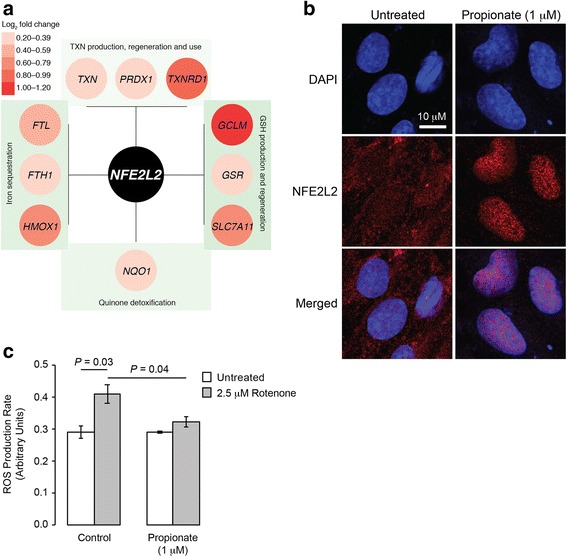
“a Representation of stress response genes significantly upregulated in the current study and directly influenced by NFE2L2, the master regulator of antioxidant responses [54].”
BackgroundInfluentialNormal gut microbiota modulates brain development and behavior
Heijtz, R. D., Wang, S., Anuar, F., Qian, Y., Björkholm, B., Samuelsson, A., Hibberd, M. L., Forssberg, H., & Pettersson, S. (2011) · Proceedings of the National Academy of Sciences · doi:10.1073/pnas.1010529108 · Cited by 3,228 · cited 1×
“…of antibiotic-treated or germ-free rodents reveals alterations in both stress responsiveness (Sudo et al, 2004) and anxiety (Neufeld et al, 2011; Heijtz et al, 2011; Bercik et al, 2011), although in germ-free models these findings are complicated by the life-long absence of gut microbes and…”
Short chain fatty acids in human large intestine, portal, hepatic and venous blood
Cummings, J. H., Pomare, E. W., Branch, W. J., Naylor, C. P., & Macfarlane, G. T. (1987) · Gut · doi:10.1136/gut.28.10.1221 · Cited by 3,119 · cited 2×
“result of fermentation in the large intestine, followed by propionate and butyrate [37].”
BackgroundTopping, D. L., & Clifton, P. M. (2001) · Physiological Reviews · doi:10.1152/physrev.2001.81.3.1031 · Cited by 3,091 · cited 2×
“Over 95 % of SCFAs produced are absorbed within the colon with virtually none appearing in the urine or faeces (Salminen et al, 1998; Topping & Clifton, 2001).”
BackgroundHMDB 3.0—The Human Metabolome Database in 2013
Wishart, D. S., Jewison, T., Guo, A. C., Wilson, M., Knox, C., Liu, Y., Djoumbou, Y., Mandal, R., Aziat, F., Dong, E., et al. (2012) · Nucleic Acids Research · doi:10.1093/nar/gks1065 · Cited by 2,845 · cited 2×
“Step-wise dose-response curves centred around reported physiological circulating concentrations of propionate (Wishart et al, 2013) were constructed (n=2) and both activating and inhibitory effects of propionate upon transporter activity were analysed.”
MethodSudo, N., Chida, Y., Aiba, Y., Sonoda, J., Oyama, N., Yu, X., Kubo, C., & Koga, Y. (2004) · The Journal of Physiology · doi:10.1113/jphysiol.2004.063388 · Cited by 2,735 · cited 2×
“Behavioural analysis of antibiotic-treated or germ-free rodents reveals alterations in both stress responsiveness [19]”
BackgroundMethodThe gut microbiota influences blood-brain barrier permeability in mice
Braniste, V., Al-Asmakh, M., Kowal, C., Anuar, F., Abbaspour, A., Tóth, M., Korecka, A., Bakocevic, N., Ng, L. G., Kundu, P., et al. (2014) · Science Translational Medicine · doi:10.1126/scitranslmed.3009759 · Cited by 2,530 · cited 6×
“…evidence that the gut microbiota can affect the integrity of the BBB, with both broad-spectrum-antibiotic-treated and germ-free mice exhibiting considerably enhanced barrier permeability and dysregulation of inter-endothelial cell tight junctions (Braniste et al, 2014; Fröhlich et al, 2016).”
BackgroundInfluentialBrown, A. J., Goldsworthy, S. M., Barnes, A. A., Eilert, M. M., Tcheang, L., Daniels, D., Muir, A. I., Wigglesworth, M. J., Kinghorn, I., Fraser, N. J., et al. (2003) · Journal of Biological Chemistry · doi:10.1074/jbc.m211609200 · Cited by 2,409 · cited 4×
“Given the presence of FFAR3 on endothelial cells [45], we hypothesised that propionate targeting of the endothelium of the BBB would represent an additional facet of the gut–brain axis.”
BackgroundInfluentialReduced diversity of faecal microbiota in Crohn’s disease revealed by a metagenomic approach
Manichanh, C., Rigottier-Gois, L., Bonnaud, E., Gloux, K., Pelletier, E., Frangeul, L., Nalin, R., Jarrin, C., Chardon, P., Marteau, P., et al. (2006) · Gut · doi:10.1136/gut.2005.073817 · Cited by 2,277 · cited 1×
“…associated with numerous pathologies, including diabetes, hepatic diseases, inflammatory bowel disease, viral infections and neurodegenerative disorders (Forslund et al, 2015; Ley et al, 2005; Manichanh et al, 2006; Turnbaugh et al, 2009; Qin et al, 2014; Monaco et al, 2016; Smith et al, 2013).”
BackgroundMicrobiota-Generated Metabolites Promote Metabolic Benefits via Gut-Brain Neural Circuits
De Vadder, F., Kovatcheva-Datchary, P., Goncalves, D., Vinera, J., Zitoun, C., Duchampt, A., Bäckhed, F., & Mithieux, G. (2014) · Cell · doi:10.1016/j.cell.2013.12.016 · Cited by 2,200 · cited 2×
“While propionate has been shown to stimulate intestinal gluconeogenesis through direct stimulation of enteric–CNS pathways [42] and increased intestinal propionate has been associated with reduced stress behaviours [43] and reward pathway activity [44] in mice and humans, respectively, its potential role as an endocri…”
BackgroundAlterations of the human gut microbiome in liver cirrhosis
Qin, N., Yang, F., Li, A., Prifti, E., Chen, Y., Shao, L., Guo, J., Le Chatelier, E., Yao, J., Wu, L., et al. (2014) · Nature · doi:10.1038/nature13568 · Cited by 2,177 · cited 1×
“…associated with numerous pathologies, including diabetes, hepatic diseases, inflammatory bowel disease, viral infections and neurodegenerative disorders (Forslund et al, 2015; Ley et al, 2005; Manichanh et al, 2006; Turnbaugh et al, 2009; Qin et al, 2014; Monaco et al, 2016; Smith et al, 2013).”
BackgroundDisentangling type 2 diabetes and metformin treatment signatures in the human gut microbiota
MetaHIT consortium, Forslund, K., Hildebrand, F., Nielsen, T., Falony, G., Le Chatelier, E., Sunagawa, S., Prifti, E., Vieira-Silva, S., Gudmundsdottir, V., et al. (2015) · Nature · doi:10.1038/nature15766 · Cited by 2,116 · cited 1×
“…associated with numerous pathologies, including diabetes, hepatic diseases, inflammatory bowel disease, viral infections and neurodegenerative disorders (Forslund et al, 2015; Ley et al, 2005; Manichanh et al, 2006; Turnbaugh et al, 2009; Qin et al, 2014; Monaco et al, 2016; Smith et al, 2013).”
Blood-brain barrier breakdown in the aging human hippocampus
Montagne, A., Barnes, S. R., Sweeney, M. D., Halliday, M. R., Sagare, A. P., Zhao, Z., Toga, A. W., Jacobs, R. E., Liu, C. Y., Amezcua, L., et al. (2015) · Neuron · doi:10.1016/j.neuron.2014.12.032 · Cited by 2,102 · cited 2×
“In particular, defects in BBB integrity have been linked with impaired memory [64] and linguistic [65] function, as well as with inferior performance on psychometric tests such as the Mini-Mental State Exam [66] and Oxford Handicap Scale [67].”
BackgroundGut microbiota are related to Parkinson's disease and clinical phenotype
Scheperjans, F., Aho, V., Pereira, P. A. B., Koskinen, K., Paulin, L., Pekkonen, E., Haapaniemi, E., Kaakkola, S., Eerola‐Rautio, J., Pohja, M., et al. (2015) · Movement Disorders · doi:10.1002/mds.26069 · Cited by 1,968 · cited 2×
“…by microbe-derived mediators may be an important component in some of the emerging links between intestinal dysbiosis and pathologies as significant as depression (Aizawa et al, 2016), Parkinson’s disease (Scheperjans et al, 2015; Petrov et al, 2017) and Alzheimer’s disease (Cattaneo et al, 2017).”
BackgroundThe short-chain fatty acid acetate reduces appetite via a central homeostatic mechanism
Frost, G., Sleeth, M. L., Sahuri-Arisoylu, M., Lizarbe, B., Cerdan, S., Brody, L., Anastasovska, J., Ghourab, S., Hankir, M., Zhang, S., et al. (2014) · Nature Communications · doi:10.1038/ncomms4611 · Cited by 1,771 · cited 1×
“…bioactive molecules; stimulating colonic blood flow and upper-gut motility, influencing H2O and NaCl uptake, providing energy for colonocytes, enhancing satiety and positively influencing metabolic health in obese and diabetic individuals (Roediger, 1980; Salminen et al, 1998; Frost et al, 2014).”
BackgroundBercik, P., Denou, E., Collins, J., Jackson, W., Lu, J., Jury, J., Deng, Y., Blennerhassett, P., Macri, J., McCoy, K. D., et al. (2011) · Gastroenterology · doi:10.1053/j.gastro.2011.04.052 · Cited by 1,748 · cited 5×
“of brain-derived neurotrophic factor (BDNF) within the limbic system [22, 23], providing a molecular correlate for behavioural changes.”
BackgroundInfluentialFunctional food science and gastrointestinal physiology and function
Salminen, S., Bouley, C., Boutron, M.-C., Cummings, J. H., Franck, A., Gibson, G. R., Isolauri, E., Moreau, M.-C., Roberfroid, M., & Rowland, I. (1998) · British Journal of Nutrition · doi:10.1079/bjn19980108 · Cited by 1,398 · cited 5×
“…bioactive molecules; stimulating colonic blood flow and upper-gut motility, influencing H2O and NaCl uptake, providing energy for colonocytes, enhancing satiety and positively influencing metabolic health in obese and diabetic individuals (Roediger, 1980; Salminen et al, 1998; Frost et al, 2014).”
BackgroundInfluentialNeufeld, K. M., Kang, N., Bienenstock, J., & Foster, J. A. (2011) · Neurogastroenterology & Motility · doi:10.1111/j.1365-2982.2010.01620.x · Cited by 1,392 · cited 3×
“Nonetheless, gut-microbe-depleted animals have been shown to exhibit changes in serotonergic and glutamatergic neuronal signalling (Neufeld et al, 2011) and expression of brain-derived neurotrophic factor (BDNF) within the limbic system (Bercik et al, 2011; Hoban et al, 2016), providing a molecular…”
BackgroundMethodCattaneo, A., Cattane, N., Galluzzi, S., Provasi, S., Lopizzo, N., Festari, C., Ferrari, C., Guerra, U. P., Paghera, B., Muscio, C., et al. (2017) · Neurobiology of Aging · doi:10.1016/j.neurobiolaging.2016.08.019 · Cited by 1,382 · cited 4×
“Notably, patients with early Parkinson’s or Alzheimer’s diseases have been shown to bear reduced levels of Bacteroides species within their faeces [71, 72].”
BackgroundInfluentialBlood‐brain barrier‐specific properties of a human adult brain endothelial cell line
Weksler, B. B., Subileau, E. A., Perrière, N., Charneau, P., Holloway, K., Leveque, M., Tricoire‐Leignel, H., Nicotra, A., Bourdoulous, S., Turowski, P., et al. (2005) · The FASEB Journal · doi:10.1096/fj.04-3458fje · Cited by 1,330 · cited 1×
“…oil immersion objective, and analysed using NIH ImageJ 1.51h (National Institutes of Health, USA). hCMEC/D3 cell line The human cerebromicrovascular endothelial cell line hCMEC/D3 was maintained and treated as described previously (Weksler et al, 2005; Cristante et al, 2013; Maggioli et al, 2015).”
MethodRole of anaerobic bacteria in the metabolic welfare of the colonic mucosa in man.
Roediger, W. E. (1980) · Gut · doi:10.1136/gut.21.9.793 · Cited by 1,310
Reichardt, N., Duncan, S. H., Young, P., Belenguer, A., McWilliam Leitch, C., Scott, K. P., Flint, H. J., & Louis, P. (2014) · The ISME Journal · doi:10.1038/ismej.2014.14 · Cited by 1,289 · cited 8×
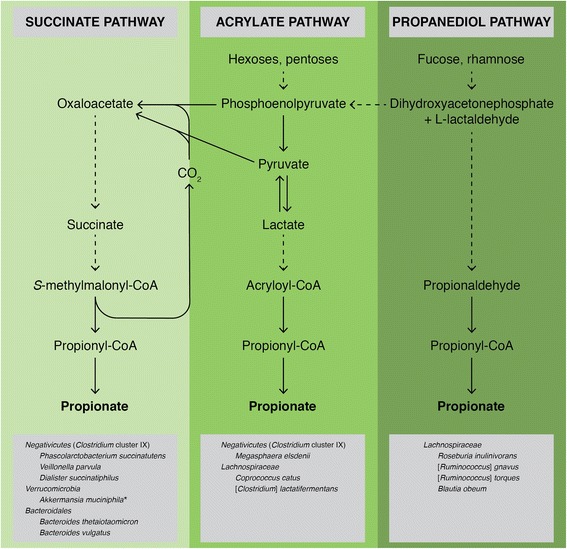
“Given that Bacteroides spp. are important producers of SCFAs, including propionate (Reichardt et al, 2014), from complex carbohydrates (Fig.”
BackgroundInfluentialGut Microbiomes of Malawian Twin Pairs Discordant for Kwashiorkor
Smith, M. I., Yatsunenko, T., Manary, M. J., Trehan, I., Mkakosya, R., Cheng, J., Kau, A. L., Rich, S. S., Concannon, P., Mychaleckyj, J. C., et al. (2013) · Science · doi:10.1126/science.1229000 · Cited by 1,173 · cited 1×
“…associated with numerous pathologies, including diabetes, hepatic diseases, inflammatory bowel disease, viral infections and neurodegenerative disorders (Forslund et al, 2015; Ley et al, 2005; Manichanh et al, 2006; Turnbaugh et al, 2009; Qin et al, 2014; Monaco et al, 2016; Smith et al, 2013).”
BackgroundSelf-citationThe blood-brain barrier in systemic inflammation
Varatharaj, A., & Galea, I. (2017) · Brain, Behavior, and Immunity · doi:10.1016/j.bbi.2016.03.010 · Cited by 1,172 · cited 2×
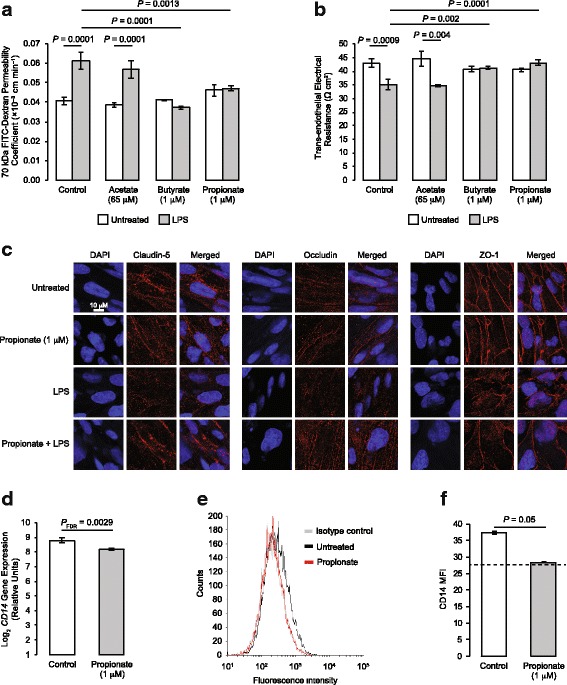
“Paracellular permeability and trans-endothelial electrical resistance are in large part dependent upon the integrity of inter-endothelial tight junctions [50], which are known to be disrupted following exposure to LPS [51].”
BackgroundSymbiotic gut microbes modulate human metabolic phenotypes
Li, M., Wang, B., Zhang, M., Rantalainen, M., Wang, S., Zhou, H., Zhang, Y., Shen, J., Pang, X., Zhang, M., et al. (2008) · Proceedings of the National Academy of Sciences · doi:10.1073/pnas.0712038105 · Cited by 1,144 · cited 2×
“It is clear, however, that gut-derived microbial metabolites and products such as lipopolysaccharide (LPS) can influence human health both in the intestine and systemically [12, 13], with reported effects ranging from mediation of xenobiotic toxicity [14], through modification of the risk of preterm birth [15] to indu…”
BackgroundSelf-citationA novel signaling pathway impact analysis
Tarca, A. L., Draghici, S., Khatri, P., Hassan, S. S., Mittal, P., Kim, J.-S., Kim, C. J., Kusanovic, J. P., & Romero, R. (2009) · Bioinformatics · doi:10.1093/bioinformatics/btn577 · Cited by 1,031 · cited 2×
“Signaling Pathway Impact Analysis (SPIA) was used to identify Kyoto Encyclopedia of Genes and Genomes (KEGG) pathways activated or inhibited in hCMEC/D3 cells exposed to propionate (Tarca et al, 2009).”
MethodPyrosequencing study of fecal microflora of autistic and control children
Finegold, S. M., Dowd, S. E., Gontcharova, V., Liu, C., Henley, K. E., Wolcott, R. D., Youn, E., Summanen, P. H., Granpeesheh, D., Dixon, D., et al. (2010) · Anaerobe · doi:10.1016/j.anaerobe.2010.06.008 · Cited by 977 · cited 3×
“Links between the gut microbiota and brain function have been identified in studies of humans with autism spectrum disorders (ASD) and attention-deficit hyperactivity disorder (ADHD).”
BackgroundBurokas, A., Arboleya, S., Moloney, R. D., Peterson, V. L., Murphy, K., Clarke, G., Stanton, C., Dinan, T. G., & Cryan, J. F. (2017) · Biological Psychiatry · doi:10.1016/j.biopsych.2016.12.031 · Cited by 952 · cited 4×
“While propionate has been shown to stimulate intestinal gluconeogenesis through direct stimulation of enteric–CNS pathways [42] and increased intestinal propionate has been associated with reduced stress behaviours [43] and reward pathway activity [44] in mice and humans, respectively, its potential role as an endocri…”
BackgroundInfluentialAkbari, E., Asemi, Z., Daneshvar Kakhaki, R., Bahmani, F., Kouchaki, E., Tamtaji, O. R., Hamidi, G. A., & Salami, M. (2016) · Frontiers in Aging Neuroscience · doi:10.3389/fnagi.2016.00256 · Cited by 946 · cited 2×
“beneficial effects of probiotic drinks on cognitive ability in both Alzheimer’s disease [73] and multiple sclerosis [74],”
BackgroundThe neuropharmacology of butyrate: the bread and butter of the microbiota-gut-brain axis
Stilling, R. M., van de Wouw, M., Clarke, G., Stanton, C., Dinan, T. G., & Cryan, J. F. (2016) · Neurochemistry International · doi:10.1016/j.neuint.2016.06.011 · Cited by 891 · cited 2×
“The majority of studies looking at the role of SCFAs in the gut–brain axis have focused on butyrate [40], with relatively few investigating propionate despite its similar plasma concentration and receptor affinity.”
BackgroundBlood-brain barrier active efflux transporters: ATP-binding cassette gene family
Löscher, W., & Potschka, H. (2005) · NeuroRX · doi:10.1602/neurorx.2.1.86 · Cited by 872
The Concise Guide to PHARMACOLOGY 2015/16: G protein‐coupled receptors
Alexander, S. P., Davenport, A. P., Kelly, E., Marrion, N., Peters, J. A., Benson, H. E., Faccenda, E., Pawson, A. J., Sharman, J. L., Southan, C., et al. (2015) · British Journal of Pharmacology · doi:10.1111/bph.13348 · Cited by 851 · cited 3×
“SCFAs activate members of the free fatty acid receptor (FFAR) family of G protein coupled receptors; acetate, propionate and butyrate have affinity in the low millimolar to high micromolar range for FFAR2; propionate and butyrate have mid to low micromolar affinity for FFAR3 [39].”
BackgroundInfluentialHelms, H. C., Abbott, N. J., Burek, M., Cecchelli, R., Couraud, P.-O., Deli, M. A., Förster, C., Galla, H. J., Romero, I. A., Shusta, E. V., et al. (2016) · Journal of Cerebral Blood Flow & Metabolism · doi:10.1177/0271678x16630991 · Cited by 843 · cited 1×
“ticularly in terms of their higher inherent permeability when compared with other non-human model systems [49].”
BackgroundThe blood–brain and the blood–cerebrospinal fluid barriers: function and dysfunction
Engelhardt, B., & Sorokin, L. (2009) · Seminars in Immunopathology · doi:10.1007/s00281-009-0177-0 · Cited by 778 · cited 2×
“For example, small-scale clinical trials have identified beneficial effects of probiotic drinks on cognitive ability in both Alzheimer’s disease (Akbari et al, 2016) and multiple sclerosis (Kouchaki et al, 2016), conditions associated with reduced BBB integrity (Engelhardt & Sorokin, 2009).”
BackgroundFröhlich, E. E., Farzi, A., Mayerhofer, R., Reichmann, F., Jačan, A., Wagner, B., Zinser, E., Bordag, N., Magnes, C., Fröhlich, E., et al. (2016) · Brain Behavior and Immunity · doi:10.1016/j.bbi.2016.02.020 · Cited by 720 · cited 6×
“…evidence that the gut microbiota can affect the integrity of the BBB, with both broad-spectrum-antibiotic-treated and germ-free mice exhibiting considerably enhanced barrier permeability and dysregulation of inter-endothelial cell tight junctions (Braniste et al, 2014; Fröhlich et al, 2016).”
BackgroundInfluentialBedarf, J. R., Hildebrand, F., Coelho, L. P., Sunagawa, S., Bahram, M., Goeser, F., Bork, P., & Wüllner, U. (2017) · Genome Medicine · doi:10.1186/s13073-017-0428-y · Cited by 642 · cited 1×
“Notably, patients with early Parkinson’s or Alzheimer’s diseases have been shown to bear reduced levels of Bacteroides species within their faeces [71, 72].”
BackgroundShort-Term Benefit From Oral Vancomycin Treatment of Regressive-Onset Autism
Sandler, R. H., Finegold, S. M., Bolte, E. R., Buchanan, C. P., Maxwell, A. P., Väisänen, M.-L., Nelson, M. N., & Wexler, H. M. (2000) · Journal of Child Neurology · doi:10.1177/088307380001500701 · Cited by 614 · cited 2×
“Altered microbial profiles have been identified in children with ASD [24–26], and oral treatment of autistic children with the non-absorbed, broad-spectrum antibiotic vancomycin—effectively suppressing the gut microbiota—led to a regression in autistic behavioural characteristics that was reversed upon antibiotic disc…”
BackgroundAizawa, E., Tsuji, H., Asahara, T., Takahashi, T., Teraishi, T., Yoshida, S., Ota, M., Koga, N., Hattori, K., & Kunugi, H. (2016) · Journal of Affective Disorders · doi:10.1016/j.jad.2016.05.038 · Cited by 576 · cited 2×
“…by microbe-derived mediators may be an important component in some of the emerging links between intestinal dysbiosis and pathologies as significant as depression (Aizawa et al, 2016), Parkinson’s disease (Scheperjans et al, 2015; Petrov et al, 2017) and Alzheimer’s disease (Cattaneo et al, 2017).”
BackgroundVagal pathways for microbiome-brain-gut axis communication
Forsythe, P., Bienenstock, J., & Kunze, W. A. (2014) · Advances in Experimental Medicine and Biology · doi:10.1007/978-1-4939-0897-4_5 · Cited by 576 · cited 4×
“Mechanistic studies have identified three principal aspects to the gut–brain axis: modification of autonomic sensorimotor connections [29], immune activation [30] and regulation of Fig.”
BackgroundInfluentialHuman gut microbiome: the second genome of human body
Zhu, B., Wang, X., & Li, L. (2010) · Protein & Cell · doi:10.1007/s13238-010-0093-z · Cited by 533 · cited 2×
“The gut microbiome harbours 150 times more genes than the human genome, significantly increasing the repertoire of functional genes available to the host and contributing to the harvesting of energy from food (Zhu et al, 2010).”
BackgroundAnalysis of Gut Microbiota in Patients with Parkinson’s Disease
Petrov, V. A., Saltykova, I. V., Zhukova, I. A., Alifirova, V. M., Zhukova, N. G., Dorofeeva, Y. B., Tyakht, A. V., Kovarsky, B. A., Alekseev, D. G., Kostryukova, E. S., et al. (2017) · Bulletin of Experimental Biology and Medicine · doi:10.1007/s10517-017-3700-7 · Cited by 487 · cited 2×
“…by microbe-derived mediators may be an important component in some of the emerging links between intestinal dysbiosis and pathologies as significant as depression (Aizawa et al, 2016), Parkinson’s disease (Scheperjans et al, 2015; Petrov et al, 2017) and Alzheimer’s disease (Cattaneo et al, 2017).”
BackgroundQuantifying Diet-Induced Metabolic Changes of the Human Gut Microbiome
Shoaie, S., Ghaffari, P., Kovatcheva-Datchary, P., Mardinoglu, A., Sen, P., Pujos-Guillot, E., de Wouters, T., Juste, C., Rizkalla, S., Chilloux, J., et al. (2015) · Cell Metabolism · doi:10.1016/j.cmet.2015.07.001 · Cited by 420 · cited 2×
“Metagenomic studies have revealed reductions in microbial gene richness and changes in functional capabilities of the faecal microbiota to be signatures of obesity, liver disease and type II diabetes and that these can be modified by dietary interventions [9, 10].”
BackgroundSelf-citationMonaco, C. L., Gootenberg, D. B., Zhao, G., Handley, S. A., Ghebremichael, M. S., Lim, E. S., Lankowski, A., Baldridge, M. T., Wilen, C. B., Flagg, M., et al. (2016) · Cell Host & Microbe · doi:10.1016/j.chom.2016.02.011 · Cited by 408 · cited 1×
“…associated with numerous pathologies, including diabetes, hepatic diseases, inflammatory bowel disease, viral infections and neurodegenerative disorders (Forslund et al, 2015; Ley et al, 2005; Manichanh et al, 2006; Turnbaugh et al, 2009; Qin et al, 2014; Monaco et al, 2016; Smith et al, 2013).”
BackgroundPärtty, A., Kalliomäki, M., Wacklin, P., Salminen, S., & Isolauri, E. (2015) · Pediatric Research · doi:10.1038/pr.2015.51 · Cited by 397 · cited 1×
“Similarly, a small-scale intervention study has suggested not only a link between lower counts of faecal Bifidobacterium species at 6 months and increased incidence of ADHD at 13 years, but also that early probiotic treatment lessens the risk of ADHD development [28].”
BackgroundPariante, C. M. (2017) · European Neuropsychopharmacology · doi:10.1016/j.euroneuro.2017.04.001 · Cited by 382 · cited 2×
“That inflammation contributes to depression has become clearer over recent years [78]; hence, it is conceivable that the anti-inflammatory effects of propionate we describe may underlie at least part of the protective effects of prebiotic treatment, a proposal which, though speculative, is deserving of further study.”
BackgroundThe mucosal immune system: master regulator of bidirectional gut-brain communications
Powell, N., Walker, M. M., & Talley, N. J. (2017) · Nature Reviews Gastroenterology & Hepatology · doi:10.1038/nrgastro.2016.191 · Cited by 379 · cited 4×
“Mechanistic studies have identified three principal aspects to the gut–brain axis: modification of autonomic sensorimotor connections [29], immune activation [30] and regulation of Fig.”
BackgroundInfluentialHaseloff, R. F., Dithmer, S., Winkler, L., Wolburg, H., & Blasig, I. E. (2015) · Seminars in Cell & Developmental Biology · doi:10.1016/j.semcdb.2014.11.004 · Cited by 353 · cited 2×
“Paracellular permeability and trans-endothelial electrical resistance are in large part dependent upon the integrity of inter-endothelial tight junctions [50], which are known to be disrupted following exposure to LPS [51].”
BackgroundColonic bacterial metabolites and human health
Russell, W. R., Hoyles, L., Flint, H. J., & Dumas, M.-E. (2013) · Current Opinion in Microbiology · doi:10.1016/j.mib.2013.07.002 · Cited by 350 · cited 4×
“anti-inflammatory effects of the SCFA upon the cerebrovascular endothelium may be another facet of the known health benefits of high-fibre diets [61].”
BackgroundInfluentialSelf-citationHow gut microbes talk to organs: The role of endocrine and nervous routes
Cani, P. D., & Knauf, C. (2016) · Molecular Metabolism · doi:10.1016/j.molmet.2016.05.011 · Cited by 321 · cited 4×
“…of autonomic sensorimotor connections (Forsythe et al, 2014), immune activation (Powell et al, 2017), and regulation of neuroendocrine pathways (Cani & Knauf, 2016), all of which incorporate a role for soluble gut-derived microbial agents, whether metabolic products or structural microbial…”
BackgroundInfluentialThe Footprints of Gut Microbial–Mammalian Co-Metabolism
Zheng, X., Xie, G., Zhao, A., Zhao, L., Yao, C., Chiu, N. H. L., Zhou, Z., Bao, Y., Jia, W., Nicholson, J. K., et al. (2011) · Journal of Proteome Research · doi:10.1021/pr2007945 · Cited by 319
Self-citationAbbott, N. J., Hughes, C. C. W., Revest, P. A., & Greenwood, J. (1992) · Journal of Cell Science · doi:10.1242/jcs.103.1.23 · Cited by 318
Blood–brain barrier impairment in Alzheimer disease: Stability and functional significance
Bowman, G. L., Kaye, J. A., Moore, M., Waichunas, D., Carlson, N. E., & Quinn, J. F. (2007) · Neurology · doi:10.1212/01.wnl.0000262031.18018.1a · Cited by 293 · cited 1×
“…defects in BBB integrity have been linked with impaired memory (Montagne et al, 2015) and linguistic (Taheri et al, 2011) function, as well as with inferior performance on psychometric tests such as the mini mental state exam (Bowman et al, 2007) and Oxford handicap scale (Wardlaw et al, 2013).”
Hoban, A. E., Moloney, R. D., Golubeva, A. V., McVey Neufeld, K. A., O’Sullivan, O., Patterson, E., Stanton, C., Dinan, T. G., Clarke, G., & Cryan, J. F. (2016) · Neuroscience · doi:10.1016/j.neuroscience.2016.10.003 · Cited by 270 · cited 2×
“…have been shown to exhibit changes in serotonergic and glutamatergic neuronal signalling (Neufeld et al, 2011) and expression of brain-derived neurotrophic factor (BDNF) within the limbic system (Bercik et al, 2011; Hoban et al, 2016), providing a molecular correlate for behavioural changes.”
BackgroundThe effect of diet and exercise on intestinal integrity and microbial diversity in mice
Campbell, S. C., Wisniewski, P. J., Noji, M., McGuinness, L. R., Häggblom, M. M., Lightfoot, S. A., Joseph, L. B., & Kerkhof, L. J. (2016) · PLOS ONE · doi:10.1371/journal.pone.0150502 · Cited by 268 · cited 2×
“Metagenomic studies have revealed reductions in microbial gene richness and changes in functional capabilities of the faecal microbiota to be signatures of obesity, liver disease and type II diabetes and that these can be modified by dietary interventions [9, 10].”
BackgroundNøhr, M. K., Egerod, K. L., Christiansen, S. H., Gille, A., Offermanns, S., Schwartz, T. W., & Møller, M. (2015) · Neuroscience · doi:10.1016/j.neuroscience.2015.01.040 · Cited by 266 · cited 7×
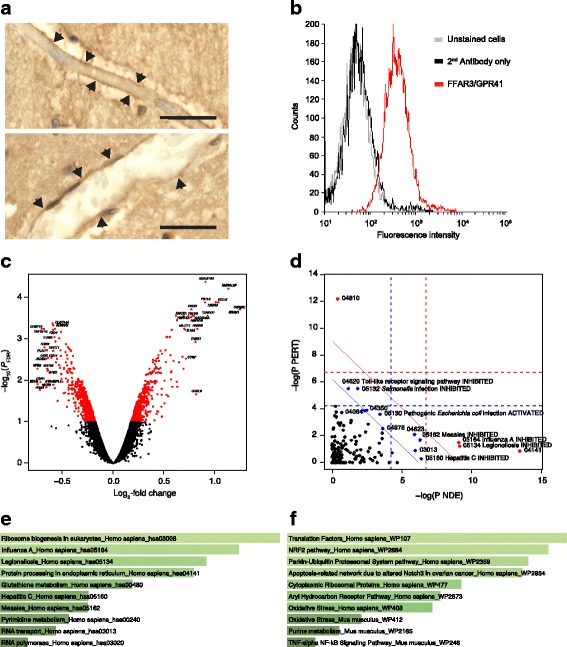
“Propionate acts primarily through either of the two free fatty acid receptors FFAR2 or FFAR3 (Schmidt et al, 2011), which although absent from neurones in the CNS (Nohr et al, 2015) have been identified in the cerebral endothelium (Brown et al, 2003), confirmed herein, indicating a possible mechanism of action.”
BackgroundInfluentialEffects of dietary propionate on carbohydrate and lipid metabolism in healthy volunteers.
Venter, C. S., Vorster, H., & Cummings, J. H. (1990) · PubMed · Cited by 266
Blood-brain barrier permeability abnormalities in vascular cognitive impairment
Taheri, S., Gasparovic, C., Huisa, B. N., Adair, J. C., Edmonds, E., Prestopnik, J., Grossetete, M., Shah, N. J., Wills, J., Qualls, C., et al. (2011) · Stroke · doi:10.1161/strokeaha.110.611731 · Cited by 248 · cited 2×
“In particular, defects in BBB integrity have been linked with impaired memory [64] and linguistic [65] function, as well as with inferior performance on psychometric tests such as the Mini-Mental State Exam [66] and Oxford Handicap Scale [67].”
BackgroundBhat, M. I., & Kapila, R. (2017) · Nutrition Reviews · doi:10.1093/nutrit/nux001 · Cited by 228 · cited 2×
“It is clear, however, that gut-derived microbial metabolites and products such as lipopolysaccharide (LPS) can influence human health both in the intestine and systemically [12, 13], with reported effects ranging from mediation of xenobiotic toxicity [14], through modification of the risk of preterm birth [15] to indu…”
BackgroundPropionate lowers blood glucose and alters lipid metabolism in healthy subjects
Todesco, T., Rao, A., Bosello, O., & Jenkins, D. (1991) · The American Journal of Clinical Nutrition · doi:10.1093/ajcn/54.5.860 · Cited by 217 · cited 2×
“Propionate has been shown to improve glucose tolerance and insulin sensitivity, reduce high-density lipoprotein and increase serum triglyceride concentrations (Salminen et al, 1998; Todesco et al, 1991; Venter et al, 1990), all of which result in a more stable metabolic homeostasis.”
BackgroundMicrobiology of regressive autism
Finegold, S. M., Downes, J., & Summanen, P. H. (2012) · Anaerobe · doi:10.1016/j.anaerobe.2011.12.018 · Cited by 211 · cited 3×
“Links between the gut microbiota and brain function have been identified in studies of humans with autism spectrum disorders (ASD) and attention-deficit hyperactivity disorder (ADHD).”
A gut (microbiome) feeling about the brain
Sherwin, E., Rea, K., Dinan, T. G., & Cryan, J. F. (2016) · Current Opinion in Gastroenterology · doi:10.1097/mog.0000000000000244 · Cited by 206 · cited 2×
“A major aspect of microbe–host systemslevel communication that is receiving increased attention is the influence the gut microbiota exerts upon the central nervous system (CNS), the so-called gut–brain axis [18].”
BackgroundByrne, C. S., Chambers, E. S., Alhabeeb, H., Chhina, N., Morrison, D. J., Preston, T., Tedford, C., Fitzpatrick, J., Irani, C., Busza, A., et al. (2016) · The American Journal of Clinical Nutrition · doi:10.3945/ajcn.115.126706 · Cited by 201 · cited 2×
“…et al, 2014), and increased intestinal propionate has been associated with reduced stress behaviours (Burokas et al, 2017) and reward pathway activity (Byrne et al, 2016) in mice and humans, respectively, its potential role as an endocrine mediator in the gut–brain axis has not been addressed.”
BackgroundCristante, E., McArthur, S., Mauro, C., Maggioli, E., Romero, I. A., Wylezinska-Arridge, M., Couraud, P. O., Lopez-Tremoleda, J., Christian, H. C., Weksler, B. B., et al. (2013) · Proceedings of the National Academy of Sciences · doi:10.1073/pnas.1209362110 · Cited by 196 · cited 7×
“…Lab-Tek™ Permanox™ 8-well chamber slides coated with calf-skin collagen (Sigma-Aldrich, UK), prior to immunostaining according to standard protocols (Cristante et al, 2013; Maggioli et al, 2015) and using primary antibodies directed against Nrf2 (1:500, Novus Biologicals Ltd., Abingdon, UK),…”
MethodInfluentialSelf-citationKindinger, L. M., MacIntyre, D. A., Lee, Y. S., Marchesi, J. R., Smith, A., McDonald, J. A. K., Terzidou, V., Cook, J. R., Lees, C., Israfil-Bayli, F., et al. (2016) · Science Translational Medicine · doi:10.1126/scitranslmed.aag1026 · Cited by 194 · cited 2×
“It is clear, however, that gut-derived microbial metabolites and products such as lipopolysaccharide (LPS) can influence human health both in the intestine and systemically [12, 13], with reported effects ranging from mediation of xenobiotic toxicity [14], through modification of the risk of preterm birth [15] to indu…”
BackgroundSelf-citationWardlaw, J. M., Doubal, F. N., Valdes-Hernandez, M., Wang, X., Chappell, F. M., Shuler, K., Armitage, P. A., Carpenter, T. C., & Dennis, M. S. (2013) · Stroke · doi:10.1161/strokeaha.112.669994 · Cited by 183 · cited 2×
“…defects in BBB integrity have been linked with impaired memory (Montagne et al, 2015) and linguistic (Taheri et al, 2011) function, as well as with inferior performance on psychometric tests such as the mini mental state exam (Bowman et al, 2007) and Oxford handicap scale (Wardlaw et al, 2013).”
BackgroundCoisne, C., Dehouck, L., Faveeuw, C., Delplace, Y., Miller, F., Landry, C., Morissette, C., Fenart, L., Cecchelli, R., Tremblay, P., et al. (2005) · Laboratory Investigation · doi:10.1038/labinvest.3700281 · Cited by 183 · cited 2×
“The permeability of hCMEC/D3 cell monolayers to 70 kDa FITC-dextran (2 mg/ml) was measured as described previously (Abbott et al, 1992; Coisne et al, 2005; Maggioli et al, 2015).”
MethodMaggioli, E., McArthur, S., Mauro, C., Kieswich, J., Kusters, D. H. M., Reutelingsperger, C. P. M., Yaqoob, M., & Solito, E. (2016) · Brain, Behavior, and Immunity · doi:10.1016/j.bbi.2015.08.020 · Cited by 181 · cited 7×
“Statistical analyses Sample sizes were calculated to detect differences of 15 % or more with a power of 0.85 and α set at 5 %, calculations being informed by previously published data (Cristante et al, 2013; Maggioli et al, 2015).”
MethodInfluentialSelf-citationFecal Acetate Is Inversely Related to Acetate Absorption from the Human Rectum and Distal Colon
Vogt, J. A., & Wolever, T. M. S. (2003) · Journal of Nutrition · doi:10.1093/jn/133.10.3145 · Cited by 170 · cited 1×
“biota [57, 58], following fermentation of non-digestible carbohydrates by select bacterial species (Fig.”
BackgroundGut microbiota, the pharmabiotics they produce and host health
Patterson, E., Cryan, J. F., Fitzgerald, G. F., Ross, R. P., Dinan, T. G., & Stanton, C. (2014) · Proceedings of the Nutrition Society · doi:10.1017/s0029665114001426 · Cited by 163 · cited 2×
“It is clear, however, that gut-derived microbial metabolites and products such as lipopolysaccharide (LPS) can influence human health both in the intestine and systemically [12, 13], with reported effects ranging from mediation of xenobiotic toxicity [14], through modification of the risk of preterm birth [15] to indu…”
BackgroundMelamine-Induced Renal Toxicity Is Mediated by the Gut Microbiota
Zheng, X., Zhao, A., Xie, G., Chi, Y., Zhao, L., Li, H., Wang, C., Bao, Y., Jia, W., Luther, M., et al. (2013) · Science Translational Medicine · doi:10.1126/scitranslmed.3005114 · Cited by 151 · cited 2×
“It is clear, however, that gut-derived microbial metabolites and products such as lipopolysaccharide (LPS) can influence human health both in the intestine and systemically [12, 13], with reported effects ranging from mediation of xenobiotic toxicity [14], through modification of the risk of preterm birth [15] to indu…”
BackgroundSelf-citationPais de Barros, J.-P., Gautier, T., Sali, W., Adrie, C., Choubley, H., Charron, E., Lalande, C., Le Guern, N., Deckert, V., Monchi, M., et al. (2015) · Journal of Lipid Research · doi:10.1194/jlr.d059725 · Cited by 151 · cited 2×
“Confluent hCMEC/D3 monolayers were treated with propionate (1 μM) for 12 hours, whereupon LPS (Escherichia coli 0111 :B4; 50 ng/ml, comparable to circulating levels of LPS in human endotoxemia (Pais de Barros et al, 2015)) was added for a further 12 hours, without wash-out.”
MethodNilsson, A. C., Östman, E. M., Knudsen, K. E. B., Holst, J. J., & Björck, I. (2010) · Journal of Nutrition · doi:10.3945/jn.110.123604 · Cited by 149 · cited 1×
“Moreover, consumption of food containing non-digestible carbohydrates increases circulating propionate concentrations approximately tenfold [59, 60], suggesting that the”
BackgroundSelective Orthosteric Free Fatty Acid Receptor 2 (FFA2) Agonists
Schmidt, J., Smith, N. J., Christiansen, E., Tikhonova, I. G., Grundmann, M., Hudson, B. D., Ward, R. J., Drewke, C., Milligan, G., Kostenis, E., et al. (2011) · Journal of Biological Chemistry · doi:10.1074/jbc.m110.210872 · Cited by 123 · cited 4×
“26 kcal mol atom) for this receptor [41].”
BackgroundInfluentialExploring the LPS/TLR4 signal pathway with small molecules
Peri, F., Piazza, M., Calabrese, V., Damore, G., & Cighetti, R. (2010) · Biochemical Society Transactions · doi:10.1042/bst0381390 · Cited by 104 · cited 3×
“LPS initiates a pro-inflammatory response through binding to Toll-like receptor 4, TLR4, in a complex with the accessory proteins CD14 and LY96 (MD2) [52]; we, therefore, examined expression of TLR4 signalling components as an explanation for the protective effects of propionate upon this pathway.”
BackgroundStein, J. M., Zores, M., & Schröder, O. (2000) · European Journal of Nutrition · doi:10.1007/s003940070028 · Cited by 97 · cited 1×
“Whether such changes in caecal SCFA reflected plasma levels were not measured, but given that SCFAs can be transported across the gut epithelium [76, 77], increases in circulating concentrations may be likely.”
Backgroundl-Rhamnose increases serum propionate in humans
Vogt, J. A., Pencharz, P. B., & Wolever, T. M. S. (2004) · American Journal of Clinical Nutrition · doi:10.1093/ajcn/80.1.89 · Cited by 87 · cited 2×
“In particular, as consumption of food containing non-digestible carbohydrates increases circulating propionate concentrations (Vogt et al, 2004) the anti-inflammatory effects of the SCFA upon the cerebrovascular endothelium may be another facet of the known health benefits of high-fibre diets…”
BackgroundMezzelani, A., Landini, M., Facchiano, F., Raggi, M. E., Villa, L., Molteni, M., De Santis, B., Brera, C., Caroli, A. M., Milanesi, L., et al. (2015) · Nutritional Neuroscience · doi:10.1179/1476830513y.0000000108 · Cited by 71 · cited 1×
“Altered microbial profiles have been identified in children with ASD (Finegold et al, 2012, 2010; Mezzelani et al, 2015), and oral treatment of autistic children with the non-absorbed, broad-spectrum antibiotic vancomycin – effectively suppressing the gut microbiota – led to a regression in…”
BackgroundChemical signaling between gut microbiota and host chromatin: What is your gut really saying?
Krautkramer, K. A., Rey, F. E., & Denu, J. M. (2017) · Journal of Biological Chemistry · doi:10.1074/jbc.r116.761577 · Cited by 70 · cited 2×
“It is clear, however, that gut-derived microbial metabolites and products such as lipopolysaccharide (LPS) can influence human health both in the intestine and systemically [12, 13], with reported effects ranging from mediation of xenobiotic toxicity [14], through modification of the risk of preterm birth [15] to indu…”
BackgroundBeadArray Expression Analysis Using Bioconductor
Ritchie, M. E., Dunning, M., Smith, M. L., Shi, W., & Lynch, A. G. (2011) · PLoS Computational Biology · doi:10.1371/journal.pcbi.1002276 · Cited by 64 · cited 2×
“db [83] were removed from the dataset (n = 13,631) [84].”
BackgroundMethodA systematic review of human antioxidant genes
Gelain, D. (2009) · Frontiers in Bioscience · doi:10.2741/3541 · Cited by 59 · cited 1×
“Of known human anti-oxidant genes [53], 58 were detected on the array.”
BackgroundCytosolic Innate Immune Sensing and Signaling upon Infection
Radoshevich, L., & Dussurget, O. (2016) · Frontiers in Microbiology · doi:10.3389/fmicb.2016.00313 · Cited by 56 · cited 2×
“1d), as were the cytosolic DNA-sensing pathway (upregulated by pathogen DNA during microbial infections, triggering innate immune signalling (Radoshevich & Dussurget, 2016)), the NFκB signalling pathway and the Toll-like receptor signalling pathway.”
BackgroundModulation of butyrate transport in Caco-2 cells
Gonçalves, P., Araújo, J. R., Pinho, M. J., & Martel, F. (2008) · Naunyn-Schmiedeberg s Archives of Pharmacology · doi:10.1007/s00210-008-0372-x · Cited by 35 · cited 1×
“Whether such changes in caecal SCFA reflected plasma levels were not measured, but given that SCFAs can be transported across the gut epithelium [76, 77], increases in circulating concentrations may be likely.”
Background
Research works printed but not linked: 1
- Dunning M Lynch A Eldridge M illuminaHumanv4.db: Illumina HumanHT12v4 annotation data (chip illuminaHumanv4) 2015
Cited by
Cryan, J. F., O'Riordan, K. J., Cowan, C. S. M., Sandhu, K. V., Bastiaanssen, T. F. S., Boehme, M., Codagnone, M. G., Cussotto, S., Fulling, C., Golubeva, A. V., et al. (2019) · Physiological Reviews · doi:10.1152/physrev.00018.2018 · Cited by 5,286
The role of short-chain fatty acids in microbiota–gut–brain communication
Dalile, B., Van Oudenhove, L., Vervliet, B., & Verbeke, K. (2019) · Nature Reviews Gastroenterology & Hepatology · doi:10.1038/s41575-019-0157-3 · Cited by 3,357
The Role of Short-Chain Fatty Acids From Gut Microbiota in Gut-Brain Communication
Silva, Y. P., Bernardi, A., & Frozza, R. L. (2020) · Frontiers in Endocrinology · doi:10.3389/fendo.2020.00025 · Cited by 3,043
Short-Chain Fatty-Acid-Producing Bacteria: Key Components of the Human Gut Microbiota
Fusco, W., Lorenzo, M. B., Cintoni, M., Porcari, S., Rinninella, E., Kaitsas, F., Lener, E., Mele, M. C., Gasbarrini, A., Collado, M. C., et al. (2023) · Nutrients · doi:10.3390/nu15092211 · Cited by 1,243
“Obesity Acetate C57BL/6 male mice Decreases appetite through central hypothalamic mechanisms [43]”
Microbiota–gut–brain axis and its therapeutic applications in neurodegenerative diseases
Loh, J. S., Mak, W. Q., Tan, L. K. S., Ng, C. X., Chan, H. H., Yeow, S. H., Foo, J. B., Ong, Y. S., How, C. W., & Khaw, K. Y. (2024) · Signal Transduction and Targeted Therapy · doi:10.1038/s41392-024-01743-1 · Cited by 1,193
Metadata
- Authors
- Hoyles, L., Snelling, T., Umlai, U.-K., Nicholson, J. K., Carding, S. R., Glen, R. C., & McArthur, S.
- Affiliations
- Imperial College London (GB)
- University of East Anglia (GB)
- University of Cambridge (GB)
- Queen Mary University of London (GB)
- Corresponding author
- Hoyles, Lesley
- McArthur, Simon
- ORCID
- Venue
- Microbiome
- Published
- 2018-03-21
- Volume
- 6
- Issue
- 1
- Pages
- 55-55
- ISSN
- 2049-2618 (ISSN-L)
- PMC
- PMC5863458
- OpenAlex
- W2951463045
- Cited by
- 591
- References
- 92
- Citations by year
- 2026: 63 · 2025: 97 · 2024: 108 · 2023: 95 · 2022: 76 · 2021: 59 · 2020: 47 · 2019: 35 · 2018: 11
- FWCI
- 13.61
- Type
- journal article
- Language
- en
- Open access
- gold
- doi.org
- Licence
- cc-by
- creativecommons.org/licenses/by/4.0/ (tdm)
- Locations
- Microbiome (publishedVersion, cc-by)
- Europe PMC (PubMed Central) (publishedVersion, cc-by)
- PubMed Central (publishedVersion, cc-by)
- PubMed (publishedVersion)
- Nottingham Trent University's Institutional Repository (Nottingham Trent Repository) (acceptedVersion)
- UEA Digital Repository (University of East Anglia) (acceptedVersion)
- DOAJ (DOAJ: Directory of Open Access Journals) (submittedVersion, cc-by-sa)
- Queen Mary Research Online (Queen Mary University of London) (submittedVersion)
- Spiral (Imperial College London) (submittedVersion, cc-by)
- Spiral (Imperial College London) (submittedVersion, cc-by-nc-nd)
- Funders
- Alzheimer’s Research UK (ARUK-PPG2016B-6)
- Medical Research Council (MR/L01632X/1)
- Topics
- Life Sciences › Biochemistry, Genetics and Molecular Biology › Molecular Biology › Gut microbiota and health
- Life Sciences › Neuroscience › Neurology › Barrier Structure and Function Studies
- Health Sciences › Medicine › Gastroenterology › Gastrointestinal motility and disorders
- Keywords
- propionate, blood-brain barrier, gut-brain axis, gut microbiota, microbial metabolites, brain endothelium, CD14, LRP1, Nrf2 signaling, oxidative stress, intestinal gluconeogenesis, neuroprotection
- MeSH terms
- Gastrointestinal Microbiome, Bacteria, Blood-Brain Barrier, Cells, Cultured, Gluconeogenesis, Humans, Propionates, Signal Transduction, Oxidative Stress, Low Density Lipoprotein Receptor-Related Protein-1, Gastrointestinal Tract, Receptors, G-Protein-Coupled, NF-E2-Related Factor 2, Metabolome
About these checks
Registry, retraction, Cites and statistics results are computed, not judged, with one exception: a printed reference that no index lists is read once by a model before it counts as a citation error. Claims are extracted by a model and kept only when their quote appears verbatim in the text; each cited source is then checked, with a model’s help, for whether it says what the claim relies on. Those verdicts can be wrong — read the claim’s quote and the cited source before relying on one.
Statistics and arithmetic are recomputed, not judged.
Confidence bands are shown only for fields calibrated on our annotated test set. None is calibrated yet, so no band is shown.
What counts as a claim ›How we measure confidence ›How we check this ›
Are you an author, or do you see a problem with this page? Request a review
Data sources
Bibliographic data: Semantic Scholar, OpenAlex, Crossref.
Contains information from the Semantic Scholar Academic Graph Datasets, made available under the ODC Attribution License (ODC-BY 1.0).
Semantic Scholar’s data is described in: Kinney, R., et al. (2023). The Semantic Scholar Open Data Platform. arXiv:2301.10140.
