

Microbiome–host systems interactions: protective effects of propionate upon the blood–brain barrier
Open accessPublished version of a preprint
The DOI matches its Crossref record; 91 of the 92 references it cites were found in a registry or an index.
Abstract
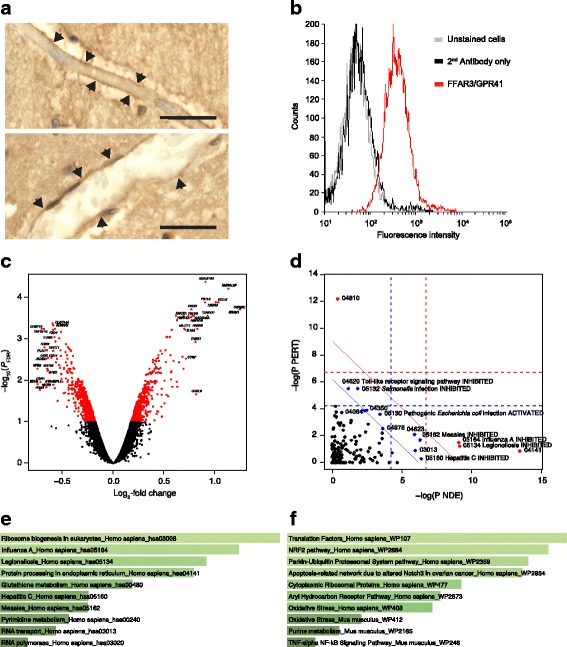
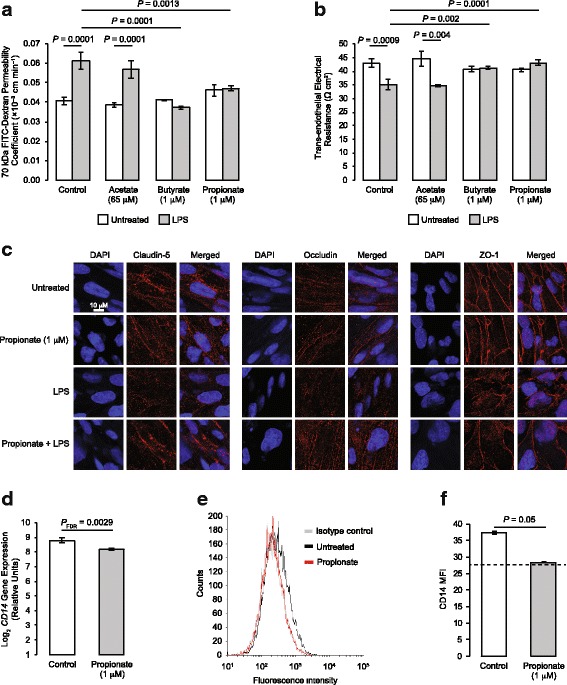
BACKGROUND: Gut microbiota composition and function are symbiotically linked with host health and altered in metabolic, inflammatory and neurodegenerative disorders. Three recognised mechanisms exist by which the microbiome influences the gut-brain axis: modification of autonomic/sensorimotor connections, immune activation, and neuroendocrine pathway regulation. We hypothesised interactions between circulating gut-derived microbial metabolites, and the blood-brain barrier (BBB) also contribute to the gut-brain axis. Propionate, produced from dietary substrates by colonic bacteria, stimulates intestinal gluconeogenesis and is associated with reduced stress behaviours, but its potential endocrine role has not been addressed. RESULTS: After demonstrating expression of the propionate receptor FFAR3 on human brain endothelium, we examined the impact of a physiologically relevant propionate concentration (1 μM) on BBB properties in vitro. Propionate inhibited pathways associated with non-specific microbial infections via a CD14-dependent mechanism, suppressed expression of LRP-1 and protected the BBB from oxidative stress via NRF2 (NFE2L2) signalling. CONCLUSIONS: Together, these results suggest gut-derived microbial metabolites interact with the BBB, representing a fourth facet of the gut-brain axis that warrants further attention.
Overview
The claims and statistics of this paper haven’t been checked yet.
Free: it reads the open-access text and checks the first 5 claims that cite a source we can check. Create a free account to check every claim.
Integrity signals
Registry
Cites
Statistics
Figures
Verification
Claims the paper makes
The claims and statistics of this paper haven’t been checked yet.
Free: it reads the open-access text and checks the first 5 claims that cite a source we can check. Create a free account to check every claim.
Claims other papers make about this one
Each is checked against this paper’s own text: does it say what the citing paper says it does?
The source backs part of the claim, not all of it — or backs it for a different population, condition or comparison.
In the citing paper
“Only FFAR2 is expressed in adipocytes and skeletal muscle, whereas FFAR3 is expressed in the peripheral nervous system and the BBB (Hoyles et al., 2018;Koh et al., 2016).”
From The Microbiota-Gut-Brain Axis (2019) · cites this paper as Hoyles et al., 2018
Experimental — accuracy not yet measuredThe cited source says what the claim attributes to it.
In the citing paper
“Ample evidence has shown that gut microbiota-derived metabolites are important regulators of BBB integrity”
From Microbiota–gut–brain axis and its therapeutic applications in neurodegenerative diseases (2024) · cites this paper as [663]
The cited source says what the claim attributes to it.
In the citing paper
“Numerous studies have confirmed that SCFAs can directly or indirectly affect the central nervous system.”
From The modulatory effects of gut microbes and metabolites on blood-brain barrier integrity and brain function in sepsis-associated encephalopathy (2023) · cites this paper as Hoyles et al., 2018
The cited source says what the claim attributes to it.
In the citing paper
“In addition to crossing BBB, SCFAs seem to play an important role in maintaining its integrity”
From The Role of Short-Chain Fatty Acids From Gut Microbiota in Gut-Brain Communication (2020) · cites this paper as [99]
The cited source says what the claim attributes to it.
In the citing paper
“treatment of an in vitro model of cerebrovascular endothelial cells with propionate attenuates the permeabilizing effects of exposure to lipopolysaccharide (LPS) (99).”
From The Role of Short-Chain Fatty Acids From Gut Microbiota in Gut-Brain Communication (2020) · cites this paper as [99]
5 more claims about this paper
Create a free account to see every claim other papers make about this one.
Self-check
Percentages, sums and reported differences re-computed from the paper’s own numbers.
The self-check needs the paper’s full text.
Citations
Cites
1 retracted
Kouchaki, E., Tamtaji, O. R., Salami, M., Bahmani, F., Daneshvar Kakhaki, R., Akbari, E., Tajabadi-Ebrahimi, M., Jafari, P., & Asemi, Z. (2017) · Clinical Nutrition · doi:10.1016/j.clnu.2016.08.015 · Cited by 317
Retractedlimma powers differential expression analyses for RNA-sequencing and microarray studies
Ritchie, M. E., Phipson, B., Wu, D., Hu, Y., Law, C. W., Shi, W., & Smyth, G. K. (2015) · Nucleic Acids Research · doi:10.1093/nar/gkv007 · Cited by 40,458 · cited 2×
“Differentially expressed genes were identified in microarray data using LIMMA [91]; P values were corrected for multiple testing using the Benjamini–Hochberg procedure (false discovery rate); a P value of less than or equal to 10% was considered significant in this case.”
MethodEnrichr: a comprehensive gene set enrichment analysis web server 2016 update
Kuleshov, M. V., Jones, M. R., Rouillard, A. D., Fernandez, N. F., Duan, Q., Wang, Z., Koplev, S., Jenkins, S. L., Jagodnik, K. M., Lachmann, A., et al. (2016) · Nucleic Acids Research · doi:10.1093/nar/gkw377 · Cited by 10,799 · cited 4×
“Enrichr (Chen et al, 2013; Kuleshov et al, 2016) was used to confirm KEGG findings (with respect to pathways, not their activation/inhibition) and to perform Gene Ontology (GO)- and WikiPathways-based analyses.”
MethodInfluentialA core gut microbiome in obese and lean twins
Turnbaugh, P. J., Hamady, M., Yatsunenko, T., Cantarel, B. L., Duncan, A., Ley, R. E., Sogin, M. L., Jones, W. J., Roe, B. A., Affourtit, J. P., et al. (2009) · Nature · doi:10.1038/nature07540 · Cited by 7,823 · cited 1×
“…associated with numerous pathologies, including diabetes, hepatic diseases, inflammatory bowel disease, viral infections and neurodegenerative disorders (Forslund et al, 2015; Ley et al, 2005; Manichanh et al, 2006; Turnbaugh et al, 2009; Qin et al, 2014; Monaco et al, 2016; Smith et al, 2013).”
BackgroundEnrichr: interactive and collaborative HTML5 gene list enrichment analysis tool
Chen, E. Y., Tan, C. M., Kou, Y., Duan, Q., Wang, Z., Meirelles, G. V., Clark, N. R., & Ma’ayan, A. (2013) · BMC Bioinformatics · doi:10.1186/1471-2105-14-128 · Cited by 7,814 · cited 4×
“Enrichr (Chen et al, 2013; Kuleshov et al, 2016) was used to confirm KEGG findings (with respect to pathways, not their activation/inhibition) and to perform Gene Ontology (GO)- and WikiPathways-based analyses.”
MethodInfluentialChanges of Intestinal Functions in Liver Cirrhosis
Fukui, H., & Wiest, R. (2016) · Inflammatory Intestinal Diseases · doi:10.1159/000444436 · Cited by 6,808
Obesity alters gut microbial ecology
Ley, R. E., Bäckhed, F., Turnbaugh, P., Lozupone, C. A., Knight, R. D., & Gordon, J. I. (2005) · Proceedings of the National Academy of Sciences · doi:10.1073/pnas.0504978102 · Cited by 6,176 · cited 1×
“…associated with numerous pathologies, including diabetes, hepatic diseases, inflammatory bowel disease, viral infections and neurodegenerative disorders (Forslund et al, 2015; Ley et al, 2005; Manichanh et al, 2006; Turnbaugh et al, 2009; Qin et al, 2014; Monaco et al, 2016; Smith et al, 2013).”
Backgroundaffy—analysis of Affymetrix GeneChip data at the probe level
Gautier, L., Cope, L., Bolstad, B. M., & Irizarry, R. A. (2004) · Bioinformatics · doi:10.1093/bioinformatics/btg405 · Cited by 5,218 · cited 2×
“Raw data supplied by Macrogen were quality-checked, log2-transformed and loess-normalised (2 iterations) using affy [82].”
MethodHost-gut microbiota metabolic interactions
Nicholson, J. K., Holmes, E., Kinross, J., Burcelin, R., Gibson, G., Jia, W., & Pettersson, S. (2012) · Science · doi:10.1126/science.1223813 · Cited by 4,760 · cited 2×
“Circulating concentrations of propionate are approximately 1 μM at rest, but these may be expected to increase following consumption of, for example, a meal containing high levels of fermentable fibre [1]; consequently, we examined the effects of 10 μM and 100 μM propionate upon the”
BackgroundSelf-citationModulation of oxidative stress as an anticancer strategy
Gorrini, C., Harris, I. S., & Mak, T. W. (2013) · Nature Reviews Drug Discovery · doi:10.1038/nrd4002 · Cited by 3,579 · cited 3×
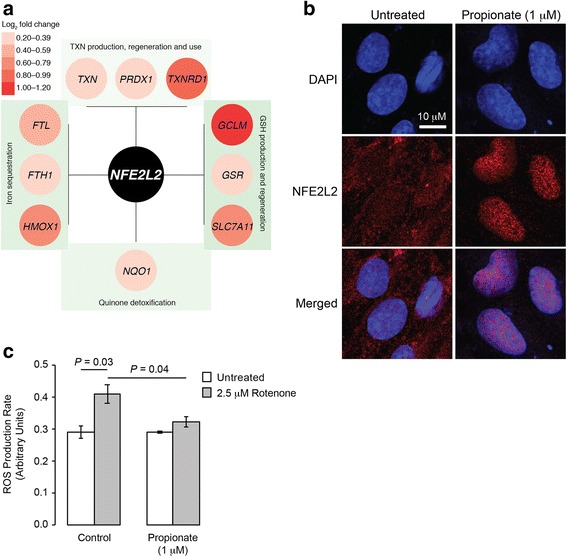
“a Representation of stress response genes significantly upregulated in the current study and directly influenced by NFE2L2, the master regulator of antioxidant responses [54].”
BackgroundInfluential
Research works printed but not linked: 1
- Dunning M Lynch A Eldridge M illuminaHumanv4.db: Illumina HumanHT12v4 annotation data (chip illuminaHumanv4) 2015
Cited by
Items 301–400 of 610
Unveiling Metabolic Phenotype Alterations in Anorexia Nervosa through Metabolomics
Mayo, L., Rupérez, F. J., Martos‐Moreno, G. Á., Graell, M., Barbas, C., Argente, J., & García, A. (2021) · Nutrients · doi:10.3390/nu13124249 · Cited by 23
“Propionate has also been found to exert direct functions in the central nervous system, it can cross the blood-brain barrier acting on different receptors related to the protection of neuroinflammation mainly [80].”
BackgroundLai, J., Jiang, J., Zhang, P., Xi, C., Wu, L., Gao, X., Fu, Y., Zhang, D., Chen, Y., Huang, H., et al. (2021) · Journal of Cellular and Molecular Medicine · doi:10.1111/jcmm.16611 · Cited by 23
Adiutori, R., Puentes, F., Bremang, M., Lombardi, V., Zubiri, I., Leoni, E., Aarum, J., Sheer, D., McArthur, S., Pike, I., et al. (2021) · Brain Communications · doi:10.1093/braincomms/fcab148 · Cited by 19
Self-citationRosell‐Cardona, C., Leigh, S., Knox, E. G., Tirelli, E., Lyte, J. M., Goodson, M. S., Kelley‐Loughnane, N., Aburto, M. R., Cryan, J. F., & Clarke, G. A. (2025) · Brain Behavior & Immunity - Health · doi:10.1016/j.bbih.2025.100992 · Cited by 23
“…alterations in microbial metabolites (Berding et al., 2023; Gheorghe et al., 2024; van de Wouw et al., 2018), which are more important for the crosstalk between gut and brain particularly at the level of barrier function (Hoyles et al., 2018; Huang et al., 2021; Knox et al., 2022; Li et al., 2016).”
Li, J., Yuan, Z., Li, J., Liu, Z., Wang, Y., Cui, M., Suo, C., Li, J., Ding, D., Chen, X., et al. (2025) · Biomarker Research · doi:10.1186/s40364-025-00851-6 · Cited by 20
Marano, G., Sfratta, G., Marzo, E. M., Cozzo, G., Abate, F., Traversi, G., Mazza, O., Capristo, E., Gaetani, E., & Mazza, M. (2025) · Children · doi:10.3390/children12111561 · Cited by 21
“Propionate specifically influences BBB gap junction gating [43–45].”
The Role of Gut Microbiota in Blood–Brain Barrier Disruption after Stroke
Zeng, M., Peng, M., Liang, J., & Sun, H. (2023) · Molecular Neurobiology · doi:10.1007/s12035-023-03512-7 · Cited by 19
“SCFAs stimulate GPCRs, free fatty acid receptors (FFAR2 or FFAR3), on intestinal epithelial and brain endothelial cells, protecting the BBB from oxidative stress [160].”
Role of short chain fatty acids on astrocytes and microglia in Alzheimer's disease brain
Wtpsk, S., Burton, M., Fernando, W. M. K. T., Jayasena, V., Brennan, C. S., & Fernando, W. M. A. D. B. (2024) · International Journal of Food Science & Technology · doi:10.1111/ijfs.17380 · Cited by 18
Yan, X., Bai, X., Fu, R., Duan, Z., Zeng, W., & Zhu, C. (2024) · Food & Function · doi:10.1039/d4fo03216k · Cited by 20
Zhang, Q., Zhang, S., Cao, X., Zhi, Y., & Guo, Y. C. (2025) · Microbiological Research · doi:10.1016/j.micres.2025.128391 · Cited by 19
Screening of Lactobacillus strains that enhance SCFA uptake in intestinal epithelial cells
Chen, D., Chen, C.-M., Qu, H., Ren, C.-Y., Yan, X., Huang, Y., Guan, C., Zhang, C., Li, Q., & Gu, R. (2021) · European Food Research and Technology · doi:10.1007/s00217-021-03686-1 · Cited by 17
Diet digestibility and palatability and intestinal fermentative products in dogs fed yeast extract
Kaelle, G. C. B., Souza, C. M. M., Bastos, T., Vasconcellos, R., de Oliveira, S. D., & Félix, A. (2022) · Italian Journal of Animal Science · doi:10.1080/1828051x.2022.2054733 · Cited by 14
“The role of propionate in gut functionality has been studied less often than that of butyrate, but an in vitro study observed that propionate has an anti-inflammatory effect on the gut by inhibiting an accessory protein (CD14) of the toll-like receptor 4 (Hoyles et al. 2018).”
BackgroundSun, H., Zhang, J., Wang, W., Shao, R., Liang, S., Xu, W., Li, M., Ai, Q., Mai, K., & Wan, M. (2022) · Aquaculture Nutrition · doi:10.1155/2022/8952755 · Cited by 19
“The studies on mammals showed that NaP increased the expression of tight junction proteins claudin-5, occludin, and ZO-1 in human brain microvascular endothelial cells [29].”
BackgroundIGUDESMAN, D. A., Crandell, J., Corbin, K. D., Muntis, F. R., Zaharieva, D. P., Casu, A., Thomas, J. M., Bulik, C. M., Carroll, I. M., Pence, B. W., et al. (2022) · Current Developments in Nutrition · doi:10.1093/cdn/nzac107 · Cited by 17
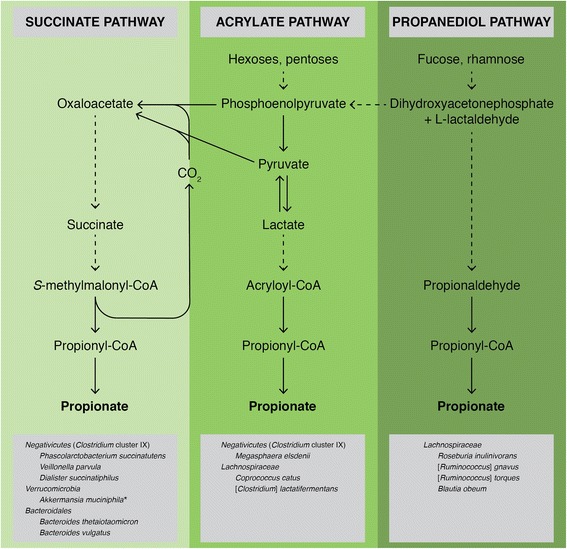
“We assume that the major source of propionate is microbe-derived, although this requires further investigation (64).”
BackgroundHuang, P., Zhang, P., Du, J., Gao, C., Liu, J., Tan, Y., & Chen, S. (2023) · npj Parkinson's Disease · doi:10.1038/s41531-023-00554-5 · Cited by 22
“Propionic acid was found to limit in fl ammatory responses and protect BBB integrity 28,29 .”
Li, H., Cheng, S., Wang, Y., Sun, Y., Zhang, J., Sun, M., Man, C., Zhang, Y., & Jiang, Y. (2023) · Food Science and Human Wellness · doi:10.26599/fshw.2022.9250172 · Cited by 18
Zhang, S., Jia, X.-Y., Wu, Q., Jin, J., Xu, L., Yang, L., Han, J., & Zhou, Q. (2023) · Microbiology Spectrum · doi:10.1128/spectrum.03104-23 · Cited by 18
Kayser, E., He, F., Nixon, S. L., Howard-Varona, A., Lamelas, A., Martínez-Blanch, J. F., Chenoll, E., Davenport, G. M., & de Godoy, M. R. C. (2024) · Journal of Animal Science · doi:10.1093/jas/skae291 · Cited by 17
Cotoia, A., Charitos, I. A., Corriero, A., Tamburrano, S., & Cinnella, G. (2024) · Nutrients · doi:10.3390/nu16244359 · Cited by 21
“Similarly, propionate can reverse BBB permeability after exposure to lipopolysaccharide (LPS), protecting the BBB from oxidative stress [58].”
Lebovich, M., & Andrews, L. B. (2022) · Frontiers in Bioengineering and Biotechnology · doi:10.3389/fbioe.2022.938056 · Cited by 18
Capturing the dynamics of microbial interactions through individual-specific networks
Yousefi, B., Melograna, F., Galazzo, G., van Best, N., Mommers, M., Penders, J., Schwikowski, B., & Steen, K. V. (2023) · Frontiers in Microbiology · doi:10.3389/fmicb.2023.1170391 · Cited by 21
“Environmental factors may play a critical role in human complex diseases (Qin et al., 2012; Hoyles et al., 2018).”
BackgroundGut Microbiota and the Microvasculature
Kiouptsi, K., Pontarollo, G., & Reinhardt, C. (2023) · Cold Spring Harbor Perspectives in Medicine · doi:10.1101/cshperspect.a041179 · Cited by 20
The endocannabinoid system: a bridge between alzheimer’s disease and gut microbiota
Bisogno, T., Lauritano, A., & Piscitelli, F. (2021) · Life · doi:10.3390/life11090934 · Cited by 16
“The presence of propionate or butyrate in the brain has never been reported, however, propionate can cross the BBB and its molecular target (free fatty acid receptor-3, FFAR3) is expressed in human brain endothelium [102].”
BackgroundUnderstanding Mucosal Physiology and Rationale of Formulation Design for Improved Mucosal Immunity
Biswas, M., Nurunnabi, M., & Khatun, Z. (2024) · ACS Applied Bio Materials · doi:10.1021/acsabm.4c00395 · Cited by 21
The early life exposome and autism risk: a role for the maternal microbiome?
Gesù, C. M. D., & Buffington, S. A. (2024) · Gut Microbes · doi:10.1080/19490976.2024.2385117 · Cited by 21
“160 Propionate-induced FFAR3 activation of vagal fibers has been shown to increase the activity of the dorsal vagal complex, parabrachial nuclei, and hypothalamus, 161 thus suggesting that SCFAs can directly influence brain activity through vagal signaling.”
Underneath the Gut–Brain Axis in IBD—Evidence of the Non-Obvious
Boldyreva, L. V., Evtushenko, A. A., Lvova, M. N., Morozova, K. N., & Владимировна, К. Е. (2024) · International Journal of Molecular Sciences · doi:10.3390/ijms252212125 · Cited by 16
The neonatal gut microbiota: A role in the encephalopathy of prematurity
Vaher, K., Blesa, M., Parga, P. L., Binkowska, J. M., van Beveren, G. J., Odendaal, M.-L., Sullivan, G., Stoye, D. Q., Corrigan, A. E., Quigley, A. J., et al. (2024) · Cell Reports Medicine · doi:10.1016/j.xcrm.2024.101845 · Cited by 23
“65 Future studies, including metabolomics, are required to validate the current findings and to identify to what extent bacterial-derived propionate directly interacts with the brain.”
Secondary Metabolites From Probiotic Metabolism
Chávarri, M., Diez-Gutiérrez, L., Marañón, I., & Barrón, L. J. R. (2021) · Elsevier eBooks · doi:10.1016/b978-0-12-822909-5.00017-4 · Cited by 21
Mayo-Martínez, L., Lorenzo, M. P., Martos‐Moreno, G. Á., Graell, M., Barbas, C., Rupérez, F. J., Argente, J., & García, A. (2024) · Microchemical Journal · doi:10.1016/j.microc.2024.110255 · Cited by 18
Ge, J., Zhou, Z., Zhou, Y., Zhang, M., & Shuai, Y. (2024) · Food Bioscience · doi:10.1016/j.fbio.2024.104785 · Cited by 16
Gao, D., Zhuang, Y., Liu, S., Ma, B., Xu, Y., Zhang, H., Nuermaimaiti, Y., Chen, T., Hou, G., Guo, W., et al. (2025) · npj Biofilms and Microbiomes · doi:10.1038/s41522-025-00698-7 · Cited by 18
The Influence of the Gut Microbiota on Alzheimer's Disease: A Narrative Review
Yin, J.-T., Xu, X., Jin, C.-Y., Yuan, X., & Wang, X. (2023) · Journal of Integrative Neuroscience · doi:10.31083/j.jin2202038 · Cited by 15
Microglia in Microbiota-Gut-Brain Axis: A Hub in Epilepsy
Liu, Y., Jia, N., Tang, C., Long, H., & Wang, J. (2024) · Molecular Neurobiology · doi:10.1007/s12035-024-04022-w · Cited by 16
“SCFAs can cross the BBB and affect BBB integrity relative to inflammatory responses [30, 31, 144].”
Antidepressant properties of voluntary exercise mediated by gut microbiota
Watanabe, C., Oyanagi, E., Aoki, T., Hamada, H., Kawashima, M., Yamagata, T., Kremenik, M. J., & Yano, H. (2023) · Bioscience Biotechnology and Biochemistry · doi:10.1093/bbb/zbad115 · Cited by 14
Lin, Z., Yang, G., Zhang, M., Yang, R., Wang, Y., Guo, P., Zhang, J., Wang, C., Liu, Q., & Gao, Y.-Y. (2023) · Animals · doi:10.3390/ani13193140 · Cited by 15
“…antioxidant capacity, but it has been demonstrated that propionic acid (one of the components of the MOAs used in this experiment) promotes the nuclear translocation of Nrf2, which activates the antioxidant pathway Keap1/Nrf2 and thus increases the synthesis of downstream antioxidant enzymes [36].”
Inan, S., Wilson, R. P., & Tükel, Ç. (2025) · Pharmacological Research · doi:10.1016/j.phrs.2025.107693 · Cited by 16
Liu, Y., Zhang, P., & Sun, H. (2025) · Frontiers in Psychiatry · doi:10.3389/fpsyt.2025.1588135 · Cited by 18
“Numerous studies indicate that SCFAs maintain barrier integrity, protect the BBB from oxidative stress, and promote tight junction protein expression (72, 73).”
The anti‐inflammatory and anti‐oxidative potential of synbiotics in two independent cell lines
Eor, J. Y., Son, Y. J., & Kim, S. H. (2021) · International Journal of Dairy Technology · doi:10.1111/1471-0307.12777 · Cited by 14
The link between gut microbiota and multiple sclerosis from the perspective of barrier function
Ren, J., Niu, Z., Wang, J., Guo, J., Hao, H.-J., Gao, F., Liu, R., & Wang, Z. (2025) · Frontiers in Immunology · doi:10.3389/fimmu.2025.1652796 · Cited by 15
Mir, P. A., Kumar, N. G., Bhutia, G. T., Chaudhary, P., Kaur, G., & Gupta, S. K. (2026) · GeroScience · doi:10.1007/s11357-025-02062-1 · Cited by 15
Warma, S., Lee, Y. L., Brietzke, E. M., & McIntyre, R. S. (2022) · Neuroscience & Biobehavioral Reviews · doi:10.1016/j.neubiorev.2022.104640 · Cited by 15
Metaorganismal choline metabolism shapes olfactory perception
Massey, W. J., Kay, K. E., Jaramillo, T. C., Horak, A. J., Cao, S., Osborn, L. J., Banerjee, R., Mrdjen, M., Hamoudi, M. K., Silver, D. J., et al. (2023) · Journal of Biological Chemistry · doi:10.1016/j.jbc.2023.105299 · Cited by 13
“…evidence suggests that signals originating from the intestine can in fl uence many aspects of brain health and disease by shaping the formation of the blood – brain barrier (BBB) (5, 6), neurogenesis (7, 8), myelination (9 – 11), microglia maturation/activation (12 – 14), and behavior (15 – 19).”
Mi, N., Ma, L., Li, X., Fu, J., Bu, X., Liu, F., Yang, F., Zhang, Y., & Yao, L. (2023) · Open Medicine · doi:10.1515/med-2023-0849 · Cited by 16
“Accumulating data suggest that SCFAs have bene fi cial e ff ects on regulation of brain function and blood – brain barrier integrity [15,16].”
BackgroundKhoo, S. C., Zhang, N., Luang‐In, V., Goh, M. S., Sonne, C., & Ling, N. (2024) · Environmental Research · doi:10.1016/j.envres.2024.118441 · Cited by 15
Tao, Q., Li, X., Ma, S., Hu, Q., & Ma, G. (2024) · Food Hydrocolloids · doi:10.1016/j.foodhyd.2024.110848 · Cited by 15
Jiao, F., Zhou, L., & Wu, Z. (2024) · Neurological Sciences · doi:10.1007/s10072-024-07878-x · Cited by 16
Gut dysbiosis in Down syndrome: A potentially unexplored culprit for early Alzheimer's disease
Rosas, H. D., Morgan, X. C., Tao, Y., Lai, F., & Mercaldo, N. D. (2025) · Alzheimer s & Dementia · doi:10.1002/alz.70330 · Cited by 13
Yu, X., Yu, X., Yang, Y., Cheng, W., Shi, M., Chen, L., Zhang, X., & Xu, Y. (2025) · Journal of Inflammation Research · doi:10.2147/jir.s511931 · Cited by 13
“60,61,65 For example: Braniste et al found that GF mice had increased blood-brain barrier permeability in different regions of the brain (including frontal cortex, hippocampus, and striatum) compared with mice with normal gut microbiota in specific pathogen free animals, and reduced the expression…”
The Other Obesity Epidemic—Of Drugs and Bugs
Sfera, A., Osorio, C. P., Diaz, E. L., Maguire, G. A., & Cummings, M. (2020) · Frontiers in Endocrinology · doi:10.3389/fendo.2020.00488 · Cited by 13
“Aside from its local physiological functions, propionate may cross the blood-brain barrier (BBB) to act on proopiomelanocortin (POMC) and cocaine-and amphetamineregulated transcript (CART) hypothalamic neurons, suppressing food intake (61).”
BackgroundProbable role of Cutibacterium acnes in the gut of the polychaete Capitella teleta
Jang, J., Forbes, V. E., & Sadowsky, M. J. (2021) · The Science of The Total Environment · doi:10.1016/j.scitotenv.2021.151127 · Cited by 14
Boschetti, E., Neri, I., Follo, M. Y., GIORGIO, R. D., Cocco, L., Manzoli, L., & Ratti, S. (2022) · Mini-Reviews in Medicinal Chemistry · doi:10.2174/1389557522666220622111501 · Cited by 15
Gut Microbiota in Autophagy Regulation: New Therapeutic Perspective in Neurodegeneration
Mitra, S., Munni, Y. A., Dash, R., Sadhu, T., Barua, L., Islam, M. A., Chowdhury, D., Bhattacharjee, D., Mazumder, K., & Moon, I. S. (2023) · Life · doi:10.3390/life13040957 · Cited by 14
“Moreover, gut metabolites control the permeability of toxic substances into BBB and convey protection from developing oxidative stress [25,30,31].”
Haziot, C. B., & Birak, K. S. (2023) · Journal of Alzheimer s Disease Reports · doi:10.3233/adr-220097 · Cited by 14
“Propionate, which possesses similar plasma concentration and FFAR3 receptor affinity to butyrate, has previously shown to have protective effects upon BBB endothelial cells in vitro [30].”
Bu, L., Wang, C., Bai, J., Song, J., Zhang, Y., Chen, H., & Suo, H. (2024) · Food & Function · doi:10.1039/d3fo02307a · Cited by 13
Neutrophils in the Focus: Impact on Neuroimmune Dynamics and the Gut–Brain Axis
Kršek, A., & Batičić, L. (2024) · Gastrointestinal Disorders · doi:10.3390/gidisord6030039 · Cited by 14
Saadh, M. J., Ahmed, H. H., Kareem, R. A., Sanghvi, G. V., Ganesan, S., Agarwal, M., Kaur, P., Taher, W. M., Alwan, M., Jawad, M. J., et al. (2025) · Pharmacology Biochemistry and Behavior · doi:10.1016/j.pbb.2025.173972 · Cited by 12
Regulation of Physiological Barrier Function by the Commensal Microbiota
McArthur, S. (2023) · Life · doi:10.3390/life13020396 · Cited by 17
Self-citationKlepinowski, T., Skonieczna‐Żydecka, K., Pala, B., Stachowska, E., & Sagan, L. M. (2023) · Frontiers in Neuroscience · doi:10.3389/fnins.2023.1247151 · Cited by 15
Wang, Y., Xie, D., Ma, S., Shao, N., Zhang, X., & Wang, X. (2024) · Frontiers in Immunology · doi:10.3389/fimmu.2024.1347415 · Cited by 13
Duve, K. V., Petakh, P., & Kamyshnyi, O. (2024) · Frontiers in Microbiology · doi:10.3389/fmicb.2024.1406874 · Cited by 14
“Furthermore, previous studies conducted on cerebrovascular endothelial cells treated with propionate in vitro have indicated that SCFAs can alleviate the effects of LPS on vascular permeability (Hoyles et al., 2018).”
Cornish, M. L., Mouritsen, O. G., & Critchley, A. T. (2019) · Journal of Oceanology and Limnology · doi:10.1007/s00343-019-8104-2 · Cited by 12
Wang, B., & Lin, W. (2020) · Biological and Pharmaceutical Bulletin · doi:10.1248/bpb.b19-00944 · Cited by 11
Gut microbiome metabolites as key actors in atherosclerosis co-depression disease
Liao, X.-X., Wu, X., Zhou, Y.-L., Li, J., Wen, Y.-L., & Zhou, J. (2022) · Frontiers in Microbiology · doi:10.3389/fmicb.2022.988643 · Cited by 10
“In addition, it has been found that propionic acid has a beneficial protective effect on the blood–brain barrier by inhibiting pathways associated with nonspecific microbial infections through a CD14-dependent mechanism and inhibiting LRP-1 expression to reducing harmful inflammation and oxidative stimulation (Hoyles…”
BackgroundAziz, N., Wal, P., Patel, A., & Prajapati, H. (2024) · Naunyn-Schmiedeberg s Archives of Pharmacology · doi:10.1007/s00210-024-03109-4 · Cited by 13
“Furthermore, a dizzying variety of harmful, proinflammatory neurotoxins are produced by the gut microbiota (Hoyles et al. 2018).”
Trezzi, S., Scaccabarozzi, G., Nossa, R., Piazza, C., Bianchi, A. R., Rosi, E., Tizzoni, F., Mauri, M., Camillo, L., Baragetti, A., et al. (2024) · Clinical Nutrition ESPEN · doi:10.1016/j.clnesp.2024.12.016 · Cited by 10
The role of the microbiota-gut-brain axis in schizophrenia: an immunological perspective
Su, B.-W., Li, Y., Yang, L.-Y., Yang, H., Wang, W., Ren, H., Bao, Y.-N., Lao, J.-Y., & Luan, Z. (2025) · Frontiers in Immunology · doi:10.3389/fimmu.2025.1711756 · Cited by 12
“For example, propionate exerts anti-in fl ammatory and antioxidant effects by reducing cell surface CD14 expression and in fl uencing the translocation of Nuclear Factor Erythroid 2-Related Factor 2 (110).”
Loupy, K. M., Lee, T., Zambrano, C. A., Elsayed, A. I., D’Angelo, H. M., Fonken, L. K., Frank, M. G., Maier, S. F., & Lowry, C. A. (2020) · Journal of Alzheimer s Disease · doi:10.3233/jad-200568 · Cited by 11
“Lipopolysaccharide(LPS) aswellasotherbacterialcomponents,canincrease permeability of the BBB [142, 143], whereas interactions between host and gut bacteria that produce short-chain fatty acids can decrease BBB permeability [140, 144, 145].”
Dai, Y., Shen, Z., Khachatryan, L., Vadiyan, D. E., Karampoor, S., & Mirzaei, R. (2023) · Pathology - Research and Practice · doi:10.1016/j.prp.2023.154740 · Cited by 12
A Narrative Review of Intestinal Microbiota’s Impact on Migraine with Psychopathologies
Francavilla, M., Facchetti, S., Demartini, C., Zanaboni, A. M., Amoroso, C., Bottiroli, S., Tassorelli, C., & Greco, R. (2024) · International Journal of Molecular Sciences · doi:10.3390/ijms25126655 · Cited by 11
“Other studies have reported a reduction in the genera Coprococcus , Faecalibacterium and Ruminococcus [78,79,84,87], producing SCFAs, primarily butyrate and propionate metabolites [88,89].”
BackgroundPanpetch, J., Kiatrungrit, K., Tuntipopipat, S., Tangphatsornruang, S., Mhuantong, W., & Chongviriyaphan, N. (2024) · Journal of Personalized Medicine · doi:10.3390/jpm14070739 · Cited by 9
“The ability of propionate to cross the blood-brain barrier highlights its role in gut-brain axis communication and neurological function [69,81].”
BackgroundFrom Gut to Brain: The Impact of Short-Chain Fatty Acids on Brain Cancer
Saadh, M. J., Allela, O. Q. B., Kareem, R. A., Sanghvi, G. V., Menon, S. V., Sharma, P., Tomar, B. S., Sharma, A., Sameer, H. N., Hamad, A. K., et al. (2025) · NeuroMolecular Medicine · doi:10.1007/s12017-025-08830-8 · Cited by 11
“This results in increased BBB permeability and the infiltration of inflammatory cells into the brain, potentially exacerbating disease progression (Arvanitis et al., 2020; Steeg, 2021).”
InfluentialQi, W., Kong, M., Meng, X., Sun, Z., Mei, Z., Pu, Y., Zhou, X., Wang, Q., Qiu, J., Jiang, B., et al. (2025) · Environmental Health Perspectives · doi:10.1021/ehp.6c00026 · Cited by 9
Sanluca, C., Spagnolo, P., Mancinelli, R., Bartolo, M. I. D., Fava, M., Maccarrone, M., Carotti, S., Gaudio, E., Leuti, A., & Vivacqua, G. (2024) · Metabolites · doi:10.3390/metabo14070352 · Cited by 11
“FFAR3 has been found in sympathetic ganglia to control sympathetic nerve activity and in brain endothelial cells [232,233].”
BackgroundLi, Z., Dang, Q., Liu, C., Liu, Y., Wang, C., Zhao, F., Wang, Q., & Min, W. (2024) · Journal of Agricultural and Food Chemistry · doi:10.1021/acs.jafc.4c03291 · Cited by 9
The role of gut-derived short-chain fatty acids in Parkinson's disease
Saadh, M. J., Mustafa, A. N., Mustafa, M. A., Renuka Jyothi, S., Dabis, H. K., Prasad, G. V. S., Mohammad, I. J., Adnan, A., & Idan, A. H. (2024) · Neurogenetics · doi:10.1007/s10048-024-00779-3 · Cited by 9
“Additionally, it downregulates the expression of LRP-1, thereby shielding the BBB from oxidative stress via nuclear factor erythroid 2-related factor 2 (NRF2) signaling pathways [227].”
The Biomarkers in Extreme Longevity: Insights Gained from Metabolomics and Proteomics
Qiu, X., Lu, Y., Mu, C., Tang, P., Liu, Y., Huang, Y., Luo, H., Liu, J.-Y., & Li, X. (2024) · International Journal of Medical Sciences · doi:10.7150/ijms.98778 · Cited by 10
“Propionate can bind to the free fatty acid receptor 3 (FFAR 3) in the human brain endothelial cells and then protect the blood-brain barrier from oxidative stress through the Nrf2 pathway [39].”
BackgroundInsights into host-microbe interaction: What can we do for the swine industry?
Fan, L., Liu, B., Han, Z., & Ren, W. (2020) · Animal nutrition · doi:10.1016/j.aninu.2020.10.003 · Cited by 11
Zhang, Y., Silang, Q., Wang, T., Wang, N., Gesang, L., Tang, L., & Liu, L. (2025) · Neuropsychiatric Disease and Treatment · doi:10.2147/ndt.s537129 · Cited by 8
“76,77 Alistipes , as a conditioned pathogen, was shown to be related to inflammation in rodents, 78 and was reported to be linked with lipid metabolism.”
Does the Maternal Gut Microbiome Influence the Outcome of Perinatal Asphyxia?
Morozan, V.-P., Ionescu, M.-I., Zahiu, C. D. M., Catrina, A. M., Racoviță, A., Chirilă, A.-T., Dogaru, I.-A., Ciotei, C., Pîrcălăbioru, G. G., & Zăgrean, A. (2025) · Antioxidants · doi:10.3390/antiox14091134 · Cited by 10
“Supplementation with SCFAs has demonstrated safety and efficacy in attenuating hypoxic-ischemic brain lesions, improving BBB function, reducing oxidative stress, and suppressing inflammation in animal studies [137,154,194].”
Gayosa, V. E. D., Traifalgar, R. F. M., Nievales-Naluaran, L. M., & Leon, M. H. F. D. (2025) · Algal Research · doi:10.1016/j.algal.2025.104342 · Cited by 9
Cen, Q., Cui, Y., Jin, J., Feng, J., Xin, Y., Zhang, Z., Li, J., Wang, J., & Zhang, A. (2025) · Gut Microbes · doi:10.1080/19490976.2025.2576657 · Cited by 9
“229 Antioxidant deficiency is a significant trigger of oxidative stress in MS. Bifidobacterium shortum alleviates oxidative stress and demyelination in oligodendrocytes by upregulating the expression of antioxidant genes Nrf2 and HO−1.”
Zhu, H., He, H., Yang, M., Zhu, H., Hagiwara, A., Shu, L., Xu, J., Miao, Y., Han, X., & Wang, C. (2025) · iScience · doi:10.1016/j.isci.2025.114044 · Cited by 10
Remember the gut: The emerging role of microbial SCFAs in cognitive health
de Paiva, I. H. R., Duarte-Silva, E. P., & Peixoto, C. A. (2025) · Food Bioscience · doi:10.1016/j.fbio.2025.107838 · Cited by 16
Peng, D., Cheng, Y., Chen, Y., Cai, X., Bao, H., Pan, X., Ding, W., Chen, J., & Li, P. (2024) · Food Safety and Health · doi:10.1002/fsh3.12038 · Cited by 9
Research progress on intestinal microbiota regulating cognitive function through the gut-brain axis
Lin, K., Peng, F., He, K., Qian, Z., Mei, X., Su, Z., Wujimaiti, Y., Xia, X., & Zhang, T. (2024) · Neurological Sciences · doi:10.1007/s10072-024-07525-5 · Cited by 9
“In a similar vein, in a three-dimensional cerebral vascular endothelial cell model, propionic acid treatment was observed to limit the LPS-induced increase in blood–brain barrier permeability[98].”
Fang, R.-Y., Pan, X.-R., Zeng, X.-X., Li, Z., Chen, B.-F., Zeng, H.-M., & Peng, J. (2025) · World Journal of Psychiatry · doi:10.5498/wjp.v15.i1.101134 · Cited by 10
Early-life gut microbiome is associated with behavioral disorders in the Rio birth cohort
Naspolini, N. F., Natividade, A. P., Asmus, C. I. R. F., Moreira, J. C., Domínguez-Bello, M. G., & Meyer, A. (2025) · Scientific Reports · doi:10.1038/s41598-024-81774-4 · Cited by 9
“While butyrate is involved in neurotransmitter release mechanisms 18 , as a facilitator of synaptic plasticity and processes related to cognition, learning and memory 19 , propionate can influence gap junction gating in the blood brain barrier 20 .”
Bisenieks, E., Vīgante, B., Petrovska, R., Turovska, B., Muhamadejev, R., Soloduns, V., Velēna, A., Pajuste, K., Saso, L., Kloviņš, J., et al. (2021) · Pharmaceuticals · doi:10.3390/ph14100987 · Cited by 10
“The protective effects of propionate on the blood-brain barrier have been shown to occur by binding to FFA3/GPR41 on the surface of human brain endothelial cells, leading to a reduction in inflammatory and oxidative processes [9].”
The gut–microbiota–brain changes across the liver disease spectrum
Higarza, S. G., Arboleya, S., Arias, J. L., Gueimonde, M., & Arias, N. (2022) · Frontiers in Cellular Neuroscience · doi:10.3389/fncel.2022.994404 · Cited by 9
Dietary energy restriction in neurological diseases: what’s new?
Zhang, B., Huang, R., Xu, S., He, Y., Li, J., Wan, L., Xiao, B., & Luo, Z. (2022) · European Journal of Nutrition · doi:10.1007/s00394-022-03036-1 · Cited by 10
Torrens, A. A., Mitchell, C. A., Pourshahidi, L. K., Murphy, B., Allwood, J. W., Rizzetto, L., Scholz, M., Tuohy, K. M., Pereira‐Caro, G., Moreno‐Rojas, J. M., et al. (2022) · International Journal of Food Sciences and Nutrition · doi:10.1080/09637486.2022.2141209 · Cited by 8
“Consequently, disturbance of the gut-brain axis is reflected in blood–brain barrier (BBB) and microbiome dysfunction thought to presage the neuroinflammation and plaque formation that precedes AD (Rutsch et al. 2020).”
Influential(2021) · doi:10.1101/2021.01.28.428430 · Cited by 7
Self-citationHorill, S., Zhou, X., & Jin, W. (2025) · Journal of Clinical Anesthesia · doi:10.1016/j.jclinane.2025.111801 · Cited by 7
Connell, E., Gall, G. L., McArthur, S., Láng, L., Breeze, B., Pontifex, M. G., Sami, S. A. K., Pourtau, L., Gaudout, D., Müller, M. M., et al. (2024) · Neurochemistry International · doi:10.1016/j.neuint.2024.105878 · Cited by 8
“For example, short-chain fatty acids produced from the microbiota through the anaerobic fermentation of indigestible polysaccharides play a role in enhancing and protecting the BBB (Braniste et al., 2014; Hoyles et al., 2018; O ’ Riordan et al., 2022).”
Self-citationPhysiopathological Roles of White Adiposity and Gut Functions in Neuroinflammation
Spinedi, E., & Docena, G. H. (2024) · International Journal of Molecular Sciences · doi:10.3390/ijms252111741 · Cited by 8
“LPS is also known to elicit broad neuroinflammatory effects, including alterations at the site of the CNS–blood interface, the BBB, following injection into the bloodstream or cerebral spinal fluid [182,183].”
Knox, E. G., Sánchez-Díaz, P., Buttimer, C., Leigh, S., Vlčková, K., Hill, C., Kennedy, E., O’Regan, J., McSweeney, S. L., Goulding, D., et al. (2025) · Journal of Functional Foods · doi:10.1016/j.jff.2025.106661 · Cited by 8
Gao, A., Lv, J., & Su, Y. (2025) · Brain Sciences · doi:10.3390/brainsci15020159 · Cited by 13
Understanding Microbial Mediation of the Brain-Gut Axis
Horn, J. V., Delgadillo, D. R., & Mayer, E. A. (2025) · Gastroenterology Clinics of North America · doi:10.1016/j.gtc.2024.12.004 · Cited by 7
Du, H., Li, K., Guo, W., Na, M., Zhang, J., & Na, R. (2025) · Microorganisms · doi:10.3390/microorganisms13020394 · Cited by 7
Thambi, M., Nathan, J. K., & Radhakrishnan, K. (2020) · Epilepsy & Behavior · doi:10.1016/j.yebeh.2020.107444 · Cited by 7
Metadata
- Authors
- Hoyles, L., Snelling, T., Umlai, U.-K., Nicholson, J. K., Carding, S. R., Glen, R. C., & McArthur, S.
- Affiliations
- Imperial College London (GB)
- University of East Anglia (GB)
- University of Cambridge (GB)
- Queen Mary University of London (GB)
- Corresponding author
- Hoyles, Lesley
- McArthur, Simon
- ORCID
- Venue
- Microbiome
- Published
- 2018-03-21
- Volume
- 6
- Issue
- 1
- Pages
- 55-55
- ISSN
- 2049-2618 (ISSN-L)
- PMC
- PMC5863458
- OpenAlex
- W2951463045
- Cited by
- 591
- References
- 92
- Citations by year
- 2026: 63 · 2025: 97 · 2024: 108 · 2023: 95 · 2022: 76 · 2021: 59 · 2020: 47 · 2019: 35 · 2018: 11
- FWCI
- 13.61
- Type
- journal article
- Language
- en
- Open access
- gold
- doi.org
- Licence
- cc-by
- creativecommons.org/licenses/by/4.0/ (tdm)
- Locations
- Microbiome (publishedVersion, cc-by)
- Europe PMC (PubMed Central) (publishedVersion, cc-by)
- PubMed Central (publishedVersion, cc-by)
- PubMed (publishedVersion)
- Nottingham Trent University's Institutional Repository (Nottingham Trent Repository) (acceptedVersion)
- UEA Digital Repository (University of East Anglia) (acceptedVersion)
- DOAJ (DOAJ: Directory of Open Access Journals) (submittedVersion, cc-by-sa)
- Queen Mary Research Online (Queen Mary University of London) (submittedVersion)
- Spiral (Imperial College London) (submittedVersion, cc-by)
- Spiral (Imperial College London) (submittedVersion, cc-by-nc-nd)
- Funders
- Alzheimer’s Research UK (ARUK-PPG2016B-6)
- Medical Research Council (MR/L01632X/1)
- Topics
- Life Sciences › Biochemistry, Genetics and Molecular Biology › Molecular Biology › Gut microbiota and health
- Life Sciences › Neuroscience › Neurology › Barrier Structure and Function Studies
- Health Sciences › Medicine › Gastroenterology › Gastrointestinal motility and disorders
- Keywords
- propionate, blood-brain barrier, gut-brain axis, gut microbiota, microbial metabolites, brain endothelium, CD14, LRP1, Nrf2 signaling, oxidative stress, intestinal gluconeogenesis, neuroprotection
- MeSH terms
- Gastrointestinal Microbiome, Bacteria, Blood-Brain Barrier, Cells, Cultured, Gluconeogenesis, Humans, Propionates, Signal Transduction, Oxidative Stress, Low Density Lipoprotein Receptor-Related Protein-1, Gastrointestinal Tract, Receptors, G-Protein-Coupled, NF-E2-Related Factor 2, Metabolome
About these checks
Registry, retraction, Cites and statistics results are computed, not judged, with one exception: a printed reference that no index lists is read once by a model before it counts as a citation error. Claims are extracted by a model and kept only when their quote appears verbatim in the text; each cited source is then checked, with a model’s help, for whether it says what the claim relies on. Those verdicts can be wrong — read the claim’s quote and the cited source before relying on one.
Statistics and arithmetic are recomputed, not judged.
Confidence bands are shown only for fields calibrated on our annotated test set. None is calibrated yet, so no band is shown.
What counts as a claim ›How we measure confidence ›How we check this ›
Are you an author, or do you see a problem with this page? Request a review
Data sources
Bibliographic data: Semantic Scholar, OpenAlex, Crossref.
Contains information from the Semantic Scholar Academic Graph Datasets, made available under the ODC Attribution License (ODC-BY 1.0).
Semantic Scholar’s data is described in: Kinney, R., et al. (2023). The Semantic Scholar Open Data Platform. arXiv:2301.10140.
