

Microbiome–host systems interactions: protective effects of propionate upon the blood–brain barrier
Open accessPublished version of a preprint
The DOI matches its Crossref record; 91 of the 92 references it cites were found in a registry or an index.
Abstract
BACKGROUND: Gut microbiota composition and function are symbiotically linked with host health and altered in metabolic, inflammatory and neurodegenerative disorders. Three recognised mechanisms exist by which the microbiome influences the gut-brain axis: modification of autonomic/sensorimotor connections, immune activation, and neuroendocrine pathway regulation. We hypothesised interactions between circulating gut-derived microbial metabolites, and the blood-brain barrier (BBB) also contribute to the gut-brain axis. Propionate, produced from dietary substrates by colonic bacteria, stimulates intestinal gluconeogenesis and is associated with reduced stress behaviours, but its potential endocrine role has not been addressed. RESULTS: After demonstrating expression of the propionate receptor FFAR3 on human brain endothelium, we examined the impact of a physiologically relevant propionate concentration (1 μM) on BBB properties in vitro. Propionate inhibited pathways associated with non-specific microbial infections via a CD14-dependent mechanism, suppressed expression of LRP-1 and protected the BBB from oxidative stress via NRF2 (NFE2L2) signalling. CONCLUSIONS: Together, these results suggest gut-derived microbial metabolites interact with the BBB, representing a fourth facet of the gut-brain axis that warrants further attention.
Overview
The claims and statistics of this paper haven’t been checked yet.
Free: it reads the open-access text and checks the first 5 claims that cite a source we can check. Create a free account to check every claim.
Integrity signals
Registry
Cites
Statistics
Figures
Verification
Claims the paper makes
The claims and statistics of this paper haven’t been checked yet.
Free: it reads the open-access text and checks the first 5 claims that cite a source we can check. Create a free account to check every claim.
Claims other papers make about this one
Each is checked against this paper’s own text: does it say what the citing paper says it does?
The source backs part of the claim, not all of it — or backs it for a different population, condition or comparison.
In the citing paper
“Only FFAR2 is expressed in adipocytes and skeletal muscle, whereas FFAR3 is expressed in the peripheral nervous system and the BBB (Hoyles et al., 2018;Koh et al., 2016).”
From The Microbiota-Gut-Brain Axis (2019) · cites this paper as Hoyles et al., 2018
Experimental — accuracy not yet measuredThe cited source says what the claim attributes to it.
In the citing paper
“Ample evidence has shown that gut microbiota-derived metabolites are important regulators of BBB integrity”
From Microbiota–gut–brain axis and its therapeutic applications in neurodegenerative diseases (2024) · cites this paper as [663]
The cited source says what the claim attributes to it.
In the citing paper
“Numerous studies have confirmed that SCFAs can directly or indirectly affect the central nervous system.”
From The modulatory effects of gut microbes and metabolites on blood-brain barrier integrity and brain function in sepsis-associated encephalopathy (2023) · cites this paper as Hoyles et al., 2018
The cited source says what the claim attributes to it.
In the citing paper
“In addition to crossing BBB, SCFAs seem to play an important role in maintaining its integrity”
From The Role of Short-Chain Fatty Acids From Gut Microbiota in Gut-Brain Communication (2020) · cites this paper as [99]
The cited source says what the claim attributes to it.
In the citing paper
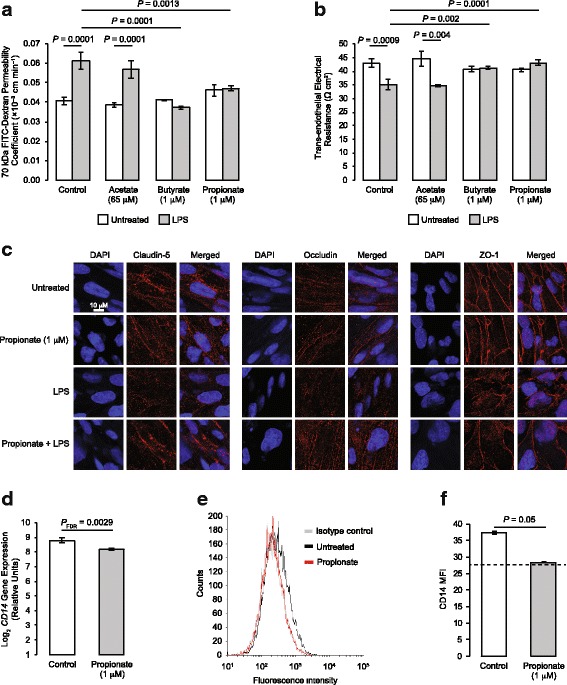
“treatment of an in vitro model of cerebrovascular endothelial cells with propionate attenuates the permeabilizing effects of exposure to lipopolysaccharide (LPS) (99).”
From The Role of Short-Chain Fatty Acids From Gut Microbiota in Gut-Brain Communication (2020) · cites this paper as [99]
5 more claims about this paper
Create a free account to see every claim other papers make about this one.
Self-check
Percentages, sums and reported differences re-computed from the paper’s own numbers.
The self-check needs the paper’s full text.
Citations
Cites
1 retracted
Kouchaki, E., Tamtaji, O. R., Salami, M., Bahmani, F., Daneshvar Kakhaki, R., Akbari, E., Tajabadi-Ebrahimi, M., Jafari, P., & Asemi, Z. (2017) · Clinical Nutrition · doi:10.1016/j.clnu.2016.08.015 · Cited by 317
Retractedlimma powers differential expression analyses for RNA-sequencing and microarray studies
Ritchie, M. E., Phipson, B., Wu, D., Hu, Y., Law, C. W., Shi, W., & Smyth, G. K. (2015) · Nucleic Acids Research · doi:10.1093/nar/gkv007 · Cited by 40,458 · cited 2×
“Differentially expressed genes were identified in microarray data using LIMMA [91]; P values were corrected for multiple testing using the Benjamini–Hochberg procedure (false discovery rate); a P value of less than or equal to 10% was considered significant in this case.”
MethodEnrichr: a comprehensive gene set enrichment analysis web server 2016 update
Kuleshov, M. V., Jones, M. R., Rouillard, A. D., Fernandez, N. F., Duan, Q., Wang, Z., Koplev, S., Jenkins, S. L., Jagodnik, K. M., Lachmann, A., et al. (2016) · Nucleic Acids Research · doi:10.1093/nar/gkw377 · Cited by 10,799 · cited 4×
“Enrichr (Chen et al, 2013; Kuleshov et al, 2016) was used to confirm KEGG findings (with respect to pathways, not their activation/inhibition) and to perform Gene Ontology (GO)- and WikiPathways-based analyses.”
MethodInfluentialA core gut microbiome in obese and lean twins
Turnbaugh, P. J., Hamady, M., Yatsunenko, T., Cantarel, B. L., Duncan, A., Ley, R. E., Sogin, M. L., Jones, W. J., Roe, B. A., Affourtit, J. P., et al. (2009) · Nature · doi:10.1038/nature07540 · Cited by 7,823 · cited 1×
“…associated with numerous pathologies, including diabetes, hepatic diseases, inflammatory bowel disease, viral infections and neurodegenerative disorders (Forslund et al, 2015; Ley et al, 2005; Manichanh et al, 2006; Turnbaugh et al, 2009; Qin et al, 2014; Monaco et al, 2016; Smith et al, 2013).”
BackgroundEnrichr: interactive and collaborative HTML5 gene list enrichment analysis tool
Chen, E. Y., Tan, C. M., Kou, Y., Duan, Q., Wang, Z., Meirelles, G. V., Clark, N. R., & Ma’ayan, A. (2013) · BMC Bioinformatics · doi:10.1186/1471-2105-14-128 · Cited by 7,814 · cited 4×
“Enrichr (Chen et al, 2013; Kuleshov et al, 2016) was used to confirm KEGG findings (with respect to pathways, not their activation/inhibition) and to perform Gene Ontology (GO)- and WikiPathways-based analyses.”
MethodInfluentialChanges of Intestinal Functions in Liver Cirrhosis
Fukui, H., & Wiest, R. (2016) · Inflammatory Intestinal Diseases · doi:10.1159/000444436 · Cited by 6,808
Obesity alters gut microbial ecology
Ley, R. E., Bäckhed, F., Turnbaugh, P., Lozupone, C. A., Knight, R. D., & Gordon, J. I. (2005) · Proceedings of the National Academy of Sciences · doi:10.1073/pnas.0504978102 · Cited by 6,176 · cited 1×
“…associated with numerous pathologies, including diabetes, hepatic diseases, inflammatory bowel disease, viral infections and neurodegenerative disorders (Forslund et al, 2015; Ley et al, 2005; Manichanh et al, 2006; Turnbaugh et al, 2009; Qin et al, 2014; Monaco et al, 2016; Smith et al, 2013).”
Backgroundaffy—analysis of Affymetrix GeneChip data at the probe level
Gautier, L., Cope, L., Bolstad, B. M., & Irizarry, R. A. (2004) · Bioinformatics · doi:10.1093/bioinformatics/btg405 · Cited by 5,218 · cited 2×
“Raw data supplied by Macrogen were quality-checked, log2-transformed and loess-normalised (2 iterations) using affy [82].”
MethodHost-gut microbiota metabolic interactions
Nicholson, J. K., Holmes, E., Kinross, J., Burcelin, R., Gibson, G., Jia, W., & Pettersson, S. (2012) · Science · doi:10.1126/science.1223813 · Cited by 4,760 · cited 2×
“Circulating concentrations of propionate are approximately 1 μM at rest, but these may be expected to increase following consumption of, for example, a meal containing high levels of fermentable fibre [1]; consequently, we examined the effects of 10 μM and 100 μM propionate upon the”
BackgroundSelf-citationModulation of oxidative stress as an anticancer strategy
Gorrini, C., Harris, I. S., & Mak, T. W. (2013) · Nature Reviews Drug Discovery · doi:10.1038/nrd4002 · Cited by 3,579 · cited 3×
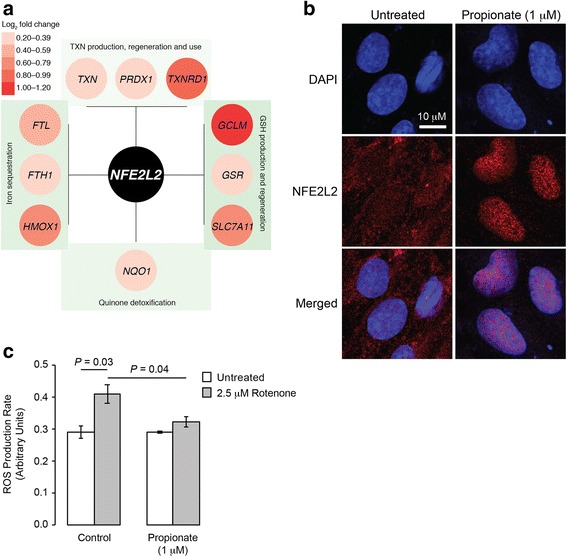
“a Representation of stress response genes significantly upregulated in the current study and directly influenced by NFE2L2, the master regulator of antioxidant responses [54].”
BackgroundInfluential
Research works printed but not linked: 1
- Dunning M Lynch A Eldridge M illuminaHumanv4.db: Illumina HumanHT12v4 annotation data (chip illuminaHumanv4) 2015
Cited by
Cryan, J. F., O'Riordan, K. J., Cowan, C. S. M., Sandhu, K. V., Bastiaanssen, T. F. S., Boehme, M., Codagnone, M. G., Cussotto, S., Fulling, C., Golubeva, A. V., et al. (2019) · Physiological Reviews · doi:10.1152/physrev.00018.2018 · Cited by 5,286
The role of short-chain fatty acids in microbiota–gut–brain communication
Dalile, B., Van Oudenhove, L., Vervliet, B., & Verbeke, K. (2019) · Nature Reviews Gastroenterology & Hepatology · doi:10.1038/s41575-019-0157-3 · Cited by 3,357
The Role of Short-Chain Fatty Acids From Gut Microbiota in Gut-Brain Communication
Silva, Y. P., Bernardi, A., & Frozza, R. L. (2020) · Frontiers in Endocrinology · doi:10.3389/fendo.2020.00025 · Cited by 3,043
Short-Chain Fatty-Acid-Producing Bacteria: Key Components of the Human Gut Microbiota
Fusco, W., Lorenzo, M. B., Cintoni, M., Porcari, S., Rinninella, E., Kaitsas, F., Lener, E., Mele, M. C., Gasbarrini, A., Collado, M. C., et al. (2023) · Nutrients · doi:10.3390/nu15092211 · Cited by 1,243
“Obesity Acetate C57BL/6 male mice Decreases appetite through central hypothalamic mechanisms [43]”
Microbiota–gut–brain axis and its therapeutic applications in neurodegenerative diseases
Loh, J. S., Mak, W. Q., Tan, L. K. S., Ng, C. X., Chan, H. H., Yeow, S. H., Foo, J. B., Ong, Y. S., How, C. W., & Khaw, K. Y. (2024) · Signal Transduction and Targeted Therapy · doi:10.1038/s41392-024-01743-1 · Cited by 1,193
Free Fatty Acid Receptors in Health and Disease
Kimura, I., Ichimura, A., Ohue-Kitano, R., & Igarashi, M. (2020) · Physiological Reviews · doi:10.1152/physrev.00041.2018 · Cited by 1,018
“Moreover, propionate exhibited protective effects on the blood-brain barrier by binding to FFAR3 on the surface of endothelial cells in a recent study (123), indirectly supporting the notion that SCFAs, as gut-derived microbial metabolites, may be crucial mediators in the gut-brain connection.”
Backgroundvan de Wouw, M., Boehme, M., Lyte, J. M., Wiley, N., Strain, C., O'Sullivan, O., Clarke, G., Stanton, C., Dinan, T. G., & Cryan, J. F. (2018) · The Journal of Physiology · doi:10.1113/jp276431 · Cited by 789
“It is therefore essential to emphasise that physiologically relevant levels of acetate and propionate have been reported to directly influence the brain (Perry et al. 2016; Hoyles et al. 2018).”
BackgroundThe blood–brain barrier in systemic infection and inflammation
Galea, I. (2021) · Cellular & Molecular Immunology · doi:10.1038/s41423-021-00757-x · Cited by 738
Short chain fatty acids: Microbial metabolites for gut-brain axis signalling
O'Riordan, K. J., Collins, M. K., Moloney, G. M., Knox, E. G., Aburto, M. R., Fülling, C., Morley, S. J., Clarke, G., Schellekens, H., & Cryan, J. F. (2022) · Molecular and Cellular Endocrinology · doi:10.1016/j.mce.2022.111572 · Cited by 713
The blood-brain barrier in aging and neurodegeneration
Knox, E. G., Aburto, M. R., Clarke, G., Cryan, J. F., & O’Driscoll, C. M. (2022) · Molecular Psychiatry · doi:10.1038/s41380-022-01511-z · Cited by 738
Gut microbes and metabolites as modulators of blood-brain barrier integrity and brain health
Parker, A., Fonseca, S., & Carding, S. R. (2020) · Gut Microbes · doi:10.1080/19490976.2019.1638722 · Cited by 702
Self-citationGut microbiota and dysbiosis in Alzheimer's disease: Implications for pathogenesis and treatment
Liu, S., Gao, J., Zhu, M., Liu, K., & Zhang, H.-L. (2020) · Molecular Neurobiology · doi:10.1007/s12035-020-02073-3 · Cited by 516
“A propionate concentration as low as 1 μm can protect the BBB fromOS by an NFE2L2-dependent mechanism [95].”
BackgroundMicrobiota-derived metabolites as drivers of gut–brain communication
Ahmed, H., Leyrolle, Q., Koistinen, V., Kärkkäinen, O., Layé, S., Delzenne, N., & Hanhineva, K. (2022) · Gut Microbes · doi:10.1080/19490976.2022.2102878 · Cited by 462
“Addition of a physiologically relevant dose of propionic acid to an in vitro model of human BBB showed the modulatory effect being independent of tight junction protein expression.(78) Instead, propionate promoted BBB integrity by mitigating oxidative and pro-inflammatory pathways and by reducing the expression of a s…”
BackgroundThe Role of Short Chain Fatty Acids in Inflammation and Body Health
Du, Y., He, C., An, Y., Huang, Y., Zhang, H., Fu, W., Wang, M., Shan, Z., Xie, J., Yang, Y., et al. (2024) · International Journal of Molecular Sciences · doi:10.3390/ijms25137379 · Cited by 384
“…fermentation metabolite in the gut of many animals including humans, and it exerts versatile health-promoting effects systemically beyond the gut [82], including the attenuation of cardiac hypertrophy, fibrosis and vascular dysfunction [81] and the amelioration of colonic inflammation [83].”
Mechanisms of Blood–Brain Barrier Protection by Microbiota-Derived Short-Chain Fatty Acids
Fock, E., & Parnova, R. (2023) · Cells · doi:10.3390/cells12040657 · Cited by 385
“The involvement of both NF-κB- and Nrf2-driven pathways in the effect of propionate at physiological concentration (1 μM) was shown in the hCMEC/D3 cell line, a human BBB in vitro model [33].”
BackgroundMethodInfluentialRole of microbiota-derived short-chain fatty acids in nervous system disorders
Mirzaei, R., Bouzari, B., Hosseini-Fard, S. R., Mazaheri, M., Ahmadyousefi, Y., Abdi, M., Jalalifar, S., Karimitabar, Z., Teimoori, A., Keyvani, H., et al. (2021) · Biomedicine & Pharmacotherapy · doi:10.1016/j.biopha.2021.111661 · Cited by 386
Aburto, M. R., & Cryan, J. F. (2024) · Nature Reviews Gastroenterology & Hepatology · doi:10.1038/s41575-023-00890-0 · Cited by 359
Gut microbial molecules in behavioural and neurodegenerative conditions
Needham, B. D., Kaddurah-Daouk, R., & Mazmanian, S. K. (2020) · Nature Reviews Neuroscience · doi:10.1038/s41583-020-00381-0 · Cited by 379
Ney, L.-M., Wipplinger, M., Grossmann, M., Engert, N., Wegner, V. D., & Mosig, A. S. (2023) · Open Biology · doi:10.1098/rsob.230014 · Cited by 315
Tryptophan Metabolism by Gut Microbiome and Gut-Brain-Axis: An in silico Analysis
Kaur, H., Bose, C., & Mande, S. S. (2019) · Frontiers in Neuroscience · doi:10.3389/fnins.2019.01365 · Cited by 318
“Studies have also indicated that propionate produced by gut bacteria protects the blood–brain barrier (BBB) from oxidative stress (Hoyles et al., 2018).”
BackgroundGut reactions: Breaking down xenobiotic–microbiome interactions
Clarke, G., Sandhu, K. V., Griffin, B. T., Dinan, T. G., Cryan, J. F., & Hyland, N. P. (2019) · Pharmacological Reviews · doi:10.1124/pr.118.015768 · Cited by 319
“Gut-derived microbial metabolites such as propionate, whose production could be stimulated by prebiotics, can also exert protective effects on blood-brain barrier integrity (Hoyles et al., 2018c).”
Roles of Short-Chain Fatty Acids in Inflammatory Bowel Disease
Shin, Y., Han, S., Kwon, J., Ju, S., Choi, T., Kang, I., & Kim, S. (2023) · Nutrients · doi:10.3390/nu15204466 · Cited by 272
Shandilya, S., Kumar, S., Kumar Jha, N., Kumar Kesari, K., & Ruokolainen, J. (2022) · Journal of Advanced Research · doi:10.1016/j.jare.2021.09.005 · Cited by 290
“ability of BBB and preventing the LPS-induced seizures and stroke [246].”
Nishida, K., Sawada, D., Kuwano, Y., Tanaka, H., & Rokutan, K. (2019) · Nutrients · doi:10.3390/nu11081859 · Cited by 276
“The production of SCFAs can stimulate colonocytes, including endocrine epithelial cells, and gut hormones, subsequently contributing to gut–brain axis activation [50,51].”
BackgroundShort-chain fatty acids as modulators of redox signaling in health and disease
González-Bosch, C., Boorman, E., Zunszain, P. A., & Mann, G. E. (2021) · Redox Biology · doi:10.1016/j.redox.2021.102165 · Cited by 276
Gut microbial metabolites in depression: understanding the biochemical mechanisms
Caspani, G., Kennedy, S., Foster, J. A., & Swann, J. (2019) · Microbial Cell · doi:10.15698/mic2019.10.693 · Cited by 284
The role of gut dysbiosis in Parkinson’s disease: mechanistic insights and therapeutic options
Wang, Q., Luo, Y., Ray Chaudhuri, K., Reynolds, R., Tan, E.-K., & Pettersson, S. (2021) · Brain · doi:10.1093/brain/awab156 · Cited by 281
Obrenovich, M. E. M. (2018) · Microorganisms · doi:10.3390/microorganisms6040107 · Cited by 255
Zhou, M., Fan, Y., Xu, L., Yu, Z., Wang, S., Xu, H., Zhang, J., Zhang, L., Liu, W., Wu, L., et al. (2023) · Microbiome · doi:10.1186/s40168-023-01589-9 · Cited by 244
Zhang, Z., Tang, H., Chen, P., Xie, H., & Tao, Y. (2019) · Signal Transduction and Targeted Therapy · doi:10.1038/s41392-019-0074-5 · Cited by 251
Chakrabarti, A., Geurts, L., Hoyles, L., Iozzo, P., Kraneveld, A. D., La Fata, G., Miani, M., Patterson, E., Pot, B., Shortt, C., et al. (2022) · Cellular and Molecular Life Sciences · doi:10.1007/s00018-021-04060-w · Cited by 237
Self-citationMitrea, L., Nemeş, S.-A., Szabo, K., Teleky, B.-E., & Vodnar, D.-C. (2022) · Frontiers in Medicine · doi:10.3389/fmed.2022.813204 · Cited by 237
Hou, Y.-F., Shan, C., Zhuang, S.-Y., Zhuang, Q.-Q., Ghosh, A., Zhu, K.-C., Kong, X.-K., Wang, S.-M., Gong, Y.-L., Yang, Y.-Y., et al. (2021) · Microbiome · doi:10.1186/s40168-020-00988-6 · Cited by 231
Mechanisms of Short-Chain Fatty Acids Derived from Gut Microbiota in Alzheimer's Disease
Qian, X.-H., Xie, R.-Y., Liu, X.-L., Chen, S.-D., & Tang, H.-D. (2022) · Aging and disease · doi:10.14336/ad.2021.1215 · Cited by 208
Wu, L., Han, Y., Zheng, Z., Peng, G., Liu, P., Yue, S., Zhu, S., Chen, J., Lv, H., Shao, L., et al. (2021) · Nutrients · doi:10.3390/nu13010228 · Cited by 227
“As the most hydrophobic BAs, LCA was the secondary BA and could cross the BBB to exert a cytotoxic effect for the brain [13,33].”
Sasso, J. M., Ammar, R. M., Tenchov, R., Lemmel, S., Kelber, O., Grieswelle, M., & Zhou, Q. A. (2023) · ACS Chemical Neuroscience · doi:10.1021/acschemneuro.3c00127 · Cited by 204
The Microbiome as a Modifier of Neurodegenerative Disease Risk
Fang, P., Kazmi, S. A., Jameson, K. G., & Hsiao, E. Y. (2020) · Cell Host & Microbe · doi:10.1016/j.chom.2020.06.008 · Cited by 226
“Additionally, the SCFA propionate was reported to reduce oxidative stress via GPR41 in cells of the blood brain barrier (Hoyles et al., 2018), further warranting future investigation into the impact of SCFAs on NDs.”
BackgroundCheng, J., Hu, H., Ju, Y., Liu, J., Wang, M., Liu, B., & Zhang, Y. (2024) · General Psychiatry · doi:10.1136/gpsych-2023-101374 · Cited by 196
“118 SCFAs protect hippocampal neurons from injury to the mitochondrial membrane potential and ROS accumulation.”
The function of gut microbiota in immune-related neurological disorders: a review
Sittipo, P., Choi, J., Lee, S., & Lee, Y. K. (2022) · Journal of Neuroinflammation · doi:10.1186/s12974-022-02510-1 · Cited by 221
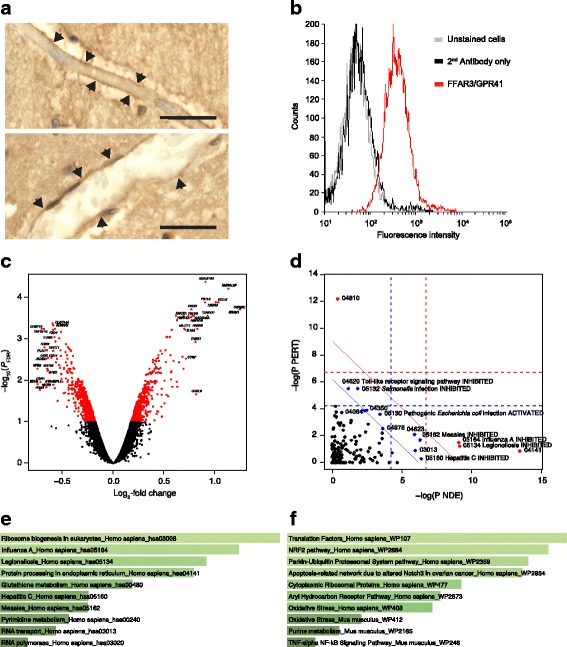
“Propionate can interact with free fatty acid receptor-3 (FFAR3) on endothelial cells, resulting in the inhibition of nonspecific microbial infections and protection of the BBB from oxidative stress [39].”
BackgroundHoyles, L., Pontifex, M. G., Rodriguez-Ramiro, I., Anis-Alavi, M. A., Jelane, K. S., Snelling, T., Solito, E., Fonseca, S., Carvalho, A. L., Carding, S. R., et al. (2021) · Microbiome · doi:10.1186/s40168-021-01181-z · Cited by 221
“These data reinforce the position of the cerebral vasculature as a major target for the gut-brain axis, and extend our knowledge of its interactions with microbial metabolites beyond SCFAs [1,2] to another major class of molecules, the dietary methylamines.”
BackgroundMethodInfluentialSelf-citationThe Influence of Gut Microbiota on Oxidative Stress and the Immune System
Kunst, C., Schmid, S., Michalski, M., Tümen, D., Buttenschön, J., Müller, M., & Gülow, K. (2023) · Biomedicines · doi:10.3390/biomedicines11051388 · Cited by 213
Comer, A. L., Carrier, M., Tremblay, M.-È., & Cruz-Martín, A. (2020) · Frontiers in Cellular Neuroscience · doi:10.3389/fncel.2020.00274 · Cited by 205
“, 2014), which are known to have anti-inflammatory effects and promote BBB integrity (Hoyles et al., 2018).”
BackgroundThe Role of Gut Bacterial Metabolites in Brain Development, Aging and Disease
Tran, S. M.-S., & Mohajeri, M. H. (2021) · Nutrients · doi:10.3390/nu13030732 · Cited by 210
“For example, physiological amounts of PA have been recently shown to protect the BBB from oxidative stress [21] and to decrease paracellular permeability [22].”
BackgroundGoyal, D., Ali, S. A., & Singh, R. K. (2021) · Progress in Neuro-Psychopharmacology and Biological Psychiatry · doi:10.1016/j.pnpbp.2020.110112 · Cited by 205
Chidambaram, S. B., Essa, M. M., Rathipriya, A. G., Bishir, M., Ray, B., Mahalakshmi, A. M., Tousif, A. H., Sakharkar, M. K., Kashyap, R. S., Friedland, R. P., et al. (2022) · Pharmacology & Therapeutics · doi:10.1016/j.pharmthera.2021.107988 · Cited by 204
The Gut–Brain Axis and Its Relation to Parkinson’s Disease: A Review
Klann, E. M., Dissanayake, U., Gurrala, A., Farrer, M., Shukla, A. W., Ramirez-Zamora, A., Mai, V., & Vedam-Mai, V. (2022) · Frontiers in Aging Neuroscience · doi:10.3389/fnagi.2021.782082 · Cited by 182
Lu, S., Zhao, Q., Guan, Y., Sun, Z., Li, W., Guo, S., & Zhang, A. (2024) · Biomedicine & Pharmacotherapy · doi:10.1016/j.biopha.2024.117207 · Cited by 159
Neuroinflammation—A Crucial Factor in the Pathophysiology of Depression—A Comprehensive Review
Sălcudean, A., Bodo, C.-R., Popovici, R. A., Lica, M. M., Păcurar, M., Crăciun, R.-E., Crișan, A., ENĂTESCU, V. R., Marinescu, I. P., Cîmpian, D. M., et al. (2025) · Biomolecules · doi:10.3390/biom15040502 · Cited by 201
“For example, butyrate has been implicated in maintaining the integrity of the BBB and increasing neurogenesis through different signaling pathways affecting neurotransmitter synthase [260,263,264].”
Neuromicrobiology, an emerging neurometabolic facet of the gut microbiome?
Miri, S., Yeo, J., Abubaker, S., & Hammami, R. (2023) · Frontiers in Microbiology · doi:10.3389/fmicb.2023.1098412 · Cited by 164
The Impact of Gut Microbiota Disorders on the Blood–Brain Barrier
Tang, W., Zhu, H., Feng, Y., Guo, R., & Wan, D. (2020) · Infection and Drug Resistance · doi:10.2147/idr.s254403 · Cited by 161
Dual role of microbiota-derived short-chain fatty acids on host and pathogen
Mirzaei, R., Dehkhodaie, E., Bouzari, B., Rahimi, M., Gholestani, A., Hosseini-Fard, S. R., Keyvani, H., Teimoori, A., & Karampoor, S. (2022) · Biomedicine & Pharmacotherapy · doi:10.1016/j.biopha.2021.112352 · Cited by 163
The gut vascular barrier: a new player in the gut–liver–brain axis
Brescia, P., & Rescigno, M. (2021) · Trends in Molecular Medicine · doi:10.1016/j.molmed.2021.06.007 · Cited by 175
Effects of dietary fibre on metabolic health and obesity
Deehan, E. C., Mocanu, V., & Madsen, K. L. (2024) · Nature Reviews Gastroenterology & Hepatology · doi:10.1038/s41575-023-00891-z · Cited by 190
Zeng, Q., Gong, J., Liu, X., Chen, C., Sun, X., Li, H., Zhou, Y., Cui, C., Wang, Y., Yang, Y., et al. (2019) · Neurochemistry International · doi:10.1016/j.neuint.2019.104468 · Cited by 164
Enteric short‐chain fatty acids promote proliferation of human neural progenitor cells
Yang, L. L., Millischer, V., Rodin, S., MacFabe, D. F., Villaescusa, J. C., & Lavebratt, C. (2020) · Journal of Neurochemistry · doi:10.1111/jnc.14928 · Cited by 157
“…of SCFAs applied in these studies (in the mM range) have been much higher than the reported physiological levels (µM range), but for in a recent in vitro study on a human BBB cell model that was conducted using a physiologically relevant propionate concentration at 1 μM (Hoyles et al., 2018).”
BackgroundInfluentialSalminen, A. (2023) · Journal of Molecular Medicine · doi:10.1007/s00109-023-02289-5 · Cited by 168
“Commonly, SCFA activate the free fatty acid receptors 2/3 (FFAR2/3), present also in the human BBB [139, 140].”
BackgroundT-Cell-Driven Inflammation as a Mediator of the Gut-Brain Axis Involved in Parkinson's Disease
Campos-Acuña, J., Elgueta, D., & Pacheco, R. (2019) · Frontiers in Immunology · doi:10.3389/fimmu.2019.00239 · Cited by 147
Beyond the gut: decoding the gut–immune–brain axis in health and disease
Park, J. C., Chang, L., Kwon, H.-K., & Im, S.-H. (2025) · Cellular & Molecular Immunology · doi:10.1038/s41423-025-01333-3 · Cited by 149
“Finally, propionate has been shown to bind to GPR41 on BBB endothelial cells to maintain their integrity against nonspeci fi c infections and oxidative stress [241].”
Gut Microbiota: A Perspective for Psychiatrists
Rea, K., Dinan, T. G., & Cryan, J. F. (2020) · Neuropsychobiology · doi:10.1159/000504495 · Cited by 141
Leaky brain in neurological and psychiatric disorders: Drivers and consequences
Morris, G., Fernandes, B. S., Puri, B. K., Walker, A. J., Carvalho, A. F., & Berk, M. (2018) · Australian & New Zealand Journal of Psychiatry · doi:10.1177/0004867418796955 · Cited by 142
Small talk: microbial metabolites involved in the signaling from microbiota to brain
Caspani, G., & Swann, J. (2019) · Current Opinion in Pharmacology · doi:10.1016/j.coph.2019.08.001 · Cited by 138
Mishra, S. P., Karunakar, P., Taraphder, S., & Yadav, H. (2020) · Biomedicines · doi:10.3390/biomedicines8060154 · Cited by 136
“Biomedicines 2020, 8, 154 21 of 45 Biomedicines 2020, 8, x FOR PEER REVIEW 19 of 42 GLP-1 hormonal synthesis from L-cells of mice with an increase in Ca2+ levels.”
BackgroundInfluentialHorvath, T. D., Ihekweazu, F. D., Haidacher, S. J., Ruan, W., Engevik, K. A., Fultz, R., Hoch, K. M., Luna, R. A., Oezguen, N., Spinler, J. K., et al. (2022) · iScience · doi:10.1016/j.isci.2022.104158 · Cited by 142
“These SCFAs are reported to stimulate enteroendocrine cells, inhibit histone deacetylases, suppress inflammatory signals, and protect the blood-brain barrier from oxidative stress (De Vadder et al., 2014; Engevik et al., 2021; Gill et al., 2013; Hoyles et al., 2018; Nohr et al., 2013; Park et al., 2007, 2015, 2016, 20…”
BackgroundSofield, C. E., Anderton, R. S., & Gorecki, A. M. (2024) · Current Issues in Molecular Biology · doi:10.3390/cimb46050256 · Cited by 124
Xu, M., Mo, X., Huang, H., Chen, X., Liu, H., Peng, Z., Chen, L., Rong, S., Yang, W., Xu, S., et al. (2020) · International Journal of Biological Macromolecules · doi:10.1016/j.ijbiomac.2020.05.180 · Cited by 137
Gut microbiota-derived short-chain fatty acids and hypertension: Mechanism and treatment
Yang, F., Chen, H., Gao, Y., An, N., Li, X., Pan, X., Yang, X., Tian, L., Sun, J., Xiong, X., et al. (2020) · Biomedicine & Pharmacotherapy · doi:10.1016/j.biopha.2020.110503 · Cited by 148
Cao, Q., Shen, M., Li, R., Liu, Y., Zeng, Z., Zhou, J., Niu, D., Zhang, Q., Wang, R., Yao, J., et al. (2025) · Journal of Neuroinflammation · doi:10.1186/s12974-025-03454-y · Cited by 153
The Gut-Microglia Connection: Implications for Central Nervous System Diseases
Wang, Y., Wang, Z., Wang, Y., Li, F., Jia, J., Song, X., Qin, S., Wang, R., Jin, F., Kitazato, K., et al. (2018) · Frontiers in Immunology · doi:10.3389/fimmu.2018.02325 · Cited by 125
Frame, L. A., Costa, E., & Jackson, S. A. (2020) · Nutrition Reviews · doi:10.1093/nutrit/nuz106 · Cited by 141
“Though, propionate has recently been shown to interact with the blood-brain barrier, potentially protecting it.(77) SCFAs have also been shown to improve absorption of dietary minerals such as calcium,(40,44,55,78,79) aid in water absorption,(44) and alter intestinal permeability,(44,47) which may affect nutrient abso…”
BackgroundPesticide exposure and the microbiota-gut-brain axis
Matsuzaki, R., Gunnigle, E., Geissen, V., Clarke, G. A., Nagpal, J. K., & Cryan, J. F. (2023) · The ISME Journal · doi:10.1038/s41396-023-01450-9 · Cited by 137
“Microbially derived SCFAs are crucial in microbiota-gut-brain axis signalling, including in the maintenance of BBB integrity [83, 84].”
Microbiota–gut–brain axis: interplay between microbiota, barrier function and lymphatic system
Zhuang, M., Zhang, X., & Cai, J. (2024) · Gut Microbes · doi:10.1080/19490976.2024.2387800 · Cited by 139
“69 Conversely, elevated levels of propionate in the brain may exacerbate symptoms in mouse models of autism, but supplementation with butyrate can mitigate these effects, suggesting the importance of metabolite balance.”
Spichak, S., Bastiaanssen, T. F. S., Berding, K., Vlckova, K., Clarke, G., Dinan, T. G., & Cryan, J. F. (2021) · Neuroscience & Biobehavioral Reviews · doi:10.1016/j.neubiorev.2021.02.044 · Cited by 127
Magliocca, G., Mone, P., Iorio, B. R. D., Heidland, A., & Marzocco, S. (2022) · International Journal of Molecular Sciences · doi:10.3390/ijms23105354 · Cited by 138
Gut microbiota regulates blood‐cerebrospinal fluid barrier function and Aβ pathology
Xie, J., Bruggeman, A., De Nolf, C., Vandendriessche, C., Van Imschoot, G., Van Wonterghem, E., Vereecke, L., & Vandenbroucke, R. E. (2023) · The EMBO Journal · doi:10.15252/embj.2022111515 · Cited by 125
“D Representative images of immunostainings for ZO-1 and OCLN in primary CPE cells following treatment for 6 h with 1 lM sodium propionate or 1 lM sodium butyrate, with 100 ng/ml LPS stimulation.”
InfluentialGut Vibes in Parkinson's Disease: The Microbiota‐Gut‐Brain Axis
Bullich, C., Keshavarzian, A., Garssen, J., Kraneveld, A., & Perez‐Pardo, P. (2019) · Movement Disorders Clinical Practice · doi:10.1002/mdc3.12840 · Cited by 114
“Same as butyrate, propionate is an HDAC inhibitor(68,74) with anti-inflammatory properties and protective properties in BBB integrity.(83)”
BackgroundImplications of Diet and The Gut Microbiome in Neuroinflammatory and Neurodegenerative Diseases
Hirschberg, S., Gisevius, B., Duscha, A., & Haghikia, A. (2019) · International Journal of Molecular Sciences · doi:10.3390/ijms20123109 · Cited by 117
Hegelmaier, T., Lebbing, M., Duscha, A., Tomaske, L., Tönges, L., Holm, J. B., Bjørn Nielsen, H., Gatermann, S. G., Przuntek, H., & Haghikia, A. (2020) · Cells · doi:10.3390/cells9020376 · Cited by 118
“Furthermore, the propionate receptor FFAR3 was discovered on human brain endothelium and an influence of propionate on the BBB via a CD-14-dependent mechanism has been detected [63,64].”
BackgroundWang, Z., Wang, C., Yuan, B., Liu, L., Zhang, H., Zhu, M., Chai, H., Peng, J., Huang, Y. H., Zhou, S., et al. (2025) · Microbiome · doi:10.1186/s40168-024-02001-w · Cited by 132
Sun, M., Ma, K., Wen, J., Wang, G., Zhang, C., Li, Q., Bao, X., & Wang, H. (2020) · Journal of Alzheimer’s Disease · doi:10.3233/jad-190872 · Cited by 113
“Consistent with this, recent work showed that the bacterial metabolite propionate, an SCFA, protected the BBB from damage via inhibiting oxidative stress in an NFE2L2-dependent mechanism [84].”
Borrego-Ruiz, A., & Borrego, J. J. (2023) · Progress in Neuro-Psychopharmacology and Biological Psychiatry · doi:10.1016/j.pnpbp.2023.110861 · Cited by 122
“…induces the secretion of LPS, which disrupts gastrointestinal permeability and the blood-brain barrier (BBB), modulating the inflammatory pathway that promotes neuroinflammation and cognitive decline, and leads to neuronal death in AD (Hu et al., 2016; Kesika et al., 2021; Varesi et al., 2022).”
BackgroundGut Microbiota Interaction with the Central Nervous System throughout Life
Ojeda, J., Ávila, A., & Vidal, P. M. (2021) · Journal of Clinical Medicine · doi:10.3390/jcm10061299 · Cited by 103
“Even more, endothelial cells of BBB express SCFAs receptors, such as FFAR3, to protect the BBB by inhibition of pathways related with inflammatory responses through Toll-like receptor 4 (TLR4) and oxidative stimuli [62].”
BackgroundShort-Chain Fatty Acid Receptors and Cardiovascular Function
Lymperopoulos, A., Suster, M. S., & Borges, J. I. (2022) · International Journal of Molecular Sciences · doi:10.3390/ijms23063303 · Cited by 122
“In addition, propionate exerts protective effects on the BBB via FFAR3 activation on the surface of endothelial cells [98], suggesting another role for FFAR3 in mediating the effects of gutderived microbial SCFA metabolites in the modulation of the gut-brain axis.”
BackgroundMultiple roles of short-chain fatty acids in Alzheimer disease
Chen, H., Meng, L., & Shen, L. (2022) · Nutrition · doi:10.1016/j.nut.2021.111499 · Cited by 103
Fu, J., Li, J., Sun, Y., Liu, S., Song, F., & Liu, Z. (2023) · International Journal of Biological Macromolecules · doi:10.1016/j.ijbiomac.2023.123488 · Cited by 111
Yang, J., Liang, J., Hu, N., He, N., Liu, B., Liu, G., & Qin, Y. (2024) · CNS Neuroscience & Therapeutics · doi:10.1111/cns.70091 · Cited by 120
“These SCFAs permeate the BBB via monocarboxylate transporters on endothelial cells and contribute to maintaining BBB integrity by suppressing pathways associated with non-specific inflammatory responses to microbial infections in vitro [68, 69].”
Gut-brain axis: Focus on gut metabolites short-chain fatty acids
Guo, C., Huo, Y., Li, Y., Han, Y., & Zhou, D. (2022) · World Journal of Clinical Cases · doi:10.12998/wjcc.v10.i6.1754 · Cited by 105
The microbiota–microglia axis in central nervous system disorders
Mossad, O., & Erny, D. (2020) · Brain Pathology · doi:10.1111/bpa.12908 · Cited by 98
“The gut microbiota has also been shown to regulate the permeability of the blood-brain barrier (BBB) (11, 12), and glial cells functions (9).”
BackgroundKnox, E. G., Aburto, M. R., Tessier, C., Nagpal, J., Clarke, G., O’Driscoll, C. M., & Cryan, J. F. (2022) · iScience · doi:10.1016/j.isci.2022.105648 · Cited by 97
“Propionate protects BBB integrity from a post-inflammatory insult (via lipopolysaccharide (LPS)) in an in vitro BBB model.(12) Although butyrate and propionate protect BBB function, the involvement of various cellular structures specifically at the level of the cytoskeleton, remain unknown.”
InfluentialThe Role of Intestinal Bacteria and Gut–Brain Axis in Hepatic Encephalopathy
Chen, Z., Ruan, J., Li, D., Wang, M., Han, Z., Qiu, W., & Wu, G. (2021) · Frontiers in Cellular and Infection Microbiology · doi:10.3389/fcimb.2020.595759 · Cited by 103
“In addition, propionate can protect the BBB by binding the receptor FFAR3 expressed in the human brain endothelium against oxidative stress (Hoyles et al., 2018).”
BackgroundTan, J., Ni, D., Taitz, J., Pinget, G. V., Read, M. N., Senior, A. M., Wali, J. A., Elnour, R., Shanahan, E. R., Wu, H., et al. (2022) · Nature Communications · doi:10.1038/s41467-022-31761-y · Cited by 106
Moțățăianu, A., Şerban, G. M., & Andone, S. R. (2023) · International Journal of Molecular Sciences · doi:10.3390/ijms242015094 · Cited by 101
“Furthermore, SCFAs stimulate the nuclear factor erythroid 2-like 2 (NFE2L2) pathway, an important component in protecting against inflammation-induced oxidative damage [93].”
Protection of Fecal Microbiota Transplantation in a Mouse Model of Multiple Sclerosis
Li, K., Wei, S., Hu, L., Yin, X., Mai, Y., Jiang, C., Peng, X., Cao, X., Huang, Z., Zhou, H., et al. (2020) · Mediators of Inflammation · doi:10.1155/2020/2058272 · Cited by 92
“SCFAs have been found to protect the BBB from oxidative stress via nuclear factor, erythroid 2-like 2 (NFE2L2) signaling [46] and exert anti-inflammatory and neuroprotective functions [47–49].”
BackgroundWei, X., Xin, J., Chen, W., Wang, J., Lv, Y., Wei, Y., Li, Z., Ding, Q., Shen, Y., Xu, X., et al. (2023) · Biomedicine & Pharmacotherapy · doi:10.1016/j.biopha.2023.114862 · Cited by 98
Brain modulation by the gut microbiota: From disease to therapy
Mitra, S., Dash, R., Nishan, A. A., Habiba, S. U., & Moon, I. S. (2023) · Journal of Advanced Research · doi:10.1016/j.jare.2022.12.001 · Cited by 91
“In addition, the reduction of SCFA-producing GM is related to the progression of PD, as decreased SCFA is seen in patients’ fecal samples [223–226], whereas increased propionate levels could render neuroprotection [226].”
Chenghan, M., Li, W., Zhao, B., He, Y., Li, Q., Zhang, T., Xiaojie, L., Zhang, K., Yingqian, Z., & Zhong, Z. (2025) · Annals of the New York Academy of Sciences · doi:10.1111/nyas.15299 · Cited by 98
“31 Similarly, propionate protected BBB integrity from gut dysbiosis induced by oral antibiotic treatment and showed limited effects on tight junction proteins under physiological conditions.”
InfluentialThe microbiota-gut-brain axis: Focus on the fundamental communication pathways
(2020) · Progress in Molecular Biology and Translational Science · doi:10.1016/bs.pmbts.2020.08.012 · Cited by 88
Varesi, A., Campagnoli, L. I. M., Fahmideh, F., Pierella, E., Romeo, M., Ricevuti, G., Nicoletta, M., Chirumbolo, S., & Pascale, A. (2022) · International Journal of Molecular Sciences · doi:10.3390/ijms232012289 · Cited by 88
“, claudin-5 and occludin), using the bacteria-produced short chain fatty acids (SCFAs) as modulatory signals for the brain synaptogenesis and development [10,11].”
MethodGuo, B., Zhang, J., Zhang, W., Chen, F., & Liu, B. (2023) · Critical Reviews in Food Science and Nutrition · doi:10.1080/10408398.2023.2272769 · Cited by 96
“SCFAs, especially propionate, promote the production of leptin in a GPR41-dependent manner, and elevated proportions of leptin reduce amyloid β accumulation in the brain (Niedowicz et al. 2013; Xiong et al. 2004).”
InfluentialPotential of Prebiotic Butyrogenic Fibers in Parkinson's Disease
Cantu-Jungles, T. M., Rasmussen, H. E., & Hamaker, B. R. (2019) · Frontiers in Neurology · doi:10.3389/fneur.2019.00663 · Cited by 81
Duan, W.-X., Wang, F., Liu, J., & Liu, C. (2023) · Neuroscience Bulletin · doi:10.1007/s12264-023-01123-9 · Cited by 95
“Furthermore, the expression of FFAR3 and transporters of SCFAs have been confirmed in brain endothelial cells, indicating that SCFAs may affect the function of the BBB [28].”
Metadata
- Authors
- Hoyles, L., Snelling, T., Umlai, U.-K., Nicholson, J. K., Carding, S. R., Glen, R. C., & McArthur, S.
- Affiliations
- Imperial College London (GB)
- University of East Anglia (GB)
- University of Cambridge (GB)
- Queen Mary University of London (GB)
- Corresponding author
- Hoyles, Lesley
- McArthur, Simon
- ORCID
- Venue
- Microbiome
- Published
- 2018-03-21
- Volume
- 6
- Issue
- 1
- Pages
- 55-55
- ISSN
- 2049-2618 (ISSN-L)
- PMC
- PMC5863458
- OpenAlex
- W2951463045
- Cited by
- 591
- References
- 92
- Citations by year
- 2026: 63 · 2025: 97 · 2024: 108 · 2023: 95 · 2022: 76 · 2021: 59 · 2020: 47 · 2019: 35 · 2018: 11
- FWCI
- 13.61
- Type
- journal article
- Language
- en
- Open access
- gold
- doi.org
- Licence
- cc-by
- creativecommons.org/licenses/by/4.0/ (tdm)
- Locations
- Microbiome (publishedVersion, cc-by)
- Europe PMC (PubMed Central) (publishedVersion, cc-by)
- PubMed Central (publishedVersion, cc-by)
- PubMed (publishedVersion)
- Nottingham Trent University's Institutional Repository (Nottingham Trent Repository) (acceptedVersion)
- UEA Digital Repository (University of East Anglia) (acceptedVersion)
- DOAJ (DOAJ: Directory of Open Access Journals) (submittedVersion, cc-by-sa)
- Queen Mary Research Online (Queen Mary University of London) (submittedVersion)
- Spiral (Imperial College London) (submittedVersion, cc-by)
- Spiral (Imperial College London) (submittedVersion, cc-by-nc-nd)
- Funders
- Alzheimer’s Research UK (ARUK-PPG2016B-6)
- Medical Research Council (MR/L01632X/1)
- Topics
- Life Sciences › Biochemistry, Genetics and Molecular Biology › Molecular Biology › Gut microbiota and health
- Life Sciences › Neuroscience › Neurology › Barrier Structure and Function Studies
- Health Sciences › Medicine › Gastroenterology › Gastrointestinal motility and disorders
- Keywords
- propionate, blood-brain barrier, gut-brain axis, gut microbiota, microbial metabolites, brain endothelium, CD14, LRP1, Nrf2 signaling, oxidative stress, intestinal gluconeogenesis, neuroprotection
- MeSH terms
- Gastrointestinal Microbiome, Bacteria, Blood-Brain Barrier, Cells, Cultured, Gluconeogenesis, Humans, Propionates, Signal Transduction, Oxidative Stress, Low Density Lipoprotein Receptor-Related Protein-1, Gastrointestinal Tract, Receptors, G-Protein-Coupled, NF-E2-Related Factor 2, Metabolome
About these checks
Registry, retraction, Cites and statistics results are computed, not judged, with one exception: a printed reference that no index lists is read once by a model before it counts as a citation error. Claims are extracted by a model and kept only when their quote appears verbatim in the text; each cited source is then checked, with a model’s help, for whether it says what the claim relies on. Those verdicts can be wrong — read the claim’s quote and the cited source before relying on one.
Statistics and arithmetic are recomputed, not judged.
Confidence bands are shown only for fields calibrated on our annotated test set. None is calibrated yet, so no band is shown.
What counts as a claim ›How we measure confidence ›How we check this ›
Are you an author, or do you see a problem with this page? Request a review
Data sources
Bibliographic data: Semantic Scholar, OpenAlex, Crossref.
Contains information from the Semantic Scholar Academic Graph Datasets, made available under the ODC Attribution License (ODC-BY 1.0).
Semantic Scholar’s data is described in: Kinney, R., et al. (2023). The Semantic Scholar Open Data Platform. arXiv:2301.10140.
