

Exosomal lipid composition and the role of ether lipids and phosphoinositides in exosome biology
Open accessThe DOI matches its Crossref record; 102 of the 103 references it cites were found in a registry or an index.
Abstract
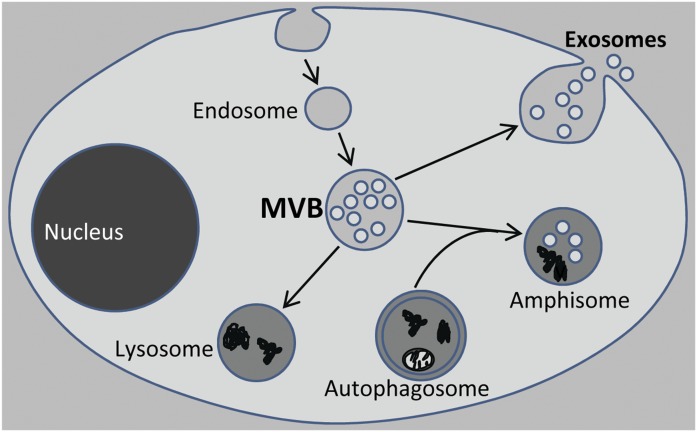
Exosomes are a type of extracellular vesicle released from cells after fusion of multivesicular bodies with the plasma membrane. These vesicles are often enriched in cholesterol, SM, glycosphingolipids, and phosphatidylserine. Lipids not only have a structural role in exosomal membranes but also are essential players in exosome formation and release to the extracellular environment. Our knowledge about the importance of lipids in exosome biology is increasing due to recent technological developments in lipidomics and a stronger focus on the biological functions of these molecules. Here, we review the available information about the lipid composition of exosomes. Special attention is given to ether lipids, a relatively unexplored type of lipids involved in membrane trafficking and abundant in some exosomes. Moreover, we discuss how the lipid composition of exosome preparations may provide useful information about their purity. Finally, we discuss the role of phosphoinositides, membrane phospholipids that help to regulate membrane dynamics, in exosome release and how this process may be linked to secretory autophagy. Knowledge about exosome lipid composition is important to understand the biology of these vesicles and to investigate possible medical applications.
Overview
The claims and statistics of this paper haven’t been checked yet.
Free: it reads the open-access text and checks the first 5 claims that cite a source we can check. Create a free account to check every claim.
Integrity signals
Registry
Cites
Statistics
Figures
Verification
Claims the paper makes
The claims and statistics of this paper haven’t been checked yet.
Free: it reads the open-access text and checks the first 5 claims that cite a source we can check. Create a free account to check every claim.
Claims other papers make about this one
Each is checked against this paper’s own text: does it say what the citing paper says it does?
The source backs part of the claim, not all of it — or backs it for a different population, condition or comparison.
In the citing paper
“pSIVA is a polarity-sensitive indicator of viability and apoptosis that binds to externalized phosphatidylserine and is a sensor for exosome-like vesicles, which are frequently characterized by an abundance of cholesterol, glycosphingolipids, and phosphatidylserine [69].”
From Abnormal accumulation of extracellular vesicles in hippocampal dystrophic axons and regulation by the primary cilia in Alzheimer's disease (2023) · cites this paper as [69]
Experimental — accuracy not yet measured
Self-check
Percentages, sums and reported differences re-computed from the paper’s own numbers.
The self-check needs the paper’s full text.
Citations
Cites
Shedding light on the cell biology of extracellular vesicles
van Niel, G., D'Angelo, G., & Raposo, G. (2018) · Nature Reviews Molecular Cell Biology · doi:10.1038/nrm.2017.125 · Cited by 8,369
Membrane lipids: where they are and how they behave
van Meer, G., Voelker, D. R., & Feigenson, G. W. (2008) · Nature Reviews Molecular Cell Biology · doi:10.1038/nrm2330 · Cited by 7,157
Biogenesis, Secretion, and Intercellular Interactions of Exosomes and Other Extracellular Vesicles
Colombo, M., Raposo, G., & Théry, C. (2014) · Annual Review of Cell and Developmental Biology · doi:10.1146/annurev-cellbio-101512-122326 · Cited by 6,186
Biological properties of extracellular vesicles and their physiological functions
Yáñez‐Mó, M., Siljander, P. R. ‐., Andreu, Z., Bedina Zavec, A., Borràs, F. E., Buzas, E. I., Buzas, K., Casal, E., Cappello, F., Carvalho, J., et al. (2015) · Journal of Extracellular Vesicles · doi:10.3402/jev.v4.27066 · Cited by 5,926
Self-citationIsolation and Characterization of Exosomes from Cell Culture Supernatants and Biological Fluids
Théry, C., Amigorena, S., Raposo, G., & Clayton, A. (2006) · Current Protocols in Cell Biology · doi:10.1002/0471143030.cb0322s30 · Cited by 5,766
Ceramide Triggers Budding of Exosome Vesicles into Multivesicular Endosomes
Trajkovic, K., Hsu, C., Chiantia, S., Rajendran, L., Wenzel, D., Wieland, F., Schwille, P., Brügger, B., & Simons, M. (2008) · Science · doi:10.1126/science.1153124 · Cited by 3,627
Communication by Extracellular Vesicles: Where We Are and Where We Need to Go
Tkach, M., & Théry, C. (2016) · Cell · doi:10.1016/j.cell.2016.01.043 · Cited by 3,444
Phosphoinositides in cell regulation and membrane dynamics
Di Paolo, G., & De Camilli, P. (2006) · Nature · doi:10.1038/nature05185 · Cited by 2,790
Current knowledge on exosome biogenesis and release
Hessvik, N. P., & Llorente, A. (2018) · Cellular and Molecular Life Sciences · doi:10.1007/s00018-017-2595-9 · Cited by 2,362
Self-citationHuotari, J., & Helenius, A. (2011) · The EMBO Journal · doi:10.1038/emboj.2011.286 · Cited by 2,265
Cited by
Items 501–600 of 774
Extracellular vesicles and domestic animal reproduction
Llobat, L. (2021) · Research in Veterinary Science · doi:10.1016/j.rvsc.2021.02.016 · Cited by 8
Karpurapu, M., Nie, Y., Chung, S., Yan, J., Dougherty, P. M., Pannu, S. R., Wisler, J., Harkless, R. V., Parinandi, N. L., Berdyshev, E. V., et al. (2024) · Frontiers in Physiology · doi:10.3389/fphys.2024.1378565 · Cited by 6
Ma, S., Wang, Y., Fan, S., Jiang, W., Sun, M., Jing, M., Bi, W., Zhou, M., & Wu, D. (2025) · Lipids in Health and Disease · doi:10.1186/s12944-025-02509-6 · Cited by 7
“These nanoscale, lipid bilayer-enclosed vesicles are capable of transporting various bioactive components, such as proteins, lipids, and nucleic acids, delivered to target cells [15].”
Cutting‐Edge Aptasensing Approaches for Electrochemical Detection of Exosomes Utilizing MXenes
Vikartovský, A., Košútová, N., Lorencová, L., Kasák, P., Bertók, T., & Tkáč, J. (2025) · ChemElectroChem · doi:10.1002/celc.202400713 · Cited by 7
The role of exosomes in bladder cancer immunotherapy
Ghasroldasht, M. M., & Agarwal, P. K. (2025) · Journal of the National Cancer Center · doi:10.1016/j.jncc.2025.04.001 · Cited by 7
“52 , 53 Lipids such as ceramide and lysobisphosphatidic acid (LBPA) are enriched in the exosomal membrane and are involved in the biogenesis of vesicles, particularly the formation of intraluminal vesicles (ILVs) within MVBs. 54 The lipid composition of exosomes can vary depending on the cell type…”
Characterization and Fine Structure of Exosomes
Alshubaily, F. A., & Al-Zahrani, M. H. (2020) · Springer eBooks · doi:10.1007/978-981-15-6599-1_2 · Cited by 8
Control of unconventional secretion by the autophagy machinery
Nguyen, T. A., & Debnath, J. (2022) · Current Opinion in Physiology · doi:10.1016/j.cophys.2022.100595 · Cited by 9
Carrasco, A. G. M., Otake, A. H., Macedo-da-Silva, J., Santiago, V. F., Palmisano, G., Andrade, L. N. D. S., & Chammas, R. J. (2023) · International Journal of Molecular Sciences · doi:10.3390/ijms241613022 · Cited by 6
The signature of extracellular vesicles in hypoxic breast cancer and their therapeutic engineering
Zhu, B., Xiang, K., Li, T., Li, X., & Shi, F. (2024) · Cell Communication and Signaling · doi:10.1186/s12964-024-01870-w · Cited by 6
Current application of exosomes in medicine
Bryl, R., Borowiec, B. M., Siroma, R. S., Pinto, N., Melo, M. A., Shibli, J. A., & Dyszkiewicz-Konwińska, M. (2020) · Medical Journal of Cell Biology · doi:10.2478/acb-2020-0013 · Cited by 6
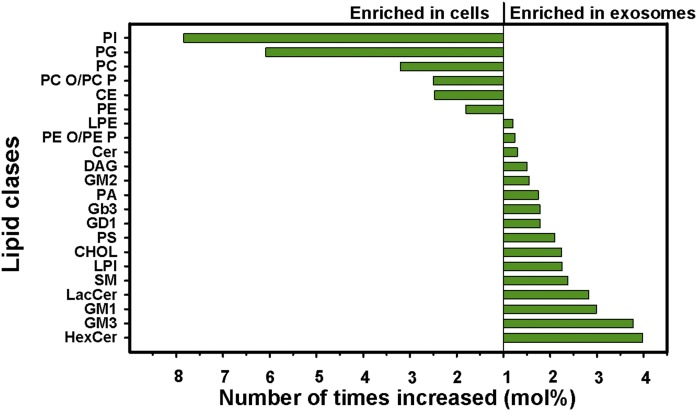
“Studies demonstrated that specific lipids, namely cholesterol (CHOL), sphingomyelin (SM), glycosphingolipids, ceramides and phosphatidylserine (PS) are two to four times enriched in exosomes compared to their parent cells, while a similar mole percent in cells and exosomes was observed for phosphatidylethanolamine (PE…”
BackgroundBatarseh, A. M., Vafaee, F., Hosseini‐Beheshti, E., Safarchi, A., Chen, A., Cohen, A., Juillard, A., Hunt, N. H., Mariani, M., Mitchell, T. W., et al. (2022) · International Journal of Molecular Sciences · doi:10.3390/ijms24010501 · Cited by 6
“There have been reports suggesting that cholesteryl ester and TG are contaminants in MV preparations [23].”
BackgroundSojoudi, K., Azizi, H., & Skutella, T. (2023) · Biotechnology and Genetic Engineering Reviews · doi:10.1080/02648725.2023.2193772 · Cited by 6
“…a lipid bilayer, with specific lipids such as cholesterol, sphingo-myelin, ceramide, phosphoglyceride, phosphatidylserine, and elongated saturated fatty-acyl chains being the main lipids that formulate the exosome membrane (Gurung et al., 2021; Hessvik & Llorente, 2018; Skotland et al., 2019).”
Infertility: Focus on the therapeutic potential of extracellular vesicles
Parvin, A., Erabi, G., Mohammadpour, D., Maleki, H., Sadeghpour, S., Pashaei, M. R., Taheri‐Anganeh, M., & Ghasemnejad‐Berenji, H. (2024) · Reproductive Biology · doi:10.1016/j.repbio.2024.100925 · Cited by 5
Exosomes from Stem Cells as Therapeutic Agents for Cardiovascular Regeneration
Narmi, M. T., Darbandi, N. B., Gharavi, A. T., Babaeizad, A., & Sheykhhasan, M. (2025) · Wiley eBooks · doi:10.1002/9781394313785.ch5 · Cited by 6
Campora, S., & Cicero, A. L. (2025) · International Journal of Molecular Sciences · doi:10.3390/ijms26157104 · Cited by 5
“Moreover, sphingomyelin and ceramides contribute to membrane structure and dynamics [27,28], while cholesterol is involved in maintaining the stability and fluidity of the EV membrane [29].”
Ko, H., Kim, C. H., Son, S., Shin, J. M., & Park, J. H. (2025) · Biomaterials · doi:10.1016/j.biomaterials.2025.123733 · Cited by 5
Specialized proresolving mediator-loaded extracellular vesicles mitigate pulmonary inflammation
Karpurapu, M., Yan, J., Chung, S., Posham, L., Fritz, J. R., Englert, J. A., Pannu, S. R., Parinandi, N. L., Berdyshev, E. V., Zhang, L., et al. (2025) · American Journal of Respiratory Cell and Molecular Biology · doi:10.1165/rcmb.2025-0398oc · Cited by 5
QADEER, A., Ullah, A., Khan, M. Z., Alsharif, K. F., Alzahrani, F. M., Alzahrani, K. J., & Abuderman, A. (2026) · Metabolites · doi:10.3390/metabo16030207 · Cited by 5
Diagnostic Potential of Exosomes in Colorectal Cancer: Current Advances and Future Perspectives
Suska, K., Piotrowski, M., Jacenik, D., & Fichna, J. (2026) · Molecules · doi:10.3390/molecules31081339 · Cited by 5
Fukuta, T., Nishikawa, A., Hiramachi, A., Yamashita, S., & Kogure, K. (2023) · Biological and Pharmaceutical Bulletin · doi:10.1248/bpb.b23-00135 · Cited by 5
Okami, K., Fumoto, S., Yamashita, M., Nakashima, M., Miyamoto, H., Kawakami, S., & Nishida, K. (2024) · Cells · doi:10.3390/cells13141183 · Cited by 5
“Considering the lipid composition of the EVs [26], the lipid ratio of ELNPs was set as DOPC:DOPE:DOPS:SM:Chol = 18:7:13:17:45.”
BackgroundMethodHuang, Z., Chen, Z., Ye, T., Luo, L., Zhang, J., Li, Q., Wang, Y., & Zhao, B. (2024) · Nanomedicine · doi:10.1080/17435889.2024.2363743 · Cited by 6
Basic Science and Principles of Stem Cells, Platelet‐Rich Plasma, and Exosomes
Lyles, E., Stegura, C., Broughton, L., Snyder, A., & Schlesinger, T. E. (2024) · Dermatological Reviews · doi:10.1002/der2.258 · Cited by 5
“Lipids are quintessential exosome components, as they contribute to its structure, membrane integrity, biogenesis, and homeostasis [64, 66].”
Liang, C., Wang, M., Huang, Y., Yam, J. W. P., Zhang, X., & Zhang, X. (2024) · International Journal of Molecular Sciences · doi:10.3390/ijms252312548 · Cited by 7
“These lipids contribute to the structural integrity of EVs and affect their secretion, release, cargo sorting, biogenesis, and various other functions [80].”
Exosomes in stroke management: A promising paradigm shift in stroke therapy
Wang, B., Chen, P., Li, W., & Chen, Z. (2024) · Neural Regeneration Research · doi:10.4103/nrr.nrr-d-24-00665 · Cited by 6
“These lipids are vital for the biogenesis and stability of exosomes as they participate in processes such as membrane curvature, protein recruitment, and cargo sorting (Skotland et al., 2019).”
Khanabdali, R., Shojaee, M., Johnson, J., Law, S. Q. K., Lim, M., James, P. F., Tester, A. M., & Kalionis, B. (2024) · Experimental Cell Research · doi:10.1016/j.yexcr.2024.114387 · Cited by 5
Alhajlah, S., Jasim, S. A., Altalbawy, F. M. A., Bansal, P., Kaur, H., Mohammed, J. S., Fenjan, M. N., Edan, R. T., Sharma, M. K., & Zwamel, A. H. (2024) · Experimental Cell Research · doi:10.1016/j.yexcr.2024.114401 · Cited by 5
Extracellular Vesicles and Cellular Ageing
Romero-García, N., Mas‐Bargues, C., Huete-Acevedo, J., & Borrás, C. (2023) · Sub-cellular biochemistry/Subcellular biochemistry · doi:10.1007/978-3-031-21410-3_11 · Cited by 6
Basak, M., Narisepalli, S., Salunkhe, S. A., Tiwari, S., Chitkara, D., & Mittal, A. (2024) · European Journal of Pharmaceutics and Biopharmaceutics · doi:10.1016/j.ejpb.2024.114175 · Cited by 5
PLD2-phosphatidic acid recruit ESCRT-I to late endosomes for exosome biogenesisPreprint
Egea-Jiménez, A. L., Audebert, S., Castro-Cruz, M., Borg, J., David, G., Camoin, L., & Zimmermann, P. (2020) · bioRxiv (Cold Spring Harbor Laboratory) · doi:10.1101/2020.11.25.398396 · Cited by 7
“…localization The binding of MVB12B to phosphatidic acid (PA), the product of PLD2 activity, converting the membrane lipid phosphatidylcholine (PC), was measured using complex liposomes mimicking the composition of the late endosomal compartment (Skotland et al., 2017; Skotland et al., 2019).”
MethodGu, Z., Xue, W., Mao, G., Pei, Z., Li, J., Sun, M., Zhang, X., Zhang, S., Li, S., Cen, J., et al. (2025) · Small Science · doi:10.1002/smsc.202400606 · Cited by 4
A Comprehensive Literature Review: The Potential of Exosomes in Hair Growth and Transplantation
Penha, F. A., Penha, G. A., & Acerbi, H. M. C. (2025) · International Society of Hair Restoration Surgery · doi:10.33589/35.3.73 · Cited by 5
Engineering exosomes for liver disease: a new insight in regenerative medicine and drug delivery
Nair, D. M., Vajravelu, L. K., Thulukanam, J., Lathakumari, R. H., Vimala, P. B., & Panneerselvam, V. P. (2025) · Applied Biochemistry and Biotechnology · doi:10.1007/s12010-025-05309-x · Cited by 5
“Ceramide facilitates the lateral phase separation of lipids, resulting in highly curved membrane domains conducive to vesicle budding [11].”
Exosomes in arteriovenous fistula stenosis
Cao, Y., Guo, F., Chen, D., Li, L., Jie, X., & Wang, W. (2025) · Frontiers in Cell and Developmental Biology · doi:10.3389/fcell.2025.1663973 · Cited by 4
“Exosomes commonly contain lipids such as cholesterol, glycosphingolipids, sphingomyelin, ceramide, and phosphatidylinositol (Pallet et al., 2013; Skotland et al., 2019).”
Wei, J., Zhao, Q., Lu, C., Gao, C., Mu, Z., Dong, D., & Sun, M. (2026) · Biochemical Pharmacology · doi:10.1016/j.bcp.2026.117745 · Cited by 4
Du, J., Pan, S., Qiu, S., Cheng, N., Chen, L., Hu, Y., Wei, Y., Zhang, Y., Yang, J., Cao, W., et al. (2026) · International Journal of Nanomedicine · doi:10.2147/ijn.s577963 · Cited by 4
“Research has demonstrated that exosomes derived from neural progenitor cells can effectively mitigate inflammatory responses within the inner ear and protect hair cells from immune-mediated damage.”
Exosomal non-coding RNAs in autoimmune diseases: molecular mechanisms and potential applications
Wu, Y., Li, X., Jin, Y., Mao, F., & Zhang, L. (2026) · Frontiers in Immunology · doi:10.3389/fimmu.2026.1753611 · Cited by 4
“In addition, ESCRT-independent mechanisms mediated by the melanosomal protein Pmel17, tetraspanin CD63, proteolipid protein and sphingomyelinase (SMase or SMPD2), contribute to ILV generation (33, 37, 38).”
Dual Roles of Exosomes in Tumor Progression and Their Bioengineering as Targeted Drug Carriers
Wu, J., Zhou, Y., Jiang, Y., Xu, W., Yan, T. X., & Ma, S. (2026) · Analytical Chemistry · doi:10.1021/acs.analchem.5c07735 · Cited by 4
Douanne, N., Benslimane, Y., López, R. R., Bustamante, P., Tsering, T., Chen, Y., Kienzle, L., Ghasemi, M., Taylor, L., Chen, Y.-I., et al. (2026) · Journal of Extracellular Vesicles · doi:10.1002/jev2.70265 · Cited by 4
“Moreover, the selective packaging of certain lipid species into cancer EVs indicates their functional impact on recipient cells, such as promotion of angiogenesis, immunomodulation or metabolic reprogramming (reviewed in Record et al. 2018 ; Skotland et al. 2019 ).”
InfluentialEffect of the Application of Exosome on Gastric Cancer
Peng, J., Wu, Y., Deng, S., Cao, P., Yang, W. Y., Gong, T., Lei, X., & Yang, X. (2023) · Combinatorial Chemistry & High Throughput Screening · doi:10.2174/1386207326666230213141627 · Cited by 4
Extracellular vesicles engagement during respiratory viruses infection
Stincarelli, M. A., Arvia, R., & Giannecchini, S. (2023) · Aspects of Molecular Medicine · doi:10.1016/j.amolm.2023.100004 · Cited by 4
A method for isolating small extracellular vesicles from parenchymal tissues
Sun, Y., An, J., Yuan, J., Han, C., & Qin, G. (2025) · Extracellular Vesicle · doi:10.1016/j.vesic.2025.100069 · Cited by 4
Sinawang, P. D., Ozen, M. O., Liu, S., Hsu, E., Akin, D., Ding, E., Nolley, R., Brooks, J. D., Stoyanova, T. I., & Demirci, U. (2025) · Journal of Extracellular Biology · doi:10.1002/jex2.70083 · Cited by 4
“…et al. 2020, Valadi et al. 2007), DNA (Thakur et al. 2014, Rickard et al. 2023), proteins (Kugeratski et al. 2021, Wang et al. 2022), lipids (Skotland et al. 2019, Donoso-Quezada et al. 2021), and metabolites (Rohm et al. 2025, Hamed et al. 2024) from donor cells to recipient cells and…”
Milk exosomes as delivery agents for therapy of cancer diseases
Sedykh, S. E., Timofeeva, A. M., Kuleshova, A., & Nevinsky, G. A. (2022) · Advances in molecular oncology · doi:10.17650/2313-805x-2022-9-2-23-31 · Cited by 4
Namdari, M., & McDonnell, F. S. (2024) · Vision Research · doi:10.1016/j.visres.2024.108522 · Cited by 5
Exosomes in Ovarian Cancer: Towards Precision Oncology
Perrone, M. G., Filieri, S., Azzariti, A., Armenise, D., Baldelli, O. M., Liturri, A., Sardanelli, A. M., Ferorelli, S., Miciaccia, M., & Scilimati, A. (2025) · Pharmaceuticals · doi:10.3390/ph18030371 · Cited by 6
Efficacy of adipose, bone marrow, and tendon stem cell-derived exosomes on tendon healing
Oryan, A., Kalhorniagolkar, M., & Maffulli, N. (2025) · Journal of Drug Delivery Science and Technology · doi:10.1016/j.jddst.2025.106844 · Cited by 4
Coagulation properties of erythrocyte derived membrane microparticles
Antonova, O. A., Shustova, O. N., Голубева, Н. В., Yakushkin, V. V., Alchinova, I. B., Karganov, M. Y., & Mazurov, A. V. (2019) · Biomeditsinskaya Khimiya · doi:10.18097/pbmc20196503214 · Cited by 4
Role of Exosomes in Pharyngucutaneous Fistula After Total Laryngectomy
Chen, L., Wang, M., Zhong, Z., Liu, B., Zhang, W., Zhu, B., Jiao, C., Yu, C., & Guan, B. (2022) · International Journal of Nanomedicine · doi:10.2147/ijn.s372042 · Cited by 5
Exosomes: Next generation medicine
Mahajan, P., Kulkarni, A., Waghdhare, S., Mahajan, S. P., & Subramanian, S. (2022) · World Journal of Advanced Research and Reviews · doi:10.30574/wjarr.2022.16.1.1007 · Cited by 4
Fyfe, J., Malhotra, P., & Falasca, M. (2022) · Advances in Biological Regulation · doi:10.1016/j.jbior.2022.100935 · Cited by 6
Moorkens, K., Leroy, J., Quanico, J. P., Baggerman, G., & Marei, W. F. A. (2023) · Biology · doi:10.3390/biology12071016 · Cited by 5
“acids [49], as well as phospholipids and sphingolipids [50,51], which can significantly influence the oviductal and embryonic cell signalling and molecular functions [52].”
BackgroundMilk Extracellular Vesicles Enhance Gut Barrier Function in Vitro
Oliver, C., Gonzalez, A. S., Mukhopadhya, A., Santoro, J., Buckley, F., O’Driscoll, L., Brodkorb, A., & Giblin, L. (2024) · International Dairy Journal · doi:10.1016/j.idairyj.2024.106167 · Cited by 3
Banerjee, M., & Rajeswari, V. D. (2025) · ChemistrySelect · doi:10.1002/slct.202404734 · Cited by 3
Gut-to-body: regulatory roles of probiotic extracellular vesicles in healthy homeostasis
Li, X., Li, X., Tang, M., Yuan, X., Wang, Y., Liu, L., Zhao, J., Qiao, W., Zhang, Y., & Chen, L. (2025) · Journal of Future Foods · doi:10.1016/j.jfutfo.2025.05.004 · Cited by 9
Molecular reflection of the mind: Exosomes in major depressive disorder
Amnieh, S. B., Yazdi, M., Abrishami, M., Keshvari, N. Z., Saleki, K., & Rezaei, N. (2025) · Brain Research Bulletin · doi:10.1016/j.brainresbull.2025.111589 · Cited by 4
Han, M., Wang, H., Zhu, S., Li, P., Shi, H., & Wu, Y. (2025) · Clinical and Translational Gastroenterology · doi:10.14309/ctg.0000000000000933 · Cited by 3
“As the main structural components of cellular membranes, ether lipids were found mainly within the lipid classes of phosphatidylcholine (PC) and phosphatidylethanolamines (40), which are thought to be related to intestinal metabolic balance.”
Wang, J., Xu, J., Zhao, L., Wang, W., Xi, Y., Yufang, S., Sun, B., Tong, L., & Ai, N. (2025) · Food Research International · doi:10.1016/j.foodres.2025.117937 · Cited by 3
Baek, J., Cho, S. E., Lee, G., Ki, H., Kim, S. Y., Choi, G.-M., Kim, J. H., Kim, J.-W., Park, C.-M., Kim, S., et al. (2025) · Current Issues in Molecular Biology · doi:10.3390/cimb47121022 · Cited by 3
“They reflect the state of the cell and play a crucial role in intercellular communication [1,2].”
Bernal‐Vicente, B. N., Ponce, I., Ríos‐Castro, E., Moreno‐Castilla, P., & Tovar‐y‐Romo, L. B. (2026) · Journal of Neurochemistry · doi:10.1111/jnc.70350 · Cited by 3
“Percentages represent conceptual approximations based on current literature rather than quantitative measurements (Chevillet et al. 2014; Skotland et al. 2019; Ghadami and Dellinger 2023). miRNA transfer and indicating that only a minor subset of EVs contribute meaningfully to miRNA-based…”
Lv, L., Yu, Y., Liu, J., Wang, B., Li, X., & Li, J. (2026) · Journal of Nanobiotechnology · doi:10.1186/s12951-026-04255-y · Cited by 4
“Interestingly, plant vesicles show some compositional consistency with their source e.g., grapefruit vesicles have a lipid profile rich in phosphatidic acid and no cholesterol, distinct from mammalian exosomes [276, 277].”
Sarkar, S., Roy, S., & Choudhury, L. (2026) · Biotechnology Letters · doi:10.1007/s10529-026-03738-0 · Cited by 3
Ahmad, P., Farshidfar, N., Estrin, N. E., Wang, Y., Zhang, Y., Sculean, A., & Miron, R. J. (2026) · Periodontology 2000 · doi:10.1111/prd.70068 · Cited by 6
Update on current and potential application of extracellular vesicles in kidney transplantation
Abinti, M., Favi, E., Alfieri, C., Zanoni, F., Armelloni, S., Ferraresso, M., Cantaluppi, V., & Castellano, G. (2023) · American Journal of Transplantation · doi:10.1016/j.ajt.2023.07.010 · Cited by 3
Filho, A. D. S. L., Lafleur, A., Alvarez, F., Piccirillo, C. A., & Olivier, M. (2024) · Frontiers in Immunology · doi:10.3389/fimmu.2024.1436151 · Cited by 3
“…EVs containing biologically active cargo (including proteins, nucleic acids, and lipids), have been the focus of numerous studies due to their implication in intercellular communication, and roles in the modulation of immunity, oncogenesis, and the immunopathogenesis of infectious disease (5 – 9).”
BackgroundRevolutionizing Brain Drug Delivery: Buccal Transferosomes on the Verge of a Breakthrough
Chandrasekhar, P., & Kaliyaperumal, R. (2024) · Recent Advances in Drug Delivery and Formulation · doi:10.2174/0126673878312336240802113811 · Cited by 4
Verhulst, E., bruyn, M. D., Berckmans, P., Sim, Y., Augustyns, K., Pintelon, I., Berg, M., Wielendaele, P. V., Lambeir, A., Sterckx, Y. G. ‐., et al. (2025) · Journal of Extracellular Vesicles · doi:10.1002/jev2.70061 · Cited by 4
“They constitute a distinct bilayered membrane containing lipid rafts, with a dominant contribution of cholesterol and the phospholipid sphingomyelin over phosphatidylcholine (Skotland et al. 2019; Arienti et al. 1998; Arvidson et al. 1989).”
Role of exosomes in castration-resistant prostate cancer
Cao, Y., Wang, J., Luo, H., Wang, Y., Cai, X., Zhang, T., Liao, Y., & Wang, D. (2025) · Frontiers in Oncology · doi:10.3389/fonc.2025.1498733 · Cited by 3
“Exosomes are rich in lipids, primarily sphingolipids, sphingomyelins, phosphatidylserine, phosphatidylinositol, cholesterol, ceramides, diacylglycerides, and diphosphatidic acid (57, 58).”
Wu, Q., Wu, C., Wu, Z., Chen, S., Wang, H., Jin, H., & Zhao, K. (2025) · Current Plant Biology · doi:10.1016/j.cpb.2025.100497 · Cited by 3
Pham, C. V., Liu, H., King, J. P., Ren, S., Trépout, S., Bishop, A. I., Tabor, R. F., Peter, K., de Campo, L., Vidallon, M. L. P., et al. (2025) · Small Structures · doi:10.1002/sstr.202500369 · Cited by 3
Making a sPLAsh: The expanding repertoire of EV signaling
Li, G., & Das, S. (2022) · Cell Metabolism · doi:10.1016/j.cmet.2022.03.004 · Cited by 3
Zheng, Q., Lee, B., Kebede, M. T., Ivancic, V. A., Kemeh, M. M., Brito, H. L., Spratt, D. E., & Lazo, N. D. (2022) · ACS Omega · doi:10.1021/acsomega.2c02747 · Cited by 3
Krishnan, S. T., Rudd, D. A., Rahmani, R., Antunez, E. E., Minhas, R. S., Kirana, C., Maddern, G. J., Fenix, K. A., Hauben, E., & Voelcker, N. H. (2022) · Journal of Nanotheranostics · doi:10.3390/jnt3040013 · Cited by 3
Methodologies to evaluate the radiation-induced changes on extracellular vesicles
Spada, S. (2023) · Methods in cell biology · doi:10.1016/bs.mcb.2023.03.002 · Cited by 3
Clinical Impact of Exosome Chemistry in Cancer
Madhan, S., Dhar, R., & Devi, A. (2025) · ACS Applied Bio Materials · doi:10.1021/acsabm.4c01920 · Cited by 3
Yu, H. H. S., & Moon, M. H. (2025) · Journal of Chromatography A · doi:10.1016/j.chroma.2025.465778 · Cited by 4
Mesenchymal Stem Cell–Derived Exosomes and Regenerative Medicine
Elkhenany, H. A., & Gupta, S. (2020) · Springer eBooks · doi:10.1007/978-981-15-6599-1_6 · Cited by 3
Liquid Biopsies: Flowing Biomarkers
Hyenne, V., Goetz, J. G., & Osmani, N. (2022) · Advances in experimental medicine and biology · doi:10.1007/978-3-031-04039-9_14 · Cited by 3
Lipids as regulators of inflammation and tissue regeneration
Tyurina, Y. Y., Tyurin, V. A., Kapralov, A. A., Hussey, G. S., Timashev, P. S., Shvedova, A. A., Badylak, S. F., & Kagan, V. E. (2021) · Elsevier eBooks · doi:10.1016/b978-0-12-821440-4.00005-0 · Cited by 2
CAF-derived exosomes: orchestrators of dysregulated signaling pathways in breast cancer progression
Hameed, A. K., Rab, S. O., Ahmed, T. A., Chandra, M., Mohammed, J. S., RenukaJyothi, S., Nayak, P. P., Tomar, P., Hussn, A., & Ali, A. F. (2025) · Naunyn-Schmiedeberg s Archives of Pharmacology · doi:10.1007/s00210-025-04635-5 · Cited by 3
“…and enriched in cholesterol, sphingomyelin, glycosphingolipids, phosphatidylserine, and specialized lipids like ether lipids and phosphoinositides, which maintain membrane integrity and facilitate interactions with target cells (Kalluri and LeBleu 2020; Skryabin et al. 2020; Skotland et al. 2019).”
The impact of extracellular vesicles on spermatozoa: Navigating toward fertilization
Gunasekara, S., Reshi, Q. U. A., Midekessa, G., Kodithuwakku, S. P., Fazeli, A., & Andronowska, A. (2025) · Reproductive Biology · doi:10.1016/j.repbio.2025.101090 · Cited by 2
Kamroo, A., Esmaeili, A., Tahan, K., Shafizadeh, M., & Rezaei, N. (2025) · Cellular and Molecular Neurobiology · doi:10.1007/s10571-025-01620-7 · Cited by 2
“Cholesterol, phosphoglycerides, ceramides, sphingomyelin, gly-cosphingolipids, and phosphatidylserine are found to be 2–3 times higher on exosome membranes compared with the origin cell (Skotland et al. 2019, 2017).”
Antipenko, I. D., Knyazev, E. N., Kulagin, T., & Tonevitsky, A. (2025) · Frontiers in Molecular Biosciences · doi:10.3389/fmolb.2025.1731126 · Cited by 2
Pecoraro, G., Sarnacchiaro, G., Smaldone, G., Soricelli, A., & Santoro, J. (2025) · Scientific Reports · doi:10.1038/s41598-025-31838-w · Cited by 2
“EVs are membrane-enclosed particles that can transfer their cargo from an originating cell to different recipient cells and modulate their function 23,24 .”
Sun, G., & Yin, H. H. (2026) · Biochemistry · doi:10.1021/acs.biochem.5c00700 · Cited by 2
Kulkarni, T., Newell, S., Armstrong, E., Banerjee, N., Cuffee, J., El-Hashash, A. H. K., Bhattacharya, S., & Banerjee, H. (2026) · Fortune Journal of Health Sciences · doi:10.26502/fjhs.388 · Cited by 2
“Such topographical variability likely reflects changes in lipid composition, protein cargo, or membrane associated interactions, all of which are known to be influenced by environmental stressors present in the TME [43,44].”
Extracellular vesicles in Niemann pick disease type C: current knowledge and future opportunities
Hawthorne, S. C. B., Sandau, U. S., & Saugstad, J. A. (2026) · Frontiers in Cellular Neuroscience · doi:10.3389/fncel.2025.1730603 · Cited by 2
Wild Rice-derived exosome-like nanoparticles relieve insulin resistance in HepG2 cells
Zhang, H., Wang, F., Yuan, M., Wang, Y., Wang, M., Su, J., Zhang, H., Yin, M., Zhang, H., & Li, C. (2026) · Journal of Functional Foods · doi:10.1016/j.jff.2026.107189 · Cited by 2
Nguyen, T. H., Huynh, N. T., Niego, B., Hagemeyer, C. E., & Xu, R. (2026) · Small Structures · doi:10.1002/sstr.202500709 · Cited by 2
Xu, F., Bao, L., Yao, Y., Li, Y., Liu, Y., Yu, M., Wang, S., Liu, W., & Wu, Z. (2026) · Poultry Science · doi:10.1016/j.psj.2026.106773 · Cited by 2
“This aligns with the perspective that plant-derived extra-cellular vesicles serve as natural delivery systems for cross-species communication (Barzin, et al., 2023; Skotland, et al., 2019).”
Zhao, Y., Pan, M., He, S., & Zhou, X. (2026) · Molecular Neurobiology · doi:10.1007/s12035-026-05794-z · Cited by 3
ReVesicle: Curation and Equilibration of Lipid Vesicles for Mesoscale Simulations
Castelli, M., Casalino, L., & Amaro, R. E. (2026) · Journal of Chemical Theory and Computation · doi:10.1021/acs.jctc.6c00219 · Cited by 2
Research progress on the interaction mechanisms and functions between exosomes and the cytoskeleton
Yang, S., Zhang, X., Chen, B., Kou, H., Lai, L., Liu, H., Xu, Y., & Sun, Y. (2026) · Frontiers in Cell and Developmental Biology · doi:10.3389/fcell.2026.1718115 · Cited by 2
“…rearrangement through a receptor-independent manner, and the kinetic process of their synergistic action with protein cargo still need to be further explored combined with multi-omics and structural biology techniques (Skotland et al., 2019; Kalluri and LeBleu, 2020; Palmulli et al., 2024).”
Puthiyattil, N., Varughese, D., Mani, B. M., Babu, R. S., Nair, K. S., George, R. L., Ramitha, P. A., Dogra, N., Mathew, M., Varghese, M. T., et al. (2026) · Ageing Research Reviews · doi:10.1016/j.arr.2026.103178 · Cited by 3
Nanotechnology in reproductive medicine: from gamete engineering to precision therapeutics
Xu, W., Wang, Z., Lin, J., Li, L., Wang, H., Liu, P., Hu, H., He, C., Zheng, Z., Liu, R. M., et al. (2026) · RSC Advances · doi:10.1039/d6ra01614f · Cited by 4
Sayson, S. G., Ashbaugh, A., & Cushion, M. T. (2024) · Microbiology Spectrum · doi:10.1128/spectrum.03653-23 · Cited by 2
“Additionally, cholesterol and free amino acids have been found to be enriched in exosome and microvesicles from most tissues and cell types, including lungs, epithelial cells, and macrophages (23–25).”
BackgroundHayann, L., de Melo, M. T., Nogueira, L. F. B., Ciancaglini, P., Bottini, M., & Ramos, A. P. (2024) · Elsevier eBooks · doi:10.1016/b978-0-323-99158-2.00013-9 · Cited by 3
Lipid-based Nanocarriers for mRNA Delivery: Vital Considerations and Applications
Sharma, T., Babu, M. A., Jain, A., & Sharma, D. (2024) · Nanoscience & Nanotechnology-Asia · doi:10.2174/0122106812284202231228095045 · Cited by 3
Suska, K., Piotrowski, M., & Fichna, J. (2024) · Expert Review of Gastroenterology & Hepatology · doi:10.1080/17474124.2024.2393180 · Cited by 2
“The lipid bilayer of exosomes is characterized by the presence of lipids such as PS, SM, PA, Cer and cholesterol [83].”
Technologies for EV Surface Modification and its Application in Targeted Therapy
Geng, M., Chang, Y., & Li, Z. (2024) · Springer eBooks · doi:10.1007/978-981-97-5536-3_5 · Cited by 2
Metadata
- Authors
- Skotland, T., Hessvik, N. P., Sandvig, K., & Llorente, A.
- Affiliations
- Oslo University Hospital (NO)
- Corresponding author
- Llorente, Alicia
- Venue
- Journal of Lipid Research
- Publisher
- Elsevier BV
- Published
- 2019-01
- Volume
- 60
- Issue
- 1
- Pages
- 9-18
- ISSN
- 0022-2275 (ISSN-L)
- PMC
- PMC6314266
- OpenAlex
- W2887269406
- Cited by
- 730
- References
- 103
- Citations by year
- 2026: 74 · 2025: 120 · 2024: 112 · 2023: 115 · 2022: 104 · 2021: 102 · 2020: 69 · 2019: 34
- FWCI
- 5.03
- Type
- journal article
- Language
- en
- Open access
- hybrid
- doi.org
- Licence
- cc-by
- www.elsevier.com/tdm/userlicense/1.0/ (tdm)
- creativecommons.org/licenses/by/4.0/ (vor, 624 d)
- Locations
- Journal of Lipid Research (publishedVersion, cc-by)
- Europe PMC (PubMed Central) (publishedVersion, cc-by)
- PubMed Central (publishedVersion, cc-by)
- PubMed (publishedVersion)
- DOAJ (DOAJ: Directory of Open Access Journals) (submittedVersion, cc-by-sa)
- NORA - Norwegian Open Research Archives (submittedVersion, cc-by)
- Funders
- Norwegian Cancer Society
- Norwegian Research Council
- Southern and Eastern Norway Regional Health Authority
- Topics
- Life Sciences › Biochemistry, Genetics and Molecular Biology › Molecular Biology › Extracellular vesicles in disease
- Life Sciences › Biochemistry, Genetics and Molecular Biology › Cell Biology › Cellular transport and secretion
- Life Sciences › Biochemistry, Genetics and Molecular Biology › Molecular Biology › Lipid Membrane Structure and Behavior
- Keywords
- exosomes, extracellular vesicles, lipid composition, ether lipids, phosphoinositides, exosome secretion, cholesterol, sphingomyelin, phosphatidylserine, multivesicular bodies, lipidomics, secretory autophagy, membrane trafficking
- MeSH terms
- Animals, Ether, Humans, Phosphatidylinositols, Exosomes
About these checks
Registry, retraction, Cites and statistics results are computed, not judged, with one exception: a printed reference that no index lists is read once by a model before it counts as a citation error. Claims are extracted by a model and kept only when their quote appears verbatim in the text; each cited source is then checked, with a model’s help, for whether it says what the claim relies on. Those verdicts can be wrong — read the claim’s quote and the cited source before relying on one.
Statistics and arithmetic are recomputed, not judged.
Confidence bands are shown only for fields calibrated on our annotated test set. None is calibrated yet, so no band is shown.
What counts as a claim ›How we measure confidence ›How we check this ›
Are you an author, or do you see a problem with this page? Request a review
Data sources
Bibliographic data: Semantic Scholar, OpenAlex, Crossref.
Contains information from the Semantic Scholar Academic Graph Datasets, made available under the ODC Attribution License (ODC-BY 1.0).
Semantic Scholar’s data is described in: Kinney, R., et al. (2023). The Semantic Scholar Open Data Platform. arXiv:2301.10140.
