

Anti-Müllerian Hormone and Ovarian Reserve: Update on Assessing Ovarian Function
Open accessThe DOI matches its Crossref record; 100 of the 101 references it cites were found in a registry or an index.
Abstract
Context: Anti-müllerian hormone (AMH) is produced by granulosa cells of small, growing follicles in the ovary. Serum AMH levels strongly correlate with the number of growing follicles, and therefore AMH has received increasing attention as a marker for ovarian reserve. This review summarizes recent findings and limitations in the application of serum AMH in ovarian reserve assessment. Evidence Acquisition: A PubMed search was conducted to find recent literature on the measurements and use of serum AMH as a marker for ovarian reserve. Evidence Synthesis: Serum AMH levels are measured to assess the “functional ovarian reserve,” a term that is preferred over “ovarian reserve,” since AMH levels reflect the pool of growing follicles that potentially can ovulate. Serum AMH levels are used in individualized follicle-stimulating hormone dosing protocols and may predict the risk of poor response or ovarian hyperstimulation syndrome but has limited value in predicting ongoing pregnancy. Serum AMH levels are studied to predict natural or disease-related age of menopause. Studies show that the age-dependent decline rates of AMH vary among women. The generalized implementation of serum AMH measurement has also led to an increase in diagnostic assays, including automated assays. However, direct comparison of results remains problematic. Conclusion: Serum AMH remains the preferred ovarian reserve marker. However, the lack of an international standard for AMH limits comparison between AMH assays. Furthermore, little is known about endogenous and exogenous factors that influence serum AMH levels, which limits proper interpretation of AMH values in a clinical setting.
Overview
The claims and statistics of this paper haven’t been checked yet.
Free: it reads the open-access text and checks the first 5 claims that cite a source we can check. Create a free account to check every claim.
Integrity signals
Registry
Cites
Statistics
Figures
Verification
Claims the paper makes
The claims and statistics of this paper haven’t been checked yet.
Free: it reads the open-access text and checks the first 5 claims that cite a source we can check. Create a free account to check every claim.
Claims other papers make about this one
Each is checked against this paper’s own text: does it say what the citing paper says it does?
The cited source says what the claim attributes to it.
In the citing paper
“However, AMH concentrations can vary in the same patient due to inter-test and biological variability,581,583 and heterogeneity exists in available AMH assays and detection levels.583”
From Clinical practice guidelines for the care of girls and women with Turner syndrome. (2024) · cites this paper as [583]
The check wasn’t confident either way, so it gives no verdict — never disputed.
In the citing paper
“IGT also is present in a significant proportion of men undergoing investigation for primary infertility.1549”
From American Association of Clinical Endocrinology Clinical Practice Guideline: Developing a Diabetes Mellitus Comprehensive Care Plan-2022 Update. (2022) · cites this paper as [1549]
Experimental — accuracy not yet measured
Self-check
Percentages, sums and reported differences re-computed from the paper’s own numbers.
The self-check needs the paper’s full text.
Citations
Cites
The Diagnosis of Polycystic Ovary Syndrome during Adolescence
Witchel, S. F., Oberfield, S., Rosenfield, R. L., Codner, E., Bonny, A., Ibáñez, L., Pena, A., Horikawa, R., Gomez-Lobo, V., Joel, D., et al. (2015) · Hormone Research in Paediatrics · doi:10.1159/000375530 · Cited by 3,113
The physiology and clinical utility of anti-Müllerian hormone in women
Dewailly, D., Andersen, C. Y., Balen, A., Broekmans, F., Dilaver, N., Fanchin, R., Griesinger, G., Kelsey, T. W., La Marca, A., Lambalk, C., et al. (2014) · Human Reproduction Update · doi:10.1093/humupd/dmt062 · Cited by 1,049 · cited 1×
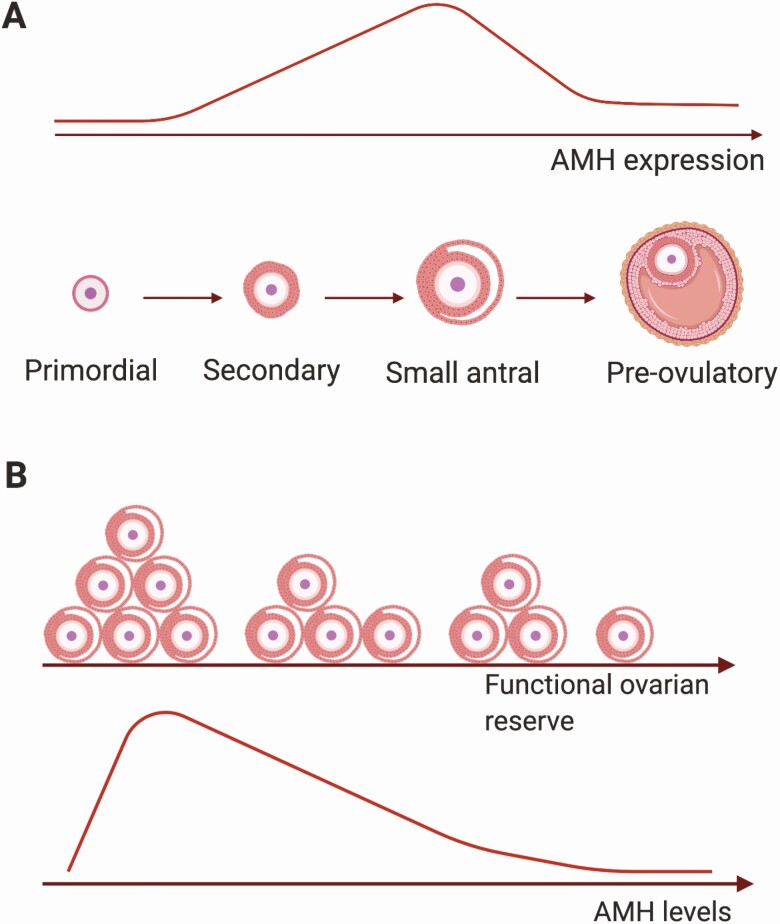
“Initial studies, performed nearly 2 decades ago, showed that serum AMH levels indeed strongly correlate with the number of growing follicles and that both decline with increasing age (3).”
BackgroundSelf-citationCate, R. L., Mattaliano, R. J., Hession, C., Tizard, R., Farber, N. M., Cheung, A., Ninfa, E. G., Frey, A. Z., Gash, D. J., Chow, E. P., et al. (1986) · Cell · doi:10.1016/0092-8674(86)90783-x · Cited by 1,022
Human ovarian reserve from conception to the menopause
Wallace, W., & Kelsey, T. (2009) · Nature Precedings · doi:10.1038/npre.2009.3179.1 · Cited by 878 · cited 1×
“This positive correlation may reflect the increased rate of primordial follicle recruitment observed from birth up to approximately age 14 years (13).”
BackgroundCorrelation of ovarian reserve tests with histologically determined primordial follicle number
Hansen, K. R., Hodnett, G. M., Knowlton, N., & Craig, L. B. (2011) · Fertility and Sterility · doi:10.1016/j.fertnstert.2010.04.006 · Cited by 534 · cited 1×
“In younger women AMH levels did not correlate, while in women of late reproductive age, a significant correlation was observed with the primordial follicle density (7-10).”
BackgroundA Validated Model of Serum Anti-Müllerian Hormone from Conception to Menopause
Kelsey, T. W., Wright, P., Nelson, S. M., Anderson, R. A., & Wallace, W. H. B. (2011) · PLoS ONE · doi:10.1371/journal.pone.0022024 · Cited by 457 · cited 2×
“From age 25 years onward, AMH levels start to decline to undetectable levels at menopause, and only from this age onward, a negative correlation between AMH levels and age can be observed (11, 12).”
BackgroundBroer, S. L., van Disseldorp, J., Broeze, K. A., Dolleman, M., Opmeer, B. C., Bossuyt, P., Eijkemans, M. J. C., Mol, B.-W. J., Broekmans, F. J. M., on behalf of the IMPORT study group, et al. (2013) · Human Reproduction Update · doi:10.1093/humupd/dms041 · Cited by 457 · cited 3×
“In agreement with the studies from Broer et al (63, 64), the authors concluded that changing the dosage of stimulating medication based on individual ORTs, including AMH, does not significantly increase the chances on pregnancy and live birth.”
MethodResultInfluentialSerum Anti-Müllerian Hormone Levels Reflect the Size of the Primordial Follicle Pool in Mice
Kevenaar, M. E., Meerasahib, M. F., Kramer, P., van de Lang-Born, B. M. N., de Jong, F. H., Groome, N. P., Themmen, A. P. N., & Visser, J. A. (2006) · Endocrinology · doi:10.1210/en.2005-1588 · Cited by 389 · cited 1×
“Only at older ages did AMH levels reflect the number of primordial follicles, while at all ages, serum AMH levels correlated with the number of growing follicles (6).”
BackgroundSelf-citationJeppesen, J. V., Anderson, R. A., Kelsey, T. W., Christiansen, S. L., Kristensen, S. G., Jayaprakasan, K., Raine-Fenning, N., Campbell, B. K., & Yding Andersen, C. (2013) · Molecular Human Reproduction · doi:10.1093/molehr/gat024 · Cited by 374
Tsepelidis, S., Devreker, F., Demeestere, I., Flahaut, A., Gervy, C., & Englert, Y. (2007) · Human Reproduction · doi:10.1093/humrep/dem101 · Cited by 299 · cited 1×
“While initial studies suggested that AMH levels are relatively stable during the menstrual cycle (24), more recent research suggest that AMH levels show significant intracycle variation up to 20.”
Background
Cited by
Joham, A. E., Norman, R. J., Stener-Victorin, E., Legro, R. S., Franks, S., Moran, L. J., Boyle, J., & Teede, H. J. (2022) · The Lancet Diabetes & Endocrinology · doi:10.1016/s2213-8587(22)00163-2 · Cited by 838
Blonde, L., Umpierrez, G. E., Reddy, S. S., McGill, J. B., Berga, S. L., Bush, M., Chandrasekaran, S., DeFronzo, R. A., Einhorn, D., Galindo, R. J., et al. (2022) · Endocrine Practice · doi:10.1016/j.eprac.2022.08.002 · Cited by 507
Lustberg, M. B., Kuderer, N. M., Desai, A., Bergerot, C., & Lyman, G. H. (2023) · Nature Reviews Clinical Oncology · doi:10.1038/s41571-023-00776-9 · Cited by 306
Evaluation of Female Fertility—AMH and Ovarian Reserve Testing
Cedars, M. I. (2022) · The Journal of Clinical Endocrinology & Metabolism · doi:10.1210/clinem/dgac039 · Cited by 208
Clinical practice guidelines for the care of girls and women with Turner syndrome.
Gravholt, C. H., Andersen, N. H., Christin-Maitre, S., Davis, S. M., Duijnhouwer, A., Gawlik, A., Maciel-Guerra, A. T., Gutmark-Little, I., Fleischer, K., Hong, D., et al. (2024) · European Journal of Endocrinology · doi:10.1093/ejendo/lvae050 · Cited by 224
Anti-Müllerian hormone for the diagnosis and prediction of menopause: a systematic review
Nelson, S. M., Davis, S. R., Kalantaridou, S., Lumsden, M. A., Panay, N., & Anderson, R. A. (2023) · Human Reproduction Update · doi:10.1093/humupd/dmac045 · Cited by 166
Prevalence and associated factors of infertility among 20–49 year old women in Henan Province, China
Liang, S., Chen, Y., Wang, Q., Chen, H., Cui, C., Xu, X., Zhang, Q., & Zhang, C. (2021) · Reproductive Health · doi:10.1186/s12978-021-01298-2 · Cited by 134
“AMH is one of markers for ovarian reserve [36].”
BackgroundMenopause, wellbeing and health: A care pathway from the European Menopause and Andropause Society
Lambrinoudaki, I. V., Armeni, E., Goulis, D. G., Bretz, S., Ceauşu, I., Durmuşoğlu, F., Erkkola, R., Fistonić, I., Gambacciani, M., Geukes, M., et al. (2022) · Maturitas · doi:10.1016/j.maturitas.2022.04.008 · Cited by 118
“Although serum AMH estimation is useful in predicting reproduction outcomes, it has no clinical use in predicting age at menopause onset [31].”
BackgroundOvarian aging in humans: potential strategies for extending reproductive lifespan
Cavalcante, M. B., Sampaio, O. G. M., Câmara, F. E. A., Schneider, A., Ávila, B. M., Prosczek, J. B., Masternak, M. M., & Campos, A. R. (2023) · GeroScience · doi:10.1007/s11357-023-00768-8 · Cited by 104
Józkowiak, M., Piotrowska‐Kempisty, H., Kobylarek, D., Gorska, N., Mozdziak, P. E., Kempisty, B., Rachoń, D., & Spaczyński, R. (2022) · Cells · doi:10.3390/cells12010174 · Cited by 120
“AMH is known to be used as a molecular biomarker for the determination of ovarian reserve, but also ovarian dysfunction, such as PCOS [108].”
BackgroundZhang, T., He, M., Zhang, J., Tong, Y., Chen, T., Wang, C., Pan, W., & Xiao, Z. (2023) · Frontiers in Physiology · doi:10.3389/fphys.2023.1113684 · Cited by 96
“AMH is exclusively produced by granulosa cells of ovarian follicles during the early stages of follicle development (Moolhuijsen and Visser, 2020).”
BackgroundEndocrine-disrupting chemicals and female reproductive health: a growing concern
Parent, A., Damdimopoulou, P., Johansson, H. K. L., Bouftas, N., Draskau, M. K., Franssen, D., Fudvoye, J., van Duursen, M. B. M., & Svingen, T. (2025) · Nature Reviews Endocrinology · doi:10.1038/s41574-025-01131-x · Cited by 93
“…of prenatal exposure to testosterone or anti-Müllerian hormone (AMH; produced by growing follicles and considered a marker for ovarian reserve 215 ) demonstrate alterations similar to those observed in PCOS, highlighting the sensitivity of the hypothalamic–pituitary– ovarian axis to hormonal…”
Meinsohn, M.-C., Saatcioglu, H. D., Wei, L., Li, Y., Horn, H., Chauvin, M. Y., Kano, M., Nguyen, N. M., Nagykery, N. G., Kashiwagi, A., et al. (2021) · Proceedings of the National Academy of Sciences · doi:10.1073/pnas.2100920118 · Cited by 89
Aging conundrum: A perspective for ovarian aging
Wu, J., Liu, Y., Song, Y., Wang, L., Ai, J., & Li, K. (2022) · Frontiers in Endocrinology · doi:10.3389/fendo.2022.952471 · Cited by 73
Variation in the Measurement of Anti-Müllerian Hormone – What Are the Laboratory Issues?
Punchoo, R., & Bhoora, S. (2021) · Frontiers in Endocrinology · doi:10.3389/fendo.2021.719029 · Cited by 56
Colella, M., Cuomo, D., Peluso, T., Falanga, I., Mallardo, M., Felice, M. D., & Ambrosino, C. (2021) · Frontiers in Endocrinology · doi:10.3389/fendo.2021.791071 · Cited by 60
Epigenetic regulation in premature ovarian failure: A literature review
Wang, J., Sun, X., Yang, Z., Li, S., Wang, Y., Ren, R., Liu, Z., & Yu, D. (2023) · Frontiers in Physiology · doi:10.3389/fphys.2022.998424 · Cited by 58
“Anti-Mullerian hormone (AMH), a GC-rich gene, is a biomarker for diminished ovarian reserve (Moolhuijsen and Visser 2020).”
BackgroundMoreira, M. V., Vale-Fernandes, E., Albergaria, I. C., Alves, M. G., & Monteiro, M. P. (2023) · Reviews in Endocrine and Metabolic Disorders · doi:10.1007/s11154-023-09819-z · Cited by 64
“However, AMH has been shown to be involved in postnatal ovarian function whereas this hormone is expressed by GCs of growing follicles from the primary up to the small antral stage [91].”
BackgroundRole of AMH in Prediction of Menopause
de Kat, A. C., Broekmans, F. J., & Lambalk, C. B. (2021) · Frontiers in Endocrinology · doi:10.3389/fendo.2021.733731 · Cited by 59
Control of ovarian follicle development by TGF-β family signaling
Patton, B. K., Madadi, S. R., & Pangas, S. A. (2021) · Current Opinion in Endocrine and Metabolic Research · doi:10.1016/j.coemr.2021.03.001 · Cited by 68
Liu, J., Yang, Y., He, Y., Feng, C., Ou, H., Yang, J., Chen, Y., You, F., Shao, B., Bao, J., et al. (2022) · Journal of Ethnopharmacology · doi:10.1016/j.jep.2022.116046 · Cited by 53
Effect of hysterectomy on ovarian function: a systematic review and meta-analysis
Huang, Y., Wu, M., Wu, C., Zhu, Q., Wu, T., Zhu, X., Wu, M., & Wang, S. (2023) · Journal of Ovarian Research · doi:10.1186/s13048-023-01117-1 · Cited by 58
Challenges in Measuring AMH in the Clinical Setting
Li, R., Robertson, D. M., Burns, C. J., & Ledger, W. J. (2021) · Frontiers in Endocrinology · doi:10.3389/fendo.2021.691432 · Cited by 49
Zong, X., Yu, Y., Yang, H., Chen, W., Ding, X., Liu, S., Li, X., Chen, X., Jiang, C., Xia, X., et al. (2021) · JAMA Oncology · doi:10.1001/jamaoncol.2021.6214 · Cited by 51
The Hypothalamic-Pituitary-Ovarian Axis, Ovarian Disorders, and Brain Aging
Valera, H., Chen, A., & Grive, K. J. (2025) · Endocrinology · doi:10.1210/endocr/bqaf137 · Cited by 56
“Besides dementia risk (161), other cognitive effects, such as depression and mood changes, are seen as early as the time of POI”
InfluentialDai, F., Wang, R., Deng, Z., Yang, D., Wang, L., Wu, M., Hu, W. W., & Cheng, Y. (2023) · Stem Cell Research & Therapy · doi:10.1186/s13287-023-03333-4 · Cited by 46
“The lower ofAMH represents a decrease in ovarian reserve function [34].”
BackgroundMultiple Targets of Toxicity in Environmental Exposure to Low-Dose Cadmium
Satarug, S., Gobe, G. C., & Vesey, D. A. (2022) · Toxics · doi:10.3390/toxics10080472 · Cited by 44
Mild COVID-19 infection does not alter the ovarian reserve in women treated with ART
Kolańska, K., Hours, A., Jonquière, L., d’Argent, E. M., Dabi, Y., Dupont, C., Touboul, C., Antoine, J.-M., Chabbert‐Buffet, N., & Daraï, É. (2021) · Reproductive BioMedicine Online · doi:10.1016/j.rbmo.2021.09.001 · Cited by 43
Verdiesen, R. M. G., van der Schouw, Y. T., van Gils, C. H., Verschuren, W. M. M., Broekmans, F. J., Borges, M. C., Soares, A. G., Lawlor, D. A., Eliassen, A. H., Kraft, P. L., et al. (2022) · Human Reproduction · doi:10.1093/humrep/deac028 · Cited by 49
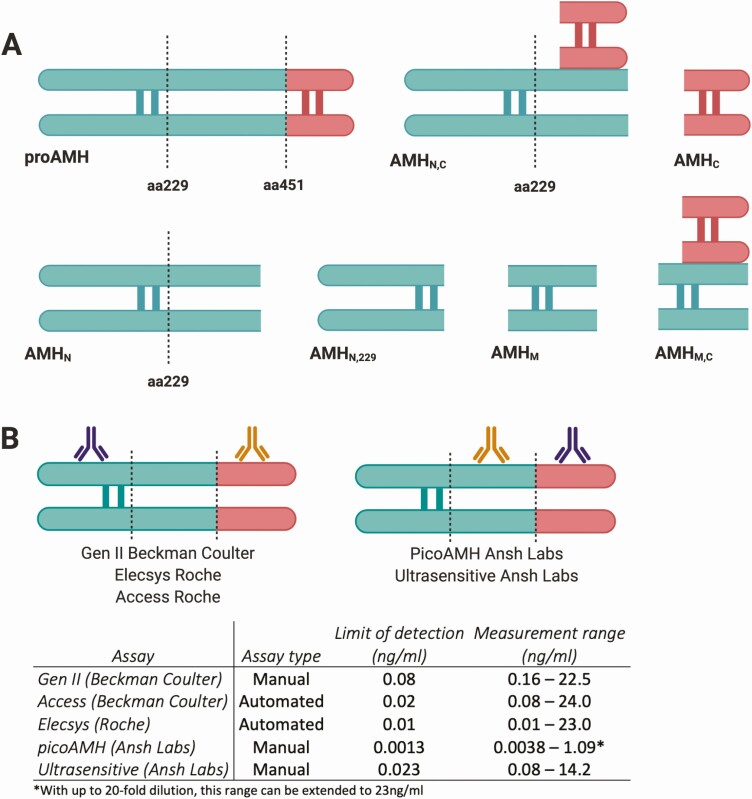
“Antibodies differ between the Ansh Labs and Beckman Coulter assays (Moolhuijsen and Visser, 2020), but detailed information about these differences in antibodies is not available.”
Madendağ, İ. Ç., Madendağ, Y., & Özdemır, A. T. (2022) · Reproductive BioMedicine Online · doi:10.1016/j.rbmo.2022.03.002 · Cited by 42
“AMH belongs to the transforming growth factor-beta family, is secreted by the granulosa cells of growing follicles which are pre-antral and antral follicles less than 8 mm in diameter (La Marca et al., 2009; Moolhuijsen and Visser, 2020).”
Vale-Fernandes, E., Pignatelli, D., & Monteiro, M. P. (2025) · European Journal of Endocrinology · doi:10.1093/ejendo/lvaf062 · Cited by 47
Salemi, F., Jambarsang, S., Kheirkhah, A. H., Salehi‐Abargouei, A., Ahmadnia, Z., hosseini, H. A., Lotfi, M., & Amer, S. A. K. S. (2024) · Systematic Reviews · doi:10.1186/s13643-024-02684-0 · Cited by 39
Yaish, I., Tordjman, K. M., Amir, H., Malinger, G., Salemnick, Y., Shefer, G., Serebro, M., Azem, F., Golani, N., Sofer, Y., et al. (2021) · Human Reproduction · doi:10.1093/humrep/deab169 · Cited by 39
Liu, S., Zhao, J., Ye, X., Fu, M., Zhang, K., Wang, H., Zou, Y., & Yu, K. (2023) · The Science of The Total Environment · doi:10.1016/j.scitotenv.2023.166744 · Cited by 39
Moolhuijsen, L. M. E., Louwers, Y. V., Laven, J. S. E., & Visser, J. A. (2022) · The Journal of Clinical Endocrinology & Metabolism · doi:10.1210/clinem/dgac370 · Cited by 41
Self-citationClinical Utility of Anti-Mullerian Hormone in Pediatrics
Shankar, R. K., Dowlut‐McElroy, T., Dauber, A. N., & Gomez‐Lobo, V. (2021) · The Journal of Clinical Endocrinology & Metabolism · doi:10.1210/clinem/dgab687 · Cited by 42
Inflammatory Bowel Disease and Reproductive Health: From Fertility to Pregnancy—A Narrative Review
Ronchetti, C., Cirillo, F., Segni, N. D., Cristodoro, M., Busnelli, A., & Levi-Setti, P. E. (2022) · Nutrients · doi:10.3390/nu14081591 · Cited by 41
“AMH can be measured at any point of the menstrual cycle and it is not an operator-dependent variable, which is the reason why it is commonly recognized as the best tool for an assessment of the ovarian reserve [11].”
BackgroundLi, X., Liu, H., Lin, G., & Xu, L. (2023) · Frontiers in Endocrinology · doi:10.3389/fendo.2023.1292168 · Cited by 37
van Tienhoven, X. A., Gascón, J. R. D. C., Cano-Herrera, G., Nehme, J. A. S., Torun, A. A. S., Gonzalez, M. F. B., Salazar, F. E., Brozón, A. G. S., Rosas, E. G. R., Ocampo, D. C., et al. (2025) · International Journal of Molecular Sciences · doi:10.3390/ijms26052256 · Cited by 46
“Additionally, in patients with low VD, supplementation improved endometrial thickness, VD levels in follicular fluid, and progesterone levels [76].”
Anti-Mullerian Hormone as a Marker of Ovarian Reserve and Function
Sinha, S., Sharan, A., & Sinha, S. (2022) · Cureus · doi:10.7759/cureus.29214 · Cited by 34
Clinical Utilities of Anti-Müllerian Hormone
Russell, N., Gilmore, A., & Roudebush, W. E. (2022) · Journal of Clinical Medicine · doi:10.3390/jcm11237209 · Cited by 34
“To improve responses, AMH serum levels are used, among other factors, as part of an algorithm to calculate the individual dosage of FSH for COH [3].”
BackgroundMethodInfluentialDNA Methylation as a Window into Female Reproductive Aging
Knight, A. K., Spencer, J. B., & Smith, A. K. (2023) · Epigenomics · doi:10.2217/epi-2023-0298 · Cited by 35
Han, Z., Liu, J., Liang, T., Yin, J., Wei, J., Zeng, Q., Cao, W., Liu, C., & Sun, S. (2024) · Journal of Hazardous Materials · doi:10.1016/j.jhazmat.2024.136212 · Cited by 33
Tehrani, F. R., Firouzi, F., & Behboudi‐Gandevani, S. (2022) · Aging and Disease · doi:10.14336/ad.2021.0825 · Cited by 36
“Early diagnosis is critical to help women make informed decisions about their plans for natural conception, opt for oocyte vitrification, or use donated sperm if single, while these alternatives still have reasonable prospects of success [8].”
BackgroundInfluentialAdverse Effects of Fusarium Toxins in Ruminants: A Review of In Vivo and In Vitro Studies
Gallo, A., Mosconi, M., Trevisi, E., & dos Santos, R. R. (2022) · Dairy · doi:10.3390/dairy3030035 · Cited by 34
Stamm, B., Barbhaiya, M., Siegel, C., Lieber, S. B., Lockshin, M. D., & Sammaritano, L. R. (2022) · Lupus Science & Medicine · doi:10.1136/lupus-2022-000840 · Cited by 33
Muraoka, A., Yokoi, A., Yoshida, K., Kitagawa, M., Asano‐Inami, E., Murakami, M., Bayasula, Miyake, N., Nakanishi, N., Nakamura, T., et al. (2024) · Communications Medicine · doi:10.1038/s43856-024-00460-8 · Cited by 30
“Currently, the ovarian reserve is estimated based on the serum concentration of anti-Müllerian hormone (AMH) 3 .”
Poor ovarian response is associated with air pollutants: A multicentre study in China
Wu, S., Hao, G., Zhang, Y., Chen, X., Ren, H., Fan, Y., Zhang, Y., Bi, X., Du, C., Bai, L., et al. (2022) · EBioMedicine · doi:10.1016/j.ebiom.2022.104084 · Cited by 32
Pierro, F. D., Sultana, R., Eusaph, A. Z., Abrar, S., Bugti, M., Afridi, F., Farooq, U., Iqtadar, S., Ghauri, F., Makhduma, S., et al. (2023) · Frontiers in Pharmacology · doi:10.3389/fphar.2023.1269605 · Cited by 34
Li, Y.-L., Yan, E., Zhao, G., Jin, L., & Ma, B.-X. (2024) · Journal of Ovarian Research · doi:10.1186/s13048-024-01521-1 · Cited by 29
Albeitawi, S., Bani-Mousa, S.-U., Jarrar, B., Aloqaily, I., Al-Shlool, N., Alsheyab, G., Kassab, A., Qawasmi, B., & Awaisheh, A. (2025) · Biomolecules · doi:10.3390/biom15030443 · Cited by 33
“AMH is a polypeptide hormone from the TGF-β superfamily produced by GCs in pre-antral follicles, and it plays an important role in the selection of follicles for ovulation [145,146].”
The Final Phases of Ovarian Aging: A Tale of Diverging Functional Trajectories
Bochynska, S., García‐Pérez, M. Á., Tarín, J. J., Szeliga, A., Męczekalski, B., & Cano, A. (2025) · Journal of Clinical Medicine · doi:10.3390/jcm14165834 · Cited by 29
“Extensive clinical studies substantiate AMH’s value as a biomarker of ovarian reserve [24,25].”
Websites Selling Direct-to-Consumer Anti-Mullerian Hormone Tests
Johnson, A., Thompson, R., Nickel, B., Shih, P., Hammarberg, K., & Copp, T. (2023) · JAMA Network Open · doi:10.1001/jamanetworkopen.2023.30192 · Cited by 29
Werner, L., van der Schouw, Y. T., & de Kat, A. C. (2024) · Human Reproduction Update · doi:10.1093/humupd/dmae004 · Cited by 29
Mamsen, L. S., Bøtkjær, J. A., Kristensen, S. G., Pors, S. E., Jeppesen, J. V., Kumar, A., Kalra, B., Ernst, E., & Andersen, C. Y. (2021) · Frontiers in Endocrinology · doi:10.3389/fendo.2021.617523 · Cited by 28
Endocrine factors associated with infertility in women: an updated review
Concepción‐Zavaleta, M. J., Arroyo, J., Aldave, J. E. Q., Durand‐Vásquez, M. D. C., Ildefonso-Najarro, S. P., Rafael-Robles, L. D. P., Urteaga, L. A. C., Osorio, E. R. G., Suárez-Rojas, J., & Paz‐Ibarra, J. (2023) · Expert Review of Endocrinology & Metabolism · doi:10.1080/17446651.2023.2256405 · Cited by 34
Anti-Müllerian Hormone and Polycystic Ovary Syndrome in Women and Its Male Equivalent
di Clemente, N., Racine, C., & Rey, R. A. (2022) · Biomedicines · doi:10.3390/biomedicines10102506 · Cited by 29
Coenzyme Q10 Stimulate Reproductive Vatality
Nie, X., Dong, X., Hu, Y., Xu, F., Hu, C., & Shu, C. (2023) · Drug Design Development and Therapy · doi:10.2147/dddt.s386974 · Cited by 29
Yan, S., Jin, W., Ding, J., Yin, T., Zhang, Y., & Yang, J. (2021) · Aging · doi:10.18632/aging.203032 · Cited by 26
“As can be seen in Supplementary Figure 2 and Figure 4C, AMH was the most important predictor for POR, conforming to findings of the latest study which emphasized the significance of AMH [33].”
ResultKnight, A. K., Hipp, H. S., Abhari, S., Gerkowicz, S. A., Katler, Q. S., McKenzie, L. J., Shang, W., Smith, A. K., & Spencer, J. B. (2022) · Human Reproduction · doi:10.1093/humrep/deac178 · Cited by 27
Tzeng, C., Huang, Z., Asada, Y., Zhang, C., Ho, T. M., Li, R., Kim, J. H., Govindarajan, M., Vutyavanich, T., Sini, I. R., et al. (2023) · Human Reproduction · doi:10.1093/humrep/dead081 · Cited by 27
Can Some Anticancer Treatments Preserve the Ovarian Reserve?
Vallet, N., Boissel, N., Éléfant, É., Chevillon, F., Pasquer, H., Calvo, C., Dhédin, N., & Poirot, C. (2021) · The Oncologist · doi:10.1002/onco.13675 · Cited by 26
“Anti-Müllerian Hormone Anti-Müllerian hormone (AMH), a member of the transforming growth factor beta family, is known for its role in inducing the regression of Müllerian ducts in male sex differentiation [58].”
BackgroundLiu, X., Huang, Y., Tan, F., Wang, H., Chen, J.-Y., Zhang, X., Zhao, X., Liu, K., Wang, Q., Liu, S., et al. (2022) · Frontiers in Cell and Developmental Biology · doi:10.3389/fcell.2022.828124 · Cited by 25
“…cells (fli1 and fn1a) (Nagai et al., 2018; Wu et al., 2021), T cells (cd2, cd247 and cd28) (Hurley et al., 1994; Lundholm et al., 2010), macrophages (cd68, epx and mmp9) (Hunyady et al., 1996; Sendler et al., 2018) and erythrocytes (alas2) (Munday et al., 2000; Tsang et al., 2017) (Figure 1E).”
Core fucosylation regulates the ovarian response via FSH receptor during follicular development
Wang, T., Zhang, Z., Qu, C., Song, W., Li, M., Shao, X., Fukuda, T., Gu, J., Taniguchi, N., & Li, W. (2024) · Journal of Advanced Research · doi:10.1016/j.jare.2024.01.025 · Cited by 24
Spector, I., Derech-Haim, S., Boustanai, I., Safrai, M., & Meirow, D. (2024) · Human Reproduction · doi:10.1093/humrep/deae221 · Cited by 24
Haverinen, A., Luiro, K., Kangasniemi, M. H., Piltonen, T., Hustad, S., Heikinheimo, O., & Tapanainen, J. S. (2022) · The Journal of Clinical Endocrinology & Metabolism · doi:10.1210/clinem/dgac150 · Cited by 24
Hu, H., Zhang, J., Xin, X., Jin, Y., Zhu, Y., Zhang, H., Fan, R., Yang, Y., & Li, D. (2024) · Journal of Ovarian Research · doi:10.1186/s13048-024-01369-5 · Cited by 27
He, Y., Deng, S., Wang, Y., Wang, X., Huang, Q., Cheng, J., Wang, D., & Lyu, G. (2025) · Scientific Reports · doi:10.1038/s41598-024-84338-8 · Cited by 26
“We observed that SWE_mean was closely associated with AMH levels, which is a marker of the ovarian reserve 25 , suggesting that SWE may serve as a potential surrogate marker for ovarian fibrosis and reserve dysfunction.”
Murali, R., Gunasheela, D., Appaneravanda, L., Gerstl, B., Kumar, A. B., Sengeetha, N., Nayak, H., & Chandrikadevi, P. (2021) · Journal of Human Reproductive Sciences · doi:10.4103/jhrs.jhrs_65_21 · Cited by 24
“An international consensus on assay independent AMH values is required.[42] However, evidence for its use as a screening tool in healthy fertile women is insufficient.”
BackgroundKaraviti, E., Karaviti, D., Kani, E.-R., Chatziandreou, E., Paschou, S. Α., Ψαλτοπούλου, Θ., Kalantaridou, S., & Lambrinoudaki, I. V. (2025) · Endocrine · doi:10.1007/s12020-025-04265-0 · Cited by 26
“Variability in antibody selection impacts the detection of active and inactive AMH forms, potentially leading to misclassi fi cation of clinical conditions [137, 138].”
Artificial intelligence-derived retinal age gap as a marker for reproductive aging in women
Miao, H., Liu, S., Wang, Z., Ke, Y., Cheng, L., Yu, W., Yu, D., Zhang, K., Gao, Y., & Sun, Z. (2025) · npj Digital Medicine · doi:10.1038/s41746-025-01699-8 · Cited by 23
“In younger women, follicle loss occurs through atresia, but the depletion becomes nonlinear around ages 37.5 – 38 36 – 38 , making reproductive events more impactful in this age range due to accel-eratedfollicleloss.”
InfluentialWu, X., Fan, X., Jia, T., & Hao, A. (2022) · Bioengineered · doi:10.1080/21655979.2022.2062104 · Cited by 23
“And serum AMH is the preferred marker of ovarian reserve capacity [33].”
BackgroundSun, X., Xiong, W., Liu, L., Xiong, J., Liao, C., Lan, Y., Li, F., Tao, S., Meng, M., Sun, C., et al. (2022) · Frontiers in Endocrinology · doi:10.3389/fendo.2022.862733 · Cited by 23
Wang, X., Zhang, S., Yan, H., Ma, Z., Zhang, Y., Luo, H., & Yang, X. (2023) · Environmental Pollution · doi:10.1016/j.envpol.2023.122845 · Cited by 27
An, Z., Xie, C., Lu, H., Wang, S., Zhang, X., Yu, W., Guo, X., Liu, Z., Shang, D., & Wang, X. (2024) · Reproductive Sciences · doi:10.1007/s43032-024-01459-1 · Cited by 23
Biniasch, M., Laubender, R. P., Hund, M., Buck, K., & Geyter, C. D. (2021) · Clinical Chemistry and Laboratory Medicine (CCLM) · doi:10.1515/cclm-2021-0698 · Cited by 23
Tang, Y. M., & Li, Y. (2022) · Frontiers in Surgery · doi:10.3389/fsurg.2022.906020 · Cited by 22
Willis, M. D., Wesselink, A. K., Hystad, P., Jimenez, M. P., Coleman, C. M., Kirwa, K., Hatch, E. E., & Wise, L. A. (2023) · Environmental Health Perspectives · doi:10.1289/ehp10648 · Cited by 22
Brown adipose tissue-derived exosomes delay fertility decline in aging mice
Zhang, H., Fang, Y., Gao, Y., Zeng, X., Lu, Z., Liu, L., Chen, C., Huang, J., & Li, Y. (2023) · Frontiers in Endocrinology · doi:10.3389/fendo.2023.1180104 · Cited by 22
Liu, S., Liu, L., Ye, X., Fu, M., Wang, W. J., Zi, Y., Zeng, X., & Yu, K. (2023) · Journal of Hazardous Materials · doi:10.1016/j.jhazmat.2023.132579 · Cited by 22
Iwase, A., Asada, Y., Sugishita, Y., Osuka, S., Kitajima, M., & Kawamura, K. (2023) · Journal of obstetrics and gynaecology research · doi:10.1111/jog.15818 · Cited by 22
“11 In particular, AMH levels have low variability within and during the menstrual cycle, which has spurred the expansion of its clinical application.”
BackgroundZhou, B., Kwan, B., Desai, M. J., Nalawade, V. V., Ruddy, K. J., Nathan, P. C., Henk, H. J., Murphy, J. D., Whitcomb, B. W., & Su, H.-C. I. (2022) · Fertility and Sterility · doi:10.1016/j.fertnstert.2022.01.016 · Cited by 22
Diagnostic and prognostic biomarkers in Polycystic Ovary Syndrome
Singh, I., Moar, K., & Maurya, P. K. (2025) · Clinica Chimica Acta · doi:10.1016/j.cca.2025.120425 · Cited by 25
Germain, N., Genteuil, C. D., Belleton, G., Silva, T. L. D., Exbrayat, C., Degas, F., Hammour, A., Gay, A., Ravey, B., Massoubre, C., et al. (2022) · European Eating Disorders Review · doi:10.1002/erv.2963 · Cited by 21
Yan, X., Zhou, L., He, G., & Liu, X. (2023) · Frontiers in Medicine · doi:10.3389/fmed.2023.1283279 · Cited by 21
Ju, W., Zhao, S., Wu, H., Yu, Y., Li, Y., Liu, D., Lian, F., & Xiang, S. (2024) · Reproductive Biology and Endocrinology · doi:10.1186/s12958-024-01189-8 · Cited by 21
“Clinical observations have indicated that basal FSH levels increase with age and ovarian insufficiency, often necessitating higher FSH stimulation to initiate follicular development [27, 28].”
BackgroundLin, L., Li, C., & Tsui, K. (2021) · Scientific Reports · doi:10.1038/s41598-021-85915-x · Cited by 22
Gültiken, N., Yarım, M., Aslan, S., Gürler, H., Yarım, G. F., Tuncay, M., İNAL, S., & Schäfer–Somi, S. (2022) · Animals · doi:10.3390/ani12070877 · Cited by 21
“In human medicine, AMH is of great interest as a marker for functional ovarian reserve, comprising the growing follicles capable of ovulation [3].”
BackgroundInman, Z. C., & Flaws, J. A. (2024) · Reproduction · doi:10.1530/rep-24-0113 · Cited by 20
Systematic review of acupuncture to improve ovarian function in women with poor ovarian response
Wang, R., Su, M.-H., Liu, L., Lai, Y., Guo, X., Gan, D., Zheng, X., Yang, H., Yu, S., Liang, F., et al. (2023) · Frontiers in Endocrinology · doi:10.3389/fendo.2023.1028853 · Cited by 22
Investigation of the Prevalence of Diminished Ovarian Reserve in Korean Women of Reproductive Age
Choi, R., Park, W., Chun, G., Lee, S. G., & Lee, E. H. (2023) · Journal of Clinical Medicine · doi:10.3390/jcm12155099 · Cited by 20
“AMH is produced by granulosa cells in small growing ovarian follicles and serves as a marker of ovarian reserve, which declines with age and is associated with the size of the follicular pool and the number and quality of eggs remaining in the ovaries [5,6].”
BackgroundZhang, Q., Wang, Z., Ding, J., Yan, S., Hao, Y., Chen, H., Yang, J., & Hu, K. (2023) · Journal of Clinical Sleep Medicine · doi:10.5664/jcsm.10780 · Cited by 20
“20 PCOS is characterized by a pathological increase in the number of follicles at all growth stages, and serum AMH levels in patients with PCOS are 2 – 4 times higher than in healthy women.”
Andone, B.-A., Handrea-Dragan, I. M., Botiz, I., & Boca, S. (2023) · Nanomedicine Nanotechnology Biology and Medicine · doi:10.1016/j.nano.2023.102709 · Cited by 20
Muslim, M. Z. M., Jelani, A. M., Shafii, N., Yaacob, N. M., Soh, N. A. A. C., & Ibrahim, H. A. (2024) · Journal of Ovarian Research · doi:10.1186/s13048-024-01436-x · Cited by 23
“The hormone is well known for its role as a marker of ovarian reserve [8], and its potential role as a surrogate marker for the diagnosis of PCOS [9, 10].”
BackgroundAnti-Mullerian Hormone as Predictor of Future and Ongoing Bone Loss During the Menopause Transition
Karlamangla, A. S., Shieh, A., Greendale, G. A., Yu, E. W.-Y., Burnett‐Bowie, S. M., Sluss, P. M., Martin, D., Morrison, A., & Finkelstein, J. S. (2020) · Journal of Bone and Mineral Research · doi:10.1002/jbmr.4525 · Cited by 19
“ment of new high-sensitivity AMH assays that can quantify AMH levels in the pg/mL range.((10,11)) We, therefore, hypothe-”
BackgroundThe effect of COVID-19 vaccine on ovarian reserve
Soysal, Ç., & Yılmaz, E. A. (2022) · Saudi Medical Journal · doi:10.15537/smj.2022.43.5.20220007 · Cited by 22
Wang, Z., van Faassen, M. H. J. R., Groen, H., Cantineau, A. E., van Oers, A. M., van der Veen, A., Hawley, J. M., Keevil, B. G., Kema, I. P., & Hoek, A. (2024) · Human Reproduction · doi:10.1093/humrep/deae058 · Cited by 23
“Serum AMH has been recognized as a marker of ovarian function, particularly in assessing ovarian reserve (Moolhuijsen and Visser, 2020).”
BackgroundAn overview of different methods to establish a murine premature ovarian failure model
Pouladvand, N., Azarnia, M., Zeinali, H., Fathi, R., & Tavana, S. (2024) · Animal Models and Experimental Medicine · doi:10.1002/ame2.12477 · Cited by 20
“84,176,177 Ovarian histology is an essential evaluation index of POF in animal model.”
Sexual Developmental Disorders in Pediatrics.
Profeta, G., Micangeli, G., Tarani, F., Paparella, R., Ferraguti, G., Spaziani, M., Isidori, A. M., Menghi, M., Ceccanti, M., Fiore, M., et al. (2022) · PubMed · doi:10.7417/ct.2022.2466 · Cited by 19
Cheng, S.-Y., Yang, Y.-F., Wang, Y., Yue, Z.-P., Chen, Y., Wang, W., Xu, Z., Li, L.-F., Shen, H., Qi, Z.-M., et al. (2024) · Food and Chemical Toxicology · doi:10.1016/j.fct.2024.115201 · Cited by 18
Metadata
- Authors
- Moolhuijsen, L. M. E., & Visser, J. A.
- Affiliations
- Erasmus MC (NL)
- Corresponding author
- Visser, Jenny A
- Venue
- The Journal of Clinical Endocrinology & Metabolism
- Publisher
- The Endocrine Society
- Published
- 2020-08-08
- Volume
- 105
- Issue
- 11
- Pages
- 3361-3373
- ISSN
- 0021-972X (ISSN-L)
- 1945-7197
- PMC
- PMC7486884
- OpenAlex
- W3047889783
- Cited by
- 584
- References
- 101
- Citations by year
- 2026: 104 · 2025: 115 · 2024: 131 · 2023: 101 · 2022: 86 · 2021: 44 · 2020: 2
- FWCI
- 8.65
- Type
- journal article
- Language
- en
- Open access
- hybrid
- doi.org
- Licence
- Locations
- The Journal of Clinical Endocrinology & Metabolism (publishedVersion, cc-by)
- PubMed Central (publishedVersion, cc-by)
- PubMed (publishedVersion)
- EUR Research Repository (Erasmus University Rotterdam) (publishedVersion, other-oa)
- EUR Research Repository (Erasmus University Rotterdam) (submittedVersion, other-oa)
- RePub (Erasmus University Rotterdam) (submittedVersion, other-oa)
- RePub (Erasmus University Rotterdam) (submittedVersion)
- Topics
- Health Sciences › Medicine › Reproductive Medicine › Ovarian function and disorders
- Health Sciences › Medicine › Reproductive Medicine › Reproductive Biology and Fertility
- Health Sciences › Medicine › Oncology › Ovarian cancer diagnosis and treatment
- Keywords
- anti-Müllerian hormone, ovarian reserve, ovarian reserve markers, granulosa cells, growing follicles, poor ovarian response, ovarian hyperstimulation syndrome, menopause prediction, endogenous and exogenous factors
- MeSH terms
- Aging, Female, Fertility, Humans, Infertility, Female, Anti-Mullerian Hormone, Ovarian Reserve
About these checks
Registry, retraction, Cites and statistics results are computed, not judged, with one exception: a printed reference that no index lists is read once by a model before it counts as a citation error. Claims are extracted by a model and kept only when their quote appears verbatim in the text; each cited source is then checked, with a model’s help, for whether it says what the claim relies on. Those verdicts can be wrong — read the claim’s quote and the cited source before relying on one.
Statistics and arithmetic are recomputed, not judged.
Confidence bands are shown only for fields calibrated on our annotated test set. None is calibrated yet, so no band is shown.
What counts as a claim ›How we measure confidence ›How we check this ›
Are you an author, or do you see a problem with this page? Request a review
Data sources
Bibliographic data: Semantic Scholar, OpenAlex, Crossref.
Contains information from the Semantic Scholar Academic Graph Datasets, made available under the ODC Attribution License (ODC-BY 1.0).
Semantic Scholar’s data is described in: Kinney, R., et al. (2023). The Semantic Scholar Open Data Platform. arXiv:2301.10140.
