

Anti-Müllerian Hormone and Ovarian Reserve: Update on Assessing Ovarian Function
Open accessThe DOI matches its Crossref record; 100 of the 101 references it cites were found in a registry or an index.
Abstract
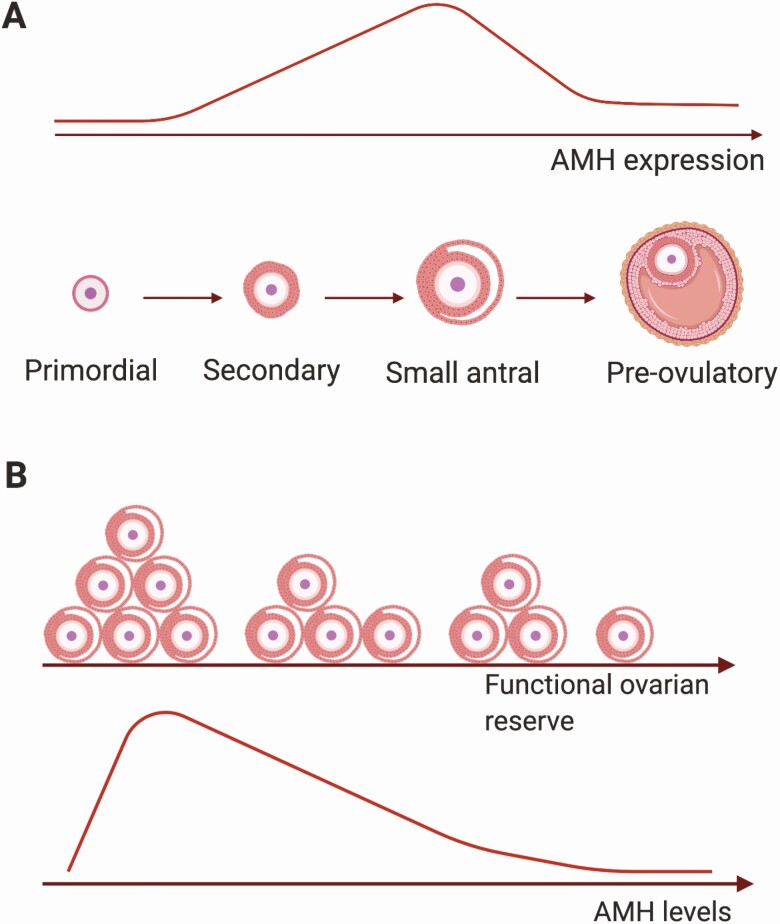
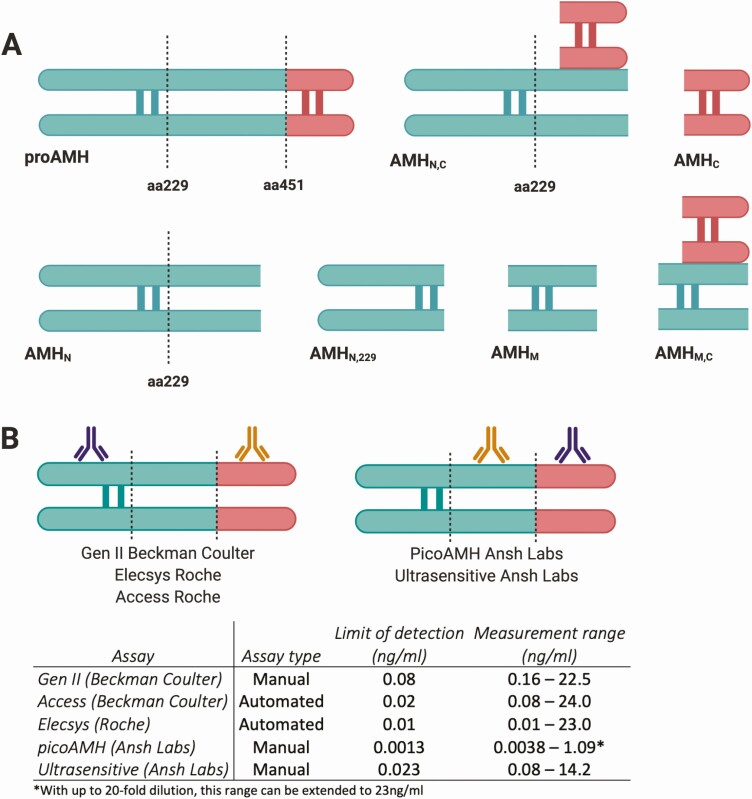
Context: Anti-müllerian hormone (AMH) is produced by granulosa cells of small, growing follicles in the ovary. Serum AMH levels strongly correlate with the number of growing follicles, and therefore AMH has received increasing attention as a marker for ovarian reserve. This review summarizes recent findings and limitations in the application of serum AMH in ovarian reserve assessment. Evidence Acquisition: A PubMed search was conducted to find recent literature on the measurements and use of serum AMH as a marker for ovarian reserve. Evidence Synthesis: Serum AMH levels are measured to assess the “functional ovarian reserve,” a term that is preferred over “ovarian reserve,” since AMH levels reflect the pool of growing follicles that potentially can ovulate. Serum AMH levels are used in individualized follicle-stimulating hormone dosing protocols and may predict the risk of poor response or ovarian hyperstimulation syndrome but has limited value in predicting ongoing pregnancy. Serum AMH levels are studied to predict natural or disease-related age of menopause. Studies show that the age-dependent decline rates of AMH vary among women. The generalized implementation of serum AMH measurement has also led to an increase in diagnostic assays, including automated assays. However, direct comparison of results remains problematic. Conclusion: Serum AMH remains the preferred ovarian reserve marker. However, the lack of an international standard for AMH limits comparison between AMH assays. Furthermore, little is known about endogenous and exogenous factors that influence serum AMH levels, which limits proper interpretation of AMH values in a clinical setting.
Overview
The claims and statistics of this paper haven’t been checked yet.
Free: it reads the open-access text and checks the first 5 claims that cite a source we can check. Create a free account to check every claim.
Integrity signals
Registry
Cites
Statistics
Figures
Verification
Claims the paper makes
The claims and statistics of this paper haven’t been checked yet.
Free: it reads the open-access text and checks the first 5 claims that cite a source we can check. Create a free account to check every claim.
Claims other papers make about this one
Each is checked against this paper’s own text: does it say what the citing paper says it does?
The cited source says what the claim attributes to it.
In the citing paper
“However, AMH concentrations can vary in the same patient due to inter-test and biological variability,581,583 and heterogeneity exists in available AMH assays and detection levels.583”
From Clinical practice guidelines for the care of girls and women with Turner syndrome. (2024) · cites this paper as [583]
The check wasn’t confident either way, so it gives no verdict — never disputed.
In the citing paper
“IGT also is present in a significant proportion of men undergoing investigation for primary infertility.1549”
From American Association of Clinical Endocrinology Clinical Practice Guideline: Developing a Diabetes Mellitus Comprehensive Care Plan-2022 Update. (2022) · cites this paper as [1549]
Experimental — accuracy not yet measured
Self-check
Percentages, sums and reported differences re-computed from the paper’s own numbers.
The self-check needs the paper’s full text.
Citations
Cites
The Diagnosis of Polycystic Ovary Syndrome during Adolescence
Witchel, S. F., Oberfield, S., Rosenfield, R. L., Codner, E., Bonny, A., Ibáñez, L., Pena, A., Horikawa, R., Gomez-Lobo, V., Joel, D., et al. (2015) · Hormone Research in Paediatrics · doi:10.1159/000375530 · Cited by 3,113
The physiology and clinical utility of anti-Müllerian hormone in women
Dewailly, D., Andersen, C. Y., Balen, A., Broekmans, F., Dilaver, N., Fanchin, R., Griesinger, G., Kelsey, T. W., La Marca, A., Lambalk, C., et al. (2014) · Human Reproduction Update · doi:10.1093/humupd/dmt062 · Cited by 1,049 · cited 1×
“Initial studies, performed nearly 2 decades ago, showed that serum AMH levels indeed strongly correlate with the number of growing follicles and that both decline with increasing age (3).”
BackgroundSelf-citationCate, R. L., Mattaliano, R. J., Hession, C., Tizard, R., Farber, N. M., Cheung, A., Ninfa, E. G., Frey, A. Z., Gash, D. J., Chow, E. P., et al. (1986) · Cell · doi:10.1016/0092-8674(86)90783-x · Cited by 1,022
Human ovarian reserve from conception to the menopause
Wallace, W., & Kelsey, T. (2009) · Nature Precedings · doi:10.1038/npre.2009.3179.1 · Cited by 878 · cited 1×
“This positive correlation may reflect the increased rate of primordial follicle recruitment observed from birth up to approximately age 14 years (13).”
BackgroundCorrelation of ovarian reserve tests with histologically determined primordial follicle number
Hansen, K. R., Hodnett, G. M., Knowlton, N., & Craig, L. B. (2011) · Fertility and Sterility · doi:10.1016/j.fertnstert.2010.04.006 · Cited by 534 · cited 1×
“In younger women AMH levels did not correlate, while in women of late reproductive age, a significant correlation was observed with the primordial follicle density (7-10).”
BackgroundA Validated Model of Serum Anti-Müllerian Hormone from Conception to Menopause
Kelsey, T. W., Wright, P., Nelson, S. M., Anderson, R. A., & Wallace, W. H. B. (2011) · PLoS ONE · doi:10.1371/journal.pone.0022024 · Cited by 457 · cited 2×
“From age 25 years onward, AMH levels start to decline to undetectable levels at menopause, and only from this age onward, a negative correlation between AMH levels and age can be observed (11, 12).”
BackgroundBroer, S. L., van Disseldorp, J., Broeze, K. A., Dolleman, M., Opmeer, B. C., Bossuyt, P., Eijkemans, M. J. C., Mol, B.-W. J., Broekmans, F. J. M., on behalf of the IMPORT study group, et al. (2013) · Human Reproduction Update · doi:10.1093/humupd/dms041 · Cited by 457 · cited 3×
“In agreement with the studies from Broer et al (63, 64), the authors concluded that changing the dosage of stimulating medication based on individual ORTs, including AMH, does not significantly increase the chances on pregnancy and live birth.”
MethodResultInfluentialSerum Anti-Müllerian Hormone Levels Reflect the Size of the Primordial Follicle Pool in Mice
Kevenaar, M. E., Meerasahib, M. F., Kramer, P., van de Lang-Born, B. M. N., de Jong, F. H., Groome, N. P., Themmen, A. P. N., & Visser, J. A. (2006) · Endocrinology · doi:10.1210/en.2005-1588 · Cited by 389 · cited 1×
“Only at older ages did AMH levels reflect the number of primordial follicles, while at all ages, serum AMH levels correlated with the number of growing follicles (6).”
BackgroundSelf-citationJeppesen, J. V., Anderson, R. A., Kelsey, T. W., Christiansen, S. L., Kristensen, S. G., Jayaprakasan, K., Raine-Fenning, N., Campbell, B. K., & Yding Andersen, C. (2013) · Molecular Human Reproduction · doi:10.1093/molehr/gat024 · Cited by 374
Tsepelidis, S., Devreker, F., Demeestere, I., Flahaut, A., Gervy, C., & Englert, Y. (2007) · Human Reproduction · doi:10.1093/humrep/dem101 · Cited by 299 · cited 1×
“While initial studies suggested that AMH levels are relatively stable during the menstrual cycle (24), more recent research suggest that AMH levels show significant intracycle variation up to 20.”
Background
Cited by
Items 401–500 of 648
Ovarian ageing: from biological constraint to emerging therapeutic frontier
Mondal, R., & Nandi, M. (2026) · Journal of Assisted Reproduction and Genetics · doi:10.1007/s10815-026-04011-z · Cited by 1
Ormone anti-mülleriano (AMH): funzione e livelli nell’uomo e nella donna
Radicioni, A. F., Anzuini, A., & Carlomagno, F. (2021) · L Endocrinologo · doi:10.1007/s40619-021-00895-4 · Cited by 1
Poursoleiman, F., Zand, H., Pourbadie, H. G., Monji, H., & Pourvali, K. (2021) · Journal of Diabetes & Metabolic Disorders · doi:10.1007/s40200-021-00925-w · Cited by 1
“In premenopausal women, the serum AMH level is an indicator of follicular reserve involved in ovulation and fertility [13].”
BackgroundIyer, T. K., & Thacker, H. L. (2022) · Springer eBooks · doi:10.1007/978-3-030-99596-6_9 · Cited by 2
Correlation between antral follicle count and anti-Mullerian hormone in infertile Indian women
Jain, S., Shukla, R. C., Jain, M., Singh, U., & Singh, T. B. (2021) · Journal of Medical Society · doi:10.4103/jms.jms_126_21 · Cited by 1
Evaluation and Interpretation of AMH in Female Infertility
Dilbaz, B., & Mert, Ş. A. (2022) · Düzce Tıp Fakültesi Dergisi · doi:10.18678/dtfd.1186131 · Cited by 1
Infertility, Repeated Loss, and Surrogacy
Agius, A., & Calleja‐Agius, J. (2022) · Springer eBooks · doi:10.1007/978-3-031-17285-4_6 · Cited by 1
Gao, K., Lian, W., Zhao, R., & Xiong, J. (2023) · Archives of Medical Science · doi:10.5114/aoms/162114 · Cited by 1
AMH in Males: Effects of Body Size and Composition on Serum AMH Levels
Tandl, V., Haudum, C. W., Eberhard, K., Hutz, B., Foessl, I., Kolesnik, E., Zirlik, A., von Lewinski, D., Scherr, D., Verheyen, N., et al. (2023) · Journal of Clinical Medicine · doi:10.3390/jcm12134478 · Cited by 1
“In clinical practice, AMH is used to differentiate between disorders of sex development and to assess endocrine Sertoli cell function, and it serves as a marker for functional ovarian reserve [2,3].”
BackgroundMethodHou, X., Liu, S., Liu, J., Zhou, J., Liang, Y., & Cui, L. (2023) · Clinical Biochemistry · doi:10.1016/j.clinbiochem.2023.110615 · Cited by 1
Zheng, X., Jia, J., Zhou, C., Linnan, Z., Zhang, Z., He, X., Li, B., Yu, Q.-X., Lv, G., & Chen, S. (2024) · Journal of Functional Foods · doi:10.1016/j.jff.2024.106033 · Cited by 1
Liu, M., Wang, C., He, L., Pan, X., Wu, C., Pu, X., & Pan, X. (2024) · HORMONES · doi:10.1007/s42000-024-00527-0 · Cited by 1
“It is a significant biomarker for ovarian reserve and plays a crucial role in predicting the ovarian response to stimulation during IVF/ICSI procedures [7, 8].”
Shaikh, R., More, A., Dutta, S., Choudhary, N., Shrivastava, J., Ansari, A. H., & Gajabe, G. (2024) · Cureus · doi:10.7759/cureus.54529 · Cited by 1
“The diminished ovarian reserve was confirmed by a lower AMH level, which means fewer oocytes were available for fertilization [5].”
BackgroundGonadotropin-releasing hormone agonists as a chance for motherhood in the future
Spiridonova, N. V., & Egorkina, M. M. (2024) · Russian Bulletin of Obstetrician-Gynecologist · doi:10.17116/rosakush20242402130 · Cited by 1
Menorrhagia and the Menopausal Transition
Carrasco-Catena, A., Morgan, O., Belda-Montesinos, R., & Cano, A. (2024) · ISGE series · doi:10.1007/978-3-031-55300-4_13 · Cited by 1
Kathim, M. H., Al-Taee, H. A. J., & Alkhafaji, Z. H. (2024) · Medical Journal of Babylon · doi:10.4103/mjbl.mjbl_946_23 · Cited by 1
Mario, C. D., Gigante, M. R., Barini, A., Petricca, L., Barini, A., Bianchi, A., Alivernini, S., Tolusso, B., & Gremese, E. (2024) · BioChem · doi:10.3390/biochem4040016 · Cited by 1
“The Practice Committee of the American Society for Reproductive Medicine (ASRM) and the Endocrine Society in 2020 [19,44–46] suggested measuring AMH as a reliable screening for poor ovarian re-serve, providing 1.5–3.0 ng/mL as normal values up to 25 years, with mean values around 2.0 ± 0.4 ng/mL.”
InfluentialИдиопатическое бесплодие: современные подходы к диагностике (обзор литературы)
Жуковская, С. В. М., & Жуковская, С. В. (2024) · Репродуктивное здоровье Восточная Европа · doi:10.34883/pi.2024.14.5.008 · Cited by 1
Tanikawa, W., Saitsu, H., Nakamura, Y., Shirafuta, Y., Fujisawa, Y., Fukami, M., Sugino, N., & Ogata, T. (2025) · Reproductive Medicine and Biology · doi:10.1002/rmb2.12635 · Cited by 1
“AMH-producing preantral and small antral follicles 18,19 is consistent with the defective function of FIGLA which is expressed in a very early stage of female germ cells and is required for folliculogene - sis 4–6 ; (3) no other rare variant was revealed in POI-related genes listed in several…”
Bovell, R. T. M., Comizzoli, P., Nagashima, J. B., Santiestevan, J., Crosier, A. E., & Place, N. J. (2025) · Biology of Reproduction · doi:10.1093/biolre/ioaf025 · Cited by 1
The Role of Anti-Müllerian Hormone in Ovarian Function and Folliculogenesis: A Literature Review
Tirtayasa, U. S. A., & Hermawati, L. (2025) · Journal of Midwifery and Reproduction · doi:10.35747/jmr.v8i2.1182 · Cited by 1
“Oleh karena itu, pemantauan cadangan ovarium menjadi aspek penting dalam perencanaan kehamilan, terutama bagi wanita dengan risiko infertilitas akibat faktor usia (Cedars, 2022; Moolhuijsen & Visser, 2020).”
InfluentialNormal Structure and Function, Inflammatory and Other Miscellaneous Lesions of the Ovary
Suster, D. I., Ta, R. M., Connolly, C., & Lin, D. I. (2025) · Springer eBooks · doi:10.1007/978-981-97-4822-8_69 · Cited by 1
A Genome-Wide Association Study of Anti-Müllerian Hormone (AMH) Levels in Samoan Women
Erdogan-Yildirim, Z., Carlson, J. C., Krishnan, M., Zhang, J. Z., Lambert-Messerlian, G. M., Naseri, T. K., Viali, S., Hawley, N. L., McGarvey, S. T., Weeks, D. E., et al. (2025) · Genes · doi:10.3390/genes16070793 · Cited by 1
Ford, M. L., Choh, A. C., Gonzalez, B., Lindheim, S. R., Stanczyk, F. Z., McGinnis, L. K., Czerwinski, S. A., & Lee, M. (2025) · Health Science Reports · doi:10.1002/hsr2.71209 · Cited by 1
Baktir, M. A., Ermiş, M., Balcıoğlu, E., Yalçın, B., Karaman, E., & Cumaoğlu, A. (2025) · Molecular Medicine Reports · doi:10.3892/mmr.2025.13721 · Cited by 1
“AMH is a well‑established marker of ovarian reserve during the early follicular phase and is associ‑ ated with natural fertility (24).”
Hormônio antimülleriano como marcador de fertilidade em fêmeas suínas
Schultz, C., Baldessar, P., de BRITO, C. R. C., & Bianchi, I. (2021) · Revista Brasileira de Reprodução Animal · doi:10.21451/1809-3000.rbra2021.015
Anti-estrogen Therapy and Fertility Preservation in Premenopausal Breast Cancer Patients: a Review
Canola, M. M., & Kaklamani, V. (2022) · Current Breast Cancer Reports · doi:10.1007/s12609-022-00444-4
‘Fertility awareness methods’ als eerste stap voor koppels met fertiliteitsproblemen
Verhofstede, R., Page, A.-S., Walle, J. V. D., & Smedt, S. D. (2022) · Tijdschrift voor Geneeskunde · doi:10.47671/tvg.77.21.225
Pannu, N. S., Samsudin, N., Ye, L. J., & Tian, T. S. (2022) · F1000Research · doi:10.12688/f1000research.123147.1
Physiological role and diagnostic value of anti-Mullerian hormone in pediatrics
Sorokman, Т. V., Khlunovska, L. Y., Kolіesnik, D. І., & Ostapchuk, V. G. (2022) · CHILD`S HEALTH · doi:10.22141/2224-0551.17.6.2022.1532
Mardanian, F., Dehghani-Mohammadabadi, R., Tehrani, H. G., Naghshineh, E., & Mehrabian, F. (2022) · Beni-Suef University Journal of Basic and Applied Sciences · doi:10.1186/s43088-022-00320-1
Evaluation of Anti-Mullerian Hormone in Predicting In Vitro Fertilization Cycle Outcomes
Erdoğan, K., Şanlıer, N. T., GÜVEY, H., Dilbaz, S., Kahyaoğlu, İ., & Üstün, Y. E. (2022) · Düzce Tıp Fakültesi Dergisi · doi:10.18678/dtfd.1198037
Sokol, I. V., Berestoviy, V. O., Martych, A. M., Martynova, L. I., Громова, О. Л., & Говсєєв, Д. О. (2022) · World of Medicine and Biology · doi:10.26724/2079-8334-2022-3-81-178-182
Sun, X., Chen, Y. L., Zeng, L., Yan, L., Qiao, J., Li, R., & Zhi, X. (2023) · PubMed · doi:10.19723/j.issn.1671-167x.2023.01.026
THE ROLE OF OBESITY IN THE DEVELOPMENT OF REPRODUCTIVE DISORDERS IN WOMEN: WAYS TO OVERCOME
Azizova, K. V., Владимировна, Д. С., Volkova, A. R., Kulchitskaya, E. A., & Cherebillo, I. V. (2023) · Современные проблемы науки и образования · doi:10.17513/spno.32440 · Cited by 1
Is AMH Prediction of Menopause?
Zaydieva, Y. Z. (2023) · Medical alphabet · doi:10.33667/2078-5631-2023-3-37-41
Sipayung, M. F., Partan, R. U., & Dewi, R. M. (2023) · Archives of The Medicine and Case Reports · doi:10.37275/amcr.v4i2.290
shang, S., Liu, W., Wu, X. O., & Lin, X. (2023) · Research Square · doi:10.21203/rs.3.rs-3206866/v1
Age-related change in AMH in women seeking fertility – a hospital-based study across India
Murdia, K., Chandra, V., Bhoi, N. R., Murdia, N., Aggarwal, R., Shah, N. N., Naik, N., Nigam, S., Puhani, R., & Suwalka, I. (2023) · Journal of IVF-Worldwide · doi:10.46989/001c.87500
Küçükyurt, A. K., Zebitay, A. G., YAVUZ, Y., Cansızlar, G. A., Güngör, E. S., & Ilhan, G. K. (2023) · Gazzetta Medica Italiana Archivio per le Scienze Mediche · doi:10.23736/s0393-3660.23.05020-9
Sharma, N., Babu, J., Nagaraj, C., & Saravanan, M. (2023) · Journal of Obstetric and Gynaecological Practices POGS · doi:10.5005/jogyp-11012-0016
Association of Vitamin-D insufficiency and infertility: A Literature Review
Stavros, S., Potiris, A., Sgourali, S., Drakaki, Ε., Mavrogianni, D., Domali, E., & Drakakis, P. (2023) · Hellenic Journal of Obstetrics and Gynecology · doi:10.33574/hjog.0538
Infertility Due to Low Ovarian Reserve – Treated by Matra basti-A Case Report
Arpitha, M. U., Bhavya, B. M., & Athira, A. G. (2023) · INDIAN JOURNAL OF AYURVEDA & INTEGRATIVE MEDICINE KLEU · doi:10.4103/ijaim.ijaim_27_23
Multiply sclerosis and fertility
Kotsiuba, O. G., Chabanova, A. S., Shulga, O. D., & Petrovskiy, V. V. (2023) · Reproductive health of woman · doi:10.30841/2708-8731.8.2023.297789
Nawar, M. M. H., Mohammad, M. S., Shabaan, A., & Elsedfy, H. H. (2024) · Journal of Pediatric Endocrinology and Metabolism · doi:10.1515/jpem-2023-0462
Zargar, M., ShahAli, S., Moramezi, F., & Shahbazian, N. (2024) · The Journal of Obstetrics and Gynecology of India · doi:10.1007/s13224-023-01939-5
Huang, H., Gao, H., Shi, Y., Deng, B., He, X., Jin, L., & Li, P. (2023) · Figshare · doi:10.6084/m9.figshare.24864130
Moore, S. E., Davey, C. H., Morgan, M., & Webel, A. R. (2024) · Journal of the Association of Nurses in AIDS Care · doi:10.1097/jnc.0000000000000463
Gonadotropins in assisted reproductive technology programs: A review
Ostrina, S. Y., Serova, O. F., Борисовна, Р. Е., & Федорова, Е. А. (2024) · GYNECOLOGY · doi:10.26442/20795696.2024.1.202531
Ovarian reserve in obese patients: where do the eggs disappear?
Azizova, K. V., Владимировна, Д. С., Khalimov, Y. S., Volkova, A. R., & Cheboksarova, T. A. (2024) · FOCUS Endocrinology · doi:10.15829/2713-0177-2024-5-1-05
Essa, Z. M., AL-Qarawy, A. K. M., & Mohammed, A. K. (2024) · Journal of Obstetrics Gynecology and Cancer Research · doi:10.30699/jogcr.9.3.340
Intricate Regulation of Folliculogenesis in the Ovary
Jo, M., Kim, S., Southall, J., Hannon, P. R., & Curry, T. E. (2024) · Elsevier eBooks · doi:10.1016/b978-0-443-21477-6.00102-4
Abbas, M. A., & Khalifa, H. M. (2024) · Jordan Journal of Applied Science - Natural Science Series · doi:10.35192/jjoas-n.v18i1.1655
“Due to the aging - related decline in the quantity of AFs, AMH generation appears to decline and become negligible at and beyond menopause (3).”
BackgroundIs AMH a promising predictive biomarker for mTESE success in iNOA patients?
Uraji, J., Fraire-Zamora, J. J., Massarotti, C., Makieva, S., Liperis, G., Sharma, K., da Silva, S. M., Bole, R., Kirkman‐Brown, J., & Ammar, O. F. (2024) · Human Reproduction · doi:10.1093/humrep/deae179
The Ovarian Cycle (Estrous Cycle) and Follicular Growth
Hernández, A., V (2024) · Springer eBooks · doi:10.1007/978-3-031-62391-2_5
Papel de la hormona "antimülleriana" en la reproducción
Pelayo, I. L., Hernández, S. A., Romero, J. M. G., & Redondo, C. L. (2024) · Revista de Medicina de Laboratorio · doi:10.20960/revmedlab.00231
Jiao, B.-B., Li, T. X., Zhou, B., Chen, S., Chen, Y., Lu, Y., Liu, J., Zhao, W., Zhang, J., & Wang, P.-J. (2024) · Natural Product Communications · doi:10.1177/1934578x241296409
Voros, C., Mavrogianni, D., Stavros, S., Potiris, A., & Loutradis, D. (2024) · Cureus · doi:10.7759/cureus.74650
闫, 美. (2024) · Journal of Clinical Personalized Medicine · doi:10.12677/jcpm.2024.34235
Vocel, A. G. (2024) · theses.fr (ABES) · doi:10.70675/fbde5629z9b8bz4ef2z89bbza6a01ea70fa8
Pai, R., Pai, H. D., Palshetkar, N., Singh, R., Soni, A., Kale, A., Kumar, P., Vyas, L., Saxena, M., Tayade, S. A., et al. (2024) · International Journal of Reproduction Contraception Obstetrics and Gynecology · doi:10.18203/2320-1770.ijrcog20243974
Normal Structure and Function, Inflammatory and Other Miscellaneous Lesions of the Ovary
Suster, D. I., Ta, R. M., Connolly, C., & Lin, D. I. (2024) · Springer eBooks · doi:10.1007/978-981-19-7696-4_69-1
Research Progress of Comorbidity of Polycystic Ovary Syndrome and Hashimoto’s Thyroiditis
张, 欣. (2025) · Advances in Clinical Medicine · doi:10.12677/acm.2025.153652
Al-Smak, R. B., Al-Saadi, R. R., & Saeed, B. T. (2024) · Epitheorese Klinikes Farmakologias kai Farmakokinetikes – Greek Edition · doi:10.61873/fzmy1367
INFERTILIDADE FEMININA: CAUSAS, MANEJO CLÍNICO E AVANÇOS EM REPRODUÇÃO ASSISTIDA
NASCIMENTO, D. D. G. D., FRANCO, L. D. M., MACEDO, S. G. D., SILVA, M. G. D. D., VINHAL, C. C. A., Bortolassi, L. A., OLIVEIRA, P. V. B. D., BERNARDES, G. D. S., FELICIANO, G. D. O., SILVA, M. E. M. D., et al. (2025) · Editora Pasteur eBooks · doi:10.59290/978-65-6029-230-7.3
Darenskaya, M. A., Belenkaia, L. V., Kolesnikov, S. I., Sholokhov, L. F., Николаевна, Д. И., Лазарева, Л. М., Nadeliaeva, I. G., & Kolesnikova, L. I. (2025) · Journal of obstetrics and women s diseases · doi:10.17816/jowd630445
Gómez, G., Heras-Molina, A., Núñez, Y., Sánchez‐Esquiliche, F., Gómez‐Carballar, F., Olivares, Á., Gonzalez‐Bulnes, A., Rey, A. I., Óvilo, C., Casco, J. M. G., et al. (2025) · Translational Animal Science · doi:10.1093/tas/txaf078
“Nevertheless, the maternal antioxidant supplementation did not affect the anti-mullerian concentration, indicating a similar ovarian reserve between all groups (Moolhuijsen and Visser, 2020).”
Susanti, I., Mardiyah, N., Toruan, A. A. L., Aryati, A., & Marpaung, F. R. (2025) · INDONESIAN JOURNAL OF CLINICAL PATHOLOGY AND MEDICAL LABORATORY · doi:10.24293/ijcpml.v31i3.2632
Hysterectomy in reproductive age - pros and cons (Literature review)
Давидович, М. Е., Mirovich, E. E., Egorova, M. A., & Petrenko, S. A. (2025) · International Journal of Research in Medical Science · doi:10.33545/26648733.2025.v7.i1d.118
Heriyanto, A., Tjahyadi, D., Rachmawati, A., & Mulyantari, A. I. (2025) · American Journal of Case Reports · doi:10.12659/ajcr.947396
“POI, often diagnosed by markedly low AMH levels, is a particularly challenging condition in reproductive medicine due to the limited ovarian reserve and subsequent poor response to stimulation protocols [9,10].”
Bafqari-Bakiji, M., Shabani, L., & REÇI, M. (2025) · Journal of Biosciences and Medicines · doi:10.4236/jbm.2025.136024
"Unequal" marriage: What should the pediatrician expect from the offspring? A review
Zakharova, I. N., Sugian, N. G., Orobinskaya, Y. V., Pupykina, V. V., Tolkunova, A. A., & Arkhipova, A. G. (2025) · Pediatrics Consilium Medicum · doi:10.26442/26586630.2025.2.203253
Global national and rational burdens of female fertility via exposure to different alcohols
Satapathy, T., Tiwari, K., Patel, N. T., Sahu, L., & Dhiwar, P. (2025) · Journal of Drug Delivery and Therapeutics · doi:10.22270/jddt.v15i7.7277
“Hormone (AMH) Levels AMH is a marker of ovarian reserve, and alcohol consumption lowers AMH, indicating diminished ovarian function 56 .”
Du, C., Wang, N., Ma, X., Feng, Y., Liu, F., Deng, Y., Xie, X., & Zhang, Y. (2025) · Gynecological Endocrinology · doi:10.1080/09513590.2025.2530568
Najam, Z., Hasnain, T., Naz, S., Khawar, F., Noor, S., & Butt, E. H. (2023) · Pakistan Journal of Medical and Health Sciences · doi:10.53350/pjmhs20231710248
Villarroel, C., López, P. V., Henríquez, S., Kohen, P., & Ethel Codner, D. (2025) · Frontiers in Endocrinology · doi:10.3389/fendo.2025.1589541
Naseer, S., Andrabi, S. U., & Andrabi, S. I. (2025) · International Journal of Reproduction Contraception Obstetrics and Gynecology · doi:10.18203/2320-1770.ijrcog20252317
Personal exposure to particulate matter-bound toxic elements and ovarian reserve hormone levels
Wu, T., Wang, B., & Cui, Z. (2025) · Environmental Sciences Europe · doi:10.1186/s12302-025-01114-9
Omoike, P. M., & Olaniyan, M. F. (2025) · Asian Journal of Research in Medical and Pharmaceutical Sciences · doi:10.9734/ajrimps/2025/v14i3335
Anti-Müllerian Hormone (AMH) in Reproductive Health: Mechanisms, Applications, and Future Directions
Pépin, D., Minis, E. E., Fitz, V. W., Jiang, V. S., Arkfeld, C. K., Howard, J. A., Nguyen, N. M., Chauvin, M. Y., Godin, P., & Meinsohn, M.-C. (2025) · Elsevier eBooks · doi:10.1016/b978-0-443-21477-6.00484-3
Fernandes, I. T. G. P., Oliveira, S. G., dos Santos, A. R., Guimarães, N. M. X. P., Amaral, L. S., Sousa, B. M. M. D., & Costa, A. L. B. D. J. (2025) · Congresso Internacional de Medicina e Pesquisa · doi:10.29327/i-congresso-internacional-de-medicina-e-pesquisa-cimed-559252.1142087
Hamza, Z. H., Al-Rammahi, D. A., Jalil, Z. A. A.-A., & Saeed, H. (2025) · Chemical Interactions · doi:10.64354/ofon.ci.2.1.46
Extending the reproductive period in women: modern approaches and anti-aging therapy
Викторовна, К. С., Makovskaya, D. S. M., & Dobrokhotova, Y. E. (2025) · V F Snegirev Archives of Obstetrics and Gynecology · doi:10.17816/aog656699
Kulshreshtha, A., & Jones, C. A. (2025) · Canadian Medical Association Journal · doi:10.1503/cmaj.250624
Preeclampsia y embarazos logrados por fecundación in vitro, ¿tienen alguna relación?
Miranda, M. P., Calderón, D. S., & Solórzano, J. B. (2025) · Acta Médica Costarricense · doi:10.51481//amc.v67i1.1401
Wu, M., Wang, S.-C., Su, P., Tsai, L., Chen, P., Li, C.-J., Wu, H., & Chang, C. (2025) · Medicina · doi:10.3390/medicina61091571
“AMH levels decline with age and are clinically used as a stable marker of ovarian reserve and a reliable predictor of oocyte quantity [7].”
Jones, A. S. K., Hannum, D. F., Schissel, T., Machlin, J. H., Padmanabhan, V., Li, J. Z., & Shikanov, A. (2025) · bioRxiv (Cold Spring Harbor Laboratory) · doi:10.1101/2025.09.12.675858
Female reproductive function after radioiodine therapy for differentiated thyroid carcinoma
Korchagina, M. O., Andreeva, E. N., Elfimova, A. R., Шеремета, М. С., & Mel'nichenko, G. A. (2025) · Problems of Endocrinology · doi:10.14341/probl13592
The functional ovarian anatomy of 492 women aged 18–22 years: a population-based study in Norway
Warp, M. L., Skåra, K. H., Grindstad, T., Kirkegaard, K., Morken, N., Ramlau‐Hansen, C. H., Romundstad, L. B., Håberg, S. E., & Hanevik, H. I. (2025) · Human Reproduction Open · doi:10.1093/hropen/hoaf057
“Other studies have found that ovarian volume correlates with AFC and serum AMH, and antral follicles are considered the main source of circulating serum AMH levels (Bentzen et al. , 2013; Moolhuijsen and Visser, 2020).”
Anti-Müllerian Hormone Gene Polymorphisms: Global Perspectives and Arab Population Insights
Omran, H. (2025) · Dubai Medical Journal · doi:10.18502/dmj.v8i3.19851
“It is primarily recognized as a serum marker for ovarian function, reflecting both ovarian reserve and conditions like polycystic ovarian syndrome (PCOS) [3].”
Ayaz, H., & Aşir, F. (2025) · Kocaeli Üniversitesi Sağlık Bilimleri Dergisi · doi:10.30934/kusbed.1730683
Clinical Evaluation of the Subfertile Female
Simón, C., Cortes, G. C., & Flores, S. P. (2025) · Elsevier eBooks · doi:10.1016/b978-0-443-21477-6.00544-7
Patel, K. J., Sheth, H. J., Mangrola, N. Y., & Patel, N. A. (2025) · National Journal of Medical Research · doi:10.55489/njmr.150420251183
“[9 ] The major role of AMH is during embryogenesis for inhibiting the Mullerian ducts development and preventing the formation of the uterus, fallopian tubes and upper third of the vagina in the absence of AMH.”
Wang, J. (2025) · The Journal of Animal and Plant Sciences · doi:10.36899/japs.2025.6.0141
Kulshreshtha, A., & Jones, C. A. (2025) · Canadian Medical Association Journal · doi:10.1503/cmaj.250624-f
Kahraman, E., & Aygün, E. G. (2025) · Clinical and Experimental Obstetrics & Gynecology · doi:10.31083/ceog44172
Comparative efficacy of r-hFSH Alfa + r-LH versus r-hFSH delta + hMG in poor ovarian responders
Baldini, G. M., Baldini, D., Lot, D., Malvası, A., Laganà, A. S., Palumbo, M., Damiani, G. R., & Trojano, G. (2025) · Frontiers in Endocrinology · doi:10.3389/fendo.2025.1656569
Kawilarang, S., Wiratnaya, I. G. E., Yasa, I. W. P. S., & Budiana, I. N. G. (2025) · Journal of Turkish Society of Obstetric and Gynecology · doi:10.4274/tjod.galenos.2025.05082
“Anti-Müllerian hormone (AMH) is recognized as a biomarker for assessing functional ovarian reserve (8) .”
THE IMPACT OF PHYSICAL ACTIVITY ON FEMALE FERTILITY- A REVIEW OF CURRENT LITERATURE
Zając, K., Oder, B., Pietrzyk, D., Furtak, G., Łagódka, M., Pogoda, M., Daniszewski, W., Knobelsdorf, W., Karchut, W., & Ćmil, M. (2025) · International Journal of Innovative Technologies in Social Science · doi:10.31435/ijitss.3(47).2025.3815
Urrutia-Lopez, C., González-Carranza, L., Barajas‐Salinas, A., Bonilla, E., Rodríguez-Mercado, J. J., Aviles, A., Langley, E., Reyes‐Grajeda, J. P., Casillas, F., Lopez, A., et al. (2025) · Molecular and Cellular Endocrinology · doi:10.1016/j.mce.2025.112707
Metadata
- Authors
- Moolhuijsen, L. M. E., & Visser, J. A.
- Affiliations
- Erasmus MC (NL)
- Corresponding author
- Visser, Jenny A
- Venue
- The Journal of Clinical Endocrinology & Metabolism
- Publisher
- The Endocrine Society
- Published
- 2020-08-08
- Volume
- 105
- Issue
- 11
- Pages
- 3361-3373
- ISSN
- 0021-972X (ISSN-L)
- 1945-7197
- PMC
- PMC7486884
- OpenAlex
- W3047889783
- Cited by
- 584
- References
- 101
- Citations by year
- 2026: 104 · 2025: 115 · 2024: 131 · 2023: 101 · 2022: 86 · 2021: 44 · 2020: 2
- FWCI
- 8.65
- Type
- journal article
- Language
- en
- Open access
- hybrid
- doi.org
- Licence
- Locations
- The Journal of Clinical Endocrinology & Metabolism (publishedVersion, cc-by)
- PubMed Central (publishedVersion, cc-by)
- PubMed (publishedVersion)
- EUR Research Repository (Erasmus University Rotterdam) (publishedVersion, other-oa)
- EUR Research Repository (Erasmus University Rotterdam) (submittedVersion, other-oa)
- RePub (Erasmus University Rotterdam) (submittedVersion, other-oa)
- RePub (Erasmus University Rotterdam) (submittedVersion)
- Topics
- Health Sciences › Medicine › Reproductive Medicine › Ovarian function and disorders
- Health Sciences › Medicine › Reproductive Medicine › Reproductive Biology and Fertility
- Health Sciences › Medicine › Oncology › Ovarian cancer diagnosis and treatment
- Keywords
- anti-Müllerian hormone, ovarian reserve, ovarian reserve markers, granulosa cells, growing follicles, poor ovarian response, ovarian hyperstimulation syndrome, menopause prediction, endogenous and exogenous factors
- MeSH terms
- Aging, Female, Fertility, Humans, Infertility, Female, Anti-Mullerian Hormone, Ovarian Reserve
About these checks
Registry, retraction, Cites and statistics results are computed, not judged, with one exception: a printed reference that no index lists is read once by a model before it counts as a citation error. Claims are extracted by a model and kept only when their quote appears verbatim in the text; each cited source is then checked, with a model’s help, for whether it says what the claim relies on. Those verdicts can be wrong — read the claim’s quote and the cited source before relying on one.
Statistics and arithmetic are recomputed, not judged.
Confidence bands are shown only for fields calibrated on our annotated test set. None is calibrated yet, so no band is shown.
What counts as a claim ›How we measure confidence ›How we check this ›
Are you an author, or do you see a problem with this page? Request a review
Data sources
Bibliographic data: Semantic Scholar, OpenAlex, Crossref.
Contains information from the Semantic Scholar Academic Graph Datasets, made available under the ODC Attribution License (ODC-BY 1.0).
Semantic Scholar’s data is described in: Kinney, R., et al. (2023). The Semantic Scholar Open Data Platform. arXiv:2301.10140.
