

Anti-Müllerian Hormone and Ovarian Reserve: Update on Assessing Ovarian Function
Open accessThe DOI matches its Crossref record; 100 of the 101 references it cites were found in a registry or an index.
Abstract
Context: Anti-müllerian hormone (AMH) is produced by granulosa cells of small, growing follicles in the ovary. Serum AMH levels strongly correlate with the number of growing follicles, and therefore AMH has received increasing attention as a marker for ovarian reserve. This review summarizes recent findings and limitations in the application of serum AMH in ovarian reserve assessment. Evidence Acquisition: A PubMed search was conducted to find recent literature on the measurements and use of serum AMH as a marker for ovarian reserve. Evidence Synthesis: Serum AMH levels are measured to assess the “functional ovarian reserve,” a term that is preferred over “ovarian reserve,” since AMH levels reflect the pool of growing follicles that potentially can ovulate. Serum AMH levels are used in individualized follicle-stimulating hormone dosing protocols and may predict the risk of poor response or ovarian hyperstimulation syndrome but has limited value in predicting ongoing pregnancy. Serum AMH levels are studied to predict natural or disease-related age of menopause. Studies show that the age-dependent decline rates of AMH vary among women. The generalized implementation of serum AMH measurement has also led to an increase in diagnostic assays, including automated assays. However, direct comparison of results remains problematic. Conclusion: Serum AMH remains the preferred ovarian reserve marker. However, the lack of an international standard for AMH limits comparison between AMH assays. Furthermore, little is known about endogenous and exogenous factors that influence serum AMH levels, which limits proper interpretation of AMH values in a clinical setting.
Overview
The claims and statistics of this paper haven’t been checked yet.
Free: it reads the open-access text and checks the first 5 claims that cite a source we can check. Create a free account to check every claim.
Integrity signals
Registry
Cites
Statistics
Figures
Verification
Claims the paper makes
The claims and statistics of this paper haven’t been checked yet.
Free: it reads the open-access text and checks the first 5 claims that cite a source we can check. Create a free account to check every claim.
Claims other papers make about this one
Each is checked against this paper’s own text: does it say what the citing paper says it does?
The cited source says what the claim attributes to it.
In the citing paper
“However, AMH concentrations can vary in the same patient due to inter-test and biological variability,581,583 and heterogeneity exists in available AMH assays and detection levels.583”
From Clinical practice guidelines for the care of girls and women with Turner syndrome. (2024) · cites this paper as [583]
The check wasn’t confident either way, so it gives no verdict — never disputed.
In the citing paper
“IGT also is present in a significant proportion of men undergoing investigation for primary infertility.1549”
From American Association of Clinical Endocrinology Clinical Practice Guideline: Developing a Diabetes Mellitus Comprehensive Care Plan-2022 Update. (2022) · cites this paper as [1549]
Experimental — accuracy not yet measured
Self-check
Percentages, sums and reported differences re-computed from the paper’s own numbers.
The self-check needs the paper’s full text.
Citations
Cites
The Diagnosis of Polycystic Ovary Syndrome during Adolescence
Witchel, S. F., Oberfield, S., Rosenfield, R. L., Codner, E., Bonny, A., Ibáñez, L., Pena, A., Horikawa, R., Gomez-Lobo, V., Joel, D., et al. (2015) · Hormone Research in Paediatrics · doi:10.1159/000375530 · Cited by 3,113
The physiology and clinical utility of anti-Müllerian hormone in women
Dewailly, D., Andersen, C. Y., Balen, A., Broekmans, F., Dilaver, N., Fanchin, R., Griesinger, G., Kelsey, T. W., La Marca, A., Lambalk, C., et al. (2014) · Human Reproduction Update · doi:10.1093/humupd/dmt062 · Cited by 1,049 · cited 1×
“Initial studies, performed nearly 2 decades ago, showed that serum AMH levels indeed strongly correlate with the number of growing follicles and that both decline with increasing age (3).”
BackgroundSelf-citationCate, R. L., Mattaliano, R. J., Hession, C., Tizard, R., Farber, N. M., Cheung, A., Ninfa, E. G., Frey, A. Z., Gash, D. J., Chow, E. P., et al. (1986) · Cell · doi:10.1016/0092-8674(86)90783-x · Cited by 1,022
Human ovarian reserve from conception to the menopause
Wallace, W., & Kelsey, T. (2009) · Nature Precedings · doi:10.1038/npre.2009.3179.1 · Cited by 878 · cited 1×
“This positive correlation may reflect the increased rate of primordial follicle recruitment observed from birth up to approximately age 14 years (13).”
BackgroundCorrelation of ovarian reserve tests with histologically determined primordial follicle number
Hansen, K. R., Hodnett, G. M., Knowlton, N., & Craig, L. B. (2011) · Fertility and Sterility · doi:10.1016/j.fertnstert.2010.04.006 · Cited by 534 · cited 1×
“In younger women AMH levels did not correlate, while in women of late reproductive age, a significant correlation was observed with the primordial follicle density (7-10).”
BackgroundA Validated Model of Serum Anti-Müllerian Hormone from Conception to Menopause
Kelsey, T. W., Wright, P., Nelson, S. M., Anderson, R. A., & Wallace, W. H. B. (2011) · PLoS ONE · doi:10.1371/journal.pone.0022024 · Cited by 457 · cited 2×
“From age 25 years onward, AMH levels start to decline to undetectable levels at menopause, and only from this age onward, a negative correlation between AMH levels and age can be observed (11, 12).”
BackgroundBroer, S. L., van Disseldorp, J., Broeze, K. A., Dolleman, M., Opmeer, B. C., Bossuyt, P., Eijkemans, M. J. C., Mol, B.-W. J., Broekmans, F. J. M., on behalf of the IMPORT study group, et al. (2013) · Human Reproduction Update · doi:10.1093/humupd/dms041 · Cited by 457 · cited 3×
“In agreement with the studies from Broer et al (63, 64), the authors concluded that changing the dosage of stimulating medication based on individual ORTs, including AMH, does not significantly increase the chances on pregnancy and live birth.”
MethodResultInfluentialSerum Anti-Müllerian Hormone Levels Reflect the Size of the Primordial Follicle Pool in Mice
Kevenaar, M. E., Meerasahib, M. F., Kramer, P., van de Lang-Born, B. M. N., de Jong, F. H., Groome, N. P., Themmen, A. P. N., & Visser, J. A. (2006) · Endocrinology · doi:10.1210/en.2005-1588 · Cited by 389 · cited 1×
“Only at older ages did AMH levels reflect the number of primordial follicles, while at all ages, serum AMH levels correlated with the number of growing follicles (6).”
BackgroundSelf-citationJeppesen, J. V., Anderson, R. A., Kelsey, T. W., Christiansen, S. L., Kristensen, S. G., Jayaprakasan, K., Raine-Fenning, N., Campbell, B. K., & Yding Andersen, C. (2013) · Molecular Human Reproduction · doi:10.1093/molehr/gat024 · Cited by 374
Tsepelidis, S., Devreker, F., Demeestere, I., Flahaut, A., Gervy, C., & Englert, Y. (2007) · Human Reproduction · doi:10.1093/humrep/dem101 · Cited by 299 · cited 1×
“While initial studies suggested that AMH levels are relatively stable during the menstrual cycle (24), more recent research suggest that AMH levels show significant intracycle variation up to 20.”
Background
Cited by
Items 301–400 of 648
Jain, S., Singh, U., Jain, M., Singh, T. B., & Shukla, R. C. (2022) · Journal of South Asian Federation of Obstetrics and Gynaecology · doi:10.5005/jp-journals-10006-2005 · Cited by 3
Zheng, L., Liu, D., & Hu, C. (2022) · PubMed · Cited by 3
EFFECTS OF DIOSMIN ADMINISTRATION ON CISPLATIN-INDUCED PREMATURE OVARIAN FAILURE IN A RAT MODEL
GÜRSOY, A., & Sade, A. G. (2022) · Journal of Contemporary Medicine · doi:10.16899/jcm.1166435 · Cited by 3
Hassan Mohammad, M., Janaki, C. S., Haripriya, G., Maskeri, D., Prabhu, K., & Priya, P. (2023) · Cureus · doi:10.7759/cureus.43419 · Cited by 3
“AMH is synthesized by the granulosa cells of ovary small follicles and can inhibit small follicle maturation [4], demonstrating superiority in predicting OR and stimulation response [4-6].”
BackgroundPelayo, C., Ciampi, E., Soler, B., Uribe-San-Martín, R., Reyes, A., García, L., del Canto, A., Gutierrez-Carquin, L., Barrerra-Hormazabal, A., Jürgensen-Heinrich, L., et al. (2023) · Multiple Sclerosis and Related Disorders · doi:10.1016/j.msard.2023.105012 · Cited by 3
Kato, S., YOKOYAMA, T., Okunishi, N., Narita, H., FUJIKAWA, T., KIRIZUKI, Y., MANTANI, Y., Miki, T., & Hoshi, N. (2023) · Developmental Dynamics · doi:10.1002/dvdy.662 · Cited by 3
“38 In the embryo, AMH is synthesized in Sertoli cells, regresses the MD as an endocrine hormone, 4,36 and regulates Leydig cell function by paracrine secretion.”
BackgroundEffect of mRNA COVID-19 vaccine on ovarian reserve of women of reproductive age
Kumbasar, S., Salman, S., Çakmak, G. N., Gencer, F. K., Sicakyüz, L. S., & Kumbasar, A. N. (2023) · Ginekologia Polska · doi:10.5603/gpl.94997 · Cited by 3
Yani, X. U., Yutong, Z., Weile, H. E., Linglin, D., Ding, T., Jialing, W., Zhang, X., Chen, Q., Chen, L., Zhanglian, W., et al. (2023) · PubMed Central · doi:10.19852/j.cnki.jtcm.20230214.002 · Cited by 4
SARS-CoV-2-Vaccine-Related Endocrine Disorders: An Updated Narrative Review
Ishay, A., Oleinikov, K., & Shacham, E. C. (2024) · Vaccines · doi:10.3390/vaccines12070750 · Cited by 3
“These markers may reflect oocytes’ quantity, quality, and reproductive capacity, whereas alterations in female sex hormone levels may cause menstrual cycle irregularities [140].”
BackgroundAssociation of ovarian response with picoAMH in women undergoing controlled ovarian hyperstimulation
Bruno-Gaston, J., Jung, J., Kumar, T. R., Zarutskie, P. W., Gibbons, W., & Devaraj, S. (2021) · Clinical Biochemistry · doi:10.1016/j.clinbiochem.2021.05.007 · Cited by 3
Clinical Value of Combined Multi-Indicator Tests in Diagnosis of Benign Ovarian
Yang, L., Du, L., Hou, B., Niu, X., Wang, W., & Shen, W. (2023) · International Journal of General Medicine · doi:10.2147/ijgm.s410393 · Cited by 3
Haney, C. M., Alizadeh, E., Sullivan, M., Lee, J. Y., Kuljancic, J., Flynn, W. F., Robson, P., White, B. S., Luciano, D. E., & Courtois, E. T. (2025) · bioRxiv (Cold Spring Harbor Laboratory) · doi:10.1101/2025.08.20.671344 · Cited by 5
Hao, Y., Yin, Q., Hu, F. C., Liu, X., Yang, Y., Sun, F., & Yan, X. (2024) · International Journal of Endocrinology · doi:10.1155/2024/2449037 · Cited by 2
Chen, R., Chen, C., Qin, Y., Liu, J., Lei, M., Zhu, H., & Shi, Z. (2024) · Poultry Science · doi:10.1016/j.psj.2024.104752 · Cited by 2
Effect of circulating anti-Mullerian hormone on the reproductive potential of gilts
Xia, W. T., Zhou, Z., Cheng, L., Fang, X., Tao, C., Qi, Y., Yu, Y., Zhang, D., Tian, X., Gao, Z., et al. (2025) · Frontiers in Veterinary Science · doi:10.3389/fvets.2025.1454343 · Cited by 2
Shang, Y., Yao, C., Wu, M., Chen, T., Tao, Y., Tuo, W., Yuan, C., Li, L., Qiu, C., Liang, J., et al. (2025) · Translational Pediatrics · doi:10.21037/tp-2025-104 · Cited by 2
“AMH is generally considered to be closely related to the number of primordial follicles and has been traditionally used to assess female ovarian function and fertility (7,8).”
Child, T. J., Bassett, R., & Howles, C. M. (2025) · Frontiers in Endocrinology · doi:10.3389/fendo.2025.1536844 · Cited by 2
Shang, S., Liu, W., & Lin, X. (2025) · Laparoscopic Endoscopic and Robotic Surgery · doi:10.1016/j.lers.2025.05.001 · Cited by 2
Ovarian reserve markers in women of reproductive ages with epilepsy
Colombo, C., Bentzen, J. G., Oettinger, M., Ewers, H., Pinborg, L. H., Pinborg, A. B., & Sabers, A. (2025) · Epilepsy & Behavior · doi:10.1016/j.yebeh.2025.110661 · Cited by 2
Meinsohn, M.-C., Cleverdon, J., Mermin-Bunnell, A. M., de Mattos, K., May, P., Kashiwagi, A., Stavely, R. G., Nagykery, N. G., Saunders, D. C., Tsui, E. L., et al. (2025) · Biology of Reproduction · doi:10.1093/biolre/ioaf230 · Cited by 2
Sharafeddin, S. F., Chehade, Z., Sayed, S. E., Salloum, D., Nahouli, L., Hannoun, A. B., & Ghazeeri, G. S. (2025) · PLoS ONE · doi:10.1371/journal.pone.0336016 · Cited by 2
“A review of the existing literature on AMH levels as a measure of functional ovarian reserve done by Moolhuijsen and Visser [3] concluded that while AMH remains the preferred marker for ovarian reserve, interpretation of serum levels is limited due to a lack of understanding of the genetic and…”
Yadav, S., Dadge, S. D., Rathaur, S., Maity, D., Prajapati, V. M., & Gayen, J. R. (2025) · Journal of Pharmacology and Experimental Therapeutics · doi:10.1016/j.jpet.2025.103765 · Cited by 2
Werner, L., Verschuren, W. M. M., Picavet, H. S. J., Broekmans, F. J., van der Schouw, Y. T., & de Kat, A. C. (2025) · Reproductive BioMedicine Online · doi:10.1016/j.rbmo.2025.105432 · Cited by 2
Suramya, S., Javed, M., Ahmad, B., & Raisuddin, S. (2026) · Reproductive Toxicology · doi:10.1016/j.reprotox.2026.109213 · Cited by 2
Ovarian reserve testing: assessing oocyte quantity and quality
Frankfurter, D., Barishansky, S. J., & Seifer, D. B. (2026) · Journal of Assisted Reproduction and Genetics · doi:10.1007/s10815-026-03864-8 · Cited by 2
Yavuz, A., Uzel, K., Sezgin, E. T., Kuzucu, M., Yilmaz, N., Yazıcı, G. N., Hendem, E., & Süleyman, H. (2026) · Life · doi:10.3390/life16040627 · Cited by 2
Oyakhire, F. O., Odaro, C., Ogie, E. O., Egho, E. V., Egho, J. A., Idem, E. E., Asiriuwa, I., Ekoh-Jolly, A. A., & Aneke, N. B. (2022) · Medical Science and Discovery · doi:10.36472/msd.v9i1.655 · Cited by 2
“Epidemiological data have consistently shown that fertility declines as early as the middle of the third decade (3), and female age remains the most crucial determinant of success (4) in an IVF program.”
BackgroundIntergenerational Implications of PCOS
Willging, M. M., Abbott, D. H., & Dumesic, D. A. (2022) · Springer eBooks · doi:10.1007/978-3-030-92589-5_27 · Cited by 2
Anti-Müllerian hormone in the assessment of ovarian reserve: possibilities and limitations
Игоревна, Б. Е. (2022) · Russian Bulletin of Obstetrician-Gynecologist · doi:10.17116/rosakush20222202165 · Cited by 2
Laqqan, M. M., & Yassin, M. M. (2022) · Asian Pacific Journal of Reproduction · doi:10.4103/2305-0500.356839 · Cited by 3
Noel, N. L., Abrams, J. A., Mudafort, E. D. R., Babu, A. A., Forbes, E., Hill, L., Hill, C. C., Valbrun, T. G., Osian, N., Wise, L. A., et al. (2024) · Reproductive Health · doi:10.1186/s12978-024-01777-2 · Cited by 2
“AMH is used as a marker of functional ovarian reserve [32] and is thus valuable in counseling women about reproductive and treatment planning in the setting of gynecological conditions such as UF [33].”
BackgroundLiu, H., Li, M., Tian, X., Fan, S., Hu, J., Zhang, L., & Yu, B. (2024) · Gynecological Endocrinology · doi:10.1080/09513590.2024.2330655 · Cited by 2
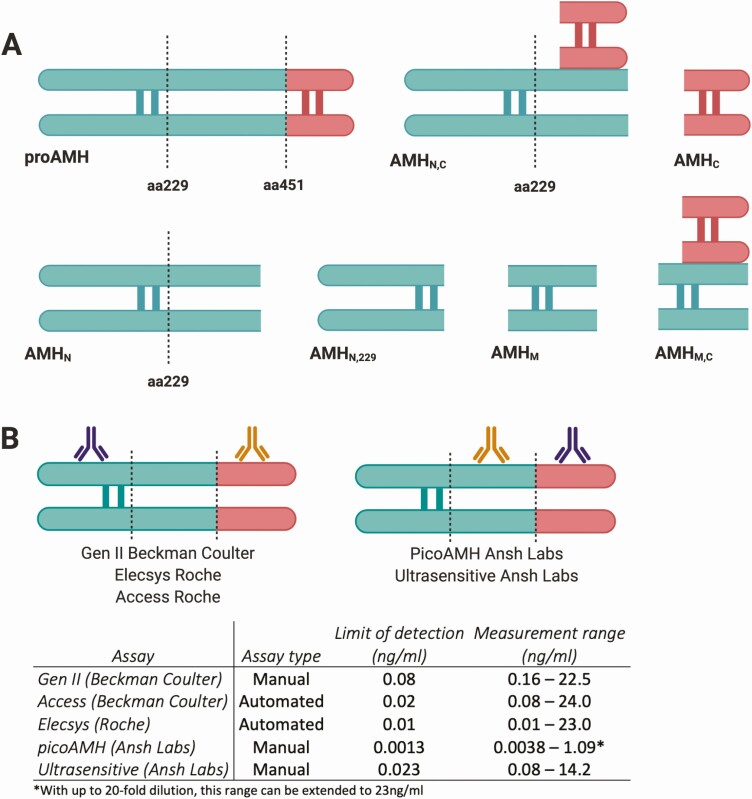
“These variations may stem from a multitude of factors within the assay methodologies, such as the selection of antibodies, reagent composition, calibration protocols, data interpretation, and sample processing [36].”
Reduced anti-Müllerian hormone levels in males with inherited bone marrow failure syndromes
Stratton, P., Giri, N., Bhala, S., Sklavos, M. M., Alter, B. P., Savage, S. A., & Pinto, L. A. (2024) · Endocrine Connections · doi:10.1530/ec-23-0510 · Cited by 2
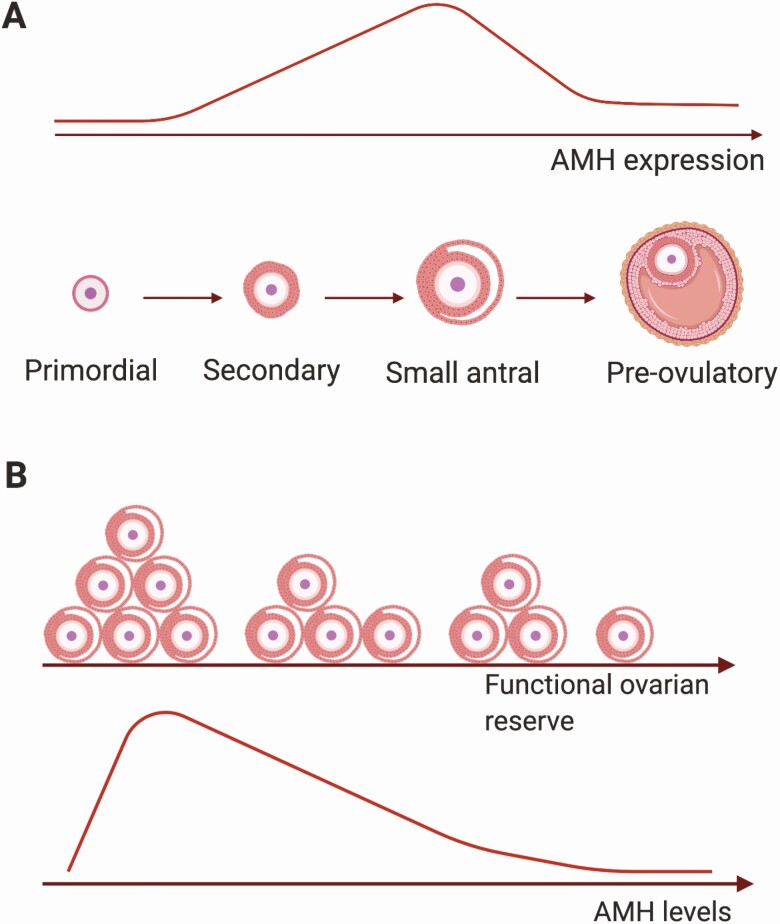
“In females, AMH is produced exclusively by the granulosa cells of small growing follicles within the ovaries and is correlated with antral follicle count (28).”
BackgroundCarlsen, L. N., Nielsen, B. S., Rouw, C., Petersen, M. R., Lindh, C. H., Krais, A. M., Westgate, C. S. J., Jeppesen, J. V., Jensen, L. B., Kristensen, S. G., et al. (2024) · Cephalalgia · doi:10.1177/03331024241290530 · Cited by 2
Jovičić, S. Ž., & Plebani, M. (2025) · Arhiv za farmaciju · doi:10.5937/arhfarm75-55314 · Cited by 3
MADENLİ, A. A., & ÖZ, İ. (2025) · Medicine · doi:10.1097/md.0000000000042842 · Cited by 2
Evaluation of diagnosis and prognosis with anti-mullerian hormone level in early missed abortion.
Xie, J., Zhou, X., Fang, L., Xiong, J., & Tao, X. (2021) · PubMed · Cited by 2
Anti-Müllerian Hormone Levels as Predictor of In Vitro Fertilization Outcomes
Maidarti, M., Garinasih, P. D., Siregar, A. A., Pratama, G., Harzif, A. K., Sumapraja, K., & Wiweko, B. (2021) · eJournal Kedokteran Indonesia · doi:10.23886/ejki.9.43.87 · Cited by 2
“Duration of infertility; years 6 (4-23) 7 (1-25) 0.”
Performance of Marmoset Monkeys as Embryo Donors Is Reflected by Different Stress-Related Parameters
Drummer, C., Münzker, J., Heistermann, M., Becker, T., Mißbach, S., & Behr, R. (2022) · Animals · doi:10.3390/ani12182414 · Cited by 2
“In humans, AMH concentration is a common marker to assess the ovarian reserve [5].”
BackgroundLv, J., Han, Y., Wang, X., Yuan, L., Diao, J., Fan, Y.-Z., & Luo, H. (2022) · BMC Pregnancy and Childbirth · doi:10.1186/s12884-022-05294-7 · Cited by 2
Dantas, M. V., de Sá, P. G., & Erthal, M. C. (2022) · World Journal of Advanced Research and Reviews · doi:10.30574/wjarr.2022.16.3.1127 · Cited by 3
“Likewise, some variables related to pregnancy chances such as anti-Mullerian hormone (AMH) [20] dosage and endometrial quality[21] were not available for analysis in our sample, reducing the number of features.”
Hu, L., Bai, L., Qin, R., Wang, X., Zhou, J., Yu, C., Yang, C. G., Wang, S., Zhao, S., Chen, L., et al. (2023) · Advances in Therapy · doi:10.1007/s12325-023-02702-y · Cited by 2
Advances in Research on Aging in Female Infertility and Pathologic Pregnancy
(2024) · Frontiers research topics · doi:10.3389/978-2-8325-4798-4 · Cited by 2
Zhu, J., Liu, M., Cheng, D., Zeng, Z., Xie, Y., Cen, L., Huang, Y.-J., Tan, Y., & Mo, Z. (2024) · Research Square · doi:10.21203/rs.3.rs-3916965/v1 · Cited by 2
Génard-Walton, M. (2023) · theses.fr (ABES) · doi:10.70675/4db6063bza2e8z49cfz9278z2d7905f87fc2 · Cited by 4
The Influence of Cesarean Delivery on Ovarian Reserve: a Prospective Cohort Study
Sasson, A. M., Haas, J., Bar‐Adon, S., Shats, M., Hochman, R., Orvieto, R., Mazaki‐Tovi, S., & Sivan, E. (2021) · Reproductive Sciences · doi:10.1007/s43032-021-00730-z · Cited by 1
“1 3 ovarian reserve after delivery is an important issue for future fertilization and women’s health [17, 18].”
BackgroundMedeiros, L. R., Colonetti, T., Nagib, E. C., Uggioni, M. L. R., Denoni, J. C., Ceretta, L. B., Grande, A. J., & da Rosa, M. I. (2023) · Obesity Research & Clinical Practice · doi:10.1016/j.orcp.2023.05.012 · Cited by 2
Rhee, S., Chun, S., & Ji, Y. I. (2023) · Journal of Menopausal Medicine · doi:10.6118/jmm.23024 · Cited by 2
Al-Taee, H. A. J., & Al-Sallami, S. W. (2023) · Medical Journal of Babylon · doi:10.4103/mjbl.mjbl_970_23 · Cited by 1
Havlínová, B., Součková, I., Koprivova, K., & Doležal, J. (2024) · BMC Research Notes · doi:10.1186/s13104-024-06802-y · Cited by 1
Expression and localization of anti-Müllerian hormone and its receptors in bovine corpus luteum
Mizuno, R., Yamaguchi, R., Matsuura, K., Ishigami, A., Sakumoto, R., Sawai, K., Koyama, K., Murata‐Okubo, M., Souma, K., & Hirayama, H. (2024) · Theriogenology · doi:10.1016/j.theriogenology.2024.06.017 · Cited by 1
Головчак, І. С., Boichuk, O. H., Купчак, І., & Моцюк, Ю. (2024) · PROBLEMS OF ENDOCRINE PATHOLOGY · doi:10.21856/j-pep.2024.3.01 · Cited by 1
Bogdanovic, J., Freeman, K., Brown, C., Singleton, R., Behera, M. A., O’Brien, J. E., Zbella, E. A., & Christenson, R. H. (2024) · Endocrines · doi:10.3390/endocrines5040037 · Cited by 1
Havlínová, B., Součková, I., Kopřivová, K., & Doležal, J. (2024) · Physiological Research · doi:10.33549/physiolres.935247 · Cited by 1
Ovarian Stimulation Effects on Ghrelin Secretion and Reproductive Potential
Beltramone, F., Estofán, P., Piccinali, N., Torres, P. J., Ramírez, N. D., Cantarelli, V. I., Ponzio, M. F., Motrich, R. D., Severgnini, M., & Martini, A. C. (2024) · Clinical Endocrinology · doi:10.1111/cen.15167 · Cited by 1
“Finally, in the OS patients we found an interestingly direct correlation between Ghrl and AMH serum levels, the latter being a known biomarker of ovarian reserve [33].”
Bilkissou, M., Tatah, N. H., Munge, N. E., ONANA, Y. R., Ngaha, Y. J., Kamdem, D. E. M., Alima, J. M., Ngalame, A. N., Mangala, G. N., Ndolo, A. R., et al. (2025) · Open Journal of Obstetrics and Gynecology · doi:10.4236/ojog.2025.151014 · Cited by 1
Female reproductive function after radioiodine therapy for differentiated thyroid carcinoma
Korchagina, M. O., Andreeva, E. N., Шеремета, М. С., & Mel'nichenko, G. A. (2024) · Problems of Endocrinology · doi:10.14341/probl13407 · Cited by 1
Ijaz, A., Khadim, S., Sahi, I. A., Akbar, A., Saeed, S., Ahmed, F., Muhammad, K., & Waheed, Y. (2025) · Middle East Fertility Society Journal · doi:10.1186/s43043-025-00225-w · Cited by 1
“Later research, however, found a very useful role of AMH, i.e., an indicator of ovarian reserves, and AMH is an important addition in the arsenal of hormone investigations prior to the procedures like intracytoplasmic sperm injection (ICSI) [30].”
Developments in pharmacotherapy for the preservation of ovarian function during cancer treatment
Turan, V., & Oktay, K. (2025) · Expert Opinion on Pharmacotherapy · doi:10.1080/14656566.2025.2495090 · Cited by 1
Adams, S. W., Hauger, R. L., Altman, A. D., Yam, S. S., Maguen, S., & Inslicht, S. S. (2025) · Psychoneuroendocrinology · doi:10.1016/j.psyneuen.2025.107484 · Cited by 1
Ke, Y., Zheng, J., Zhang, J., Tang, D., Yang, Q., Zhao, H., Zhu, C., & Zhang, Y. (2025) · Biology Direct · doi:10.1186/s13062-025-00665-4 · Cited by 1
“Post-translational modifications further refine AMH activity, where proteolytic cleavage generates N-terminal and C-terminal fragments that dimerize to form the biologically active hormone complex [12, 13].”
Zhang, Y., & Zhang, N. (2025) · Frontiers in Endocrinology · doi:10.3389/fendo.2025.1600936 · Cited by 1
“AMH is a reliable marker of ovarian reserve owing to its menstrual cycle stability and lower cycle-to-cycle variability compared with FSH (24, 25).”
Liu, F.-X., Huang, K.-L., Yi, S.-J., Huang, H., Shi, M.-H., & Liang, X.-F. (2025) · Frontiers in Medicine · doi:10.3389/fmed.2025.1618552 · Cited by 1
“AMH appears to reflect only the functional ovarian reserve, that is, the number of oocytes that could potentially mature in a given menstrual cycle, and does not directly indicate the size of the primordial follicle pool or the reproductive potential of the oocytes (24).”
FOXO1 Targets LHX8 to Promote Granulosa Cell Apoptosis
Luo, L., Luo, M., Xie, L., Tang, M., Luo, M., & Cui, J. (2025) · The Tohoku Journal of Experimental Medicine · doi:10.1620/tjem.2025.j093 · Cited by 1
Liao, C., Lee, C., & Li, J. (2025) · International Journal of Gynecology & Obstetrics · doi:10.1002/ijgo.70380 · Cited by 1
“3 Clinically, circulating AMH levels are measured using blood tests and are widely used in assisted reproductive technologies to predict ovarian response, guide treatment protocols, and assess the likelihood of successful pregnancy outcomes.”
Karoline, G., Zortea, B. Z., Fontanella, R. C., Timotheo, P. H. F. D. S., Cantoia, B. R., Luna, F. T., Kolling, B., Padilha, L. G. R., Murara, D. W., Nardi, J. T., et al. (2025) · Brazilian Journal of Implantology and Health Sciences · doi:10.36557/2674-8169.2025v7n8p723-736 · Cited by 2
GADD45A is Essential for Granulosa Cells Differentiation and Ovarian Reserve in Human and Mice
Guo, J., Hu, Y., Cao, Q., Zhang, Y., Jia, Y., Liu, L., Zeng, Y., Wu, X. F., Song, Y., Yang, M., et al. (2025) · Journal of Cellular and Molecular Medicine · doi:10.1111/jcmm.70820 · Cited by 1
Li, B., Li, S., Duan, Z., Yu, H., Zhou, Y., & Lin, X. (2025) · Medicine · doi:10.1097/md.0000000000044965 · Cited by 2
Pyrohova, V. I., & Ferents, M. Т. (2025) · Reproductive health of woman · doi:10.30841/2708-8731.6.2025.341009 · Cited by 1
Ding, D., Chang, L., Wang, X., Xu, Y., Yang, B., Pylypenko, D., Xu, T., Wang, J., Yu, D., & Wang, F. (2025) · La radiologia medica · doi:10.1007/s11547-025-02152-2 · Cited by 1
Anti-Müllerian hormone plays a bidirectional role in cancer: a multi-database and multi-method study
Wang, Y., Xi, Z., Peng, Y., Gao, Y., Guo, X., Qu, G., Wang, Z., & Peng, H. (2025) · Discover Oncology · doi:10.1007/s12672-025-03901-5 · Cited by 1
Nasab, S. E., Shahhoseini, M., & Tavana, S. (2025) · Journal of Ovarian Research · doi:10.1186/s13048-025-01821-0 · Cited by 1
“In cancer survivors experiencing premature ovarian failure due to gonadotoxic agents, there seems to be no acceleration in the ratio of primary follicles to developing follicles (functional ovarian reserve) as indicated by AMH levels [42].”
Liu, S., Fu, M., Wang, W., Ye, X., Zi, Y., Xue, B., Ji, X., Zou, Y., Liu, L., Chen, C., et al. (2026) · Environment International · doi:10.1016/j.envint.2026.110246 · Cited by 1
Germain, N., Lang, E., Genteuil, C. D., Degas, F., Gay, A., Gonzalo, P., Carla-Moreau, A., Massoubre, C., Estour, B., Klein, J.-P., et al. (2025) · Journal of Endocrinological Investigation · doi:10.1007/s40618-025-02776-1 · Cited by 1
Martinez-Martinez, A., Sanz, F. J., Garcia-Acero, P., Sebastián-León, P., & Díaz-Gimeno, P. (2026) · Biomedicine & Pharmacotherapy · doi:10.1016/j.biopha.2025.118942 · Cited by 1
AMH levels and diagnosis in PCOS phenotype D
Xuan, X., Zhang, M., Fang, Y., Su, L., & Xu, K. Y. (2026) · Clinical Biochemistry · doi:10.1016/j.clinbiochem.2026.111080 · Cited by 1
Lu, F., Yu, H., Feng, J., Liu, Y., Ge, H., Shi, B., Guan, M., Ma, H., Wang, Y., Cong, J., et al. (2026) · Frontiers in Endocrinology · doi:10.3389/fendo.2025.1697014 · Cited by 1
Population-based age-specific reference percentiles and Z-scores for AMH in women
Machtinger, R., Hemi, R., Barhod, E., & Ziv‐Baran, T. (2026) · Human Fertility · doi:10.1080/14647273.2025.2610909 · Cited by 1
Biomarkers for effective prognosis of polycystic ovary syndrome: a full review
Singh, I., Pant, A., & Maurya, P. K. (2026) · Biomarkers in Medicine · doi:10.1080/17520363.2026.2622044 · Cited by 2
Liu, X., Su, C., Li, J., Chen, L., Zhang, Q., Sun, Y., Xu, J., Zhang, C. L., Cheng, X., Li, X., et al. (2026) · Frontiers in Endocrinology · doi:10.3389/fendo.2026.1723278 · Cited by 1
“Therefore, serum AMH is considered the preferred biomarker for assessing ovarian reserve,although the absence of an international standard hinders direct comparisons across different assays (27).”
Schreurs, M. A. C., Hollestelle, A., Adank, M. A., Louwers, Y. V., van Asperen, C. J., Ausems, M. G. E. M., van de Beek, I., Collee, M. J., Dommering, C. J., Gómez-García, E. B., et al. (2026) · Journal of Medical Genetics · doi:10.1136/jmg-2025-111339 · Cited by 1
Self-citationSerum AMH Levels in Women: Differences Between Endometrioma and Non-Endometrioma Cases
Soryadharma, A., Rijal, C., Ritonga, M. A., & Syam, H. H. (2026) · Journal of Obstetrics Gynecology and Cancer Research · doi:10.24200/jogcr.11.3.218 · Cited by 1
Öktem, Ö., Kalajahi, H. G., Esmaeilian, Y., Benlioğlu, C., Hela, F., Yusufoğlu, S., Kalkan, Ü., Turan, V., & Ata, B. (2026) · Human Reproduction · doi:10.1093/humrep/deag016 · Cited by 1
Xiao, H., Ding, Y.-L., Yang, P., Chen, Q., Huang, H.-L., Chen, X., My, W., Tang, S.-X., & Zhou, H. (2026) · British Journal of Urology · doi:10.1111/bju.70194 · Cited by 1
Zhu, M., Zhong, P., Liu, W., Li, W., & Liang, D. (2026) · Advances in Public Health · doi:10.1155/adph/9922035 · Cited by 1
Liu, Y., Ni, Z., Fan, Y., Wei, M., Han, J., Wei, M., & Lin, J. (2026) · Journal of Radiation Research and Applied Sciences · doi:10.1016/j.jrras.2026.102280 · Cited by 1
Dadaş, Y., Öner, G., Karaman, E., Ayan, D., Doganay, H. N., Bayram, E., Şanlıer, N. T., & Kulular, B. (2026) · Cancers · doi:10.3390/cancers18071142 · Cited by 1
“%) were considered High-quality [35].”
Hu, D., Hao, K. H., Li, Q. Y., Ren, M., & Chen, Y. Q. (2026) · Frontiers in Medicine · doi:10.3389/fmed.2026.1690928 · Cited by 1
“While previous studies have highlighted basal hormone levels and serum AMH as reliable indicators of ovarian reserve (13, 14), currently, basal hormones and serum AMH alone have limitations in single ovary evaluations, restricting their clinical utility (14).”
Functional hypothalamic amenorrhea and anti-Müllerian hormone: insights for fertility assessment
Notaristefano, G., Tropea, A., Samasiuk, A., Ranalli, M., Policriti, M. A., Diterlizzi, A., Ghi, T., Lanzone, A., & Apa, R. (2026) · Journal of Endocrinological Investigation · doi:10.1007/s40618-026-02878-4 · Cited by 1
Fang, S., Li, Y., Fan, X., & Zheng, L. (2026) · Frontiers in Endocrinology · doi:10.3389/fendo.2026.1832704 · Cited by 1
Ding, Y., Su, T., Wan, Y., Hou, Y., Fan, Y., Fang, F., Zuo, P., Li, X., Duan, S., Huang, N., et al. (2026) · Journal of Ovarian Research · doi:10.1186/s13048-026-02136-4 · Cited by 1
“Notably, AMH is widely regarded as a marker of ovarian reserve reflecting the pool of small antral follicles rather than a direct indicator of oocyte developmental competence [34, 35].”
Boegl, M. S., Kasper, I., Dewailly, D., Mayrhofer, D., Hager, M., & Ott, J. (2026) · Gynecological Endocrinology · doi:10.1080/09513590.2026.2677994 · Cited by 1
At Home Detection of Ovarian Health Biomarker in Menstruation Blood
Dosnon, L., Rduch, T., Azer, S. S., & Herrmann, I. K. (2026) · Advanced Materials Technologies · doi:10.1002/admt.71077 · Cited by 1
“It is also valuable for early detection of diminished ovarian reserve, onset of menopause, and for monitoring granulosa cell tumors [ 17–21 ].”
Peregrín-Álvarez, I., Zemet, R., Woodard, T. L., Schenk, L. M., McKenzie, L. J., Huang, J.-C., Sharif, M., & Detti, L. (2026) · Journal of Assisted Reproduction and Genetics · doi:10.1007/s10815-026-03941-y · Cited by 1
Su, X., Chen, Y., Pu, J., Yang, F., & Yang, Y. (2026) · TrAC Trends in Analytical Chemistry · doi:10.1016/j.trac.2026.118980 · Cited by 1
The Impact of Long COVID on the Female Reproductive System: A Narrative Review
Starek, E., Żak, K., Ostrowska-Leśko, M., & Bobinski, M. (2026) · International Journal of Molecular Sciences · doi:10.3390/ijms27146127 · Cited by 1
“Anti-Müllerian hormone (AMH), produced by granulosa cells of early follicles, is a well-established biomarker of ovarian reserve [38].”
Beyond BMI: insulin resistance emerges as the key metabolic correlate of AMH in PCOS
Gorzko, A., Nawrocka-Rutkowska, J., Śliwak, E., Starczewski, A., & Szydłowska, I. (2026) · Frontiers in Endocrinology · doi:10.3389/fendo.2026.1892970 · Cited by 1
“Emerging evidence suggests that AMH may also be modulated by metabolic status in PCOS, although fi ndings remain inconsistent across populations, particularly regarding its relationship with adiposity and insulin resistance (6, 7).”
Kalinsky, K. M., Barlow, W., Pathak, H. B., Puri, R. V., Mitra, A., Home, T., Gralow, J. R., Albain, K. S., Hayes, D. F., Delaloge, S., et al. (2026) · Annals of Oncology · doi:10.1016/j.annonc.2026.05.697 · Cited by 2
Wyroba, J., Imiolek, M., Krol-Mika, A., Kiecka, K., Wojtowicz, T., Kostarczyk, K., & Kochan, J. (2026) · Ginekologia Polska · doi:10.5603/gpl.112176 · Cited by 1
Three-dimensional mapping of intact ovaries reveals the aging dynamics of the ovarian reserve
D’Angelo, A., Franco-Barranco, D., Musy, M., Duran, J. M., Sharpe, J. A., Stroustrup, N., Arganda‐Carreras, I., & Böke, E. (2026) · Nature Aging · doi:10.1038/s43587-026-01178-z · Cited by 3
“Ovarian reserve varies substantially among humans 16 , raising the possibility that oocyte numbers may also vary widely between animals.”
Metadata
- Authors
- Moolhuijsen, L. M. E., & Visser, J. A.
- Affiliations
- Erasmus MC (NL)
- Corresponding author
- Visser, Jenny A
- Venue
- The Journal of Clinical Endocrinology & Metabolism
- Publisher
- The Endocrine Society
- Published
- 2020-08-08
- Volume
- 105
- Issue
- 11
- Pages
- 3361-3373
- ISSN
- 0021-972X (ISSN-L)
- 1945-7197
- PMC
- PMC7486884
- OpenAlex
- W3047889783
- Cited by
- 584
- References
- 101
- Citations by year
- 2026: 104 · 2025: 115 · 2024: 131 · 2023: 101 · 2022: 86 · 2021: 44 · 2020: 2
- FWCI
- 8.65
- Type
- journal article
- Language
- en
- Open access
- hybrid
- doi.org
- Licence
- Locations
- The Journal of Clinical Endocrinology & Metabolism (publishedVersion, cc-by)
- PubMed Central (publishedVersion, cc-by)
- PubMed (publishedVersion)
- EUR Research Repository (Erasmus University Rotterdam) (publishedVersion, other-oa)
- EUR Research Repository (Erasmus University Rotterdam) (submittedVersion, other-oa)
- RePub (Erasmus University Rotterdam) (submittedVersion, other-oa)
- RePub (Erasmus University Rotterdam) (submittedVersion)
- Topics
- Health Sciences › Medicine › Reproductive Medicine › Ovarian function and disorders
- Health Sciences › Medicine › Reproductive Medicine › Reproductive Biology and Fertility
- Health Sciences › Medicine › Oncology › Ovarian cancer diagnosis and treatment
- Keywords
- anti-Müllerian hormone, ovarian reserve, ovarian reserve markers, granulosa cells, growing follicles, poor ovarian response, ovarian hyperstimulation syndrome, menopause prediction, endogenous and exogenous factors
- MeSH terms
- Aging, Female, Fertility, Humans, Infertility, Female, Anti-Mullerian Hormone, Ovarian Reserve
About these checks
Registry, retraction, Cites and statistics results are computed, not judged, with one exception: a printed reference that no index lists is read once by a model before it counts as a citation error. Claims are extracted by a model and kept only when their quote appears verbatim in the text; each cited source is then checked, with a model’s help, for whether it says what the claim relies on. Those verdicts can be wrong — read the claim’s quote and the cited source before relying on one.
Statistics and arithmetic are recomputed, not judged.
Confidence bands are shown only for fields calibrated on our annotated test set. None is calibrated yet, so no band is shown.
What counts as a claim ›How we measure confidence ›How we check this ›
Are you an author, or do you see a problem with this page? Request a review
Data sources
Bibliographic data: Semantic Scholar, OpenAlex, Crossref.
Contains information from the Semantic Scholar Academic Graph Datasets, made available under the ODC Attribution License (ODC-BY 1.0).
Semantic Scholar’s data is described in: Kinney, R., et al. (2023). The Semantic Scholar Open Data Platform. arXiv:2301.10140.
