

Anti-Müllerian Hormone and Ovarian Reserve: Update on Assessing Ovarian Function
Open accessThe DOI matches its Crossref record; 100 of the 101 references it cites were found in a registry or an index.
Abstract
Context: Anti-müllerian hormone (AMH) is produced by granulosa cells of small, growing follicles in the ovary. Serum AMH levels strongly correlate with the number of growing follicles, and therefore AMH has received increasing attention as a marker for ovarian reserve. This review summarizes recent findings and limitations in the application of serum AMH in ovarian reserve assessment. Evidence Acquisition: A PubMed search was conducted to find recent literature on the measurements and use of serum AMH as a marker for ovarian reserve. Evidence Synthesis: Serum AMH levels are measured to assess the “functional ovarian reserve,” a term that is preferred over “ovarian reserve,” since AMH levels reflect the pool of growing follicles that potentially can ovulate. Serum AMH levels are used in individualized follicle-stimulating hormone dosing protocols and may predict the risk of poor response or ovarian hyperstimulation syndrome but has limited value in predicting ongoing pregnancy. Serum AMH levels are studied to predict natural or disease-related age of menopause. Studies show that the age-dependent decline rates of AMH vary among women. The generalized implementation of serum AMH measurement has also led to an increase in diagnostic assays, including automated assays. However, direct comparison of results remains problematic. Conclusion: Serum AMH remains the preferred ovarian reserve marker. However, the lack of an international standard for AMH limits comparison between AMH assays. Furthermore, little is known about endogenous and exogenous factors that influence serum AMH levels, which limits proper interpretation of AMH values in a clinical setting.
Overview
The claims and statistics of this paper haven’t been checked yet.
Free: it reads the open-access text and checks the first 5 claims that cite a source we can check. Create a free account to check every claim.
Integrity signals
Registry
Cites
Statistics
Figures
Verification
Claims the paper makes
The claims and statistics of this paper haven’t been checked yet.
Free: it reads the open-access text and checks the first 5 claims that cite a source we can check. Create a free account to check every claim.
Claims other papers make about this one
Each is checked against this paper’s own text: does it say what the citing paper says it does?
The cited source says what the claim attributes to it.
In the citing paper
“However, AMH concentrations can vary in the same patient due to inter-test and biological variability,581,583 and heterogeneity exists in available AMH assays and detection levels.583”
From Clinical practice guidelines for the care of girls and women with Turner syndrome. (2024) · cites this paper as [583]
The check wasn’t confident either way, so it gives no verdict — never disputed.
In the citing paper
“IGT also is present in a significant proportion of men undergoing investigation for primary infertility.1549”
From American Association of Clinical Endocrinology Clinical Practice Guideline: Developing a Diabetes Mellitus Comprehensive Care Plan-2022 Update. (2022) · cites this paper as [1549]
Experimental — accuracy not yet measured
Self-check
Percentages, sums and reported differences re-computed from the paper’s own numbers.
The self-check needs the paper’s full text.
Citations
Cites
The Diagnosis of Polycystic Ovary Syndrome during Adolescence
Witchel, S. F., Oberfield, S., Rosenfield, R. L., Codner, E., Bonny, A., Ibáñez, L., Pena, A., Horikawa, R., Gomez-Lobo, V., Joel, D., et al. (2015) · Hormone Research in Paediatrics · doi:10.1159/000375530 · Cited by 3,113
The physiology and clinical utility of anti-Müllerian hormone in women
Dewailly, D., Andersen, C. Y., Balen, A., Broekmans, F., Dilaver, N., Fanchin, R., Griesinger, G., Kelsey, T. W., La Marca, A., Lambalk, C., et al. (2014) · Human Reproduction Update · doi:10.1093/humupd/dmt062 · Cited by 1,049 · cited 1×
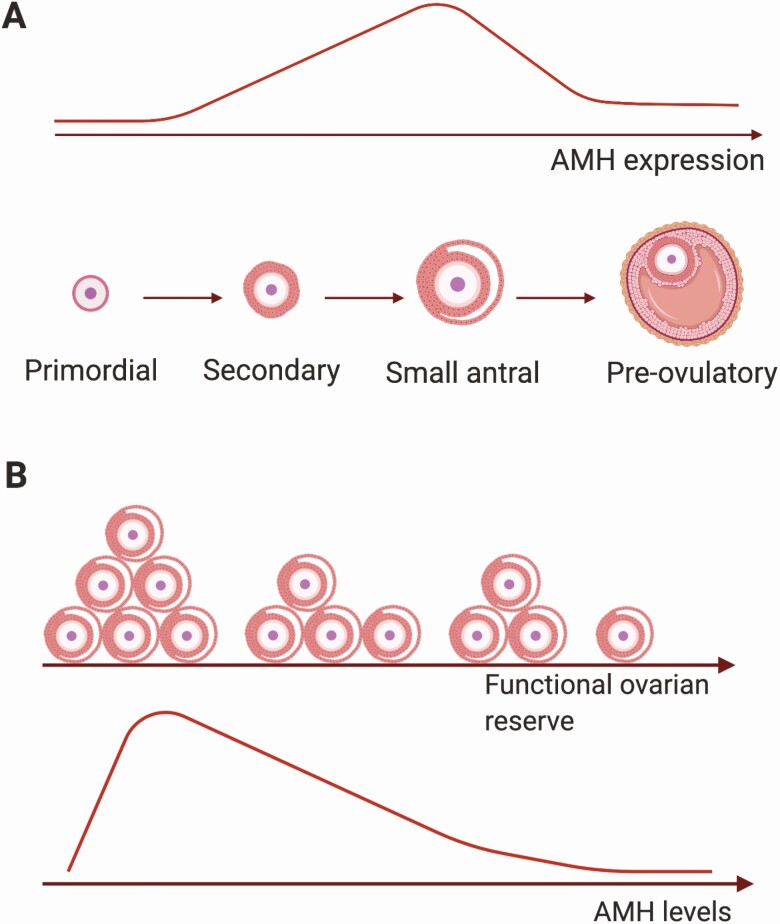
“Initial studies, performed nearly 2 decades ago, showed that serum AMH levels indeed strongly correlate with the number of growing follicles and that both decline with increasing age (3).”
BackgroundSelf-citationCate, R. L., Mattaliano, R. J., Hession, C., Tizard, R., Farber, N. M., Cheung, A., Ninfa, E. G., Frey, A. Z., Gash, D. J., Chow, E. P., et al. (1986) · Cell · doi:10.1016/0092-8674(86)90783-x · Cited by 1,022
Human ovarian reserve from conception to the menopause
Wallace, W., & Kelsey, T. (2009) · Nature Precedings · doi:10.1038/npre.2009.3179.1 · Cited by 878 · cited 1×
“This positive correlation may reflect the increased rate of primordial follicle recruitment observed from birth up to approximately age 14 years (13).”
BackgroundCorrelation of ovarian reserve tests with histologically determined primordial follicle number
Hansen, K. R., Hodnett, G. M., Knowlton, N., & Craig, L. B. (2011) · Fertility and Sterility · doi:10.1016/j.fertnstert.2010.04.006 · Cited by 534 · cited 1×
“In younger women AMH levels did not correlate, while in women of late reproductive age, a significant correlation was observed with the primordial follicle density (7-10).”
BackgroundA Validated Model of Serum Anti-Müllerian Hormone from Conception to Menopause
Kelsey, T. W., Wright, P., Nelson, S. M., Anderson, R. A., & Wallace, W. H. B. (2011) · PLoS ONE · doi:10.1371/journal.pone.0022024 · Cited by 457 · cited 2×
“From age 25 years onward, AMH levels start to decline to undetectable levels at menopause, and only from this age onward, a negative correlation between AMH levels and age can be observed (11, 12).”
BackgroundBroer, S. L., van Disseldorp, J., Broeze, K. A., Dolleman, M., Opmeer, B. C., Bossuyt, P., Eijkemans, M. J. C., Mol, B.-W. J., Broekmans, F. J. M., on behalf of the IMPORT study group, et al. (2013) · Human Reproduction Update · doi:10.1093/humupd/dms041 · Cited by 457 · cited 3×
“In agreement with the studies from Broer et al (63, 64), the authors concluded that changing the dosage of stimulating medication based on individual ORTs, including AMH, does not significantly increase the chances on pregnancy and live birth.”
MethodResultInfluentialSerum Anti-Müllerian Hormone Levels Reflect the Size of the Primordial Follicle Pool in Mice
Kevenaar, M. E., Meerasahib, M. F., Kramer, P., van de Lang-Born, B. M. N., de Jong, F. H., Groome, N. P., Themmen, A. P. N., & Visser, J. A. (2006) · Endocrinology · doi:10.1210/en.2005-1588 · Cited by 389 · cited 1×
“Only at older ages did AMH levels reflect the number of primordial follicles, while at all ages, serum AMH levels correlated with the number of growing follicles (6).”
BackgroundSelf-citationJeppesen, J. V., Anderson, R. A., Kelsey, T. W., Christiansen, S. L., Kristensen, S. G., Jayaprakasan, K., Raine-Fenning, N., Campbell, B. K., & Yding Andersen, C. (2013) · Molecular Human Reproduction · doi:10.1093/molehr/gat024 · Cited by 374
Tsepelidis, S., Devreker, F., Demeestere, I., Flahaut, A., Gervy, C., & Englert, Y. (2007) · Human Reproduction · doi:10.1093/humrep/dem101 · Cited by 299 · cited 1×
“While initial studies suggested that AMH levels are relatively stable during the menstrual cycle (24), more recent research suggest that AMH levels show significant intracycle variation up to 20.”
Background
Cited by
Items 201–300 of 648
Vrzáková, R., Šimánek, V., Topolčan, O., Vurm, V., Slouka, D., & Kučera, R. (2023) · Diagnostics · doi:10.3390/diagnostics13081501 · Cited by 8
“However, given that our focus is mainly the role of AMH in IVF, we decided to exclude the male samples after the preliminary statistical analysis.”
BackgroundMethodInfluentialOrlova, Y. A., Геннадьевна, П. А., Dolgushin, G. O., Kirillova, K. I., Михеев, Р. К., & Andreeva, E. N. (2023) · Russian Journal of Preventive Medicine · doi:10.17116/profmed20232607196 · Cited by 8
Unraveling PCOS: Exploring its causes and diagnostic challenges
Dar, M. A., Maqbool, M., Qadrie, Z., Ara, I., & Qadir, A. (2024) · Open Health · doi:10.1515/ohe-2023-0026 · Cited by 7
Bakhsh, H. (2025) · Life · doi:10.3390/life15091366 · Cited by 7
“Additionally, assessment of estradiol levels, anti-Müllerian hormone (AMH), and ovarian imaging may contribute to the diagnostic workup [15].”
Xie, Q., Xie, Y., Shi, Y., Quan, X., & Yang, X. (2024) · Journal of Obstetrics and Gynaecology · doi:10.1080/01443615.2024.2320294 · Cited by 7
“The level of aMH is widely used as a surrogate for ovarian reserve which is known as the number of primordial follicles that could develop into primary, antral and ovu-latory follicles at a particular time in a woman’s life (Iwase et al. 2010, Moolhuijsen and Visser 2020).”
Gu, W., Yuan, J., Zhou, Y., Li, Y., & Wang, Y. (2024) · BMC Women s Health · doi:10.1186/s12905-024-03315-5 · Cited by 7
Johnson, J., Emerson, J. W., Smith, A. D., Medina, K., Telfer, E. E., Anderson, R. A., & Lawley, S. D. (2025) · Human Reproduction Update · doi:10.1093/humupd/dmaf009 · Cited by 8
Zhang, Y., Han, D., Yu, X., Shao, X., Zong, C., Zhang, M., Wang, J., Liang, J., & Ge, P. (2022) · Frontiers in Genetics · doi:10.3389/fgene.2022.1034832 · Cited by 9
“Another study showed that when ovarian function is impaired and the number of growing follicles decreases leading to a decrease in AMH, its function of maintaining the dynamic balance between follicular atresia and follicular recruitment decreases, which induces the primordial follicles to be overactivated, and this d…”
BackgroundComparison of Female Ovarian Reserve Before vs After COVID-19 Vaccination
Yang, L., Neal, S. E., Lee, T., Chou, A., Schutt, A. K., & Gibbons, W. (2023) · JAMA Network Open · doi:10.1001/jamanetworkopen.2023.18804 · Cited by 7
Liu, X., Li, W., Mol, B. W., Wen, W., Wang, T., Tian, L., Li, N., Sun, T., Wang, T., Zhou, H., et al. (2023) · European Journal of Obstetrics & Gynecology and Reproductive Biology · doi:10.1016/j.ejogrb.2023.10.012 · Cited by 8
Ünal, Ç., Ordu, Ç., Özmen, T., İlgün, A. S., Çelebi, F., Baysal, B., Özkurt, E., Duymaz, T., İyigün, Z. E., Kurt, S., et al. (2023) · Current Oncology · doi:10.3390/curroncol30100666 · Cited by 7
“There is no clear consensus in the literature on studies on AMH levels [32].”
BackgroundMadikyzy, M., Durmanova, A., Трофимов, А. Н., Akbay, B., & Tokay, T. (2024) · Biomedicines · doi:10.3390/biomedicines12102333 · Cited by 9
“AMH synthesis in granulosa cells begins with folliculogenesis and lasts until a woman undergoes menopause [8].”
BackgroundSerum kisspeptin levels along reproductive period in women: is it a marker for aging?
Erel, C. T., Erkan, İ. B. Ö., İnan, D., Mut, A., Hatipoglu, B. K., & Konukoğlu, D. (2022) · Gynecological Endocrinology · doi:10.1080/09513590.2022.2028768 · Cited by 7
Luo, P., Su, Z., Li, P., Wang, G., Li, W., Sun, X., Fu, Z., Zhou, H., Yi, X., Zhu, L., et al. (2023) · Obesity Surgery · doi:10.1007/s11695-023-06617-z · Cited by 8
Sun, Y., Zhang, Y., Liu, X., Guo, C., Liu, M., Li, H., Zhou, P., Xu, Y., Liu, Y.-P., & Bai, Z. (2025) · Analytical Methods · doi:10.1039/d5ay00658a · Cited by 6
Huang, H., Gao, H., Shi, Y., Deng, B., He, X., Jin, L., & Li, P. (2023) · Reproductive Biology and Endocrinology · doi:10.1186/s12958-023-01173-8 · Cited by 6
Oocyte collection and outcome following oncologic treatment: a retrospective multicentre study
Fernández-González, M. J., Borgmann‐Staudt, A., González-Llagostera, C., Ceballos-Garcia, E., Gebauer, J., Jantke, A., Barnbrock, A. E., Kentenich, H., Klco‐Brosius, S., Lotz, L., et al. (2024) · Supportive Care in Cancer · doi:10.1007/s00520-024-08586-0 · Cited by 6
George, S. A., Veludhandi, A., Xiang, Y., Liu, K. A., Stenger, E. O., Arnold, S. D., Mehta, A., Schirmer, D. A., Spencer, J. B., Guilcher, G. M. T., et al. (2024) · Transplantation and Cellular Therapy · doi:10.1016/j.jtct.2024.06.029 · Cited by 6
Liu, S., Yoneoka, D., Suzuki, H., Sasayama, K., Saito, E., Naraoka, Y., Hosokawa, M., Igarashi, A., & Ota, E. (2025) · Scientific Reports · doi:10.1038/s41598-025-02459-0 · Cited by 6
“Higher AMH levels during this period reflect an active follicular environment and increased ovarian function, which may contribute to greater cyclical hormonal variability and heightened endocrine reactivity 57 .”
Gentile, G., Tesei, C., Brunetti, S., Cavaceppi, P., Sorrenti, G., Lambertini, M., & Ciccarone, M. (2025) · Therapeutic Advances in Medical Oncology · doi:10.1177/17588359251341210 · Cited by 7
Kongkiatkamon, S., Chintabanyat, A., Polprasert, C., Uaprasert, N., & Rojnuckarin, P. (2022) · Hematology · doi:10.1080/16078454.2022.2026018 · Cited by 6
“AMH is a dimeric glycoprotein in the TGF-β family and is produced by the granulosa cells of ovarian follicles [14,15].”
BackgroundLiao, K., Wang, Y., Zheng, L., Lu, D., Wu, J., Wu, B., Wu, Z., & Jiang, Z. (2022) · BMJ Open · doi:10.1136/bmjopen-2021-057689 · Cited by 6
Hormone Imbalance in Polycystic Ovarian Syndrome
Bergo, I., Eckert, D., Puşcaş, A., Jîtcă, G., & Tero-Vescan, A. (2023) · Acta Biologica Marisiensis · doi:10.2478/abmj-2023-0002 · Cited by 6
Functional ovarian reserve in women with Sickle Cell disease: A systematic review
Silva, C. S., Passos, N. M., Ribeiro, A. P. M. R., Mattos, R. R., Torquato, E., Mirada, E. D. P., & de Bessa, J. (2024) · JBRA · doi:10.5935/1518-0557.20240067 · Cited by 8
Update Breast Cancer 2024 Part 2 – Patients with Early Stage Breast Cancer
Janni, W. J., Kolberg, H., Hartkopf, A. D., Fehm, T. N., Welslau, M., Müller, V., Schütz, F., Fasching, P. A., Jackisch, C., Marmé, F., et al. (2025) · Geburtshilfe und Frauenheilkunde · doi:10.1055/a-2533-2783 · Cited by 6
Postmortem tissue biomarkers of menopausal transition
Tickerhoof, M. C., Cham, H., Ouldibbat, L., Ger, A., Burrja, S., Auluck, P. K., Schmidt, P. J., Marenco, S., & Kundaković, M. (2025) · Molecular Psychiatry · doi:10.1038/s41380-025-03177-9 · Cited by 8
Bernardi, L. A., Waldo, A., Berrocal, V. J., Wise, L. A., & Marsh, E. E. (2022) · Fertility and Sterility · doi:10.1016/j.fertnstert.2021.12.019 · Cited by 6
Wang, Q., Qi, D., Zhang, L., Wang, J., Du, Y., Lv, H., & Yan, L. (2023) · Journal of Clinical Medicine · doi:10.3390/jcm12020493 · Cited by 6
“Converging evidence revealed that AMH can be considered a reliable indicator of ovarian reserves [33,34] and for predicting the success rate of in vitro fertilization (IVF) [35–37].”
BackgroundQuinn, M. M., Cedars, M. I., Huddleston, H. G., & Santoro, N. F. (2021) · F&S Reviews · doi:10.1016/j.xfnr.2021.11.001 · Cited by 7
Systemic isotretinoin for acne treatment: Ovarian reserve is safe with the low dose
Haroun, A. M., Ibrahim, M. A., Soliman, A. S., El-Ghaffar, A. O. A., & Shams, G. M. (2022) · Dermatologic Therapy · doi:10.1111/dth.15811 · Cited by 6
“AMH, a transforming growth factor β (TGF β) family member, is currently considered an easy-to assess sensitive serum marker of OR and hence ovarian functions.(19) AFC is an estimation of the number of ovarian follicles, also described as OR.”
BackgroundChen, Y., Deng, M., Chen, Z., Han, S., Chen, J., Zhang, H., Wang, Q., Jin, X., Liu, W., & Zhang, Z. (2022) · Journal of Ovarian Research · doi:10.1186/s13048-022-01052-7 · Cited by 7
“AMH plays an important role in sexual differentiation in male foetuses and is solely secreted by the granulosa cells of the pre-antral and small antral ovarian follicles in women [9, 10].”
BackgroundBustamante, V. H., Galetaki, D. M., Dowlut‐McElroy, T., & Shankar, R. K. (2023) · Clinical Endocrinology · doi:10.1111/cen.14971 · Cited by 7
“8 In prepubertal children, however, since ovarian follicles are in a quiescent stage, the role of AMH as reflective of ovarian reserve is less certain with more variability in AMH levels.”
BackgroundLong, P., Tan, H.-J., Chen, B., Wang, L., Quan, R., Hu, Z., Zeng, M., Greenbaum, J., Shen, H., Deng, H., et al. (2024) · American Journal of Obstetrics and Gynecology · doi:10.1016/j.ajog.2024.06.050 · Cited by 5
“On the other hand, besides age at menopause, AMH in plasma can be influenced by many other factors, including body weight, lifestyle habits, and the environment, 32,33 so AMH in plasma is unable to fully reflect local AMH levels in the ovaries.”
Fertility under fire: how chemotherapy harms the ovaries and the science fighting back?
Zhou, J., Zhang, D., Yu, Y., & Zhou, Q. (2026) · Journal of Ovarian Research · doi:10.1186/s13048-025-01950-6 · Cited by 5
“It inhibits primordial follicle activation and effectively impedes follicular growth [118, 119].”
Huang, J., Zhang, Y., Nie, P., Luo, Q., Hu, R., Zhang, R., Zhao, Y. M., Yu, M., & Xu, H. (2026) · Particle and Fibre Toxicology · doi:10.1186/s12989-026-00667-8 · Cited by 5
Serum miRNA as a predictive biomarker for ovarian reserve after endometrioma-cystectomy
Yabuki, A., Muraoka, A., Osuka, S., Yokoi, A., Yoshida, K., Kitagawa, M., Bayasura, Sonehara, R., Miyake, N., Nakanishi, N., et al. (2023) · Reproductive Biology · doi:10.1016/j.repbio.2023.100821 · Cited by 5
Barreto, M. C. D. A., Treistman, N., Cavalcante, L. B. C. P., Bulzico, D., de Andrade, F. A., Corbo, R., Alves, P. A. G., & Vaisman, F. (2024) · European Thyroid Journal · doi:10.1530/etj-23-0252 · Cited by 5
“The anti-Müllerian hormone (AMH) measured in serum is a marker of ovarian reserve in the female sex (13, 14) and correlates directly with the number of growing follicles that decrease with aging (15).”
BackgroundBaradwan, S., Alshahrani, M. S., SGHAN, R. A., Sabban, H., Khadawardi, K. A., Alzawawi, N., Abduljabbar, H. H., Abdelhakim, A. M., AMODI, A. A. A., & Elgamel, A. F. (2024) · Minerva Obstetrics and Gynecology · doi:10.23736/s2724-606x.23.05310-1 · Cited by 5
Moon, J., Ha, J. J., Kwon, W., Kim, D., & Yi, J. (2024) · Journal of Animal Science and Technology · doi:10.5187/jast.2024.e51 · Cited by 5
“A comparison between dairy and beef breeds showed that among dairy breeds, Bos indicus (Nelore breed), which is known for its high genetic AFC, exhibits higher AMH levels than other dairy breeds, including Holsteins, Jerseys, and crossbred cattle following in ascending order [30,41–43].”
Niu, Y., Wang, N., & Xu, Q. (2024) · Reproductive Sciences · doi:10.1007/s43032-024-01619-3 · Cited by 6
Zhao, Z., Huang, S., Feng, Q., Li, P., Zhao, Q., & Wang, Z. (2025) · International Journal of Molecular Sciences · doi:10.3390/ijms26052265 · Cited by 5
“…based on multiple typical specific marker genes as follows: germ cells ( gdf9 , dazl , and ddx4 ) [27–29], follicular cells ( amh and cyp19a1 ) [30,31], immune cells ( mpx ) [32], stromal cells ( fbln1 and col1a1a ) [14,18], endothelial cells ( nnmt and fn1a ) [33], and epithelial cells (…”
Guo, Z., Ishizuka, B., Itakura, A., & Kawamura, K. (2025) · Scientific Reports · doi:10.1038/s41598-025-98808-0 · Cited by 5
“Ovarian reserve encompasses both the quantity and quality of follicles, with AMH recognized as an indirect marker 36 .”
The relationship between serum FSH level and ovarian response during controlled ovarian stimulation
Sun, P.-P., Zhang, Y.-M., Zhu, H.-Y., Sun, N., & Ma, H.-G. (2022) · Ginekologia Polska · doi:10.5603/gp.a2022.0010 · Cited by 5
Fakehi, M., Tanha, F. D., Asgari, Z., Mohazzab, A., & Ghaemi, M. (2022) · PubMed Central · doi:10.22074/ijfs.2021.533920.1157 · Cited by 5
“In the last three decades, the level of anti mullerian hormone (AMH) (9), follicular stimulating hormone (FSH), estradiol (E2) and inhibin B as well as the ovarian volume and the antral follicular count (AFC) on transvaginal sonography have been accepted as reliable markers of ovarian reserve (10-12), among which AMH…”
BackgroundShin, J.-W., Park, H. T., Choe, S.-A., & Jeon, O. H. (2023) · Menopause The Journal of The North American Menopause Society · doi:10.1097/gme.0000000000002238 · Cited by 5
Guo, Y., Chen, H., Zha, L., Bai, D., & Jin, L. (2025) · Fertility and Sterility · doi:10.1016/j.fertnstert.2025.06.032 · Cited by 5
Xin, L., Ye, M., Yang, L., Chen, L., Wang, L., & Hou, Q. (2022) · PubMed Central · Cited by 6
Molecular Mechanisms Determining Mammalian Oocyte Quality with the Treatment of Cancer Therapy
Dong, R., Abazarikia, A., Luan, Y., Yu, S., & Kim, S. (2024) · Advances in anatomy, embryology and cell biology · doi:10.1007/978-3-031-55163-5_5 · Cited by 4
The Role of AMH and AMHR2 Variants in Polycystic Ovary Syndrome: ‘A Comprehensive Analysis’
Sarray, S., Ezzidi, I., Salem, A. B., Abdennebi, H. B., & Mtiraoui, N. (2025) · Clinical Endocrinology · doi:10.1111/cen.15269 · Cited by 4
Effects of Endometriosis on Anti-Müllerian Hormone
Chung, Y. S., Choi, E., Baek, J. K., Kim, H., & Yun, B. H. (2025) · Journal of Clinical Medicine · doi:10.3390/jcm14134495 · Cited by 4
“It is produced by the granulosa cells of growing follicles from the primary to the small antral stage [5,17].”
InfluentialMoustakli, E., Christopoulos, P., Potiris, A., Zikopoulos, A., Drakaki, Ε., Karampitsakos, T., Anagnostaki, I., Kathopoulis, N., Katopodis, P., Galani, A., et al. (2025) · Nutrients · doi:10.3390/nu17132215 · Cited by 4
“Although further research is needed to confirm this connection, there is mounting evidence that untreated CD may reduce ovarian reserve, as measured by anti-Müllerian hormone (AMH) and antral follicle counts [23].”
Tehrani, F. R., Mousavi, M. A., Ardebili, S. N., Naz, M. S. G., Azizi, F., & Behboudi‐Gandevani, S. (2025) · BMJ Open · doi:10.1136/bmjopen-2025-102774 · Cited by 5
Pouladvand, N., Azarnia, M., Fathi, R., Zeinali, H., Vesali, S., & Tavana, S. (2025) · Biomedicine & Pharmacotherapy · doi:10.1016/j.biopha.2025.118528 · Cited by 4
Tang, S., Zhao, P., Sun, K., Zhang, Q., & Yu, Y. (2025) · Journal of Assisted Reproduction and Genetics · doi:10.1007/s10815-025-03619-x · Cited by 4
“AMH, as an ovarian reserve marker [22, 23], reflects the size of the primordial follicular pool [24–26], and its reduced level essentially reflects a decrease in the number of follicles [11, 27].”
Sun, M., Wang, H., Zhu, X., Chen, X., Wang, B., Min, Y., Ge, M., Jiang, X., & Yu, W. (2025) · Poultry Science · doi:10.1016/j.psj.2025.106004 · Cited by 4
“During this period, elevated AMH levels help maintain follicle pool balance by preventing excessive simultaneous follicle maturation (Moolhuijsen and Visser, 2020), which is essential for sustaining optimal oocyte production.”
AMH in PCOS and Beyond—Rare Case Series
Robeva, R. N., Mehandjiev, T., Dimitrov, R. G., Hranov, Y., Andonova, S., Mladenova, M., Elenkova, A. P., Hadjidekov, G., & Zacharieva, S. (2026) · Diagnostics · doi:10.3390/diagnostics16010123 · Cited by 4
Mao, S., Yang, D., Wang, X., & Cao, X. (2026) · Frontiers in Endocrinology · doi:10.3389/fendo.2026.1742145 · Cited by 4
“Anti-Müllerian hormone (AMH), a member of the TGF-b superfamily primarily secreted by granulosa cells of growing follicles (23), plays a pivotal role in regulating early folliculogenesis and protecting follicles from atresia, thereby serving as a direct biomarker of ovarian reserve (24, 25).”
Geng, Y., Wang, H., Cai, F., Hong, L., Pu, L., Qin, S., Yang, H., & Zhang, J. (2026) · Microbiome · doi:10.1186/s40168-026-02380-2 · Cited by 4
“Anti-Müllerian hormone (AMH) is produced by granulosa cells of growing follicles and serves as a marker of ovarian reserve [71].”
Li, J., Zhu, W., Bu, Y., Li, L., Wei, H., & Zhang, S. (2026) · Communications Biology · doi:10.1038/s42003-026-10273-1 · Cited by 5
“AMH exerts both local paracrine/ autocrine effects, such as inhibiting primordial follicle recruitment within the ovary, and classical endocrine functions 1,3 .”
Serum anti-Müllerian hormone (AMH) concentration during pregnancy: a longitudinal study
McCredie, S., An, B. G. L., McShane, M., Ledger, W. J., & Venetis, C. A. (2023) · Reproduction and Fertility · doi:10.1530/raf-22-0128 · Cited by 4
Fraire-Zamora, J. J., Sharma, K., Ammar, O. F., Massarotti, C., Ali, Z. E., Telfer, E. E., Williams, S. A., Ata, B., & Liperis, G. (2023) · Human Reproduction · doi:10.1093/humrep/dead075 · Cited by 4
Islam, U. N., Begum, A., Rahman, F., Haq, M. A., Kumar, S., Chowdhury, K., Sinha, S., Haque, M., & Ahmad, R. (2023) · Cureus · doi:10.7759/cureus.50181 · Cited by 4
Subramanian, A., Harmon, Q. E., Bernardi, L. A., Carnethon, M. R., Marsh, E. E., Baird, D. D., & Jukic, A. M. Z. (2023) · Fertility and Sterility · doi:10.1016/j.fertnstert.2023.12.023 · Cited by 7
Yarkıner, Z., Boynukalın, F. K., & Coban, Ö. (2024) · Reproductive Sciences · doi:10.1007/s43032-024-01584-x · Cited by 4
“The observed decline in VEC and blastulation rates in our study may be influenced, in part, by the dynamic changes in ovarian reserve reflected in AMH levels across multiple cycles [16, 17].”
BackgroundAir pollution and anti-Müllerian hormone: the Doetinchem Cohort Study
Zou, R., Durkin, A., de Kat, A. C., van der Schouw, Y. T., Hoek, G., Verschuren, W. M. M., Vermeulen, R. C. H., & Lenters, V. C. (2025) · Environment International · doi:10.1016/j.envint.2025.109565 · Cited by 4
Ding, X., Tao, T., Fu, J., Zhang, Y., Yang, X., Ren, M., Zeng, X., Li, X., Tang, L., Duan, J., et al. (2025) · Journal of Translational Internal Medicine · doi:10.1515/jtim-2025-0027 · Cited by 4
Chaudhary, V., Haloi, P., Munjal, K., & Chitme, H. R. (2025) · Egyptian Journal of Basic and Applied Sciences · doi:10.1080/2314808x.2025.2554517 · Cited by 5
“Consequently, AMH has become a well-established molecular biomarker for assessing ovarian reserve and diagnosing ovarian dysfunctions such as PCOS [20].”
Ovarian reserve analysis in subfertile women based on physical, ultrasound and hormonal parameters
Chakrabarti, S. (2023) · Gynecological Endocrinology · doi:10.1080/09513590.2023.2214616 · Cited by 4
“The primary evidence proposed that several ORTs possess better predictive values for pregnancy [7].”
BackgroundParental consanguinity and ovarian reserve: A retrospective cohort study
Saeghi, S. A., Al-Mahrouqi, T., Al‐Khaduri, M., Al-Ghabshi, R., Sabti, J. A., Jose, S., & Gowri, V. (2024) · International Journal of Reproductive BioMedicine (IJRM) · doi:10.18502/ijrm.v21i12.15039 · Cited by 4
Chiglitazar ameliorates dehydroepiandrosterone-induced polycystic ovary syndrome in rats
Zhao, F., Cui, W., Fang, C., Luo, Y., & Zhang, C. (2024) · Journal of Ovarian Research · doi:10.1186/s13048-024-01554-6 · Cited by 5
“Progesterone has a close relationship with the corpora lutea [25], and its biosynthesis is controlled by various enzymes, such as steroidogenic acute regulatory protein (STAR) [26], which transfers cholesterol from the outer mitochondrial membrane to the inner mitochondrial membrane, thereby…”
Skowrońska, M., Pawłowski, M., Buczyńska, A., Wiatr, A. A., Dyszkiewicz, A., Wenta, A., Gryko, K., Zbucka-Krętowska, M., & Milewski, R. J. (2024) · Nutrients · doi:10.3390/nu16234149 · Cited by 5
“This is confirmed in several studies [25,29,33] and aligns with the generally negative impact of age on female fertility [34,35].”
Evaluation of Siemens Atellica AMH assay and comparison with Roche, Beckman and Ansh Labs
Shang, E., Agustin, H., Lee, J. K. Y., Scheidegger, M., Jones, J., Abou‐Diwan, C., El-Khoury, J. M., & Li, J. (2024) · Clinical Biochemistry · doi:10.1016/j.clinbiochem.2024.110863 · Cited by 4
Gouvea, T. M., Souza, L. A. C. E., & Lima, A. A. (2022) · Scientific Reports · doi:10.1038/s41598-022-15429-7 · Cited by 5
van Duyn, A., & Shale, T. (1995) · Euromoney eBooks · Cited by 4
Editorial: Molecular Biomarkers in Animal Reproduction
Martinez-Serrano, C. A., Roca, J., & Barranco, I. (2021) · Frontiers in Veterinary Science · doi:10.3389/fvets.2021.802187 · Cited by 4
Serum AMH Levels: An Early Reproductive Marker for Bone Loss?
Visser, J. A. (2020) · Journal of Bone and Mineral Research · doi:10.1002/jbmr.4567 · Cited by 4
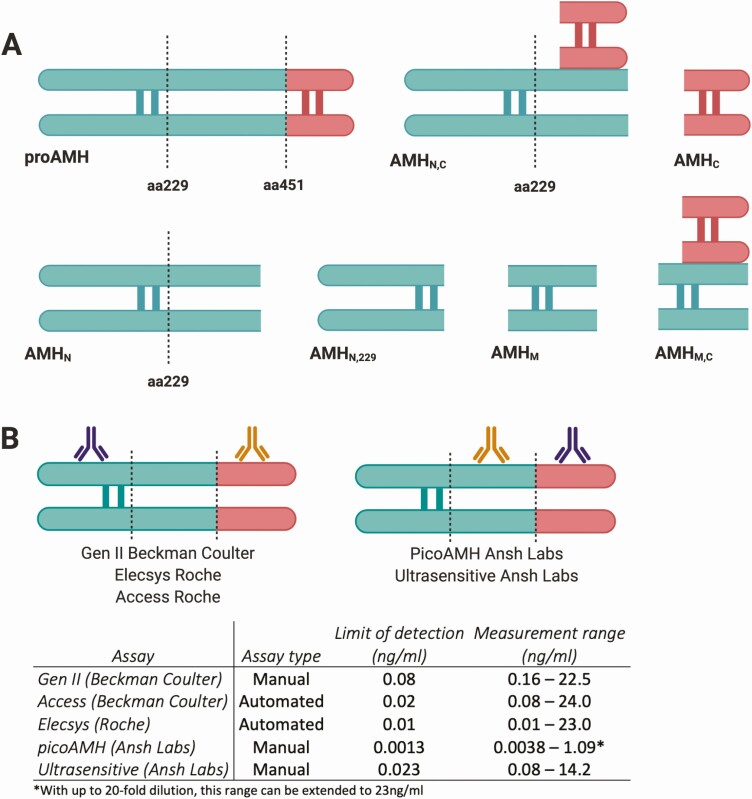
“Although several commercial manual and automated AMH assays are currently available, their limit of detection varies and AMH values obtained by the various assays cannot be directly compared.((6)) Even though a highly sensitive AMH ELISA, which measures AMH in the pg/mL range, was used in this study by Karlamangla and…”
BackgroundMethodSelf-citationLong-term protective effects of lamotrigine in a rat ovarian ischemia-reperfusion model
Aktepe, R., Üçüncü, Y., Tümkaya, L., Mercantepe, T., Topçu, A., Uydu, H. A., & Atak, M. (2024) · Tissue and Cell · doi:10.1016/j.tice.2023.102297 · Cited by 3
Lyangasova, O. V., Lomteva, S. V., Sagamonova, K. Y., Butenko, E. V., & Shkurat, T. P. (2024) · Egyptian Journal of Medical Human Genetics · doi:10.1186/s43042-024-00598-z · Cited by 3
Night shift work and anti-Müllerian hormone concentrations in a cohort of black women
Cromack, S. C., Jiang, C., Wise, L. A., Baird, D. D., Carnethon, M. R., Harmon, Q. E., Marsh, E. E., & Bernardi, L. A. (2025) · Maturitas · doi:10.1016/j.maturitas.2025.108666 · Cited by 3
Ji, X., Xue, B., Zhang, N., Liu, S., Liu, L., Fu, M., Ye, X., Wang, W., Yang, M., Aisan, Z., et al. (2025) · Ecotoxicology and Environmental Safety · doi:10.1016/j.ecoenv.2025.118870 · Cited by 4
Zhai, Y., Zhang, Y., Li, Y., Geng, M., Liu, G., Yan, L., Hu, J., Deng, Y., Chen, J., & Cai, Z. (2025) · Journal of Ovarian Research · doi:10.1186/s13048-025-01709-z · Cited by 3
Melatonin alleviates cyclophosphamide-induced ovarian toxicity in mice
Oubiña, G., May, M., Bianchi, M. S., Neira, M., Matzkin, E., Frungieri, M. B., Pascuali, N., Bordaquievich, M., Abramovich, D., & Parborell, F. (2025) · Journal of Assisted Reproduction and Genetics · doi:10.1007/s10815-025-03638-8 · Cited by 3
“Anti-Müllerian hormone (AMH), synthesized by granulosa cells of preantral to early antral follicles, suppresses primordial follicle activation, and its serum levels serve as a predictive marker of the growing follicle population, correlating with the number of primordial follicles [63].”
Li, Y., Han, L., He, Y., Li, X., Zhang, Y., Zhang, H., Wang, Y., Zhang, H., & Tian, W. (2025) · Frontiers in Endocrinology · doi:10.3389/fendo.2025.1627560 · Cited by 3
Artificial intelligence in primary ovarian insufficiency management: opportunities and challenges
Zhou, R., Wei, Y., Xiong, Y., Su, B., Xie, J., Hu, L., & Lei, X. (2025) · Journal of Assisted Reproduction and Genetics · doi:10.1007/s10815-025-03660-w · Cited by 4
Lengyel, B., Armos, R., Bojtor, B., Kiss, A., Tóbiás, B., Pikó, H., Illés, A., Horvath, E. M., Putz, Z., Takács, I., et al. (2025) · Pharmaceuticals · doi:10.3390/ph19010054 · Cited by 4
“Vitamin D levels are correlated with AMH, seasonal fluctuations paralleled by vitamin D levels, and also a sharp increase in AMH levels with acute supplementation of vitamin D [163].”
Obeagu, E. I., & Okafor, C. J. (2026) · Universal Journal of Pharmaceutical Research · doi:10.22270/ujpr.v10i6.1468 · Cited by 3
“Future investigations should prioritize longitudinal assessment of ovarian function, stratified by treatment duration, drug class, and disease severity, to guide evidence-based reproductive counseling 50 .”
Mechanisms of Phthalate-Induced Accelerated Ovarian Aging in Experimental Models
Safar, A. M., & Flaws, J. A. (2026) · Current Environmental Health Reports · doi:10.1007/s40572-026-00521-1 · Cited by 3
“Consistent with these observations, DEHP exposure increased the number (1-500 mg/kg/day) and percentage (0.5-500 mg/kg/day) of atretic follicles and reduced serum anti-Müllerian hormone (AMH; 5 mg–2 g/kg/day), a reliable marker of ovarian reserve in mice [26, 33, 37, 41, 42, 49].”
InfluentialLi, F., Huang, Y., Liu, Z., Geng, Y., Hu, R., Song, Y., Xu, L., & Zhang, M. (2026) · Biomedicines · doi:10.3390/biomedicines14030714 · Cited by 3
“FSH promotes preantral follicle development and estrogen synthesis [44,45], while AMH reflects the growing follicle pool and inhibits primordial follicle recruitment [46].”
Bribiescas, R. G., & Ellison, P. T. (2026) · American Journal of Human Biology · doi:10.1002/ajhb.70225 · Cited by 4
Xu, H., Feng, H., Liu, X., Yin, H., Wang, X., Luo, Z., Ma, Y., Cai, G., Li, M., Wang, Y., et al. (2026) · Frontiers in Endocrinology · doi:10.3389/fendo.2026.1793202 · Cited by 3
Aldarmahi, A. A., & Iqubal, A. (2026) · Journal of Biochemical and Molecular Toxicology · doi:10.1002/jbt.70896 · Cited by 3
“Anticancer drug‐induced ovarian toxicity is a quantitative and qualitative depletion of gonadal follicular reserve, measured through biomarkers such as AMH, AFC, FSH, and estradiol, which must be integrated measures since they have varying sensitivities and time courses [49].”
The changes of DNA double-strand breaks and DNA repair during ovarian reserve formation in mice
Zhou, Z., Yin, H., Suye, S., Zhu, F., Cai, H., & Fu, C. M. (2022) · Reproductive Biology · doi:10.1016/j.repbio.2022.100603 · Cited by 3
Wang, Y., Chen, J., Dong, H., Ma, R., Zou, Y., Wang, W., Zheng, Q., Feng, Y., Tan, Z., Zeng, X., et al. (2022) · BioMed Research International · doi:10.1155/2022/9778678 · Cited by 3
“Levels of AMH have been considered as an alternative biomarker for diagnosing polycystic ovary morphology (PCOM), or ultrasound follicle number per ovary (FNPO) counts, as well as an independent marker for PCOS [15].”
BackgroundRetractedHu, F., Wang, X., Ren, H., Lv, Y.-S., Li, H., Liu, S., & Zhou, W. (2023) · Human Fertility · doi:10.1080/14647273.2023.2164869 · Cited by 3
“Several indicators related to ovarian sensitivity such as female age, antral follicle count (AFC), Anti-M € ullerian hormone (AMH), and basal sex hormone have also been used to evaluate IVF/ICSI clinical outcomes (Cakiroglu et al., 2020; Moolhuijsen & Visser, 2020).”
MethodYin, Y., Huang, L., Xu, N., Ma, H.-G., & Yuan, C. (2025) · Frontiers in Medicine · doi:10.3389/fmed.2025.1503836 · Cited by 3
“…whether luteinizing hormone (LH), anti-Müllerian hormone (AMH), and follicle-stimulating hormone (FSH), which are commonly used as biological indicators for the evaluation of ovarian function, are correlated with the reproductive outcomes of postoperative re-pregnancy in patients with CSP (6, 7).”
Begum, I. A., Hosen, A. S. M. S., Ghimire, D., & Park, M. J. (2025) · Diagnostics · doi:10.3390/diagnostics15060711 · Cited by 5
Mawusi, D., Yakass, M. B., Abaidoo, C. S., & Addai, F. K. (2021) · Advances in Reproductive Sciences · doi:10.4236/arsci.2021.91009 · Cited by 3
“Epidemiological data have consistently shown that fertility declines as early as the middle of the third decade [3] and female age remains the most important determinant of success [4] in an IVF programme.”
BackgroundMoslehi, N., Marzbani, R., Rezadoost, H., Mirmiran, P., Tehrani, F. R., & Azizi, F. (2021) · Nutrition & Metabolism · doi:10.1186/s12986-021-00591-y · Cited by 3
“Since AMH is the best biomarker of ovarian reserve [10, 11], our findings reinforce the possible association of dairy intakes with ovarian aging.”
BackgroundAslan, K., Kasapoğlu, I., Çakır, C., Avcı, B., & Uncu, G. (2021) · Gynecological Endocrinology · doi:10.1080/09513590.2021.1946502 · Cited by 3
Update zur Einschätzung des Anti-Müller-Hormons (AMH) als Marker der ovariellen Reserve
Rebhan, D., & Bachmann, A. (2021) · Journal für Gynäkologische Endokrinologie/Schweiz · doi:10.1007/s41975-021-00206-y · Cited by 5
Metadata
- Authors
- Moolhuijsen, L. M. E., & Visser, J. A.
- Affiliations
- Erasmus MC (NL)
- Corresponding author
- Visser, Jenny A
- Venue
- The Journal of Clinical Endocrinology & Metabolism
- Publisher
- The Endocrine Society
- Published
- 2020-08-08
- Volume
- 105
- Issue
- 11
- Pages
- 3361-3373
- ISSN
- 0021-972X (ISSN-L)
- 1945-7197
- PMC
- PMC7486884
- OpenAlex
- W3047889783
- Cited by
- 584
- References
- 101
- Citations by year
- 2026: 104 · 2025: 115 · 2024: 131 · 2023: 101 · 2022: 86 · 2021: 44 · 2020: 2
- FWCI
- 8.65
- Type
- journal article
- Language
- en
- Open access
- hybrid
- doi.org
- Licence
- Locations
- The Journal of Clinical Endocrinology & Metabolism (publishedVersion, cc-by)
- PubMed Central (publishedVersion, cc-by)
- PubMed (publishedVersion)
- EUR Research Repository (Erasmus University Rotterdam) (publishedVersion, other-oa)
- EUR Research Repository (Erasmus University Rotterdam) (submittedVersion, other-oa)
- RePub (Erasmus University Rotterdam) (submittedVersion, other-oa)
- RePub (Erasmus University Rotterdam) (submittedVersion)
- Topics
- Health Sciences › Medicine › Reproductive Medicine › Ovarian function and disorders
- Health Sciences › Medicine › Reproductive Medicine › Reproductive Biology and Fertility
- Health Sciences › Medicine › Oncology › Ovarian cancer diagnosis and treatment
- Keywords
- anti-Müllerian hormone, ovarian reserve, ovarian reserve markers, granulosa cells, growing follicles, poor ovarian response, ovarian hyperstimulation syndrome, menopause prediction, endogenous and exogenous factors
- MeSH terms
- Aging, Female, Fertility, Humans, Infertility, Female, Anti-Mullerian Hormone, Ovarian Reserve
About these checks
Registry, retraction, Cites and statistics results are computed, not judged, with one exception: a printed reference that no index lists is read once by a model before it counts as a citation error. Claims are extracted by a model and kept only when their quote appears verbatim in the text; each cited source is then checked, with a model’s help, for whether it says what the claim relies on. Those verdicts can be wrong — read the claim’s quote and the cited source before relying on one.
Statistics and arithmetic are recomputed, not judged.
Confidence bands are shown only for fields calibrated on our annotated test set. None is calibrated yet, so no band is shown.
What counts as a claim ›How we measure confidence ›How we check this ›
Are you an author, or do you see a problem with this page? Request a review
Data sources
Bibliographic data: Semantic Scholar, OpenAlex, Crossref.
Contains information from the Semantic Scholar Academic Graph Datasets, made available under the ODC Attribution License (ODC-BY 1.0).
Semantic Scholar’s data is described in: Kinney, R., et al. (2023). The Semantic Scholar Open Data Platform. arXiv:2301.10140.
