

Anti-Müllerian Hormone and Ovarian Reserve: Update on Assessing Ovarian Function
Open accessThe DOI matches its Crossref record; 100 of the 101 references it cites were found in a registry or an index.
Abstract
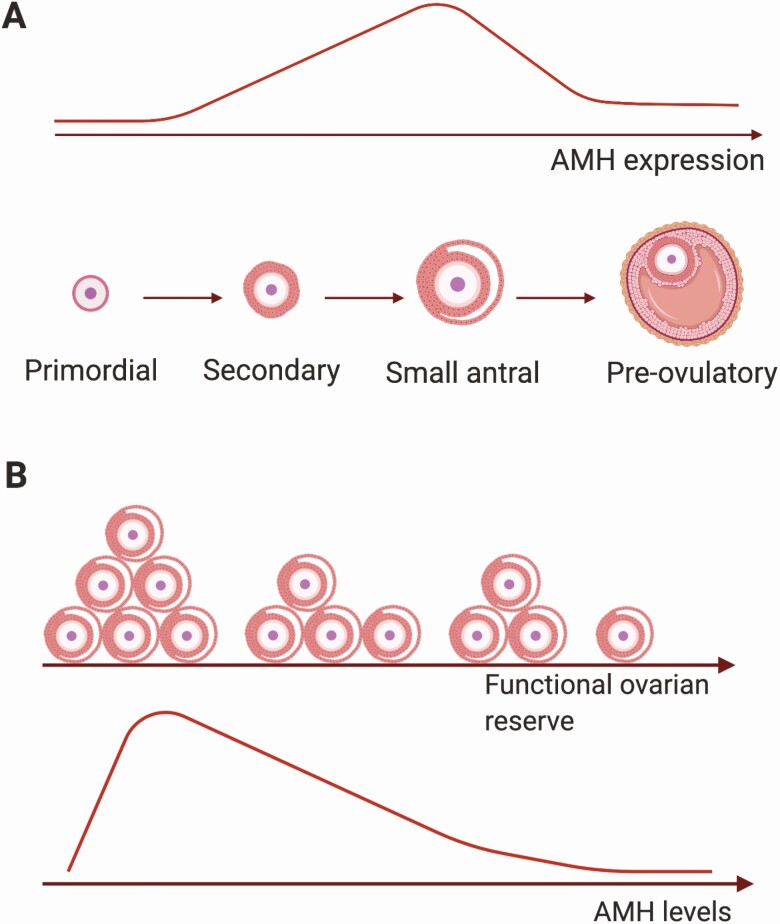
Context: Anti-müllerian hormone (AMH) is produced by granulosa cells of small, growing follicles in the ovary. Serum AMH levels strongly correlate with the number of growing follicles, and therefore AMH has received increasing attention as a marker for ovarian reserve. This review summarizes recent findings and limitations in the application of serum AMH in ovarian reserve assessment. Evidence Acquisition: A PubMed search was conducted to find recent literature on the measurements and use of serum AMH as a marker for ovarian reserve. Evidence Synthesis: Serum AMH levels are measured to assess the “functional ovarian reserve,” a term that is preferred over “ovarian reserve,” since AMH levels reflect the pool of growing follicles that potentially can ovulate. Serum AMH levels are used in individualized follicle-stimulating hormone dosing protocols and may predict the risk of poor response or ovarian hyperstimulation syndrome but has limited value in predicting ongoing pregnancy. Serum AMH levels are studied to predict natural or disease-related age of menopause. Studies show that the age-dependent decline rates of AMH vary among women. The generalized implementation of serum AMH measurement has also led to an increase in diagnostic assays, including automated assays. However, direct comparison of results remains problematic. Conclusion: Serum AMH remains the preferred ovarian reserve marker. However, the lack of an international standard for AMH limits comparison between AMH assays. Furthermore, little is known about endogenous and exogenous factors that influence serum AMH levels, which limits proper interpretation of AMH values in a clinical setting.
Overview
The claims and statistics of this paper haven’t been checked yet.
Free: it reads the open-access text and checks the first 5 claims that cite a source we can check. Create a free account to check every claim.
Integrity signals
Registry
Cites
Statistics
Figures
Verification
Claims the paper makes
The claims and statistics of this paper haven’t been checked yet.
Free: it reads the open-access text and checks the first 5 claims that cite a source we can check. Create a free account to check every claim.
Claims other papers make about this one
Each is checked against this paper’s own text: does it say what the citing paper says it does?
The cited source says what the claim attributes to it.
In the citing paper
“However, AMH concentrations can vary in the same patient due to inter-test and biological variability,581,583 and heterogeneity exists in available AMH assays and detection levels.583”
From Clinical practice guidelines for the care of girls and women with Turner syndrome. (2024) · cites this paper as [583]
The check wasn’t confident either way, so it gives no verdict — never disputed.
In the citing paper
“IGT also is present in a significant proportion of men undergoing investigation for primary infertility.1549”
From American Association of Clinical Endocrinology Clinical Practice Guideline: Developing a Diabetes Mellitus Comprehensive Care Plan-2022 Update. (2022) · cites this paper as [1549]
Experimental — accuracy not yet measured
Self-check
Percentages, sums and reported differences re-computed from the paper’s own numbers.
The self-check needs the paper’s full text.
Citations
Cites
The Diagnosis of Polycystic Ovary Syndrome during Adolescence
Witchel, S. F., Oberfield, S., Rosenfield, R. L., Codner, E., Bonny, A., Ibáñez, L., Pena, A., Horikawa, R., Gomez-Lobo, V., Joel, D., et al. (2015) · Hormone Research in Paediatrics · doi:10.1159/000375530 · Cited by 3,113
The physiology and clinical utility of anti-Müllerian hormone in women
Dewailly, D., Andersen, C. Y., Balen, A., Broekmans, F., Dilaver, N., Fanchin, R., Griesinger, G., Kelsey, T. W., La Marca, A., Lambalk, C., et al. (2014) · Human Reproduction Update · doi:10.1093/humupd/dmt062 · Cited by 1,049 · cited 1×
“Initial studies, performed nearly 2 decades ago, showed that serum AMH levels indeed strongly correlate with the number of growing follicles and that both decline with increasing age (3).”
BackgroundSelf-citationCate, R. L., Mattaliano, R. J., Hession, C., Tizard, R., Farber, N. M., Cheung, A., Ninfa, E. G., Frey, A. Z., Gash, D. J., Chow, E. P., et al. (1986) · Cell · doi:10.1016/0092-8674(86)90783-x · Cited by 1,022
Human ovarian reserve from conception to the menopause
Wallace, W., & Kelsey, T. (2009) · Nature Precedings · doi:10.1038/npre.2009.3179.1 · Cited by 878 · cited 1×
“This positive correlation may reflect the increased rate of primordial follicle recruitment observed from birth up to approximately age 14 years (13).”
BackgroundCorrelation of ovarian reserve tests with histologically determined primordial follicle number
Hansen, K. R., Hodnett, G. M., Knowlton, N., & Craig, L. B. (2011) · Fertility and Sterility · doi:10.1016/j.fertnstert.2010.04.006 · Cited by 534 · cited 1×
“In younger women AMH levels did not correlate, while in women of late reproductive age, a significant correlation was observed with the primordial follicle density (7-10).”
BackgroundA Validated Model of Serum Anti-Müllerian Hormone from Conception to Menopause
Kelsey, T. W., Wright, P., Nelson, S. M., Anderson, R. A., & Wallace, W. H. B. (2011) · PLoS ONE · doi:10.1371/journal.pone.0022024 · Cited by 457 · cited 2×
“From age 25 years onward, AMH levels start to decline to undetectable levels at menopause, and only from this age onward, a negative correlation between AMH levels and age can be observed (11, 12).”
BackgroundBroer, S. L., van Disseldorp, J., Broeze, K. A., Dolleman, M., Opmeer, B. C., Bossuyt, P., Eijkemans, M. J. C., Mol, B.-W. J., Broekmans, F. J. M., on behalf of the IMPORT study group, et al. (2013) · Human Reproduction Update · doi:10.1093/humupd/dms041 · Cited by 457 · cited 3×
“In agreement with the studies from Broer et al (63, 64), the authors concluded that changing the dosage of stimulating medication based on individual ORTs, including AMH, does not significantly increase the chances on pregnancy and live birth.”
MethodResultInfluentialSerum Anti-Müllerian Hormone Levels Reflect the Size of the Primordial Follicle Pool in Mice
Kevenaar, M. E., Meerasahib, M. F., Kramer, P., van de Lang-Born, B. M. N., de Jong, F. H., Groome, N. P., Themmen, A. P. N., & Visser, J. A. (2006) · Endocrinology · doi:10.1210/en.2005-1588 · Cited by 389 · cited 1×
“Only at older ages did AMH levels reflect the number of primordial follicles, while at all ages, serum AMH levels correlated with the number of growing follicles (6).”
BackgroundSelf-citationJeppesen, J. V., Anderson, R. A., Kelsey, T. W., Christiansen, S. L., Kristensen, S. G., Jayaprakasan, K., Raine-Fenning, N., Campbell, B. K., & Yding Andersen, C. (2013) · Molecular Human Reproduction · doi:10.1093/molehr/gat024 · Cited by 374
Tsepelidis, S., Devreker, F., Demeestere, I., Flahaut, A., Gervy, C., & Englert, Y. (2007) · Human Reproduction · doi:10.1093/humrep/dem101 · Cited by 299 · cited 1×
“While initial studies suggested that AMH levels are relatively stable during the menstrual cycle (24), more recent research suggest that AMH levels show significant intracycle variation up to 20.”
Background
Cited by
Items 101–200 of 648
Bender, J. D., Toro, H. O.-D., Benoît, J., Howell, J. C., Badia, P., Davies, S. M., Grimley, M. S., Jodele, S., Phillips, C., Burns, K. C., et al. (2022) · Transplantation and Cellular Therapy · doi:10.1016/j.jtct.2022.10.018 · Cited by 18
The Role of Anti-Müllerian Hormone in Ovarian Function
Yildiz, S., Moolhuijsen, L. M. E., & Visser, J. A. (2024) · Seminars in Reproductive Medicine · doi:10.1055/s-0044-1786732 · Cited by 18
Self-citationLavadia, C. M. M., Jeong, H. G., Ryu, K.-J., & Park, H. (2025) · Reproductive BioMedicine Online · doi:10.1016/j.rbmo.2025.104840 · Cited by 18
Otonkoski, S., Sainio, T., Mattila, S., Sequeiros, R. T. B., Perheentupa, A. H., Komar, G., & Joronen, K. M. (2022) · International Journal of Hyperthermia · doi:10.1080/02656736.2022.2154575 · Cited by 18
Anagnostis, P. G., Florou, P., Bosdou, J. Κ., Grimbizis, G. F., Iakovou, I. P., Kolibianakis, E. M., & Goulis, D. G. (2021) · Maturitas · doi:10.1016/j.maturitas.2021.04.002 · Cited by 17
Thyroid hormones and ovarian reserve: a comprehensive study of women seeking infertility care
Halici, M., Şeker, M. E., Gebedek, I. Y., Gokbak, M. N., Cetisli, A. F., Ciftci, A. B., Konac, E., Köpük, Ş. Y., Tıraş, B., & Çakıroğlu, Y. (2023) · BMC Women s Health · doi:10.1186/s12905-023-02725-1 · Cited by 20
“However, for ovarian reserve, AMH remains the preferred marker [33], and accordingly, the association between TSH and AMH was mainly focused on in our analyses.”
BackgroundVoros, C., Athanasiou, D., Papapanagiotou, I., Mavrogianni, D., Varthaliti, A., Bananis, K., Athanasiou, A. I., Athanasiou, A. V., Papadimas, G. K., Gkirgkinoudis, A., et al. (2025) · International Journal of Molecular Sciences · doi:10.3390/ijms26146604 · Cited by 18
“Unregulated AMH inhibits aromatase production and leads to the accumulation of tiny antral follicles, indicative of PCOS [38].”
Yu, X., Li, Z., Zhao, X., Hua, L., Liu, S., He, C., Yang, L., Davis, J. S., & Liang, A. (2022) · Animals · doi:10.3390/ani12091209 · Cited by 17
“In women, AMH can be used as a diagnostic and prognostic marker for ovarian reserve [5,6], polycystic ovary syndrome (PCOS) [7,8], implantation potential [9], primary ovarian insufficiency (POI) [10,11], and granulosa cell tumors [12,13].”
BackgroundFemale Reproductive Health – study of an egg donor population
Oliveira, T., Barreiro, M., Tomé, A., & Vale-Fernandes, E. (2023) · JBRA · doi:10.5935/1518-0557.20230046 · Cited by 16
Breast cancer treatment and ovarian function
Yıldız, Ş., Bildik, G., Benlioglu, C., Turan, V., Dilege, E., Özel, M., Kim, S., & Öktem, Ö. (2022) · Reproductive BioMedicine Online · doi:10.1016/j.rbmo.2022.09.014 · Cited by 19
Ding, N., Zheutlin, E., Harlow, S. D., Randolph, J. F., Mukherjee, B., & Park, S. K. (2023) · Journal of the Endocrine Society · doi:10.1210/jendso/bvad024 · Cited by 19
Anti-Müllerian hormone in PCOS: Molecular regulation and emerging therapeutic strategies
Ke, Y., Tang, D., Yang, Q. Z., Zhao, H., Zheng, J., & Zhu, C. (2025) · Biomolecules and Biomedicine · doi:10.17305/bb.2025.12070 · Cited by 17
Li, Y., Zhai, Y., Li, L., Lu, Y., Su, S., Liu, Y., Xu, Z., Xin, M., Zhang, Q., & Cao, Z. (2022) · Frontiers in Endocrinology · doi:10.3389/fendo.2022.881740 · Cited by 17
Investigation of the female infertility risk associated with anti-cancer therapy
Lavafian, A., Pezeshki, P. S., & Rezaei, N. (2023) · Clinical & Translational Oncology · doi:10.1007/s12094-023-03087-8 · Cited by 18
“As follicles grow, the level of AMH decreases, and the inhibitory effect of AMH on FSH is removed [129].”
BackgroundBarbagallo, F., van der Ham, K., Willemsen, S. P., Louwers, Y. V., & Laven, J. S. E. (2024) · The Journal of Clinical Endocrinology & Metabolism · doi:10.1210/clinem/dgae153 · Cited by 16
Masunaga, Y., Mochizuki, M., Kadoya, M., Wada, Y., Okamoto, N., Fukami, M., Kato, F., Saitsu, H., & Ogata, T. (2021) · Endocrine Journal · doi:10.1507/endocrj.ej20-0706 · Cited by 15
“failure at an early stage before the FSH-independent development of AMH-producing preantral and small antral follicles rather than the FSH-dependent subsequent development of non-AMH-producing antral and preovu‐ latory follicles [14].”
BackgroundAraújo, R. S. D. C., Maia, S. B., Baracat, C. M. F., Fernandes, C. Q. B. D. A., Ribeiro, H. S. A. A., & Ribeiro, P. A. (2021) · International Journal of Gynecology & Obstetrics · doi:10.1002/ijgo.13912 · Cited by 17
Umbilical Cord Mesenchymal Stem Cells Ameliorate Premature Ovarian Insufficiency in Rats
Zhang, M., Xie, T., Dai, W., Zhao, B., Zheng, Y., Hu, J., Pan, R., & Wang, L. (2022) · Evidence-based Complementary and Alternative Medicine · doi:10.1155/2022/9228456 · Cited by 15
“AMH is secreted by the granulosa cells of primary and secondary follicles, and inhibits the initiation of the growth of primordial follicles, which is an effective marker of ovarian reserve [54, 55].”
BackgroundAbelman, R. A., & Tien, P. C. (2021) · Current HIV/AIDS Reports · doi:10.1007/s11904-021-00594-7 · Cited by 15
Génard-Walton, M., Warembourg, C., Duros, S., Ropert, M., Lefebvre, T., Guivarc’h-Lévêque, A., Martelot, M. L., Jacquemin, B., Cordier, S., Costet, N., et al. (2023) · Reproductive BioMedicine Online · doi:10.1016/j.rbmo.2023.05.013 · Cited by 16
The roles of anti-Müllerian hormone in breast cancer
Chen, X., Liu, S., Peng, X., & Zong, X. (2023) · Endocrine Related Cancer · doi:10.1530/erc-23-0060 · Cited by 15
Tian, X., Qin, B., Li, Y., Li, H., & Zhou, W. (2024) · Environmental Research · doi:10.1016/j.envres.2024.118825 · Cited by 19
Impact of hydroxyurea on follicle density in patients with sickle cell disease
Diesch, T., Sanchez, C., Atkinson, A., Pondarré, C., Dhédin, N., Neven, B., Arnaud, C., Kamdem, A., Pirenne, F., Naour, G. L., et al. (2024) · Blood Advances · doi:10.1182/bloodadvances.2023011536 · Cited by 14
Early and late complications of hematopoietic stem cell transplantation
Mikulska, M., Gualandi, F., & Anserini, P. (2024) · Handbook of clinical neurology · doi:10.1016/b978-0-323-90242-7.00010-9 · Cited by 15
Yang, W., Lin, C., Zhang, M., Lv, F., Zhu, X., Han, X., Cai, X., & Ji, L. (2022) · Endocrine · doi:10.1007/s12020-022-03091-y · Cited by 15
“the number of growing follicles, and therefore AMH has received increasing attention as a marker for ovarian reserve [3].”
BackgroundBMP6 regulates AMH expression via SMAD1/5/8 in goat ovarian granulosa cells
Wang, L., Wang, Y., Li, B., Zhang, Y., Song, S., Ding, W., Xu, D., & Zhao, Z. (2022) · Theriogenology · doi:10.1016/j.theriogenology.2022.11.045 · Cited by 14
Zhou, S., Xi, Y., Chen, Y., Fu, F., Yan, W., Li, M., Wu, Y., Luo, A., Li, Y., & Wang, S. (2022) · Cells · doi:10.3390/cells11233920 · Cited by 14
“The serum levels of anti-Müllerian hormone (AMH), which is produced by granulosa cells of small follicles, could well reflect the ovarian reserve [52].”
BackgroundTian, C., An, Y., Zhao, J., Zhu, X., Wei, W., Ruan, G., Li, Y., & Pan, X. (2023) · Stem Cell Reviews and Reports · doi:10.1007/s12015-022-10485-y · Cited by 14
“The ovary is a dynamic reproductive endocrine organ that enacts female reproductive function through ovulation and the secretion of sex hormones and affects tissues and organs throughout the body [4, 5], it is also one of the most sensitive organs to ageing.”
BackgroundPhthalate exposure and risk of ovarian dysfunction in endometriosis: human and animal data
Huan, Y., Wu, H., Zhu, W., Lin, Q. D., Zhao, X., Lin, R., Luo, Y., Wu, L., & Lin, D. (2023) · Frontiers in Cell and Developmental Biology · doi:10.3389/fcell.2023.1154923 · Cited by 14
“It is not affected by cyclicity and can reflect the declining trend of ovarian reserve earlier than other traditional biological indicators, like follicle-stimulating hormone, oestradiol and progesterone, which makes it to the first choice for evaluating ovarian reserve (Tsepelidis et al., 2007; Moolhuijsen and Visser…”
BackgroundZhou, Y., Scott, K. L., Quin, E., & Pankhurst, M. W. (2023) · Endocrinology · doi:10.1210/endocr/bqad098 · Cited by 14
Zhou, Y., Chen, P., Ji, X., Sun, T., Li, Y., Yuan, J., Chen, Y., Xiong, Y., & Wang, Y. (2023) · Academic Radiology · doi:10.1016/j.acra.2023.10.045 · Cited by 13
Ruan, X., Wang, P., Wei, M., Yang, Q., & Dong, X. (2024) · Journal of Ovarian Research · doi:10.1186/s13048-024-01408-1 · Cited by 13
“As the most reliable and specific biochemical index to measure ovarian reserve function, AMH level can directly and accurately predict the number of reserve follicles in the ovary, and the decrease in AMH level indicates the decline of ovarian function [23, 26].”
BackgroundEndocrine-Disrupting Chemicals and Female Reproductive Aging
Wu, J., Harlow, S. D., Randolph, J. F., Gold, E. B., & Park, S. K. (2024) · Seminars in Reproductive Medicine · doi:10.1055/s-0044-1801388 · Cited by 14
Yeğin, G. F., Desdicioğlu, R., Seçen, E. İ., Aydın, S., Bal, C., Göka, E., & Keskin, H. L. (2021) · Reproductive Sciences · doi:10.1007/s43032-021-00643-x · Cited by 13
Does the Anti-Mullerian Hormone Decline Rate Improve the Prediction of Age at Menopause?
Tehrani, F. R., Sheidaei, A., Firouzi, F., Tohidi, M., Azizi, F., & Behboudi‐Gandevani, S. (2021) · Frontiers in Endocrinology · doi:10.3389/fendo.2021.727229 · Cited by 15
Liu, L., Liu, B., Li, K., Wang, C., Xie, Y., Luo, N., Wang, L. Y., Sun, Y., Huang, W., Cheng, Z., et al. (2022) · Frontiers in Genetics · doi:10.3389/fgene.2022.879974 · Cited by 13
“However, the specificity was affected by several factors, such as the age category analyzed and abnormal expression in PCOS (Moolhuijsen and Visser, 2020).”
BackgroundInfluentialAnazawa, M., Ashibe, S., & Nagao, Y. (2024) · Theriogenology · doi:10.1016/j.theriogenology.2024.09.031 · Cited by 13
Si, M., Qi, X., Zhen, X., Yang, C., Tian, T., Long, X., & Qiao, J. (2023) · Advances in Therapy · doi:10.1007/s12325-023-02582-2 · Cited by 13
Pujol‐Gualdo, N., Karjalainen, M. K., Võsa, U., Arffman, R. K., Mägi, R., Ronkainen, J., Laisk, T., & Piltonen, T. (2024) · Human Reproduction · doi:10.1093/humrep/deae117 · Cited by 12
“…we found shared significant signals among known epidemiological associations (Homburg and Crawford, 2014; De Kat et al. , 2017; Ge et al. , 2018; Moolhuijsen and Visser, 2020) with AMH, such as PCOS, breast cancer, postmenopausal status (age at menopause, estradiol levels, heel bone mineral…”
Yan, S., Dong, X., Ding, D., Jiao, X., Wang, X., Huang, Y., Pan, Z., Sun, H., Ren, Q., Dou, W., et al. (2023) · Reproductive BioMedicine Online · doi:10.1016/j.rbmo.2023.05.003 · Cited by 12
Molecular Factors Involved in the Reproductive Morphophysiology of Female Domestic Cat (Felis catus)
Santos, L. C., & Silva, J. F. (2023) · Animals · doi:10.3390/ani13193153 · Cited by 13
“Therefore, this has been considered an important marker of ovarian function [91,92].”
BackgroundSynergistic Regulatory Effect of Inhibin and Anti-Müllerian Hormone on Fertility of Mice
Yu, X., Qiao, T., Hua, L., Liu, S., Zhao, X., Lv, C., Zhao, X., Wang, J., Li, H., Yang, L., et al. (2021) · Frontiers in Veterinary Science · doi:10.3389/fvets.2021.747619 · Cited by 12
Helmy, H. S., Sadik, N. A. H., Badawy, L., & Sayed, N. H. (2022) · Chemico-Biological Interactions · doi:10.1016/j.cbi.2022.110181 · Cited by 12
Ahmad, H. M., Aldahham, B. J. M., & Saleh, M. (2024) · Steroids · doi:10.1016/j.steroids.2024.109490 · Cited by 11
Predictive value of AMH in late reproductive age: a retrospective cohort study
Kozar, N., Lovrec, V. G., Kovačič, B., & Reljič, M. (2025) · Scientific Reports · doi:10.1038/s41598-025-07411-w · Cited by 11
Moustakli, E., Grigoriadis, T., Stavros, S., Potiris, A., Zikopoulos, A., Gerede, A., Tsimpoukis, I., Papageorgiou, C., Louis, K., & Domali, E. (2025) · Diagnostics · doi:10.3390/diagnostics15162075 · Cited by 11
Anti-Müllerian hormone independently affect mtDNA copy number in human granulosa cells
Bowolaksono, A., Sundari, A. M., Fauzi, M. I., Maidarti, M., Wiweko, B., Mutia, K., Iffanolida, P. A., Febri, R. R., Dwiranti, A., & Funahashi, H. (2022) · Journal of Ovarian Research · doi:10.1186/s13048-022-01047-4 · Cited by 11
Boucret, L., Tramon, L., Riou, J., Ferré-L’Hôtellier, V., Bouet, P., & May‐Panloup, P. (2022) · Journal of Clinical Medicine · doi:10.3390/jcm11237173 · Cited by 11
Wei, J., Xiong, D., Zhang, Y., Zeng, J., Liu, W., & Ye, F. (2023) · European Journal of Obstetrics & Gynecology and Reproductive Biology · doi:10.1016/j.ejogrb.2023.07.012 · Cited by 11
Female fertility under the impact of COVID-19 pandemic: a narrative review
Wang, M., Zhang, B., & Jin, L. (2021) · Expert Reviews in Molecular Medicine · doi:10.1017/erm.2021.19 · Cited by 11
Shi, X., Chen, S., Yang, Y., Liu, L., & Huang, L. (2022) · Gynecological Endocrinology · doi:10.1080/09513590.2022.2128104 · Cited by 11
“Therefore, AMH can keep minimal exhaustion of ovarian pool and is believed as an indicator of ovarian function [18].”
BackgroundAnti-Müllerian hormone and ovarian aging
Erel, C. T., & Erkan, İ. B. Ö. (2021) · Gynecological Endocrinology · doi:10.1080/09513590.2021.1977276 · Cited by 11
Andreu, A., Flores, L., Méndez, M., Ibarzabal, A., Casals, G., Mercade, I., Borrás, A., Barral, Y., Agustí, I., Manau, D., et al. (2024) · Frontiers in Endocrinology · doi:10.3389/fendo.2024.1284576 · Cited by 10
Congenital Anomalies of the Female Genital Tract: A Comprehensive Review
Dahiphale, S. M., Potdar, J., Acharya, N., Jyotsna, G., Saloni, S., & Desale, R. (2024) · Cureus · doi:10.7759/cureus.56753 · Cited by 13
“By providing a snapshot of the hormonal environment, these assays aid healthcare providers in tailoring treatment strategies and addressing potential endocrine-related factors contributing to reproductive challenges [31].”
BackgroundA Review of Autoimmune Thyroid Diseases and Their Complex Interplay with Female Fertility
Carafone, L. E., Knutson, A. J., & Gigliotti, B. J. (2024) · Seminars in Reproductive Medicine · doi:10.1055/s-0044-1795160 · Cited by 12
“78 79 – 81 In women aged 35 years and older, subclinical hypothyroidism is associated with a statistically signi fi cant decrease in ovarian reserve.”
Voros, C., Mavrogianni, D., Minaoglou, A., Papahliou, A.-M., Topalis, V., Varthaliti, A., Mathiopoulos, D., Kondili, P., Darlas, M., Pantou, A., et al. (2025) · Biomedicines · doi:10.3390/biomedicines13020407 · Cited by 15
“In some cases, the hormonal changes appear to be temporary; nonetheless, the possible cumulative harm from multiple SARS-CoV-2 infections merits additional examination [33].”
Anti-Müllerian hormone signalling sustains circadian homeostasis in zebrafish
Lin, Q., Du, X., Ren, F., Liu, Y., Gong, G., Ge, S., Li, W., Li, Z., Zhou, L., Duan, M., et al. (2025) · Nature Communications · doi:10.1038/s41467-025-59528-1 · Cited by 13
“Only peaks with > 4 folds enrichment and with q-value < 0.00001 over background were considered significant.”
InfluentialOmmen, C. E. V., Hsieh, A. Y. Y., Albert, A., Kimmel, E. R., Côté, H. C. F., Maan, E. J., Prior, J. C., Pick, N., & Murray, M. C. M. (2023) · AIDS · doi:10.1097/qad.0000000000003481 · Cited by 10
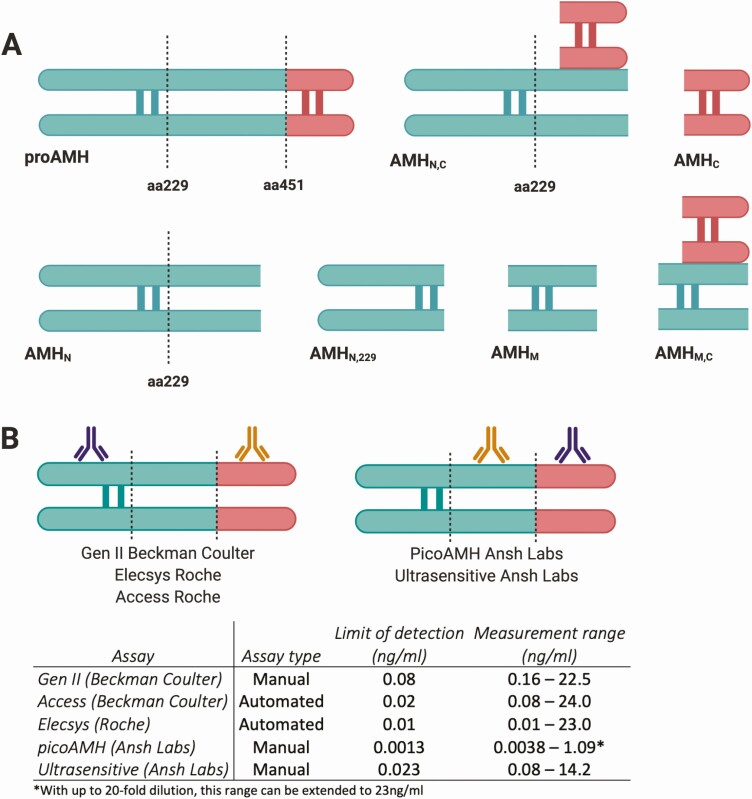
“Our analysis also benefited from the use of an FDAapproved assay with a limit of detection more than an order of magnitude lower than previous generation techniques [49].”
MethodFemale reproduction and abnormal uterine bleeding after COVID-19 vaccination
Paik, H., & Kim, S. K. (2023) · Daehan saengsik uihak hoeji/Clinical and experimental reproductive medicine · doi:10.5653/cerm.2023.05925 · Cited by 10
“Anti-Müllerian hormone (AMH), a glycoprotein of the transforming growth factor-beta family produced by granulosa cells of the ovary, best serves the purpose of estimating the functional ovarian reserve, as noted by many researchers [14,15].”
Su, N., Zhan, J., Xie, M., Zhao, Y., Huang, C., Wang, S., Liao, L.-J., Zhang, X., & Liu, F. (2023) · Frontiers in Endocrinology · doi:10.3389/fendo.2023.1123125 · Cited by 10
Cai, G., Guerrero‐Netro, H. M., Bian, J., Oswald, I. P., Price, C. A., & Alassane‐Kpembi, I. (2023) · Mycotoxin Research · doi:10.1007/s12550-023-00499-x · Cited by 10
“The serum AMH level reflects the functional ovarian reserve, which means the pool of growing follicles that potentially can ovulate (Moolhuijsen and Visser 2020).”
BackgroundFine particulate matter and ovarian health: A review of emerging risks
Tao, Q., Zhao, Z., Yang, R., Li, Q., & Qiao, J. (2024) · Heliyon · doi:10.1016/j.heliyon.2024.e40503 · Cited by 10
Tan, X., Xi, H.-L., Yang, J., & Wang, W. (2021) · Computational and Mathematical Methods in Medicine · doi:10.1155/2021/7822119 · Cited by 10
Zhuo, Y., Yang, P., Hua, L., Zhu, L., Zhu, X., Han, X., Pang, X., Xu, S., Jiang, X., Lin, Y., et al. (2022) · Toxins · doi:10.3390/toxins14060413 · Cited by 10
“AMH is a glycoprotein produced by the GCs in growing ovarian follicles, and it serves as a biomarker of ovarian reservation [39,40].”
BackgroundTan, Z., Hung, S. W., Xu, Z., Wang, C. C., Chung, J. P. W., & Zhang, T. (2022) · Biomedicines · doi:10.3390/biomedicines10071483 · Cited by 11
“AMH is expressed by GC of developing follicles during folliculogenesis [93].”
BackgroundChen, Y., Zhao, R., Li, X., Luan, Y., Xing, L., Zhang, X.-J., Wang, J., Xia, X.-Y., & Zhao, R. (2022) · BioMed Research International · doi:10.1155/2022/6718592 · Cited by 10
“AMH is released by the granulosa cells of developing follicles and is recognized as a valid biological measure of ovarian reserve [23].”
RetractedWu, Q., Yang, Q., Lin, Y., Wu, L., & Lin, T. (2023) · Reproductive Biology and Endocrinology · doi:10.1186/s12958-023-01109-2 · Cited by 14
Serum anti-Müllerian hormone is an indirect predictor of ovarian reserve in domestic cats
Chumsri, S., Suwimonteerabutr, J., Sirisawadi, S., Thongphakdee, A., Holst, B. S., & Chatdarong, K. (2024) · Theriogenology · doi:10.1016/j.theriogenology.2024.06.013 · Cited by 9
Bar‐Joseph, H., Raz, Y., Eldar‐Boock, A., Michaan, N., Angel, Y., Saiag, E., Nemerovsky, L., Ben‐Ami, I., Shalgi, R., & Grisaru, D. (2024) · npj Vaccines · doi:10.1038/s41541-024-00911-2 · Cited by 9
“This might be due to the fact that in IVF, oocytes are isolated from small antral follicles as well, or due to a low basal expression of AMH by large antral follicles 41 .”
Yijing Decoction improves premature ovarian failure in rats by activating VEGF/VEGFR-2/FAK pathway
Gao, R., Wu, Y., Tang, Y., Wu, K., & Guo, B. (2025) · Journal of Ovarian Research · doi:10.1186/s13048-025-01679-2 · Cited by 9
“Working in conjunction with LH, FSH facilitates the maturation of follicles, leading to the secretion of P and estrogen [38, 39].”
Nomogram of age-specific anti-Müllerian hormone levels in healthy Egyptian females
El-Attar, E., Hosny, T. A., Ichihara, K., Bedair, R. N., & Tork, A. (2021) · PLoS ONE · doi:10.1371/journal.pone.0254858 · Cited by 9
Mixtures of persistent organic pollutants and ovarian function in women undergoing IVF
Lefebvre, T., Fréour, T., Ploteau, S., Marchand, P., Bizec, B. L., Antignac, J., & Cano-Sancho, G. (2022) · Reproductive BioMedicine Online · doi:10.1016/j.rbmo.2022.09.015 · Cited by 9
Jiang, L., Ruan, X., Li, Y., Gu, M., Cheng, J., Wang, Y., Yang, Y. Z., Xu, C., Wang, Z., Liu, L., et al. (2023) · Gynecological Endocrinology · doi:10.1080/09513590.2023.2206927 · Cited by 9
Diminished ovarian reserve in adolescent cancer survivors treated with heavy metal chemotherapy
Pruett, M., Lewis, R. W., Klosky, J. L., Effinger, K. E., Meacham, L. R., & Cherven, B. O. (2023) · Pediatric Blood & Cancer · doi:10.1002/pbc.30448 · Cited by 9
Hu, W., Jin, Z., Wang, H., Wang, F., & Qu, F. (2024) · Toxicology and Industrial Health · doi:10.1177/07482337241229761 · Cited by 9
“Decreased ovarian reserve, or DOR, is the term used to describe a decline in a woman ’ s fertility level caused by a reduction in the quantity and/or quality of oocytes retained in the ovaries (Moolhuijsen and Visser, 2020).”
BackgroundNasr, N. N., Elbatanony, M. M., & Hamed, M. A. A. (2024) · Chemistry & Biodiversity · doi:10.1002/cbdv.202401102 · Cited by 9
“Nonetheless, lowering the serum levels of estradiol and progesterone leads to abnormal follicular development, decreased ovarian function, inhibited negative feedback, and inappropriately elevated prolactin, FSH, and LH levels [74].”
Muraoka, A., Yokoi, A., Yoshida, K., Kitagawa, M., Bayasula, Murakami, M., Miyake, N., Sonehara, R., Nakamura, T., Osuka, S., et al. (2025) · Frontiers in Endocrinology · doi:10.3389/fendo.2024.1442684 · Cited by 9
Lin, L., & Tsui, K. (2021) · Journal of Clinical Medicine · doi:10.3390/jcm10061211 · Cited by 11
“Serum AMH levels are strongly and positively associated with the number of growing follicles and can serve as a serum marker for functional ovarian reserve [3].”
BackgroundCai, Y., Zhang, Q., Yu, K., & Wang, Q. (2022) · BioMed Research International · doi:10.1155/2022/3878359 · Cited by 10
RetractedŁubik-Lejawka, D., Gabriel, I. M., Marzec, A., & Olejek, A. (2024) · Cancers · doi:10.3390/cancers16101858 · Cited by 9
“…are most commonly used in the prediction of menopausal age and in the diagnostics and treatment of infertility in order to tailor the stimulation protocols during IVF procedures to individual patients’ needs and estimate the risk of poor response or ovarian hyperstimulation syndrome (OHSS) [28].”
BackgroundTsilionis, V., Moustakli, E., Dafopoulos, S., Zikopoulos, A., Sotiriou, S., Zachariou, A., & Dafopoulos, K. C. (2024) · Metabolites · doi:10.3390/metabo14120717 · Cited by 13
Beyond hormones: 3PM approach to vaginal microbiota dynamics in postmenopausal women
Pongsupasamit, P., Thonusin, C., Luewan, S., Chattipakorn, N., & Chattipakorn, S. C. (2025) · The EPMA Journal · doi:10.1007/s13167-025-00406-7 · Cited by 9
Evidence on Serum Anti-Müllerian Hormone Levels and Endometriosis Surgery
Grigoriadis, G., Daniilidis, A., Pitsillidi, A., Bıyık, İ., Crestani, A., Merlot, B., & Roman, H. (2025) · Journal of Clinical Medicine · doi:10.3390/jcm14113772 · Cited by 9
“The AMH levels in the blood serum are believed to accurately reflect the ovarian reserve [5], with no significant variations during the menstrual cycle [6], making it a useful marker in daily clinical practice.”
Contraceptive Selection for the Endocrine Patient: What an Endocrinologist Should Know
Zaman, A., Lazorwitz, A. M., & Wierman, M. E. (2025) · Endocrine Reviews · doi:10.1210/endrev/bnaf016 · Cited by 9
Boney, S. S., Christen, C., Wetmore, B. A., Murr, A. S., Raburn, D., Young, S. L., Abraham, C., & Stoker, T. E. (2025) · Reproductive Toxicology · doi:10.1016/j.reprotox.2025.109102 · Cited by 8
Liu, X., Bin, C., Gao, Q., Li, M., Xue, L., Zhou, Z., Liu, M., Ji, X., & Wei, S. (2026) · Biomarker Research · doi:10.1186/s40364-026-00914-2 · Cited by 10
Reference intervals of anti‐Müllerian hormone in Korean women
Choi, R., Lee, S. G., & Lee, E. H. (2022) · Journal of Clinical Laboratory Analysis · doi:10.1002/jcla.24525 · Cited by 8
Xie, Y., Duan, H., Wang, D., Li, H., Jia, J., Zhang, J., & Li, L. (2022) · Frontiers in Oncology · doi:10.3389/fonc.2022.986208 · Cited by 8
Mehalko, K., Kim, M., Paye, S. M., Koh, K., Lu, R. J., & Benayoun, B. A. (2023) · Translational Medicine of Aging · doi:10.1016/j.tma.2023.01.001 · Cited by 8
Wang, J., Lan, T., Dai, X., Yang, L., Hu, X.-J., & Yao, H. (2023) · International Journal of Endocrinology · doi:10.1155/2023/6976389 · Cited by 8
“Circulating AMH refects the number of primordial follicles and is therefore predictive of reproductive lifespan [14, 15].”
BackgroundPrevalence and characteristics of polycystic ovarian syndrome in patients with bipolar disorder
Liu, J., Teng, Z., Xie, H., Yuan, H., Liu, M., Chen, J., Tang, H., Xiang, H., Wu, H., & Huang, J. (2023) · Journal of Affective Disorders · doi:10.1016/j.jad.2023.08.007 · Cited by 10
Mohammad, S. M. (2023) · Journal of Medicine and Life · doi:10.25122/jml-2023-0067 · Cited by 8
“However, it is now acknowledged as a marker for assessing ovarian reserve and estimating the number and behavior of recruitable follicles in the early stages of growth [4, 5].”
BackgroundLi, X., Tang, Q., Feng, Y., Zhang, Y., Tian, W., & Zhang, H. (2024) · Reproductive Sciences · doi:10.1007/s43032-024-01561-4 · Cited by 8
“Additionally, the use of hormonal contraceptives, intrauterine devices, and vitamin D can also impact AMH levels [8].”
Liu, W., Zhao, T., Zheng, Z., Huang, J. X., & Tan, J. (2025) · International Journal of Gynecology & Obstetrics · doi:10.1002/ijgo.16147 · Cited by 9
“…serum anti-Müllerian hormone (AMH) concentration and antral follicle count (AFC) are regarded to have the best predictive value for ovarian reserve, 6,7 as AMH is not influenced by the menstrual cycle or hormonal contraceptives or gonadotropin-releasing hormone agonists, 5,8 and AFC has the…”
Mahgoub, N. A., Elsherbiny, D. A., & El‐Demerdash, E. (2025) · BMC Pharmacology and Toxicology · doi:10.1186/s40360-025-00903-5 · Cited by 8
Kabodmehri, R., Sorouri, Z. Z., Sharami, S. H., Bagheri, S. E., Yazdipaz, S., & Doaei, S. (2021) · Archives of Gynecology and Obstetrics · doi:10.1007/s00404-021-06098-4 · Cited by 9
“However, a few studies were conducted to assess the relationship between dietary intakes and AMH as a preferred measurable parameter of OR [40].”
BackgroundTherapeutic Effect of Melatonin in Premature Ovarian Insufficiency: Hippo Pathway Is Involved
Qi, M., Sun, T., Yang, L., He, J. L., Guo, Y. M., Wang, H. B., & Wang, H. P. (2022) · Oxidative Medicine and Cellular Longevity · doi:10.1155/2022/3425877 · Cited by 9
“Since AMH is expressed by growing follicles prior to FSH-dependent selection and has been shown to be detectable in circulation, serum AMH has taken momentum as a marker for ovarian function, particularly in the assessment of the quantitative aspect of the ovarian reserve [75].”
What is the role of robotic surgery in ovarian cystectomy with fertility preservation?
Lee, J. H., Park, S. Y., Jeong, K., Yun, H. Y., & Chung, H. W. (2023) · Journal of Robotic Surgery · doi:10.1007/s11701-023-01704-w · Cited by 9
“Serum AMH level is strongly correlated with the number of growing follicles; thus, AMH has attracted increasing attention as a golden marker of ovarian reserve [11, 12].”
BackgroundParks, S. E., Geng, T., & Monsivais, D. (2023) · American Journal of Reproductive Immunology · doi:10.1111/aji.13789 · Cited by 9
Brochado, C., Duran, B. J., Kieffer, J. D., Pinczak, A., Menchaca, A., & García-Guerra, A. (2024) · Theriogenology · doi:10.1016/j.theriogenology.2024.01.024 · Cited by 8
Metadata
- Authors
- Moolhuijsen, L. M. E., & Visser, J. A.
- Affiliations
- Erasmus MC (NL)
- Corresponding author
- Visser, Jenny A
- Venue
- The Journal of Clinical Endocrinology & Metabolism
- Publisher
- The Endocrine Society
- Published
- 2020-08-08
- Volume
- 105
- Issue
- 11
- Pages
- 3361-3373
- ISSN
- 0021-972X (ISSN-L)
- 1945-7197
- PMC
- PMC7486884
- OpenAlex
- W3047889783
- Cited by
- 584
- References
- 101
- Citations by year
- 2026: 104 · 2025: 115 · 2024: 131 · 2023: 101 · 2022: 86 · 2021: 44 · 2020: 2
- FWCI
- 8.65
- Type
- journal article
- Language
- en
- Open access
- hybrid
- doi.org
- Licence
- Locations
- The Journal of Clinical Endocrinology & Metabolism (publishedVersion, cc-by)
- PubMed Central (publishedVersion, cc-by)
- PubMed (publishedVersion)
- EUR Research Repository (Erasmus University Rotterdam) (publishedVersion, other-oa)
- EUR Research Repository (Erasmus University Rotterdam) (submittedVersion, other-oa)
- RePub (Erasmus University Rotterdam) (submittedVersion, other-oa)
- RePub (Erasmus University Rotterdam) (submittedVersion)
- Topics
- Health Sciences › Medicine › Reproductive Medicine › Ovarian function and disorders
- Health Sciences › Medicine › Reproductive Medicine › Reproductive Biology and Fertility
- Health Sciences › Medicine › Oncology › Ovarian cancer diagnosis and treatment
- Keywords
- anti-Müllerian hormone, ovarian reserve, ovarian reserve markers, granulosa cells, growing follicles, poor ovarian response, ovarian hyperstimulation syndrome, menopause prediction, endogenous and exogenous factors
- MeSH terms
- Aging, Female, Fertility, Humans, Infertility, Female, Anti-Mullerian Hormone, Ovarian Reserve
About these checks
Registry, retraction, Cites and statistics results are computed, not judged, with one exception: a printed reference that no index lists is read once by a model before it counts as a citation error. Claims are extracted by a model and kept only when their quote appears verbatim in the text; each cited source is then checked, with a model’s help, for whether it says what the claim relies on. Those verdicts can be wrong — read the claim’s quote and the cited source before relying on one.
Statistics and arithmetic are recomputed, not judged.
Confidence bands are shown only for fields calibrated on our annotated test set. None is calibrated yet, so no band is shown.
What counts as a claim ›How we measure confidence ›How we check this ›
Are you an author, or do you see a problem with this page? Request a review
Data sources
Bibliographic data: Semantic Scholar, OpenAlex, Crossref.
Contains information from the Semantic Scholar Academic Graph Datasets, made available under the ODC Attribution License (ODC-BY 1.0).
Semantic Scholar’s data is described in: Kinney, R., et al. (2023). The Semantic Scholar Open Data Platform. arXiv:2301.10140.
