

The DOI matches its Crossref record; 46 of the 46 references it cites were found in a registry or an index.
Neuroinflammation and α-Synuclein Dysfunction Potentiate Each Other, Driving Chronic Progression of Neurodegeneration in a Mouse Model of Parkinson’s Disease
Open accessAbstract
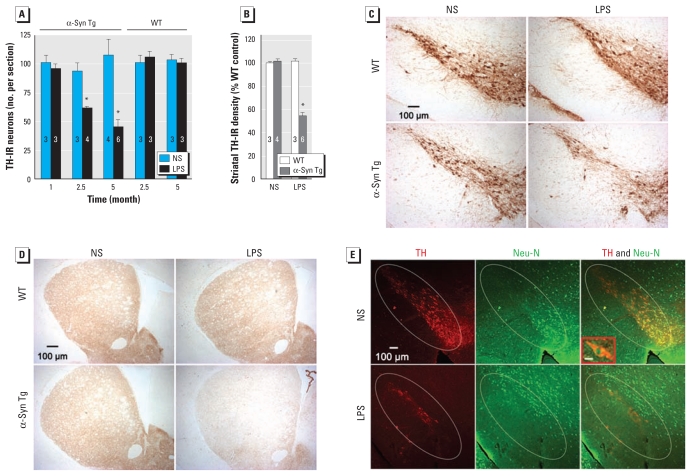
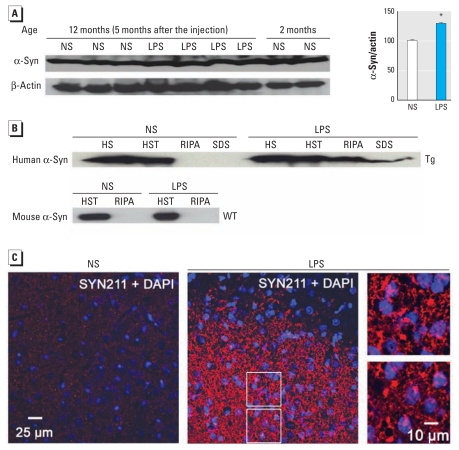
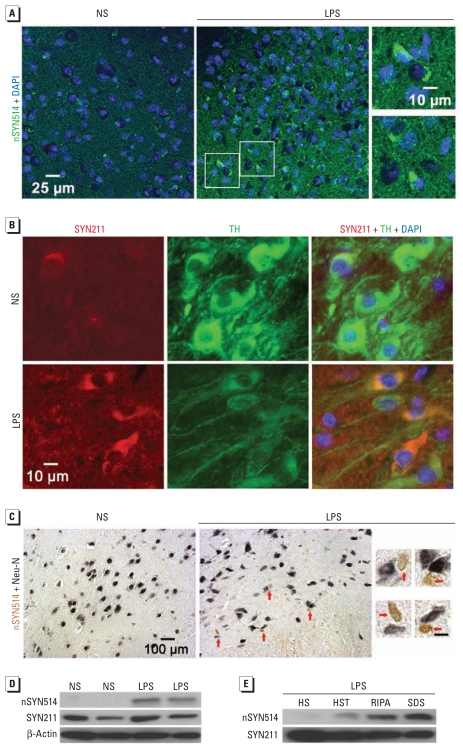
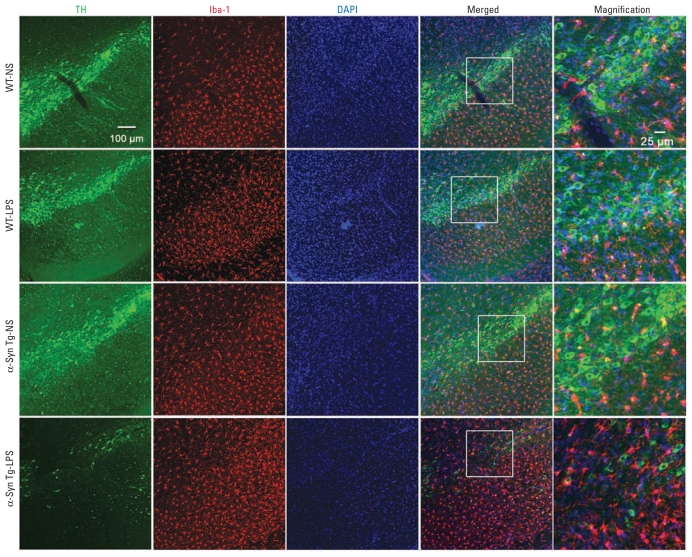
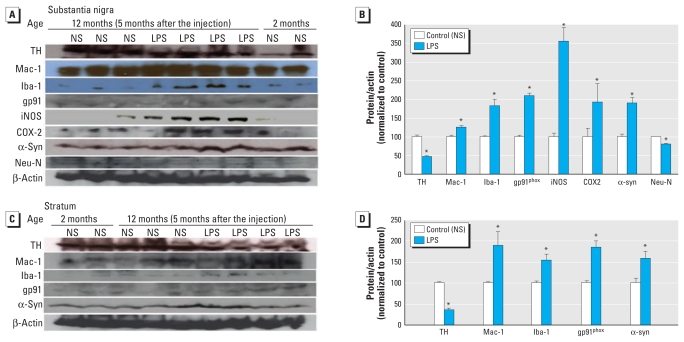
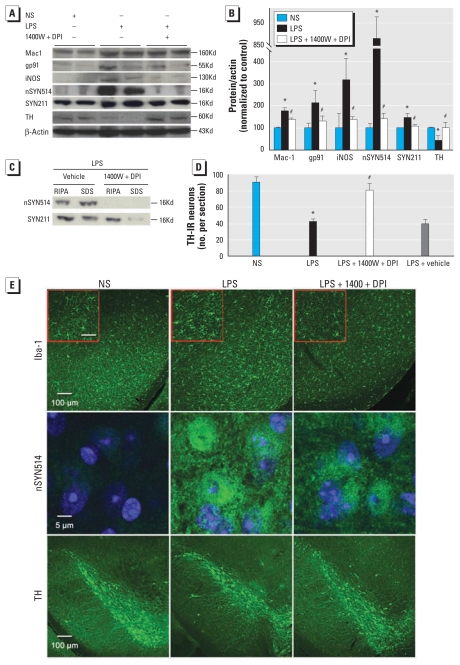
Background: Mechanisms whereby gene–environment interactions mediate chronic, progressive neurodegenerative processes in Parkinson’s disease (PD)—the second most common neurodegenerative disease—remain elusive. Objective: We created a two-hit [neuroinflammation and mutant α-synuclein (α-syn) overexpression] animal model to investigate mechanisms through which mutant α-syn and inflammation work in concert to mediate chronic PD neurodegeneration. Methods: We used an intraperitoneal injection of the inflammogen lipopolysaccharide (LPS; 3 × 10⁶ EU/kg) to initiate systemic and brain inflammation in wild-type (WT) mice and transgenic (Tg) mice overexpressing human A53T mutant α-syn. We then evaluated nigral dopaminergic neurodegeneration, α-syn pathology, and neuroinflammation. Results: After LPS injection, both WT and Tg mice initially displayed indistinguishable acute neuroinflammation; however, only Tg mice developed persistent neuroinflammation, chronic progressive degeneration of the nigrostriatal dopamine pathway, accumulation of aggregated, nitrated α-syn, and formation of Lewy body-like inclusions in nigral neurons. Further mechanistic studies indicated that 4-week infusion of two inhibitors of inducible nitric oxide synthase and NADPH oxidase, major free radical–generating enzymes in activated microglia, blocked nigral α-syn pathology and neurodegeneration in LPS-injected Tg mice. Conclusions: Microglia-derived oxidative stress bridged neuroinflammation and α-syn pathogenic alteration in mediating chronic PD progression. Our two-hit animal model involving both a genetic lesion and an environmental trigger reproduced key features of PD and demonstrated synergistic effects of genetic predisposition and environmental exposures in the development of PD. The chronic progressive nature of dopaminergic neurodegeneration, which is absent in most existing PD models, makes this new model invaluable for the study of mechanisms of PD progression.
Overview
The claims and statistics of this paper haven’t been checked yet.
Run the check — free, no account needed. It reads the open-access text and checks the sources it cites.
Integrity signals
Registry
Cites
Statistics
Figures
Verification
Claims the paper makes
The claims and statistics of this paper haven’t been checked yet.
Run the check — free, no account needed. It reads the open-access text and checks the sources it cites.
Claims other papers make about this one
Each is checked against this paper’s own text: does it say what the citing paper says it does?
The cited source says what the claim attributes to it.
In the citing paper
“Not only has chronic neuroinflammation been shown to increase α-synuclein deposition in various synucleinopathy animal models (51–56), but when these animals were treated with drugs to reduce neuroinflammation, α-synuclein neuropathology also decreased (57, 58).”
From LRRK2 mediates microglial neurotoxicity via NFATc2 in rodent models of synucleinopathies (2020) · cites this paper as [53]
In the citing paper
“This supports a dual-hit hypothesis for PD: elevated endotoxin plus aggregable α-synuclein results in neurodegeneration.”
From The endotoxin hypothesis of neurodegeneration (2019) · cites this paper as [101]
In the citing paper
“A single injection of peripheral endotoxin into wild-type mice and transgenic mice (expressing human A53T mutant α-synuclein) resulted in indistinguishable acute neuroinflammation, but only the transgenic mice treated with endotoxin developed persistent neuroinflammation, aggregated α-synuclein, progressive degeneration of dopamine neurons and Lewy body-like inclusions in nigral neurons [101].”
From The endotoxin hypothesis of neurodegeneration (2019) · cites this paper as [101]
Self-check
Percentages, sums and reported differences re-computed from the paper’s own numbers.
The self-check needs the paper’s full text.
Citations
Cites
Spillantini, M. G., Schmidt, M. L., Lee, V. M.-Y., Trojanowski, J. Q., Jakes, R., & Goedert, M. (1997) · Nature · doi:10.1038/42166 · Cited by 8,382 · cited 1×
“The low rate of concordance for PD in mono zygotic and dizygotic twins (Marttila et al. 1988; Tanner 2003) strongly suggests the involvement of environmental factors in PD. Epidemiologic and case–control studies have implicated rural living, well water consumption, and pesticide exposure as…”
BackgroundMutation in the α-Synuclein Gene Identified in Families with Parkinson's Disease
Polymeropoulos, M. H., Lavedan, C., Leroy, E., Ide, S. E., Dehejia, A., Dutra, A., Pike, B., Root, H., Rubenstein, J., Boyer, R., et al. (1997) · Science · doi:10.1126/science.276.5321.2045 · Cited by 8,240
α-Synuclein Locus Triplication Causes Parkinson's Disease
Singleton, A. B., Farrer, M., Johnson, J., Singleton, A., Hague, S., Kachergus, J., Hulihan, M., Peuralinna, T., Dutra, A., Nussbaum, R., et al. (2003) · Science · doi:10.1126/science.1090278 · Cited by 4,383 · cited 1×
“Furthermore, α-syn aggregates are the primary component of Lewy bodies in both familial and sporadic PD (Spillantini et al. 1997).”
BackgroundMicroglia-mediated neurotoxicity: uncovering the molecular mechanisms
Block, M. L., Zecca, L., & Hong, J.-S. (2007) · Nature Reviews Neuroscience · doi:10.1038/nrn2038 · Cited by 4,110 · cited 1×
“Emerging evidence has indicated that neuroinflammation contributes to PD (Block et al. 2007; Gao and Hong 2008; Hirsch and Hunot 2009).”
BackgroundSelf-citationAlaSOPro mutation in the gene encoding α-synuclein in Parkinson's disease
Krüger, R., Kuhn, W., Müller, T., Woitalla, D., Graeber, M., Kösel, S., Przuntek, H., Epplen, J. T., Schols, L., & Riess, O. (1998) · Nature Genetics · doi:10.1038/ng0298-106 · Cited by 3,836 · cited 1×
“…genes have been identified in familial PD. α-Synuclein (α-syn) is closely associated with both familial and sporadic PD. Missense mutations (A53T, A30P, and E46K) and multiplications of the α-syn gene (SNCA) cause autosomal-dominant PD (Farrer 2006; Krüger et al. 1998; Polymeropoulos et al. 1997).”
BackgroundMcGeer, P. L., Itagaki, S., Boyes, B. E., & McGeer, E. G. (1988) · Neurology · doi:10.1212/wnl.38.8.1285 · Cited by 2,990
Guide for the care and use of laboratory animals
(1997) · Choice Reviews Online · doi:10.5860/choice.34-3310 · Cited by 2,930
Systemic LPS causes chronic neuroinflammation and progressive neurodegeneration
Qin, L., Wu, X., Block, M. L., Liu, Y., Breese, G. R., Hong, J., Knapp, D. J., & Crews, F. T. (2007) · Glia · doi:10.1002/glia.20467 · Cited by 2,144 · cited 1×
“Morphologic changes of microglia (the resident brain immune cells) and accumulation of pro inflammatory factors are associated with degenerating DA neurons in the substantia nigra (SN) of PD patients and various PD animal models (Liberatore et al. 1999; McGeer et al. 1988; Sherer et al. 2003).”
BackgroundSelf-citationα-synuclein locus duplication as a cause of familial Parkinson's disease
Chartier-Harlin, M.-C., Kachergus, J., Roumier, C., Mouroux, V., Douay, X., Lincoln, S., Levecque, C., Larvor, L., Andrieux, J., Hulihan, M., et al. (2004) · The Lancet · doi:10.1016/s0140-6736(04)17103-1 · Cited by 2,029 · cited 1×
“Disease severity in PD patients with SNCA multiplications positively correlates with gene copy number (Chartier-Harlin et al. 2004; Ibanez et al. 2004; Singleton et al. 2003).”
BackgroundNeuroinflammation in Parkinson’s disease: A target for neuroprotection?
Hirsch, E. C., & Hunot, S. (2009) · The Lancet Neurology · doi:10.1016/s1474-4422(09)70062-6 · Cited by 1,984 · cited 1×
“Emerging evidence has indicated that neuroinflammation contributes to PD (Block et al. 2007; Gao and Hong 2008; Hirsch and Hunot 2009).”
Background
Cited by
Sorted by citations
Gut microbiota regulate motor deficits and neuroinflammation in a model of Parkinson's disease
Sampson, T. R., Debelius, J. W., Thron, T., Janssen, S., Shastri, G. G., Ilhan, Z. E., Challis, C., Schretter, C. E., Rocha, S., Gradinaru, V., et al. (2016) · Cell · doi:10.1016/j.cell.2016.11.018 · Cited by 3,622
“Intriguingly, an inflammatory environment is known to enhance aSyn aggregation, which may further activate microglia upon contact and promote a feed-forward cascade that leads to additional aSyn aggregation and propagation and progression of disease (Gao et al., 2011).”
The Role of Oxidative Stress in Parkinson's Disease
Dias, V., Junn, E., & Mouradian, M. M. (2013) · Journal of Parkinson’s Disease · doi:10.3233/jpd-130230 · Cited by 1,845
“synuclein and dopamine neuron degeneration [284].”
Forsyth, C. B., Shannon, K. M., Kordower, J. H., Voigt, R. M., Shaikh, M., Jaglin, J. A., Estes, J. D., Dodiya, H. B., & Keshavarzian, A. (2011) · PLoS ONE · doi:10.1371/journal.pone.0028032 · Cited by 974
“Only the transgenic mice, and not controls, developed sustained neuroinflammation including Lewy bodies staining of nigral neurons [40].”
BackgroundSystemic inflammation and microglial activation: systematic review of animal experiments
Hoogland, I. C. M., Houbolt, C., van Westerloo, D. J., van Gool, W. A., & van de Beek, D. (2015) · Journal of Neuroinflammation · doi:10.1186/s12974-015-0332-6 · Cited by 957
“Gao [59] B6C3F1/J U 7 m M E.”
Oxidative stress, mitochondrial dysfunction and neurodegenerative diseases; a mechanistic insight
Bhat, A. H., Dar, K. B., Anees, S., Zargar, M. A., Masood, A., Sofi, M. A., & Ganie, S. A. (2015) · Biomedicine & Pharmacotherapy · doi:10.1016/j.biopha.2015.07.025 · Cited by 962
Role of Oxidative Stress in Parkinson's Disease
Hwang, O. (2013) · Experimental Neurobiology · doi:10.5607/en.2013.22.1.11 · Cited by 861
“More recently, it has been shown that transgenic mice expressing mutant α-synuclein developed persistent neuroinflammation and chronic progressive degeneration of the nigrostriatal DA pathway when inflammation was triggered by a low level of lipopolysaccharide [47].”
BackgroundMicroglia and neurodegeneration: The role of systemic inflammation
Cunningham, C. (2013) · Glia · doi:10.1002/glia.22350 · Cited by 769
“In studies using the human A53T a-synuclein mutation in mice, a single systemic challenge with 3 3 10 Endotoxin Units (approximately 1 mg/kg) LPS was sufficient to induce lasting iNOS and NADPH oxidase labeling and tyrosine hydroxylase-positive neuronal loss (Gao et al., 2011a).”
BackgroundInfluentialInterrelation of Oxidative Stress and Inflammation in Neurodegenerative Disease: Role of TNF
Fischer, R., & Maier, O. (2015) · Oxidative Medicine and Cellular Longevity · doi:10.1155/2015/610813 · Cited by 762
Bedarf, J. R., Hildebrand, F., Coelho, L. P., Sunagawa, S., Bahram, M., Goeser, F., Bork, P., & Wüllner, U. (2017) · Genome Medicine · doi:10.1186/s13073-017-0428-y · Cited by 642
Brain-Gut-Microbiota Axis in Parkinson’s Disease
Mulak, A. (2015) · World Journal of Gastroenterology · doi:10.3748/wjg.v21.i37.10609 · Cited by 583
Lipopolysaccharide-induced neuroinflammation as a bridge to understand neurodegeneration
Batista, C. R. A., Gomes, G. F., Candelario-Jalil, E., Fiebich, B. L., & de Oliveira, A. C. P. (2019) · International Journal of Molecular Sciences · doi:10.3390/ijms20092293 · Cited by 529
The endotoxin hypothesis of neurodegeneration
Brown, G. C. (2019) · Journal of Neuroinflammation · doi:10.1186/s12974-019-1564-7 · Cited by 457
Progress towards therapies for disease modification in Parkinson's disease
Vijiaratnam, N., Simuni, T., Bandmann, O., Morris, H. R., & Foltynie, T. (2021) · The Lancet Neurology · doi:10.1016/s1474-4422(21)00061-2 · Cited by 447
Han, X., Sun, S., Sun, Y., Song, Q., Zhu, J., Song, N., Chen, M., Sun, T., Xia, M., Ding, J., et al. (2019) · Autophagy · doi:10.1080/15548627.2019.1596481 · Cited by 408
Ling, Z., Liu, X., Cheng, Y., Yan, X., & Wu, S. (2020) · Critical Reviews in Food Science and Nutrition · doi:10.1080/10408398.2020.1867054 · Cited by 378
“Intriguingly, aSyn aggregation can be enhanced by an inflammatory environment, which may further activate microglia upon contact and promote a feed-forward cascade that leads to additional aSyn aggregation and propagation and progression of PD (Gao et al. 2011).”
BackgroundMicroglia Phenotypes in Aging and Neurodegenerative Diseases
Wendimu, M. Y., & Hooks, S. B. (2022) · Cells · doi:10.3390/cells11132091 · Cited by 336
Uemura, N., Yagi, H., Uemura, M. T., Hatanaka, Y., Yamakado, H., & Takahashi, R. (2018) · Molecular Neurodegeneration · doi:10.1186/s13024-018-0257-5 · Cited by 328
Pathogenesis of Parkinson's disease
Hirsch, E. C., Jenner, P., & Przedborski, S. (2013) · Movement Disorders · doi:10.1002/mds.25032 · Cited by 336
Shi, L., Wu, X., Yazdi, M. D., Braun, D., Awad, Y. A., Wei, Y., Liu, P., Di, Q., Wang, Y., Schwartz, J. D., et al. (2020) · The Lancet Planetary Health · doi:10.1016/s2542-5196(20)30227-8 · Cited by 320
Villumsen, M., Aznar, S., Pakkenberg, B., Jess, T., & Brudek, T. (2018) · Gut · doi:10.1136/gutjnl-2017-315666 · Cited by 325
Williams‐Gray, C. H., Wijeyekoon, R., Yarnall, A. J., Lawson, R. A., Breen, D. P., Evans, J., Cummins, G. A., Duncan, G. W., Khoo, T. K., Burn, D. J., et al. (2016) · Movement Disorders · doi:10.1002/mds.26563 · Cited by 310
Microglial phenotypes in Parkinson’s disease and animal models of the disease
Joers, V., Tansey, M. G., Mulas, G., & Carta, A. R. (2017) · Progress in Neurobiology · doi:10.1016/j.pneurobio.2016.04.006 · Cited by 285
“…have provided positive results in preclinical models; however epidemiological studies have yielded conflicting results on the extent to which chronic intake of these drugs reduce the risk of PD (Bower et al., 2006; Chen et al., 2005; Esposito et al., 2007; Gao et al., 2011b; Noyce et al., 2012).”
BackgroundResultNeuroinflammation and oxidative stress: Co-conspirators in the pathology of Parkinson’s disease
Taylor, J. M., Main, B. S., & Crack, P. J. (2013) · Neurochemistry International · doi:10.1016/j.neuint.2012.12.016 · Cited by 313
“In support of a further link between -syn and a neuroinflammatory response, IP injection of LPS into human A53T mice led to a persistent neuroinflammatory response compared to wildtype mice (Gao et al., 2011).”
BackgroundInflammatory dysregulation of blood monocytes in Parkinson’s disease patients
Grozdanov, V., Bliederhaeuser, C., Ruf, W. P., Roth, V., Fundel-Clemens, K., Zondler, L., Brenner, D., Martin-Villalba, A., Hengerer, B., Kassubek, J., et al. (2014) · Acta Neuropathologica · doi:10.1007/s00401-014-1345-4 · Cited by 295
“[22], who showed that LPS-induced inflammation and alpha-synuclein pathology act synergistically and potentiate neurodegeneration in a genetic mouse model of PD.”
BackgroundPeriphery and brain, innate and adaptive immunity in Parkinson’s disease
Harms, A. S., Ferreira, S. A., & Romero‐Ramos, M. (2021) · Acta Neuropathologica · doi:10.1007/s00401-021-02268-5 · Cited by 291
Wang, W., Nguyen, L. T. T., Burlak, C., Chegini, F., Guo, F., Chataway, T., Ju, S., Fisher, O. S., Miller, D. W., Datta, D., et al. (2016) · Proceedings of the National Academy of Sciences · doi:10.1073/pnas.1610099113 · Cited by 270
Interplay of endoplasmic reticulum stress and autophagy in neurodegenerative disorders
Cai, Y. C., Arikkath, J., Yang, L., Guo, M., Periyasamy, P., & Buch, S. J. (2016) · Autophagy · doi:10.1080/15548627.2015.1121360 · Cited by 259
Urrutia, P. J., Mena, N. P., & NÃoñez, M. T. (2014) · Frontiers in Pharmacology · doi:10.3389/fphar.2014.00038 · Cited by 244
“Debris and toxins from dying neurons enhance the activation of glial cells, which contributes to the inflammatory network (Zecca et al., 2008; Hirsch and Hunot,2009; Gao et al., 2011) [12].”
BackgroundInflammation and α-Synuclein’s Prion-like Behavior in Parkinson's Disease—Is There a Link?
Tomé, C. M. L., Tyson, T., Rey, N. L., Grathwohl, S. A., Britschgi, M., & Brundin, P. (2012) · Molecular Neurobiology · doi:10.1007/s12035-012-8267-8 · Cited by 247
“Factors released from activated microglia can further enhance oxidative stress, protein misfolding, and aggregation, creating a positive feedback loop promoting degeneration of dopaminergic cells [46, 47].”
BackgroundSánchez-Guajardo, V., Barnum, C. J., Tansey, M. G., & Romero‐Ramos, M. (2013) · ASN NEURO · doi:10.1042/an20120066 · Cited by 246
“These animals developed persistent inflammation, and via free radicals, likely from activated microglia, induced nitration and aggregation of α-syn, resulting in DA neuron degeneration (Gao et al., 2011).”
BackgroundJang, J., Yeom, M., Ahn, S., Oh, J., Ji, S., Kim, T., & Park, H. (2020) · Brain Behavior and Immunity · doi:10.1016/j.bbi.2020.08.015 · Cited by 233
“An inflammatory environment can enhance αsynuclein aggregation, which further activates microglia upon contact and promote a feed-forward cascade that leads to additional α-synuclein aggregation and propagation, and progression of disease (Gao et al., 2011).”
BackgroundMicroglia affect α-synuclein cell-to-cell transfer in a mouse model of Parkinson’s disease
George, S., Rey, N. L., Tyson, T., Esquibel, C., Meyerdirk, L., Schulz, E., Pierce, S., Burmeister, A. R., Madaj, Z., Steiner, J. A., et al. (2019) · Molecular Neurodegeneration · doi:10.1186/s13024-019-0335-3 · Cited by 229
microRNAs in Parkinson’s Disease: From Pathogenesis to Novel Diagnostic and Therapeutic Approaches
Leggio, L., Vivarelli, S., L’Episcopo, F., Tirolo, C., Caniglia, S., Testa, N., Marchetti, B., & Iraci, N. (2017) · International Journal of Molecular Sciences · doi:10.3390/ijms18122698 · Cited by 218
“As previously introduced, neuroinflammation is a major hallmark of PD [11,25,28] and high levels of proinflammatory cytokines IL-1β, TNF-α, IL-6 and INF-γ, are produced in PD brains, as well as in MPTP-treated mouse models [107].”
BackgroundNADPH oxidases: novel therapeutic targets for neurodegenerative diseases
Gao, H., Zhou, H., & Hong, J. (2012) · Trends in Pharmacological Sciences · doi:10.1016/j.tips.2012.03.008 · Cited by 219
Self-citationInflammation in Parkinson's Disease
Tüfekçi, K. U., Meuwissen, R. L. J., Genç, Ş., & Genç, K. (2012) · Advances in protein chemistry and structural biology · doi:10.1016/b978-0-12-398314-5.00004-0 · Cited by 205
Lewy body-like alpha-synuclein inclusions trigger reactive microgliosis prior to nigral degeneration
Duffy, M. F., Collier, T. J., Patterson, J. R., Kemp, C. J., Luk, K. C., Tansey, M. G., Paumier, K. L., Kanaan, N. M., Fischer, D. L., Polinski, N. K., et al. (2018) · Journal of Neuroinflammation · doi:10.1186/s12974-018-1171-z · Cited by 197
Neuroinflammation and Parkinson’s Disease—From Neurodegeneration to Therapeutic Opportunities
Araújo, B., Caridade-Silva, R., Soares-Guedes, C., Martins‐Macedo, J., Gomes, E. D., Monteiro, S., & Teixeira, F. G. (2022) · Cells · doi:10.3390/cells11182908 · Cited by 209
“A transgenic mouse (overexpressing human A53T mutation) exposed to LPS revealed an increase in neuroinflammation, protein aggregation, DAn loss, and Lewy body (LBs) formation in the nigrostriatal neurons compared to wild-type animals [230].”
BackgroundInfluentialLipid nanoparticle-mediated drug delivery to the brain
Khare, P., Edgecomb, S. X., Hamadani, C. M., Tanner, E. E. L., & S Manickam, D. (2023) · Advanced Drug Delivery Reviews · doi:10.1016/j.addr.2023.114861 · Cited by 187
Microglial Phagocytosis and Its Regulation: A Therapeutic Target in Parkinson’s Disease?
Janda, E., Boi, L., & Carta, A. R. (2018) · Frontiers in Molecular Neuroscience · doi:10.3389/fnmol.2018.00144 · Cited by 190
“Transgenic mice overexpressing human A53T α -SYN develop chronic neuroinflammation and progressive degeneration together with microglia-derived oxidative stress (Gao et al., 2011).”
Marchetti, B., Tirolo, C., L’Episcopo, F., Caniglia, S., Testa, N., Smith, J. A., Pluchino, S., & Serapide, M. F. (2020) · Aging Cell · doi:10.1111/acel.13101 · Cited by 189
“In PD especially, glial inflammatory mechanisms have long been recognized to contribute to both nigrostriatal degeneration and self-repair (see Gao et al., 2011; Hirsh & Hunot, 2009; L'Episcopo, Tirolo, PeruzzottiJametti, et al., 2018a; L'Episcopo, Tirolo, Serapide, et al., 2018b; Marchetti &…”
BackgroundImmune system responses in Parkinson's disease: Early and dynamic
Tansey, M. G., & Romero‐Ramos, M. (2018) · European Journal of Neuroscience · doi:10.1111/ejn.14290 · Cited by 193
“A single peripheral injection of LPS in a- syn transgenic mice resulted in persistent inflammation, increase oxidative stress, which induced nitration and aggregation of a- syn resulting in dopaminergic neurodegeneration (Gao et al., 2011a).”
BackgroundAntioxidant gene therapy against neuronal cell death
Navarro-Yepes, J., Zavala-Flores, L. M., Anandhan, A., Wang, F., Skotak, M., Chandra, N., Li, M., Pappa, A., Martínez‐Fong, D., Razo, L. M. D., et al. (2013) · Pharmacology & Therapeutics · doi:10.1016/j.pharmthera.2013.12.007 · Cited by 182
“Epidemiological evidence shows an increase in the risk of developing PD upon the exposure to environmental toxicants such as pesticides, metals, polychlorinated biphenyls, as well as early life inflammatory processes (Gao et al., 2011a).”
The immunomodulatory mechanisms for acupuncture practice
Wang, M., Liu, W., Ge, J., & Liu, S. (2023) · Frontiers in Immunology · doi:10.3389/fimmu.2023.1147718 · Cited by 193
Manganese promotes the aggregation and prion-like cell-to-cell exosomal transmission of α-synuclein
Harischandra, D. S., Rokad, D., Neal, M. P., Ghaisas, S., Manne, S., Sarkar, S., Panicker, N., Zenitsky, G. D., Jin, H., Lewis, M. M., et al. (2019) · Science Signaling · doi:10.1126/scisignal.aau4543 · Cited by 171
“These results support recent observations indicating that neuroinflammation plays a major role in PD (36).”
Neuroinflammation in Parkinson's disease: role in neurodegeneration and tissue repair
Vivekanantham, S., Shah, S., Dewji, R., Dewji, A., Khatri, C., & Ologunde, R. (2015) · International Journal of Neuroscience · doi:10.3109/00207454.2014.982795 · Cited by 171
Kenk, M., Selvanathan, T., Rao, N. P., Suridjan, I., Rusjan, P., Remington, G. J., Meyer, J. H., Wilson, A. A., Houle, S., & Mizrahi, R. (2014) · Schizophrenia Bulletin · doi:10.1093/schbul/sbu157 · Cited by 172
Gene–environment interactions: Key to unraveling the mystery of Parkinson's disease
Gao, H., & Hong, J. (2011) · Progress in Neurobiology · doi:10.1016/j.pneurobio.2011.03.005 · Cited by 166
Self-citationAnandhan, A., Jacome, M. S., Lei, S., Hernández-Franco, P., Pappa, A., Panayiotidis, M. I., Powers, R., & Franco, R. (2017) · Brain Research Bulletin · doi:10.1016/j.brainresbull.2017.03.009 · Cited by 165
Zhang, Q.-S., Heng, Y., Yuan, Y.-H., & Chen, N.-H. (2017) · Toxicology Letters · doi:10.1016/j.toxlet.2016.11.002 · Cited by 156
Boyd, R. J., Avramopoulos, D., Jantzie, L. L., & McCallion, A. S. (2022) · Journal of Neuroinflammation · doi:10.1186/s12974-022-02584-x · Cited by 168
“Many PD mutations are now believed to elicit this response through pathways involving oxidative stress [148], and numerous pan-ethnic PD risk loci (i.”
BackgroundCouch, Y., Alvarez-Erviti, L., Sibson, N. R., Wood, M. J., & Anthony, D. C. (2011) · Journal of Neuroinflammation · doi:10.1186/1742-2094-8-166 · Cited by 155
“Recent work by Gao and colleagues has substantiated this finding by using a two-hit approach, systemic inflammation in a transgenic model of PD [36].”
ResultThe NLRP3 Inflammasome is Involved in the Pathogenesis of Parkinson’s Disease in Rats
Mao, Z., Liu, C., Ji, S., Yang, Q., Ye, H., Han, H., & Xue, Z. (2017) · Neurochemical Research · doi:10.1007/s11064-017-2185-0 · Cited by 155
Parkinson’s disease and enhanced inflammatory response
Stojkovska, I., Wagner, B. M., & Morrison, B. E. (2015) · Experimental Biology and Medicine · doi:10.1177/1535370215576313 · Cited by 149
Redox Mechanisms in Neurodegeneration: From Disease Outcomes to Therapeutic Opportunities
Sbodio, J. I., Snyder, S. H., & Paul, B. D. (2018) · Antioxidants and Redox Signaling · doi:10.1089/ars.2017.7321 · Cited by 149
Konno, T., Melo, E. P., Chambers, J. E., & Avezov, E. (2021) · Cells · doi:10.3390/cells10020233 · Cited by 143
Ortega, R. H., Cerezo, A. B., de Pablos, R. M., Krisa, S., Richard, T., García-Parrilla, M. C., & Troncoso, A. M. (2018) · Frontiers in Cellular Neuroscience · doi:10.3389/fncel.2018.00373 · Cited by 136
Air Pollution and the Risk of Parkinson's Disease: A Review
Murata, H., Barnhill, L. M., & Bronstein, J. M. (2022) · Movement Disorders · doi:10.1002/mds.28922 · Cited by 132
“There is strong evidence in animal models that systemic inflammation can lead to neuroinflammation and loss of dopaminergic neurons, especially in combinationwith elevated α-syn levels.(72) Taken together, air pollution induces a systemic inflammatory response that may lead to neuroinflammation and an elevated risk fo…”
BackgroundThinking laterally about neurodegenerative proteinopathies
Golde, T. E., Borchelt, D., Giasson, B. I., & Lewis, J. M. (2013) · Journal of Clinical Investigation · doi:10.1172/jci66029 · Cited by 126
Kiely, A. P., Ling, H., Asi, Y. T., Kara, E., Proukakis, C., Schapira, A. H. V., Morris, H. R., Roberts, H. C., Lubbe, S. J., Limousin, P. D., et al. (2015) · Molecular Neurodegeneration · doi:10.1186/s13024-015-0038-3 · Cited by 128
“In general the insight gained from investigations into in vitro disease models has been limited as they do not account for the contribution of factors such as dysfunction of clearance mechanisms [48] and neuroinflammation [49, 50] as in the disease state.”
BackgroundHall, D. A., Voigt, R. M., Cantu-Jungles, T. M., Hamaker, B., Engen, P. A., Shaikh, M., Raeisi, S., Green, S. J., Naqib, A., Forsyth, C. B., et al. (2023) · Nature Communications · doi:10.1038/s41467-023-36497-x · Cited by 124
Amyloidogenic α-synuclein seeds do not invariably induce rapid, widespread pathology in mice
Sacino, A. N., Brooks, M., Thomas, M. A., McKinney, A. B., McGarvey, N. H., Rutherford, N. J., Ceballos‐Diaz, C., Robertson, J., Golde, T. E., & Giasson, B. I. (2014) · Acta Neuropathologica · doi:10.1007/s00401-014-1268-0 · Cited by 119
“Indeed, exogenous stressors such as lipopolysaccharide can trigger αS pathology in the M83 Tg mouse line [28, 29], and there is growing evidence that exogenous amyloidogenic proteins like αS, especially when aggregated, act as danger associated molecular patterns to activate innate immunity [38, 81].”
Backgroundα-Synuclein in Parkinson’s disease: causal or bystander?
Riederer, P. F., Berg, D., Casadei, N., Cheng, F., Claßen, J., Dresel, C., Jost, W. H., Krüger, R., Müller, T. H., Reichmann, H., et al. (2019) · Journal of Neural Transmission · doi:10.1007/s00702-019-02025-9 · Cited by 122
New Perspectives on Roles of Alpha-Synuclein in Parkinson’s Disease
Zhang, G., Xia, Y. F., Wan, F. J., Ma, K., Guo, X., Kou, L., Yin, S., Han, C., Liu, L., Huang, J., et al. (2018) · Frontiers in Aging Neuroscience · doi:10.3389/fnagi.2018.00370 · Cited by 116
“…species can trigger activation of glia (Beraud et al., 2011), one of the hallmarks of the neuroinflammatory process, from which released factors could create oxidative stress, enhance protein misfolding, and promote further inflammation and degeneration of dopaminergic cells (Gao et al., 2011).”
BackgroundGut Vibes in Parkinson's Disease: The Microbiota‐Gut‐Brain Axis
Bullich‐Vilarrubias, C., Keshavarzian, A., Garssen, J., Kraneveld, A. D., & Perez‐Pardo, P. (2019) · Movement Disorders Clinical Practice · doi:10.1002/mdc3.12840 · Cited by 120
“αSyn-induced microglia activation would, in turn, potentiate further αSyn aggregation and propagation specifically in nigrostriatal dopaminergic neurodegeneration, thus contributing to PD progression.(27,49) Another possible mechanism for the GM to induce oxidative stress and neuroinflammation is through gut-derived m…”
BackgroundDeng, I. B., Corrigan, F., Zhai, G., Zhou, X., & Bobrovskaya, L. (2020) · Brain Behavior & Immunity - Health · doi:10.1016/j.bbih.2020.100060 · Cited by 129
Kishimoto, Y., Zhu, W. S., Hosoda, W., Sen, J. M., & Mattson, M. P. (2019) · NeuroMolecular Medicine · doi:10.1007/s12017-019-08539-5 · Cited by 115
Neuroinflammation in Neurodegenerative Disorders: Current Knowledge and Therapeutic Implications
Giri, P. M., Banerjee, A., Ghosal, A., & Layek, B. (2024) · International Journal of Molecular Sciences · doi:10.3390/ijms25073995 · Cited by 129
“Furthermore, Gao et al. [110] demonstrated that oxidative stress caused by microglia is linked to neuroinflammation and α-synuclein pathogenesis in chronic PD progression.”
BackgroundInnate Inflammation in Parkinson's DiseasePreprint
Perry, V. H. (2012) · Cold Spring Harbor Perspectives in Medicine · doi:10.1101/cshperspect.a009373 · Cited by 118
Tentillier, N., Etzerodt, A., Olesen, M. N., Rizalar, F. S., Jacobsen, J., Bender, D., Moestrup, S. K., & Romero-Ramos, M. (2016) · The Journal of Neuroscience · doi:10.1523/jneurosci.1636-16.2016 · Cited by 109
“Further supporting a role of peripheral cells, unrelated inflammatory peripheral events increase neurodegeneration in PD models (Villaran et al., 2010; Gao et al., 2011).”
BackgroundParkin regulates microglial NLRP3 and represses neurodegeneration in Parkinson's disease
Yan, Y., Zheng, R., Liu, Y., Ruan, Y., Lin, Z., Xue, N., Chen, Y., Zhang, B., & Pu, J. (2023) · Aging Cell · doi:10.1111/acel.13834 · Cited by 111
“These results support the two- hit theory of PD pathogenesis, which involves synergy between gene mutations and environmental stress, and may support the gut- brain axis theory (Avagliano et al., 2022; Gao et al., 2011).”
ResultKoppula, S., Kumar, H., Kim, I. S., & Choi, D. (2012) · Mediators of Inflammation · doi:10.1155/2012/823902 · Cited by 109
“[76] developed a two-hit (neuroinflammation and mutant α-synuclein (αsyn) overexpression) animal model to investigate mechanisms through which mutant α-syn and inflammation work in concert to mediate chronic PD neurodegeneration.”
BackgroundWijeyekoon, R., Kronenberg‐Versteeg, D., Scott, K. M., Hayat, S., Kuan, W., Evans, J., Breen, D. P., Cummins, G. A., Jones, J., Clatworthy, M. R., et al. (2020) · Brain Behavior and Immunity · doi:10.1016/j.bbi.2020.01.018 · Cited by 105
Arneth, B. M. (2018) · Postgraduate Medical Journal · doi:10.1136/postgradmedj-2017-135424 · Cited by 112
Wang, Q., Li, Q., Chen, S., Chu, C., Wilson, B. C., Oyarzabal, E. A., Ali, S. F., Robinson, B. L., Rao, D. B., & Hong, J. (2015) · Brain · doi:10.1093/brain/awv034 · Cited by 103
Self-citationEpigenomic analysis of Parkinson’s disease neurons identifies Tet2 loss as neuroprotective
Marshall, L. L., Killinger, B. A., Ensink, E., Li, P., Li, K. X., Cui, W., Lubben, N., Weiland, M. J., Wang, X., Gordevičius, J., et al. (2020) · Nature Neuroscience · doi:10.1038/s41593-020-0690-y · Cited by 99
Abnormalities of age-related T cell senescence in Parkinson’s disease
Williams‐Gray, C. H., Wijeyekoon, R., Scott, K. M., Hayat, S., Barker, R., & Jones, J. (2018) · Journal of Neuroinflammation · doi:10.1186/s12974-018-1206-5 · Cited by 103
Main, B. S., Zhang, M., Brody, K. M., Ayton, S., Frugier, T., Steer, D., Finkelstein, D., Crack, P. J., & Taylor, J. M. (2016) · Glia · doi:10.1002/glia.23028 · Cited by 92
“…and genetic analysis is required to determine if the type-1 IFNs correlate with disease severity, or potentially a particular genetic mutation such as LRRK2 (Gillardon et al., 2012; Kim et al., 2012; Moehle et al., 2012) or a-synuclein (Gao et al., 2011; Roodveldt et al., 2008; Zhang et al., 2005).”
BackgroundGenetic variants and animal models in SNCA and Parkinson disease
Deng, H., & Yuan, L. (2014) · Ageing Research Reviews · doi:10.1016/j.arr.2014.04.002 · Cited by 89
Immune Responses in Parkinson’s Disease: Interplay between Central and Peripheral Immune Systems
Su, X., & Federoff, H. J. (2014) · BioMed Research International · doi:10.1155/2014/275178 · Cited by 96
Peripheral inflammation exacerbates α‐synuclein toxicity and neuropathology in Parkinson's models
Vitola, P. L., Balducci, C., Baroni, M., Artioli, L., Santamaria, G., Castiglioni, M., Cerovic, M., Colombo, L., Caldinelli, L., Pollegioni, L., et al. (2020) · Neuropathology and Applied Neurobiology · doi:10.1111/nan.12644 · Cited by 89
Huang, B., Liu, J., Ju, C., Yang, D., Chen, G., Xu, S. S., Zeng, Y., Yan, X., Wang, W., Liu, D., et al. (2017) · International Journal of Molecular Sciences · doi:10.3390/ijms18102043 · Cited by 86
“It is widely recognized that multiple immunological stimuli such as α-synuclein, TNF-α and LPS can trigger microglial activation, leading to sustained chronic inflammation in the dopaminergic neurodegenerative process [10,20].”
BackgroundNeuroinflammation and Its Impact on the Pathogenesis of COVID-19
Almutairi, M. M., Sivandzade, F., Albekairi, T. H., Alqahtani, F., & Cucullo, L. (2021) · Frontiers in Medicine · doi:10.3389/fmed.2021.745789 · Cited by 92
“Excessive neuroinflammation contributes to neuronal death and neurodegenerative diseases (111, 186).”
BackgroundOxidative Stress in Genetic Mouse Models of Parkinson’s Disease
Varçin, M., Bentea, E., Michotte, Y. M., & Sarre, S. (2012) · Oxidative Medicine and Cellular Longevity · doi:10.1155/2012/624925 · Cited by 86
“In addition, a treatment with two inhibitors of inducible NOS and NADPH oxidase blocked the neurodegeneration in LPS-injected transgenic mice [156].”
Induction of CNS α-synuclein pathology by fibrillar and non-amyloidogenic recombinant α-synuclein
Sacino, A. N., Brooks, M., McGarvey, N. H., McKinney, A. B., Thomas, M. A., Levites, Y., Ran, Y., Golde, T. E., & Giasson, B. I. (2013) · Acta Neuropathologica Communications · doi:10.1186/2051-5960-1-38 · Cited by 88
“For example, there are extensive reports on how extracellular αS can lead to activation of the innate immune response via toll-like receptor pathways akin to lipopolysaccharide activation [49-62], and single intracerebellar or intraperitoneal injections of lipopolysaccharide have been shown to result in the long-lasti…”
Okuzumi, A., Kurosawa, M., Hatano, T., Takanashi, M., Shuuko, N., Fukuhara, T., Yamanaka, T., Miyazaki, H., Yoshinaga, S., Furukawa, Y., et al. (2018) · Acta Neuropathologica Communications · doi:10.1186/s40478-018-0587-0 · Cited by 91
Bassoon proteinopathy drives neurodegeneration in multiple sclerosis
Schattling, B., Engler, J. B., Volkmann, C., Rothammer, N., Woo, M. S., Petersen, M., Winkler, I., Kaufmann, M., Rosenkranz, S. C., Fejtova, A., et al. (2019) · Nature Neuroscience · doi:10.1038/s41593-019-0385-4 · Cited by 86
L’Episcopo, F., Tirolo, C., Serapide, M. F., Caniglia, S., Testa, N., Leggio, L., Vivarelli, S., Iraci, N., Pluchino, S., & Marchetti, B. (2018) · Frontiers in Aging Neuroscience · doi:10.3389/fnagi.2018.00012 · Cited by 85
“…stress and inflammation, contributing to the chronic PD progression (Di Monte et al., 2002; Marchetti and Abbracchio, 2005; Zhang et al., 2005; Whitton, 2007, 2010; Gao and Hong, 2008, 2011; Przedborski, 2010; Tansey and Goldberg, 2010; Gao et al., 2011, 2012; Lastres-Becker et al., 2012; Table 1).”
BackgroundInfluentialWang, Q., Chu, C., Li, Q., Chen, S., Wilson, B. C., Oyarzabal, E. A., Jiang, L., Ali, S. F., Robinson, B. L., Kim, H., et al. (2014) · Journal of Neuroscience · doi:10.1523/jneurosci.2238-14.2014 · Cited by 86
“Previous studies have demonstrated consistency of dopaminergic neuron quantitation by counting THir and NeuN/Nisslimmunoreactive cells in the SNpc of PD models (Gao et al., 2011a; Baiguera et al., 2012; Tonges et al., 2012).”
ResultSelf-citationder Perren, A. V., Macchi, F., Toelen, J., Carlon, M. S., Maris, M., de Loor, H., Kuypers, D. R. J., Gijsbers, R., den Haute, C. V., Debyser, Z., et al. (2015) · Neurobiology of Aging · doi:10.1016/j.neurobiolaging.2015.01.014 · Cited by 87
“Microglia activation and neuroinflammation have been described in various a-synuclein models, but the therapeutic relevance has not yet been demonstrated (Gao et al., 2011; Su et al., 2008, 2009; Theodore et al., 2008).”
BackgroundBeyond α-synuclein transfer: pathology propagation in Parkinson's disease
Hansen, C., & Li, J. (2012) · Trends in Molecular Medicine · doi:10.1016/j.molmed.2012.03.002 · Cited by 85
Latchoumycandane, C., Anantharam, V., Jin, H., Kanthasamy, A. G., & Kanthasamy, A. (2011) · Toxicology and Applied Pharmacology · doi:10.1016/j.taap.2011.07.021 · Cited by 82
“…animal models (Moore et al., 2005; Andrabi et al., 2008; Henchcliffe and Beal, 2008; Zhou et al., 2008; Lee et al., 2009; Naoi et al., 2009; Shin et al., 2009; Tsang and Chung, 2009; Beal, 2010; Cannon and Greenamyre, 2010; Horowitz and Greenamyre, 2010; Kanthasamy et al., 2010; Gao et al., 2011).”
BackgroundThundyil, J., & Lim, K. (2014) · Ageing Research Reviews · doi:10.1016/j.arr.2014.11.003 · Cited by 85
Bae, E.-J., Choi, M.-S., Kim, J. T., Kim, D., Jung, M. K., Kim, C., Kim, T.-K., Lee, J. S., Jung, B. C., Shin, S. J., et al. (2022) · Experimental & Molecular Medicine · doi:10.1038/s12276-022-00789-x · Cited by 81
Lim, J., Bang, Y., & Choi, H. J. (2018) · Archives of Pharmacal Research · doi:10.1007/s12272-018-1063-x · Cited by 82
The Endotoxin Hypothesis of Parkinson's Disease
Brown, G. C., Camacho, M., & Williams‐Gray, C. H. (2023) · Movement Disorders · doi:10.1002/mds.29432 · Cited by 85
“Peripheral injection of endotoxin into control mice and A53T α-synuclein transgenic mice caused similar acute neuroinflammation, but only the transgenic mice then developed persistent neuroinflammation, α-synuclein aggregation, Lewy bodies, and progressive loss of dopaminergic neurons in the substantia nigra.(79) Simi…”
BackgroundL’Episcopo, F., Tirolo, C., Caniglia, S., Testa, N., Morale, M. C., Serapide, M. F., Pluchino, S., & Marchetti, B. (2014) · Journal of Molecular Cell Biology · doi:10.1093/jmcb/mjt053 · Cited by 83
“A genetic dysfunction of α-syn coupled to increased neuroinflammation can potentiate each other, driving chronic progression of neurodegeneration (Gao et al., 2011; Harm et al., 2013; Sanchez-Guajardo et al., 2013).”
BackgroundLRRK2 mediates microglial neurotoxicity via NFATc2 in rodent models of synucleinopathies
Kim, C., Beilina, A., Smith, N., Li, Y., Kim, M., Kumaran, R., Kaganovich, A., Mamais, A., Adame, A., Iba, M., et al. (2020) · Science Translational Medicine · doi:10.1126/scitranslmed.aay0399 · Cited by 79
Farombi, E. O., Awogbindin, I. O., Farombi, T., Oladele, J. O., Izomoh, E. R., Aladelokun, O. B., Ezekiel, I. O., Adebambo, O. I., & Abah, V. O. (2019) · NeuroToxicology · doi:10.1016/j.neuro.2019.03.005 · Cited by 79
Direct detection of alpha synuclein oligomers in vivo
Dimant, H., Kalia, S. K., Kalia, L. V., Zhu, L., Kibuuka, L. N., Ebrahimi‐Fakhari, D., McFarland, N. R., Fan, Z., Hyman, B. T., & McLean, P. J. (2013) · Acta Neuropathologica Communications · doi:10.1186/2051-5960-1-6 · Cited by 76
“Indeed this finding, taken together with accumulating evidence implicating α-syn in disease progression via a non-cell-autonomous neuroinflammatory process [29-31], led us to investigate whether inflammation occurs concomitantly with the aggregation of α-syn in the striatum and the presence of dystrophic neurites.”
BackgroundLawana, V., Singh, N., Sarkar, S., Charli, A., Jin, H., Anantharam, V., Kanthasamy, A. G., & Kanthasamy, A. (2017) · Journal of Neuroimmune Pharmacology · doi:10.1007/s11481-017-9746-5 · Cited by 73
“In fact, chronic inflammation has been implicated in the delayed and progressive dopaminergic neurodegeneration (Gao et al. 2002a, b; Qin et al. 2007; Gao et al. 2011).”
Background
Metadata
- Authors
- Gao, H.-M., Zhang, F., Zhou, H., Kam, W., Wilson, B., & Hong, J.-S.
- Affiliations
- National Institutes of Health (US)
- Corresponding author
- Gao, Hui-Ming
- Venue
- Environmental Health Perspectives
- Publisher
- American Chemical Society (ACS)
- Published
- 2011-01-18
- Volume
- 119
- Issue
- 6
- Pages
- 807-814
- ISSN
- 0091-6765 (ISSN-L)
- 1552-9924
- PMC
- PMC3114815
- OpenAlex
- W1971599063
- Cited by
- 355
- References
- 46
- Citations by year
- 2026: 16 · 2025: 13 · 2024: 36 · 2023: 23 · 2022: 28 · 2021: 37 · 2020: 39 · 2019: 17 · 2018: 28 · 2017: 20 · 2016: 18 · 2015: 16 · 2014: 19 · 2013: 18 · 2012: 19
- FWCI
- 13.00
- Type
- journal article
- Language
- en
- Open access
- gold
- doi.org
- Licence
- public-domain
- creativecommons.org/licenses/by/4.0/ (vor, 2537 d)
- Locations
- Environmental Health Perspectives (publishedVersion, public-domain)
- PubMed Central (publishedVersion, public-domain)
- PubMed (publishedVersion)
- Funders
- National Institutes of Health
- National Institute of Environmental Health Sciences
- Topics
- Health Sciences › Medicine › Clinical Neurology › Parkinson's Disease Mechanisms and Treatments
- Life Sciences › Neuroscience › Neurology › Neuroinflammation and Neurodegeneration Mechanisms
- Life Sciences › Biochemistry, Genetics and Molecular Biology › Molecular Biology › Nuclear Receptors and Signaling
- Keywords
- Parkinson's disease, neuroinflammation, alpha-synuclein, lipopolysaccharide, two-hit model, gene-environment interaction, microglia, oxidative stress, inducible nitric oxide synthase, NADPH oxidase, dopaminergic neuron loss, nigrostriatal pathway, Lewy bodies, chronic neurodegeneration
- MeSH terms
- Amidines, Animals, Benzylamines, Disease Models, Animal, Injections, Intraperitoneal, Lipopolysaccharides, Nerve Degeneration, Onium Compounds, Parkinson Disease, Substantia Nigra, Lewy Bodies, Oxidative Stress, NADPH Oxidases, Neurodegenerative Diseases, Animals, Genetically Modified, Mice, alpha-Synuclein, Nitric Oxide Synthase Type II
About these checks
Registry, retraction, Cites and statistics results are computed, not judged, with one exception: a printed reference that no index lists is read once by a model before it counts as a citation error. Claims are extracted by a model and kept only when their quote appears verbatim in the text; each cited source is then checked, with a model’s help, for whether it says what the claim relies on. Those verdicts can be wrong — read the claim’s quote and the cited source before relying on one.
Statistics and arithmetic are recomputed, not judged.
Confidence bands are shown only for fields calibrated on our annotated test set. None is calibrated yet, so no band is shown.
What counts as a claim ›How we measure confidence ›How we check this ›
Are you an author, or do you see a problem with this page? Request a review
