

Resolving Difficult Phylogenetic Questions: Why More Sequences Are Not Enough
Open accessThe DOI matches its Crossref record; 84 of the 84 references it cites were found in a registry or an index.
Abstract
The Perspective section provides experts with a forum
Overview
The claims and statistics of this paper haven’t been checked yet.
Free: it reads the open-access text and checks the first 5 claims that cite a source we can check. Create a free account to check every claim.
Integrity signals
Registry
Cites
Statistics
Figures

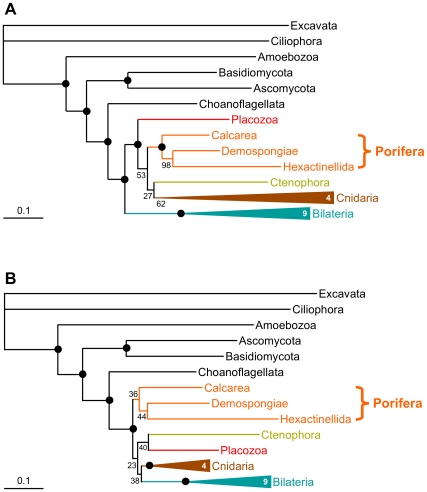


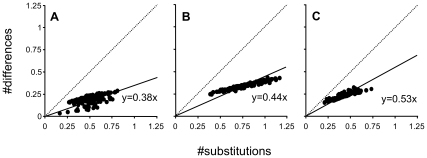
Verification
Claims the paper makes
The claims and statistics of this paper haven’t been checked yet.
Free: it reads the open-access text and checks the first 5 claims that cite a source we can check. Create a free account to check every claim.
Claims other papers make about this one
Each is checked against this paper’s own text: does it say what the citing paper says it does?
The cited source doesn’t support the claim as written.
In the citing paper
“The argument for LBA (7-10) or saturated datasets (7, 8) as the reason past studies found ctenophores to be sister to all other animals seems to have been overstated.”
From Error, signal, and the placement of Ctenophora sister to all other animals (2015) · cites this paper as [8]
Checked by a reasoning model — may be wrong.
Experimental — accuracy not yet measuredThe source backs part of the claim, not all of it — or backs it for a different population, condition or comparison.
In the citing paper
“A key aspect of the debate is that support for both hypotheses is generally recovered from the same dataset when different substitution models and/or taxon- and gene-sampling strategies are used (contrast [6, 10] and [42, 45], and see [7, 43, 47]).”
From Improved Modeling of Compositional Heterogeneity Supports Sponges as Sister to All Other Animals (2017) · cites this paper as [43]
Experimental — accuracy not yet measuredThe source backs part of the claim, not all of it — or backs it for a different population, condition or comparison.
In the citing paper
“Inferred relationships among major sponge lineages (i.e., Demospongiae + Hexactinellida sister to Calcarea + Homoscleromorpha) were consistent with morphology (27,28) and most other molecular analyses that have recovered monophyletic sponges (datasets 1-27 in Figs. 2 and 3 and Figs.S1-S5) (4, 5, 8, 9, 28-30).”
From Error, signal, and the placement of Ctenophora sister to all other animals (2015) · cites this paper as [8]
Experimental — accuracy not yet measuredThe source backs part of the claim, not all of it — or backs it for a different population, condition or comparison.
In the citing paper
“Our robust support of sponge monophyly agrees with morphology (35) and most other large molecular datasets (5,6,(8)(9)(10).”
From Error, signal, and the placement of Ctenophora sister to all other animals (2015) · cites this paper as [8]
Experimental — accuracy not yet measuredThe cited source says what the claim attributes to it.
In the citing paper
“Ctenophores have a high rate of molecular evolution, making them a priori difficult to place due to their potential for long branch attraction (LBA) artifacts [12].”
From A Large and Consistent Phylogenomic Dataset Supports Sponges as the Sister Group to All Other Animals (2017) · cites this paper as [12]
6 more claims about this paper
Create a free account to see every claim other papers make about this one.
Self-check
Percentages, sums and reported differences re-computed from the paper’s own numbers.
The self-check needs the paper’s full text.
Citations
Cites
Evolutionary trees from DNA sequences: A maximum likelihood approach.
Felsenstein, J. (1981) · Journal of Molecular Evolution · doi:10.1007/bf01734359 · Cited by 14,571 · cited 1×
“Briefly, major steps forward were the modeling of heterogeneity of rate across species [63], heterogeneity of rate across substitutions [64,65], heterogeneity of nucleotide/ amino acid composition across species [66,67], heterogeneity of rate across sites [68], and heterogeneity of the substitution process across site…”
BackgroundEvolution of Protein Molecules
JUKES, T. H., & CANTOR, C. R. (1969) · Mammalian Protein Metabolism · doi:10.1016/b978-1-4832-3211-9.50009-7 · Cited by 11,032
Selection of Conserved Blocks from Multiple Alignments for Their Use in Phylogenetic Analysis
Castresana, J. (2000) · Molecular Biology and Evolution · doi:10.1093/oxfordjournals.molbev.a026334 · Cited by 10,508
OrthoMCL: Identification of Ortholog Groups for Eukaryotic Genomes
Li, L., Stoeckert, C. J., & Roos, D. S. (2003) · Genome Research · doi:10.1101/gr.1224503 · Cited by 5,707 · cited 2×
“Despite the great progress in software development [19–22,52–54], our nine years of experience with large-scale multigene analyses [55] leads us to conclude that computer-assisted manual expertise is not yet dispensable.”
BackgroundMethodAtlas of protein sequence and structure
Chang, M.-Y., Dayhoff, M. O., Eck, R. V., & Sochard, M. R. (1965) · NASA Technical Reports Server (NASA) · Cited by 4,383
(1964) · Mammalian Protein Metabolism · doi:10.1016/b978-1-4832-3210-2.50006-6 · Cited by 3,059
Wooding, S. (2004) · The American Journal of Human Genetics · doi:10.1086/383584 · Cited by 3,032
Cases in which Parsimony or Compatibility Methods will be Positively Misleading
Felsenstein, J. (1978) · Systematic Biology · doi:10.1093/sysbio/27.4.401 · Cited by 2,896
Whelan, S., & Goldman, N. (2001) · Molecular Biology and Evolution · doi:10.1093/oxfordjournals.molbev.a003851 · Cited by 2,849 · cited 1×
“, the sitehomogeneous WAG+F+C model [44] used in [4] instead of the site-heterogeneous CAT+C model [45] used in the original study [3] (Figure 4A).”
MethodCases in which parsimony or compatibility methods will be positively misleading.
Felsenstein, J. (1978) · Systematic Zoology · doi:10.2307/2412923 · Cited by 2,230
Cited by
Items 601–700 of 999
Martynov, A. V. (2012) · Paleontological Journal · doi:10.1134/s0031030112080072 · Cited by 19
Hórreo, J. L. (2012) · Journal of Evolutionary Biology · doi:10.1111/j.1420-9101.2012.02622.x · Cited by 16
Sequence Data, Phylogenetic Inference, and Implications of Downward Causation
Fitzhugh, K. (2016) · Acta Biotheoretica · doi:10.1007/s10441-016-9277-0 · Cited by 20
A new species of Xenoturbella from the western Pacific Ocean and the evolution of Xenoturbella
Nakano, H., Miyazawa, H., Maeno, A., Shiroishi, T., Kakui, K., Koyanagi, R., Kanda, M., Satoh, N., Omori, A., & Kohtsuka, H. (2017) · BMC Evolutionary Biology · doi:10.1186/s12862-017-1080-2 · Cited by 21
Sato, J. J., Bradford, T. M., Armstrong, K. N., Donnellan, S. C., Echenique‐Díaz, L. M., Begué-Quiala, G., Díez, J. G., Yamaguchi, N., Sơn, N. T., Kita, M., et al. (2019) · Molecular Phylogenetics and Evolution · doi:10.1016/j.ympev.2019.106605 · Cited by 19
Contaminations in (meta)genome data: An open issue for the scientific community
Simone, G. D., Pasquadibisceglie, A., Proietto, R., Polticelli, F., Aime, S., den Camp, H. J. M. O., & Ascenzi, P. (2019) · IUBMB Life · doi:10.1002/iub.2216 · Cited by 21
Rougerie, R., Cruaud, A., Arnal, P., Ballesteros‐Mejia, L., Decaëns, T., Élias, M., Gey, D., Hebert, P. D. N., Kitching, I. J., Lavergne, S., et al. (2026) · Systematic Biology · doi:10.1093/sysbio/syag056 · Cited by 22
Testing for Phylogenetic Signal in Single-Cell RNA-Seq Data
Moravec, J. C., Lanfear, R., Spector, D. L., Diermeier, S. D., & Gavryushkin, A. (2022) · Journal of Computational Biology · doi:10.1089/cmb.2022.0357 · Cited by 16
Phylogenetic analysis predicts structural divergence for proteobacterial ClpC proteins
Miller, J. M., Chaudhary, H., & Marsee, J. D. (2017) · Journal of Structural Biology · doi:10.1016/j.jsb.2017.11.003 · Cited by 17
Phoronid genome supports a monophyletic Lophophorata
Lewin, T. D., Sakagami, T., Kao, L.-J., Liao, I. J.-Y., Chiu, Y., Piñón-González, V. M., Li, J.-Y., Tin, K.-X., Lu, M. J., Endo, K., et al. (2025) · Current Biology · doi:10.1016/j.cub.2025.10.020 · Cited by 22
A new nuclear phylogeny of the tea family (Theaceae) unravels rapid radiations in genus Camellia
Yan, Y., da Fonseca, R. R., Rahbek, C., Borregaard, M. K., & Davis, C. C. (2024) · Molecular Phylogenetics and Evolution · doi:10.1016/j.ympev.2024.108089 · Cited by 16
Sulcozoa revealed as a paraphyletic group in mitochondrial phylogenomics
Zhao, S., Shalchian‐Tabrizi, K., & Klaveness, D. (2013) · Molecular Phylogenetics and Evolution · doi:10.1016/j.ympev.2013.08.005 · Cited by 16
Jąkalski, M., Takeshita, K., Deblieck, M., Koyanagi, K. O., Makałowska, I., Watanabe, H., & Makałowski, W. (2016) · Biology Direct · doi:10.1186/s13062-016-0138-1 · Cited by 18
phyloSkeleton: taxon selection, data retrieval and marker identification for phylogenomics
Guy, L. (2017) · Bioinformatics · doi:10.1093/bioinformatics/btw824 · Cited by 14
Takezaki, N., & Nishihara, H. (2016) · Genome Biology and Evolution · doi:10.1093/gbe/evw288 · Cited by 20
Tip-dating and the origin of Telluraves
Crouch, N. M. A., Ramanauskas, K., & Igić, B. (2018) · Molecular Phylogenetics and Evolution · doi:10.1016/j.ympev.2018.10.006 · Cited by 16
CAM: an alignment-free method to recover phylogenies using codon aversion motifs
Miller, J. B., Harmon, L. M., Whiting, M. F., & Ridge, P. G. (2019) · PeerJ · doi:10.7717/peerj.6984 · Cited by 17
Hamilton, C. A., Winiger, N., Rubin, J. J., Breinholt, J. W., Rougerie, R., Kitching, I. J., Barber, J. R., & Kawahara, A. Y. (2021) · Systematic Biology · doi:10.1093/sysbio/syab090 · Cited by 18
Piller, K. R., Parker, E., Lemmon, A. R., & Lemmon, E. M. (2022) · Molecular Phylogenetics and Evolution · doi:10.1016/j.ympev.2022.107482 · Cited by 16
Improving Orthologous Signal and Model Fit in Datasets Addressing the Root of the Animal Phylogeny
McCarthy, C. G. P., Mulhair, P. O., Siu-Ting, K., Creevey, C. J., & O’Connell, M. J. (2022) · Molecular Biology and Evolution · doi:10.1093/molbev/msac276 · Cited by 20
Ludington, A. J., Hammond, J. W., Breen, J., Deveson, I. W., & Sanders, K. L. (2023) · BMC Biology · doi:10.1186/s12915-023-01772-2 · Cited by 22
Winn, J. C., Maduna, S. N., & der Merwe, A. E. B. (2023) · Genomics · doi:10.1016/j.ygeno.2023.110771 · Cited by 19
Molecular virology in transfusion medicine laboratory.
Candotti, D., & Allain, J. (2013) · Europe PMC (PubMed Central) · doi:10.2450/2012.0219-12 · Cited by 15
The Helvella corium species aggregate in Nordic countries – phylogeny and species delimitation
Løken, S. B., Skrede, I., & Schumacher, T. K. (2019) · Fungal Systematics and Evolution · doi:10.3114/fuse.2020.05.11 · Cited by 15
Uluer, D. A., Forest, F., & Hawkins, J. A. (2020) · Botany · doi:10.1139/cjb-2019-0109 · Cited by 15
Phillips, M. J., & Zakaria, S. S. (2021) · Molecular Phylogenetics and Evolution · doi:10.1016/j.ympev.2021.107082 · Cited by 16
New insights into the phylogeny and evolution of Podocarpaceae inferred from transcriptomic data
Chen, L., Jin, W., Liu, X.-Q., & Wang, X. (2021) · Molecular Phylogenetics and Evolution · doi:10.1016/j.ympev.2021.107341 · Cited by 16
Improved modelling of compositional heterogeneity reconciles phylogenomic conflicts among lacewings
Cai, C., Tihelka, E., Liu, X., & Engel, M. S. (2023) · Palaeoentomology · doi:10.11646/palaeoentomology.6.1.8 · Cited by 17
Microbial diversity in the coralline sponge Vaceletia crypta
Karlińska-Batres, K., & Wörheide, G. (2013) · Antonie van Leeuwenhoek · doi:10.1007/s10482-013-9884-6 · Cited by 16
Self-citationComparative genomic analysis of eutherian tumor necrosis factor ligand genes
Premzl, M. (2015) · Immunogenetics · doi:10.1007/s00251-015-0887-5 · Cited by 16
Empirical distributions of homoplasy in morphological data
Murphy, J. L., Puttick, M. N., O'Reilly, J. E., Pisani, D., & Donoghue, P. C. J. (2021) · Palaeontology · doi:10.1111/pala.12535 · Cited by 15
Qu, H., Cai, Q., Redhead, S. A., Chen, X., Ge, Z.-W., & Yang, Z. (2025) · Fungal Diversity · doi:10.1007/s13225-025-00557-y · Cited by 16
Structural biology and genome evolution: An introduction
Kurland, C. G., & Harish, A. (2015) · Biochimie · doi:10.1016/j.biochi.2015.10.023 · Cited by 14
Factors influencing HIV-1 phylogenetic clustering
Junqueira, D. M., Sibisi, Z., Wilkinson, E., & de Oliveira, T. (2019) · Current Opinion in HIV and AIDS · doi:10.1097/coh.0000000000000540 · Cited by 14
A Look Back Over 20 Years of Evo-Devo Studies on Sponges: A Challenged View of Urmetazoa
Schenkelaars, Q., Vernale, A., Fierro‐Constaín, L., Borchiellini, C., & Renard, E. (2019) · Springer eBooks · doi:10.1007/978-3-030-30363-1_7 · Cited by 15
Phylogenomic analyses of ochrophytes (stramenopiles) with an emphasis on neglected lineages
Cho, A., Lax, G., & Keeling, P. J. (2024) · Molecular Phylogenetics and Evolution · doi:10.1016/j.ympev.2024.108120 · Cited by 15
The 5 ‘D’s of Taxonomy: A User’s Guide
Favret, C. (2024) · The Quarterly Review of Biology · doi:10.1086/732044 · Cited by 16
Redmond, A. K. (2024) · Proceedings of the Royal Society B Biological Sciences · doi:10.1098/rspb.2024.0329 · Cited by 15
Yang, Z., & Ji, Y. (2017) · Frontiers in Plant Science · doi:10.3389/fpls.2017.01536 · Cited by 14
Karakasi, D., Ilgaz, Ç., Kumlutaş, Y., Candan, K., Güçlü, Ö., Kankılıç, T., Beşer, N., Sindaco, R., Lymberakis, P., & Poulakakis, N. (2021) · Amphibia-Reptilia · doi:10.1163/15685381-bja10045 · Cited by 15
Genome-Scale Profiling Reveals Noncoding Loci Carry Higher Proportions of Concordant Data
Literman, R., & Schwartz, R. S. (2021) · Molecular Biology and Evolution · doi:10.1093/molbev/msab026 · Cited by 15
Guo, W., Sun, D., Cao, Y., Xiao, L., Huang, X., Ren, W., Xu, S., & Yang, G. (2021) · Journal of Mammalian Evolution · doi:10.1007/s10914-021-09581-6 · Cited by 14
López‐Estrada, E. K., Sanmartín, I., Uribe, J. E., Abalde, S., Jiménez‐Ruiz, Y., & García‐París, M. (2022) · Molecular Ecology · doi:10.1111/mec.16390 · Cited by 19
Phylogenomic analysis of yellowjackets and hornets (Hymenoptera: Vespidae, Vespinae)
López‐Osorio, F., Pickett, K. M., Carpenter, J. M., Ballif, B. A., & Agnarsson, I. (2016) · Molecular Phylogenetics and Evolution · doi:10.1016/j.ympev.2016.10.006 · Cited by 15
Dong, P., Wang, R., Afzal, N., Liu, M., Yue, M., Liu, J.-N., Tan, J.-L., & Li, Z. (2021) · Genomics · doi:10.1016/j.ygeno.2021.03.037 · Cited by 14
Molecular Phylogenetics of Parasenegalia and Pseudosenegalia (Fabaceae: Mimosoideae)
Miller, J. T., Terra, V., Riggins, C. W., Ebinger, J. E., & Seigler, D. S. (2017) · Systematic Botany · doi:10.1600/036364417x696140 · Cited by 14
A timetree of Fungi dated with fossils and horizontal gene transfers
Szánthó, L. L., Merényi, Z., Donoghue, P. C. J., Gabaldón, T., Nagy, L. G., Szöllősi, G. J., & Ocaña‐Pallarès, E. (2025) · Nature Ecology & Evolution · doi:10.1038/s41559-025-02851-z · Cited by 21
Marine Protists: A Hitchhiker’s Guide to their Role in the Marine Microbiome
Bachy, C., Hehenberger, E., Ling, Y.-C., Needham, D. M., Strauss, J., Wilken, S., & Worden, A. Z. (2022) · The microbiomes of humans, animals, plants, and the environment · doi:10.1007/978-3-030-90383-1_4 · Cited by 20
Plastid Phylogenomic Insights into the Inter-Tribal Relationships of Plantaginaceae
Xie, P., Tang, L., Luo, Y., Liu, C., & Yan, H. (2023) · Biology · doi:10.3390/biology12020263 · Cited by 16
Cho, A., Tikhonenkov, D. V., Lax, G., Prokina, K. I., & Keeling, P. J. (2023) · Molecular Phylogenetics and Evolution · doi:10.1016/j.ympev.2023.107964 · Cited by 13
Whole-genome analyses converge to support the Hemirotifera hypothesis within Syndermata (Gnathifera)
Vasilikopoulos, A., Herlyn, H., Fontaneto, D., Wilson, C. G., Nowell, R. W., Flot, J., Barraclough, T. G., & Doninck, K. V. (2024) · Hydrobiologia · doi:10.1007/s10750-023-05451-9 · Cited by 15
Genomic Mining of Phylogenetically Informative Nuclear Markers in Bark and Ambrosia Beetles
Pistone, D., Mugu, S., & Jordal, B. H. (2016) · PLoS ONE · doi:10.1371/journal.pone.0163529 · Cited by 13
Comparative genomic analysis of eutherian connexin genes
Premzl, M. (2019) · Scientific Reports · doi:10.1038/s41598-019-53458-x · Cited by 13
Shahzad, K., Liu, M., Zhao, Y., Zhang, T., Liu, J., & Li, Z. (2020) · Ecology and Evolution · doi:10.1002/ece3.6996 · Cited by 13
Tetraradial symmetry in early poriferans
Botting, J. P., Yuan, X., & Lin, J. (2014) · Chinese Science Bulletin · doi:10.1007/s11434-013-0099-z · Cited by 15
Marmon, L. (2013) · Molecular Phylogenetics and Evolution · doi:10.1016/j.ympev.2013.07.010 · Cited by 14
The synergistic effect of concatenation in phylogenomics: the case in Pantoea
Palmer, M., Venter, S. N., McTaggart, A. R., Coetzee, M. P. A., van Wyk, S., Avontuur, J. R., Beukes, C. W., Fourie, G., Santana, Q. C., van der Nest, M. A., et al. (2019) · PeerJ · doi:10.7717/peerj.6698 · Cited by 15
An integrated pathway for building regional phylogenies for ecological studies
Eme, D., Anderson, M. J., Struthers, C. D., Roberts, C. D., & Liggins, L. (2019) · Global Ecology and Biogeography · doi:10.1111/geb.12986 · Cited by 14
Zhang, D., Li, W. X., Zou, H., Wu, S., Li, M., Jakovlić, I., Zhang, J., Chen, R., & Wang, G. (2019) · International Journal of Biological Macromolecules · doi:10.1016/j.ijbiomac.2019.09.150 · Cited by 13
Miller, J. B., Harmon, L. M., Whiting, M. F., Kauwe, J. S. K., & Ridge, P. G. (2020) · PLoS ONE · doi:10.1371/journal.pone.0232260 · Cited by 15
How to build phylogenetic species trees with OMA
Dylus, D. V., Nevers, Y., Altenhoff, A., Gürtler, A., Dessimoz, C., & Glover, N. (2020) · F1000Research · doi:10.12688/f1000research.23790.1 · Cited by 16
Owen, C. L., Marshall, D. C., Wade, E. J., Meister, R. C., Goemans, G., Kunte, K. K., Moulds, M. S., Hill, K. B. R., Villet, M. H., Pham, T.-H., et al. (2022) · Systematic Biology · doi:10.1093/sysbio/syac043 · Cited by 14
Cloutier, A., Sackton, T. B., Grayson, P., Clamp, M., Baker, A. J., & Edwards, S. V. (2018) · bioRxiv (Cold Spring Harbor Laboratory) · doi:10.1101/262949 · Cited by 15
OMA standalone: orthology inference among public and custom genomes and transcriptomesPreprint
Altenhoff, A., Levy, J., Zarowiecki, M., Tomiczek, B., Vesztrocy, A. W., Dalquen, D. A., Müller, S., Telford, M. J., Glover, N., & Dessimoz, C. (2018) · bioRxiv (Cold Spring Harbor Laboratory) · doi:10.1101/397752 · Cited by 16
Knyshov, A., Gordon, E. R. L., Masonick, P., Castillo, S., Forero, D., Hoey‐Chamberlain, R., Hwang, W. S., Johnson, K. P., Lemmon, A. R., Lemmon, E. M., et al. (2023) · Molecular Biology and Evolution · doi:10.1093/molbev/msad168 · Cited by 14
Hernández-Vásquez, C. I., García-García, J. H., Pérez-Ortega, E., Martínez-Segundo, A. G., Damas-Buenrostro, L. C., & Pereyra-Alférez, B. (2024) · Applied and Environmental Microbiology · doi:10.1128/aem.00397-24 · Cited by 11
PhyKIT: A Multitool for Phylogenomics
Steenwyk, J. L., Martínez‐Redondo, G. I., Buida, T. J., Gluck‐Thaler, E., Shen, X., Gabaldón, T., Rokas, A., & Fernández, R. (2024) · Current Protocols · doi:10.1002/cpz1.70016 · Cited by 14
RETRACTED: Integrative phylogenomics positions sponges at the root of the animal tree
Steenwyk, J. L., & King, N. (2025) · Science · doi:10.1126/science.adw9456 · Cited by 20
RetractedBuilding (Viral) Phylogenetic Trees Using a Maximum Likelihood Approach
King, K. M., & Doorslaer, K. V. (2018) · Current Protocols in Microbiology · doi:10.1002/cpmc.63 · Cited by 11
What is an archaeon and are the Archaea really unique?
Harish, A. (2018) · PeerJ · doi:10.7717/peerj.5770 · Cited by 14
Self-organized networks: Darwinian evolution of dynein rings, stalks, and stalk heads
Phillips, J. C. (2020) · Proceedings of the National Academy of Sciences · doi:10.1073/pnas.1920840117 · Cited by 12
Wang, Y., Yuan, H., Huang, J., & Li, C. (2021) · Molecular Biology Reports · doi:10.1007/s11033-021-06884-y · Cited by 11
Was the Last Bacterial Common Ancestor a Monoderm after All?
Léonard, R. R., Sauvage, E., Lupo, V., Perrin, A., Sirjacobs, D., Charlier, P., Kerff, F., & Baurain, D. (2022) · Genes · doi:10.3390/genes13020376 · Cited by 14
Self-citationInterpreting phylogenetic conflict: Hybridization in the most speciose genus of lichen-forming fungi
Keuler, R., Jensen, J., Bárcenas-Peña, A., Grewe, F., Lumbsch, H. T., Huang, J., & Leavitt, S. D. (2022) · Molecular Phylogenetics and Evolution · doi:10.1016/j.ympev.2022.107543 · Cited by 13
Murillo‐Ramos, L., Twort, V., Wahlberg, N., & Sihvonen, P. (2023) · Systematic Entomology · doi:10.1111/syen.12594 · Cited by 14
More than a spiny morphology: plastome variation in the prickly pear cacti (Opuntieae)
Köhler, M., Reginato, M., Jin, J., & Majure, L. C. (2023) · Annals of Botany · doi:10.1093/aob/mcad098 · Cited by 12
Complete plastid genome of Iris orchioides and comparative analysis with 19 Iris plastomes
Choi, T.-Y., & Lee, S. (2024) · PLoS ONE · doi:10.1371/journal.pone.0301346 · Cited by 15
Impact of Human Migrations on Diversity of H elicobacter pylori in Cambodia and New Caledonia
Breurec, S., Raymond, J., Thiberge, J., Hem, S., Monchy, D., Seck, A., Dehoux, P., Garin, B., & Dauga, C. (2013) · Helicobacter · doi:10.1111/hel.12037 · Cited by 13
Budd, A., & Devos, D. P. (2012) · Frontiers in Microbiology · doi:10.3389/fmicb.2012.00401 · Cited by 13
Species Tree Inference Using a Mixture Model
Ullah, I., Parviainen, P., & Lagergren, J. (2015) · Molecular Biology and Evolution · doi:10.1093/molbev/msv115 · Cited by 14
Macroevolution of Animal Body Plans: Is There Science after the Tree?
Jenner, R. A. (2014) · BioScience · doi:10.1093/biosci/biu099 · Cited by 12
Mijatovic-Rustempasic, S., Roy, S., Teel, E. N., Weinberg, G. A., Payne, D. C., Parashar, U. D., & Bowen, M. D. (2015) · Journal of General Virology · doi:10.1099/jgv.0.000349 · Cited by 12
Evolutionary Developmental Biology (Evo‐Devo) Research in Latin America
Marcellini, S., González, F., Sarrazin, A. F., Pabón‐Mora, N., Benítez, M., Piñeyro‐Nelson, A., Rezende, G. L., Maldonado, E., Schneider, P. N., Grizante, M. B., et al. (2016) · Journal of Experimental Zoology Part B Molecular and Developmental Evolution · doi:10.1002/jez.b.22687 · Cited by 15
Viruses and long non-coding RNAs: implicating an evolutionary conserved region
Mohebbi, A., Tahamtan, A., Eskandarian, S., Askari, F. S., Fallah, M. S., & Lorestani, N. (2018) · VirusDisease · doi:10.1007/s13337-018-0486-9 · Cited by 11
Palmgren, M. B., Sørensen, D. M., Hallström, B. M., Säll, T., & Bröberg, K. (2019) · Physiologia Plantarum · doi:10.1111/ppl.13008 · Cited by 13
Evolution of sodium channels and the new view of early nervous system evolution
Liebeskind, B. J. (2011) · Communicative & Integrative Biology · doi:10.4161/cib.17069 · Cited by 12
Near intron pairs and the metazoan tree
Lehmann, J., Stadler, P. F., & Krauss, V. (2013) · Molecular Phylogenetics and Evolution · doi:10.1016/j.ympev.2012.11.012 · Cited by 11
“Philippe et al. (2011) question the results of Schierwater et al. (2009) on the grounds of several methodological issue that may have resulted in a strong non-phylogenetic signal due to scarce taxon sampling and a weak phylogenetic signal as a consequence of short internal branches.”
BackgroundZhan, L., Chen, Y., He, J., Guo, Z., Wu, L., Storey, K. B., Zhang, J., & Yu, D. (2024) · International Journal of Molecular Sciences · doi:10.3390/ijms25158464 · Cited by 12
Probabilistic models of eukaryotic evolution: time for integration
Lartillot, N. (2015) · Philosophical Transactions of the Royal Society B Biological Sciences · doi:10.1098/rstb.2014.0338 · Cited by 15
Robustness of Phylogenetic Inference to Model Misspecification Caused by Pairwise Epistasis
Magee, A. F., Hilton, S. K., & DeWitt, W. S. (2021) · Molecular Biology and Evolution · doi:10.1093/molbev/msab163 · Cited by 11
Parker, E., Dornburg, A., Domínguez‐Domínguez, O., & Piller, K. R. (2019) · Molecular Phylogenetics and Evolution · doi:10.1016/j.ympev.2019.01.025 · Cited by 11
Saïd, M. B., Belkahia, H., Selmi, R., & Messadi, L. (2019) · Molecular and Cellular Probes · doi:10.1016/j.mcp.2019.101467 · Cited by 11
Rapid diversification rates in Amazonian Chrysobalanaceae inferred from plastid genome phylogenetics
Chave, J., Sothers, C. A., Iribar, A., Suescun, U., Chase, M. W., & Prance, G. T. (2020) · Botanical Journal of the Linnean Society · doi:10.1093/botlinnean/boaa052 · Cited by 12
LeBrun, E. S., King, R. S., Back, J. A., & Kang, S. (2018) · Microbial Ecology · doi:10.1007/s00248-018-1178-0 · Cited by 11
An in silico comparison of reduced-representation and sequence-capture protocols for phylogenomicsPreprint
Collins, R. A., & Hrbek, T. (2015) · bioRxiv (Cold Spring Harbor Laboratory) · doi:10.1101/032565 · Cited by 12
Evolution of far-red light photoacclimation in cyanobacteria
Antonaru, L. A., Rad‐Menéndez, C., Mbedi, S., Sparmann, S., Pope, M. A., Oliver, T. J., Wu, S., Green, D. H., Gugger, M. F., & Nürnberg, D. J. (2025) · Current Biology · doi:10.1016/j.cub.2025.04.038 · Cited by 16
Practical Guide and Review of Fossil Tip-Dating in Phylogenetics
Heckeberg, N. S., Capobianco, A., Khakurel, B., Darlim, G., & Höhna, S. (2025) · Systematic Biology · doi:10.1093/sysbio/syaf050 · Cited by 16
Resolving the Early Divergence Pattern of Teleost Fish Using Genome-Scale Data
Takezaki, N. (2021) · Genome Biology and Evolution · doi:10.1093/gbe/evab052 · Cited by 13
Naser-Khdour, S., Minh, B. Q., & Lanfear, R. (2020) · ANU Open Research (Australian National University) · doi:10.5061/dryad.fj6q573rx · Cited by 12
A Genomic Perspective on the Evolutionary Diversification of Turtles
Gable, S. M., Byars, M. I., Literman, R., & Tollis, M. (2022) · Systematic Biology · doi:10.1093/sysbio/syac019 · Cited by 15
Metadata
- Authors
- Philippe, H., Brinkmann, H., Lavrov, D. V., Littlewood, D. T. J., Manuel, M., Wörheide, G., & Baurain, D.
- Affiliations
- Université de Montréal (CA)
- Iowa State University (US)
- Natural History Museum (GB)
- Ludwig-Maximilians-Universität München (DE)
- University of Liège (BE)
- Corresponding author
- Philippe, Hervé
- ORCID
- Venue
- PLoS Biology
- Publisher
- Public Library of Science (PLoS)
- Published
- 2011-03-15
- Volume
- 9
- Issue
- 3
- Pages
- e1000602
- ISSN
- 1544-9173 (ISSN-L)
- 1545-7885
- PMC
- PMC3057953
- OpenAlex
- W2111414304
- Semantic Scholar
- c032b81df71c5b5745454ef5b2afa4f715cc3f92
- Cited by
- 1,129
- References
- 83
- Citations by year
- 2026: 60 · 2025: 62 · 2024: 58 · 2023: 77 · 2022: 67 · 2021: 73 · 2020: 67 · 2019: 123 · 2018: 78 · 2017: 78 · 2016: 73 · 2015: 73 · 2014: 80 · 2013: 74 · 2012: 56
- FWCI
- 31.19
- Type
- journal article
- Language
- en
- Open access
- gold
- doi.org
- Locations
- PLoS Biology (publishedVersion, cc-by)
- PubMed Central (publishedVersion, cc-by)
- PubMed (publishedVersion)
- ORBi (University of Liège) (submittedVersion, other-oa)
- HAL (submittedVersion)
- DOAJ (DOAJ: Directory of Open Access Journals) (submittedVersion, cc-by-sa)
- Open access LMU (Ludwid Maxmilian's Universitat Munchen) (submittedVersion)
- Figshare (submittedVersion, cc-by)
- Natural History Museum, London (submittedVersion, cc-by)
- Funders
- Deutsche Forschungsgemeinschaft
- Agence Nationale de la Recherche
- Natural Sciences and Engineering Research Council of Canada
- Biotechnology and Biological Sciences Research Council (BB/H023534/1)
- Natural Environment Research Council (NER/A/S/2003/00313)
- Topics
- Life Sciences › Biochemistry, Genetics and Molecular Biology › Molecular Biology › Genomics and Phylogenetic Studies
- Life Sciences › Agricultural and Biological Sciences › Ecology, Evolution, Behavior and Systematics › Plant Diversity and Evolution
- Physical Sciences › Earth and Planetary Sciences › Paleontology › Evolution and Paleontology Studies
- Keywords
- phylogenetic inference, sequence data, phylogenetic resolution, molecular phylogeny, data saturation, phylogenetic signal
- MeSH terms
- Animals, Base Sequence, Biological Evolution, Molecular Sequence Data, Phylogeny, Databases, Factual, Sequence Alignment, Genomics
About these checks
Registry, retraction, Cites and statistics results are computed, not judged, with one exception: a printed reference that no index lists is read once by a model before it counts as a citation error. Claims are extracted by a model and kept only when their quote appears verbatim in the text; each cited source is then checked, with a model’s help, for whether it says what the claim relies on. Those verdicts can be wrong — read the claim’s quote and the cited source before relying on one.
Statistics and arithmetic are recomputed, not judged.
Confidence bands are shown only for fields calibrated on our annotated test set. None is calibrated yet, so no band is shown.
What counts as a claim ›How we measure confidence ›How we check this ›
Are you an author, or do you see a problem with this page? Request a review
Data sources
Bibliographic data: Semantic Scholar, OpenAlex, Crossref.
Contains information from the Semantic Scholar Academic Graph Datasets, made available under the ODC Attribution License (ODC-BY 1.0).
Semantic Scholar’s data is described in: Kinney, R., et al. (2023). The Semantic Scholar Open Data Platform. arXiv:2301.10140.
