

Resolving Difficult Phylogenetic Questions: Why More Sequences Are Not Enough
Open accessThe DOI matches its Crossref record; 84 of the 84 references it cites were found in a registry or an index.
Abstract
The Perspective section provides experts with a forum
Overview
The claims and statistics of this paper haven’t been checked yet.
Free: it reads the open-access text and checks the first 5 claims that cite a source we can check. Create a free account to check every claim.
Integrity signals
Registry
Cites
Statistics
Figures

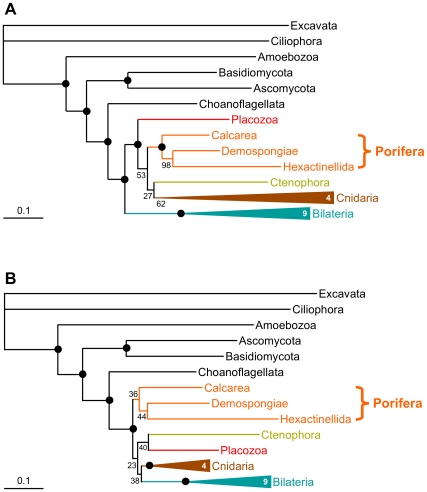


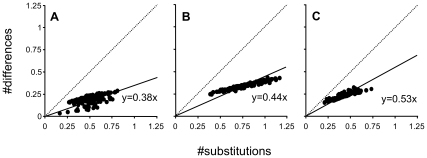
Verification
Claims the paper makes
The claims and statistics of this paper haven’t been checked yet.
Free: it reads the open-access text and checks the first 5 claims that cite a source we can check. Create a free account to check every claim.
Claims other papers make about this one
Each is checked against this paper’s own text: does it say what the citing paper says it does?
The cited source doesn’t support the claim as written.
In the citing paper
“The argument for LBA (7-10) or saturated datasets (7, 8) as the reason past studies found ctenophores to be sister to all other animals seems to have been overstated.”
From Error, signal, and the placement of Ctenophora sister to all other animals (2015) · cites this paper as [8]
Checked by a reasoning model — may be wrong.
Experimental — accuracy not yet measuredThe source backs part of the claim, not all of it — or backs it for a different population, condition or comparison.
In the citing paper
“A key aspect of the debate is that support for both hypotheses is generally recovered from the same dataset when different substitution models and/or taxon- and gene-sampling strategies are used (contrast [6, 10] and [42, 45], and see [7, 43, 47]).”
From Improved Modeling of Compositional Heterogeneity Supports Sponges as Sister to All Other Animals (2017) · cites this paper as [43]
Experimental — accuracy not yet measuredThe source backs part of the claim, not all of it — or backs it for a different population, condition or comparison.
In the citing paper
“Inferred relationships among major sponge lineages (i.e., Demospongiae + Hexactinellida sister to Calcarea + Homoscleromorpha) were consistent with morphology (27,28) and most other molecular analyses that have recovered monophyletic sponges (datasets 1-27 in Figs. 2 and 3 and Figs.S1-S5) (4, 5, 8, 9, 28-30).”
From Error, signal, and the placement of Ctenophora sister to all other animals (2015) · cites this paper as [8]
Experimental — accuracy not yet measuredThe source backs part of the claim, not all of it — or backs it for a different population, condition or comparison.
In the citing paper
“Our robust support of sponge monophyly agrees with morphology (35) and most other large molecular datasets (5,6,(8)(9)(10).”
From Error, signal, and the placement of Ctenophora sister to all other animals (2015) · cites this paper as [8]
Experimental — accuracy not yet measuredThe cited source says what the claim attributes to it.
In the citing paper
“Ctenophores have a high rate of molecular evolution, making them a priori difficult to place due to their potential for long branch attraction (LBA) artifacts [12].”
From A Large and Consistent Phylogenomic Dataset Supports Sponges as the Sister Group to All Other Animals (2017) · cites this paper as [12]
6 more claims about this paper
Create a free account to see every claim other papers make about this one.
Self-check
Percentages, sums and reported differences re-computed from the paper’s own numbers.
The self-check needs the paper’s full text.
Citations
Cites
Evolutionary trees from DNA sequences: A maximum likelihood approach.
Felsenstein, J. (1981) · Journal of Molecular Evolution · doi:10.1007/bf01734359 · Cited by 14,571 · cited 1×
“Briefly, major steps forward were the modeling of heterogeneity of rate across species [63], heterogeneity of rate across substitutions [64,65], heterogeneity of nucleotide/ amino acid composition across species [66,67], heterogeneity of rate across sites [68], and heterogeneity of the substitution process across site…”
BackgroundEvolution of Protein Molecules
JUKES, T. H., & CANTOR, C. R. (1969) · Mammalian Protein Metabolism · doi:10.1016/b978-1-4832-3211-9.50009-7 · Cited by 11,032
Selection of Conserved Blocks from Multiple Alignments for Their Use in Phylogenetic Analysis
Castresana, J. (2000) · Molecular Biology and Evolution · doi:10.1093/oxfordjournals.molbev.a026334 · Cited by 10,508
OrthoMCL: Identification of Ortholog Groups for Eukaryotic Genomes
Li, L., Stoeckert, C. J., & Roos, D. S. (2003) · Genome Research · doi:10.1101/gr.1224503 · Cited by 5,707 · cited 2×
“Despite the great progress in software development [19–22,52–54], our nine years of experience with large-scale multigene analyses [55] leads us to conclude that computer-assisted manual expertise is not yet dispensable.”
BackgroundMethodAtlas of protein sequence and structure
Chang, M.-Y., Dayhoff, M. O., Eck, R. V., & Sochard, M. R. (1965) · NASA Technical Reports Server (NASA) · Cited by 4,383
(1964) · Mammalian Protein Metabolism · doi:10.1016/b978-1-4832-3210-2.50006-6 · Cited by 3,059
Wooding, S. (2004) · The American Journal of Human Genetics · doi:10.1086/383584 · Cited by 3,032
Cases in which Parsimony or Compatibility Methods will be Positively Misleading
Felsenstein, J. (1978) · Systematic Biology · doi:10.1093/sysbio/27.4.401 · Cited by 2,896
Whelan, S., & Goldman, N. (2001) · Molecular Biology and Evolution · doi:10.1093/oxfordjournals.molbev.a003851 · Cited by 2,849 · cited 1×
“, the sitehomogeneous WAG+F+C model [44] used in [4] instead of the site-heterogeneous CAT+C model [45] used in the original study [3] (Figure 4A).”
MethodCases in which parsimony or compatibility methods will be positively misleading.
Felsenstein, J. (1978) · Systematic Zoology · doi:10.2307/2412923 · Cited by 2,230
Cited by
Items 101–200 of 999
Deep Phylogeny and Evolution of Sponges (Phylum Porifera)
Wörheide, G., Dohrmann, M., Erpenbeck, D., Larroux, C., Maldonado, M., Voigt, O., Borchiellini, C., & Lavrov, D. V. (2012) · Advances in Marine Biology · doi:10.1016/b978-0-12-387787-1.00007-6 · Cited by 166
Self-citationKocot, K. M., Citarella, M. R., Moroz, L. L., & Halanych, K. M. (2013) · Evolutionary Bioinformatics · doi:10.4137/ebo.s12813 · Cited by 166
“12 In other words, sequences employed in species tree reconstruction must be orthologous (see Reference 13 for review of terms related to orthology and par-alogy).”
Phylogenomic evidence for a common ancestor of mitochondria and the SAR11 clade
Thrash, J. C., Boyd, A., Huggett, M. J., Grote, J., Carini, P., Yoder, R. J., Robbertse, B., Spatafora, J. W., Rappé, M. S., & Giovannoni, S. J. (2011) · Scientific Reports · doi:10.1038/srep00013 · Cited by 166
Ballesteros, J. A., & Sharma, P. P. (2019) · Systematic Biology · doi:10.1093/sysbio/syz011 · Cited by 162
Progress towards the Tree of Eukaryotes
Keeling, P. J., & Burki, F. (2019) · Current Biology · doi:10.1016/j.cub.2019.07.031 · Cited by 159
Redmond, A. K., & McLysaght, A. (2021) · Nature Communications · doi:10.1038/s41467-021-22074-7 · Cited by 139
Early metazoan life: divergence, environment and ecology
Erwin, D. H. (2015) · Philosophical Transactions of the Royal Society B: Biological Sciences · doi:10.1098/rstb.2015.0036 · Cited by 154
Lemieux, C., Otis, C., & Turmel, M. (2014) · BMC Evolutionary Biology · doi:10.1186/s12862-014-0211-2 · Cited by 154
Di Franco, A., Poujol, R., Baurain, D., & Philippe, H. (2019) · BMC Evolutionary Biology · doi:10.1186/s12862-019-1350-2 · Cited by 155
Self-citationEvolution of sodium channels predates the origin of nervous systems in animals
Liebeskind, B. J., Hillis, D. M., & Zakon, H. H. (2011) · Proceedings of the National Academy of Sciences · doi:10.1073/pnas.1106363108 · Cited by 149
Higher-level phylogeny of paraneopteran insects inferred from mitochondrial genome sequences
Li, H., Shao, R., Song, N., Song, F., Jiang, P., Li, Z., & Cai, W. (2015) · Scientific Reports · doi:10.1038/srep08527 · Cited by 167
Wan, Y., Schwaninger, H. R., Baldo, A. M., Labate, J. A., Zhong, G., & Simon, C. J. (2013) · BMC Evolutionary Biology · doi:10.1186/1471-2148-13-141 · Cited by 183
Large-scale phylogeny of chameleons suggests African origins and Eocene diversification
Tolley, K. A., Townsend, T. M., & Vences, M. (2013) · Proceedings of the Royal Society B Biological Sciences · doi:10.1098/rspb.2013.0184 · Cited by 178
Meiklejohn, K. A., Faircloth, B. C., Glenn, T. C., Kimball, R. T., & Braun, E. L. (2016) · Systematic Biology · doi:10.1093/sysbio/syw014 · Cited by 154
Phylogenomics Places Orphan Protistan Lineages in a Novel Eukaryotic Super-Group
Brown, M. W., Heiss, A. A., Kamikawa, R., Inagaki, Y., Yabuki, A., Tice, A. K., Shiratori, T., Ishida, K.-I., Hashimoto, T., Simpson, A. G. B., et al. (2018) · Genome Biology and Evolution · doi:10.1093/gbe/evy014 · Cited by 153
Huang, W., Zhang, L., Columbus, J. T., Hu, Y., Zhao, Y., Tang, L. H., Guo, Z., Chen, W., McKain, M. R., Bartlett, M. E., et al. (2022) · Molecular Plant · doi:10.1016/j.molp.2022.01.015 · Cited by 166
A basin redox transect at the dawn of animal life
Sperling, E. A., Halverson, G. P., Knoll, A. H., Macdonald, F. A., & Johnston, D. T. (2013) · Earth and Planetary Science Letters · doi:10.1016/j.epsl.2013.04.003 · Cited by 153
“Moving up the metazoan phylogenetic tree, the exact relationships of cnidarians, ctenophores and placozoans to bilaterians are unclear, but all are likely more closely related to bilaterians than they are to sponges (Philippe et al., 2011).”
BackgroundInfluentialKlopfstein, S., Vilhelmsen, L., Heraty, J. M., Sharkey, M. J., & Ronquist, F. (2013) · PLoS ONE · doi:10.1371/journal.pone.0069344 · Cited by 164
Philippe, H., Poustka, A. J., Chiodin, M., Hoff, K. J., Dessimoz, C., Tomiczek, B., Schiffer, P. H., Müller, S., Domman, D., Horn, M., et al. (2019) · Current Biology · doi:10.1016/j.cub.2019.04.009 · Cited by 152
“, contaminants, paralogs, and frameshifts) than others and is therefore likely to contain more genuine phylogenetic signal: a prerequisite to infer phylogenies accurately [7, 9].”
InfluentialSelf-citationPhylogenomic Resolution of the Class Ophiuroidea Unlocks a Global Microfossil Record
O’Hara, T. D., Hugall, A. F., Thuy, B., & Moussalli, A. (2014) · Current Biology · doi:10.1016/j.cub.2014.06.060 · Cited by 156
Characterizing gene tree conflict in plastome-inferred phylogenies
Walker, J. F., Stull, G. W., Walker‐Hale, N., Vargas, O. M., & Larson, D. A. (2019) · PeerJ · doi:10.7717/peerj.7747 · Cited by 162
A congruent phylogenomic signal places eukaryotes within the Archaea
Williams, T. A., Foster, P. G., Nye, T. M. W., Cox, C. J., & Embley, T. M. (2012) · Proceedings of the Royal Society B: Biological Sciences · doi:10.1098/rspb.2012.1795 · Cited by 148
Liu, Y., Cox, C. J., Wang, W., & Goffinet, B. (2014) · Systematic Biology · doi:10.1093/sysbio/syu049 · Cited by 158
DiscoVista: Interpretable visualizations of gene tree discordance
Sayyari, E., Whitfield, J. B., & Mirarab, S. (2018) · Molecular Phylogenetics and Evolution · doi:10.1016/j.ympev.2018.01.019 · Cited by 147
Rooting the Animal Tree of Life
Li, Y., Shen, X.-X., Evans, B., Dunn, C. W., & Rokas, A. (2021) · Molecular Biology and Evolution · doi:10.1093/molbev/msab170 · Cited by 146
Embracing Uncertainty in Reconstructing Early Animal Evolution
King, N., & Rokas, A. (2017) · Current Biology · doi:10.1016/j.cub.2017.08.054 · Cited by 146
Embracing heterogeneity: coalescing the Tree of Life and the future of phylogenomics
Bravo, G. A., Antonelli, A., Bacon, C. D., Bartoszek, K., Blom, M. P. K., Huynh, S., Jones, G., Knowles, L. L., Lamichhaney, S., Marcussen, T., et al. (2019) · PeerJ · doi:10.7717/peerj.6399 · Cited by 143
Kück, P., & Struck, T. H. (2014) · Molecular Phylogenetics and Evolution · doi:10.1016/j.ympev.2013.09.011 · Cited by 143
A Consistent Phylogenetic Backbone for the Fungi
Ebersberger, I., de Matos Simoes, R., Kupczok, A., Gube, M., Kothe, E., Voigt, K., & von Haeseler, A. (2012) · Molecular Biology and Evolution · doi:10.1093/molbev/msr285 · Cited by 143
Betancur-R., R., Li, C., Munroe, T. A., Ballesteros, J. A., & Ortí, G. (2013) · Systematic Biology · doi:10.1093/sysbio/syt039 · Cited by 140
Phylogenomics of Orchidaceae based on plastid and mitochondrial genomes
Li, Y., Zhang-hai, L., Schuiteman, A., Chase, M. W., Li, J., Huang, W., Hidayat, A., Wu, S., & Jin, X. (2019) · Molecular Phylogenetics and Evolution · doi:10.1016/j.ympev.2019.106540 · Cited by 156
ElasticBLAST: accelerating sequence search via cloud computing
Camacho, C., Boratyn, G. M., Joukov, V., Vera Alvarez, R., & Madden, T. L. (2023) · BMC Bioinformatics · doi:10.1186/s12859-023-05245-9 · Cited by 141
Targeted sequence capture as a powerful tool for evolutionary analysis1
Grover, C. E., Salmon, A., & Wendel, J. F. (2012) · American Journal of Botany · doi:10.3732/ajb.1100323 · Cited by 180
Hill, M. S., Hill, A. L., Lopez, J., Peterson, K. J., Pomponi, S., Diaz, M. C., Thacker, R. W., Adamska, M., Boury-Esnault, N., Cárdenas, P., et al. (2013) · PLoS ONE · doi:10.1371/journal.pone.0050437 · Cited by 140
Evolution of voltage-gated ion channels at the emergence of Metazoa
Moran, Y., Barzilai, M. G., Liebeskind, B. J., & Zakon, H. H. (2015) · Journal of Experimental Biology · doi:10.1242/jeb.110270 · Cited by 139
“These new tools allowed researchers to resolve previously obscure evolutionary relationships between phylogenetic groups (e.g. Campbell et al., 2011; Philippe et al., 2011a; Pisani et al., 2012; Smith et al., 2011).”
BackgroundResultOxygen and animal evolution: Did a rise of atmospheric oxygen "trigger" the origin of animals?
Mills, D. B., & Canfield, D. E. (2014) · BioEssays · doi:10.1002/bies.201400101 · Cited by 141
Rothfels, C. J., Larsson, A. O., Kuo, L., Korall, P., Chiou, W., & Pryer, K. M. (2012) · Systematic Biology · doi:10.1093/sysbio/sys001 · Cited by 145
Dell’Ampio, E., Meusemann, K., Szucsich, N. U., Peters, R. S., Meyer, B., Borner, J., Petersen, M., Aberer, A. J., Stamatakis, A., Walzl, M. G., et al. (2014) · Molecular Biology and Evolution · doi:10.1093/molbev/mst196 · Cited by 135
miRNAs: Small Genes with Big Potential in Metazoan Phylogenetics
Tarver, J. E., Sperling, E. A., Nailor, A., Heimberg, A. M., Robinson, J. M., King, B. L., Pisani, D., Donoghue, P. C. J., & Peterson, K. J. (2013) · Molecular Biology and Evolution · doi:10.1093/molbev/mst133 · Cited by 136
Lozano-Fernandez, J., Tanner, A. R., Giacomelli, M., Carton, R., Vinther, J., Edgecombe, G. D., & Pisani, D. (2019) · Nature Communications · doi:10.1038/s41467-019-10244-7 · Cited by 135
Rasmussen, J. A., Villumsen, K. R., Duchêne, D. A., Puetz, L., Delmont, T. O., Sveier, H., Jørgensen, L. V. G., Præbel, K., Martin, M. D., Bojesen, A. M., et al. (2021) · Communications Biology · doi:10.1038/s42003-021-02105-1 · Cited by 153
Compositional heterogeneity in true bug mitochondrial phylogenomics
Liu, Y., Song, F., Jiang, P., Wilson, J., Cai, W., & Li, H. (2017) · Molecular Phylogenetics and Evolution · doi:10.1016/j.ympev.2017.09.025 · Cited by 141
Empirical Assessment of RAD Sequencing for Interspecific Phylogeny
Cruaud, A., Gautier, M., Galan, M., Foucaud, J., Sauné, L., Genson, G., Dubois, E., Nidelet, S., Deuve, T., & Rasplus, J. (2014) · Molecular Biology and Evolution · doi:10.1093/molbev/msu063 · Cited by 142
ITS2 Database IV: Interactive taxon sampling for internal transcribed spacer 2 based phylogenies
Koetschan, C., Hackl, T., Müller, T., Wolf, M., Förster, F., & Schultz, J. (2012) · Molecular Phylogenetics and Evolution · doi:10.1016/j.ympev.2012.01.026 · Cited by 149
Dong, W., Xu, C., Wu, P., Cheng, T., Yu, J. Q., Zhou, S., & De‐Yuan, H. (2018) · Molecular Phylogenetics and Evolution · doi:10.1016/j.ympev.2018.04.033 · Cited by 151
Tackling Rapid Radiations With Targeted Sequencing
Larridon, I., Villaverde, T., Zuntini, A. R., Pokorny, L., Brewer, G. E., Epitawalage, N., Fairlie, I., Hahn, M., Kim, J., Maguilla, E., et al. (2020) · Frontiers in Plant Science · doi:10.3389/fpls.2019.01655 · Cited by 141
The evolution of insect biodiversity
Tihelka, E., Cai, C., Giacomelli, M., Lozano-Fernández, J., Rota‐Stabelli, O., Huang, D., Engel, M. S., Donoghue, P. C. J., & Pisani, D. (2021) · Current Biology · doi:10.1016/j.cub.2021.08.057 · Cited by 157
The phylogenomic forest of bird trees contains a hard polytomy at the root of Neoaves
Suh, A. (2016) · Zoologica Scripta · doi:10.1111/zsc.12213 · Cited by 149
Origin of land plants revisited in the light of sequence contamination and missing data
Laurin-Lemay, S., Brinkmann, H., & Philippe, H. (2012) · Current Biology · doi:10.1016/j.cub.2012.06.013 · Cited by 148
Self-citationCampbell, L., & Turner, S. R. (2017) · Frontiers in Plant Science · doi:10.3389/fpls.2017.00037 · Cited by 155
Mitogenomics does not resolve deep molluscan relationships (yet?)
Stöger, I., & Schrödl, M. (2012) · Molecular Phylogenetics and Evolution · doi:10.1016/j.ympev.2012.11.017 · Cited by 145
TreSpEx-detection of misleading signal in phylogenetic reconstructions based on tree information
Struck, T. H. (2014) · Evolutionary Bioinformatics · doi:10.4137/ebo.s14239 · Cited by 128
Nesnidal, M. P., Helmkampf, M., Meyer, A., Witek, A., Bruchhaus, I., Ebersberger, I., Hankeln, T., Lieb, B., Struck, T. H., & Hausdorf, B. (2013) · BMC Evolutionary Biology · doi:10.1186/1471-2148-13-253 · Cited by 126
Cloutier, A., Sackton, T. B., Grayson, P., Clamp, M., Baker, A. J., & Edwards, S. V. (2019) · Systematic Biology · doi:10.1093/sysbio/syz019 · Cited by 124
Early sponge evolution: A review and phylogenetic framework
Botting, J. P., & Muir, L. A. (2018) · Palaeoworld · doi:10.1016/j.palwor.2017.07.001 · Cited by 125
Heterogeneous Models Place the Root of the Placental Mammal Phylogeny
Morgan, C. C., Foster, P. G., Webb, A. E., Pisani, D., McInerney, J. O., & O’Connell, M. J. (2013) · Molecular Biology and Evolution · doi:10.1093/molbev/mst117 · Cited by 123
“ortholog identification (Philippe et al. 2011), long branch at-”
InfluentialPlastid genomes and deep relationships among the commelinid monocot angiosperms
Barrett, C. F., Davis, J. I., Leebens‐Mack, J., Conran, J. G., & Stevenson, D. W. (2012) · Cladistics · doi:10.1111/j.1096-0031.2012.00418.x · Cited by 132
Fan, L., Wu, D., Goremykin, V., Xiao, J., Xu, Y., Garg, S., Zhang, C., Martin, W. F., & Zhu, R. (2020) · Nature Ecology & Evolution · doi:10.1038/s41559-020-1239-x · Cited by 123
Genome Data Provides High Support for Generic Boundaries in Burkholderia Sensu Lato
Beukes, C. W., Palmer, M., Manyaka, P., Chan, W. Y., Avontuur, J. R., van Zyl, E., Huntemann, M., Clum, A., Pillay, M., Palaniappan, K., et al. (2017) · Frontiers in Microbiology · doi:10.3389/fmicb.2017.01154 · Cited by 134
Linkem, C. W., Minin, V. N., & Leaché, A. D. (2016) · Systematic Biology · doi:10.1093/sysbio/syw001 · Cited by 119
Esselstyn, J. A., Oliveros, C. H., Swanson, M. T., & Faircloth, B. C. (2017) · Genome Biology and Evolution · doi:10.1093/gbe/evx168 · Cited by 143
Low, S. J., Džunková, M., Chaumeil, P.-A., Parks, D. H., & Hugenholtz, P. (2019) · Nature Microbiology · doi:10.1038/s41564-019-0448-z · Cited by 127
Chen, M.-Y., Liang, D., & Zhang, P. (2015) · Systematic Biology · doi:10.1093/sysbio/syv059 · Cited by 120
Lewis, S. H., Salmela, H., & Obbard, D. J. (2016) · Genome Biology and Evolution · doi:10.1093/gbe/evw018 · Cited by 120
(2016) · doi:10.1093/sysbio/syw041 · Cited by 120
Qi, X., Kuo, L., Guo, C., Li, H., Li, Z., Qi, J., Wang, L., Hu, Y., Xiang, J., Zhang, C., et al. (2018) · Molecular Phylogenetics and Evolution · doi:10.1016/j.ympev.2018.06.043 · Cited by 127
Nuclear protein phylogenies support the monophyly of the three bryophyte groups (Bryophyta Schimp.)
Sousa, F., Foster, P. G., Donoghue, P. C. J., Schneider, H., & Cox, C. J. (2018) · New Phytologist · doi:10.1111/nph.15587 · Cited by 125
Error in Phylogenetic Estimation for Bushes in the Tree of Life
Patel, S. (2013) · Journal of Phylogenetics & Evolutionary Biology · doi:10.4172/2329-9002.1000110 · Cited by 118
Lozano-Fernández, J., Giacomelli, M., Fleming, J. F., Chen, A., Vinther, J., Thomsen, P. F., Glenner, H., Palero, F., David, L., Iliffe, T. M., et al. (2019) · Genome Biology and Evolution · doi:10.1093/gbe/evz097 · Cited by 147
Whole-genome microsynteny-based phylogeny of angiosperms
Zhao, T., Zwaenepoel, A., Xue, J.-Y., Kao, S.-M., Li, Z., Schranz, M. E., & Van de Peer, Y. (2021) · Nature Communications · doi:10.1038/s41467-021-23665-0 · Cited by 117
Maternally localized germ plasm mRNAs and germ cell/stem cell formation in the cnidarian Clytia
Leclère, L., Jager, M., Barreau, C., Chang, P., Guyader, H. L., Manuel, M., & Houliston, E. (2012) · Developmental Biology · doi:10.1016/j.ydbio.2012.01.018 · Cited by 126
Self-citationBallenghien, M., Faivre, N., & Galtier, N. (2017) · BMC Biology · doi:10.1186/s12915-017-0366-6 · Cited by 132
Van Iten, H., Marques, A. C., Leme, J. D. M., Pacheco, M. L. A. F., & Simões, M. G. (2014) · Palaeontology · doi:10.1111/pala.12116 · Cited by 113
Cnidarian microRNAs frequently regulate targets by cleavage
Moran, Y., Fredman, D., Praher, D., Li, X. Z., Wee, L. M., Rentzsch, F., Zamore, P. D., Technau, U., & Seitz, H. (2014) · Genome Research · doi:10.1101/gr.162503.113 · Cited by 113
Leaché, A. D., Banbury, B. L., Linkem, C. W., & de, A. N. (2016) · BMC Evolutionary Biology · doi:10.1186/s12862-016-0628-x · Cited by 121
Defining Coalescent Genes: Theory Meets Practice in Organelle Phylogenomics
Doyle, J. J. (2021) · Systematic Biology · doi:10.1093/sysbio/syab053 · Cited by 121
Bazinet, A. L., Cummings, M. P., Mitter, K. T., & Mitter, C. W. (2013) · PLoS ONE · doi:10.1371/journal.pone.0082615 · Cited by 126
Barrett, C. F., Specht, C. D., Leebens‐Mack, J., Stevenson, D. W., Zomlefer, W. B., & Davis, J. I. (2013) · Annals of Botany · doi:10.1093/aob/mct264 · Cited by 138
Hejnol, A., & Lowe, C. J. (2015) · Philosophical Transactions of the Royal Society B: Biological Sciences · doi:10.1098/rstb.2015.0045 · Cited by 109
Multigene phylogeny resolves deep branching of Amoebozoa
Cavalier‐Smith, T., Fiore‐Donno, A. M., Chao, E. E. Y., Kudryavtsev, A. A., Berney, C., Snell, E. A., & Lewis, R. (2014) · Molecular Phylogenetics and Evolution · doi:10.1016/j.ympev.2014.08.011 · Cited by 114
Genomic support for a moa-tinamou clade and adaptive morphological convergence in flightless ratites
Baker, A. J., Haddrath, O., McPherson, J. D., & Cloutier, A. (2014) · Molecular Biology and Evolution · doi:10.1093/molbev/msu153 · Cited by 108
Cavalier‐Smith, T., Chao, E. E. Y., Snell, E. A., Berney, C., Fiore‐Donno, A. M., & Lewis, R. (2014) · Molecular Phylogenetics and Evolution · doi:10.1016/j.ympev.2014.08.012 · Cited by 109
Locke, S. A., Dam, A. V., Caffara, M., Pinto, H. A., López-Hernández, D., & Blanar, C. A. (2018) · International Journal for Parasitology · doi:10.1016/j.ijpara.2018.07.001 · Cited by 112
Rethinking the role of immunity: lessons from Hydra
Bosch, T. C. G. (2014) · Trends in Immunology · doi:10.1016/j.it.2014.07.008 · Cited by 115
Wiens, J. J. (2015) · Ecology Letters · doi:10.1111/ele.12503 · Cited by 104
Vanderpool, D., Bracewell, R., & McCutcheon, J. P. (2017) · Molecular Ecology · doi:10.1111/mec.14394 · Cited by 110
The Wall-associated Kinase gene family in rice genomes
de Oliveira, L. F. V., Christoff, A. P., de Lima, J. C., de Ross, B. C. F., Sachetto‐Martins, G., Margis-Pinheiro, M. M. A. N., & Margis, R. (2014) · Plant Science · doi:10.1016/j.plantsci.2014.09.007 · Cited by 112
Archaeal “Dark Matter” and the Origin of Eukaryotes
Williams, T. A., & Embley, T. M. (2014) · Genome Biology and Evolution · doi:10.1093/gbe/evu031 · Cited by 100
Resolving Rapid Radiations within Angiosperm Families Using Anchored Phylogenomics
Léveillé‐Bourret, É., Starr, J. R., Ford, B. A., Lemmon, E. M., & Lemmon, A. R. (2017) · Systematic Biology · doi:10.1093/sysbio/syx050 · Cited by 102
Parks, M., Cronn, R., & Liston, A. (2012) · BMC Evolutionary Biology · doi:10.1186/1471-2148-12-100 · Cited by 105
Chakrabarty, P., Faircloth, B. C., Alda, F., Ludt, W. B., Mcmahan, C. D., Near, T. J., Dornburg, A., Albert, J. S., Arroyave, J., Stiassny, M. L. J., et al. (2017) · Systematic Biology · doi:10.1093/sysbio/syx038 · Cited by 103
Simion, P., Belkhir, K., François, C., Veyssier, J., Rink, J. C., Manuel, M., Philippe, H., & Telford, M. J. (2018) · BMC Biology · doi:10.1186/s12915-018-0486-7 · Cited by 98
Self-citationDong, W., Li, E., Liu, Y., Xu, C., Wang, Y., Liu, K., Cui, X., Sun, J., Suo, Z., Zhang, Z., et al. (2022) · BMC Biology · doi:10.1186/s12915-022-01297-0 · Cited by 119
Liu, L., Xi, Z., & Davis, C. “. (2014) · Molecular Biology and Evolution · doi:10.1093/molbev/msu331 · Cited by 97
Betancur‐R, R., Arcila, D., Vari, R. P., Hughes, L. C., Oliveira, C., Sabaj, M. H., & Ortí, G. (2018) · Evolution · doi:10.1111/evo.13649 · Cited by 99
Rooting the tree of life: the phylogenetic jury is still out
Gouy, R., Baurain, D., & Philippe, H. (2015) · Philosophical Transactions of the Royal Society B: Biological Sciences · doi:10.1098/rstb.2014.0329 · Cited by 96
Self-citationWhelan, N. V., & Halanych, K. M. (2016) · Systematic Biology · doi:10.1093/sysbio/syw084 · Cited by 96
Train, C.-M., Glover, N. M., Gonnet, G. H., Altenhoff, A. M., & Dessimoz, C. (2017) · Bioinformatics · doi:10.1093/bioinformatics/btx229 · Cited by 96
Comparative genomics and the nature of placozoan species
Eitel, M., Francis, W. R., Varoqueaux, F., Daraspe, J., Osigus, H.-J., Krebs, S., Vargas, S., Blum, H., Williams, G. A., Schierwater, B., et al. (2018) · PLOS Biology · doi:10.1371/journal.pbio.2005359 · Cited by 96
Self-citationPhylogenomic discordance suggests polytomies along the backbone of the large genus Solanum
Gagnon, E., Hilgenhof, R., Orejuela, A., McDonnell, A., Sablok, G., Aubriot, X., Giacomin, L. L., Gouvêa, Y., Bragionis, T., Stehmann, J. R., et al. (2022) · American Journal of Botany · doi:10.1002/ajb2.1827 · Cited by 117
Metadata
- Authors
- Philippe, H., Brinkmann, H., Lavrov, D. V., Littlewood, D. T. J., Manuel, M., Wörheide, G., & Baurain, D.
- Affiliations
- Université de Montréal (CA)
- Iowa State University (US)
- Natural History Museum (GB)
- Ludwig-Maximilians-Universität München (DE)
- University of Liège (BE)
- Corresponding author
- Philippe, Hervé
- ORCID
- Venue
- PLoS Biology
- Publisher
- Public Library of Science (PLoS)
- Published
- 2011-03-15
- Volume
- 9
- Issue
- 3
- Pages
- e1000602
- ISSN
- 1544-9173 (ISSN-L)
- 1545-7885
- PMC
- PMC3057953
- OpenAlex
- W2111414304
- Semantic Scholar
- c032b81df71c5b5745454ef5b2afa4f715cc3f92
- Cited by
- 1,129
- References
- 83
- Citations by year
- 2026: 60 · 2025: 62 · 2024: 58 · 2023: 77 · 2022: 67 · 2021: 73 · 2020: 67 · 2019: 123 · 2018: 78 · 2017: 78 · 2016: 73 · 2015: 73 · 2014: 80 · 2013: 74 · 2012: 56
- FWCI
- 31.19
- Type
- journal article
- Language
- en
- Open access
- gold
- doi.org
- Locations
- PLoS Biology (publishedVersion, cc-by)
- PubMed Central (publishedVersion, cc-by)
- PubMed (publishedVersion)
- ORBi (University of Liège) (submittedVersion, other-oa)
- HAL (submittedVersion)
- DOAJ (DOAJ: Directory of Open Access Journals) (submittedVersion, cc-by-sa)
- Open access LMU (Ludwid Maxmilian's Universitat Munchen) (submittedVersion)
- Figshare (submittedVersion, cc-by)
- Natural History Museum, London (submittedVersion, cc-by)
- Funders
- Deutsche Forschungsgemeinschaft
- Agence Nationale de la Recherche
- Natural Sciences and Engineering Research Council of Canada
- Biotechnology and Biological Sciences Research Council (BB/H023534/1)
- Natural Environment Research Council (NER/A/S/2003/00313)
- Topics
- Life Sciences › Biochemistry, Genetics and Molecular Biology › Molecular Biology › Genomics and Phylogenetic Studies
- Life Sciences › Agricultural and Biological Sciences › Ecology, Evolution, Behavior and Systematics › Plant Diversity and Evolution
- Physical Sciences › Earth and Planetary Sciences › Paleontology › Evolution and Paleontology Studies
- Keywords
- phylogenetic inference, sequence data, phylogenetic resolution, molecular phylogeny, data saturation, phylogenetic signal
- MeSH terms
- Animals, Base Sequence, Biological Evolution, Molecular Sequence Data, Phylogeny, Databases, Factual, Sequence Alignment, Genomics
About these checks
Registry, retraction, Cites and statistics results are computed, not judged, with one exception: a printed reference that no index lists is read once by a model before it counts as a citation error. Claims are extracted by a model and kept only when their quote appears verbatim in the text; each cited source is then checked, with a model’s help, for whether it says what the claim relies on. Those verdicts can be wrong — read the claim’s quote and the cited source before relying on one.
Statistics and arithmetic are recomputed, not judged.
Confidence bands are shown only for fields calibrated on our annotated test set. None is calibrated yet, so no band is shown.
What counts as a claim ›How we measure confidence ›How we check this ›
Are you an author, or do you see a problem with this page? Request a review
Data sources
Bibliographic data: Semantic Scholar, OpenAlex, Crossref.
Contains information from the Semantic Scholar Academic Graph Datasets, made available under the ODC Attribution License (ODC-BY 1.0).
Semantic Scholar’s data is described in: Kinney, R., et al. (2023). The Semantic Scholar Open Data Platform. arXiv:2301.10140.
