

Resolving Difficult Phylogenetic Questions: Why More Sequences Are Not Enough
Open accessThe DOI matches its Crossref record; 84 of the 84 references it cites were found in a registry or an index.
Abstract
The Perspective section provides experts with a forum
Overview
The claims and statistics of this paper haven’t been checked yet.
Free: it reads the open-access text and checks the first 5 claims that cite a source we can check. Create a free account to check every claim.
Integrity signals
Registry
Cites
Statistics
Figures

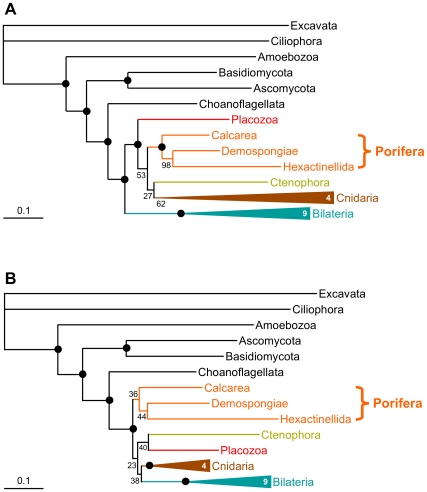


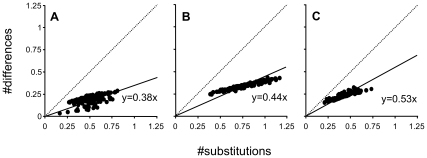
Verification
Claims the paper makes
The claims and statistics of this paper haven’t been checked yet.
Free: it reads the open-access text and checks the first 5 claims that cite a source we can check. Create a free account to check every claim.
Claims other papers make about this one
Each is checked against this paper’s own text: does it say what the citing paper says it does?
The cited source doesn’t support the claim as written.
In the citing paper
“The argument for LBA (7-10) or saturated datasets (7, 8) as the reason past studies found ctenophores to be sister to all other animals seems to have been overstated.”
From Error, signal, and the placement of Ctenophora sister to all other animals (2015) · cites this paper as [8]
Checked by a reasoning model — may be wrong.
Experimental — accuracy not yet measuredThe source backs part of the claim, not all of it — or backs it for a different population, condition or comparison.
In the citing paper
“A key aspect of the debate is that support for both hypotheses is generally recovered from the same dataset when different substitution models and/or taxon- and gene-sampling strategies are used (contrast [6, 10] and [42, 45], and see [7, 43, 47]).”
From Improved Modeling of Compositional Heterogeneity Supports Sponges as Sister to All Other Animals (2017) · cites this paper as [43]
Experimental — accuracy not yet measuredThe source backs part of the claim, not all of it — or backs it for a different population, condition or comparison.
In the citing paper
“Inferred relationships among major sponge lineages (i.e., Demospongiae + Hexactinellida sister to Calcarea + Homoscleromorpha) were consistent with morphology (27,28) and most other molecular analyses that have recovered monophyletic sponges (datasets 1-27 in Figs. 2 and 3 and Figs.S1-S5) (4, 5, 8, 9, 28-30).”
From Error, signal, and the placement of Ctenophora sister to all other animals (2015) · cites this paper as [8]
Experimental — accuracy not yet measuredThe source backs part of the claim, not all of it — or backs it for a different population, condition or comparison.
In the citing paper
“Our robust support of sponge monophyly agrees with morphology (35) and most other large molecular datasets (5,6,(8)(9)(10).”
From Error, signal, and the placement of Ctenophora sister to all other animals (2015) · cites this paper as [8]
Experimental — accuracy not yet measuredThe cited source says what the claim attributes to it.
In the citing paper
“Ctenophores have a high rate of molecular evolution, making them a priori difficult to place due to their potential for long branch attraction (LBA) artifacts [12].”
From A Large and Consistent Phylogenomic Dataset Supports Sponges as the Sister Group to All Other Animals (2017) · cites this paper as [12]
6 more claims about this paper
Create a free account to see every claim other papers make about this one.
Self-check
Percentages, sums and reported differences re-computed from the paper’s own numbers.
The self-check needs the paper’s full text.
Citations
Cites
Evolutionary trees from DNA sequences: A maximum likelihood approach.
Felsenstein, J. (1981) · Journal of Molecular Evolution · doi:10.1007/bf01734359 · Cited by 14,571 · cited 1×
“Briefly, major steps forward were the modeling of heterogeneity of rate across species [63], heterogeneity of rate across substitutions [64,65], heterogeneity of nucleotide/ amino acid composition across species [66,67], heterogeneity of rate across sites [68], and heterogeneity of the substitution process across site…”
BackgroundEvolution of Protein Molecules
JUKES, T. H., & CANTOR, C. R. (1969) · Mammalian Protein Metabolism · doi:10.1016/b978-1-4832-3211-9.50009-7 · Cited by 11,032
Selection of Conserved Blocks from Multiple Alignments for Their Use in Phylogenetic Analysis
Castresana, J. (2000) · Molecular Biology and Evolution · doi:10.1093/oxfordjournals.molbev.a026334 · Cited by 10,508
OrthoMCL: Identification of Ortholog Groups for Eukaryotic Genomes
Li, L., Stoeckert, C. J., & Roos, D. S. (2003) · Genome Research · doi:10.1101/gr.1224503 · Cited by 5,707 · cited 2×
“Despite the great progress in software development [19–22,52–54], our nine years of experience with large-scale multigene analyses [55] leads us to conclude that computer-assisted manual expertise is not yet dispensable.”
BackgroundMethodAtlas of protein sequence and structure
Chang, M.-Y., Dayhoff, M. O., Eck, R. V., & Sochard, M. R. (1965) · NASA Technical Reports Server (NASA) · Cited by 4,383
(1964) · Mammalian Protein Metabolism · doi:10.1016/b978-1-4832-3210-2.50006-6 · Cited by 3,059
Wooding, S. (2004) · The American Journal of Human Genetics · doi:10.1086/383584 · Cited by 3,032
Cases in which Parsimony or Compatibility Methods will be Positively Misleading
Felsenstein, J. (1978) · Systematic Biology · doi:10.1093/sysbio/27.4.401 · Cited by 2,896
Whelan, S., & Goldman, N. (2001) · Molecular Biology and Evolution · doi:10.1093/oxfordjournals.molbev.a003851 · Cited by 2,849 · cited 1×
“, the sitehomogeneous WAG+F+C model [44] used in [4] instead of the site-heterogeneous CAT+C model [45] used in the original study [3] (Figure 4A).”
MethodCases in which parsimony or compatibility methods will be positively misleading.
Felsenstein, J. (1978) · Systematic Zoology · doi:10.2307/2412923 · Cited by 2,230
Cited by
Items 301–400 of 999
Xu, K., Lin, C., Lee, S. Y., Mao, L., & Meng, K. (2022) · BMC Genomics · doi:10.1186/s12864-022-08397-9 · Cited by 79
Ereskovsky, A. V., Renard, E., & Borchiellini, C. (2012) · Development Genes and Evolution · doi:10.1007/s00427-012-0399-3 · Cited by 68
Insect Phylogenomics: Exploring the Source of Incongruence Using New Transcriptomic Data
Simon, S., Narechania, A., DeSalle, R., & Hadrys, H. (2012) · Genome Biology and Evolution · doi:10.1093/gbe/evs104 · Cited by 65
Consensus assessment of the contamination level of publicly available cyanobacterial genomes
Cornet, L., Meunier, L., Vlierberghe, M. V., Léonard, R. R., Durieu, B., Lara, Y. J., Misztak, A., Sirjacobs, D., Javaux, E., Philippe, H., et al. (2018) · PLoS ONE · doi:10.1371/journal.pone.0200323 · Cited by 66
Self-citationRevisiting the phylogeny of microsporidia
Park, E., & Poulin, R. (2021) · International Journal for Parasitology · doi:10.1016/j.ijpara.2021.02.005 · Cited by 64
Arguments Reinforcing the Three-Domain View of Diversified Cellular Life
Nasir, A., Kim, K. M., Cunha, V. D., & Caetano‐Anollés, G. (2016) · Archaea · doi:10.1155/2016/1851865 · Cited by 64
Scalable Empirical Mixture Models That Account for Across-Site Compositional Heterogeneity
Schrempf, D., Lartillot, N., & Szöllősi, G. (2020) · Molecular Biology and Evolution · doi:10.1093/molbev/msaa145 · Cited by 61
Evolution of the Chlorophyta: Insights from chloroplast phylogenomic analyses
Fang, L., Leliaert, F., Zhang, Z., Penny, D., & Zhong, B. (2017) · Journal of Systematics and Evolution · doi:10.1111/jse.12248 · Cited by 66
Scalable empirical mixture models that account for across-site compositional heterogeneity
Schrempf, D., Lartillot, N., & Szöllősi, G. (2019) · doi:10.1101/794263 · Cited by 61
More on the Best Evolutionary Rate for Phylogenetic Analysis
Klopfstein, S., Massingham, T., & Goldman, N. (2017) · Systematic Biology · doi:10.1093/sysbio/syx051 · Cited by 62
Havird, J. C., & Santos, S. R. (2014) · PLoS ONE · doi:10.1371/journal.pone.0084080 · Cited by 66
Mitochondrial genomes illuminate the evolutionary history of the Western honey bee (Apis mellifera)
Tihelka, E., Cai, C., Pisani, D., & Donoghue, P. C. J. (2020) · Scientific Reports · doi:10.1038/s41598-020-71393-0 · Cited by 83
Targeted Enrichment: Maximizing Orthologous Gene Comparisons across Deep Evolutionary Time
Hedtke, S. M., Morgan, M. J., Cannatella, D. C., & Hillis, D. M. (2013) · PLoS ONE · doi:10.1371/journal.pone.0067908 · Cited by 64
Hedin, M. C., Starrett, J., Akhter, S., Schönhofer, A. L., & Shultz, J. W. (2012) · PLoS ONE · doi:10.1371/journal.pone.0042888 · Cited by 62
A Branch-Heterogeneous Model of Protein Evolution for Efficient Inference of Ancestral Sequences
Groussin, M., Boussau, B., & Gouy, M. (2013) · Systematic Biology · doi:10.1093/sysbio/syt016 · Cited by 58
Dimitriou, A. C., Taiti, S., & Sfenthourakis, S. (2019) · Scientific Reports · doi:10.1038/s41598-019-55071-4 · Cited by 59
Chan, K. O., Hutter, C. R., Wood, P. L., Grismer, L. L., & Brown, R. M. (2020) · Molecular Phylogenetics and Evolution · doi:10.1016/j.ympev.2020.106899 · Cited by 60
When integration fails: Prokaryote phylogeny and the tree of life
O’Malley, M. A. (2012) · Studies in History and Philosophy of Science Part C Studies in History and Philosophy of Biological and Biomedical Sciences · doi:10.1016/j.shpsc.2012.10.003 · Cited by 68
Conserved Nonexonic Elements: A Novel Class of Marker for Phylogenomics
Edwards, S. V., Cloutier, A., & Baker, A. J. (2017) · Systematic Biology · doi:10.1093/sysbio/syx058 · Cited by 58
Jager, M., Quéinnec, E., Le Guyader, H., & Manuel, M. (2011) · EvoDevo · doi:10.1186/2041-9139-2-12 · Cited by 58
Self-citationSynthesizing phylogenetic knowledge for ecological research
Beaulieu, J. M., Ree, R. H., Cavender-Bares, J. M., Weiblen, G. D., & Donoghue, M. J. (2012) · Ecology · doi:10.1890/11-0638.1 · Cited by 60
Lord, É., Leclercq, M., Boc, A., Diallo, A. B., & Makarenkov, V. (2012) · PLoS ONE · doi:10.1371/journal.pone.0029903 · Cited by 65
Karin, B. R., Gamble, T., & Jackman, T. R. (2019) · Molecular Biology and Evolution · doi:10.1093/molbev/msz263 · Cited by 69
The Influence of Hepatitis C Virus Genetic Region on Phylogenetic Clustering Analysis
Lamoury, F. M. J., Jacka, B. P., Bartlett, S., Bull, R. A., Wong, A., Amin, J., Schinkel, J., Poon, A. F. Y., Matthews, G. V., Grebely, J., et al. (2015) · PLoS ONE · doi:10.1371/journal.pone.0131437 · Cited by 61
Excluding Loci With Substitution Saturation Improves Inferences From Phylogenomic Data
Duchêne, D. A., Mather, N., Wal, C. V. D., & Ho, S. Y. W. (2021) · Systematic Biology · doi:10.1093/sysbio/syab075 · Cited by 64
Phylogenetic Signal Variation in the Genomes of Medicago (Fabaceae)
Yoder, J. B., Briskine, R. V., Mudge, J., Farmer, A. D., Paape, T. D., Steele, K. P., Weiblen, G. D., Bharti, A. K., Zhou, P., May, G. D., et al. (2013) · Systematic Biology · doi:10.1093/sysbio/syt009 · Cited by 69
Irisarri, I., & Meyer, A. (2016) · Systematic Biology · doi:10.1093/sysbio/syw057 · Cited by 57
Construction of a Species-Level Tree of Life for the Insects and Utility in Taxonomic Profiling
Chesters, D. (2016) · Systematic Biology · doi:10.1093/sysbio/syw099 · Cited by 65
Francis, W. R., Eitel, M., Vargas, S., Adamski, M., Haddock, S. H. D., Krebs, S., Blum, H., Erpenbeck, D., & Wörheide, G. (2017) · bioRxiv (Cold Spring Harbor Laboratory) · doi:10.1101/120998 · Cited by 56
Self-citationYang, H., Li, T., Dang, K., & Bu, W. (2018) · BMC Genomics · doi:10.1186/s12864-018-4650-9 · Cited by 71
Mariotti, M., Santesmasses, D., Capella-Gutiérrez, S., Mateo, A., Arnan, C., Johnson, R., D’Aniello, S., Yim, S. H., Gladyshev, V. N., Serras, F., et al. (2015) · Genome Research · doi:10.1101/gr.190538.115 · Cited by 61
Landing, E., Antcliffe, J. B., Geyer, G., Kouchinsky, A., Bowser, S. S., & Andreas, A. (2018) · Earth-Science Reviews · doi:10.1016/j.earscirev.2018.01.013 · Cited by 55
Are 100 enough? Inferring acanthomorph teleost phylogeny using Anchored Hybrid Enrichment
Eytan, R. I., Evans, B. R., Dornburg, A., Lemmon, A. R., Lemmon, E. M., Wainwright, P. C., & Near, T. J. (2015) · BMC Evolutionary Biology · doi:10.1186/s12862-015-0415-0 · Cited by 55
How to contend with paraphyly in the taxonomy of the delphinine cetaceans?
Perrin, W. F., Rosel, P. E., & Cipriano, F. (2013) · Marine Mammal Science · doi:10.1111/mms.12051 · Cited by 59
Phylogeny and diversification of the true water bugs (Insecta: Hemiptera: Heteroptera: Nepomorpha)
Ye, Z., Damgaard, J., Yang, H., Hebsgaard, M. B., Weir, T. A., & Bu, W. (2019) · Cladistics · doi:10.1111/cla.12383 · Cited by 63
Teasdale, L. C., Köhler, F., Murray, K., O’Hara, T. D., & Moussalli, A. (2016) · Molecular Ecology Resources · doi:10.1111/1755-0998.12552 · Cited by 62
Patané, J. S. L., Martins, J., Rangel, L. T., Belasque, J., Digiampietri, L. A., Facincani, A. P., Ferreira, R. M., Jaciani, F. J., Zhang, Y., Varani, A. M., et al. (2019) · BMC Genomics · doi:10.1186/s12864-019-6007-4 · Cited by 58
Conflicting phylogenetic signals in genomic data of the coffee family (Rubiaceae)
Wikström, N., Bremer, B., & Rydin, C. (2020) · Journal of Systematics and Evolution · doi:10.1111/jse.12566 · Cited by 65
Rodrigues, J. A., Espley, R. V., & Allan, A. C. (2021) · Horticulture Research · doi:10.1038/s41438-021-00514-1 · Cited by 63
Rooted phylogeny of the three superkingdoms
Harish, A., Tunlid, A., & Kurland, C. G. (2013) · Biochimie · doi:10.1016/j.biochi.2013.04.016 · Cited by 59
Miyazawa, H., Ueda, C., Yahata, K., & Su, Z. (2014) · Scientific Reports · doi:10.1038/srep04127 · Cited by 56
Molecular evidence for the monophyly of flatfishes (Carangimorpharia: Pleuronectiformes)
Betancur‐R, R., & Ortí, G. (2014) · Molecular Phylogenetics and Evolution · doi:10.1016/j.ympev.2014.01.006 · Cited by 58
Naser-Khdour, S., Minh, B. Q., & Lanfear, R. (2021) · Systematic Biology · doi:10.1093/sysbio/syab067 · Cited by 64
Mallatt, J. M., Craig, C. W., & Yoder, M. J. (2012) · Molecular Phylogenetics and Evolution · doi:10.1016/j.ympev.2012.05.016 · Cited by 58
Ghost Loci Imply Hox and ParaHox Existence in the Last Common Ancestor of Animals
Ramos, O. M., Barker, D., & Ferrier, D. E. K. (2012) · Current Biology · doi:10.1016/j.cub.2012.08.023 · Cited by 57
Zhao, L., Li, X., Zhang, N., Zhang, S.-D., Yi, T., Mā, H., Guo, Z., & Li, D.-Z. (2016) · Molecular Phylogenetics and Evolution · doi:10.1016/j.ympev.2016.06.007 · Cited by 55
Cavalier‐Smith, T., & Chao, E. E. Y. (2012) · Protist · doi:10.1016/j.protis.2011.12.005 · Cited by 52
Inferring the shallow phylogeny of true salamanders (Salamandra) by multiple phylogenomic approaches
Rodríguez, A., Burgon, J. D., Lyra, M. L., Irisarri, I., Baurain, D., Blaustein, L., Göçmen, B., Künzel, S., Mable, B. K., Nolte, A. W., et al. (2017) · Molecular Phylogenetics and Evolution · doi:10.1016/j.ympev.2017.07.009 · Cited by 65
Self-citationMixta gen. nov., a new genus in the Erwiniaceae
Palmer, M., Steenkamp, E. T., Coetzee, M. P. A., Avontuur, J. R., Chan, W.-Y., van Zyl, E., Blom, J., & Venter, S. N. (2018) · INTERNATIONAL JOURNAL OF SYSTEMATIC AND EVOLUTIONARY MICROBIOLOGY · doi:10.1099/ijsem.0.002540 · Cited by 57
The rise and fall of TRP-N, an ancient family of mechanogated ion channels, in Metazoa
Schüler, A., Schmitz, G., Reft, A., Özbek, S., Thurm, U., & Bornberg-Bauer, E. (2015) · Genome Biology and Evolution · doi:10.1093/gbe/evv091 · Cited by 51
Plastid establishment did not require a chlamydial partner
Domman, D., Horn, M., Embley, T. M., & Williams, T. A. (2015) · Nature Communications · doi:10.1038/ncomms7421 · Cited by 51
Thomas, A. E., Igea, J., Meudt, H. M., Albach, D. C., Lee, W. G., & Tanentzap, A. J. (2021) · American Journal of Botany · doi:10.1002/ajb2.1678 · Cited by 59
Rota, J., Twort, V., Chiocchio, A., Peña, C., Wheat, C. W., Kaila, L., & Wahlberg, N. (2022) · Systematic Entomology · doi:10.1111/syen.12545 · Cited by 58
Ediacaran origin and Ediacaran-Cambrian diversification of Metazoa
Carlisle, E. M., Yin, Z., Pisani, D., & Donoghue, P. C. J. (2024) · Science Advances · doi:10.1126/sciadv.adp7161 · Cited by 63
Inferring the ancestral sexuality and reproductive condition in sponges (Porifera)
Riesgo, A., Novo, M., Sharma, P. P., Peterson, M., Maldonado, M., & Giribet, G. (2013) · Zoologica Scripta · doi:10.1111/zsc.12031 · Cited by 56
Hejase, H. A., & Liu, K. J. (2016) · BMC Bioinformatics · doi:10.1186/s12859-016-1277-1 · Cited by 56
van Riemsdijk, I., Arntzen, J. W., Bogaerts, S., Franzen, M., Litvinchuk, S. N., Olgun, K., & Wielstra, B. (2017) · Molecular Phylogenetics and Evolution · doi:10.1016/j.ympev.2017.05.028 · Cited by 50
Plant phylogenomics based on genome-partitioning strategies: Progress and prospects
Yu, X., Yang, D., Guo, C., & Gao, L. (2018) · Acta Botanica Yunnanica · doi:10.1016/j.pld.2018.06.005 · Cited by 56
Courcelle, M., Tilak, M., Leite, Y. L. R., Douzery, E., & Fabre, P. (2019) · Molecular Phylogenetics and Evolution · doi:10.1016/j.ympev.2019.03.007 · Cited by 62
Convergent Acquisition of Nonembryonic Development in Styelid Ascidians
Alié, A., Hiebert, L. S., Simion, P., Scelzo, M., Prünster, M. M., Lotito, S., Delsuc, F., Douzery, E., Dantec, C., Lemaire, P., et al. (2018) · Molecular Biology and Evolution · doi:10.1093/molbev/msy068 · Cited by 59
Rooting Phylogenies and the Tree of Life While Minimizing Ad Hoc and Auxiliary Assumptions
Caetano‐Anollés, G., Nasir, A., Kim, K. M., & Caetano-Anollés, D. (2018) · Evolutionary Bioinformatics · doi:10.1177/1176934318805101 · Cited by 54
A review on deep molluscan phylogeny: old markers, integrative approaches, persistent problems
Schrödl, M., & Stöger, I. (2014) · Journal of Natural History · doi:10.1080/00222933.2014.963184 · Cited by 54
Phylogenomic analyses of malaria parasites and evolution of their exported proteins
Pick, C., Ebersberger, I., Spielmann, T., Bruchhaus, I., & Burmester, T. (2011) · BMC Evolutionary Biology · doi:10.1186/1471-2148-11-167 · Cited by 53
Moran, Y., & Zakon, H. H. (2014) · Genome Biology and Evolution · doi:10.1093/gbe/evu177 · Cited by 50
Phylogenomics of the carrot genus (Daucus, Apiaceae)
Arbizu, C. I., Ruess, H., Senalik, D. A., Simon, P. W., & Spooner, D. M. (2014) · American Journal of Botany · doi:10.3732/ajb.1400106 · Cited by 54
Phylogeny and evolution of the superfamily C hrysomeloidea ( C oleoptera: C ucujiformia)
Haddad, S., & McKenna, D. D. (2016) · Systematic Entomology · doi:10.1111/syen.12179 · Cited by 50
Herrando‐Moraira, S., Calleja, J. A., Carnicero, P., Fujikawa, K., Galbany‐Casals, M., Garcia‐Jacas, N., Im, H., Kim, S., Liu, J., López‐Alvarado, J., et al. (2018) · Molecular Phylogenetics and Evolution · doi:10.1016/j.ympev.2018.07.012 · Cited by 56
Dayraud, C., Alié, A., Jager, M., Chang, P., Le Guyader, H., Manuel, M., & Quéinnec, E. (2012) · BMC Evolutionary Biology · doi:10.1186/1471-2148-12-107 · Cited by 49
“Some recent phylogenomic analyses have placed them as the sister group to all other metazoans [35,36], but this result was probably due to an artefact of long-branch attraction [37-39].”
BackgroundSelf-citationWey-Fabrizius, A. R., Herlyn, H., Rieger, B., Rosenkranz, D., Witek, A., Welch, D. B. M., Ebersberger, I., & Hankeln, T. (2014) · PLoS ONE · doi:10.1371/journal.pone.0088618 · Cited by 49
Moreno‐Letelier, A., Olmedo‐Álvarez, G., Eguiarte, L. E., & Souza, V. (2012) · Astrobiology · doi:10.1089/ast.2011.0685 · Cited by 49
McLean, B. S., Bell, K. C., Allen, J. M., Helgen, K. M., & Cook, J. A. (2018) · Systematic Biology · doi:10.1093/sysbio/syy064 · Cited by 53
Prasanna, A. N., Gerber, D., Kijpornyongpan, T., Aime, M. C., Doyle, V. P., & Nagy, L. G. (2019) · Systematic Biology · doi:10.1093/sysbio/syz029 · Cited by 52
Lanier, H. C., & Knowles, L. L. (2014) · Molecular Phylogenetics and Evolution · doi:10.1016/j.ympev.2014.10.022 · Cited by 50
Kvist, S., & Siddall, M. E. (2013) · Cladistics · doi:10.1111/cla.12015 · Cited by 52
Browne, P. D., Tamaki, H., Kyrpides, N. C., Woyke, T., Goodwin, L., Imachi, H., Bräuer, S. L., Yavitt, J. B., Liu, W., Zinder, S. H., et al. (2016) · The ISME Journal · doi:10.1038/ismej.2016.104 · Cited by 64
Yang, Z., Wang, G., Ma, Q., Ma, W., Liang, L., & Zhao, T. (2019) · PeerJ · doi:10.7717/peerj.6320 · Cited by 48
Vasilikopoulos, A., Balke, M., BEUTEL, R. G., Donath, A., Podsiadłowski, L., Pflug, J. M., Waterhouse, R. M., Meusemann, K., Peters, R. S., Escalona, H. E., et al. (2019) · Molecular Phylogenetics and Evolution · doi:10.1016/j.ympev.2019.02.022 · Cited by 56
Li, B., Lopes, J. S., Foster, P. G., Embley, T. M., & Cox, C. J. (2014) · Molecular Biology and Evolution · doi:10.1093/molbev/msu105 · Cited by 48
A historical biogeography of megadiverse Sericini—another story “out of Africa”?
Eberle, J., Fabrizi, S., Lago, P. K., & AHRENS, D. C. (2016) · Cladistics · doi:10.1111/cla.12162 · Cited by 51
New insights on the sister lineage of percomorph fishes with an anchored hybrid enrichment dataset
Dornburg, A., Townsend, J. P., Brooks, W. R., Spriggs, E. L., Eytan, R. I., Moore, J. A., Wainwright, P. C., Lemmon, A. R., Lemmon, E. M., & Near, T. J. (2017) · Molecular Phylogenetics and Evolution · doi:10.1016/j.ympev.2017.02.017 · Cited by 51
Chen, X., Dong, Z., Liu, G., He, J., Zhao, R., Wang, W., Peng, Y., & Li, X. (2019) · Molecular Phylogenetics and Evolution · doi:10.1016/j.ympev.2019.106600 · Cited by 52
Simion, P., Bekkouche, N., Jager, M., Quéinnec, E., & Manuel, M. (2015) · Zoology · doi:10.1016/j.zool.2014.06.004 · Cited by 46
Self-citationThe promise and pitfalls of synteny in phylogenomics
Steenwyk, J. L., & King, N. (2024) · PLoS Biology · doi:10.1371/journal.pbio.3002632 · Cited by 58
Zhao, L., Zhang, N., Ma, P.-F., Liu, Q., Li, D.-Z., & Guo, Z. (2013) · PLoS ONE · doi:10.1371/journal.pone.0064642 · Cited by 52
Rota, J., & Wahlberg, N. (2012) · Zoologica Scripta · doi:10.1111/j.1463-6409.2012.00551.x · Cited by 46
Palmer, M., Steenkamp, E. T., Coetzee, M. P. A., Chan, W.-Y., van Zyl, E., Maayer, P. D., Coutinho, T. A., Blom, J., Smits, T. H. M., Duffy, B., et al. (2017) · Antonie van Leeuwenhoek · doi:10.1007/s10482-017-0852-4 · Cited by 52
Recent progress in reconstructing lophotrochozoan (spiralian) phylogeny
Bleidorn, C. (2019) · Organisms Diversity & Evolution · doi:10.1007/s13127-019-00412-4 · Cited by 53
Nonbinary Tree-Based Phylogenetic Networks
Jetten, L., & van Iersel, L. J. J. (2016) · IEEE Transactions on Computational Biology and Bioinformatics · doi:10.1109/tcbb.2016.2615918 · Cited by 46
A hybrid-capture approach to reconstruct the phylogeny of Scleractinia (Cnidaria: Hexacorallia)
Quek, Z. B. R., Jain, S. S., Richards, Z. T., Arrigoni, R., Benzoni, F., Hoeksema, B. W., Carvajal, J. I., Wilson, N. G., Baird, A. H., Kitahara, M. V., et al. (2023) · Molecular Phylogenetics and Evolution · doi:10.1016/j.ympev.2023.107867 · Cited by 51
Toward genome-enabled mycology
Hibbett, D. S., Stajich, J., & Spatafora, J. W. (2013) · Mycologia · doi:10.3852/13-196 · Cited by 51
Hallas, J. M., Chichvarkhin, A., & Gosliner, T. M. (2017) · Royal Society Open Science · doi:10.1098/rsos.171095 · Cited by 48
Barbosa, S., Paupério, J., Pavlova, S. V., Alves, P. C., & Searle, J. B. (2018) · Molecular Phylogenetics and Evolution · doi:10.1016/j.ympev.2018.03.017 · Cited by 49
Kuang, T., Tornabene, L. M., Li, J., Jiang, J., Chakrabarty, P., Sparks, J. S., Naylor, G. J. P., & Li, C. (2018) · Molecular Phylogenetics and Evolution · doi:10.1016/j.ympev.2018.07.018 · Cited by 46
Delimiting species in Basidiomycota: a review
Cao, B., Haelewaters, D., Schoutteten, N., Begerow, D., Boekhout, T., Giachini, A. J., Gorjón, S. P., Gunde‐Cimerman, N., Hyde, K. D., Kemler, M., et al. (2021) · Fungal Diversity · doi:10.1007/s13225-021-00479-5 · Cited by 49
At the origin of animals: the revolutionary Cambrian fossil record
Budd, G. (2013) · Current Genomics · doi:10.2174/13892029113149990011 · Cited by 44
Qu, X., Jin, J., Chaw, S., Li, D.-Z., & Yi, T. (2017) · Scientific Reports · doi:10.1038/srep41005 · Cited by 50
Widhelm, T. J., Grewe, F., Huang, J., Mercado‐Díaz, J. A., Goffinet, B., Lücking, R., Moncada, B., Mason‐Gamer, R. J., & Lumbsch, H. T. (2019) · Scientific Reports · doi:10.1038/s41598-019-45455-x · Cited by 45
HiMAP: Robust phylogenomics from highly multiplexed amplicon sequencing
Dupuis, J. R., Bremer, F. T., Kauwe, A. N., Jose, M. S., Leblanc, L., Rubinoff, D., & Geib, S. M. (2018) · Molecular Ecology Resources · doi:10.1111/1755-0998.12783 · Cited by 51
Phylogenetic reconstruction based on synteny block and gene adjacencies
Drillon, G., Champeimont, R., Oteri, F., Fischer, G., & Carbone, A. (2020) · Molecular Biology and Evolution · doi:10.1093/molbev/msaa114 · Cited by 46
Microbial Malaise: How Can We Classify the Microbiome?
Beiko, R. G. (2015) · Trends in Microbiology · doi:10.1016/j.tim.2015.08.009 · Cited by 47
Metadata
- Authors
- Philippe, H., Brinkmann, H., Lavrov, D. V., Littlewood, D. T. J., Manuel, M., Wörheide, G., & Baurain, D.
- Affiliations
- Université de Montréal (CA)
- Iowa State University (US)
- Natural History Museum (GB)
- Ludwig-Maximilians-Universität München (DE)
- University of Liège (BE)
- Corresponding author
- Philippe, Hervé
- ORCID
- Venue
- PLoS Biology
- Publisher
- Public Library of Science (PLoS)
- Published
- 2011-03-15
- Volume
- 9
- Issue
- 3
- Pages
- e1000602
- ISSN
- 1544-9173 (ISSN-L)
- 1545-7885
- PMC
- PMC3057953
- OpenAlex
- W2111414304
- Semantic Scholar
- c032b81df71c5b5745454ef5b2afa4f715cc3f92
- Cited by
- 1,129
- References
- 83
- Citations by year
- 2026: 60 · 2025: 62 · 2024: 58 · 2023: 77 · 2022: 67 · 2021: 73 · 2020: 67 · 2019: 123 · 2018: 78 · 2017: 78 · 2016: 73 · 2015: 73 · 2014: 80 · 2013: 74 · 2012: 56
- FWCI
- 31.19
- Type
- journal article
- Language
- en
- Open access
- gold
- doi.org
- Locations
- PLoS Biology (publishedVersion, cc-by)
- PubMed Central (publishedVersion, cc-by)
- PubMed (publishedVersion)
- ORBi (University of Liège) (submittedVersion, other-oa)
- HAL (submittedVersion)
- DOAJ (DOAJ: Directory of Open Access Journals) (submittedVersion, cc-by-sa)
- Open access LMU (Ludwid Maxmilian's Universitat Munchen) (submittedVersion)
- Figshare (submittedVersion, cc-by)
- Natural History Museum, London (submittedVersion, cc-by)
- Funders
- Deutsche Forschungsgemeinschaft
- Agence Nationale de la Recherche
- Natural Sciences and Engineering Research Council of Canada
- Biotechnology and Biological Sciences Research Council (BB/H023534/1)
- Natural Environment Research Council (NER/A/S/2003/00313)
- Topics
- Life Sciences › Biochemistry, Genetics and Molecular Biology › Molecular Biology › Genomics and Phylogenetic Studies
- Life Sciences › Agricultural and Biological Sciences › Ecology, Evolution, Behavior and Systematics › Plant Diversity and Evolution
- Physical Sciences › Earth and Planetary Sciences › Paleontology › Evolution and Paleontology Studies
- Keywords
- phylogenetic inference, sequence data, phylogenetic resolution, molecular phylogeny, data saturation, phylogenetic signal
- MeSH terms
- Animals, Base Sequence, Biological Evolution, Molecular Sequence Data, Phylogeny, Databases, Factual, Sequence Alignment, Genomics
About these checks
Registry, retraction, Cites and statistics results are computed, not judged, with one exception: a printed reference that no index lists is read once by a model before it counts as a citation error. Claims are extracted by a model and kept only when their quote appears verbatim in the text; each cited source is then checked, with a model’s help, for whether it says what the claim relies on. Those verdicts can be wrong — read the claim’s quote and the cited source before relying on one.
Statistics and arithmetic are recomputed, not judged.
Confidence bands are shown only for fields calibrated on our annotated test set. None is calibrated yet, so no band is shown.
What counts as a claim ›How we measure confidence ›How we check this ›
Are you an author, or do you see a problem with this page? Request a review
Data sources
Bibliographic data: Semantic Scholar, OpenAlex, Crossref.
Contains information from the Semantic Scholar Academic Graph Datasets, made available under the ODC Attribution License (ODC-BY 1.0).
Semantic Scholar’s data is described in: Kinney, R., et al. (2023). The Semantic Scholar Open Data Platform. arXiv:2301.10140.
