

Resolving Difficult Phylogenetic Questions: Why More Sequences Are Not Enough
Open accessThe DOI matches its Crossref record; 84 of the 84 references it cites were found in a registry or an index.
Abstract
The Perspective section provides experts with a forum
Overview
The claims and statistics of this paper haven’t been checked yet.
Free: it reads the open-access text and checks the first 5 claims that cite a source we can check. Create a free account to check every claim.
Integrity signals
Registry
Cites
Statistics
Figures

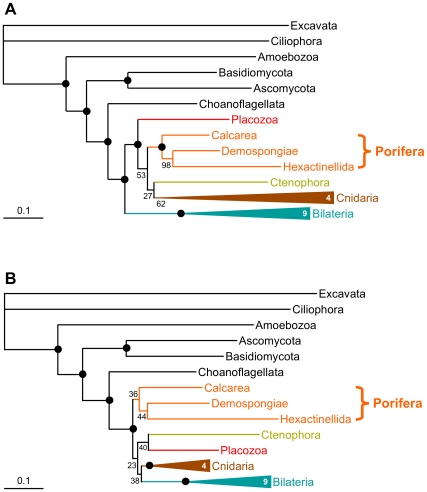


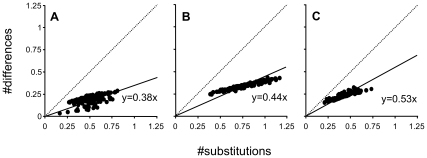
Verification
Claims the paper makes
The claims and statistics of this paper haven’t been checked yet.
Free: it reads the open-access text and checks the first 5 claims that cite a source we can check. Create a free account to check every claim.
Claims other papers make about this one
Each is checked against this paper’s own text: does it say what the citing paper says it does?
The cited source doesn’t support the claim as written.
In the citing paper
“The argument for LBA (7-10) or saturated datasets (7, 8) as the reason past studies found ctenophores to be sister to all other animals seems to have been overstated.”
From Error, signal, and the placement of Ctenophora sister to all other animals (2015) · cites this paper as [8]
Checked by a reasoning model — may be wrong.
Experimental — accuracy not yet measuredThe source backs part of the claim, not all of it — or backs it for a different population, condition or comparison.
In the citing paper
“A key aspect of the debate is that support for both hypotheses is generally recovered from the same dataset when different substitution models and/or taxon- and gene-sampling strategies are used (contrast [6, 10] and [42, 45], and see [7, 43, 47]).”
From Improved Modeling of Compositional Heterogeneity Supports Sponges as Sister to All Other Animals (2017) · cites this paper as [43]
Experimental — accuracy not yet measuredThe source backs part of the claim, not all of it — or backs it for a different population, condition or comparison.
In the citing paper
“Inferred relationships among major sponge lineages (i.e., Demospongiae + Hexactinellida sister to Calcarea + Homoscleromorpha) were consistent with morphology (27,28) and most other molecular analyses that have recovered monophyletic sponges (datasets 1-27 in Figs. 2 and 3 and Figs.S1-S5) (4, 5, 8, 9, 28-30).”
From Error, signal, and the placement of Ctenophora sister to all other animals (2015) · cites this paper as [8]
Experimental — accuracy not yet measuredThe source backs part of the claim, not all of it — or backs it for a different population, condition or comparison.
In the citing paper
“Our robust support of sponge monophyly agrees with morphology (35) and most other large molecular datasets (5,6,(8)(9)(10).”
From Error, signal, and the placement of Ctenophora sister to all other animals (2015) · cites this paper as [8]
Experimental — accuracy not yet measuredThe cited source says what the claim attributes to it.
In the citing paper
“Ctenophores have a high rate of molecular evolution, making them a priori difficult to place due to their potential for long branch attraction (LBA) artifacts [12].”
From A Large and Consistent Phylogenomic Dataset Supports Sponges as the Sister Group to All Other Animals (2017) · cites this paper as [12]
6 more claims about this paper
Create a free account to see every claim other papers make about this one.
Self-check
Percentages, sums and reported differences re-computed from the paper’s own numbers.
The self-check needs the paper’s full text.
Citations
Cites
Evolutionary trees from DNA sequences: A maximum likelihood approach.
Felsenstein, J. (1981) · Journal of Molecular Evolution · doi:10.1007/bf01734359 · Cited by 14,571 · cited 1×
“Briefly, major steps forward were the modeling of heterogeneity of rate across species [63], heterogeneity of rate across substitutions [64,65], heterogeneity of nucleotide/ amino acid composition across species [66,67], heterogeneity of rate across sites [68], and heterogeneity of the substitution process across site…”
BackgroundEvolution of Protein Molecules
JUKES, T. H., & CANTOR, C. R. (1969) · Mammalian Protein Metabolism · doi:10.1016/b978-1-4832-3211-9.50009-7 · Cited by 11,032
Selection of Conserved Blocks from Multiple Alignments for Their Use in Phylogenetic Analysis
Castresana, J. (2000) · Molecular Biology and Evolution · doi:10.1093/oxfordjournals.molbev.a026334 · Cited by 10,508
OrthoMCL: Identification of Ortholog Groups for Eukaryotic Genomes
Li, L., Stoeckert, C. J., & Roos, D. S. (2003) · Genome Research · doi:10.1101/gr.1224503 · Cited by 5,707 · cited 2×
“Despite the great progress in software development [19–22,52–54], our nine years of experience with large-scale multigene analyses [55] leads us to conclude that computer-assisted manual expertise is not yet dispensable.”
BackgroundMethodAtlas of protein sequence and structure
Chang, M.-Y., Dayhoff, M. O., Eck, R. V., & Sochard, M. R. (1965) · NASA Technical Reports Server (NASA) · Cited by 4,383
(1964) · Mammalian Protein Metabolism · doi:10.1016/b978-1-4832-3210-2.50006-6 · Cited by 3,059
Wooding, S. (2004) · The American Journal of Human Genetics · doi:10.1086/383584 · Cited by 3,032
Cases in which Parsimony or Compatibility Methods will be Positively Misleading
Felsenstein, J. (1978) · Systematic Biology · doi:10.1093/sysbio/27.4.401 · Cited by 2,896
Whelan, S., & Goldman, N. (2001) · Molecular Biology and Evolution · doi:10.1093/oxfordjournals.molbev.a003851 · Cited by 2,849 · cited 1×
“, the sitehomogeneous WAG+F+C model [44] used in [4] instead of the site-heterogeneous CAT+C model [45] used in the original study [3] (Figure 4A).”
MethodCases in which parsimony or compatibility methods will be positively misleading.
Felsenstein, J. (1978) · Systematic Zoology · doi:10.2307/2412923 · Cited by 2,230
Cited by
Items 401–500 of 999
Reprogrammable RNA-targeting CRISPR systems evolved from RNA toxin-antitoxins
Zilberzwige‐Tal, S., Altae-Tran, H., Kannan, S., Wilkinson, M. E., Vo, C.-D.-T., Strebinger, D., Edmonds, K. K., Yao, C.-C. J., Mears, K. S., Shmakov, S., et al. (2025) · Cell · doi:10.1016/j.cell.2025.01.034 · Cited by 50
Controversies in modern evolutionary biology: the imperative for error detection and quality control
Prosdocimi, F., Linard, B., Pontarotti, P., Poch, O., & Thompson, J. (2012) · BMC Genomics · doi:10.1186/1471-2164-13-5 · Cited by 45
Whelan, N. V., Kocot, K. M., & Halanych, K. M. (2015) · Integrative and Comparative Biology · doi:10.1093/icb/icv037 · Cited by 43
Yu, Y., Yang, J., Ma, W., Pressel, S., Liu, H., Wu, Y., & Schneider, H. (2019) · Cladistics · doi:10.1111/cla.12396 · Cited by 43
Ma, P., Vorontsova, M. S., Nanjarisoa, O. P., Razanatsoa, J., Guo, Z., Haevermans, T., & Li, D.-Z. (2017) · BMC Plant Biology · doi:10.1186/s12870-017-1199-8 · Cited by 42
Burgon, J. D., Vences, M., Steinfartz, S., Bogaerts, S., Bonato, L., Donaire‐Barroso, D., Martínez-Solano, Í., Velo‐Antón, G., Vieites, D. R., Mable, B. K., et al. (2020) · Molecular Phylogenetics and Evolution · doi:10.1016/j.ympev.2020.107063 · Cited by 42
Revisiting the Darwinian shortfall in biodiversity conservation
Assis, L. C. S. (2018) · Biodiversity and Conservation · doi:10.1007/s10531-018-1573-3 · Cited by 43
Li, T., Hua, J., Wright, A. M., Cui, Y., Xie, Q., Bu, W., & Hillis, D. M. (2014) · BMC Evolutionary Biology · doi:10.1186/1471-2148-14-99 · Cited by 40
Zhou, M., Zhang, Y., Haevermans, T., & Li, D.-Z. (2017) · Taxon · doi:10.12705/663.2 · Cited by 42
Understanding Animal Evolution: The Added Value of Sponge Transcriptomics and Genomics
Renard, E., Leys, S. P., Wörheide, G., & Borchiellini, C. (2018) · BioEssays · doi:10.1002/bies.201700237 · Cited by 51
Self-citationSiu-Ting, K., Pisani, D., Creevey, C. J., & Wilkinson, M. (2014) · Systematic Biology · doi:10.1093/sysbio/syu066 · Cited by 42
Ji, Y., Landis, J. B., Yang, J., Wang, S., Zhou, N., Luo, Y., & Liu, H. (2022) · Annals of Botany · doi:10.1093/aob/mcac144 · Cited by 42
Compositionally Constrained Sites Drive Long-Branch Attraction
Szánthó, L. L., Lartillot, N., Szöllősi, G. J., & Schrempf, D. (2023) · Systematic Biology · doi:10.1093/sysbio/syad013 · Cited by 50
Struck, T. H., Golombek, A., Hösel, C., Dimitrov, D., & Elgetany, A. H. (2023) · Systematic Biology · doi:10.1093/sysbio/syad023 · Cited by 40
Bioinformatics Approach in Plant Genomic Research
Ong, Q., Nguyen, P., Thảo, N. P., & Le, L. (2016) · Current Genomics · doi:10.2174/1389202917666160331202956 · Cited by 41
Ng, P., Lin, S., Lim, P., Liu, L., Chen, C., & Pai, T. (2017) · BMC Genomics · doi:10.1186/s12864-016-3453-0 · Cited by 40
Fleas are parasitic scorpionflies
Tihelka, E., Giacomelli, M., Huang, D., Pisani, D., Donoghue, P. C. J., & Cai, C. (2020) · Palaeoentomology · doi:10.11646/palaeoentomology.3.6.16 · Cited by 50
Alda, F., Ludt, W. B., Elías, D. J., McMahan, C. D., & Chakrabarty, P. (2021) · Genome Biology and Evolution · doi:10.1093/gbe/evab161 · Cited by 44
Seixas, V. C., Paiva, P. C., & Russo, C. (2016) · Gene Reports · doi:10.1016/j.genrep.2016.07.011 · Cited by 39
New species of Ophiocordyceps unilateralis, an ubiquitous pathogen of ants from Thailand
Kobmoo, N., Mongkolsamrit, S., Wutikhun, T., Tasanathai, K., Khonsanit, A., Thanakitpipattana, D., & Luangsa-ard, J. J. (2014) · Fungal Biology · doi:10.1016/j.funbio.2014.10.008 · Cited by 44
Zhang, N., Wen, J., & Zimmer, E. A. (2016) · Molecular Phylogenetics and Evolution · doi:10.1016/j.ympev.2016.04.034 · Cited by 38
Ren, R., Sun, Y., Zhao, Y., Geiser, D. M., Mā, H., & Zhou, X. (2016) · Genome Biology and Evolution · doi:10.1093/gbe/evw196 · Cited by 46
The Chloroplast Genome of Salvia : Genomic Characterization and Phylogenetic Analysis
Zhao, F., Drew, B. T., Chen, Y., Hu, G., Li, B., & Xiang, C. (2020) · International Journal of Plant Sciences · doi:10.1086/710083 · Cited by 46
Soares, A. E. R., & Schrago, C. G. (2014) · Journal of Theoretical Biology · doi:10.1016/j.jtbi.2014.09.004 · Cited by 39
Halanych, K. M., Whelan, N. V., Kocot, K. M., Kohn, A. B., & Moroz, L. L. (2016) · Proceedings of the National Academy of Sciences · doi:10.1073/pnas.1525332113 · Cited by 38
A trophic framework for animal origins
Mills, D. B., & Canfield, D. E. (2017) · Geobiology · doi:10.1111/gbi.12216 · Cited by 38
Juravel, K., Porras, L., Höhna, S., Pisani, D., & Wörheide, G. (2023) · PLoS ONE · doi:10.1371/journal.pone.0282444 · Cited by 39
Self-citationIdentifying and addressing methodological incongruence in phylogenomics: A review
Fleming, J. F., Valero‐Gracia, A., & Struck, T. H. (2023) · Evolutionary Applications · doi:10.1111/eva.13565 · Cited by 46
Messeder, J. V. S., Carlo, T. A., Zhang, G., Duran, J. D. T., Arana, C., Huang, J., Huang, C., & Mā, H. (2024) · New Phytologist · doi:10.1111/nph.19849 · Cited by 41
Plastome phylogenomics ofCephalotaxus(Cephalotaxaceae) and allied genera
Ji, Y., Liu, C., Landis, J. B., Deng, M., & Chen, J. (2020) · Annals of Botany · doi:10.1093/aob/mcaa201 · Cited by 40
Integrative phylogenomics reveals a Permian origin of Adephaga beetles
Baca, S. M., Gustafson, G. T., Alexander, A. M., Gough, H. M., & Toussaint, E. F. A. (2021) · Systematic Entomology · doi:10.1111/syen.12506 · Cited by 41
A stable phylogeny of the large‐spored Metschnikowia clade
Lachance, M., Hurtado, E., & Hsiang, T. (2016) · Yeast · doi:10.1002/yea.3163 · Cited by 40
Smith, S. A., & Pease, J. B. (2016) · Briefings in Bioinformatics · doi:10.1093/bib/bbw034 · Cited by 45
Koch, N. M., & Gauthier, J. A. (2018) · PLoS ONE · doi:10.1371/journal.pone.0202729 · Cited by 40
Relative Model Fit Does Not Predict Topological Accuracy in Single-Gene Protein Phylogenetics
Spielman, S. J. (2020) · Molecular Biology and Evolution · doi:10.1093/molbev/msaa075 · Cited by 41
Arcila, D., Hughes, L. C., Meléndez-Vazquez, B., Baldwin, C. C., White, W. T., Carpenter, K. E., Williams, J. T., Santos, M. D., Pogonoski, J. J., Miya, M. U., et al. (2021) · Systematic Biology · doi:10.1093/sysbio/syab018 · Cited by 36
Li, X., Laurent, R. A. S., Earl, C., Doorenweerd, C., van NIEUKERKEN, E. J., Davis, D. R., Johns, C. A., Kawakita, A., Kobayashi, S., Zwick, A., et al. (2021) · Cladistics · doi:10.1111/cla.12490 · Cited by 44
New phylogenomic and comparative analyses provide corroborating evidence that Myxozoa is Cnidaria
Feng, J.-M., Xiong, J., Zhang, J., Yang, Y., Yao, B., Zhou, Z., & Miao, W. (2014) · Molecular Phylogenetics and Evolution · doi:10.1016/j.ympev.2014.08.016 · Cited by 42
Indel Reliability in Indel-Based Phylogenetic Inference
Ashkenazy, H., Cohen, O., Pupko, T., & Huchon, D. (2014) · Genome Biology and Evolution · doi:10.1093/gbe/evu252 · Cited by 40
Power, resolution and bias: recent advances in insect phylogeny driven by the genomic revolution
Yeates, D. K., Meusemann, K., Trautwein, M., Wiegmann, B. M., & Zwick, A. (2015) · Current Opinion in Insect Science · doi:10.1016/j.cois.2015.10.007 · Cited by 40
Unraveling the biogeographical history of Chrysobalanaceae from plastid genomes
Bardon, L., Sothers, C. A., Prance, G. T., Malé, P. G., Xi, Z., Davis, C. “., Murienne, J., García‐Villacorta, R., Coissac, É., Lavergne, S., et al. (2016) · American Journal of Botany · doi:10.3732/ajb.1500463 · Cited by 41
Maximizing Power in Phylogenetics and Phylogenomics: A Perspective Illuminated by Fungal Big Data
Dornburg, A., Townsend, J. P., & Wang, Z. (2017) · Advances in genetics · doi:10.1016/bs.adgen.2017.09.007 · Cited by 40
Camacho, G. P., Franco, W., Branstetter, M. G., Pie, M. R., Longino, J. T., Schultz, T. R., & Feitosa, R. M. (2022) · Insect Systematics and Diversity · doi:10.1093/isd/ixab026 · Cited by 41
The Systematics of the Trematoda
Kostadinova, A., & Pérez‐del‐Olmo, A. (2014) · Advances in experimental medicine and biology · doi:10.1007/978-1-4939-0915-5_2 · Cited by 36
Liu, L., Zhang, J., Rheindt, F. E., Lei, F., Qu, Y., Wang, Y., Zhang, Y., Sullivan, C., Nie, W., Wang, J., et al. (2017) · Proceedings of the National Academy of Sciences · doi:10.1073/pnas.1715371114 · Cited by 36
Evo-devo of non-bilaterian animals
Lanna, E. (2015) · Genetics and Molecular Biology · doi:10.1590/s1415-475738320150005 · Cited by 42
Kallal, R. J., Fernández, R., Giribet, G., & Hormiga, G. (2018) · Molecular Phylogenetics and Evolution · doi:10.1016/j.ympev.2018.04.007 · Cited by 40
Yang, L., Yang, Z., Liu, C., He, Z., Zhang, Z., Yang, J., Liu, H., Yang, J., & Ji, Y. (2019) · BMC Plant Biology · doi:10.1186/s12870-019-1879-7 · Cited by 37
Thode, V. A., Lohmann, L. G., & Sanmartín, I. (2020) · Journal of Systematics and Evolution · doi:10.1111/jse.12579 · Cited by 37
Everson, K. M., Gray, L. N., Jones, A. G., Lawrence, N. M., Foley, M. E., Sovacool, K. L., Kratovil, J. D., Hotaling, S., Hime, P. M., Storfer, A. T., et al. (2021) · Proceedings of the National Academy of Sciences · doi:10.1073/pnas.2014719118 · Cited by 39
Full modeling versus summarizing gene-tree uncertainty: Method choice and species-tree accuracy
Knowles, L. L., Lanier, H. C., Klimov, P. B., & He, Q. (2012) · Molecular Phylogenetics and Evolution · doi:10.1016/j.ympev.2012.07.004 · Cited by 34
PhyInformR: phylogenetic experimental design and phylogenomic data exploration in R
Dornburg, A., Fisk, J. N., Tamagnan, J. A., & Townsend, J. P. (2016) · BMC Evolutionary Biology · doi:10.1186/s12862-016-0837-3 · Cited by 34
The Convoluted Evolution of Eukaryotes With Complex Plastids
Burki, F. (2017) · Advances in botanical research · doi:10.1016/bs.abr.2017.06.001 · Cited by 43
Analysis of selection in protein-coding sequences accounting for common biases
Amparo, R. D., Branco, C., Arenas, J., Vicens, A., & Arenas, M. (2020) · Briefings in Bioinformatics · doi:10.1093/bib/bbaa431 · Cited by 45
Schneider, J. V., Paule, J., Jungcurt, T., Cardoso, D., Amorim, A. M., Berberich, T., & Zizka, G. (2021) · Frontiers in Plant Science · doi:10.3389/fpls.2021.638650 · Cited by 35
Exploring Conflicts in Whole Genome Phylogenetics: A Case Study Within Manakins (Aves: Pipridae)
Zhao, M., Kurtis, S. M., White, N. D., Moncrieff, A. E., Leite, R. N., Brumfield, R. T., Braun, E. L., & Kimball, R. T. (2022) · Systematic Biology · doi:10.1093/sysbio/syac062 · Cited by 35
PhylteR: Efficient Identification of Outlier Sequences in Phylogenomic Datasets
Comte, A., Tricou, T., Tannier, É., Joseph, J., Siberchicot, A., Penel, S., Allio, R., Delsuc, F., Dray, S., & de Vienne, D. M. (2023) · Molecular Biology and Evolution · doi:10.1093/molbev/msad234 · Cited by 39
Alexandrou, M. A., Cardinale, B. J., Hall, J. D., Delwiche, C. F., Fritschie, K. J., Narwani, A., Venail, P., Bentlage, B., Pankey, M. S., & Oakley, T. H. (2014) · Proceedings of the Royal Society B Biological Sciences · doi:10.1098/rspb.2014.1745 · Cited by 40
Akaryotes and Eukaryotes are independent descendants of a universal common ancestor
Harish, A., & Kurland, C. G. (2017) · Biochimie · doi:10.1016/j.biochi.2017.04.013 · Cited by 34
Empirical genome evolution models root the tree of life
Harish, A., & Kurland, C. G. (2017) · Biochimie · doi:10.1016/j.biochi.2017.04.014 · Cited by 35
Quantifying GC-Biased Gene Conversion in Great Ape Genomes Using Polymorphism-Aware Models
Borges, R., Szöllősi, G. J., & Kosiol, C. (2019) · Genetics · doi:10.1534/genetics.119.302074 · Cited by 34
Parada, A., Hanson, J. D., & D’Eiía, G. (2021) · Systematic Biology · doi:10.1093/sysbio/syab023 · Cited by 32
Odago, W. O., Waswa, E. N., Nanjala, C., Mutinda, E. S., Wanga, V. O., Mkala, E. M., Oulo, M. A., Wang, Y., Zhang, C., Hu, G., et al. (2022) · Frontiers in Plant Science · doi:10.3389/fpls.2021.814833 · Cited by 33
Steenwyk, J. L., Goltz, D., Buida, T. J., Li, Y., Shen, X., & Rokas, A. (2022) · PLoS Biology · doi:10.1371/journal.pbio.3001827 · Cited by 31
Histories of molecules: Reconciling the past
O’Malley, M. A. (2015) · Studies in History and Philosophy of Science Part A · doi:10.1016/j.shpsa.2015.09.002 · Cited by 37
Schwartz, R. S., Harkins, K. M., Stone, A. C., & Cartwright, R. A. (2015) · BMC Bioinformatics · doi:10.1186/s12859-015-0632-y · Cited by 37
Castañeda‐Rico, S., Johnson, S. A., Clement, S. A., Dowler, R. C., Maldonado, J. E., & Edwards, C. W. (2019) · Therya · doi:10.12933/therya-19-873 · Cited by 32
A taxon-rich and genome-scale phylogeny of Opisthokonta
Liu, H., Steenwyk, J. L., Zhou, X., Schultz, D. T., Kocot, K. M., Shen, X., Rokas, A., & Li, Y. (2024) · PLoS Biology · doi:10.1371/journal.pbio.3002794 · Cited by 43
Tan, J. L., Khang, T. F., Ngeow, Y. F., & Choo, S. W. (2013) · BMC Genomics · doi:10.1186/1471-2164-14-879 · Cited by 34
Leese, F., Brand, P., Rozenberg, A., Mayer, C., Agrawal, S., Dambach, J., Dietz, L., Dömel, J. S., Goodall-Copestake, W. P., Held, C., et al. (2012) · PLoS ONE · doi:10.1371/journal.pone.0049202 · Cited by 35
Polgar, G., Zane, L., Babbucci, M., Barbisan, F., Patarnello, T., Rüber, L., & Papetti, C. (2014) · Molecular Phylogenetics and Evolution · doi:10.1016/j.ympev.2014.01.014 · Cited by 32
Phylogenomics places orphan protistan lineages in a novel eukaryotic super-groupPreprint
Brown, M. W., Heiss, A. A., Kamikawa, R., Inagaki, Y., Yabuki, A., Tice, A. K., Shiratori, T., Ishida, K., Hashimoto, T., Simpson, A. G. B., et al. (2017) · bioRxiv (Cold Spring Harbor Laboratory) · doi:10.1101/227884 · Cited by 32
Oxygen and Early Animal Evolution
Xiao, S. (2014) · Treatise on Geochemistry · doi:10.1016/b978-0-08-095975-7.01310-3 · Cited by 31
Using Genes as Characters and a Parsimony Analysis to Explore the Phylogenetic Position of Turtles
Lu, B., Yang, W., Dai, Q., & Fu, J. (2013) · PLoS ONE · doi:10.1371/journal.pone.0079348 · Cited by 32
Vilanova, E., dos Santos, G. R. C., Aquino, R. S., Valle‐Delgado, J. J., Anselmetti, D., Fernàndez‐Busquets, X., & Mourão, P. A. S. (2016) · Journal of Biological Chemistry · doi:10.1074/jbc.m115.708958 · Cited by 31
Patterns and impacts of nonvertical evolution in eukaryotes: a paradigm shift
Gabaldón, T. (2020) · Annals of the New York Academy of Sciences · doi:10.1111/nyas.14471 · Cited by 34
Inferring the Deep Past from Molecular Data
Williams, T. A., Schrempf, D., Szöllősi, G. J., Cox, C. J., Foster, P. G., & Embley, T. M. (2021) · Genome Biology and Evolution · doi:10.1093/gbe/evab067 · Cited by 31
Overly simplistic substitution models obscure green plant phylogeny
Cooper, E. D. (2014) · Trends in Plant Science · doi:10.1016/j.tplants.2014.06.006 · Cited by 33
Britz, R., Conway, K. W., & Rüber, L. (2014) · Zoological Journal of the Linnean Society · doi:10.1111/zoj.12184 · Cited by 30
Rivers, D. M., Darwell, C. T., & Althoff, D. M. (2016) · Cladistics · doi:10.1111/cla.12149 · Cited by 30
He, D., Sierra, R., Pawlowski, J. W., & Baldauf, S. L. (2016) · Molecular Phylogenetics and Evolution · doi:10.1016/j.ympev.2016.04.033 · Cited by 31
An In Silico Comparison of Protocols for Dated Phylogenomics
Collins, R. A., & Hrbek, T. (2018) · Systematic Biology · doi:10.1093/sysbio/syx089 · Cited by 32
Conidae phylogenomics and evolution
Abalde, S., Jimenez-Tenorio, M., Uribe, J. E., & Zardoya, R. (2019) · Zoologica Scripta · doi:10.1111/zsc.12329 · Cited by 31
Pandey, A., & Braun, E. L. (2020) · Biology · doi:10.3390/biology9040064 · Cited by 32
Lasek‐Nesselquist, E., & Johnson, M. D. (2019) · Genome Biology and Evolution · doi:10.1093/gbe/evz233 · Cited by 32
Population connectivity of fan-shaped sponge holobionts in the deep Cantabrian Sea
Busch, K., Taboada, S., Riesgo, A., Koutsouveli, V., Ríos, P., Cristobo, J., Franke, A., Getzlaff, K., Schmidt, C., Biastoch, A., et al. (2020) · Deep Sea Research Part I Oceanographic Research Papers · doi:10.1016/j.dsr.2020.103427 · Cited by 29
Roa‐Varón, A., Dikow, R. B., Carnevale, G., Tornabene, L. M., Baldwin, C. C., Li, C., & Hilton, E. J. (2020) · Systematic Biology · doi:10.1093/sysbio/syaa095 · Cited by 29
Pastana, M. N. D. L., Johnson, G. D., & Datovo, A. (2021) · Zoological Journal of the Linnean Society · doi:10.1093/zoolinnean/zlab058 · Cited by 32
Flower Development: Open Questions and Future Directions
Wellmer, F., Bowman, J. L., Davies, B., Ferrándiz, C., Fletcher, J. C., Franks, R. G., Graciet, E., Gregis, V., Ito, T., Jack, T. P., et al. (2013) · Methods in molecular biology · doi:10.1007/978-1-4614-9408-9_5 · Cited by 34
A General Substitution Matrix for Structural Phylogenetics
Garg, S. G., & Hochberg, G. K. A. (2025) · Molecular Biology and Evolution · doi:10.1093/molbev/msaf124 · Cited by 29
Future Perspectives and Challenges of Fungal Systematics in the Age of Big Data
Wang, Z., Nilsson, R. H., James, T. Y., Dai, Y., & Townsend, J. P. (2016) · Fungal biology · doi:10.1007/978-3-319-29137-6_3 · Cited by 34
Ríos, L., Núñez, J. I., de Arce, H. D., Ganges, L., & Perez, L. J. (2018) · Transboundary and Emerging Diseases · doi:10.1111/tbed.12909 · Cited by 29
Phylogenetic Signal Dissection Identifies the Root of Starfishes
Feuda, R., & Smith, A. B. (2015) · PLoS ONE · doi:10.1371/journal.pone.0123331 · Cited by 30
A Phylogenomic Backbone for Gastropod Molluscs
Uribe, J. E., González, V. L., Irisarri, I., Kano, Y., Herbert, D. G., Strong, E. E., & Harasewych, M. G. (2022) · Systematic Biology · doi:10.1093/sysbio/syac045 · Cited by 34
Germer, J., Mann, K., Wörheide, G., & Jackson, D. J. (2015) · PLoS ONE · doi:10.1371/journal.pone.0140100 · Cited by 32
Self-citationThe limits of understanding in biological systematics
Fitzhugh, K. (2012) · Zootaxa · doi:10.11646/zootaxa.3435.1.2 · Cited by 31
Accelerated Estimation of Frequency Classes in Site-Heterogeneous Profile Mixture Models
Susko, E., Lincker, L., & Roger, A. J. (2018) · Molecular Biology and Evolution · doi:10.1093/molbev/msy026 · Cited by 29
Ferrier, D. E. K. (2016) · Briefings in Functional Genomics · doi:10.1093/bfgp/elv056 · Cited by 28
Tritsch, C., Martens, J., Sun, Y., Heim, W., Strutzenberger, P., & Päckert, M. (2016) · Molecular Phylogenetics and Evolution · doi:10.1016/j.ympev.2016.12.014 · Cited by 32
Prokaryotic species are sui generis evolutionary units
Palmer, M., Venter, S. N., Coetzee, M. P. A., & Steenkamp, E. T. (2018) · Systematic and Applied Microbiology · doi:10.1016/j.syapm.2018.10.002 · Cited by 31
Metadata
- Authors
- Philippe, H., Brinkmann, H., Lavrov, D. V., Littlewood, D. T. J., Manuel, M., Wörheide, G., & Baurain, D.
- Affiliations
- Université de Montréal (CA)
- Iowa State University (US)
- Natural History Museum (GB)
- Ludwig-Maximilians-Universität München (DE)
- University of Liège (BE)
- Corresponding author
- Philippe, Hervé
- ORCID
- Venue
- PLoS Biology
- Publisher
- Public Library of Science (PLoS)
- Published
- 2011-03-15
- Volume
- 9
- Issue
- 3
- Pages
- e1000602
- ISSN
- 1544-9173 (ISSN-L)
- 1545-7885
- PMC
- PMC3057953
- OpenAlex
- W2111414304
- Semantic Scholar
- c032b81df71c5b5745454ef5b2afa4f715cc3f92
- Cited by
- 1,129
- References
- 83
- Citations by year
- 2026: 60 · 2025: 62 · 2024: 58 · 2023: 77 · 2022: 67 · 2021: 73 · 2020: 67 · 2019: 123 · 2018: 78 · 2017: 78 · 2016: 73 · 2015: 73 · 2014: 80 · 2013: 74 · 2012: 56
- FWCI
- 31.19
- Type
- journal article
- Language
- en
- Open access
- gold
- doi.org
- Locations
- PLoS Biology (publishedVersion, cc-by)
- PubMed Central (publishedVersion, cc-by)
- PubMed (publishedVersion)
- ORBi (University of Liège) (submittedVersion, other-oa)
- HAL (submittedVersion)
- DOAJ (DOAJ: Directory of Open Access Journals) (submittedVersion, cc-by-sa)
- Open access LMU (Ludwid Maxmilian's Universitat Munchen) (submittedVersion)
- Figshare (submittedVersion, cc-by)
- Natural History Museum, London (submittedVersion, cc-by)
- Funders
- Deutsche Forschungsgemeinschaft
- Agence Nationale de la Recherche
- Natural Sciences and Engineering Research Council of Canada
- Biotechnology and Biological Sciences Research Council (BB/H023534/1)
- Natural Environment Research Council (NER/A/S/2003/00313)
- Topics
- Life Sciences › Biochemistry, Genetics and Molecular Biology › Molecular Biology › Genomics and Phylogenetic Studies
- Life Sciences › Agricultural and Biological Sciences › Ecology, Evolution, Behavior and Systematics › Plant Diversity and Evolution
- Physical Sciences › Earth and Planetary Sciences › Paleontology › Evolution and Paleontology Studies
- Keywords
- phylogenetic inference, sequence data, phylogenetic resolution, molecular phylogeny, data saturation, phylogenetic signal
- MeSH terms
- Animals, Base Sequence, Biological Evolution, Molecular Sequence Data, Phylogeny, Databases, Factual, Sequence Alignment, Genomics
About these checks
Registry, retraction, Cites and statistics results are computed, not judged, with one exception: a printed reference that no index lists is read once by a model before it counts as a citation error. Claims are extracted by a model and kept only when their quote appears verbatim in the text; each cited source is then checked, with a model’s help, for whether it says what the claim relies on. Those verdicts can be wrong — read the claim’s quote and the cited source before relying on one.
Statistics and arithmetic are recomputed, not judged.
Confidence bands are shown only for fields calibrated on our annotated test set. None is calibrated yet, so no band is shown.
What counts as a claim ›How we measure confidence ›How we check this ›
Are you an author, or do you see a problem with this page? Request a review
Data sources
Bibliographic data: Semantic Scholar, OpenAlex, Crossref.
Contains information from the Semantic Scholar Academic Graph Datasets, made available under the ODC Attribution License (ODC-BY 1.0).
Semantic Scholar’s data is described in: Kinney, R., et al. (2023). The Semantic Scholar Open Data Platform. arXiv:2301.10140.
