

Resolving Difficult Phylogenetic Questions: Why More Sequences Are Not Enough
Open accessThe DOI matches its Crossref record; 84 of the 84 references it cites were found in a registry or an index.
Abstract
The Perspective section provides experts with a forum
Overview
The claims and statistics of this paper haven’t been checked yet.
Free: it reads the open-access text and checks the first 5 claims that cite a source we can check. Create a free account to check every claim.
Integrity signals
Registry
Cites
Statistics
Figures

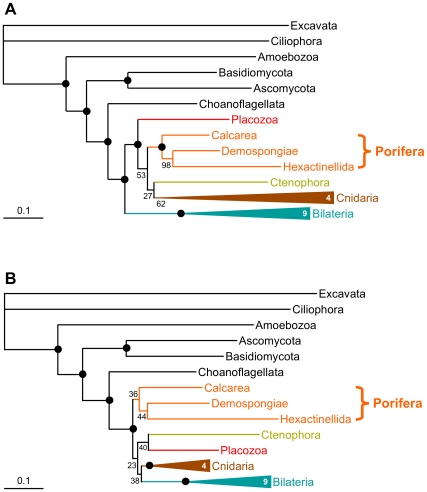


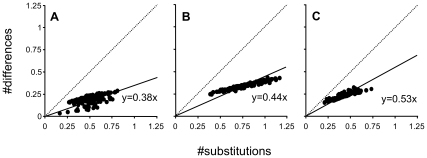
Verification
Claims the paper makes
The claims and statistics of this paper haven’t been checked yet.
Free: it reads the open-access text and checks the first 5 claims that cite a source we can check. Create a free account to check every claim.
Claims other papers make about this one
Each is checked against this paper’s own text: does it say what the citing paper says it does?
The cited source doesn’t support the claim as written.
In the citing paper
“The argument for LBA (7-10) or saturated datasets (7, 8) as the reason past studies found ctenophores to be sister to all other animals seems to have been overstated.”
From Error, signal, and the placement of Ctenophora sister to all other animals (2015) · cites this paper as [8]
Checked by a reasoning model — may be wrong.
Experimental — accuracy not yet measuredThe source backs part of the claim, not all of it — or backs it for a different population, condition or comparison.
In the citing paper
“A key aspect of the debate is that support for both hypotheses is generally recovered from the same dataset when different substitution models and/or taxon- and gene-sampling strategies are used (contrast [6, 10] and [42, 45], and see [7, 43, 47]).”
From Improved Modeling of Compositional Heterogeneity Supports Sponges as Sister to All Other Animals (2017) · cites this paper as [43]
Experimental — accuracy not yet measuredThe source backs part of the claim, not all of it — or backs it for a different population, condition or comparison.
In the citing paper
“Inferred relationships among major sponge lineages (i.e., Demospongiae + Hexactinellida sister to Calcarea + Homoscleromorpha) were consistent with morphology (27,28) and most other molecular analyses that have recovered monophyletic sponges (datasets 1-27 in Figs. 2 and 3 and Figs.S1-S5) (4, 5, 8, 9, 28-30).”
From Error, signal, and the placement of Ctenophora sister to all other animals (2015) · cites this paper as [8]
Experimental — accuracy not yet measuredThe source backs part of the claim, not all of it — or backs it for a different population, condition or comparison.
In the citing paper
“Our robust support of sponge monophyly agrees with morphology (35) and most other large molecular datasets (5,6,(8)(9)(10).”
From Error, signal, and the placement of Ctenophora sister to all other animals (2015) · cites this paper as [8]
Experimental — accuracy not yet measuredThe cited source says what the claim attributes to it.
In the citing paper
“Ctenophores have a high rate of molecular evolution, making them a priori difficult to place due to their potential for long branch attraction (LBA) artifacts [12].”
From A Large and Consistent Phylogenomic Dataset Supports Sponges as the Sister Group to All Other Animals (2017) · cites this paper as [12]
6 more claims about this paper
Create a free account to see every claim other papers make about this one.
Self-check
Percentages, sums and reported differences re-computed from the paper’s own numbers.
The self-check needs the paper’s full text.
Citations
Cites
Evolutionary trees from DNA sequences: A maximum likelihood approach.
Felsenstein, J. (1981) · Journal of Molecular Evolution · doi:10.1007/bf01734359 · Cited by 14,571 · cited 1×
“Briefly, major steps forward were the modeling of heterogeneity of rate across species [63], heterogeneity of rate across substitutions [64,65], heterogeneity of nucleotide/ amino acid composition across species [66,67], heterogeneity of rate across sites [68], and heterogeneity of the substitution process across site…”
BackgroundEvolution of Protein Molecules
JUKES, T. H., & CANTOR, C. R. (1969) · Mammalian Protein Metabolism · doi:10.1016/b978-1-4832-3211-9.50009-7 · Cited by 11,032
Selection of Conserved Blocks from Multiple Alignments for Their Use in Phylogenetic Analysis
Castresana, J. (2000) · Molecular Biology and Evolution · doi:10.1093/oxfordjournals.molbev.a026334 · Cited by 10,508
OrthoMCL: Identification of Ortholog Groups for Eukaryotic Genomes
Li, L., Stoeckert, C. J., & Roos, D. S. (2003) · Genome Research · doi:10.1101/gr.1224503 · Cited by 5,707 · cited 2×
“Despite the great progress in software development [19–22,52–54], our nine years of experience with large-scale multigene analyses [55] leads us to conclude that computer-assisted manual expertise is not yet dispensable.”
BackgroundMethodAtlas of protein sequence and structure
Chang, M.-Y., Dayhoff, M. O., Eck, R. V., & Sochard, M. R. (1965) · NASA Technical Reports Server (NASA) · Cited by 4,383
(1964) · Mammalian Protein Metabolism · doi:10.1016/b978-1-4832-3210-2.50006-6 · Cited by 3,059
Wooding, S. (2004) · The American Journal of Human Genetics · doi:10.1086/383584 · Cited by 3,032
Cases in which Parsimony or Compatibility Methods will be Positively Misleading
Felsenstein, J. (1978) · Systematic Biology · doi:10.1093/sysbio/27.4.401 · Cited by 2,896
Whelan, S., & Goldman, N. (2001) · Molecular Biology and Evolution · doi:10.1093/oxfordjournals.molbev.a003851 · Cited by 2,849 · cited 1×
“, the sitehomogeneous WAG+F+C model [44] used in [4] instead of the site-heterogeneous CAT+C model [45] used in the original study [3] (Figure 4A).”
MethodCases in which parsimony or compatibility methods will be positively misleading.
Felsenstein, J. (1978) · Systematic Zoology · doi:10.2307/2412923 · Cited by 2,230
Cited by
Treangen, T. J., Ondov, B., Koren, S., & Phillippy, A. M. (2014) · Genome biology · doi:10.1186/preaccept-2573980311437212 · Cited by 1,654
Erwin, D. H., Laflamme, M., Tweedt, S. M., Sperling, E. A., Pisani, D., & Peterson, K. J. (2011) · Science · doi:10.1126/science.1206375 · Cited by 1,336
The Origin and Diversification of Mitochondria
Roger, A. J., Muñoz-Gómez, S. A., & Kamikawa, R. (2017) · Current Biology · doi:10.1016/j.cub.2017.09.015 · Cited by 1,142
Lartillot, N., Rodrigue, N., Stubbs, D., & Richer, J. (2013) · Systematic Biology · doi:10.1093/sysbio/syt022 · Cited by 871
Burki, F., Roger, A. J., Brown, M. W., & Simpson, A. G. B. (2020) · Trends in Ecology & Evolution · doi:10.1016/j.tree.2019.08.008 · Cited by 913
PhyloPhlAn is a new method for improved phylogenetic and taxonomic placement of microbes
Segata, N., Börnigen, D., Morgan, X. C., & Huttenhower, C. (2013) · Nature Communications · doi:10.1038/ncomms3304 · Cited by 849
Snowball Earth climate dynamics and Cryogenian geology-geobiology
Hoffman, P. F., Abbot, D. S., Ashkenazy, Y., Benn, D. I., Brocks, J. J., Cohen, P. A., Cox, G. M., Creveling, J. R., Donnadieu, Y., Erwin, D. H., et al. (2017) · Science Advances · doi:10.1126/sciadv.1600983 · Cited by 726
Applications of next-generation sequencing to phylogeography and phylogenetics
McCormack, J. E., Hird, S. M., Zellmer, A. J., Carstens, B. C., & Brumfield, R. T. (2013) · Molecular Phylogenetics and Evolution · doi:10.1016/j.ympev.2011.12.007 · Cited by 650
Inferring ancient divergences requires genes with strong phylogenetic signals
Salichos, L., & Rokas, A. (2013) · Nature · doi:10.1038/nature12130 · Cited by 616
Särkinen, T., Bohs, L., Olmstead, R. G., & Knapp, S. (2013) · BMC Evolutionary Biology · doi:10.1186/1471-2148-13-214 · Cited by 550
Contentious relationships in phylogenomic studies can be driven by a handful of genes
Shen, X.-X., Hittinger, C. T., & Rokas, A. (2017) · Nature Ecology & Evolution · doi:10.1038/s41559-017-0126 · Cited by 520
An archaeal origin of eukaryotes supports only two primary domains of life
Williams, T. A., Foster, P. G., Cox, C. J., & Embley, T. M. (2013) · Nature · doi:10.1038/nature12779 · Cited by 519
Simion, P., Philippe, H., Baurain, D., Jager, M., Richter, D. J., Di Franco, A., Roure, B., Satoh, N., Quéinnec, É., Ereskovsky, A., et al. (2017) · Current Biology · doi:10.1016/j.cub.2017.02.031 · Cited by 518
Self-citationHigh-Throughput Genomic Data in Systematics and Phylogenetics
Lemmon, E. M., & Lemmon, A. R. (2013) · Annual Review of Ecology, Evolution, and Systematics · doi:10.1146/annurev-ecolsys-110512-135822 · Cited by 502
Wang, H.-C., Minh, B. Q., Susko, E., & Roger, A. J. (2018) · Systematic Biology · doi:10.1093/sysbio/syx068 · Cited by 466
Song, S., Liu, L., Edwards, S. V., & Wu, S. (2012) · Proceedings of the National Academy of Sciences · doi:10.1073/pnas.1211733109 · Cited by 463
Wagner, C. E., Keller, I., Wittwer, S., Selz, O. M., Mwaiko, S., Greuter, L., Sivasundar, A., & Seehausen, O. (2013) · Molecular Ecology · doi:10.1111/mec.12023 · Cited by 441
Zeng, L., Zhang, Q., Sun, R., Kong, H., Zhang, N., & Ma, H. (2014) · Nature Communications · doi:10.1038/ncomms5956 · Cited by 432
An Extreme Case of Plant–Insect Codiversification: Figs and Fig-Pollinating Wasps
Cruaud, A., Rønsted, N., Chantarasuwan, B., Chou, L. S., Clement, W. L., Couloux, A., Cousins, B., Genson, G., Harrison, R. D., Hanson, P. E., et al. (2012) · Systematic Biology · doi:10.1093/sysbio/sys068 · Cited by 397
Diversification of Rosaceae since the Late Cretaceous based on plastid phylogenomics
Zhang, S., Jin, J., Chen, S., Chase, M. W., Soltis, D. E., Li, H., Yang, J., Li, D., & Yi, T. (2017) · New Phytologist · doi:10.1111/nph.14461 · Cited by 392
Implementing and testing the multispecies coalescent model: A valuable paradigm for phylogenomics
Edwards, S. V., Xi, Z., Janke, A., Faircloth, B. C., McCormack, J. E., Glenn, T. C., Zhong, B., Wu, S., Lemmon, E. M., Lemmon, A. R., et al. (2016) · Molecular Phylogenetics and Evolution · doi:10.1016/j.ympev.2015.10.027 · Cited by 376
McCormack, J. E., Faircloth, B. C., Crawford, N. G., Gowaty, P. A., Brumfield, R. T., & Glenn, T. C. (2012) · Genome Research · doi:10.1101/gr.125864.111 · Cited by 377
phoD Alkaline Phosphatase Gene Diversity in Soil
Ragot, S. A., Kertesz, M. A., & Bünemann, E. K. (2015) · Applied and Environmental Microbiology · doi:10.1128/aem.01823-15 · Cited by 366
The Eukaryotic Tree of Life from a Global Phylogenomic Perspective
Burki, F. (2014) · Cold Spring Harbor Perspectives in Biology · doi:10.1101/cshperspect.a016147 · Cited by 366
Oxygen requirements of the earliest animals
Mills, D. B., Ward, L. M., Jones, C., Sweeten, B., Forth, M., Treusch, A. H., & Canfield, D. E. (2014) · Proceedings of the National Academy of Sciences · doi:10.1073/pnas.1400547111 · Cited by 355
Six reference-quality genomes reveal evolution of bat adaptations
Jebb, D., Huang, Z., Pippel, M., Hughes, G. M., Lavrichenko, K., Devanna, P., Winkler, S., Jermiin, L. S., Skirmuntt, E. C., Katzourakis, A., et al. (2020) · Nature · doi:10.1038/s41586-020-2486-3 · Cited by 361
Impact of missing data on phylogenies inferred from empirical phylogenomic data sets
Roure, B., Baurain, D., & Philippe, H. (2013) · Molecular Biology and Evolution · doi:10.1093/molbev/mss208 · Cited by 365
Self-citationRevisiting metazoan phylogeny with genomic sampling of all phyla
Laumer, C. E., Fernández, R., Lemer, S., Combosch, D., Kocot, K. M., Riesgo, A., Andrade, S. C. S., Sterrer, W., Sørensen, M. V., & Giribet, G. (2019) · Proceedings of the Royal Society B: Biological Sciences · doi:10.1098/rspb.2019.0831 · Cited by 360
Phylogenomics of 10,575 genomes reveals evolutionary proximity between domains Bacteria and Archaea
Zhu, Q., Mai, U., Pfeiffer, W., Janssen, S., Asnicar, F., Sanders, J. G., Belda-Ferre, P., Al-Ghalith, G. A., Kopylova, E., McDonald, D., et al. (2019) · Nature Communications · doi:10.1038/s41467-019-13443-4 · Cited by 355
Targeted capture in evolutionary and ecological genomics
Jones, M. R., & Good, J. M. (2016) · Molecular Ecology · doi:10.1111/mec.13304 · Cited by 352
Genomic data do not support comb jellies as the sister group to all other animals
Pisani, D., Pett, W., Dohrmann, M., Feuda, R., Rota-Stabelli, O., Philippe, H., Lartillot, N., & Wörheide, G. (2015) · Proceedings of the National Academy of Sciences · doi:10.1073/pnas.1518127112 · Cited by 319
Self-citationPhylogenomics of Rhodobacteraceae reveals evolutionary adaptation to marine and non-marine habitats
Simon, M., Scheuner, C., Meier-Kolthoff, J. P., Brinkhoff, T., Wagner-Döbler, I., Ulbrich, M., Klenk, H.-P., Schomburg, D., Petersen, J., & Göker, M. (2017) · The ISME Journal · doi:10.1038/ismej.2016.198 · Cited by 342
Chiari, Y., Cahais, V., Galtier, N., & Delsuc, F. (2012) · BMC Biology · doi:10.1186/1741-7007-10-65 · Cited by 339
Error, signal, and the placement of Ctenophora sister to all other animals
Whelan, N. V., Kocot, K. M., Moroz, L. L., & Halanych, K. M. (2015) · Proceedings of the National Academy of Sciences · doi:10.1073/pnas.1503453112 · Cited by 331
“Proc Natl Acad Sci USA 112(8):E846–E851.”
BackgroundInfluentialPhylogenomic Interrogation of Arachnida Reveals Systemic Conflicts in Phylogenetic Signal
Sharma, P. P., Kaluziak, S. T., Pérez-Porro, A. R., González, V. L., Hormiga, G., Wheeler, W. C., & Giribet, G. (2014) · Molecular Biology and Evolution · doi:10.1093/molbev/msu235 · Cited by 326
Inferring Phylogenies from RAD Sequence Data
Rubin, B. E. R., Ree, R. H., & Moreau, C. S. (2012) · PLoS ONE · doi:10.1371/journal.pone.0033394 · Cited by 316
Burbrink, F. T., Grazziotin, F. G., Pyron, R. A., Cundall, D., Donnellan, S., Irish, F., Keogh, J. S., Kraus, F., Murphy, R. W., Noonan, B., et al. (2020) · Systematic Biology · doi:10.1093/sysbio/syz062 · Cited by 317
STRIDE: Species Tree Root Inference from Gene Duplication Events
Emms, D. M., & Kelly, S. (2017) · Molecular Biology and Evolution · doi:10.1093/molbev/msx259 · Cited by 311
Complexity of avian evolution revealed by family-level genomes
Stiller, J., Feng, S., Chowdhury, A.-A., Rivas-González, I., Duchêne, D. A., Fang, Q., Deng, Y., Kozlov, A., Stamatakis, A., Claramunt, S., et al. (2024) · Nature · doi:10.1038/s41586-024-07323-1 · Cited by 298
Phylotranscriptomic consolidation of the jawed vertebrate timetree
Irisarri, I., Baurain, D., Brinkmann, H., Delsuc, F., Sire, J.-Y., Kupfer, A., Petersen, J., Jarek, M., Meyer, A., Vences, M., et al. (2017) · Nature Ecology & Evolution · doi:10.1038/s41559-017-0240-5 · Cited by 299
Self-citationThe two-domain tree of life is linked to a new root for the Archaea
Raymann, K., Brochier-Armanet, C., & Gribaldo, S. (2015) · Proceedings of the National Academy of Sciences · doi:10.1073/pnas.1420858112 · Cited by 296
Improved Modeling of Compositional Heterogeneity Supports Sponges as Sister to All Other Animals
Feuda, R., Dohrmann, M., Pett, W., Philippe, H., Rota-Stabelli, O., Lartillot, N., Wörheide, G., & Pisani, D. (2017) · Current Biology · doi:10.1016/j.cub.2017.11.008 · Cited by 291
“However, support for this topology under CAT-GTR+G is more prominent when distant outgroups, which represent a natural source of long branches [43], are included in the analyses.”
Self-citationStatistics and Truth in Phylogenomics
Kumar, S., Filipski, A. J., Battistuzzi, F. U., Kosakovsky Pond, S. L., & Tamura, K. (2012) · Molecular Biology and Evolution · doi:10.1093/molbev/msr202 · Cited by 287
Integrated phylogenomics and fossil data illuminate the evolution of beetles
Cai, C., Tihelka, E., Giacomelli, M., Lawrence, J. F., Ślipiński, A., Kundrata, R., Yamamoto, S., Thayer, M. K., Newton, A. F., Leschen, R. A. B., et al. (2022) · Royal Society Open Science · doi:10.1098/rsos.211771 · Cited by 285
Fairclough, S. R., Chen, Z., Kramer, E., Zeng, Q., Young, S., Robertson, H. M., Begovic, E., Richter, D. J., Russ, C., Westbrook, M. J., et al. (2013) · Genome Biology · doi:10.1186/gb-2013-14-2-r15 · Cited by 287
von Reumont, B. M., Jenner, R. A., Wills, M. A., Dell'Ampio, E., Pass, G., Ebersberger, I., Meyer, B., Koenemann, S., Iliffe, T. M., Stamatakis, A., et al. (2012) · Molecular Biology and Evolution · doi:10.1093/molbev/msr270 · Cited by 277
Deep metazoan phylogeny: When different genes tell different stories
Nosenko, T., Schreiber, F., Adamska, M., Adamski, M., Eitel, M., Hammel, J., Maldonado, M., Müller, W. E. G., Nickel, M., Schierwater, B., et al. (2013) · Molecular Phylogenetics and Evolution · doi:10.1016/j.ympev.2013.01.010 · Cited by 254
Self-citationRiesgo, A., Farrar, N., Windsor, P. J., Giribet, G., & Leys, S. P. (2014) · Molecular Biology and Evolution · doi:10.1093/molbev/msu057 · Cited by 266
Toward a Fully Resolved Fungal Tree of Life
James, T. Y., Stajich, J. E., Hittinger, C. T., & Rokas, A. (2020) · Annual Review of Microbiology · doi:10.1146/annurev-micro-022020-051835 · Cited by 254
Phylogenetic Perspectives on the Origins of Nodulation
Doyle, J. J. (2011) · Molecular Plant-Microbe Interactions® · doi:10.1094/mpmi-05-11-0114 · Cited by 248
Ma, P.-F., Zhang, Y.-X., Zeng, C.-X., Guo, Z.-H., & Li, D.-Z. (2014) · Systematic Biology · doi:10.1093/sysbio/syu054 · Cited by 244
Hosner, P. A., Faircloth, B. C., Glenn, T. C., Braun, E. L., & Kimball, R. T. (2016) · Molecular Biology and Evolution · doi:10.1093/molbev/msv347 · Cited by 240
Genome-wide interrogation advances resolution of recalcitrant groups in the tree of life
Arcila, D., Ortí, G., Vari, R., Armbruster, J. W., Stiassny, M. L. J., Ko, K. D., Sabaj, M. H., Lundberg, J., Revell, L. J., & Betancur-R., R. (2017) · Nature Ecology & Evolution · doi:10.1038/s41559-016-0020 · Cited by 243
Advances in Insect Phylogeny at the Dawn of the Postgenomic Era
Trautwein, M. D., Wiegmann, B. M., Beutel, R., Kjer, K. M., & Yeates, D. K. (2012) · Annual Review of Entomology · doi:10.1146/annurev-ento-120710-100538 · Cited by 239
Cnidarian phylogenetic relationships as revealed by mitogenomics
Kayal, E., Roure, B., Philippe, H., Collins, A. G., & Lavrov, D. V. (2013) · BMC Evolutionary Biology · doi:10.1186/1471-2148-13-5 · Cited by 242
Self-citationBudd, G. E., & Jensen, S. (2017) · Biological Reviews · doi:10.1111/brv.12239 · Cited by 242
“For example, are the ctenophores basal, a sister group to the poriferans, or a sister group to the cnidarians or the eumetazoans (Wallberg et al., 2004; Philippe & Roure, 2011; Philippe et al., 2011)? Are poriferans mono- or paraphyletic? Are poriferans secondarily reduced or primitively simple? Where do placozoans fi…”
BackgroundThe evolutionary history of haptophytes and cryptophytes: phylogenomic evidence for separate origins
Burki, F., Okamoto, N., Pombert, J.-F., & Keeling, P. J. (2012) · Proceedings of the Royal Society B: Biological Sciences · doi:10.1098/rspb.2011.2301 · Cited by 240
Cyanobacteria evolution: Insight from the fossil record
Demoulin, C. F., Lara, Y. J., Cornet, L., François, C., Baurain, D., Wilmotte, A., & Javaux, E. J. (2019) · Free Radical Biology and Medicine · doi:10.1016/j.freeradbiomed.2019.05.007 · Cited by 237
Self-citationA comprehensive analysis of bilaterian mitochondrial genomes and phylogeny
Bernt, M., Bleidorn, C., Braband, A., Dambach, J., Donath, A., Fritzsch, G., Golombek, A., Hadrys, H., Jühling, F., Meusemann, K., et al. (2013) · Molecular Phylogenetics and Evolution · doi:10.1016/j.ympev.2013.05.002 · Cited by 238
PADIAL, J. M., GRANT, T., & FROST, D. R. (2014) · Zootaxa · doi:10.11646/zootaxa.3825.1.1 · Cited by 236
Integrative modeling of gene and genome evolution roots the archaeal tree of life
Williams, T. A., Szöllősi, G. J., Spang, A., Foster, P. G., Heaps, S. E., Boussau, B., Ettema, T. J. G., & Embley, T. M. (2017) · Proceedings of the National Academy of Sciences · doi:10.1073/pnas.1618463114 · Cited by 233
The evolutionary origin of plant and animal microRNAs
Moran, Y., Agron, M., Praher, D., & Technau, U. (2017) · Nature Ecology & Evolution · doi:10.1038/s41559-016-0027 · Cited by 231
Phylogenomic Insights into Animal Evolution
Telford, M. J., Budd, G. E., & Philippe, H. (2015) · Current Biology · doi:10.1016/j.cub.2015.07.060 · Cited by 213
Self-citationCampbell, L. I., Rota-Stabelli, O., Edgecombe, G. D., Marchioro, T., Longhorn, S. J., Telford, M. J., Philippe, H., Rebecchi, L., Peterson, K. J., & Pisani, D. (2011) · Proceedings of the National Academy of Sciences · doi:10.1073/pnas.1105499108 · Cited by 230
Self-citationMorphological Phylogenetics in the Genomic Age
Lee, M. S. Y., & Palci, A. (2015) · Current Biology · doi:10.1016/j.cub.2015.07.009 · Cited by 222
A phylogenomic framework and timescale for comparative studies of tunicates
Delsuc, F., Philippe, H., Tsagkogeorga, G., Simion, P., Tilak, M.-K., Turon, X., López-Legentil, S., Piette, J., Lemaire, P., & Douzery, E. J. P. (2018) · BMC Biology · doi:10.1186/s12915-018-0499-2 · Cited by 218
Self-citationTaxonomy annotation and guide tree errors in 16S rRNA databases
Edgar, R. (2018) · PeerJ · doi:10.7717/peerj.5030 · Cited by 215
Evolution of Conjugation and Type IV Secretion Systems
Guglielmini, J., de la Cruz, F., & Rocha, E. P. C. (2013) · Molecular Biology and Evolution · doi:10.1093/molbev/mss221 · Cited by 217
Phylogenomics — principles, opportunities and pitfalls of big‐data phylogenetics
Young, A. D., & Gillung, J. P. (2020) · Systematic Entomology · doi:10.1111/syen.12406 · Cited by 207
PhyKIT: a broadly applicable UNIX shell toolkit for processing and analyzing phylogenomic data
Steenwyk, J. L., Buida, T. J., Labella, A. L., Li, Y., Shen, X.-X., & Rokas, A. (2021) · Bioinformatics · doi:10.1093/bioinformatics/btab096 · Cited by 210
Families, genera, and species of Botryosphaeriales
Yang, T., Groenewald, J. Z., Cheewangkoon, R., Jami, F., Abdollahzadeh, J., Lombard, L., & Crous, P. W. (2017) · Fungal Biology · doi:10.1016/j.funbio.2016.11.001 · Cited by 209
Phylogenomics of Lophotrochozoa with Consideration of Systematic Error
Kocot, K. M., Struck, T. H., Merkel, J., Waits, D. S., Todt, C., Brannock, P. M., Weese, D. A., Cannon, J. T., Moroz, L. L., Lieb, B., et al. (2016) · Systematic Biology · doi:10.1093/sysbio/syw079 · Cited by 208
Coalescent versus Concatenation Methods and the Placement of Amborella as Sister to Water Lilies
Xi, Z., Liu, L., Rest, J. S., & Davis, C. C. (2014) · Systematic Biology · doi:10.1093/sysbio/syu055 · Cited by 205
The Genomic and Cellular Foundations of Animal Origins
Richter, D. J., & King, N. (2013) · Annual Review of Genetics · doi:10.1146/annurev-genet-111212-133456 · Cited by 196
Metazoan opsin evolution reveals a simple route to animal vision
Feuda, R., Hamilton, S. C., McInerney, J. O., & Pisani, D. (2012) · Proceedings of the National Academy of Sciences · doi:10.1073/pnas.1204609109 · Cited by 194
Causes, consequences and solutions of phylogenetic incongruence
Som, A. (2015) · Briefings in Bioinformatics · doi:10.1093/bib/bbu015 · Cited by 192
Sponge Systematics Facing New Challenges
Cárdenas, P., Pérez, T., & Boury-Esnault, N. (2012) · Advances in Marine Biology · doi:10.1016/b978-0-12-387787-1.00010-6 · Cited by 193
Giving the early fossil record of sponges a squeeze
Antcliffe, J. B., Callow, R. H. T., & Brasier, M. D. (2014) · Biological Reviews · doi:10.1111/brv.12090 · Cited by 192
“(2010) may also have been biased by the choice of inappropriate outgroups (Philippe et al., 2011).”
BackgroundThe evolutionary history of ferns inferred from 25 low‐copy nuclear genes
Rothfels, C. J., Li, F., Sigel, E. M., Huiet, L., Larsson, A., Burge, D. O., Ruhsam, M., Deyholos, M., Soltis, D. E., Stewart, C. N., et al. (2015) · American Journal of Botany · doi:10.3732/ajb.1500089 · Cited by 191
Plastid phylogenomic insights into the evolution of Caryophyllales
Yao, G., Jin, J.-J., Li, H.-T., Yang, J.-B., Mandala, V. S., Croley, M., Mostow, R., Douglas, N. A., Chase, M. W., Christenhusz, M. J. M., et al. (2019) · Molecular Phylogenetics and Evolution · doi:10.1016/j.ympev.2018.12.023 · Cited by 191
The phylogenetic position of ctenophores and the origin(s) of nervous systems
Jákely, G., Paps, J., & Nielsen, C. (2015) · EvoDevo · doi:10.1186/2041-9139-6-1 · Cited by 189
Harris, B. J., Clark, J. W., Schrempf, D., Szöllősi, G. J., Donoghue, P. C. J., Hetherington, A. M., & Williams, T. A. (2022) · Nature Ecology & Evolution · doi:10.1038/s41559-022-01885-x · Cited by 187
Irrational exuberance for resolved species trees: COMMENTARY
Hahn, M. W., & Nakhleh, L. (2016) · Evolution · doi:10.1111/evo.12832 · Cited by 187
“Small numbers of genes, small numbers of informative sites, incorrect assignment of orthology after gene duplication and loss, and multiple sources of “non-phylogenetic signal” (Philippe et al. 2011) all also contribute to topological heterogeneity among gene trees.”
BackgroundCai, L., Xi, Z., Lemmon, E. M., Lemmon, A. R., Mast, A., Buddenhagen, C. E., Liu, L., & Davis, C. C. (2021) · Systematic Biology · doi:10.1093/sysbio/syaa083 · Cited by 182
Song, F., Li, H., Jiang, P., Zhou, X., Liu, J., Sun, C., Vogler, A. P., & Cai, W. (2016) · Genome Biology and Evolution · doi:10.1093/gbe/evw086 · Cited by 186
To name or not to name: Criteria to promote economy of change in Linnaean classification schemes
VENCES, M., GUAYASAMIN, J. M., MIRALLES, A., & RIVA, I. D. L. (2013) · Zootaxa · doi:10.11646/zootaxa.3636.2.1 · Cited by 182
Zhu, Q., Kosoy, M., & Dittmar, K. (2014) · BMC Genomics · doi:10.1186/1471-2164-15-717 · Cited by 183
Nuclear genomic signals of the ‘microturbellarian’ roots of platyhelminth evolutionary innovation
Laumer, C. E., Hejnol, A., & Giribet, G. (2015) · eLife · doi:10.7554/elife.05503 · Cited by 179
Matrotrophy and placentation in invertebrates: a new paradigm
Ostrovsky, A. N., Lidgard, S., Gordon, D. P., Schwaha, T., Genikhovich, G., & Ereskovsky, A. V. (2016) · Biological Reviews · doi:10.1111/brv.12189 · Cited by 179
Platyzoan Paraphyly Based on Phylogenomic Data Supports a Noncoelomate Ancestry of Spiralia
Struck, T. H., Wey-Fabrizius, A. R., Golombek, A., Hering, L., Weigert, A., Bleidorn, C., Klebow, S., Iakovenko, N., Hausdorf, B., Petersen, M., et al. (2014) · Molecular Biology and Evolution · doi:10.1093/molbev/msu143 · Cited by 178
The bee tree of life: a supermatrix approach to apoid phylogeny and biogeography
Hedtke, S. M., Patiny, S., & Danforth, B. N. (2013) · BMC Evolutionary Biology · doi:10.1186/1471-2148-13-138 · Cited by 175
Pitfalls in supermatrix phylogenomics
Philippe, H., Vienne, D. M. D., Ranwez, V., Roure, B., Baurain, D., & Delsuc, F. (2017) · European Journal of Taxonomy · doi:10.5852/ejt.2017.283 · Cited by 173
“Moreover, we used less permissive Gblocks parameters, reducing positions from 21 152 to 18 463 (Philippe et al. 2011b).”
InfluentialSelf-citationOMA standalone: orthology inference among public and custom genomes and transcriptomes
Altenhoff, A. M., Levy, J., Zarowiecki, M., Tomiczek, B., Warwick Vesztrocy, A., Dalquen, D. A., Müller, S., Telford, M. J., Glover, N. M., Dylus, D., et al. (2019) · Genome Research · doi:10.1101/gr.243212.118 · Cited by 171
Borowiec, M. L., Lee, E. K., Chiu, J. C., & Plachetzki, D. C. (2015) · doi:10.1101/013946 · Cited by 172
“We also assessed the influence of each of these criteria on the phylogeny, as they have each been proposed to negatively impact phylogenetic inference [13, 35, 36] (Additional file 3: Figure S2 and Additional file 4: Figure S3).”
BackgroundMethodResultInfluentialChan, C. X., & Ragan, M. A. (2013) · Biology Direct · doi:10.1186/1745-6150-8-3 · Cited by 172
Restructuring higher taxonomy using broad-scale phylogenomics: The living Ophiuroidea
O'Hara, T. D., Hugall, A. F., Thuy, B., Stöhr, S., & Martynov, A. V. (2017) · Molecular Phylogenetics and Evolution · doi:10.1016/j.ympev.2016.12.006 · Cited by 168
Torruella, G., Derelle, R., Paps, J., Lang, B. F., Roger, A. J., Shalchian-Tabrizi, K., & Ruiz-Trillo, I. (2012) · Molecular Biology and Evolution · doi:10.1093/molbev/msr185 · Cited by 169
“Unfortunately, our data set does not include Ctenophora, which has recently been proposed to be the earliestbranching metazoan phyla (Dunn et al. 2008; Hejnol et al. 2009; but see Philippe et al. 2009, 2011).”
BackgroundLatent homology and convergent regulatory evolution underlies the repeated emergence of yeasts
Nagy, L. G., Ohm, R. A., Kovács, G. M., Floudas, D., Riley, R., Gácser, A., Sipiczki, M., Davis, J. M., Doty, S. L., de Hoog, G. S., et al. (2014) · Nature Communications · doi:10.1038/ncomms5471 · Cited by 168
The Phylogeny and Evolution of Ants
Ward, P. S. (2014) · Annual Review of Ecology, Evolution, and Systematics · doi:10.1146/annurev-ecolsys-120213-091824 · Cited by 166
Hamilton, C. A., Lemmon, A. R., Lemmon, E. M., & Bond, J. E. (2016) · BMC Evolutionary Biology · doi:10.1186/s12862-016-0769-y · Cited by 167
Metadata
- Authors
- Philippe, H., Brinkmann, H., Lavrov, D. V., Littlewood, D. T. J., Manuel, M., Wörheide, G., & Baurain, D.
- Affiliations
- Université de Montréal (CA)
- Iowa State University (US)
- Natural History Museum (GB)
- Ludwig-Maximilians-Universität München (DE)
- University of Liège (BE)
- Corresponding author
- Philippe, Hervé
- ORCID
- Venue
- PLoS Biology
- Publisher
- Public Library of Science (PLoS)
- Published
- 2011-03-15
- Volume
- 9
- Issue
- 3
- Pages
- e1000602
- ISSN
- 1544-9173 (ISSN-L)
- 1545-7885
- PMC
- PMC3057953
- OpenAlex
- W2111414304
- Semantic Scholar
- c032b81df71c5b5745454ef5b2afa4f715cc3f92
- Cited by
- 1,129
- References
- 83
- Citations by year
- 2026: 60 · 2025: 62 · 2024: 58 · 2023: 77 · 2022: 67 · 2021: 73 · 2020: 67 · 2019: 123 · 2018: 78 · 2017: 78 · 2016: 73 · 2015: 73 · 2014: 80 · 2013: 74 · 2012: 56
- FWCI
- 31.19
- Type
- journal article
- Language
- en
- Open access
- gold
- doi.org
- Locations
- PLoS Biology (publishedVersion, cc-by)
- PubMed Central (publishedVersion, cc-by)
- PubMed (publishedVersion)
- ORBi (University of Liège) (submittedVersion, other-oa)
- HAL (submittedVersion)
- DOAJ (DOAJ: Directory of Open Access Journals) (submittedVersion, cc-by-sa)
- Open access LMU (Ludwid Maxmilian's Universitat Munchen) (submittedVersion)
- Figshare (submittedVersion, cc-by)
- Natural History Museum, London (submittedVersion, cc-by)
- Funders
- Deutsche Forschungsgemeinschaft
- Agence Nationale de la Recherche
- Natural Sciences and Engineering Research Council of Canada
- Biotechnology and Biological Sciences Research Council (BB/H023534/1)
- Natural Environment Research Council (NER/A/S/2003/00313)
- Topics
- Life Sciences › Biochemistry, Genetics and Molecular Biology › Molecular Biology › Genomics and Phylogenetic Studies
- Life Sciences › Agricultural and Biological Sciences › Ecology, Evolution, Behavior and Systematics › Plant Diversity and Evolution
- Physical Sciences › Earth and Planetary Sciences › Paleontology › Evolution and Paleontology Studies
- Keywords
- phylogenetic inference, sequence data, phylogenetic resolution, molecular phylogeny, data saturation, phylogenetic signal
- MeSH terms
- Animals, Base Sequence, Biological Evolution, Molecular Sequence Data, Phylogeny, Databases, Factual, Sequence Alignment, Genomics
About these checks
Registry, retraction, Cites and statistics results are computed, not judged, with one exception: a printed reference that no index lists is read once by a model before it counts as a citation error. Claims are extracted by a model and kept only when their quote appears verbatim in the text; each cited source is then checked, with a model’s help, for whether it says what the claim relies on. Those verdicts can be wrong — read the claim’s quote and the cited source before relying on one.
Statistics and arithmetic are recomputed, not judged.
Confidence bands are shown only for fields calibrated on our annotated test set. None is calibrated yet, so no band is shown.
What counts as a claim ›How we measure confidence ›How we check this ›
Are you an author, or do you see a problem with this page? Request a review
Data sources
Bibliographic data: Semantic Scholar, OpenAlex, Crossref.
Contains information from the Semantic Scholar Academic Graph Datasets, made available under the ODC Attribution License (ODC-BY 1.0).
Semantic Scholar’s data is described in: Kinney, R., et al. (2023). The Semantic Scholar Open Data Platform. arXiv:2301.10140.
