

Resolving Difficult Phylogenetic Questions: Why More Sequences Are Not Enough
Open accessThe DOI matches its Crossref record; 84 of the 84 references it cites were found in a registry or an index.
Abstract
The Perspective section provides experts with a forum
Overview
The claims and statistics of this paper haven’t been checked yet.
Free: it reads the open-access text and checks the first 5 claims that cite a source we can check. Create a free account to check every claim.
Integrity signals
Registry
Cites
Statistics
Figures

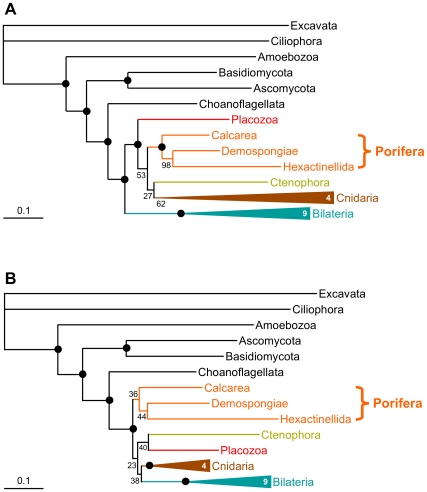


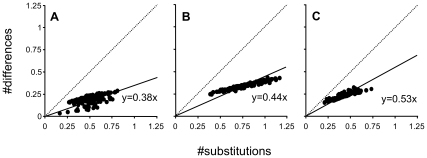
Verification
Claims the paper makes
The claims and statistics of this paper haven’t been checked yet.
Free: it reads the open-access text and checks the first 5 claims that cite a source we can check. Create a free account to check every claim.
Claims other papers make about this one
Each is checked against this paper’s own text: does it say what the citing paper says it does?
The cited source doesn’t support the claim as written.
In the citing paper
“The argument for LBA (7-10) or saturated datasets (7, 8) as the reason past studies found ctenophores to be sister to all other animals seems to have been overstated.”
From Error, signal, and the placement of Ctenophora sister to all other animals (2015) · cites this paper as [8]
Checked by a reasoning model — may be wrong.
Experimental — accuracy not yet measuredThe source backs part of the claim, not all of it — or backs it for a different population, condition or comparison.
In the citing paper
“A key aspect of the debate is that support for both hypotheses is generally recovered from the same dataset when different substitution models and/or taxon- and gene-sampling strategies are used (contrast [6, 10] and [42, 45], and see [7, 43, 47]).”
From Improved Modeling of Compositional Heterogeneity Supports Sponges as Sister to All Other Animals (2017) · cites this paper as [43]
Experimental — accuracy not yet measuredThe source backs part of the claim, not all of it — or backs it for a different population, condition or comparison.
In the citing paper
“Inferred relationships among major sponge lineages (i.e., Demospongiae + Hexactinellida sister to Calcarea + Homoscleromorpha) were consistent with morphology (27,28) and most other molecular analyses that have recovered monophyletic sponges (datasets 1-27 in Figs. 2 and 3 and Figs.S1-S5) (4, 5, 8, 9, 28-30).”
From Error, signal, and the placement of Ctenophora sister to all other animals (2015) · cites this paper as [8]
Experimental — accuracy not yet measuredThe source backs part of the claim, not all of it — or backs it for a different population, condition or comparison.
In the citing paper
“Our robust support of sponge monophyly agrees with morphology (35) and most other large molecular datasets (5,6,(8)(9)(10).”
From Error, signal, and the placement of Ctenophora sister to all other animals (2015) · cites this paper as [8]
Experimental — accuracy not yet measuredThe cited source says what the claim attributes to it.
In the citing paper
“Ctenophores have a high rate of molecular evolution, making them a priori difficult to place due to their potential for long branch attraction (LBA) artifacts [12].”
From A Large and Consistent Phylogenomic Dataset Supports Sponges as the Sister Group to All Other Animals (2017) · cites this paper as [12]
6 more claims about this paper
Create a free account to see every claim other papers make about this one.
Self-check
Percentages, sums and reported differences re-computed from the paper’s own numbers.
The self-check needs the paper’s full text.
Citations
Cites
Evolutionary trees from DNA sequences: A maximum likelihood approach.
Felsenstein, J. (1981) · Journal of Molecular Evolution · doi:10.1007/bf01734359 · Cited by 14,571 · cited 1×
“Briefly, major steps forward were the modeling of heterogeneity of rate across species [63], heterogeneity of rate across substitutions [64,65], heterogeneity of nucleotide/ amino acid composition across species [66,67], heterogeneity of rate across sites [68], and heterogeneity of the substitution process across site…”
BackgroundEvolution of Protein Molecules
JUKES, T. H., & CANTOR, C. R. (1969) · Mammalian Protein Metabolism · doi:10.1016/b978-1-4832-3211-9.50009-7 · Cited by 11,032
Selection of Conserved Blocks from Multiple Alignments for Their Use in Phylogenetic Analysis
Castresana, J. (2000) · Molecular Biology and Evolution · doi:10.1093/oxfordjournals.molbev.a026334 · Cited by 10,508
OrthoMCL: Identification of Ortholog Groups for Eukaryotic Genomes
Li, L., Stoeckert, C. J., & Roos, D. S. (2003) · Genome Research · doi:10.1101/gr.1224503 · Cited by 5,707 · cited 2×
“Despite the great progress in software development [19–22,52–54], our nine years of experience with large-scale multigene analyses [55] leads us to conclude that computer-assisted manual expertise is not yet dispensable.”
BackgroundMethodAtlas of protein sequence and structure
Chang, M.-Y., Dayhoff, M. O., Eck, R. V., & Sochard, M. R. (1965) · NASA Technical Reports Server (NASA) · Cited by 4,383
(1964) · Mammalian Protein Metabolism · doi:10.1016/b978-1-4832-3210-2.50006-6 · Cited by 3,059
Wooding, S. (2004) · The American Journal of Human Genetics · doi:10.1086/383584 · Cited by 3,032
Cases in which Parsimony or Compatibility Methods will be Positively Misleading
Felsenstein, J. (1978) · Systematic Biology · doi:10.1093/sysbio/27.4.401 · Cited by 2,896
Whelan, S., & Goldman, N. (2001) · Molecular Biology and Evolution · doi:10.1093/oxfordjournals.molbev.a003851 · Cited by 2,849 · cited 1×
“, the sitehomogeneous WAG+F+C model [44] used in [4] instead of the site-heterogeneous CAT+C model [45] used in the original study [3] (Figure 4A).”
MethodCases in which parsimony or compatibility methods will be positively misleading.
Felsenstein, J. (1978) · Systematic Zoology · doi:10.2307/2412923 · Cited by 2,230
Cited by
Items 701–800 of 999
Dijkstra, J. M., & Kondo, Y. (2022) · Biology · doi:10.3390/biology11121713 · Cited by 10
Mitochondrial Dynamics during Development
Maheshwari, A., He, L., & Tronstad, K. J. (2023) · Newborn · doi:10.5005/jp-journals-11002-0053 · Cited by 13
Evolution of the Rax family of developmental transcription factors in vertebrates
Orquera, D. P., & de Souza, F. S. J. (2016) · Mechanisms of Development · doi:10.1016/j.mod.2016.11.002 · Cited by 11
Frequent gene flow blurred taxonomic boundaries of sections in Lilium L. (Liliaceae)
Gong, X., Hung, K.-H., Ting, Y.-W., Hsu, T., Malíková, L., Tran, H. T., Huang, C., Liu, S., & Chiang, T. (2017) · PLoS ONE · doi:10.1371/journal.pone.0183209 · Cited by 10
Shi, L., Zhang, C., Wang, Y., Tang, Q., Danley, P. D., & Liu, H. (2018) · Zoologica Scripta · doi:10.1111/zsc.12282 · Cited by 10
Lv, X., Hu, J., Hu, Y., Li, Y., Xu, D., Ryder, O. A., Irwin, D. M., & Li, Y. (2020) · Molecular Phylogenetics and Evolution · doi:10.1016/j.ympev.2020.107065 · Cited by 9
Enlarge or die! An auxospore perspective on diatom diversification
Kaczmarska, I., & Ehrman, J. M. (2021) · Organisms Diversity & Evolution · doi:10.1007/s13127-020-00476-7 · Cited by 10
Cornet, L., Magain, N., Baurain, D., & Lutzoni, F. M. (2021) · Molecular Phylogenetics and Evolution · doi:10.1016/j.ympev.2021.107100 · Cited by 10
Self-citationBerman, J. J. (2019) · Elsevier eBooks · doi:10.1016/b978-0-12-817576-7.00003-1 · Cited by 14
How Many Genes are Needed to Resolve Phylogenetic Incongruence?
Ai, B., & Kang, M. (2015) · Evolutionary Bioinformatics · doi:10.4137/ebo.s26047 · Cited by 10
A Comparative Genomics Perspective on the Origin of Multicellularity and Early Animal Evolution
Srivastava, M. (2015) · Advances in marine genomics · doi:10.1007/978-94-017-9642-2_14 · Cited by 14
Zhang, D., Zou, H., Jakovlić, I., Wu, S., Li, M., Zhang, J., Chen, R., Li, W. X., & Wang, G. (2019) · International Journal of Molecular Sciences · doi:10.3390/ijms20174214 · Cited by 10
Comment on “Ancient origins of allosteric activation in a Ser-Thr kinase”
Park, Y., Patton, J. E. J., Hochberg, G. K. A., & Thornton, J. W. (2020) · Science · doi:10.1126/science.abc8301 · Cited by 10
Vasilikopoulos, A., Gustafson, G. T., Balke, M., Niehuis, O., BEUTEL, R. G., & Misof, B. Y. (2020) · Molecular Phylogenetics and Evolution · doi:10.1016/j.ympev.2020.106923 · Cited by 12
Estandía, A., Chesser, R. T., James, H. F., Levy, M., Ferrer, J., Bretagnolle, V., González‐Solís, J., & Welch, A. J. (2021) · bioRxiv (Cold Spring Harbor Laboratory) · doi:10.1101/2021.07.27.453752 · Cited by 10
Mars, J., Koster, S., Babik, W., France, J., Kalaentzis, K., Kazilas, C., Martínez-Solano, Í., de Visser, M. C., & Wielstra, B. (2024) · Molecular Phylogenetics and Evolution · doi:10.1016/j.ympev.2024.108282 · Cited by 12
Zhang, R., Wang, L., Tian, S., Liu, Y., Jiang, Y., Zhou, X., Yang, D., Liu, X., & Wang, Y. (2025) · Systematic Entomology · doi:10.1111/syen.12684 · Cited by 11
Wang, Y., Cao, J., Murányi, D., Guo, X., Guo, C., & LI, W. (2022) · Zoologica Scripta · doi:10.1111/zsc.12555 · Cited by 9
Evolutionary relationships of mitogenomes in a recently radiated Old World avian family
Zang, W., Jiang, Z., Ericson, P. G. P., Song, G., Drovetski, S. V., Saitoh, T., Lei, F., & Qu, Y. (2023) · Avian Research · doi:10.1016/j.avrs.2023.100097 · Cited by 9
Claassens, R., Venter, S. N., Beukes, C. W., Stępkowski, T., Chan, W. Y., & Steenkamp, E. T. (2023) · Systematic and Applied Microbiology · doi:10.1016/j.syapm.2023.126452 · Cited by 9
Uriarte, E. L., Badaracco, A., Spetter, M., Miño, S., Armendano, J., Zeller, M., Heylen, E., Späth, E., Leunda, M., Moreira, A., et al. (2023) · Viruses · doi:10.3390/v15102115 · Cited by 11
Schutz, K., Melie, T., Smith, S. D., & Quandt, C. A. (2024) · Microbial Genomics · doi:10.1099/mgen.0.001233 · Cited by 13
Comparative genomic analysis of eutherian kallikrein genes
Premzl, M. (2017) · Molecular Genetics and Metabolism Reports · doi:10.1016/j.ymgmr.2017.01.009 · Cited by 9
Ningrum, W. D. A., Atmaja, M. B., Daryono, B. S., & Purnomo, P. (2020) · Biodiversitas Journal of Biological Diversity · doi:10.13057/biodiv/d211239 · Cited by 9
Gustafson, G. T., Miller, K. B., Michat, M. C., Alarie, Y., Baca, S. M., Balke, M., & Short, A. E. Z. (2021) · Systematic Entomology · doi:10.1111/syen.12471 · Cited by 10
IgIDivA: immunoglobulin intraclonal diversification analysis
Zaragoza‐Infante, L., Junet, V., Pechlivanis, N., Fragkouli, S.-C., Amprachamian, S., Κoletsa, T., Chatzidimitriou, A., Papaioannou, M., Σταματόπουλος, Κ., Agathangelidis, A., et al. (2022) · Briefings in Bioinformatics · doi:10.1093/bib/bbac349 · Cited by 11
Stewart, R. D., Clugston, J. A. R., Williamson, J., Niemann, H. J., Little, D. P., & van der Bank, M. (2022) · South African Journal of Botany · doi:10.1016/j.sajb.2022.12.001 · Cited by 9
Epigenetic information can reveal phylogenetic relationships within Zygophyllales
Granot, G., & Grafi, G. (2014) · Plant Systematics and Evolution · doi:10.1007/s00606-014-1008-x · Cited by 9
Assessing Combinability of Phylogenomic Data Using Bayes Factors
Neupane, S. S., Fučíková, K., Lewis, L. A., Kuo, L., Chen, M., & Lewis, P. O. (2019) · Systematic Biology · doi:10.1093/sysbio/syz007 · Cited by 10
Salgado‐Salazar, C., LeBlanc, N., Wallace, E. C., Daughtrey, M., & Crouch, J. A. (2020) · European Journal of Plant Pathology · doi:10.1007/s10658-020-01989-9 · Cited by 9
Davis, N. G. (2013) · ScholarsArchive (Brigham Young University) · Cited by 12
The Protistan Origins of Animals and Fungi
Carr, M., Hopkins, K., & Ginger, M. L. (2023) · The mycota · doi:10.1007/978-3-031-29199-9_1 · Cited by 9
Schull, J. K., Turakhia, Y., Hemker, J. A., Dally, W. J., & Bejerano, G. (2022) · Genome Biology and Evolution · doi:10.1093/gbe/evac013 · Cited by 11
Molecular Dimensions of Insect Taxonomy in the Genomics Era
Roe, A. D., Dupuis, J. R., & Sperling, F. A. H. (2017) · Wiley eBooks · doi:10.1002/9781118945568.ch16 · Cited by 9
Lin, Y. E., Wu, C., Wu, Y., & Chaw, S. (2025) · Plants · doi:10.3390/plants14091335 · Cited by 8
Gorring, P., & Cognato, A. I. (2023) · Diversity · doi:10.3390/d15070847 · Cited by 8
The Systematics of the Trematoda
Kostadinova, A., & Pérez‐del‐Olmo, A. (2024) · Advances in experimental medicine and biology · doi:10.1007/978-3-031-60121-7_2 · Cited by 8
Reyes‐Hernández, J. L., Brunke, A. J., Hansen, A. K., Zhao, Q., Shaw, J. J., Newton, A. F., & Solodovnikov, A. (2025) · Systematic Entomology · doi:10.1111/syen.12677 · Cited by 11
BIR Pipeline for Preparation of Phylogenomic Data
Kumar, S., Krabberød, A. K., Neumann, R. S., Michalickova, K., Zhao, S., Zhang, X., & Shalchian‐Tabrizi, K. (2015) · Evolutionary Bioinformatics · doi:10.4137/ebo.s10189 · Cited by 10
Delineating closely related dinoflagellate lineages using phylotranscriptomics
Annenkova, N. V., Ahrén, D., Logares, R., Kremp, A., & Rengefors, K. (2018) · Journal of Phycology · doi:10.1111/jpy.12748 · Cited by 8
Vinícius‐Silva, R., Clark, L. G., Fregonezi, J. N., & Gonçalves, A. P. S. (2020) · Botanical Journal of the Linnean Society · doi:10.1093/botlinnean/boaa057 · Cited by 8
Matzke, N. J., Lin, A., Stone, M., & Baker, M. A. B. (2021) · BioEssays · doi:10.1002/bies.202100004 · Cited by 9
Bause, M., van der Horst, R., & Rentzsch, F. (2016) · Developmental Biology · doi:10.1016/j.ydbio.2016.04.011 · Cited by 7
Xu, S., Guan, Z., Huang, Q., Xu, L., Vierstraete, A. R., Dumont, H. J., & Lin, Q. (2018) · Mitochondrial DNA Part B · doi:10.1080/23802359.2017.1413307 · Cited by 8
Resolution of deep divergence of club fungi (phylum Basidiomycota)
Mao, H., & Wang, H. (2019) · Synthetic and Systems Biotechnology · doi:10.1016/j.synbio.2019.12.001 · Cited by 8
The Systematics of the Trematoda
Kostadinova, A., & Pérez‐del‐Olmo, A. (2019) · Advances in experimental medicine and biology · doi:10.1007/978-3-030-18616-6_2 · Cited by 8
Comparative genomic analysis of eutherian interferon genes
Premzl, M. (2020) · Genomics · doi:10.1016/j.ygeno.2020.08.029 · Cited by 8
Mitogenomics and metazoan evolution
Schierwater, B., Stadler, P. F., DeSalle, R., & Podsiadłowski, L. (2013) · Molecular Phylogenetics and Evolution · doi:10.1016/j.ympev.2013.08.009 · Cited by 10
Strategies for quantitative RNA-seq analyses among closely related speciesPreprint
Parekh, S., Vieth, B., Ziegenhain, C., Enard, W., & Hellmann, I. (2018) · bioRxiv (Cold Spring Harbor Laboratory) · doi:10.1101/297408 · Cited by 9
Tihelka, E., Engel, M. S., Lozano-Fernández, J., Giacomelli, M., Yin, Z., Rota‐Stabelli, O., Huang, D., Pisani, D., Donoghue, P. C. J., & Cai, C. (2021) · bioRxiv (Cold Spring Harbor Laboratory) · doi:10.1101/2021.09.23.461539 · Cited by 12
Protein structures unravel the signatures and patterns of deep time evolution
Harish, A. (2024) · QRB Discovery · doi:10.1017/qrd.2024.4 · Cited by 8
Vitorino, I. R., Gambardella, N., Semedo, M., Magalhães, C., & Lage, O. M. (2025) · Environmental Microbiology Reports · doi:10.1111/1758-2229.70063 · Cited by 7
Historical Biogeography, Speciation, and Niche Evolution of Alouatta (Primates, Atelidae)
Schwantes, J. B., Antunes, L. A., Fortes, V. B., Graichen, D. Â. S., & Robe, L. J. (2025) · Journal of Biogeography · doi:10.1111/jbi.15110 · Cited by 8
Wang, W., Dong, Z., Du, Z., & Wu, P. (2023) · Molecular Phylogenetics and Evolution · doi:10.1016/j.ympev.2023.107924 · Cited by 7
Development of a Target Enrichment Probe Set for Conifer (REMcon)
Khan, R., Biffin, E., van Dijk, K., Hill, R. S., Liu, J., & Waycott, M. (2024) · Biology · doi:10.3390/biology13060361 · Cited by 7
Lian, C., Song, B., Yang, L., Wang, Y., Wang, Y., Aou, X., He, X., & Zhou, S. (2024) · Frontiers in Plant Science · doi:10.3389/fpls.2024.1425158 · Cited by 8
Lei, R., Rowley, T. W., Zhu, L., Bailey, C. A., Engberg, S. E., Wood, M. L., Christman, M. C., Perry, G. H., Louis, E. E., & Lu, G. (2012) · Evolutionary Bioinformatics · doi:10.4137/ebo.s9886 · Cited by 7
Can Single Protein and Protein Family Phylogenies be Resolved Better?
DeSalle, R. (2015) · Journal of Phylogenetics & Evolutionary Biology · doi:10.4172/2329-9002.1000e116 · Cited by 7
Split Probabilities and Species Tree Inference Under the Multispecies Coalescent Model
Allman, E. S., Degnan, J. H., & Rhodes, J. A. (2017) · Bulletin of Mathematical Biology · doi:10.1007/s11538-017-0363-5 · Cited by 8
Recent progress in phylogenomic methods
Li, J.-X., Dan, L., & Zhang, P. (2019) · Scientia Sinica Vitae · doi:10.1360/n052018-00222 · Cited by 9
Analysis of horizontal genetic transfer in red algae in the post-genomics age
Chan, C. X., & Bhattacharya, D. (2013) · Mobile Genetic Elements · doi:10.4161/mge.27669 · Cited by 7
Tentacular apparatus ultrastructure in the larva of Bolinopsis infundibulum (Lobata: Ctenophora)
Borisenko, I., & Ereskovsky, A. V. (2011) · Acta Zoologica · doi:10.1111/j.1463-6395.2011.00542.x · Cited by 8
Pham, H. T. M., Tanaka, H., & Karanovic, I. (2020) · ZOOLOGICAL SCIENCE · doi:10.2108/zs190118 · Cited by 7
Back Through Time: How Cnidarians and Basal Metazoans Shed Light on Ancient Nervous Systems
Watanabe, H. (2017) · Diversity and commonality in animals · doi:10.1007/978-4-431-56469-0_3 · Cited by 9
Genome-Based Analyses of Six Hexacorallian Species Reject the “Naked Coral” Hypothesis
Wang, X., Drillon, G., Ryu, T., Voolstra, C. R., & Aranda, M. (2017) · Genome Biology and Evolution · doi:10.1093/gbe/evx196 · Cited by 9
Commentary: Plant Auxin Biosynthesis Did Not Originate in Charophytes
Wang, C., Li, S., & Han, G. (2016) · Frontiers in Plant Science · doi:10.3389/fpls.2016.00158 · Cited by 7
Xia, M., Li, Y., Zhang, F., Yu, J., Khan, G., Chi, X., Xu, H., & Chen, S. (2022) · Frontiers in Plant Science · doi:10.3389/fpls.2022.855944 · Cited by 6
Briggs, E., Foley, S., & Cook, L. G. (2024) · Molecular Phylogenetics and Evolution · doi:10.1016/j.ympev.2024.108246 · Cited by 6
Phylogenomics resolves the backbone of Poales and identifies signals of hybridization and polyploidy
Wang, H., Wu, Z., Li, T., & Zhao, J. (2024) · Molecular Phylogenetics and Evolution · doi:10.1016/j.ympev.2024.108184 · Cited by 5
Katz, L. A., Cote‐L’Heureux, A., Leleu, M., Ani, G., & Gawron, R. (2025) · mBio · doi:10.1128/mbio.01770-25 · Cited by 8
Symbiogeny and the Evolution of Tissues: The Hypothesis
Shostak, S. (2015) · Biological Systems Open Access · doi:10.4172/2329-6577.1000127 · Cited by 6
Qiao, K., Bai, M., Wang, Q., Hou, X., Chen, J., Xiao, S., Liu, G., Bert, W., & Qing, X. (2018) · Nematology · doi:10.1163/15685411-00003195 · Cited by 6
Enhancing Statistical Multiple Sequence Alignment and Tree Inference Using Structural Information
Herman, J. L. (2018) · Methods in molecular biology · doi:10.1007/978-1-4939-8736-8_10 · Cited by 5
Sun, X., & Cheng, J. (2021) · Genes · doi:10.3390/genes12111705 · Cited by 6
Chiropteran (Chiroptera; Mammalia) taxonomy in light of modern methods and approaches
Kruskop, S. V., & Artyushin, I. V. (2021) · Russian Journal of Theriology · doi:10.15298/rusjtheriol.20.2.01 · Cited by 10
Böhmová, A., Leong‐Škorničková, J., Šída, O., Poulsen, A. D., Newman, M. F., & Fér, T. (2022) · Molecular Phylogenetics and Evolution · doi:10.1016/j.ympev.2022.107664 · Cited by 9
Tuning the stator subunit of the flagellar motor with coiled‐coil engineering
Ridone, P., Winter, D. L., & Baker, M. A. B. (2023) · Protein Science · doi:10.1002/pro.4811 · Cited by 5
GTax: improving de novo transcriptome assembly by removing foreign RNA contamination
Alvarez, R. V., & Landsman, D. (2024) · Genome biology · doi:10.1186/s13059-023-03141-2 · Cited by 7
Animal Evolution: When Small Worms Cast Long Phylogenetic Shadows
Vinther, J. (2015) · Current Biology · doi:10.1016/j.cub.2015.07.003 · Cited by 8
Tadpole buccal secretory glands as new support for a Neotropical clade of frogs
Giaretta, A. A., FREITAS, F. G. D., Antoniazzi, M. M., & Jared, C. (2011) · Zootaxa · doi:10.11646/zootaxa.3011.1.4 · Cited by 6
The phylogenomic revolution and its conceptual innovations: a text mining approach
Koch, N. M. (2019) · Organisms Diversity & Evolution · doi:10.1007/s13127-019-00397-0 · Cited by 5
Pandey, A., & Braun, E. L. (2021) · Biophysica · doi:10.3390/biophysica1020008 · Cited by 6
Barnabé, C., Grijalva, M. J., Santillán-Guayasamín, S., Yumiseva, C. A., Waleckx, E., Brénière, S. F., & Villacís, A. G. (2019) · Infection Genetics and Evolution · doi:10.1016/j.meegid.2019.104103 · Cited by 6
Champagne: Whole-genome phylogenomic character matrix method places Myomorpha basal in RodentiaPreprint
Schull, J. K., Turakhia, Y., Dally, W. J., & Bejerano, G. (2019) · bioRxiv (Cold Spring Harbor Laboratory) · doi:10.1101/803957 · Cited by 6
Novel phylogeny of angiosperms inferred from whole-genome microsynteny analysisPreprint
Zhao, T., Xue, J., Kao, S., Li, Z., Zwaenepoel, A., Schranz, M. E., & de Peer, Y. V. (2020) · bioRxiv (Cold Spring Harbor Laboratory) · doi:10.1101/2020.01.15.908376 · Cited by 6
Chafin, T. K., Douglas, M. R., & Douglas, M. E. (2020) · bioRxiv (Cold Spring Harbor Laboratory) · doi:10.1101/2020.04.05.026716 · Cited by 8
Naser-Khdour, S., Bui, M., & Lanfear, R. (2020) · bioRxiv · doi:10.1101/2020.07.31.230144 · Cited by 5
A genome-scale Opisthokonta tree of life: toward phylogenomic resolution of ancient divergencesPreprint
Liu, H., Steenwyk, J. L., Zhou, X., Schultz, D. T., Kocot, K. M., Shen, X., Rokas, A., & Li, Y. (2023) · bioRxiv (Cold Spring Harbor Laboratory) · doi:10.1101/2023.09.20.556338 · Cited by 6
Puzzling parasitic plants: phylogenetics and classification of Santalales revisited
Cauz‐Santos, L. A., Byng, J. W., Chase, M. W., & Christenhusz, M. J. M. (2026) · Phytotaxa · doi:10.11646/phytotaxa.765.1.2 · Cited by 5
Zhao, J., Yu, H., Rothfels, C. J., Yang, J., Fang, S.-L., He, Z., Zhang, L., & Zhou, X. (2025) · Molecular Phylogenetics and Evolution · doi:10.1016/j.ympev.2025.108454 · Cited by 5
Paleoclimatic fluctuations as drivers of karst plant diversification in southern China
Tan, K., Fu, L., Ren, M., Li, X., Xin, Z., Wang, R., Triboun, P., Do, T. V., Wen, F., & Wei, Y. (2025) · Palaeogeography Palaeoclimatology Palaeoecology · doi:10.1016/j.palaeo.2025.113416 · Cited by 5
Organelle genomes as universal standard for phylogenetics: a sociotechnical perspective
Lee, S., Chesters, D., & Vogler, A. P. (2026) · Trends in Ecology & Evolution · doi:10.1016/j.tree.2026.01.004 · Cited by 5
Recognizing k -Leaf Powers in Polynomial Time, for Constant k
Lafond, M. (2023) · ACM Transactions on Algorithms · doi:10.1145/3614094 · Cited by 5
Phylogenomics redefines the evolutionary history of mosquitoes
Pierce, M. P., Worthington, B. M., Han, S., Ni, X.-B., Liao, Y., Shum, M. H.-H., Guan, Y., Holmes, E. C., & Lam, T. T. (2025) · Proceedings of the National Academy of Sciences · doi:10.1073/pnas.2519291122 · Cited by 5
Sain, M. P., Norrell-Tober, J., Barthel, K., Seawright, M., Blanton, A., Hertweck, K. L., Placyk, J. S., Small, R. L., Williams, L. R., Williams, M. G., et al. (2021) · Journal of the Botanical Research Institute of Texas · doi:10.17348/jbrit.v15.i1.1064 · Cited by 5
GenomeFLTR: filtering reads made easy
Dotan, E., Alburquerque, M., Wygoda, E., Huchon, D., & Pupko, T. (2023) · Nucleic Acids Research · doi:10.1093/nar/gkad410 · Cited by 5
Phylogenomics of Afrotherian mammals and improved resolution of extant Paenungulata
Liu, G., Pan, Q., Dai, Y., Wang, X., Li, M., Zhu, P., & Zhou, X. (2024) · Molecular Phylogenetics and Evolution · doi:10.1016/j.ympev.2024.108047 · Cited by 8
Phylogenomics resolves the puzzling phylogeny of banded newts (genus Ommatotriton)
Kalaentzis, K., Koster, S., Arntzen, J. W., Bogaerts, S., France, J., Franzen, M., Kazilas, C., Litvinchuk, S. N., Olgun, K., de Visser, M. C., et al. (2024) · Molecular Phylogenetics and Evolution · doi:10.1016/j.ympev.2024.108237 · Cited by 7
Ball, S. G., & Greub, G. (2015) · Microbes and Infection · doi:10.1016/j.micinf.2015.09.007 · Cited by 5
Metadata
- Authors
- Philippe, H., Brinkmann, H., Lavrov, D. V., Littlewood, D. T. J., Manuel, M., Wörheide, G., & Baurain, D.
- Affiliations
- Université de Montréal (CA)
- Iowa State University (US)
- Natural History Museum (GB)
- Ludwig-Maximilians-Universität München (DE)
- University of Liège (BE)
- Corresponding author
- Philippe, Hervé
- ORCID
- Venue
- PLoS Biology
- Publisher
- Public Library of Science (PLoS)
- Published
- 2011-03-15
- Volume
- 9
- Issue
- 3
- Pages
- e1000602
- ISSN
- 1544-9173 (ISSN-L)
- 1545-7885
- PMC
- PMC3057953
- OpenAlex
- W2111414304
- Semantic Scholar
- c032b81df71c5b5745454ef5b2afa4f715cc3f92
- Cited by
- 1,129
- References
- 83
- Citations by year
- 2026: 60 · 2025: 62 · 2024: 58 · 2023: 77 · 2022: 67 · 2021: 73 · 2020: 67 · 2019: 123 · 2018: 78 · 2017: 78 · 2016: 73 · 2015: 73 · 2014: 80 · 2013: 74 · 2012: 56
- FWCI
- 31.19
- Type
- journal article
- Language
- en
- Open access
- gold
- doi.org
- Locations
- PLoS Biology (publishedVersion, cc-by)
- PubMed Central (publishedVersion, cc-by)
- PubMed (publishedVersion)
- ORBi (University of Liège) (submittedVersion, other-oa)
- HAL (submittedVersion)
- DOAJ (DOAJ: Directory of Open Access Journals) (submittedVersion, cc-by-sa)
- Open access LMU (Ludwid Maxmilian's Universitat Munchen) (submittedVersion)
- Figshare (submittedVersion, cc-by)
- Natural History Museum, London (submittedVersion, cc-by)
- Funders
- Deutsche Forschungsgemeinschaft
- Agence Nationale de la Recherche
- Natural Sciences and Engineering Research Council of Canada
- Biotechnology and Biological Sciences Research Council (BB/H023534/1)
- Natural Environment Research Council (NER/A/S/2003/00313)
- Topics
- Life Sciences › Biochemistry, Genetics and Molecular Biology › Molecular Biology › Genomics and Phylogenetic Studies
- Life Sciences › Agricultural and Biological Sciences › Ecology, Evolution, Behavior and Systematics › Plant Diversity and Evolution
- Physical Sciences › Earth and Planetary Sciences › Paleontology › Evolution and Paleontology Studies
- Keywords
- phylogenetic inference, sequence data, phylogenetic resolution, molecular phylogeny, data saturation, phylogenetic signal
- MeSH terms
- Animals, Base Sequence, Biological Evolution, Molecular Sequence Data, Phylogeny, Databases, Factual, Sequence Alignment, Genomics
About these checks
Registry, retraction, Cites and statistics results are computed, not judged, with one exception: a printed reference that no index lists is read once by a model before it counts as a citation error. Claims are extracted by a model and kept only when their quote appears verbatim in the text; each cited source is then checked, with a model’s help, for whether it says what the claim relies on. Those verdicts can be wrong — read the claim’s quote and the cited source before relying on one.
Statistics and arithmetic are recomputed, not judged.
Confidence bands are shown only for fields calibrated on our annotated test set. None is calibrated yet, so no band is shown.
What counts as a claim ›How we measure confidence ›How we check this ›
Are you an author, or do you see a problem with this page? Request a review
Data sources
Bibliographic data: Semantic Scholar, OpenAlex, Crossref.
Contains information from the Semantic Scholar Academic Graph Datasets, made available under the ODC Attribution License (ODC-BY 1.0).
Semantic Scholar’s data is described in: Kinney, R., et al. (2023). The Semantic Scholar Open Data Platform. arXiv:2301.10140.
