

Activation and Alliance of Regulatory Pathways in C. albicans during Mammalian Infection
Open accessThe DOI matches its Crossref record; 47 of the 47 references it cites were found in a registry or an index.
Abstract
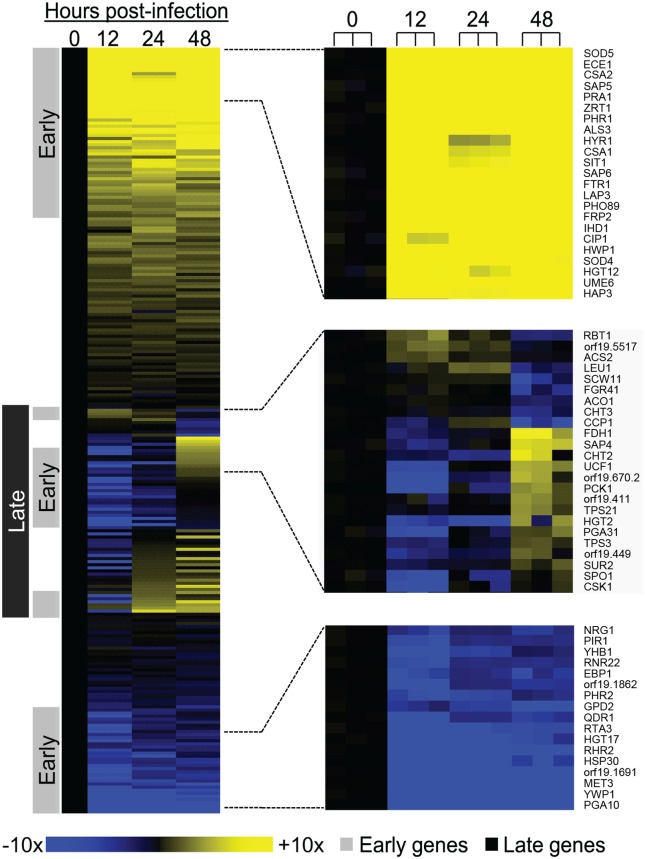
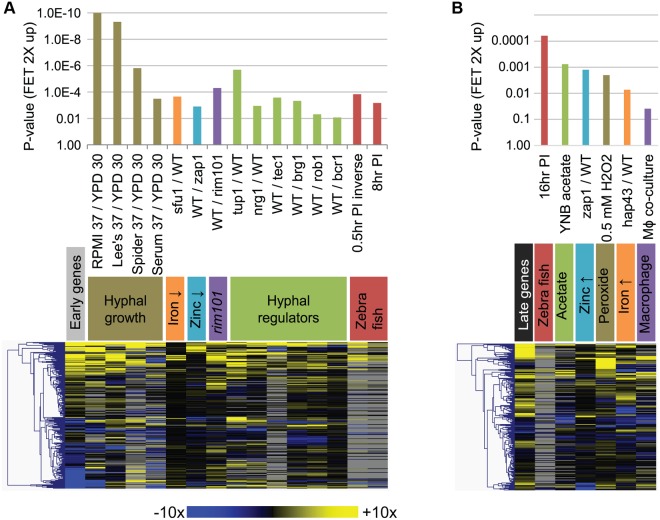
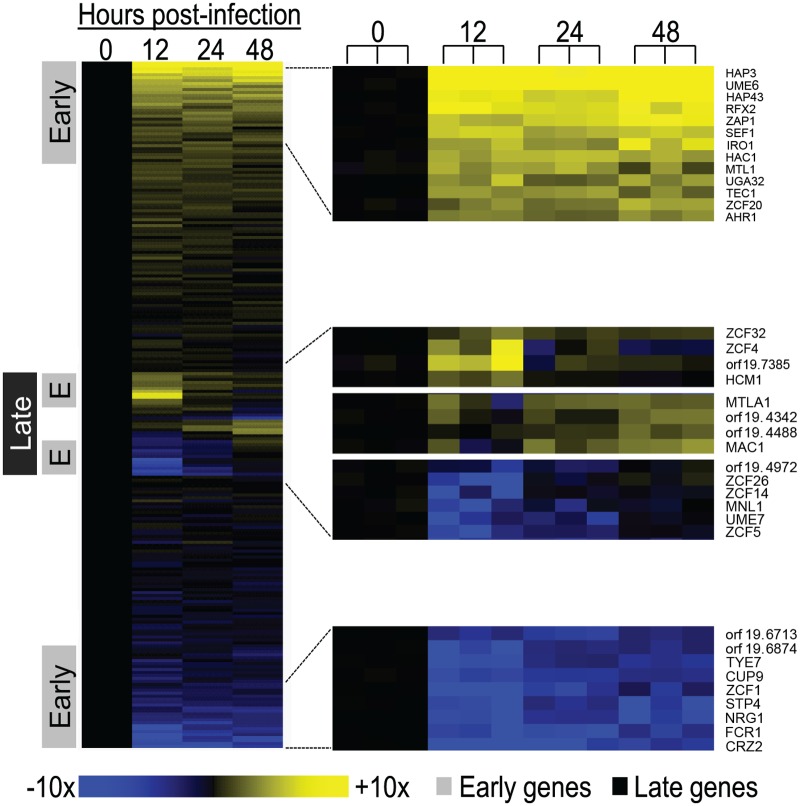
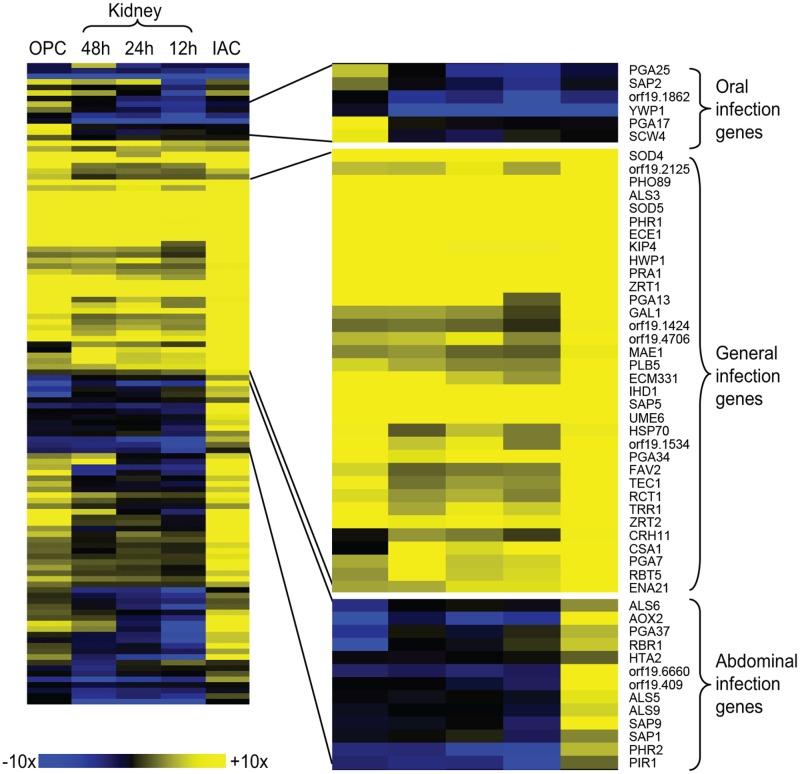
Gene expression dynamics have provided foundational insight into almost all biological processes. Here, we analyze expression of environmentally responsive genes and transcription factor genes to infer signals and pathways that drive pathogen gene regulation during invasive Candida albicans infection of a mammalian host. Environmentally responsive gene expression shows that there are early and late phases of infection. The early phase includes induction of zinc and iron limitation genes, genes that respond to transcription factor Rim101, and genes characteristic of invasive hyphal cells. The late phase includes responses related to phagocytosis by macrophages. Transcription factor gene expression also reflects early and late phases. Transcription factor genes that are required for virulence or proliferation in vivo are enriched among highly expressed transcription factor genes. Mutants defective in six transcription factor genes, three previously studied in detail (Rim101, Efg1, Zap1) and three less extensively studied (Rob1, Rpn4, Sut1), are profiled during infection. Most of these mutants have distinct gene expression profiles during infection as compared to in vitro growth. Infection profiles suggest that Sut1 acts in the same pathway as Zap1, and we verify that functional relationship with the finding that overexpression of either ZAP1 or the Zap1-dependent zinc transporter gene ZRT2 restores pathogenicity to a sut1 mutant. Perturbation with the cell wall inhibitor caspofungin also has distinct gene expression impact in vivo and in vitro. Unexpectedly, caspofungin induces many of the same genes that are repressed early during infection, a phenomenon that we suggest may contribute to drug efficacy. The pathogen response circuitry is tailored uniquely during infection, with many relevant regulatory relationships that are not evident during growth in vitro. Our findings support the principle that virulence is a property that is manifested only in the distinct environment in which host-pathogen interaction occurs.
Overview
The claims and statistics of this paper haven’t been checked yet.
Free: it reads the open-access text and checks the first 5 claims that cite a source we can check. Create a free account to check every claim.
Integrity signals
Registry
Cites
Statistics
Figures
Verification
Claims the paper makes
The claims and statistics of this paper haven’t been checked yet.
Free: it reads the open-access text and checks the first 5 claims that cite a source we can check. Create a free account to check every claim.
Claims other papers make about this one
Each is checked against this paper’s own text: does it say what the citing paper says it does?
The check wasn’t confident either way, so it gives no verdict — never disputed.
In the citing paper
“Previous studies have reported that AOX2 expression is upregulated upon phagocytosis by murine macrophages23 and during progressive infection of kidneys in systemically infected mice24.”
From Multifactor transcriptional control of alternative oxidase induction integrates diverse environmental inputs to enable fungal virulence (2023) · cites this paper as [24]
Experimental — accuracy not yet measured
Self-check
Percentages, sums and reported differences re-computed from the paper’s own numbers.
The self-check needs the paper’s full text.
Citations
Cites
Epidemiology of Invasive Candidiasis: a Persistent Public Health Problem
Pfaller, M. A., & Diekema, D. J. (2007) · Clinical Microbiology Reviews · doi:10.1128/cmr.00029-06 · Cited by 4,174 · cited 3×
“Caspofungin, a cell wall inhibitor, is an extremely effective antifungal drug [6].”
BackgroundInfluentialDirect multiplexed measurement of gene expression with color-coded probe pairs
Geiss, G. K., Bumgarner, R. E., Birditt, B., Dahl, T., Dowidar, N., Dunaway, D. L., Fell, H. P., Ferree, S., George, R. D., Grogan, T., et al. (2008) · Nature Biotechnology · doi:10.1038/nbt1385 · Cited by 2,066 · cited 2×
“While prior profiling studies have provided foundational insight into mammalian infection, the dynamic range and sensitivity of microarray signals [5,10,11] may have limited detection of key regulatory genes that govern the infection process.”
BackgroundMethodCandida albicans pathogenicity mechanisms
Mayer, F. L., Wilson, D., & Hube, B. (2013) · Virulence · doi:10.4161/viru.22913 · Cited by 1,848 · cited 2×
“Late genes reflect responses that have been logically inferred from interactions with innate immune cells: oxidative stress and the consequences of phagocytosis by macrophages [32,33].”
BackgroundNonfilamentous C. albicans Mutants Are Avirulent
Lo, H.-J., Köhler, J. R., DiDomenico, B., Loebenberg, D., Cacciapuoti, A., & Fink, G. R. (1997) · Cell · doi:10.1016/s0092-8674(00)80358-x · Cited by 1,809 · cited 1×
“albicans strains characterized [22,23].”
Nutritional immunity: transition metals at the pathogen–host interface
Hood, M. I., & Skaar, E. P. (2012) · Nature Reviews Microbiology · doi:10.1038/nrmicro2836 · Cited by 1,535 · cited 2×
“This correlation is consistent with the idea that nutritional immunity is used broadly as a defense mechanism [31].”
BackgroundGillum, A. M., Tsay, E. Y. H., & Kirsch, D. R. (1984) · Molecular and General Genetics MGG · doi:10.1007/bf00328721 · Cited by 1,251 · cited 1×
“It is derived from the SC5314 background [44] strain DAY286 [45], which in turn derives from strain BWP17 [43], as do all of the deletion mutants studied here.”
BackgroundRapid Hypothesis Testing with Candida albicans through Gene Disruption with Short Homology Regions
Wilson, R. B., Davis, D., & Mitchell, A. P. (1999) · Journal of Bacteriology · doi:10.1128/jb.181.6.1868-1874.1999 · Cited by 762 · cited 3×
“C. albicans Strains C. albicans deletion mutant strains were constructed in the BWP17 strain background through homologous recombination [43].”
BackgroundMethodSelf-citationDual RNA-seq of pathogen and host
Westermann, A. J., Gorski, S. A., & Vogel, J. (2012) · Nature Reviews Microbiology · doi:10.1038/nrmicro2852 · Cited by 760 · cited 2×
“While prior profiling studies have provided foundational insight into mammalian infection, the dynamic range and sensitivity of microarray signals [5,10,11] may have limited detection of key regulatory genes that govern the infection process.”
BackgroundTranscriptional Response of Candida albicans upon Internalization by Macrophages
Lorenz, M. C., Bender, J. A., & Fink, G. R. (2004) · Eukaryotic Cell · doi:10.1128/ec.3.5.1076-1087.2004 · Cited by 712 · cited 2×
“Interestingly, up-regulation of ICL1,MLS2, PCK1, and FOX2 occurs upon internalization by macrophages [17].”
BackgroundA Recently Evolved Transcriptional Network Controls Biofilm Development in Candida albicans
Nobile, C. J., Fox, E. P., Nett, J. E., Sorrells, T. R., Mitrovich, Q. M., Hernday, A. D., Tuch, B. B., Andes, D. R., & Johnson, A. D. (2012) · Cell · doi:10.1016/j.cell.2011.10.048 · Cited by 711 · cited 4×
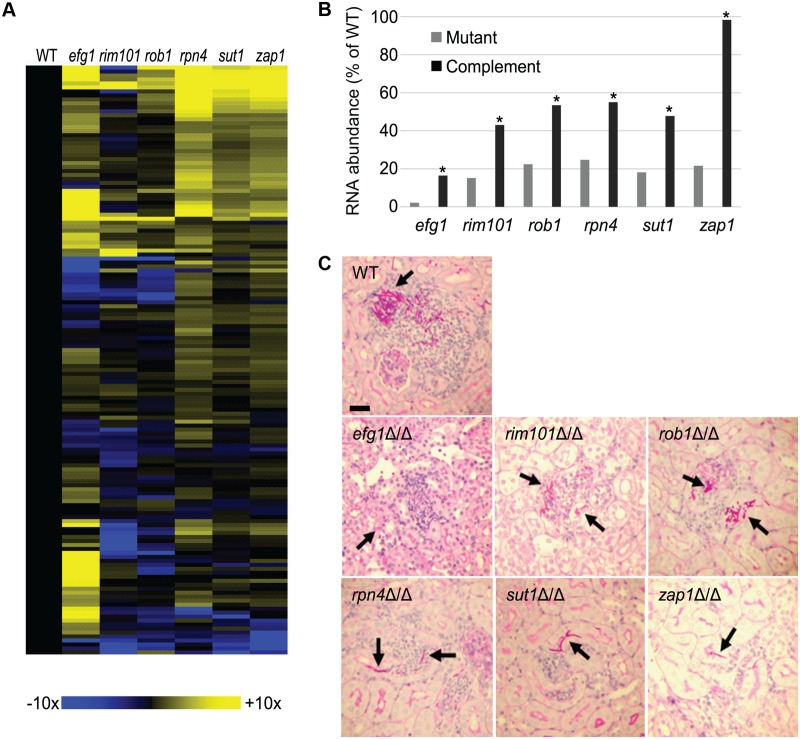
“Among the 63 up-regulated genes, only four were up-regulated in the in vitro efg1Δ/Δ characterization [25], and their fold-change was much greater in vivo than in vitro.”
BackgroundResultInfluentialNoble, S. M., French, S., Kohn, L. A., Chen, V., & Johnson, A. D. (2010) · Nature Genetics · doi:10.1038/ng.605 · Cited by 678 · cited 2×
“albicans transcription factors that govern infection have been extensively studied through both single gene analyses and large scale competitive growth assays [27,37].”
BackgroundSelection of Bacterial Virulence Genes That Are Specifically Induced in Host Tissues
Mahan, M. J., Slauch, J. M., & Mekalanos, J. J. (1993) · Science · doi:10.1126/science.8430319 · Cited by 660 · cited 1×
“Which genes does a pathogen express during infection? Which regulatory pathways govern expression of those genes in vivo? These questions are central to the study of microbial pathogenesis, and they have been addressed by diverse approaches [1–4].”
BackgroundStoldt, V. R. (1997) · The EMBO Journal · doi:10.1093/emboj/16.8.1982 · Cited by 598 · cited 1×
“albicans strains characterized [22,23].”
Fluorescence-Based Isolation of Bacterial Genes Expressed Within Host Cells
Valdivia, R. H., & Falkow, S. (1997) · Science · doi:10.1126/science.277.5334.2007 · Cited by 589 · cited 1×
“Which genes does a pathogen express during infection? Which regulatory pathways govern expression of those genes in vivo? These questions are central to the study of microbial pathogenesis, and they have been addressed by diverse approaches [1–4].”
BackgroundRegulatory circuitry governing fungal development, drug resistance, and disease.
Shapiro, R. S., Robbins, N., & Cowen, L. E. (2011) · Microbiology and Molecular Biology Reviews · doi:10.1128/mmbr.00045-10 · Cited by 576 · cited 3×
“Also, many of the response pathways that govern their expression are known to impact virulence, as inferred from mutant analysis and comparisons to other pathogens [14].”
BackgroundResultBiswas, S., Van Dijck, P., & Datta, A. (2007) · Microbiology and Molecular Biology Reviews · doi:10.1128/mmbr.00009-06 · Cited by 516 · cited 1×
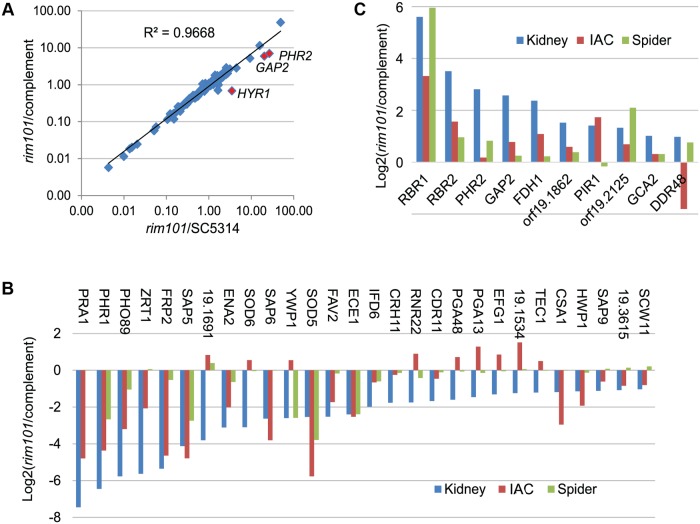
“Our results here provide a simple explanation that was not understood previously (see [14,38] for recent reviews): the rim101Δ/Δmutant has reduced expression of two hyphal regulatory genes, EFG1 and TEC1, during kidney invasion.”
ResultBiofilm Matrix Regulation by Candida albicans Zap1
Nobile, C. J., Nett, J. E., Hernday, A. D., Homann, O. R., Deneault, J.-S., Nantel, A., Andes, D. R., Johnson, A. D., & Mitchell, A. P. (2009) · PLoS Biology · doi:10.1371/journal.pbio.1000133 · Cited by 337 · cited 2×
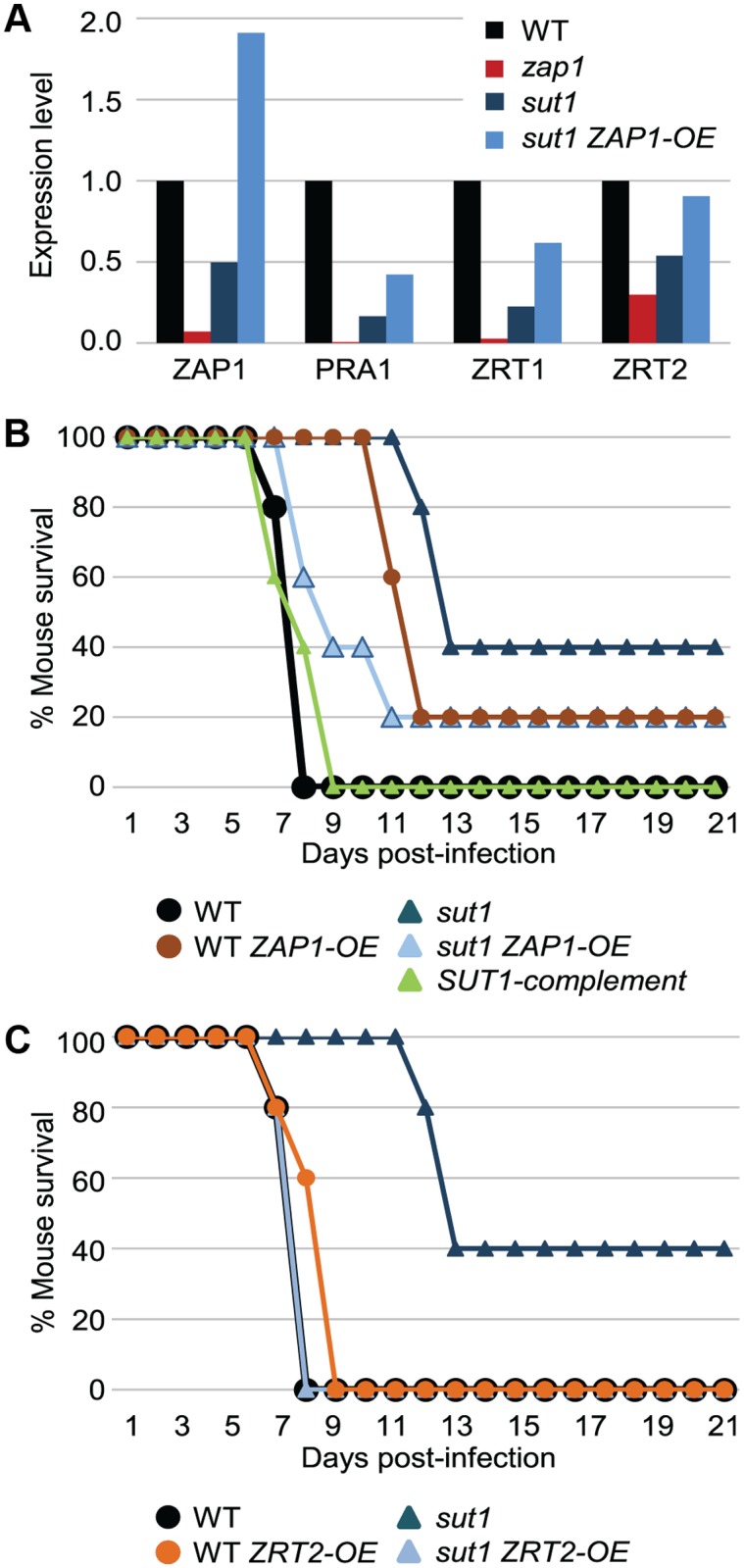
“Growth of rpn4Δ/Δ, sut1Δ/Δ, and zap1Δ/Δmutants, as well as respective complemented strains, in low zinc medium [41], plotted as A600 versus time.”
BackgroundMethodSelf-citationNiche-specific regulation of central metabolic pathways in a fungal pathogen
Barelle, C. J., Priest, C. L., MacCallum, D. M., Gow, N. A. R., Odds, F. C., & Brown, A. J. P. (2006) · Cellular Microbiology · doi:10.1111/j.1462-5822.2005.00676.x · Cited by 336 · cited 2×
“that a defect in glycolysis blocks establishment of infection, whereas defects in the glyoxylate cycle or gluconeogenesis impair later events in infection [36].”
BackgroundResultLiu, T. T., Lee, R. E. B., Barker, K. S., Lee, R. E., Wei, L., Homayouni, R., & Rogers, P. D. (2005) · Antimicrobial Agents and Chemotherapy · doi:10.1128/aac.49.6.2226-2236.2005 · Cited by 313 · cited 1×
“The gene expression response to caspofungin treatment has been assayed during growth in vitro [28–30], but not under infection conditions.”
BackgroundDynamic, Morphotype-Specific Candida albicans β-Glucan Exposure during Infection and Drug Treatment
Wheeler, R. T., Kombe, D., Agarwala, S. D., & Fink, G. R. (2008) · PLoS Pathogens · doi:10.1371/journal.ppat.1000227 · Cited by 309 · cited 1×
“[39], who observed that cell wall β-glucan is more exposed on the C.”
BackgroundCandida albicans RIM101 pH Response Pathway Is Required for Host-Pathogen Interactions
Davis, D., Edwards, J. E., Mitchell, A. P., & Ibrahim, A. S. (2000) · Infection and Immunity · doi:10.1128/iai.68.10.5953-5959.2000 · Cited by 274 · cited 4×
“During invasive growth in the kidney, the rim101Δ/Δmutant is defective in hyphal formation [19].”
BackgroundResultInfluentialSelf-citationSub-Telomere Directed Gene Expression during Initiation of Invasive Aspergillosis
McDonagh, A., Fedorova, N. D., Crabtree, J., Yu, Y., Kim, S., Chen, D., Loss, O., Cairns, T., Goldman, G., Armstrong-James, D., et al. (2008) · PLoS Pathogens · doi:10.1371/journal.ppat.1000154 · Cited by 235 · cited 1×
“Which genes does a pathogen express during infection? Which regulatory pathways govern expression of those genes in vivo? These questions are central to the study of microbial pathogenesis, and they have been addressed by diverse approaches [1–4].”
BackgroundDavis, D. A., Bruno, V. M., Loza, L., Filler, S. G., & Mitchell, A. P. (2002) · Genetics · doi:10.1093/genetics/162.4.1573 · Cited by 184
Self-citationControl of the C. albicans Cell Wall Damage Response by Transcriptional Regulator Cas5
Bruno, V. M., Kalachikov, S., Subaran, R., Nobile, C. J., Kyratsous, C., & Mitchell, A. P. (2006) · PLoS Pathogens · doi:10.1371/journal.ppat.0020021 · Cited by 157 · cited 1×
“The gene expression response to caspofungin treatment has been assayed during growth in vitro [28–30], but not under infection conditions.”
BackgroundSelf-citationNobile, C. J., Solis, N., Myers, C. L., Fay, A. J., Deneault, J.-S., Nantel, A., Mitchell, A. P., & Filler, S. G. (2008) · Cellular Microbiology · doi:10.1111/j.1462-5822.2008.01198.x · Cited by 150 · cited 2×
“Although Rim101-dependent genes overlap with yeast-to-hyphal genes, the correlation was significant with Rim101-dependent genes from an nrg1Δ/Δ background, in which hyphal gene expression changes were minimized [15].”
BackgroundMethodSelf-citationGibbons, J. G., Beauvais, A., Beau, R., McGary, K. L., Latgé, J.-P., & Rokas, A. (2012) · Eukaryotic Cell · doi:10.1128/ec.05102-11 · Cited by 118 · cited 1×
“Late genes reflect responses that have been logically inferred from interactions with innate immune cells: oxidative stress and the consequences of phagocytosis by macrophages [32,33].”
BackgroundRoles of Candida albicans Dfg5p and Dcw1p Cell Surface Proteins in Growth and Hypha Formation
Spreghini, E., Davis, D. A., Subaran, R., Kim, M., & Mitchell, A. P. (2003) · Eukaryotic Cell · doi:10.1128/ec.2.4.746-755.2003 · Cited by 114 · cited 1×
“albicans IRO1 gene was polymerase chain reaction (PCR) amplified from strain SC5314 genomic DNA using primers pSG1 Nde1 IRO1 18 F and pSG1 Nde1 IRO1 257, which have flanking homologous sequences to plasmid pSG1, a derivative of pDDB78 [42] from which the S.”
MethodSelf-citationDiverged Binding Specificity of Rim101p, the Candida albicans Ortholog of PacC
Ramón, A. M., & Fonzi, W. A. (2003) · Eukaryotic Cell · doi:10.1128/ec.2.4.718-728.2003 · Cited by 106 · cited 4×
“Among significantly regulated genes from one previous in vitro study [30], 32 could be detected by our nanoString probes, and only four were regulated in parallel (up-regulated: PHR2, RTA4, SAP9; downregulated: FGR41).”
BackgroundInfluentialDivergent Targets of Candida albicans Biofilm Regulator Bcr1 In Vitro and In Vivo
Fanning, S., Xu, W., Solis, N., Woolford, C. A., Filler, S. G., & Mitchell, A. P. (2012) · Eukaryotic Cell · doi:10.1128/ec.00103-12 · Cited by 106 · cited 20×
“For oral and abdominal C. albicans infection models, in which pathogen cells are relatively numerous, we have been able to collect a snapshot of infection samples and elucidate the roles of two well-established virulence regulators, Bcr1 and Rim101 [12,13].”
BackgroundMethodInfluentialSelf-citationMicrobial Virulence as an Emergent Property: Consequences and Opportunities
Casadevall, A., Fang, F. C., & Pirofski, L.-A. (2011) · PLoS Pathogens · doi:10.1371/journal.ppat.1002136 · Cited by 102 · cited 1×
“Casadevall and colleagues [40] have argued that virulence is an emergent property, a unique state manifested only when host and pathogen interact.”
BackgroundSanchez, A. A., Johnston, D. A., Myers, C., Edwards, J. E., Mitchell, A. P., & Filler, S. G. (2004) · Infection and Immunity · doi:10.1128/iai.72.1.598-601.2004 · Cited by 101 · cited 1×
“albicans were inoculated intravenously with 5 × 10(5) yeastphase cells that had been grown in YPD at 30°C to saturation as described previously [46].”
MethodSelf-citationWhat’s New About Osmotic Regulation of Glycerophosphocholine
Gallazzini, M., & Burg, M. B. (2009) · Physiology · doi:10.1152/physiol.00009.2009 · Cited by 97 · cited 1×
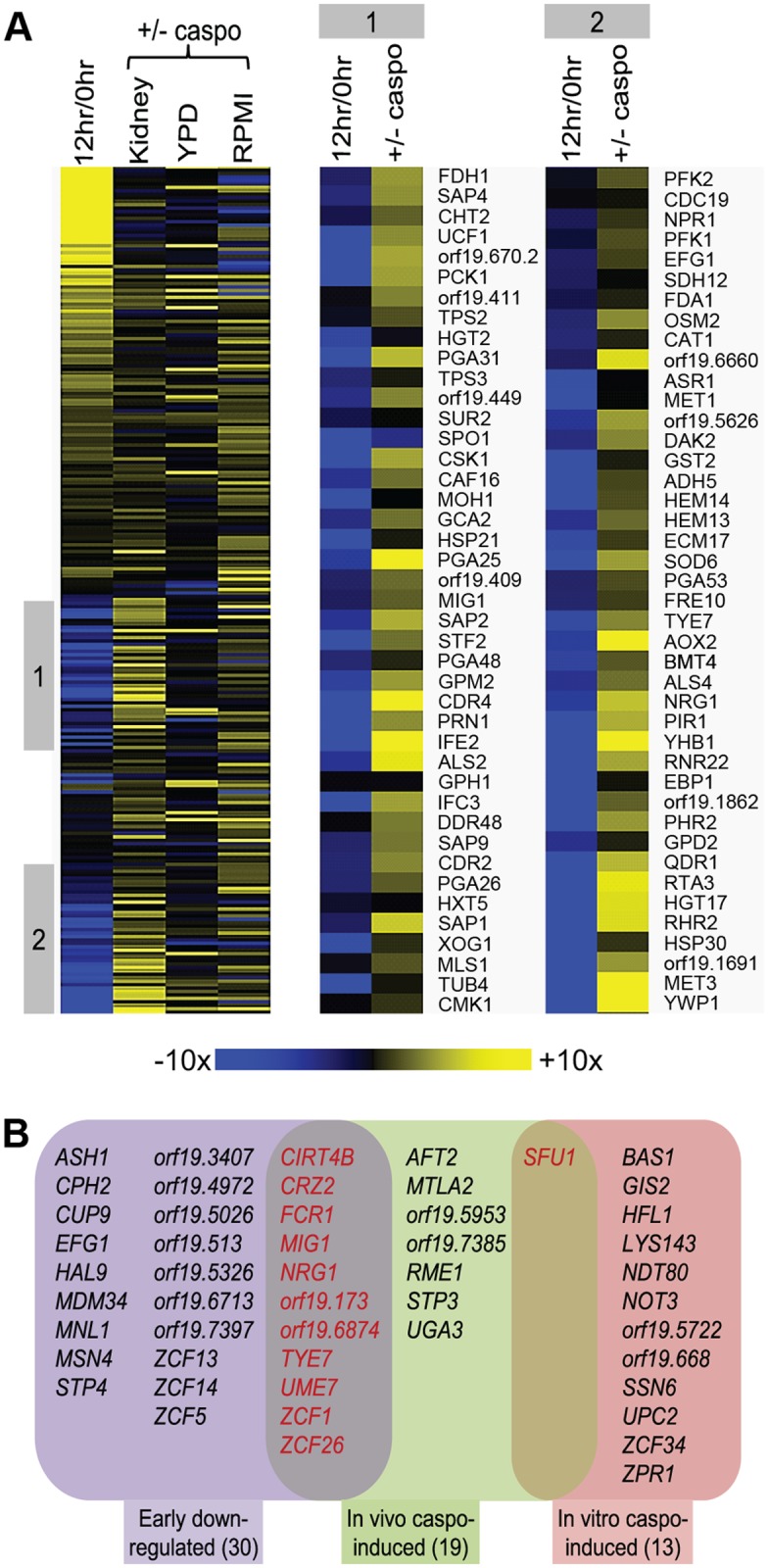
“Early down-regulated genes included the glycerol biosynthetic genes GPD2 and RHR2, a likely reflection of metabolic feedback from high levels of the kidney osmoprotectant glycero-phosphocholine [34], which is utilized by C.”
BackgroundWalker, L. A., MacCallum, D. M., Bertram, G., Gow, N. A. R., Odds, F. C., & Brown, A. J. P. (2009) · Fungal Genetics and Biology · doi:10.1016/j.fgb.2008.10.012 · Cited by 97 · cited 2×
“albicans infection using microarray technology [4,8,9].”
BackgroundRauceo, J. M., Blankenship, J. R., Fanning, S., Hamaker, J. J., Deneault, J.-S., Smith, F. J., Nantel, A., & Mitchell, A. P. (2008) · Molecular Biology of the Cell · doi:10.1091/mbc.e08-02-0191 · Cited by 89 · cited 2×
“albicans environmentally responsive genes are presented for caspofungin treated versus untreated cells at 24 hr postinfection (“Kidney,” S6 Data), in vitro in YPD at 30°C (“YPD,” from [30]), and in vitro in RPMI at 37°C (“RPMI,” S6 Data).”
BackgroundMethodSelf-citationExpectations, validity, and reality in gene expression profiling
Kim, K., Zakharkin, S. O., & Allison, D. B. (2010) · Journal of Clinical Epidemiology · doi:10.1016/j.jclinepi.2010.02.018 · Cited by 79 · cited 1×
“While prior profiling studies have provided foundational insight into mammalian infection, the dynamic range and sensitivity of microarray signals [5,10,11] may have limited detection of key regulatory genes that govern the infection process.”
BackgroundChen, Y. Y., Chao, C., Liu, F., Hsu, P., Chen, H.-F., Peng, S.-C., Chuang, Y., Lan, C., Hsieh, W., & Wong, D. S. (2013) · PLoS ONE · doi:10.1371/journal.pone.0072483 · Cited by 69 · cited 1×
“There was also significant similarity to genes that were up-regulated mid-way through a zebrafish infection (“8 hr postinfection [PI]” dataset [16]), a point we return to in the Discussion.”
BackgroundPotrykus, J., Stead, D., MacCallum, D. M., Urgast, D. S., Raab, A., van Rooijen, N., Feldmann, J., & Brown, A. J. P. (2013) · PLoS Pathogens · doi:10.1371/journal.ppat.1003676 · Cited by 66 · cited 2×
“[18].”
The RAM network in pathogenic fungi
Saputo, S., Chabrier-Rosello, Y., Luca, F. C., Kumar, A., & Krysan, D. J. (2012) · Eukaryotic Cell · doi:10.1128/ec.00044-12 · Cited by 65 · cited 1×
“Efg1 governs numerous pathogenicity-related phenotypes, including adherence to diverse cells and substrates, formation of hyphae at 37°C, colonization of the gastrointestinal tract, and antifungal drug susceptibility [14,24].”
BackgroundBaek, Y.-U., Martin, S. J., & Davis, D. A. (2006) · Eukaryotic Cell · doi:10.1128/ec.00088-06 · Cited by 64 · cited 4×
“Among significantly regulated genes from one previous in vitro study [30], 32 could be detected by our nanoString probes, and only four were regulated in parallel (up-regulated: PHR2, RTA4, SAP9; downregulated: FGR41).”
BackgroundInfluentialCheng, S., Clancy, C. J., Xu, W., Schneider, F., Hao, B., Mitchell, A. P., & Nguyen, M. H. (2013) · The Journal of Infectious Diseases · doi:10.1093/infdis/jit335 · Cited by 62 · cited 26×
“05), during abdominal infection (red bars; reported in [12]) or during in vitro growth in Spider medium (green bars) are displayed.”
BackgroundMethodInfluentialSelf-citationVandeputte, P., Ischer, F., Sanglard, D., & Coste, A. T. (2011) · PLoS ONE · doi:10.1371/journal.pone.0026962 · Cited by 56 · cited 1×
“albicans transcription factors that govern infection have been extensively studied through both single gene analyses and large scale competitive growth assays [27,37].”
BackgroundMacCallum, D. M. (2009) · FEMS Yeast Research · doi:10.1111/j.1567-1364.2009.00576.x · Cited by 56 · cited 4×
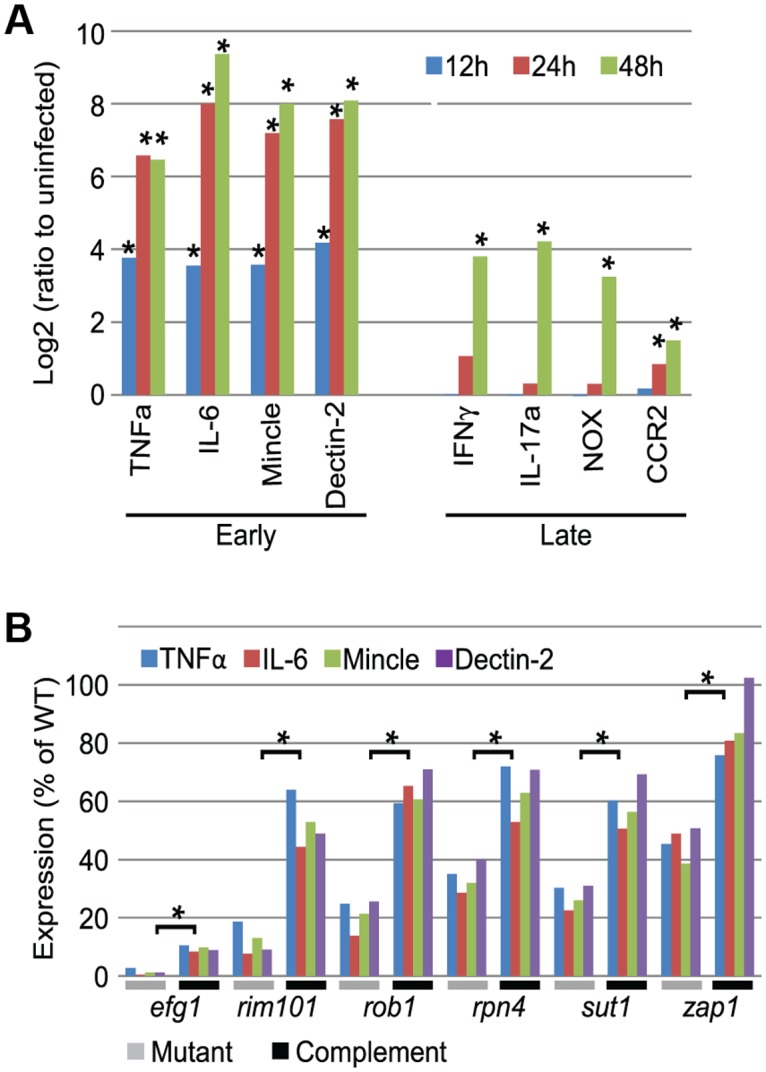
“This set included genes for pro-inflammatory cytokines (such as Tnfα and IL-6) and pattern recognition receptors (such as Mincle and Dectin-2), in keeping with the study by MacCallum at 24 hr postinfection [9].”
BackgroundResultInfluentialAndes, D., Lepak, A., Pitula, A., Marchillo, K., & Clark, J. (2005) · The Journal of Infectious Diseases · doi:10.1086/432104 · Cited by 53 · cited 3×
“albicans infection using microarray technology [4,8,9].”
BackgroundFunctional control of the Candida albicans cell wall by catalytic protein kinase A subunit Tpk 1
Fanning, S., Xu, W., Beaurepaire, C., Suhan, J. P., Nantel, A., & Mitchell, A. P. (2012) · Molecular Microbiology · doi:10.1111/j.1365-2958.2012.08193.x · Cited by 36 · cited 1×
“Quantitative reverse transcription PCR reactions were carried out as previously described [47].”
MethodSelf-citationGlycerophosphocholine Utilization by Candida albicans
Bishop, A. C., Ganguly, S., Solis, N. V., Cooley, B., Jensen‐Seaman, M. I., Filler, S. G., Mitchell, A. P., & Patton, J. L. (2013) · Journal of Biological Chemistry · doi:10.1074/jbc.m113.505735 · Cited by 34
Self-citationCandida albicans Stimulates Local Expression of Leukocyte Adhesion Molecules and Cytokines In Vivo
Cannom, R. R. M., French, S. W., Johnston, D. A., Edwards, J. E., & Filler, S. G. (2002) · The Journal of Infectious Diseases · doi:10.1086/341660 · Cited by 31 · cited 4×
“albicans yeast cells are inoculated into the lateral tail vein, has been widely used to study invasive candidiasis [7].”
BackgroundMethodInfluentialSelf-citationZavřel, M., Majer, O., Kuchler, K., & Rupp, S. (2011) · Eukaryotic Cell · doi:10.1128/ec.05206-11 · Cited by 23 · cited 10×
“In contrast, during growth in an abdominal infection model, the rim101Δ/Δmutant is not defective in hyphal formation, nor in EFG1 or TEC1 expression [12].”
ResultInfluential
Cited by
Calpain research for drug discovery: challenges and potential
Ono, Y., Saido, T. C., & Sorimachi, H. (2016) · Nature Reviews Drug Discovery · doi:10.1038/nrd.2016.212 · Cited by 282
Gerwien, F., Skrahina, V., Kasper, L., Hube, B., & Brunke, S. (2018) · FEMS Microbiology Reviews · doi:10.1093/femsre/fux050 · Cited by 250
Witchley, J. N., Penumetcha, P., Abon, N. V., Woolford, C. A., Mitchell, A. P., & Noble, S. M. (2019) · Cell Host & Microbe · doi:10.1016/j.chom.2019.02.008 · Cited by 240
“To assess fungal transcript levels in commensally growing strains, we utilized a NanoString nCounter platform (Xu et al., 2015) that can quantify low-abundance fungal transcripts amid excess host, bacterial, archaeal, and viral RNAs.”
Self-citationDynamic Fungal Cell Wall Architecture in Stress Adaptation and Immune Evasion
Hopke, A., Brown, A. J. P., Hall, R. A., & Wheeler, R. T. (2018) · Trends in Microbiology · doi:10.1016/j.tim.2018.01.007 · Cited by 228
“Tools such as Nanostring pro fi ling , RNAseq , and cell intrinsic reporters have also enabled investigators to probe fungal physiology during infection [30,40 – 44].”
BackgroundRole of Calprotectin in Withholding Zinc and Copper from Candida albicans
Besold, A. N., Gilston, B. A., Radin, J. N., Ramsoomair, C., Culbertson, E. M., Li, C. X., Cormack, B. P., Chazin, W. J., Kehl-Fie, T. E., & Culotta, V. C. (2018) · Infection and Immunity · doi:10.1128/iai.00779-17 · Cited by 136
“evidence of causing decreased virulence in the mouse model of disseminated candidiasis (10, 64).”
Background
Metadata
- Authors
- Xu, W., Solis, N. V., Ehrlich, R. L., Woolford, C. A., Filler, S. G., & Mitchell, A. P.
- Affiliations
- Carnegie Mellon University (US)
- University of California, Los Angeles (US)
- Corresponding author
- Filler, Scott G.
- Mitchell, Aaron P.
- Venue
- PLOS Biology
- Publisher
- Public Library of Science (PLoS)
- Published
- 2015-02-18
- Volume
- 13
- Issue
- 2
- Pages
- e1002076
- ISSN
- 1544-9173 (ISSN-L)
- 1545-7885
- PMC
- PMC4333574
- OpenAlex
- W2004992298
- Cited by
- 103
- References
- 47
- Citations by year
- 2026: 3 · 2025: 2 · 2024: 10 · 2023: 11 · 2022: 6 · 2021: 13 · 2020: 7 · 2019: 4 · 2018: 11 · 2017: 13 · 2016: 15 · 2015: 8
- FWCI
- 6.80
- Type
- journal article
- Language
- en
- Open access
- gold
- doi.org
- Licence
- Locations
- PLoS Biology (publishedVersion, cc-by)
- Europe PMC (PubMed Central) (publishedVersion, cc-by)
- PubMed Central (publishedVersion, cc-by)
- PubMed (publishedVersion)
- DOAJ (DOAJ: Directory of Open Access Journals) (submittedVersion)
- eScholarship (California Digital Library) (submittedVersion, cc-by)
- Figshare (submittedVersion, cc-by)
- Funders
- Andrew W. Mellon Foundation
- Richard King Mellon Foundation
- National Institutes of Health
- National Institute of Allergy and Infectious Diseases (R01AI054928)
- National Institute of Dental and Craniofacial Research (R21DE023311)
- Topics
- Life Sciences › Biochemistry, Genetics and Molecular Biology › Molecular Biology › Fungal and yeast genetics research
- Health Sciences › Medicine › Infectious Diseases › Antifungal resistance and susceptibility
- Health Sciences › Medicine › Infectious Diseases › Fungal Infections and Studies
- Keywords
- Candida albicans, invasive candidiasis, host-pathogen interaction, transcription factor gene expression, Rim101, Zap1, SUT1, EFG1, Rpn4, zinc limitation, iron limitation, hyphal differentiation, macrophage phagocytosis, caspofungin, antifungal drug response, virulence
- MeSH terms
- Caspofungin, Animals, Antifungal Agents, Candida albicans, Candidiasis, DNA-Binding Proteins, Fungal Proteins, Injections, Intravenous, Kidney, Male, Mice, Inbred BALB C, Mutation, Transcription Factors, Virulence, Signal Transduction, Gene Expression Regulation, Fungal, Gene Expression Profiling, Cation Transport Proteins, Mice, Gene Regulatory Networks, Echinocandins, Host-Pathogen Interactions, Lipopeptides, Molecular Sequence Annotation
About these checks
Registry, retraction, Cites and statistics results are computed, not judged, with one exception: a printed reference that no index lists is read once by a model before it counts as a citation error. Claims are extracted by a model and kept only when their quote appears verbatim in the text; each cited source is then checked, with a model’s help, for whether it says what the claim relies on. Those verdicts can be wrong — read the claim’s quote and the cited source before relying on one.
Statistics and arithmetic are recomputed, not judged.
Confidence bands are shown only for fields calibrated on our annotated test set. None is calibrated yet, so no band is shown.
What counts as a claim ›How we measure confidence ›How we check this ›
Are you an author, or do you see a problem with this page? Request a review
Data sources
Bibliographic data: Semantic Scholar, OpenAlex, Crossref.
Contains information from the Semantic Scholar Academic Graph Datasets, made available under the ODC Attribution License (ODC-BY 1.0).
Semantic Scholar’s data is described in: Kinney, R., et al. (2023). The Semantic Scholar Open Data Platform. arXiv:2301.10140.
