

Genomic Islands in the Pathogenic Filamentous Fungus Aspergillus fumigatus
Open accessThe DOI matches its Crossref record; 75 of the 75 references it cites were found in a registry or an index.
Abstract
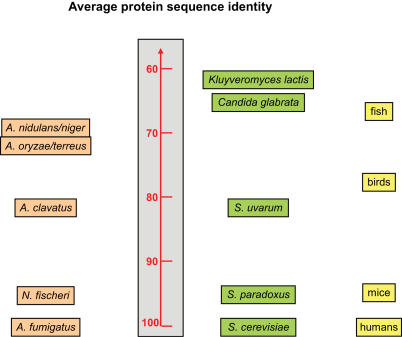
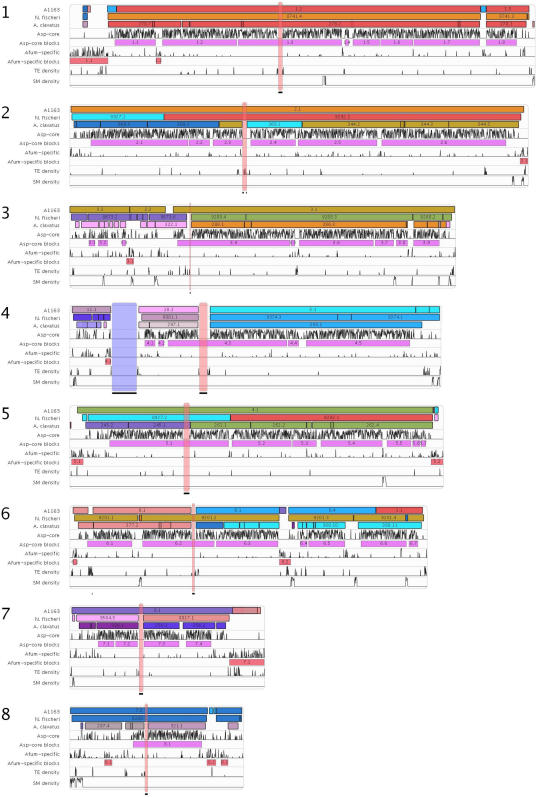
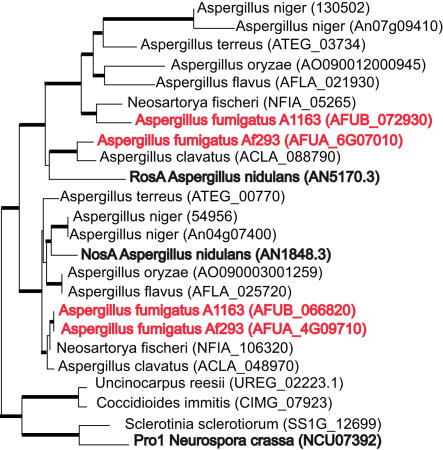
We present the genome sequences of a new clinical isolate of the important human pathogen, Aspergillus fumigatus, A1163, and two closely related but rarely pathogenic species, Neosartorya fischeri NRRL181 and Aspergillus clavatus NRRL1. Comparative genomic analysis of A1163 with the recently sequenced A. fumigatus isolate Af293 has identified core, variable and up to 2% unique genes in each genome. While the core genes are 99.8% identical at the nucleotide level, identity for variable genes can be as low 40%. The most divergent loci appear to contain heterokaryon incompatibility (het) genes associated with fungal programmed cell death such as developmental regulator rosA. Cross-species comparison has revealed that 8.5%, 13.5% and 12.6%, respectively, of A. fumigatus, N. fischeri and A. clavatus genes are species-specific. These genes are significantly smaller in size than core genes, contain fewer exons and exhibit a subtelomeric bias. Most of them cluster together in 13 chromosomal islands, which are enriched for pseudogenes, transposons and other repetitive elements. At least 20% of A. fumigatus-specific genes appear to be functional and involved in carbohydrate and chitin catabolism, transport, detoxification, secondary metabolism and other functions that may facilitate the adaptation to heterogeneous environments such as soil or a mammalian host. Contrary to what was suggested previously, their origin cannot be attributed to horizontal gene transfer (HGT), but instead is likely to involve duplication, diversification and differential gene loss (DDL). The role of duplication in the origin of lineage-specific genes is further underlined by the discovery of genomic islands that seem to function as designated "gene dumps" and, perhaps, simultaneously, as "gene factories".
Overview
The claims and statistics of this paper haven’t been checked yet.
Free: it reads the open-access text and checks the first 5 claims that cite a source we can check. Create a free account to check every claim.
Integrity signals
Registry
Cites
Statistics
Figures
Verification
Claims the paper makes
The claims and statistics of this paper haven’t been checked yet.
Free: it reads the open-access text and checks the first 5 claims that cite a source we can check. Create a free account to check every claim.
Claims other papers make about this one
Each is checked against this paper’s own text: does it say what the citing paper says it does?
The source backs part of the claim, not all of it — or backs it for a different population, condition or comparison.
In the citing paper
“Most of the studies have been performed with Neosartorya fischeri, a species very closely related taxonomically to A. fumigatus, which produced ascospores abundantly, in contrast to A. fumigatus (506).”
From Aspergillus fumigatus and Aspergillosis in 2019 (2019) · cites this paper as [506]
Experimental — accuracy not yet measured
Self-check
Percentages, sums and reported differences re-computed from the paper’s own numbers.
The self-check needs the paper’s full text.
Citations
Cites
Thompson, J. D., Higgins, D. G., & Gibson, T. J. (1994) · Nucleic Acids Research · doi:10.1093/nar/22.22.4673 · Cited by 64,617 · cited 1×
“Sequences were aligned using ClustalW [71].”
MUSCLE: multiple sequence alignment with high accuracy and high throughput
Edgar, R. C. (2004) · Nucleic Acids Research · doi:10.1093/nar/gkh340 · Cited by 44,662
Gene Ontology: tool for the unification of biology
Ashburner, M., Ball, C. A., Blake, J. A., Botstein, D., Butler, H., Cherry, J. M., Davis, A. P., Dolinski, K., Dwight, S. S., Eppig, J. T., et al. (2000) · Nature Genetics · doi:10.1038/75556 · Cited by 43,206
A Simple, Fast, and Accurate Algorithm to Estimate Large Phylogenies by Maximum Likelihood
Guindon, S., & Gascuel, O. (2003) · Systematic Biology · doi:10.1080/10635150390235520 · Cited by 16,806
Selection of Conserved Blocks from Multiple Alignments for Their Use in Phylogenetic Analysis
Castresana, J. (2000) · Molecular Biology and Evolution · doi:10.1093/oxfordjournals.molbev.a026334 · Cited by 10,508
Ohno, S. (1970) · doi:10.1007/978-3-642-86659-3 · Cited by 7,833
Whole-Genome Random Sequencing and Assembly of Haemophilus influenzae Rd
Fleischmann, R. D., Adams, M. D., White, O., Clayton, R. A., Kirkness, E. F., Kerlavage, A. R., Bult, C. J., Tomb, J.-F., Dougherty, B. A., Merrick, J. M., et al. (1995) · Science · doi:10.1126/science.7542800 · Cited by 5,654
Self-citationPAML: a program package for phylogenetic analysis by maximum likelihood
Yang, Z. (1997) · Bioinformatics · doi:10.1093/bioinformatics/13.5.555 · Cited by 5,373
Haas, B. J., Salzberg, S. L., Zhu, W., Pertea, M., Allen, J. E., Orvis, J., White, O., Buell, C. R., & Wortman, J. R. (2008) · Genome Biology · doi:10.1186/gb-2008-9-1-r7 · Cited by 4,079
Self-citationAspergillus fumigatus and Aspergillosis
Latgé, J.-P. (1999) · Clinical Microbiology Reviews · doi:10.1128/cmr.12.2.310 · Cited by 2,307 · cited 1×
“Aspergillus fumigatus is exceptional amongst the aspergilli in being both a primary and opportunistic pathogen as well as a major allergen associated with severe asthma and sinusitis [1–3].”
Background
Cited by
Items 101–200 of 510
Causes and Consequences of Genome Expansion in Fungi
Kelkar, Y., & Ochman, H. (2011) · Genome Biology and Evolution · doi:10.1093/gbe/evr124 · Cited by 94
Butler, G. (2010) · Clinical Microbiology Reviews · doi:10.1128/cmr.00053-09 · Cited by 88
Sequence and Analysis of the Genome of the Pathogenic Yeast Candida orthopsilosis
Riccombeni, A., Vidanes, G., Proux-Wéra, E., Wolfe, K. H., & Butler, G. (2012) · PLoS ONE · doi:10.1371/journal.pone.0035750 · Cited by 86
Self-citationSuh, M.-J., Fedorova, N. D., Cagas, S. E., Hastings, S., Fleischmann, R. D., Peterson, S. N., Perlin, D. S., Nierman, W. C., Pieper, R., & Momany, M. (2012) · Proteome Science · doi:10.1186/1477-5956-10-30 · Cited by 85
“fumigatus proteome [2,3], suggesting that extraction of fungal membrane proteins for proteomics analysis remains a difficult task.”
InfluentialSelf-citationOn the lineage of Aspergillus fumigatus isolates in common laboratory use
Bertuzzi, M., van Rhijn, N., Krappmann, S., Bowyer, P., Bromley, M. J., & Bignell, E. M. (2021) · Medical Mycology · doi:10.1093/mmy/myaa075 · Cited by 84
Self-citationWalsh, C. T., Haynes, S. W., Ames, B. D., Gao, X., & Tang, Y. (2013) · ACS Chemical Biology · doi:10.1021/cb4001684 · Cited by 93
Traeger, S., Altegoer, F., Freitag, M., Gabaldón, T., Kempken, F., Kumar, A., Marcet‐Houben, M., Pöggeler, S., Stajich, J., & Nowrousian, M. (2013) · PLoS Genetics · doi:10.1371/journal.pgen.1003820 · Cited by 93
“confluens and the following 17 other fungal species were used for the reconstruction of the phylome: Agaricus bisporus [171], Arthrobotrys oligospora [10], Blumeria graminis [172], Coccidioides immitis [173], Emericella nidulans [174], Gibberella zeae [138], Laccaria bicolor [175], Mycosphaerella graminicola [176], Ne…”
BackgroundAspergillus terreus Species Complex
Lass‐Flörl, C., Dietl, A.-M., Kontoyiannis, D. P., & Brock, M. (2021) · Clinical Microbiology Reviews · doi:10.1128/cmr.00311-20 · Cited by 102
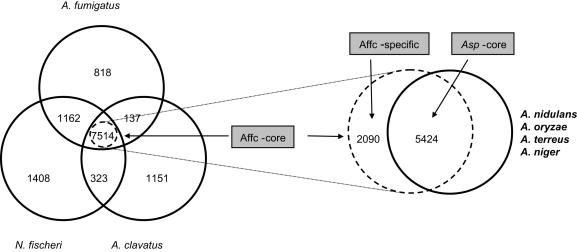
“A total of 2,090 proteins of the Affc-core group have no orthologs in the Aspergillus core group (51).”
BackgroundInfluentialFunctional Reconstitution of a Fungal Natural Product Gene Cluster by Advanced Genome Editing
Weber, J., Valiante, V., Nødvig, C. S., Mattern, D. J., Slotkowski, R., Mortensen, U. H., & Brakhage, A. A. (2016) · ACS Synthetic Biology · doi:10.1021/acssynbio.6b00203 · Cited by 88
Stukenbrock, E. H., & Croll, D. (2014) · Fungal Biology Reviews · doi:10.1016/j.fbr.2014.02.001 · Cited by 94
Activity assessment of microbial fibrinolytic enzymes
Kotb, E. (2013) · Applied Microbiology and Biotechnology · doi:10.1007/s00253-013-5052-1 · Cited by 86
Lofgren, L. A., Ross, B. S., Cramer, R. A., & Stajich, J. (2022) · PLoS Biology · doi:10.1371/journal.pbio.3001890 · Cited by 94
Strain Dependent Variation of Immune Responses to A. fumigatus: Definition of Pathogenic Species
Rizzetto, L., Giovannini, G., Bromley, M., Bowyer, P., Romani, L., & Cavalieri, D. (2013) · PLoS ONE · doi:10.1371/journal.pone.0056651 · Cited by 79
“fumigatus possess divergent genomes and gene complements [41].”
BackgroundSelf-citationGao, S., Li, Y., Gao, J., Suo, Y., Fu, K., Li, Y., & Chen, J. (2014) · BMC Genomics · doi:10.1186/1471-2164-15-627 · Cited by 86
“Genomic islands (GIs) are part of a genome and contain at least three contiguous gene-encoding proteins that do not exist in the reference genome [21].”
BackgroundSteenwyk, J. L., Mead, M. E., Knowles, S. L., Raja, H. A., Roberts, C. D., Bader, O., Houbraken, J. A. M. P., Goldman, G. H., Oberlies, N. H., & Rokas, A. (2020) · Genetics · doi:10.1534/genetics.120.303549 · Cited by 81
“The power of pathogen–nonpathogen comparative genomics is best utilized when examining closely related species (Fedorova et al. 2008; Jackson et al. 2011; Moran et al. 2011; Mead et al. 2019a; Rokas et al. 2020b).”
BackgroundSelf-citationWu, M.-Y., Mead, M. E., Lee, M.-K., Loss, E. O., Kim, S., Rokas, A., & Yu, J. (2018) · mBio · doi:10.1128/mbio.01130-18 · Cited by 79
“The three distantly related species Aspergillus nidulans, Aspergillus flavus, and Aspergillus fumigatus, whose pairwise genome similarities are similar to the genomic similarities between the human and fish genomes (6), form distinct conidiophores with various sizes of conidia.”
BackgroundLind, A., Wisecaver, J. H., Smith, T. D., Feng, X., Calvo, A. M., & Rokas, A. (2015) · PLoS Genetics · doi:10.1371/journal.pgen.1005096 · Cited by 80
“fumigatus isolates [57], and several SM gene clusters also appear to vary between isolates of A.”
BackgroundIn-host microevolution of Aspergillus fumigatus: A phenotypic and genotypic analysis
Ballard, E., Melchers, W. J. G., Zoll, J., Brown, A. J. P., Verweij, P. E., & Warris, A. (2018) · Fungal Genetics and Biology · doi:10.1016/j.fgb.2018.02.003 · Cited by 77
The Fungal Genome Initiative and Lessons Learned from Genome Sequencing
Cuomo, C. A., & Birren, B. W. (2010) · Methods in enzymology on CD-ROM/Methods in enzymology · doi:10.1016/s0076-6879(10)70034-3 · Cited by 95
Recent advances in reconstructing microbial secondary metabolites biosynthesis in Aspergillus spp.
He, Y., Wang, B., Chen, W., Cox, R. J., He, J., & Chen, F. (2018) · Biotechnology Advances · doi:10.1016/j.biotechadv.2018.02.001 · Cited by 81
Systems Biology of Fungal Infection
Horn, F., Heinekamp, T., Kniemeyer, O., Pollmächer, J., Valiante, V., & Brakhage, A. A. (2012) · Frontiers in Microbiology · doi:10.3389/fmicb.2012.00108 · Cited by 73
“However, extensive comparative studies on Aspergilli genomes suggest that the presence of paralogs in the different species could be ascribed to gene duplication within the genus and subsequent translocation to telomere-proximal locations (Fedorova et al., 2008).”
BackgroundPhylogenomic evolutionary surveys of subtilase superfamily genes in fungi
Li, J., Gu, F., Wu, R., Yang, J., & Zhang, K. (2017) · Scientific Reports · doi:10.1038/srep45456 · Cited by 84
Lendenmann, M. H., Croll, D., & McDonald, B. A. (2015) · Fungal Genetics and Biology · doi:10.1016/j.fgb.2015.05.001 · Cited by 69
Antifungal effect and mechanism of garlic oil on Penicillium funiculosum
Li, W., Shi, Q., Liang, Q. D., Huang, X.-M., & Chen, Y. (2014) · Applied Microbiology and Biotechnology · doi:10.1007/s00253-014-5919-9 · Cited by 82
Zhan, P., Dukik, K., Li, D., Sun, J., Stielow, J. B., van den Ende, B. G., Brankovics, B., Menken, S. B. J., Mei, H., Bao, W., et al. (2018) · Studies in Mycology · doi:10.1016/j.simyco.2018.02.004 · Cited by 78
“The Aspergillus fumigatus genome harbors rich duplication events, the majority clustering in 13 chromosomal islands, which are related to pathogenesis of clinical strains (Fedorova et al. 2008).”
BackgroundSpecies boundaries and nomenclature of Rhizopus arrhizus (syn. R. oryzae)
Dolatabadi, S., de Hoog, S., Meis, J. F. G. M., & Walther, G. (2014) · Mycoses · doi:10.1111/myc.12228 · Cited by 80
Sibthorp, C., Wu, H., Cowley, G., Wong, P. W. H., Palaima, P., Morozov, I. Y., Weedall, G. D., & Caddick, M. X. (2013) · BMC Genomics · doi:10.1186/1471-2164-14-847 · Cited by 73
“Additionally, the aspergilli themselves include fungi of biomedical, agricultural and industrial significance [1-5].”
Correlation of gene expression and protein production rate - a system wide study
Arvas, M., Pakula, T., Smit, B., Rautio, J. J., Koivistoinen, H., Jouhten, P., Lindfors, E., Wiebe, M. G., Penttilä, M. E., & Saloheimo, M. (2011) · BMC Genomics · doi:10.1186/1471-2164-12-616 · Cited by 74
“Nonsyntenic blocks are often found near telomers [15,17], where recombination rates can be high [10,16,18] and secreted, orphan [19] and paralogous genes [16] and single nucleotide polymorphisms [10] may be enriched.”
BackgroundInfluentialIsolation and characterization of Neosartorya fischeri antifungal protein (NFAP)
Kovács, L., Virágh, M., Takó, M., Papp, T., Vágvölgyi, C., & Galgóczy, L. (2011) · Peptides · doi:10.1016/j.peptides.2011.06.022 · Cited by 65
“In the genome of the Neosartorya fischeri isolate NRRL 181 [9], a gene encoding a hypothetical protein was identified (NCBI ID: XM 001262585), which proved to be a putative defensin-like antimicrobial protein (N.”
BackgroundSexual Reproduction of Human Fungal Pathogens
Heitman, J., Carter, D. A., Dyer, P. S., & Soll, D. R. (2014) · Cold Spring Harbor Perspectives in Medicine · doi:10.1101/cshperspect.a019281 · Cited by 76
“Genomic analysis had shown the presence of over 200 known ‘sex-related’ genes in the genomes of representative isolates, and importantly these genes appeared functional, with no evidence of point or frameshift mutations (Galagan et al. 2005; Fedorova et al. 2008; Dyer and O'Gorman 2012).”
BackgroundSelf-citationUrquhart, A. S., Vogan, A. A., Gardiner, D. M., & Idnurm, A. (2023) · Proceedings of the National Academy of Sciences · doi:10.1073/pnas.2214521120 · Cited by 57
Couto, G. H., Glogauer, A., Faoro, H., Chubatsu, L. S., de Souza, E. M., & Pedrosa, F. O. (2010) · Genetics and Molecular Research · doi:10.4238/vol9-1gmr738 · Cited by 78
Extensive Intra-Kingdom Horizontal Gene Transfer Converging on a Fungal Fructose Transporter Gene
Coelho, M. A., Gonçalves, C., Sampaio, J. P., & Gonçalves, P. M. (2013) · PLoS Genetics · doi:10.1371/journal.pgen.1003587 · Cited by 80
Allerdictor: fast allergen prediction using text classification techniques
Dang, H. X., & Lawrence, C. B. (2014) · Bioinformatics · doi:10.1093/bioinformatics/btu004 · Cited by 69
“For example, there exist $20 known allergens among 49000 proteins coded by the genome of the allergenic fungus Aspergillus fumigatus (Fedorova et al., 2008).”
BackgroundEl-Ganiny, A. M., Sheoran, I. S., Sanders, D. A. R., & Kaminskyj, S. G. W. (2010) · Fungal Genetics and Biology · doi:10.1016/j.fgb.2010.03.002 · Cited by 70
Kim, H. C., Choi, B.-S., Sapkota, K., Kim, S., Lee, H., Yoo, J. C., & Kim, S.-J. (2011) · Process Biochemistry · doi:10.1016/j.procbio.2011.04.005 · Cited by 66
First evidence of mineralization of petroleum asphaltenes by a strain of Neosartorya fischeri
Uribe‐Alvarez, C., Ayala, M., Perezgasga, L., Naranjo, L., Urbina, H., & Vázquez-Duhalt, R. (2011) · Microbial Biotechnology · doi:10.1111/j.1751-7915.2011.00269.x · Cited by 71
“Nevertheless, whereas the nucleotide sequence of core genes may be 99.8% identical between the two fungi, there are at least 2% unique genes in each genome (Fedorova et al., 2008).”
BackgroundInfluentialProtostadienol Biosynthesis and Metabolism in the Pathogenic Fungus Aspergillus fumigatus
Lodeiro, S., Xiong, Q., Wilson, W. K., Ivanova, Y., Smith, M. L., May, G. S., & Matsuda, S. P. T. (2009) · Organic Letters · doi:10.1021/ol802696a · Cited by 61
Holton, T. A., Vijayakumar, V., & Khaldi, N. (2013) · Trends in Food Science & Technology · doi:10.1016/j.tifs.2013.08.009 · Cited by 64
“…of evolution (Ogura et al. , 2009), genetic components involved in capacities such as pathogenicity (Carlton et al. , 2008; Chun et al. , 2009; Fedorova et al. , 2008; Khaldi, Collemare, Lebrun, & Wolfe, 2008; Khaldi et al. , 2010; Khaldi and Wolfe, 2008) and environmental adaptations…”
Self-citationRies, L. N. A., Steenwyk, J. L., de Castro, P. A., de Lima, P. B. A., Almeida, F. B. D. R., de Assis, L. J., Manfiolli, A. O., Takahashi‐Nakaguchi, A., Kusuya, Y., Hagiwara, D., et al. (2019) · Frontiers in Microbiology · doi:10.3389/fmicb.2019.00854 · Cited by 61
Self-citationSantos, R., Steenwyk, J. L., Rivero-Menéndez, O., Mead, M. E., Silva, L. P., Bastos, R. W., Alastruey‐Izquierdo, A., Goldman, G. H., & Rokas, A. (2020) · Frontiers in Genetics · doi:10.3389/fgene.2020.00459 · Cited by 65
“, 2016), Aspergillus fischeri NRRL181 (Fedorova et al., 2008), Aspergillus udagawae IFM46973 (Kusuya et al.”
Self-citationFungal nitrilases as biocatalysts: Recent developments
Martínková, L., Vejvoda, V., Kaplan, O., Kubáč, D., Malandra, A., Cantarella, M., Bezouška, K., & Křen, V. (2009) · Biotechnology Advances · doi:10.1016/j.biotechadv.2009.04.027 · Cited by 66
Regulation of Plant Biomass Utilization in Aspergillus
Kowalczyk, J. E., Benoit, I., & de Vries, R. P. (2014) · Advances in applied microbiology · doi:10.1016/b978-0-12-800260-5.00002-4 · Cited by 73
Fungal genome sequencing: basic biology to biotechnology
Sharma, K. K. (2015) · Critical Reviews in Biotechnology · doi:10.3109/07388551.2015.1015959 · Cited by 64
“…but the recent completion of its genome sequence and comparative genomic studies of two clinical isolates of A. fumigatus revealed species-specific chromosomal islands, which contribute to their rapid adaptation to heterogeneous environments (Fedorova et al., 2008; Ronning et al., 2005).”
BackgroundEvolution and Diversity of a Fungal Self/Nonself Recognition Locus
Hall, C., Welch, J. W., Kowbel, D., & Glass, N. L. (2010) · PLoS ONE · doi:10.1371/journal.pone.0014055 · Cited by 63
“anserina [30], Chaetomium globosum, Magnaporthe grisea [31], Gibberella zeae, Sclerotinia sclerotiorum, Botryotinia fuckeliana, Histoplasma capsulatum, Aspergillus niger [32] and Neosartorya fischerii [33] (See Materials and Methods) (Figure 2).”
BackgroundLosada, L., Sugui, J. A., Eckhaus, M. A., Chang, Y. C., Mounaud, S., Figat, A., Joardar, V., Pakala, S. B., Pakala, S., Venepally, P., et al. (2015) · PLOS Pathogens · doi:10.1371/journal.ppat.1004834 · Cited by 58
Self-citation14 Mating-Type Structure, Function, Regulation and Evolution in the Pezizomycotina
Dyer, P. S., Inderbitzin, P., & Debuchy, R. (2016) · The mycota · doi:10.1007/978-3-319-25844-7_14 · Cited by 82
Self-citationPathogenic Allodiploid Hybrids of Aspergillus Fungi
Steenwyk, J. L., Lind, A., Ries, L. N. A., dos Reis, T. F., Silva, L. P., Almeida, F. B. D. R., Bastos, R. W., Fraga‐Silva, T. F. D. C., Bonato, V. L. D., Pessoni, A. M., et al. (2020) · Current Biology · doi:10.1016/j.cub.2020.04.071 · Cited by 62
Self-citationGardiner, D. M., Benfield, A. H., Stiller, J., Stephen, S. J., Aitken, K. S., Liu, C., & Kazan, K. (2016) · Molecular Plant Pathology · doi:10.1111/mpp.12519 · Cited by 55
Sordaria macrospora, a model organism to study fungal cellular development
Teichert, I., Nowrousian, M., & Kück, U. (2010) · European Journal of Cell Biology · doi:10.1016/j.ejcb.2010.07.002 · Cited by 69
Urquhart, A. S., Vogan, A. A., Gardiner, D. M., & Idnurm, A. (2022) · doi:10.1101/2022.08.04.502770 · Cited by 57
Mead, M. E., Knowles, S. L., Raja, H. A., Beattie, S. R., Kowalski, C. H., Steenwyk, J. L., Silva, L. P., Chiaratto, J., Ries, L. N. A., Goldman, G. H., et al. (2019) · mSphere · doi:10.1128/msphere.00018-19 · Cited by 57
Self-citationAspergillus fumigatus Photobiology Illuminates the Marked Heterogeneity between Isolates
Fuller, K. K., Cramer, R. A., Zegans, M. E., Dunlap, J. C., & Loros, J. J. (2016) · mBio · doi:10.1128/mbio.01517-16 · Cited by 55
“For example, each strain harbors genes not found in the other; as for Af293, these lineage-specific genes may be involved in arsenic and betaine metabolism as well as osmotic and heavy metal stress (21).”
BackgroundKniemeyer, O. (2011) · PROTEOMICS · doi:10.1002/pmic.201100087 · Cited by 65
Interkingdom Gene Transfer of a Hybrid NPS/PKS from Bacteria to Filamentous Ascomycota
Lawrence, D. P., Kroken, S., Pryor, B. M., & Arnold, A. E. (2011) · PLoS ONE · doi:10.1371/journal.pone.0028231 · Cited by 56
“This is concordant with the hypothesized evolution of 6-MSAS type PKS genes from lichen-forming fungi proposed by Schmitt and Lumbsch (2009), and with the common observation that secondary metabolite genes are only maintained if they confer a selective advantage [14,23,46].”
ResultDeep sequencing analysis of transcriptomes in Aspergillus flavus in response to resveratrol
Wang, H., Lei, Y. H., Yan, L., Cheng, K., Dai, X., Wan, L., Guo, W., Cheng, L., & Liao, B. (2015) · BMC Microbiology · doi:10.1186/s12866-015-0513-6 · Cited by 62
“The molecular action of conidial hydrophobins RodA/ RolA (AFLA_098380) and RodB/HypB (AFLA_014260) contributed to the structural integrity of the cell wall [44, 45].”
BackgroundMiao, Y., Liu, D., Li, G., Li, P., Xu, Y., Shen, Q., & Zhang, R. (2015) · BMC Genomics · doi:10.1186/s12864-015-1658-2 · Cited by 61
“niger MGG029 with many genomic modifications [49], but it shared a similar potential and results of the present study enable valuable resources for further explorations.”
BackgroundResultKLAASSEN, C. H. W., GIBBONS, J. G., FEDOROVA, N. D., MEIS, J. F., & ROKAS, A. (2012) · Molecular Ecology · doi:10.1111/j.1365-294x.2011.05364.x · Cited by 53
“1B, Table S1, Supporting information), the A allele corresponds to the allele present in strain Af293 (Nierman et al. 2005) and the B allele corresponds to the allele present in strain A1163 (Fedorova et al. 2008), whereas the C allele corresponds to a recently identified third allelic variant (C. H. W. Klaassen and J…”
BackgroundMethodInfluentialSelf-citationImmuno-Reactive Molecules Identified from the Secreted Proteome of Aspergillus fumigatus
Singh, B., Oellerich, M., Kumar, R., Kumar, M., Bhadoria, D. P., Reichard, U., Gupta, V. K., Sharma, G. L., & Asif, A. R. (2010) · Journal of Proteome Research · doi:10.1021/pr100604x · Cited by 53
Samaras, Α., Ντάσιου, Π., Myresiotis, C. K., & Karaoglanidis, G. S. (2020) · International Journal of Food Microbiology · doi:10.1016/j.ijfoodmicro.2020.108896 · Cited by 60
Mutualistic interactions on a knife-edge between saprotrophy and pathogenesis
Veneault‐Fourrey, C., & Martin, F. M. (2011) · Current Opinion in Plant Biology · doi:10.1016/j.pbi.2011.03.022 · Cited by 51
A genomic survey of proteases in Aspergilli
Ozturkoglu‐Budak, S., Zhou, M., Brouwer, C. P. J. M., Wiebenga, A., Benoit, I., Falco, M. D., Tsang, A., & de Vries, R. P. (2014) · BMC Genomics · doi:10.1186/1471-2164-15-523 · Cited by 53
“The genus Aspergillus represents a diverse group of filamentous ascomycetous fungi [15], including human, animal and plant pathogens, but also species with a major role in industrial biotechnology [16].”
BackgroundEhrlich, K. C., & Mack, B. M. (2014) · Toxins · doi:10.3390/toxins6061916 · Cited by 53
“a transcription factor for regulation of gene expression, oxidases or reductases for modification of the metabolite precursor and transporters for export or for moving the metabolite to vacuoles or vesicles within the cell [3,4].”
Microbe Profile: Aspergillus fumigatus: a saprotrophic and opportunistic fungal pathogen
Fang, W., & Latgé, J. (2018) · Microbiology · doi:10.1099/mic.0.000651 · Cited by 67
“The second sequenced genome was the clinical strain A1163, which apart from 2% of unique genes, has almost identical core genes to Af293 [3].”
BackgroundInfluentialAspergillus Conidia Activate the Complement by the Mannan-Binding Lectin C2 Bypass Mechanism
Dumestre-Pérard, C., Lamy, B., Aldebert, D., Lemaire-Vieille, C., Grillot, R., Brion, J.-P., Gagnon, J., & Cesbron, J.-Y. (2008) · The Journal of Immunology · doi:10.4049/jimmunol.181.10.7100 · Cited by 51
“fumigatus species and related to the pathogenicity (32).”
BackgroundDiscovery of a Sexual Cycle in Aspergillus lentulus, a Close Relative of A. fumigatus
Swilaiman, S. S., O'Gorman, C. M., Balajee, S. A., & Dyer, P. S. (2013) · Eukaryotic Cell · doi:10.1128/ec.00040-13 · Cited by 50
Self-citationXiao, C., Ji, Q., Wei, Q., Liú, Y., & Bao, G. (2015) · BMC Complementary and Alternative Medicine · doi:10.1186/s12906-015-0680-x · Cited by 53
“Fedorova [46] identified the PQ-LRP gene when they analyzed the genomic DNA of Aspergillus fumigatus; they proposed that the PQ-LRP protein could be a general component of fungal cells and thus, related to fungal growth and development.”
BackgroundPlumridge, A., Melin, P., Stratford, M., Novodvorska, M., Shunburne, L., Dyer, P. S., Roubos, J. A., Menke, H., Stark, J., Stam, H., et al. (2010) · Fungal Genetics and Biology · doi:10.1016/j.fgb.2010.04.011 · Cited by 59
Self-citationComparative analysis of fungal protein kinases and associated domains
Kosti, I., Mandel‐Gutfreund, Y., Glaser, F., & Horwitz, B. A. (2010) · BMC Genomics · doi:10.1186/1471-2164-11-133 · Cited by 58
“12 Neosartorya fischeri Nfischeri_as Ascomycota/P/E Venter [32]”
BackgroundDifferential Retention of Gene Functions in a Secondary Metabolite Cluster
Reynolds, H. T., Slot, J. C., Divon, H. H., Lysøe, E., Proctor, R. H., & Brown, D. W. (2017) · Molecular Biology and Evolution · doi:10.1093/molbev/msx145 · Cited by 56
“…(HGT) of SM biosynthetic gene clusters plays a significant role in fungal ecological adaptation (Walton 2000; Jargeat et al. 2003; Bain et al. 2007; Fedorova et al. 2008; Khaldi et al. 2008; Slot and Rokas 2011; Campbell et al. 2013; Chen et al. 2013; McGary et al. 2013; Proctor et al. 2013;…”
BackgroundRokas, A., Mead, M. E., Steenwyk, J. L., Oberlies, N. H., & Goldman, G. H. (2020) · PLOS Pathogens · doi:10.1371/journal.ppat.1008315 · Cited by 50
“fumigatus and absent from the other two species [31].”
BackgroundSelf-citationLiu, L., Zhang, Z., Shao, C., Wang, J., Bai, H., & Wang, C. (2015) · Scientific Reports · doi:10.1038/srep10463 · Cited by 54
Owens, R. A., Hammel, S., Sheridan, K. J., Jones, G. W., & Doyle, S. (2014) · PLoS ONE · doi:10.1371/journal.pone.0106942 · Cited by 62
“Validation criteria were set to (i) maximum of two missed cleavages by trypsin, (ii) fixed modification: carbamido-methylation of cysteines, (iii) variable modifications: oxidation of methionine, (iv) mass tolerance of precursor ions 6 2.5 Da and product ions 6 0.7 Da were employed and searches were carried out agains…”
InfluentialCurrent status of systems biology in Aspergilli
Andersen, M. R., & Nielsen, J. (2008) · Fungal Genetics and Biology · doi:10.1016/j.fgb.2008.07.006 · Cited by 63
“The genome sequence of the eight chromosomes of N. fischeri has been analyzed and compared to the genomes of A. fumigatus Af293, A1163 and A. clavatus NRRL 1 in the work by Fedorova et al. (2008).”
BackgroundResultInfluentialKnowles, S. L., Mead, M. E., Silva, L. P., Raja, H. A., Steenwyk, J. L., Goldman, G. H., Rokas, A., & Oberlies, N. H. (2020) · mBio · doi:10.1128/mbio.03361-19 · Cited by 52
“fischeri strain NRRL 181 (14, 28) contains a biosynthetic gene cluster homologous to the gliotoxin cluster in the major pathogen A.”
BackgroundSelf-citationGarcia‐Rubio, R., Monzón, S., Alcázar‐Fuoli, L., Cuesta, I., & Mellado, E. (2018) · Genes · doi:10.3390/genes9070363 · Cited by 51
McKinney, G. J., Seeb, L. W., Larson, W. A., Gomez‐Uchida, D., Limborg, M. T., Brieuc, M. S. O., Everett, M. V., Naish, K. A., Waples, R. K., & Seeb, J. E. (2015) · Molecular Ecology Resources · doi:10.1111/1755-0998.12479 · Cited by 51
“…duplication were excluded from most RAD-based salmonid maps (but see Brieuc et al. 2014; Kodama et al. 2014; Waples et al. 2015), potentially cropping subtelomeric regions which harbour adaptively important genes in many species (Fedorova et al. 2008; Hertz-Fowler et al. 2008; Brown et al. 2010).”
BackgroundSakamoto, T., Nishimura, Y., Makino, Y., Sunagawa, Y., & Harada, N. (2012) · Applied Microbiology and Biotechnology · doi:10.1007/s00253-012-4154-5 · Cited by 49
Mycoviruses: future therapeutic agents of invasive fungal infections in humans?
van de Sande, W. W. J., Foe, J. R. L. T., van Belkum, A., Netea, M. G., Kullberg, B. J., & Vonk, A. G. (2010) · European Journal of Clinical Microbiology & Infectious Diseases · doi:10.1007/s10096-010-0946-7 · Cited by 55
“In aspergilli, the genes involved in activation of PCD reactions are currently being characterised and regarded as a promising approach to combat invasive aspergillosis [23–26].”
BackgroundCairns, T. C., & Meyer, V. (2017) · BMC Genomics · doi:10.1186/s12864-017-3969-y · Cited by 50
“This had led to the duplication, diversification and differential gene loss (DDL) hypothesis, which suggests that subtelomeres are important for rapid evolution, gene expansion, and niche adaptation [38].”
BackgroundWhole genome evaluation of horizontal transfers in the pathogenic fungus Aspergillus fumigatus
Mallet, L. V., Becq, J., & Deschavanne, P. (2010) · BMC Genomics · doi:10.1186/1471-2164-11-171 · Cited by 46
“Therefore, we chose to analyze the extent of horizontal transfers in the genome of Aspergillus fumigatus [76-78].”
BackgroundThe host-infecting fungal transcriptome: Infection-related gene expression in fungi
Cairns, T., Minuzzi, F., & Bignell, E. (2010) · FEMS Microbiology Letters · doi:10.1111/j.1574-6968.2010.01961.x · Cited by 45
“fumigatus genome (Fedorova et al., 2008).”
Meletiadis, J., Al‐Saigh, R., Velegraki, A., Walsh, T. J., Roilides, E., & Zerva, L. (2011) · Antimicrobial Agents and Chemotherapy · doi:10.1128/aac.00662-11 · Cited by 46
“(27, 29), and may be attributed to different genetic background (33), particularly for genes involved in growth and drug transport (8).”
BackgroundJulca, I., Droby, S., Sela, N., Marcet‐Houben, M., & Gabaldón, T. (2015) · Genome Biology and Evolution · doi:10.1093/gbe/evv252 · Cited by 55
Novel Cytosolic Allergens of Aspergillus fumigatus Identified from Germinating Conidia
Singh, B., Sharma, G. L., Oellerich, M., Kumar, R. P., Singh, S., Bhadoria, D. P., Katyal, A., Reichard, U., & Asif, A. R. (2010) · Journal of Proteome Research · doi:10.1021/pr100605c · Cited by 51
Steenwyk, J. L., Mead, M. E., de Castro, P. A., Valero, C., Damásio, A., Santos, R., LaBella, A. L., Li, Y., Knowles, S. L., Raja, H. A., et al. (2021) · Microbiology Spectrum · doi:10.1128/spectrum.00010-21 · Cited by 43
“and NRRL 4585, and Aspergillus oerlinghausenensis strain CBS 139183T) (40, 45) con-”
BackgroundSelf-citationDo, J. H., Yamaguchi, R., & Miyano, S. (2009) · BMC Genomics · doi:10.1186/1471-2164-10-306 · Cited by 42
“Background Aspergillus fumigatus is both a primary and opportunistic pathogen as well as a major allergen associated with severe asthma and sinusitis [1].”
BackgroundPrenylation: A Critical Step for Biomanufacturing of Prenylated Aromatic Natural Products
An, T., Feng, X., & Li, C. (2023) · Journal of Agricultural and Food Chemistry · doi:10.1021/acs.jafc.2c07287 · Cited by 42
Genome-wide analysis of maltose utilization and regulation in aspergilli
Vongsangnak, W., Salazar, M. P., Hansen, K., & Nielsen, J. (2009) · Microbiology · doi:10.1099/mic.0.031104-0 · Cited by 49
“, 2005), Aspergillus fumigatus A1163 (Fedorova et al., 2008), Aspergillus flavus NRRL 3357 (Payne et al.”
BackgroundInfluentialMüller, S., Baldin, C., Groth, M., Guthke, R., Kniemeyer, O., Brakhage, A. A., & Valiante, V. (2012) · BMC Genomics · doi:10.1186/1471-2164-13-519 · Cited by 42
“fumigatus strain A1163, is now available [5].”
Landscape of genomic diversity and host adaptation in Fusarium graminearum
Laurent, B., Moinard, M., Spataro, C., Ponts, N., Barreau, C., & Foulongne‐Oriol, M. (2017) · BMC Genomics · doi:10.1186/s12864-017-3524-x · Cited by 52
Louis, B., Yekwa, E. L., Nawaz, K., Iftikhar, S., Tambo, E., Alisoltani, A., Feto, N. A., & Roy, P. (2017) · Archives of Microbiology · doi:10.1007/s00203-017-1426-6 · Cited by 45
Genome-wide survey of repetitive DNA elements in the button mushroom Agaricus bisporus
Foulongne‐Oriol, M., Murat, C., Castanera, R., Ramírez, L., & Sonnenberg, A. S. M. (2013) · Fungal Genetics and Biology · doi:10.1016/j.fgb.2013.04.003 · Cited by 46
Thammarongtham, C., Nookaew, I., Vorapreeda, T., Srisuk, T., Land, M., Jeennor, S., & Laoteng, K. (2017) · Current Microbiology · doi:10.1007/s00284-017-1350-7 · Cited by 43
Black yeasts in the omics era: Achievements and challenges
Moreno, L. F., Vicente, V. A., & de Hoog, S. (2018) · Medical Mycology · doi:10.1093/mmy/myx129 · Cited by 45
Strain-specific polyketide synthase genes of Aspergillus niger
Ferracin, L. M., Fier, C. B., Vieira, M. L. C., Monteiro-Vitorello, C. B., Varani, A. M., Rossi, M. M., Müller‐Santos, M., Taniwaki, M. H., Iamanaka, B. T., & Fungaro, M. H. P. (2012) · International Journal of Food Microbiology · doi:10.1016/j.ijfoodmicro.2012.01.020 · Cited by 39
Steffens, E. K., Becker, K., Krevet, S., Teichert, I., & Kück, U. (2016) · Molecular Microbiology · doi:10.1111/mmi.13491 · Cited by 45
“Exceptions seem to be members of the Eurotiales (Fedorova et al., 2008), where two PRO1 homologs are present that act as either repressor (RosA) (Vienken et al.”
BackgroundSecondary Metabolite Diversity of the Genus Aspergillus: Recent Advances
Soltani, J. (2016) · Elsevier eBooks · doi:10.1016/b978-0-444-63505-1.00035-x · Cited by 47
Bioinformatics based discovery of new keratinases in protease family M36
Qiu, J., Barrett, K., Wilkens, C., & Meyer, A. S. (2022) · New Biotechnology · doi:10.1016/j.nbt.2022.01.004 · Cited by 38
“There are likewise no reports that A. clavatus [39] (AcMep, MER0086396), class Eurotiomycetes, can degrade keratin, although several other members of the genus Aspergillus in CUPP group 1, such as A. niger and A. fumigatus, have been extensively studied as keratinolytic organisms [40,41].”
BackgroundIotti, M., Rubini, A., Tisserant, É., Kholer, A., Paolocci, F., & Zambonelli, A. (2011) · Fungal Biology · doi:10.1016/j.funbio.2011.11.009 · Cited by 43
Metadata
- Authors
- Fedorova, N. D., Khaldi, N., Joardar, V. S., Maiti, R., Amedeo, P., Anderson, M. J., Crabtree, J., Silva, J. C., Badger, J. H., Albarraq, A., Angiuoli, S., Bussey, H., Bowyer, P., Cotty, P. J., Dyer, P. S., Egan, A., Galens, K., Fraser-Liggett, C. M., Haas, B. J., Inman, J. M., Kent, R., Lemieux, S., Malavazi, I., Orvis, J., Roemer, T., Ronning, C. M., Sundaram, J. P., Sutton, G., Turner, G., Venter, J. C., White, O. R., Whitty, B. R., Youngman, P., Wolfe, K. H., Goldman, G. H., Wortman, J. R., Jiang, B., Denning, D. W., & Nierman, W. C.
- Affiliations
- J. Craig Venter Institute (US)
- Trinity College Dublin (IE)
- University of Manchester (GB)
- McGill University (CA)
- Agricultural Research Service (US)
- University of Nottingham (GB)
- Universidade de São Paulo (BR)
- Merck & Co., Inc., Rahway, NJ, USA (United States) (US)
- University of Sheffield (GB)
- Corresponding author
- Nierman, William C.
- ORCID
- Joardar, Vinita S.
- Amedeo, Paolo
- Anderson, Michael J.
- Crabtree, Jonathan
- Silva, Joana C.
- Badger, Jonathan H.
- Albarraq, Ahmed
- Bowyer, Paul
- Cotty, Peter J.
- Dyer, Paul S.
- Haas, Brian J.
- Inman, Jason M.
- Malavazi, Iran
- Orvis, Joshua
- Venter, J. Craig
- White, Owen R.
- Whitty, Brett R.
- Wolfe, Kenneth H.
- Goldman, Gustavo H.
- Wortman, Jennifer R.
- Jiang, Bo
- Denning, David W.
- Nierman, William C.
- Venue
- PLoS Genetics
- Publisher
- Public Library of Science (PLoS)
- Published
- 2008-04-11
- Volume
- 4
- Issue
- 4
- Pages
- e1000046
- ISSN
- 1553-7390 (ISSN-L)
- 1553-7404
- PMC
- PMC2289846
- OpenAlex
- W2104863787
- Cited by
- 508
- References
- 75
- Citations by year
- 2026: 11 · 2025: 14 · 2024: 20 · 2023: 13 · 2022: 25 · 2021: 27 · 2020: 25 · 2019: 23 · 2018: 28 · 2017: 30 · 2016: 19 · 2015: 34 · 2014: 41 · 2013: 33 · 2012: 32
- FWCI
- 18.26
- Type
- journal article
- Language
- en
- Open access
- gold
- doi.org
- Locations
- PLoS Genetics (publishedVersion, cc-by)
- PubMed Central (publishedVersion, cc-by)
- PubMed (publishedVersion)
- Portuguese National Funding Agency for Science, Research and Technology (RCAAP Project by FCT) (publishedVersion)
- Arrow@dit (Dublin Institute of Technology) (submittedVersion)
- DOAJ (DOAJ: Directory of Open Access Journals) (submittedVersion, cc-by-sa)
- White Rose Research Online (University of Leeds, The University of Sheffield, University of York) (submittedVersion, cc-by)
- Figshare (submittedVersion, cc-by)
- Research Explorer (The University of Manchester) (submittedVersion)
- Funders
- Merck
- Fundação de Amparo à Pesquisa do Estado de São Paulo
- National Institutes of Health (n01ai30071-19-0-3)
- National Institute of Allergy and Infectious Diseases (U01 AI48830, AI30071, R21AI052236, AI052236, N01 AI030071, U01AI048830, N01 AI30071)
- Topics
- Life Sciences › Biochemistry, Genetics and Molecular Biology › Molecular Biology › Fungal and yeast genetics research
- Life Sciences › Agricultural and Biological Sciences › Plant Science › Plant Pathogens and Fungal Diseases
- Health Sciences › Medicine › Infectious Diseases › Antifungal resistance and susceptibility
- Keywords
- Aspergillus fumigatus, genomic islands, Neosartorya fischeri, Aspergillus clavatus, Rosa, species-specific genes, pseudogenes, transposable elements, repetitive elements, gene duplication, horizontal gene transfer, comparative genomics
- MeSH terms
- Allergens, Aspergillus, Aspergillus fumigatus, Fungal Proteins, Humans, Phylogeny, Species Specificity, Virulence, Chromosomes, Fungal, Genome, Fungal, Evolution, Molecular, Eurotiales, Genomic Islands
About these checks
Registry, retraction, Cites and statistics results are computed, not judged, with one exception: a printed reference that no index lists is read once by a model before it counts as a citation error. Claims are extracted by a model and kept only when their quote appears verbatim in the text; each cited source is then checked, with a model’s help, for whether it says what the claim relies on. Those verdicts can be wrong — read the claim’s quote and the cited source before relying on one.
Statistics and arithmetic are recomputed, not judged.
Confidence bands are shown only for fields calibrated on our annotated test set. None is calibrated yet, so no band is shown.
What counts as a claim ›How we measure confidence ›How we check this ›
Are you an author, or do you see a problem with this page? Request a review
Data sources
Bibliographic data: Semantic Scholar, OpenAlex, Crossref.
Contains information from the Semantic Scholar Academic Graph Datasets, made available under the ODC Attribution License (ODC-BY 1.0).
Semantic Scholar’s data is described in: Kinney, R., et al. (2023). The Semantic Scholar Open Data Platform. arXiv:2301.10140.
