

The DOI matches its Crossref record; 83 of the 83 references it cites were found in a registry or an index.
HIF-1 Modulates Dietary Restriction-Mediated Lifespan Extension via IRE-1 in Caenorhabditis elegans
Open accessAbstract
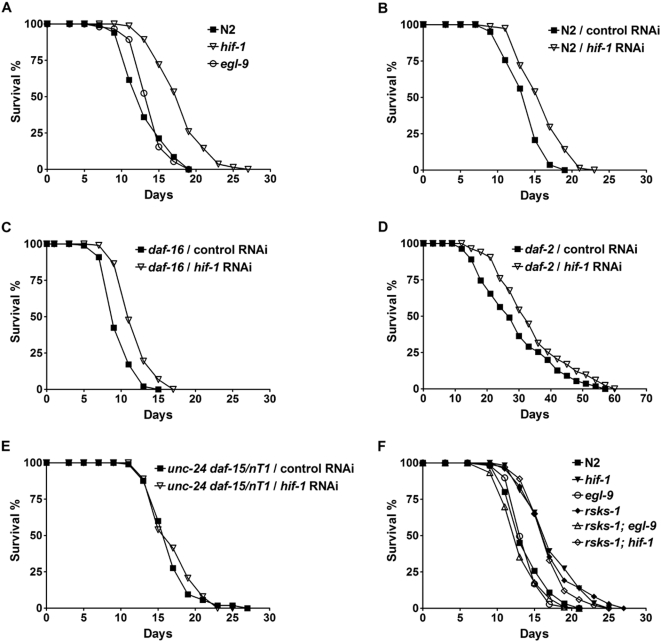
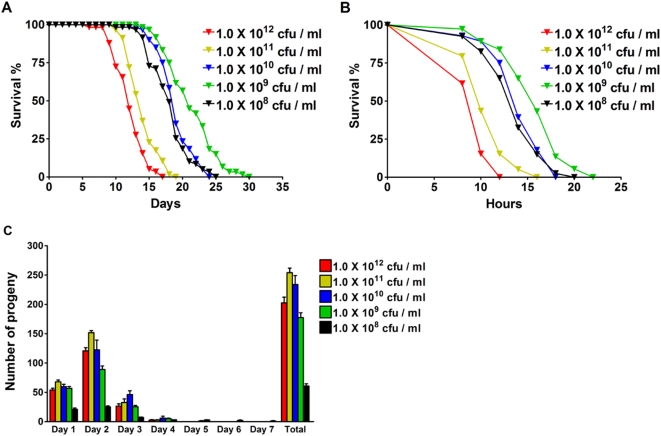
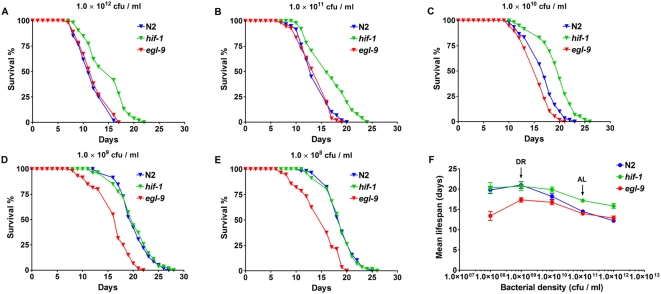
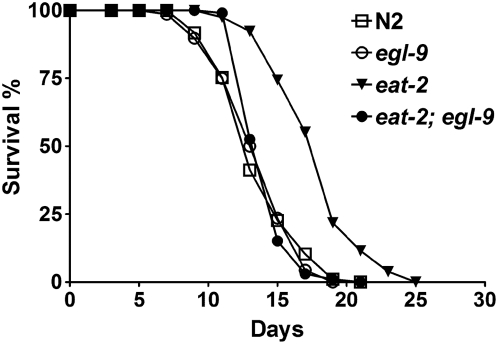
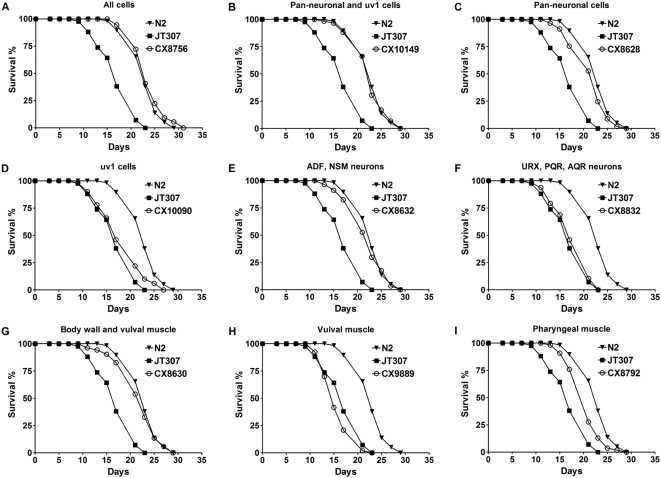
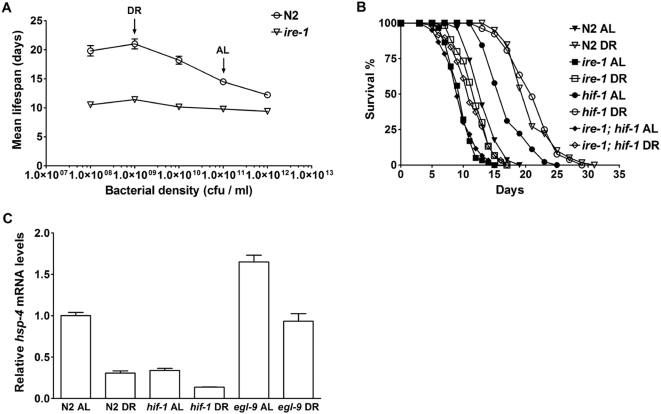
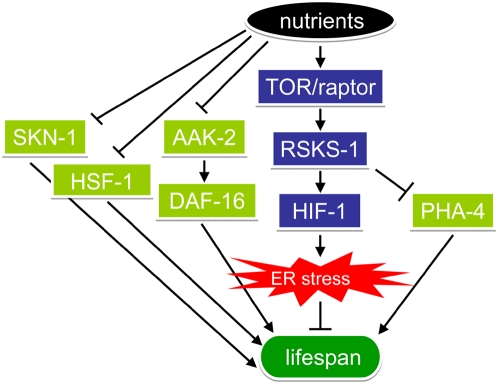
Dietary restriction (DR) extends lifespan in various species and also slows the onset of age-related diseases. Previous studies from flies and yeast have demonstrated that the target of rapamycin (TOR) pathway is essential for longevity phenotypes resulting from DR. TOR is a conserved protein kinase that regulates growth and metabolism in response to nutrients and growth factors. While some of the downstream targets of TOR have been implicated in regulating lifespan, it is still unclear whether additional targets of this pathway also modulate lifespan. It has been shown that the hypoxia inducible factor-1 (HIF-1) is one of the targets of the TOR pathway in mammalian cells. HIF-1 is a transcription factor complex that plays key roles in oxygen homeostasis, tumor formation, glucose metabolism, cell survival, and inflammatory response. Here, we describe a novel role for HIF-1 in modulating lifespan extension by DR in Caenorhabditis elegans. We find that HIF-1 deficiency results in extended lifespan, which overlaps with that by inhibition of the RSKS-1/S6 kinase, a key component of the TOR pathway. Using a modified DR method based on variation of bacterial food concentrations on solid agar plates, we find that HIF-1 modulates longevity in a nutrient-dependent manner. The hif-1 loss-of-function mutant extends lifespan under rich nutrient conditions but fails to show lifespan extension under DR. Conversely, a mutation in egl-9, which increases HIF-1 activity, diminishes the lifespan extension under DR. This deficiency is rescued by tissue-specific expression of egl-9 in specific neurons and muscles. Increased lifespan by hif-1 or DR is dependent on the endoplasmic reticulum (ER) stress regulator inositol-requiring protein-1 (IRE-1) and is associated with lower levels of ER stress. Therefore, our results demonstrate a tissue-specific role for HIF-1 in the lifespan extension by DR involving the IRE-1 ER stress pathway.
Overview
The claims and statistics of this paper haven’t been checked yet.
Run the check — free, no account needed. It reads the open-access text and checks the sources it cites.
Integrity signals
Registry
Cites
Statistics
Figures
Verification
Claims the paper makes
The claims and statistics of this paper haven’t been checked yet.
Run the check — free, no account needed. It reads the open-access text and checks the sources it cites.
Claims other papers make about this one
Each is checked against this paper’s own text: does it say what the citing paper says it does?
In the citing paper
“Numerous reports have indicated that the HIF pathway has a role in life span of C. elegans (Chen et al., 2009; Zhang et al., 2009).”
From SirT3 suppresses hypoxia inducible factor 1α and tumor growth by inhibiting mitochondrial ROS production (2011) · cites this paper as Chen et al., 2009
Self-check
Percentages, sums and reported differences re-computed from the paper’s own numbers.
The self-check needs the paper’s full text.
Citations
Cites
Analysis of Relative Gene Expression Data Using Real-Time Quantitative PCR and the 2−ΔΔCT Method
Livak, K. J., & Schmittgen, T. D. (2001) · Methods · doi:10.1006/meth.2001.1262 · Cited by 180,860
Longitudinal data analysis using generalized linear models
LIANG, K.-Y., & ZEGER, S. L. (1986) · Biometrika · doi:10.1093/biomet/73.1.13 · Cited by 18,550
THE GENETICS OF CAENORHABDITIS ELEGANS
Brenner, S. (1974) · Genetics · doi:10.1093/genetics/77.1.71 · Cited by 15,220
Random-Effects Models for Longitudinal Data
Laird, N. M., & Ware, J. H. (1982) · Biometrics · doi:10.2307/2529876 · Cited by 8,923
Targeting HIF-1 for cancer therapy
Semenza, G. L. (2003) · Nature Reviews Cancer · doi:10.1038/nrc1187 · Cited by 6,717
Signal integration in the endoplasmic reticulum unfolded protein response
Ron, D., & Walter, P. (2007) · Nature Reviews Molecular Cell Biology · doi:10.1038/nrm2199 · Cited by 6,431
TOR signaling in growth and metabolism
Wullschleger, S., Loewith, R., & Hall, M. N. (2006) · Cell · doi:10.1016/j.cell.2006.01.016 · Cited by 5,787
Endoplasmic Reticulum Stress Links Obesity, Insulin Action, and Type 2 Diabetes
Özcan, U., Cao, Q., Yilmaz, E., Lee, A.-H., Iwakoshi, N. N., Özdelen, E., Tuncman, G., Görgün, C., Glimcher, L. H., & Hotamisligil, G. S. (2004) · Science · doi:10.1126/science.1103160 · Cited by 3,844
A C. elegans mutant that lives twice as long as wild type
Kenyon, C., Chang, J., Gensch, E., Rudner, A., & Tabtiang, R. (1993) · Nature · doi:10.1038/366461a0 · Cited by 3,387
Epstein, A. C. R., Gleadle, J. M., McNeill, L. A., Hewitson, K. S., O'Rourke, J., Mole, D. R., Mukherji, M., Metzen, E., Wilson, M. I., Dhanda, A., et al. (2001) · Cell · doi:10.1016/s0092-8674(01)00507-4 · Cited by 3,333
Cited by
Sorted by citations
Extending Healthy Life Span—From Yeast to Humans
Fontana, L., Partridge, L., & Longo, V. D. (2010) · Science · doi:10.1126/science.1172539 · Cited by 3,023
mTOR is a key modulator of ageing and age-related disease
Johnson, S. C., Rabinovitch, P. S., & Kaeberlein, M. (2013) · Nature · doi:10.1038/nature11861 · Cited by 1,676
The Histone Deacetylase Sirt6 Regulates Glucose Homeostasis via Hif1α
Zhong, L., D'Urso, A., Toiber, D., Sebastian, C., Henry, R. E., Vadysirisack, D. D., Guimaraes, A., Marinelli, B., Wikstrom, J. D., Nir, T., et al. (2010) · Cell · doi:10.1016/j.cell.2009.12.041 · Cited by 1,001
Kaushik, S., & Cuervo, A. M. (2015) · Nature Medicine · doi:10.1038/nm.4001 · Cited by 899
Sirtuin 1 Modulates Cellular Responses to Hypoxia by Deacetylating Hypoxia-Inducible Factor 1α
Lim, J.-H., Lee, Y.-M., Chun, Y.-S., Chen, J., Kim, J.-E., & Park, J.-W. (2010) · Molecular Cell · doi:10.1016/j.molcel.2010.05.023 · Cited by 758
With TOR, Less Is More: A Key Role for the Conserved Nutrient-Sensing TOR Pathway in Aging
Kapahi, P., Chen, D., Rogers, A. N., Katewa, S. D., Li, P. W.-L., Thomas, E., & Kockel, L. (2010) · Cell Metabolism · doi:10.1016/j.cmet.2010.05.001 · Cited by 678
Self-citationA Mitochondrial Superoxide Signal Triggers Increased Longevity in Caenorhabditis elegans
Yang, W., & Hekimi, S. (2010) · PLoS Biology · doi:10.1371/journal.pbio.1000556 · Cited by 649
Oxidative stress and vascular inflammation in aging
Assar, M. E., Angulo, J., & Rodríguez‐Mañas, L. (2013) · Free Radical Biology and Medicine · doi:10.1016/j.freeradbiomed.2013.07.003 · Cited by 591
Aging as an event of proteostasis collapse
Taylor, R. C., & Dillin, A. (2011) · Cold Spring Harbor Perspectives in Biology · doi:10.1101/cshperspect.a004440 · Cited by 538
Genetics of longevity in model organisms: debates and paradigm shifts
Gems, D., & Partridge, L. (2013) · Annual Review of Physiology · doi:10.1146/annurev-physiol-030212-183712 · Cited by 499
Mitohormesis: Promoting Health and Lifespan by Increased Levels of Reactive Oxygen Species (ROS)
Ristow, M., & Schmeisser, K. (2014) · Dose-Response · doi:10.2203/dose-response.13-035.ristow · Cited by 534
Lee, S., Hwang, A. B., & Kenyon, C. J. (2010) · Current Biology · doi:10.1016/j.cub.2010.10.057 · Cited by 495
mTOR in aging, metabolism, and cancer
Cornu, M., Albert, V., & Hall, M. N. (2013) · Current Opinion in Genetics & Development · doi:10.1016/j.gde.2012.12.005 · Cited by 455
Bell, E. L., Emerling, B. M., Ricoult, S. J. H., & Guarente, L. (2011) · Oncogene · doi:10.1038/onc.2011.37 · Cited by 440
Amyloid-binding compounds maintain protein homeostasis during ageing and extend lifespan
Alavez, S., Vantipalli, M. C., Zucker, D. J. S., Klang, I. M., & Lithgow, G. J. (2011) · Nature · doi:10.1038/nature09873 · Cited by 361
Protein homeostasis and aging in neurodegeneration
Douglas, P. M., & Dillin, A. G. (2010) · The Journal of Cell Biology · doi:10.1083/jcb.201005144 · Cited by 381
Dietary restriction and lifespan: lessons from invertebrate models
Kapahi, P., Kaeberlein, M., & Hansen, M. (2017) · Ageing Research Reviews · doi:10.1016/j.arr.2016.12.005 · Cited by 340
Self-citationMetabolic reprogramming, caloric restriction and aging
Anderson, R. M., & Weindruch, R. H. (2009) · Trends in Endocrinology and Metabolism · doi:10.1016/j.tem.2009.11.005 · Cited by 309
Sirtuins and Their Roles in Brain Aging and Neurodegenerative Disorders
Jęśko, H. M., Wencel, P. L., Strosznajder, R. P., & Strosznajder, J. B. (2016) · Neurochemical Research · doi:10.1007/s11064-016-2110-y · Cited by 264
Yang, W., & Hekimi, S. (2010) · Aging Cell · doi:10.1111/j.1474-9726.2010.00571.x · Cited by 258
Insulin/IGF-1 signaling mutants reprogram ER stress response regulators to promote longevity
Henis‐Korenblit, S., Zhang, P., Hansen, M., McCormick, M. A., Lee, S., Cary, M., & Kenyon, C. J. (2010) · Proceedings of the National Academy of Sciences · doi:10.1073/pnas.1002575107 · Cited by 247
Hypoxia and energetic tumour metabolism
Brahimi-Horn, M. C., Bellot, G. L., & Pouysségur, J. (2010) · Current Opinion in Genetics & Development · doi:10.1016/j.gde.2010.10.006 · Cited by 247
Autophagy mediates pharmacological lifespan extension by spermidineand resveratrol
Morselli, E., Galluzzi, L., Kepp, O., Criollo, A., Maiuri, M. C., Tavernarakis, N., Madeo, F., & Kroemer, G. (2009) · Aging · doi:10.18632/aging.100110 · Cited by 213
The HIF-1 Hypoxia-Inducible Factor Modulates Lifespan in C. elegans
Zhang, Y., Shao, Z., Zhai, Z., Shen, C., & Powell-Coffman, J. A. (2009) · PLoS ONE · doi:10.1371/journal.pone.0006348 · Cited by 211
Cysteine Sulfenylation Directs IRE-1 to Activate the SKN-1/Nrf2 Antioxidant Response
Hourihan, J. M., Mazzeo, L. E. M., Fernández-Cárdenas, L. P., & Blackwell, T. K. (2016) · Molecular Cell · doi:10.1016/j.molcel.2016.07.019 · Cited by 209
The hypoxia signaling pathway and hypoxic adaptation in fishes
Xiao, W. (2015) · Science China Life Sciences · doi:10.1007/s11427-015-4801-z · Cited by 195
Ribosome Deficiency Protects Against ER Stress in Saccharomyces cerevisiae
Steffen, K. K., McCormick, M. A., Pham, K. M., MacKay, V. L., Delaney, J. R., Murakami, C. J., Kaeberlein, M. R., & Kennedy, B. K. (2012) · Genetics · doi:10.1534/genetics.111.136549 · Cited by 184
Feedback regulation via AMPK and HIF-1 mediates ROS-dependent longevity in Caenorhabditis elegans
Hwang, A. B., Ryu, E.-A., Artan, M., Chang, H., Kabir, M. H., Nam, H.-J., Lee, D.-Y., Yang, J., Kim, S., Mair, W. B., et al. (2014) · Proceedings of the National Academy of Sciences · doi:10.1073/pnas.1411199111 · Cited by 196
Kim, H. J., Jeong, J. S., Kim, S. R., Park, S. Y., Chae, H., & Lee, Y. C. (2013) · Scientific Reports · doi:10.1038/srep01142 · Cited by 183
Endoplasmic reticulum stress as a progression factor for kidney injury
Inagi, R. (2010) · Current Opinion in Pharmacology · doi:10.1016/j.coph.2009.11.006 · Cited by 180
Integration of the Unfolded Protein and Oxidative Stress Responses through SKN-1/Nrf
Glover-Cutter, K. M., Lin, S., & Blackwell, T. K. (2013) · PLoS Genetics · doi:10.1371/journal.pgen.1003701 · Cited by 171
Piperi, C., Adamopoulos, C., Dalagiorgou, G., Diamanti‐Kandarakis, E., & Papavassiliou, A. G. (2012) · The Journal of Clinical Endocrinology & Metabolism · doi:10.1210/jc.2011-3408 · Cited by 169
Identification and Application of Gene Expression Signatures Associated with Lifespan Extension
Tyshkovskiy, A., Bozaykut, P., Borodinova, A. A., Gerashchenko, M. V., Ables, G. P., Garratt, M., Khaitovich, P., Clish, C. B., Miller, R. A., & Gladyshev, V. N. (2019) · Cell Metabolism · doi:10.1016/j.cmet.2019.06.018 · Cited by 167
Mechanisms of Lifespan Regulation by Calorie Restriction and Intermittent Fasting in Model Organisms
Hwangbo, D., Lee, H., Abozaid, L. S., & Min, K. (2020) · Nutrients · doi:10.3390/nu12041194 · Cited by 173
TOR Signaling in Caenorhabditis elegans Development, Metabolism, and Aging
Blackwell, T. K., Sewell, A. K., Wu, Z., & Han, M. (2019) · Genetics · doi:10.1534/genetics.119.302504 · Cited by 148
Pathways linking the early environment to long-term health and lifespan
Barnes, S. K., & Ozanne, S. E. (2010) · Progress in Biophysics and Molecular Biology · doi:10.1016/j.pbiomolbio.2010.12.005 · Cited by 146
N-acylethanolamine signalling mediates the effect of diet on lifespan in Caenorhabditis elegans
Lucanic, M., Held, J. M., Vantipalli, M. C., Klang, I. M., Graham, J. B., Gibson, B. W., Lithgow, G. J., & Gill, M. S. (2011) · Nature · doi:10.1038/nature10007 · Cited by 142
Rogers, A. N., Chen, D., McColl, G., Czerwieniec, G. A., Felkey, K., Gibson, B. W., Hubbard, A., Melov, S., Lithgow, G. J., & Kapahi, P. (2011) · Cell Metabolism · doi:10.1016/j.cmet.2011.05.010 · Cited by 130
Self-citationRole of TOR signaling in aging and related biological processes in Drosophila melanogaster
Katewa, S. D., & Kapahi, P. (2010) · Experimental Gerontology · doi:10.1016/j.exger.2010.11.036 · Cited by 139
Self-citationTOR‐mediated regulation of metabolism in aging
Antikainen, H., Driscoll, M., Haspel, G., & Dobrowolski, R. (2017) · Aging Cell · doi:10.1111/acel.12689 · Cited by 122
Shore, D. E., Carr, C. E., & Ruvkun, G. (2012) · PLoS Genetics · doi:10.1371/journal.pgen.1002792 · Cited by 124
Emerging roles for XBP1, a sUPeR transcription factor
He, Y., Sun, S.-Y., Sha, H.-B., Liu, Z., Yang, L., Xue, Z., Chen, H., & Qi, L. (2010) · Gene Expression · doi:10.3727/105221610x12819686555051 · Cited by 122
Matai, L., Sarkar, G. C., Chamoli, M., Malik, Y., Kumar, R., Rautela, U., Jana, N. R., Chakraborty, K., & Mukhopadhyay, A. (2019) · Proceedings of the National Academy of Sciences · doi:10.1073/pnas.1900055116 · Cited by 125
TOR signaling never gets old: Aging, longevity and TORC1 activity
Evans, D. S., Kapahi, P., Hsueh, W., & Kockel, L. (2010) · Ageing Research Reviews · doi:10.1016/j.arr.2010.04.001 · Cited by 118
Self-citationExploring ER stress response in cellular aging and neuroinflammation in Alzheimer's disease
Uddin, M. S., Yu, W. S., & Lim, L. W. (2021) · Ageing Research Reviews · doi:10.1016/j.arr.2021.101417 · Cited by 123
Hoong, C. W. S., & Chua, M. W. J. (2021) · Endocrinology · doi:10.1210/endocr/bqab079 · Cited by 112
Regulation of life span by mitochondrial respiration: the HIF-1 and ROS connection
Hwang, A. B., & Lee, S. (2011) · Aging · doi:10.18632/aging.100292 · Cited by 110
The Target of Rapamycin Signalling Pathway in Ageing and Lifespan Regulation
Bjedov, I., & Rallis, C. (2020) · Genes · doi:10.3390/genes11091043 · Cited by 108
HIF‐1 modulates longevity and healthspan in a temperature‐dependent manner
Leiser, S. F., Begun, A., & Kaeberlein, M. R. (2011) · Aging Cell · doi:10.1111/j.1474-9726.2011.00672.x · Cited by 104
The paradox of mitochondrial dysfunction and extended longevity
Munkácsy, E., & Rea, S. L. (2014) · Experimental Gerontology · doi:10.1016/j.exger.2014.03.016 · Cited by 104
Hypoxia and the Hypoxic Response Pathway Protect against Pore-Forming Toxins in C. elegans
Bellier, A., Chen, C., Kao, C., Cinar, H. N., & Aroian, R. V. (2009) · PLoS Pathogens · doi:10.1371/journal.ppat.1000689 · Cited by 103
Hypoxia signaling and resistance in C. elegans
Powell‐Coffman, J. A. (2010) · Trends in Endocrinology and Metabolism · doi:10.1016/j.tem.2010.02.006 · Cited by 94
S6K links cell fate, cell cycle and nutrient response inC. elegansgermline stem/progenitor cells
Korta, D. Z., Tuck, S., & Hubbard, E. J. A. (2012) · Development · doi:10.1242/dev.074047 · Cited by 96
Malate and Fumarate Extend Lifespan in Caenorhabditis elegans
Edwards, C., Copes, N., Brito, A. G., Canfield, J., & Bradshaw, P. C. (2013) · PLoS ONE · doi:10.1371/journal.pone.0058345 · Cited by 103
TOR and ageing: a complex pathway for a complex process
McCormick, M. A., Tsai, S., & Kennedy, B. K. (2010) · Philosophical Transactions of the Royal Society B Biological Sciences · doi:10.1098/rstb.2010.0198 · Cited by 99
Reproductive Aging in Caenorhabditis elegans: From Molecules to Ecology
Scharf, A., Pohl, F., Egan, B. M., Kocsisova, Z., & Kornfeld, K. (2021) · Frontiers in Cell and Developmental Biology · doi:10.3389/fcell.2021.718522 · Cited by 88
ER Stress Response in Human Cellular Models of Senescence
Matos, L., Gouveia, A., & Almeida, H. (2014) · The Journals of Gerontology Series A · doi:10.1093/gerona/glu129 · Cited by 91
Neuronal Responses to Physiological Stress
Kagias, K., Nehammer, C., & Pocock, R. (2012) · Frontiers in Genetics · doi:10.3389/fgene.2012.00222 · Cited by 94
Salminen, A., Kaarniranta, K., & Kauppinen, A. (2016) · Biogerontology · doi:10.1007/s10522-016-9655-7 · Cited by 89
Heestand, B., Shen, Y., Liu, W., Magner, D. B., Storm, N., Meharg, C., Habermann, B. H., & Antebi, A. (2013) · PLoS Genetics · doi:10.1371/journal.pgen.1003651 · Cited by 89
Labunskyy, V. M., Gerashchenko, M. V., Delaney, J. R., Kaya, A., Kennedy, B. K., Kaeberlein, M. R., & Gladyshev, V. N. (2014) · PLoS Genetics · doi:10.1371/journal.pgen.1004019 · Cited by 89
Price, J. C., Khambatta, C. F., Li, K. W., Bruss, M. D., Shankaran, M., Dalidd, M., Floreani, N. A., Roberts, L. S., Turner, S., Holmes, W. E., et al. (2012) · Molecular & Cellular Proteomics · doi:10.1074/mcp.m112.021204 · Cited by 87
SIRT6, a protein with many faces
Gertler, A. A., & Cohen, H. Y. (2013) · Biogerontology · doi:10.1007/s10522-013-9478-8 · Cited by 85
Hypoxia Induces Autophagic Cell Death through Hypoxia-Inducible Factor 1α in Microglia
Yang, Z., Zhao, T., Zou, Y., Zhang, J. H., & Feng, H. (2014) · PLoS ONE · doi:10.1371/journal.pone.0096509 · Cited by 86
Leiser, S. F., Fletcher, M., Begun, A., & Kaeberlein, M. R. (2013) · The Journals of Gerontology Series A · doi:10.1093/gerona/glt016 · Cited by 89
Zhong, L., & Mostoslavsky, R. (2010) · Transcription · doi:10.4161/trns.1.1.12143 · Cited by 86
Taylor, R. C. (2016) · Brain Research · doi:10.1016/j.brainres.2016.04.017 · Cited by 83
The Machado-Joseph disease deubiquitylase ATX-3 couples longevity and proteostasis
Kuhlbrodt, K., Janiesch, P. C., Kevei, É., Segref, A., Barikbin, R., & Hoppe, T. (2011) · Nature Cell Biology · doi:10.1038/ncb2200 · Cited by 82
Manipulation of Behavioral Decline in Caenorhabditis elegans with the Rag GTPase raga-1
Schreiber, M. A., Pierce-Shimomura, J. T., Chan, S., Parry, D., & McIntire, S. L. (2010) · PLoS Genetics · doi:10.1371/journal.pgen.1000972 · Cited by 77
Denzel, M. S., Lapierre, L. R., & Mack, H. I. D. (2018) · Mechanisms of Ageing and Development · doi:10.1016/j.mad.2018.08.001 · Cited by 82
Calorie restriction: what recent results suggest for the future of ageing research
Smith, D. L., Nagy, T. R., & Allison, D. B. (2010) · European Journal of Clinical Investigation · doi:10.1111/j.1365-2362.2010.02276.x · Cited by 82
Ischemic preconditioning: The role of mitochondria and aging
Wojtovich, A. P., Nadtochiy, S. M., Brookes, P. S., & Nehrke, K. W. (2011) · Experimental Gerontology · doi:10.1016/j.exger.2011.11.001 · Cited by 79
Dietary restriction and aging, 2009
Katewa, S. D., & Kapahi, P. (2010) · Aging Cell · doi:10.1111/j.1474-9726.2010.00552.x · Cited by 79
Self-citationThe hypoxia-inducible factor HIF-1 functions as both a positive and negative modulator of aging
Leiser, S. F., & Kaeberlein, M. R. (2010) · Biological Chemistry · doi:10.1515/bc.2010.123 · Cited by 79
Long-lived mitochondrial (Mit) mutants of Caenorhabditis elegans utilize a novel metabolism
Butler, J. A., Ventura, N., Johnson, T. E., & Rea, S. L. (2010) · The FASEB Journal · doi:10.1096/fj.10-162941 · Cited by 75
Waldherr, S. M., Strovas, T. J., Vadset, T. A., Liachko, N. F., & Kraemer, B. C. (2019) · Nature Communications · doi:10.1038/s41467-019-12070-3 · Cited by 74
Turning the Oxygen Dial: Balancing the Highs and Lows
Baik, A. H., & Jain, I. H. (2020) · Trends in Cell Biology · doi:10.1016/j.tcb.2020.04.005 · Cited by 70
Gillespie, Z. E., Pickering, J., & Eskiw, C. H. (2016) · Frontiers in Genetics · doi:10.3389/fgene.2016.00142 · Cited by 74
The role of the TOR pathway in mediating the link between nutrition and longevity
Lushchak, O., Strilbytska, O., Piskovatska, V., Storey, K. B., Koliada, A., & Vaiserman, A. (2017) · Mechanisms of Ageing and Development · doi:10.1016/j.mad.2017.03.005 · Cited by 73
Translational Regulation of Non-autonomous Mitochondrial Stress Response Promotes Longevity
Lan, J., Rollins, J. A., Zang, X., Wu, D., Zou, L., Wang, Z., Ye, C., Wu, Z., Kapahi, P., Rogers, A. N., et al. (2019) · Cell Reports · doi:10.1016/j.celrep.2019.06.078 · Cited by 70
Self-citationWodrich, A. P. K., Scott, A. W., Shukla, A. K., Harris, B. T., & Giniger, E. (2022) · Frontiers in Molecular Neuroscience · doi:10.3389/fnmol.2022.831116 · Cited by 73
Protein homeostasis and aging: Role of ubiquitin protein ligases
Jana, N. R. (2012) · Neurochemistry International · doi:10.1016/j.neuint.2012.02.009 · Cited by 67
A Systems Approach to Reverse Engineer Lifespan Extension by Dietary Restriction
Hou, L., Wang, D., Chen, D., Liu, Y., Zhang, Y., Cheng, H., Xu, C., Sun, N., McDermott, J. R., Mair, W. B., et al. (2016) · Cell Metabolism · doi:10.1016/j.cmet.2016.02.002 · Cited by 71
Self-citationLuis, N. M., Wang, L., Ortega, M., Deng, H., Katewa, S. D., Li, P. W.-L., Karpac, J., Jasper, H., & Kapahi, P. (2016) · Cell Reports · doi:10.1016/j.celrep.2016.10.003 · Cited by 65
Self-citationPark, S., Link, C. D., & Johnson, T. E. (2009) · The FASEB Journal · doi:10.1096/fj.09-142984 · Cited by 67
Shao, Z., Zhang, Y., & Powell‐Coffman, J. A. (2009) · Genetics · doi:10.1534/genetics.109.107284 · Cited by 61
The endoplasmic reticulum: A hub of protein quality control in health and disease
Vincenz‐Donnelly, L., & Hipp, M. S. (2017) · Free Radical Biology and Medicine · doi:10.1016/j.freeradbiomed.2017.03.031 · Cited by 64
Miller, D. L., Budde, M. W., & Roth, M. B. (2011) · PLoS ONE · doi:10.1371/journal.pone.0025476 · Cited by 61
Mera, K., Kawahara, K., Tada, K.-I., Kawai, K., Hashiguchi, T., Maruyama, I., & Kanekura, T. (2010) · Biochemical and Biophysical Research Communications · doi:10.1016/j.bbrc.2010.05.128 · Cited by 60
Wilson, K. A., Beck, J. N., Nelson, C. S., Hilsabeck, T. A. U., Promislow, D., Brem, R. B., & Kapahi, P. (2020) · Current Biology · doi:10.1016/j.cub.2020.05.020 · Cited by 63
Self-citationYin, J., Liu, X., Yuan, J., Jiang, J. S., & Cai, S. (2014) · Journal of Neuroscience · doi:10.1523/jneurosci.4013-13.2014 · Cited by 57
Emran, S., Yang, M., He, X., Zandveld, J., & Piper, M. D. W. (2014) · Aging · doi:10.18632/aging.100665 · Cited by 55
C. elegans S6K Mutants Require a Creatine-Kinase-like Effector for Lifespan Extension
McQuary, P. R., Liao, C.-Y., Chang, J. T., Kumsta, C., She, X., Davis, A. E. M., Chu, C., Gelino, S., Gomez-Amaro, R. L., Petrascheck, M., et al. (2016) · Cell Reports · doi:10.1016/j.celrep.2016.02.012 · Cited by 61
Wilson, K. A., Chamoli, M., Hilsabeck, T. A. U., Pandey, M., Bansal, S., Chawla, G., & Kapahi, P. (2021) · Cell Metabolism · doi:10.1016/j.cmet.2021.08.018 · Cited by 57
Self-citationShao, Z., Zhang, Y., Qi, Y., Saldanha, J. N., & Powell‐Coffman, J. A. (2010) · PLoS Pathogens · doi:10.1371/journal.ppat.1001075 · Cited by 51
Hot topics in aging research: protein translation, 2009
Kennedy, B. K., & Kaeberlein, M. R. (2009) · Aging Cell · doi:10.1111/j.1474-9726.2009.00522.x · Cited by 54
Mastering organismal aging through the endoplasmic reticulum proteostasis network
Taylor, R. C., & Hetz, C. A. (2020) · Aging Cell · doi:10.1111/acel.13265 · Cited by 55
The von Hippel Lindau Tumor Suppressor Limits Longevity
Müller, R., Fabretti, F., Zank, S., Burst, V. R., Benzing, T. R., & Schermer, B. (2009) · Journal of the American Society of Nephrology · doi:10.1681/asn.2009050497 · Cited by 52
Soo, S. K., Rudich, Z. D., Ko, B., Moldakozhayev, A., AlOkda, A., & Raamsdonk, J. M. V. (2023) · Ageing Research Reviews · doi:10.1016/j.arr.2023.101941 · Cited by 58
The Role of Mitochondria in the Aging Processes of Yeast
Breitenbach, M., Laun, P., Dickinson, J. R., Klocker, A., Rinnerthaler, M., Dawes, I. W., Aung-Htut, M. T., Breitenbach‐Koller, H., Caballero, A., Nyström, T., et al. (2011) · Sub-cellular biochemistry/Subcellular biochemistry · doi:10.1007/978-94-007-2561-4_3 · Cited by 54
Metadata
- Authors
- Chen, D., Thomas, E. L., & Kapahi, P.
- Affiliations
- Buck Institute for Research on Aging (US)
- Corresponding author
- Kapahi, Pankaj
- Venue
- PLoS Genetics
- Publisher
- Public Library of Science (PLoS)
- Published
- 2009-05-22
- Volume
- 5
- Issue
- 5
- Pages
- e1000486
- ISSN
- 1553-7390 (ISSN-L)
- 1553-7404
- PMC
- PMC2676694
- OpenAlex
- W2091316238
- Cited by
- 250
- References
- 83
- Citations by year
- 2026: 5 · 2025: 3 · 2024: 7 · 2023: 12 · 2022: 11 · 2021: 15 · 2020: 13 · 2019: 7 · 2018: 6 · 2017: 6 · 2016: 20 · 2015: 13 · 2014: 21 · 2013: 18 · 2012: 17
- FWCI
- 9.38
- Type
- journal article
- Language
- en
- Open access
- gold
- doi.org
- Locations
- PLoS Genetics (publishedVersion, cc-by)
- PubMed Central (publishedVersion, cc-by)
- PubMed (publishedVersion)
- DOAJ (DOAJ: Directory of Open Access Journals) (submittedVersion, cc-by-sa)
- Figshare (submittedVersion, cc-by)
- Funders
- Ellison Medical Foundation
- Larry L. Hillblom Foundation
- American Foundation for Aging Research
- National Institutes of Health
- U.S. Public Health Service (RL1 AAG032113)
- National Institute on Aging (RL1AG032113)
- National Center for Research Resources
- Topics
- Life Sciences › Biochemistry, Genetics and Molecular Biology › Aging › Genetics, Aging, and Longevity in Model Organisms
- Life Sciences › Biochemistry, Genetics and Molecular Biology › Cell Biology › Autophagy in Disease and Therapy
- Health Sciences › Medicine › Physiology (medical) › Dietary Effects on Health
- Keywords
- HIF-1, dietary restriction, lifespan extension, IRE1, endoplasmic reticulum stress, TOR signaling, egl-9, Caenorhabditis elegans, tissue-specific gene expression
- MeSH terms
- Animals, Base Sequence, Endoplasmic Reticulum, Inositol, Longevity, Models, Genetic, Muscles, Mutation, Neurons, Stress, Physiological, Caenorhabditis elegans, Genes, Helminth, DNA Primers, Ribosomal Protein S6 Kinases, Caenorhabditis elegans Proteins, Caloric Restriction, RNA Interference, Hypoxia-Inducible Factor 1
About these checks
Registry, retraction, Cites and statistics results are computed, not judged, with one exception: a printed reference that no index lists is read once by a model before it counts as a citation error. Claims are extracted by a model and kept only when their quote appears verbatim in the text; each cited source is then checked, with a model’s help, for whether it says what the claim relies on. Those verdicts can be wrong — read the claim’s quote and the cited source before relying on one.
Statistics and arithmetic are recomputed, not judged.
Confidence bands are shown only for fields calibrated on our annotated test set. None is calibrated yet, so no band is shown.
What counts as a claim ›How we measure confidence ›How we check this ›
Are you an author, or do you see a problem with this page? Request a review
