

The DOI matches its Crossref record; 83 of the 83 references it cites were found in a registry or an index.
HIF-1 Modulates Dietary Restriction-Mediated Lifespan Extension via IRE-1 in Caenorhabditis elegans
Open accessAbstract
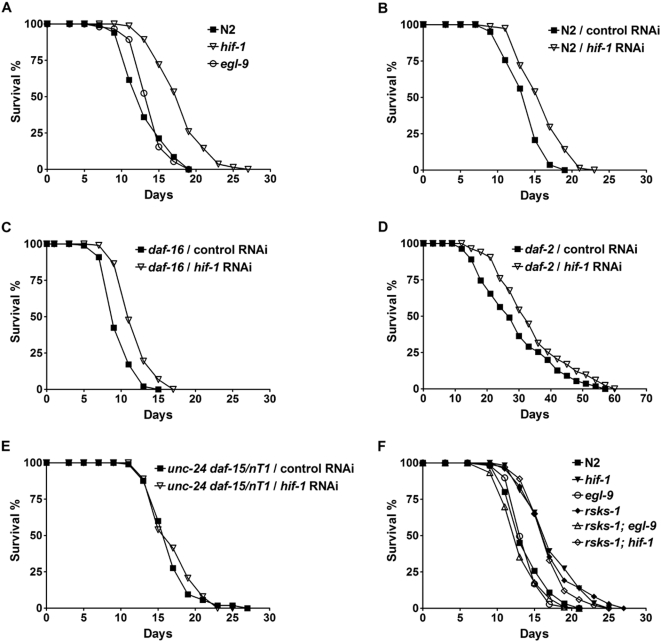
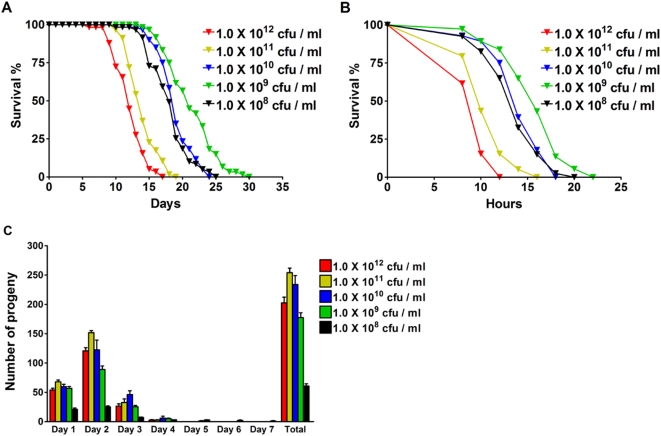
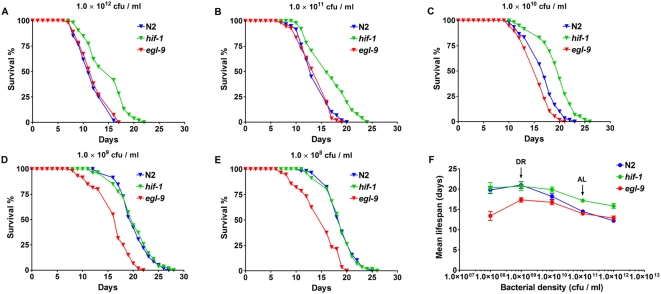
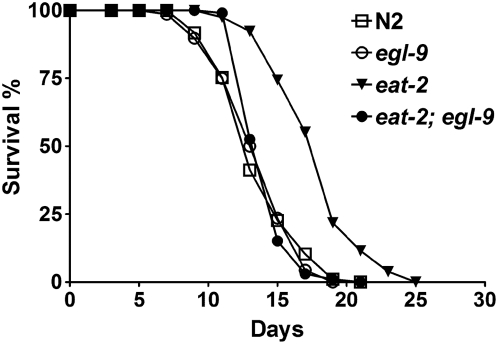
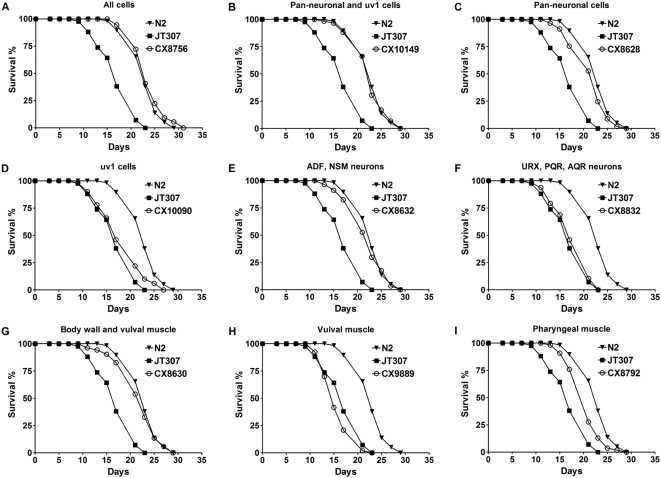
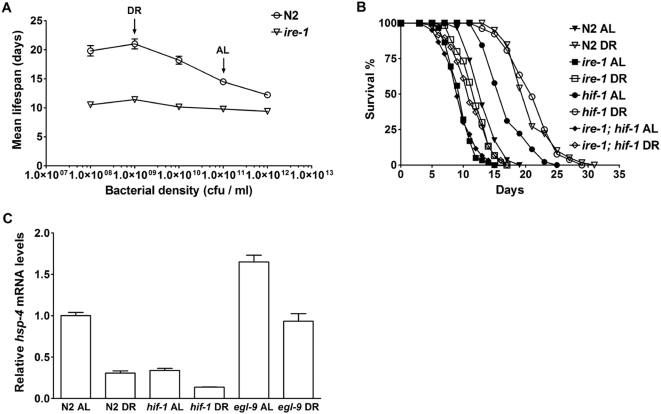
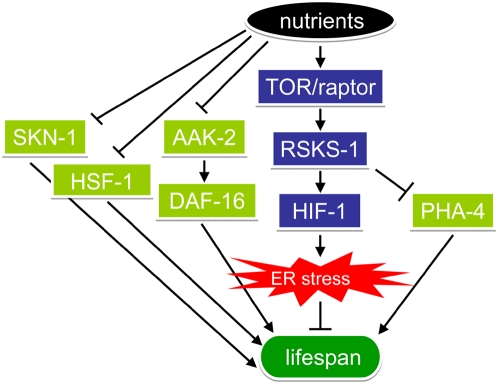
Dietary restriction (DR) extends lifespan in various species and also slows the onset of age-related diseases. Previous studies from flies and yeast have demonstrated that the target of rapamycin (TOR) pathway is essential for longevity phenotypes resulting from DR. TOR is a conserved protein kinase that regulates growth and metabolism in response to nutrients and growth factors. While some of the downstream targets of TOR have been implicated in regulating lifespan, it is still unclear whether additional targets of this pathway also modulate lifespan. It has been shown that the hypoxia inducible factor-1 (HIF-1) is one of the targets of the TOR pathway in mammalian cells. HIF-1 is a transcription factor complex that plays key roles in oxygen homeostasis, tumor formation, glucose metabolism, cell survival, and inflammatory response. Here, we describe a novel role for HIF-1 in modulating lifespan extension by DR in Caenorhabditis elegans. We find that HIF-1 deficiency results in extended lifespan, which overlaps with that by inhibition of the RSKS-1/S6 kinase, a key component of the TOR pathway. Using a modified DR method based on variation of bacterial food concentrations on solid agar plates, we find that HIF-1 modulates longevity in a nutrient-dependent manner. The hif-1 loss-of-function mutant extends lifespan under rich nutrient conditions but fails to show lifespan extension under DR. Conversely, a mutation in egl-9, which increases HIF-1 activity, diminishes the lifespan extension under DR. This deficiency is rescued by tissue-specific expression of egl-9 in specific neurons and muscles. Increased lifespan by hif-1 or DR is dependent on the endoplasmic reticulum (ER) stress regulator inositol-requiring protein-1 (IRE-1) and is associated with lower levels of ER stress. Therefore, our results demonstrate a tissue-specific role for HIF-1 in the lifespan extension by DR involving the IRE-1 ER stress pathway.
Overview
The claims and statistics of this paper haven’t been checked yet.
Run the check — free, no account needed. It reads the open-access text and checks the sources it cites.
Integrity signals
Registry
Cites
Statistics
Figures
Verification
Claims the paper makes
The claims and statistics of this paper haven’t been checked yet.
Run the check — free, no account needed. It reads the open-access text and checks the sources it cites.
Claims other papers make about this one
Each is checked against this paper’s own text: does it say what the citing paper says it does?
The cited source says what the claim attributes to it.
In the citing paper
“Numerous reports have indicated that the HIF pathway has a role in life span of C. elegans (Chen et al., 2009; Zhang et al., 2009).”
From SirT3 suppresses hypoxia inducible factor 1α and tumor growth by inhibiting mitochondrial ROS production (2011) · cites this paper as Chen et al., 2009
Self-check
Percentages, sums and reported differences re-computed from the paper’s own numbers.
The self-check needs the paper’s full text.
Citations
Cites
Analysis of Relative Gene Expression Data Using Real-Time Quantitative PCR and the 2−ΔΔCT Method
Livak, K. J., & Schmittgen, T. D. (2001) · Methods · doi:10.1006/meth.2001.1262 · Cited by 180,860
Longitudinal data analysis using generalized linear models
LIANG, K.-Y., & ZEGER, S. L. (1986) · Biometrika · doi:10.1093/biomet/73.1.13 · Cited by 18,550
THE GENETICS OF CAENORHABDITIS ELEGANS
Brenner, S. (1974) · Genetics · doi:10.1093/genetics/77.1.71 · Cited by 15,220
Random-Effects Models for Longitudinal Data
Laird, N. M., & Ware, J. H. (1982) · Biometrics · doi:10.2307/2529876 · Cited by 8,923
Targeting HIF-1 for cancer therapy
Semenza, G. L. (2003) · Nature Reviews Cancer · doi:10.1038/nrc1187 · Cited by 6,717
Signal integration in the endoplasmic reticulum unfolded protein response
Ron, D., & Walter, P. (2007) · Nature Reviews Molecular Cell Biology · doi:10.1038/nrm2199 · Cited by 6,431
TOR signaling in growth and metabolism
Wullschleger, S., Loewith, R., & Hall, M. N. (2006) · Cell · doi:10.1016/j.cell.2006.01.016 · Cited by 5,787
Endoplasmic Reticulum Stress Links Obesity, Insulin Action, and Type 2 Diabetes
Özcan, U., Cao, Q., Yilmaz, E., Lee, A.-H., Iwakoshi, N. N., Özdelen, E., Tuncman, G., Görgün, C., Glimcher, L. H., & Hotamisligil, G. S. (2004) · Science · doi:10.1126/science.1103160 · Cited by 3,844
A C. elegans mutant that lives twice as long as wild type
Kenyon, C., Chang, J., Gensch, E., Rudner, A., & Tabtiang, R. (1993) · Nature · doi:10.1038/366461a0 · Cited by 3,387
Epstein, A. C. R., Gleadle, J. M., McNeill, L. A., Hewitson, K. S., O'Rourke, J., Mole, D. R., Mukherji, M., Metzen, E., Wilson, M. I., Dhanda, A., et al. (2001) · Cell · doi:10.1016/s0092-8674(01)00507-4 · Cited by 3,333
IRE1 couples endoplasmic reticulum load to secretory capacity by processing the XBP-1 mRNA
Calfon, M. A., Zeng, H., Urano, F., Till, J. H., Hubbard, S. R., Harding, H. P., Clark, S. G., & Ron, D. (2002) · Nature · doi:10.1038/415092a · Cited by 2,907
Kimura, K. D., Tissenbaum, H. A., Liu, Y., & Ruvkun, G. (1997) · Science · doi:10.1126/science.277.5328.942 · Cited by 2,250
Ogg, S., Paradis, S., Gottlieb, S., Patterson, G. I., Lee, L., Tissenbaum, H. A., & Ruvkun, G. (1997) · Nature · doi:10.1038/40194 · Cited by 1,935
TOR, a Central Controller of Cell Growth
Schmelzle, T., & Hall, M. N. (2000) · Cell · doi:10.1016/s0092-8674(00)00117-3 · Cited by 1,914
Mitochondrial complex III is required for hypoxia-induced ROS production and cellular oxygen sensing
Guzy, R. D., Hoyos, B., Robin, E., Chen, H., Liu, L., Mansfield, K. D., Simon, M. C., Hammerling, U., & Schumacker, P. T. (2005) · Cell Metabolism · doi:10.1016/j.cmet.2005.05.001 · Cited by 1,545
Lin, K., Dorman, J. B., Rodan, A. R., & Kenyon, C. J. (1997) · Science · doi:10.1126/science.278.5341.1319 · Cited by 1,501
The plasticity of aging: insights from long-lived mutants
Kenyon, C. (2005) · Cell · doi:10.1016/j.cell.2005.02.002 · Cited by 1,338
Genetic pathways that regulate ageing in model organisms
Guarente, L., & Kenyon, C. J. (2000) · Nature · doi:10.1038/35041700 · Cited by 1,337
Regulation of lifespan in Drosophila by modulation of genes in the TOR signaling pathway
Kapahi, P., Zid, B. M., Harper, T., Koslover, D., Sapin, V., & Benzer, S. (2004) · Current Biology · doi:10.1016/j.cub.2004.03.059 · Cited by 1,293
Self-citationRegulation of Yeast Replicative Life Span by TOR and Sch9 in Response to Nutrients
Kaeberlein, M., Powers, R. W., Steffen, K. K., Westman, E. A., Hu, D., Dang, N., Kerr, E. O., Kirkland, K. T., Fields, S., & Kennedy, B. K. (2005) · Science · doi:10.1126/science.1115535 · Cited by 1,293
Laughner, E., Taghavi, P., Chiles, K., Mahon, P. C., & Semenza, G. L. (2001) · Molecular and Cellular Biology · doi:10.1128/mcb.21.12.3995-4004.2001 · Cited by 1,256 · cited 2×
“Next we tested the interaction between HIF-1 and the TORS6K pathway since previous studies from mammalian cells have shown that S6K promotes hif-1 expression [24,26,28,29].”
BackgroundMethodStochastic and genetic factors influence tissue-specific decline in ageing C. elegans
Herndon, L. A., Schmeissner, P. J., Dudaronek, J. M., Brown, P. A., Listner, K. M., Sakano, Y., Paupard, M. C., Hall, D. H., & Driscoll, M. (2002) · Nature · doi:10.1038/nature01135 · Cited by 1,214
Hypoxia-Inducible Factors, Stem Cells, and Cancer
Keith, B., & Simon, M. C. (2007) · Cell · doi:10.1016/j.cell.2007.04.019 · Cited by 1,179
Influence of TOR kinase on lifespan in C. elegans
Vellai, T., Takacs-Vellai, K., Zhang, Y., Kovacs, A. L., Orosz, L., & Müller, F. (2003) · Nature · doi:10.1038/426620a · Cited by 1,057
Extension of Chronological Life Span in Yeast by Decreased TOR Pathway Signaling
Powers, R. W., Kaeberlein, M., Caldwell, S. D., Kennedy, B. K., & Fields, S. (2006) · Genes & Development · doi:10.1101/gad.1381406 · Cited by 982
The genetics of caloric restriction in Caenorhabditis elegans
Lakowski, B., & Hekimi, S. (1998) · Proceedings of the National Academy of Sciences · doi:10.1073/pnas.95.22.13091 · Cited by 971
HIF-1 and human disease: one highly involved factor
Semenza, G. L. (2000) · Genes & Development · doi:10.1101/gad.14.16.1983 · Cited by 909
Opposing activities protect against age-onset proteotoxicity
Cohen, E., Bieschke, J., Perciavalle, R. M., Kelly, J. W., & Dillin, A. (2006) · Science · doi:10.1126/science.1124646 · Cited by 843
Lifespan extension by conditions that inhibit translation in Caenorhabditis elegans
Hansen, M., Taubert, S., Crawford, D., Libina, N., Lee, S., & Kenyon, C. (2007) · Aging Cell · doi:10.1111/j.1474-9726.2006.00267.x · Cited by 803
Greer, E. L., Dowlatshahi, D., Banko, M. R., Villen, J., Hoang, K., Blanchard, D., Gygi, S. P., & Brunet, A. (2007) · Current Biology · doi:10.1016/j.cub.2007.08.047 · Cited by 801
A Role for Autophagy in the Extension of Lifespan by Dietary Restriction in C. elegans
Hansen, M., Chandra, A., Mitic, L. L., Onken, B., Driscoll, M., & Kenyon, C. (2008) · PLoS Genetics · doi:10.1371/journal.pgen.0040024 · Cited by 766
Oxygen sensing requires mitochondrial ROS but not oxidative phosphorylation
Brunelle, J. K., Bell, E. L., Quesada, N. M., Vercauteren, K., Tiranti, V., Zeviani, M., Scarpulla, R. C., & Chandel, N. S. (2005) · Cell Metabolism · doi:10.1016/j.cmet.2005.05.002 · Cited by 763
Two neurons mediate diet-restriction-induced longevity in C. elegans
Bishop, N. A., & Guarente, L. (2007) · Nature · doi:10.1038/nature05904 · Cited by 643
Transcription Factor HIF-1 Is a Necessary Mediator of the Pasteur Effect in Mammalian Cells
Seagroves, T. N., Ryan, H. E., Lu, H., Wouters, B. G., Knapp, M., Thibault, P., Laderoute, K. R., & Johnson, R. S. (2001) · Molecular and Cellular Biology · doi:10.1128/mcb.21.10.3436-3444.2001 · Cited by 634
Regulation of cellular growth by the Drosophila target of rapamycin dTORPreprint
Zhang, H., Stallock, J. P., Ng, J., Reinhard, C., & Neufeld, T. P. (2000) · Genes & Development · doi:10.1101/gad.835000 · Cited by 624
Food and metabolic signalling defects in a Caenorhabditis elegans serotonin-synthesis mutant
Sze, J. Y., Victor, M., Loer, C. M., Shi, Y., & Ruvkun, G. (2000) · Nature · doi:10.1038/35000609 · Cited by 619
Jia, K., Chen, D., & Riddle, D. L. (2004) · Development · doi:10.1242/dev.01255 · Cited by 615
Self-citationAging and Survival: The Genetics of Life Span Extension by Dietary Restriction
Mair, W. B., & Dillin, A. G. (2008) · Annual Review of Biochemistry · doi:10.1146/annurev.biochem.77.061206.171059 · Cited by 614
Greer, E. L., & Brunet, A. (2009) · Aging Cell · doi:10.1111/j.1474-9726.2009.00459.x · Cited by 591
Serotonin and Octopamine in the Nematode Caenorhabditis elegans
Horvitz, H. R., Chalfie, M., Trent, C., Sulston, J., & Evans, P. D. (1982) · Science · doi:10.1126/science.6805073 · Cited by 580
Treins, C., Giorgetti‐Peraldi, S., Murdaca, J., Semenza, G. L., & OBBERGHEN, E. V. (2002) · Journal of Biological Chemistry · doi:10.1074/jbc.m204152200 · Cited by 554
PHA-4/Foxa mediates diet-restriction-induced longevity of C. elegans
Panowski, S. H., Wolff, S., Aguilaniu, H., Durieux, J., & Dillin, A. G. (2007) · Nature · doi:10.1038/nature05837 · Cited by 538
Mechanisms of aging: public or private?
Partridge, L., & Gems, D. (2002) · Nature Reviews Genetics · doi:10.1038/nrg753 · Cited by 517
Inhibition of mRNA translation extends lifespan in Caenorhabditis elegans
Pan, K. Z., Palter, J. E., Rogers, A. N., Olsen, A., Chen, D., Lithgow, G. J., & Kapahi, P. (2006) · Aging Cell · doi:10.1111/j.1474-9726.2006.00266.x · Cited by 500
Self-citationLifespan Regulation by Evolutionarily Conserved Genes Essential for Viability
Curran, S. P., & Ruvkun, G. (2007) · PLoS Genetics · doi:10.1371/journal.pgen.0030056 · Cited by 485
Yeast Life Span Extension by Depletion of 60S Ribosomal Subunits Is Mediated by Gcn4
Steffen, K. K., MacKay, V. L., Kerr, E. O., Tsuchiya, M., Hu, D., Fox, L. A., Dang, N., Johnston, E. D., Oakes, J. A., Tchao, B. N., et al. (2008) · Cell · doi:10.1016/j.cell.2008.02.037 · Cited by 465
Özcan, U., Özcan, L., Yılmaz, E., Düvel, K., Şahin, M., Manning, B. D., & Hotamışlıgil, G. S. (2008) · Molecular Cell · doi:10.1016/j.molcel.2007.12.023 · Cited by 449
Chapman, T., & Partridge, L. (1996) · Proceedings of the Royal Society B Biological Sciences · doi:10.1098/rspb.1996.0113 · Cited by 436
A Role for SIR-2.1 Regulation of ER Stress Response Genes in Determining C. elegans Life Span
Viswanathan, M., Kim, S. K., Berdichevsky, A., & Guarente, L. (2005) · Developmental Cell · doi:10.1016/j.devcel.2005.09.017 · Cited by 420
PML inhibits HIF-1α translation and neoangiogenesis through repression of mTOR
Bernardi, R., Guernah, I., Jin, D. K., Grisendi, S., Alimonti, A., Teruya‐Feldstein, J., Cordon‐Cardo, C., Simon, M. C., Rafii, S., & Pandolfi, P. P. (2006) · Nature · doi:10.1038/nature05029 · Cited by 379
Regulation of Organogenesis by the Caenorhabditis elegans FoxA Protein PHA-4
Gaudet, J., & Mango, S. E. (2002) · Science · doi:10.1126/science.1065175 · Cited by 363
Lifespan extension in Caenorhabditis elegans by complete removal of food
Kaeberlein, T. L., Smith, E. D., Tsuchiya, M., Welton, K. L., Thomas, J. H., Fields, S., Kennedy, B. K., & Kaeberlein, M. R. (2006) · Aging Cell · doi:10.1111/j.1474-9726.2006.00238.x · Cited by 350
eIF4E function in somatic cells modulates ageing in Caenorhabditis elegans
Syntichaki, P., Troulinaki, K., & Tavernarakis, N. (2007) · Nature · doi:10.1038/nature05603 · Cited by 319
Dietary deprivation extends lifespan in Caenorhabditis elegans
Lee, G. D., Wilson, M. A., Zhu, M., Wolkow, C. A., De Cabo, R., Ingram, D. K., & Zou, S. (2006) · Aging Cell · doi:10.1111/j.1474-9726.2006.00241.x · Cited by 307
Jiang, H., Guo, R. J., & Powell‐Coffman, J. A. (2001) · Proceedings of the National Academy of Sciences · doi:10.1073/pnas.141234698 · Cited by 307
An antidepressant that extends lifespan in adult Caenorhabditis elegans
Petrascheck, M., Ye, X., & Buck, L. B. (2007) · Nature · doi:10.1038/nature05991 · Cited by 290
Long, X., Spycher, C., Han, Z., Rose, A. M., Müller, F., & Avruch, J. (2002) · Current Biology · doi:10.1016/s0960-9822(02)01091-6 · Cited by 280
Signalling through RHEB-1 mediates intermittent fasting-induced longevity in C. elegans
Honjoh, S., Yamamoto, T., Uno, M., & Nishida, E. (2008) · Nature · doi:10.1038/nature07583 · Cited by 275
Steinkraus, K. A., Smith, E. D., Davis, C., Carr, D. T., Pendergrass, W. R., Sutphin, G. L., Kennedy, B. K., & Kaeberlein, M. R. (2008) · Aging Cell · doi:10.1111/j.1474-9726.2008.00385.x · Cited by 270
Shen, X., Ellis, R. E., Sakaki, K., & Kaufman, R. J. (2005) · PLoS Genetics · doi:10.1371/journal.pgen.0010037 · Cited by 259
Roles of the HIF-1 Hypoxia-inducible Factor during Hypoxia Response in Caenorhabditis elegans
Shen, C., Nettleton, D. S., Jiang, M., Kim, S. K., & Powell‐Coffman, J. A. (2005) · Journal of Biological Chemistry · doi:10.1074/jbc.m501894200 · Cited by 230
A Distributed Chemosensory Circuit for Oxygen Preference in C. elegans
Chang, A. J., Chronis, N., Karow, D. S., Marletta, M. A., & Bargmann, C. I. (2006) · PLoS Biology · doi:10.1371/journal.pbio.0040274 · Cited by 228
Quantitative evidence for conserved longevity pathways between divergent eukaryotic speciesPreprint
Smith, E. D., Tsuchiya, M., Fox, L. A., Dang, N., Hu, D., Kerr, E. O., Johnston, E. D., Tchao, B. N., Pak, D. N., Welton, K. L., et al. (2008) · Genome Research · doi:10.1101/gr.074724.107 · Cited by 200
The pha-4 gene is required to generate the pharyngeal primordium of Caenorhabditis elegans
Mango, S. E., Lambie, E. J., & Kimble, J. E. (1994) · Development · doi:10.1242/dev.120.10.3019 · Cited by 187
Gcn4p and Novel Upstream Activating Sequences Regulate Targets of the Unfolded Protein Response
Patil, C. K., Li, H., & Walter, P. (2004) · PLoS Biology · doi:10.1371/journal.pbio.0020246 · Cited by 179
The Target of Rapamycin Pathway Antagonizes pha-4/FoxA to Control Development and Aging
Sheaffer, K. L., Updike, D. L., & Mango, S. E. (2008) · Current Biology · doi:10.1016/j.cub.2008.07.097 · Cited by 166
Bretscher, A. J., Busch, K. E., & de Bono, M. (2008) · Proceedings of the National Academy of Sciences · doi:10.1073/pnas.0707607105 · Cited by 162
daf-16 Protects the Nematode Caenorhabditis elegans During Food Deprivation
Henderson, S. T., Bonafè, M., & Johnson, T. E. (2006) · The Journals of Gerontology Series A · doi:10.1093/gerona/61.5.444 · Cited by 155
Subfield History: Caloric Restriction, Slowing Aging, and Extending Life
Masoro, E. J. (2003) · Science of Aging Knowledge Environment · doi:10.1126/sageke.2003.8.re2 · Cited by 149
Longevity determined by developmental arrest genes in Caenorhabditis elegans
Chen, D., Pan, K. Z., Palter, J. E., & Kapahi, P. (2007) · Aging Cell · doi:10.1111/j.1474-9726.2007.00305.x · Cited by 138
Self-citationRegulation of Hypoxia‐Inducible Factors During Inflammation
Frede, S., Berchner‐Pfannschmidt, U., & Fandrey, J. (2007) · Methods in enzymology on CD-ROM/Methods in enzymology · doi:10.1016/s0076-6879(07)35021-0 · Cited by 136
Calcium signaling stimulates translation of HIF‐α during hypoxia
Hui, A. S., Bauer, A. L., Striet, J. B., Schnell, P. O., & Czyzyk-Krzeska, M. (2006) · The FASEB Journal · doi:10.1096/fj.05-5086com · Cited by 136
HIF-1 is required for heat acclimation in the nematode Caenorhabditis elegans
Treinin, M., Shliar, J., Jiang, H., Powell‐Coffman, J. A., Bromberg, Z., & Horowitz, M. (2003) · Physiological Genomics · doi:10.1152/physiolgenomics.00179.2002 · Cited by 124
Oxygen levels affect axon guidance and neuronal migration in Caenorhabditis elegans
Pocock, R., & Hobert, O. (2008) · Nature Neuroscience · doi:10.1038/nn.2152 · Cited by 111
The Role of Nitric Oxide (NO) in Stability Regulation of Hypoxia Inducible Factor-1α (HIF-1α)
Brüne, B., & Zhou, J. (2003) · Current Medicinal Chemistry · doi:10.2174/0929867033457746 · Cited by 111
Dekanty, A., Lavista-Llanos, S., Irisarri, M., Oldham, S., & Wappner, P. (2005) · Journal of Cell Science · doi:10.1242/jcs.02648 · Cited by 111
Chang, A. J., & Bargmann, C. I. (2008) · Proceedings of the National Academy of Sciences · doi:10.1073/pnas.0802164105 · Cited by 90
Cytokines and Hormones in the Regulation of Hypoxia Inducible Factor-1α (HIF-1α)
Zhou, J., & Brüne, B. (2006) · Cardiovascular & Hematological Agents in Medicinal Chemistry · doi:10.2174/187152506777698344 · Cited by 88
Optimizing Dietary Restriction for Genetic Epistasis Analysis and Gene Discovery in C. elegans
Mair, W. B., Panowski, S. H., Shaw, R. J., & Dillin, A. G. (2009) · PLoS ONE · doi:10.1371/journal.pone.0004535 · Cited by 88
The control of puberty in the dietary restricted female rat
Holehan, A. M., & Merry, B. J. (1985) · Mechanisms of Ageing and Development · doi:10.1016/0047-6374(85)90078-8 · Cited by 83
Serotonin receptors antagonistically modulate Caenorhabditis elegans longevity
Murakami, H., & Murakami, S. (2007) · Aging Cell · doi:10.1111/j.1474-9726.2007.00303.x · Cited by 62
Neurophysiological methods in C. elegans: an introduction
Schafer, W. R. (2006) · WormBook · doi:10.1895/wormbook.1.111.1 · Cited by 28
Genetic mechanisms of lifespan extension by dietary restriction
Rogers, A. N., & Kapahi, P. (2006) · Drug Discovery Today Disease Mechanisms · doi:10.1016/j.ddmec.2006.03.002 · Cited by 9
Self-citation
Cited by
Sorted by citations
Extending Healthy Life Span—From Yeast to Humans
Fontana, L., Partridge, L., & Longo, V. D. (2010) · Science · doi:10.1126/science.1172539 · Cited by 3,023
mTOR is a key modulator of ageing and age-related disease
Johnson, S. C., Rabinovitch, P. S., & Kaeberlein, M. (2013) · Nature · doi:10.1038/nature11861 · Cited by 1,676
The Histone Deacetylase Sirt6 Regulates Glucose Homeostasis via Hif1α
Zhong, L., D'Urso, A., Toiber, D., Sebastian, C., Henry, R. E., Vadysirisack, D. D., Guimaraes, A., Marinelli, B., Wikstrom, J. D., Nir, T., et al. (2010) · Cell · doi:10.1016/j.cell.2009.12.041 · Cited by 1,001
Kaushik, S., & Cuervo, A. M. (2015) · Nature Medicine · doi:10.1038/nm.4001 · Cited by 899
Sirtuin 1 Modulates Cellular Responses to Hypoxia by Deacetylating Hypoxia-Inducible Factor 1α
Lim, J.-H., Lee, Y.-M., Chun, Y.-S., Chen, J., Kim, J.-E., & Park, J.-W. (2010) · Molecular Cell · doi:10.1016/j.molcel.2010.05.023 · Cited by 758
Metadata
- Authors
- Chen, D., Thomas, E. L., & Kapahi, P.
- Affiliations
- Buck Institute for Research on Aging (US)
- Corresponding author
- Kapahi, Pankaj
- Venue
- PLoS Genetics
- Publisher
- Public Library of Science (PLoS)
- Published
- 2009-05-22
- Volume
- 5
- Issue
- 5
- Pages
- e1000486
- ISSN
- 1553-7390 (ISSN-L)
- 1553-7404
- PMC
- PMC2676694
- OpenAlex
- W2091316238
- Cited by
- 250
- References
- 83
- Citations by year
- 2026: 5 · 2025: 3 · 2024: 7 · 2023: 12 · 2022: 11 · 2021: 15 · 2020: 13 · 2019: 7 · 2018: 6 · 2017: 6 · 2016: 20 · 2015: 13 · 2014: 21 · 2013: 18 · 2012: 17
- FWCI
- 9.38
- Type
- journal article
- Language
- en
- Open access
- gold
- doi.org
- Locations
- PLoS Genetics (publishedVersion, cc-by)
- PubMed Central (publishedVersion, cc-by)
- PubMed (publishedVersion)
- DOAJ (DOAJ: Directory of Open Access Journals) (submittedVersion, cc-by-sa)
- Figshare (submittedVersion, cc-by)
- Funders
- Ellison Medical Foundation
- Larry L. Hillblom Foundation
- American Foundation for Aging Research
- National Institutes of Health
- U.S. Public Health Service (RL1 AAG032113)
- National Institute on Aging (RL1AG032113)
- National Center for Research Resources
- Topics
- Life Sciences › Biochemistry, Genetics and Molecular Biology › Aging › Genetics, Aging, and Longevity in Model Organisms
- Life Sciences › Biochemistry, Genetics and Molecular Biology › Cell Biology › Autophagy in Disease and Therapy
- Health Sciences › Medicine › Physiology (medical) › Dietary Effects on Health
- Keywords
- HIF-1, dietary restriction, lifespan extension, IRE1, endoplasmic reticulum stress, TOR signaling, egl-9, Caenorhabditis elegans, tissue-specific gene expression
- MeSH terms
- Animals, Base Sequence, Endoplasmic Reticulum, Inositol, Longevity, Models, Genetic, Muscles, Mutation, Neurons, Stress, Physiological, Caenorhabditis elegans, Genes, Helminth, DNA Primers, Ribosomal Protein S6 Kinases, Caenorhabditis elegans Proteins, Caloric Restriction, RNA Interference, Hypoxia-Inducible Factor 1
About these checks
Registry, retraction, Cites and statistics results are computed, not judged, with one exception: a printed reference that no index lists is read once by a model before it counts as a citation error. Claims are extracted by a model and kept only when their quote appears verbatim in the text; each cited source is then checked, with a model’s help, for whether it says what the claim relies on. Those verdicts can be wrong — read the claim’s quote and the cited source before relying on one.
Statistics and arithmetic are recomputed, not judged.
Confidence bands are shown only for fields calibrated on our annotated test set. None is calibrated yet, so no band is shown.
What counts as a claim ›How we measure confidence ›How we check this ›
Are you an author, or do you see a problem with this page? Request a review
