

The DOI matches its Crossref record; 35 of the 35 references it cites were found in a registry or an index.
Accurately Assessing the Risk of Schizophrenia Conferred by Rare Copy-Number Variation Affecting Genes with Brain Function
Open accessAbstract
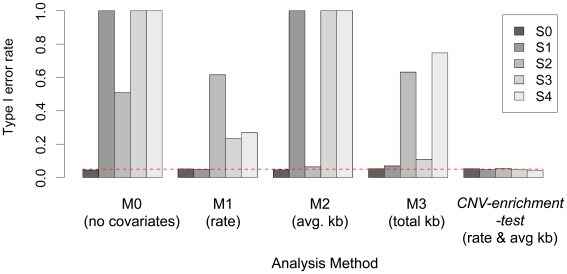
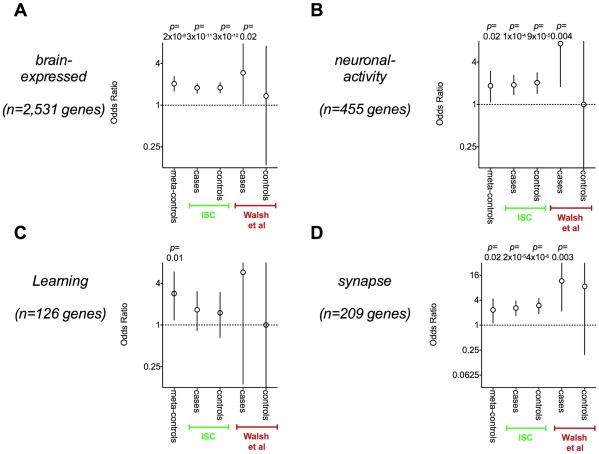
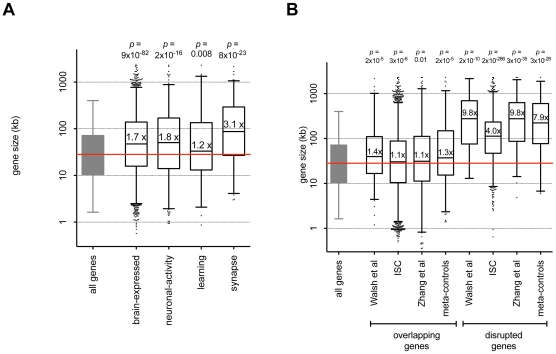
Investigators have linked rare copy number variation (CNVs) to neuropsychiatric diseases, such as schizophrenia. One hypothesis is that CNV events cause disease by affecting genes with specific brain functions. Under these circumstances, we expect that CNV events in cases should impact brain-function genes more frequently than those events in controls. Previous publications have applied "pathway" analyses to genes within neuropsychiatric case CNVs to show enrichment for brain-functions. While such analyses have been suggestive, they often have not rigorously compared the rates of CNVs impacting genes with brain function in cases to controls, and therefore do not address important confounders such as the large size of brain genes and overall differences in rates and sizes of CNVs. To demonstrate the potential impact of confounders, we genotyped rare CNV events in 2,415 unaffected controls with Affymetrix 6.0; we then applied standard pathway analyses using four sets of brain-function genes and observed an apparently highly significant enrichment for each set. The enrichment is simply driven by the large size of brain-function genes. Instead, we propose a case-control statistical test, cnv-enrichment-test, to compare the rate of CNVs impacting specific gene sets in cases versus controls. With simulations, we demonstrate that cnv-enrichment-test is robust to case-control differences in CNV size, CNV rate, and systematic differences in gene size. Finally, we apply cnv-enrichment-test to rare CNV events published by the International Schizophrenia Consortium (ISC). This approach reveals nominal evidence of case-association in neuronal-activity and the learning gene sets, but not the other two examined gene sets. The neuronal-activity genes have been associated in a separate set of schizophrenia cases and controls; however, testing in independent samples is necessary to definitively confirm this association. Our method is implemented in the PLINK software package.
Overview
The claims and statistics of this paper haven’t been checked yet.
Run the check — free, no account needed. It reads the open-access text and checks the sources it cites.
Integrity signals
Registry
Cites
Statistics
Figures
Verification
Claims the paper makes
The claims and statistics of this paper haven’t been checked yet.
Run the check — free, no account needed. It reads the open-access text and checks the sources it cites.
Claims other papers make about this one
Each is checked against this paper’s own text: does it say what the citing paper says it does?
In the citing paper
“Enrichment of functional classes of genes was tested using the DAVID software (http://david.abcc.ncifcrf.gov/), followed by two additional permutation-based tests to correct for the known bias of CNVs toward large genes (Raychaudhuri et al., 2010), one implemented as a case-only analysis and a second implemented as a case-control analysis in PLINK (http://pngu.mgh.harvard.edu/~purcell/plink/cnv.s”
From High frequencies of de novo CNVs in bipolar disorder and schizophrenia (2011) · cites this paper as Raychaudhuri et al., 2010
In the citing paper
“it has been noted that the early gene-set studies did not allow for important confounders, in particular the large size of genes implicated in brain function, and that the conclusions that can be drawn are consequently unclear.19”
From De novo CNV analysis implicates specific abnormalities of postsynaptic signalling complexes in the pathogenesis of schizophrenia (2012) · cites this paper as [19]
In the citing paper
“and genes highly expressed in the brain, particularly those involved in synaptic function, are longer on average than other genes186.”
From Systems biology and gene networks in neurodevelopmental and neurodegenerative disorders (2015) · cites this paper as [186]
In the citing paper
“we controlled for the total number of genes per subject spanned by rare CNVs to account for signal that merely reflects the global enrichment of CNV burden in cases 19.”
From Contribution of copy number variants to schizophrenia from a genome-wide study of 41,321 subjects (2017) · cites this paper as [19]
Self-check
Percentages, sums and reported differences re-computed from the paper’s own numbers.
The self-check needs the paper’s full text.
Citations
Cites
Gene Ontology: tool for the unification of biology
Ashburner, M., Ball, C. A., Blake, J. A., Botstein, D., Butler, H., Cherry, J. M., Davis, A. P., Dolinski, K., Dwight, S. S., Eppig, J. T., et al. (2000) · Nature Genetics · doi:10.1038/75556 · Cited by 43,206
KEGG: Kyoto Encyclopedia of Genes and Genomes
Kanehisa, M. (2000) · Nucleic Acids Research · doi:10.1093/nar/28.1.27 · Cited by 37,077
PLINK: a tool set for whole-genome association and population-based linkage analyses.
Purcell, S., Neale, B., Todd-Brown, K., Thomas, L., Ferreira, M. A. R., Bender, D., Maller, J., Sklar, P., de Bakker, P. I. W., Daly, M. J., et al. (2007) · The American Journal of Human Genetics · doi:10.1086/519795 · Cited by 34,089
Self-citationKEGG: Kyoto Encyclopedia of Genes and Genomes
Ogata, H., Goto, S., Sato, K., Fujibuchi, W., Bono, H., & Kanehisa, M. (1999) · Nucleic Acids Research · doi:10.1093/nar/27.1.29 · Cited by 31,232
Database resources of the National Center for Biotechnology Information: update
Wheeler, D. L. (2003) · Nucleic Acids Research · doi:10.1093/nar/gkh073 · Cited by 10,695
Mootha, V. K., Lindgren, C. M., Eriksson, K.-F., Subramanian, A., Sihag, S., Lehar, J., Puigserver, P., Carlsson, E., Ridderstråle, M., Laurila, E., et al. (2003) · Nature Genetics · doi:10.1038/ng1180 · Cited by 10,197
Self-citationGenome-wide association study of 14,000 cases of seven common diseases and 3,000 shared controls
The Wellcome Trust Case Control Consortium, Management Committee, Burton, P. R., Clayton, D. G., Cardon, L. R., Craddock, N., Deloukas, P., Duncanson, A., Kwiatkowski, D. P., McCarthy, M. I., et al. (2007) · Nature · doi:10.1038/nature05911 · Cited by 9,442
Summaries of Affymetrix GeneChip probe level data
Irizarry, R. A. (2003) · Nucleic Acids Research · doi:10.1093/nar/gng015 · Cited by 4,837
Global variation in copy number in the human genome
Redon, R., Ishikawa, S., Fitch, K. R., Feuk, L., Perry, G. H., Andrews, T. D., Fiegler, H., Shapero, M. H., Carson, A. R., Chen, W., et al. (2006) · Nature · doi:10.1038/nature05329 · Cited by 4,377
Strong association of de novo copy number mutations with autism
Sebat, J., Lakshmi, B., Malhotra, D., Troge, J., Lese-Martin, C., Walsh, T., Yamrom, B., Yoon, S., Krasnitz, A., Kendall, J., et al. (2007) · Science · doi:10.1126/science.1138659 · Cited by 2,795
Cited by
Sorted by citations
Visscher, P. M., Brown, M. A., McCarthy, M. I., & Yang, J. (2012) · The American Journal of Human Genetics · doi:10.1016/j.ajhg.2011.11.029 · Cited by 2,425
Genetic relationship between five psychiatric disorders estimated from genome-wide SNPs
Cross-Disorder Group of the Psychiatric Genomics Consortium (2013) · Nature Genetics · doi:10.1038/ng.2711 · Cited by 2,263
Self-citationReimand, J., Isserlin, R., Voisin, V., Kucera, M., Tannus-Lopes, C., Rostamianfar, A., Wadi, L., Meyer, M., Wong, J., Xu, C., et al. (2019) · Nature Protocols · doi:10.1038/s41596-018-0103-9 · Cited by 1,970
Genetic architectures of psychiatric disorders: the emerging picture and its implications
Sullivan, P. F., Daly, M. J., & O'Donovan, M. (2012) · Nature Reviews Genetics · doi:10.1038/nrg3240 · Cited by 1,177
Self-citationContribution of copy number variants to schizophrenia from a genome-wide study of 41,321 subjects
Marshall, C. R., Howrigan, D. P., Merico, D., Thiruvahindrapuram, B., Wu, W., Greer, D. S., Antaki, D., Shetty, A., Holmans, P. A., Pinto, D., et al. (2017) · Nature Genetics · doi:10.1038/ng.3725 · Cited by 1,058
Kirov, G., Pocklington, A. J., Holmans, P., Ivanov, D., Ikeda, M., Ruderfer, D., Moran, J., Chambert, K., Toncheva, D., Georgieva, L., et al. (2012) · Molecular Psychiatry · doi:10.1038/mp.2011.154 · Cited by 844
“19 Schizophrenia is associated with reduced fecundity, B 40% that of the general population, 20 or even lower according to the largest population-based study.”
BackgroundMethodSelf-citationBiological interpretation of genome-wide association studies using predicted gene functions
Pers, T. H., Karjalainen, J. M., Chan, Y., Westra, H.-J., Wood, A. R., Yang, J., Lui, J. C., Vedantam, S., Gustafsson, S., Esko, T., et al. (2015) · Nature Communications · doi:10.1038/ncomms6890 · Cited by 787
Self-citationPractitioner Review: What have we learnt about the causes of ADHD?
Thapar, A., Cooper, M., Eyre, O., & Langley, K. (2013) · Journal of Child Psychology and Psychiatry · doi:10.1111/j.1469-7610.2012.02611.x · Cited by 701
Whole-Genome Sequencing in Autism Identifies Hot Spots for De Novo Germline Mutation
Michaelson, J. J., Shi, Y., Gujral, M., Zheng, H., Malhotra, D., Jin, X., Jian, M., Liu, G., Greer, D., Bhandari, A., et al. (2012) · Cell · doi:10.1016/j.cell.2012.11.019 · Cited by 544
Self-citationEstimating the proportion of variation in susceptibility to schizophrenia captured by common SNPs
The Schizophrenia Psychiatric Genome-Wide Association Study Consortium (PGC-SCZ), Lee, S. H., The International Schizophrenia Consortium (ISC), The Molecular Genetics of Schizophrenia Collaboration (MGS), DeCandia, T. R., Ripke, S., Yang, J., Sullivan, P. F., Goddard, M. E., Keller, M. C., et al. (2012) · Nature Genetics · doi:10.1038/ng.1108 · Cited by 579
Disruption of DNA-methylation-dependent long gene repression in Rett syndrome
Gabel, H. W., Kinde, B., Stroud, H., Gilbert, C. S., Harmin, D. A., Kastan, N. R., Hemberg, M., Ebert, D. H., & Greenberg, M. E. (2015) · Nature · doi:10.1038/nature14319 · Cited by 569
Zhou, X., Feliciano, P., Shu, C., Wang, T., Astrovskaya, I., Hall, J. B., Obiajulu, J. U., Wright, J. R., Murali, S. C., Xu, S. X., et al. (2022) · Nature Genetics · doi:10.1038/s41588-022-01148-2 · Cited by 453
Systems biology and gene networks in neurodevelopmental and neurodegenerative disorders
Parikshak, N. N., Gandal, M. J., & Geschwind, D. H. (2015) · Nature Reviews Genetics · doi:10.1038/nrg3934 · Cited by 430
High frequencies of de novo CNVs in bipolar disorder and schizophrenia
Malhotra, D., McCarthy, S., Michaelson, J. J., Vacic, V., Burdick, K. E., Yoon, S., Cichon, S., Corvin, A., Gary, S., Gershon, E. S., et al. (2011) · Neuron · doi:10.1016/j.neuron.2011.11.007 · Cited by 325
“…(http://david.abcc.ncifcrf.gov/), followed by two additional permutationbased tests to correct for the known bias of CNVs toward large genes (Raychaudhuri et al., 2010), one implemented as a case-only analysis and a second implemented as a case-control analysis in PLINK…”
Wheeler, E., Huang, N., Bochukova, E. G., Keogh, J. M., Lindsay, S., Garg, S., Henning, E., Blackburn, H., Loos, R. J. F., Wareham, N. J., et al. (2013) · Nature Genetics · doi:10.1038/ng.2607 · Cited by 327
INRICH: interval-based enrichment analysis for genome-wide association studies
Lee, P. H., O'Dushlaine, C., Thomas, B., & Purcell, S. M. (2012) · Bioinformatics · doi:10.1093/bioinformatics/bts191 · Cited by 238
Self-citationCopy number variation in schizophrenia in Sweden
Szatkiewicz, J., O'Dushlaine, C., Chen, G., Chambert, K., Moran, J. L., Neale, B. M., Fromer, M., Ruderfer, D. M., Akterin, S., Bergen, S. E., et al. (2014) · Molecular Psychiatry · doi:10.1038/mp.2014.40 · Cited by 242
Self-citationSingh, T., Walters, J. T. R., Johnstone, M., Curtis, D., Suvisaari, J., Torniainen, M., Rees, E., Iyegbe, C., Blackwood, D., McIntosh, A. M., et al. (2017) · Nature Genetics · doi:10.1038/ng.3903 · Cited by 231
Self-citationMaier, R., Moser, G., Chen, G., Ripke, S., Absher, D., Agartz, I., Akil, H., D, F. A. M., Andreassen, O. A., Anjorin, A., et al. (2015) · The American Journal of Human Genetics · doi:10.1016/j.ajhg.2014.12.006 · Cited by 234
Self-citationGPA: A Statistical Approach to Prioritizing GWAS Results by Integrating Pleiotropy and Annotation
Chung, D., Yang, C., Li, C., Gelernter, J. E., & Zhao, H. (2014) · PLoS Genetics · doi:10.1371/journal.pgen.1004787 · Cited by 225
Kushima, I., Aleksic, B., Nakatochi, M., Shimamura, T., Okada, T., Uno, Y., Morikawa, M., Ishizuka, K., Shiino, T., Kimura, H., et al. (2018) · Cell Reports · doi:10.1016/j.celrep.2018.08.022 · Cited by 251
Lee, S. H., Harold, D., Nyholt, D. R., ANZGene Consortium, International Endogene Consortium, the Genetic and Environmental Risk for Alzheimer's disease (GERAD1) Consortium, Goddard, M. E., Zondervan, K. T., Williams, J., Montgomery, G. W., et al. (2013) · Human Molecular Genetics · doi:10.1093/hmg/dds491 · Cited by 217
Novel Findings from CNVs Implicate Inhibitory and Excitatory Signaling Complexes in Schizophrenia
Pocklington, A. J., Rees, E., Walters, J. T. R., Han, J., Kavanagh, D. H., Chambert, K. D., Holmans, P., Moran, J. L., McCarroll, S. A., Kirov, G., et al. (2015) · Neuron · doi:10.1016/j.neuron.2015.04.022 · Cited by 193
Self-citationFernandez, T. V., Sanders, S., Yurkiewicz, I. R., Ercan‐Sencicek, A. G., Kim, Y.-S., Fishman, D. O., Raubeson, M. J., Song, Y., Yasuno, K., Ho, W. S., et al. (2011) · Biological Psychiatry · doi:10.1016/j.biopsych.2011.09.034 · Cited by 209
Investigating the Contribution of Common Genetic Variants to the Risk and Pathogenesis of ADHD
Stergiakouli, E., Hamshere, M. L., Holmans, P., Langley, K., Zaharieva, I. T., Genetics, D., Hawi, Z., Kent, L., Gill, M., Williams, N. M., et al. (2011) · American Journal of Psychiatry · doi:10.1176/appi.ajp.2011.11040551 · Cited by 202
Griswold, A. J., Ma, D., Cukier, H. N., Nations, L. D., Schmidt, M. A., Chung, R.-H., Jaworski, J. M., Salyakina, D., Konidari, I., Whitehead, P. L., et al. (2012) · Human Molecular Genetics · doi:10.1093/hmg/dds164 · Cited by 191
SNPsnap: a Web-based tool for identification and annotation of matched SNPs
Pers, T. H., Timshel, P. N., & Hirschhorn, J. N. (2014) · Bioinformatics · doi:10.1093/bioinformatics/btu655 · Cited by 171
Hu, X., Kim, H., Stahl, E. A., Plenge, R. M., Daly, M. J., & Raychaudhuri, S. (2011) · The American Journal of Human Genetics · doi:10.1016/j.ajhg.2011.09.002 · Cited by 159
Self-citationNetworks of Neuronal Genes Affected by Common and Rare Variants in Autism Spectrum Disorders
Ben-David, E., & Shifman, S. (2012) · PLoS Genetics · doi:10.1371/journal.pgen.1002556 · Cited by 145
Corominas, R., Yang, X., Lin, G. N., Kang, S., Shen, Y., Ghamsari, L., Broly, M., Rodriguez, M., Tam, S., Wanamaker, S. A., et al. (2014) · Nature Communications · doi:10.1038/ncomms4650 · Cited by 140
“66)) were compared using a method developed by Raychaudhuri et al. 67 .”
Costain, G., Lionel, A. C., Merico, D., Forsythe, P., Russell, K., Lowther, C., Yuen, T., Husted, J., Stavropoulos, D. J., Speevak, M. D., et al. (2013) · Human Molecular Genetics · doi:10.1093/hmg/ddt297 · Cited by 138
High-resolution copy number variation analysis of schizophrenia in Japan
Kushima, I., Aleksić, B., Nakatochi, M., Shimamura, T., Shiino, T., Yoshimi, A., Kimura, H., Takasaki, Y., Wang, C., Xing, J., et al. (2016) · Molecular Psychiatry · doi:10.1038/mp.2016.88 · Cited by 130
Mapping Rare and Common Causal Alleles for Complex Human Diseases
Raychaudhuri, S. (2011) · Cell · doi:10.1016/j.cell.2011.09.011 · Cited by 136
Self-citationRare Copy Number Variants Contribute to Congenital Left-Sided Heart Disease
Hitz, M., Perreault, L. L., Marshall, C. R., Zada, Y. F., Davies, R., Yang, S. W., Lionel, A. C., D’Amours, G., Lemyre, E., Cullum, R., et al. (2012) · PLoS Genetics · doi:10.1371/journal.pgen.1002903 · Cited by 126
Martin, J., Cooper, M., Hamshere, M. L., Pocklington, A. J., Scherer, S. W., Kent, L., Gill, M., Owen, M. J., Williams, N. M., O’Donovan, M. C., et al. (2014) · Journal of the American Academy of Child & Adolescent Psychiatry · doi:10.1016/j.jaac.2014.03.004 · Cited by 117
Shi, H., Gazal, S., Kanai, M., Koch, E. M., Schoech, A. P., Siewert, K. M., Kim, S. S., Luo, Y., Amariuta, T., Huang, H., et al. (2021) · Nature Communications · doi:10.1038/s41467-021-21286-1 · Cited by 119
Self-citationJarick, I., Volckmar, A., Pütter, C., Pechlivanis, S., Nguyen, T. T., Dauvermann, M. R., Beck, S., Albayrak, Ö., Scherag, S., Gilsbach, S., et al. (2012) · Molecular Psychiatry · doi:10.1038/mp.2012.161 · Cited by 111
Hou, Y., Liu, G. E., Bickhart, D. M., Matukumalli, L. K., Li, C., Song, J., Gasbarre, L. C., Tassell, C. P. V., & Sonstegard, T. S. (2011) · Functional & Integrative Genomics · doi:10.1007/s10142-011-0252-1 · Cited by 106
The genomics of schizophrenia: update and implications
Giusti‐Rodríguez, P., & Sullivan, P. F. (2013) · Journal of Clinical Investigation · doi:10.1172/jci66031 · Cited by 99
Recent genomic advances in schizophrenia
Doherty, J. L., O’Donovan, M. C., & Owen, M. (2011) · Clinical Genetics · doi:10.1111/j.1399-0004.2011.01773.x · Cited by 94
Identification and functional characterization of rare SHANK2 variants in schizophrenia
Peykov, S. Z., Berkel, S., Schoen, M., Weiss, K., Degenhardt, F., Strohmaier, J., Weiss, B., Proepper, C., Schratt, G. M., Nöthen, M. M., et al. (2015) · Molecular Psychiatry · doi:10.1038/mp.2014.172 · Cited by 100
Mosca, S. J., Langevin, L. M., Dewey, D., Innes, A. M., Lionel, A. C., Marshall, C. R., Scherer, S. W., Parboosingh, J. S., & Bernier, F. P. (2016) · Journal of Medical Genetics · doi:10.1136/jmedgenet-2016-103818 · Cited by 90
Pezer, Ž., Harr, B., Teschke, M., Babiker, H. M. A., & Tautz, D. (2015) · Genome Research · doi:10.1101/gr.187187.114 · Cited by 83
Genomics implicates adaptive and innate immunity in Alzheimer’s and Parkinson’s diseases
Gagliano, S. A., Pouget, J. G., Hardy, J., Knight, J., Barnes, M. R., Ryten, M., & Weale, M. E. (2016) · Annals of Clinical and Translational Neurology · doi:10.1002/acn3.369 · Cited by 85
Wang, Q., Yang, C., Gelernter, J. E., & Zhao, H. (2015) · Human Genetics · doi:10.1007/s00439-015-1596-8 · Cited by 84
Mowry, B. J., & Gratten, J. (2012) · Molecular Psychiatry · doi:10.1038/mp.2012.34 · Cited by 82
Phenome-wide Burden of Copy-Number Variation in the UK Biobank
Aguirre, M., Rivas, M. A., & Priest, J. R. (2019) · The American Journal of Human Genetics · doi:10.1016/j.ajhg.2019.07.001 · Cited by 78
The genomic psychiatry cohort: Partners in discovery
Pato, M. T., Sobell, J. L., Medeiros, H., Abbott, C., Sklar, B. M., Buckley, P. F., Bromet, E. J., Escamilla, M., Fanous, A. H., Lehrer, D. S., et al. (2013) · American Journal of Medical Genetics Part B Neuropsychiatric Genetics · doi:10.1002/ajmg.b.32160 · Cited by 75
Self-citationSteinberg, J., & Webber, C. (2013) · The American Journal of Human Genetics · doi:10.1016/j.ajhg.2013.09.013 · Cited by 71
Jia, P., Wang, L., Fanous, A. H., Chen, X., Kendler, K. S., & Zhao, Z. (2011) · Journal of Medical Genetics · doi:10.1136/jmedgenet-2011-100397 · Cited by 69
Rare Copy Number Variation in Treatment-Resistant Major Depressive Disorder
O'Dushlaine, C. T., Ripke, S., Ruderfer, D. M., Hamilton, S. P., D, M. F. M., Iosifescu, D. V., Kohane, I. S., Churchill, S. E., Castro, V. M., Clements, C. C., et al. (2014) · Biological Psychiatry · doi:10.1016/j.biopsych.2013.10.028 · Cited by 68
Genetic and cognitive windows into circuit mechanisms of psychiatric disease
Arguello, P. A., & Gogos, J. A. (2011) · Trends in Neurosciences · doi:10.1016/j.tins.2011.11.007 · Cited by 70
Psychiatric gene discoveries shape evidence on ADHD’s biology
Thapar, A., Martin, J., Mick, E. O., Vásquez, A. A., Langley, K., Scherer, S. W., Schachar, R. J., Crosbie, J., Williams, N. M., Franke, B., et al. (2015) · Molecular Psychiatry · doi:10.1038/mp.2015.163 · Cited by 70
Pouget, J. G., Gonçalves, V. F., Spain, S. L., Finucane, H. K., Raychaudhuri, S., Kennedy, J. L., & Knight, J. (2016) · Schizophrenia Bulletin · doi:10.1093/schbul/sbw059 · Cited by 71
Self-citationPrakash, S. K., Bondy, C. A., Maslen, C. L., Silberbach, M., Lin, A. E., Perrone, L., Limongelli, G., Michelena, H. I., Bossone, E., Citro, R., et al. (2016) · American Journal of Medical Genetics Part A · doi:10.1002/ajmg.a.37953 · Cited by 67
The landscape of copy number variations in F innish families with autism spectrum disorders
Kanduri, C., Kantojärvi, K., Salo, P., Vanhala, R., Buck, G., Blancher, C., Lähdesmäki, H. J., & Järvelä, I. E. (2015) · Autism Research · doi:10.1002/aur.1502 · Cited by 71
Bacchelli, E., Cameli, C., Viggiano, M., Igliozzi, R., Mancini, A., Tancredi, R., Battaglia, A., & Maestrini, E. (2020) · Scientific Reports · doi:10.1038/s41598-020-59922-3 · Cited by 64
Pandey, A., Davis, N. A., White, B. C., Pajewski, N. M., Savitz, J. B., Drevets, W. C., & McKinney, B. A. (2012) · Translational Psychiatry · doi:10.1038/tp.2012.80 · Cited by 62
Genomic architecture of human neuroanatomical diversity
Toro, R., Poline, J., Huguet, G., Loth, E., Frouin, V., Banaschewski, T., Barker, G. J., Bokde, A. L. W., Büchel, C., Carvalho, F. M., et al. (2014) · Molecular Psychiatry · doi:10.1038/mp.2014.99 · Cited by 55
Sprooten, E., Fleming, K., Thomson, P. A., Bastin, M. E., Whalley, H. C., Hall, J., Sussmann, J. E., McKirdy, J. W., Blackwood, D., Lawrie, S. M., et al. (2012) · Psychiatry Research · doi:10.1016/j.psychres.2012.11.002 · Cited by 57
Kushima, I., Nakatochi, M., Aleksić, B., Okada, T., Kimura, H., Kato, H., Morikawa, M., Inada, T., Ishizuka, K., Torii, Y., et al. (2022) · Biological Psychiatry · doi:10.1016/j.biopsych.2022.04.003 · Cited by 60
Liao, H.-M., Chao, Y.-L., Huang, A.-L., Cheng, M.-C., Chen, Y.-J., Lee, K.-F., Fang, J., Hsu, C.-H., & Chen, C. (2012) · Schizophrenia Research · doi:10.1016/j.schres.2012.05.015 · Cited by 59
Pocklington, A. J., O’Donovan, M. C., & Owen, M. J. (2014) · European Journal of Neuroscience · doi:10.1111/ejn.12489 · Cited by 57
Wu, Y., Liu, X., Luo, H., Deng, W., Zhao, G., Wang, Q., Zhang, L., Ma, X., Liu, X., Murray, R. M., et al. (2012) · Psychiatry Research · doi:10.1016/j.psychres.2012.01.020 · Cited by 52
Chen, X., Feng, L., Cai, B., Chen, X., & Chen, G. (2017) · The Journal of Comparative Neurology · doi:10.1002/cne.24311 · Cited by 49
CNV Concordance in 1,097 MZ Twin Pairs
Abdellaoui, A., Ehli, E. A., Hottenga, J., Weber, Z. M., Mbarek, H., Willemsen, G. A. H. M., van Beijsterveldt, T., Brooks, A. I., Hudziak, J. J., Sullivan, P. F., et al. (2015) · Twin Research and Human Genetics · doi:10.1017/thg.2014.86 · Cited by 48
Maury, E. A., Sherman, M. A., Genovese, G., Gilgenast, T. G., Kamath, T., Burris, S. J., Rajarajan, P., Flaherty, E. K., Akbarian, S., Chess, A. J., et al. (2023) · Cell Genomics · doi:10.1016/j.xgen.2023.100356 · Cited by 47
Self-citationLopez, L. M., Bastin, M. E., Maniega, S. M., Penke, L., Davies, G., Christoforou, A., Hernández, M. C. V., Royle, N. A., Tenesa, A., Starr, J. M., et al. (2012) · Neurobiology of Aging · doi:10.1016/j.neurobiolaging.2012.02.003 · Cited by 45
Xia, H.-Z., Jahr, F. M., Kim, N.-K., Xie, L., Shabalin, A. A., Bryois, J., Sweet, D. H., Kronfol, M. M., Palasuberniam, P., McRae, M., et al. (2018) · Human Molecular Genetics · doi:10.1093/hmg/ddy222 · Cited by 41
Prakash, S. K., Kuang, S.-Q., GenTAC Registry Investigators, Regalado, E. S., Guo, D., & Milewicz, D. M. (2016) · PLoS ONE · doi:10.1371/journal.pone.0153543 · Cited by 40
The phenotypic manifestations of rare genic CNVs in autism spectrum disorder
Merikangas, A. K., Segurado, R., Heron, E. A., Anney, R., Paterson, A. D., Cook, E. H., Pinto, D., Scherer, S. W., Szatmári, P., Gill, M., et al. (2014) · Molecular Psychiatry · doi:10.1038/mp.2014.150 · Cited by 41
Nikpay, M., Stewart, A. F. R., & McPherson, R. (2017) · Cardiovascular Research · doi:10.1093/cvr/cvx019 · Cited by 39
Genetic studies of schizophrenia: an update
Chen, J., Cao, F., Liu, L., Wang, L., & Chen, X. (2015) · Neuroscience Bulletin · doi:10.1007/s12264-014-1494-4 · Cited by 39
Sharif, J., Shinkai, Y., & Koseki, H. (2012) · Philosophical Transactions of the Royal Society B Biological Sciences · doi:10.1098/rstb.2011.0340 · Cited by 36
High resolution chromosomal microarray analysis in paediatric obsessive-compulsive disorder
Grünblatt, E., Oneda, B., Ekici, A. B., Ball, J., Geissler, J. M., Uebe, S., Romanos, M., Rauch, A. M., & Walitza, S. (2017) · BMC Medical Genomics · doi:10.1186/s12920-017-0299-5 · Cited by 38
Soheili‐Nezhad, S., van der Linden, R. J., Rikkert, M. G. M. O., Sprooten, E., & Poelmans, G. (2020) · Alzheimer s & Dementia · doi:10.1002/alz.12211 · Cited by 33
Audain, E., Wilsdon, A., Breckpot, J., Izarzugaza, J. M. G., Fitzgerald, T. W., Kahlert, A., Sifrim, A., Wünnemann, F., Pérez‐Riverol, Y., Abdul‐Khaliq, H., et al. (2021) · PLoS Genetics · doi:10.1371/journal.pgen.1009679 · Cited by 36
A cognitive neurogenetic approach to uncovering the structure of executive functions
Feng, J., Zhang, L., Chen, C., Sheng, J., Ye, Z., Feng, K., Liu, J., Cai, Y., Zhu, B., Yu, Z., et al. (2022) · Nature Communications · doi:10.1038/s41467-022-32383-0 · Cited by 37
Sul, J. H., Service, S. K., Huang, A., Ramensky, V. E., Hwang, S., Teshiba, T. M., Park, Y., Ori, A. P. S., Zhang, Z., Mullins, N., et al. (2020) · Translational Psychiatry · doi:10.1038/s41398-020-0758-1 · Cited by 34
Ye, T., Lipska, B. K., Tao, R., Hyde, T. M., Wang, L., Li, C., Choi, K. H., Straub, R. E., Kleinman, J. E., & Weinberger, D. R. (2012) · Biological Psychiatry · doi:10.1016/j.biopsych.2012.06.014 · Cited by 34
Chapman, J., Rees, E., Harold, D. H., Ivanov, D. K., Gerrish, A., Sims, R., Hollingworth, P., Stretton, A., Holmans, P., Owen, M. J., et al. (2012) · Human Molecular Genetics · doi:10.1093/hmg/dds476 · Cited by 34
Genome-wide Burden of Rare Short Deletions Is Enriched in Major Depressive Disorder in Four Cohorts
Zhang, X., Abdellaoui, A., Rucker, J., de Jong, S., Potash, J. B., Weissman, M. M., Shi, J., Knowles, J. A., Pato, C. N., Pato, M. T., et al. (2019) · Biological Psychiatry · doi:10.1016/j.biopsych.2019.02.022 · Cited by 32
Contribution of copy-number variation to Down syndrome–associated atrioventricular septal defects
Ramachandran, D., Mullé, J. G., Locke, A. E., Bean, L. J., Rosser, T. C., Bose, P., Dooley, K. J., Cua, C. L., Capone, G. T., Reeves, R. H., et al. (2014) · Genetics in Medicine · doi:10.1038/gim.2014.144 · Cited by 32
DNA Damage and Parkinson’s Disease
Pfeifer, G. P. (2024) · International Journal of Molecular Sciences · doi:10.3390/ijms25084187 · Cited by 31
Evolutionary conservation in genes underlying human psychiatric disorders
Ogawa, L. M., & Vallender, E. J. (2014) · Frontiers in Human Neuroscience · doi:10.3389/fnhum.2014.00283 · Cited by 33
Chromatin regulators, phenotypic robustness, and autism risk
Suliman, R., Ben-David, E., & Shifman, S. (2014) · Frontiers in Genetics · doi:10.3389/fgene.2014.00081 · Cited by 28
Functional Enrichment Analysis with Structural Variants: Pitfalls and Strategies
Webber, C. (2011) · Cytogenetic and Genome Research · doi:10.1159/000331670 · Cited by 28
Genome-Wide Methylation Profiling of Schizophrenia
Rukova, B. B., Staneva, R., Hadjidekova, S. P., Stamenov, G., Milanova, V. K., & Toncheva, D. I. (2014) · Balkan Journal of Medical Genetics · doi:10.2478/bjmg-2014-0070 · Cited by 26
Low, J. S. Y., Chin, Y. M., Mushiroda, T., Kubo, M., Krishnan, G., Pua, K. C., Yap, Y., Yap, L. F., Subramaniam, S. K., Ong, C. A., et al. (2016) · PLoS ONE · doi:10.1371/journal.pone.0145774 · Cited by 25
Biological pathways and networks implicated in psychiatric disorders
Sullivan, P. F., & Posthuma, D. (2014) · Current Opinion in Behavioral Sciences · doi:10.1016/j.cobeha.2014.09.003 · Cited by 25
Polygenic Architecture of Human Neuroanatomical Diversity
Biton, A., Traut, N., Poline, J., Aribisala, B. S., Bastin, M. E., Bülow, R., Cox, S. R., Deary, I. J., Fukunaga, M., Grabe, H. J., et al. (2020) · Cerebral Cortex · doi:10.1093/cercor/bhz241 · Cited by 24
The phenotypic manifestations of rare CNVs in schizophrenia
Merikangas, A. K., Segurado, R., Cormican, P., Heron, E. A., Anney, R., Moore, S., Kelleher, E., Hargreaves, A., Anderson‐Schmidt, H., Gill, M., et al. (2014) · Schizophrenia Research · doi:10.1016/j.schres.2014.06.016 · Cited by 23
Chen, J., Lee, G., Fanous, A. H., Zhao, Z., Jia, P., O’Neill, F. A., Walsh, D., Kendler, K. S., & Chen, X. (2011) · Schizophrenia Research · doi:10.1016/j.schres.2011.06.023 · Cited by 25
Rambo‐Martin, B. L., Mulle, J. G., Cutler, D. J., Bean, L. J., Rosser, T. C., Dooley, K. J., Cua, C. L., Capone, G. T., Maslen, C. L., Reeves, R. H., et al. (2017) · G3 Genes Genomes Genetics · doi:10.1534/g3.117.300366 · Cited by 21
Nikpay, M., Turner, A. W., & McPherson, R. (2018) · Circulation Genomic and Precision Medicine · doi:10.1161/circgen.117.002050 · Cited by 21
Characterization of copy number‐stable regions in the human genome
Johansson, A., & Feuk, L. (2011) · Human Mutation · doi:10.1002/humu.21524 · Cited by 19
Boulding, H., & Webber, C. (2012) · Human Mutation · doi:10.1002/humu.22069 · Cited by 17
Genetics of structural connectivity and information processing in the brain
Giddaluru, S., Espeseth, T., Salami, A., Westlye, L. T., Lundquist, A., Christoforou, A., Cichon, S., Adolfsson, R., Steen, V. M., Reinvang, I., et al. (2016) · Brain Structure and Function · doi:10.1007/s00429-016-1194-0 · Cited by 19
Faro, V. L., ten Brink, J. B., Snieder, H., Jansonius, N. M., & Bergen, A. A. B. (2021) · BMC Genomics · doi:10.1186/s12864-021-07846-1 · Cited by 17
Feng, J., Chen, C., Cai, Y., Ye, Z., Feng, K., Liu, J., Zhang, L., Yang, Q., Li, A., Sheng, J., et al. (2020) · Human Brain Mapping · doi:10.1002/hbm.25018 · Cited by 17
Metadata
- Authors
- Raychaudhuri, S., Korn, J. M., McCarroll, S. A., The International Schizophrenia Consortium, Altshuler, D., Sklar, P., Purcell, S., & Daly, M. J.
- Affiliations
- Broad Institute (US)
- Corresponding author
- Purcell, Shaun
- Daly, Mark J.
- ORCID
- Venue
- PLoS Genetics
- Publisher
- Public Library of Science (PLoS)
- Published
- 2010-09-09
- Volume
- 6
- Issue
- 9
- Pages
- e1001097
- ISSN
- 1553-7390 (ISSN-L)
- 1553-7404
- PMC
- PMC2936523
- OpenAlex
- W2114327599
- Cited by
- 131
- References
- 35
- Citations by year
- 2026: 1 · 2025: 1 · 2024: 4 · 2023: 1 · 2022: 4 · 2021: 4 · 2020: 6 · 2019: 4 · 2018: 3 · 2017: 10 · 2016: 11 · 2015: 17 · 2014: 16 · 2013: 9 · 2012: 26
- FWCI
- 8.73
- Type
- journal article
- Language
- en
- Open access
- gold
- doi.org
- Locations
- PLoS Genetics (publishedVersion, cc-by)
- PubMed Central (publishedVersion, cc-by)
- PubMed (publishedVersion)
- Aberdeen University Research Archive (Aberdeen University) (submittedVersion)
- Minerva Access (University of Melbourne) (submittedVersion, cc-by)
- RePEc: Research Papers in Economics (submittedVersion)
- DOAJ (DOAJ: Directory of Open Access Journals) (submittedVersion, cc-by-sa)
- UCL Discovery (University College London) (submittedVersion)
- Figshare (submittedVersion, cc-by-nc-nd)
- Figshare (submittedVersion, cc-by)
- ORCA Online Research @Cardiff (Cardiff University) (submittedVersion)
- Research Explorer (The University of Manchester) (submittedVersion)
- Funders
- National Institutes of Health
- National Heart, Lung, and Blood Institute (R01HL087676)
- National Human Genome Research Institute (U01HG004171)
- National Institute of Diabetes and Digestive and Kidney Diseases (R01DK083756, R01DK064869, U01DK062432)
- National Institute of Arthritis and Musculoskeletal and Skin Diseases (K08AR055688)
- National Center for Research Resources
- Topics
- Life Sciences › Biochemistry, Genetics and Molecular Biology › Genetics › Genomic variations and chromosomal abnormalities
- Health Sciences › Medicine › Psychiatry and Mental health › Schizophrenia research and treatment
- Life Sciences › Biochemistry, Genetics and Molecular Biology › Genetics › Genetic Associations and Epidemiology
- Keywords
- copy number variation, schizophrenia, pathway enrichment, case-control association, neuropsychiatric disorders
- MeSH terms
- Brain, Computer Simulation, Genes, Humans, Models, Genetic, Schizophrenia, Genome, Human, Case-Control Studies, Gene Deletion, Risk Assessment, Genetic Predisposition to Disease, Databases, Genetic, DNA Copy Number Variations
About these checks
Registry, retraction, Cites and statistics results are computed, not judged, with one exception: a printed reference that no index lists is read once by a model before it counts as a citation error. Claims are extracted by a model and kept only when their quote appears verbatim in the text; each cited source is then checked, with a model’s help, for whether it says what the claim relies on. Those verdicts can be wrong — read the claim’s quote and the cited source before relying on one.
Statistics and arithmetic are recomputed, not judged.
Confidence bands are shown only for fields calibrated on our annotated test set. None is calibrated yet, so no band is shown.
What counts as a claim ›How we measure confidence ›How we check this ›
Are you an author, or do you see a problem with this page? Request a review
