

SREBP Coordinates Iron and Ergosterol Homeostasis to Mediate Triazole Drug and Hypoxia Responses in the Human Fungal Pathogen Aspergillus fumigatus
Open accessThe DOI matches its Crossref record; 62 of the 62 references it cites were found in a registry or an index.
Abstract
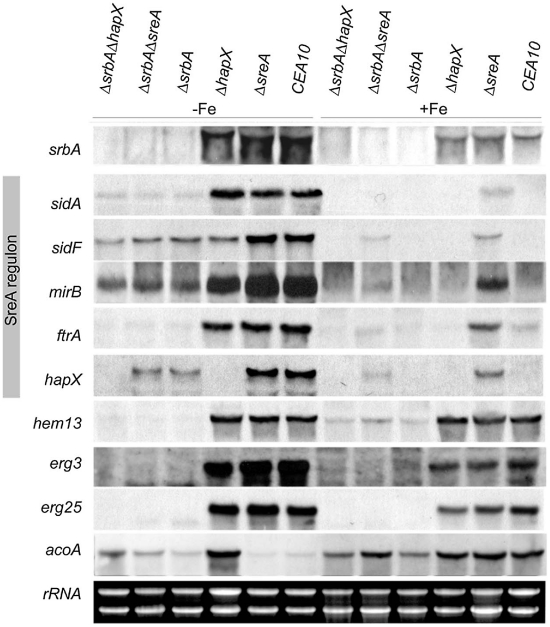
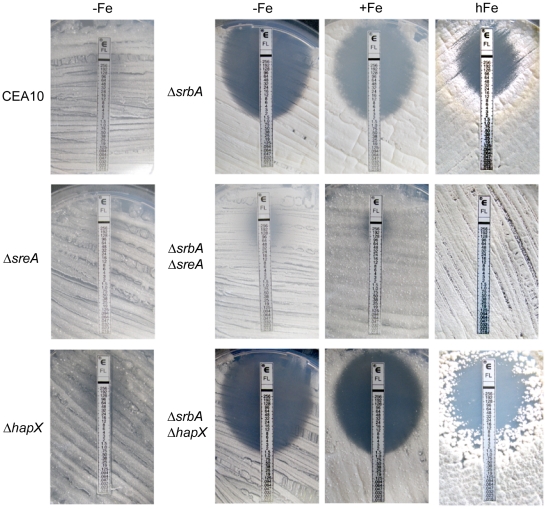
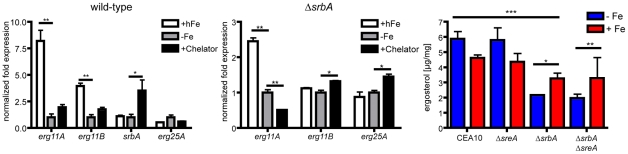
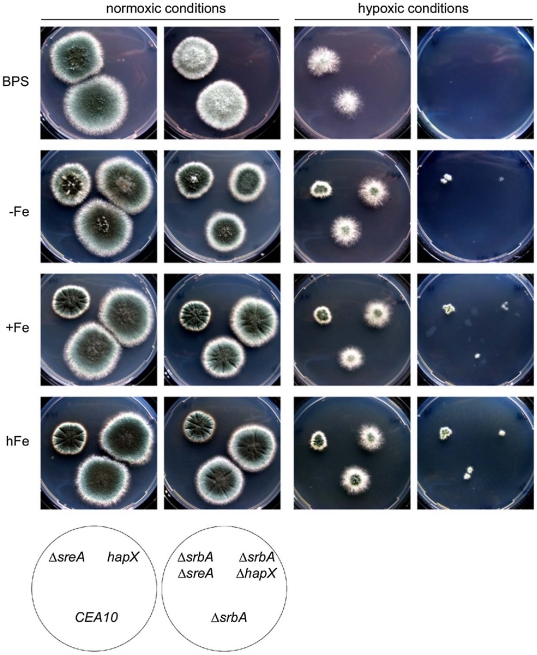
Sterol regulatory element binding proteins (SREBPs) are a class of basic helix-loop-helix transcription factors that regulate diverse cellular responses in eukaryotes. Adding to the recognized importance of SREBPs in human health, SREBPs in the human fungal pathogens Cryptococcus neoformans and Aspergillus fumigatus are required for fungal virulence and susceptibility to triazole antifungal drugs. To date, the exact mechanism(s) behind the role of SREBP in these observed phenotypes is not clear. Here, we report that A. fumigatus SREBP, SrbA, mediates regulation of iron acquisition in response to hypoxia and low iron conditions. To further define SrbA's role in iron acquisition in relation to previously studied fungal regulators of iron metabolism, SreA and HapX, a series of mutants were generated in the ΔsrbA background. These data suggest that SrbA is activated independently of SreA and HapX in response to iron limitation, but that HapX mRNA induction is partially dependent on SrbA. Intriguingly, exogenous addition of high iron or genetic deletion of sreA in the ΔsrbA background was able to partially rescue the hypoxia growth, triazole drug susceptibility, and decrease in ergosterol content phenotypes of ΔsrbA. Thus, we conclude that the fungal SREBP, SrbA, is critical for coordinating genes involved in iron acquisition and ergosterol biosynthesis under hypoxia and low iron conditions found at sites of human fungal infections. These results support a role for SREBP-mediated iron regulation in fungal virulence, and they lay a foundation for further exploration of SREBP's role in iron homeostasis in other eukaryotes.
Overview
The claims and statistics of this paper haven’t been checked yet.
Free: it reads the open-access text and checks the first 5 claims that cite a source we can check. Create a free account to check every claim.
Integrity signals
Registry
Cites
Statistics
Figures
Verification
Claims the paper makes
The claims and statistics of this paper haven’t been checked yet.
Free: it reads the open-access text and checks the first 5 claims that cite a source we can check. Create a free account to check every claim.
Claims other papers make about this one
Each is checked against this paper’s own text: does it say what the citing paper says it does?
In the citing paper
“For example, the TF SrbA also activates siderophore-mediated iron uptake in response to hypoxia and iron starvation (357).”
From Aspergillus fumigatus and Aspergillosis in 2019 (2019) · cites this paper as [357]
In the citing paper
“Hypoxic fungal growth is under the control of the common hypoxia regulator Hif1α (211, 393), but it is also associated with other major cellular pathways, such as sterol and siderophore biosynthesis and mitochondrial respiration (357, 394–396).”
From Aspergillus fumigatus and Aspergillosis in 2019 (2019) · cites this paper as [357]
Self-check
Percentages, sums and reported differences re-computed from the paper’s own numbers.
The self-check needs the paper’s full text.
Citations
Cites
The Genetics of Aspergillus nidulans
Pontecorvo, G., Roper, J. A., Chemmons, L. M., Macdonald, K. D., & Bufton, A. W. J. (1953) · Advances in Genetics · doi:10.1016/s0065-2660(08)60408-3 · Cited by 2,302 · cited 1×
“[54] containing 1% glucose as carbon source and 20 mM glutamine as nitrogen source or glucose minimal medium (GMM) with 1% glucose as carbon source as previously described [19].”
MethodYokoyama, C., Wang, X., Briggs, M. R., Admon, A., Wu, J., Hua, X., Goldstein, J. L., & Brown, M. S. (1993) · Cell · doi:10.1016/0092-8674(93)90690-r · Cited by 981
Lee, P. J., Jiang, B.-H., Chin, B. Y., Iyer, N. V., Alam, J., Semenza, G. L., & Choi, A. K. (1997) · Journal of Biological Chemistry · doi:10.1074/jbc.272.9.5375 · Cited by 782 · cited 1×
“been found to regulate several genes involved in iron metabolism [11,12,13,14].”
BackgroundTontonoz, P., Kim, J. B., Graves, R. A., & Spiegelman, B. M. (1993) · Molecular and Cellular Biology · doi:10.1128/mcb.13.8.4753 · Cited by 611
Schrettl, M., Bignell, E., Kragl, C., Joechl, C., Rogers, T., Arst, H. N., Haynes, K., & Haas, H. (2004) · The Journal of Experimental Medicine · doi:10.1084/jem.20041242 · Cited by 493 · cited 3×
“As production of extra- and intracellular siderophores plays a crucial role in adaptation to iron starvation [4,5], these data explain, at least in part, the observed growth and morphological defects of DsrbA during iron starvation.”
BackgroundSelf-citationDistinct Roles for Intra- and Extracellular Siderophores during Aspergillus fumigatus Infection
Schrettl, M., Bignell, E., Kragl, C., Sabiha, Y., Loss, O., Eisendle, M., Wallner, A., Arst, H. N., Haynes, K., & Haas, H. (2007) · PLoS Pathogens · doi:10.1371/journal.ppat.0030128 · Cited by 405 · cited 3×
“As production of extra- and intracellular siderophores plays a crucial role in adaptation to iron starvation [4,5], these data explain, at least in part, the observed growth and morphological defects of DsrbA during iron starvation.”
BackgroundSelf-citationOxygen-regulated transferrin expression is mediated by hypoxia-inducible factor-1
Rolfs, A., Kvietikova, I., Gassmann, M., & Wenger, R. H. (1997) · Journal of Biological Chemistry · doi:10.1074/jbc.272.32.20055 · Cited by 401 · cited 1×
“transferrin, which increases iron availability to host cells under hypoxic stress [10].”
BackgroundWillger, S. D., Puttikamonkul, S., Kim, K.-H., Burritt, J. B., Grahl, N., Metzler, L. J., Barbuch, R., Bard, M., Lawrence, C. B., & Cramer, R. A. (2008) · PLoS Pathogens · doi:10.1371/journal.ppat.1000200 · Cited by 345 · cited 7×
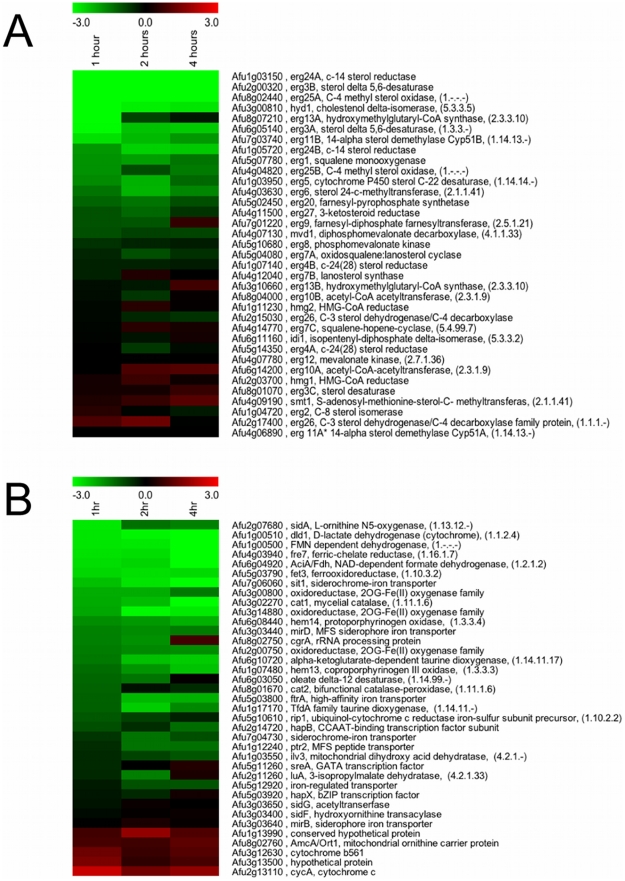
“fumigatus SrbA SREBPs appear to be key regulators of Erg25 and sterol biosynthesis [19,30,47] (Figure 1B, Figure 2, and Figure 5).”
BackgroundMethodInfluentialSelf-citationA High-Affinity Iron Permease Essential for Candida albicans Virulence
Ramanan, N., & Wang, Y. (2000) · Science · doi:10.1126/science.288.5468.1062 · Cited by 336
The SREBP pathway — insights from insigs and insects
Rawson, R. B. (2003) · Nature Reviews Molecular Cell Biology · doi:10.1038/nrm1174 · Cited by 323
Research works printed but not linked: 2
- Chun CD Liu OW Madhani HD 2007 A link between virulence and homeostatic responses to hypoxia during infection by the human fungal pathogen Cryptococcus neoformans. PLoS Pathog 3 e22 doi: 10.1371/journal.ppat.0030022 17319742 PMC1803011 · DOI · Paper page
- Todd BL Stewart EV Burg JS Hughes AL Espenshade PJ 2006 Sterol regulatory element binding protein is a principal regulator of anaerobic gene expression in fission yeast. Molecular and cellular biology 26 2817 2831 16537923 PMC1430309 · DOI · Paper page
Cited by
Aspergillus fumigatus and Aspergillosis in 2019
Latgé, J.-P., & Chamilos, G. (2019) · Clinical Microbiology Reviews · doi:10.1128/cmr.00140-18 · Cited by 1,400
Fungal siderophore metabolism with a focus on Aspergillus fumigatus
Haas, H. (2014) · Nat. Prod. Rep. · doi:10.1039/c4np00071d · Cited by 324
Self-citationIron - a key nexus in the virulence of Aspergillus fumigatus
Haas, H. (2012) · Frontiers in Microbiology · doi:10.3389/fmicb.2012.00028 · Cited by 217
Self-citationCamps, S. M. T., Dutilh, B. E., Arendrup, M. C., Rijs, A. J. M. M., Snelders, E., Huynen, M. A., Verweij, P. E., & Melchers, W. J. G. (2012) · PLoS ONE · doi:10.1371/journal.pone.0050034 · Cited by 212
“A subsequent study suggested that the increased fluconazole susceptibility in the absence of SrbA was partially due to loss of iron homeostasis [81].”
BackgroundChung, D., Barker, B. M., Carey, C. C., Merriman, B., Werner, E. R., Lechner, B. E., Dhingra, S., Cheng, C., Xu, W., Blosser, S. J., et al. (2014) · PLoS Pathogens · doi:10.1371/journal.ppat.1004487 · Cited by 193
“Using this motif, we analyzed a previously published DsrbA microarray dataset, which revealed that this SrbA DNA binding motif is overrepresented among the differentially expressed genes when comparing wild type to DsrbA further validating the SRE motif [38].”
BackgroundMethodInfluentialSelf-citationAlcazar-Fuoli, L., & Mellado, E. (2013) · Frontiers in Microbiology · doi:10.3389/fmicb.2012.00439 · Cited by 189
Hypoxia and Fungal Pathogenesis: To Air or Not To Air?
Grahl, N., Shepardson, K. M., Chung, D., & Cramer, R. A. (2012) · Eukaryotic Cell · doi:10.1128/ec.00031-12 · Cited by 179
“virulence and complicates the direct link between the hypoxia growth defect of the 465 SREBP null mutants and virulence (10, 19).”
BackgroundSelf-citationEpidemiology and molecular mechanisms of antifungal resistance in Candida and Aspergillus
Gonçalves, S. S., Souza, A. C. R., Chowdhary, A., Meis, J. F., & Colombo, A. L. (2016) · Mycoses · doi:10.1111/myc.12469 · Cited by 180
Hagiwara, D., Miura, D., Shimizu, K., Paul, S., Ohba, A., Gonoi, T., Watanabe, A., Kamei, K., Shintani, T., Moye-Rowley, W. S., et al. (2017) · PLOS Pathogens · doi:10.1371/journal.ppat.1006096 · Cited by 156
López-Berges, M. S., Capilla, J., Turrà, D., Schafferer, L., Matthijs, S., Jöchl, C., Cornelis, P., Guarro, J., Haas, H., & Di Pietro, A. (2012) · The Plant Cell · doi:10.1105/tpc.112.098624 · Cited by 152
“Expression of the srbA gene encoding a sterol regulatory element binding protein that regulates iron acquisition in response to hypoxia (Blatzer et al., 2011a) was also induced by iron depletion, and this process was independent of HapX.”
BackgroundResultSelf-citationTriazole Resistance in Aspergillus spp.: A Worldwide Problem?
Rivero-Menendez, O., Alastruey-Izquierdo, A., Mellado, E., & Cuenca-Estrella, M. (2016) · Journal of Fungi · doi:10.3390/jof2030021 · Cited by 142
“However, further studies on the genetic regulatory network mediated by Srb A in A. fumigatus and its role in triazole drug interactions need to be carried out [109,110].”
BackgroundFungal iron homeostasis with a focus on Aspergillus fumigatus
Misslinger, M., Hortschansky, P., Brakhage, A. A., & Haas, H. (2020) · Biochimica et Biophysica Acta (BBA) - Molecular Cell Research · doi:10.1016/j.bbamcr.2020.118885 · Cited by 154
Self-citationGsaller, F., Hortschansky, P., Beattie, S. R., Klammer, V., Tuppatsch, K., Lechner, B. E., Rietzschel, N., Werner, E. R., Vogan, A. A., Chung, D., et al. (2014) · The EMBO Journal · doi:10.15252/embj.201489468 · Cited by 134
“1 × 10⁶ spores/ml of wild-type (AfS77) or the strain carrying Venustagged HapX (hapXVENUS) cultures were grown in liquid AMM media for 18 h at 37°C, then shifted to fresh media with no iron, 0.03 mM, or 3 mM iron for 8 h. ChIP was performed as previously described (Blatzer et al, 2011).”
MethodInfluentialSelf-citationGsaller, F., Hortschansky, P., Furukawa, T., Carr, P. D., Rash, B., Capilla, J., Müller, C., Bracher, F., Bowyer, P., Haas, H., et al. (2016) · PLOS Pathogens · doi:10.1371/journal.ppat.1005775 · Cited by 133
Self-citationChowdhary, A., Sharma, C., Hagen, F., & Meis, J. F. (2014) · Future Microbiology · doi:10.2217/fmb.14.27 · Cited by 130
Barker, B. M., Kroll, K., Vödisch, M., Mazurie, A., Kniemeyer, O., & Cramer, R. A. (2012) · BMC Genomics · doi:10.1186/1471-2164-13-62 · Cited by 127
“In addition, we previously observed a significant reduction in several ergosterol biosynthesis enzyme-encoding transcripts in response to hypoxia in the A. fumigatus SREBP null mutant (SrbA, Afu2g01260) [10].”
BackgroundSelf-citationBarber, A. E., Sae-Ong, T., Kang, K., Seelbinder, B., Li, J., Walther, G., Panagiotou, G., & Kurzai, O. (2021) · Nature Microbiology · doi:10.1038/s41564-021-00993-x · Cited by 129
Kowalski, C. H., Beattie, S. R., Fuller, K. K., McGurk, E. A., Tang, Y.-W., Hohl, T. M., Obar, J. J., & Cramer, R. A. (2016) · mBio · doi:10.1128/mbio.01515-16 · Cited by 123
Self-citationDhingra, S., & Cramer, R. A. (2017) · Frontiers in Microbiology · doi:10.3389/fmicb.2017.00092 · Cited by 115
“fumigatus contains a membrane bound SREBP homolog, SrbA, required for sterol biosynthesis, hypoxia fitness, iron homeostasis, and azole drug tolerance/resistance (Willger et al., 2008; Blatzer et al., 2011; Chung et al., 2014).”
BackgroundInfluentialSelf-citationDudakova, A., Spiess, B., Tangwattanachuleeporn, M., Sasse, C., Buchheidt, D., Weig, M., Groß, U., & Bader, O. (2017) · Clinical Microbiology Reviews · doi:10.1128/cmr.00095-16 · Cited by 113
Metabolic remodeling in iron-deficient fungi
Philpott, C. C., Leidgens, S., & Frey, A. G. (2012) · Biochimica et Biophysica Acta (BBA) - Molecular Cell Research · doi:10.1016/j.bbamcr.2012.01.012 · Cited by 105
Beattie, S. R., Mark, K. M. K., Thammahong, A., Ries, L. N. A., Dhingra, S., Caffrey-Carr, A. K., Cheng, C., Black, C. C., Bowyer, P., Bromley, M. J., et al. (2017) · PLOS Pathogens · doi:10.1371/journal.ppat.1006340 · Cited by 103
Self-citationElucidating Drug Resistance in Human Fungal Pathogens
Xie, J. L., Polvi, E. J., Shekhar-Guturja, T., & Cowen, L. E. (2014) · Future Microbiology · doi:10.2217/fmb.14.18 · Cited by 100
Grahl, N., Dinamarco, T. M., Willger, S. D., Goldman, G. H., & Cramer, R. A. (2012) · Molecular Microbiology · doi:10.1111/j.1365-2958.2012.08034.x · Cited by 99
“…SREBP null mutant, DsrbA, is incapable of growth in hypoxia and displays a strong attenuation in virulence in multiple IPA murine models suggesting that hypoxia adaptation may be a critical factor in the ability of A. fumigatus to cause lethal disease (Willger et al., 2008; Blatzer et al., 2011).”
BackgroundSelf-citationMorelli, K. A., Kerkaert, J. D., & Cramer, R. A. (2021) · PLoS Pathogens · doi:10.1371/journal.ppat.1009794 · Cited by 106
“Sterol biosynthesis is directly impacted by iron and oxygen levels and reductions in these key molecules stimulates ergosterol synthesis gene expression through SrbA-dependent mechanisms [86].”
BackgroundSelf-citationAtrR Is an Essential Determinant of Azole Resistance in Aspergillus fumigatus
Paul, S., Stamnes, M., Thomas, G. H., Liu, H., Hagiwara, D., Gomi, K., Filler, S. G., & Moye-Rowley, W. S. (2019) · mBio · doi:10.1128/mbio.02563-18 · Cited by 91
“These include ergosterol biosynthetic genes like cyp51A, cyp51B, erg3A, erg5, and erg25 (recently reviewed in reference 2), transcription factors such as srbA itself and srbB, iron uptake (ftrA) (24), and a heme biosynthesis gene (hem13) (20).”
Blosser, S. J., & Cramer, R. A. (2012) · Antimicrobial Agents and Chemotherapy · doi:10.1128/aac.05027-11 · Cited by 77
Self-citationThe contribution of Aspergillus fumigatus stress responses to virulence and antifungal resistance
Brown, N. A., & Goldman, G. H. (2016) · The Journal of Microbiology · doi:10.1007/s12275-016-5510-4 · Cited by 86
Dietl, A.-M., Amich, J., Leal, S., Beckmann, N., Binder, U., Beilhack, A., Pearlman, E., & Haas, H. (2016) · Virulence · doi:10.1080/21505594.2016.1146848 · Cited by 77
Self-citationLiu, S., Le Mauff, F., Sheppard, D. C., & Zhang, S. (2022) · npj Biofilms and Microbiomes · doi:10.1038/s41522-022-00347-3 · Cited by 72
Hypoxia enhances innate immune activation to Aspergillus fumigatus through cell wall modulation
Shepardson, K. M., Ngo, L. Y., Aimanianda, V., Latgé, J.-P., Barker, B. M., Blosser, S. J., Iwakura, Y., Hohl, T. M., & Cramer, R. A. (2013) · Microbes and Infection · doi:10.1016/j.micinf.2012.11.010 · Cited by 75
“fumigatus in vivo survival based on the need for the sterol regulatory element binding protein, SrbA, to overcome hypoxia and cause disease in murine models of IPA [11,12].”
BackgroundSelf-citationSong, J., Zhai, P., Zhang, Y., Zhang, C., Sang, H., Han, G., Keller, N. P., & Lu, L. (2016) · mBio · doi:10.1128/mbio.01919-15 · Cited by 73
Phytotoxin production in Aspergillus terreus is regulated by independent environmental signals
Gressler, M., Meyer, F., Heine, D., Hortschansky, P., Hertweck, C., & Brock, M. (2015) · eLife · doi:10.7554/elife.07861 · Cited by 71
“the interruption of the reductive iron assimilation pathway are only observed when the siderophore-based system is also inactivated (Blatzer et al., 2011).”
BackgroundInfluentialDhingra, S., Lind, A., Lin, H., Tang, Y., Rokas, A., & Calvo, A. M. (2013) · PLoS ONE · doi:10.1371/journal.pone.0077147 · Cited by 80
“RNA samples were further purified using QIAgen RNeasy mini kit as previously described [59].”
MethodMaguire, S. L., Wang, C., Holland, L. M., Brunel, F., Neuvéglise, C., Nicaud, J.-M., Zavrel, M., White, T. C., Wolfe, K. H., & Butler, G. (2014) · PLoS Genetics · doi:10.1371/journal.pgen.1004076 · Cited by 69
“genes, as well as of ergosterol synthesis [51].”
BackgroundSong, J., Zhang, S., & Lü, L. (2018) · Fungal Biology Reviews · doi:10.1016/j.fbr.2018.05.001 · Cited by 79
The interplay between vacuolar and siderophore-mediated iron storage in Aspergillus fumigatus
Gsaller, F., Eisendle, M., Lechner, B. E., Schrettl, M., Lindner, H., Müller, D., Geley, S., & Haas, H. (2012) · Metallomics · doi:10.1039/c2mt20179h · Cited by 68
Self-citationWillger, S. D., Cornish, E. J., Chung, D., Fleming, B. A., Lehmann, M. M., Puttikamonkul, S., & Cramer, R. A. (2012) · Eukaryotic Cell · doi:10.1128/ec.00252-12 · Cited by 67
Self-citationDrug Sensitivity and Resistance Mechanism in Aspergillus Section Nigri Strains from Japan
Hashimoto, A., Hagiwara, D., Watanabe, A., Yahiro, M., Alimu, Y., Yaguchi, T., & Kamei, K. (2017) · Antimicrobial Agents and Chemotherapy · doi:10.1128/aac.02583-16 · Cited by 67
Regulation of Secondary Metabolism by the Velvet Complex Is Temperature-Responsive in Aspergillus
Lind, A., Smith, T. D., Satterlee, T. R., Calvo, A. M., & Rokas, A. (2016) · G3 Genes Genomes Genetics · doi:10.1534/g3.116.033084 · Cited by 78
“2008), and hypoxia (Blatzer et al. 2011; Barker et al. 2012) has been observed, it has not been systematically characterized or mechanistically understood.”
Wiemann, P., Lechner, B. E., Baccile, J. A., Velk, T. A., Yin, W.-B., Bok, J. W., Pakala, S., Losada, L., Nierman, W. C., Schroeder, F. C., et al. (2014) · Frontiers in Microbiology · doi:10.3389/fmicb.2014.00530 · Cited by 60
Self-citationInsights into the cellular responses to hypoxia in filamentous fungi
Hillmann, F., Shekhova, E., & Kniemeyer, O. (2015) · Current Genetics · doi:10.1007/s00294-015-0487-9 · Cited by 63
“In the latter, this central switch coordinates O2-sensitive metabolic pathways like ergosterol and heme metabolism, and iron uptake (Blatzer et al. 2011; Chung et al. 2014; Willger et al. 2008).”
BackgroundLosada, L., Sugui, J. A., Eckhaus, M. A., Chang, Y. C., Mounaud, S., Figat, A., Joardar, V., Pakala, S. B., Pakala, S., Venepally, P., et al. (2015) · PLOS Pathogens · doi:10.1371/journal.ppat.1004834 · Cited by 58
“Heat shock proteins, like Hsp90, and the stress response in general, have been associated with azole and echinocandin resistance in Aspergillus fumigatus [46,47].”
BackgroundThe Immune Interplay between the Host and the Pathogen inAspergillus fumigatusLung Infection
Sales‐Campos, H., Tonani, L., Cardoso, C. R. D. B., & Kress, M. R. V. Z. (2013) · BioMed Research International · doi:10.1155/2013/693023 · Cited by 80
“SrbA, related to the sterol regulatory elementbinding protein, is critical for coordinating genes involved in iron acquisition and ergosterol biosynthesis under hypoxia and low iron conditions found at the site of the human infection [88].”
BackgroundProtein kinase A and fungal virulence: A sinister side to a conserved nutrient sensing pathway
Fuller, K. K., & Rhodes, J. C. (2012) · Virulence · doi:10.4161/viru.19396 · Cited by 53
The Siderophore Transporter Sit1 Determines Susceptibility to the Antifungal VL-2397
Dietl, A., Misslinger, M., Aguiar, M. M., Ivashov, V. A., Teis, D., Pfister, J., Decristoforo, C., Hermann, M., Sullivan, S. M., Smith, L. R., et al. (2019) · Antimicrobial Agents and Chemotherapy · doi:10.1128/aac.00807-19 · Cited by 57
“and coordinates adaptation to iron starvation and hypoxia (22), did not affect VL-2397 susceptibility.”
BackgroundSelf-citationMolecular bases of antifungal resistance in filamentous fungi
Sharma, C., & Chowdhary, A. (2017) · International Journal of Antimicrobial Agents · doi:10.1016/j.ijantimicag.2017.06.018 · Cited by 55
Hypoxia: A Double-Edged Sword During Fungal Pathogenesis?
Chung, H., & Lee, Y. (2020) · Frontiers in Microbiology · doi:10.3389/fmicb.2020.01920 · Cited by 61
The crucial role of iron uptake in Aspergillus fumigatus virulence
Moore, M. M. (2013) · Current Opinion in Microbiology · doi:10.1016/j.mib.2013.07.012 · Cited by 56
Bolton, M. D., Ebert, M. K., Faino, L., Rivera-Varas, V. V., de Jonge, R., de Peer, Y. V., Thomma, B. P. H. J., & Secor, G. A. (2016) · Fungal Genetics and Biology · doi:10.1016/j.fgb.2016.04.003 · Cited by 49
Adaptation to iron deficiency in human pathogenic fungi
Martínez-Pastor, M. T., & Puig, S. (2020) · Biochimica et Biophysica Acta (BBA) - Molecular Cell Research · doi:10.1016/j.bbamcr.2020.118797 · Cited by 47
Du, W., Zhai, P., Wang, T., Bromley, M. J., Zhang, Y., & Lu, L. (2021) · Antimicrobial Agents and Chemotherapy · doi:10.1128/aac.01839-20 · Cited by 46
Vaknin, Y., Hillmann, F., Iannitti, R., Ben Baruch, N., Sandovsky-Losica, H., Shadkchan, Y., Romani, L., Brakhage, A., Kniemeyer, O., & Osherov, N. (2016) · Infection and Immunity · doi:10.1128/iai.00011-16 · Cited by 45
“fumigatus is required for sensing and survival under hypoxia, adaptation to low iron levels, susceptibility to azoles, and virulence (11, 13, 33).”
Aspergillus fumigatus Invasion Increases with Progressive Airway Ischemia
Hsu, J. L., Khan, M. A., Sobel, R. A., Jiang, X., Clemons, K. V., Nguyen, T. T., Stevens, D. A., Martinez, M., & Nicolls, M. R. (2013) · PLoS ONE · doi:10.1371/journal.pone.0077136 · Cited by 45
“Because of this mould’s angiotropic nature and capacity to thrive under hypoxic conditions [10-12,16], we hypothesized that the degree of Aspergillus invasion would increase with the progressive ischemia of the rejecting allograft.”
BackgroundLinde, J., Hortschansky, P., Fazius, E., Brakhage, A. A., Guthke, R., & Haas, H. (2012) · BMC Systems Biology · doi:10.1186/1752-0509-6-6 · Cited by 45
Self-citationHypoxia and Gene Expression in Eukaryotic Microbes
Butler, G. (2013) · Annual Review of Microbiology · doi:10.1146/annurev-micro-092412-155658 · Cited by 44
Aspergillus niger Secretes Citrate to Increase Iron Bioavailability
Odoni, D. I., van Gaal, M. P., Schonewille, T., Tamayo‐Ramos, J. A., dos Santos, V. A. P. M., Diez, M. S., & Schaap, P. J. (2017) · Frontiers in Microbiology · doi:10.3389/fmicb.2017.01424 · Cited by 54
“fumigatus transcription factor SrbA, which was found to be essential for adaptation of this fungus to low iron stress (Blatzer et al., 2011).”
BackgroundWang, Y., Deng, C., Tian, L., Xiong, D., Tian, C., & Klosterman, S. J. (2018) · mSphere · doi:10.1128/msphere.00400-18 · Cited by 50
“have been demonstrated to contribute to the activation of siderophore production (26).”
BackgroundBlosser, S. J., Merriman, B., Grahl, N., Chung, D., & Cramer, R. A. (2014) · Microbiology · doi:10.1099/mic.0.080440-0 · Cited by 47
“…regulatory element binding protein (SREBP) helix– loop–helix family of transcription factors, and plays a significant role in fungal hypoxia and low-iron adaptation, triazole drug resistance and virulence (Blatzer et al., 2011; Blosser & Cramer, 2012; Walsh et al., 2003; Willger et al., 2008).”
BackgroundSelf-citationLiu, J., Yuan, Y., Wu, Z. Q., Li, N., Chen, Y., Qin, T., Geng, H., Li, X., & Liu, D. (2015) · PLoS ONE · doi:10.1371/journal.pone.0117115 · Cited by 42
Mga2 Transcription Factor Regulates an Oxygen-responsive Lipid Homeostasis Pathway in Fission Yeast
Burr, R., Stewart, E. V., Shao, W., Zhao, S., Hannibal-Bach, H. K., Ejsing, C. S., & Espenshade, P. J. (2016) · Journal of Biological Chemistry · doi:10.1074/jbc.m116.723650 · Cited by 41
Reilly, M. C., Qin, L., Craig, J. P., Starr, T. L., & Glass, N. L. (2015) · Biotechnology for Biofuels · doi:10.1186/s13068-015-0297-9 · Cited by 40
“fumigatus showed that homologs to the Dsc complex (DscA-D) and Sre1 (SrbA) also functioned in adaptation to hypoxia, resistance to antifungal drugs and virulence [38, 46].”
BackgroundCalcium signaling mediates antifungal activity of triazole drugs in the Aspergilli
Liu, F., Pu, L., Zheng, Q.-Q., Zhang, Y., Gao, R., Xu, X.-S., Zhang, S., & Lü, L. (2014) · Fungal Genetics and Biology · doi:10.1016/j.fgb.2014.12.005 · Cited by 45
Genome‐wide analysis of the regulation of Cu metabolism in Cryptococcus neoformans
García‐Santamarina, S., Festa, R. A., Smith, A. D., Yu, C.-H. A., Probst, C., Ding, C., Homer, C. M., Yin, J., Noonan, J. P., Madhani, H. D., et al. (2018) · Molecular Microbiology · doi:10.1111/mmi.13960 · Cited by 41
“, 1997), and in the fungal pathogen Aspergillus fumigatus, a Sre1 homologue, SreA, directly induces the transcription of genes involved in Fe acquisition during hypoxia (Blatzer et al., 2011; Chung et al., 2014).”
Vicentefranqueira, R., Amich, J., Marín, L., Sánchez, C. I., Leal, F., & Calera, J. A. (2018) · Genes · doi:10.3390/genes9070318 · Cited by 45
Ökmen, B., Collemare, J., Griffiths, S. A., van der Burgt, A., Cox, R. J., & WIT, P. J. G. M. D. (2014) · Molecular Microbiology · doi:10.1111/mmi.12535 · Cited by 45
“However, this type of transcription factor is also involved in the interconnection between hypoxia and iron stress responses in fungi (Blatzer et al., 2011; Chung et al., 2012).”
BackgroundSterol-Response Pathways Mediate Alkaline Survival in Diverse Fungi
Brown, H. E., Telzrow, C. L., Saelens, J. W., Fernandes, L., & Alspaugh, J. A. (2020) · mBio · doi:10.1128/mbio.00719-20 · Cited by 40
“integrity has been well studied in the response to extracellular stresses such as hypoxia and low iron (23, 24, 26, 38, 45, 55, 56).”
BackgroundInfluentialLosada, L., Barker, B. M., Pakala, S., Pakala, S., Joardar, V., Zafar, N., Mounaud, S., Fedorova, N., Nierman, W. C., & Cramer, R. A. (2014) · Mycopathologia · doi:10.1007/s11046-014-9779-8 · Cited by 38
Self-citationLloyd, S. J., Raychaudhuri, S., & Espenshade, P. J. (2013) · Journal of Biological Chemistry · doi:10.1074/jbc.m113.468215 · Cited by 42
“Lastly, studies from Cramer and co-workers (16, 43) using the pathogenic fungus Aspergillus fumigatus demonstrate that the SREBP homolog SrbA controls the hypoxic response, azole drug resistance, and iron homeostasis.”
Yaakov, D. B., Shadkchan, Y., Albert, N. D., Kontoyiannis, D. P., & Osherov, N. (2017) · Journal of Antimicrobial Chemotherapy · doi:10.1093/jac/dkx117 · Cited by 47
Hokken, M., Zoll, J., Coolen, J. P. M., Zwaan, B. J., Verweij, P. E., & Melchers, W. J. G. (2019) · BMC Genomics · doi:10.1186/s12864-018-5255-z · Cited by 40
Laskaris, P., Atrouni, A., Calera, J. A., d'Enfert, C., Munier-Lehmann, H., Cavaillon, J.-M., Latgé, J.-P., & Ibrahim-Granet, O. (2016) · Antimicrobial Agents and Chemotherapy · doi:10.1128/aac.00324-16 · Cited by 37
Lima, P. D. S., Chung, D., Bailão, A. M., Cramer, R. A., & Soares, C. M. D. A. (2015) · PLoS neglected tropical diseases · doi:10.1371/journal.pntd.0004282 · Cited by 38
“fumigatus SrbA protein coordinates iron and ergosterol homeostasis to mediate triazole drug and hypoxia responses [37, 95].”
BackgroundSelf-citationFunctional analysis of two sterol regulatory element binding proteins in Penicillium digitatum
Ruan, R., Wang, M., Liu, X., Sun, X., Chung, K.-R., & Li, H. (2017) · PLoS ONE · doi:10.1371/journal.pone.0176485 · Cited by 35
Beckmann, N., Schafferer, L., Schrettl, M., Binder, U., Talasz, H., Lindner, H., & Haas, H. (2013) · PLoS ONE · doi:10.1371/journal.pone.0067426 · Cited by 35
“Furthermore, the sterol regulatory element binding protein SrbA was shown to be required for activation of SB during iron starvation [23].”
BackgroundSelf-citationManzano, D., Andrade, P., Caudepón, D., Altabella, T., Arró, M., & Ferrer, A. (2016) · PLANT PHYSIOLOGY · doi:10.1104/pp.16.00431 · Cited by 41
Aspergillus fumigatusvirulence through the lens of transcription factors: Table 1.
Bultman, K. M., Kowalski, C. H., & Cramer, R. A. (2016) · Medical Mycology · doi:10.1093/mmy/myw120 · Cited by 43
“…(2012) SomA Afu7g02260 Conidiation, adhesion Lin et al. (2015) SrbA Afu2g01260 Hypoxia response, ergosterol biosynthesis, siderophore biosynthesis Blatzer et al. (2011) Chung et al. (2014) Willger et al. (2008) SrbB Afu4g03460 Hypoxia response, carbohydrate metabolism, heme biosynthesis Chung et…”
Self-citationMacheleidt, J., Scherlach, K., Neuwirth, T., Schmidt‐Heck, W., Straßburger, M., Spraker, J. E., Baccile, J. A., Schroeder, F. C., Keller, N. P., Hertweck, C., et al. (2015) · Molecular Microbiology · doi:10.1111/mmi.12926 · Cited by 41
“A recent survey (Blatzer et al., 2011) described an association between iron homeostasis and the sterol regulatory element binding protein SrbA, which is a bHLH transcription factor regulating ergosterol biosynthesis and thereby mediating resistance to hypoxia (Willger et al.”
BackgroundBat‐Ochir, C., Kwak, J., Koh, S., Jeon, M., Chung, D., Lee, Y., & Chae, S. (2016) · Molecular Microbiology · doi:10.1111/mmi.13341 · Cited by 33
“…in the fission yeast Schizosaccharomyces pombe and the human patho- genic fungi Cryptococcus neoformans and A. fumigatus (Hughes et al., 2005; Todd et al., 2006; Chang et al., 2007; Chun et al., 2007; Willger et al., 2008; Bien and Espenshade, 2010; Blatzer et al., 2011; Chung et al., 2014).”
BackgroundRNAseq analysis of Aspergillus fumigatus in blood reveals a just wait and see resting stage behavior
Irmer, H., Tarazona, S., Sasse, C., Olbermann, P., Loeffler, J., Krappmann, S., Conesa, A., & Braus, G. H. (2015) · BMC Genomics · doi:10.1186/s12864-015-1853-1 · Cited by 41
“Several conditions and determinants that play a role during pulmonary infection have been identified, including hypoxia, thermotolerance, iron acquisition, and secondary metabolite production [10–14].”
BackgroundEnvironmental responses and the control of iron homeostasis in fungal systems
Canessa, P., & Larrondo, L. F. (2012) · Applied Microbiology and Biotechnology · doi:10.1007/s00253-012-4615-x · Cited by 37
“Moreover, in C. neoformans while Cir1 acts as a repressor for RIA, it also serves as an activator of siderophore-mediated iron uptake (Jung et al. 2006).”
BackgroundInfluentialPais, P., Costa, C., Cavalheiro, M., Romão, D., & Teixeira, M. C. (2016) · Frontiers in Cellular and Infection Microbiology · doi:10.3389/fcimb.2016.00131 · Cited by 37
Suparmin, A., Kato, T., Takemoto, H., & Park, E. Y. (2019) · MicrobiologyOpen · doi:10.1002/mbo3.836 · Cited by 34
“These genes are strongly associated with glycolysis, oxidative stress resistance, cell wall biosynthesis, ergos‐ terol biosynthesis and iron acquisition (Blatzer et al., 2011; Willger et al., 2008).”
BackgroundResultHappacher, I., Aguiar, M. M., Yap, A., Decristoforo, C., & Haas, H. (2023) · Essays in Biochemistry · doi:10.1042/ebc20220252 · Cited by 36
Self-citationNitrogen, Iron, and Zinc Acquisition: Key Nutrients to Aspergillus fumigatus Virulence
Perez‐Cuesta, U., Guruceaga, X., Cendon‐Sanchez, S., Pelegri‐Martinez, E., Hernando, F. L., Ramirez‐Garcia, A., Abad, A., & Rementería, A. (2021) · Journal of Fungi · doi:10.3390/jof7070518 · Cited by 36
“One such situation is during hypoxia, when SrbA, a TF essential for hypoxic growth, activates siderophore iron uptake, partly by transcriptional activation of the hapX gene [80] (Figure 3).”
BackgroundThe molecular mechanism of azole resistance in Aspergillus fumigatus: from bedside to bench and back
Wei, X., Zhang, Y., & Lü, L. (2015) · The Journal of Microbiology · doi:10.1007/s12275-015-5014-7 · Cited by 36
“SrbA, a transcriptional regulator in the sterol regulator element binding protein (SREBP) family, is crucial for growth during hypoxia, sterol biosynthesis, cell polarity, hyphal morphogenesis and virulence in A. fumigatus (Blatzer et al., 2011).”
Transcriptional and Proteomic Analysis of the Aspergillus fumigatus ΔprtT Protease-Deficient Mutant
Hagag, S., Kubitschek-Barreira, P. H., Neves, G. W. P., Amar, D., Nierman, W. C., Shalit, I., Shamir, R., Lopes-Bezerra, L. M., & Osherov, N. (2012) · PLoS ONE · doi:10.1371/journal.pone.0033604 · Cited by 40
“Recently, two additional transcription factors, AcuM and SrbA were shown to activate transcription of HapX, increasing iron uptake and ergosterol biosynthesis [17,33].”
BackgroundAspergillus fumigatus escape mechanisms from its harsh survival environments
Liu, F., Zeng, M., Zhou, X., Huang, F., & Song, Z. (2024) · Applied Microbiology and Biotechnology · doi:10.1007/s00253-023-12952-z · Cited by 33
Aweya, J. J., Zheng, X., Zheng, Z., Wang, W., Fan, J., Yao, D., Li, S., & Zhang, Y. (2020) · Biochimica et Biophysica Acta (BBA) - Molecular and Cell Biology of Lipids · doi:10.1016/j.bbalip.2020.158757 · Cited by 33
Coordination of hypoxia adaptation and iron homeostasis in human pathogenic fungi
Chung, D., Haas, H., & Cramer, R. A. (2012) · Frontiers in Microbiology · doi:10.3389/fmicb.2012.00381 · Cited by 29
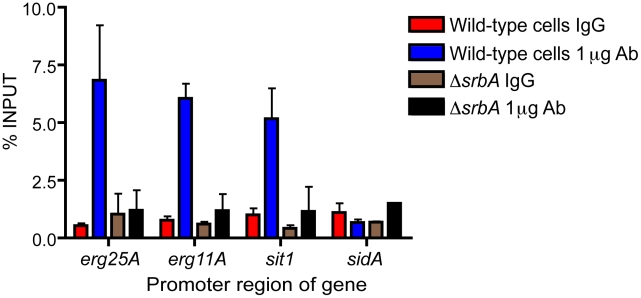
“ChIP analyses show that A. fumigatus SrbA and C. albicans Upc2 bind to the promoters of ergosterol synthesis genes including erg25A, erg11A/cyp51A (A. fumigatus) and erg1, erg2, erg5, erg6, and erg11 (C. albicans; Synnott et al., 2010; Blatzer et al., 2011; Blosser and Cramer, 2012).”
BackgroundSelf-citationRbdB, a Rhomboid Protease Critical for SREBP Activation and Virulence in Aspergillus fumigatus
Dhingra, S., Kowalski, C. H., Thammahong, A., Beattie, S. R., Bultman, K. M., & Cramer, R. A. (2016) · mSphere · doi:10.1128/msphere.00035-16 · Cited by 33
“and this production is, in part, SrbA dependent (4, 17).”
BackgroundSelf-citationThe regulation of iron homeostasis in the fungal human pathogen Candida glabrata
Devaux, F., & Thiébaut, A. (2019) · Microbiology · doi:10.1099/mic.0.000807 · Cited by 35
“fumigatus, the SrbA and LeuB transcription factors, which are involved in the regulation of sterol and haem biosynthesis in response to hypoxia and in the biosynthesis of branched-chain amino acids respectively, also contributes to the induction of HAPX and of some iron uptake genes upon iron deficiency [214, 215].”
BackgroundThe novel globin protein fungoglobin is involved in low oxygen adaptation of Aspergillus fumigatus
Hillmann, F., Linde, J., Beckmann, N., Cyrulies, M., Strassburger, M., Heinekamp, T., Haas, H., Guthke, R., Kniemeyer, O., & Brakhage, A. A. (2014) · Molecular Microbiology · doi:10.1111/mmi.12679 · Cited by 26
“…element-binding protein represents the only known transcription factor essential for growth during hypoxia in A. fumigatus and our recent studies have confirmed its central position in a regulatory network connecting low levels of sterols, O2 and iron (Blatzer et al., 2011; Linde et al., 2012).”
BackgroundSelf-citationFiedler, M. R. M., Lorenz, A., Nitsche, B. M., van den Hondel, C. A. M. J. J., Ram, A. F. J., & Meyer, V. (2014) · Fungal Biology and Biotechnology · doi:10.1186/s40694-014-0005-8 · Cited by 31
“fumigatus [44], (ii) genes involved in β-oxidation (An08g05400, An17g01150, An15g01280, An08g07520, An16g04520, An14g00990), (iii) genes involved in fatty acid biosynthesis (An16g05340, An07g03290, An15g02830) and (iv) genes predicted to function in lipid transport across the peroxisomal,”
BackgroundArifeen, M. Z. U., Chu, C., Yang, X., Liu, J., Huang, X., Ma, Y., Liu, X., Xue, Y., & Liu, C. (2020) · Environmental Microbiology · doi:10.1111/1462-2920.15332 · Cited by 29
Misslinger, M., Gsaller, F., Hortschansky, P., Müller, C., Bracher, F., Bromley, M., & Haas, H. (2017) · Metallomics · doi:10.1039/c7mt00110j · Cited by 30
Self-citationGenome-Wide Analysis of Hypoxia-Responsive Genes in the Rice Blast Fungus, Magnaporthe oryzae
Choi, J., Chung, H., Lee, G.-W., Koh, S.-K., Chae, S., & Lee, Y. (2015) · PLoS ONE · doi:10.1371/journal.pone.0134939 · Cited by 27
Synergistic Antifungal Effect of a Combination of Iron Deficiency and Calcium Supplementation
Ye, J., Wang, Y., Li, X., Wan, Q., Zhang, Y., & Lü, L. (2022) · Microbiology Spectrum · doi:10.1128/spectrum.01121-22 · Cited by 24
A PAS Protein Directs Metabolic Reprogramming during Cryptococcal Adaptation to Hypoxia
Zhao, Y., & Lin, X. (2021) · mBio · doi:10.1128/mbio.03602-20 · Cited by 26
“ings from Cryptococcus (13, 14) and other fungi (7, 8, 12, 31).”
BackgroundAnand, R., Clemons, K. V., & Stevens, D. A. (2017) · Archives of Microbiology · doi:10.1007/s00203-017-1362-5 · Cited by 24
Metadata
- Authors
- Blatzer, M., Barker, B. M., Willger, S. D., Beckmann, N., Blosser, S. J., Cornish, E. J., Mazurie, A., Grahl, N., Haas, H., & Cramer, R. A.
- Affiliations
- Innsbruck Medical University (AT)
- Montana State University (US)
- Corresponding author
- Haas, Hubertus
- Cramer, Robert A.
- ORCID
- Venue
- PLoS Genetics
- Publisher
- Public Library of Science (PLoS)
- Published
- 2011-12-01
- Volume
- 7
- Issue
- 12
- Pages
- e1002374
- ISSN
- 1553-7390 (ISSN-L)
- 1553-7404
- PMC
- PMC3228822
- OpenAlex
- W2017186637
- Cited by
- 175
- References
- 62
- Citations by year
- 2026: 9 · 2025: 6 · 2024: 8 · 2023: 6 · 2022: 9 · 2021: 10 · 2020: 11 · 2019: 10 · 2018: 10 · 2017: 15 · 2016: 23 · 2015: 11 · 2014: 15 · 2013: 14 · 2012: 16
- FWCI
- 5.97
- Type
- journal article
- Language
- en
- Open access
- gold
- doi.org
- Locations
- PLoS Genetics (publishedVersion, cc-by)
- Europe PMC (PubMed Central) (publishedVersion, cc-by)
- PubMed Central (publishedVersion, cc-by)
- PubMed (publishedVersion)
- Montana State University ScholarWorks (Montana State University) (submittedVersion, cc-by)
- DOAJ (DOAJ: Directory of Open Access Journals) (submittedVersion, cc-by-sa)
- Figshare (submittedVersion, cc-by)
- Funders
- American Heart Association
- Ohio State University
- Montana State University
- Imperial College London
- Austrian Science Fund (P18606)
- National Institutes of Health (project 2, RR 020185)
- National Institute of Allergy and Infectious Diseases (R01 AI81838, L40 AI084526, R01AI081838)
- National Center for Research Resources (P20RR020185, RR 020185)
- Topics
- Life Sciences › Biochemistry, Genetics and Molecular Biology › Molecular Biology › Fungal and yeast genetics research
- Health Sciences › Medicine › Infectious Diseases › Antifungal resistance and susceptibility
- Health Sciences › Medicine › Infectious Diseases › Fungal Infections and Studies
- Keywords
- SREBP, Aspergillus fumigatus, iron homeostasis, ergosterol biosynthesis, hypoxia, iron acquisition, fungal virulence, fungal pathogens, transcriptional regulation
- MeSH terms
- Animals, Antifungal Agents, Aspergillus fumigatus, Ergosterol, Homeostasis, Humans, Iron, Lung Diseases, Fungal, Triazoles, Gene Expression Regulation, Fungal, Siderophores, Oligonucleotide Array Sequence Analysis, Drug Resistance, Fungal, Mice, Sterol Regulatory Element Binding Proteins
About these checks
Registry, retraction, Cites and statistics results are computed, not judged, with one exception: a printed reference that no index lists is read once by a model before it counts as a citation error. Claims are extracted by a model and kept only when their quote appears verbatim in the text; each cited source is then checked, with a model’s help, for whether it says what the claim relies on. Those verdicts can be wrong — read the claim’s quote and the cited source before relying on one.
Statistics and arithmetic are recomputed, not judged.
Confidence bands are shown only for fields calibrated on our annotated test set. None is calibrated yet, so no band is shown.
What counts as a claim ›How we measure confidence ›How we check this ›
Are you an author, or do you see a problem with this page? Request a review
Data sources
Bibliographic data: Semantic Scholar, OpenAlex, Crossref.
Contains information from the Semantic Scholar Academic Graph Datasets, made available under the ODC Attribution License (ODC-BY 1.0).
Semantic Scholar’s data is described in: Kinney, R., et al. (2023). The Semantic Scholar Open Data Platform. arXiv:2301.10140.
