

Genetic and Functional Analyses of SHANK2 Mutations Suggest a Multiple Hit Model of Autism Spectrum Disorders
Open accessThe DOI matches its Crossref record; 87 of the 91 references it cites were found in a registry or an index; 17 of the 43 sources its claims cite were checked for support.
Abstract
Autism spectrum disorders (ASD) are a heterogeneous group of neurodevelopmental disorders with a complex inheritance pattern. While many rare variants in synaptic proteins have been identified in patients with ASD, little is known about their effects at the synapse and their interactions with other genetic variations. Here, following the discovery of two de novo SHANK2 deletions by the Autism Genome Project, we identified a novel 421 kb de novo SHANK2 deletion in a patient with autism. We then sequenced SHANK2 in 455 patients with ASD and 431 controls and integrated these results with those reported by Berkel et al. 2010 (n = 396 patients and n = 659 controls). We observed a significant enrichment of variants affecting conserved amino acids in 29 of 851 (3.4%) patients and in 16 of 1,090 (1.5%) controls (P = 0.004, OR = 2.37, 95% CI = 1.23-4.70). In neuronal cell cultures, the variants identified in patients were associated with a reduced synaptic density at dendrites compared to the variants only detected in controls (P = 0.0013). Interestingly, the three patients with de novo SHANK2 deletions also carried inherited CNVs at 15q11-q13 previously associated with neuropsychiatric disorders. In two cases, the nicotinic receptor CHRNA7 was duplicated and in one case the synaptic translation repressor CYFIP1 was deleted. These results strengthen the role of synaptic gene dysfunction in ASD but also highlight the presence of putative modifier genes, which is in keeping with the "multiple hit model" for ASD. A better knowledge of these genetic interactions will be necessary to understand the complex inheritance pattern of ASD.
Overview
CoChat Summary
TL;DR
This study identifies a novel de novo SHANK2 deletion and finds enrichment of conserved SHANK2 variants in ASD, with patient variants reducing synaptic density in vitro. It also reports inherited 15q11–q13 CNVs in all three patients with de novo SHANK2 deletions, supporting a multiple-hit model.
Key findings
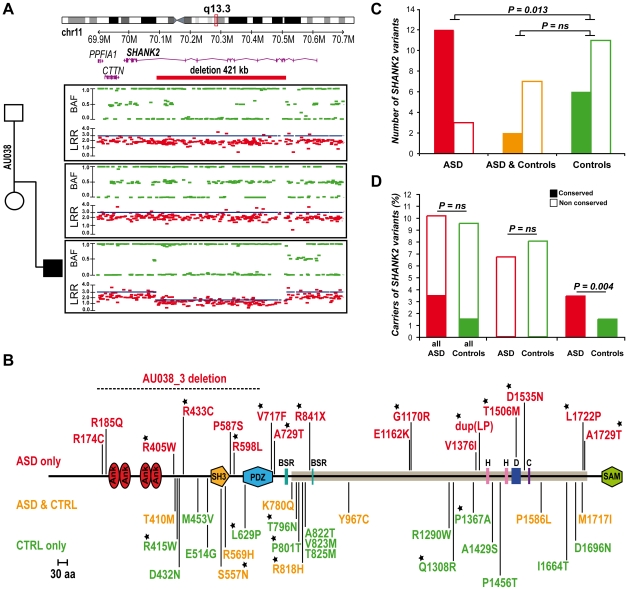
- A novel 421.2 kb de novo SHANK2 deletion was found in patient AU038_3 with autism and moderate ID; it covered 12 exons (E5–E16), altered all SHANK2 isoforms, was absent from parents, originated on the maternal chromosome, and was absent in more than 5000 controls and the Database of Genomic Variants.
- SHANK2 variants affecting conserved amino acids were enriched in ASD: 29 of 851 (3.4%) patients versus 16 of 1090 (1.5%) controls (Fisher’s exact test 1-sided, P = 0.004, OR = 2.37, 95% CI = 1.23–4.70).
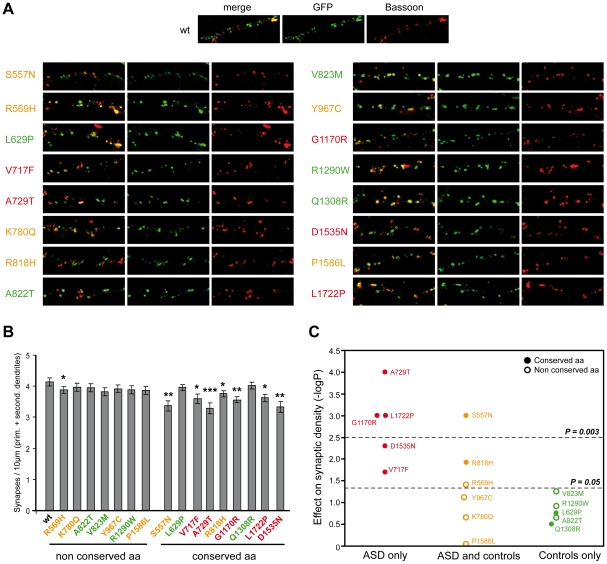
- In cultured neurons, 8 variants reduced Shank2-positive synapse density; after Bonferroni correction, 4 remained significant (A729T, G1170R, L1722P identified only in patients; S557N observed more frequently in patients). Patient variants were associated with lower synaptic density than variants shared by patients and controls (P = 0.022) or detected only in controls (P = 0.0013).
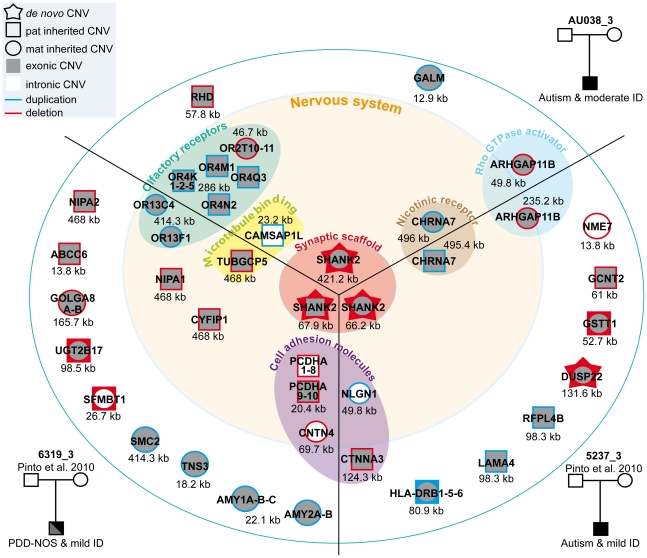
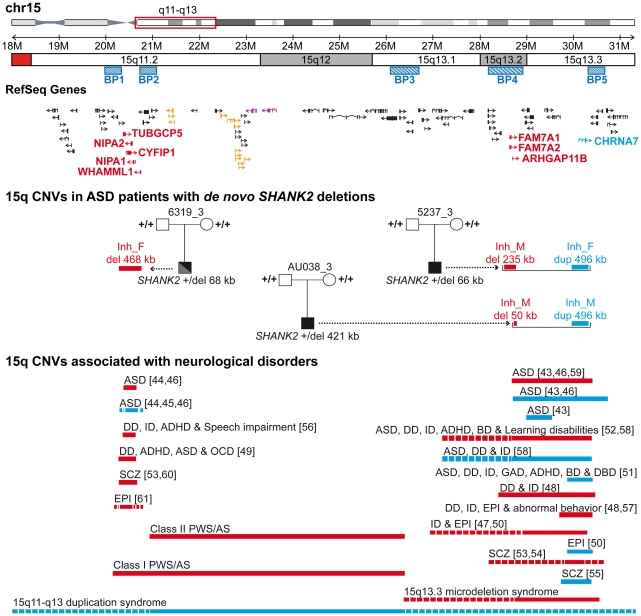
- All three patients with de novo SHANK2 deletions also carried inherited 15q11–q13 CNVs: two had a 496 kb CHRNA7 duplication, and one had a 468 kb BP1–BP2 deletion removing NIPA1, NIPA2, CYFIP1, and TUBGCP5.
Methods
- CNV analysis used Illumina 1M Duo SNP arrays in 260 patients with ASD; mutation screening sequenced SHANK2E in 230 patients and 230 controls and ProSAP1A in an additional 225 patients and 201 controls, integrated with Berkel et al. 2010 (396 patients and 659 controls); enrichment was tested with 1-sided Fisher’s exact tests.
- Functional assays introduced 16 variants from the first screen into rat GFP-ProSAP1A/Shank2A cDNA, transfected primary rat hippocampal neurons, and quantified Shank2-positive synapses per 10 µm dendrite using Mann-Whitney U tests and Student’s t tests.
- CNV burden was analyzed in the three patients with de novo SHANK2 deletions and in the control carrying the SHANK2 splice mutation, using the study’s 260 patients/290 controls and the Autism Genome Project dataset of 996 patients/1287 controls, with 2-sided Fisher’s exact tests.
Limitations
- The paper states that the in vitro assays show variants can potentially impact protein function but do not confirm deleterious effects on neuronal function in vivo in people carrying them; parents were apparently asymptomatic, so the causative role of inherited variants remains difficult to ascertain.
- The paper states that the epistasis findings are based on small numbers and that, from a single control subject, it cannot formally prove that additional hits at SNTG2 and/or MYT1L acted as suppressor mutations.
- Evident from the text: the functional work relies on overexpression in cultured neurons rather than endogenous or in vivo models, and several co-occurring CNV comparisons were not statistically significant (e.g., CHRNA7 duplication P = 0.19; ARHGAP11B deletion P = 0.15; BP1–BP2 deletion P = 0.74), so the multiple-hit interpretation rests on small patient counts.
Model-written summary. Check it against the paper before relying on it.
Integrity signals
Registry
Cites
Statistics
Figures
Verification
Claims the paper makes
7 Valid · 2 Not valid · 17 Not checked · 98 Own results and interpretations
The cited sources support only part of this claim — read each source’s verdict below.
In the paper
“These duplications are considered of uncertain clinical significance since they were previously detected at similar frequencies in patients with epilepsy (6 of 647, 0.93%), in controls (19 of 3699, 0.51%) [50], and in subjects referred for chromosomal microarray analysis (55 of 8832, 0.62%) [51].”
§ Genetic and Functional Analyses of SHANK2 Mutations Suggest a Multiple Hit Model of Autism Spectrum Disorders > Results > Additional CNVs affect neuronal genes in patients with de novo SHANK2 deletions and in the control carrying the SHANK2 splice mutation
What the sources say
- Partly supportedcites [50] Helbig I Mefford HC Sharp AJ Guipponi M Fichera M 2009 15q13.3 microdeletions increase risk of idiopathic generalized epilepsy. Nat Genet 41 160 162 19136953 PMC3026630 sourceExperimental — accuracy not yet measured
The passage on CHRNA7 duplications (section labeled Abstract; no page given) reports similar frequencies in epilepsy cases and controls (P = 0.27) and concludes that the duplication is not a major risk factor for idiopathic generalized epilepsy. It reports 12 of 1,223 cases and 23 of 3,699 controls, however, not the 6 of 647 and 19 of 3,699 attributed to this source. The chromosomal-microarray referral figure is attached to a different citation in the citing sentence. (LLM, conf=0.88)
- Supportedcites [51] Szafranski P Schaaf CP Person RE Gibson IB Xia Z 2010 Structures and molecular mechanisms for common 15q13.3 microduplications involving CHRNA7: benign or pathological? Hum Mutat 31 840 850 20506139 PMC3162316 source
The Subjects and Methods section reports 55 small CHRNA7 microduplications among 8,832 people referred for chromosomal microarray analysis, matching the figure attached to this citation. The abstract calls their clinical significance uncertain, and the Discussion says the limited control frequency data were not significantly different from those in patients. The epilepsy and control counts in the citing sentence are attached to a different citation. (LLM, conf=0.92)
plain- Asserted: passes — The authors put it forward as true.
- Checkable: passes — It can be checked against evidence.
- Load-bearing: unclear — It is unclear whether the paper’s conclusions depend on it.
- Based: passes — The paper gives a reason why it holds.
- Partly supported
The cited sources that could be checked couldn’t confirm or dispute this claim.
In the paper
“As reported for SHANK3 [7], no other coding variations were detected in the remaining SHANK2 allele of the deletion carriers”
§ Genetic and Functional Analyses of SHANK2 Mutations Suggest a Multiple Hit Model of Autism Spectrum Disorders > Discussion > Deleterious SHANK2 variations are enriched in patients with ASD, but also observed in controls
What the sources say
- Could not verifycites [7] Durand CM Betancur C Boeckers TM Bockmann J Chaste P 2007 Mutations in the gene encoding the synaptic scaffolding protein SHANK3 are associated with autism spectrum disorders. Nat Genet 39 25 27 17173049 PMC2082049 sourceExperimental — accuracy not yet measured
Our copy of Durand et al. (2007) describes the deletion carriers (family ASD 1 proband with a de novo 22q13 deletion breaking in SHANK3 intron 8, Results p. 2 and Fig. 1 legend p. 6; family ASD 3 girl with a 22qter deletion, Results p. 3) and reports rare nonsynonymous SHANK3 variations only in 'the remaining individuals with ASD' (Results p. 3), but no passage states that the retained (non-deleted) SHANK3 allele of the deletion carriers was sequenced and found free of coding variations. The nearest sentence, 'No other SHANK3 deletions or duplications were observed after screening 155 individuals by quantitative PCR' (Results p. 3), concerns copy-number changes across the cohort, not coding variants on the remaining allele. Searches on 'remaining/second/wild-type allele', 'hemizygous deletion carriers', and 'coding variations in deletion patients' returned no passage addressing the attributed point, so the parallel the citing authors draw cannot be checked against this paper. (LLM, conf=0.70)
plain- Asserted: passes — The authors put it forward as true.
- Checkable: passes — It can be checked against evidence.
- Load-bearing: passes — The paper’s conclusions depend on it.
- Based: passes — The paper gives a reason why it holds.
- Could not verify
The sources with a verdict support this claim; the rest weren’t checked yet, have no full text we could read, or their verdicts aren’t rated yet.
In the paper
“Notably, the three ASD patients with de novo SHANK2 deletions also carried CNVs on chromosome 15q11–q13, a region associated with ASD [43], [47], [48], [50]–[52], [72].”
§ Genetic and Functional Analyses of SHANK2 Mutations Suggest a Multiple Hit Model of Autism Spectrum Disorders > Discussion > Additional CNVs in subjects with SHANK2 mutations may modulate the risk for ASD
What the sources say
- Supportedcites [43] Miller DT Shen Y Weiss LA Korn J Anselm I 2009 Microdeletion/duplication at 15q13.2q13.3 among individuals with features of autism and other neuropsychiatric disorders. J Med Genet 46 242 248 18805830 PMC4090085 source
The Introduction (page unavailable) states that genomic imbalance in proximal chromosome 15q, including duplications at 15q11–q13, has been associated with autism. This supports the regional association for which this citation is offered; the sentence’s identification of three patients with SHANK2 deletions is not attributed specifically to this source. (LLM, conf=0.90)
- Could not verifycites [47] Sharp AJ Mefford HC Li K Baker C Skinner C 2008 A recurrent 15q13.3 microdeletion syndrome associated with mental retardation and seizures. Nat Genet 40 322 328 18278044 PMC2365467 sourceExperimental — accuracy not yet measured
The paper’s Abstract describes 15q13.3 deletions in patients with intellectual disability and seizures, not the three ASD patients with de novo SHANK2 deletions. Searches for ASD, autism, and 15q11–q13 did not find a passage in our copy establishing the claimed ASD association or those patients’ additional CNVs. (LLM, conf=0.76)
- Not checked yetcites [48] Masurel-Paulet A Andrieux J Callier P Cuisset JM Le Caignec C 2010 Delineation of 15q13.3 microdeletions. Clin Genet 78 149 161 20236110 source
plainstates an associationn = 3- Asserted: passes — The authors put it forward as true.
- Checkable: passes — It can be checked against evidence.
- Load-bearing: passes — The paper’s conclusions depend on it.
- Based: passes — The paper gives a reason why it holds.
- Supported
The cited sources support only part of this claim — read each source’s verdict below.
In the paper
“However, the most compelling candidate in the deleted region is CYFIP1 [45], [53], which codes for a binding partner of FMRP, the protein responsible for fragile X syndrome.”
§ Genetic and Functional Analyses of SHANK2 Mutations Suggest a Multiple Hit Model of Autism Spectrum Disorders > Discussion > Additional CNVs in subjects with SHANK2 mutations may modulate the risk for ASD
What the sources say
- Partly supportedcites [45] van der Zwaag B Staal WG Hochstenbach R Poot M Spierenburg HA 2010 A co-segregating microduplication of chromosome 15q11.2 pinpoints two risk genes for autism spectrum disorder. Am J Med Genet B Neuropsychiatr Genet 153B 960 966 20029941 PMC2933514 sourceExperimental — accuracy not yet measured
The paper identifies CYFIP1 as the best candidate gene in the 15q11.2 region and says it directly interacts with FMRP (passages labeled Abstract; page unavailable). Its own ASD findings concern a duplication, not a deletion, so it does not establish CYFIP1 as the leading candidate specifically for the citing sentence’s deleted region. (LLM, conf=0.84)
- Supportedcites [53] Stefansson H Rujescu D Cichon S Pietilainen OP Ingason A 2008 Large recurrent microdeletions associated with schizophrenia. Nature 455 232 236 18668039 PMC2687075 source
The Abstract passage on the 15q11.2 deletion (passages 8 and 1) identifies CYFIP1 as the gene most likely to explain the associated phenotype. It says CYFIP1 interacts with FMRP and that fragile X syndrome is caused by loss of FMRP function. (LLM, conf=0.93)
boosted- Asserted: passes — The authors put it forward as true.
- Checkable: passes — It can be checked against evidence.
- Load-bearing: passes — The paper’s conclusions depend on it.
- Based: passes — The paper gives a reason why it holds.
- Partly supported
A result the paper reports from its own data — it cites no other source for it, so there is none to check. The quote shows it is in the paper.
In the paper
“In the patient sample, 5/5 variants affected conserved amino acids in the SHANK proteins compared with only 2/6 in the group of variants identified in patients and controls, and 2/5 in the control group.”
§ Genetic and Functional Analyses of SHANK2 Mutations Suggest a Multiple Hit Model of Autism Spectrum Disorders > Results > Several SHANK2 variants identified in patients alter synapse density in cultured neurons
plainstates an associationn = 5- Asserted: passes — The authors put it forward as true.
- Checkable: passes — It can be checked against evidence.
- Load-bearing: passes — The paper’s conclusions depend on it.
- Based: passes — The paper gives a reason why it holds.
- Rests on an assumption not shown here.
61 more claims
Create a free account to see all 124 claims and to verify the 26 references still open.
- It may state two separate claims as one. 34
- Probably not a substantial claim. 35
Claims other papers make about this one
Each is checked against this paper’s own text: does it say what the citing paper says it does?
The source backs part of the claim, not all of it — or backs it for a different population, condition or comparison.
In the citing paper
“SHANK genes display a complex transcriptional regulation with multiple intragenic promoters and extensive alternatively spliced exons both in humans and mice (Leblond et al., 2012; Lim et al., 1999; Maunakea et al., 2010; McWilliams et al., 2004; Redecker et al., 2006; Wang et al., 2011; Wilson et al., 2003).”
From Modeling Autism by SHANK Gene Mutations in Mice (2013) · cites this paper as Leblond et al., 2012
Experimental — accuracy not yet measuredThe source backs part of the claim, not all of it — or backs it for a different population, condition or comparison.
In the citing paper
“Recent evidence indicates that dysregulation and or mutations of FMRP-interacting proteins, such as the cytoplasmic FMRP-interacting protein 1 (CYFIP1) (52-55), eukaryotic initiation factor 4 (eIF4E) (56,57), and a subset of FMRP mRNA targets (58), may contribute to the ASD phenotype observed in FXS.”
From Fragile X syndrome: causes, diagnosis, mechanisms, and therapeutics (2012) · cites this paper as [55]
Experimental — accuracy not yet measuredThe source backs part of the claim, not all of it — or backs it for a different population, condition or comparison.
In the citing paper
“Deletions and duplications of a chromosomal region including CYFIP1 have been linked to ID, ASD, and schizophrenia (Cooper et al., 2011, Doornbos et al., 2009, Leblond et al., 2012, Murthy et al., 2007, Nowicki et al., 2007, Tam et al., 2010, van der Zwaag et al., 2010, von der Lippe et al., 2010, Zhao et al., 2012).”
From CYFIP1 Coordinates mRNA Translation and Cytoskeleton Remodeling to Ensure Proper Dendritic Spine Formation (2013) · cites this paper as Leblond et al., 2012
Experimental — accuracy not yet measuredThe cited source says what the claim attributes to it.
In the citing paper
“SHANK2 exhibits transcriptional regulation similar to SHANK3 (Leblond et al., 2012).”
From Modeling Autism by SHANK Gene Mutations in Mice (2013) · cites this paper as Leblond et al., 2012
The cited source says what the claim attributes to it.
In the citing paper
“However, a recent report indicates that SHANK2E is also expressed in brain tissues in humans (Leblond et al., 2012).”
From Modeling Autism by SHANK Gene Mutations in Mice (2013) · cites this paper as Leblond et al., 2012
8 more claims about this paper
Create a free account to see every claim other papers make about this one.
Self-check
Percentages, sums and reported differences re-computed from the paper’s own numbers.
Each contradiction between two passages listed here was confirmed by an independent check.
Rated minor: it would not touch a result — a value no result rests on, a p-value that stays on the same side of the significance level, or a conflict that is clerical, resolved elsewhere in the paper, or outside its own findings.
In the paper
§ Genetic and Functional Analyses of SHANK2 Mutations Suggest a Multiple Hit Model of Autism Spectrum Disorders > Results > SHANK2 coding variants affecting conserved amino acids are enriched in patients with ASD
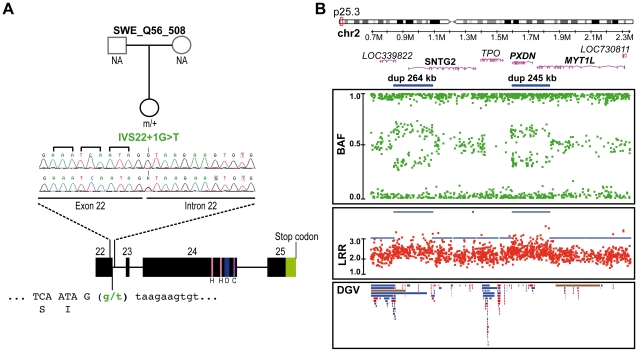
“The two close duplications span 264 kb and 245 kb on chromosome 2 and altered LOC339822 and SNTG2, and PXDN and MYT1L, respectively.”
§ Genetic and Functional Analyses of SHANK2 Mutations Suggest a Multiple Hit Model of Autism Spectrum Disorders > Results > Additional CNVs affect neuronal genes in patients with de novo SHANK2 deletions and in the control carrying the SHANK2 splice mutation
“Two close duplications on 2p25.3 were detected, altering four genes, LOC391343, SNTG2, PXDN and MYT1L.”
Rated minor: it would not touch a result — a value no result rests on, a p-value that stays on the same side of the significance level, or a conflict that is clerical, resolved elsewhere in the paper, or outside its own findings.
In the paper
§ Genetic and Functional Analyses of SHANK2 Mutations Suggest a Multiple Hit Model of Autism Spectrum Disorders > Results > SHANK2 isoforms are differentially expressed in human tissues
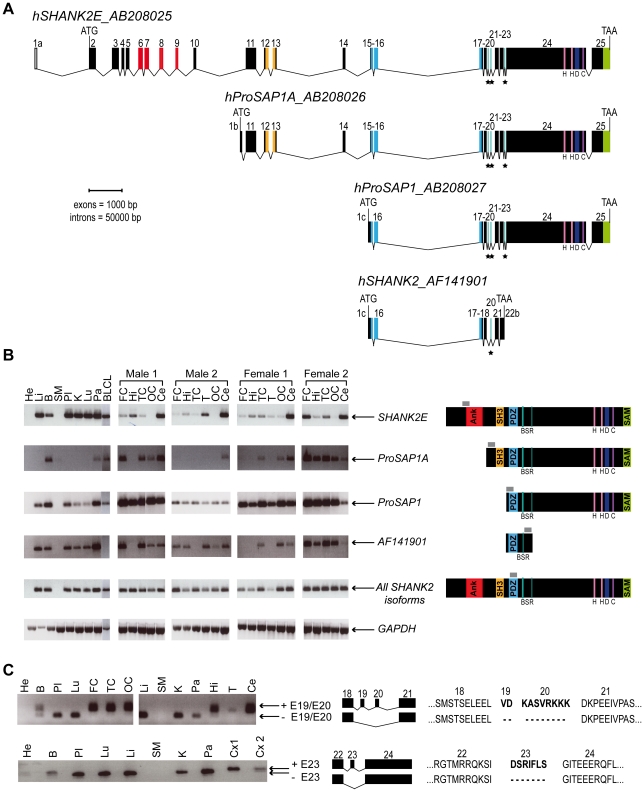
“Finally, the shortest isoform (AF141901), also originally described in the rat”
§ Genetic and Functional Analyses of SHANK2 Mutations Suggest a Multiple Hit Model of Autism Spectrum Disorders > Results > SHANK2 coding variants affecting conserved amino acids are enriched in patients with ASD
“except for the AF1411901 isoform, where it altered the protein sequence (G263V).”
Citations
Cites
Diagnostic and Statistical Manual of Mental Disorders
Williams, J. B. W., & First, M. (2013) · Encyclopedia of Social Work · doi:10.1093/acrefore/9780199975839.013.104 · Cited by 109,519
A method and server for predicting damaging missense mutations.
Adzhubei, I. A., Schmidt, S., Peshkin, L., Ramensky, V. E., Gerasimova, A., Bork, P., Kondrashov, A. S., & Sunyaev, S. R. (2010) · Nature Methods · doi:10.1038/nmeth0410-248 · Cited by 13,194 · cited 2×
“All variants were evaluated for potential pathogenicity using the HumDIV method for rare alleles of PolyPhen2 [41].”
A map of human genome variation from population-scale sequencing.
The 1000 Genomes Project Consortium (2010) · Nature · doi:10.1038/nature09534 · Cited by 7,877 · cited 2×
“Initial results from the 1000 genomes project has estimated that, on average, each person carries approximately 250 to 300 loss-of-function variants in annotated genes and 50 to 100 variants previously implicated in inherited disorders [71].”
A psychobiological model of temperament and character
Cloninger, C. R. (1993) · Archives of General Psychiatry · doi:10.1001/archpsyc.1993.01820240059008 · Cited by 5,458 · cited 4×
“Regarding personality traits, none of her scores for TCI items were different from those found in the general population.”
InfluentialDirect conversion of fibroblasts to functional neurons by defined factors
Vierbuchen, T., Ostermeier, A., Pang, Z. P., Kokubu, Y., Südhof, T. C., & Wernig, M. (2010) · Nature · doi:10.1038/nature08797 · Cited by 3,017 · cited 1×
“embryonic and postnatal fibroblasts into functional neurons [68].”
Functional impact of global rare copy number variation in autism spectrum disorders
Pinto, D., Pagnamenta, A. T., Klei, L., Anney, R., Merico, D., Regan, R., Conroy, J., Magalhaes, T. R., Correia, C., Abrahams, B. S., et al. (2010) · Nature · doi:10.1038/nature09146 · Cited by 2,013 · cited 7×
“The 6319_3 and 5237_3 patients were described by the AGP [9].”
InfluentialSelf-citationGenetic Heritability and Shared Environmental Factors Among Twin Pairs With Autism
Hallmayer, J. (2011) · Archives of General Psychiatry · doi:10.1001/archgenpsychiatry.2011.76 · Cited by 1,970 · cited 1×
“Previously, twin and family studies have conclusively described ASD as the most ‘‘genetic’’ of neuropsychiatric disorders, with concordance rates of 82–92% in monozygotic twins versus 1–10% in dizygotic twins [3], but a recent study finds evidence for a more substantial environmental component [4].”
Mutations of the X-linked genes encoding neuroligins NLGN3 and NLGN4 are associated with autism
Study, P. A. R. I. S., Jamain, S., Quach, H., Betancur, C., Råstam, M., Colineaux, C., Gillberg, I. C., Soderstrom, H., Giros, B., Leboyer, M., et al. (2003) · Nature Genetics · doi:10.1038/ng1136 · Cited by 1,851 · cited 6×
“ABCC6, ATP-binding cassette, sub-family C, member 6 pseudogene 2; ADAM, ADAM metallopeptidase; AMY1, amylase (salivary); AMY2A, amylase (pancreatic); ARHGAP11B, Rho GTPase activating protein 11B; CAMSAP1L1, calmodulin regulated spectrin-associated protein 1-like 1; CHRNA7, cholinergic receptor, nicotinic, alpha 7; CNT…”
InfluentialSelf-citationNeuroligins and neurexins link synaptic function to cognitive disease
Südhof, T. C. (2008) · Nature · doi:10.1038/nature07456 · Cited by 1,849 · cited 1×
“These proteins play a crucial role in the formation and stabilization of synapses [21], as well as in synaptic homeostasis [22].”
Structural Variation of Chromosomes in Autism Spectrum Disorder
Marshall, C. R., Noor, A., Vincent, J. B., Lionel, A. C., Feuk, L., Skaug, J., Shago, M., Moessner, R., Pinto, D., Ren, Y., et al. (2008) · The American Journal of Human Genetics · doi:10.1016/j.ajhg.2007.12.009 · Cited by 1,815 · cited 1×
“Remarkably, all three patients with SHANK2 de novo deletions also carried rare inherited genetic imbalances at chromosome 15q11– q13 (Figure 6), a region associated with Angelman syndrome, Prader-Willi syndrome and other neuropsychiatric disorders, including ASD [42–61].”
Self-citation
Research works printed but not linked: 1
- The international schizophrenia consortium 2008 Rare chromosomal deletions and duplications increase risk of schizophrenia. Nature 455 237 241 18668038 PMC3912847 · DOI · Paper page
Cited by
Items 101–200 of 449
Autism Spectrum Disorder Genetics: Diverse Genes with Diverse Clinical Outcomes
Talkowski, M. E., Minikel, E. V., & Gusella, J. F. (2014) · Harvard Review of Psychiatry · doi:10.1097/hrp.0000000000000002 · Cited by 72
Steinberg, J., & Webber, C. (2013) · The American Journal of Human Genetics · doi:10.1016/j.ajhg.2013.09.013 · Cited by 71
Poot, M., van der Smagt, J. J., Brilstra, E. H., & Bourgeron, T. (2011) · Cytogenetic and Genome Research · doi:10.1159/000334064 · Cited by 69
Self-citationThe landscape of copy number variations in F innish families with autism spectrum disorders
Kanduri, C., Kantojärvi, K., Salo, P., Vanhala, R., Buck, G., Blancher, C., Lähdesmäki, H. J., & Järvelä, I. E. (2015) · Autism Research · doi:10.1002/aur.1502 · Cited by 74
“…loci/genes have not only been implicated in ASD (Buyske et al., 2006; Dev- lin & Scherer, 2012; Girirajan, Johnson, et al. 2013; Kilpinen et al., 2008; Leblond et al., 2012; Sebat et al., 2007), but they also affect several neurodevelopmental disorders by disrupting a wide spectrum of pathways.”
BackgroundSelf-citationBertelsen, B., Melchior, L., Jensen, L. R., Groth, C., Glenthoj, B. Y., Rizzo, R., Debes, N. M., Skov, L., Brøndum‐Nielsen, K., Paschou, P., et al. (2014) · European Journal of Human Genetics · doi:10.1038/ejhg.2014.24 · Cited by 76
Synapse Assembly and Neurodevelopmental Disorders
Washbourne, P. (2014) · Neuropsychopharmacology · doi:10.1038/npp.2014.163 · Cited by 81
“Mutations and microdeletions in the SHANK genes have been found among individuals with ASDs (Awadalla et al, 2010; Berkel et al, 2010; Guilmatre et al, 2014; Leblond et al, 2012; Lennertz et al, 2012; Sato et al, 2012).”
Newbury, D. F., Mari, F., Akha, E. S., MacDermot, K. D., Canitano, R., Monaco, A. P., Taylor, J. C., Renieri, A., Fisher, S. E., & Knight, S. J. L. (2012) · European Journal of Human Genetics · doi:10.1038/ejhg.2012.166 · Cited by 74
Self-citationWaltes, R., Duketis, E., Knapp, M., Anney, R. J. L., Huguet, G., Schlitt, S., Jarczok, T. A., Sachse, M., Kämpfer, L. M., Kleinböck, T., et al. (2014) · Human Genetics · doi:10.1007/s00439-013-1416-y · Cited by 71
Self-citationOptimizing neuronal differentiation from induced pluripotent stem cells to model ASD
Kim, D.-S., Ross, P. J., Zaslavsky, K., & Ellis, J. (2014) · Frontiers in Cellular Neuroscience · doi:10.3389/fncel.2014.00109 · Cited by 70
“For example, four autistic individuals with de novo SHANK2 mutations have additional genetic variations at ASD candidate loci, suggesting a “mutliple hit” model of ASD (Leblond et al., 2012; Chilian et al., 2013).”
BackgroundInfluentialDunaway, K. W., Islam, M. S., Coulson, R. L., Lopez, S. J., Vogel Ciernia, A., Chu, R. G., Yasui, D. H., Pessah, I. N., Lott, P., Mordaunt, C., et al. (2016) · Cell Reports · doi:10.1016/j.celrep.2016.11.058 · Cited by 72
“Multiple hits in the etiology of ASDs may be due to independent or interactive events (Girirajan et al., 2011; Leblond et al., 2012; Pessah et al., 2010; Zuk et al., 2012).”
BackgroundEmerging Synaptic Molecules as Candidates in the Etiology of Neurological Disorders
Torres, V. I., Vallejo, D., & Inestrosa, N. C. (2017) · Neural Plasticity · doi:10.1155/2017/8081758 · Cited by 76
An autism-linked missense mutation in SHANK3 reveals the modularity of Shank3 function
Wang, L., Pang, K., Han, K., Adamski, C. J., Wang, W., He, L., Lai, J. K., Bondar, V. V., Duman, J. G., Richman, R., et al. (2020) · Molecular Psychiatry · doi:10.1038/s41380-018-0324-x · Cited by 65
Tropeano, M., Howley, D., Gazzellone, M. J., Wilson, C., Ahn, J. W., Stavropoulos, D. J., Murphy, C. M., Eis, P. S., Hatchwell, E., Dobson, R., et al. (2016) · Journal of Medical Genetics · doi:10.1136/jmedgenet-2015-103621 · Cited by 76
Self-citationNeural and genetic determinants of creativity
Liu, Z., Zhang, J., Xie, X., Rolls, E. T., Sun, J., Zhang, K., Jiao, Z., Chen, Q., Zhang, J., Qiu, J., et al. (2018) · NeuroImage · doi:10.1016/j.neuroimage.2018.02.067 · Cited by 71
Shank and Zinc Mediate an AMPA Receptor Subunit Switch in Developing Neurons
Ha, H., Leal‐Ortiz, S., Lalwani, K., Kiyonaka, S., Hamachi, I., Mysore, S. P., Montgomery, J. M., Garner, C. C., Huguenard, J. R., & Kim, S. A. (2018) · Frontiers in Molecular Neuroscience · doi:10.3389/fnmol.2018.00405 · Cited by 76
“, 2008), and the Shank family of proteins (Durand et al., 2007; Berkel et al., 2010; Leblond et al., 2012; Sato et al., 2012).”
BackgroundThe Genetics of Autism Spectrum Disorders – A Guide for Clinicians
Heil, K. M., & Schaaf, C. P. (2012) · Current Psychiatry Reports · doi:10.1007/s11920-012-0334-3 · Cited by 71
Drosophila models of early onset cognitive disorders and their clinical applications
van der Voet, M., Nijhof, B., Oortveld, M. A. W., & Schenck, A. (2014) · Neuroscience & Biobehavioral Reviews · doi:10.1016/j.neubiorev.2014.01.013 · Cited by 64
Memo1-Mediated Tiling of Radial Glial Cells Facilitates Cerebral Cortical Development
Nakagawa, N., Plestant, C., Yabuno-Nakagawa, K., Li, J., Lee, J. C. L., Huang, C.-W., Lee, A., Krupa, O., Adhikari, A., Thompson, S., et al. (2019) · Neuron · doi:10.1016/j.neuron.2019.05.049 · Cited by 72
“A copy number variation (CNV) that causes CAMSAP2 duplication was identified in an ASD patient with intellectual disability (Leblond et al., 2012).”
Nisar, S., & Haris, M. (2023) · Molecular Psychiatry · doi:10.1038/s41380-023-02060-9 · Cited by 78
“Few studies have reported genetic mutations associated with neuronal nicotinic acetylcholine receptor in ASD [183, 184], and only one PET study has applied [ 11 C]MP4A-PET to measure acetylcholinesterase activity in 20 individuals with autism and 20 healthy controls [185].”
MethodA de novo microdeletion of SEMA5A in a boy with autism spectrum disorder and intellectual disability
Mosca‐Boidron, A., Gueneau, L., Huguet, G., Goldenberg, A., Henry, C., Gigot, N., Pallesi‐Pocachard, E., Falace, A., Duplomb, L., Thévenon, J., et al. (2015) · European Journal of Human Genetics · doi:10.1038/ejhg.2015.211 · Cited by 75
Self-citationDendritic spine actin cytoskeleton in autism spectrum disorder
Joensuu, M., Lanoue, V., & Hotulainen, P. (2018) · Progress in Neuro-Psychopharmacology and Biological Psychiatry · doi:10.1016/j.pnpbp.2017.08.023 · Cited by 65
Iourov, I. Y., Vorsanova, S. G., & Yurov, Y. B. (2013) · Cytogenetic and Genome Research · doi:10.1159/000347053 · Cited by 67
“Recent studies have shown that such pathways are more commonly related to genetic regulation of DNA damage response as well as cell cycle, death and survival [Chow et al., 2012; Leblond et al., 2012].”
BackgroundPiton, A., Jouan, L., Rochefort, D. L., Dobrzeniecka, S., Lachapelle, K., Dion, P. A., Gauthier, J., & Rouleau, G. A. (2012) · European Journal of Human Genetics · doi:10.1038/ejhg.2012.243 · Cited by 73
Cyfip1 Regulates Presynaptic Activity during Development
Hsiao, K., Harony-Nicolas, H., Buxbaum, J. D., Bozdagi-Gunal, O., & Benson, D. L. (2016) · The Journal of Neuroscience · doi:10.1523/jneurosci.0511-15.2016 · Cited by 64
“That altered Cyfip1 levels can greatly affect the normal function of individual neurons would be expected to contribute significantly to the generation of abnormal and maladaptive behaviors and lends support to the observation that changes in Cyfip1 levels appear to exacerbate several distinct human brain disorders (C…”
BackgroundResultPsychiatry in a Dish: Stem Cells and Brain Organoids Modeling Autism Spectrum Disorders
Ilieva, M. S., Svenningsen, Å. F., Thorsen, M., & Michel, T. M. (2017) · Biological Psychiatry · doi:10.1016/j.biopsych.2017.11.011 · Cited by 68
Rafi, S. K., & Butler, M. G. (2020) · International Journal of Molecular Sciences · doi:10.3390/ijms21093296 · Cited by 66
“A rare NIPA1 deletion was also found in a patient with pervasive developmental disorder not otherwise specified and with mild intellectual disability [19]; this deletion is also linked to autism (SFARI.”
BackgroundDe Wolf, V., Brison, N., Devriendt, K., & Peeters, H. (2013) · American Journal of Medical Genetics Part A · doi:10.1002/ajmg.a.36209 · Cited by 61
“2) [Stefansson et al., 2008; Kirov et al., 2009;Mefford et al., 2009; de Kovel et al., 2010; Burnside et al., 2011; Cooper et al., 2011; Kommu et al., 2011; Leblond et al., 2012; Rosenfeld et al., 2012].”
BackgroundEltokhi, A., Rappold, G., & Sprengel, R. (2018) · Frontiers in Molecular Neuroscience · doi:10.3389/fnmol.2018.00240 · Cited by 61
Multisensory cortical processing and dysfunction across the neuropsychiatric spectrum
Hornix, B. E., Havekes, R., & Kas, M. J. H. (2019) · Neuroscience & Biobehavioral Reviews · doi:10.1016/j.neubiorev.2018.02.010 · Cited by 60
Soler, J., Fañanás, L., Parellada, M., Krebs, M., Rouleau, G. A., & Fatjó‐Vilas, M. (2018) · Journal of Psychiatry and Neuroscience · doi:10.1503/jpn.170066 · Cited by 71
Bruining, H., Matsui, A., Oguro‐Ando, A., Kahn, R. S., Spijker, H. M. V. ‘., Akkermans, G., Stiedl, O., van Engeland, H., Koopmans, B., van Lith, H. A., et al. (2015) · Biological Psychiatry · doi:10.1016/j.biopsych.2015.01.017 · Cited by 61
Villanueva, P., Nudel, R., Hoischen, A., Fernández, M. A., Simpson, N. H., Gilissen, C., Reader, R. H., Jara, L., Echeverry, M. M., Francks, C., et al. (2015) · PLoS Genetics · doi:10.1371/journal.pgen.1004925 · Cited by 65
“Incomplete segregation is commonly described in neurodevelopmental disorders such as autism [42,43] and intellectual disability [44,45] and represents a major challenge in the interpretation of high-throughput sequencing data [46].”
Self-citationAnalysis of CHRNA7 rare variants in autism spectrum disorder susceptibility
Bacchelli, E., Battaglia, A., Cameli, C., Lomartire, S., Tancredi, R., Thomson, S. A. M., Sutcliffe, J. S., & Maestrini, E. (2015) · American Journal of Medical Genetics Part A · doi:10.1002/ajmg.a.36847 · Cited by 62
“Interestingly, two ASD individuals carrying a small CHRNA7 duplication and a de novo SHANK2 deletion on distinct parental chromosomes, were recently observed, suggesting the presence of epistasis between these two loci [Leblond et al., 2012].”
BackgroundSelf-citationEpigenetic Mechanisms in Autism Spectrum Disorder
Zhubi, A., Cook, E. H., Guidotti, A., & Grayson, D. R. (2014) · International review of neurobiology · doi:10.1016/b978-0-12-801311-3.00006-8 · Cited by 61
“inherited CNVs in patients with de novo SHANK2 variants raising the possibility that modifier genes operate to increase ASD risk (Leblond et al., 2012).”
BackgroundKo, W., Huang, J., Chiang, Y.-C., Nfor, O. N., Ko, P., Jan, S., Lung, C.-C., Chang, H., Lin, L., & Liaw, Y. (2014) · European Journal of Anaesthesiology · doi:10.1097/eja.0000000000000130 · Cited by 59
Identification of candidate intergenic risk loci in autism spectrum disorder
Walker, S., & Scherer, S. W. (2013) · BMC Genomics · doi:10.1186/1471-2164-14-499 · Cited by 55
“ASD subjects with multiple genetic risk factors for ASD and associated medical conditions are also known [11].”
BackgroundSelf-citationLee, S., Lee, E., Kim, R., Kim, J., Lee, S., Park, H., Yang, E., Kim, H., & Kim, E. (2018) · Frontiers in Molecular Neuroscience · doi:10.3389/fnmol.2018.00209 · Cited by 57
Massive screening of copy number population-scale variation in Bos taurus genome
Cicconardi, F., Chillemi, G., Tramontano, A. L., Marchitelli, C., Valentini, A., Ajmone‐Marsan, P., & Nardone, A. (2013) · BMC Genomics · doi:10.1186/1471-2164-14-124 · Cited by 57
“Since in the literature [44,46,47] a BF threshold values of 10 is very often used and there is no evident improvement in the R2 value for BF values higher than 15, we assumed 15 as the best value that minimizes false positive calling rate and maximizes CNV calling number [48,49], thus obtaining a good confidence also…”
BackgroundModelling Learning and Memory in Drosophila to Understand Intellectual Disabilities
Mariano, V., Achsel, T., Bagni, C., & Kanellopoulos, A. K. (2020) · Neuroscience · doi:10.1016/j.neuroscience.2020.07.034 · Cited by 53
“CYFIP1 has emerged as a significant risk factor for SCZ and ASDs (Tam et al., 2010; Leblond et al., 2012; Zhao et al., 2013; Purcell et al., 2014; Stefansson et al., 2014; Waltes et al., 2014; Vanlerberghe et al., 2015; Wang et al., 2015; Butler, 2017; Williams et al., 2020).”
Vyas, Y., Lee, K., Jung, Y., & Montgomery, J. M. (2020) · Molecular Brain · doi:10.1186/s13041-020-00650-0 · Cited by 52
“Similarly, mutations in SHANK2 gene have also been identified in ASD patients, including missense variations, duplications, deletions and premature truncations in the SHANK2 gene [7, 14, 39, 52, 55].”
BackgroundKumar, P., Goettemoeller, A. M., Espinosa‐García, C., Tobin, B. R., Tfaily, A., Nelson, R. S., Natu, A., Dammer, E. B., Santiago, J. V., Malepati, S., et al. (2024) · Nature Communications · doi:10.1038/s41467-024-47028-7 · Cited by 58
Yoo, T., Cho, H., Lee, J., Park, H., Yoo, Y.-E., Yang, E., Kim, J. Y., Kim, H., & Kim, E. (2018) · Frontiers in Cellular Neuroscience · doi:10.3389/fncel.2018.00341 · Cited by 46
Breitenkamp, A. F. S., Matthes, J., Nass, R. D., Sinzig, J., Lehmkuhl, G., Nürnberg, P., & Herzig, S. (2014) · PLoS ONE · doi:10.1371/journal.pone.0095579 · Cited by 49
“To put the spectrum and the genes into a pathophysiological context, an oligogenic model with epistasis has been assumed [41,42].”
BackgroundIntragenic CNTNAP2 Deletions: A Bridge Too Far
Poot, M. (2017) · Molecular Syndromology · doi:10.1159/000456021 · Cited by 51
“NANC is not restricted to CNVs, but also applies to single nucleotide variants (SNVs) causing lossof-function mutations [Leblond et al., 2012; Mercati et al., 2016].”
BackgroundSelf-citationMenashe, I., Larsen, E. C., & Banerjee‐Basu, S. (2013) · PLoS ONE · doi:10.1371/journal.pone.0066707 · Cited by 48
“Yet, the functional relevance of NLGN1 to ASD is supported by a recent report identified a duplication of the NLGN1 gene in an autistic patient with mild intellectual disability [49], as well as by functional studies demonstrating a role for this gene in neurite outgrowth via interactions with the ASD-associated gene…”
BackgroundThe Evolving Diagnostic and Genetic Landscapes of Autism Spectrum Disorder
Ziats, M. N., & Rennert, O. M. (2016) · Frontiers in Genetics · doi:10.3389/fgene.2016.00065 · Cited by 57
“…it is becoming increasingly clear that the genomic architecture of ASD is incredibly heterogeneous Frontiers in Genetics | www.frontiersin.org 2 April 2016 | Volume 7 | Article 65 and complex, necessitating a functional integration in order to decipher common molecular mechanisms underlying ASD.”
BackgroundGenetic diagnosis of autism spectrum disorders: The opportunity and challenge in the genomics era
Jiang, Y., Wang, Y., Xu, X., Choy, K. W., Pursley, A. N., & Cheung, S. W. (2014) · Critical Reviews in Clinical Laboratory Sciences · doi:10.3109/10408363.2014.910747 · Cited by 51
Oelsner, K. T., Guo, Y. P., To, S. B., Non, A. L., & Barkin, S. L. (2017) · BMC Genomics · doi:10.1186/s12864-016-3473-9 · Cited by 47
Genomic landscapes of Chinese sporadic autism spectrum disorders revealed by whole-genome sequencing
Wu, J., Yu, P., Jin, X., Xu, X., Li, J., Li, Z., Wang, M., Wang, T., Wu, X., Jiang, Y. W., et al. (2018) · Journal of genetics and genomics/Journal of Genetics and Genomics · doi:10.1016/j.jgg.2018.09.002 · Cited by 50
Shankopathies in the Developing Brain in Autism Spectrum Disorders
Vyas, Y., Cheyne, J. E., Lee, K., Jung, Y., Cheung, P. Y., & Montgomery, J. M. (2021) · Frontiers in Neuroscience · doi:10.3389/fnins.2021.775431 · Cited by 54
NMDA Receptors in Neurodevelopmental Disorders: Pathophysiology and Disease Models
Tumdam, R., Hussein, Y., Garin-Shkolnik, T., & Stern, S. (2024) · International Journal of Molecular Sciences · doi:10.3390/ijms252212366 · Cited by 47
“Other than NMDAR-associated ASDs, several other risk genes have been identified, out of which the SHANK family genes are particularly implicated in severe behavioral deficits [135,136].”
Brett, M., McPherson, J., Zang, Z. J., Lai, A., Tan, E.-S., Ng, I., Ong, L.-C., Cham, B., Tan, P., Rozen, S., et al. (2014) · PLoS ONE · doi:10.1371/journal.pone.0093409 · Cited by 39
Liu, Y., Du, Y., Liu, W., Yang, C., Liú, Y., Wang, H., & Gong, X. (2013) · PLoS ONE · doi:10.1371/journal.pone.0056639 · Cited by 47
“Interestingly, recent two studies have identified copy number variations (CNVs) and rare mutations in SHANK2 in ASD subjects, suggesting the implication of SHANK2 in ASD [9,10].”
BackgroundInfluentialKamien, B., Harraway, J. R., Lundie, B., Smallhorne, L., Gibbs, V., Heath, A., & Fullerton, J. M. (2013) · American Journal of Medical Genetics Part A · doi:10.1002/ajmg.a.36345 · Cited by 47
“Traditionally, behavioral disorders are considered to be multifactorial and polygenic [Dick, 2011; Schaaf et al., 2011; Leblond et al., 2012;Viding et al., 2013].”
BackgroundClinical and Neurobiological Relevance of Current Animal Models of Autism Spectrum Disorders
Kim, K. C., Gonzales, E. L., Lázaro, M. T., Choi, C. S., Bahn, G. H., Yoo, H. J., & Shin, C. Y. (2016) · Biomolecules & Therapeutics · doi:10.4062/biomolther.2016.061 · Cited by 49
Investigation of SHANK3 in schizophrenia
Cortabitarte, A. D. S., Degenhardt, F., Strohmaier, J., Lang, M., Weiß, B., Roeth, R., Giegling, I., Heilmann‐Heimbach, S., Hofmann, A., Rujescu, D., et al. (2017) · American Journal of Medical Genetics Part B Neuropsychiatric Genetics · doi:10.1002/ajmg.b.32528 · Cited by 50
“A recent study also provided evidence that besides their contribution to ASD and ID [Berkel et al., 2010; Leblond et al., 2012], SHANK2 mutations may be implicated in SCZ [Peykov et al., 2015].”
ResultReading and Language Disorders: The Importance of Both Quantity and Quality
Newbury, D. F., Monaco, A. P., & Paracchini, S. (2014) · Genes · doi:10.3390/genes5020285 · Cited by 49
“developmental disorders in which mutations and/or copy number events combine in an additive or epistatic manner to modulate the exact clinical presentation [136,144–148].”
BackgroundSelf-citationLawford‐Smith, H. (2015) · Journal of Social Ontology · doi:10.1515/jso-2015-0008 · Cited by 60
Jung, S., & Park, M. (2022) · Pharmacological Research · doi:10.1016/j.phrs.2022.106340 · Cited by 42
Copy number variation and autism: New insights and clinical implications
Chung, B. H., Tao, V. Q., & Tso, W. W. Y. (2013) · Journal of the Formosan Medical Association · doi:10.1016/j.jfma.2013.01.005 · Cited by 49
Using genetic findings in autism for the development of new pharmaceutical compounds
Vorstman, J. A. S., Spooren, W., Persico, A. M., Collier, D. A., Aigner, S., Jagasia, R., Glennon, J. C., & Buitelaar, J. K. (2014) · Psychopharmacology · doi:10.1007/s00213-013-3334-z · Cited by 38
Self-citationThe Role of Zinc and NMDA Receptors in Autism Spectrum Disorders
Lee, K. C., Mills, Z., Cheung, P. Y., Cheyne, J. E., & Montgomery, J. M. (2022) · Pharmaceuticals · doi:10.3390/ph16010001 · Cited by 43
Yoo, Y.-E., Yoo, T., Lee, S., Lee, J., Kim, D., Han, H.-M., Bae, Y.-C., & Kim, E. (2019) · Frontiers in Molecular Neuroscience · doi:10.3389/fnmol.2019.00155 · Cited by 44
“Clinically, SHANK3 has been implicated in multiple neurodevelopmental and psychiatric disorders, including autism spectrum disorders (ASD), Phelan-McDermid syndrome (PMS), schizophrenia, intellectual disability, and mania (Bonaglia et al., 2001; Wilson et al., 2003; Durand et al., 2007; Moessner et al., 2007; Gauthier…”
BackgroundA Systematic Compilation of Human SH3 Domains: A Versatile Superfamily in Cellular Signaling
Mehrabipour, M., Jasemi, N. S. K., Dvorský, R., & Ahmadian, M. R. (2023) · Cells · doi:10.3390/cells12162054 · Cited by 43
O'Connor, E. C., Bariselli, S., & Bellone, C. (2014) · European Journal of Neuroscience · doi:10.1111/ejn.12510 · Cited by 38
Haigh, S. M., Gupta, A., Barb, S. M., Glass, S. A. F., Minshew, N. J., Dinstein, I., Heeger, D. J., Eack, S. M., & Behrmann, M. (2016) · Schizophrenia Research · doi:10.1016/j.schres.2016.03.036 · Cited by 43
Modeling dopamine dysfunction in autism spectrum disorder: from invertebrates to vertebrates
DiCarlo, G. E., & Wallace, M. T. (2022) · Neuroscience & Biobehavioral Reviews · doi:10.1016/j.neubiorev.2021.12.017 · Cited by 39
Neurogenomics of speech and language disorders: the road ahead
Deriziotis, P., & Fisher, S. E. (2013) · Genome biology · doi:10.1186/gb-2013-14-4-204 · Cited by 42
“[97]), suggesting that this may be an important model for genetic etiology of such disorders [98].”
BackgroundModulation of aggressive behavior in mice by nicotinic receptor subtypes
Lewis, A. S., Mineur, Y. S., Smith, P. H., Cahuzac, E. L. M., & Picciotto, M. R. (2015) · Biochemical Pharmacology · doi:10.1016/j.bcp.2015.07.019 · Cited by 39
Speed, D., Hoggart, C. J., Petrovski, S., Tachmazidou, I., Coffey, A. J., Jorgensen, A., Eleftherohorinou, H., Iorio, M. D., Todaro, M., De, T., et al. (2013) · Human Molecular Genetics · doi:10.1093/hmg/ddt403 · Cited by 42
Heise, C., Preuss, J. M., Schroeder, J. C., Battaglia, C. R., Kolibius, J., Schmid, R., Kreutz, M. R., Kas, M. J., Burbach, J. P. H., & Boeckers, T. M. (2018) · Frontiers in Molecular Neuroscience · doi:10.3389/fnmol.2018.00212 · Cited by 41
“, variations in the SHANK2, SHANK3 and CNTN4 genes have been associated with an increased risk for developing ASD and many knockout mice of these genes display abnormalities in behavior and social interactions reminiscent of ASD patients (Leblond et al., 2012; Provenzano et al., 2012; Schmeisser et al., 2012; Jiang an…”
BackgroundSelf-citationLutz, A.-K., Arévalo, A. P., Ioannidis, V., Stirmlinger, N., Demestre, M., Delorme, R., Bourgeron, T., & Boeckers, T. M. (2021) · Frontiers in Molecular Neuroscience · doi:10.3389/fnmol.2021.773571 · Cited by 39
Self-citationSequencing ASMT Identifies Rare Mutations in Chinese Han Patients with Autism
Wang, L., Li, J., Ruan, Y., Lu, T., Liu, C., Jia, M., Yue, W., Liu, J., Bourgeron, T., & Zhang, D. (2013) · PLoS ONE · doi:10.1371/journal.pone.0053727 · Cited by 38
“The causative genes are highly heterogeneous and the mutations include de novo mutations with high penetrance, recessive mutations and the combination of de novo and inherited mutations [6].”
BackgroundSelf-citationMass spectrometry as a tool for studying autism spectrum disorder
Woods, A. G., Wetie, A. G. N., Sokolowska, I., Russell, S., Ryan, J. P., Michel, T. M., Thome, J., & Darie, C. C. (2013) · Journal of Molecular Psychiatry · doi:10.1186/2049-9256-1-6 · Cited by 37
“Multiple genes in conjunction with environmental factors may interact to cause ASD [27-29].”
Genetic and neuroendocrine regulation of the postpartum brain
Gammie, S. C., Driessen, T. M., Zhao, C., Saul, M. C., & Eisinger, B. E. (2016) · Frontiers in Neuroendocrinology · doi:10.1016/j.yfrne.2016.05.002 · Cited by 39
“Shank2 has widespread CNS expression and has been connected to multiple disorders with social deficits, including autism (Berkel et al., 2012; Leblond et al., 2012; Won et al., 2012).”
BackgroundModi, M. E., Brooks, J. M., Guilmette, E. R., Beyna, M., Graf, R., Reim, D., Schmeisser, M. J., Boeckers, T. M., O’Donnell, P., & Buhl, D. L. (2018) · Frontiers in Molecular Neuroscience · doi:10.3389/fnmol.2018.00107 · Cited by 33
Self-citationA Candidate Gene Association Study Further Corroborates Involvement of Contactin Genes in Autism
Poot, M. (2014) · Molecular Syndromology · doi:10.1159/000362891 · Cited by 37
“It is conceivable that CNTN5 , in analogy to recently reported findings with SHANK2 in patients with ASD and ID [Leblond et al., 2012; Chilian et al., 2013], may be part of a gene interaction network consisting of physical interactions between the encoded proteins [Poot et al., 2011].”
BackgroundResultSelf-citationFirouzabadi, S. G., Kariminejad, R., Vameghi, R., Darvish, H., Ghaedi, H., Banihashemi, S., Moghadam, M. F., Jamali, P., Tehrani, H. F. M., Dehghani, H., et al. (2016) · Molecular Neurobiology · doi:10.1007/s12035-016-0202-y · Cited by 42
Lim, E. T., Chan, Y., Dawes, P., Guo, X., Erdin, S., Tai, D. J. C., Liu, S., Reichert, J. M., Burns, M. J., Chan, Y., et al. (2022) · Nature Communications · doi:10.1038/s41467-022-30968-3 · Cited by 35
Smolen, C., Jensen, M., Dyer, L. M., Pizzo, L., Tyryshkina, A., Banerjee, D., Rohan, L., Huber, E., Khattabi, L. E., Prontera, P., et al. (2023) · The American Journal of Human Genetics · doi:10.1016/j.ajhg.2023.10.015 · Cited by 41
Moreira, D. P., Griesi‐Oliveira, K., Bossolani-Martins, A. L., Lourenço, N. C. V., Takahashi, V., da Rocha, K. M., Moreira, E. S., Vadasz, E., Meira, J. G. C., Bertola, D. R., et al. (2014) · PLoS ONE · doi:10.1371/journal.pone.0107705 · Cited by 37
“3 duplications have been associated with the ASD phenotype [49,58].”
BackgroundResultChen, C., Chen, H.-I., Chien, W., Li, L., Wu, Y., Chiu, Y., Tsai, W., & Gau, S. S. (2017) · Scientific Reports · doi:10.1038/s41598-017-12081-4 · Cited by 39
Microduplication of 15q13.3 and Xq21.31 in a family with tourette syndrome and comorbidities
Melchior, L., Bertelsen, B., Debes, N. M., Groth, C., Skov, L., Mikkelsen, J. D., Brøndum‐Nielsen, K., & Tümer, Z. (2013) · American Journal of Medical Genetics Part B Neuropsychiatric Genetics · doi:10.1002/ajmg.b.32186 · Cited by 34
“…et al., 2011; Hoppman-Chaney et al., 2013], and reciprocalmicroduplicationshave alsobeenobserved across a range of different neuropsychiatric phenotypes including intellectual disability, autism, and ADHD [van Bon et al., 2009; Leblond et al., 2012; Williams et al., 2012; Chilian et al., 2013].”
BackgroundAgarwala, S., Naik, B., & Ramachandra, N. B. (2021) · Brain Behavior & Immunity - Health · doi:10.1016/j.bbih.2021.100269 · Cited by 36
Comprehensive molecular testing in patients with high functioning autism spectrum disorder
Álvarez‐Mora, M. I., Calvo, R. M., Navarro, O. P., Madrigal, I., Quintela, I., Amigo, J., Martinez-Elurbe, D., Linder-Lucht, M., Laín, G. A., Carracedo, Á., et al. (2016) · Mutation research. Fundamental and molecular mechanisms of mutagenesis · doi:10.1016/j.mrfmmm.2015.12.006 · Cited by 35
Glutamatergic candidate genes in autism spectrum disorder: an overview
Chiocchetti, A. G., Bour, H. S., & Freitag, C. M. (2014) · Journal of Neural Transmission · doi:10.1007/s00702-014-1161-y · Cited by 34
Self-citationThe Use of Induced Pluripotent Stem Cell Technology to Advance Autism Research and Treatment
Acab, A., & Muotri, A. R. (2015) · Neurotherapeutics · doi:10.1007/s13311-015-0354-x · Cited by 33
Neurodevelopmental Consequences of Dietary Zinc Deficiency: A Status Report
Ross, M. M., Hernández-Espinosa, D. R., & Aizenman, E. (2023) · Biological Trace Element Research · doi:10.1007/s12011-023-03630-2 · Cited by 32
“Approximately 1% of all cases of ASD are attributable to heterozygous loss of SHANK 3, and because there are an estimated 1,000 + ASD candidate genes, SHANK3 can be considered a relatively common monogenic cause [76, 77].”
Background11q24.2‐25 micro‐rearrangements in autism spectrum disorders: Relation to brain structures
Maruani, A., Huguet, G., Beggiato, A., Elmaleh, M., Toro, R., Leblond, C. S., Mathieu, A., Amsellem, F., Lemière, N., Verloès, A., et al. (2015) · American Journal of Medical Genetics Part A · doi:10.1002/ajmg.a.37345 · Cited by 32
Self-citationSungur, A. Ö., Jochner, M. C. E., Harb, H., Kılıç, A., Garn, H., Schwarting, R. K. W., & Wöhr, M. (2017) · Hippocampus · doi:10.1002/hipo.22741 · Cited by 32
“Specifically, SHANK3 mutations were mainly found in individuals with ASD combined with moderate to severe mental retardation, SHANK2 mutations in cases with ASD and mild intellectual disability, and SHANK1 mutations mostly in individuals with ASD and normal IQ.”
InfluentialLoebrich, S. (2014) · Communicative & Integrative Biology · doi:10.4161/cib.28740 · Cited by 40
“In humans, de novo mutations in SHANK2 have been associated with ASDs.(52) In addition, SHANK3 mutant mice show deficits in social interaction and repetitive grooming, reminiscent of behavioral patterns seen in obsessive compulsive disorder (OCD) and ASDs.”
BackgroundInfluentialKey Synaptic Pathology in Autism Spectrum Disorder: Genetic Mechanisms and Recent Advances
Zhang, Y., Tang, R., Hu, Z., Wang, X., Gao, X., Wang, T., & Tang, M. X. (2024) · Journal of Integrative Neuroscience · doi:10.31083/j.jin2310184 · Cited by 33
A molecular genetic study of autism and related phenotypes in extended pedigrees
Piven, J., Vieland, V. J., Parlier, M., Thompson, A., O’Conner, I., Woodbury-Smith, M., Huang, Y., Walters, K. A., Fernandez, B. A., & Szatmári, P. (2013) · Journal of Neurodevelopmental Disorders · doi:10.1186/1866-1955-5-30 · Cited by 30
“Conclusions Overall, our primary conclusions speak to key features of the complexity of the genetic architecture of ASD: i) there appears to be substantial between-family locus heterogeneity; ii) in keeping with previous epidemiologic findings, the BAP does appear to correspond at least roughly to sets of subclinical…”
ResultSynapse alterations in autism: Review of animal model findings
Zatkova, M., Bakos, J., Hodosy, J., & Ostatnikova, D. (2016) · Biomedical Papers · doi:10.5507/bp.2015.066 · Cited by 27
Chromatin regulators, phenotypic robustness, and autism risk
Suliman, R., Ben-David, E., & Shifman, S. (2014) · Frontiers in Genetics · doi:10.3389/fgene.2014.00081 · Cited by 28
“…modifier hypothesis: variability in expressivity and incomplete penetrance is due to additional genetic variations Evidence from multiple hit model Leblond et al., 2012 Individuals with loss of robustness will be at a higher risk for different diseases***; Robust individuals will not show a…”
Backgroundvan Schalkwyk, G. I., Lewis, A. S., Qayyum, Z., Koslosky, K., Picciotto, M. R., & Volkmar, F. R. (2015) · Journal of Autism and Developmental Disorders · doi:10.1007/s10803-015-2471-0 · Cited by 30
“2011), genetic (Leblond et al. 2012; Yasui et al. 2011), and animal model (Hoppman-Chaney et al.”
InfluentialZaki, M. M., Abdelal, H., & AL-SAWI, M. (2017) · TURKISH JOURNAL OF MEDICAL SCIENCES · doi:10.3906/sag-1506-105 · Cited by 28
Zinc deficiency and supplementation in autism spectrum disorder and Phelan‐McDermid syndrome
Alsufiani, H. M., Alkhanbashi, A. S., Laswad, N. A. B., Bakhadher, K. K., AlGhamdi, S. A., Tayeb, H. O., & Tarazi, F. I. (2022) · Journal of Neuroscience Research · doi:10.1002/jnr.25019 · Cited by 30
Grabrucker, S., Pagano, J., Schweizer, J., Urrutia‐Ruiz, C., Schön, M., Thome, K., Ehret, G., Grabrucker, A. M., Zhang, R., Hengerer, B., et al. (2021) · The EMBO Journal · doi:10.15252/embj.2019104267 · Cited by 32
“…mutations in the human SHANK2 gene are significantly associated with ASD, and dysfunctional social relationships are key symptoms and core characteristics of these loss-of-function mutations in humans (Berkel et al , 2010, 2012; Pinto et al , 2010; Leblond et al , 2012; Guilmatre et al , 2014).”
Self-citationLee, Y., Yu, N., Chun, J., Yang, J.-E., Lim, C., Kim, H., Park, G., Lee, J., Lee, K., Kaang, B., et al. (2020) · Molecular Brain · doi:10.1186/s13041-020-00595-4 · Cited by 29
Metadata
- Authors
- Leblond, C. S., Heinrich, J., Delorme, R., Proepper, C., Betancur, C., Huguet, G., Konyukh, M., Chaste, P., Ey, E., Rastam, M., Anckarsäter, H., Nygren, G., Gillberg, I. C., Melke, J., Toro, R., Regnault, B., Fauchereau, F., Mercati, O., Lemière, N., Skuse, D., Poot, M., Holt, R., Monaco, A. P., Järvelä, I., Kantojärvi, K., Vanhala, R., Curran, S., Collier, D. A., Bolton, P., Chiocchetti, A., Klauck, S. M., Poustka, F., Freitag, C. M., Waltes, R., Kopp, M., Duketis, E., Bacchelli, E., Minopoli, F., Ruta, L., Battaglia, A., Mazzone, L., Maestrini, E., Sequeira, A. F., Oliveira, B., Vicente, A., Oliveira, G., Pinto, D., Scherer, S. W., Zelenika, D., Delepine, M., Lathrop, M., Bonneau, D., Guinchat, V., Devillard, F., Assouline, B., Mouren, M.-C., Leboyer, M., Gillberg, C., Boeckers, T. M., & Bourgeron, T.
- Affiliations
- Centre National de la Recherche Scientifique (FR)
- Universität Ulm (DE)
- Lund University (SE)
- University of Gothenburg (SE)
- University College London (GB)
- University Medical Center Utrecht (NL)
- Centre for Human Genetics (GB)
- University of Helsinki (FI)
- King's College London (GB)
- German Cancer Research Center (DE)
- Goethe University Frankfurt (DE)
- University of Bologna (IT)
- University of Catania (IT)
- University of Lisbon (PT)
- University of Coimbra (PT)
- Hospital for Sick Children (CA)
- Hôpital Couple Enfant (FR)
- Assistance Publique – Hôpitaux de Paris (FR)
- Inserm (FR)
- Corresponding author
- Bourgeron, Thomas
- ORCID
- Leblond, Claire S.
- Delorme, Richard
- Betancur, Catalina
- Huguet, Guillaume
- Konyukh, Marina
- Chaste, Pauline
- Ey, Elodie
- Nygren, Gudrun
- Melke, Jonas
- Toro, Roberto
- Skuse, David
- Poot, Martin
- Monaco, Anthony P.
- Järvelä, Irma
- Kantojärvi, Katri
- Vanhala, Raija
- Curran, Sarah
- Collier, David A.
- Bolton, Patrick
- Chiocchetti, Andreas
- Freitag, Christine M.
- Waltes, Regina
- Bacchelli, Elena
- Ruta, Liliana
- Battaglia, Agatino
- Mazzone, Luigi
- Maestrini, Elena
- Sequeira, Ana F.
- Vicente, Astrid
- Oliveira, Guiomar
- Pinto, Dalila
- Scherer, Stephen W.
- Lathrop, Mark
- Bonneau, Dominique
- Guinchat, Vincent
- Leboyer, Marion
- Gillberg, Christopher
- Boeckers, Tobias M.
- Bourgeron, Thomas
- Venue
- PLoS Genetics
- Publisher
- Public Library of Science (PLoS)
- Published
- 2012-02-09
- Volume
- 8
- Issue
- 2
- Pages
- e1002521
- ISSN
- 1553-7390 (ISSN-L)
- 1553-7404
- PMC
- PMC3276563
- OpenAlex
- W2123194540
- Semantic Scholar
- a654d30603c2e12b9d4b7339f3fb4721cc260885
- Cited by
- 429
- References
- 91
- Citations by year
- 2026: 8 · 2025: 9 · 2024: 31 · 2023: 16 · 2022: 19 · 2021: 28 · 2020: 25 · 2019: 16 · 2018: 28 · 2017: 32 · 2016: 30 · 2015: 52 · 2014: 54 · 2013: 56 · 2012: 24
- FWCI
- 35.74
- Type
- journal article
- Language
- en
- Open access
- gold
- doi.org
- Locations
- PLoS Genetics (publishedVersion, cc-by)
- PubMed Central (publishedVersion, cc-by)
- PubMed (publishedVersion)
- ENLIGHTEN (Jurnal Bimbingan dan Konseling Islam) (acceptedVersion)
- HAL (submittedVersion, other-oa)
- Research Portal (King's College London) (submittedVersion, other-oa)
- Cineca Institutional Research Information System (Tor Vergata University) (submittedVersion, other-oa)
- Archivio istituzionale della ricerca (Alma Mater Studiorum Università di Bologna) (submittedVersion)
- DOAJ (DOAJ: Directory of Open Access Journals) (submittedVersion, cc-by-sa)
- UCL Discovery (University College London) (submittedVersion)
- Portuguese National Funding Agency for Science, Research and Technology (RCAAP Project by FCT) (submittedVersion, cc-by)
- Figshare (submittedVersion, cc-by)
- Työväentutkimus Vuosikirja (submittedVersion)
- Lund University Publications (Lund University) (submittedVersion, other-oa)
- Publication Server of Goethe University Frankfurt am Main (Goethe University Frankfurt) (submittedVersion)
- Portuguese National Funding Agency for Science, Research and Technology (RCAAP Project by FCT) (submittedVersion, other-oa)
- Funders
- GlaxoSmithKline
- Wellcome Trust (075491, 075491/Z/04,, 090532)
- Fondation Orange
- National Institute for Health and Care Research (NF-SI-0510-10268)
- Deutsche Forschungsgemeinschaft
- Agence Nationale de la Recherche (ANR-08-MNPS-0037)
- Institut National de la Santé et de la Recherche Médicale
- University of Toronto
- Hospital for Sick Children
- Hersenstichting
- Assistance publique-Hôpitaux de Paris
- Canadian Institutes of Health Research (213997)
- NIH Clinical Center
- Topics
- Life Sciences › Biochemistry, Genetics and Molecular Biology › Genetics › Genetics and Neurodevelopmental Disorders
- Life Sciences › Neuroscience › Cognitive Neuroscience › Autism Spectrum Disorder Research
- Life Sciences › Biochemistry, Genetics and Molecular Biology › Genetics › Genomic variations and chromosomal abnormalities
- Keywords
- autism spectrum disorder, Shank2, de novo deletion, multiple-hit model, synaptic dysfunction, synaptic density, copy number variation, 15q11-q13, genetic modifiers, rare variants, conserved residues, neurodevelopmental disorders
- MeSH terms
- Adult, Cell Line, Child, Child Development Disorders, Pervasive, Child, Preschool, Female, Gene Expression Regulation, Humans, Male, Nerve Tissue Proteins, Neurons, Receptors, Nicotinic, Synapses, Tissue Distribution, Sequence Deletion, Alternative Splicing, Gene Dosage, Protein Isoforms, RNA Splice Sites, Adaptor Proteins, Signal Transducing, alpha7 Nicotinic Acetylcholine Receptor
About these checks
Registry, retraction, Cites and statistics results are computed, not judged, with one exception: a printed reference that no index lists is read once by a model before it counts as a citation error. Claims are extracted by a model and kept only when their quote appears verbatim in the text; each cited source is then checked, with a model’s help, for whether it says what the claim relies on. Those verdicts can be wrong — read the claim’s quote and the cited source before relying on one.
The claim verdicts this report counts are experimental: their accuracy is not yet measured.
A language model drew the claims from the paper on 2026-10-05, under version 3 of the claim definition (model deepseek-v4.1-flash, prompt extract-v3).
A second model labelled each claim on 2026-10-05 (model jev-1.13-20260917, definition revision gold-guideline-v0.2).
Cited sources are checked with a language model’s help (gpt-6-sol and qwen3.8-omni-flash).
Statistics and arithmetic are recomputed, not judged.
Confidence bands are shown only for fields calibrated on our annotated test set. None is calibrated yet, so no band is shown.
What counts as a claim ›How we measure confidence ›How we check this ›
Are you an author, or do you see a problem with this page? Request a review
Data sources
Bibliographic data: Semantic Scholar, OpenAlex, Crossref.
Contains information from the Semantic Scholar Academic Graph Datasets, made available under the ODC Attribution License (ODC-BY 1.0).
Semantic Scholar’s data is described in: Kinney, R., et al. (2023). The Semantic Scholar Open Data Platform. arXiv:2301.10140.
