

The DOI matches its Crossref record; 27 of the 28 references it cites were found in a registry or an index.
Increased Level of Extracellular ATP at Tumor Sites: In Vivo Imaging with Plasma Membrane Luciferase
Open accessAbstract
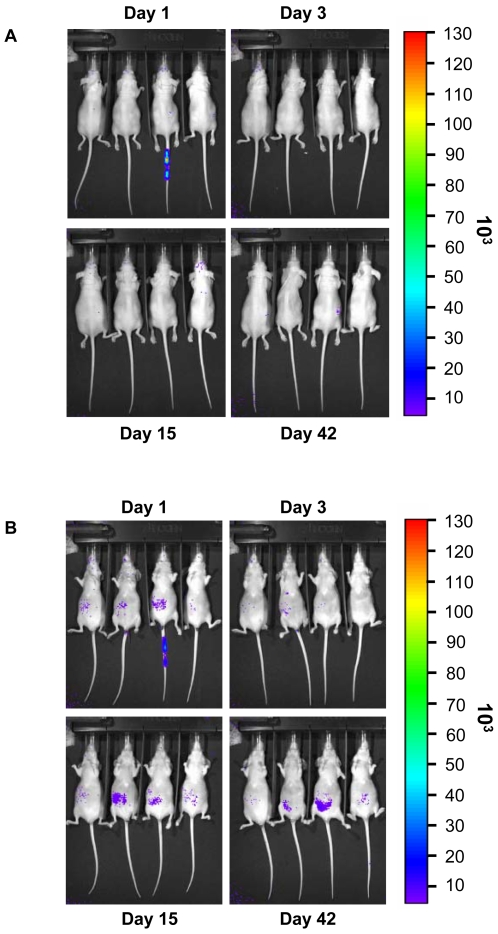
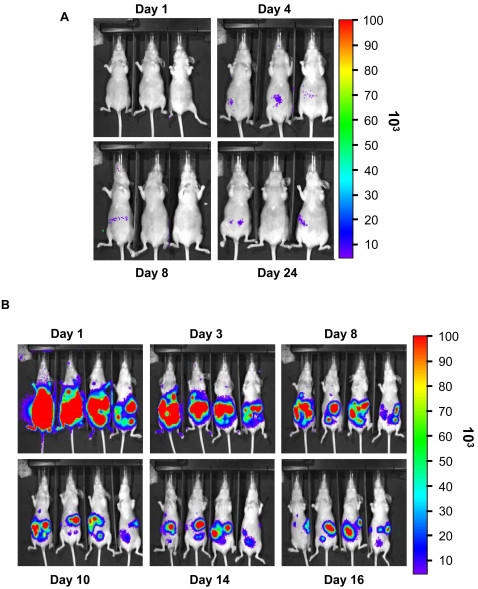
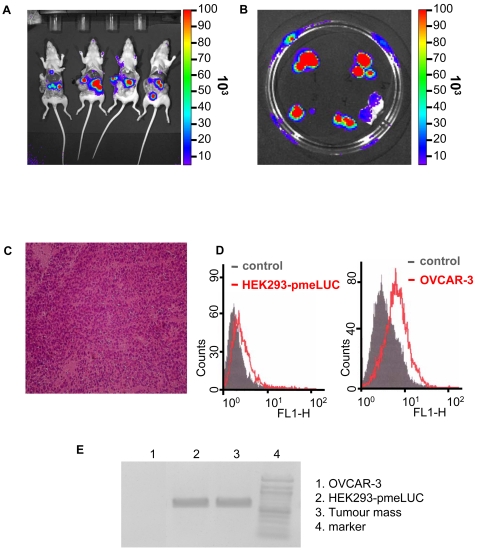
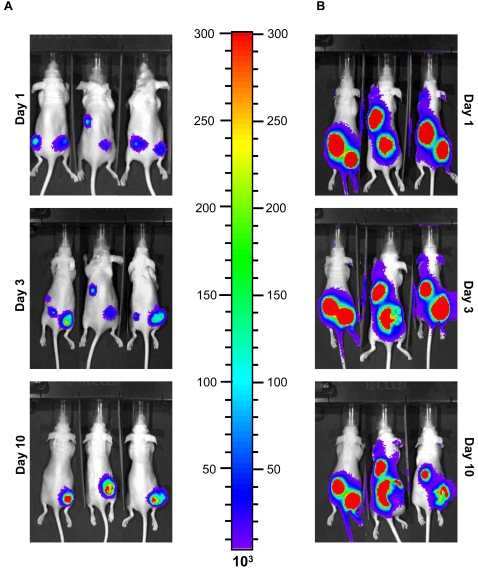
BACKGROUND: There is growing awareness that tumour cells build up a "self-advantageous" microenvironment that reduces effectiveness of anti-tumour immune response. While many different immunosuppressive mechanisms are likely to come into play, recent evidence suggests that extracellular adenosine acting at A2A receptors may have a major role in down-modulating the immune response as cancerous tissues contain elevated levels of adenosine and adenosine break-down products. While there is no doubt that all cells possess plasma membrane adenosine transporters that mediate adenosine uptake and may also allow its release, it is now clear that most of extracellularly-generated adenosine originates from the catabolism of extracellular ATP. METHODOLOGY/PRINCIPAL FINDINGS: Measurement of extracellular ATP is generally performed in cell supernatants by HPLC or soluble luciferin-luciferase assay, thus it generally turns out to be laborious and inaccurate. We have engineered a chimeric plasma membrane-targeted luciferase that allows in vivo real-time imaging of extracellular ATP. With this novel probe we have measured the ATP concentration within the tumour microenvironment of several experimentally-induced tumours. CONCLUSIONS/SIGNIFICANCE: Our results show that ATP in the tumour interstitium is in the hundreds micromolar range, while it is basically undetectable in healthy tissues. Here we show that a chimeric plasma membrane-targeted luciferase allows in vivo detection of high extracellular ATP concentration at tumour sites. On the contrary, tumour-free tissues show undetectable extracellular ATP levels. Extracellular ATP may be crucial for the tumour not only as a stimulus for growth but also as a source of an immunosuppressive agent such as adenosine. Our approach offers a new tool for the investigation of the biochemical composition of tumour milieu and for development of novel therapies based on the modulation of extracellular purine-based signalling.
Overview
The claims and statistics of this paper haven’t been checked yet.
Run the check — free, no account needed. It reads the open-access text and checks the sources it cites.
Integrity signals
Registry
Cites
Statistics
Figures
Verification
Claims the paper makes
The claims and statistics of this paper haven’t been checked yet.
Run the check — free, no account needed. It reads the open-access text and checks the sources it cites.
Claims other papers make about this one
Each is checked against this paper’s own text: does it say what the citing paper says it does?
In the citing paper
“Conversely, in a disease state as infection or brain disease, extracellular ATP levels largely increase and activate P2X7 receptors [68–70].”
From Hyperactivation of P2X7 receptors as a culprit of COVID-19 neuropathology (2021) · cites this paper as [68]
Self-check
Percentages, sums and reported differences re-computed from the paper’s own numbers.
The self-check needs the paper’s full text.
Citations
Cites
Deaglio, S., Dwyer, K. M., Gao, W., Friedman, D. J., Usheva, A., Erat, A., Chen, J., Enjyoji, K., Linden, J. M., Oukka, M., et al. (2007) · The Journal of Experimental Medicine · doi:10.1084/jem.20062512 · Cited by 2,613
A Perivascular Niche for Brain Tumor Stem Cells
Calabrese, C. R., Poppleton, H., Koçak, M., Hogg, T. L., Fuller, C. E., Hamner, J. B., Oh, E. Y., Gaber, M. W., Finklestein, D., Allen, M., et al. (2007) · Cancer Cell · doi:10.1016/j.ccr.2006.11.020 · Cited by 2,253
A cytokine-mediated link between innate immunity, inflammation, and cancer
Lin, W.-W., & Karin, M. (2007) · Journal of Clinical Investigation · doi:10.1172/jci31537 · Cited by 1,940
A2A adenosine receptor protects tumors from antitumor T cells
Ohta, A., Gorelik, E., Prasad, S. J., Ronchese, F., Lukashev, D. E., Wong, M. K. K., Huang, X., Caldwell, S. A., Liu, K., Smith, P. T., et al. (2006) · Proceedings of the National Academy of Sciences · doi:10.1073/pnas.0605251103 · Cited by 1,095
The tumour microenvironment as a target for chemoprevention
Albini, A., & Sporn, M. B. (2007) · Nature reviews. Cancer · doi:10.1038/nrc2067 · Cited by 828
Tumors induce a subset of inflammatory monocytes with immunosuppressive activity on CD8+ T cells
Gallina, G., Dolcetti, L., Serafini, P., Santo, C. D., Marigo, I., Colombo, M. P., Basso, G., Brombacher, F., Borrello, I., Zanovello, P., et al. (2006) · Journal of Clinical Investigation · doi:10.1172/jci28828 · Cited by 807
Adenosine, an endogenous distress signal, modulates tissue damage and repair
Fredholm, B. B. (2007) · Cell Death and Differentiation · doi:10.1038/sj.cdd.4402132 · Cited by 704
Sitkovsky, M. V., Lukashev, D. E., Apasov, S. G., Kojima, H., Koshiba, M., Caldwell, C. C., Ohta, A., & Thiel, M. (2004) · Annual Review of Immunology · doi:10.1146/annurev.immunol.22.012703.104731 · Cited by 697
ATP is a mediator of chemosensory transduction in the central nervous system
Gourine, A. V., Llaudet, E., Dale, N., & Spyer, K. M. (2005) · Nature · doi:10.1038/nature03690 · Cited by 537
Context, tissue plasticity, and cancer
Bissell, M. J., & LaBarge, M. A. (2005) · Cancer Cell · doi:10.1016/j.ccr.2004.12.013 · Cited by 517
Cited by
Sorted by citations
Immunogenic cell death and DAMPs in cancer therapy
Krysko, D. V., Garg, A. D., Kaczmarek, A., Krysko, O., Agostinis, P., & Vandenabeele, P. (2012) · Nature Reviews Cancer · doi:10.1038/nrc3380 · Cited by 3,223
Autophagy-Dependent Anticancer Immune Responses Induced by Chemotherapeutic Agents in Mice
Michaud, M., Martins, I., Sukkurwala, A. Q., Adjemian, S., Ma, Y., Pellegatti, P., Shen, S., Kepp, O., Scoazec, M., Mignot, G., et al. (2011) · Science · doi:10.1126/science.1208347 · Cited by 1,377
Self-citationThe P2X7 Receptor in Infection and Inflammation
Di Virgilio, F., Dal Ben, D., Sarti, A. C., Giuliani, A. L., & Falzoni, S. (2017) · Immunity · doi:10.1016/j.immuni.2017.06.020 · Cited by 1,267
Drug resistance and combating drug resistance in cancer
Wang, X., Zhang, H., & Chen, X. (2019) · Cancer Drug Resistance · doi:10.20517/cdr.2019.10 · Cited by 1,147
The ectonucleotidases CD 39 and CD 73: Novel checkpoint inhibitor targets
Allard, B., Longhi, M. S., Robson, S. C., & Stagg, J. (2017) · Immunological Reviews · doi:10.1111/imr.12528 · Cited by 927
Immune cell regulation by autocrine purinergic signalling
JUNGER, W. G. (2011) · Nature reviews. Immunology · doi:10.1038/nri2938 · Cited by 855
Extracellular ATP and P2 purinergic signalling in the tumour microenvironment
Virgilio, F. D., Sarti, A. C., Falzoni, S., Marchi, E. D., & Adinolfi, E. (2018) · Nature reviews. Cancer · doi:10.1038/s41568-018-0037-0 · Cited by 748
Radiation fosters dose-dependent and chemotherapy-induced immunogenic cell death
Golden, E. B., Frances, D., Pellicciotta, I., Demaria, S., Barcellos‐Hoff, M. H., & Formenti, S. C. (2014) · OncoImmunology · doi:10.4161/onci.28518 · Cited by 651
The adenosine pathway in immuno-oncology
Allard, B., Allard, D., Buisseret, L., & Stagg, J. (2020) · Nature Reviews Clinical Oncology · doi:10.1038/s41571-020-0382-2 · Cited by 621
Anti-CD73 antibody therapy inhibits breast tumor growth and metastasis
Stagg, J., Divisekera, U., McLaughlin, N. M., Sharkey, J., Pommey, S., Denoyer, D., Dwyer, K. M., & Smyth, M. J. (2010) · Proceedings of the National Academy of Sciences · doi:10.1073/pnas.0908801107 · Cited by 570
Caloric restriction mimetics enhance anticancer immunosurveillance
Pietrocola, F., Pol, J., Vacchelli, E., Rao, S., Enot, D. P., Baracco, E. E., Levesque, S., Castoldi, F., Jacquelot, N., Yamazaki, T., et al. (2016) · Cancer Cell · doi:10.1016/j.ccell.2016.05.016 · Cited by 542
Extracellular purines, purinergic receptors and tumor growth
Virgilio, F. D., & Adinolfi, E. (2016) · Oncogene · doi:10.1038/onc.2016.206 · Cited by 567
From purines to purinergic signalling: molecular functions and human diseases
Huang, Z., Xie, N., Illés, P., Virgilio, F. D., Ulrich, H., Semyanov, A. V., Verkhratsky, A., Sperlágh, B., Yu, S., Huang, C., et al. (2021) · Signal Transduction and Targeted Therapy · doi:10.1038/s41392-021-00553-z · Cited by 534
Ion Channels in Cancer: Are Cancer Hallmarks Oncochannelopathies?
Prevarskaya, N. B., Skryma, R. N., & Шуба, Я. М. (2018) · Physiological Reviews · doi:10.1152/physrev.00044.2016 · Cited by 505
Damage-associated molecular patterns in cancer: a double-edged sword
Hernandez, C., Huebener, P., & Schwabe, R. F. (2016) · Oncogene · doi:10.1038/onc.2016.104 · Cited by 506
Nucleotide metabolism: a pan-cancer metabolic dependency
Mullen, N. J., & Singh, P. K. (2023) · Nature reviews. Cancer · doi:10.1038/s41568-023-00557-7 · Cited by 502
Graft-versus-host disease is enhanced by extracellular ATP activating P2X7R
Wilhelm, K., Ganesan, J., Müller, T., Dürr, C., Grimm, M., Beilhack, A., Krempl, C. D., Sorichter, S., Gerlach, U. V., Jüttner, E., et al. (2010) · Nature Medicine · doi:10.1038/nm.2242 · Cited by 435
Self-citationThe P2X7 Receptor in Inflammatory Diseases: Angel or Demon?
Savio, L. E. B., de Andrade Mello, P., da Silva, C. G., & Coutinho-Silva, R. (2018) · Frontiers in Pharmacology · doi:10.3389/fphar.2018.00052 · Cited by 437
Zhou, Y., Fei, M., Zhang, G., Liang, W., Lin, W., Wu, Y., Piskol, R., Ridgway, J. B., McNamara, E., Huang, H., et al. (2020) · Immunity · doi:10.1016/j.immuni.2020.01.014 · Cited by 406
Extracellular ATP in the Immune System: More Than Just a “Danger Signal”
Trautmann, A. (2009) · Science Signaling · doi:10.1126/scisignal.256pe6 · Cited by 404
Extracellular Metabolic Energetics Can Promote Cancer Progression
Loo, J. M., Scherl, A., Nguyen, A., Man, F. Y., Weinberg, E., Zeng, Z., Saltz, L., Paty, P. B., & Tavazoie, S. F. (2015) · Cell · doi:10.1016/j.cell.2014.12.018 · Cited by 393
Expression of P2X7 Receptor Increases In Vivo Tumor Growth
Adinolfi, E., Raffaghello, L., Giuliani, A. L., Cavazzini, L., Capece, M., Chiozzi, P., Bianchi, G., Kroemer, G., Pistoia, V., & Virgilio, F. D. (2012) · Cancer Research · doi:10.1158/0008-5472.can-11-1947 · Cited by 366
Self-citationBasal Release of ATP: An Autocrine-Paracrine Mechanism for Cell Regulation
Corriden, R., & Insel, P. A. (2010) · Science Signaling · doi:10.1126/scisignal.3104re1 · Cited by 350
Purinergic signalling and cancer
Burnstock, G., & Virgilio, F. D. (2013) · Purinergic Signalling · doi:10.1007/s11302-013-9372-5 · Cited by 328
A genetically encoded single-wavelength sensor for imaging cytosolic and cell surface ATP
Lobas, M. A., Tao, R., Nagai, J., Kronschläger, M. T., Borden, P. M., Marvin, J. S., Looger, L. L., & Khakh, B. S. (2019) · Nature Communications · doi:10.1038/s41467-019-08441-5 · Cited by 315
Purines, Purinergic Receptors, and Cancer
Virgilio, F. D. (2012) · Cancer Research · doi:10.1158/0008-5472.can-12-1600 · Cited by 309
Yegutkin, G. G. (2014) · Critical Reviews in Biochemistry and Molecular Biology · doi:10.3109/10409238.2014.953627 · Cited by 299
Many faces of DAMPs in cancer therapy
Krysko, O., Aaes, T. L., Bachert, C., Vandenabeele, P., & Krysko, D. V. (2013) · Cell Death and Disease · doi:10.1038/cddis.2013.156 · Cited by 309
Activation of Microglia by Amyloid β Requires P2X7 Receptor Expression
Sanz, J. M., Chiozzi, P., Ferrari, D., Colaianna, M., Idzko, M., Falzoni, S., Fellin, R., Trabace, L., & Di Virgilio, F. (2009) · The Journal of Immunology · doi:10.4049/jimmunol.0803612 · Cited by 293
Immunosuppressive Activities of Adenosine in Cancer
Allard, B., Beavis, P. A., Darcy, P. K., & Stagg, J. (2016) · Current Opinion in Pharmacology · doi:10.1016/j.coph.2016.04.001 · Cited by 292
Chemotherapy induces ATP release from tumor cells
Martins, I., Tesnière, A., Kepp, O., Michaud, M., Schlemmer, F., Senovilla, L., Séror, C., Métivier, D., Perfettini, J., Zitvogel, L., et al. (2009) · Cell Cycle · doi:10.4161/cc.8.22.10026 · Cited by 300
Supramolecular Polymerization: A Conceptual Expansion for Innovative Materials
Hashim, P. K., Bergueiro, J., Meijer, E. W., & Aida, T. (2020) · Progress in Polymer Science · doi:10.1016/j.progpolymsci.2020.101250 · Cited by 280
Designing antibodies as therapeutics
Carter, P. J., & Rajpal, A. (2022) · Cell · doi:10.1016/j.cell.2022.05.029 · Cited by 282
Gao, J., Li, J., Geng, W., Chen, F., Duan, X., Zheng, Z., Ding, D., & Guo, D. (2018) · Journal of the American Chemical Society · doi:10.1021/jacs.8b02331 · Cited by 267
Targeting CD39 in Cancer Reveals an Extracellular ATP- and Inflammasome-Driven Tumor Immunity
Li, X.-Y., Moesta, A. K., Xiao, C., Nakamura, K., Casey, M., Zhang, H., Madore, J., Lepletier, A., Aguilera, A. R., Sundarrajan, A., et al. (2019) · Cancer Discovery · doi:10.1158/2159-8290.cd-19-0541 · Cited by 269
Adenosinergic Regulation of the Expansion and Immunosuppressive Activity of CD11b+Gr1+ Cells
Ryzhov, S. V., Novitskiy, S. V., Goldstein, A. E., Biktasova, A., Blackburn, M. R., Biaggioni, I., Dikov, M. M., & Feoktistov, I. (2011) · The Journal of Immunology · doi:10.4049/jimmunol.1101225 · Cited by 261
Trophic activity of a naturally occurring truncated isoform of the P2X7 receptor
Adinolfi, E., Cirillo, M., Woltersdorf, R., Falzoni, S., Chiozzi, P., Pellegatti, P., Callegari, M. G., Sandonà, D., Markwárdt, F., Schmalzing, G., et al. (2010) · The FASEB Journal · doi:10.1096/fj.09-153601 · Cited by 254
Self-citationExtracellular ATP: A Feasible Target for Cancer Therapy
Vultaggio-Poma, V., Sarti, A. C., & Virgilio, F. D. (2020) · Cells · doi:10.3390/cells9112496 · Cited by 259
P2X7 receptor and the NLRP3 inflammasome: Partners in crime
Pelegrín, P. (2020) · Biochemical Pharmacology · doi:10.1016/j.bcp.2020.114385 · Cited by 253
Sun, L., Shen, F., Tian, L., Tao, H., Xiong, Z., Xu, J., & Liu, Z. (2021) · Advanced Materials · doi:10.1002/adma.202007910 · Cited by 243
Purinergic signaling in the immune system
Virgilio, F. D., & Vuerich, M. (2015) · Autonomic Neuroscience · doi:10.1016/j.autneu.2015.04.011 · Cited by 238
ATP and cancer immunosurveillance
Kepp, O., Bezu, L., Yamazaki, T., Virgilio, F. D., Smyth, M. J., Kroemer, G., & Galluzzi, L. (2021) · The EMBO Journal · doi:10.15252/embj.2021108130 · Cited by 238
The Warburg effect: Evolving interpretations of an established concept
Chen, X., Qian, Y., & Wu, S. (2014) · Free Radical Biology and Medicine · doi:10.1016/j.freeradbiomed.2014.08.027 · Cited by 234
Biomolecular robotics for chemomechanically driven guest delivery fuelled by intracellular ATP
Biswas, S., Kinbara, K., Niwa, T., Taguchi, H., Ishii, N., Watanabe, S. T., Miyata, K., Kataoka, K., & Aida, T. (2013) · Nature Chemistry · doi:10.1038/nchem.1681 · Cited by 220
Use of luciferase probes to measure ATP in living cells and animals
Morciano, G., Sarti, A. C., Marchi, S., Missiroli, S., Falzoni, S., Raffaghello, L., Pistoia, V., Giorgi, C., Virgilio, F. D., & Pinton, P. (2017) · Nature Protocols · doi:10.1038/nprot.2017.052 · Cited by 219
Self-citationP2X ion channel receptors and inflammation
Burnstock, G. (2016) · Purinergic Signalling · doi:10.1007/s11302-015-9493-0 · Cited by 215
Purinergic signalling in inflammation of the central nervous system
Virgilio, F. D., Ceruti, S., Bramanti, P., & Abbracchio, M. P. (2009) · Trends in Neurosciences · doi:10.1016/j.tins.2008.11.003 · Cited by 213
Jelassi, B., Chantôme, A., Alcaraz‐Pérez, F., Baroja‐Mazo, A., Cayuela, M. L., Pelegrı́n, P., Surprenant, A., & Roger, S. (2011) · Oncogene · doi:10.1038/onc.2010.593 · Cited by 219
Extracellular Adenosine Triphosphate and Chronic Obstructive Pulmonary Disease
Lommatzsch, M., Cicko, S., Müller, T., Lucattelli, M., Bratke, K., Stoll, P., Grimm, M., Dürk, T., Zissel, G., Ferrari, D., et al. (2010) · American Journal of Respiratory and Critical Care Medicine · doi:10.1164/rccm.200910-1506oc · Cited by 216
Extracellular ATP and adenosine: The Yin and Yang in immune responses?
Faas, M. M., Sáez, T., & de Vos, P. (2017) · Molecular Aspects of Medicine · doi:10.1016/j.mam.2017.01.002 · Cited by 216
Lack of the purinergic receptor P2X7 results in resistance to contact hypersensitivity
Weber, F. C., Esser, P. R., Müller, T., Ganesan, J., Pellegatti, P., Simon, M. M., Zeiser, R., Idzko, M., Jakob, T., & Martin, S. F. (2010) · The Journal of Experimental Medicine · doi:10.1084/jem.20092489 · Cited by 221
Self-citationStable isotope-resolved metabolomics and applications for drug development
Fan, T. W. ‐., Lorkiewicz, P., Sellers, K., Moseley, H., Higashi, R. M., & Lane, A. N. (2011) · Pharmacology & Therapeutics · doi:10.1016/j.pharmthera.2011.12.007 · Cited by 215
A sensitive GRAB sensor for detecting extracellular ATP in vitro and in vivo
Wu, Z., He, K., Chen, Y., Li, H., Pan, S., Li, B., Liu, T., Xi, F., Deng, F., Wang, H., et al. (2022) · Neuron · doi:10.1016/j.neuron.2021.11.027 · Cited by 204
Gilbert, S. M., Oliphant, C. J., Hassan, S., Peille, A., Bronsert, P., Falzoni, S., Virgilio, F. D., McNulty, S., & Lara, R. (2018) · Oncogene · doi:10.1038/s41388-018-0426-6 · Cited by 205
Marchi, E. D., Orioli, E., Pegoraro, A., Sangaletti, S., Portararo, P., Curti, A., Colombo, M. P., Virgilio, F. D., & Adinolfi, E. (2019) · Oncogene · doi:10.1038/s41388-019-0684-y · Cited by 205
Tumor Abnormality-Oriented Nanomedicine Design
Zhou, Q., Xiang, J., Qiu, N., Wang, Y., Piao, Y., Shao, S., Tang, J., Zhou, Z., & Shen, Y. (2023) · Chemical Reviews · doi:10.1021/acs.chemrev.3c00062 · Cited by 203
Applications and challenges of ultra-small particle size nanoparticles in tumor therapy
Xu, J., Song, M., Zhou, F., Zheng, L., Huang, X., & Liu, K. (2022) · Journal of Controlled Release · doi:10.1016/j.jconrel.2022.12.028 · Cited by 188
CD73 and CD39 ectonucleotidases in T cell differentiation: Beyond immunosuppression
Bono, M. R., Fernández, D., Flores‐Santibáñez, F., Rosemblatt, M. S., & Sauma, D. (2015) · FEBS Letters · doi:10.1016/j.febslet.2015.07.027 · Cited by 191
Accelerated Tumor Progression in Mice Lacking the ATP Receptor P2X7
Adinolfi, E., Capece, M., Franceschini, A., Falzoni, S., Giuliani, A. L., Rotondo, A., Sarti, A. C., Bonora, M., Syberg, S., Corigliano, D. M., et al. (2014) · Cancer Research · doi:10.1158/0008-5472.can-14-1259 · Cited by 177
Self-citationDraganov, D., Gopalakrishna-Pillai, S., Chen, Y.-R., Zuckerman, N. S., Moeller, S., Wang, C., Ann, D. K., & Lee, P. P. (2015) · Scientific Reports · doi:10.1038/srep16222 · Cited by 180
Neurotransmitter signaling in the pathophysiology of microglia
Domercq, M., Vázquez‐Villoldo, N., & Matute, C. (2013) · Frontiers in Cellular Neuroscience · doi:10.3389/fncel.2013.00049 · Cited by 174
P2X7 in Cancer: From Molecular Mechanisms to Therapeutics
Lara, R., Adinolfi, E., Harwood, C. A., Philpott, M. P., Barden, J. A., Virgilio, F. D., & McNulty, S. (2020) · Frontiers in Pharmacology · doi:10.3389/fphar.2020.00793 · Cited by 174
Guo, Z., Xiao, Y., Wu, W., Zhe, M., Yu, P., Shakya, S., Li, Z., & Xing, F. (2025) · Journal of Nanobiotechnology · doi:10.1186/s12951-025-03252-x · Cited by 182
In pursuit of P2X3 antagonists: novel therapeutics for chronic pain and afferent sensitization
Ford, A. P. D. W. (2011) · Purinergic Signalling · doi:10.1007/s11302-011-9271-6 · Cited by 166
The adjuvant MF59 induces ATP release from muscle that potentiates response to vaccination
Vono, M., Taccone, M., Caccin, P., Gallotta, M., Donvito, G., Falzoni, S., Palmieri, E., Pallaoro, M., Rappuoli, R., Virgilio, F. D., et al. (2013) · Proceedings of the National Academy of Sciences · doi:10.1073/pnas.1319784110 · Cited by 163
Targeting cancer‐related inflammation in the era of immunotherapy
Nakamura, K., & Smyth, M. J. (2016) · Immunology and Cell Biology · doi:10.1038/icb.2016.126 · Cited by 164
The P2X7 Receptor: Central Hub of Brain Diseases
Andrejew, R., Oliveira-Giacomelli, Á., Ribeiro, D. E., Glaser, T., Arnaud-Sampaio, V. F., Lameu, C., & Ulrich, H. (2020) · Frontiers in Molecular Neuroscience · doi:10.3389/fnmol.2020.00124 · Cited by 162
The Therapeutic Potential of Modifying Inflammasomes and NOD-Like Receptors
Virgilio, F. D. (2013) · Pharmacological Reviews · doi:10.1124/pr.112.006171 · Cited by 168
P2 receptors and extracellular ATP a novel homeostatic pathway in inflammation
Bours, M. J. L. (2011) · Frontiers in Bioscience-Scholar · doi:10.2741/235 · Cited by 162
Di, Z., Zhao, J., Chu, H., Xue, W., Zhao, Y., & Li, L. (2019) · Advanced Materials · doi:10.1002/adma.201901885 · Cited by 153
P2X7 receptor activation induces CXCL2 production in microglia through NFAT and PKC/MAPK pathways
Shiratori, M., Tozaki‐Saitoh, H., Yoshitake, M., Tsuda, M., & Inoue, K. (2010) · Journal of Neurochemistry · doi:10.1111/j.1471-4159.2010.06809.x · Cited by 153
Altered purinergic signaling in CD73‐deficient mice inhibits tumor progression
Yegutkin, G. G., Marttila‐Ichihara, F., Karikoski, M., Niemelä, J., Laurila, J. P., Elima, K., Jalkanen, S., & Salmi, M. (2011) · European Journal of Immunology · doi:10.1002/eji.201041292 · Cited by 156
Qian, Y., Wang, X., Liu, Y., Li, Y., Colvin, R. A., Tong, L., Wu, S., & Chen, X. (2014) · Cancer Letters · doi:10.1016/j.canlet.2014.06.008 · Cited by 149
Zhang, Y., Cheng, H., Li, W., Wu, H. K., & Yong, Y. (2019) · International Journal of Cancer · doi:10.1002/ijc.32207 · Cited by 149
A hyperpolarized equilibrium for magnetic resonance
Hövener, J., Schwaderlapp, N., Lickert, T., Duckett, S. B., Mewis, R. E., Highton, L. A. R., Kenny, S. M., Green, G. G. R., Leibfritz, D., Korvink, J. G., et al. (2013) · Nature Communications · doi:10.1038/ncomms3946 · Cited by 149
T RM maintenance is regulated by tissue damage via P2RX7
Stark, R., Wesselink, T. H., Behr, F. M., Kragten, N. A. M., Arens, R., Koch-Nolte, F., van Gisbergen, K. P. J. M., & van Lier, R. A. W. (2018) · Science Immunology · doi:10.1126/sciimmunol.aau1022 · Cited by 141
Recent advancement of piperidine moiety in treatment of cancer- A review
Goel, P., Alam, O., Naim, M. J., Nawaz, F., Iqbal, M., & Alam, I. (2018) · European Journal of Medicinal Chemistry · doi:10.1016/j.ejmech.2018.08.017 · Cited by 150
CD73 as a potential opportunity for cancer immunotherapy
Ghalamfarsa, G., Kazemi, M. H., Mohseni, S. R., Masjedi, A., Hojjat‐Farsangi, M., Azizi, G., Yousefi, M., & Jadidi‐Niaragh, F. (2018) · Expert Opinion on Therapeutic Targets · doi:10.1080/14728222.2019.1559829 · Cited by 150
Cohen, H. B., Briggs, K. T., Marino, J. P., Ravid, K., Robson, S. C., & Mosser, D. M. (2013) · Blood · doi:10.1182/blood-2013-04-496216 · Cited by 146
Hyperactivation of P2X7 receptors as a culprit of COVID-19 neuropathology
Ribeiro, D. E., Oliveira-Giacomelli, Á., Glaser, T., Arnaud-Sampaio, V. F., Andrejew, R., Dieckmann, L., Baranova, J., Lameu, C., Ratajczak, M. Z., & Ulrich, H. (2021) · Molecular Psychiatry · doi:10.1038/s41380-020-00965-3 · Cited by 145
P2X7 receptor‐stimulation causes fever via PGE2 and IL‐1β release
Barberà‐Cremades, M., Baroja‐Mazo, A., Gomez, A. I., Machado, F., Di Virgilio, F., & Pelegrín, P. (2012) · The FASEB Journal · doi:10.1096/fj.12-205765 · Cited by 142
Serra, S., Horenstein, A. L., Vaisitti, T., Brusa, D., Rossi, D., Laurenti, L., D'Arena, G. F., Coscia, M., Tripodo, C., Inghirami, G., et al. (2011) · Blood · doi:10.1182/blood-2011-08-374728 · Cited by 142
P2X7: a growth-promoting receptor—implications for cancer
Virgilio, F. D., Ferrari, D., & Adinolfi, E. (2009) · Purinergic Signalling · doi:10.1007/s11302-009-9145-3 · Cited by 140
Lussier, F., Missirlis, D., Spatz, J. P., & Masson, J. (2019) · ACS Nano · doi:10.1021/acsnano.8b07024 · Cited by 140
Mechanisms of NLRP3 priming in inflammaging and age related diseases
Gritsenko, A., Green, J., Brough, D., & López‐Castejón, G. (2020) · Cytokine & Growth Factor Reviews · doi:10.1016/j.cytogfr.2020.08.003 · Cited by 146
Detecting adenosine triphosphate in the pericellular space
Falzoni, S., Donvito, G., & Di Virgilio, F. (2013) · Interface Focus · doi:10.1098/rsfs.2012.0101 · Cited by 136
Hu, L.-P., Zhang, X.-X., Jiang, S., Tao, L., Li, Q., Zhu, L.-L., Yang, M.-W., Huo, Y.-M., Jiang, Y.-S., Tian, G.-A., et al. (2018) · Clinical Cancer Research · doi:10.1158/1078-0432.ccr-18-2297 · Cited by 137
Anthraquinone emodin inhibits human cancer cell invasiveness by antagonizing P2X7 receptors
Jelassi, B., Anchelin, M., Chamouton, J., Cayuela, M. L., Clarysse, L., Li, J., Goré, J., Jiang, L., & Roger, S. (2013) · Carcinogenesis · doi:10.1093/carcin/bgt099 · Cited by 146
Imaging Adenosine Triphosphate (ATP)
Rajendran, M., Dane, E. L., Conley, J. M., & Tantama, M. (2016) · Biological Bulletin · doi:10.1086/689592 · Cited by 145
Extracellular ATP is a regulator of pathogen defence in plants
Chivasa, S., Murphy, A. M., Hamilton, J. M., Lindsey, K., Carr, J. P., & Slabas, A. R. (2009) · The Plant Journal · doi:10.1111/j.1365-313x.2009.03968.x · Cited by 133
Trabanelli, S., Očadlíková, D., Gulinelli, S., Curti, A., Salvestrini, V., Vieira, R. P., Idzko, M., Virgilio, F. D., Ferrari, D., & Lemoli, R. M. (2012) · The Journal of Immunology · doi:10.4049/jimmunol.1103800 · Cited by 132
Ion channels as therapeutic antibody targets
Hutchings, C. J., Colussi, P. A., & Clark, T. G. (2018) · mAbs · doi:10.1080/19420862.2018.1548232 · Cited by 131
Guanidinium-based “molecular glues” for modulation of biomolecular functions
Mogaki, R., Hashim, P. K., Okuro, K., & Aida, T. (2017) · Chemical Society Reviews · doi:10.1039/c7cs00647k · Cited by 130
Purinergic Receptor Inhibition Prevents the Development of Smoke-Induced Lung Injury and Emphysema
Cicko, S., Lucattelli, M., Müller, T., Lommatzsch, M., Cunto, G. D., Cardini, S., Sundas, W., Grimm, M., Zeiser, R., Dürk, T., et al. (2010) · The Journal of Immunology · doi:10.4049/jimmunol.0904042 · Cited by 128
ATP/P2X7 axis modulates myeloid-derived suppressor cell functions in neuroblastoma microenvironment
Bianchi, G., Vuerich, M., Pellegatti, P., Marimpietri, D., Emionite, L., Marigo, I., Bronte, V., Virgilio, F. D., Pistoia, V., & Raffaghello, L. (2014) · Cell Death and Disease · doi:10.1038/cddis.2014.109 · Cited by 131
Self-citationGiannuzzo, A., Pedersen, S. F., & Novak, I. (2015) · Molecular Cancer · doi:10.1186/s12943-015-0472-4 · Cited by 128
Inosine in Biology and Disease
Srinivasan, S., Torres, A. G., & de Pouplana, L. R. (2021) · Genes · doi:10.3390/genes12040600 · Cited by 130
P2X7 Mediates ATP-Driven Invasiveness in Prostate Cancer Cells
Qiu, Y., Li, W., Zhang, H., Liu, Y., Tian, X., & Fang, W. (2014) · PLoS ONE · doi:10.1371/journal.pone.0114371 · Cited by 130
P2Y2 receptor promotes cell invasion and metastasis in prostate cancer cells
Li, W.-H., Qiu, Y., Hq, Z., Liu, Y., You, J.-F., Tian, X.-X., & Wg, F. (2013) · British Journal of Cancer · doi:10.1038/bjc.2013.484 · Cited by 125
A Secreted Tyrosine Kinase Acts in the Extracellular Environment
Bordoli, M. R., Yum, J., Breitkopf, S. B., Thon, J. N., Italiano, J. E., Xiao, J., Worby, C. A., Wong, S.-K., Lin, G., Edenius, M., et al. (2014) · Cell · doi:10.1016/j.cell.2014.06.048 · Cited by 125
Metadata
- Authors
- Pellegatti, P., Raffaghello, L., Bianchi, G., Piccardi, F., Pistoia, V., & Di Virgilio, F.
- Affiliations
- University of Ferrara (IT)
- Istituto Giannina Gaslini (IT)
- Venue
- PLoS ONE
- Publisher
- Public Library of Science (PLoS)
- Published
- 2008-07-09
- Volume
- 3
- Issue
- 7
- Pages
- e2599
- ISSN
- 1932-6203 (ISSN-L)
- PMC
- PMC2440522
- OpenAlex
- W2070663123
- Cited by
- 668
- References
- 28
- Citations by year
- 2026: 31 · 2025: 40 · 2024: 29 · 2023: 62 · 2022: 51 · 2021: 58 · 2020: 66 · 2019: 42 · 2018: 37 · 2017: 34 · 2016: 33 · 2015: 25 · 2014: 36 · 2013: 28 · 2012: 40
- FWCI
- 11.40
- Type
- journal article
- Language
- en
- Open access
- gold
- doi.org
- Locations
- PLoS ONE (publishedVersion, cc-by)
- PubMed Central (publishedVersion, cc-by)
- PubMed (publishedVersion)
- DOAJ (DOAJ: Directory of Open Access Journals) (submittedVersion, cc-by-sa)
- Institutional Research Information System University of Ferrara (University of Ferrara) (submittedVersion)
- Funders
- Fondazione Italiana per la Lotta al Neuroblastoma
- Associazione Italiana per la Ricerca sul Cancro (GGP06070)
- Università degli Studi di Ferrara
- Topics
- Life Sciences › Biochemistry, Genetics and Molecular Biology › Physiology › Adenosine and Purinergic Signaling
- Life Sciences › Biochemistry, Genetics and Molecular Biology › Molecular Biology › Biochemical and Molecular Research
- Life Sciences › Biochemistry, Genetics and Molecular Biology › Molecular Biology › bioluminescence and chemiluminescence research
- Keywords
- extracellular ATP, tumor microenvironment, in vivo imaging, adenosine, adenosine A2A receptor, immunosuppression, ATP catabolism, adenosine transporter
- MeSH terms
- Adenosine Triphosphate, Animals, Cell Membrane, Extracellular Space, Humans, Luciferases, Luminescent Measurements, Mice, Nude, Neoplasms, Cell Line, Tumor, Luminescent Agents, Mice
About these checks
Registry, retraction, Cites and statistics results are computed, not judged, with one exception: a printed reference that no index lists is read once by a model before it counts as a citation error. Claims are extracted by a model and kept only when their quote appears verbatim in the text; each cited source is then checked, with a model’s help, for whether it says what the claim relies on. Those verdicts can be wrong — read the claim’s quote and the cited source before relying on one.
Statistics and arithmetic are recomputed, not judged.
Confidence bands are shown only for fields calibrated on our annotated test set. None is calibrated yet, so no band is shown.
What counts as a claim ›How we measure confidence ›How we check this ›
Are you an author, or do you see a problem with this page? Request a review
