

The DOI matches its Crossref record; 41 of the 42 references it cites were found in a registry or an index.
Analysis of the lung microbiome in the “healthy” smoker and in COPD.
Open accessAbstract
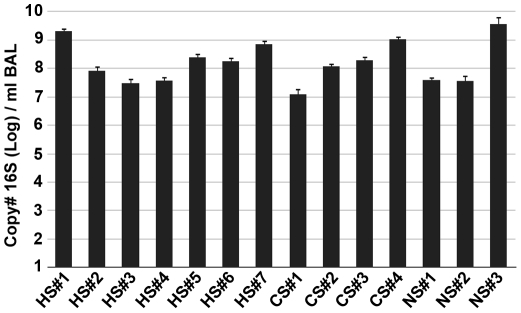
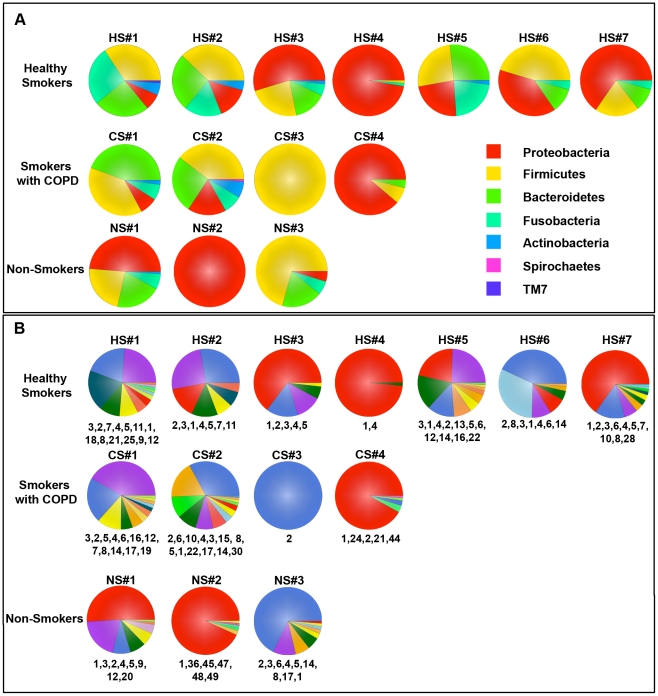
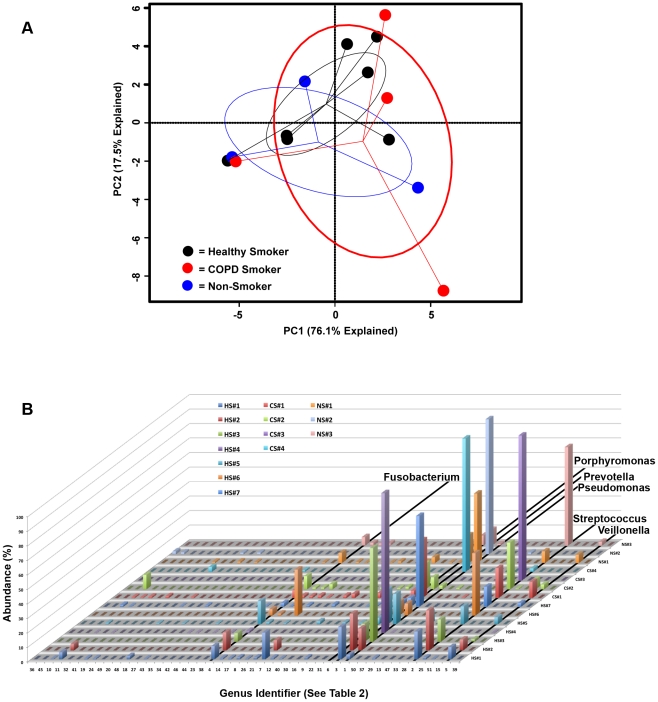
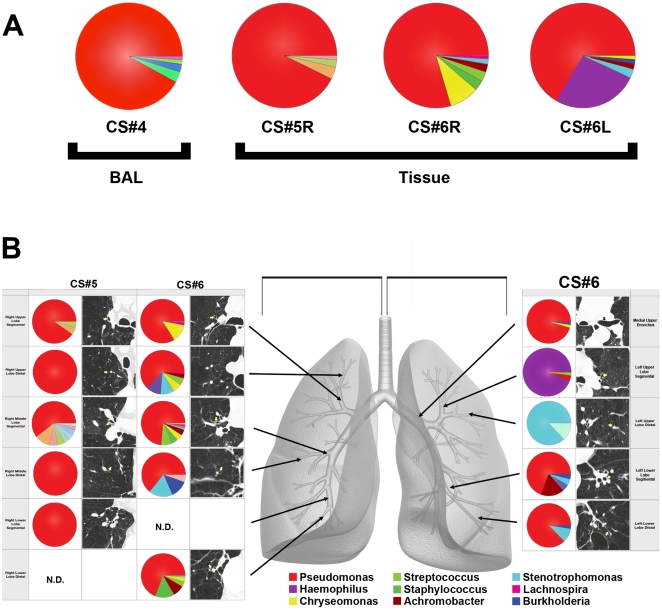
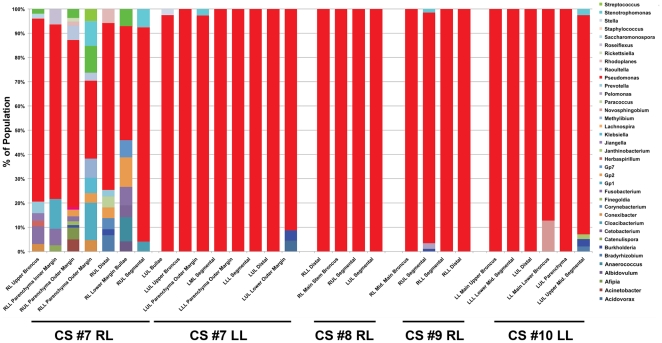
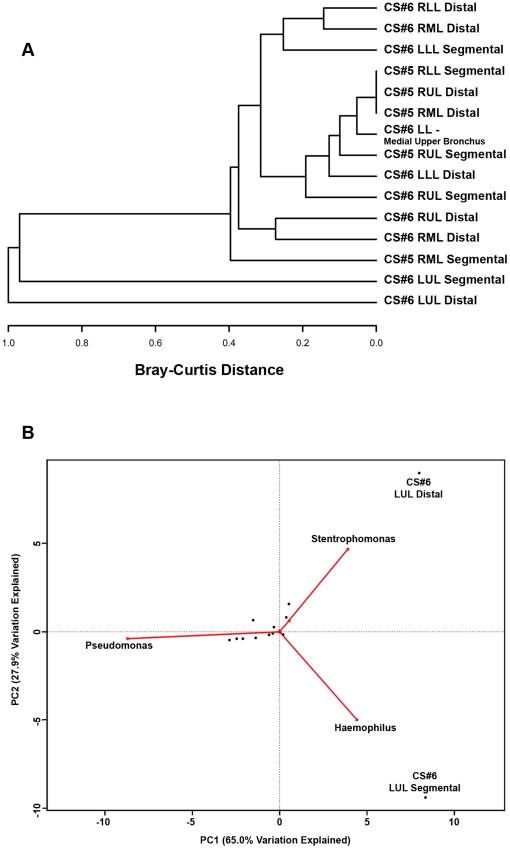
Although culture-independent techniques have shown that the lungs are not sterile, little is known about the lung microbiome in chronic obstructive pulmonary disease (COPD). We used pyrosequencing of 16S amplicons to analyze the lung microbiome in two ways: first, using bronchoalveolar lavage (BAL) to sample the distal bronchi and air-spaces; and second, by examining multiple discrete tissue sites in the lungs of six subjects removed at the time of transplantation. We performed BAL on three never-smokers (NS) with normal spirometry, seven smokers with normal spirometry ("healthy smokers", HS), and four subjects with COPD (CS). Bacterial 16 s sequences were found in all subjects, without significant quantitative differences between groups. Both taxonomy-based and taxonomy-independent approaches disclosed heterogeneity in the bacterial communities between HS subjects that was similar to that seen in healthy NS and two mild COPD patients. The moderate and severe COPD patients had very limited community diversity, which was also noted in 28% of the healthy subjects. Both approaches revealed extensive membership overlap between the bacterial communities of the three study groups. No genera were common within a group but unique across groups. Our data suggests the existence of a core pulmonary bacterial microbiome that includes Pseudomonas, Streptococcus, Prevotella, Fusobacterium, Haemophilus, Veillonella, and Porphyromonas. Most strikingly, there were significant micro-anatomic differences in bacterial communities within the same lung of subjects with advanced COPD. These studies are further demonstration of the pulmonary microbiome and highlight global and micro-anatomic changes in these bacterial communities in severe COPD patients.
Overview
The claims and statistics of this paper haven’t been checked yet.
Run the check — free, no account needed. It reads the open-access text and checks the sources it cites.
Integrity signals
Registry
Cites
Statistics
Figures
Verification
Claims the paper makes
The claims and statistics of this paper haven’t been checked yet.
Run the check — free, no account needed. It reads the open-access text and checks the sources it cites.
Claims other papers make about this one
Each is checked against this paper’s own text: does it say what the citing paper says it does?
In the citing paper
“Under certain conditions, Streptococcus gordonii can attack host fibronectin, and subsequent cytokine production can induce inflammatory responses (Erb-Downward et al., 2011; Liu et al., 2018).”
From Oral Microbiome and SARS-CoV-2: Beware of Lung Co-infection (2020) · cites this paper as Erb-Downward et al., 2011
Self-check
Percentages, sums and reported differences re-computed from the paper’s own numbers.
The self-check needs the paper’s full text.
Citations
Cites
vegan: Community Ecology Package
Oksanen, J., Simpson, G. L., Blanchet, F. G., Kindt, R., Legendre, P., Minchin, P. R., O’Hara, R. B., Sólymos, P., Stevens, M. H. H., Szöcs, E., et al. (2001) · doi:10.32614/cran.package.vegan · Cited by 27,099
Naive Bayesian Classifier for Rapid Assignment of rRNA Sequences into the New Bacterial Taxonomy
Wang, Q., Garrity, G. M., Tiedje, J. M., & Cole, J. R. (2007) · Applied and Environmental Microbiology · doi:10.1128/aem.00062-07 · Cited by 20,145
Schloss, P. D., Westcott, S. L., Ryabin, T., Hall, J. R., Hartmann, M., Hollister, E. B., Lesniewski, R. A., Oakley, B. B., Parks, D. H., Robinson, C. J., et al. (2009) · Applied and Environmental Microbiology · doi:10.1128/aem.01541-09 · Cited by 19,549
Vestbo, J., Hurd, S. S., Agustí, A. G., Jones, P. W., Vogelmeier, C., Anzueto, A., Barnes, P. J., Fabbri, L. M., Martinez, F. J., Nishimura, M., et al. (2013) · American Journal of Respiratory and Critical Care Medicine · doi:10.1164/rccm.201204-0596pp · Cited by 15,983
An Ordination of the Upland Forest Communities of Southern Wisconsin
Bray, J. R., & Curtis, J. T. (1957) · Ecological Monographs · doi:10.2307/1942268 · Cited by 11,736
Obesity alters gut microbial ecology
Ley, R. E., Bäckhed, F., Turnbaugh, P., Lozupone, C. A., Knight, R. D., & Gordon, J. I. (2005) · Proceedings of the National Academy of Sciences · doi:10.1073/pnas.0504978102 · Cited by 6,176
Rabe, K. F., Hurd, S., Anzueto, A., Barnes, P. J., Buist, S. A., Calverley, P., Fukuchi, Y., Jenkins, C., Rodriguez-Roisin, R., van Weel, C., et al. (2007) · American Journal of Respiratory and Critical Care Medicine · doi:10.1164/rccm.200703-456so · Cited by 4,925
Frank, D. N., St. Amand, A. L., Feldman, R. A., Boedeker, E. C., Harpaz, N., & Pace, N. R. (2007) · Proceedings of the National Academy of Sciences · doi:10.1073/pnas.0706625104 · Cited by 4,611
Spirometric Reference Values from a Sample of the General U.S. Population
Hankinson, J., Odencrantz, J. R., & Fedan, K. B. (1999) · American Journal of Respiratory and Critical Care Medicine · doi:10.1164/ajrccm.159.1.9712108 · Cited by 4,220
Topographical and Temporal Diversity of the Human Skin Microbiome
Grice, E. A., Kong, H. H., Conlan, S., Deming, C. B., Davis, J., Young, A. C., Program, N. C. S., Bouffard, G. G., Blakesley, R. W., Murray, P. R., et al. (2009) · Science · doi:10.1126/science.1171700 · Cited by 2,953
Research works printed but not linked: 1
- C Fletcher, 1978, Community Health., J Epidemiol, 32, 282
Cited by
Sorted by citations
Items 701–800 of 970
Cho, J. Y., Kim, M. Y., Kim, J. H., Kim, E., Kim, S., Yang, B., Kang, H., Lee, K. M., Choe, K. H., & Shin, Y. M. (2023) · Medicine · doi:10.1097/md.0000000000033402 · Cited by 5
“[15] [16–18] An altered lung microbiome may be associated with the development and progression of IPF.”
Taherkhani, H., KavianFar, A., Aminnezhad, S., Lanjanian, H., Ahmadi, A., Jamalkandi, S. A., & Masoudi‐Nejad, A. (2024) · Heliyon · doi:10.1016/j.heliyon.2024.e24775 · Cited by 6
Oral Cavity Microbiome Impact on Respiratory Infections Among Children
Crestez, A., Nechita, A., Daineanu, M.-P., Bușilă, C., Tatu, A. L., Ionescu, M., Lázaro‐Martínez, J. L., & Debita, M. (2024) · Pediatric Health Medicine and Therapeutics · doi:10.2147/phmt.s471588 · Cited by 7
The Pulmonary Microbiome, Mechanical Ventilation, and Trauma
Smith, A. D., Zhang, Y., & Shewale, S. (2012) · Biological Systems Open Access · doi:10.4172/2329-6577.1000116 · Cited by 5
“Several culture-independent studies on BAL samples illustrate that lungs are not sterile and reveal the existence of a core pulmonary bacterial microbiome in healthy lungs [7-9].”
BackgroundResultInfluentialDickson, R. P., & Cox, M. J. (2019) · European Respiratory Society eBooks · doi:10.1183/2312508x.10015418 · Cited by 5
Porto, B. N., & Moraes, T. J. (2021) · Expert Review of Respiratory Medicine · doi:10.1080/17476348.2021.1893168 · Cited by 8
Su, L., Qiao, Y., Luo, J., Huang, R., & Xiao, Y. (2022) · Biomolecules · doi:10.3390/biom12101481 · Cited by 5
“The bacterial co-existence interaction network maps showed that relatively stable lung bacterial flora is considered part of the “core pulmonary microbiome” [30].”
BackgroundThe Lung Microbiome in Carcinogenesis and Immunotherapy Treatment
Kennedy, K. J., Khaddour, K., Ramnath, N., & Weinberg, F. D. (2023) · The Cancer Journal · doi:10.1097/ppo.0000000000000644 · Cited by 5
Microbiome-TP53 Gene Interaction in Human Lung CancerPreprint
Greathouse, K. L., White, J. R., Vargas, A. J., Bliskovsky, V. V., Beck, J. A., von Muhlinen, N., Polley, E. C., Bowman, E. D., Ma, K., Robles, A. I., et al. (2018) · bioRxiv (Cold Spring Harbor Laboratory) · doi:10.1101/273524 · Cited by 5
Napier, E. G., Doratt, B. M., Cinco, I. R., Stuart, E. V., Geron, R. D., Davies, M. H., Malherbe, D. C., Kohama, S. G., Bermudez, L. E., Winthrop, K. L., et al. (2025) · Journal of Infection · doi:10.1016/j.jinf.2025.106626 · Cited by 3
Analysis of the Diversity and Functional Potential of Bacterial Communities in Tuberculomas
Андреевна, О. Е., Огарков, О. Б., Kondratov, I. G., Sinkov, V. V., Belkova, N. L., Suzdalnitsky, A. E., Kirilchik, S. V., Nebesnykh, A. V., & Kolesnikova, L. I. (2024) · Bulletin of Experimental Biology and Medicine · doi:10.1007/s10517-024-06146-4 · Cited by 4
Nikitashina, L., Chen, X., Radosa, L., Li, K., Straßburger, M., Seelbinder, B., Böhnke, W., Vielreicher, S., Nietzsche, S., Heinekamp, T., et al. (2025) · Cell Reports · doi:10.1016/j.celrep.2025.115442 · Cited by 4
Pu, K., Zhang, Z., & Li, L. (2024) · Immunity Inflammation and Disease · doi:10.1002/iid3.1328 · Cited by 4
“30,31 Moreover, there is ongoing interaction between the microbiota of these two sites.”
BackgroundNTHi killing activity is reduced in COPD patients and is associated with a differential microbiome
Gopalakrishnan, V., Sparklin, B., Kim, J. H., Bouquet, J., Kehl, M., Kenny, T., Morehouse, C. A., Caceres, C. S., Warrener, P., Hristova, V. A., et al. (2025) · Respiratory Research · doi:10.1186/s12931-025-03113-z · Cited by 4
Huang, Y., Zong, S., Xu, D., He, J., Zhang, Y., Qian, M., Li, Y., Guo, B., Han, J., & Qu, D. (2025) · The Science of The Total Environment · doi:10.1016/j.scitotenv.2025.179519 · Cited by 5
Approaches to Sampling the Respiratory Microbiome
Dickson, R. P. (2022) · Respiratory medicine · doi:10.1007/978-3-030-87104-8_1 · Cited by 6
Microbiota in the pathogenesis of COPD and its impact on the course of the disease
Fedotov, V. D., Zhestkov, A. V., Lyamin, A. V., Zaslavskaya, M. I., Сергеевна, Д. И., & TULICHEV, A. A. (2022) · Clinical Microbiology and Antimicrobial Chemotherapy · doi:10.36488/cmac.2022.3.202-212 · Cited by 5
Chung, C. J., Hermes, B. M., Gupta, Y., Ibrahim, S. M., Belheouane, M., & Baines, J. F. (2023) · Animal Microbiome · doi:10.1186/s42523-023-00250-y · Cited by 5
“Environmental factors, including smoking status [3, 10], infant feeding mode [11], early life stress [12], household [13, 14], and antibiotic use [15, 16] are identified as significant contributors to upper and lower respiratory tract bacterial community structure.”
BackgroundBacteria and Biofilms as Natural Inhabitants of Our Body
Ray, R. R., Lahiri, D., Chatterjee, A., & Banerjee, P. (2021) · Springer eBooks · doi:10.1007/978-981-16-0745-5_3 · Cited by 5
Fedoseev, G. B., Трофимов, В. И., Timchik, V. G., Negrutsa, K. V., Golubeva, V. I., Gorovneva, E. V., Razumovskaya, T. S., Birula, I. V., Alexandrin, V. A., & Kryakunov, K. N. (2015) · Russian Journal of Allergy · doi:10.36691/rja384 · Cited by 4
Microbiome in Chronic Lung Diseases
Mammen, M. J., & Sethi, S. (2017) · Barcelona Respiratory Network · doi:10.24875/brn.m17000010 · Cited by 4
Górecka, D., Nowiński, A., & AUGUSTYNOWICZ-KOPEĆ, E. M. (2014) · Advances in respiratory medicine · doi:10.5603/piap.2014.0063 · Cited by 4
“W przełomowych badaniach nad mikrobiomem dolnego odcinka układu oddechowego, opublikowanych w 2011 roku [8] wykonano BAL u zdrowych osób palących (n = 7) i niepalących (n = 3), u chorych na POChP (n = 4) oraz badano mikrobiom w usuniętych podczas transplantacji płucach (u 6 osób), pobierając wycinki z każdego wycięteg…”
BackgroundInfluentialIn vitro examination of the application of saline concentrate to septic tank wastewater
Sigala, J., Stringam, B. L., & Unc, A. (2017) · Sustainable Water Resources Management · doi:10.1007/s40899-017-0089-4 · Cited by 4
Biomarkers in COPD – Challenging, Real or Illusive
Cherneva, R. V., & Kostadinov, D. (2018) · Folia Medica · doi:10.2478/folmed-2018-0018 · Cited by 4
Infectious complications following bronchoscopy: does sedation play a role?
Aguñín, P. R. (2018) · Journal of Lung Pulmonary & Respiratory Research · doi:10.15406/jlprr.2018.05.00174 · Cited by 4
Causes, Prevention, and Treatment
Mackay, A. J., & Hurst, J. R. (2012) · Cited by 4
Another piece in the ‘research mosaic’ that describes the role of the lung microbiome in COPD
Huffnagle, G. B. (2016) · Thorax · doi:10.1136/thoraxjnl-2015-207415 · Cited by 4
“17 13 However, what is emerging in the fi eld is the concept that changes in overall bacterial community diversity during COPD do not necessarily follow a straight progression of either increasing diversity or decreasing diversity during the progression of disease.”
BackgroundResultHutchison, J., Kaushik, K. S., Rodesney, C., Lilieholm, T., Bakhtiari, L. A., & Gordon, V. D. (2018) · bioRxiv (Cold Spring Harbor Laboratory) · doi:10.1101/355339 · Cited by 3
Lung microbiome dynamics in health and lung cancer
Kanteres, T., Angelakopoulou, I. M., Angelakopoulou, E. A., Tsolaki, F., Tagarakis, G. I., Manika, Κ., Exindari, M., & Gioula, G. (2025) · Microbial Genomics · doi:10.1099/mgen.0.001509 · Cited by 3
“…or relative abundance, commonly referred to as dysbiosis, have been implicated in the initiation and/or progression of various respiratory diseases, including chronic obstructive pulmonary disease (COPD), asthma, bronchiectasis, pneumonia, pulmonary fibrosis and cystic fibrosis [20, 26–30].”
Maniscalco, M., Fuschillo, S., Candia, C., Corso, G., Paris, D., & Motta, A. (2025) · Journal of Breath Research · doi:10.1088/1752-7163/ae2f95 · Cited by 3
“[138, 150].”
Metagenomic identification of pathogenic bacteria for pneumonia from postmortem lung tissue
Yoshizawa, H., Motooka, D., Nakamura, S., & Yoshida, K. (2022) · Human Pathology Reports · doi:10.1016/j.hpr.2022.300621 · Cited by 3
Mahmud, A. S. M., Seers, C. A., Shaikh, A. A., Taznin, T., Uzzaman, M. S., Osman, E., Habib, M. A., Akter, S., Banu, T. A., Sarkar, M. M. H., et al. (2023) · Scientific Reports · doi:10.1038/s41598-023-30504-3 · Cited by 3
Hazra, D., Fayaz, S. M., Chawla, K., Sintchenko, V., Martínez, E., Magazine, R., & Siddalingaiah, N. (2023) · F1000Research · doi:10.12688/f1000research.132220.4 · Cited by 3
Yu, T., Chen, Y., Ren, X., & Yang, T. (2023) · Chronic Obstructive Pulmonary Diseases Journal of the COPD Foundation · doi:10.15326/jcopdf.2023.0445 · Cited by 3
The Complex Interplay: Unfolding the Mechanisms of Chronic Obstructive Pulmonary Disease
Okwute, P. G., Mofolorunso, A. M., Oluwatunase, G. O., Asafa, O. O., Olalekan, S. O., Ogenetega, O. B., & Obukohwo, O. M. (2024) · IntechOpen eBooks · doi:10.5772/intechopen.1003917 · Cited by 3
Taherkhani, H., KavianFar, A., Lanjanian, H., Hosseinkhan, N., Salimi, M., Nematzadeh, S., Naghizadeh, M. M., Jamalkandi, S. A., & Masoudi‐Nejad, A. (2025) · Heliyon · doi:10.1016/j.heliyon.2025.e42944 · Cited by 3
“Smoking is widely recognized as a key risk factor for COPD, with estimates indicating that it accounts for approximately 80 % of COPD-related deaths [2].”
Sze, M. A., & Morris, A. (2016) · American Journal of Respiratory and Critical Care Medicine · doi:10.1164/rccm.201512-2329ed · Cited by 3
Defining the baseline of pulmonary microbiota in healthy populations and influencing factors
Tang, Z., Yang, S., & He, Z. (2022) · Highlights in Science Engineering and Technology · doi:10.54097/hset.v11i.1264 · Cited by 3
Impact of perioperative airway pathogens on living-donor lobar lung transplantation outcomes
Oda, H., Tanaka, S., Chen-Yoshikawa, T. F., Morimura, Y., Yamada, Y., Yutaka, Y., Nakajima, D., Hamaji, M., Ohsumi, A., Menju, T., et al. (2023) · Surgery Today · doi:10.1007/s00595-023-02730-9 · Cited by 3
“Recently, the microbiome has been reported as a new culture-independent method for bacterial detection and identification [25–28], showing that the airway microbiome of lung transplant recipients differs from that of healthy individuals and nonlung transplantation patients with chronic lung…”
Manzano, C., Fuentes-Martín, Á., Zuil, M., Barturen, M. G., González, J., & Ramos, Á. C. (2023) · Open Respiratory Archives · doi:10.1016/j.opresp.2023.100264 · Cited by 3
Hazra, D., Fayaz, S. M., Chawla, K., Sintchenko, V., Martínez, E., Magazine, R., & Siddalingaiah, N. (2023) · F1000Research · doi:10.12688/f1000research.132220.3 · Cited by 3
Tiew, P. Y., & Chotirmall, S. H. (2024) · European Respiratory Society eBooks · doi:10.1183/2312508x.10006823 · Cited by 3
Features of the lung microbiota in tuberculosis infection
Андреевна, О. Е., Огарков, О. Б., & Kolesnikova, L. I. (2024) · Bulletin of Siberian Medicine · doi:10.20538/1682-0363-2024-1-166-175 · Cited by 4
Li, C., Lv, M., Liu, H., Lin, Y.-X., Pan, J.-B., You, C., & Su, J. (2024) · Microbiology Spectrum · doi:10.1128/spectrum.03791-23 · Cited by 3
“Several studies have characterized the airway microbiome in healthy individuals, including nasal and lung microbiome (11–14 , 22– 26 ).”
BackgroundThe Microbiome at Other Mucosal Sites
Cárdenas, P., & Cookson, W. (2015) · Elsevier eBooks · doi:10.1016/b978-0-12-415847-4.00006-9 · Cited by 4
Caractérisation et impact du microbiote bactérien respiratoire sur les maladies virales
Pichon, M., Lina, B., & Josset, L. (2018) · Virologie · doi:10.1684/vir.2018.0739 · Cited by 6
Microbiome Based Diseases Diagnostics
Yadav, M., & Bhambi, M. (2020) · Elsevier eBooks · doi:10.1016/b978-0-12-819265-8.00012-7 · Cited by 3
Chronic obstructive pulmonary disease: aetiology, pathology, physiology and outcome
Chitkara, R., & Hurst, J. R. (2012) · Medicine · doi:10.1016/j.mpmed.2012.02.005 · Cited by 3
Wunderink, R. G., & Landmeier, M. W. (2017) · Springer eBooks · doi:10.1007/978-3-319-43341-7_20 · Cited by 3
Diversité physiopathologique du microbiote respiratoire
Michon, A.-L., & Marchandin, H. (2015) · Revue Francophone des Laboratoires · doi:10.1016/s1773-035x(15)72820-0 · Cited by 5
Uncovering the hidden villain within the human respiratory microbiome
Lee, C. K., & Bent, S. J. (2014) · Diagnosis · doi:10.1515/dx-2014-0039 · Cited by 4
“Furthermore, other studies have also observed significant differences in the airway bacterial communities between smokers and non-smokers [55, 57, 58].”
ResultZimmermann, A., Zissel, G., Müller–Quernheim, J., Hofmann, S., Schreiber, S., & Fischer, A. (2015) · Journal of Medical Microbiology · doi:10.1099/jmm.0.000112 · Cited by 3
Current status of microbiome research in asthma and chronic obstructive pulmonary disease
Kim, B., Rhee, C. K., Jung, J. Y., Kang, H., & Cho, S. (2016) · Allergy Asthma & Respiratory Disease · doi:10.4168/aard.2016.4.5.321 · Cited by 3
El microbioma respiratorio: más alla del cultivo
Monsó, E. (2017) · Archivos de Bronconeumología · doi:10.1016/j.arbres.2016.11.008 · Cited by 4
Tournoud, M., Ruppé, É., Perrin, G., Schicklin, S., Guigon, G., Mahé, P., Lazarević, V., Hauser, S., Mirande, C., Levrat, A., et al. (2020) · bioRxiv (Cold Spring Harbor Laboratory) · doi:10.1101/2020.02.26.966309 · Cited by 3
Qiu, X., Bajinka, O., Wang, L., Wu, G., & Tan, Y. (2020) · doi:10.21203/rs.3.rs-17519/v1 · Cited by 3
The Effects of Corticosteroids on the Respiratory Microbiome: A Systematic ReviewPreprint
Hartmann, J. E., Albrich, W. C., Dmitrijeva, M., & Kahlert, C. R. (2020) · doi:10.21203/rs.3.rs-28779/v1 · Cited by 3
Hutton, A. J., Warner, J. A., & Staples, K. J. (2018) · Critical Reviews in Immunology · doi:10.1615/critrevimmunol.2018026611 · Cited by 2
Introduction to microbiomes in health and diseases
Agrawal, P., Mendhey, P., Kumar, R., Patel, S., Kaushik, P. K., Dadsena, A., & Kumar, S. (2025) · International review of cytology · doi:10.1016/bs.ircmb.2024.12.010 · Cited by 2
Hardman, M., Higgi, S. A. H., Hanson, L., Schutz, K. C., Wargo, M. J., Tenebäck, C. C., Daniels, T. W. V., Gast, C., & Rivett, D. W. (2025) · Microbiology Spectrum · doi:10.1128/spectrum.00382-25 · Cited by 4
“The first amplicon PCR was achieved using phased primer sets (71, 72) targeting the V4–V5 regions of the 16S rRNA gene (73–75).”
Moon, S. W., Kim, M., Kim, E. Y., Kang, C., Shin, J. H., Kim, K., Won, S., Yi, H., & Jung, J. Y. (2026) · Respiratory Research · doi:10.1186/s12931-025-03471-8 · Cited by 2
Mawer, C. M., Stanel, S. C., Ward, E. M., Smith, D. J. F., Hull, R. C., & Mehta, P. (2026) · Expert Review of Clinical Immunology · doi:10.1080/1744666x.2026.2675640 · Cited by 2
“To date, research on the BAL microbiome in ILD has not focused on spatial differences within the lung, which has been observed in other diseases [149,150].”
Crabbé, A., Ledesma, M. A., Ott, C. M., & Nickerson, C. A. (2016) · Springer eBooks · doi:10.1007/978-1-4939-3277-1_12 · Cited by 2
Analysis of microbial diversity in the caseous necrosis of the tuberculosis foci
Андреевна, О. Е., Огарков, О. Б., Suzdalnitsky, A. E., Хромова, П. А., Sinkov, V. V., Plotnikov, A. O., Belkova, N. L., & Николаевна, Ж. С. (2021) · Molecular Genetics Microbiology and Virology (Russian) · doi:10.17116/molgen20213903118 · Cited by 3
LDMD: A database of microbes in human lung disease
Xu, L., Yang, J., Liang, W., Chen, J., Sun, Z., Zhang, Q., Liu, X., Qiao, F., & Li, J. (2023) · Frontiers in Microbiology · doi:10.3389/fmicb.2022.1085079 · Cited by 2
“An increasing number of studies have demonstrated that the lungs of healthy people contain a microbiome (Hilty et al., 2010; Erb-Downward et al., 2011; Morris et al., 2013; Bassis et al., 2015; Segal et al., 2016; Yu et al., 2016; Pattaroni et al., 2018), the main genera of which are Prevotella, Streptococcus, Veillon…”
BackgroundMicrobiome therapeutics in respiratory illnesses
Yadav, M. (2023) · Elsevier eBooks · doi:10.1016/b978-0-323-99336-4.00005-7 · Cited by 2
COPD - Pathology, Diagnosis, Treatment, and Future Directions
Jones, S. A. (2023) · IntechOpen eBooks · doi:10.5772/intechopen.1001502 · Cited by 3
Host tracheal and intestinal microbiomes inhibit Coccidioides growth in vitro
Tejeda-Garibay, S., Zhao, L., Hum, N. R., Pimentel, M., Diep, A. L., Amiri, B., Sindi, S., Weilhammer, D. R., Loots, G. G., & Hoyer, K. K. (2024) · Microbiology Spectrum · doi:10.1128/spectrum.02978-23 · Cited by 2
E.PathDash, pathway activation analysis of publicly available pathogen gene expression data
Taub, L. D., Hampton, T. H., Sarkar, S., Doing, G., Neff, S. L., Finger, C. E., Fukutani, K. F., & Stanton, B. A. (2024) · mSystems · doi:10.1128/msystems.01030-24 · Cited by 2
Pneumocystis Pneumonia Severity Is Associated with Taxonomic Shifts in the Respiratory Microbiota
Prete, V. D., Piazzesi, A., Scanu, M., Toto, F., Pane, S., Berrilli, F., Paterno, G., Putignani, L., & Cave, D. D. (2025) · Pathogens · doi:10.3390/pathogens14010082 · Cited by 2
“Studies have shown that the commensal microbiota of the respiratory tract can influence pathogen colonization, competition, and virulence [23–26].”
The microbiome and lung cancer: microbial effects on host immune responses and treatment outcomes
Bailey, A., Leuther, K. K., & Robinson, L. A. (2025) · Frontiers in Microbiomes · doi:10.3389/frmbi.2025.1606551 · Cited by 3
Microbiota of the Lung Tuberculoma: Paucibacillary Bacterial Community
Огарков, О. Б., Андреевна, О. Е., Suzdalnitsky, A. E., & Владиславович, М. И. (2025) · International Journal of Mycobacteriology · doi:10.4103/ijmy.ijmy_126_25 · Cited by 2
The Lung-Gut-Cross Talk in Chronic Airways Diseases
Wouters, E. F. �. (2018) · Barcelona Respiratory Network · doi:10.23866/brnrev:2018-0020 · Cited by 2
Nelson, A., Perry, A., Perry, J. D., Bourke, S., Cummings, S. P., & Soyza, A. D. (2012) · Antonie van Leeuwenhoek · doi:10.1007/s10482-012-9857-1 · Cited by 3
“Similarly, recent findings suggest that the lung microbiome of healthy patients is closely related to that of the upper respiratory tract but the biomass of these species in the lung is markedly lower (Charlson et al. 2011; Erb-Downward et al. 2011).”
BackgroundExpertentreffen obstruktive Atemwegserkrankungen: Kardiovaskuläre Aspekte der COPD
Lorenz, J., Bals, R., MAGNUSSEN, H., Pfeifer, M. A., Randerath, W. J., Steinkamp, G., Taube, C., Teschler, H., Vogelmeier, C. F., Welte, T., et al. (2013) · Pneumologie · doi:10.1055/s-0033-1344642 · Cited by 2
Infection, Autoimmunity, and Vitamin D
Proal, A. D., Albert, P. J., & Marshall, T. G. (2015) · Elsevier eBooks · doi:10.1016/b978-0-444-63269-2.00007-6 · Cited by 2
Microbiome in Chronic Lung Diseases
Mammen, M. J., & Sethi, S. (2017) · Barcelona Respiratory Network · doi:10.23866/brnrev:2017-m0042 · Cited by 5
Matsumoto, T., & Fujita, M. (2018) · InTech eBooks · doi:10.5772/intechopen.76058 · Cited by 2
“reported that Pseudomonas, Streptococcus, Prevotella, Fusobacterium, Haemophilus, Veillonella, and Porphyromonas were observed in COPD lungs [14].”
BackgroundThe early-life microbiome: the key to respiratory health?
de Koff, E. M., Pattaroni, C., Marsland, B. J., & Bogaert, D. (2019) · European Respiratory Society eBooks · doi:10.1183/2312508x.10015818 · Cited by 2
Gut-lung cross talk in COVID-19 pathology and fatality rate
El-Ansary, A. K., Balto, H. A. G., & Al‐Hadlaq, S. M. (2022) · Elsevier eBooks · doi:10.1016/b978-0-323-90769-9.00037-2 · Cited by 2
The Microbiome in Acute Lung Injury and ARDS
Kitsios, G. D., Franz, C. A., & McVerry, B. J. (2022) · Respiratory medicine · doi:10.1007/978-3-030-87104-8_11 · Cited by 1
Chronic exposure to ampicillin alters lung microbial composition in laboratory rat
Chen, P., Hu, T., Jiang, H., Li, B. J., Li, G., Ran, P., & Zhou, Y. (2023) · Experimental Lung Research · doi:10.1080/01902148.2023.2219790 · Cited by 2
“…genera were similar in antibiotic treatment groups versus no-antibiotic treatment controls groups, which was inconsistent with previous studies suggesting that lower microbial diversity favors Proteobacteria abundance, 9,60 as the Proteobacteria abundance was not significantly different.”
ResultThe Respiratory Microbiome: Beyond the Culture
Monsó, E. (2017) · Archivos de Bronconeumología · doi:10.1016/j.arbr.2016.11.038 · Cited by 2
Zhai, J., Knox, K. S., Twigg, H. L., Zhou, H., & Zhou, J. J. (2018) · bioRxiv (Cold Spring Harbor Laboratory) · doi:10.1101/281246 · Cited by 2
“The culture-independent microbial detection method, 16S ribosomal RNA (rRNA) gene sequencing, demonstrated the existence of pulmonary microbiome, both in healthy (Erb-Downward et al., 2011; Morris et al., 2013; Twigg et al., 2013) and disease populations (Lozupone et al.”
MethodHaemophilus, Antibiotic Therapy and the Airway Microbiome in Chronic Obstructive PulmonarydiseasePreprint
Brill, S., James, P. L., Cuthbertson, L., Zhu, A., Lawley, T. D., Cookson, W., Cox, M. J., Wedzicha, J. A., & Moffatt, M. F. (2018) · bioRxiv (Cold Spring Harbor Laboratory) · doi:10.1101/419127 · Cited by 2
“14 obtained bronchoscopically (7) or from lung explants (8) are necessarily small and lacking statistical power.”
BackgroundH influenzae & M catarrhalis in sputum of severe asthma with inflammasome and neutrophil activationPreprint
Chung, K. F., Versi, A., Ivan, F. X., Abdel‐Aziz, M. I., Bates, S., Riley, J., Baribaud, F., Kermani, N. Z., Montuschi, P., Dahlén, S., et al. (2022) · doi:10.22541/au.167228469.92826361/v1 · Cited by 2
Domínguez-Sánchez, C., Álvarez-Martínez, R., Gendron, D., & Acevedo‐Whitehouse, K. A. (2022) · bioRxiv (Cold Spring Harbor Laboratory) · doi:10.1101/2022.12.29.522252 · Cited by 3
“Furthermore, Porphyromonas spp. and Fusobacterium spp. have been described as bacteria of the core pulmonary microbiome in humans (Erb-Downward et al., 2011; Charlson et al., 2012; Cui et al., 2014; Huang, Yang, & Li, 2016).”
BackgroundKryuchkova-Mostacci, N., Wüthrich, T. M., Siegwald, L., Kieser, S., Steinberg, R., Sakwińska, O., Latzin, P., Korten, I., & Hilty, M. (2023) · Research Square · doi:10.21203/rs.3.rs-2558977/v1 · Cited by 2
Microbiota: its contribution to carcinogenesis and immunity in the lungs
Buslaev, V. Y., Minina, V. I., & Matskova, L. V. (2023) · Bulletin of Siberian Medicine · doi:10.20538/1682-0363-2023-1-103-112 · Cited by 1
Kang, N., Kim, S., Kim, D. H., & Jhun, B. W. (2025) · The Korean Journal of Internal Medicine · doi:10.3904/kjim.2024.209 · Cited by 1
The Lung Microbiome and Its Impact on Obstructive Sleep Apnea: A Diagnostic Frontier
Karkala, A., Kotoulas, S., Tzinas, A., Massa, E., Mouloudi, E. K., Gkakou, F., & Pataka, A. (2025) · Diagnostics · doi:10.3390/diagnostics15111431 · Cited by 1
“Lung dysbiosis, the disruption of microbial equilibrium, has been implicated in a variety of chronic respiratory conditions [6,7] but its role in sleep-related disorders, particularly obstructive sleep apnea (OSA), remains underexplored despite compelling mechanistic overlaps.”
Genomic diversity in Porphyromonas: evidence of Porphyromonas catoniae commensality in lungs
Velo‐Suárez, L., Moalic, Y., Guilloux, C.-A., Ame, J., Lamoureux, C., Gouriou, S., Berre, R. L., Beauruelle, C., & Héry-Arnaud, G. (2025) · Microbial Genomics · doi:10.1099/mgen.0.001411 · Cited by 1
“Beyond CF, Porphyromonas species have also been detected in other respiratory conditions, such as chronic obstructive pulmonary disease and smoker lungs, but were not associated with increased inflammatory markers unlike other anaerobes [5, 42].”
Druzhinin, V. G., Baranova, E. D., Сергеевич, Д. П., Matskova, L. V., Викторович, Л. А., & Yuzhalin, A. E. (2025) · Cancers · doi:10.3390/cancers17162643 · Cited by 1
“For instance, Erb-Downward et al. [19] found no major variations in bacterial communities through 16S qPCR analysis of bronchoalveolar lavage samples from seven smokers and three nonsmokers.”
Lecomte-Thenot, Q., Perotin, J., Héry-Arnaud, G., Velo‐Suárez, L., Brisebarre, A., Clarenne, A., Gouriou, S., Dury, S., Deslée, G., Muggeo, A., et al. (2025) · Scientific Reports · doi:10.1038/s41598-025-14994-x · Cited by 2
Nicola, T., Wenger, N. M., Seidman, K., Evans, M. T., Yang, Y., Chen, D., Pol, W. J. V. D., Walia, A., Lefkowitz, E. J., Wang, J., et al. (2025) · Pulmonary Therapy · doi:10.1007/s41030-025-00333-y · Cited by 1
“Patients with moderate or severe COPD have more limited microbial diversity than healthy and mild disease comparators as well as distinct intra-organ bacterial communities [7].”
Yuwei, Z. H. A. O., Tong, Z., Liu, L., Yang, R., Chen, Z., & Wang, Z. (2026) · Frontiers in Immunology · doi:10.3389/fimmu.2025.1675448 · Cited by 1
Huang, A., Liu, S., & 蓝娇 (2026) · Frontiers in Immunology · doi:10.3389/fimmu.2026.1827181 · Cited by 1
“Up to 76.7% of COPD patients harbour increased abundances of potentially pathogenic bacteria in the stable state, with reduced diversity and overrepresentation of Proteobacteria including Haemophilus in fl uenzae and Moraxella catarrhalis (100, 101).”
InfluentialCharacteristics of Respiratory Microbiome in COPD—A Literature Review
Ciesielska-Markowska, I., Mycroft, K., Korczyński, P., Pulik, K., & Górska, K. (2026) · Advances in respiratory medicine · doi:10.3390/arm94030037 · Cited by 1
“Interestingly, depending on the samples’ localisation, the presence of different bacterial communities was observed, which leads to the assumption that local microarchitecture of airways has an impact on microbiome composition [7,37,38].”
InfluentialLung Microbiome Diversity, Infection Dynamics, and Microbe‐Mediated Cross‐Protection
Arooj, S., Zubair, A., Batool, S. Z., Niaz, G., Ali, M., Waheed, Y., Elsharkawy, E. R., & Afghan, N. (2026) · MicrobiologyOpen · doi:10.1002/mbo3.70349 · Cited by 1
Eapen, M. S., Shukla, S., Mahmood, M., McAlinden, K. D., Eri, R. D., Walters, E. H., & Sohal, S. S. (2015) · eCite Digital Repository (University of Tasmania) · Cited by 1
Metadata
- Authors
- Erb-Downward, J. R., Thompson, D. L., Han, M. K., Freeman, C. M., McCloskey, L., Schmidt, L. A., Young, V. B., Toews, G. B., Curtis, J. L., Sundaram, B., Martinez, F. J., & Huffnagle, G. B.
- Affiliations
- University of Michigan (US)
- Corresponding author
- Huffnagle, Gary B.
- ORCID
- Venue
- PLoS ONE
- Publisher
- Public Library of Science (PLoS)
- Published
- 2011-02-22
- Volume
- 6
- Issue
- 2
- Pages
- e16384
- ISSN
- 1932-6203 (ISSN-L)
- PMC
- PMC3043049
- OpenAlex
- W2163401084
- Cited by
- 973
- References
- 42
- Citations by year
- 2026: 32 · 2025: 50 · 2024: 59 · 2023: 66 · 2022: 73 · 2021: 57 · 2020: 74 · 2019: 62 · 2018: 85 · 2017: 80 · 2016: 75 · 2015: 72 · 2014: 68 · 2013: 57 · 2012: 49
- FWCI
- 50.74
- Type
- journal article
- Language
- en
- Open access
- gold
- doi.org
- Licence
- Locations
- PLoS ONE (publishedVersion, public-domain)
- PubMed Central (publishedVersion, public-domain)
- PubMed (publishedVersion)
- DOAJ (DOAJ: Directory of Open Access Journals) (submittedVersion, cc-by-sa)
- Funders
- U.S. Department of Veterans Affairs (R01 HL082480)
- University of Michigan (UL1 RR024986)
- National Institutes of Health (n01hr46162-13-0-1)
- Michigan Institute for Clinical and Health Research (UL 1RR024986)
- University of Michigan Comprehensive Cancer Center (P30 CA46952, CA46952)
- National Heart, Lung, and Blood Institute (R01HL082480, N01HR046162, T32HL007749)
- National Cancer Institute (P30 CA 46952)
- National Institute of Diabetes and Digestive and Kidney Diseases (DK070875, RR024986, R01DK070875)
- National Center for Research Resources (UL1RR024986)
- Topics
- Health Sciences › Medicine › Pulmonary and Respiratory Medicine › Chronic Obstructive Pulmonary Disease (COPD) Research
- Health Sciences › Dentistry › Periodontics › Oral microbiology and periodontitis research
- Life Sciences › Biochemistry, Genetics and Molecular Biology › Molecular Biology › Gut microbiota and health
- Keywords
- lung microbiome, chronic obstructive pulmonary disease, healthy smokers, bronchoalveolar lavage, lung tissue sampling, bacterial community diversity, core microbiome, Pseudomonas, Streptococcus, Prevotella, Fusobacterium, Haemophilus, Veillonella, Porphyromonas, lung transplantation
- MeSH terms
- Adult, Aged, Bronchoalveolar Lavage Fluid, Bronchoscopy, DNA, Bacterial, Female, Health, Humans, Lung, Male, Middle Aged, RNA, Ribosomal, 16S, Smoking, Sequence Analysis, DNA, Pulmonary Disease, Chronic Obstructive, Metagenome
About these checks
Registry, retraction, Cites and statistics results are computed, not judged, with one exception: a printed reference that no index lists is read once by a model before it counts as a citation error. Claims are extracted by a model and kept only when their quote appears verbatim in the text; each cited source is then checked, with a model’s help, for whether it says what the claim relies on. Those verdicts can be wrong — read the claim’s quote and the cited source before relying on one.
Statistics and arithmetic are recomputed, not judged.
Confidence bands are shown only for fields calibrated on our annotated test set. None is calibrated yet, so no band is shown.
What counts as a claim ›How we measure confidence ›How we check this ›
Are you an author, or do you see a problem with this page? Request a review
