

The DOI matches its Crossref record; 41 of the 42 references it cites were found in a registry or an index.
Analysis of the lung microbiome in the “healthy” smoker and in COPD.
Open accessAbstract
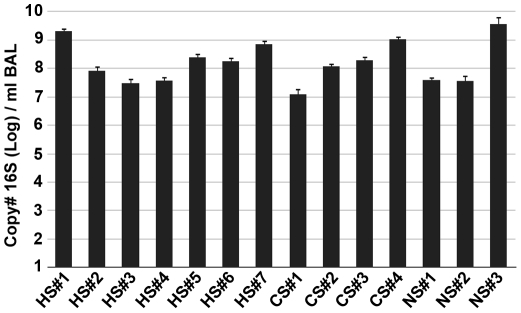
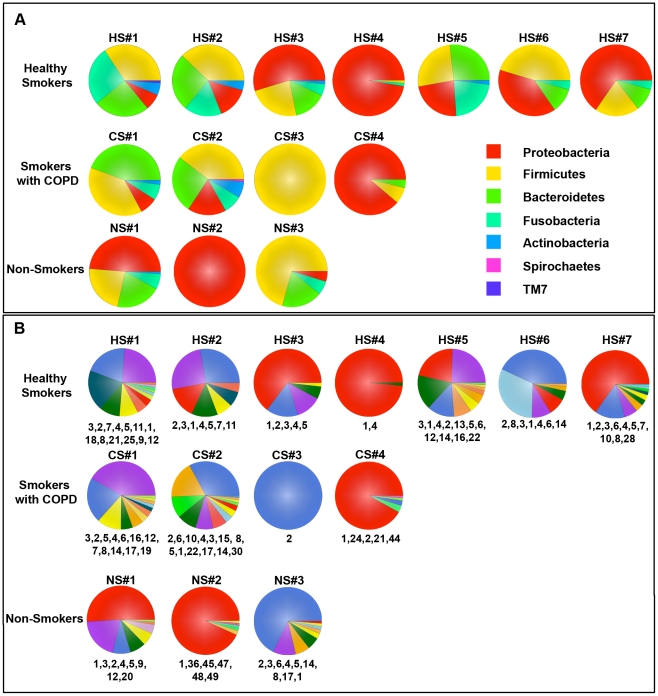
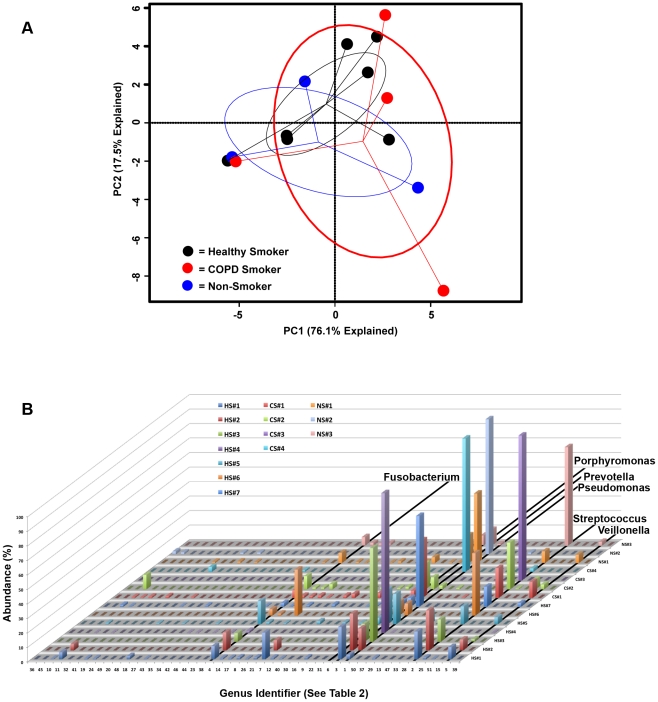
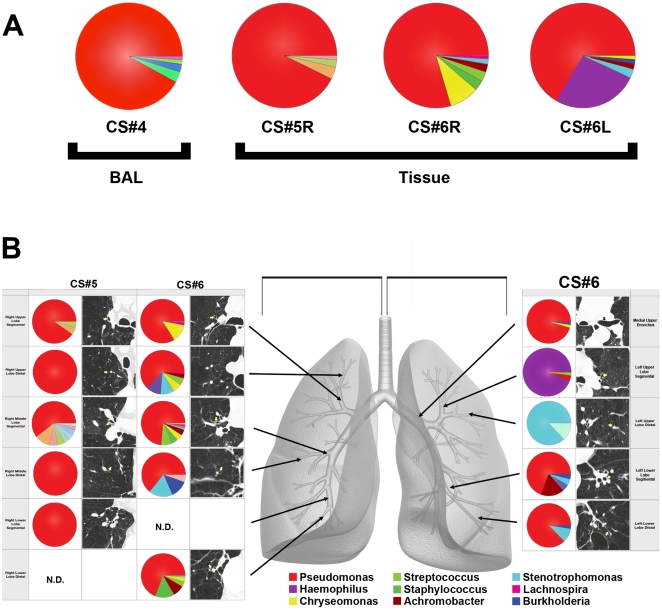
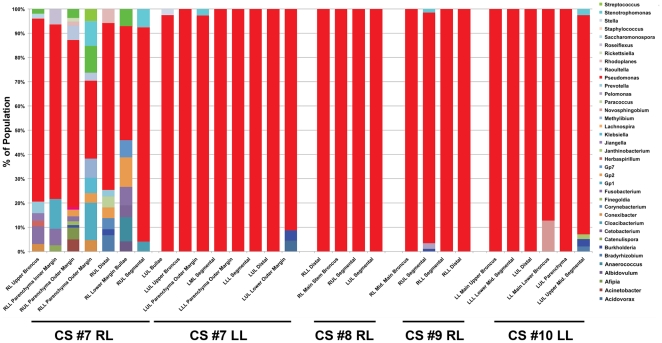
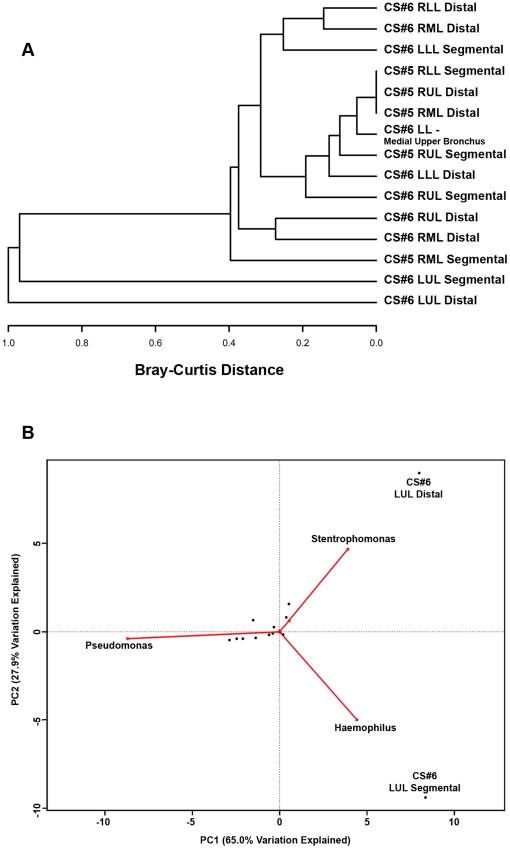
Although culture-independent techniques have shown that the lungs are not sterile, little is known about the lung microbiome in chronic obstructive pulmonary disease (COPD). We used pyrosequencing of 16S amplicons to analyze the lung microbiome in two ways: first, using bronchoalveolar lavage (BAL) to sample the distal bronchi and air-spaces; and second, by examining multiple discrete tissue sites in the lungs of six subjects removed at the time of transplantation. We performed BAL on three never-smokers (NS) with normal spirometry, seven smokers with normal spirometry ("healthy smokers", HS), and four subjects with COPD (CS). Bacterial 16 s sequences were found in all subjects, without significant quantitative differences between groups. Both taxonomy-based and taxonomy-independent approaches disclosed heterogeneity in the bacterial communities between HS subjects that was similar to that seen in healthy NS and two mild COPD patients. The moderate and severe COPD patients had very limited community diversity, which was also noted in 28% of the healthy subjects. Both approaches revealed extensive membership overlap between the bacterial communities of the three study groups. No genera were common within a group but unique across groups. Our data suggests the existence of a core pulmonary bacterial microbiome that includes Pseudomonas, Streptococcus, Prevotella, Fusobacterium, Haemophilus, Veillonella, and Porphyromonas. Most strikingly, there were significant micro-anatomic differences in bacterial communities within the same lung of subjects with advanced COPD. These studies are further demonstration of the pulmonary microbiome and highlight global and micro-anatomic changes in these bacterial communities in severe COPD patients.
Overview
The claims and statistics of this paper haven’t been checked yet.
Run the check — free, no account needed. It reads the open-access text and checks the sources it cites.
Integrity signals
Registry
Cites
Statistics
Figures
Verification
Claims the paper makes
The claims and statistics of this paper haven’t been checked yet.
Run the check — free, no account needed. It reads the open-access text and checks the sources it cites.
Claims other papers make about this one
Each is checked against this paper’s own text: does it say what the citing paper says it does?
In the citing paper
“Under certain conditions, Streptococcus gordonii can attack host fibronectin, and subsequent cytokine production can induce inflammatory responses (Erb-Downward et al., 2011; Liu et al., 2018).”
From Oral Microbiome and SARS-CoV-2: Beware of Lung Co-infection (2020) · cites this paper as Erb-Downward et al., 2011
Self-check
Percentages, sums and reported differences re-computed from the paper’s own numbers.
The self-check needs the paper’s full text.
Citations
Cites
vegan: Community Ecology Package
Oksanen, J., Simpson, G. L., Blanchet, F. G., Kindt, R., Legendre, P., Minchin, P. R., O’Hara, R. B., Sólymos, P., Stevens, M. H. H., Szöcs, E., et al. (2001) · doi:10.32614/cran.package.vegan · Cited by 27,099
Naive Bayesian Classifier for Rapid Assignment of rRNA Sequences into the New Bacterial Taxonomy
Wang, Q., Garrity, G. M., Tiedje, J. M., & Cole, J. R. (2007) · Applied and Environmental Microbiology · doi:10.1128/aem.00062-07 · Cited by 20,145
Schloss, P. D., Westcott, S. L., Ryabin, T., Hall, J. R., Hartmann, M., Hollister, E. B., Lesniewski, R. A., Oakley, B. B., Parks, D. H., Robinson, C. J., et al. (2009) · Applied and Environmental Microbiology · doi:10.1128/aem.01541-09 · Cited by 19,549
Vestbo, J., Hurd, S. S., Agustí, A. G., Jones, P. W., Vogelmeier, C., Anzueto, A., Barnes, P. J., Fabbri, L. M., Martinez, F. J., Nishimura, M., et al. (2013) · American Journal of Respiratory and Critical Care Medicine · doi:10.1164/rccm.201204-0596pp · Cited by 15,983
An Ordination of the Upland Forest Communities of Southern Wisconsin
Bray, J. R., & Curtis, J. T. (1957) · Ecological Monographs · doi:10.2307/1942268 · Cited by 11,736
Obesity alters gut microbial ecology
Ley, R. E., Bäckhed, F., Turnbaugh, P., Lozupone, C. A., Knight, R. D., & Gordon, J. I. (2005) · Proceedings of the National Academy of Sciences · doi:10.1073/pnas.0504978102 · Cited by 6,176
Rabe, K. F., Hurd, S., Anzueto, A., Barnes, P. J., Buist, S. A., Calverley, P., Fukuchi, Y., Jenkins, C., Rodriguez-Roisin, R., van Weel, C., et al. (2007) · American Journal of Respiratory and Critical Care Medicine · doi:10.1164/rccm.200703-456so · Cited by 4,925
Frank, D. N., St. Amand, A. L., Feldman, R. A., Boedeker, E. C., Harpaz, N., & Pace, N. R. (2007) · Proceedings of the National Academy of Sciences · doi:10.1073/pnas.0706625104 · Cited by 4,611
Spirometric Reference Values from a Sample of the General U.S. Population
Hankinson, J., Odencrantz, J. R., & Fedan, K. B. (1999) · American Journal of Respiratory and Critical Care Medicine · doi:10.1164/ajrccm.159.1.9712108 · Cited by 4,220
Topographical and Temporal Diversity of the Human Skin Microbiome
Grice, E. A., Kong, H. H., Conlan, S., Deming, C. B., Davis, J., Young, A. C., Program, N. C. S., Bouffard, G. G., Blakesley, R. W., Murray, P. R., et al. (2009) · Science · doi:10.1126/science.1171700 · Cited by 2,953
Research works printed but not linked: 1
- C Fletcher, 1978, Community Health., J Epidemiol, 32, 282
Cited by
Sorted by citations
Gut Microbiota Metabolism of Dietary Fiber Influences Allergic Airway Disease and Hematopoiesis
Trompette, A., Gollwitzer, E. S., Yadava, K., Sichelstiel, A. K., Sprenger, N., Ngom-Bru, C., Blanchard, C., Junt, T., Nicod, L. P., Harris, N. L., et al. (2014) · Nature Medicine · doi:10.1038/nm.3444 · Cited by 2,862
Topographical Continuity of Bacterial Populations in the Healthy Human Respiratory Tract
Charlson, E. S., Bittinger, K., Haas, A. R., Fitzgerald, A. S., Frank, I., Yadav, A., Bushman, F. D., & Collman, R. G. (2011) · American Journal of Respiratory and Critical Care Medicine · doi:10.1164/rccm.201104-0655oc · Cited by 1,144
“Molecularbased studies of the LRT using bronchoscopic collection of BAL or mucosal brushes have reported that airways of healthy individuals contain a characteristic distribution of organisms, often at very high levels (10, 11).”
BackgroundRespiratory risks from household air pollution in low and middle income countries
Gordon, S. B., Bruce, N. G., Grigg, J., Hibberd, P. L., Kurmi, O. P., Lam, K.-B. H., Mortimer, K., Asante, K. P., Balakrishnan, K., Balmes, J., et al. (2014) · The Lancet Respiratory Medicine · doi:10.1016/s2213-2600(14)70168-7 · Cited by 953
The Microbiome and the Respiratory Tract
Dickson, R. P., Erb-Downward, J. R., Martinez, F. J., & Huffnagle, G. B. (2016) · Annual Review of Physiology · doi:10.1146/annurev-physiol-021115-105238 · Cited by 953
“Whereas in asthma even patients with mild disease have detectably altered airway microbiota (4, 78), the airway microbiota of patients with mild and moderate COPD is indistinguishable from those of healthy volunteers (32, 51, 75, 87, 88).”
BackgroundInfluentialSelf-citationBassis, C. M., Erb-Downward, J. R., Dickson, R. P., Freeman, C. M., Schmidt, T. M., Young, V. B., Beck, J. M., Curtis, J. L., & Huffnagle, G. B. (2015) · mBio · doi:10.1128/mbio.00037-15 · Cited by 839
Self-citationComparison of the Respiratory Microbiome in Healthy Nonsmokers and Smokers
Morris, A., Beck, J. M., Schloss, P. D., Campbell, T. B., Crothers, K., Curtis, J. L., Flores, S. C., Fontenot, A. P., Ghedin, E., Huang, L., et al. (2013) · American Journal of Respiratory and Critical Care Medicine · doi:10.1164/rccm.201210-1913oc · Cited by 822
Self-citationChronic obstructive pulmonary disease
Barnes, P. J., Burney, P., Silverman, E. K., Celli, B. R., Vestbo, J., Wedzicha, J. A., & Wouters, E. F. �. (2015) · Nature Reviews Disease Primers · doi:10.1038/nrdp.2015.76 · Cited by 761
Segal, L. N., Clemente, J. C., Tsay, J.-C. J., Koralov, S. B., Keller, B. C., Wu, B. G., Li, Y., Shen, N., Ghedin, E., Morris, A., et al. (2016) · Nature Microbiology · doi:10.1038/nmicrobiol.2016.31 · Cited by 685
Pöschl, U., & Shiraiwa, M. (2015) · Chemical Reviews · doi:10.1021/cr500487s · Cited by 691
The Gut–Lung Axis in Respiratory Disease
Marsland, B. J., Trompette, A., & Gollwitzer, E. S. (2015) · Annals of the American Thoracic Society · doi:10.1513/annalsats.201503-133aw · Cited by 658
Lung microbiota promotes tolerance to allergens in neonates via PD-L1
Gollwitzer, E. S., Saglani, S., Trompette, A., Yadava, K., Sherburn, R., McCoy, K. D., Nicod, L. P., Lloyd, C. M., & Marsland, B. J. (2014) · Nature Medicine · doi:10.1038/nm.3568 · Cited by 596
The influence of the microbiome on respiratory health
Wypych, T. P., Wickramasinghe, L. C., & Marsland, B. J. (2019) · Nature Immunology · doi:10.1038/s41590-019-0451-9 · Cited by 611
The role of bacteria in the pathogenesis and progression of idiopathic pulmonary fibrosis
Molyneaux, P. L., Cox, M. J., Willis-Owen, S. A. G., Mallia, P., Russell, K. E., Russell, A.-M., Murphy, E., Johnston, S. L., Schwartz, D. A., Wells, A. U., et al. (2014) · American Journal of Respiratory and Critical Care Medicine · doi:10.1164/rccm.201403-0541oc · Cited by 567
Dickson, R. P., Erb-Downward, J. R., Freeman, C. M., McCloskey, L., Beck, J. M., Huffnagle, G. B., & Curtis, J. L. (2015) · Annals of the American Thoracic Society · doi:10.1513/annalsats.201501-029oc · Cited by 567
Self-citationThe Lung Tissue Microbiome in Chronic Obstructive Pulmonary Disease
Sze, M. A., Dimitriu, P. A., Hayashi, S., Elliott, W. M., McDonough, J. E., Gosselink, J. V., Cooper, J. D., Sin, D. D., Mohn, W. W., & Hogg, J. C. (2012) · American Journal of Respiratory and Critical Care Medicine · doi:10.1164/rccm.201111-2075oc · Cited by 569
“This observation does not support the previous suggestion that the diversity of organisms is reduced in disease compared with that in healthy smokers and nonsmokers by the emergence of a few dominant genera in cases of COPD (20) and in more severe COPD (21).”
BackgroundResultInfluentialBacterial topography of the healthy human lower respiratory tract
Dickson, R. P., Erb-Downward, J. R., Freeman, C. M., McCloskey, L., Falkowski, N. R., Huffnagle, G. B., & Curtis, J. L. (2017) · mBio · doi:10.1128/mbio.02287-16 · Cited by 548
“Because lung bacterial communities show pronounced anatomic heterogeneity in advanced chronic obstructive pulmonary disease (31) and likely will in other chronic pulmonary diseases, this consideration will take on special significance in the attempt to define how interactions between hosts and…”
Self-citationThe dynamic lung microbiome in health and disease
Natalini, J. G., Singh, S., & Segal, L. N. (2022) · Nature Reviews Microbiology · doi:10.1038/s41579-022-00821-x · Cited by 546
Segal, L. N., Alekseyenko, A. V., Clemente, J. C., Kulkarni, R., Wu, B., Chen, H., Berger, K. I., Goldring, R. M., Rom, W. N., Blaser, M. J., et al. (2013) · Microbiome · doi:10.1186/2049-2618-1-19 · Cited by 482
Interaction between the microbiome and TP53 in human lung cancer
Greathouse, K. L., White, J. R., Vargas, A. J., Bliskovsky, V. V., Beck, J. A., von Muhlinen, N., Polley, E. C., Bowman, E. D., Khan, M. A., Robles, A. I., et al. (2018) · Genome Biology · doi:10.1186/s13059-018-1501-6 · Cited by 446
Lung microbiome: new insights into the pathogenesis of respiratory diseases
Li, R., Li, J., & Zhou, X. (2024) · Signal Transduction and Targeted Therapy · doi:10.1038/s41392-023-01722-y · Cited by 483
“3,52 This may be because the oropharynx and lungs are connected by the URT.”
BackgroundThe lung microbiome in moderate and severe chronic obstructive pulmonary disease
Pragman, A. A., Kim, H. B., Reilly, C. S., Wendt, C., & Isaacson, R. E. (2012) · PLoS ONE · doi:10.1371/journal.pone.0047305 · Cited by 437
“They noted striking differences in the microbiomes at adjacent lung sites, driven by the dominance of Pseudomonas, Haemophilus, and Stenotrophomonas in each sample [15].”
BackgroundResultThe role of the bacterial microbiome in lung disease
Dickson, R. P., Erb‐Downward, J. R., & Huffnagle, G. B. (2013) · Expert Review of Respiratory Medicine · doi:10.1586/ers.13.24 · Cited by 425
Han, M. K., Zhou, Y., Murray, S., Tayob, N., Noth, I., Lama, V. N., Moore, B. B., White, E. S., Flaherty, K. R., Hu, B., et al. (2014) · The Lancet Respiratory Medicine · doi:10.1016/s2213-2600(14)70069-4 · Cited by 419
Yu, G., Gail, M. H., Consonni, D., Carugno, M., Humphrys, M. S., Pesatori, A. C., Caporaso, N. E., Goedert, J. J., Ravel, J., & Landi, M. T. (2016) · Genome biology · doi:10.1186/s13059-016-1021-1 · Cited by 413
Ritchie, A. I., & Wedzicha, J. A. (2020) · Clinics in Chest Medicine · doi:10.1016/j.ccm.2020.06.007 · Cited by 403
Design of the Subpopulations and Intermediate Outcomes in COPD Study (SPIROMICS): Table 1
Couper, D. J., LaVange, L. M., Han, M. K., Barr, R. G., Bleecker, E. R., Hoffman, E. A., Kanner, R. E., Kleerup, E. C., Martínez, F. J., Woodruff, P. G., et al. (2013) · Thorax · doi:10.1136/thoraxjnl-2013-203897 · Cited by 415
Aghapour, M., Raee, P., Moghaddam, S. J., Hiemstra, P. S., & Heijink, I. H. (2017) · American Journal of Respiratory Cell and Molecular Biology · doi:10.1165/rcmb.2017-0200tr · Cited by 399
“In COPD, an overrepresentation of the Proteobacteria phylum (131, 132) and the Firmicutes phylum (133–135) has been observed.”
Molyneaux, P. L., Mallia, P., Cox, M. J., Footitt, J., Willis-Owen, S. A. G., Homola, D., Trujillo-Torralbo, M.-B., Elkin, S., Kon, O. M., Cookson, W. O. C., et al. (2013) · American Journal of Respiratory and Critical Care Medicine · doi:10.1164/rccm.201302-0341oc · Cited by 390
“Although the upper respiratory tract microbiome differs between smokers and nonsmokers, no differences have been detected in the lower respiratory microbial communities when looking at bronchoalveolar lavage (BAL) and lung tissue samples (11, 12).”
BackgroundResultInfluentialPulmonary-intestinal cross-talk in mucosal inflammatory disease
Keely, S., Talley, N. J., & Hansbro, P. M. (2011) · Mucosal Immunology · doi:10.1038/mi.2011.55 · Cited by 395
The Lung Microbiome, Immunity, and the Pathogenesis of Chronic Lung Disease
O’Dwyer, D. N., Dickson, R. P., & Moore, B. B. (2016) · The Journal of Immunology · doi:10.4049/jimmunol.1600279 · Cited by 362
“Although individuals exhibit some spatial variation in the microbiota of their respiratory tract, intrasubject variation is significantly less than that of intersubject variation (39).”
BackgroundDickson, R. P., Erb-Downward, J. R., & Huffnagle, G. B. (2014) · The Lancet Respiratory Medicine · doi:10.1016/s2213-2600(14)70028-1 · Cited by 371
The Effects of Airway Microbiome on Corticosteroid Responsiveness in Asthma
Goleva, E., Jackson, L. P., Harris, J. K., Robertson, C. E., Sutherland, E. R., Hall, C. F., Good, J. T., Gelfand, E. W., Martin, R. J., & Leung, D. Y. M. (2013) · American Journal of Respiratory and Critical Care Medicine · doi:10.1164/rccm.201304-0775oc · Cited by 363
Beck, J. M., Young, V. B., & Huffnagle, G. B. (2012) · Translational research · doi:10.1016/j.trsl.2012.02.005 · Cited by 377
“N IH -PA Author M anuscript N IH -PA Author M anuscript considered to be infectious in origin, including cystic fibrosis (7), respiratory disease of the newborn (8), exacerbations of chronic obstructive pulmonary disease (COPD) and asthma (6, 9), and lung transplantation (10).”
BackgroundInfluentialFodor, A. A., Klem, E., Gilpin, D. F., Elborn, J. S., Boucher, R. C., Tunney, M. M., & Wolfgang, M. C. (2012) · PLoS ONE · doi:10.1371/journal.pone.0045001 · Cited by 362
“Similar findings have recently been reported for patients with COPD [41].”
BackgroundHost–microorganism interactions in lung diseases
Marsland, B. J., & Gollwitzer, E. S. (2014) · Nature reviews. Immunology · doi:10.1038/nri3769 · Cited by 374
Charlson, E. S., Diamond, J. M., Bittinger, K., Fitzgerald, A. S., Yadav, A., Haas, A. R., Bushman, F. D., & Collman, R. G. (2012) · American Journal of Respiratory and Critical Care Medicine · doi:10.1164/rccm.201204-0693oc · Cited by 348
Delhaes, L., Monchy, S., Fréalle, E., Hubans, C., Salleron, J., Leroy, S., Prevotat, A., Wallet, F., Wallaert, B., Dei-Cas, E., et al. (2012) · PLoS ONE · doi:10.1371/journal.pone.0036313 · Cited by 347
“. Regarding the temporal changes in the microbiota in each patient, we observed similar patterns, namely a disappearance of or major decrease in some bacterial genera recently described as members of the “core” pulmonary microbiome”
ResultAirway microbiome dynamics in exacerbations of chronic obstructive pulmonary disease
Huang, Y. J., Sethi, S., Murphy, T., Nariya, S., Boushey, H. A., & Lynch, S. V. (2014) · Journal of Clinical Microbiology · doi:10.1128/jcm.00035-14 · Cited by 323
Tunney, M. M., Einarsson, G. G., Wei, L., Drain, M., Klem, E. R., Cardwell, C., Ennis, M., Boucher, R. C., Wolfgang, M. C., & Elborn, J. S. (2013) · American Journal of Respiratory and Critical Care Medicine · doi:10.1164/rccm.201210-1937oc · Cited by 316
“For example, genomic differences have been shown to be associated with the ability of H. influenzae strains to cause exacerbations of COPD (51).”
BackgroundResultInfluentialSmoking and microbiome in oral, airway, gut and some systemic diseases
Huang, C., & Shi, G. (2019) · Journal of Translational Medicine · doi:10.1186/s12967-019-1971-7 · Cited by 288
“showed the diversity of bacterial communities in bronchoalveolar lavage fluid (BALF) from healthy smokers was similar to that from healthy never-smokers, and COPD patients, however, further results from obtained lung tissues of COPD patients unraveled the heterogeneity and diversity in the bacterial microbiota across…”
BackgroundResultUnexpected guests in the tumor microenvironment: microbiome in cancer
Wong-Rolle, A., Wei, H. K., Zhao, C. N., & Jin, C. (2020) · Protein & Cell · doi:10.1007/s13238-020-00813-8 · Cited by 327
Integrative Physiology of Pneumonia
Quinton, L. J., Walkey, A. J., & Mizgerd, J. P. (2018) · Physiological Reviews · doi:10.1152/physrev.00032.2017 · Cited by 330
Microbiome effects on immunity, health and disease in the lung
Shukla, S. D., Budden, K. F., Neal, R., & Hansbro, P. M. (2017) · Clinical & Translational Immunology · doi:10.1038/cti.2017.6 · Cited by 287
Mayhew, D. N., Devos, N., Lambert, C., Brown, J. R., Clarke, S. C., Kim, V. L., Magid-Slav, M., Miller, B. E., Ostridge, K., Patel, R. K., et al. (2018) · Thorax · doi:10.1136/thoraxjnl-2017-210408 · Cited by 296
Lowrey, L., Woodhams, D. C., Tacchi, L., & Salinas, I. (2015) · Applied and Environmental Microbiology · doi:10.1128/aem.01826-15 · Cited by 282
Huang, Y. J., & Boushey, H. A. (2015) · Journal of Allergy and Clinical Immunology · doi:10.1016/j.jaci.2014.11.011 · Cited by 280
Mallia, P., Footitt, J., Sotero, R., Jepson, A., Contoli, M., Trujillo‐Torralbo, M., Kebadze, T., Aniscenko, J., Oleszkiewicz, G., Gray, K., et al. (2012) · American Journal of Respiratory and Critical Care Medicine · doi:10.1164/rccm.201205-0806oc · Cited by 274
“Because there is known to be a lower respiratory microbiome in health and disease (16, 17) and because antimicrobial peptides are known to be important in antibacterial host defense (18), we also hypothesized that secondary bacterial infections may be caused by perturbations in this host defense mechanism as a consequ…”
BackgroundDesired Turbulence? Gut-Lung Axis, Immunity, and Lung Cancer
Bingula, R., Filaire, M., Radosevic‐Robin, N., Bey, M., Berthon, J., Bernalier‐Donadille, A., Vasson, M., & Filaire, E. (2017) · Journal of Oncology · doi:10.1155/2017/5035371 · Cited by 279
“, Pseudomonas aeruginosa, Haemophilus influenza, and Moraxella catarrhalis) [17, 20], and sometimes to Firmicutes (e.”
BackgroundKing, P. T. (2015) · Clinical and Translational Medicine · doi:10.1186/s40169-015-0068-z · Cited by 275
“New work has highlighted the importance of the microbiome in lung disease [15–17].”
BackgroundThe lung mycobiome: an emerging field of the human respiratory microbiome
Nguyen, L. D. N., Viscogliosi, E., & Delhaes, L. (2015) · Frontiers in Microbiology · doi:10.3389/fmicb.2015.00089 · Cited by 260
“Despite the fact that knowledge of the mycobiome lags behind our understanding of the bacterial microbiome, specific mycobiota have been identified in pulmonary diseases as well as in oral, digestive, and skin diseases (Ghannoum et al., 2010; Lu et al., 2011; Charlson et al., 2012b; Delhaes et al., 2012; Knutsen et al…”
BackgroundInfluentialHost Response to the Lung Microbiome in Chronic Obstructive Pulmonary Disease
Sze, M. A., Dimitriu, P. A., Suzuki, M., McDonough, J. E., Campbell, J. D., Brothers, J. F., Erb‐Downward, J. R., Huffnagle, G. B., Hayashi, S., Elliott, W. M., et al. (2015) · American Journal of Respiratory and Critical Care Medicine · doi:10.1164/rccm.201502-0223oc · Cited by 260
“This criticism was refuted by Erb-Downward and colleagues (14) and Sze and colleagues (15) in studies that demonstrated a human lung microbiome in samples obtained either by brushing the airways of explanted lungs where the upper airways were absent (14) or by rapidly freezing the explanted lung solid to allow periphe…”
BackgroundInterplay between the lung microbiome and lung cancer
Mao, Q., Jiang, F., Yin, R. H., Wang, J., Xia, W., Dong, G., Ma, W., Yang, Y., Xu, L., & Hu, J. (2017) · Cancer Letters · doi:10.1016/j.canlet.2017.11.036 · Cited by 253
The microbiome in respiratory medicine: current challenges and future perspectives
Faner, R., Sibila, O., Agustí, A., Bernasconi, E., Chalmers, J. D., Huffnagle, G. B., Manichanh, C., Molyneaux, P. L., Paredes, R., Pérez Brocal, V., et al. (2017) · European Respiratory Journal · doi:10.1183/13993003.02086-2016 · Cited by 247
Self-citationLiu, H., Tao, L., Zhang, J., Zhu, Y., Zheng, Y., Liu, D., Zhou, M., Ke, H., Shi, M., & Qu, J. (2018) · International Journal of Cancer · doi:10.1002/ijc.31098 · Cited by 235
The Influence of Lung Microbiota on Lung Carcinogenesis, Immunity, and Immunotherapy
Ramírez-Labrada, A., Isla, D., Artal, A., Arias, M. A., Rezusta, A., Pardo, J., & Gálvez, E. M. (2020) · Trends in cancer · doi:10.1016/j.trecan.2019.12.007 · Cited by 236
“25 log copies/ml) [13,14], nowadays bacterial DNA is commonly found in the lower respiratory tract, where it has been detected in healthy individuals thanks to next-generation sequencing”
BackgroundAirway microbiota across age and disease spectrum in cystic fibrosis
Zemanick, E. T., Wagner, B. D., Robertson, C. E., Ahrens, R. C., Chmiel, J. F., Clancy, J. P., Gibson, R. L., Harris, W. T., Kurland, G., Laguna, T. A., et al. (2017) · European Respiratory Journal · doi:10.1183/13993003.00832-2017 · Cited by 241
Severity-Related Changes of Bronchial Microbiome in Chronic Obstructive Pulmonary Disease
García-Núñez, M., Millares, L., Pomares, X., Ferrari, R. G., Pérez‐Brocal, V., Gallego, M., Espasa, M., Moyá, A., & Monsó, E. (2014) · Journal of Clinical Microbiology · doi:10.1128/jcm.01967-14 · Cited by 230
“Sputum, a sample with easier recovery and a standardized processing procedure (16, 17), was selected for our study because of the greater representation of the whole bronchial tree, considering studies that have found significant differences in the microbiome pattern in the bronchial surface of different bronchi from…”
MethodBrusca, S. B., Abramson, S. B., & Scher, J. U. (2013) · Current Opinion in Rheumatology · doi:10.1097/bor.0000000000000008 · Cited by 231
Fungal-Bacterial Interactions in Health and Disease
Krüger, W., Vielreicher, S., Kapitan, M., Jacobsen, I. D., & Niemiec, M. J. (2019) · Pathogens · doi:10.3390/pathogens8020070 · Cited by 234
“Today, improved culturing techniques and culture-independent methods convey a different message, which is that a complex microbial community colonizes the lung [49,50].”
The Relationship between Lung Inflammation and Cardiovascular Disease
van Eeden, S. F., Leipsic, J. A., Man, S. F. P., & Sin, D. D. (2012) · American Journal of Respiratory and Critical Care Medicine · doi:10.1164/rccm.201203-0455pp · Cited by 241
Significance of the microbiome in obstructive lung disease
Han, M. K., Huang, Y. J., LiPuma, J. J., Boushey, H. A., Boucher, R. C., Cookson, W., Curtis, J. L., Erb‐Downward, J. R., Lynch, S. V., Sethi, S., et al. (2012) · Thorax · doi:10.1136/thoraxjnl-2011-201183 · Cited by 235
“The commonly used 454-pyrosequencing platform offers advantages due to sequence read lengths of over 400 bp (sufficient to cover at least two adjacent 16S rRNA hypervariable regions) and output of more than 10(6) high-quality sequence reads, permitting a more robust sampling of microbial communities.(2) 21e25 This pla…”
Inflammation and Immune Response in COPD: Where Do We Stand?
Rovina, N., Koutsoukou, A., & Koulouris, N. G. (2013) · Mediators of Inflammation · doi:10.1155/2013/413735 · Cited by 240
“Using microarray analysis, airway specimens have been analyzed from COPD patients who were being managed for severe respiratory exacerbations [104].”
BackgroundGarcha, D. S., Thurston, S., Patel, A. R. C., Mackay, A. J., Goldring, J. J. P., Donaldson, G. C., McHugh, T. D., & Wedzicha, J. A. (2012) · Thorax · doi:10.1136/thoraxjnl-2012-201924 · Cited by 219
The human microbiome in disease and pathology
Manos, J. (2022) · Apmis · doi:10.1111/apm.13225 · Cited by 252
“It should be noted though that the small number of test subjects here limits the strength of conclusions [102].”
BackgroundWidespread Colonization of the Lung by Tropheryma whipplei in HIV Infection
Lozupone, C., Cota‐Gomez, A., Palmer, B. E., Linderman, D. J., Charlson, E. S., Sodergren, E. J., Mitreva, M., Abubucker, S., Martin, J. C., Yao, G., et al. (2013) · American Journal of Respiratory and Critical Care Medicine · doi:10.1164/rccm.201211-2145oc · Cited by 215
“For instance, one study suggested the existence of a core pulmonary bacterial microbiome based on 16S rRNA gene sequencing of bronchoalveolar lavage (BAL) fluid (5).”
BackgroundThe potential role of lung microbiota in lung cancer attributed to household coal burning exposures
Hosgood, H. D., Sapkota, A. R., Rothman, N., Rohan, T. E., Hu, W., Xu, J., Vermeulen, R. C. H., He, X., White, J. R., Wu, G., et al. (2014) · Environmental and Molecular Mutagenesis · doi:10.1002/em.21878 · Cited by 214
“Bacte- rial communities have been detected in both lung tissues and bronchoalveolar lavage samples of smokers and non- smokers [Erb-Downward et al., 2011; Beck et al., 2012; Dickson et al., 2013a,b].”
BackgroundChronic Zinc Deficiency Alters Chick Gut Microbiota Composition and Function
Reed, S., Neuman, H., Moscovich, S., Glahn, R. P., Koren, O., & Tako, E. (2015) · Nutrients · doi:10.3390/nu7125497 · Cited by 222
“Interestingly, the same features of lower α-diversity and richness together with higher β-diversity compared to the control as seen in Zn deficiency are also found in GI microbiota observed during a deficiency of the trace mineral selenium [36], as well as in various pathological states such as Crohn’s disease [37], i…”
BackgroundMicrobiome Diversity in the Bronchial Tracts of Patients with Chronic Obstructive Pulmonary Disease
Cabrera‐Rubio, R., García-Núñez, M., Setó, L., Antó, J. M., Moyá, A., Monsó, E., & Mira, Á. (2012) · Journal of Clinical Microbiology · doi:10.1128/jcm.00767-12 · Cited by 215
“In the studied samples, common bacterial genera amplified have been Streptococcus, Prevotella Fusobacterium, and Neisseria, also described in the normal population (7), and Moraxella, Haemophilus, and Acinetobacter, bacteria that have appeared as overrepresented in patients with COPD (14, 17).”
BackgroundMethodResultInfluentialEinarsson, G. G., Comer, D., McIlreavey, L., Parkhill, J., Ennis, M., Tunney, M. M., & Elborn, J. S. (2016) · Thorax · doi:10.1136/thoraxjnl-2015-207235 · Cited by 217
Role of lung and gut microbiota on lung cancer pathogenesis
Zhao, Y., Liu, Y., Li, S., Peng, Z., Liu, X., Chen, J., & Zheng, X. (2021) · Journal of Cancer Research and Clinical Oncology · doi:10.1007/s00432-021-03644-0 · Cited by 217
The lung microbiota in early rheumatoid arthritis and autoimmunity
Scher, J. U., Joshua, V., Artacho, A., Abdollahi‐Roodsaz, S., Öckinger, J., Kullberg, S., Sköld, M. C., Eklúnd, A., Grünewald, J., Clemente, J. C., et al. (2016) · Microbiome · doi:10.1186/s40168-016-0206-x · Cited by 214
Oral Microbiome and SARS-CoV-2: Beware of Lung Co-infection
Bao, L., Zhang, C., Dong, J., Zhao, L., Li, Y., & Sun, J. (2020) · Frontiers in Microbiology · doi:10.3389/fmicb.2020.01840 · Cited by 207
The Microbiome of the Middle Meatus in Healthy Adults
Ramakrishnan, V. R., Feazel, L. M., Gitomer, S. A., Ir, D., Robertson, C. E., & Frank, D. N. (2013) · PLoS ONE · doi:10.1371/journal.pone.0085507 · Cited by 209
“The “microbiome” concept that the bacterial community composition contributes to health and disease states has recently been suggested for the upper and lower airway [6-8].”
BackgroundRogers, G. B., Gast, C., Cuthbertson, L., Thomson, S. K., Bruce, K. D., Martin, M. L., & Serisier, D. J. (2013) · Thorax · doi:10.1136/thoraxjnl-2012-203105 · Cited by 206
Dickson, R. P., Erb‐Downward, J. R., Freeman, C. M., Walker, N., Scales, B. S., Beck, J. M., Martínez, F. J., Curtis, J. L., Lama, V. N., & Huffnagle, G. B. (2014) · PLoS ONE · doi:10.1371/journal.pone.0097214 · Cited by 204
“In recent years, novel culture-independent techniques of microbial identification have permitted analysis of entire bacterial communities within the airways of patients with various diseases [1–4].”
BackgroundLarsen, J. M., Musavian, H. S., Butt, T. M., Ingvorsen, C., Thysen, A. H., & Brix, S. (2015) · Immunology · doi:10.1111/imm.12376 · Cited by 200
Airway dysbiosis: Haemophilus influenzae and Tropheryma in poorly controlled asthma
Simpson, J. L., Daly, J. N., Baines, K. J., Yang, I. A., Upham, J. W., Reynolds, P. N., Hodge, S. J., James, A. L., Hugenholtz, P., Willner, D. L., et al. (2015) · European Respiratory Journal · doi:10.1183/13993003.00405-2015 · Cited by 210
Chronic obstructive pulmonary disease (COPD) and lung cancer: common pathways for pathogenesis
Parris, B. A., O’Farrell, H. E., Fong, K. M., & Yang, I. A. (2019) · Journal of Thoracic Disease · doi:10.21037/jtd.2019.10.54 · Cited by 196
“found that the Proteobacteria phylum was the predominant bacteria in lung tissue from very severe COPD patients (157).”
BackgroundThe lung microbiome: progress and promise
Whiteside, S. A., McGinniss, J. E., & Collman, R. G. (2021) · Journal of Clinical Investigation · doi:10.1172/jci150473 · Cited by 203
“Lower diversity of LRT specimens also correlated with decreased lung function and exacerbation frequency in stable COPD (5, 12, 99).”
BackgroundChanges in the respiratory microbiome during acute exacerbations of idiopathic pulmonary fibrosis
Molyneaux, P. L., Cox, M. J., Wells, A. U., Kim, H. C., Ji, W., Cookson, W., Moffatt, M. F., Kim, D. S., & Maher, T. M. (2017) · Respiratory Research · doi:10.1186/s12931-017-0511-3 · Cited by 197
“The bacterial communities of the stable Korean IPF subjects were found to contain Streptococcus, Prevotella, Veillonella, Haemophilus and Pseudomonas which are all commonly found in the airways of healthy individuals as well as subjects with asthma, COPD and IPF [8, 9, 12, 17, 18].”
BackgroundDefective Phagocytosis in Airways Disease
Donnelly, L., & Barnes, P. J. (2012) · CHEST Journal · doi:10.1378/chest.11-2348 · Cited by 196
Early-Life Formation of the Microbial and Immunological Environment of the Human Airways
Pattaroni, C., Watzenboeck, M. L., Schneidegger, S., Kieser, S., Wong, N. C., Bernasconi, E., Pernot, J., Mercier, L., Knapp, S., Nicod, L. P., et al. (2018) · Cell Host & Microbe · doi:10.1016/j.chom.2018.10.019 · Cited by 183
Sinus microbiota varies among chronic rhinosinusitis phenotypes and predicts surgical outcome
Ramakrishnan, V. R., Hauser, L. J., Feazel, L. M., Ir, D., Robertson, C. E., & Frank, D. N. (2015) · Journal of Allergy and Clinical Immunology · doi:10.1016/j.jaci.2015.02.008 · Cited by 189
Methods in Lung Microbiome Research
Carney, S. M., Clemente, J. C., Cox, M. J., Dickson, R. P., Huang, Y. J., Kitsios, G. D., Kloepfer, K. M., Leung, J. M., LeVan, T. D., Molyneaux, P. L., et al. (2019) · American Journal of Respiratory Cell and Molecular Biology · doi:10.1165/rcmb.2019-0273tr · Cited by 201
COPD and Cardiovascular Disease
André, S., Conde, B., Fragoso, E., Boléo-Tomé, J. P., Areias, V., Cardoso, J., & Crónica, O. B. O. T. G. D.-G. D. I. N. D. P. O. (2018) · Pulmonology · doi:10.1016/j.pulmoe.2018.09.006 · Cited by 205
Microbiota Promotes Chronic Pulmonary Inflammation by Enhancing IL-17A and Autoantibodies
Yadava, K., Pattaroni, C., Sichelstiel, A. K., Trompette, A., Gollwitzer, E. S., Salami, O., von Garnier, C., Nicod, L. P., & Marsland, B. J. (2016) · American Journal of Respiratory and Critical Care Medicine · doi:10.1164/rccm.201504-0779oc · Cited by 184
“Several studies have shown that the composition of the airway microbiota in healthy lungs differs from lungs of patients with COPD, although as yet whether disease creates a habitat for the bacteria, or whether the bacteria cause disease hasn’t been delineated (10, 13, 14).”
BackgroundResultInfluentialA comprehensive analysis of breast cancer microbiota and host gene expression
Thompson, K. J., Ingle, J. N., Tang, X., Chia, N., Jeraldo, P. R., Walther-Antonio, M. R., Kandimalla, K. K., Johnson, S., Yao, J. Z., Harrington, S. C., et al. (2017) · PLOS ONE · doi:10.1371/journal.pone.0188873 · Cited by 183
Dambuza, I. M., Drake, T., Chapuis, A., Zhou, X., Correia, J., Taylor-Smith, L., LeGrave, N., Rasmussen, T., Fisher, M. C., Bicanic, T., et al. (2018) · PLoS Pathogens · doi:10.1371/journal.ppat.1006978 · Cited by 182
Cameron, S. J. S., Lewis, K. E., Huws, S., Hegarty, M., Lewis, P. D., Pachebat, J. A., & Mur, L. A. J. (2017) · PLoS ONE · doi:10.1371/journal.pone.0177062 · Cited by 180
“A history of previous lung disease such as chronic obstructive pulmonary disease (COPD), chronic bronchitis, tuberculosis and pneumonia has been associated with an increased risk of developing lung cancer [6].”
BackgroundInfluentialInflammation and Airway Microbiota during Cystic Fibrosis Pulmonary Exacerbations
Zemanick, E. T., Harris, J. K., Wagner, B. D., Robertson, C. E., Sagel, S. D., Stevens, M. J., Accurso, F. J., & Laguna, T. A. (2013) · PLoS ONE · doi:10.1371/journal.pone.0062917 · Cited by 180
The Lung Microbiome during Health and Disease
Yagi, K., Huffnagle, G. B., Lukacs, N. W., & Asai, N. (2021) · International Journal of Molecular Sciences · doi:10.3390/ijms221910872 · Cited by 182
Links Between Inflammatory Bowel Disease and Chronic Obstructive Pulmonary Disease
Raftery, A. L., Tsantikos, E., Harris, N. L., & Hibbs, M. L. (2020) · Frontiers in Immunology · doi:10.3389/fimmu.2020.02144 · Cited by 179
Spatial distribution of microbial communities in the cystic fibrosis lung
Willner, D., Haynes, M. R., Furlan, M., Schmieder, R., Lim, Y. W., Rainey, P. B., Rohwer, F., & Conrad, D. (2012) · The ISME Journal · doi:10.1038/ismej.2011.104 · Cited by 177
“Erb-Downward et al. (2011) recently demonstrated spatial heterogeneity in microbial communities from the ex-planted lung tissue of COPD patients using culture-independent methods, but no similar study has been conducted in CF patients.”
BackgroundYun, Y., Srinivas, G., Kuenzel, S., Linnenbrink, M., Alnahas, S., Bruce, K. D., Steinhoff, U., Baines, J. F., & Schaible, U. E. (2014) · PLoS ONE · doi:10.1371/journal.pone.0113466 · Cited by 168
Hoen, A. G., Li, J., Moulton, L. A., O’Toole, G. A., Housman, M. L., Koestler, D. C., Guill, M. F., Moore, J. H., Hibberd, P. L., Morrison, H. G., et al. (2015) · The Journal of Pediatrics · doi:10.1016/j.jpeds.2015.02.049 · Cited by 167
“Haemophilus (49) with slight variation in another cohort (50).”
BackgroundLung microbiology and exacerbations in COPD
Johnston, S. L., Molyneaux, P. L., Singanayagam, A., Beasley, Joshi, & Mallia, P. (2012) · International Journal of COPD · doi:10.2147/copd.s28286 · Cited by 171
“It remains to be seen whether this will correlate with the emerging evidence that bacterial communities are disordered in human patients with COPD.(19,20) In summary, animal models have provided some useful insights into the mechanisms of host defense against bacterial infection in COPD.”
BackgroundResultInfluentialThe microbiome in wound repair and tissue fibrosis
Scales, B. S., & Huffnagle, G. B. (2012) · The Journal of Pathology · doi:10.1002/path.4118 · Cited by 166
Homeostasis and its disruption in the lung microbiome
Dickson, R. P., Erb‐Downward, J. R., & Huffnagle, G. B. (2015) · American Journal of Physiology-Lung Cellular and Molecular Physiology · doi:10.1152/ajplung.00279.2015 · Cited by 166
“, chronic obstructive pulmonary disease (18); CF (25, 56)] exhibit considerable spatial variation in microbiota, confirming both the presence of resident microbiota as well as significant spatial variation in the environmental growth conditions of diseased lungs.”
BackgroundCharlson, E. S., Bittinger, K. L., Chen, J., Diamond, J. M., Li, H., Collman, R. G., & Bushman, F. D. (2012) · PLoS ONE · doi:10.1371/journal.pone.0042786 · Cited by 167
“Despite these limitations, it remains highly attractive to bring the new deep sequencing methods to bear on understanding lung colonization and infection [6].”
BackgroundBacterial Adaptation during Chronic Respiratory Infections
Cullen, L., & McClean, S. (2015) · Pathogens · doi:10.3390/pathogens4010066 · Cited by 169
“Disruption of the pulmonary microbiome with high levels of biocidal therapies has also been suggested for patients with asthma and COPD [7,88].”
Background
Metadata
- Authors
- Erb-Downward, J. R., Thompson, D. L., Han, M. K., Freeman, C. M., McCloskey, L., Schmidt, L. A., Young, V. B., Toews, G. B., Curtis, J. L., Sundaram, B., Martinez, F. J., & Huffnagle, G. B.
- Affiliations
- University of Michigan (US)
- Corresponding author
- Huffnagle, Gary B.
- ORCID
- Venue
- PLoS ONE
- Publisher
- Public Library of Science (PLoS)
- Published
- 2011-02-22
- Volume
- 6
- Issue
- 2
- Pages
- e16384
- ISSN
- 1932-6203 (ISSN-L)
- PMC
- PMC3043049
- OpenAlex
- W2163401084
- Cited by
- 973
- References
- 42
- Citations by year
- 2026: 32 · 2025: 50 · 2024: 59 · 2023: 66 · 2022: 73 · 2021: 57 · 2020: 74 · 2019: 62 · 2018: 85 · 2017: 80 · 2016: 75 · 2015: 72 · 2014: 68 · 2013: 57 · 2012: 49
- FWCI
- 50.74
- Type
- journal article
- Language
- en
- Open access
- gold
- doi.org
- Licence
- Locations
- PLoS ONE (publishedVersion, public-domain)
- PubMed Central (publishedVersion, public-domain)
- PubMed (publishedVersion)
- DOAJ (DOAJ: Directory of Open Access Journals) (submittedVersion, cc-by-sa)
- Funders
- U.S. Department of Veterans Affairs (R01 HL082480)
- University of Michigan (UL1 RR024986)
- National Institutes of Health (n01hr46162-13-0-1)
- Michigan Institute for Clinical and Health Research (UL 1RR024986)
- University of Michigan Comprehensive Cancer Center (P30 CA46952, CA46952)
- National Heart, Lung, and Blood Institute (R01HL082480, N01HR046162, T32HL007749)
- National Cancer Institute (P30 CA 46952)
- National Institute of Diabetes and Digestive and Kidney Diseases (DK070875, RR024986, R01DK070875)
- National Center for Research Resources (UL1RR024986)
- Topics
- Health Sciences › Medicine › Pulmonary and Respiratory Medicine › Chronic Obstructive Pulmonary Disease (COPD) Research
- Health Sciences › Dentistry › Periodontics › Oral microbiology and periodontitis research
- Life Sciences › Biochemistry, Genetics and Molecular Biology › Molecular Biology › Gut microbiota and health
- Keywords
- lung microbiome, chronic obstructive pulmonary disease, healthy smokers, bronchoalveolar lavage, lung tissue sampling, bacterial community diversity, core microbiome, Pseudomonas, Streptococcus, Prevotella, Fusobacterium, Haemophilus, Veillonella, Porphyromonas, lung transplantation
- MeSH terms
- Adult, Aged, Bronchoalveolar Lavage Fluid, Bronchoscopy, DNA, Bacterial, Female, Health, Humans, Lung, Male, Middle Aged, RNA, Ribosomal, 16S, Smoking, Sequence Analysis, DNA, Pulmonary Disease, Chronic Obstructive, Metagenome
About these checks
Registry, retraction, Cites and statistics results are computed, not judged, with one exception: a printed reference that no index lists is read once by a model before it counts as a citation error. Claims are extracted by a model and kept only when their quote appears verbatim in the text; each cited source is then checked, with a model’s help, for whether it says what the claim relies on. Those verdicts can be wrong — read the claim’s quote and the cited source before relying on one.
Statistics and arithmetic are recomputed, not judged.
Confidence bands are shown only for fields calibrated on our annotated test set. None is calibrated yet, so no band is shown.
What counts as a claim ›How we measure confidence ›How we check this ›
Are you an author, or do you see a problem with this page? Request a review
