

Multicoil2: Predicting Coiled Coils and Their Oligomerization States from Sequence in the Twilight Zone
Open accessThe DOI matches its Crossref record; 42 of the 44 references it cites were found in a registry or an index; 1 of the 14 sources its claims cite were checked for support.
Abstract
The alpha-helical coiled coil can adopt a variety of topologies, among the most common of which are parallel and antiparallel dimers and trimers. We present Multicoil2, an algorithm that predicts both the location and oligomerization state (two versus three helices) of coiled coils in protein sequences.
Overview
CoChat Summary
TL;DR
Multicoil2 is a Markov Random Field-based method for predicting both coiled-coil regions and their dimer-versus-trimer oligomerization state from sequence. Using a new coiled-coil database, it improves over retrained Multicoil and Paircoil2, especially in leave-family-out tests meant to mimic low-similarity (“twilight zone”) cases.
Key findings
- The new NPS coiled-coil database contains 2,105 sequences and 124,088 residues, including 1,279 dimers and 333 trimers; the paper notes only dimer, trimer, and tetramer annotations were represented, and no other oligomerization states.
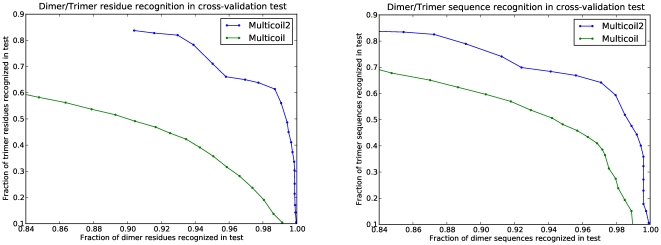
- In stringent leave-family-out cross-validation, retrained Multicoil at default settings recognized 64.3% of trimer sequences and 88.1% of dimer sequences, whereas Multicoil2 detected 82.5% of trimer sequences at a similar dimer recognition level of 87.2%.
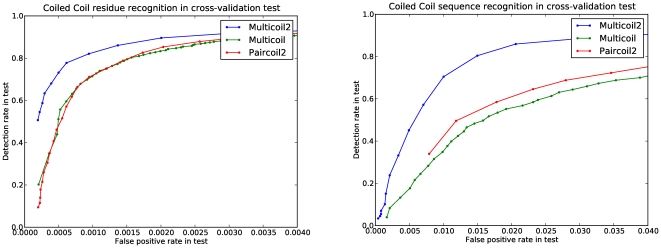
- For residue-by-residue coiled-coil detection, Multicoil2 achieved 0.30% false positives and 91.8% detection rate under the stringent leave-family-out protocol.
- The paper reports that Multicoil2 significantly outperforms retrained Multicoil and Paircoil2 for both coiled-coil detection and oligomerization-state prediction, with especially strong performance in the “twilight zone” of sequence identity.
Methods
- The authors constructed the NPS database from three sources: the Paircoil2 training set, coiled coils detected in the PDB using SOCKET, and new coiled-coil families from the literature; sequences were filtered for quality, heptad consistency, length, and ≤90% sequence identity.
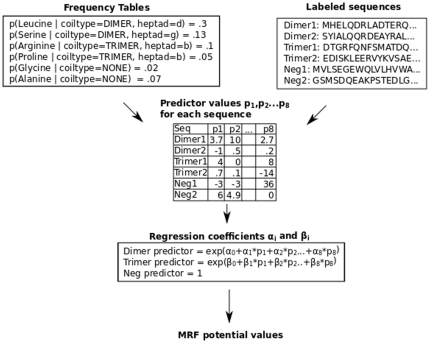
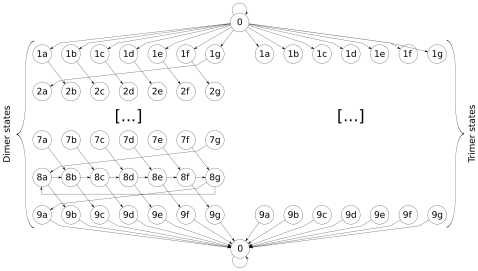
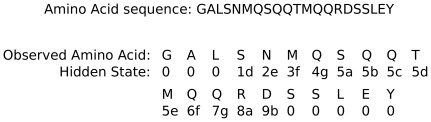
- Multicoil2 models coiled coils as a Markov Random Field over hidden heptad states and observed amino acids, with multinomial logistic regression used to optimize scoring based on 8 sequence features.
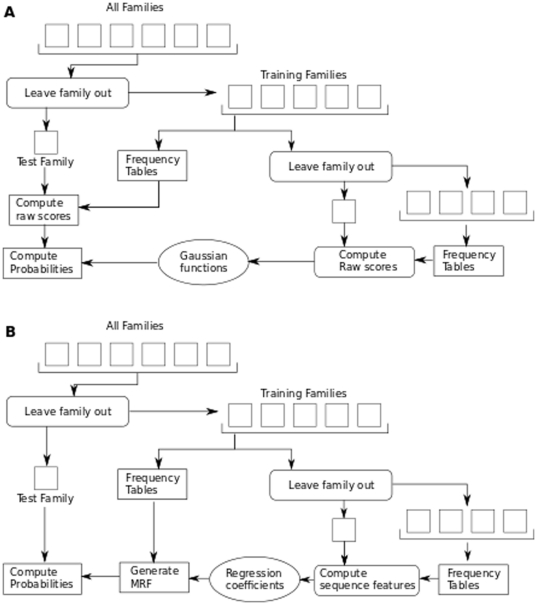
- Performance was evaluated with leave-family-out cross-validation, training on all but one family plus negative databases, and then testing on the held-out family; coiled-coil detection was assessed against a non-coiled-coil database (PDB-minus / PQS-minus), and oligomerization was evaluated by comparing dimer vs trimer scores.
Limitations
- The paper states that performance varies among coiled-coil families under stringent leave-family-out testing, and that it is difficult to determine why some families do better or worse.
- The authors note a bias toward predicting coiled coils in the model that required an arbitrary correction (subtracting 20 from dimer and trimer constants), which suggests some calibration fragility.
- Evident from the text: the database covers only dimers, trimers, and tetramers, and the method is framed around dimer-vs-trimer prediction, so other oligomerization states are not directly addressed.
Model-written summary. Check it against the paper before relying on it.
Integrity signals
Registry
Cites
Statistics
Figures
Verification
Claims the paper makes
1 Valid · 1 Not valid · 9 Not checked · 19 Own results and interpretations
Every source the paper cites for this claim was checked and supports it.
In the paper
“A new coiled-coil database of 1279 dimers and 333 trimers is derived from three sources: the Paircoil2 training set [9], coiled coils detected in the PDB using SOCKET, and new coiled-coil families described in the literature.”
§ Multicoil2: Predicting Coiled Coils and Their Oligomerization States from Sequence in the Twilight Zone > Results > The NPS coiled-coil database
What the sources say
- Supportedcites [9] McDonnell AV Jiang T Keating AE Berger B 2006 Paircoil2: improved prediction of coiled coils from sequence. Bioinformatics 22 356 358 16317077 source
The citation is attached specifically to “the Paircoil2 training set,” not to the new database’s dimer and trimer counts. In “Paircoil2 RETRAINING AND TESTING,” the source describes constructing the coiled-coil database used to train Paircoil2, so it supports that identification. (LLM, conf=0.93)
plain- Asserted: passes — The authors put it forward as true.
- Checkable: passes — It can be checked against evidence.
- Load-bearing: passes — The paper’s conclusions depend on it.
- Based: passes — The paper gives a reason why it holds.
- Supported
A result the paper reports from its own data — it cites no other source for it, so there is none to check. The quote shows it is in the paper.
In the paper
“Multicoil2 operates with 0.30% false positives and 91.8% detection rate when evaluating our positive and negative databases residue-by-residue under the stringent leave-family-out protocol.”
§ Multicoil2: Predicting Coiled Coils and Their Oligomerization States from Sequence in the Twilight Zone > Results > Multicoil2 algorithm
plain- Asserted: passes — The authors put it forward as true.
- Checkable: passes — It can be checked against evidence.
- Load-bearing: passes — The paper’s conclusions depend on it.
- Based: passes — The paper gives a reason why it holds.
A result the paper reports from its own data — it cites no other source for it, so there is none to check. The quote shows it is in the paper.
In the paper
“In contrast, at a similar level of dimer recognition, 87.2%, Multicoil2 correctly detects 82.5% of trimer sequences.”
§ Multicoil2: Predicting Coiled Coils and Their Oligomerization States from Sequence in the Twilight Zone > Results > Multicoil2 algorithm
plainstates an association- Asserted: passes — The authors put it forward as true.
- Checkable: passes — It can be checked against evidence.
- Load-bearing: passes — The paper’s conclusions depend on it.
- Based: passes — The paper gives a reason why it holds.
A result the paper reports from its own data — it cites no other source for it, so there is none to check. The quote shows it is in the paper.
In the paper
“In stringent leave-family-out cross-validation, we find that the new Multicoil2 algorithm performs significantly better than retrained Multicoil.”
§ Multicoil2: Predicting Coiled Coils and Their Oligomerization States from Sequence in the Twilight Zone > Results > Multicoil2 algorithm
plainstates an association- Asserted: passes — The authors put it forward as true.
- Checkable: passes — It can be checked against evidence.
- Load-bearing: passes — The paper’s conclusions depend on it.
- Based: passes — The paper gives a reason why it holds.
A result the paper states — it cites no source for it, so there is none to check. The quote shows it is in the paper.
In the paper
“We noticed that these constants cause Multicoil2 to be heavily biased towards predicting coiled coils.”
§ Multicoil2: Predicting Coiled Coils and Their Oligomerization States from Sequence in the Twilight Zone > Methods > Sequence features
plainstates a cause- Asserted: passes — The authors put it forward as true.
- Checkable: passes — It can be checked against evidence.
- Load-bearing: passes — The paper’s conclusions depend on it.
- Based: passes — The paper gives a reason why it holds.
8 more claims
Create a free account to see all 30 claims and to verify the 5 references still open.
- It may state two separate claims as one. 15
- Probably not a substantial claim. 6
- The quote only partly states this claim. 1
Claims other papers make about this one
Each is checked against this paper’s own text: does it say what the citing paper says it does?
The cited source says what the claim attributes to it.
In the citing paper
“Initial attempts on predicting oligomerization states in coiled coils focused on distinguishing dimers from trimers.34−39”
From Assessment of the Topology and Oligomerisation States of Coiled Coils Using Metadynamics with Conformational Restraints (2025) · cites this paper as [38]
Citations
Cites
Baum, L. E., Petrie, T., Soules, G., & Weiss, N. (1970) · The Annals of Mathematical Statistics · doi:10.1214/aoms/1177697196 · Cited by 4,297 · cited 1×
“To calculate the probability p(xj jy1,:::,yn), we follow the forward-backward algorithm [40].”
MethodPredicting coiled coils from protein sequences.
Lupas, A., Van Dyke, M., & Stock, J. (1991) · Science · doi:10.1126/science.252.5009.1162 · Cited by 3,953 · cited 1×
“, which uses a probabilistic framework to detect coiled-coil-forming segments in proteins, based on residue-pair frequencies in known coiled coils. Multicoil uses a pair of sequence databases constructed from both authentic dimers and trimers to derive pairwise residue frequency tables, which are then used to derive b…”
BackgroundAnnouncing the worldwide Protein Data Bank
Berman, H., Henrick, K., & Nakamura, H. (2003) · Nature Structural & Molecular Biology · doi:10.1038/nsb1203-980 · Cited by 3,093 · cited 10×
“The first line contains the protein name or PDB-id and BLAST E-value to the query (plus query name), where appropriate.”
MethodInfluentialUniRef: comprehensive and non-redundant UniProt reference clusters
Suzek, B. E., Huang, H., McGarvey, P., Mazumder, R., & Wu, C. H. (2007) · Bioinformatics · doi:10.1093/bioinformatics/btm098 · Cited by 1,613 · cited 1×
“queries against the UniRef100 protein sequence database”
A Switch Between Two-, Three-, and Four-stranded Coiled Coils in GCN4 Leucine Zipper Mutants
Harbury, P. B., Zhang, T., Kim, P. S., & Alber, T. (1993) · Science · doi:10.1126/science.8248779 · Cited by 1,490 · cited 1×
“We have strongly considered the use of homology-search methods to increase the membership of the known families; however, we must express caution, given that sequence homology does not always imply structure conservation [20], particularly in the case of coiled coils, where point mutations have been observed to signif…”
MethodProtein database searches using compositionally adjusted substitution matrices
Altschul, S. F., Wootton, J. C., Gertz, E. M., Agarwala, R., Morgulis, A., Schäffer, A. A., & Yu, Y. (2005) · The FEBS Journal · doi:10.1111/j.1742-4658.2005.04945.x · Cited by 1,060 · cited 7×
“The first line contains the protein name or PDB-id and BLAST E-value to the query (plus query name), where appropriate.”
MethodInfluentialSCOP: a Structural Classification of Proteins database
Hubbard, T. J. P., Murzin, A. G., Brenner, S. E., & Chothia, C. (1997) · Nucleic Acids Research · doi:10.1093/nar/25.1.236 · Cited by 940 · cited 2×
“Structure-derived sequences are grouped into families using information from the SCOP database [17] by pooling sequences sharing the same SCOP superfamily.”
MethodMultiCoil: A program for predicting two‐and three‐stranded coiled coils
Wolf, E., Kim, P. S., & Berger, B. (1997) · Protein Science · doi:10.1002/pro.5560060606 · Cited by 720 · cited 3×
“With only 6,300 coiled-coil-trimer residues in the original training database [7], it is unclear whether enough data were available to adequately describe sequence features that determine oligomerization states for coiled coils broadly.”
BackgroundInfluentialSelf-citationBenson, D. A., Karsch-Mizrachi, I., Lipman, D. J., Ostell, J., & Sayers, E. W. (2009) · Nucleic Acids Research · doi:10.1093/nar/gkn723 · Cited by 684
Predicting coiled coils by use of pairwise residue correlations.
Berger, B., Wilson, D. B., Wolf, E., Tonchev, T., Milla, M., & Kim, P. S. (1995) · Proceedings of the National Academy of Sciences · doi:10.1073/pnas.92.18.8259 · Cited by 622 · cited 1×
“Multicoil is based on the Paircoil algorithm [8,9], which uses a probabilistic framework to detect coiled-coil-forming segments in proteins, based on residue-pair frequencies in known coiled coils.”
MethodSelf-citation
Cited by
Integrative structure and functional anatomy of a nuclear pore complex
Kim, S. J., Fernandez-Martinez, J., Nudelman, I., Shi, Y., Zhang, W., Raveh, B., Herricks, T., Slaughter, B. D., Hogan, J. A., Upla, P., et al. (2018) · Nature · doi:10.1038/nature26003 · Cited by 490
Learning the protein language: Evolution, structure, and function
Bepler, T., & Berger, B. (2021) · Cell Systems · doi:10.1016/j.cels.2021.05.017 · Cited by 483
Self-citationProtein Design: From the Aspect of Water Solubility and Stability
Qing, R., Hao, S., Smorodina, E., Jin, D., Zalevsky, A., & Zhang, S. (2022) · Chemical Reviews · doi:10.1021/acs.chemrev.1c00757 · Cited by 312
Lau, S. K. P., Li, K. S. M., Tsang, A. K. L., Lam, C. S. F., Ahmed, S., Chen, H., Chan, K.-H., Woo, P. C. Y., & Yuen, K.-Y. (2013) · Journal of Virology · doi:10.1128/jvi.01055-13 · Cited by 278
“The heptad repeat (HR) regions were predicted by using the coiled-coil prediction program MultiCoil2 (55).”
MethodDeepCoil—a fast and accurate prediction of coiled-coil domains in protein sequences
Ludwiczak, J., Winski, A., Szczepaniak, K., Alva, V., & Dunin-Horkawicz, S. (2019) · Bioinformatics · doi:10.1093/bioinformatics/bty1062 · Cited by 183
Structure and Function of the Nuclear Pore Complex Cytoplasmic mRNA Export Platform
Fernandez-Martinez, J., Kim, S. J., Shi, Y., Upla, P., Pellarin, R., Gagnon, M., Chemmama, I. E., Wang, J., Nudelman, I., Zhang, W., et al. (2016) · Cell · doi:10.1016/j.cell.2016.10.028 · Cited by 158
“, 1991) and Multicoil2 (Trigg et al., 2011) (Table S1).”
BackgroundMethodInfluentialCoiled-Coil Design: Updated and Upgraded
Woolfson, D. N. (2017) · Subcellular Biochemistry · doi:10.1007/978-3-319-49674-0_2 · Cited by 149
New currency for old rope: from coiled-coil assemblies to α-helical barrels
Woolfson, D. N., Bartlett, G. J., Bruning, M., & Thomson, A. R. (2012) · Current Opinion in Structural Biology · doi:10.1016/j.sbi.2012.03.002 · Cited by 147
“com [9 ]; and new analysis, modelling and prediction methods are developing at pace [10–12,13 ,14,15].”
BackgroundMethodThe Structure and Topology of α-Helical Coiled Coils
Lupas, A. N., Bassler, J., & Dunin-Horkawicz, S. (2017) · Subcellular Biochemistry · doi:10.1007/978-3-319-49674-0_4 · Cited by 113
“2011) and Multicoil (Wolf et al.”
MethodSequential dynein effectors regulate axonal autophagosome motility in a maturation-dependent pathway
Cason, S. E., Carman, P. J., Van Duyne, C., Goldsmith, J., Dominguez, R., & Holzbaur, E. L. F. (2021) · Journal of Cell Biology · doi:10.1083/jcb.202010179 · Cited by 107
“Sequence analysis of HAP1 using 4 different in silico coiled-coil prediction programs (Lupas et al., 1991; Trigg et al., 2011; Vincent et al., 2013; Ludwiczak et al., 2019) identified an extended coiled-coil segment (Fig.”
MethodLau, S. K. P., Li, K. S. M., Tsang, A. K. L., Shek, C. T., Wang, M., Choi, G. K.-Y., Guo, R., Wong, B. H. L., Poon, R. W., Lam, C. S. F., et al. (2012) · Journal of Virology · doi:10.1128/jvi.01305-12 · Cited by 125
Understanding a protein fold: The physics, chemistry, and biology of α-helical coiled coils
Woolfson, D. N. (2023) · Journal of Biological Chemistry · doi:10.1016/j.jbc.2023.104579 · Cited by 106
“However, the following are currently available: LOGICOIL (63) (http://coiledcoils.chm.bris.ac.uk/LOGICOIL/) and Multicoil2 (64) (http://cb.csail.mit.edu/cb/multicoil2/cgi-bin/ multicoil2.cgi).”
LOGICOIL—multi-state prediction of coiled-coil oligomeric state
Vincent, T. L., Green, P. J., & Woolfson, D. N. (2013) · Bioinformatics · doi:10.1093/bioinformatics/bts648 · Cited by 103
“Multicoil2 (Trigg et al., 2011) and its predecessor MultiCoil (Wolf et al.”
BackgroundSimm, D., Hatje, K., & Kollmar, M. (2015) · Bioinformatics · doi:10.1093/bioinformatics/btu700 · Cited by 93
Liquid–liquid phase separation of the Golgi matrix protein GM130
Rebane, A. A., Ziltener, P., LaMonica, L. C., Bauer, A. H., Zheng, H., López‐Montero, I., Pincet, F., Rothman, J. E., & Ernst, A. M. (2020) · FEBS Letters · doi:10.1002/1873-3468.13715 · Cited by 79
A General Strategy to Endow Natural Fusion-protein-Derived Peptides with Potent Antiviral Activity
Pessi, A., Langella, A., Capitò, E., Ghezzi, S., Vicenzi, E., Poli, G., Ketas, T. J., Mathieu, C., Cortese, R., Horvat, B., et al. (2012) · PLoS ONE · doi:10.1371/journal.pone.0036833 · Cited by 71
“The characteristic sequence pattern of the heptad repeats, which drive formation of coiled coils, provides an important advantage for the development of peptide-based antivirals: putative HRN and HRC peptides in viral fusion proteins can be easily identified directly from genomic information, through computer programs…”
BackgroundCOMPUTATIONAL APPROACHES FOR RATIONAL DESIGN OF PROTEINS WITH NOVEL FUNCTIONALITIES
Tiwari, M. K., Singh, R., Singh, R. K., Kim, I., & Lee, J.-K. (2012) · Computational and Structural Biotechnology Journal · doi:10.5936/csbj.201209002 · Cited by 74
NDP52 acts as a redox sensor in PINK1/Parkin‐mediated mitophagy
Kataura, T., Otten, E. G., Rabanal‐Ruiz, Y., Adriaenssens, E., Urselli, F., Scialò, F., Fan, L., Smith, G. R., Dawson, W., Chen, X., et al. (2022) · The EMBO Journal · doi:10.15252/embj.2022111372 · Cited by 74
“Models were evaluated by Multicoil2 (Trigg et al, 2011) and Logicoil (Vincent et al, 2013).”
MethodNegron, C., & Keating, A. E. (2014) · Journal of the American Chemical Society · doi:10.1021/ja507847t · Cited by 59
Self-citationHu, L. T., Xu, J., Xie, X., Zhou, Y., Tao, P., Li, H., Han, X., Wang, C., Liu, J., Xu, P., et al. (2017) · Nature Communications · doi:10.1038/s41467-017-01290-0 · Cited by 68
Modulation of protein oligomerization: An overview
Kumari, N., & Yadav, S. (2019) · Progress in Biophysics and Molecular Biology · doi:10.1016/j.pbiomolbio.2019.03.003 · Cited by 60
CERT1 mutations perturb human development by disrupting sphingolipid homeostasis
Gehin, C., Lone, M. A., Lee, W., Capolupo, L., Ho, S., Adeyemi, A. M., Gerkes, E. H., Stegmann, A. P. A., López-Martín, E., Bermejo-Sánchez, E., et al. (2023) · Journal of Clinical Investigation · doi:10.1172/jci165019 · Cited by 42
“Coiled-coil predictors (46) also suggested the existence of a coiled-coil region spanning part of H2 (aa 263–303) (Supplemental Figure 6A).”
Hamel, L., Sekine, K., Wallon, T., Sugiwaka, Y., Kobayashi, K., & Moffett, P. (2016) · PLANT PHYSIOLOGY · doi:10.1104/pp.16.00234 · Cited by 42
“A major target of photo-damage is the PSII reaction center protein D1, which is characterized by a rapid turnover via FtsH proteases (Lindahl et al., 2000; Adam and Ostersetzer, 2001; Bailey et al., 2002; Wagner et al., 2012).”
BackgroundCoiled-Coil Proteins Facilitated the Functional Expansion of the Centrosome
Kuhn, M., Hyman, A. A., & Beyer, A. (2014) · PLoS Computational Biology · doi:10.1371/journal.pcbi.1003657 · Cited by 48
“In both algorithms, coiled coils are predicted using MultiCoil2 [28] using a cutoff probability of 0.”
MethodDCTN1 Binds to TDP-43 and Regulates TDP-43 Aggregation
Deshimaru, M., Kinoshita-Kawada, M., Kubota, K., Watanabe, T., Tanaka, Y., Hirano, S., Ishidate, F., Hiramoto, M., Ishikawa, M., Uehara, Y., et al. (2021) · International Journal of Molecular Sciences · doi:10.3390/ijms22083985 · Cited by 46
“Aiming at high-precision domain dissection, bioinformatics analyses were performed on the amino acid sequence of DCTN1 (1,278 amino acids (aa)) using online resources, including SMART-EMBL Heidelberg [53], Multicoil2 (coiled-coil (CC) region-detecting algorithm) [54], PONDR (predictor of naturally disordered regions)…”
MethodCoCoNat: a novel method based on deep learning for coiled-coil prediction
Madeo, G., Savojardo, C., Manfredi, M., Martelli, P. L., & Casadio, R. (2023) · Bioinformatics · doi:10.1093/bioinformatics/btad495 · Cited by 38
“2009), MARCOIL (Delorenzi and Speed 2002), Multicoil2 (Trigg et al. 2011), CoCoPRED (Feng et al.”
BackgroundMethodInfluentialGuzenko, D., & Strelkov, S. V. (2018) · Bioinformatics · doi:10.1093/bioinformatics/btx551 · Cited by 36
Cholesterol‐conjugated peptide antivirals: a path to a rapid response to emerging viral diseases
Pessi, A. (2014) · Journal of Peptide Science · doi:10.1002/psc.2706 · Cited by 37
“The characteristic sequence pattern of the HR provides an important advantage for the development of peptide-based antivirals, because HR can be easily identified through computer programs (e.g. LearnCoil [30] or MultiCoil [31, 32] ).”
BackgroundMethodZhang, L., Polyansky, A. A., & Buck, M. (2015) · PLoS ONE · doi:10.1371/journal.pone.0121513 · Cited by 36
“In the case of plexin-B1, none of the 5 configurations that were tested by simulations have very strong helix-helix packing as reflected in Fscor values after equilibration; the structure of the intracellular trimer as well as coiled-coil predictions for the JM region [38] suggests that a TM helical trimer is the more…”
BackgroundGrimaldi, G., Filograna, A., Schembri, L., Monte, M. L., Martino, R. D., Pirozzi, M., Spano, D., Beccari, A. R., Parashuraman, S., Luini, A., et al. (2021) · Proceedings of the National Academy of Sciences · doi:10.1073/pnas.2026494119 · Cited by 37
“We assessed the possible effect of each mutant on the coiled-coil stability, using the online tool Mul-ticoil2 (58).”
A single locus regulates a female-limited color pattern polymorphism in a reptile
Feiner, N., Brun‐Usan, M., Andrade, P., Pranter, R., Park, S., Menke, D. B., Geneva, A. J., & Uller, T. (2022) · Science Advances · doi:10.1126/sciadv.abm2387 · Cited by 39
Design and designability of protein-based assemblies
Zhang, J., Zheng, F., & Grigoryan, G. (2014) · Current Opinion in Structural Biology · doi:10.1016/j.sbi.2014.05.009 · Cited by 30
Nomura, K., Ono, K., & Ono, S. (2012) · Journal of Cell Science · doi:10.1242/jcs.104950 · Cited by 34
“However, analysis by Multicoil2, a more recently published tool for prediction of coiled coils (Trigg et al., 2011), predicted that both yeast Srv2/CAP and C.”
Critical evaluation ofin silicomethods for prediction of coiled-coil domains in proteins
Li, C., Chang, C. C. H., Nagel, J., Porebski, B. T., Hayashida, M., Akutsu, T., Song, J., & Buckle, A. M. (2015) · Briefings in Bioinformatics · doi:10.1093/bib/bbv047 · Cited by 28
Phosphorylation of Toxoplasma gondii Secreted Proteins during Acute and Chronic Stages of Infection
Young, J. C., Broncel, M., Teague, H., et al. (2020) · mSphere · doi:10.1128/msphere.00792-20 · Cited by 24
“Protein sequences were analyzed by Multicoil2 (42) and Globplot (43) to identify coiled-coil and unstructured regions, respectively.”
Wang, H., Nada, M. H., Tanaka, Y., Sakuraba, S., & Morita, C. T. (2019) · The Journal of Immunology · doi:10.4049/jimmunol.1801252 · Cited by 27
“Multicoil2 is also very precise (precision was 99%), whereas MARCOIL-H is slightly less precise (precision was 95%).”
BackgroundInfluentialCritical assessment of coiled-coil predictions based on protein structure data
Simm, D., Hatje, K., Waack, S., & Kollmar, M. (2021) · Scientific Reports · doi:10.1038/s41598-021-91886-w · Cited by 24
Chen, J. W. C., Chen, Z. A., Rogala, K. B., Metz, J., Deane, C. M., Rappsilber, J., & Wakefield, J. G. (2017) · Biology Open · doi:10.1242/bio.022905 · Cited by 25
“…independent algorithms: Multicoil2 (a modern algorithm that combines probabilistic sliding window method with Hidden Markov Model (HMM) approaches) (Trigg et al., 2011) and Marcoil (based on window-less HMMs, optimised for the simultaneous recognition of domains of different lengths) (Delorenzi…”
MethodModeling of protein complexes in CASP14 with emphasis on the interaction interface prediction
Dapkūnas, J., Olechnovič, K., & Venclovas, Č. (2021) · Proteins: Structure, Function, and Bioinformatics · doi:10.1002/prot.26167 · Cited by 21
Feng, S.-H., Xia, C.-Q., & Shen, H.-B. (2022) · Bioinformatics · doi:10.1093/bioinformatics/btab744 · Cited by 21
Li, C., Wang, X.-F., Chen, Z., Zhang, Z., & Song, J. (2014) · Molecular BioSystems · doi:10.1039/c4mb00569d · Cited by 21
Biocca, S., Arcangeli, T., Tagliaferri, E., Testa, B., Vindigni, G., Oteri, F., Giorgi, A., Iacovelli, F., Novelli, G., Desideri, A., et al. (2013) · Archives of Biochemistry and Biophysics · doi:10.1016/j.abb.2013.10.001 · Cited by 22
The heme-regulated inhibitor kinase requires dimerization for heme-sensing activity
Ricketts, M. D., Emptage, R. P., Blobel, G. A., & Marmorstein, R. (2022) · Journal of Biological Chemistry · doi:10.1016/j.jbc.2022.102451 · Cited by 21
Family-specific Kinesin Structures Reveal Neck-linker Length Based on Initiation of the Coiled-coil
Phillips, R. K., Peter, L. G., Gilbert, S. P., & Rayment, I. (2016) · Journal of Biological Chemistry · doi:10.1074/jbc.m116.737577 · Cited by 20
“Multicoil2 also performed well, but its results were consistent with that of MARCOIL and COILS-28 (62).”
ResultInfluentialProtein-protein interactions can be predicted using coiled coil co-evolution patterns
Mier, P., Alanis‐Lobato, G., & Andrade-Navarro, M. A. (2016) · Journal of Theoretical Biology · doi:10.1016/j.jtbi.2016.11.001 · Cited by 24
Vincent, T. L., Woolfson, D. N., & Adams, J. C. (2013) · The International Journal of Biochemistry & Cell Biology · doi:10.1016/j.biocel.2013.07.011 · Cited by 19
“Most current algorithms function as twotate predictors of oligomer state, distinguishing between parallel imers and trimers (Woolfson and Alber, 1995; Wolf et al., 1997; rmstrong et al., 2011; Mahrenholz et al., 2011; Trigg et al., 2011).”
BackgroundMartín‐Rodríguez, A. J., Higdon, S. M., Thorell, K., Tellgren‐Roth, C., Sjöling, Å., Galperin, M. Y., Krell, T., & Römling, U. (2022) · mSystems · doi:10.1128/msystems.01518-21 · Cited by 22
Dimerization-dependent membrane tethering by Atg23 is essential for yeast autophagy
Hawkins, W. D., Leary, K. A., Andhare, D., Popelka, H., Klionsky, D. J., & Ragusa, M. J. (2022) · Cell Reports · doi:10.1016/j.celrep.2022.110702 · Cited by 20
“No predicted conserved domains could be found through homology searching; however, several coiled-coil predictors, including MultiCoil2 (Trigg et al., 2011), gave a high score for amino acids ~150–220 (Figure S1C).”
Synergistic role of nucleotides and lipids for the self-assembly of Shs1 septin oligomers
Taveneau, C., Blanc, R., Pehau‐Arnaudet, G., Cicco, A. D., & Bertin, A. (2020) · Biochemical Journal · doi:10.1042/bcj20200199 · Cited by 18
Bagnéris, C., Rogala, K. B., Baratchian, M., Zamfir, V. S., Kunze, M. B. A., Dagless, S., Pirker, K. F., Collins, M. K., Hall, B. A., Barrett, T. E., et al. (2015) · Journal of Biological Chemistry · doi:10.1074/jbc.m114.622928 · Cited by 18
“The results from Multicoil2 (28) are depicted in Fig.”
BackgroundEsposito, C., Cantisani, M., D’Auria, G., Falcigno, L., Pedone, E. M., Galdiero, S., & Berisio, R. (2012) · FEBS Letters · doi:10.1016/j.febslet.2012.01.047 · Cited by 18
“These helices are predicted by MULTICOIL to form a parallel dimeric coiled coil [16].”
BackgroundMethodComputational Prediction of Secondary and Supersecondary Structures from Protein Sequences
Oldfield, C. J., Chen, K., & Kurgan, L. (2019) · Methods in molecular biology · doi:10.1007/978-1-4939-9161-7_4 · Cited by 17
Sunitha, M. S., Nair, A. G., Charya, A., Jadhav, K., Mukhopadhyay, S., & Sowdhamini, R. (2012) · BMC Research Notes · doi:10.1186/1756-0500-5-530 · Cited by 15
“There are different methods currently available that could predict the coiled-coil forming region from sequences, based on amino acid propensities, profileprofile comparisons, pairwise residue correlations and HMM-based approaches [22-30].”
MethodKwon, Y. C., Kim, S., Lee, Y. S., Lee, J. C., Cho, M.-J., Lee, W., Kang, H., Song, J., Baik, S. C., & Ro, H. S. (2016) · The Journal of Microbiology · doi:10.1007/s12275-016-5631-9 · Cited by 14
“MultiCoil2 (Trigg et al., 2011) and LOGICOIL (Vincent et al., 2013) were used for the prediction of oligomeric structure.”
MethodIntrinsic mesoscale properties of a Polycomb protein underpin heterochromatin fidelity
Lee, S., Abini-Agbomson, S., Perry, D. S., Goodman, A., Rao, B., Huang, M. Y., Diedrich, J. K., Moresco, J. J., Yates, J. R., Armache, K., et al. (2023) · Nature Structural & Molecular Biology · doi:10.1038/s41594-023-01000-z · Cited by 11
2.4 Self-Assembling Biomaterials ☆
Rudra, J. S., Kelly, S. H., & Collier, J. H. (2017) · Elsevier eBooks · doi:10.1016/b978-0-12-803581-8.10210-3 · Cited by 16
ACCORD: an assessment tool to determine the orientation of homodimeric coiled-coils
Kim, B.-W., Jung, Y. O., Kim, M. K., Kwon, D. H., Park, S. H., Kim, J., Kuk, Y.-B., Oh, S.-J., Kim, L., Kim, B. H., et al. (2017) · Scientific Reports · doi:10.1038/srep43318 · Cited by 13
AAFreqCoil: a new classifier to distinguish parallel dimeric and trimeric coiled coils
Wang, X., Zhou, Y., & Yan, R. (2015) · Molecular BioSystems · doi:10.1039/c5mb00119f · Cited by 9
Drobnak, I., Ljubetič, A., Gradišar, H., Pisanski, T., & Jerala, R. (2016) · Advances in experimental medicine and biology · doi:10.1007/978-3-319-39196-0_2 · Cited by 12
“RFCoil [81] improves these predictions given the same input data.”
Wang, C. G., Peiris, M. N., Meyer, A. N., Nelson, K. N., & Donoghue, D. J. (2023) · Oncotarget · doi:10.18632/oncotarget.28359 · Cited by 8
Kodama, T. S., Furuita, K., & Kojima, C. (2025) · Molecules · doi:10.3390/molecules30061220 · Cited by 6
“…[80], a web-based tool for the comparative visualization of coiled-coil predictions, including four coiled-coil tools, Marcoil [81], Multicoil2 [82], Ncoils [83], and Paircoil2 [84], and three oligomerization evaluation methods (Scorer 2.0 [85], PrOCoil [86], and LOGICOIL [87]) with a window…”
InfluentialSongsaigath, S., Putaporntip, C., Kuamsab, N., & Jongwutiwes, S. (2020) · Infection Genetics and Evolution · doi:10.1016/j.meegid.2020.104467 · Cited by 6
Kraatz, S. H. W., Bianchi, S., & Steinmetz, M. O. (2018) · Bioscience Reports · doi:10.1042/bsr20181073 · Cited by 5
Dynamic pre-structuration of lipid nanodomain-segregating remorin proteins
(2024) · doi:10.1038/s42003-024-07330-y · Cited by 6
“Multicoil2 is a computational tool designed to accurately identify two-and three-stranded coiled-coil motifs within protein sequences 26 .”
Methods to determine the oligomeric structure of proteins
Chetri, P. B., Khan, H., & Tripathi, T. (2022) · Elsevier eBooks · doi:10.1016/b978-0-323-90264-9.00005-2 · Cited by 8
Ntani, S., Anastasia, D., Kotzabasaki, M. I., Sarris, P. F., Vassiliki, E., Nickolas, J. P., & Kokkinidis, M. (2012) · InTech eBooks · doi:10.5772/32582 · Cited by 5
“To predict the oligomerization states of coiled coils ‘Multicoil2’ (Trigg et al., 2011) uses pairwise correlations and Hidden Markov Models (HMMs).”
MethodNotari, E., Wood, C. W., & Michel, J. (2025) · Journal of Chemical Theory and Computation · doi:10.1021/acs.jctc.4c01695 · Cited by 4
Evolutionary relationship of the NBS-LRR gene family in Melaleuca and Eucalyptus (Myrtaceae)
Chakrabarty, S., Hsieh, J., Chakraborty, P., et al. (2023) · Tree Genetics & Genomes · doi:10.1007/s11295-023-01602-0 · Cited by 4
SCEP3 initiates synapsis and implements crossover interference in Arabidopsis
Seear, P. J., Dowling, H. J. A., Szymańska-Lejman, M., et al. (2025) · Nature Plants · doi:10.1038/s41477-025-02155-x · Cited by 3
Evolution of Three Parent Genes and Their Retrogene Copies inDrosophilaSpecies
O’Neill, R. S., & Clark, D. V. (2013) · International Journal of Evolutionary Biology · doi:10.1155/2013/693085 · Cited by 3
“Structural features of the proteins encoded by the genes in this study were predicted using TMHMM v. 2.0 [45] for transmembrane helices and Multicoil2 [46] for coiled coils.”
MethodInfluentialCoCoNuTs are a diverse subclass of Type IV restriction systems predicted to target RNA
Bell, R. T., Sahakyan, H., Makarova, K. S., Wolf, Y. I., & Koonin, E. V. (2024) · eLife · doi:10.7554/elife.94800.3 · Cited by 3
“…using the coiled-coil detection and visualization tool Waggawagga, which employs several algorithms for coiled-coil prediction, including Marcoil, Multicoil2, Ncoils, and Paircoil2 ( Simm et al., 2015 ; Delorenzi and Speed, 2002 ; Trigg et al., 2011 ; Lupas et al., 1991 ; McDonnell et al., 2006 ).”
MethodProtomers of protein hetero-oligomers tend to resemble each other more than expected
Carugo, O. (2014) · SpringerPlus · doi:10.1186/2193-1801-3-680 · Cited by 3
“2001)) and coiled-coils protein with the MULTICOIL2 software (Trigg et al. 2011).”
Zhang, J., Qian, J., Zou, Q., Zhou, F., & Kurgan, L. (2024) · Methods in molecular biology · doi:10.1007/978-1-0716-4213-9_1 · Cited by 6
Young, J. C., Broncel, M., Teague, H., et al. (2020) · bioRxiv (Cold Spring Harbor Laboratory) · doi:10.1101/2020.04.09.035279 · Cited by 2
“Protein 444 sequences were analysed by Multicoil2, (39)) and Globplot, (40) to identify coiled coil and 445 unstructured regions respectively.”
MethodHSF1 in aging: The output selection model
Khatatneh, S., Sőti, C., & Somogyvári, M. (2026) · Mechanisms of Ageing and Development · doi:10.1016/j.mad.2026.112225 · Cited by 2
Takagi, J., Takahashi, H., Moriya, K. C., et al. (2025) · Communications Biology · doi:10.1038/s42003-025-07602-1 · Cited by 1
Simm, D., Hatje, K., Waack, S., & Kollmar, M. (2019) · bioRxiv (Cold Spring Harbor Laboratory) · doi:10.1101/675025 · Cited by 1
CoCoNuTs: A diverse subclass of Type IV restriction systems predicted to target RNA
Bell, R. T., Sahakyan, H., Makarova, K. S., Wolf, Y. I., & Koonin, E. V. (2023) · doi:10.1101/2023.07.31.551357 · Cited by 1
Pahuja, P., Srinivasan, A., & Puri, M. (2014) · Molecular and Cellular Biochemistry · doi:10.1007/s11010-013-1934-x
“As it was predicted from in silico analysis (using Multicoil2; secondary structure prediction server) that rMMP has a ‘coiled-coil’ structure [19], magnesium chloride was added into all buffers to stabilize protein elution.”
MethodSimm, D. (2022) · eDiss (Georg-August-Universität Göttingen) · doi:10.53846/goediss-9118
The function of intrinsically disordered region of actin binding protein coronin1 in budding yeast
Han, X. (2021) · DR-NTU (Nanyang Technological University) · doi:10.32657/10356/156325
Aloy, P. (2004) · Dictionary of Bioinformatics and Computational Biology · doi:10.1002/9780471650126.dob0121.pub2
Hoppe, T. (2020) · Faculty Opinions – Post-Publication Peer Review of the Biomedical Literature · doi:10.3410/f.731932091.793570375
CoCoNuTs: A diverse subclass of Type IV restriction systems predicted to target RNA
Bell, R. T., Sahakyan, H., Makarova, K. S., Wolf, Y. I., & Koonin, E. V. (2024) · doi:10.7554/elife.94800.2
Wheatcroft, D. J., Backström, N., Dutoit, L., McFarlane, S. E., Mugal, C. F., Mi, W., Ålund, M., Ellegren, H., & Qvarnström, A. (2024) · G3 Genes Genomes Genetics · doi:10.1093/g3journal/jkae293 · Cited by 1
“2006; Multicoil2, Trigg et al .”
Notari, E., Wood, C. W., & Michel, J. (2024) · ChemRxiv · doi:10.26434/chemrxiv-2024-t02df
Nicola, A., Romig, B. L., Davis, S. M., Cleary, P. H., Yung, C. H., Marsan, D. R., Merkt, A. C., & Loening, N. M. (2025) · Protein Science · doi:10.1002/pro.70242 · Cited by 1
“…for introducing cysteine mutations, along with the predicted heptad pattern for p150 382 – 531 from the Marcoil (Delorenzi & Speed, 2002), MultiCoil2 (Trigg et al., 2011), NCOILS (Lupas, 1996), PairCoil2 (McDonnell et al., 2006), PCOILS (Gruber et al., 2006), and DeepCoil2 (Ludwiczak et al., 2019)…”
Learning molecular machines by machine learning
Çelik, R. H., Iscil, H. A. O., Bulut, E., & Acuner, S. E. (2025) · Eurasian Journal of Science Engineering and Technology · doi:10.55696/ejset.1620495
Experimental and computational evidence supports trimerization of the human TRAF6 coiled-coil domain
Khan, M., Yang, R., & Yin, Q. (2026) · Academia Immunity and Disease · doi:10.64898/2025.12.24.696318
Sequence Prediction, Structural Modelling and the Challenges of Plasticity in Coiled Coils
Wood, C. W., Rhys, G. G., & Notari, E. (2026) · Sub-cellular biochemistry/Subcellular biochemistry · doi:10.1007/978-3-032-05273-5_1
Metadata
- Authors
- Trigg, J., Gutwin, K., Keating, A. E., & Berger, B.
- Affiliations
- MIT Computer Science and Artificial Intelligence Laboratory (US)
- Massachusetts Institute of Technology (US)
- Corresponding author
- Keating, Amy E.
- Berger, Bonnie
- Venue
- PLoS One
- Publisher
- Public Library of Science (PLoS)
- Published
- 2011-08-25
- Volume
- 6
- Issue
- 8
- Pages
- e23519
- ISSN
- 1932-6203 (ISSN-L)
- PMC
- PMC3162000
- OpenAlex
- W1982005006
- Cited by
- 91
- References
- 44
- Citations by year
- 2026: 2 · 2025: 7 · 2024: 7 · 2023: 7 · 2022: 8 · 2021: 8 · 2020: 5 · 2019: 5 · 2018: 3 · 2017: 7 · 2016: 6 · 2015: 4 · 2014: 8 · 2013: 4 · 2012: 9
- FWCI
- 2.72
- Type
- journal article
- Language
- en
- Open access
- gold
- doi.org
- Locations
- PLoS ONE (publishedVersion, cc-by)
- Europe PMC (PubMed Central) (publishedVersion, cc-by)
- PubMed Central (publishedVersion, cc-by)
- PubMed (publishedVersion)
- RePEc: Research Papers in Economics (submittedVersion)
- DOAJ (DOAJ: Directory of Open Access Journals) (submittedVersion, cc-by-sa)
- DSpace@MIT (Massachusetts Institute of Technology) (submittedVersion, cc-by-nc)
- Funders
- National Science Foundation (0347203, 0821391)
- National Institute of General Medical Sciences (R01GM081871)
- Topics
- Life Sciences › Biochemistry, Genetics and Molecular Biology › Molecular Biology › Protein Structure and Dynamics
- Life Sciences › Biochemistry, Genetics and Molecular Biology › Molecular Biology › Machine Learning in Bioinformatics
- Life Sciences › Biochemistry, Genetics and Molecular Biology › Molecular Biology › Genomics and Phylogenetic Studies
- Keywords
- alpha-helical coiled coil, Markov random fields, hidden Markov models, multinomial logistic regression, protein structure prediction
- MeSH terms
- Algorithms, Proteins, Software, Protein Structure, Secondary, Protein Multimerization
About these checks
Registry, retraction, Cites and statistics results are computed, not judged, with one exception: a printed reference that no index lists is read once by a model before it counts as a citation error. Claims are extracted by a model and kept only when their quote appears verbatim in the text; each cited source is then checked, with a model’s help, for whether it says what the claim relies on. Those verdicts can be wrong — read the claim’s quote and the cited source before relying on one.
A language model drew the claims from the paper on 2026-10-10, under version 3 of the claim definition (model deepseek-v4.1-flash, prompt extract-v3).
A second model labelled each claim on 2026-10-10 (model jev-1.13-20260917, definition revision gold-guideline-v0.2).
Cited sources are checked with a language model’s help (gpt-6-sol).
Statistics and arithmetic are recomputed, not judged.
Confidence bands are shown only for fields calibrated on our annotated test set. None is calibrated yet, so no band is shown.
What counts as a claim ›How we measure confidence ›How we check this ›
Are you an author, or do you see a problem with this page? Request a review
Data sources
Bibliographic data: Semantic Scholar, OpenAlex, Crossref.
Contains information from the Semantic Scholar Academic Graph Datasets, made available under the ODC Attribution License (ODC-BY 1.0).
Semantic Scholar’s data is described in: Kinney, R., et al. (2023). The Semantic Scholar Open Data Platform. arXiv:2301.10140.
