

The DOI matches its Crossref record; 55 of the 55 references it cites were found in a registry or an index.
Diversity of Bifidobacteria within the Infant Gut Microbiota
Open accessAbstract
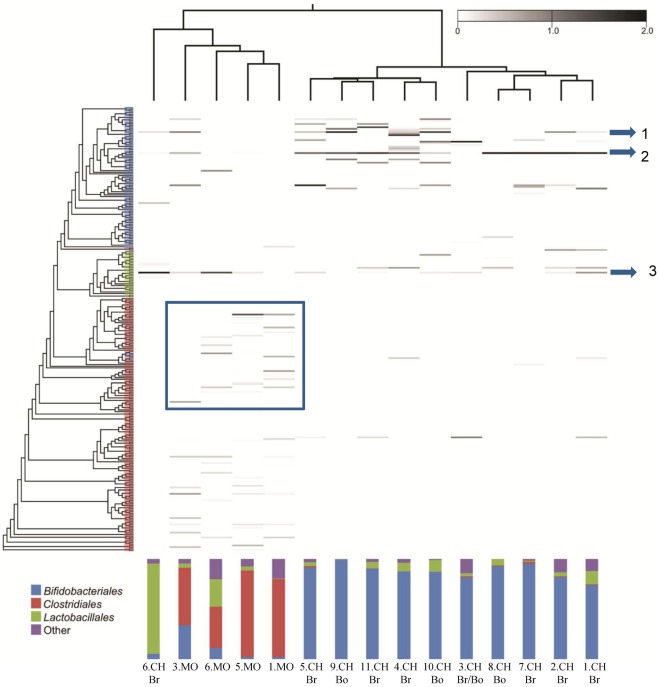
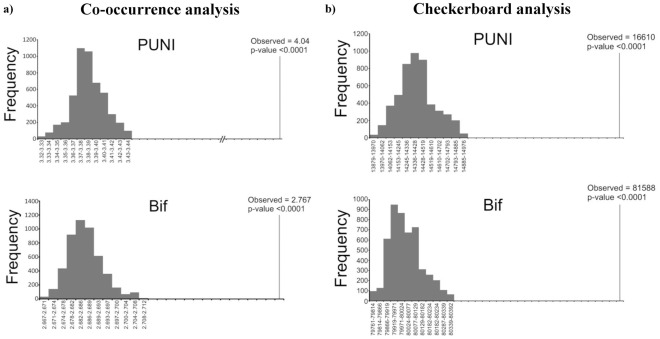
BACKGROUND: The human gastrointestinal tract (GIT) represents one of the most densely populated microbial ecosystems studied to date. Although this microbial consortium has been recognized to have a crucial impact on human health, its precise composition is still subject to intense investigation. Among the GIT microbiota, bifidobacteria represent an important commensal group, being among the first microbial colonizers of the gut. However, the prevalence and diversity of members of the genus Bifidobacterium in the infant intestinal microbiota has not yet been fully characterized, while some inconsistencies exist in literature regarding the abundance of this genus. METHODS/PRINCIPAL FINDINGS: In the current report, we assessed the complexity of the infant intestinal bifidobacterial population by analysis of pyrosequencing data of PCR amplicons derived from two hypervariable regions of the 16 S rRNA gene. Eleven faecal samples were collected from healthy infants of different geographical origins (Italy, Spain or Ireland), feeding type (breast milk or formula) and mode of delivery (vaginal or caesarean delivery), while in four cases, faecal samples of corresponding mothers were also analyzed. CONCLUSIONS: In contrast to several previously published culture-independent studies, our analysis revealed a predominance of bifidobacteria in the infant gut as well as a profile of co-occurrence of bifidobacterial species in the infant's intestine.
Overview
The claims and statistics of this paper haven’t been checked yet.
Run the check — free, no account needed. It reads the open-access text and checks the sources it cites.
Integrity signals
Registry
Cites
Statistics
Figures
Verification
Claims the paper makes
The claims and statistics of this paper haven’t been checked yet.
Run the check — free, no account needed. It reads the open-access text and checks the sources it cites.
Claims other papers make about this one
Each is checked against this paper’s own text: does it say what the citing paper says it does?
The source backs part of the claim, not all of it — or backs it for a different population, condition or comparison.
In the citing paper
“PS infants showed an earlier and more robust colonisation of infant-associated Bifidobacterium species, particularly B. breve and B. longum subsp. infantis, compared to NPS infants51–53.”
From Impact of early life antibiotic and probiotic treatment on gut microbiome and resistome of very-low-birth-weight preterm infants. (2025) · cites this paper as [52]
Experimental — accuracy not yet measured
Self-check
Percentages, sums and reported differences re-computed from the paper’s own numbers.
The self-check needs the paper’s full text.
Citations
Cites
Cytoscape: A software Environment for integrated models of biomolecular interaction networks
Shannon, P., Markiel, A., Ozier, O., Baliga, N. S., Wang, J. T., Ramage, D., Amin, N., Schwikowski, B., & Ideker, T. (2003) · Genome Research · doi:10.1101/gr.1239303 · Cited by 51,888
QIIME allows analysis of high-throughput community sequencing data
Caporaso, J. G., Kuczynski, J., Stombaugh, J., Bittinger, K., Bushman, F. D., Costello, E. K., Fierer, N., Peña, A. G., Goodrich, J. K., Gordon, J. I., et al. (2010) · Nature Methods · doi:10.1038/nmeth.f.303 · Cited by 34,887 · cited 3×
“All reads were classified to the lowest possible taxonomic rank using QIIME and a reference dataset from the Ribosomal Database Project [31].”
MethodSearch and clustering orders of magnitude faster than BLAST
Edgar, R. C. (2010) · Bioinformatics · doi:10.1093/bioinformatics/btq461 · Cited by 21,098
An obesity-associated gut microbiome with increased capacity for energy harvest
Turnbaugh, P. J., Ley, R. E., Mahowald, M. A., Magrini, V., Mardis, E. R., & Gordon, J. I. (2006) · Nature · doi:10.1038/nature05414 · Cited by 12,444 · cited 1×
“Furthermore, microbial dysbiosis has been linked to several functional gut disorders, such as inflammatory bowel disease [4,5], irritable bowel syndrome [6], stomach cancer [7], mucosa-associated lymphoid tissue lymphoma [8], obesity [9,10] and necrotizing enterocolitis [11].”
BackgroundDiversity of the Human Intestinal Microbial Flora
Eckburg, P. B., Bik, E. M., Bernstein, C. N., Purdom, E., Dethlefsen, L., Sargent, M., Gill, S. R., Nelson, K. E., & Relman, D. A. (2005) · Science · doi:10.1126/science.1110591 · Cited by 7,913 · cited 2×
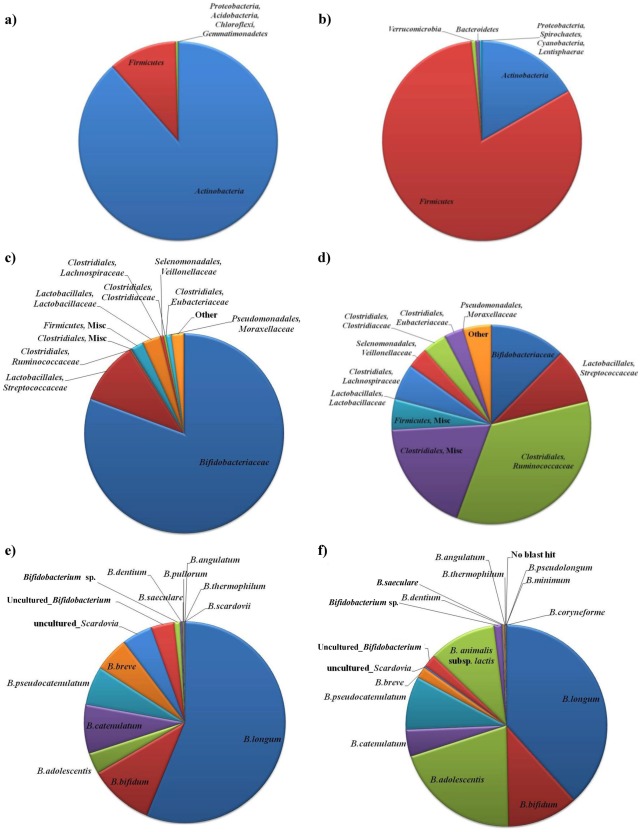
“2b), confirming previously published data on the fecal microbiota of adult subjects [13].”
BackgroundResultDietary Modulation of the Human Colonic Microbiota: Introducing the Concept of Prebiotics
Gibson, G. R., & Roberfroid, M. B. (1995) · Journal of Nutrition · doi:10.1093/jn/125.6.1401 · Cited by 7,659 · cited 1×
“infantis) are genetically adapted to utilize hostproduced glycans like mucins and human milk oligosaccharides [50–53].”
BackgroundHost-Bacterial Mutualism in the Human Intestine
Bäckhed, F., Ley, R. E., Sonnenburg, J. L., Peterson, D. A., & Gordon, J. I. (2005) · Science · doi:10.1126/science.1104816 · Cited by 5,277 · cited 1×
“. Studies employing murine models have highlighted the critical role played by the gut microbiota in the development of a properly functioning gastrointestinal tract”
BackgroundThe Ribosomal Database Project: improved alignments and new tools for rRNA analysis
Cole, J. R., Wang, Q., Cardenas, E., Fish, J., Chai, B., Farris, R. J., Kulam-Syed-Mohideen, A. S., McGarrell, D. M., Marsh, T. L., Garrity, G. M., et al. (2008) · Nucleic Acids Research · doi:10.1093/nar/gkn879 · Cited by 4,873 · cited 1×
“All reads were classified to the lowest possible taxonomic rank using QIIME and a reference dataset from the Ribosomal Database Project [31].”
MethodSokol, H., Pigneur, B., Watterlot, L., Lakhdari, O., Bermúdez-Humarán, L. G., Gratadoux, J.-J., Blugeon, S., Bridonneau, C., Furet, J.-P., Corthier, G., et al. (2008) · Proceedings of the National Academy of Sciences · doi:10.1073/pnas.0804812105 · Cited by 4,413 · cited 1×
“Furthermore, microbial dysbiosis has been linked to several functional gut disorders, such as inflammatory bowel disease [4,5], irritable bowel syndrome [6], stomach cancer [7], mucosa-associated lymphoid tissue lymphoma [8], obesity [9,10] and necrotizing enterocolitis [11].”
BackgroundHelicobacter pylori Infection and the Risk of Gastric Carcinoma
Parsonnet, J., FRIEDMAN, G. D., Vandersteen, D. P., Chang, Y., Vogelman∥, J. H., Orentreich∥, N., & Sibley, R. K. (1991) · New England Journal of Medicine · doi:10.1056/nejm199110173251603 · Cited by 3,893 · cited 1×
“Furthermore, microbial dysbiosis has been linked to several functional gut disorders, such as inflammatory bowel disease [4,5], irritable bowel syndrome [6], stomach cancer [7], mucosa-associated lymphoid tissue lymphoma [8], obesity [9,10] and necrotizing enterocolitis [11].”
Background
Research works printed but not linked: 1
- JM Diamond, 1975, Assembly of species community., Ecology and Evolution of Communities, eds Cody ML, Diamond JM (Harvard Univ Press, Cambridge, MA),, 342–444
Cited by
Sorted by citations
Items 401–500 of 648
Tan, A., Murugapiran, S. K., Mikalauskas, A., Koble, J., Kennedy, D., Hyde, F. W., Ruotti, V., Law, E., Jensen, J., Schroth, G. P., et al. (2023) · BMC Microbiology · doi:10.1186/s12866-023-03037-y · Cited by 13
“In young infants, the gut microbiota is significantly different from adult samples and tends to be dominated by different taxa such as Bifidobacteria [31].”
BackgroundWang, Y., Zhang, Z., Chen, Q., & Chen, T. (2024) · npj Biofilms and Microbiomes · doi:10.1038/s41522-024-00521-9 · Cited by 17
Gene Networks Underlying the Resistance of Bifidobacterium longum to Inflammatory Factors
Veselovsky, V. A., Dyachkova, M. S., Menyaylo, E. A., Polyaeva, P. S., Olekhnovich, E. I., Shitikov, E. A., Bespiatykh, D., Semashko, T. A., Kasianov, A. S., Ilina, E. N., et al. (2020) · Frontiers in Immunology · doi:10.3389/fimmu.2020.595877 · Cited by 13
“longum represents one of the most prevalent species of the Bifidobacterium genus in the gut microbiota of both infants and adults (22, 23).”
BackgroundValdez-Baez, J. L., da Costa, F. M. R., Gomide, A. C. P., Profeta, R., da Silva, A. L., Sousa, T. J., Viana, M. V. C., Kato, R. B., Américo, M. F., Freitas, A. D. S., et al. (2022) · Bacteria · doi:10.3390/bacteria1030013 · Cited by 13
“Species from this genus are among the first colonizers of the intestinal tract in newborns [3,4].”
BackgroundEngineering the Microbiome: a Novel Approach to Immunotherapy for Allergic and Immune Diseases
Shen, N., & Clemente, J. C. (2015) · Current Allergy and Asthma Reports · doi:10.1007/s11882-015-0538-9 · Cited by 13
Lawley, B., Centanni, M., Watanabe, J., Sims, I. M., Carnachan, S., Broadbent, R. S., Lee, P. S., Wong, K. H., & Tannock, G. W. (2018) · Applied and Environmental Microbiology · doi:10.1128/aem.00336-18 · Cited by 13
Lugli, G. A., Milani, C., Mancabelli, L., Turroni, F., van Sinderen, D., & Ventura, M. (2019) · Environmental Microbiology Reports · doi:10.1111/1758-2229.12805 · Cited by 13
Self-citationRole of maternal milk in providing a healthy intestinal microbiome for the preterm neonate
NATAL, A. C. D. C., Menezes, R. D. P., & Röder, D. V. D. D. B. (2024) · Pediatric Research · doi:10.1038/s41390-024-03751-x · Cited by 12
Shkoporov, A. N., Efimov, B. A., Khokhlova, E. V., Chaplin, A. V., Kafarskaya, L. I., Durkin, A. S., McCorrison, J., Torralba, M., Gillis, M., Sutton, G. G., et al. (2013) · Genome Announcements · doi:10.1128/genomea.00234-13 · Cited by 12
“In human newborns bifidobacteria are among the pioneering microbial colonizers that dominate the intestinal microbiota during breastfeeding (2).”
BackgroundJena, R., Choudhury, P. K., Puniya, A. K., & Tomar, S. K. (2017) · LWT · doi:10.1016/j.lwt.2017.02.032 · Cited by 12
van Olst, N., Meiring, S., de Brauw, M., Bergman, J. J. G. H. M., Nieuwdorp, M., van der Peet, D. L., & Gerdes, V. E. A. (2020) · Techniques and Innovations in Gastrointestinal Endoscopy · doi:10.1016/j.tige.2020.03.003 · Cited by 12
Probiotics in fermented products and supplements
Baliyan, N., Kumari, M., Kumari, P., Dindhoria, K., Mukhia, S., Kumar, S., Gupta, M., & Kumar, R. (2021) · Elsevier eBooks · doi:10.1016/b978-0-12-823506-5.00014-x · Cited by 12
Nezametdinova, V. Z., Мавлетова, Д. А., Алексеева, М. Г., Чекалина, М. С., Zakharevich, N. V., & Даниленко, В. Н. (2018) · Anaerobe · doi:10.1016/j.anaerobe.2018.03.003 · Cited by 12
İlhan, N. (2018) · International journal of medical biochemistry/International journal of medical biochemistry : · doi:10.14744/ijmb.2018.92400 · Cited by 13
Jung, D.-H., Chung, W., Seo, D., Kim, Y., Nam, Y., & Park, C. (2020) · 3 Biotech · doi:10.1007/s13205-019-2019-7 · Cited by 12
Pérez-Muñoz, M. E., Sugden, S., Harmsen, H. J. M., Hart, B. A. ‘., Laman, J. D., & Walter, J. (2021) · iScience · doi:10.1016/j.isci.2021.102709 · Cited by 12
Wu, J., Zhang, F., Yu, H., Qi, S., Wu, Y. C., & Xiao, W. (2023) · International Journal of Molecular Sciences · doi:10.3390/ijms241612810 · Cited by 13
“Bifidobacterium longum represents the most abundant species in the neonatal gut, but its abundance declines with age [22,23].”
BackgroundMelsæther, C., Høtoft, D., Wellejus, A., Hermes, G. D. A., & Damholt, A. B. (2023) · Nutrients · doi:10.3390/nu15184000 · Cited by 11
“B. infantis has been identified as one of the key ‘infant-type’ species which has been related to intestinal and immune maturation and is an abundant member of the gut microbiota during infancy [9,32,42], which makes this subspecies an obvious candidate to include.”
BackgroundFriess, L., Bottacini, F., McAuliffe, F. M., O’Neill, I. J., Cotter, P. D., Lee, C. M., Muñoz-Muñoz, J., & van Sinderen, D. (2024) · Gut Microbes · doi:10.1080/19490976.2024.2353229 · Cited by 11
Hermes, G. D. A., Rasmussen, C., & Wellejus, A. (2024) · Nutrients · doi:10.3390/nu16121893 · Cited by 11
“…prototypical Bifidobacterium HMO-degrading β -1,4/1,3-galactosidases We found homologs for both prototypical Bi fi dobacterium HMO-degrading β - 1,4/1,3-galactosidases, although their presence was infrequent (12/13 for Bga2A , although their presence was infrequent (12/13 for Bga2A (Blon_2334) and”
BackgroundBifidobacteria in antibiotic-associated dysbiosis: restoring balance in the gut microbiome
Jena, R., Singh, N. A., Ahmed, N., & Choudhury, P. K. (2025) · World Journal of Microbiology and Biotechnology · doi:10.1007/s11274-025-04517-1 · Cited by 14
“Turroni et al. (2012) organised a comprehensive study of the adhesive abilities of several Bifidobacterium strains, finding that many own specialized surface assemblages which facilitate sturdy binding to intestinal mucins and cells of epithelium.”
Evolution of Preterm Infant Nutrition from Breastfeeding to an Exclusive Human Milk Diet: A Review
Elliott, M., & GOLOMBEK, S. G. (2022) · NeoReviews · doi:10.1542/neo.23-8-e558 · Cited by 11
Essock‐Burns, T., Lawhorn, S., Wu, L., McClosky, S., Moriano‐Gutierrez, S., Ruby, E. G., & McFall‐Ngai, M. (2023) · Microbiome · doi:10.1186/s40168-023-01509-x · Cited by 11
Microbial influences on hormesis, oncogenesis, and therapy: A review of the literature
Clanton, R., Saucier, D., Ford, J. R., & Akabani, G. (2015) · Environmental Research · doi:10.1016/j.envres.2015.06.026 · Cited by 12
Belyaeva, I. A., Петровна, Б. Е., Дмитриевна, М. М., Владимировна, П. Т., & Александровна, Х. Н. (2017) · Вопросы современной педиатрии · doi:10.15690/vsp.v16i1.1692 · Cited by 13
Zakharevich, N. V., Nezametdinova, V. Z., Averina, O. V., Чекалина, М. С., Алексеева, М. Г., & Даниленко, В. Н. (2019) · Russian Journal of Genetics · doi:10.1134/s1022795419070160 · Cited by 11
“In addition to the common species, the rare species are also present in the human gut, for example species Bifidobacterium angulatum [6, 17].”
BackgroundŠplı́chalová, A., Pechar, R., Killer, J., Splichalova, Z., Bunešová, V., Vlková, E., Salmonová, H. Š., & Šplı́chal, I. (2020) · Microorganisms · doi:10.3390/microorganisms8122002 · Cited by 11
“They are obligatory anaerobes, and their growth in oxygen presence is limited [15].”
BackgroundGut and Breast Milk Microbiota and Their Role in the Development of the Immune Function
Baldassarre, M. E., Bellantuono, L., Mastromarino, P., Miccheli, A., Fanelli, M., & Laforgia, N. (2014) · Current Pediatrics Reports · doi:10.1007/s40124-014-0051-y · Cited by 12
Nogacka, A. M., Arboleya, S., Nikpoor, N., Auger, J., Salazar, N., Cuesta, I., Álvarez-Buylla, J. R., Mantecón, L., Sánchez, G. S., Gueimonde, M., et al. (2022) · Microorganisms · doi:10.3390/microorganisms10020318 · Cited by 9
“The most prevalent Bifidobacterium species in the infant gut are Bifidobacterium breve, Bifidobacterium bifidum, and Bifidobacterium longum [14].”
BackgroundSelf-citationArgentini, C., Lugli, G. A., Tarracchini, C., Fontana, F., Mancabelli, L., Viappiani, A., Anzalone, R., Angelini, L., Alessandri, G., Bianchi, M. G., et al. (2024) · Applied and Environmental Microbiology · doi:10.1128/aem.02014-23 · Cited by 12
“In this context, B. adolescentis stands out among the most abundant species of bifidobacteria residing in the human adult intestine (11, 60).”
BackgroundSelf-citationMicrobiology and Ecology Are Vitally Important to Premedical Curricula
Smith, V. H., Rubinstein, R., Park, S., Kelly, L., & Klepac‐Ceraj, V. (2015) · Evolution Medicine and Public Health · doi:10.1093/emph/eov014 · Cited by 11
Characterization of the fecal microbiota differs between age groups in Koreans
Kook, S. Y., Kim, Y.-J., Kang, B., Choe, Y. H., Kim, Y., & Kim, S. (2018) · Intestinal Research · doi:10.5217/ir.2018.16.2.246 · Cited by 10
“In agreement with our results, Turroni et al.(43) also found a large proportion of Bifidobacterium in the gut microbiota of 11 infants.”
ResultKutylowksi, J., & Yahia, N. (2019) · Advances in Neonatal Care · doi:10.1097/anc.0000000000000605 · Cited by 10
Станиславовна, К. Е., Валерьевна, П. А., Rychkova, L. V., & Belkova, N. L. (2020) · Russian Journal of Genetics · doi:10.1134/s1022795420080074 · Cited by 10
The Impact of Age and Pathogens Type on the Gut Microbiota in Infants with Diarrhea in Dalian, China
Fan, Q., Yi, M., Liu, H., Wang, Y., Li, X., Yuan, J., Wang, L., Hou, B., & Li, M. (2020) · Canadian Journal of Infectious Diseases and Medical Microbiology · doi:10.1155/2020/8837156 · Cited by 13
The role of probiotics in nutritional health: probiotics as nutribiotics
Chávarri, M., Diez-Gutiérrez, L., Marañón, I., Villarán, M. C., & Barrón, L. J. R. (2021) · Elsevier eBooks · doi:10.1016/b978-0-12-823733-5.00018-0 · Cited by 11
Kwon, S.-K., Kwak, M.-J., Seo, J.-G., Chung, M. J., & Kim, J. F. (2015) · Journal of Biotechnology · doi:10.1016/j.jbiotec.2015.09.039 · Cited by 10
How fucose of blood group glycotypes programs human gut microbiota
Kononova, S. V. (2017) · Biochemistry (Moscow) · doi:10.1134/s0006297917090012 · Cited by 10
Wu, Q., Li, W., Kwok, L.-Y., Lv, H., Sun, J., & Sun, Z. (2024) · Food Research International · doi:10.1016/j.foodres.2024.114840 · Cited by 9
Characterization of CRISPR-Cas systems in Bifidobacterium breve
Han, X., Zhou, X., Pei, Z., Stanton, C., Ross, R. P., Zhao, J., Zhang, H., Yang, B. K., & Chen, W. (2022) · Microbial Genomics · doi:10.1099/mgen.0.000812 · Cited by 9
“Bifidobacterium breve is an important species, which is usually isolated from the gastrointestinal tract of infants, especially breastfed infants [9].”
Mao, B., He, Z., Yang, C., Stanton, C., Ross, R. P., Zhao, J., Chen, W., & Yang, B. K. (2022) · Nutrients · doi:10.3390/nu14245392 · Cited by 9
“For breast-fed newborns, bifidobacteria could metabolize 2′FL to colonize in the intestinal tract [12].”
BackgroundThe importance of the intestinal microbiota in humans and dogs in the neonatal period
Beretta, S., Apparício, M., Toniollo, G. H., & Cardozo, M. V. (2023) · Animal Reproduction · doi:10.1590/1984-3143-ar2023-0082 · Cited by 11
Molecular cross-talk among human intestinal bifidobacteria as explored by a human gut model
Rizzo, S. M., Alessandri, G., Tarracchini, C., Bianchi, M. G., Viappiani, A., Mancabelli, L., Lugli, G. A., Milani, C., Bussolati, O., van Sinderen, D., et al. (2024) · Frontiers in Microbiology · doi:10.3389/fmicb.2024.1435960 · Cited by 9
Self-citationGuo, J., Wang, C., Li, H., & Ding, C. (2025) · Journal of Ovarian Research · doi:10.1186/s13048-025-01610-9 · Cited by 12
Gupta, P., Dutta, S., Dutta, K., Bhattacharjee, P., Hazra, A., & Jash, R. (2025) · Molecular and Cellular Biochemistry · doi:10.1007/s11010-025-05397-7 · Cited by 15
“However, a 2012 study by Turroni et al. disproved the assumption that neonates had low amounts of Bifidobacteria by identifying them as a significant bacterium in the gut flora of infants [4].”
Kan, Z., Luo, B., Cai, J., Zhang, Y., Tian, F., & Ni, Y. (2020) · BMC Microbiology · doi:10.1186/s12866-020-01962-w · Cited by 9
“infantis has the ability to utilize particular oligosaccharides in breast milk, it is believed to be colonized in the gut of newborns [1, 3].”
BackgroundArgentini, C., Lugli, G. A., Tarracchini, C., Fontana, F., Mancabelli, L., Viappiani, A., Anzalone, R., Angelini, L., Alessandri, G., Longhi, G., et al. (2024) · Frontiers in Microbiology · doi:10.3389/fmicb.2024.1349391 · Cited by 9
Self-citationIntestinal Microbiota: Early Formation, Health Effects, and Correction Ways
Сергеевич, Я. А., Евгеньевич, У. С., & Denisov, M. Y. (2017) · Вопросы современной педиатрии · doi:10.15690/vsp.v16i6.1821 · Cited by 9
Bifidobacterium from infant stool: the diversity and potential screening
Kusharyati, D. F., Pramono, H., Ryandini, D., Manshur, T. A., Dewi, M. A., Khatimah, K., & Rovik, A. (2020) · Biodiversitas Journal of Biological Diversity · doi:10.13057/biodiv/d210623 · Cited by 9
“The Bifidobacteria colonization is thought to begin during birth (Hendrati et al., 2017; Turroni et al., 2012).”
Šplı́chalová, A., Donovan, S. M., Tlaskalová‐Hogenová, H., Straňák, Z., Splichalova, Z., & Šplı́chal, I. (2021) · Biomedicines · doi:10.3390/biomedicines9020183 · Cited by 10
“Bifidobacteria are the most abundant intestinal bacteria in vaginally born and breast milk-fed infants [22,23].”
BackgroundMicrobial community in human gut: a therapeutic prospect and implication in health and diseases
Dwivedi, M., Powali, S., Rastogi, S., Singh, A., & Gupta, D. K. (2021) · Letters in Applied Microbiology · doi:10.1111/lam.13549 · Cited by 12
“2017) with one study showing Lactobacillus and Bifidobacterium species were present in placental biopsies (Turroni et al. 2012).”
BackgroundResultComparison of changes in fecal microbiota of calves with and without dam
Li, M., Wang, Z., Wang, L., Bai, X., Hu, R., Zou, H., Liu, S., Shah, A. M., & Peng, Q. (2022) · PeerJ · doi:10.7717/peerj.12826 · Cited by 9
The Role of the Microbiome in Childhood Asthma
Pisi, G., Fainardi, V., Aiello, M., Bertorelli, G., Crisafulli, E., & Chetta, A. A. (2017) · Immunotherapy · doi:10.2217/imt-2017-0048 · Cited by 9
González, L., Sosa, J. L. P., Mosquito, S., Filio, Y., Romero, P. E., Ochoa, T. J., & Tsukayama, P. (2023) · Microbiology Spectrum · doi:10.1128/spectrum.00096-23 · Cited by 7
“Bifidobacteria are known probiotics that play an essential role in infant gut microbiome development and correlate with a healthy microbiome status in infants (38, 39).”
BackgroundBifidobacterium as Keystone Species Driving Microbial Interactions in the Infant Digestive Tract
Vásquez-Dean, J., Canales, A., Orellana, C. A., & Garrido, D. (2026) · Annual Review of Food Science and Technology · doi:10.1146/annurev-food-052924-065321 · Cited by 7
Pucci, N., Ujčič-Voortman, J. K., Verhoeff, A. P., & Mende, D. R. (2025) · PeerJ · doi:10.7717/peerj.18602 · Cited by 8
“Bifidobacterium longum is among the most proficient HMG-utilizers and one of the most abundant species in the infant gut ( Sela et al., 2008 ; Turroni et al., 2012 ).”
Gut Catalase-Positive Bacteria Cross-Protect Adjacent Bifidobacteria from Oxidative Stress
Rodrı́guez, E., Peirotén, Á., Landete, J. M., Médina, M., & Arqués, J. L. (2015) · Microbes and Environments · doi:10.1264/jsme2.me15025 · Cited by 8
“Bifidobacterium species represent one of the main bacterial groups in the infant gut, particularly in breastfed infants (4, 7, 18), thereby linking the presence of high levels of bifidobacteria with the timely and appropriate development and maturation of the immune system (8, 20).”
BackgroundMicrobiota: A Key for Healthy Aging
Choi, Y. J., & Lee, D. H. (2016) · Annals of Geriatric Medicine and Research · doi:10.4235/agmr.2016.20.4.168 · Cited by 8
Cuevas‐Juárez, E., Ávila-Fernández, Á., & López-Munguı́a, A. (2017) · Journal of Functional Foods · doi:10.1016/j.jff.2017.05.048 · Cited by 8
AKAZAWA, H., TSUJIKAWA, Y., Fukuda, I., SUZUKI, Y., Choi, M., Katayama, T., Mukai, T., & Osawa, R. (2020) · Bioscience of Microbiota Food and Health · doi:10.12938/bmfh.2020-024 · Cited by 8
“bifidum [26] have been well studied because these species are particularly abundant among the gastrointestinal microbes of breastfed human infants [10], thereby promoting the health of the host [27].”
BackgroundNogacka, A. M., Ruas‐Madiedo, P., Gómez, E., Sánchez, G. S., Fernández, N., Suárez, M., Suárez, A., Salazar, N., Reyes‐Gavilán, C. G. D. L., & Gueimonde, M. (2018) · Journal of Microbiological Methods · doi:10.1016/j.mimet.2018.07.003 · Cited by 8
Self-citationFangfang, Q., Wu, H., Li, X.-M., & Han, J. (2020) · Journal of International Medical Research · doi:10.1177/0300060519896154 · Cited by 8
“The human gut flora is established within 1 to 2 years of birth and is critical to gastrointestinal function and human health.(13) When the gut flora becomes imbalanced, this stimulates the release of inflammatory factors, which can be harmful to the human body.”
BackgroundRetractedАлексеева, М. Г., Мавлетова, Д. А., Колчина, Н. В., Nezametdinova, V. Z., & Даниленко, В. Н. (2015) · Biochemistry (Moscow) · doi:10.1134/s0006297915100119 · Cited by 8
“Bifidobacteria are one of the most important representatives of human microbiota, which are dominant in the gut microbiota in infants [20, 21].”
BackgroundMicrobiota and Metabolites as Factors Influencing Blood Pressure Regulation
Yang, T., Chakraborty, S., Mandal, J., Mei, X., & Joe, B. (2021) · Comprehensive physiology · doi:10.1002/cphy.c200009 · Cited by 8
Transmission and Persistence of Infant Gut-Associated Bifidobacteria
Hilliard, M. A., & Sela, D. A. (2024) · Microorganisms · doi:10.3390/microorganisms12050879 · Cited by 9
“In human infants, Bifidobacterium species that utilize human milk oligosaccharides (HMOs) are often dominant, where they could represent 50–70% of the bacterial taxa within the infant gut microbiome [5,6].”
Development of antibiotic resistome in premature infants
Keshet, A., Hochwald, O., Lavon, A., Borenstein‐Levin, L., Shoer, S., Godneva, A., Glantz-Gashai, Y., Cohen-Dolev, N., Timstut, F., Lotan‐Pompan, M., et al. (2025) · Cell Reports · doi:10.1016/j.celrep.2025.115515 · Cited by 8
Du, Y., Cheng, J., Xie, R., Zhang, Y., Huang, Z., Jin, G., Dong, X., Sun, D., Bingxiang, Y., Han, Z., et al. (2025) · Gut Microbes · doi:10.1080/19490976.2025.2574928 · Cited by 8
“59 This trend showed a greater correlation with the lactation phase, indicating that exclusive breastfeeding accelerates the growth of Bifidobacterium in the infant gut, thereby promoting the establishment of a more stable gut microbiota.”
Attri, S., Nagpal, R., & Goel, G. (2018) · Meta Gene · doi:10.1016/j.mgene.2018.06.011 · Cited by 7
Sakanaka, M., Fukiya, S., Kobayashi, R., Abe, A., Hirayama, Y., Kano, Y., & Yokota, A. (2015) · FEMS Microbiology Letters · doi:10.1093/femsle/fnv032 · Cited by 7
“Bifidobacteria are anaerobic bacteria that belong to the phylum Actinobacteria and are components of the intestinal microbiota in humans, and representing a major component of the microbiota of infants (Kurokawa et al. 2007; Turroni et al. 2012).”
BackgroundDraft Genome Sequence of the Probiotic Bifidobacterium longum subsp. longum Strain MC-42
Tupikin, A. E., Калмыкова, А. И., & Kabilov, M. R. (2016) · Genome Announcements · doi:10.1128/genomea.01411-16 · Cited by 7
“Bifidobacteria, belonging to the Actinobacteria group, are Gram-positive bacteria with high G C content that are commonly found in the human gastrointestinal tract (1).”
BackgroundHuman Gut Microbiota and Obesity During Development
Cerdó, T., Ruiz-Rodriguez, A., & Campoy, C. (2017) · InTech eBooks · doi:10.5772/65928 · Cited by 7
“Thus, the chemical composition of breast milk does influence the gut microbiome through supplying oligosaccharides that are selectively utilized by specific bacteria in the gut [60].”
BackgroundKongnum, K., Taweerodjanakarn, S., & Hongpattarakere, T. (2020) · Archives of Microbiology · doi:10.1007/s00203-020-01856-5 · Cited by 7
“Bifidobacteria are commonly found to be the most dominant genus in infant colon (Roger and McCartney 2010; Turroni et al. 2012).”
Engevik, M. A., Stripe, L. K., Baatz, J. E., Wagner, C. L., & Chetta, K. E. (2022) · Food & Function · doi:10.1039/d2fo00447j · Cited by 7
Lactic Acid Bacteria and the Human Gastrointestinal Tract
Kwok, L. (2014) · Springer eBooks · doi:10.1007/978-94-017-8841-0_6 · Cited by 7
Role of Commensal Microbiota in Neonatal Calf Gut Development
Malmuthuge, N. (2016) · ERA: Education and Research Archive (University of Alberta) · doi:10.7939/r3jd4pv1f · Cited by 7
Imoto, N., Kano, C., Morita, H., Hirota, T., Amanuma, F., Maruyama, H., Nojiri, S., & Watanabe, S. (2025) · BMC Microbiology · doi:10.1186/s12866-025-04056-7 · Cited by 6
“The inconsistency in results across previous studies examining gut microbiota and allergies may be partly due to racial and regional differences [11–14].”
Centanni, M., Turroni, S., Biagi, E., Severgnini, M., Consolandi, C., Brigidi, P., & Candela, M. (2013) · FEMS Microbiology Letters · doi:10.1111/1574-6968.12138 · Cited by 6
“, 2010), the most recent microbiota surveys, based on next-generation 16S rRNA gene sequencing and shotgun metagenomics, unequivocally demonstrated that Bifidobacteria are a predominant constituent of the gut microbiota of breast-fed infants, constituting 50–80% of the total microbiota in the first year of life (Jost…”
BackgroundResultSelf-citationNutrition and Allergic Diseases
van Neerven, R. J. J., & Savelkoul, H. F. J. (2018) · MDPI eBooks · doi:10.3390/books978-3-03842-850-3 · Cited by 6
Mao, H., Li, S., Yin, B., Lin, X., Guo, J., Wang, T., Voglmeir, J., & Liu, L. (2022) · Food Chemistry · doi:10.1016/j.foodchem.2022.132532 · Cited by 6
Gut microbiome dysbiosis in neonatal sepsis
Verma, J. K., Sankar, M. J., Atmakuri, K., Agarwal, R. K., & Das, B. (2022) · Progress in molecular biology and translational science · doi:10.1016/bs.pmbts.2022.07.010 · Cited by 6
The Disappearing Microbiota: Diseases of the Western Civilization
Salvucci, E. (2019) · Springer eBooks · doi:10.1007/978-3-030-28737-5_14 · Cited by 6
Complete Genome Sequence of Bifidobacterium longum GT15: Unique Genes for Russian Strains
Zakharevich, N. V., Averina, O. V., Klimina, K. M., Kudryavtseva, A. V., Kasianov, A. S., Makeev, V. J., & Даниленко, В. Н. (2014) · Genome Announcements · doi:10.1128/genomea.01348-14 · Cited by 6
Biol-Aquino, M. A., Perdiz, C. J., Borlagdan, M., Alcantara, J. D., & Mallillin, A. C. (2019) · Human Microbiome Journal · doi:10.1016/j.humic.2019.100062 · Cited by 7
Compiling an early life human gut microbiome atlas and identification of key microbial drivers
Tarracchini, C., Longhi, G., Gennaioli, E., Muscò, A., Rizzo, S. M., Viappiani, A., Vitale, S. G., Mancabelli, L., Lugli, G., Angioni, S., et al. (2025) · npj Biofilms and Microbiomes · doi:10.1038/s41522-025-00868-7 · Cited by 5
Self-citationYang, X., Zhang, J., Zhu, J., Yang, R., & Tong, Y. (2024) · Microbiological Research · doi:10.1016/j.micres.2024.127709 · Cited by 5
Sáez‐Fuertes, L., Kapravelou, G., Grases-Pintó, B., Bernabeu, M., Knipping, K., Garssen, J., Bourdet‐Sicard, R., Castell, M., Collado, M. C., Pérez-Cano, F. J., et al. (2024) · Nutrients · doi:10.3390/nu16121890 · Cited by 7
Prenatal Stress and Ethanol Exposure: Microbiota-Induced Immune Dysregulation and Psychiatric Risks
Camarini, R., Marianno, P., Hanampa-Maquera, M., Oliveira, S. D. S., & Câmara, N. O. S. (2024) · International Journal of Molecular Sciences · doi:10.3390/ijms25189776 · Cited by 5
“For instance, bifidobacteria is a significant component of the infant gut microbiota [165].”
BackgroundPrevalence of Antibiotic-Resistant Lactobacilli in Sepsis Patients with Long-Term Antibiotic Therapy
Yarahmadi, N., Halimi, S., Moradi, P., Zamanian, M. H., Rezaei, A., Vaziri, S., Akya, A., Alvandi, A., Yazdani, S., Ghadimi, D., et al. (2022) · Current Microbiology · doi:10.1007/s00284-022-03010-4 · Cited by 5
Trackability of proteins from probiotic Bifidobacterium spp. in the gut using metaproteomics
Hendrickx, D. M., An, R., Boeren, S. A., Mutte, S. K., the PRESTO study team, Wopereis, H., & Belzer, C. (2023) · Beneficial Microbes · doi:10.1163/18762891-20220137 · Cited by 5
“, 2004) and for the maintenance of health (Turroni et al., 2012).”
BackgroundFundamentals of modern approaches to assessing gut microbiota in children
Сергеевна, В. Е., Moskvina, M. V., Kirillov, M. Y., Ogneva, L. V., Донников, А. Е., Itani, T. M., Amineva, P. G., & Zornikov, D. L. (2023) · Neonatology News Opinions Training · doi:10.33029/2308-2402-2023-11-3-47-59 · Cited by 7
Microbial goldmine: Investigating probiotic floral diversity in human breast milk
Saeed, A., Yasmin, A., Baig, M., Pervaiz, M., Ahmed, M. A., Tabish, M., & Hashmat, H. (2024) · Bioactive Carbohydrates and Dietary Fibre · doi:10.1016/j.bcdf.2024.100419 · Cited by 5
Bifidobacteria: Ecology and Coevolution With the Host
Turroni, F., Milani, C., van Sinderen, D., & Ventura, M. (2017) · Elsevier eBooks · doi:10.1016/b978-0-12-805060-6.00012-0 · Cited by 5
Self-citationPass, D. A. (2015) · ORCA Online Research @Cardiff (Cardiff University) · Cited by 5
Self-citationLongitudinal changes in bifidobacterial population during the first two years of life
An, R., Fontana, F., Daele, E. V., Ventura, M., Vlieger, A. M., van Elburg, R. M., Knol, J., Milani, C., & Belzer, C. (2024) · Beneficial Microbes · doi:10.1163/18762891-bja00012 · Cited by 4
Self-citationQuorum Sensing via Autoinducer‐2 Promotes Colonisation and Host Adaptation in B. bifidum PRL2010
Turroni, F., Tarracchini, C., Lugli, G. A., Vergna, L. M., Alessandri, G., Rizzo, S. M., Bianchi, M. G., Coenye, T., Selleri, E., Bussolati, O., et al. (2025) · Microbial Biotechnology · doi:10.1111/1751-7915.70231 · Cited by 4
“Bifidobacteria exhibit their highest relative abundance and prevalence in the human gut during early life (0–6 months), a pattern particularly supported by host breastfeeding (Turroni, Peano, et al. 2012; Turroni et al. 2021; Yan et al. 2021; Lordan et al. 2024).”
Self-citationBifidobacterial Postbiotics as Health-promoting Agents in Dairy Products
Rad, A. H., Moghadam, S. K., Mortazavian, A. M., Abachi, S., & Allahmadadi, S. (2023) · Current Functional Foods · doi:10.2174/2666862901666230818093034 · Cited by 4
Douillard, F. P., Derman, Y., Jian, C., Korpela, K., Saxén, H., Salonen, A., de Vos, W. M., Korkeala, H. J., & Lindström, M. (2024) · Gut Pathogens · doi:10.1186/s13099-024-00614-y · Cited by 5
“In healthy adults, the gut is typically and predominantly colonized by two microbial phyla: Bacteroidetes and Firmicutes [26], whereas the infant gut is initially more abundant in Actinobacteria [27].”
BackgroundInfluentialBifidobacterium for Infants: Essence and Efficacy
Lau, A. S.-Y., Xiao, J., & Liong, M. (2015) · Microbiology monographs · doi:10.1007/978-3-319-23213-3_3 · Cited by 4
Jahani‐Sherafat, S., Azimirad, M., Ghasemian-Safaei, H., Amoli, H. A., Moghim, S., Sherkat, G., & Zali, M. R. (2019) · Gastroenterology and hepatology from bed to bench. · Cited by 4
Suzuki, S., & Yamada, T. (2020) · PeerJ · doi:10.7717/peerj.8722 · Cited by 4
“Previous studies have revealed that Bifidobacterium adolescentis is abundant in adults and Bifidobacterium breve is abundant in infants (Turroni et al., 2012; Ruiz-Moyano et al., 2013; Kato et al., 2017); this trend was also reflected by the growth estimates.”
Result
Metadata
- Authors
- Turroni, F., Peano, C., Pass, D. A., Foroni, E., Severgnini, M., Claesson, M. J., Kerr, C., Hourihane, J., Murray, D., Fuligni, F., Gueimonde, M., Margolles, A., De Bellis, G., O’Toole, P. W., van Sinderen, D., Marchesi, J. R., & Ventura, M.
- Affiliations
- University of Parma (IT)
- National Research Council (IT)
- Cardiff University (GB)
- University College Cork (IE)
- Consejo Superior de Investigaciones Científicas (ES)
- Corresponding author
- Ventura, Marco
- ORCID
- Venue
- PLoS ONE
- Publisher
- Public Library of Science (PLoS)
- Published
- 2012-05-11
- Volume
- 7
- Issue
- 5
- Pages
- e36957
- ISSN
- 1932-6203 (ISSN-L)
- PMC
- PMC3350489
- OpenAlex
- W2048550695
- Cited by
- 647
- References
- 54
- Citations by year
- 2026: 17 · 2025: 32 · 2024: 45 · 2023: 36 · 2022: 49 · 2021: 57 · 2020: 71 · 2019: 29 · 2018: 46 · 2017: 56 · 2016: 52 · 2015: 50 · 2014: 48 · 2013: 41 · 2012: 17
- FWCI
- 20.04
- Type
- journal article
- Language
- en
- Open access
- gold
- doi.org
- Locations
- PLoS ONE (publishedVersion, cc-by)
- Europe PMC (PubMed Central) (publishedVersion, cc-by)
- PubMed Central (publishedVersion, cc-by)
- PubMed (publishedVersion)
- ORCA Online Research @Cardiff (Cardiff University) (acceptedVersion)
- DIGITAL.CSIC (Spanish National Research Council (CSIC)) (submittedVersion)
- DOAJ (DOAJ: Directory of Open Access Journals) (submittedVersion, cc-by-sa)
- Figshare (submittedVersion, cc-by)
- Funders
- Royal Society
- Irish Research Council for Science, Engineering and Technology
- Science Foundation Ireland (02/CE/B124, 07/CE/B1368)
- Ministero dell’Istruzione, dell’Università e della Ricerca
- Natural Environment Research Council (NBAF010005)
- Topics
- Life Sciences › Biochemistry, Genetics and Molecular Biology › Molecular Biology › Gut microbiota and health
- Health Sciences › Nursing › Nutrition and Dietetics › Infant Nutrition and Health
- Life Sciences › Agricultural and Biological Sciences › Food Science › Probiotics and Fermented Foods
- Keywords
- Bifidobacterium, infant gut microbiota, bacterial diversity, 16S rRNA gene, fecal microbiota, breastfeeding, bottle feeding, mode of delivery, vaginal delivery, cesarean section, maternal microbiota, species co-occurrence, gut commensal bacteria
- MeSH terms
- Base Sequence, Bifidobacterium, Feces, Female, Genes, Bacterial, Humans, Infant, Phylogeny, Pregnancy, RNA, Bacterial, RNA, Ribosomal, 16S, Genetic Variation, DNA Primers, Gastrointestinal Tract, Metagenome
About these checks
Registry, retraction, Cites and statistics results are computed, not judged, with one exception: a printed reference that no index lists is read once by a model before it counts as a citation error. Claims are extracted by a model and kept only when their quote appears verbatim in the text; each cited source is then checked, with a model’s help, for whether it says what the claim relies on. Those verdicts can be wrong — read the claim’s quote and the cited source before relying on one.
Statistics and arithmetic are recomputed, not judged.
Confidence bands are shown only for fields calibrated on our annotated test set. None is calibrated yet, so no band is shown.
What counts as a claim ›How we measure confidence ›How we check this ›
Are you an author, or do you see a problem with this page? Request a review
