

The DOI matches its Crossref record; 55 of the 55 references it cites were found in a registry or an index.
Diversity of Bifidobacteria within the Infant Gut Microbiota
Open accessAbstract
BACKGROUND: The human gastrointestinal tract (GIT) represents one of the most densely populated microbial ecosystems studied to date. Although this microbial consortium has been recognized to have a crucial impact on human health, its precise composition is still subject to intense investigation. Among the GIT microbiota, bifidobacteria represent an important commensal group, being among the first microbial colonizers of the gut. However, the prevalence and diversity of members of the genus Bifidobacterium in the infant intestinal microbiota has not yet been fully characterized, while some inconsistencies exist in literature regarding the abundance of this genus. METHODS/PRINCIPAL FINDINGS: In the current report, we assessed the complexity of the infant intestinal bifidobacterial population by analysis of pyrosequencing data of PCR amplicons derived from two hypervariable regions of the 16 S rRNA gene. Eleven faecal samples were collected from healthy infants of different geographical origins (Italy, Spain or Ireland), feeding type (breast milk or formula) and mode of delivery (vaginal or caesarean delivery), while in four cases, faecal samples of corresponding mothers were also analyzed. CONCLUSIONS: In contrast to several previously published culture-independent studies, our analysis revealed a predominance of bifidobacteria in the infant gut as well as a profile of co-occurrence of bifidobacterial species in the infant's intestine.
Overview
The claims and statistics of this paper haven’t been checked yet.
Run the check — free, no account needed. It reads the open-access text and checks the sources it cites.
Integrity signals
Registry
Cites
Statistics
Figures
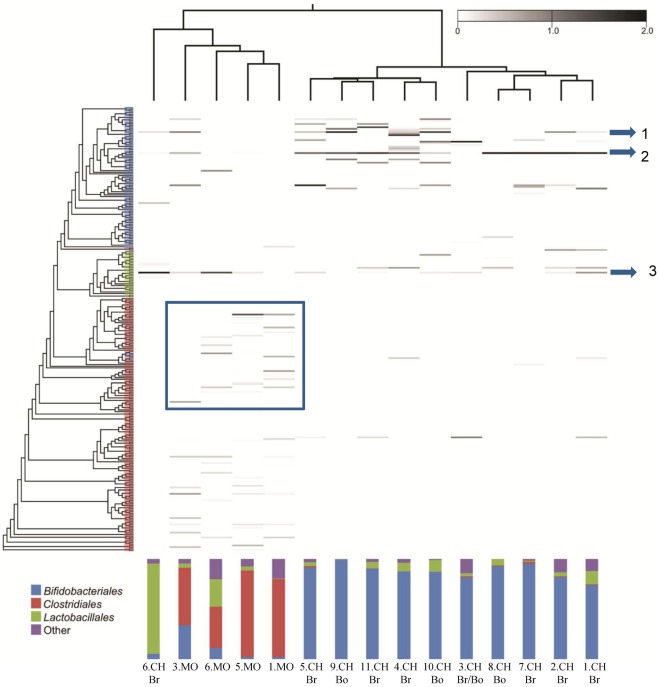
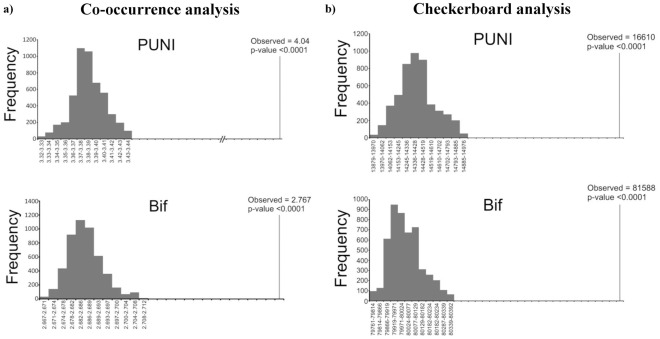
Verification
Claims the paper makes
The claims and statistics of this paper haven’t been checked yet.
Run the check — free, no account needed. It reads the open-access text and checks the sources it cites.
Claims other papers make about this one
Each is checked against this paper’s own text: does it say what the citing paper says it does?
The source backs part of the claim, not all of it — or backs it for a different population, condition or comparison.
In the citing paper
“PS infants showed an earlier and more robust colonisation of infant-associated Bifidobacterium species, particularly B. breve and B. longum subsp. infantis, compared to NPS infants51–53.”
From Impact of early life antibiotic and probiotic treatment on gut microbiome and resistome of very-low-birth-weight preterm infants. (2025) · cites this paper as [52]
Experimental — accuracy not yet measured
Self-check
Percentages, sums and reported differences re-computed from the paper’s own numbers.
The self-check needs the paper’s full text.
Citations
Cites
Cytoscape: A software Environment for integrated models of biomolecular interaction networks
Shannon, P., Markiel, A., Ozier, O., Baliga, N. S., Wang, J. T., Ramage, D., Amin, N., Schwikowski, B., & Ideker, T. (2003) · Genome Research · doi:10.1101/gr.1239303 · Cited by 51,888
QIIME allows analysis of high-throughput community sequencing data
Caporaso, J. G., Kuczynski, J., Stombaugh, J., Bittinger, K., Bushman, F. D., Costello, E. K., Fierer, N., Peña, A. G., Goodrich, J. K., Gordon, J. I., et al. (2010) · Nature Methods · doi:10.1038/nmeth.f.303 · Cited by 34,887 · cited 3×
“All reads were classified to the lowest possible taxonomic rank using QIIME and a reference dataset from the Ribosomal Database Project [31].”
MethodSearch and clustering orders of magnitude faster than BLAST
Edgar, R. C. (2010) · Bioinformatics · doi:10.1093/bioinformatics/btq461 · Cited by 21,098
An obesity-associated gut microbiome with increased capacity for energy harvest
Turnbaugh, P. J., Ley, R. E., Mahowald, M. A., Magrini, V., Mardis, E. R., & Gordon, J. I. (2006) · Nature · doi:10.1038/nature05414 · Cited by 12,444 · cited 1×
“Furthermore, microbial dysbiosis has been linked to several functional gut disorders, such as inflammatory bowel disease [4,5], irritable bowel syndrome [6], stomach cancer [7], mucosa-associated lymphoid tissue lymphoma [8], obesity [9,10] and necrotizing enterocolitis [11].”
BackgroundDiversity of the Human Intestinal Microbial Flora
Eckburg, P. B., Bik, E. M., Bernstein, C. N., Purdom, E., Dethlefsen, L., Sargent, M., Gill, S. R., Nelson, K. E., & Relman, D. A. (2005) · Science · doi:10.1126/science.1110591 · Cited by 7,913 · cited 2×
“2b), confirming previously published data on the fecal microbiota of adult subjects [13].”
BackgroundResultDietary Modulation of the Human Colonic Microbiota: Introducing the Concept of Prebiotics
Gibson, G. R., & Roberfroid, M. B. (1995) · Journal of Nutrition · doi:10.1093/jn/125.6.1401 · Cited by 7,659 · cited 1×
“infantis) are genetically adapted to utilize hostproduced glycans like mucins and human milk oligosaccharides [50–53].”
BackgroundHost-Bacterial Mutualism in the Human Intestine
Bäckhed, F., Ley, R. E., Sonnenburg, J. L., Peterson, D. A., & Gordon, J. I. (2005) · Science · doi:10.1126/science.1104816 · Cited by 5,277 · cited 1×
“. Studies employing murine models have highlighted the critical role played by the gut microbiota in the development of a properly functioning gastrointestinal tract”
BackgroundThe Ribosomal Database Project: improved alignments and new tools for rRNA analysis
Cole, J. R., Wang, Q., Cardenas, E., Fish, J., Chai, B., Farris, R. J., Kulam-Syed-Mohideen, A. S., McGarrell, D. M., Marsh, T. L., Garrity, G. M., et al. (2008) · Nucleic Acids Research · doi:10.1093/nar/gkn879 · Cited by 4,873 · cited 1×
“All reads were classified to the lowest possible taxonomic rank using QIIME and a reference dataset from the Ribosomal Database Project [31].”
MethodSokol, H., Pigneur, B., Watterlot, L., Lakhdari, O., Bermúdez-Humarán, L. G., Gratadoux, J.-J., Blugeon, S., Bridonneau, C., Furet, J.-P., Corthier, G., et al. (2008) · Proceedings of the National Academy of Sciences · doi:10.1073/pnas.0804812105 · Cited by 4,413 · cited 1×
“Furthermore, microbial dysbiosis has been linked to several functional gut disorders, such as inflammatory bowel disease [4,5], irritable bowel syndrome [6], stomach cancer [7], mucosa-associated lymphoid tissue lymphoma [8], obesity [9,10] and necrotizing enterocolitis [11].”
BackgroundHelicobacter pylori Infection and the Risk of Gastric Carcinoma
Parsonnet, J., FRIEDMAN, G. D., Vandersteen, D. P., Chang, Y., Vogelman∥, J. H., Orentreich∥, N., & Sibley, R. K. (1991) · New England Journal of Medicine · doi:10.1056/nejm199110173251603 · Cited by 3,893 · cited 1×
“Furthermore, microbial dysbiosis has been linked to several functional gut disorders, such as inflammatory bowel disease [4,5], irritable bowel syndrome [6], stomach cancer [7], mucosa-associated lymphoid tissue lymphoma [8], obesity [9,10] and necrotizing enterocolitis [11].”
Background
Research works printed but not linked: 1
- JM Diamond, 1975, Assembly of species community., Ecology and Evolution of Communities, eds Cody ML, Diamond JM (Harvard Univ Press, Cambridge, MA),, 342–444
Cited by
Sorted by citations
Items 301–400 of 648
Lawley, B., Otal, A., Moloney‐Geany, K., Diana, A., Houghton, L. A., Heath, A. M., Taylor, R. W., & Tannock, G. W. (2019) · Applied and Environmental Microbiology · doi:10.1128/aem.01105-19 · Cited by 29
Yang, B. K., Yan, S., Chen, Y., Ross, R. P., Stanton, C., Zhao, J., Zhang, H., & Chen, W. (2020) · Microorganisms · doi:10.3390/microorganisms8081108 · Cited by 30
Human milk oligosaccharides and the infant gut microbiome from an eco-evolutionary perspective
Kijner, S., Kolodny, O., & Yassour, M. (2022) · Current Opinion in Microbiology · doi:10.1016/j.mib.2022.102156 · Cited by 31
Perinatal Microbiomes’ Influence on Preterm Birth and Preterms’ Health
Ruíz, L., Moles, L., Gueimonde, M., & Rodríguez, J. M. (2016) · Journal of Pediatric Gastroenterology and Nutrition · doi:10.1097/mpg.0000000000001196 · Cited by 29
“During the first months of life there is a significant presence of Actinobacteria and, in many cases, Proteobacteria (30,41,53,54), which is in contrast to the dominance of Bacteroidetes and Firmicutes during adulthood (55).”
ResultSelf-citationMobilome and Resistome Reconstruction from Genomes Belonging to Members of the Bifidobacterium Genus
Mancino, W., Lugli, G. A., van Sinderen, D., Ventura, M., & Turroni, F. (2019) · Microorganisms · doi:10.3390/microorganisms7120638 · Cited by 30
“Members of the Bifidobacterium genus are believed to be crucial for the development of a healthy gut microbiota in early life, colonizing the GIT within the first days following birth [5].”
BackgroundInfluentialSelf-citationNøhr-Meldgaard, K., Struve, C., Ingmer, H., & Agersø, Y. (2021) · Frontiers in Microbiology · doi:10.3389/fmicb.2021.658943 · Cited by 28
Arciero, J. C., Ermentrout, B., Siggers, R. H., Afrazi, A., Hackam, D. J., Yoram Vodovotz, B., & Rubin, J. E. (2012) · Journal of Theoretical Biology · doi:10.1016/j.jtbi.2012.12.002 · Cited by 28
“formula fed) are key factors that cause differential colonization and composition of the neonatal gut (Turroni et al., 2012).”
Fine-tuning of the mucosal barrier and metabolic systems using the diet-microbial metabolite axis
Nagai, M., Obata, Y., Takahashi, D., & Hase, K. (2016) · International Immunopharmacology · doi:10.1016/j.intimp.2016.04.001 · Cited by 28
Intestinal microbiota as a tetrahydrobiopterin exogenous source in hph-1 mice
Belik, J., Shifrin, Y., Arning, E., Bottiglieri, T., Pan, J., Daigneault, M. C., & Allen‐Vercoe, E. (2017) · Scientific Reports · doi:10.1038/srep39854 · Cited by 27
Yun, E. J., Yu, S., Park, N. J., Cho, Y.-H., Han, N. R., Jin, Y., & Kim, K. H. (2021) · Scientific Reports · doi:10.1038/s41598-021-92872-y · Cited by 25
The Influence of Gut Microbial Species on Diabetes Mellitus
AL-Ishaq, R. K., Samuel, S. M., & Büsselberg, D. (2023) · International Journal of Molecular Sciences · doi:10.3390/ijms24098118 · Cited by 30
Discovery of a Conjugative Megaplasmid in Bifidobacterium breve
Bottacini, F., Motherway, M. O., Casey, E., McDonnell, B., Mahony, J., Ventura, M., & van Sinderen, D. (2014) · Applied and Environmental Microbiology · doi:10.1128/aem.02871-14 · Cited by 27
“longum both represent common inhabitants of the infant gut (1), which supports the hypothesis that the cooccurrence of apparent homologs of this conjugative element in both of these species may be a result of previous DNA exchanges, followed by diversification and stable maintenance of this element over generations.”
BackgroundSelf-citationMartínez, N., Luque, R., Milani, C., Ventura, M., Bañuelos, Ó., & Margollés, A. (2018) · Applied and Environmental Microbiology · doi:10.1128/aem.02888-17 · Cited by 27
“It is one of the most prevalent species in the infant gut microbiota (1), being especially abundant in the intestine and feces of breast-fed individuals, in which it is believed that it plays an important role in the maturation of the immune system and the development of other physiological functions, as well as, alth…”
BackgroundSelf-citationHuman Breast-Milk Feeding Enhances the Humoral and Cell-Mediated Immune Response in Neonatal Piglets
Miklavcic, J. J., Badger, T. M., Bowlin, A. K., Matazel, K. S., Cleves, M. A., LeRoith, T., Saraf, M. K., Chintapalli, S. V., Piccolo, B. D., Shankar, K., et al. (2018) · Journal of Nutrition · doi:10.1093/jn/nxy170 · Cited by 26
“The infant gut microbiota is highly abundant in Actinobacteria, of which Bifidobacterium is among the most abundant genus (78, 79).”
BackgroundSuzuki, K., Nishiyama, K., MIYAJIMA, H., Osawa, R., Yamamoto, Y., & Mukai, T. (2015) · Bioscience of Microbiota Food and Health · doi:10.12938/bmfh.2015-015 · Cited by 26
“The fecal microbiota of infants is characterized by high levels of bifidobacteria [2].”
BackgroundYan, S., Zhao, G., Liu, X., Zhao, J., Zhang, H., & Chen, W. (2017) · RSC Advances · doi:10.1039/c7ra03925e · Cited by 27
Influence of gender, age, and body mass index on the gut microbiota of individuals from South China
Li, S., Fan, S., Ma, Y., Xia, C., & Yan, Q. (2024) · Frontiers in Cellular and Infection Microbiology · doi:10.3389/fcimb.2024.1419884 · Cited by 26
Marín‐Manzano, M. C., Hernández‐Hernández, O., Díez‐Municio, M., Delgado‐Andrade, C., Moreno, F. J., & Clemente, A. (2020) · Foods · doi:10.3390/foods9070921 · Cited by 28
Human milk and mucosa-associated disaccharides impact on cultured infant fecal microbiota
Rubio‐del‐Campo, A., Alcántara, C., Collado, M. C., Rodríguez‐Díaz, J., & Yebra, M. J. (2020) · Scientific Reports · doi:10.1038/s41598-020-68718-4 · Cited by 26
Yang, S., Xie, X., Ma, J., He, X., Li, Y., Du, M., Li, L., Yang, L., Wu, Q., Chen, W., et al. (2021) · Frontiers in Microbiology · doi:10.3389/fmicb.2021.649698 · Cited by 25
Drobyshevsky, A., Synowiec, S., Goussakov, I. V., Fabres, R. B., Lu, J. N., & Caplan, M. S. (2024) · Gut Microbes · doi:10.1080/19490976.2024.2333808 · Cited by 25
“17 Bifidobacterium is the dominant bacterial genus in normal neonatal intestinal flora (commensal bacteria) 18,23 and has received attention for preventing NEC.”
BackgroundWang, G., Liu, Q., Pei, Z., Wang, L., Tian, P., Liu, Z., Zhao, J., Zhang, H., & Chen, W. (2020) · Frontiers in Microbiology · doi:10.3389/fmicb.2020.01088 · Cited by 25
“pseudocatenulatum is ubiquitous in the human gut across all ages (Turroni et al., 2012) and has been proven to possess multiple probiotic properties (Yang et al.”
BackgroundBuilding Robust Assemblages of Bacteria in the Human Gut in Early Life
Tannock, G. W. (2021) · Applied and Environmental Microbiology · doi:10.1128/aem.01449-21 · Cited by 24
Zhao, L., Xie, Q., Evivie, S. E., Yue, Y., Yang, H. M., Lv, X., Liu, F., Li, B., & Huo, G. (2022) · Journal of Functional Foods · doi:10.1016/j.jff.2022.105030 · Cited by 24
Andriantsoanirina, V., Téolis, A.-C., Xin, L. X., Butel, M. J., & Aires, J. (2014) · Anaerobe · doi:10.1016/j.anaerobe.2014.07.002 · Cited by 23
Kelly, E. D., Bottacini, F., O’Callaghan, J., Motherway, M. O., O’Connell, K. J., Stanton, C., & van Sinderen, D. (2016) · International Journal of Food Microbiology · doi:10.1016/j.ijfoodmicro.2016.02.014 · Cited by 23
“One group of gut commensals is represented by bifidobacteria, being among the first colonisers of the infant gut (Turroni et al., 2012) and commonly present in the distal gut of adult human hosts (Gill et al., 2006; Turroni et al., 2009; Verberkmoes et al., 2009).”
BackgroundMaternal gut microbiota in the postpartum Period: A Systematic review
Weerasuriya, W., Saunders, J. E., Markel, L., Ho, T. T. B., Xu, K., Lemas, D. J., Groer, M. W., & Louis‐Jacques, A. F. (2023) · European Journal of Obstetrics & Gynecology and Reproductive Biology · doi:10.1016/j.ejogrb.2023.03.042 · Cited by 29
Luo, Y., Zhang, Y., Yang, Y., Wu, S., Zhao, J., Li, Y., Kang, X., Li, Z., Chen, J., Shen, X. P., et al. (2023) · Journal of Dairy Science · doi:10.3168/jds.2023-23367 · Cited by 24
Becerra, J. E., Coll-Marqués, J. M., Rodríguez‐Díaz, J., Monedero, V., & Yebra, M. J. (2015) · Applied Microbiology and Biotechnology · doi:10.1007/s00253-015-6666-2 · Cited by 23
Ávila-Fernández, Á., Cuevas‐Juárez, E., Rodríguez-Alegría, M. E., Olvera, C., & López-Munguı́a, A. (2016) · Journal of Applied Microbiology · doi:10.1111/jam.13154 · Cited by 23
“…the population of Bifidobacteria -the dominant bacteria group of the neonatal gut microbiota- differs among individuals (Palmer et al. 2007) and could be affected by different environmental factors such as age (Gourbeyre et al. 2011) and type of nutrition (Turroni et al. 2012; Barrett et al. 2015).”
BackgroundDevelopment of a synbiotic product for newborns and infants
Mazzola, G., Aloisio, I., Biavati, B., & Gioia, D. D. (2015) · LWT · doi:10.1016/j.lwt.2015.06.033 · Cited by 23
Liu, J., Li, W., Yao, C., Yu, J., & Zhang, H. (2022) · BMC Microbiology · doi:10.1186/s12866-022-02573-3 · Cited by 22
“Discussion As a typical intestinal symbiotic bacteria, Bifidobacterium has experienced a long and extensive evolutionary process in human hosts [1].”
BackgroundInfluentialVitamin biosynthesis in the gut: interplay between mammalian host and its resident microbiota
Tarracchini, C., Lordan, C., Milani, C., Moreira, L. D. P. D., Alabedallat, Q. M., de LeBlanc, A. D. M., Turroni, F., Lugli, G. A., Mancabelli, L., Longhi, G., et al. (2025) · Microbiology and Molecular Biology Reviews · doi:10.1128/mmbr.00184-23 · Cited by 29
Self-citationLewis, Z. T., Bokulich, N. A., Kalanetra, K. M., Ruiz‐Moyano, S., Underwood, M. A., & Mills, D. A. (2012) · Anaerobe · doi:10.1016/j.anaerobe.2012.12.005 · Cited by 23
“Pyrosequencing can sometimes discriminate between bifidobacteria at a species level [13,14], but remains expensive on a per-sample basis for many applications.”
BackgroundEstablishment of murine gut microbiota in gnotobiotic mice
Choo, J. M., & Rogers, G. B. (2021) · iScience · doi:10.1016/j.isci.2021.102049 · Cited by 22
Bifidobacteria: insights into the biology of a key microbial group of early life gut microbiota
Turroni, F., van Sinderen, D., & Ventura, M. (2021) · Microbiome Research Reports · doi:10.20517/mrr.2021.02 · Cited by 22
Self-citationMobilome and genetic modification of bifidobacteria
Guglielmetti, S., Mayo, B., & Álvarez-Martín, P. (2012) · Beneficial Microbes · doi:10.3920/bm2012.0031 · Cited by 22
Insights into teichoic acid biosynthesis byBifidobacterium bifidumPRL2010
Colagiorgi, A., Turroni, F., Mancabelli, L., Serafini, F., Secchi, A., van Sinderen, D., & Ventura, M. (2015) · FEMS Microbiology Letters · doi:10.1093/femsle/fnv141 · Cited by 23
“Bifidobacteria represent one of the dominant bacterial groups found in the intestinalmicrobiota of infants (Turroni et al. 2012).”
BackgroundSelf-citationThum, C., Roy, N. C., McNabb, W. C., Otter, D. E., & Cookson, A. L. (2015) · Gut Microbes · doi:10.1080/19490976.2015.1105425 · Cited by 22
“The B. breve, B. longum and B. bifidum strains isolated in this work, together with B. longum subsp infantis and B. adolescentis, are among the most prevalent species found in infants independent of their feeding regime.12,29 Although only a small number of bifidobacterial strains were selected from each infant, previ…”
BackgroundMethodRole of Gut-Brain Axis in the Aetiology of Neurodevelopmental Disorders with Reference to Autism
Rizk, M. Z. (2012) · Journal of Clinical Toxicology · doi:10.4172/2161-0495.s6-005 · Cited by 23
“The gut microbiota including Bifidobacteria constantly helps in successful maturation of the gut mucosal adaptive immune system [23-25].”
BackgroundLanigan, N., Kelly, E. D., Arzamasov, A. A., Stanton, C., Rodionov, D. A., & van Sinderen, D. (2019) · Scientific Reports · doi:10.1038/s41598-019-54229-4 · Cited by 22
Imoto, N., Kano, C., Aoyagi, Y., Morita, H., Amanuma, F., Maruyama, H., Nojiri, S., Hashiguchi, N., & Watanabe, S. (2021) · Scientific Reports · doi:10.1038/s41598-021-85670-z · Cited by 22
Tryptophan metabolism and the gut-brain axis: focus on specific gut microbial genera
Xia, Y., Zhang, C., Yu, L., Zhang, Q., Narbad, A., Chen, W., Zhai, Q., & Tian, F. (2025) · Journal of Future Foods · doi:10.1016/j.jfutfo.2024.09.006 · Cited by 24
Chaplin, A. V., Бржозовский, А. Г., Парфенова, Т. В., Кафарская, Л. И., Николаевич, В. Н., Shkoporov, A. N., Ilina, E. N., & Efimov, B. A. (2015) · Annals of the Russian academy of medical sciences · doi:10.15690/vramn.v70.i4.1409 · Cited by 21
“У детей до 2 лет бифидобактерии являются численно преобладающими в микрофлоре толстой кишки по сравнению с другими микроорганизмами [8]; максимум относительной численности бифидобактерий наблюдается в 3 мес [9].”
Versluis, D. M., Schoemaker, R., Looijesteijn, E., Muysken, D., Jeurink, P. V., Paques, M., Geurts, J. M. W., & Merks, R. M. H. (2022) · mSystems · doi:10.1128/msystems.00446-22 · Cited by 20
“Because the genus Bifidobacterium is known to be particularly diverse (68), we represented it with models of three different strains.”
BackgroundKu, H.-J., & Lee, J.-H. (2014) · Journal of Microbiology and Biotechnology · doi:10.4014/jmb.1403.03032 · Cited by 21
Tolerance mechanisms of human-residential bifidobacteria against lysozyme
Sakurai, T., Hashikura, N., Minami, J., Yamada, A., Odamaki, T., & Xiao, J. (2017) · Anaerobe · doi:10.1016/j.anaerobe.2017.05.001 · Cited by 21
Zakharevich, N. V., Averina, O. V., Klimina, K. M., Kudryavtseva, A. V., Kasianov, A. S., Makeev, V. J., & Даниленко, В. Н. (2015) · Microbial Ecology · doi:10.1007/s00248-015-0603-x · Cited by 21
“Bifidobacteria represent an important group of the human intestinal microbiota [1].”
BackgroundProduction of biologically active scFv and VHH antibody fragments in Bifidobacterium longum
Shkoporov, A. N., Khokhlova, E. V., Savochkin, K. A., Кафарская, Л. И., & Efimov, B. A. (2015) · FEMS Microbiology Letters · doi:10.1093/femsle/fnv083 · Cited by 21
Host genetics is associated with the gut microbial community membership rather than the structure
Zhao, P., Irwin, D. M., & Dong, D. (2016) · Molecular BioSystems · doi:10.1039/c5mb00850f · Cited by 21
Li, B., Chen, D., Lin, F., Wu, C., Cao, L., Chen, H., Hu, Y., & Yin, Y. (2022) · Applied and Environmental Microbiology · doi:10.1128/aem.00410-22 · Cited by 23
Centanni, M., Turroni, S., Consolandi, C., Rampelli, S., Peano, C., Severgnini, M., Biagi, E., Caredda, G., Bellis, G. D., Brigidi, P., et al. (2013) · PLoS ONE · doi:10.1371/journal.pone.0081762 · Cited by 20
“longum [13,54] - has been shown to exert synergic immune modulatory and protective properties [55,56], allowing the promotion and maintenance of a mutualistic cross-talk between the infant immune system and the mucosa-associated GM fraction [11].”
BackgroundSelf-citationExperimental determination and characterization of the gap promoter of Bifidobacterium bifidum S17
Sun, Z., Westermann, C., Yuan, J., & Riedel, C. U. (2014) · Bioengineered · doi:10.4161/bioe.34423 · Cited by 20
Behavior of Lactobacilli Isolated from Fermented Slurry (ben-saalga) in Gnotobiotic Rats
Turpin, W., Humblot, C., Noordine, M.-L., Wrzosek, L., Tomas, J., Mayeur, C., Cherbuy, C., Guyot, J., & Thomas, M. (2013) · PLoS ONE · doi:10.1371/journal.pone.0057711 · Cited by 20
“bifidobacteria, pioneer bacteria colonizing a yet immature GIT [24], they may impact the maturation and homeostasis of the”
BackgroundInfluentialImpact of maternal bifidobacteria and the mode of delivery on Bifidobacterium microbiota in infants
Sirilun, S., Takahashi, H., Boonyaritichaikij, S., Chaiyasut, C., Lertruangpanya, P., Koga, Y., & Mikami, K. (2015) · Beneficial Microbes · doi:10.3920/bm2014.0124 · Cited by 20
“In subjects from Italy, Ireland, and Spain, Turroni et al. (2012) examined 11 infants at the age of 1.5 months to 5 months and showed that the dominant Bifidobacterium species were B. longum and B. bifidum.”
BackgroundInfluentialMogna, L., Piano, M. D., & Mogna, G. (2014) · Journal of Clinical Gastroenterology · doi:10.1097/mcg.0000000000000234 · Cited by 20
Soverini, M., Rampelli, S., Turroni, S., Schnorr, S. L., Quercia, S., Castagnetti, A., Biagi, E., Brigidi, P., & Candela, M. (2016) · Frontiers in Microbiology · doi:10.3389/fmicb.2016.01058 · Cited by 20
“…metagenome functions include genes that permit the establishment of microbe–host immunological cross-talk, suggesting recent co-evolutionary events between the human immune system and Bifidobacterium that are adaptive in the context of agricultural subsistence and sedentary societies.”
Background16S rRNA Gene Primer Validation for Bacterial Diversity Analysis of Vegetable Products
Nakano, M. (2018) · Journal of Food Protection · doi:10.4315/0362-028x.jfp-17-346 · Cited by 20
Sakanaka, M., Nakakawaji, S., Nakajima, S., Fukiya, S., Abe, A., Saburi, W., Mori, H., & Yokota, A. (2018) · Applied and Environmental Microbiology · doi:10.1128/aem.00824-18 · Cited by 20
“Bifidobacteria are a member of the gut microbiota in humans, especially predominant during the exclusively breast-fed period of life (10, 11).”
BackgroundMicrobial Metabolism in the Mammalian Gut
Hall, A., & Versalovic, J. A. (2018) · Journal of Pediatric Gastroenterology and Nutrition · doi:10.1097/mpg.0000000000001857 · Cited by 20
“Recent studies suggest that infant gut microbial communities may have direct and lasting effects on the development of the innate and adaptive immune systems, as well as maturation of the enteric and central nervous systems (14,16,17).”
BackgroundFukudome, H., Yamaguchi, T., Higuchi, J., Ogawa, A., Taguchi, Y., Li, J., Kabuki, T., Ito, K., & Sakai, F. (2020) · Journal of Dairy Science · doi:10.3168/jds.2019-17865 · Cited by 20
Liu, S., Fang, Z., Wang, H., Zhai, Q., Hang, F., Zhao, J., Zhang, H., Lu, W., & Chen, W. (2021) · Microorganisms · doi:10.3390/microorganisms9050883 · Cited by 20
Karamantziani, T., Pouliakis, A., Xanthos, T. T., Ekmektzoglou, K. A., Paliatsiou, S., Sokou, R., & Iacovidou, N. M. (2024) · Children · doi:10.3390/children11020231 · Cited by 19
“The causal relationship between gut microbiota and the manifestation of diseases such as gastric cancer, mucosal lymphoid tissue lymphoma, inflammatory bowel disease, and necrotizing enterocolitis is a subject of ongoing studies [22,61,62,69–74].”
BackgroundLugli, G. A., Mancino, W., Milani, C., Duranti, S., Turroni, F., van Sinderen, D., & Ventura, M. (2018) · Applied and Environmental Microbiology · doi:10.1128/aem.00796-18 · Cited by 19
“more in-depth analysis of the secreted proteins of this genus (39, 40).”
BackgroundSelf-citationBondue, P., Milani, C., Arnould, E., Ventura, M., Daube, G., LaPointe, G., & Delcenserie, V. (2020) · BMC Microbiology · doi:10.1186/s12866-020-01804-9 · Cited by 18
Self-citationRuíz, L., Flórez, A. B., Sánchez, B., Moreno-Muñoz, J. A., Rodríguez-Palmero, M., Jiménez, J., Reyes‐Gavilán, C. G. D. L., Gueimonde, M., Ruas‐Madiedo, P., & Margollés, A. (2020) · Nutrients · doi:10.3390/nu12113259 · Cited by 20
Self-citationda Silva, J. G. V., Vieira, A. T., Sousa, T. J., Viana, M. V. C., Parise, D., Sampaio, B. V., da Silva, A. L., de Jesus, L. C. L., de Carvalho, P. K. R. M. L., Oliveira, L. D. C., et al. (2021) · Gene · doi:10.1016/j.gene.2021.145781 · Cited by 19
Duranti, S., Turroni, F., Milani, C., Foroni, E., Bottacini, F., Bello, F. D., Ferrarini, A., Delledonne, M., van Sinderen, D., & Ventura, M. (2012) · Applied and Environmental Microbiology · doi:10.1128/aem.02467-12 · Cited by 19
“adolescentis group have recently been isolated in infants (16), suggesting that members of this taxon are able to adapt to different ecological niches.”
BackgroundSelf-citationEl-Kersh, T. A., Marie, M. A. M., Al‐Sheikh, Y. A., Al-Agamy, M. H., & Bloushy, A. A. (2016) · Saudi Medical Journal · doi:10.15537/smj.2016.3.13871 · Cited by 19
Phylogenetic Analysis of the Bifidobacterium Genus Using Glycolysis Enzyme Sequences
Brandt, K., & Barrangou, R. (2016) · Frontiers in Microbiology · doi:10.3389/fmicb.2016.00657 · Cited by 19
Bai, X., Shen, L., Gao, X., Yu, Z., Sakandar, H. A., Kwok, L., & Sun, Z. (2020) · Food Research International · doi:10.1016/j.foodres.2020.109839 · Cited by 18
Ambrogi, V., Bottacini, F., MacSharry, J., van Breen, J., O’Keeffe, E., Walsh, D., Schoemaker, B., Cao, L.-Q., Kuipers, B. J. H., Lindner, C., et al. (2021) · Frontiers in Microbiology · doi:10.3389/fmicb.2021.750635 · Cited by 15
Moak, R., Boone, N., Eidson, N. M., Rohrer, A. M., Engevik, M. A., Williams, K. W., & Chetta, K. E. (2023) · Frontiers in Pediatrics · doi:10.3389/fped.2023.1274146 · Cited by 18
Association between diet and fecal microbiota along the first year of life
Gómez‐Martín, M., Saturio, S., Arboleya, S., Herrero-Morín, D., Calzón, M., López, T., González, S., & Gueimonde, M. (2022) · Food Research International · doi:10.1016/j.foodres.2022.111994 · Cited by 20
Self-citationDíaz, R., & Garrido, D. A. (2023) · Microbiome Research Reports · doi:10.20517/mrr.2023.61 · Cited by 16
Dyachkova, M. S., Klimina, K. M., Kovtun, A. S., Zakharevich, N. V., Nezametdinova, V. Z., Averina, O. V., & Даниленко, В. Н. (2015) · Genome Announcements · doi:10.1128/genomea.00709-15 · Cited by 19
Westermann, C., Zhurina, D. S., Baur, A., Shang, W., Yuan, J., & Riedel, C. U. (2012) · Symbiosis · doi:10.1007/s13199-012-0205-z · Cited by 17
Chen, C., Li, T., Chen, G., Chen, D., Peng, Y., Hu, B., Sun, Y., & Zeng, X. (2020) · Journal of Agricultural and Food Chemistry · doi:10.1021/acs.jafc.0c03628 · Cited by 17
Architecture Insight of Bifidobacterial α-L-Fucosidases
Curiel, J. A., Peirotén, Á., Landete, J. M., de la Bastida, A. R., Langa, S., & Arqués, J. L. (2021) · International Journal of Molecular Sciences · doi:10.3390/ijms22168462 · Cited by 18
“In this regard, Bifidobacterium species are considered key actors in the multifaceted process of gut development and maturation of the immune system [3].”
BackgroundSakanaka, M., Tamai, S., Hirayama, Y., Onodera, A., Koguchi, H., Kano, Y., Yokota, A., & Fukiya, S. (2014) · Journal of Bioscience and Bioengineering · doi:10.1016/j.jbiosc.2014.05.002 · Cited by 17
Guglielmetti, S., Balzaretti, S., Taverniti, V., Miriani, M., Milani, C., Scarafoni, A., Corona, S., Ciranna, A., Arioli, S., Santala, V. P., et al. (2014) · Applied and Environmental Microbiology · doi:10.1128/aem.01413-14 · Cited by 17
“Bifidobacteria are Gram-positive members of the human gut microbiota that include species typically representing the dominant colonic bacteria in breast-fed infants (1, 2).”
BackgroundSelf-citationComparative genomics of Bifidobacterium species isolated from marmosets and humans
Brown, C. J., Mtui, D., Oswald, B. P., Leuven, J. T. V., Vallender, E. J., SCHULTZ‐DARKEN, N. J., Ross, C. N., Tardif, S. D., Austad, S. N., & Forney, L. J. (2019) · American Journal of Primatology · doi:10.1002/ajp.22983 · Cited by 17
Lin, G., Liu, Q., Wang, L., Li, H., Zhao, J., Zhang, H., Wang, G., & Chen, W. (2022) · Nutrients · doi:10.3390/nu14112347 · Cited by 17
“Introduction Bifidobacterium pseudocatenulatum can be found in the intestinal tract of people of all ages, but particularly in that of nursing infants [1,2].”
BackgroundGut Immunity and Type 1 Diabetes: a Mélange of Microbes, Diet, and Host Interactions?
Endesfelder, D., Engel, M., & zu Castell, W. (2016) · Current Diabetes Reports · doi:10.1007/s11892-016-0753-3 · Cited by 16
Heak, C., Sukon, P., & Sornplang, P. (2018) · Asian-Australasian Journal of Animal Sciences · doi:10.5713/ajas.18.0009 · Cited by 16
“Bifidobacterium , a Gram-positive, non-motile, often branched anaerobic bacterium belonging to the phylum Actinobacteria, however, is very important in humans because it is found predominantly in infants [22].”
Zhu, L., Yang, Q., Haute, M. J. S. V., Kok, C. R., Neto, J. C. G., Pavlovikj, N., Pillai, R., Sinha, R., Hassenstab, H. R., Mustoe, A. C., et al. (2021) · mBio · doi:10.1128/mbio.01153-21 · Cited by 16
Jayasinghe, T. N., Vatanen, T., Chiavaroli, V., Jayan, S., McKenzie, E. J., Adriaenssens, E. M., Derraik, J. G. B., Ekblad, C., Schierding, W. S., BATTIN, M. R., et al. (2020) · Frontiers in Cellular and Infection Microbiology · doi:10.3389/fcimb.2020.00276 · Cited by 14
“, Ruminococcus Bifidobacterium, Bacteroides, and Clostridium species) (Turroni et al., 2012; Bergström et al., 2014; Obermajer et al., 2017).”
BackgroundBiological effects of combinations of structurally diverse human milk oligosaccharides
Wichmann, A. (2024) · Frontiers in Pediatrics · doi:10.3389/fped.2024.1439612 · Cited by 15
Prebiotic Activity of Vaginal Lactobacilli on Bifidobacteria: from Concept to Formulation
Giordani, B., Abruzzo, A., Parolin, C., Foschi, C., Laghi, L., Marangoni, A., Luppi, B., & Vitali, B. (2023) · Microbiology Spectrum · doi:10.1128/spectrum.02009-22 · Cited by 15
Luo, Y., Bi, J., Lin, Y., He, J., Wu, S., Zhang, Y., Wang, Y., Song, S., & Guo, H. (2023) · LWT · doi:10.1016/j.lwt.2023.114866 · Cited by 15
Gut microbiome dysbiosis in malnutrition
Chawla, M., Gupta, R., & Das, B. (2022) · Progress in molecular biology and translational science · doi:10.1016/bs.pmbts.2022.07.011 · Cited by 16
Assessing the Intestinal Microbiota in the SHINE Trial
Gough, E. K., Prendergast, A. J., Mutasa, K., Stoltzfus, R. J., & Manges, A. R. (2015) · Clinical Infectious Diseases · doi:10.1093/cid/civ850 · Cited by 15
Bifidobacterium pseudolongum Strain PV8-2, Isolated from a Stool Sample of an Anemic Kenyan Infant
Vazquez-Gutierrez, P., Lacroix, C., Chassard, C., Klumpp, J., Stevens, M. J. A., & Jans, C. (2015) · Genome Announcements · doi:10.1128/genomea.01469-14 · Cited by 14
“Bifidobacterium pseudolongum belongs to the less predominant and less studied bifidobacteria in infants and accounts for approximately 2% of the bifidobacterial population colonizing the gut of infants (3).”
BackgroundArgentini, C., Mancabelli, L., Alessandri, G., Tarracchini, C., Barbetti, M., Carnevali, L., Longhi, G., Viappiani, A., Anzalone, R., Milani, C., et al. (2022) · Applied and Environmental Microbiology · doi:10.1128/aem.00522-22 · Cited by 14
Self-citationCui, W., Wen, Q., Lurong, D., Yong-hua, W., Gao, S., Li, J., Li, N., & Xu, C. (2023) · Food Bioscience · doi:10.1016/j.fbio.2023.102622 · Cited by 14
Rapid assay to assess colonization patterns following in-vivo probiotic ingestion
Tobin, J. M., Garland, S. M., Jacobs, S. E., Pirotta, M. V., & Tabrizi, S. N. (2013) · BMC Research Notes · doi:10.1186/1756-0500-6-252 · Cited by 14
“It is important to test a pre-supplementation sample to ensure the subject is not positive for the probiotic organisms prior to its administration, as it is possible for gut micro biota to already contain the organism [14].”
BackgroundKim, M., Shin, S. W., Kim, H.-B., Kim, E., & Kim, H. (2020) · Food Chemistry · doi:10.1016/j.foodchem.2020.128887 · Cited by 14
Cui, S., Gu, J., Liu, X., Li, D., Mao, B., Zhang, H., Zhao, J., & Chen, W. (2021) · Journal of the Science of Food and Agriculture · doi:10.1002/jsfa.11181 · Cited by 14
Arboleya, S., Bahrami, B., Macfarlane, S., Gueimonde, M., Macfarlane, G. T., & Reyes‐Gavilán, C. G. D. L. (2015) · Beneficial Microbes · doi:10.3920/bm2014.0111 · Cited by 14
“, 2010); their gut is dominated by bifidobacteria and they also harbour lower counts of potential pathogens than formula-fed infants (Kalliomaki et al., 2001a,b; Roger et al., 2010; Turroni et al., 2012).”
BackgroundSelf-citationSerum Vitamin D Level and Gut Microbiota in Women
Alkhaldy, N. S., Al-Musharaf, S., Aljazairy, E. A., Hussain, S. D., Alnaami, A. M., Al‐Daghri, N. M., & Aljuraiban, G. S. (2023) · Healthcare · doi:10.3390/healthcare11030351 · Cited by 13
“In the group with obesity, serum vitamin D was positively correlated with the Bifidobacterium adolescentis species, one of the most predominant bacteria in the gut of healthy adults [62,63].”
Result
Metadata
- Authors
- Turroni, F., Peano, C., Pass, D. A., Foroni, E., Severgnini, M., Claesson, M. J., Kerr, C., Hourihane, J., Murray, D., Fuligni, F., Gueimonde, M., Margolles, A., De Bellis, G., O’Toole, P. W., van Sinderen, D., Marchesi, J. R., & Ventura, M.
- Affiliations
- University of Parma (IT)
- National Research Council (IT)
- Cardiff University (GB)
- University College Cork (IE)
- Consejo Superior de Investigaciones Científicas (ES)
- Corresponding author
- Ventura, Marco
- ORCID
- Venue
- PLoS ONE
- Publisher
- Public Library of Science (PLoS)
- Published
- 2012-05-11
- Volume
- 7
- Issue
- 5
- Pages
- e36957
- ISSN
- 1932-6203 (ISSN-L)
- PMC
- PMC3350489
- OpenAlex
- W2048550695
- Cited by
- 647
- References
- 54
- Citations by year
- 2026: 17 · 2025: 32 · 2024: 45 · 2023: 36 · 2022: 49 · 2021: 57 · 2020: 71 · 2019: 29 · 2018: 46 · 2017: 56 · 2016: 52 · 2015: 50 · 2014: 48 · 2013: 41 · 2012: 17
- FWCI
- 20.04
- Type
- journal article
- Language
- en
- Open access
- gold
- doi.org
- Locations
- PLoS ONE (publishedVersion, cc-by)
- Europe PMC (PubMed Central) (publishedVersion, cc-by)
- PubMed Central (publishedVersion, cc-by)
- PubMed (publishedVersion)
- ORCA Online Research @Cardiff (Cardiff University) (acceptedVersion)
- DIGITAL.CSIC (Spanish National Research Council (CSIC)) (submittedVersion)
- DOAJ (DOAJ: Directory of Open Access Journals) (submittedVersion, cc-by-sa)
- Figshare (submittedVersion, cc-by)
- Funders
- Royal Society
- Irish Research Council for Science, Engineering and Technology
- Science Foundation Ireland (02/CE/B124, 07/CE/B1368)
- Ministero dell’Istruzione, dell’Università e della Ricerca
- Natural Environment Research Council (NBAF010005)
- Topics
- Life Sciences › Biochemistry, Genetics and Molecular Biology › Molecular Biology › Gut microbiota and health
- Health Sciences › Nursing › Nutrition and Dietetics › Infant Nutrition and Health
- Life Sciences › Agricultural and Biological Sciences › Food Science › Probiotics and Fermented Foods
- Keywords
- Bifidobacterium, infant gut microbiota, bacterial diversity, 16S rRNA gene, fecal microbiota, breastfeeding, bottle feeding, mode of delivery, vaginal delivery, cesarean section, maternal microbiota, species co-occurrence, gut commensal bacteria
- MeSH terms
- Base Sequence, Bifidobacterium, Feces, Female, Genes, Bacterial, Humans, Infant, Phylogeny, Pregnancy, RNA, Bacterial, RNA, Ribosomal, 16S, Genetic Variation, DNA Primers, Gastrointestinal Tract, Metagenome
About these checks
Registry, retraction, Cites and statistics results are computed, not judged, with one exception: a printed reference that no index lists is read once by a model before it counts as a citation error. Claims are extracted by a model and kept only when their quote appears verbatim in the text; each cited source is then checked, with a model’s help, for whether it says what the claim relies on. Those verdicts can be wrong — read the claim’s quote and the cited source before relying on one.
Statistics and arithmetic are recomputed, not judged.
Confidence bands are shown only for fields calibrated on our annotated test set. None is calibrated yet, so no band is shown.
What counts as a claim ›How we measure confidence ›How we check this ›
Are you an author, or do you see a problem with this page? Request a review
