

The DOI matches its Crossref record; 33 of the 33 references it cites were found in a registry or an index.
A Large-Scale Study of Anxiety and Depression in People with Multiple Sclerosis: A Survey via the Web Portal of the UK MS Register
Open accessAbstract
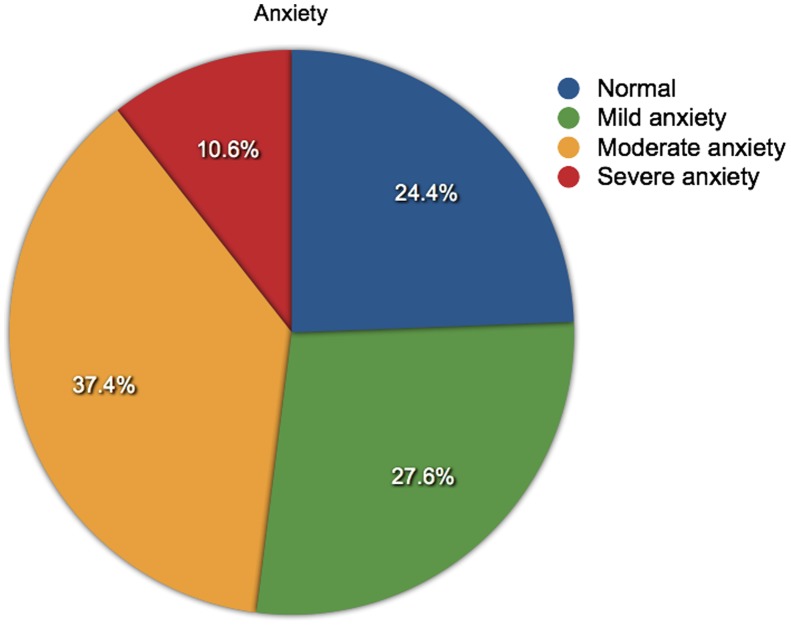
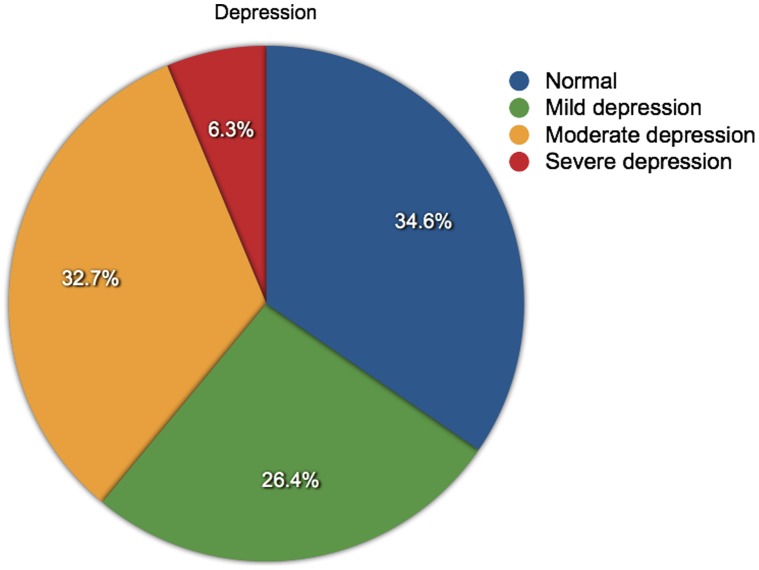
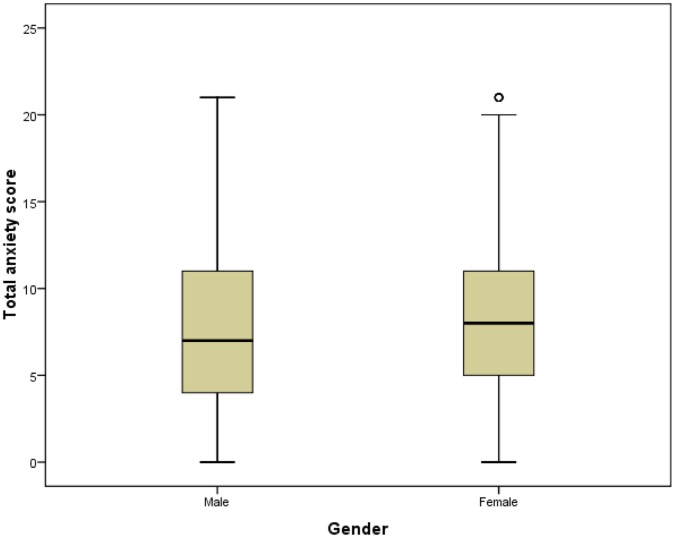
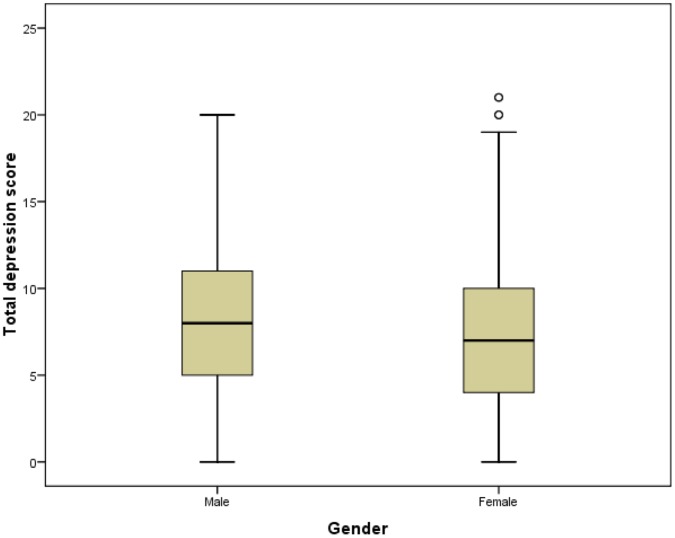
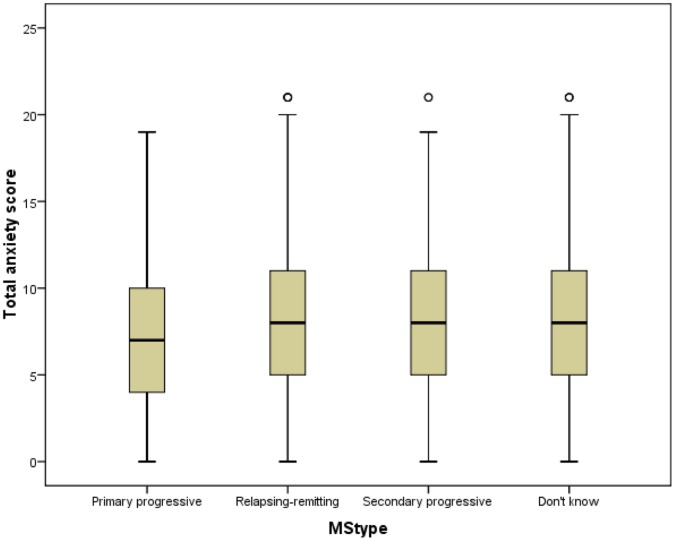
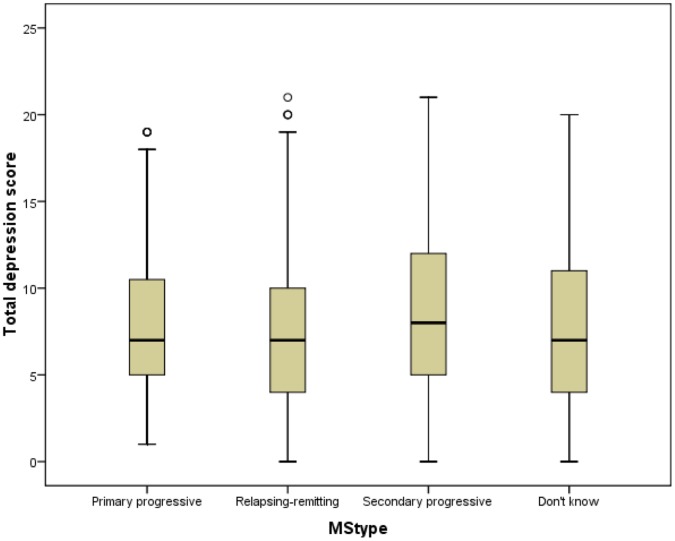
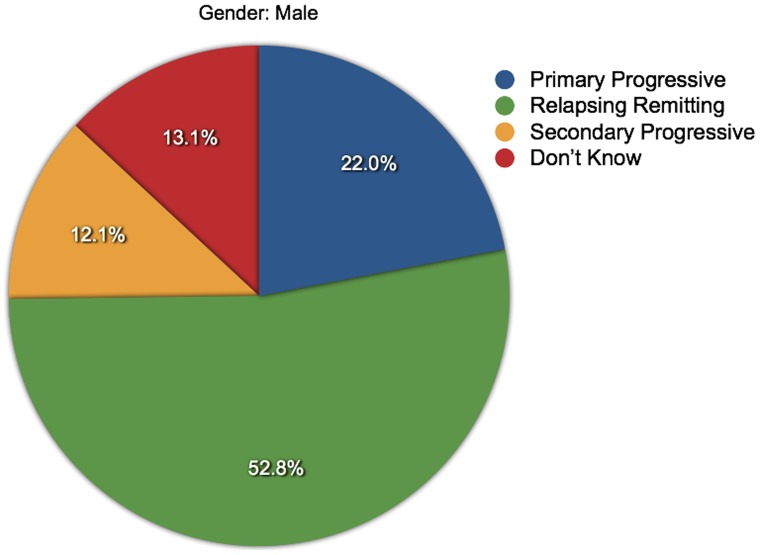
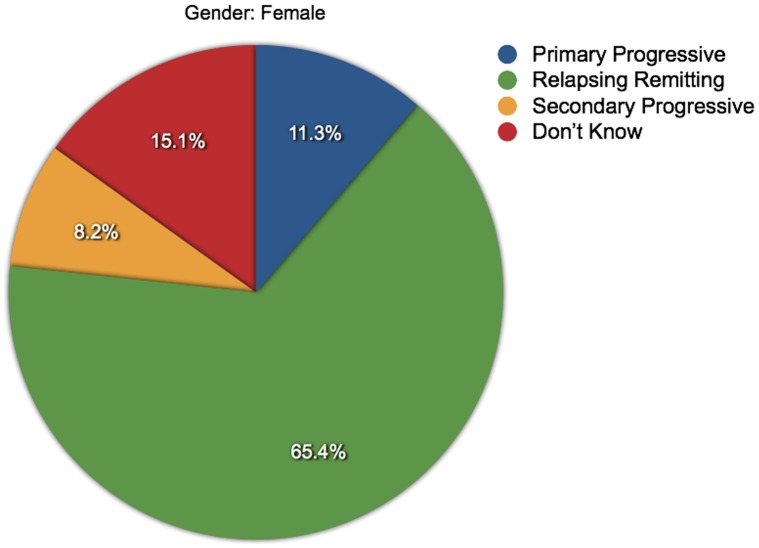
INTRODUCTION: Studies have found that people with Multiple Sclerosis experience relatively high rates of anxiety and depression. Although methodologically robust, many of these studies had access to only modest sample sizes (N<200). The aims of this study were to use responses gained via the web portal of the UK MS Register (N>4000) to: describe the depression and anxiety profiles of people with MS; to determine if anxiety and depression are related to age or disease duration; and to assess whether the levels of anxiety and depression differ between genders and types of MS. METHODS: From its launch in May 2011 to the end of December 2011, 7786 adults with MS enrolled to take part in the UK MS Register via the web portal. The responses to the Hospital Anxiety and Depression Scale (HADS) were collated with basic demographic and descriptive MS data provided at registration and the resulting dataset was analysed in SPSS (v.16). RESULTS: The mean HADS score among the 4178 respondents was 15.7 (SE 0.117, SD 7.55) with a median of 15.0 (IQR 11). Anxiety and depression rates were notably high, with over half (54.1%) scoring ≥ 8 for anxiety and 46.9% scoring ≥ 8 for depression. Women with relapsing-remitting MS were more anxious than men with this type (p<0.001), and than women with other types of MS (p = 0.017). Within each gender, men and women with secondary progressive MS were more depressed than men or women with other types of MS (p<0.001, p<0.001). CONCLUSIONS: This largest known study of its kind has shown that anxiety and depression are highly prevalent in people with MS, indicating that their mental health needs could be better addressed. These findings support service planning and further research to provide the best care for people with MS to help alleviate these debilitating conditions.
Overview
The claims and statistics of this paper haven’t been checked yet.
Run the check — free, no account needed. It reads the open-access text and checks the sources it cites.
Integrity signals
Registry
Cites
Statistics
Figures
Verification
Claims the paper makes
The claims and statistics of this paper haven’t been checked yet.
Run the check — free, no account needed. It reads the open-access text and checks the sources it cites.
Claims other papers make about this one
Each is checked against this paper’s own text: does it say what the citing paper says it does?
The cited source says what the claim attributes to it.
In the citing paper
“Jones et al. (58) studied the responses of 4178 people with MS on the MS UK register and found that people with SPMS were significantly more likely to be depressed than those with other types of MS.”
From Key demographics and psychological skills associated with adjustment to progressive Multiple Sclerosis early in the diagnosis (2022) · cites this paper as [58]
Self-check
Percentages, sums and reported differences re-computed from the paper’s own numbers.
The self-check needs the paper’s full text.
Citations
Cites
The Hospital Anxiety and Depression Scale
Zigmond, A. S., & Snaith, R. P. (1983) · Acta Psychiatrica Scandinavica · doi:10.1111/j.1600-0447.1983.tb09716.x · Cited by 47,139
EuroQol: a new facility for the measurement of health-related quality of life
(1990) · Health Policy · doi:10.1016/0168-8510(90)90421-9 · Cited by 15,736
Depression and quality of life in older persons: A review
Sivertsen, H., Bjørkløf, G. H., Engedal, K., Selbæk, G., & Helvik, A.-S. (2015) · Dementia and Geriatric Cognitive Disorders · doi:10.1159/000437299 · Cited by 14,152
The validity of the Hospital Anxiety and Depression Scale
Bjelland, I., Dahl, A. A., Haug, T. T., & Neckelmann, D. (2002) · Journal of Psychosomatic Research · doi:10.1016/s0022-3999(01)00296-3 · Cited by 9,779
The Hospital Anxiety And Depression Scale.
(2003) · Health and Quality of Life Outcomes · doi:10.1186/1477-7525-1-29 · Cited by 2,391
The Multiple Sclerosis Impact Scale (MSIS-29): A new patient-based outcome measure
Hobart, J. (2001) · Brain · doi:10.1093/brain/124.5.962 · Cited by 1,144
A Gender Gap in Autoimmunity: Task Force on Gender, Multiple Sclerosis and Autoimmunity
Whitacre, C. C., Reingold, S. C., O'Looney, P. A., Blankenhorn, E., Brinley, F., Collier, E., Duquette, P., Fox, H., Giesser, B., Gilmore, W., et al. (1999) · Science · doi:10.1126/science.283.5406.1277 · Cited by 851
Normative data for the HADS from a large non-clinical sample
Crawford, J. R., Henry, J. D., Crombie, C., & Taylor, E. P. (2001) · British Journal of Clinical Psychology · doi:10.1348/014466501163904 · Cited by 815 · cited 3×
“There was a positive correlation between anxiety scores and depression scores indicating that the two conditions are related, and this was also seen in the general population reference group [17].”
BackgroundResultDepression in multiple sclerosis: a review
Siegert, R. J. (2005) · Journal of Neurology, Neurosurgery & Psychiatry · doi:10.1136/jnnp.2004.054635 · Cited by 718
British Journal of Clinical Psychology
(2010) · British Journal of Clinical Psychology · doi:10.1111/(issn)2044-8260 · Cited by 702
Cited by
Sorted by citations
Prevalence of depression and anxiety in Multiple Sclerosis: A systematic review and meta-analysis
Boeschoten, R. E., Braamse, A. M. J., Beekman, A. T. F., Cuijpers, P., van Oppen, P., Dekker, J., & Uitdehaag, B. M. J. (2017) · Journal of the Neurological Sciences · doi:10.1016/j.jns.2016.11.067 · Cited by 713
The link between multiple sclerosis and depression
Feinstein, A., Magalhaes, S., Richard, J., Audet, B., & Moore, C. S. (2014) · Nature Reviews Neurology · doi:10.1038/nrneurol.2014.139 · Cited by 550
The benefits of exercise training in multiple sclerosis
Motl, R. W., & Pilutti, L. A. (2012) · Nature Reviews Neurology · doi:10.1038/nrneurol.2012.136 · Cited by 403
Jones, K. H., Ford, D. V., Jones, C., Dsilva, R., Thompson, S., Brooks, C. J., Heaven, M. L., Thayer, D. S., McNerney, C., & Lyons, R. A. (2014) · Journal of Biomedical Informatics · doi:10.1016/j.jbi.2014.01.003 · Cited by 218
Effects of music and music therapy on mood in neurological patients
Raglio, A. (2015) · World Journal of Psychiatry · doi:10.5498/wjp.v5.i1.68 · Cited by 213
Benefits of Exercise Training in Multiple Sclerosis
Motl, R. W., & Sandroff, B. M. (2015) · Current Neurology and Neuroscience Reports · doi:10.1007/s11910-015-0585-6 · Cited by 194
“7 for UK population; HADS scores greater than 7 are indicative of substantial depressive symptoms [57].”
BackgroundEnsari, I., Motl, R. W., & Pilutti, L. A. (2014) · Journal of Psychosomatic Research · doi:10.1016/j.jpsychores.2014.03.014 · Cited by 182
“One recent survey reported that approximately 47% of the 4178 respondents from the United Kingdom MS Registry had elevated depressive symptoms based on a Hospital Anxiety and Depression Scale (HADS) score of 8 or more [4].”
BackgroundAdamson, B., Ensari, I., & Motl, R. W. (2015) · Archives of Physical Medicine and Rehabilitation · doi:10.1016/j.apmr.2015.01.005 · Cited by 155
Continuous daily assessment of multiple sclerosis disability using remote step count monitoring
Block, V. J., Lizée, A., Crabtree‐Hartman, E., Bevan, C. J., Graves, J., Bove, R. M., Green, A. J., Nourbakhsh, B., Tremblay, M. A., Gourraud, P., et al. (2016) · Journal of Neurology · doi:10.1007/s00415-016-8334-6 · Cited by 148
“Findings remained significant after adjusting for potentially confounding symptoms, such as pain (PES), fatigue (MFIS-5) or mental health (MHI-5).”
BackgroundMethodInfluentialGelfand, J. M. (2014) · Handbook of clinical neurology · doi:10.1016/b978-0-444-52001-2.00011-x · Cited by 158
Work-related problems in multiple sclerosis: a literature review on its associates and determinants
Raggi, A., Covelli, V., Schiavolin, S., Scaratti, C., Leonardi, M., & Willems, M. (2015) · Disability and Rehabilitation · doi:10.3109/09638288.2015.1070295 · Cited by 145
Johnen, A., Landmeyer, N. C., Bürkner, P., Wiendl, H., Meuth, S. G., & Holling, H. (2017) · Neuroscience & Biobehavioral Reviews · doi:10.1016/j.neubiorev.2017.09.005 · Cited by 144
“…RRMS revealed conflicting results: Whereas some studies indicate that PPMS patients exhibit more severe depressive symptoms than patients with RRMS (Jones et al., 2012) others suggest a lower lifetime prevalence of major depression as well as fewer depressive symptoms in PPMS (Zabad et al., 2005;…”
ResultDepressive symptoms, anxiety and cognitive impairment: emerging evidence in multiple sclerosis
Margoni, M., Preziosa, P., Rocca, M. A., & Filippi, M. (2023) · Translational Psychiatry · doi:10.1038/s41398-023-02555-7 · Cited by 152
Block, V. J., Bove, R. M., Zhao, C., Garcha, P., Graves, J. S., Romeo, A. R., Green, A., Allen, D. D., Hollenbach, J. A., Olgin, J. E., et al. (2019) · JAMA Network Open · doi:10.1001/jamanetworkopen.2019.0570 · Cited by 113
Dalgas, U., Stenager, E., Sloth, M., & Stenager, E. (2014) · European Journal of Neurology · doi:10.1111/ene.12576 · Cited by 119
“9% have significant depressive symptoms [9] and in any 2-week period about one-quarter of community residents with MS experience considerable levels of depressive symptoms [10].”
BackgroundZablotsky, B., Anderson, C., & Law, P. A. (2012) · Journal of Autism and Developmental Disorders · doi:10.1007/s10803-012-1745-z · Cited by 107
“A lower frequency of information biases could result in higher reported rates of depression when compared to paper or in-person questionnaires (Jones et al. 2012).”
ResultTerrill, A. L., Hartoonian, N., Beier, M. L., Salem, R., & Alschuler, K. N. (2014) · International Journal of MS Care · doi:10.7224/1537-2073.2014-008 · Cited by 84
Meditation as an adjunct to the management of multiple sclerosis.
Levin, A. B., Hadgkiss, E. J., Weiland, T. J., & Jelinek, G. A. (2014) · Neurology Research International · doi:10.1155/2014/704691 · Cited by 77
“2 Neurology Research International associated with significant rates of depression [7, 19–21], anxiety [22], stress, chronic pain [23, 24], and fatigue [25] which are often important predictors of QOL [7, 26].”
BackgroundJones, K. H., Ford, D. V., Jones, P. A., John, A. M., Middleton, R., Lockhart-Jones, H. M., Peng, J. C., Osborne, L. A., & Noble, J. G. (2013) · PLoS ONE · doi:10.1371/journal.pone.0065640 · Cited by 80
Morrow, S. A., Rosehart, H., & Pantazopoulos, K. (2015) · Journal of Neuropsychiatry · doi:10.1176/appi.neuropsych.15070167 · Cited by 81
Psychiatric disorders in multiple sclerosis
Sparaco, M., Lavorgna, L., & Bonavita, S. (2019) · Journal of Neurology · doi:10.1007/s00415-019-09426-6 · Cited by 79
Symptomatic treatment and management of multiple sclerosis
Toosy, A., Ciccarelli, O., & Thompson, A. J. (2014) · Handbook of clinical neurology · doi:10.1016/b978-0-444-52001-2.00023-6 · Cited by 79
The hospital anxiety and depression scale, in patients with multiple sclerosis
Ribeiro, J. L. P., SILVA, A. C. F. D., Vilhena, E., Moreira, I. C., Santos, E., & Mendonça, D. M. (2018) · Neuropsychiatric Disease and Treatment · doi:10.2147/ndt.s184260 · Cited by 72
“…correlations between age and depression is statistically significant [ r (375) = 0.30, P , 0.001], also different from the study of Jones et al, 27 which did not find statistically significant correlations between age and depression and report a statistically significant correlation between…”
InfluentialJones, K. H., Jones, P. A., Middleton, R. M., Ford, D. V., Tuite-Dalton, K., Lockhart-Jones, H., Peng, J., Lyons, R. A., John, A., & Noble, J. G. (2014) · PLoS ONE · doi:10.1371/journal.pone.0104604 · Cited by 69
“In previous studies [27,28] the relationships between physical disability, anxiety and depression were observed to vary with certain factors, and by including these, we have been able to develop better models for the impact of physical disability on anxiety and depression.”
BackgroundMethodResultInfluentialAnxiety, emotional processing and depression in people with multiple sclerosis
Gay, M., Bungener, C., Thomas, S., Vrignaud, P., Thomas, P., Baker, R. D., Montel, S., Heinzlef, O., Papeix, C., Assouad, R., et al. (2017) · BMC Neurology · doi:10.1186/s12883-017-0803-8 · Cited by 75
“National MS registers are ideally placed for the longitudinal exploration of these more complex path models [7].”
BackgroundAnxiety state affects information processing speed in patients with multiple sclerosis
Goretti, B., Viterbo, R. G., Portaccio, E., Niccolai, C., Hakiki, B., Piscolla, E., Iaffaldano, P., Trojano, M., & Amato, M. P. (2013) · Neurological Sciences · doi:10.1007/s10072-013-1544-0 · Cited by 66
“Both state and trait anxiety have been found in a sizable proportion of MS patients, with prevalence estimates up to 57 % [20, 21], and have been related to depression, fatigue, low levels of self-efficacy, stress and higher disability levels, particularly in women [20, 22, 23].”
BackgroundThe prevalence of anxiety and associated factors in persons with multiple sclerosis
Pham, T., Jetté, N., Bulloch, A. G. M., Burton, J. M., Wiebe, S., & Patten, S. B. (2018) · Multiple Sclerosis and Related Disorders · doi:10.1016/j.msard.2017.11.003 · Cited by 64
Fleming, K. M., Coote, S. B., & Herring, M. P. (2021) · Multiple Sclerosis Journal · doi:10.1177/13524585211009216 · Cited by 71
“Exclusion criteria were (1) pregnancy, (2) MS relapse or (3) changes to MS medication or steroid treatment in prior 12 weeks.”
BackgroundDepression in multiple sclerosis: Is one approach for its management enough?
Jones, C. D., Motl, R. W., & Sandroff, B. M. (2021) · Multiple Sclerosis and Related Disorders · doi:10.1016/j.msard.2021.102904 · Cited by 64
Anxiety, depression and fatigue at 5‐year review following CNS demyelination
Simpson, S., Tan, H., Otáhal, P., Taylor, B. V., Ponsonby, A., Lucas, R. M., Blizzard, L., Valery, P. C., Lechner‐Scott, J., Shaw, C., et al. (2016) · Acta Neurologica Scandinavica · doi:10.1111/ane.12554 · Cited by 61
“has been noted in many people with MS, with depression accompanying relapse (12, 13) and being greater among those with more progressive disease types (14).”
BackgroundDepression and cognitive deficits as long‐term consequences of thrombotic thrombocytopenic purpura
Falter, T., Schmitt, V., Herold, S., Weyer, V., von Auer, C., Wagner, S., Hefner, G., Beutel, M. E., Lackner, K. J., Lämmle, B., et al. (2017) · Transfusion · doi:10.1111/trf.14060 · Cited by 59
Calandri, E., Graziano, F., Borghi, M., & Bonino, S. (2016) · Journal of Happiness Studies · doi:10.1007/s10902-016-9818-x · Cited by 59
“…generally noted that women with MS cope with the illness better than men (Fraser and Polito, 2007; Miller and Dishon, 2006), and younger patients report better physical health (Buchanan et al., 2009) and lower depression (Amato & Zipoli, 2004; Jones et al., 2012) compared with older patients.”
Mental Health Comorbidity in MS: Depression, Anxiety, and Bipolar Disorder
Turner, A. P., Alschuler, K. N., Hughes, A. J., Beier, M. L., Haselkorn, J. K., Sloan, A. P., & Ehde, D. M. (2016) · Current Neurology and Neuroscience Reports · doi:10.1007/s11910-016-0706-x · Cited by 55
Unmet education, psychological and peer support needs of people with multiple sclerosis
McCabe, M. P., Ebacioni, K. J., Simmons, R. D., McDonald, E. A., & Melton, L. (2014) · Journal of Psychosomatic Research · doi:10.1016/j.jpsychores.2014.05.010 · Cited by 50
Exercise and Multiple Sclerosis
Motl, R. W. (2020) · Advances in experimental medicine and biology · doi:10.1007/978-981-15-1792-1_22 · Cited by 50
Nakazawa, K., Noda, T., Ichikura, K., Okamoto, T., Takahashi, Y., Yamamura, T., & Nakagome, K. (2018) · Multiple Sclerosis and Related Disorders · doi:10.1016/j.msard.2018.08.023 · Cited by 50
In multiple sclerosis anxiety, not depression, is related to gender
Théaudin, M., Romero, K., & Feinstein, A. (2016) · Multiple Sclerosis · doi:10.1177/1352458515588582 · Cited by 46
Predictors of anxiety in multiple sclerosis.
Hartoonian, N., Terrill, A. L., Beier, M. L., Turner, A. P., Day, M. A., & Alschuler, K. N. (2014) · Rehabilitation Psychology · doi:10.1037/rep0000019 · Cited by 47
“Finally, since there is considerable reason to believe that both depression and anxiety may be influenced by age (Janssens et al., 2006; Jones et al., 2012; Mattioli, Bellomi, Stampatori, Parrinello, & Capra, 2011; Williams et al., 2005; Wood et al., 2013), time since onset (Chwastiak et al., 2002;…”
Ramezani, N., Ashtari, F., Abdi, E., Ghaderi, K., Hosseini, S. M., Naeini, M. K., Rajabi, F., & Adibi, I. (2021) · Multiple Sclerosis and Related Disorders · doi:10.1016/j.msard.2021.102798 · Cited by 46
“In a previous study conducted on 7,786 MS patients; the lowest levels of depression were found in the youngest group of patients and the highest in the patients aged between 45-64 years old; however, people with older age had less risk for experiencing anxiety (Jones et al., 2012).”
ResultPatient Expression of Emotions and Neurologist Responses in First Multiple Sclerosis Consultations
Piccolo, L. D., Pietrolongo, E., Radice, D., Tortorella, C., Confalonieri, P. A., Pugliatti, M., Lugaresi, A., Giordano, A., Heesen, C., Solari, A., et al. (2015) · PLoS ONE · doi:10.1371/journal.pone.0127734 · Cited by 44
Anxiety in multiple sclerosis is related to depressive symptoms and cognitive complaints
Wallis, O. C., Bol, Y., Köhler, S., & Heugten, C. M. V. (2019) · Acta Neurologica Scandinavica · doi:10.1111/ane.13191 · Cited by 43
Third wave cognitive behavioural therapies for people with multiple sclerosis: a scoping review
Zarotti, N., Eccles, F., Broyd, A., Longinotti, C., Mobley, A., & Simpson, J. (2023) · Disability and Rehabilitation · doi:10.1080/09638288.2022.2069292 · Cited by 40
Alsaadi, T. M., Hammasi, K. E., Shahrour, T. M., Shakra, M., Turkawi, L., Mudhafar, A., Diab, L., & Raoof, M. (2015) · Multiple Sclerosis International · doi:10.1155/2015/487159 · Cited by 41
Ensari, I., Sandroff, B. M., & Motl, R. W. (2015) · International Journal of MS Care · doi:10.7224/1537-2073.2014-104 · Cited by 38
Depression and anxiety in multiple sclerosis. Review of a fatal combination
Jellinger, K. A. (2024) · Journal of Neural Transmission · doi:10.1007/s00702-024-02792-0 · Cited by 48
“…is often similar to that of depression (Ferreira et al. 2021; Hanna and Strober 2020), but often is much more frequent (AlSaeed et al. 2022; Jones et al. 2012; Koltuniuk and Rosinczuk 2021; Mustac et al. 2021 ; Shafiee et al. 2023; Simpson et al. 2016; Wood et al. 2013) or less frequent…”
The multiple sclerosis visual pathway cohort: understanding neurodegeneration in MS
Martínez‐Lapiscina, E. H., Fraga‐Pumar, E., Gabilondo, I., Martínez‐Heras, E., Torres–Torres, R., Ortiz-Pérez, S., Llufriú, S., Tercero-Uribe, A. I., Andorrà, M., Figueras‐Roca, M., et al. (2014) · BMC Research Notes · doi:10.1186/1756-0500-7-910 · Cited by 38
“This scale, originally proposed by Zigmond AS and Snaith RP for detecting depression and anxiety in the setting of hospital medical outpatient clinic [36], has been successfully used for evaluating MS patients [37].”
MethodCalandri, E., Graziano, F., Borghi, M., & Bonino, S. (2018) · Disability and health journal · doi:10.1016/j.dhjo.2018.07.008 · Cited by 37
Intensity of treadmill walking exercise on acute mood symptoms in persons with multiple sclerosis
Ensari, I., Sandroff, B. M., & Motl, R. W. (2016) · Anxiety Stress & Coping · doi:10.1080/10615806.2016.1146710 · Cited by 35
“This disease is associated with an overall pattern of mood disturbance that manifests in specific mood states such as anxiety, depression, fatigue, and mental confusion (Joffe, Lippert, Gray, Sawa, & Horvath, 1987; Jones et al., 2012).”
BackgroundZhang, X., Song, Y., Wei, Z., Chen, X., Zhuang, X., & Li, Y. (2023) · Frontiers in Neuroscience · doi:10.3389/fnins.2023.1120541 · Cited by 37
“After excluding one study (Jones et al., 2012) with a high risk of bias after sensitivity analysis, the heterogeneity remained zero (I2 = 0, p = 0.”
BackgroundMethodResultInfluentialRibbons, K., Lea, R. A., Schofield, P. W., & Lechner‐Scott, J. (2016) · Journal of Neuropsychiatry · doi:10.1176/appi.neuropsych.16050085 · Cited by 33
Jones, K. H., Ford, D. V., Jones, P. A., John, A. M., Middleton, R., Lockhart-Jones, H. M., Peng, J. C., Osborne, L. A., & Noble, J. G. (2013) · PLoS ONE · doi:10.1371/journal.pone.0055422 · Cited by 32
“Furthermore in our previous study using responses to the HADS, we found a weak negative relationship between age and anxiety, and differences in depression levels among different age groups [16].”
BackgroundMethodInfluentialAlimohammadi, N., Pahlavanzadeh, S., & Abbasi, S. (2017) · Iranian Journal of Nursing and Midwifery Research · doi:10.4103/1735-9066.212987 · Cited by 38
“Having a feeling of a permanent sadness, being disappointed about the future, repeated thoughts regarding the disability, and being constantly preoccupied by negative thoughts are some of the undesirable consequences of depression in these patients, which can even lead to extreme behaviors, such as attempting suicide.…”
BackgroundFleming, K. M., Coote, S. B., & Herring, M. P. (2019) · Psychology of sport and exercise · doi:10.1016/j.psychsport.2019.101573 · Cited by 31
Duddy, M., Lee, M., Pearson, O. R., Nikfekr, E., Chaudhuri, A., Percival, F., Roberts, M., & Whitlock, C. (2014) · Multiple Sclerosis and Related Disorders · doi:10.1016/j.msard.2014.02.006 · Cited by 29
“This is higher than a UK general population BDI mean of 7.25 (Van Hemert et al., 2002) but in line with other estimates of depression in the UK MS population (Jones et al., 2012).”
BackgroundResultInfluentialKalron, A., Aloni, R., & Allali, G. (2018) · Multiple Sclerosis and Related Disorders · doi:10.1016/j.msard.2018.07.029 · Cited by 29
Fatigue in primary genetic mitochondrial disease: No rest for the weary
Parikh, S., Galioto, R., Lapin, B. R., Haas, R., Hirano, M., Koenig, M. K., Saneto, R. P., Zolkipli‐Cunningham, Z., Goldstein, A. C., & Karaa, A. (2019) · Neuromuscular Disorders · doi:10.1016/j.nmd.2019.09.012 · Cited by 27
Podda, J., Ponzio, M., Uccelli, M. M., Pedullà, L., Bozzoli, F., Molinari, F., Bragadin, M. M., Battaglia, M. A., Zaratin, P., Brichetto, G., et al. (2020) · Multiple Sclerosis and Related Disorders · doi:10.1016/j.msard.2020.102417 · Cited by 26
Alsaadi, T. M., Hammasi, K. E., Shahrour, T. M., Shakra, M., Turkawi, L., Nasreddine, W., Kassie, S. A., & Raoof, M. (2017) · Neurology International · doi:10.4081/ni.2017.7343 · Cited by 23
Sexual Dysfunction Seems to Trigger Depression in Female Multiple Sclerosis Patients
Hösl, K. M., Deutsch, M., Wang, R., Roy, S., Winder, K., Niklewski, G., Lee, D.-H., Linker, R. A., & Hilz, M. J. (2018) · European Neurology · doi:10.1159/000492126 · Cited by 23
Bragazzi, N. L. (2013) · Multiple Sclerosis International · doi:10.1155/2013/972471 · Cited by 23
“Depression is more common during relapses and seems to exacerbate other symptoms such as fatigue and cognitive dysfunction [9].”
BackgroundDepression and Anxiety among Patients with Epilepsy and Multiple Sclerosis: UAE Comparative Study
Alsaadi, T. M., Hammasi, K. E., Shahrour, T. M., Shakra, M., Turkawi, L., Nasreddine, W., & Raoof, M. (2015) · Behavioural Neurology · doi:10.1155/2015/196373 · Cited by 26
“Multiple sclerosis (MS) is a chronic debilitating neurological disorder that is known to be associated with increased incidence of both psychiatric diseases [18, 19].”
BackgroundClay and Anxiety Reduction: A One-Group, Pretest/Posttest Design With Patients on a Psychiatric Unit
Kimport, E. R., & Hartzell, E. (2015) · Art Therapy · doi:10.1080/07421656.2015.1092802 · Cited by 23
“…most of the research on anxiety indicates that women usually report greater anxiety than men (Byrne, 2000; Hunt-Shanks, Blanchard, & Reid, 2009; Jones et al., 2012; Puskar, Bernardo, Ren, Stark, & Lester, 2009), some studies have found that men with mental illness report greater anxiety than…”
BackgroundInfluentialAnderson, J., Turner, A., & Clyne, W. (2016) · Disability and Rehabilitation · doi:10.1080/09638288.2016.1181211 · Cited by 23
“[4] The majority of people living with MS also experience severe fatigue [5] and depression.[6] It is estimated that up to 55% of people living with MS experience major depression in their lifetime.”
BackgroundThe Influence of Depression and Anxiety on Neurological Disability in Multiple Sclerosis Patients
Văcăraș, V., Văcăraș, V., Nistor, C., Văcăraș, D., Opre, A. N., Blaga, P., & Muresanu, D. F. (2020) · Behavioural Neurology · doi:10.1155/2020/6738645 · Cited by 23
Heffer-Rahn, P., & Fisher, P. L. (2018) · Journal of Psychosomatic Research · doi:10.1016/j.jpsychores.2017.11.014 · Cited by 22
Abakumova, T. O., Kuzkina, A., Zharova, M. V., Pozdeeva, D. A., Gubskiy, I. L., Shepeleva, I. I., Antonova, O. M., Nukolova, N. V., Kekelidze, Z. I., & Chekhonin, V. P. (2015) · Bulletin of Experimental Biology and Medicine · doi:10.1007/s10517-015-2903-z · Cited by 23
Ensari, I., Motl, R., McAuley, E., Mullen, S., & Feinstein, A. (2014) · Multiple Sclerosis · doi:10.1177/1352458513504251 · Cited by 24
Al-Asmi, A., Al-Rawahi, S., Al-Moqbali, Z. S., Al-Farsi, Y., Essa, M., El-Bouri, M., Koshy, R. P., Gujjar, A., Jacob, P., Al-Hodar, A., et al. (2015) · BMC Neurology · doi:10.1186/s12883-015-0370-9 · Cited by 20
“HADS scores on both anxiety and depression were found to be markedly higher in females, a feat that is congruent with the international trend [51].”
ResultDeath Anxiety and Attitudes towards Death in Patients with Multiple Sclerosis: An Exploratory Study
Francalancia, J., Mavrogiorgou, P., Juckel, G., Mitrovic, T., Kuhle, J., Naegelin, Y., Kappos, L., & Calabrese, P. (2021) · Brain Sciences · doi:10.3390/brainsci11080964 · Cited by 19
“A systematic review [3] states the lifetime prevalence of clinically significant depressive symptoms in people with MS to be approximately 35%, others estimate it being even as high as 50% [4].”
BackgroundEnsari, I., Adamson, B., & Motl, R. W. (2015) · Journal of Health Psychology · doi:10.1177/1359105315584837 · Cited by 19
“Email: robmotl@illinois.edu depressive symptoms as a predictor of walking impairment over time in MS. Depression (Feinstein et al., 2014) and depressive symptoms (Dahl et al., 2009; Jones et al., 2012) are common psychological manifestations of MS.”
BackgroundInfluentialFilser, M., Buchner, A., Fink, G. R., Gold, S. M., & Penner, I. (2022) · Journal of Neurology · doi:10.1007/s00415-022-11359-6 · Cited by 18
“For example, 54% of the patients with MS in the United Kingdom were found to experience depression at some point in their life [29].”
BackgroundInfluentialMultiple sclerosis and anxiety: Is there an untapped opportunity for exercise?
Šilić, P., Motl, R. W., & Duffecy, J. L. (2023) · Multiple Sclerosis and Related Disorders · doi:10.1016/j.msard.2023.104698 · Cited by 18
Reilly, G. D., Mahkawnghta, A. S., Jelinek, P. L., Livera, A. M. D., Weiland, T. J., Brown, C. R., Taylor, K. L., Neate, S. L., Jelinek, G. A., & Marck, C. H. (2017) · Frontiers in Neurology · doi:10.3389/fneur.2017.00229 · Cited by 18
Abakumova, T. O., Kuzkina, A., Zharova, M. E., Pozdeeva, D. A., Gubskiy, I. L., Shepeleva, I. I., Antonova, O. M., Nukolova, N. V., Kekelidze, Z. I., & Chekhonin, V. P. (2015) · Bulletin of Experimental Biology and Medicine · doi:10.1007/s10517-015-2976-8 · Cited by 18
Aljishi, R. H., Almatrafi, R., Alzayer, Z. A., Alkhamis, B. A., Yaseen, E. E., & Alkhotani, A. (2021) · Cureus · doi:10.7759/cureus.20792 · Cited by 17
“The prevalence of anxiety and depression in Saudi Arabia among patients with MS has not been well studied [3,7,9].”
BackgroundHair cortisol concentration, cognitive, behavioral, and motor impairment in multiple sclerosis
Pereira, G. M., Becker, J., Soares, N. M., de Azeredo, L. A., Grassi‐Oliveira, R., Rysdyk, A., & de Almeida, R. M. M. (2019) · Journal of Neural Transmission · doi:10.1007/s00702-019-02040-w · Cited by 19
Immuno-moodulin: A new anxiogenic factor produced by Annexin-A1 transgenic autoimmune-prone T cells
Piras, G., Rattazzi, L., Paschalidis, N., Oggero, S., Berti, G., Ono, M., Bellia, F., D’Addario, C., Dell’Osso, B. M., Pariante, C. M., et al. (2020) · Brain Behavior and Immunity · doi:10.1016/j.bbi.2020.02.015 · Cited by 17
Anxiety is more important than depression in MS – Yes
Morrow, S. A. (2018) · Multiple Sclerosis Journal · doi:10.1177/1352458517751652 · Cited by 17
Clinical correlates of state and trait anxiety in multiple sclerosis
Menculini, G., Gentili, L., Gaetani, L., Mancini, A., Sperandei, S., Sabatino, E. D., Chipi, E., Salvadori, N., Tortorella, A. A. V., Parnetti, L., et al. (2022) · Multiple Sclerosis and Related Disorders · doi:10.1016/j.msard.2022.104431 · Cited by 16
Sternberg, Z. (2016) · Molecular Neurobiology · doi:10.1007/s12035-015-9599-y · Cited by 15
Discontinuing cannabis improves depression in people with multiple sclerosis: A short report
Feinstein, A., Meza, C., Stefan, C., & Staines, R. W. (2020) · Multiple Sclerosis Journal · doi:10.1177/1352458520934070 · Cited by 15
Rodgers, S., Manjaly, Z., Calabrese, P., Steinemann, N., Kaufmann, M., Salmen, A., Chan, A., Kesselring, J., Kamm, C. P., Kühle, J., et al. (2021) · Brain Sciences · doi:10.3390/brainsci11060751 · Cited by 15
Calandri, E., Graziano, F., Borghi, M., Bonino, S., & Cattelino, E. (2020) · Frontiers in Psychology · doi:10.3389/fpsyg.2020.589815 · Cited by 14
Smyth, P. S., Watson, K. E., & Tsuyuki, R. T. (2021) · Trials · doi:10.1186/s13063-021-05726-3 · Cited by 13
Anxiety in Argentinian patients with multiple sclerosis: Prevalence and associated factors
Chertcoff, A. S., Curbelo, M. C., Bauer, J. J., Ferrandina, F., Martinez, A., Steinberg, J. D., & Carrá, A. (2020) · Multiple Sclerosis and Related Disorders · doi:10.1016/j.msard.2020.102042 · Cited by 13
What Are the Support Needs of Men with Multiple Sclerosis, and Are They Being Met?
Upton, D., & Taylor, C. (2014) · International Journal of MS Care · doi:10.7224/1537-2073.2013-044 · Cited by 13
Moreau, T., Bungener, C., Heinzlef, O., Suchet, L., Borgel, F., Bourdeix, I., Meite, M., Rérat, K., Chouette, I., & on behalf of the GRACE Study Group (2016) · European Neurology · doi:10.1159/000451077 · Cited by 12
Chalah, M. A., Palm, U., Lefaucheur, J., Créange, A., & Ayache, S. S. (2018) · Brain Research · doi:10.1016/j.brainres.2018.08.029 · Cited by 12
The relationship of indoor radon gas concentration with multiple sclerosis: a case-control study
Fathabadi, Z. A., Ehrampoush, M. H., Mirzaei, M., Mokhtari, M., Sakhvidi, M. N., Rahimdel, A., Tafti, A. D., Yakhdani, M. F., Atefi, A., Eslami, H., et al. (2020) · Environmental Science and Pollution Research · doi:10.1007/s11356-020-08147-y · Cited by 12
Falter, T., Böschen, S., Schepers, M., Beutel, M. E., Lackner, K. J., Scharrer, I., & Lämmle, B. (2021) · Journal of Clinical Medicine · doi:10.3390/jcm10020365 · Cited by 14
Meek, C., das Nair, R., Evangelou, N., Middleton, R., Tuite-Dalton, K., & Moghaddam, N. (2022) · Multiple Sclerosis and Related Disorders · doi:10.1016/j.msard.2022.104154 · Cited by 12
Shokati, A., Nikbakht, M., Sahraian, M. A., Saeedi, R., Asadollahzadeh, E., Rezaeimanesh, N., Chahardouli, B., Gharaylou, Z., Mousavi, S. A., Ai, J., et al. (2025) · Scientific Reports · doi:10.1038/s41598-025-00590-6 · Cited by 11
“A survey by Jones et al. of 4,178 MS patients found that those with SPMS had a significantly higher likelihood of experiencing depression compared to other forms of MS 34 .”
Montanari, E., Rottoli, M., Maimone, D., Confalonieri, P. A., Plewnia, K., Frigo, M., Francia, A., Pala, A., Losignore, N. A., Ragonese, P., et al. (2016) · Journal of the Neurological Sciences · doi:10.1016/j.jns.2016.02.047 · Cited by 11
“The prevalence of depression among patients with MS has been estimated to be 11% to 50% [4–9], and anxiety to be 20% to 40% [4,5,8,9].”
BackgroundEnsari, I., Kinnett-Hopkins, D., & Motl, R. W. (2017) · Disability and health journal · doi:10.1016/j.dhjo.2017.03.006 · Cited by 11
Multiple sclerosis in Saudi Arabia: Anxiety, depression and suicidality
Alamri, Y., & Al-Busaidi, I. S. (2016) · Psychiatry Research · doi:10.1016/j.psychres.2016.02.009 · Cited by 11
Meek, C., Topcu, G., Moghaddam, N., & das Nair, R. (2021) · Disability and Rehabilitation · doi:10.1080/09638288.2020.1734105 · Cited by 10
“A large-scale UK study showed that those with SPMS have higher rates of distress (anxiety, depression) than other MS subtypes [20], and significantly reduced quality of life [21,22].”
BackgroundDepression in multiple sclerosis patients associated with risk variant near NEGR1
Brugger, S. W., Gardner, M., Beales, J. T., Briggs, F. B. S., & Davis, M. F. (2020) · Multiple Sclerosis and Related Disorders · doi:10.1016/j.msard.2020.102537 · Cited by 12
Busch, A.-K., & Fringer, A. (2022) · Journal of Primary Care & Community Health · doi:10.1177/21501319221119142 · Cited by 10
Takla, T. N., Matsuda, P. N., Herring, T. E., Daugherty, A. M., & Fritz, N. E. (2024) · Frontiers in Psychology · doi:10.3389/fpsyg.2024.1336078 · Cited by 10
Jallouli, S., Dhia, I. B., Sakka, S., Mhiri, C., Yahia, A., Elleuch, M. H., Hammouda, O., & Ghroubi, S. (2022) · Neurological Research · doi:10.1080/01616412.2022.2112370 · Cited by 10
“Particularly, some previous studies showed that males with MS were more vulnerable to cognitive disorders mainly in term of alteration of delayed memory [24], depression [25], and poor physical and mental health [26], than their female counterparts.”
Background
Metadata
- Authors
- Jones, K. H., Ford, D. V., Jones, P. A., John, A., Middleton, R. M., Lockhart-Jones, H., Osborne, L. A., & Noble, J. G.
- Affiliations
- Swansea University (GB)
- Corresponding author
- Jones, Kerina H.
- Venue
- PLoS ONE
- Publisher
- Public Library of Science (PLoS)
- Published
- 2012-07-30
- Volume
- 7
- Issue
- 7
- Pages
- e41910
- ISSN
- 1932-6203 (ISSN-L)
- PMC
- PMC3408498
- OpenAlex
- W1964142942
- Cited by
- 190
- References
- 33
- Citations by year
- 2026: 6 · 2025: 12 · 2024: 10 · 2023: 12 · 2022: 14 · 2021: 19 · 2020: 18 · 2019: 10 · 2018: 11 · 2017: 16 · 2016: 14 · 2015: 22 · 2014: 14 · 2013: 9 · 2012: 3
- FWCI
- 11.07
- Type
- journal article
- Language
- en
- Open access
- gold
- doi.org
- Locations
- PLoS ONE (publishedVersion, cc-by)
- Europe PMC (PubMed Central) (publishedVersion, cc-by)
- PubMed Central (publishedVersion, cc-by)
- PubMed (publishedVersion)
- RePEc: Research Papers in Economics (submittedVersion)
- DOAJ (DOAJ: Directory of Open Access Journals) (submittedVersion, cc-by-sa)
- Funders
- Multiple Sclerosis Society
- Topics
- Health Sciences › Medicine › Clinical Neurology › Multiple Sclerosis Research Studies
- Social Sciences › Psychology › Experimental and Cognitive Psychology › Anxiety, Depression, Psychometrics, Treatment, Cognitive Processes
- Health Sciences › Medicine › Oncology › Cancer survivorship and care
- Keywords
- multiple sclerosis, anxiety, depression, prevalence, gender differences, relapsing-remitting multiple sclerosis, secondary progressive multiple sclerosis, disease duration, age, mental health, Hospital Anxiety and Depression Scale
- MeSH terms
- Adolescent, Adult, Aged, Anxiety, Depression, Female, United Kingdom, Health Surveys, Humans, Male, Middle Aged, Multiple Sclerosis, Prevalence, Statistics, Nonparametric, Young Adult
About these checks
Registry, retraction, Cites and statistics results are computed, not judged, with one exception: a printed reference that no index lists is read once by a model before it counts as a citation error. Claims are extracted by a model and kept only when their quote appears verbatim in the text; each cited source is then checked, with a model’s help, for whether it says what the claim relies on. Those verdicts can be wrong — read the claim’s quote and the cited source before relying on one.
Statistics and arithmetic are recomputed, not judged.
Confidence bands are shown only for fields calibrated on our annotated test set. None is calibrated yet, so no band is shown.
What counts as a claim ›How we measure confidence ›How we check this ›
Are you an author, or do you see a problem with this page? Request a review
