

Human Traumatic Brain Injury Induces Autoantibody Response against Glial Fibrillary Acidic Protein and Its Breakdown Products
Open accessThe DOI matches its Crossref record; 71 of the 71 references it cites were found in a registry or an index.
Abstract
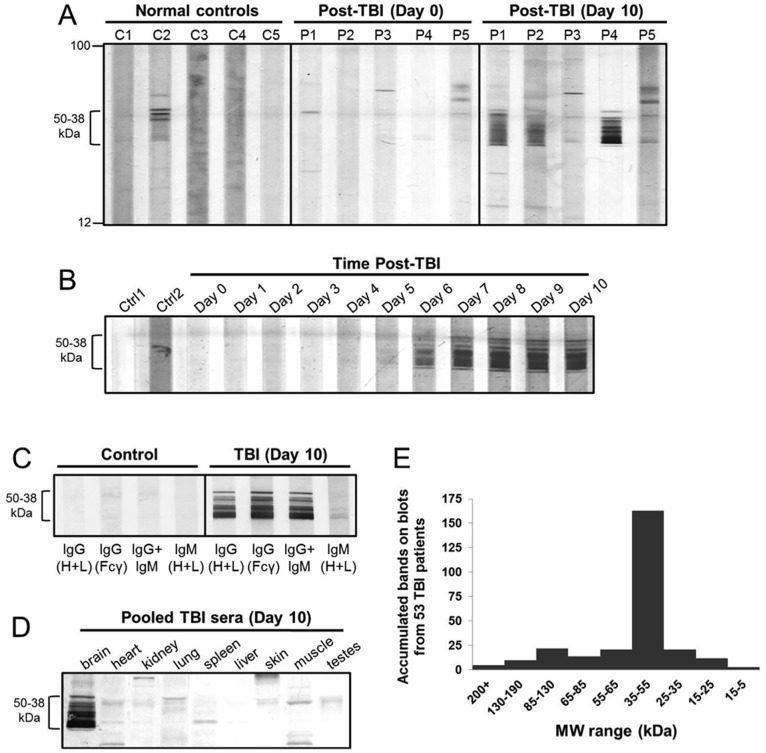
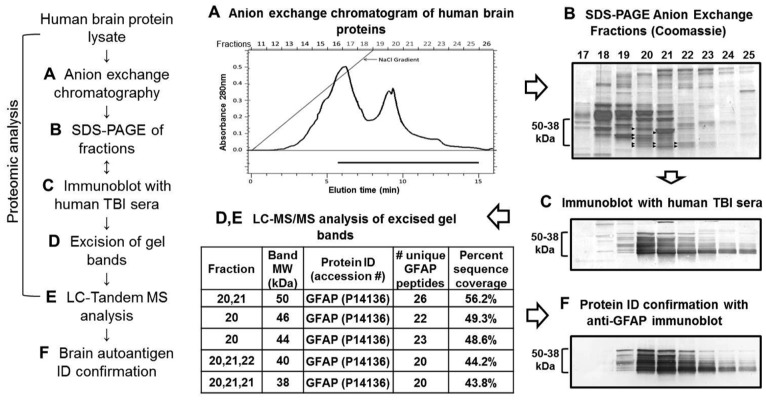
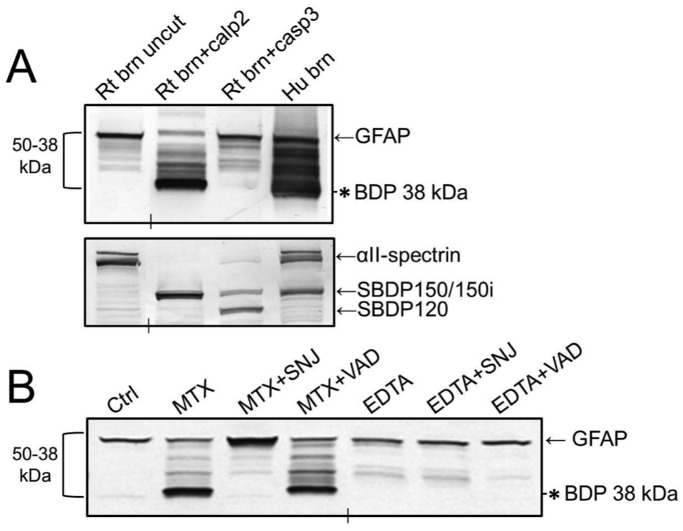
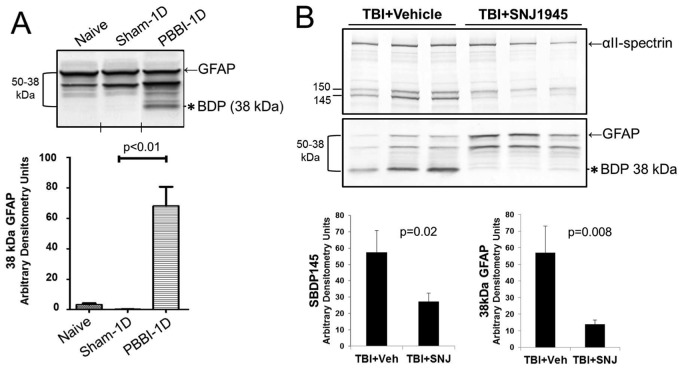
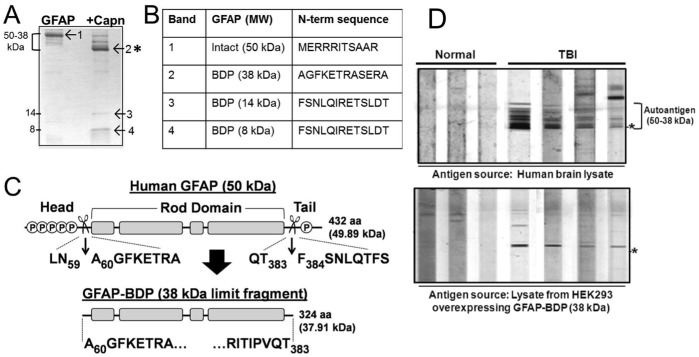
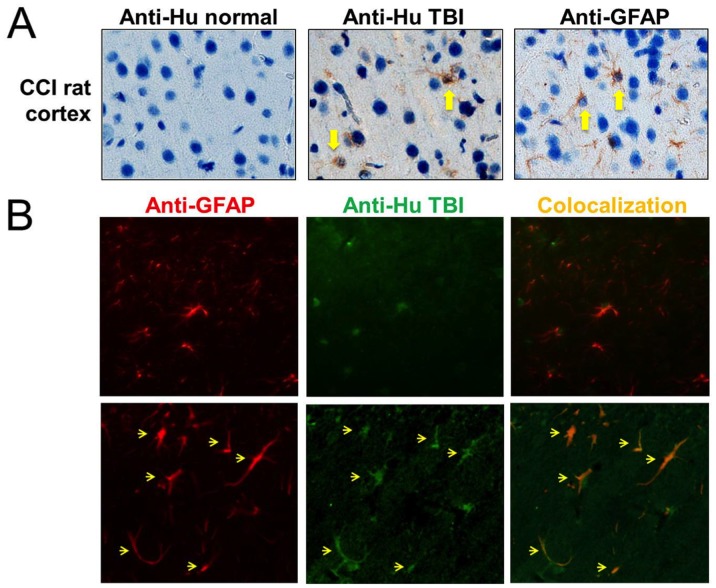
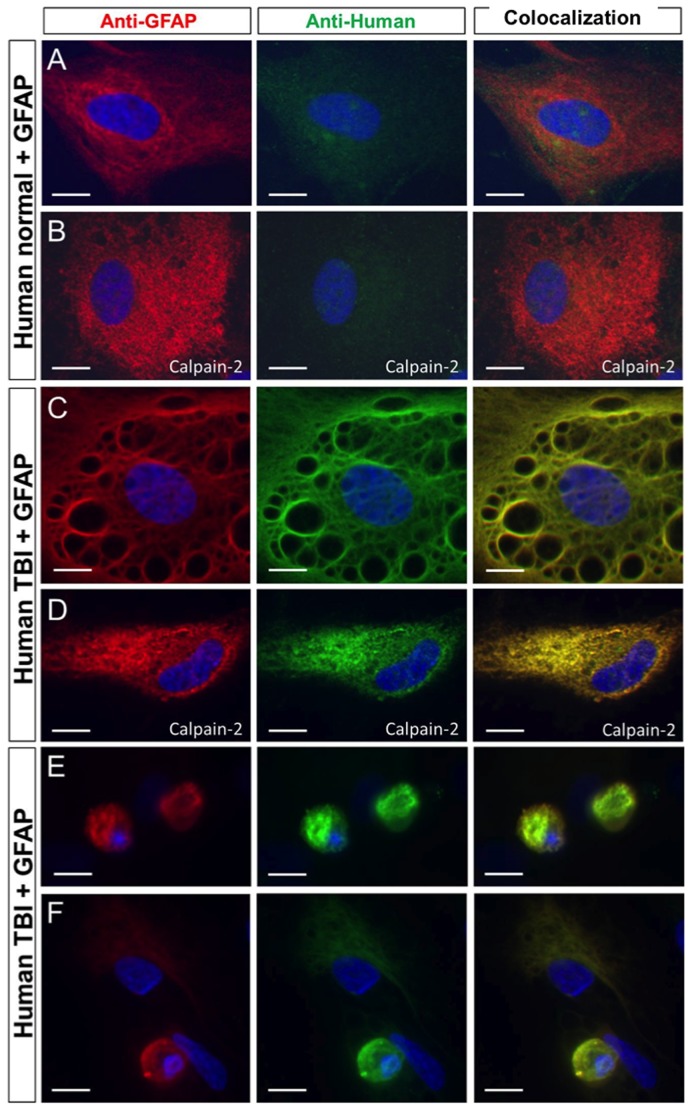
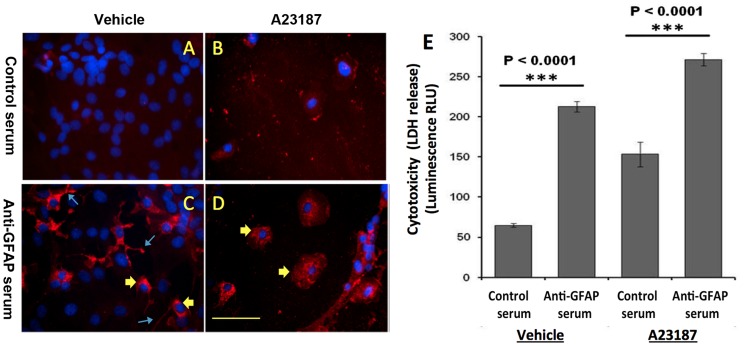
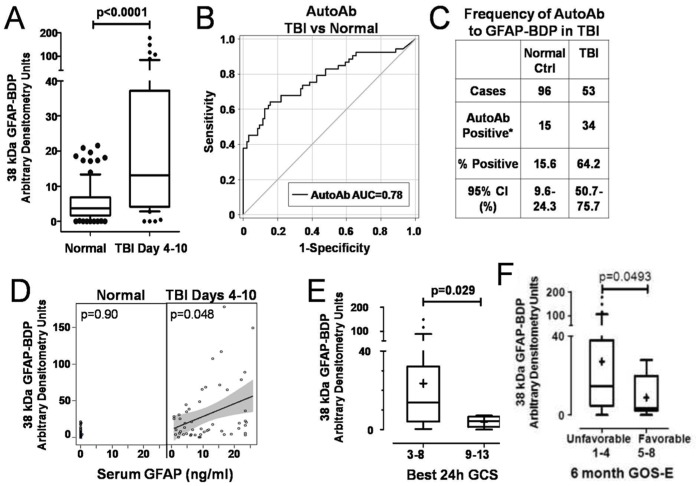
The role of systemic autoimmunity in human traumatic brain injury (TBI) and other forms of brain injuries is recognized but not well understood. In this study, a systematic investigation was performed to identify serum autoantibody responses to brain-specific proteins after TBI in humans. TBI autoantibodies showed predominant immunoreactivity against a cluster of bands from 38-50 kDa on human brain immunoblots, which were identified as GFAP and GFAP breakdown products. GFAP autoantibody levels increased by 7 days after injury, and were of the IgG subtype predominantly. Results from in vitro tests and rat TBI experiments also indicated that calpain was responsible for removing the amino and carboxyl termini of GFAP to yield a 38 kDa fragment. Additionally, TBI autoantibody staining co-localized with GFAP in injured rat brain and in primary rat astrocytes. These results suggest that GFAP breakdown products persist within degenerating astrocytes in the brain. Anti-GFAP autoantibody also can enter living astroglia cells in culture and its presence appears to compromise glial cell health. TBI patients showed an average 3.77 fold increase in anti-GFAP autoantibody levels from early (0-1 days) to late (7-10 days) times post injury. Changes in autoantibody levels were negatively correlated with outcome as measured by GOS-E score at 6 months, suggesting that TBI patients with greater anti-GFAP immune-responses had worse outcomes. Due to the long lasting nature of IgG, a test to detect anti-GFAP autoantibodies is likely to prolong the temporal window for assessment of brain damage in human patients.
Overview
The claims and statistics of this paper haven’t been checked yet.
Free: it reads the open-access text and checks the first 5 claims that cite a source we can check. Create a free account to check every claim.
Integrity signals
Registry
Cites
Statistics
Figures
Verification
Claims the paper makes
The claims and statistics of this paper haven’t been checked yet.
Free: it reads the open-access text and checks the first 5 claims that cite a source we can check. Create a free account to check every claim.
Claims other papers make about this one
Each is checked against this paper’s own text: does it say what the citing paper says it does?
The cited source says what the claim attributes to it.
In the citing paper
“In that study, the authors did not evaluate the effects of TBI on pituitary function, but they clearly demonstrated that serum levels of glial fibrillary acidic protein autoantibodies increased up to 7 days after the injury.”
From Pituitary Dysfunction After Traumatic Brain Injury: A Clinical and Pathophysiological Approach (2015) · cites this paper as [166]
Self-check
Percentages, sums and reported differences re-computed from the paper’s own numbers.
The self-check needs the paper’s full text.
Citations
Cites
1 retracted
Liu, M. C., Akle, V., Zheng, W., Dave, J. R., Tortella, F. C., Hayes, R. L., & Wang, K. K. W. (2006) · Biochemical Journal · doi:10.1042/bj20050905 · Cited by 86 · cited 1×
“caspases are activated in apoptosis [3,4].”
Self-citationRetractedA Statistical Model for Identifying Proteins by Tandem Mass Spectrometry
Nesvizhskii, A. I., Keller, A., Kolker, E., & Aebersold, R. (2003) · Analytical Chemistry · doi:10.1021/ac0341261 · Cited by 4,809
WILSON, J. T. L., PETTIGREW, L. E. L., & TEASDALE, G. M. (1998) · Journal of Neurotrauma · doi:10.1089/neu.1998.15.573 · Cited by 2,386 · cited 1×
“GOS-E) Patient GOS-E scores were assigned to dichotomous ‘‘favorable’’ vs ‘‘unfavorable’’ outcome groups according to recommendations and conventions extensively reported in the literature [33,34].”
BackgroundMiddeldorp, J., & Hol, E. M. (2011) · Progress in Neurobiology · doi:10.1016/j.pneurobio.2011.01.005 · Cited by 1,080 · cited 1×
“GFAP is an intermediate filament protein specifically localized to the cytoskeleton of mature astrocytes, the most abundant cell type in the central nervous system [32].”
BackgroundCalpain and caspase: can you tell the difference?
Wang, K. K. W. (2000) · Trends in Neurosciences · doi:10.1016/s0166-2236(99)01479-4 · Cited by 912 · cited 1×
“caspases are activated in apoptosis [3,4].”
Self-citationBlood–brain barrier breakdown as a therapeutic target in traumatic brain injury
Shlosberg, D., Benifla, M., Kaufer, D., & Friedman, A. (2010) · Nature Reviews Neurology · doi:10.1038/nrneurol.2010.74 · Cited by 897 · cited 1×
“Animal model studies and clinical data both indicate that blood-brain barrier (BBB) breakdown frequently follows head trauma [1,2,5–7].”
BackgroundOrigin and progeny of reactive gliosis: A source of multipotent cells in the injured brain
Buffo, A., Rite, I., Tripathi, P., Lepier, A., Colak, D., Horn, A.-P., Mori, T., & Götz, M. (2008) · Proceedings of the National Academy of Sciences · doi:10.1073/pnas.0709002105 · Cited by 765 · cited 1×
“In injured brain, astrocytes respond by proliferating and upregulating GFAP in a process termed reactive gliosis [50].”
BackgroundBerger, T., Rubner, P., Schautzer, F., Egg, R., Ulmer, H., Mayringer, I., Dilitz, E., Deisenhammer, F., & Reindl, M. (2003) · New England Journal of Medicine · doi:10.1056/nejmoa022328 · Cited by 616 · cited 1×
“Fro example, measurement of autoantibodies by western blot-based methods might have limited clinical applications [63–65].”
MethodTEASDALE, G. M., PETTIGREW, L. E. L., WILSON, J. T. L., MURRAY, G., & JENNETT, B. (1998) · Journal of Neurotrauma · doi:10.1089/neu.1998.15.587 · Cited by 554 · cited 1×
“GOS-E) Patient GOS-E scores were assigned to dichotomous ‘‘favorable’’ vs ‘‘unfavorable’’ outcome groups according to recommendations and conventions extensively reported in the literature [33,34].”
BackgroundPapa, L., Lewis, L. M., Falk, J. L., Zhang, Z., Silvestri, S., Giordano, P., Brophy, G. M., Demery, J. A., Dixit, N. K., Ferguson, I., et al. (2012) · Annals of Emergency Medicine · doi:10.1016/j.annemergmed.2011.08.021 · Cited by 332 · cited 1×
“[67] both recently described the GFAP/BDP antigens are detected in serum after mild-moderate TBI.”
BackgroundSelf-citation
Cited by
Traumatic brain injury: integrated approaches to improve prevention, clinical care, and research
Maas, A. I. R., Menon, D. K., Adelson, P. D., Andelic, N., Bell, M. J., Belli, A., Bragge, P., Brazinova, A., Büki, A., Chesnut, R. M., et al. (2017) · The Lancet Neurology · doi:10.1016/s1474-4422(17)30371-x · Cited by 2,609
Self-citationThe far-reaching scope of neuroinflammation after traumatic brain injury
Simon, D. W., McGeachy, M. J., Bayır, H., Clark, R. S. B., Loane, D. J., & Kochanek, P. M. (2017) · Nature Reviews Neurology · doi:10.1038/nrneurol.2017.13 · Cited by 1,190
Glial fibrillary acidic protein: From intermediate filament assembly and gliosis to neurobiomarker
Yang, Z., & Wang, K. K. W. (2015) · Trends in Neurosciences · doi:10.1016/j.tins.2015.04.003 · Cited by 1,050
Self-citationBlood GFAP as an emerging biomarker in brain and spinal cord disorders
Abdelhak, A., Foschi, M., Abu-Rumeileh, S., Yue, J. K., D’Anna, L., Huss, A., Oeckl, P., Ludolph, A. C., Kuhle, J., Petzold, A., et al. (2022) · Nature Reviews Neurology · doi:10.1038/s41582-021-00616-3 · Cited by 807
Flanagan, E. P., Hinson, S. R., Lennon, V. A., Fang, B., Aksamit, A. J., Morris, P. P., Basal, E., Honorat, J. A., Alfugham, N. B., Linnoila, J. J., et al. (2017) · Annals of Neurology · doi:10.1002/ana.24881 · Cited by 550
“Encephalitis 43 (42) 18 of 33 (55) 34 of 36 (94) 7 (16) 19 (44) 5 of 7 (71)”
An update on diagnostic and prognostic biomarkers for traumatic brain injury
Wang, K. K., Yang, Z., Zhu, T., Shi, Y., Rubenstein, R., Tyndall, J. A., & Manley, G. T. (2018) · Expert Review of Molecular Diagnostics · doi:10.1080/14737159.2018.1428089 · Cited by 542
“GFAP as a biomarker, in the form of either the GFAP intact protein (50 kDa) or as breakdown products (GFAP-BDPs; 44–38 kDa) are predominantly released from injured brain tissue into biofluid such as CSF and serum/plasma shortly following TBI [48,54,59].”
BackgroundSelf-citationCellular infiltration in traumatic brain injury
Alam, A., Thelin, E. P., Tajsic, T., Khan, D. Z., Khellaf, A., Patani, R., & Helmy, A. (2020) · Journal of Neuroinflammation · doi:10.1186/s12974-020-02005-x · Cited by 297
Autoimmune Glial Fibrillary Acidic Protein Astrocytopathy: A Review of the Literature
Shan, F., Long, Y., & Qiu, W. (2018) · Frontiers in Immunology · doi:10.3389/fimmu.2018.02802 · Cited by 218
“Early studies using Enzyme-linked Immunosorbent Assay (ELISA) showed high concentrations of GFAP antibody in the serum of patients with Alzheimer’s disease and trauma (20, 21).”
ResultMorganti-Kossmann, M. C., Semple, B. D., Hellewell, S. C., Bye, N., & Ziebell, J. M. (2019) · Acta Neuropathologica · doi:10.1007/s00401-018-1944-6 · Cited by 217
Pituitary Dysfunction After Traumatic Brain Injury: A Clinical and Pathophysiological Approach
Tanriverdi, F., Schneider, H. J., Aimaretti, G., Masel, B. E., Casanueva, F. F., & Kelestimur, F. (2015) · Endocrine Reviews · doi:10.1210/er.2014-1065 · Cited by 218
(2016) · Handbook of Clinical Neurology · doi:10.1016/b978-0-444-63432-0.00003-7 · Cited by 202
Traumatic brain injury: classification, models, and markers
Najem, D., Rennie, K., Ribecco-Lutkiewicz, M., Ly, D., Haukenfrers, J., Liu, Q., Nzau, M., Fraser, D. D., & Bani-Yaghoub, M. (2018) · Biochemistry and Cell Biology · doi:10.1139/bcb-2016-0160 · Cited by 204
Autoimmune GFAP astrocytopathy: Prospective evaluation of 90 patients in 1 year
Dubey, D., Hinson, S. R., Jolliffe, E. A., Zekeridou, A., Flanagan, E. P., Pittock, S. J., Basal, E., Drubach, D. A., Lachance, D. H., Lennon, V. A., et al. (2018) · Journal of Neuroimmunology · doi:10.1016/j.jneuroim.2018.04.016 · Cited by 202
A Literature Review of Traumatic Brain Injury Biomarkers
Ghaith, H. S., Nawar, A. A., Gabra, M. D., Abdelrahman, M. E., Nafady, M. H., Bahbah, E. I., Ebada, M. A., Ashraf, G. M., Negida, A., & Barreto, G. E. (2022) · Molecular Neurobiology · doi:10.1007/s12035-022-02822-6 · Cited by 183
“TBI exacerbates the release of GFAP or its breakdown products (GFAP-BDPs) in CSF and blood [47].”
BackgroundGan, Z. S., Stein, S. C., Swanson, R., Guan, S., Garcia, L., Mehta, D., & Smith, D. H. (2019) · Frontiers in Neurology · doi:10.3389/fneur.2019.00446 · Cited by 170
Traumatic Brain Injury and Peripheral Immune Suppression: Primer and Prospectus
Hazeldine, J., Lord, J. M., & Belli, A. (2015) · Frontiers in Neurology · doi:10.3389/fneur.2015.00235 · Cited by 156
“detected autoantibodies against the astrocyte-residing intermediate filament protein glial fibrillary acidic protein (GFAP) and its breakdown products in serum samples obtained from 53 patients following severe TBI (63).”
BackgroundThe immunological response to traumatic brain injury
Needham, E. J., Helmy, A., Zanier, E. R., Jones, J. L., Coles, A. J., & Menon, D. K. (2019) · Journal of Neuroimmunology · doi:10.1016/j.jneuroim.2019.04.005 · Cited by 150
Manek, R., Moghieb, A., Yang, Z., Kumar, D., Kobessiy, F., Sarkis, G. A., Raghavan, V., & Wang, K. K. W. (2018) · Molecular Neurobiology · doi:10.1007/s12035-017-0821-y · Cited by 149
“Next, we examined if neuronal cell body biomarker ubiquitin C-terminal hydrolase-L1 (UCH-L1) and presynaptic marker synaptophysin are detectable in theseMV/E preparations.”
BackgroundInfluentialSelf-citationCurrent status of fluid biomarkers in mild traumatic brain injury
Kulbe, J. R., & Geddes, J. W. (2016) · Experimental Neurology · doi:10.1016/j.expneurol.2015.05.004 · Cited by 124
“Autoantibodies against brain proteins have been implicated in a variety of neurologic disorders such as multiple sclerosis, Alzheimer’s disease, stroke, and epilepsy (Zhang et al., 2014).”
BackgroundMethodGlial fibrillary acidic protein is a body fluid biomarker for glial pathology in human disease
Petzold, A. (2014) · Brain Research · doi:10.1016/j.brainres.2014.12.027 · Cited by 131
Messing, A., & Brenner, M. (2020) · ASN Neuro · doi:10.1177/1759091420949680 · Cited by 119
Autoimmunity After Ischemic Stroke and Brain Injury
Javidi, E., & Magnus, T. U. (2019) · Frontiers in Immunology · doi:10.3389/fimmu.2019.00686 · Cited by 132
“GFAP autoantibody levels increased by 7 days after TBI in humans (123) and were also found at a chronic time point 6 months post-injury (124).”
BackgroundManek, R., Moghieb, A. M., Yang, Z., Kumar, D., Kobeissy, F. H., Sarkis, G. A., Raghavan, V., & Wang, K. (2018) · Molecular Neurobiology · doi:10.1007/s12035-018-0909-z · Cited by 109
Self-citationBiomarkers of Traumatic Brain Injury: Temporal Changes in Body Fluids
Harel, A., Kvist, M., Salla, N., & Välimaa, L. (2016) · eNeuro · doi:10.1523/eneuro.0294-16.2016 · Cited by 119
GFAP and S100B: What You Always Wanted to Know and Never Dared to Ask
Janigro, D., Mondello, S., Posti, J. P., & Undén, J. (2022) · Frontiers in Neurology · doi:10.3389/fneur.2022.835597 · Cited by 129
“GFAP is released into the bloodstream both as an intact protein (50 kDa) and as breakdown products (18–44 kDa) derived from calpain- and caspase-cleavage, in particular caspase 3, 6, and 9 (35, 36).”
BackgroundSelf-citationNeurochemical biomarkers in spinal cord injury
Kwon, B. K., Bloom, O., Wanner, I. B., Curt, A. E. P., Schwab, J. M., Fawcett, J. W., & Wang, K. (2019) · Spinal Cord · doi:10.1038/s41393-019-0319-8 · Cited by 107
“…[28, 29] Demyelination MBP Subacute Human: Berger, 2007 [75] Liu, 2015 [54] Rat: Yang, 2018 [62] Autoimmunity AutoAb[GFAP] Subacute/chronic Human: Zhang, 2014 [76] Human: Wang, 2016 [77] Yang, 2017 [78] Human: Yokobori, 2015 [25] Other Biomarkers Tau, P-Tau MAP2 Neurogranin…”
Self-citationHuibregtse, M. E., Bazarian, J. J., Shultz, S. R., & Kawata, K. (2021) · Neuroscience & Biobehavioral Reviews · doi:10.1016/j.neubiorev.2021.08.029 · Cited by 108
“serum levels of autoantibodies for GFAP-BDP 38 kDa were significantly higher in patients with worse long-term outcomes, as assessed by the Glasgow Outcome Scale-Extended at 6-months post-injury (Zhang et al., 2014).”
BackgroundMethodS100B, Actor and Biomarker of Mild Traumatic Brain Injury
Oris, C., Kahouadji, S., Durif, J., Bouvier, D., & Sapin, V. (2023) · International Journal of Molecular Sciences · doi:10.3390/ijms24076602 · Cited by 107
What’s New in Traumatic Brain Injury: Update on Tracking, Monitoring and Treatment
Reis, C., Wang, Y., Akyol, O., Ho, W., Applegate, R. L., Stier, G. R., Martin, R., & Zhang, J. H. (2015) · International Journal of Molecular Sciences · doi:10.3390/ijms160611903 · Cited by 118
Wang, K. K. W., Yang, Z., Yue, J. K., Zhang, Z., Winkler, E. A., Puccio, A. M., Diaz-Arrastia, R., Lingsma, H. F., Yuh, E. L., Mukherjee, P., et al. (2016) · Journal of Neurotrauma · doi:10.1089/neu.2015.3881 · Cited by 85
“We previously demonstrated that post-TBI serum AutoAb[GFAP] shows a delayed increase, beginning about 5–6 days after severe TBI and sustained to at least 10 days.(26,38) Here, we”
BackgroundMethodResultSelf-citationWojnarowicz, M. W., Fisher, A. M., Minaeva, O., & Goldstein, L. E. (2017) · Frontiers in Neurology · doi:10.3389/fneur.2017.00240 · Cited by 80
“TBI patients also express autoreactive antibodies that may prove to be useful biomarkers of brain injury (94, 95).”
BackgroundTraumatic Brain Injury: A Comprehensive Review of Biomechanics and Molecular Pathophysiology
Orr, T. J., Lesha, E., Kramer, A. H., Cecia, A. F., Dugan, J. E., Schwartz, B., & Einhaus, S. L. (2024) · World Neurosurgery · doi:10.1016/j.wneu.2024.01.084 · Cited by 109
Brennan, F. H., Lee, J. D., Ruitenberg, M. J., & Woodruff, T. M. (2016) · Seminars in Immunology · doi:10.1016/j.smim.2016.03.015 · Cited by 76
Raheja, A., Sinha, S., Samson, N., Bhoi, S. K., Subramanian, A., Sharma, P., & Sharma, B. S. (2016) · Journal of neurosurgery · doi:10.3171/2015.6.jns15674 · Cited by 69
McDonald, S. J., Shultz, S. R., & Agoston, D. V. (2021) · Journal of Neurotrauma · doi:10.1089/neu.2021.0011 · Cited by 75
Inflammatory mechanisms contribute to the neurological manifestations of tuberous sclerosis complex
Zhang, B., Zou, J., Rensing, N. R., Yang, M., & Wong, M. (2015) · Neurobiology of Disease · doi:10.1016/j.nbd.2015.04.016 · Cited by 60
Xu, Y., Cao, J., Huang, S., Feng, D., Zhang, W., Zhu, X., & Yan, X. (2015) · PLoS ONE · doi:10.1371/journal.pone.0124378 · Cited by 59
“To validate the specificity of the homemade TTC antibodies, antigen competition experiments were performed as described [30,31].”
MethodGlial biomarkers in human central nervous system disease
Garden, G. A., & Campbell, B. M. (2016) · Glia · doi:10.1002/glia.22998 · Cited by 53
“Additionally, recent studies have reported that TBI patients develop auto-antibodies to GFAP that can be detected in serum (Wang et al., 2015; Zhang et al., 2014).”
BackgroundInfluentialComplex Autoantibody Responses Occur following Moderate to Severe Traumatic Brain Injury
Needham, E., Stoevesandt, O., Thelin, E. P., Zetterberg, H., Zanier, E. R., Nimer, F. A., Ashton, N. J., Outtrim, J. G., Newcombe, V., Mousa, H. S., et al. (2021) · The Journal of Immunology · doi:10.4049/jimmunol.2001309 · Cited by 61
Self-citationAlexander disease: models, mechanisms, and medicine
Hagemann, T. L. (2022) · Current Opinion in Neurobiology · doi:10.1016/j.conb.2021.10.002 · Cited by 49
Elblehi, S. S., Euony, O. I. E., & El-Sayed, Y. S. (2019) · NeuroToxicology · doi:10.1016/j.neuro.2019.10.004 · Cited by 56
Inflammation and Immune System Activation After Traumatic Brain Injury
Balu, R. (2014) · Current Neurology and Neuroscience Reports · doi:10.1007/s11910-014-0484-2 · Cited by 50
Glial Fibrillary Acidic Protein (GFAP): on the 45th Anniversary of Its Discovery
Tykhomyrov, A. A., Pavlova, A. S., & Nedzvetsky, V. S. (2016) · Neurophysiology · doi:10.1007/s11062-016-9568-8 · Cited by 53
Kinases control of regulated cell death revealing druggable targets for Parkinson’s disease
Mansour, H. M., Mohamed, A. F., El-Khatib, A. S., & Khattab, M. M. (2023) · Ageing Research Reviews · doi:10.1016/j.arr.2022.101841 · Cited by 51
Immune Response in Traumatic Brain Injury
Cáceres, E. L., Olivella-Gómez, J., Napoli, M. D., Raihane, A. S., & Divani, A. A. (2024) · Current Neurology and Neuroscience Reports · doi:10.1007/s11910-024-01382-7 · Cited by 61
Wang, K., Pareja, J. C. M., Mondello, S., Diaz-Arrastia, R. R., Wellington, C. L., Kenney, K., Puccio, A. M., Hutchison, J. S., McKinnon, N. K., Okonkwo, D. O., et al. (2021) · Expert Review of Molecular Diagnostics · doi:10.1080/14737159.2021.2005583 · Cited by 52
“terminals, produce a limited breakdown product (GFAP-BDP) of 38 kDa [44].”
BackgroundSelf-citationBarton, D. J., Kumar, R. G., McCullough, E. H., Galang, G., Arenth, P. M., Berga, S. L., & Wagner, A. K. (2016) · Journal of Head Trauma Rehabilitation · doi:10.1097/htr.0000000000000188 · Cited by 42
“409 Percent Back to Normal, median (IQR) 43 77 (50-89) 60 (40-75) .”
Holtkamp, M., Grimes, J. B., & Ling, G. S. F. (2016) · Current Pain and Headache Reports · doi:10.1007/s11916-016-0572-x · Cited by 42
Mesenchymal stromal cell secretome for traumatic brain injury: Focus on immunomodulatory action
Pischiutta, F., Caruso, E., Cavaleiro, H., Salgado, A. J., Loane, D. J., & Zanier, E. R. (2022) · Experimental Neurology · doi:10.1016/j.expneurol.2022.114199 · Cited by 47
Autoimmune Profiling Reveals Peroxiredoxin 6 as a Candidate Traumatic Brain Injury Biomarker
Buonora, J. E., Mousseau, M., Jacobowitz, D. M., Lazarus, R. C., Yarnell, A. M., Olsen, C. H., Pollard, H. B., Diaz-Arrastia, R. R., Latour, L. L., & Mueller, G. P. (2015) · Journal of Neurotrauma · doi:10.1089/neu.2014.3736 · Cited by 44
Crosstalk between the immune, endocrine, and nervous systems in immunotoxicology
MANLEY, K. M., Han, W., Zelin, G., & Lawrence, D. A. (2017) · Current Opinion in Toxicology · doi:10.1016/j.cotox.2017.12.003 · Cited by 42
Immune Regulatory Functions of Macrophages and Microglia in Central Nervous System Diseases
Poppell, M., Hammel, G., & Ren, Y. (2023) · International Journal of Molecular Sciences · doi:10.3390/ijms24065925 · Cited by 42
“Further studies of sera of TBI patients indicated that patients with chronic TBI had significantly higher levels of autoantibody against GFAP, suggesting that autoantibody production is increased in more severe cases [35,36].”
BackgroundRobinson, S., Winer, J. L., Berkner, J., Chan, L. A. S., Denson, J. L., Maxwell, J. R., Yang, Y., Sillerud, L. O., Tasker, R. C., Meehan, W. P., III, et al. (2016) · Journal of Neurosurgery Pediatrics · doi:10.3171/2015.10.peds15554 · Cited by 40
Blood biomarkers are associated with brain function and blood flow following sport concussion
Battista, A. P. D., Churchill, N. W., Schweizer, T. A., Rhind, S. G., Richards, D. W., BAKER, A. J., & Hutchison, M. G. (2018) · Journal of Neuroimmunology · doi:10.1016/j.jneuroim.2018.03.002 · Cited by 49
“AC CE PT ED M AN US CR IP T evaluating autoantibodies to biomarkers such as s100B and GFAP in the subacute phase of injury may be effective, as these molecules display a longer half-life compared to their antigen counterparts (Marchi et al., 2013; Zhang et al., 2014).”
Gastaldi, V. D., Wilke, J. B. H., Weidinger, C. A., Walter, C., Barnkothe, N., Teegen, B., Luessi, F., STÖCKER, W., Lühder, F., Begemann, M., et al. (2022) · Brain Behavior and Immunity · doi:10.1016/j.bbi.2022.10.016 · Cited by 39
“, 1989), traumatic brain injury (Zhang et al., 2014) JAMA Neurol (Fang et al.”
BackgroundInfluentialAutoantibodies in traumatic brain injury and central nervous system trauma
Raad, M., Nohra, E. A., Chams, N., Itani, M., Talih, F. R., Mondello, S., & Kobeissy, F. H. (2014) · Neuroscience · doi:10.1016/j.neuroscience.2014.08.045 · Cited by 37
“In a recent study by Puvenna et al., the impact of sub-concussive head raumatic brain injury Time course (CSF) Beneficial or detrimental Time for intervention Reference Studied on 1st to 21st day Likely detrimental N/A Ngankam et al. (2011) Studied on 1st to 21st day Detrimental N/A Ngankam et al. (2011) s, likely Stu…”
InfluentialSelf-citationGhazale, H., Ramadan, N., Mantash, S., Zibara, K., El‐Sitt, S., Darwish, H., Chamaa, F., Boustany, R. M., Mondello, S., Abou-Kheir, W. G., et al. (2017) · Behavioural Brain Research · doi:10.1016/j.bbr.2017.11.007 · Cited by 35
Self-citationMaheshwari, S., Dwyer, L., & Sîrbulescu, R. F. (2023) · Neurobiology of Disease · doi:10.1016/j.nbd.2023.106077 · Cited by 36
Yamal, J., Hannay, H. J., Gopinath, S. P., Aisiku, I. P., Benoit, J. S., & Robertson, C. S. (2019) · Journal of Neurotrauma · doi:10.1089/neu.2018.5939 · Cited by 38
Self-citationAcute death of astrocytes in blast-exposed rat organotypic hippocampal slice cultures
Miller, A. P., Shah, A. S., Aperi, B. V., Kurpad, S. N., Stemper, B. D., & Glavaski‐Joksimovic, A. (2017) · PLoS ONE · doi:10.1371/journal.pone.0173167 · Cited by 34
Protein Citrullination: A Proposed Mechanism for Pathology in Traumatic Brain Injury
Lazarus, R. C., Buonora, J. E., Flora, M. N., Freedy, J. G., Holstein, G. R., Martinelli, G. P., Jacobowitz, D. M., & Mueller, G. P. (2015) · Frontiers in Neurology · doi:10.3389/fneur.2015.00204 · Cited by 34
“Interestingly, our investigation showed that one of these breakdown products is heavily citrullinated, and thus may serve as the antigen for the development of the antiGFAP autoantibodies recently reported in TBI (49).”
The role and diagnostic significance of cellular barriers after concussive head trauma
Dadas, A., & Janigro, D. (2018) · Concussion · doi:10.2217/cnc-2017-0019 · Cited by 36
Bandara, E. M. S., Asih, P. R., Pedrini, S., Hone, E., Fernando, W. M. A. D. B., & Martins, R. N. (2025) · Molecular Neurobiology · doi:10.1007/s12035-025-05219-3 · Cited by 38
“In neurodegenerative diseases such as amyotrophic lateral sclerosis, TBI, and post-mortem human brain tissue, calpain-mediated fragmentation is a common feature [132, 194, 198].”
InfluentialMoody, L. R., Barrett‐Wilt, G. A., Sussman, M. R., & Messing, A. (2017) · Journal of Biological Chemistry · doi:10.1074/jbc.m116.772020 · Cited by 29
Brain injury biomarkers and applications in neurological diseases
Zhang, H., Wang, J., Qu, Y., Yang, Y., & Guo, Z. (2024) · Chinese Medical Journal · doi:10.1097/cm9.0000000000003061 · Cited by 38
Antigenic Targets of Patient and Maternal Autoantibodies in Autism Spectrum Disorder
Mazón-Cabrera, R., Vandormael, P., & Somers, V. A. (2019) · Frontiers in Immunology · doi:10.3389/fimmu.2019.01474 · Cited by 33
Khafaga, A. F., El-Kazaz, S. E., & Noreldin, A. E. (2021) · The Science of The Total Environment · doi:10.1016/j.scitotenv.2021.147384 · Cited by 29
Wagner, A. K. (2014) · Journal of Spinal Cord Medicine · doi:10.1179/2045772314y.0000000248 · Cited by 28
Yang, Z., Arja, R. D., Zhu, T., Sarkis, G. A., Patterson, R. L., Romo, P., Rathore, D. S., Jaalouk, E., Weissman, A., Wong, A. T.-C., et al. (2022) · International Journal of Molecular Sciences · doi:10.3390/ijms23168960 · Cited by 27
Self-citationForró, T., Manu, D. R., Băjenaru, O., & Bălașa, R. (2024) · International Journal of Molecular Sciences · doi:10.3390/ijms25115726 · Cited by 28
“The 38 kDa GFAP band marks the limit of calpain digestion and is a remarkably stable form of GFAP in dead or dying astrocytes [69].”
BackgroundBoutté, A. M., Deng‐Bryant, Y., JOHNSON, D. J., Tortella, F. C., Dave, J. R., Shear, D. A., & Schmid, K. E. (2015) · Journal of Neurotrauma · doi:10.1089/neu.2014.3672 · Cited by 26
“7 TBI also has been shown to cause changes in a -II spectrin, a key neuronal scaffolding protein; however a -II spectrin is not typically studied as an independent metric in lieu of extensive analysis of its break-down products (SBDPs), which are increased in TBI.”
Self-citationKnopp, R. C., Lee, S., Hollas, M. A. R., Nepomuceno, E., González, D., Tam, K. A., Aamir, D., Wang, Y., Pierce, E. N., BenAissa, M., et al. (2020) · Redox Biology · doi:10.1016/j.redox.2020.101486 · Cited by 29
Peripheral Routes to Neurodegeneration: Passing Through the Blood–Brain Barrier
Giannoni, P., Claeysen, S., Noè, F. M., & Marchi, N. (2020) · Frontiers in Aging Neuroscience · doi:10.3389/fnagi.2020.00003 · Cited by 28
Old Dog New Tricks; Revisiting How Stroke Modulates the Systemic Immune Landscape
Krishnan, S., & Lawrence, C. B. (2019) · Frontiers in Neurology · doi:10.3389/fneur.2019.00718 · Cited by 31
Biomarkers of Traumatic Brain Injury and Their Relationship to Pathology
Laskowitz, D., & Grant, G. A. (2015) · CRC Press eBooks · doi:10.1201/b18959-17 · Cited by 25
Esposito, M. A., Grusovin, M. G., Coulthard, P., Oliver, R., & Worthington, H. V. (2008) · European journal of oral implantology · Cited by 32
Chakraborty, N., Hammamieh, R., Gautam, A., Miller, S., Condlin, M. L., Jett, M., & Scrimgeour, A. G. (2020) · Experimental Neurology · doi:10.1016/j.expneurol.2020.113516 · Cited by 24
“Existing neurotrauma biomarkers include glial fibrillary acid protein (GFAP), ubiquitin carboxy-terminal hydrolase L1 (UCH-L1), tau and neurofilament light chain (NFL) [28, 29]; however, with the noted exception of GFAP [30], several of these proteins lack either the sensitivity or specificity to quantify the magnitud…”
BackgroundPeters, A. J., Schnell, E., Saugstad, J. A., & Treggiari, M. M. (2021) · Journal of Neurotrauma · doi:10.1089/neu.2020.7448 · Cited by 24
“23 Expression of these autoantibodies began * 7 days after injury and persisted 6 months later, and there was a significant association of increased GFAP-BDP ab expression with worse patient outcomes at 6 months following TBI.”
The Next Generation of Biomarker Research in Spinal Cord Injury
Ydens, E., Palmers, I., Hendrix, S., & Somers, V. A. (2016) · Molecular Neurobiology · doi:10.1007/s12035-016-9757-x · Cited by 24
“In TBI, the diagnostic value of GFAP breakdown products showed clear promise in patients [49-51].”
BackgroundThe nature of early astroglial protection—Fast activation and signaling
Kardos, J., Héja, L., Jemnitz, K., Kovács, R., & Palkovits, M. (2017) · Progress in Neurobiology · doi:10.1016/j.pneurobio.2017.03.005 · Cited by 24
Commonly Overlooked Factors in Biocompatibility Studies of Neural Implants
Kumosa, L. S. (2023) · Advanced Science · doi:10.1002/advs.202205095 · Cited by 22
The Effects of Blast Exposure on Protein Deimination in the Brain
Attilio, P. J., Flora, M. N., Kamnaksh, A., Bradshaw, D. V., Agoston, D. V., & Mueller, G. P. (2017) · Oxidative Medicine and Cellular Longevity · doi:10.1155/2017/8398072 · Cited by 21
“The deimination sites found within vimentin and GFAP corresponded to previously reported sites of deimination, respectively, in rheumatoid arthritis and in multiple sclerosis [32] and Alzheimer’s disease [33, 34].”
BackgroundInfluentialПанкратова, Н. А., Jović, M., & Pfeifer, M. (2021) · RSC Advances · doi:10.1039/d1ra00589h · Cited by 25
The role of autoimmunity in pituitary dysfunction due to traumatic brain injury
De Bellis, A., Bellastella, G., Maiorino, M. I., Costantino, A., Cirillo, P., Longo, M., Pernice, V., Bellastella, A., & Esposito, K. (2019) · Pituitary · doi:10.1007/s11102-019-00953-z · Cited by 21
Rigoglio, N. N., Barreto, R. D. S. N., Favaron, P. O., Jacob, J. C. F., Smith, L. C., Gastal, M. O., Gastal, E. L., & Miglino, M. A. (2016) · Journal of Molecular Neuroscience · doi:10.1007/s12031-016-0805-9 · Cited by 26
“Head trauma”
BackgroundInfluentialBiomarkers May Predict Unfavorable Neurological Outcome after Mild Traumatic Brain Injury
Lewis, L. M., Papa, L., Bazarian, J. J., Weber, A., Howard, R., & Welch, R. D. (2020) · Journal of Neurotrauma · doi:10.1089/neu.2020.7071 · Cited by 26
Identification of autoantibodies to glial fibrillary acidic protein in spinal cord injury patients
Hergenroeder, G. W., Moore, A. N., Schmitt, K. M., Redell, J. B., & Dash, P. K. (2015) · Neuroreport · doi:10.1097/wnr.0000000000000502 · Cited by 23
Teng, X., Mao, S., Wu, H., Shao, Q., Zu, J., Zhang, W., Zhou, S., Zhang, T., Zhu, J., Cui, G., et al. (2023) · Journal of Neurochemistry · doi:10.1111/jnc.15780 · Cited by 25
“GFAP, one of the cytoskeletal structure proteins in astrocytes, is highly expressed in the CNS and has been proven a useful blood biomarker of astrogliosis in neurodegenerative conditions (Zhang et al., 2014).”
BackgroundEnduring Neuroprotective Effect of Subacute Neural Stem Cell Transplantation After Penetrating TBI
Kassi, A., Mahavadi, A. K., Clavijo, A., Caliz, D., Lee, S. W., Ahmed, A. I., Yokobori, S., Hu, Z., Spurlock, M. S., Wasserman, J. M., et al. (2019) · Frontiers in Neurology · doi:10.3389/fneur.2018.01097 · Cited by 21
“As outlined in Figure 4, in the absence of timely resolution of injury induced activated microglia, the injury is magnified over time and space producing progressive increased tissue destruction in part via microglial pyroptosis (210) and facilitates worse outcomes such as antibody generation against cellular breakdow…”
BackgroundVijapur, S. M., Yang, Z., Barton, D. J., Vaughan, L., Awan, N., Kumar, R. G., Oh, B.-M., Berga, S. L., Wang, K. K., & Wagner, A. K. (2020) · Journal of Neurotrauma · doi:10.1089/neu.2019.6780 · Cited by 20
“its breakdown product) having dominant autoantigens detected in post-TBI serum samples.(32) Future work will aim to identify dom-”
BackgroundMethodSelf-citationDegradomics in Neurotrauma: Profiling Traumatic Brain Injury
Abou‐El‐Hassan, H., Sukhon, F., Assaf, E. J., Bahmad, H. F., Abou‐Abbass, H., Jourdi, H., & Kobeissy, F. H. (2017) · Methods in molecular biology · doi:10.1007/978-1-4939-6952-4_4 · Cited by 20
Self-citationCalpain-Mediated Alterations in Astrocytes Before and During Amyloid Chaos in Alzheimer’s Disease
Schultz, B., Taday, J., Menezes, L., Cigerce, A., Leite, M. C., & Gonçalves, C. (2021) · Journal of Alzheimer s Disease · doi:10.3233/jad-215182 · Cited by 19
GFAP Antibody Detection Using Interdigital Coplanar Waveguide Immunosensor
Abeyrathne, C. D., Huynh, D. H., Lee, T. T., Nguyen, T. C., Nasr, B., Chana, G., & Skafidas, E. S. (2016) · IEEE Sensors Journal · doi:10.1109/jsen.2016.2525809 · Cited by 19
“To demonstrate the sensor’s performance, we use it to detect antibodies against an intermediate filament protein expressed in astrocytes cells in the central nervous system, GFAP [6].”
MethodSarkis, G. A., Lees-Gayed, N. J., Banoub, J. H., Abbatiello, S. E., Robertson, C. S., Haskins, W. E., Yost, R. A., & Wang, K. (2021) · Molecular Neurobiology · doi:10.1007/s12035-021-02600-w · Cited by 22
“, the 280 kDa αII-spectrin generates BDP of 150, 145, and 120 kDa, and the 50 kDa GFAP generates BDPs of 44–38 kDa) [17].”
BackgroundSelf-citationAbikenari, M. A., Ha, J. H., Liu, J., Ren, A. L., Cho, K. B., Lim, J., Kim, L. H., Medikonda, R. T., Choi, J. H., & Lim, M. K. (2025) · Frontiers in Neurology · doi:10.3389/fneur.2025.1668480 · Cited by 26
“Zhang et al. (90) found that elevated levels of anti-GFAP are negatively correlated with patient outcomes, demonstrating that Anti-GFAP may be monitored as a biomarker to correlate with long-term neurodegeneration post-TBI.”
Fang, J. S., Tong, Z., & Lu, W. (2022) · Frontiers in Neurology · doi:10.3389/fneur.2022.806224 · Cited by 17
Khetani, S., Salahandish, R., Tabor, J., Chilvers, M. J., Dukelow, S. P., Ho, C., Campbell, C., Sen, A., Debert, C. T., & Sanati‐Nezhad, A. (2023) · ACS Biomaterials Science & Engineering · doi:10.1021/acsbiomaterials.3c00048 · Cited by 16
Hromádková, L., & Ovsepian, S. V. (2019) · Journal of Immunology Research · doi:10.1155/2019/7406810 · Cited by 18
“In TBI, for example, disruption of the BBB causes a significant rise in the levels of astrocytic proteins GFAP and S100b in the plasma, which stimulates the production of anti-GFAP and anti-S100b autoantibodies of the IgG subtype [33, 34].”
Gozt, A., Licari, M. K., Halstrom, A., Milbourn, H., Lydiard, S., Black, A. M. B., Arendts, G., Macdonald, S. P. J., Song, S. J., MacDonald, E., et al. (2020) · Brain Sciences · doi:10.3390/brainsci10010023 · Cited by 19
He, Q., Liu, J., Zhu, Z., Tang, Y., Long, L., & Hu, K. (2022) · Frontiers in Immunology · doi:10.3389/fimmu.2022.950522 · Cited by 15
Metadata
- Authors
- Zhang, Z., Zoltewicz, J. S., Mondello, S., Newsom, K. J., Yang, Z., Yang, B., Kobeissy, F., Guingab, J., Glushakova, O., Robicsek, S., Heaton, S., Buki, A., Hannay, J., Gold, M. S., Rubenstein, R., Lu, X.-C. M., Dave, J. R., Schmid, K., Tortella, F., Robertson, C. S., & Wang, K. K. W.
- Affiliations
- Banyan Biomarkers (United States) (US)
- University of Florida (US)
- University of Messina (IT)
- University of Florida Health (US)
- SUNY Downstate Health Sciences University (US)
- Walter Reed Army Institute of Research (US)
- Baylor College of Medicine (US)
- Corresponding author
- Zhang, Zhiqun
- Zoltewicz, J. Susie
- Wang, Kevin K. W.
- ORCID
- Venue
- PLoS ONE
- Publisher
- Public Library of Science (PLoS)
- Published
- 2014-03-25
- Volume
- 9
- Issue
- 3
- Pages
- e92698
- ISSN
- 1932-6203 (ISSN-L)
- PMC
- PMC3965455
- OpenAlex
- W2085281517
- Semantic Scholar
- e80c01fdab639dbf4a2efbc9669e9615dbac4901
- Cited by
- 200
- References
- 70
- Citations by year
- 2026: 11 · 2025: 10 · 2024: 18 · 2023: 13 · 2022: 21 · 2021: 20 · 2020: 19 · 2019: 15 · 2018: 11 · 2017: 20 · 2016: 13 · 2015: 22 · 2014: 5
- FWCI
- 13.04
- Type
- journal article
- Language
- en
- Update notices
- correction (2014-06-25)
- Open access
- gold
- doi.org
- Locations
- PLoS ONE (publishedVersion, cc-by)
- Europe PMC (PubMed Central) (publishedVersion, other-oa)
- PubMed Central (publishedVersion, cc-by)
- PubMed (publishedVersion)
- DOAJ (DOAJ: Directory of Open Access Journals) (submittedVersion, cc-by-sa)
- Figshare (submittedVersion, cc-by)
- Funders
- U.S. Department of Defense (DAMD170310772)
- University of Pittsburgh
- National Institutes of Health
- National Institute of Neurological Disorders and Stroke (R01NS051431, R01NS052831, R01NS049175)
- Topics
- Health Sciences › Medicine › Clinical Neurology › Traumatic Brain Injury and Neurovascular Disturbances
- Health Sciences › Medicine › Clinical Neurology › Traumatic Brain Injury Research
- Health Sciences › Medicine › Clinical Neurology › Spinal Cord Injury Research
- Keywords
- traumatic brain injury, autoantibodies, glial fibrillary acidic protein, calpain, astrocytes, systemic autoimmunity, IgG, brain damage biomarkers, functional outcome, rat model
- MeSH terms
- Adult, Animals, Astrocytes, Autoantibodies, Brain Injuries, Female, Glial Fibrillary Acidic Protein, Humans, Immunoglobulin G, Male, Time Factors, Rats, Sprague-Dawley, Rats
About these checks
Registry, retraction, Cites and statistics results are computed, not judged, with one exception: a printed reference that no index lists is read once by a model before it counts as a citation error. Claims are extracted by a model and kept only when their quote appears verbatim in the text; each cited source is then checked, with a model’s help, for whether it says what the claim relies on. Those verdicts can be wrong — read the claim’s quote and the cited source before relying on one.
Statistics and arithmetic are recomputed, not judged.
Confidence bands are shown only for fields calibrated on our annotated test set. None is calibrated yet, so no band is shown.
What counts as a claim ›How we measure confidence ›How we check this ›
Are you an author, or do you see a problem with this page? Request a review
Data sources
Bibliographic data: Semantic Scholar, OpenAlex, Crossref.
Contains information from the Semantic Scholar Academic Graph Datasets, made available under the ODC Attribution License (ODC-BY 1.0).
Semantic Scholar’s data is described in: Kinney, R., et al. (2023). The Semantic Scholar Open Data Platform. arXiv:2301.10140.
