

The DOI matches its Crossref record; 57 of the 58 references it cites were found in a registry or an index.
Controlling Social Stress in Virtual Reality Environments
Open accessAbstract
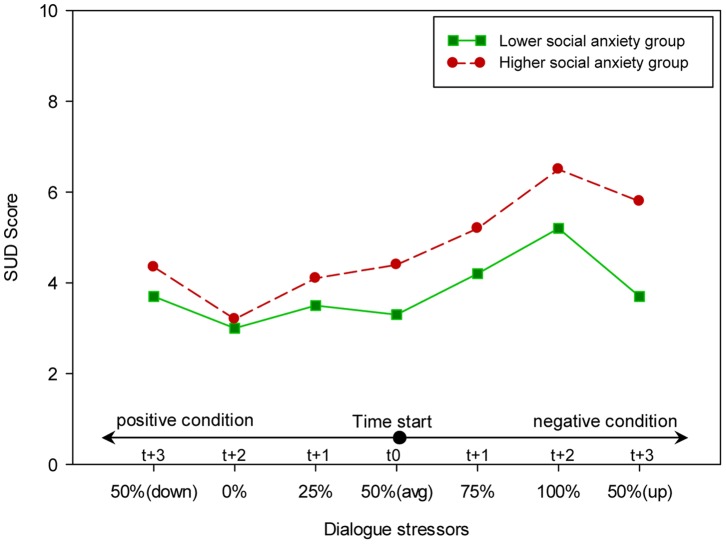
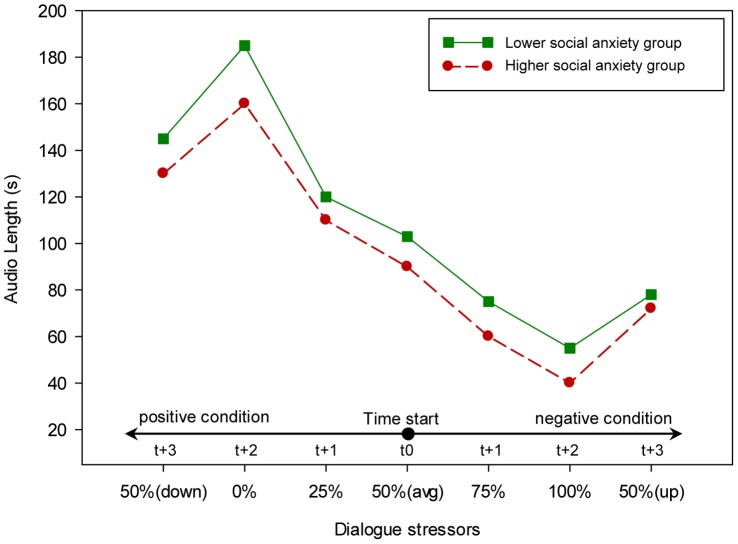
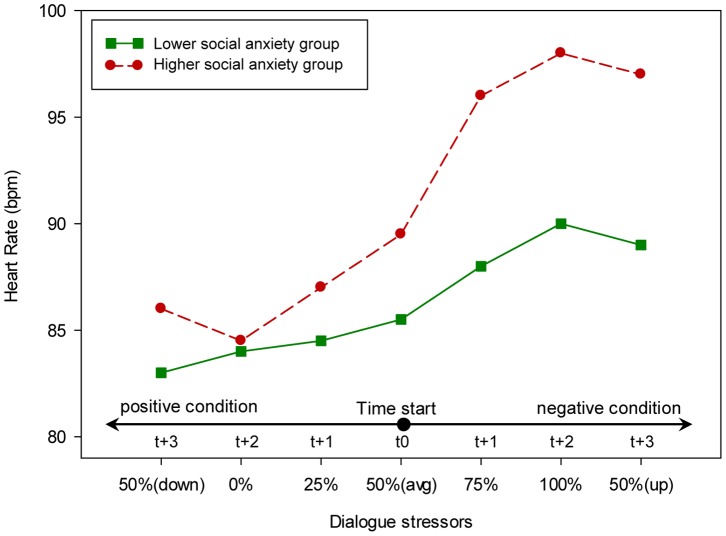
Virtual reality exposure therapy has been proposed as a viable alternative in the treatment of anxiety disorders, including social anxiety disorder. Therapists could benefit from extensive control of anxiety eliciting stimuli during virtual exposure. Two stimuli controls are studied in this study: the social dialogue situation, and the dialogue feedback responses (negative or positive) between a human and a virtual character. In the first study, 16 participants were exposed in three virtual reality scenarios: a neutral virtual world, blind date scenario, and job interview scenario. Results showed a significant difference between the three virtual scenarios in the level of self-reported anxiety and heart rate. In the second study, 24 participants were exposed to a job interview scenario in a virtual environment where the ratio between negative and positive dialogue feedback responses of a virtual character was systematically varied on-the-fly. Results yielded that within a dialogue the more positive dialogue feedback resulted in less self-reported anxiety, lower heart rate, and longer answers, while more negative dialogue feedback of the virtual character resulted in the opposite. The correlations between on the one hand the dialogue stressor ratio and on the other hand the means of SUD score, heart rate and audio length in the eight dialogue conditions showed a strong relationship: r(6) = 0.91, p = 0.002; r(6) = 0.76, p = 0.028 and r(6) = -0.94, p = 0.001 respectively. Furthermore, more anticipatory anxiety reported before exposure was found to coincide with more self-reported anxiety, and shorter answers during the virtual exposure. These results demonstrate that social dialogues in a virtual environment can be effectively manipulated for therapeutic purposes.
Overview
The claims and statistics of this paper haven’t been checked yet.
Run the check — free, no account needed. It reads the open-access text and checks the sources it cites.
Integrity signals
Registry
Cites
Statistics
Figures
Verification
Claims the paper makes
The claims and statistics of this paper haven’t been checked yet.
Run the check — free, no account needed. It reads the open-access text and checks the sources it cites.
Claims other papers make about this one
Each is checked against this paper’s own text: does it say what the citing paper says it does?
The check wasn’t confident either way, so it gives no verdict — never disputed.
In the citing paper
“This significantly reduces the resource investment needed for exposure-based treatments, including time and finances (Hartanto et al., 2014; Carl et al., 2019; Emmelkamp, 2005; Miloff et al., 2016; Reeves et al., 2022; Boeldt et al., 2019; Robillard et al., 2011).”
From Virtual Reality exposure therapy in the treatment of public speaking anxiety and social anxiety disorder (2024) · cites this paper as Hartanto et al., 2014
Experimental — accuracy not yet measured
Self-check
Percentages, sums and reported differences re-computed from the paper’s own numbers.
The self-check needs the paper’s full text.
Citations
Cites
Kessler, R. C., Berglund, P., Demler, O., Jin, R., Merikangas, K. R., & Walters, E. E. (2005) · Archives of General Psychiatry · doi:10.1001/archpsyc.62.6.593 · Cited by 20,391 · cited 1×
“Social anxiety disorder, also commonly referred as social phobia, is one of the most prevalent mental disorders [1].”
BackgroundKirschbaum, C., Pirke, K.-M., & Hellhammer, D. H. (2008) · Neuropsychobiology · doi:10.1159/000119004 · Cited by 6,093
(1997) · Choice Reviews Online · doi:10.5860/choice.34-3702 · Cited by 4,872
Human Nature and the Social Order
Cooley, C. H. (2017) · Routledge eBooks · doi:10.4324/9780203789513 · Cited by 4,847
Bergin and Garfield's Handbook of Psychotherapy and Behavior Change
Lambert, M. J. (2003) · Cited by 3,383
Mattick, R. P., & Clarke, J. C. (1998) · Behaviour Research and Therapy · doi:10.1016/s0005-7967(97)10031-6 · Cited by 3,367
The Experience of Presence: Factor Analytic Insights
Schubert, T., Friedmann, F., & Regenbrecht, H. (2001) · Presence: Teleoperators and Virtual Environments · doi:10.1162/105474601300343603 · Cited by 2,303 · cited 12×
“To get a general understanding of the experienced presence level and to examine whether the virtual world in this experiment established a reasonable level of presence to evoke the anxiety, the overall IPQ score was compared to the online IPQ data set (downloaded on February 9th, 2013.”
MethodInfluentialParsons, T. D., & Rizzo, A. A. (2008) · Journal of Behavior Therapy and Experimental Psychiatry · doi:10.1016/j.jbtep.2007.07.007 · Cited by 994
Technology in mental health care delivery systems
Sidowski, J. B., Johnson, J. H., & Williams, T. A. (1980) · Ablex Pub. Corp. eBooks · Cited by 977
Virtual reality exposure therapy for anxiety disorders: A meta-analysis
Powers, M. B., & Emmelkamp, P. M. G. (2008) · Journal of Anxiety Disorders · doi:10.1016/j.janxdis.2007.04.006 · Cited by 904
Research works printed but not linked: 5
- Herbelin B (2005) Virtual Reality Exposure Therapy for Social Phobia (Doctoral dissertation): Ecole Polytechnique Federale de Lausanne.
- Busscher B, de Vliegher D, Ling Y, Brinkman WP (2010) Analysis of physiological response to neutral virtual reality worlds. Proceedings of the ECCE2010 workshop–Cognitive engineering for technology in mental health care and rehabilitation: 978–994.
- Wolpe J (1958) Psychotherapy by Reciprocal Inhabitation. Stanford, California: Stanford University Press.
- Heimberg RG, Becker RE (2002) Cognitive-Behavioural Group Therapy for Social Phobia (Basic Mechanism and Clinical Strategis). New York: The Guildford Press.
- RP Matticka, 1998, Development and validation of measures of social phobia scrutiny fear and social interaction anxiety, Behaviour Research and Therapy, 36, 455
Cited by
Sorted by citations
Emotion Recognition in Immersive Virtual Reality: From Statistics to Affective Computing
Marín‐Morales, J., Llinares, C., Guixeres, J., & Alcañíz, M. (2020) · Sensors · doi:10.3390/s20185163 · Cited by 298
“(2014) [114] Stress HRV HR MANOVA 24 healthy subjects eMagin Z800 3D stressful social environment No No”
BackgroundKampmann, I. L., Emmelkamp, P. M. G., Hartanto, D., Brinkman, W.-P., Zijlstra, B. J. H., & Morina, N. (2016) · Behaviour Research and Therapy · doi:10.1016/j.brat.2015.12.016 · Cited by 226
“By simulating social situations, VRET allows therapists to control the content, duration, and dif fi culty of social interactions (Hartanto et al., 2014).”
InfluentialSelf-citationD'Cunha, N. M., Nguyen, D. T., Naumovski, N., McKune, A. J., Kellett, J., Georgousopoulou, E. N., Frost, J. S., & Isbel, S. T. (2019) · Gerontology · doi:10.1159/000500040 · Cited by 218
Ling, Y., Nefs, H. T., Morina, N., Heynderickx, I., & Brinkman, W.-P. (2014) · PLoS ONE · doi:10.1371/journal.pone.0096144 · Cited by 215
“The anxiety disorders addressed in these articles (with their references between brackets) were: Acrophobia [23,25,42,46,58– 60], Agoraphobia [48,61], Claustrophobia [62,63], Fear of animals [43,64–70], Fear of flying [24,41], Obsessivecompulsive disorder [26], Social phobia [27,28,71–75], and Exam/test anxiety [76–78…”
Self-citationMeta-analysis of technology-assisted interventions for social anxiety disorder
Kampmann, I. L., Emmelkamp, P. M. G., & Morina, N. (2016) · Journal of Anxiety Disorders · doi:10.1016/j.janxdis.2016.06.007 · Cited by 180
A Succinct Overview of Virtual Reality Technology Use in Alzheimer’s Disease
García-Betances, R. I., Arredondo, M. T., Fico, G., & Cabrera-Umpiérrez, M. F. (2015) · Frontiers in Aging Neuroscience · doi:10.3389/fnagi.2015.00080 · Cited by 212
Retracted: Implementations of Virtual Reality for Anxiety-Related Disorders: Systematic Review
Oing, T., & Prescott, J. (2018) · JMIR Serious Games · doi:10.2196/10965 · Cited by 157
“In general, these innovations achieved their purpose by eliciting a greater amount of fear within the participant [54] or providing a dynamic manipulation of participant anxiety levels [50,52,59].”
BackgroundInfluentialRetractedBombari, D., Mast, M. S., Cañadas, E., & Bachmann, M. (2015) · Frontiers in Psychology · doi:10.3389/fpsyg.2015.00869 · Cited by 155
Virtual reality therapy in social anxiety disorder
Emmelkamp, P. M. G., Meyerbröker, K., & Morina, N. (2020) · Current Psychiatry Reports · doi:10.1007/s11920-020-01156-1 · Cited by 150
“Hartanto et al. [10] investigated two aspects of virtual social worlds: the social dialog situation and the dialog feed-back responses.”
BackgroundKourtesis, P., Collina, S., Doumas, L. A. A., & MacPherson, S. E. (2019) · Frontiers in Human Neuroscience · doi:10.3389/fnhum.2019.00342 · Cited by 160
Meißner, M., & Oll, J. (2019) · Organizational Research Methods · doi:10.1177/1094428117744882 · Cited by 131
A design methodology for affective Virtual Reality
Dozio, N., Marcolin, F., Scurati, G. W., Ulrich, L., Nonis, F., Vezzetti, E., Marsocci, G., Rosa, A. L., & Ferrise, F. (2022) · International Journal of Human-Computer Studies · doi:10.1016/j.ijhcs.2022.102791 · Cited by 135
Can Virtual Reality Effectively Elicit Distress Associated with Social Anxiety Disorder?
Owens, M. E., & Beidel, D. C. (2014) · Journal of Psychopathology and Behavioral Assessment · doi:10.1007/s10862-014-9454-x · Cited by 103
Kothgassner, O. D., Felnhofer, A., Hlavacs, H., Beutl, L., Palme, R., Kryspin‐Exner, I., & Glenk, L. M. (2016) · Computers in Human Behavior · doi:10.1016/j.chb.2016.03.081 · Cited by 104
Reeves, R., Elliott, A., Curran, D., Dyer, K., & Hanna, D. (2021) · Journal of Anxiety Disorders · doi:10.1016/j.janxdis.2021.102451 · Cited by 82
Reeves, R., Curran, D., Gleeson, A., & Hanna, D. (2022) · Behavior Modification · doi:10.1177/0145445521991102 · Cited by 69
“, 2016) and facilitates easy access to stimuli which can be controlled by the therapist (Hartanto et al., 2014).”
BackgroundEvoking stress reactivity in virtual reality: A systematic review and meta-analysis
van Dammen, L., Finseth, T., McCurdy, B. H., Barnett, N. P., Conrady, R. A., Leach, A. G., Deick, A. F., Steenis, A. L. V., Gardner, R., Smith, B. L., et al. (2022) · Neuroscience & Biobehavioral Reviews · doi:10.1016/j.neubiorev.2022.104709 · Cited by 78
Zhu, Y., Saeidi, S., Rizzuto, T. E., Roetzel, A., & Kooima, R. L. (2018) · Journal of Building Engineering · doi:10.1016/j.jobe.2018.05.017 · Cited by 63
The use of virtual reality in assessment and treatment of anxiety and related disorders
Meyerbröker, K., & Nexhmedin Morina, B. (2021) · Clinical Psychology & Psychotherapy · doi:10.1002/cpp.2623 · Cited by 66
“Although, different OCD themes (e.g., control, contamination, etc.) make different environments necessary to apply broad ERP, these themes seem to be universal (Hunt, 2020).”
BackgroundTran, T. Q., Langlotz, T., Young, J., Schubert, T. W., & Regenbrecht, H. T. (2024) · ACM Transactions on Computer-Human Interaction · doi:10.1145/3689046 · Cited by 55
“…64]); here, the IPQ was used to investigate “… whether the virtual world in this experiment established a reasonable level of presence to evoke the anxiety…” [23, p. 7] or “…different components of presence are associated with the experience of fear and treatment response to VRE[T]…” [47, p. 7].”
Cometti, C., Païzis, C., Casteleira, A., Pons, G., & Babault, N. (2018) · PeerJ · doi:10.7717/peerj.5847 · Cited by 43
“Virtual environments should be carefully selected not to increase uselessly individuals’ anxiety levels (Hartanto et al., 2014).”
BackgroundChard, I., & van Zalk, N. (2022) · Frontiers in Digital Health · doi:10.3389/fdgth.2022.842460 · Cited by 46
Exploring thermal state in mixed immersive virtual environments
Saeidi, S., Rentala, G. S., Rizzuto, T. E., Hong, T., Johannsen, N. M., & Zhu, Y. (2021) · Journal of Building Engineering · doi:10.1016/j.jobe.2021.102918 · Cited by 41
Chang, T. P., Beshay, Y., Hollinger, T., & Sherman, J. M. (2019) · Simulation in Healthcare The Journal of the Society for Simulation in Healthcare · doi:10.1097/sih.0000000000000356 · Cited by 42
Barreda-Ángeles, M., Aleix-Guillaume, S., & Pereda-Baños, A. (2019) · Virtual Reality · doi:10.1007/s10055-019-00400-1 · Cited by 38
Rodrigues, T. B., Catháin, C. Ó., O'Connor, N. E., & Murray, N. (2020) · PLoS ONE · doi:10.1371/journal.pone.0230570 · Cited by 38
The effect of virtual reality therapy and counseling on students' public speaking anxiety
Sarpourian, F., Samad‐Soltani, T., Moulaei, K., & Bahaadinbeigy, K. (2022) · Health Science Reports · doi:10.1002/hsr2.816 · Cited by 38
Kang, N., Ding, D., van Riemsdijk, M. B., Nexhmedin Morina, B., Neerincx, M. A., & Brinkman, W. (2020) · International Journal of Human-Computer Interaction · doi:10.1080/10447318.2020.1812909 · Cited by 41
“For example, they can deliver a speech in front of a virtual audience (Aymerich-Franch et al., 2014) or answer questions as candidate in a job interview (Hartanto et al., 2014).”
BackgroundQu, C., Ling, Y., Heynderickx, I. E. J., & Brinkman, W. (2015) · PLoS ONE · doi:10.1371/journal.pone.0125279 · Cited by 35
“Still others have shown that providing positive or negative feedback in a dialogue can affect people’s emotion and behavior [8, 71].”
Zimmer, P., Wu, C. C., & Domes, G. (2019) · Physiology & Behavior · doi:10.1016/j.physbeh.2019.112690 · Cited by 34
Targeted Memory Reactivation During REM Sleep in Patients With Social Anxiety Disorder
Borghese, F., Henckaerts, P., Guy, F., Mayo, C., Delplanque, S., Schwartz, S., & Perogamvros, L. (2022) · Frontiers in Psychiatry · doi:10.3389/fpsyt.2022.904704 · Cited by 33
“, positive compliments) regarding the patient’s performance, which represents extinction-related violation of expectancy (5), was also found to reduce social anxiety (15), and is an integral part of self-focused exposure therapy (16).”
BackgroundKritikos, I., Tzannetos, G., Zoitaki, C., Poulopoulou, S., & Koutsouris, D. (2019) · International IEEE/EMBS Conference on Neural Engineering · doi:10.1109/ner.2019.8717170 · Cited by 34
Social interactions in virtual reality exposure therapy: A proof-of-concept pilot study
Nexhmedin Morina, B., Brinkman, W., Hartanto, D., Kampmann, I. L., & Emmelkamp, P. M. G. (2015) · Technology and Health Care · doi:10.3233/thc-151014 · Cited by 30
“Recent work indicates that more elaborate conversations with virtual humans can also elicit arousal, comparable to conversations in real life [14,15].”
Assessing Social Anxiety Through Digital Biomarkers Embedded in a Gaming Task
Dechant, M., Frommel, J., & Mandryk, R. L. (2021) · CHI Conference on Human Factors in Computing Systems · doi:10.1145/3411764.3445238 · Cited by 31
“people that manifest in physical contexts may transfer into virtual worlds [53].”
BackgroundSeuling, P. D., Czernin, N. S., & Schiele, M. A. (2024) · Neuroscience Applied · doi:10.1016/j.nsa.2024.104074 · Cited by 28
“This significantly reduces the resource investment needed for exposure-based treatments, including time and finances (Hartanto et al., 2014; Carl et al., 2019; Emmelkamp, 2005; Miloff et al., 2016; Reeves et al., 2022; Boeldt et al., 2019; Robillard et al., 2011).”
The influences of virtual social feedback on social anxiety disorders
Kishimoto, T., & Ding, X. (2019) · Behavioural and Cognitive Psychotherapy · doi:10.1017/s1352465819000377 · Cited by 31
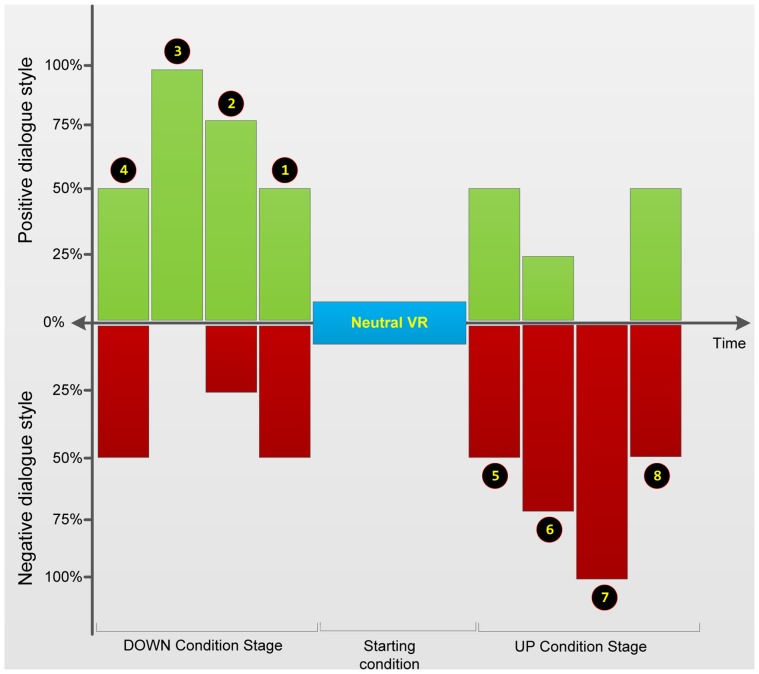
“In one study, Hartanto and colleagues investigated a series of affective verbal feedback (0∼100% negative dialogue style conditions) for higher and lower social anxiety individuals (Hartanto et al., 2014).”
BackgroundBrundage, S. B., Brinton, J. M., & Hancock, A. B. (2016) · Journal of Fluency Disorders · doi:10.1016/j.jfludis.2016.10.001 · Cited by 26
Sedghikhanshir, A., Zhu, Y., Beck, M. R., & Jafari, A. (2024) · Building and Environment · doi:10.1016/j.buildenv.2024.111844 · Cited by 27
Hawajri, O., Lindberg, J., & Suominen, S. (2023) · Issues in Mental Health Nursing · doi:10.1080/01612840.2023.2190051 · Cited by 28
“The results of some of the included articles showed that VRET is a treatment that can work to reduce stress in treated patients (Hartanto et al., 2014; Kampmann et al., 2016).”
ResultA Comparison of Active and Passive Virtual Reality Exposure Scenarios to Elicit Social Anxiety
Sekhavat, Y. A., & Nomani, P. (2017) · International Journal of Serious Games · doi:10.17083/ijsg.v4i2.154 · Cited by 24
“arousal as well as self-reported distress [20].”
The Medical Metaverse, Part 1: Introduction, Definitions, and New Horizons for Neuropsychiatry
López-Ojeda, W., & Hurley, R. A. (2023) · Journal of Neuropsychiatry · doi:10.1176/appi.neuropsych.20220187 · Cited by 23
Home-Based Virtual Reality Exposure Therapy with Virtual Health Agent Support
Hartanto, D., Brinkman, W.-P., Kampmann, I. L., Morina, N., Emmelkamp, P. G. M., & Neerincx, M. A. (2016) · Communications in Computer and Information Science · doi:10.1007/978-3-319-32270-4_9 · Cited by 21
Self-citationAlghamdi, M. A., Regenbrecht, H. T., Hoermann, S., & Swain, N. (2017) · Behaviour and Information Technology · doi:10.1080/0144929x.2017.1311374 · Cited by 21
“2007), for instance, eliciting anxiety (e.g. Pertaub, Slater, and Barker 2002; Hartanto et al. 2014; Seinfeld et al. 2016), stress (e.”
BackgroundVirtual reality exposure therapy for reducing school anxiety in adolescents: Pilot study
Beele, G., Liesong, P., Bojanowski, S., Hildebrand, K., Weingart, M., Asbrand, J., Correll, C. U., Morina, N., & Uhlhaas, P. J. (2024) · JMIR Mental Health · doi:10.2196/56235 · Cited by 20
“This finding aligns with previous research demonstrating that virtual social-evaluative situations can evoke anxiety in both adults [40,74-77] and youth [44].”
ResultDigital Intervention for the Management of Alzheimer’s Disease
Manchanda, N., Aggarwal, A., Setya, S., & Talegaonkar, S. (2022) · Current Alzheimer Research · doi:10.2174/1567205020666230206124155 · Cited by 20
“I’d rather drink in VRChat”: Understanding Drinking in Social Virtual Reality
Chen, Q., Bellucci, A., & Jacucci, G. (2024) · CHI Conference on Human Factors in Computing Systems · doi:10.1145/3613904.3642405 · Cited by 24
“However, VR has shown the ability to provoke experiences of social distress and can be used as a tool to diagnose social anxiety [41, 48, 57].”
Virtual Reality Interventions for Mental Health
Kothgassner, O. D., Reichmann, A., & Bock, M. M. (2023) · Current Topics in Behavioral Neurosciences · doi:10.1007/7854_2023_419 · Cited by 19
RETRACTED ARTICLE: Quality assessment for virtual reality technology based on real scene
Jiang, B., Yang, J., Jiang, N., Lv, Z., & Meng, Q. (2016) · Neural Computing and Applications · doi:10.1007/s00521-016-2828-0 · Cited by 17
“As known, Most of the virtual reality display [13] through the way of stereo images, which is shown in Fig.”
RetractedReichenberger, J., Wechsler, T. F., Diemer, J., Mühlberger, A., & Notzon, S. (2022) · Biological Psychology · doi:10.1016/j.biopsycho.2022.108432 · Cited by 14
Effects of different real-time feedback types on human performance in high-demanding work conditions
Cohen, I., Brinkman, W., & Neerincx, M. A. (2016) · International Journal of Human-Computer Studies · doi:10.1016/j.ijhcs.2016.03.007 · Cited by 13
“VR seems to be able to elicit physiological stress responses in individuals (Busscher et al., 2011; Hartanto et al., 2014) but leaves out the risk of real-life crisis and disasters (Kinateder et al., 2014).”
BackgroundHartanto, D., Brinkman, W., Kampmann, I. L., Nexhmedin Morina, B., Emmelkamp, P. M. G., & Neerincx, M. A. (2015) · Lecture notes in computer science · doi:10.1007/978-3-319-21996-7_31 · Cited by 13
Stefaniak, I., Hanusz, K., Mierzejewski, P., Bieńkowski, P., Parnowski, T., & Murawiec, S. (2022) · Brain Sciences · doi:10.3390/brainsci12091236 · Cited by 12
“In the literature to date, there are preliminary studies on the use of therapeutic programs with virtual reality but without the aid of an actual therapist in the treatment of social phobia [36].”
BackgroundInmersión y activación de estados emocionales con videojuegos de realidad virtual
Fernández, D. T., Moya, E. B., & Sánchez, R. P. (2021) · Revista de Psicología · doi:10.18800/psico.202102.002 · Cited by 12
Rentala, G. S., Zhu, Y., & Johannsen, N. M. (2021) · Sustainability · doi:10.3390/su131910638 · Cited by 12
“To assess the suitability of their findings, researchers often compare their presence scores with the available literature scores [63,64].”
MethodRentala, G. S., Zhu, Y., & Mukhopadhyay, S. (2021) · Frontiers in Sustainable Cities · doi:10.3389/frsc.2021.730474 · Cited by 11
“The virtual experience factors are a collection of characteristics that indicate the quality of experience in immersive virtual environments (IVEs).”
ResultInfluentialEffects of Image Realism on the Stress Response in Virtual Reality
Weiß, S., Klassen, N., & Heuten, W. (2021) · ACM Symposium on Virtual Reality Software and Technology (VRST) · doi:10.1145/3489849.3489885 · Cited by 11
The impact of virtual images of coastal landscape features on stress recovery based on EEG
Shi, J., Zhang, N., Sun, Y., Jiang, J., Duan, H., & Gao, W. (2025) · Scientific Reports · doi:10.1038/s41598-025-02224-3 · Cited by 10
Rentala, G. S., Zhu, Y., & Mukhopadhyay, S. (2024) · Advanced Engineering Informatics · doi:10.1016/j.aei.2024.102449 · Cited by 9
Shotaro, S., Jincho, N., & Kikuchi, H. (2019) · International Conference Virtual and Augmented Reality Simulations · doi:10.1145/3332305.3332307 · Cited by 9
“A job-interview simulation system in a virtual environment can help control a user’s anxiety by making the virtual interviewer’s response positive or negative [11].”
BackgroundUsing Run-Time Biofeedback During Virtual Agent-Based Aggression De-escalation Training
Blankendaal, R., & Bosse, T. (2018) · Lecture notes in computer science · doi:10.1007/978-3-319-94580-4_8 · Cited by 9
A paradigm description of virtual reality and its possible applications in psychiatry
Kruk, D., Mętel, D., & Cechnicki, A. (2019) · Postępy Psychiatrii i Neurologii · doi:10.5114/ppn.2019.86255 · Cited by 8
“In one of them, individual differences in the sense of presence did not affect the level of social stress during the interview for a job with a virtual person [39].”
BackgroundInfluentialDas Potenzial der virtuellen Realität in der Verhaltenstherapie
Diemer, J. (2019) · Nervenheilkunde · doi:10.1055/a-0928-0734 · Cited by 8
“Mittlerweile ist die VR-Technik so weit fortgeschritten, dass eine glaubwürdige soziale Interaktion simuliert werden kann [45, 46].”
BackgroundCorrection: Controlling Social Stress in Virtual Reality Environments
Hartanto, D., Kampmann, I. L., Nexhmedin Morina, B., Emmelkamp, P. M. G., Neerincx, M. A., & Brinkman, W. (2019) · PLoS ONE · doi:10.1371/journal.pone.0223988 · Cited by 8
Enhanced location tracking in sensor fusion-assisted virtual reality micro-manipulation environments
Prada, J. D. P., Im, J., Oh, H., & Song, C. O. (2021) · PLoS ONE · doi:10.1371/journal.pone.0261933 · Cited by 7
“Currently, VR has been investigated for managing stress caused by anxiety disorders [1], navigation and tracking systems [2], minimizing hand tremor [3], and in medical simulators that teach subjects how to use surgical tools through realistic scenarios in virtual environments [4].”
BackgroundKourtesis, P., Collina, S., Doumas, L. A. A., & MacPherson, S. E. (2021) · doi:10.36227/techrxiv.13858154 · Cited by 8
Characterizing Consumer Smartphone Apps for Virtual Reality–Based Exposure Therapy: Content Analysis
Sunkara, C., Thakkar, R. N., Ong, T., & Bunnell, B. E. (2023) · Journal of Medical Internet Research · doi:10.2196/41807 · Cited by 6
“The computer simulations of VR provide therapists with control and flexibility for the delivery of exposure therapy [19].”
Serafini, M., & Chittaro, L. (2024) · Behaviour and Information Technology · doi:10.1080/0144929x.2023.2299738 · Cited by 7
“While the studies of Hartanto et al. (2014) and Kwon et al. (2009) focused exclusively on job interview scenarios, other authors explored di ff erent scenarios but none of them addressed oral exams.”
InfluentialOwayyed, M. A., Tielman, M. L., Hartholt, A., Specht, M. M., & Brinkman, W. (2024) · Behaviour and Information Technology · doi:10.1080/0144929x.2024.2374891 · Cited by 5
“Human initiative occurs when the trainer acts as a supervisor guiding the agent and intervening when necessary, for example, if the virtual child does not exhibit the expected behaviour or if Robin wishes to control parts of the agent (e.g. Hartanto et al. 2014).”
Wang, M., Zhang, N., Yang, L. C., Zhang, W., & Gao, W. (2025) · Scientific Reports · doi:10.1038/s41598-025-19425-5 · Cited by 5
“These findings support the validity of the virtual model 39 .”
The Role of Speaking Anxiety on L2 English Speaking Fluency, Accuracy and Complexity
Sosa-López, G., & Mora, J. C. (2022) · Pronunciation in Second Language Learning and Teaching Conference (PSLLT) · doi:10.31274/psllt.13362 · Cited by 7
“Therefore, receiving signs of misunderstanding or indifference as one speaks may generate stress (higher HR and self-reported anxiety levels), as one gets a negative response from an audience to one's speech (i.e., constant frowning or an unfriendly response in a dialogue) (Hartanto et al., 2014).”
BackgroundDetecting Public Speaking Stress via Real-Time Voice Analysis in Virtual Reality: A Review
Arushi, Dillon, R., Teoh, A. N., & Dillon, D. (2023) · Springer eBooks · doi:10.1007/978-981-99-2909-2_7 · Cited by 5
Um programa de intervenção para transtorno de ansiedade social com o uso da realidade virtual
Perandré, Y. H. T., & Haydu, V. B. (2018) · Temas em Psicologia · doi:10.9788/tp2018.2-12pt · Cited by 5
Kosonogov, V., Efimov, K., Rakhmankulova, Z., & Zyabreva, I. (2023) · Neuroscience and Behavioral Physiology · doi:10.1007/s11055-023-01393-w · Cited by 7
“In the study by Hartanto et al. [2014] cited above, as part of an interview scenario, the authors changed the ratio of the virtual character’s positive and negative responses as the interview progressed.”
BackgroundPan, J. (2023) · JMIR Research Protocols · doi:10.2196/48437 · Cited by 5
“The commonly used psychological indicators include self-reported anxiety and fear, distress, and self-confidence [33,34].”
BackgroundSterna, R., Siry, A. M., Pilarczyk, J., & Kuniecki, M. (2021) · Frontiers in Virtual Reality · doi:10.3389/frvir.2021.648318 · Cited by 5
“Isomorphic assumption is made in many papers, both relatively old (Meehan et al., 2002) and recent (Hartanto et al., 2014, p. 2–10; Athif et al., 2020; Gill, 2020).”
BackgroundMethodA Treatment Program for Social Anxiety Disorder by Using Virtual Reality
Perandré, H. H. T., & Haydu, V. B. (2018) · Temas em Psicologia · doi:10.9788/tp2018.2-12en · Cited by 5
“…relating to positive correlation between sense of presence and measurements of anxiety Trends Psychol., Ribeirão Preto, vol. 26, nº 2, p. 867-882 - June/2018 (see Hartanto et al., 2014; Morina et al., 2014; Powers et al., 2013; Price et al., 2011) contradict the third hypothesis mentioned above.”
BackgroundBouguettaya, A., & Aboujaoude, E. (2024) · JMIR Formative Research · doi:10.2196/64494 · Cited by 5
“Meanwhile, a VR-based group therapy (with avatars representing other group members in a virtual environment) could be helpful in engaging patients with social anxiety disorder, as they could use avatars to not be “observed” [67].”
BackgroundSedghikhanshir, A., Chen, Y., Zhu, Y., Beck, M. R., & Jafari, A. (2025) · Sustainability · doi:10.3390/su17062421 · Cited by 4
A VR Game for Obsessive-Compulsive Disorders Therapy
Torrão, A. R., Natário, J., Carvalho, P. S., Silva, C. M., & Silva, F. G. M. (2021) · International Conference on Graphics and Interaction (ICGI) · doi:10.1109/icgi54032.2021.9655282 · Cited by 5
Chittaro, L., & Serafini, M. (2023) · Multimedia Tools and Applications · doi:10.1007/s11042-023-16917-2 · Cited by 4
“…controlled by the experimenter with a Wizard-of-Oz technique (i.e., the user perceives a direct interaction with the virtual job interviewer, while in fact the experimenter decides and commands the responses of the virtual interviewer in real-time), can elicit different levels of anxiety [52].”
VR communication simulation with scripted dialog elicits HPA axis stress
Ban, Y., Inazawa, M., Kato, C., & Warisawa, S. (2024) · Frontiers in Virtual Reality · doi:10.3389/frvir.2023.1302720 · Cited by 3
“Previous studies con fi rmed that the level of ANS stress, judging from heart rate information, changes depending on the dialog feedback response (positive or negative) between humans and virtual characters (Hartanto et al., 2014).”
Giron, J., Mladenović, J., Hanrieder, M., Golland, Y., & Friedman, D. A. (2023) · International Conference on Affective Computing and Intelligent Interaction Workshops and Demos (ACIIW) · doi:10.1109/aciiw59127.2023.10388148 · Cited by 3
“Hartanto et al. [5] explored physiological responses in three interactive dialogue scenarios: blind date, job interview, and a neutral control condition, and report differences in reported anxiety as well as mean heart rate (HR).”
BackgroundSedghikhanshir, A., Zhu, Y., Beck, M. R., & Jafari, A. (2024) · ASCE International Conference on Computing in Civil Engineering (i3CE) · doi:10.1061/9780784485231.023 · Cited by 3
LingoVerse: virtual language learning through gamification
Špruk, N. J., Žnideršič, K., Marolt, M., & Pesek, M. (2025) · Virtual Reality · doi:10.1007/s10055-025-01250-w · Cited by 4
“These technologies can be used for various purposes, such as gaming, learning, therapy, and relaxation (Emmelkamp and Meyer-bröker 2021 ; Hartanto et al. 2014 ; Howard 2017 ).”
Virtual Humans in Virtual Reality Mental Health Research: Systematic Review
Wei, S., Freeman, D. H., & Rovira, A. (2025) · JMIR XR and spatial computing. · doi:10.2196/75087 · Cited by 2
“Researchers also manipulated the dialog responses (positive or negative) [57] and responsive frequency (high or low) [4] in conversation agents.”
Development of Immersive 360° Virtual Reality Videos for Intervention with Test Anxiety
Doğan, U., Üzmez, H., Dağılgan, E. B., Sarıcaoğlu, H., Sinem, A. C. A. R., & Özkaraca, O. (2024) · International Journal of Human-Computer Interaction · doi:10.1080/10447318.2024.2434959 · Cited by 4
“Factors such as privacy (Anderson et al., 2004), cost (Miloff et al., 2016), practitioner burden (Hartanto et al., 2014), and time (Emmelkamp, 2005) also contribute to the increased use of Virtual Reality Exposure Therapy (VRET), which combines elements of in-vivo exposure to improve patient…”
Kiernan, G., Kohl, P., Tas, E., Berg, F., Wolf, M., Nguyen, P.-M., Valmaggia, L., & Rus‐Calafell, M. (2025) · Social Psychiatry and Psychiatric Epidemiology · doi:10.1007/s00127-025-02871-x · Cited by 2
“Manipulating social stressors in VR such as population or ethnic density or hostility [34] can influence components of social performance such as anxiety [35], fear of negative evaluation [36] and social avoidance [37].”
Interpersonal Emotion Regulation
Colombo, D., Ventura, S., & Baños, R. (2022) · Advances in logistics, operations, and management science book series · doi:10.4018/978-1-6684-2478-0.ch010 · Cited by 2
The Effectiveness of Virtual Reality for Studying Human Behavior in Fire
Feng, X., Cui, R., & Zhao, J. (2015) · Lecture notes in computer science · doi:10.1007/978-3-319-21067-4_2 · Cited by 2
“…dif fi culties, usually the speed of evacuation is much slower than the speed of smoke spreading for the long vertical evacuation distance and high population density; Third, in most cases the only escaping way is the stairs cause the elevator shaft is usually the thoroughfare of smoke [1, 5, 6].”
BackgroundGarcía-Betances, R. I. (2017) · UPM Digital Archive (Technical University of Madrid) · doi:10.20868/upm.thesis.48687 · Cited by 2
Kourtesis, P., Collina, S., Doumas, L. A. A., & MacPherson, S. E. (2021) · doi:10.36227/techrxiv.13858154.v1 · Cited by 3
You, Y., Zou, B., & Wang, C. (2024) · Advances in higher education and professional development book series · doi:10.4018/979-8-3693-2857-6.ch012 · Cited by 1
Darmová, B., Fajnerová, I., & Appel, L. (2026) · Technologies · doi:10.3390/technologies14050305
Rueda, A., Martin, J., Parkington, K. B., Perivolaris, A., Teferra, B. G., Lee, G. H., Tassone, V. K., Lin, Q., Ivanov, M., Darnell, B. C., et al. (2026) · JMIR Formative Research · doi:10.2196/77818 · Cited by 1
“However, the fact that in-VR stress correlates with real-world stress further supports the finding that the VR simulation elicited stress [67,68].”
VR Technology-Based Intelligent Cognitive Rehabilitation System for Alzheimer’s Disease
Hang, Y., Ge, W., Jiang, H., Li, H., & Tan, W. (2019) · Lecture notes in computer science · doi:10.1007/978-3-030-32962-4_20 · Cited by 1
Do Distant or Colocated Audiences Affect User Activity in VR?
Terrier, R., Martin, N., Lacoche, J., Gouranton, V., & Arnaldi, B. (2020) · IFIP International Conference on Theoretical Computer Science · doi:10.1007/978-3-662-61983-4_1 · Cited by 2
A Virtual Reality Game as a Tool for Psychotherapy With OCD Patients
Torrão, A. R., Natário, J., Carvalho, P. S., Silva, C. M., & Silva, F. G. M. (2022) · International Journal of Creative Interfaces and Computer Graphics · doi:10.4018/ijcicg.311834 · Cited by 1
The Use of Gamification in Social Phobia
Simões-Silva, V., Maravalhas, V., Cunha, A. R., Soares, M. I., & Marques, A. J. (2020) · Advances in medical technologies and clinical practice book series · doi:10.4018/978-1-7998-7472-0.ch009 · Cited by 1
Watanave, H. A. C., & Chacón, M. F. S. (2018) · Universidad Peruana de Ciencias Aplicadas (UPC) · doi:10.19083/tesis/628222 · Cited by 1
Implementations of Virtual Reality for Anxiety-Related Disorders: Systematic Review (Preprint)Preprint
Oing, T., & Prescott, J. (2018) · doi:10.2196/preprints.10965 · Cited by 1
Metadata
- Authors
- Hartanto, D., Kampmann, I. L., Morina, N., Emmelkamp, P. G. M., Neerincx, M. A., & Brinkman, W.-P.
- Affiliations
- Delft University of Technology (NL)
- University of Amsterdam (NL)
- Netherlands Organisation for Applied Scientific Research (NL)
- Corresponding author
- Hartanto, Dwi
- Venue
- PLoS ONE
- Publisher
- Public Library of Science (PLoS)
- Published
- 2014-03-26
- Volume
- 9
- Issue
- 3
- Pages
- e92804
- ISSN
- 1932-6203 (ISSN-L)
- PMC
- PMC3966821
- OpenAlex
- W2148863487
- Cited by
- 115
- References
- 58
- Citations by year
- 2026: 6 · 2025: 9 · 2024: 13 · 2023: 10 · 2022: 12 · 2021: 16 · 2020: 6 · 2019: 12 · 2018: 8 · 2017: 5 · 2016: 7 · 2015: 7 · 2014: 4
- FWCI
- 14.86
- Type
- journal article
- Language
- en
- Update notices
- correction (2019-10-11)
- Open access
- gold
- doi.org
- Locations
- PLoS ONE (publishedVersion, cc-by)
- Europe PMC (PubMed Central) (publishedVersion, other-oa)
- PubMed Central (publishedVersion, cc-by)
- PubMed (publishedVersion)
- UvA-DARE (University of Amsterdam) (acceptedVersion, other-oa)
- TNO Repository (submittedVersion)
- DOAJ (DOAJ: Directory of Open Access Journals) (submittedVersion)
- Repository hosted by TU Delft Library (TU Delft) (submittedVersion)
- Research Repository (Delft University of Technology) (submittedVersion)
- Data Archiving and Networked Services (DANS) (submittedVersion, other-oa)
- Data Archiving and Networked Services (DANS) (submittedVersion, cc-by)
- Funders
- Nederlandse Organisatie voor Wetenschappelijk Onderzoek (655.010.207)
- Topics
- Physical Sciences › Computer Science › Human-Computer Interaction › Virtual Reality Applications and Impacts
- Social Sciences › Psychology › Experimental and Cognitive Psychology › Anxiety, Depression, Psychometrics, Treatment, Cognitive Processes
- Social Sciences › Psychology › Applied Psychology › Digital Mental Health Interventions
- Keywords
- virtual reality exposure therapy, social anxiety disorder, virtual characters, anticipatory anxiety, heart rate, self-reported anxiety, speech length
- MeSH terms
- Adult, Female, Heart Rate, Humans, Interviews as Topic, Male, Stress, Psychological, User-Computer Interface, Young Adult
About these checks
Registry, retraction, Cites and statistics results are computed, not judged, with one exception: a printed reference that no index lists is read once by a model before it counts as a citation error. Claims are extracted by a model and kept only when their quote appears verbatim in the text; each cited source is then checked, with a model’s help, for whether it says what the claim relies on. Those verdicts can be wrong — read the claim’s quote and the cited source before relying on one.
Statistics and arithmetic are recomputed, not judged.
Confidence bands are shown only for fields calibrated on our annotated test set. None is calibrated yet, so no band is shown.
What counts as a claim ›How we measure confidence ›How we check this ›
Are you an author, or do you see a problem with this page? Request a review
