

Dynamics and Correlation of Serum Cortisol and Corticosterone under Different Physiological or Stressful Conditions in Mice
Open accessThe DOI matches its Crossref record; 40 of the 41 references it cites were found in a registry or an index.
Abstract
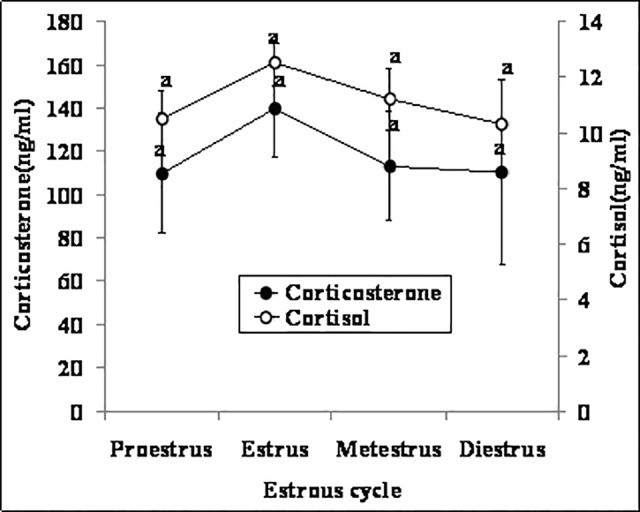
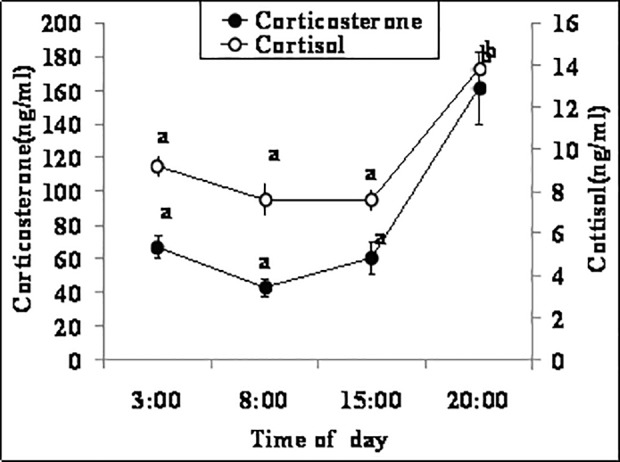
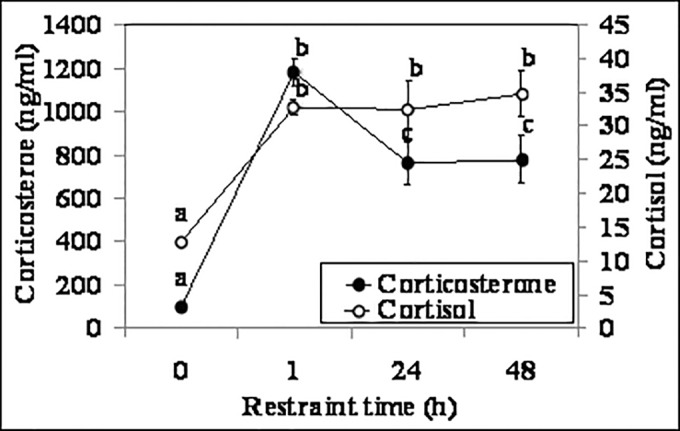
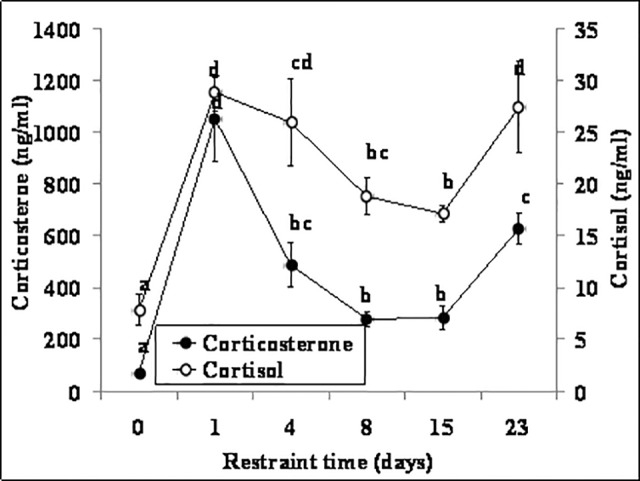
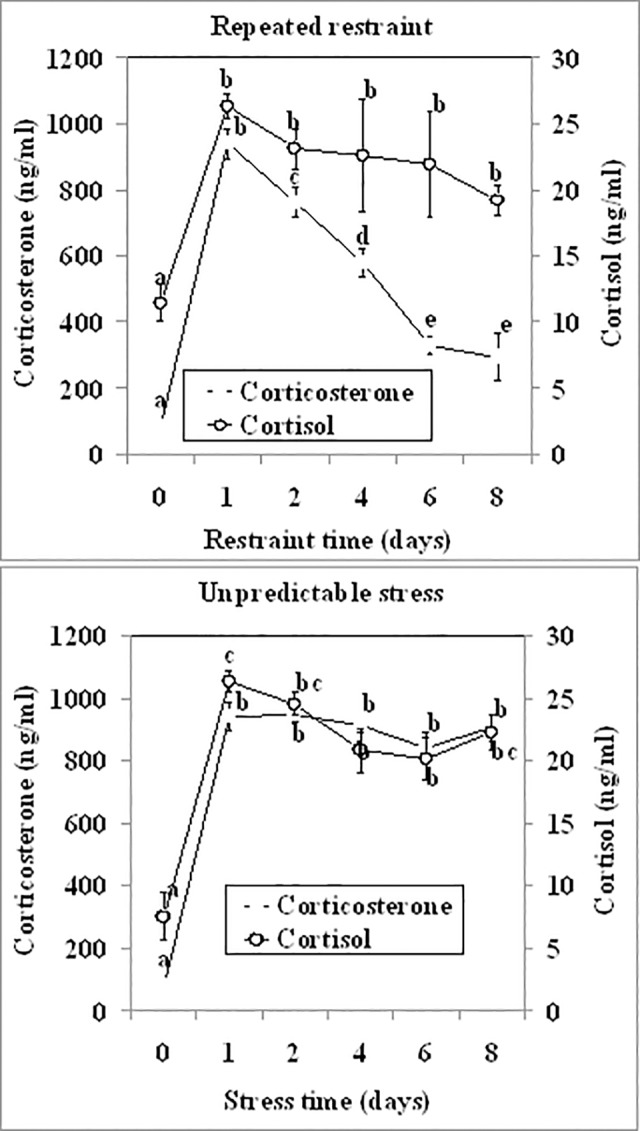
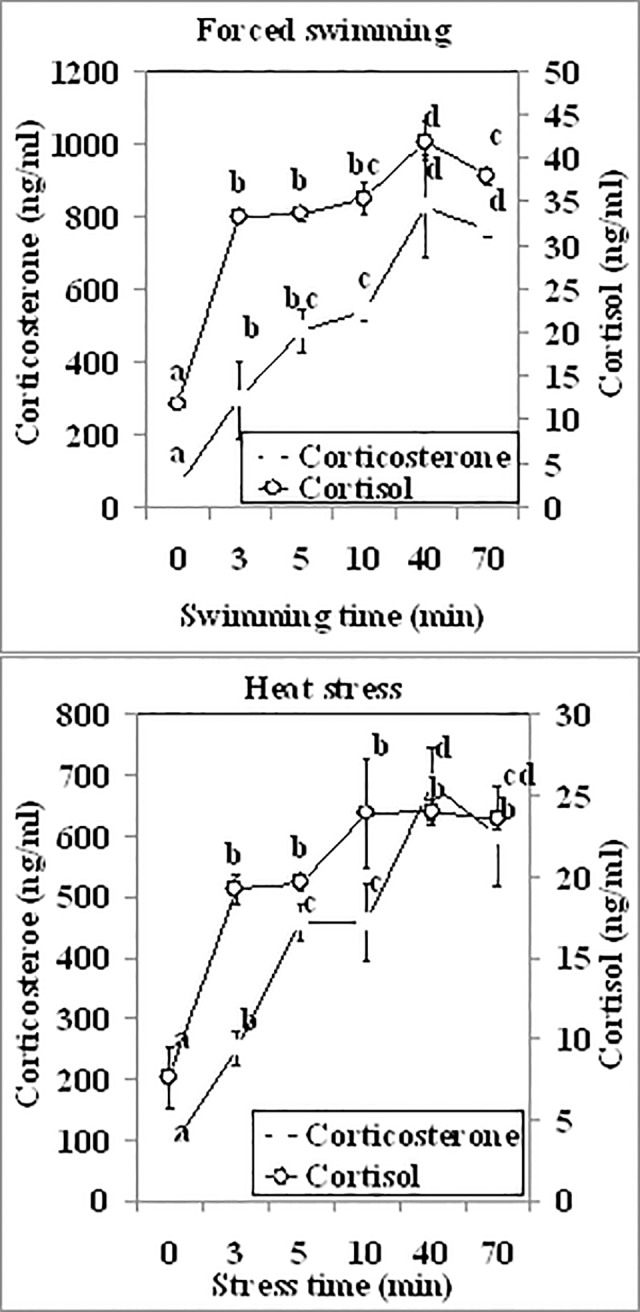
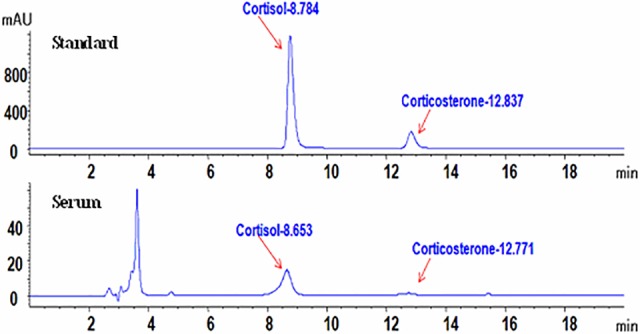
Although plasma corticosterone is considered the main glucocorticoid involved in regulation of stress responses in rodents, the presence of plasma cortisol and whether its level can be used as an indicator for rodent activation of stress remain to be determined. In this study, effects of estrous cycle stage, circadian rhythm, and acute and chronic (repeated or unpredictable) stressors of various severities on dynamics and correlation of serum cortisol and corticosterone were examined in mice. A strong (r = 0.6-0.85) correlation between serum cortisol and corticosterone was observed throughout the estrous cycle, all day long, and during acute or repeated restraints, chronic unpredictable stress and acute forced swimming or heat stress. Both hormones increased to the highest level on day 1 of repeated-restraint or unpredictable stresses, but after that, whereas the concentration of cortisol did not change, that of corticosterone showed different dynamics. Thus, whereas corticosterone declined dramatically during repeated restraints, it remained at the high level during unpredictable stress. During forced swimming or heat stress, whereas cortisol increased to the highest level within 3 min., corticosterone did not reach maximum until 40 min. of stress. Analysis with HPLC and HPLC-MS further confirmed the presence of cortisol in mouse serum. Taken together, results (i) confirmed the presence of cortisol in mouse serum and (ii) suggested that mouse serum cortisol and corticosterone are closely correlated in dynamics under different physiological or stressful conditions, but, whereas corticosterone was a more adaptation-related biomarker than cortisol during chronic stress, cortisol was a quicker responder than corticosterone during severe acute stress.
Overview
The claims and statistics of this paper haven’t been checked yet.
Free: it reads the open-access text and checks the first 5 claims that cite a source we can check. Create a free account to check every claim.
Integrity signals
Registry
Cites
Statistics
Figures
Verification
Claims the paper makes
The claims and statistics of this paper haven’t been checked yet.
Free: it reads the open-access text and checks the first 5 claims that cite a source we can check. Create a free account to check every claim.
Claims other papers make about this one
Each is checked against this paper’s own text: does it say what the citing paper says it does?
The cited source says what the claim attributes to it.
In the citing paper
“Both hormones peaked on day 1 of repeated or unpredictable stress, but the dynamics differed afterward. The corticosterone declined during repeated restraints but remained high during unpredictable stress.”
From The Role of Cortisol in Chronic Stress, Neurodegenerative Diseases, and Psychological Disorders (2023) · cites this paper as [30]
The cited source says what the claim attributes to it.
In the citing paper
“During forced swimming or heat stress, cortisol peaked within 3 min, while corticosterone peaked after 40 min.”
From The Role of Cortisol in Chronic Stress, Neurodegenerative Diseases, and Psychological Disorders (2023) · cites this paper as [30]
The cited source says what the claim attributes to it.
In the citing paper
“The research found a strong correlation (r = 0.6–0.85) between serum cortisol and corticosterone across both conditions or predictable and unpredictable stress.”
From The Role of Cortisol in Chronic Stress, Neurodegenerative Diseases, and Psychological Disorders (2023) · cites this paper as [30]
The cited source says what the claim attributes to it.
In the citing paper
“The results conclude that corticosterone is a more adaptation-related biomarker during chronic stress, while cortisol responds more quickly during severe acute stress.”
From The Role of Cortisol in Chronic Stress, Neurodegenerative Diseases, and Psychological Disorders (2023) · cites this paper as [30]
Self-check
Percentages, sums and reported differences re-computed from the paper’s own numbers.
The self-check needs the paper’s full text.
Citations
Cites
1 retracted
Ovejero, R., Novillo, A., Soto-Gamboa, M. R., MOSCA-TORRES, M. E., Cuello, P. A., Gregorio, P. F., Jahn, G. A., & Carmanchahi, P. (2013) · Journal of Experimental Zoology Part A Ecological Genetics and Physiology · doi:10.1002/jez.1833 · Cited by 12 · cited 2×
“Furthermore, in wild species, both cortisol and corticosterone are formed in a species-specific extent and may vary in ratio according to the demands [20,21].”
BackgroundRetractedGlucocorticoids and the circadian clock
Dickmeis, T. (2009) · Journal of Endocrinology · doi:10.1677/joe-08-0415 · Cited by 494 · cited 1×
“One striking feature of the regulation of glucocorticoids is a diurnal release pattern, with peak levels linked to the start of the daily activity phase [40].”
BackgroundAtkinson, H. C., & Waddell, B. J. (1997) · Endocrinology · doi:10.1210/endo.138.9.5395 · Cited by 438 · cited 1×
“plasma corticosterone was evident in male and female rats, with the average peak time ranging from 21 min before to 70 min after lights off [42].”
BackgroundThe influence of ovarian steroids on hypothalamic-pituitary-adrenal regulation in the female rat
Carey, M. P., Deterd, C. H., de Koning, J., Helmerhorst, F., & de Kloet, E. R. (1995) · Journal of Endocrinology · doi:10.1677/joe.0.1440311 · Cited by 385 · cited 1×
“Both in vivo [37,38] and in vitro studies [39] showed that estradiol enhanced the production of corticosterone by adrenal glands in rats.”
BackgroundRestraint stress in biomedical research: A review
Paré, W. P., & Glavin, G. B. (1986) · Neuroscience & Biobehavioral Reviews · doi:10.1016/0149-7634(86)90017-5 · Cited by 376 · cited 1×
“Restraint of small animals is an experimental procedure developed for studying psychogenic stress [24,25].”
BackgroundRestraint stress in biomedical research: An update
Glavin, G. B., Paré, W. P., Sandbak, T., Bakke, H.-K., & Murison, R. (1994) · Neuroscience & Biobehavioral Reviews · doi:10.1016/0149-7634(94)90027-2 · Cited by 304 · cited 1×
“Restraint of small animals is an experimental procedure developed for studying psychogenic stress [24,25].”
BackgroundDetermining the Stage of the Estrous Cycle in the Mouse by the Appearance of the Vagina
Champlin, A. K., Dorr, D. L., & Gates, A. H. (1973) · Biology of Reproduction · doi:10.1093/biolreprod/8.4.491 · Cited by 298 · cited 1×
“The stage of the estrous cycle in female mice was determined by observing vaginal appearance [22] between 19:30 and 20:00 pm on each experimental day.”
MethodFear of novelty in infant rats predicts adult corticosterone dynamics and an early death
Cavigelli, S. A., & McClintock, M. K. (2003) · Proceedings of the National Academy of Sciences · doi:10.1073/pnas.2535721100 · Cited by 226 · cited 1×
“Furthermore, Cavigelli and McClintock [31] found that serum corticosterone in rats exposed to a 5-min exploration-arena test or to a 30-min restraint did not reach the highest level until 40 min after the end of the treatment.”
BackgroundCortisol and corticosterone independence in cortisol-dominant wildlife
Koren, L., Whiteside, D. P., Fahlman, Å., Ruckstuhl, K. E., Kutz, S. J., Checkley, S., Dumond, M., & Wynne‐Edwards, K. E. (2012) · General and Comparative Endocrinology · doi:10.1016/j.ygcen.2012.02.020 · Cited by 141 · cited 1×
“Furthermore, in wild species, both cortisol and corticosterone are formed in a species-specific extent and may vary in ratio according to the demands [20,21].”
BackgroundAtkinson, H. C., Wood, S. A., Kershaw, Y. M., Bate, E., & Lightman, S. L. (2006) · Journal of Neuroendocrinology · doi:10.1111/j.1365-2826.2006.01444.x · Cited by 97 · cited 1×
“In rodents, for example, there are no endogenous corticosterone pulses during the early light phase but hourly pulses of corticosterone secretion are observed during the early dark phase [41].”
Background
Research works printed but not linked: 4
- Fazekas IG, Fazekas AT (1966) Papierchromatographischer Nachweis der Corticosteroidfunktion in Kaninchenorganen und -geweben. Endokrinologie 50: 130– 138. 5998873
- Snell GD (1941) Reproduction. In: Snell GD (ed.), Biology of the Laboratory Mouse. New York: Blakiston; 53– 58.
- Champlin AK (1969) Ph.D. Thesis, University of Rochester, Rochester, N.Y.
- Hafez ESE (1993) Reproductive cycles. In: Hafez ESE, editor. Reproduction in Farm Animals. Lea & Febiger pp. 94– 113.
Cited by
Items 201–300 of 480
Melatonin alleviates PTSD-like behaviors and restores serum GABA and cortisol levels in mice
Xu, Z., Li, W., Sun, Y., Jin, W., Yu, L., Yang, J., & Wang, Q. (2023) · Psychopharmacology · doi:10.1007/s00213-023-06312-y · Cited by 13
“The repeated acute foot shocks used in the present study’s protocol may induce strong stress and exhaust the cortisol levels of mice (Gong et al. 2015).”
BackgroundMohammed, H., & Nasr, M. A. F. (2016) · Animal Production Science · doi:10.1071/an15865 · Cited by 11
Bresler, A., Vogel, J., Niederer, D., Gray, D. E., Schmitz‐Rixen, T., & Troidl, K. (2019) · International Journal of Molecular Sciences · doi:10.3390/ijms20163956 · Cited by 11
Zanetti, A. S., Putta, S. K., Casebolt, D. B., & Louie, S. G. (2017) · Europe PMC (PubMed Central) · Cited by 11
Feng, J., Sim, S.-M., Park, J. S., Hong, J. S., & Suh, H. (2021) · Animal Cells and Systems · doi:10.1080/19768354.2021.1890211 · Cited by 13
“Gong et al. (2015) reported that, during forced swimming or heat stress, the level of CORT reaches maximum at 40 min of stress.”
BackgroundSidwell, A. B., Girard, B. M., Campbell, S. E., & Vizzard, M. A. (2024) · American Journal of Physiology-Renal Physiology · doi:10.1152/ajprenal.00125.2024 · Cited by 11
Evidence for fasting induced extra-adrenal steroidogenesis in the male brown anole, Anolis sagrei
Himmelstein, R., Spahija, A., & Fokidis, H. B. (2020) · Comparative Biochemistry and Physiology Part B Biochemistry and Molecular Biology · doi:10.1016/j.cbpb.2020.110544 · Cited by 11
“Even in corticosterone-dominant species, many organs exhibit high cortisol concentrations (Ovejero et al., 2013; Taves et al., 2016, 2011) and the ratio of these two GCs can vary under different physiological conditions (Gong et al., 2015; Ovejero et al., 2013).”
BackgroundBehavioral, Hormonal, and Serotonergic Responses to Different Restricted Feeding Schedules in Rats
Saeed, R., Mahmood, K., Ali, S. B., & Haleem, D. J. (2022) · International Journal of Tryptophan Research · doi:10.1177/11786469221104729 · Cited by 10
Fu, L. N., Wang, L., Liu, L., Zhang, L., Zhou, Z., Zhou, Y., Wang, G., Loor, J. J., Zhou, P., & Dong, X. (2023) · Frontiers in Microbiology · doi:10.3389/fmicb.2023.1128271 · Cited by 12
Srinivasan, A., Giri, A., Duraisamy, S. K., Alsup, A., Castro, M., & Sundar, I. K. (2023) · Journal of Allergy and Clinical Immunology Global · doi:10.1016/j.jacig.2023.100155 · Cited by 10
Corticosterone Response in Sleep Deprivation and Sleep Fragmentation
Gao, Y., Brandon, A., Roberts, M. B., & El-Mallakh Rif, S. (2017) · Journal of Sleep Disorders and Management · doi:10.23937/2572-4053.1510018 · Cited by 10
Glucocorticoids coordinate the bladder peripheral clock and diurnal micturition pattern in mice
Chihara, I., Negoro, H., Kono, J., Nagumo, Y., Tsuchiya, H., Kojo, K., Shiga, M., Tanaka, K., Kandori, S., Mathis, B. J., et al. (2023) · Communications Biology · doi:10.1038/s42003-023-04464-3 · Cited by 12
Jang, H. J., Schellingerhout, D., Kim, J., Chung, J., & Kim, D. (2023) · Scientific Reports · doi:10.1038/s41598-023-31122-9 · Cited by 10
Physiological and behavioural adjustment of a wild rodent to laboratory conditions
Carrilho, M., Monarca, R. I., Aparício, G., Mathias, M. D. L., Tapisso, J. T., & von Merten, S. (2023) · Physiology & Behavior · doi:10.1016/j.physbeh.2023.114385 · Cited by 11
Dey, R., & Bishayi, B. (2020) · Microbial Pathogenesis · doi:10.1016/j.micpath.2020.104227 · Cited by 10
A systematically optimized awake mouse fMRI paradigmPreprint
Xu, W., Pei, M., Zhang, K., Tong, C., Bo, B., Feng, J., Zhang, X., & Liang, Z. (2022) · bioRxiv (Cold Spring Harbor Laboratory) · doi:10.1101/2022.11.16.516376 · Cited by 12
“To avoid the circadian rhythm effect on the corticosterone (Critchlow et al., 1963; Fahrenkrug et al., 2012; Gong et al., 2015; Thanos et al., 2009), all blood sampling (40 μl each time per mouse) was done between 11:00am and 2:00pm, immediately after habituation.”
BackgroundMethodInfluentialStanley, S. A. (2025) · Diabetes · doi:10.2337/dbi24-0051 · Cited by 11
Reduced growth capacity of preimplantation mouse embryos in chronic unpredictable stress model
Zhao, X., Ma, R., Zhang, X., Cheng, R., Jiang, N., Guo, M., Rong, B., Liu, Y., Chen, M., Feng, W., et al. (2020) · Molecular Reproduction and Development · doi:10.1002/mrd.23439 · Cited by 9
Wronikowska‐Denysiuk, O., Zykubek, M., Kurach, Ł., Michalak, A., Boguszewska‐Czubara, A., & Budzyńska, B. (2021) · Psychopharmacology · doi:10.1007/s00213-021-05910-y · Cited by 11
“Corticosterone is an adrenal glucocorticosteroid and it is perceived as the main stress hormone in rodents and its level is frequently measured as an indicator of elevated stress level (Gong et al. 2015).”
BackgroundChronic corticosterone improves perseverative behavior in mice during sequential reversal learning
Odland, A. U., Sandahl, R., & Andreasen, J. T. (2023) · Behavioural Brain Research · doi:10.1016/j.bbr.2023.114479 · Cited by 10
“We modelled stress by administration of CORT, which is a key physiological marker of the rodent stress response [38, 39], via the drinking water, and subjected the mice to reversal learning after removal of CORT.”
MethodStress-induced mucin 13 reductions drive intestinal microbiome shifts and despair behaviors
Rivet-Noor, C. R., Merchak, A. R., Render, C., Gay, N. M., Beiter, R. M., Brown, R. M., Keeler, A. B., Moreau, G. B., Li, S., Olgun, D. G., et al. (2024) · Brain Behavior and Immunity · doi:10.1016/j.bbi.2024.03.028 · Cited by 10
Profiling metabolome of mouse embryonic cerebrospinal fluid following maternal immune activation
Petrova, B., Lacey, T. E., Culhane, A. J., Cui, J., Brook, J. R., Raskind, A. B., Misra, A., Lehtinen, M. K., & Kanarek, N. (2024) · Journal of Biological Chemistry · doi:10.1016/j.jbc.2024.107749 · Cited by 10
A Cellulose-Rich Diet Disrupts Gut Homeostasis and Leads to Anxiety through the Gut-Brain Axis
Ito, K., Hosoki, H., Kasai, Y., Sasaki, H., Haraguchi, A., Shibata, S., & Nozaki, C. (2024) · ACS Pharmacology & Translational Science · doi:10.1021/acsptsci.4c00270 · Cited by 10
Mafikandi, V., Seyedaghamiri, F., Hosseinzadeh, N., Shahabi, P., Shafiee‐Kandjani, A. R., Babaie, S., Maghsoumi‐Norouzabad, L., Farajdokht, F., & Hosseini, L. (2024) · Naunyn-Schmiedeberg s Archives of Pharmacology · doi:10.1007/s00210-024-03487-9 · Cited by 10
“CORT appeared in stressful conditions in rodents and is considered the main glucocorticoid in stress response (Gong et al. 2015).”
Jiang, S., Chen, L., Qu, W., Huang, Z., & Chen, C. (2024) · eLife · doi:10.7554/elife.90191 · Cited by 9
“Considering that corticosterone (CORT) is a hormone commonly used to measure stress in rodents ( Gong et al., 2015 ), we measured the serum CORT levels and found that 30 min of 1.6% sevoflurane inhalation prominently evoked increased serum CORT concentrations after 1 hr termination of sevoflurane…”
InfluentialImpact of the Sound of Magnetic Resonance Imaging Pulse Sequences in Awake Mice
Almeida, J., Severo, F., & Nunes, D. (2021) · Journal of Applied Animal Welfare Science · doi:10.1080/10888705.2021.1941023 · Cited by 11
“According to previous work, the level of cortisol is a good measurement of acute stress (Gong et al., 2015).”
BackgroundInfluentialYang, M., Jin, C., Cheng, X., Liu, T., Ji, Y., Meng, F., Han, X., Liang, Q., Cao, X., Huang, L., et al. (2022) · Molecular and Cellular Endocrinology · doi:10.1016/j.mce.2022.111675 · Cited by 10
Bank Voles Show More Impulsivity in IntelliCage Learning Tasks than Wood Mice
Jörimann, M., Maliković, J., Wolfer, D. P., Pryce, C. R., Endo, T., Benner, S., & Amrein, I. (2022) · Neuroscience · doi:10.1016/j.neuroscience.2022.11.011 · Cited by 10
Why not both? A case study in measuring cortisol and corticosterone
Westrick, S. E., Paitz, R. T., & Fischer, E. K. (2025) · Integrative Organismal Biology · doi:10.1093/iob/obaf041 · Cited by 9
Stroh, M. A., Winter, M. K., McCarson, K. E., Thyfault, J. P., & Zhu, H. (2017) · The Cerebellum · doi:10.1007/s12311-017-0880-7 · Cited by 9
“Corticosterone and cortisol are both present in rodents and have both been used as markers of stress in previous studies [13, 14]; however, cortisol has been found to respond quicker as a result of more acute, rather than chronic, stress [15] and was therefore evaluated.”
Corticosterone biosynthesis in mouse clonal myoblastic C2C12 cells
Fujiki, J., Maeda, N., Sato, M., Ieko, T., Inoue, H., Iwasaki, T., Iwano, H., & Yokota, H. (2018) · Steroids · doi:10.1016/j.steroids.2018.07.001 · Cited by 10
An Immune-CNS Axis Activates Remote Hippocampal Stem Cells Following Spinal Transection Injury
Dehler, S., Lou, W. P.-K., Gao, L., Skabkin, M. A., Dällenbach, S., Neumann, A., & Martín-Villalba, A. (2018) · Frontiers in Molecular Neuroscience · doi:10.3389/fnmol.2018.00443 · Cited by 10
Dysregulation of FGFR1 signaling in the hippocampus facilitates depressive disorder
Shin, J., Oh, H., Park, J. H., Bae, H., Yang, C.-M., Lee, M., Kim, S., & Heo, W. D. (2025) · Experimental & Molecular Medicine · doi:10.1038/s12276-025-01519-9 · Cited by 9
“Elevated cortisol levels in patients with MDD 7,8 and glucocorticoid-induced depressive-like behavior in rodents high-light the important role of the HPA axis in depression 9,10 .”
Zhao, J., Li, G., Lü, W., Huang, S., & Zhang, Z. (2019) · Microbial Ecology · doi:10.1007/s00248-019-01462-z · Cited by 8
Silva, O. N., Franco, O. L., Neves, B. J., Morais, Á. C. B., Neto, J. R. D. O., da Cunha, L. C., Naves, L. M., Pedrino, G. R., Costa, É. A., & Fajemiroye, J. O. (2020) · Neuropeptides · doi:10.1016/j.npep.2020.102027 · Cited by 8
Habashi, S. A., Ghasemzadeh, Z., & Rezayof, A. (2020) · Brain Research Bulletin · doi:10.1016/j.brainresbull.2020.09.002 · Cited by 8
PAVLOV, S. B., Тамм, Т. І., Komisova, T., Babenko, N., Kumetchko, M., & Litvinova, O. B. (2023) · Modern medical technology · doi:10.34287/mmt.2(57).2023.6 · Cited by 8
“However, mouse serum cortisol and corticosterone have been shown to be closely correlated in dynamics under various physiological or stress conditions, with corticosterone being a more adaptation-related biomarker than cortisol under chronic stress conditions [11].”
BackgroundShin, H., Kim, J., Choi, S., Kang, D.-W., Moon, J., Roh, D., Bae, M., Hwang, J.-M., & Kim, H. (2023) · Scientific Reports · doi:10.1038/s41598-023-47278-3 · Cited by 9
Chu, S., Yu, C., Chen, P., Hsieh, Y., & Kuo, D. (2016) · Psychoneuroendocrinology · doi:10.1016/j.psyneuen.2016.04.025 · Cited by 8
Wang, L., Luo, P., Zhang, F., Zhang, Y., Wang, X., Chang, F., Zhang, Y., Tang, H., & Xia, Z. (2016) · Stress · doi:10.1080/10253890.2016.1224843 · Cited by 8
“…reported that although plasma corticosterone is considered the main glucocorticoid involved in the regulation of stress responses in rodents, the presence of plasma cortisol and whether its level can be used as an indicator of stress has not been determined in rodents before (Gong et al., 2015).”
BackgroundResultInfluentialA high methyl donor diet affects physiology and behavior in Peromyscus polionotus
Yadon, N. D., Owen, A., Cakora, P., Bustamante, A. C., Hall-South, A. C., Smith, N. E., Felder, M. R., Vrana, P. B., & Shorter, K. R. (2019) · Physiology & Behavior · doi:10.1016/j.physbeh.2019.112615 · Cited by 9
Imani, A., Parsa, H., Chookalaei, L. G., Rakhshan, K., Golnazari, M., & Faghihi, M. (2019) · Arquivos Brasileiros de Cardiologia · doi:10.5935/abc.20190189 · Cited by 9
Circadian Sensitivity of Noise Trauma-Induced Hearing Loss and Tinnitus in Mongolian Gerbils
Grimm, J., Schulze, H., & Tziridis, K. (2022) · Frontiers in Neuroscience · doi:10.3389/fnins.2022.830703 · Cited by 8
“In mice, the peak cortisol levels in the blood are found at the beginning of the dark cycle (Gong et al., 2015) corresponding to the strong effect the trauma has on the animals during that time.”
BackgroundDoes environmental stress affect cortisol biodistribution in freshwater mussels?
Binder, A. R. D., Pfaffl, M. W., Hiltwein, F., Geist, J. P., & Beggel, S. (2019) · Conservation Physiology · doi:10.1093/conphys/coz101 · Cited by 8
“Cortisol is released in increased concentrations when a stressor is interfering with the organism (Hellhammer et al., 2009; Etwel et al., 2014; Gong et al., 2015; Nohara et al., 2016).”
BackgroundQin, M. Y., Atwood, R. E., Ketchum, W. A., Kaba, S. A., & Bradley, M. J. (2020) · Molecular and Cellular Endocrinology · doi:10.1016/j.mce.2020.110799 · Cited by 9
Lenhart, A. E., Booth, P.-P. M., Simcox, K. M., Ramos, B. A., & Kennedy, R. T. (2024) · Journal of Chromatography A · doi:10.1016/j.chroma.2024.464872 · Cited by 7
Meng, Y., Li, Y., Gu, H., Chen, Z., Cui, X., & Wang, X. (2025) · Proceedings of the National Academy of Sciences · doi:10.1073/pnas.2426107122 · Cited by 9
“Similarly, this phenomenon was also observed in the elevation of cortisol, another glucocorticoid in mice ( 30 ), following restraint ( SI Appendix , Fig.”
Purwoningsih, E., Arozal, W., Lee, H. J., Barinda, A. J., Sani, Y., & Mun’im, A. (2022) · Journal of Experimental Pharmacology · doi:10.2147/jep.s386745 · Cited by 9
“This contradictive data might be due to the dynamic of cortisol level in stress condition, since previous experimental study in animals reported that corticosterone hormone was more remarkably affected than cortisol level under stressful conditions.(62) The lack to performing the corticosterone level in our study was…”
ResultПотолицына, Н. Н., Паршукова, О. И., Vakhnina, N. A., Alisultanova, N. Z., Kalikova, L. B., Tretyakova, A., Chernykh, A., Shadrina, V. D., Duryagina, A., & Bojko, E. R. (2023) · Physiological Reports · doi:10.14814/phy2.15801 · Cited by 8
Meloni, E. G., Carlezon, W. A., & Bolshakov, V. Y. (2024) · Scientific Reports · doi:10.1038/s41598-024-59459-9 · Cited by 7
Luan, H., Huang, Y., Li, J., Sun, L., & Fan, Y. (2018) · Microgravity Science and Technology · doi:10.1007/s12217-018-9609-6 · Cited by 7
“Serum cortisol levels increase in response to highintensity exercise or submaximal (Fry et al. 1991; Gong et al. 2015; VanBruggen et al. 2011; del Corral et al. 1994).”
BackgroundNandrolone combined with strenuous resistance training impairs myocardial proteome profile of rats
Dantas, P. S., Guzzoni, V., Perez, J. D., Arita, D. Y., Novaes, P. D., Marcondes, F. K., Casarini, D. E., & Cunha, T. S. (2021) · Steroids · doi:10.1016/j.steroids.2021.108916 · Cited by 8
Role of essential oils in antioxidant capacity and immunity in a rat model of mixed stress
Seyidoğlu, N., Köşeli, E., Gurbanlı, R., & Aydın, C. (2021) · South African Journal of Animal Science · doi:10.4314/sajas.v51i4.2 · Cited by 7
Etiopathogenesis of insulin resistance
Gupta, A. (2021) · Elsevier eBooks · doi:10.1016/b978-0-12-820234-0.00010-x · Cited by 9
Ardıçlı, S., Seyidoğlu, N., Köşeli, E., Gurbanlı, R., & Aydın, C. (2022) · Journal of Genetics · doi:10.1007/s12041-022-01388-5 · Cited by 7
“Moreover, corticosterone is the main glucocorticoid involved in the regulation of stress responses in rodents (Gong et al. 2015).”
BackgroundGholib, G., Wahyuni, S., Wahyudi, A., Silalahi, K. S., Akmal, M., Sabri, M., & Nugraha, R. T. P. (2020) · E3S Web of Conferences · doi:10.1051/e3sconf/202015101007 · Cited by 8
Gao, Y., Liu, W., Liu, P., Li, M., & Ni, B. (2024) · CNS & Neurological Disorders - Drug Targets · doi:10.2174/0118715273315953240528075542 · Cited by 7
Li, M., Jiang, X., Gai, X., Dai, M., Li, M., Wang, Y., & Wang, H. (2024) · Medicine · doi:10.1097/md.0000000000039893 · Cited by 6
The neurobiological mechanisms of photoperiod impact on brain functions: a comprehensive review
Halabian, A., & Radahmadi, M. (2024) · Reviews in the Neurosciences · doi:10.1515/revneuro-2024-0006 · Cited by 8
Kim, W., & Chung, C. (2024) · The FASEB Journal · doi:10.1096/fj.202402296rr · Cited by 7
“48,49 A shorter duration of restraint stress may cause physiological changes; however, we previously observed sex differences in c-Fos levels of the LHb following 3 h of restraint stress.”
Kim, J. S., Son, H., Han, J., Cha, H., Lee, J. H., Pack, S. P., & Lee, C. (2025) · Biotechnology and Bioprocess Engineering · doi:10.1007/s12257-025-00194-x · Cited by 6
“In pathological conditions such as Cushing’s syndrome or severe chronic stress, corticosterone levels can exceed 500 ng/mL (0.5 μg/ mL) [61–63].”
InfluentialHistaminergic transmission potentiates post-traumatic stress-induced expression of anxiety in mice
Maturkar, V., Patel, R., Patel, C., Vaishnav, V. A. D., & Jain, N. S. (2025) · Neuropharmacology · doi:10.1016/j.neuropharm.2025.110564 · Cited by 6
Adeoye, V. O., Ajayi, A. M., Orodeh, P. O., Chimezie, J., Enebeli, L., Adeleke, P. A., Owoeye, O., & Umukoro, S. (2025) · Pharmacological Research - Modern Chinese Medicine · doi:10.1016/j.prmcm.2025.100665 · Cited by 6
Edwards, K. L., Wheaton, C. J., Brown, J. L., Dimovski, A. M., Fanson, K. V., Ganswindt, A., Ganswindt, S. B., Hagenah, N., Keeley, T., Möstl, E., et al. (2025) · Conservation Physiology · doi:10.1093/conphys/coaf074 · Cited by 8
“As the output of the adrenal gland can potentially differ under different situations (Vera et al., 2011; Koren et al., 2012; Gong et al., 2015), further investigations are required to determine if this assay will also be useful for monitoring changes in normal physiological patterns [e.g.…”
Sleep loss induces cholesterol-associated myelin dysfunction
Simayi, R., Ficiarà, E., Faniyan, O. O., Cerdá, A. C., Alaoui, A. A. E., Fiorini, R., Cutignano, A., Piscitelli, F., Maroto, A. S., Santos, A., et al. (2026) · Proceedings of the National Academy of Sciences · doi:10.1073/pnas.2523438123 · Cited by 7
“S6 D ), consistent with previous evidence that chronic stress, particularly when repetitive or occurring at fixed times, elicits blunted corticosterone responses (22 , 23 ).”
Tsimpolis, A., Kokkali, M., Logothetis, A., Kalafatakis, K., & Charalampopoulos, I. (2022) · Biomolecules · doi:10.3390/biom12091322 · Cited by 6
“Taking into account measurements of the circulating corticosterone levels in the serum and plasma of unstressed mice [25,26], we determined that the preferable concentration is at 225 nM.”
BackgroundSharifabadi, A., Safari, M., Hofmeister, M., Rezaei, R., Farahbakht, E., & Jahromi, M. K. (2022) · Steroids · doi:10.1016/j.steroids.2022.109134 · Cited by 7
Chen, X., Li, Z., Pu, J., Cai, J., Zhao, H. Y., Jia, G., Liu, G., & Tian, G. (2023) · Journal of Animal Science · doi:10.1093/jas/skad363 · Cited by 6
Antidepressant effects of a Persian herbal formula on mice with chronic unpredictable mild stress.
Gavzan, H., Araghi, A., Abbasabadi, B. M., Talebpour, N., & Golshahi, H. (2023) · PubMed Central · doi:10.22038/ajp.2023.22191 · Cited by 9
Reiter, C. P., Christy, A. C., Olsen, C. H., & Bentzel, D. E. (2017) · Europe PMC (PubMed Central) · Cited by 6
The role of gut microbiota in the pathogenesis of neuropsychiatric and neurodegenerative diseases
Szewczyk, A., Witecka, A., & Kiersztan, A. (2019) · Postępy Higieny i Medycyny Doświadczalnej · doi:10.5604/01.3001.0013.7326 · Cited by 6
Circadian disruption induced by tumor development in a murine model of melanoma
Aiello, I., Fedele, M. L. M., Román, F. R., Golombek, D. A., & Paladino, N. (2021) · Chronobiology International · doi:10.1080/07420528.2021.1964519 · Cited by 7
Arciniega-Martínez, I. M., Albor, A. R., Cárdenas‐Jaramillo, L. M., Gutiérrez-Meza, J. M., Falfán‐Valencia, R., Mendoza-Arroyo, B., Yépez‐Ortega, M., Pacheco‐Yépez, J., & Abarca‐Rojano, E. (2021) · Molecular Medicine Reports · doi:10.3892/mmr.2021.12579 · Cited by 8
“The serum corticosterone concen‐ tration is an indicator of stress, and different stressors are associated with increases in serum corticosterone concen‐ trations (27).”
BackgroundViola, M. F., M., L. G. H., & Cruz-Neto, A. P. (2022) · Journal of Experimental Biology · doi:10.1242/jeb.244583 · Cited by 7
Bassey, R. B., Kalejaiye, O., Waller, B., Bamidele, I., & Gondré‐Lewis, M. C. (2023) · Current Research in Behavioral Sciences · doi:10.1016/j.crbeha.2023.100118 · Cited by 9
Reina‐Torres, E., Bertrand, J. A., O’Callaghan, J., Sherwood, J. M., Humphries, P., & Overby, D. R. (2019) · Experimental Eye Research · doi:10.1016/j.exer.2019.107745 · Cited by 6
“Alternatively, low values of relative humidity and/or temperature may lead to elevated corticosterone or other stress hormones (Gong et al., 2015) that may contribute to reduced outflow facility (Clark and Wordinger, 2009; Overby et al.”
BackgroundSarker, H., Hardy, E., Haimour, A., Karim, M. A., Scholl‐Bürgi, S., Martignetti, J. A., Botto, L. D., & Fernández-Patrón, C. (2020) · Frontiers in Physiology · doi:10.3389/fphys.2020.568718 · Cited by 7
Does a Red House Affect Rhythms in Mice with a Corrupted Circadian System?
Öztürk, M., Ingenwerth, M., Sager, M., von Gall, C., & Ali, A. A. H. (2021) · International Journal of Molecular Sciences · doi:10.3390/ijms22052288 · Cited by 6
“In addition, plasma corticosterone is a reliable indicator of stress in mice [4]; therefore, it is used in animal welfare evaluations [5].”
BackgroundChen, D., Hu, J., Lu, D.-C., Liu, H., & Wei, S. (2021) · Journal of Chinese Integrative Medicine · doi:10.1016/j.joim.2021.11.007 · Cited by 6
Mori, H., Yoshino, Y., Okano, M., Funahashi, Y., Kumon, H., Ochi, S., Iga, J., & Ueno, S. (2024) · Neuropsychopharmacology Reports · doi:10.1002/npr2.12515 · Cited by 6
Kim, G.-D., Yoo, S. H., Song, J. H., Lim, K. M., Lim, E. Y., Yoo, J. Y., Lee, D.-K., Cho, Y.-B., Yu, H.-J., Lee, S., et al. (2024) · Journal of Microbiology and Biotechnology · doi:10.4014/jmb.2411.11006 · Cited by 5
Li, J., Wang, Y., Wu, S., Zhou, Z., Jia, W., Shen, X. P., Li, Y., He, F., & Cheng, R. (2025) · Molecular Nutrition & Food Research · doi:10.1002/mnfr.70005 · Cited by 5
de Jesus, L. C., & Rodrigues, A. L. S. (2025) · Physiology & Behavior · doi:10.1016/j.physbeh.2025.114883 · Cited by 5
Amawi, H. A., Makhlouf, T., Hammad, A. M., Alsheyab, S., Alhazaimeh, R., Hall, F. S., Khan, J. T., Al‐Trad, B., & Tiwari, A. K. (2025) · Brain Research Bulletin · doi:10.1016/j.brainresbull.2025.111414 · Cited by 5
Allweyer, M., Emde, M., Bähr, I., Spielmann, J., Bieramperl, P., Naujoks, W., & Kielstein, H. (2022) · Nutrients · doi:10.3390/nu14091746 · Cited by 5
Sleepiness profiles in mice submitted to acute and chronic sleep deprivation
Fernandes, G. L., Araujo, P., Tufik, S. B., & Andersen, M. L. (2022) · Behavioural Processes · doi:10.1016/j.beproc.2022.104661 · Cited by 5
Cordingley, J. R., Nemzek, J. A., & Qi, N. (2024) · Journal of the American Association for Laboratory Animal Science · doi:10.30802/aalas-jaalas-23-000096 · Cited by 8
Local and systemic responses to repeated gluteal muscle microbiopsies in mature sedentary horses
Artman, J. L., Wesolowski, L. T., Semanchik, P. L., Isles, J. K., Norton, S. A., & White-Springer, S. H. (2024) · Journal of Equine Veterinary Science · doi:10.1016/j.jevs.2024.105070 · Cited by 5
Dyomshina, O. O., Dovban, O. O., & Ушакова, Г. А. (2024) · Regulatory Mechanisms in Biosystems · doi:10.15421/022444 · Cited by 6
Prabakaran, A. D., Chung, H.-J., McFarland, K., Govindarajan, T., Soussi, F., Durumutla, H. B., Villa, C., Piczer, K., Latimer, H., Werbrich, C., et al. (2025) · Science Advances · doi:10.1126/sciadv.adw2593 · Cited by 5
Adrenal glands of mice and rats: A comparative morphometric study
Siasios, A., Delis, G. A., Tsingotjidou, A., Pourlis, A., & Grivas, I. N. (2021) · Laboratory Animals · doi:10.1177/00236772211044352 · Cited by 5
Akalestou, E., López–Noriega, L., Christakis, I. A., Hu, M., Miras, A. D., Leclerc, I., & Rutter, G. A. (2022) · Frontiers in Endocrinology · doi:10.3389/fendo.2022.1020576 · Cited by 5
“In healthy mice, physiological corticosterone levels are low in the morning and elevated in the evening (40), and both VSG and sham-treated A B”
BackgroundCortisol Biosensors: From Sensing Principles to Applications
Tanaka, Y., Salleh, N. A. B. M., Aung, K. M. M., Su, X., & Sutarlie, L. (2023) · World Scientific Annual Review of Functional Materials · doi:10.1142/s2810922823300015 · Cited by 5
Harbour, K., Cappel, Z., & Baccei, M. L. (2023) · Neuroscience · doi:10.1016/j.neuroscience.2023.07.009 · Cited by 5
Fermented Maillard reaction products attenuate stress-induced testicular dysfunction in mice
Joung, J. Y., Lee, J. S., Oh, N. S., & Kim, S. H. (2020) · Journal of Dairy Science · doi:10.3168/jds.2020-18996 · Cited by 5
Bau‐Gaudreault, L., Arndt, T., Provencher, A., & Brayton, C. F. (2021) · ILAR Journal · doi:10.1093/ilar/ilab028 · Cited by 9
El‐Mallakh, R. S., Gao, Y., Roberts, M. B., & Hamlyn, J. M. (2022) · Psychiatry Research · doi:10.1016/j.psychres.2022.114399 · Cited by 5
Benefits of environmental enrichment in animal welfare: A literary review.
Rampim, L. V., & Oliva, V. (2016) · Revista de Ciência Veterinária e Saúde Pública · doi:10.4025/revcivet.v3i1.32981 · Cited by 5
Cumulative risk assessment as the pathway to public health protection for behavioral neurotoxicity
Cory‐Slechta, D. A., Downs, C. J., & Sobolewski, M. (2025) · NeuroToxicology · doi:10.1016/j.neuro.2025.04.015 · Cited by 5
Oh, T. W., Kim, K.-Y., Ju, H., Kim, Y. W., & Park, K. (2020) · Molecular & Cellular Toxicology · doi:10.1007/s13273-020-00094-6 · Cited by 5
“Furthermore, a recent study indicated that both serum corticosterone and cortisol levels were closely associated with normal physiological or stress conditions (Gong 2015).”
Background
Metadata
- Authors
- Gong, S., Miao, Y.-L., Jiao, G.-Z., Sun, M.-J., Li, H., Lin, J., Luo, M.-J., & Tan, J.-H.
- Affiliations
- Shandong Agricultural University (CN)
- Corresponding author
- Tan, Jing-He
- Venue
- PLOS ONE
- Publisher
- Public Library of Science (PLoS)
- Published
- 2015-02-20
- Volume
- 10
- Issue
- 2
- Pages
- e0117503
- ISSN
- 1932-6203 (ISSN-L)
- PMC
- PMC4336318
- OpenAlex
- W1963903389
- Semantic Scholar
- 69f1a822982494a749ed49a0132bfd6f4ed2bd58
- Cited by
- 460
- References
- 41
- Citations by year
- 2026: 32 · 2025: 53 · 2024: 53 · 2023: 52 · 2022: 41 · 2021: 56 · 2020: 45 · 2019: 50 · 2018: 27 · 2017: 25 · 2016: 24 · 2015: 2
- FWCI
- 13.41
- Type
- journal article
- Language
- en
- Open access
- gold
- doi.org
- Licence
- Locations
- PLoS ONE (publishedVersion, cc-by)
- Europe PMC (PubMed Central) (publishedVersion, cc-by)
- PubMed Central (publishedVersion, cc-by)
- PubMed (publishedVersion)
- DOAJ (DOAJ: Directory of Open Access Journals) (submittedVersion, cc-by-sa)
- Funders
- National Key Research and Development Program of China (2014CB138503, 2012CB944403)
- Topics
- Life Sciences › Neuroscience › Behavioral Neuroscience › Stress Responses and Cortisol
- Health Sciences › Medicine › Endocrinology, Diabetes and Metabolism › Adrenal Hormones and Disorders
- Life Sciences › Agricultural and Biological Sciences › Animal Science and Zoology › Animal Behavior and Welfare Studies
- Keywords
- serum cortisol, corticosterone, glucocorticoids, stress response, estrous cycle, circadian rhythm, restraint stress, chronic unpredictable mild stress, forced swim test, heat stress, acute stress, chronic stress, stress biomarkers, mice
- MeSH terms
- Animals, Chromatography, High Pressure Liquid, Circadian Rhythm, Corticosterone, Female, Hot Temperature, Hydrocortisone, Male, Restraint, Physical, Stress, Physiological, Swimming, Spectrometry, Mass, Electrospray Ionization, Mice
About these checks
Registry, retraction, Cites and statistics results are computed, not judged, with one exception: a printed reference that no index lists is read once by a model before it counts as a citation error. Claims are extracted by a model and kept only when their quote appears verbatim in the text; each cited source is then checked, with a model’s help, for whether it says what the claim relies on. Those verdicts can be wrong — read the claim’s quote and the cited source before relying on one.
Statistics and arithmetic are recomputed, not judged.
Confidence bands are shown only for fields calibrated on our annotated test set. None is calibrated yet, so no band is shown.
What counts as a claim ›How we measure confidence ›How we check this ›
Are you an author, or do you see a problem with this page? Request a review
Data sources
Bibliographic data: Semantic Scholar, OpenAlex, Crossref.
Contains information from the Semantic Scholar Academic Graph Datasets, made available under the ODC Attribution License (ODC-BY 1.0).
Semantic Scholar’s data is described in: Kinney, R., et al. (2023). The Semantic Scholar Open Data Platform. arXiv:2301.10140.
