

The Precision-Recall Plot Is More Informative than the ROC Plot When Evaluating Binary Classifiers on Imbalanced Datasets
Open accessThe DOI matches its Crossref record; 55 of the 56 references it cites were found in a registry or an index.
Abstract
Binary classifiers are routinely evaluated with performance measures such as sensitivity and specificity, and performance is frequently illustrated with Receiver Operating Characteristics (ROC) plots. Alternative measures such as positive predictive value (PPV) and the associated Precision/Recall (PRC) plots are used less frequently. Many bioinformatics studies develop and evaluate classifiers that are to be applied to strongly imbalanced datasets in which the number of negatives outweighs the number of positives significantly. While ROC plots are visually appealing and provide an overview of a classifier's performance across a wide range of specificities, one can ask whether ROC plots could be misleading when applied in imbalanced classification scenarios. We show here that the visual interpretability of ROC plots in the context of imbalanced datasets can be deceptive with respect to conclusions about the reliability of classification performance, owing to an intuitive but wrong interpretation of specificity. PRC plots, on the other hand, can provide the viewer with an accurate prediction of future classification performance due to the fact that they evaluate the fraction of true positives among positive predictions. Our findings have potential implications for the interpretation of a large number of studies that use ROC plots on imbalanced datasets.
Overview
The claims and statistics of this paper haven’t been checked yet.
Free: it reads the open-access text and checks the first 5 claims that cite a source we can check. Create a free account to check every claim.
Integrity signals
Registry
Cites
Statistics
Figures

Verification
Claims the paper makes
The claims and statistics of this paper haven’t been checked yet.
Free: it reads the open-access text and checks the first 5 claims that cite a source we can check. Create a free account to check every claim.
Claims other papers make about this one
Each is checked against this paper’s own text: does it say what the citing paper says it does?
The cited source says what the claim attributes to it.
In the citing paper
“which is a more informative measure than ROC analysis in imbalanced scenarios59.”
From K-STAMM: a knowledge-enhanced spatial - temporal attention model with multimodal fusion for pneumonia prediction (2026) · cites this paper as [59]
The cited source says what the claim attributes to it.
In the citing paper
“When dealing with highly imbalanced data as is the case with fraud detection, AUC (and ROC curves) may be too optimistic and the Area under the Precision-Recall Curve (AUPRC) gives a more informative picture of a classifier's performance (Davis and Goadrich, 2006; Saito and Rehmsmeier, 2015; Fern´ andez et al., 2018).”
From Data engineering for fraud detection (2021) · cites this paper as Saito and Rehmsmeier, 2015
The cited source says what the claim attributes to it.
In the citing paper
“Because extreme prediction is by definition an imbalanced classification problem, we base our analysis on precision-recall plots which are well-suited for this case [42].”
From Learning skillful medium-range global weather forecasting (2023) · cites this paper as [42]
In the citing paper
“Furthermore, careful consideration should be given when selecting evaluation metrics, as the precision-recall curve is more informative for imbalanced datasets than the most commonly used receiver-operating characteristic curve (true positive rate vs. false positive rate) (Fig. 5C).115”
From Use of artificial intelligence for liver diseases: A survey from the EASL congress 2024 (2024) · cites this paper as [115]
1 more claim about this paper
Create a free account to see every claim other papers make about this one.
Self-check
Percentages, sums and reported differences re-computed from the paper’s own numbers.
The self-check needs the paper’s full text.
Citations
Cites
LIBSVM: A library for support vector machines
Chang, C.-C., & Lin, C.-J. (2011) · ACM Transactions on Intelligent Systems and Technology · doi:10.1145/1961189.1961199 · Cited by 40,918
Bartel (2004) · doi:10.1016/s0092-8674(04)00045-5 · Cited by 34,714
SMOTE synthetic minority over-sampling technique
Chawla, N. V., Bowyer, K. W., Hall, L. O., & Kegelmeyer, W. P. (2002) · Journal of Artificial Intelligence Research · doi:10.1613/jair.953 · Cited by 32,865
An introduction to ROC analysis
Fawcett, T. (2006) · Pattern Recognition Letters · doi:10.1016/j.patrec.2005.10.010 · Cited by 21,879 · cited 3×
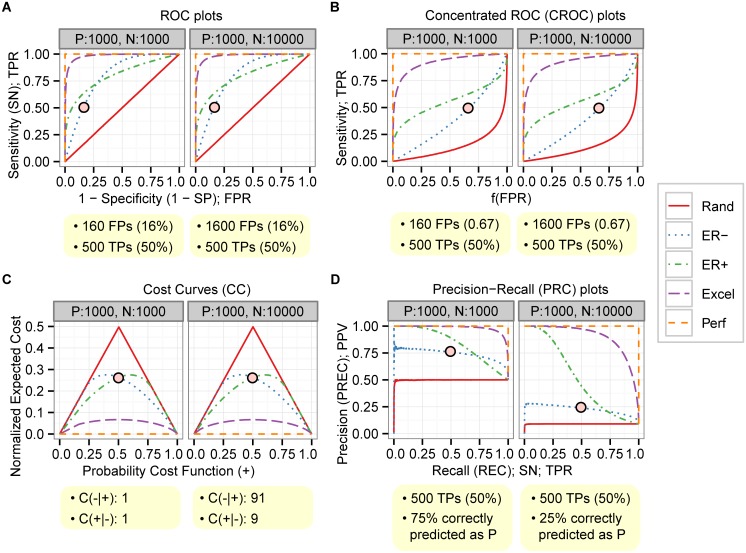
“Here, we review the theoretical background of commonly used evaluation measures, specifically ROC [24, 25], PRC [26], concentrated ROC (CROC) [27], and Cost Curves (CC) [28].”
BackgroundMethodThe meaning and use of the area under a receiver operating characteristic (ROC) curve.
Hanley, J. A., & McNeil, B. J. (1982) · Radiology · doi:10.1148/radiology.143.1.7063747 · Cited by 21,856
The WEKA data mining software: an update
Hall, M., Frank, E., Holmes, G., Pfahringer, B., Reutemann, P., & Witten, I. H. (2009) · ACM SIGKDD Explorations Newsletter · doi:10.1145/1656274.1656278 · Cited by 17,750
Bioconductor: open software development for computational biology and bioinformatics
Gentleman, R. C., Carey, V. J., Bates, D. M., Bolstad, B., Dettling, M., Dudoit, S., Ellis, B., Gautier, L., Ge, Y., Gentry, J., et al. (2004) · Genome Biology · doi:10.1186/gb-2004-5-10-r80 · Cited by 12,172 · cited 1×
“Several integrated machine learning and bioinformatics platforms such as WEKA [34] and Bioconductor [42, 43] also have basic functions or libraries for making ROC and PRC plots.”
MethodA training algorithm for optimal margin classifiers
Boser, B. E., Guyon, I. M., & Vapnik, V. N. (1992) · Proceedings of the fifth annual workshop on Computational learning theory · doi:10.1145/130385.130401 · Cited by 11,992
R: A Language for Data Analysis and Graphics
Ihaka, R., & Gentleman, R. (1996) · Journal of Computational and Graphical Statistics · doi:10.1080/10618600.1996.10474713 · Cited by 11,220
He, H., & Garcia, E. A. (2009) · IEEE Transactions on Knowledge and Data Engineering · doi:10.1109/tkde.2008.239 · Cited by 10,359
Cited by
Items 601–700 of 1,023
Mamo, D. N., Yilma, T. M., Tewelgne, M. F., Sebastian, Y., Demass, T. B., Melaku, M. S., & Walle, A. D. (2023) · BMC Medical Informatics and Decision Making · doi:10.1186/s12911-023-02167-7 · Cited by 50
When Model Meets New Normals: Test-Time Adaptation for Unsupervised Time-Series Anomaly Detection
Kim, D., Park, S., & Choo, J. (2024) · Proceedings of the AAAI Conference on Artificial Intelligence · doi:10.1609/aaai.v38i12.29210 · Cited by 80
Recent advancements to increase success in assisted reproductive technologies in cattle
Mikkola, M., Desmet, K. L. J., Kommisrud, E., & Riegler, M. A. (2024) · Animal Reproduction · doi:10.1590/1984-3143-ar2024-0031 · Cited by 69
Emerling, C. A. (2017) · Molecular Phylogenetics and Evolution · doi:10.1016/j.ympev.2017.07.014 · Cited by 41
Prediction of Human Phenotype Ontology terms by means of hierarchical ensemble methods
Notaro, M., Schubach, M., Robinson, P. N., & Valentini, G. (2017) · BMC Bioinformatics · doi:10.1186/s12859-017-1854-y · Cited by 44
Watkinson, P., Pimentel, M. A. F., Clifton, D. A., & Tarassenko, L. (2018) · Resuscitation · doi:10.1016/j.resuscitation.2018.06.003 · Cited by 39
Barzegaran, E., Bosse, S., Kohler, P. J., & Norcia, A. M. (2019) · Journal of Neuroscience Methods · doi:10.1016/j.jneumeth.2019.108377 · Cited by 41
Xuan, P., Sheng, N., Zhang, T., Liu, Y., & Guo, Y. (2019) · International Journal of Molecular Sciences · doi:10.3390/ijms20174260 · Cited by 40
Gangavarapu, T., Jayasimha, A., Krishnan, G. S., & Kamath, S. S. (2019) · Knowledge-Based Systems · doi:10.1016/j.knosys.2019.105321 · Cited by 44
Aromolaran, O., Beder, T., Oswald, M., Oyelade, J. O., Adebiyi, E. F., & Koenig, R. (2020) · Computational and Structural Biotechnology Journal · doi:10.1016/j.csbj.2020.02.022 · Cited by 47
Benchmarking Unsupervised Outlier Detection with Realistic Synthetic Data
Steinbuss, G., & Böhm, K. (2021) · ACM Transactions on Knowledge Discovery from Data · doi:10.1145/3441453 · Cited by 77
Zhu, J., Nolte, A. M., Jacobs, N., & Ye, M. (2020) · Journal of Hydrology · doi:10.1016/j.jhydrol.2020.125049 · Cited by 45
Khanal, J., Lim, D. Y., Tayara, H., & Chong, K. T. (2020) · Genomics · doi:10.1016/j.ygeno.2020.09.054 · Cited by 42
Identifying food insecurity in food sharing networks via machine learning
Nica‐Avram, G., Harvey, J., Smith, G., Smith, A., & Goulding, J. (2020) · Journal of Business Research · doi:10.1016/j.jbusres.2020.09.028 · Cited by 52
Park, H. S., Jeon, K., Cho, Y. J., Kim, S. W., Lee, S. B., Choi, G., Lee, S., Choi, Y. H., Cheon, J., Kim, W. S., et al. (2020) · Korean Journal of Radiology · doi:10.3348/kjr.2020.0051 · Cited by 41
Hsieh, Y., Yang, Z., & Tsai, Y. J. (2020) · Computer-Aided Civil and Infrastructure Engineering · doi:10.1111/mice.12640 · Cited by 41
Tang, Y., Li, Z., Yang, D., Yu, F., Gao, S., Liang, S., & Liu, T. (2021) · Chinese Medicine · doi:10.1186/s13020-020-00409-8 · Cited by 43
Wang, X., Wang, L., Bu, H., Zhang, N., Yue, M., Jia, Z., Cai, L., He, J., Wang, Y., Xu, X., et al. (2021) · npj Breast Cancer · doi:10.1038/s41523-021-00268-y · Cited by 45
Artificial intelligence approaches to human-microbiome protein–protein interactions
Lim, H., Cankara, F., Tsai, C.-J., Keskin, O., Nussinov, R., & Gursoy, A. (2022) · Current Opinion in Structural Biology · doi:10.1016/j.sbi.2022.102328 · Cited by 39
Wang, S., Chen, W., Han, P., Li, X., & Song, T. (2022) · Journal of Chemical Information and Modeling · doi:10.1021/acs.jcim.2c01092 · Cited by 39
Birds, bats and beyond: evaluating generalization in bioacoustics models
van Merriënboer, B., Hamer, J., Dumoulin, V., Triantafillou, E., & Denton, T. (2024) · Frontiers in Bird Science · doi:10.3389/fbirs.2024.1369756 · Cited by 58
Castagno, S., Birch, M., van der Schaar, M., & McCaskie, A. W. (2024) · Annals of the Rheumatic Diseases · doi:10.1136/ard-2024-225872 · Cited by 53
Li, H., Hu, J., Li, B., Chen, H., Zheng, Y., & Shen, C. (2024) · IEEE Transactions on Image Processing · doi:10.1109/tip.2024.3448263 · Cited by 64
Deep learning-based classification of breast cancer molecular subtypes from H&E whole-slide images
Tafavvoghi, M., Sildnes, A., Rakaee, M., Shvetsov, N., Bongo, L. A., Busund, L., & Møllersen, K. (2024) · Journal of Pathology Informatics · doi:10.1016/j.jpi.2024.100410 · Cited by 51
Seong, H., Son, H., & Kim, C. (2018) · KSCE Journal of Civil Engineering · doi:10.1007/s12205-017-1730-3 · Cited by 44
Network anomaly detection in a controlled environment based on an enhanced PSOGSARFC
Boahen, E. K., Bouya-Moko, B. E., & Wang, C. (2021) · Computers & Security · doi:10.1016/j.cose.2021.102225 · Cited by 42
Intelligent Diagnosis of Thyroid Ultrasound Imaging Using an Ensemble of Deep Learning Methods
Vasile, C. M., Udriștoiu, Ș., Ghenea, A. E., Popescu, M., Gheonea, C., Niculescu, C., Ungureanu, A. M., Udriștoiu, Ș., Drocaș, A. I., Gruionu, L. G., et al. (2021) · Medicina · doi:10.3390/medicina57040395 · Cited by 42
Shah, A. A., Devana, S. K., Lee, C., Bugarin, A., Lord, E. L., Shamie, A. N., Park, D. Y., van der Schaar, M., & SooHoo, N. F. (2021) · World Neurosurgery · doi:10.1016/j.wneu.2021.05.080 · Cited by 43
Classification models for likelihood prediction of diabetes at early stage using feature selection
Oladimeji, O. O., Oladimeji, A., & Oladimeji, O. (2021) · Applied Computing and Informatics · doi:10.1108/aci-01-2021-0022 · Cited by 45
Predicting non-state terrorism worldwide
Python, A., Bender, A., Nandi, A. K., Hancock, P. A., Arambepola, R., Brandsch, J., & Lucas, T. C. D. (2021) · Science Advances · doi:10.1126/sciadv.abg4778 · Cited by 50
Saha, R., Upadhyay, D., & Mishra, B. (2021) · Geochemistry Geophysics Geosystems · doi:10.1029/2021gc010053 · Cited by 41
DeepGuard: a framework for safeguarding autonomous driving systems from inconsistent behaviour
Hussain, M., Ali, N., & Hong, J. (2021) · Automated Software Engineering · doi:10.1007/s10515-021-00310-0 · Cited by 54
Weekes, A. J., Raper, J. D., Lupez, K., Thomas, A. M., Cox, C. A., Esener, D. E., Boyd, J. S., Nomura, J. T., Davison, J., Ockerse, P. M., et al. (2021) · PLoS ONE · doi:10.1371/journal.pone.0260036 · Cited by 41
Graph Triple-Attention Network for Disease-Related LncRNA Prediction
Xuan, P., Zhan, L., Cui, H., Zhang, T., Nakaguchi, T., & Zhang, W. (2021) · IEEE Journal of Biomedical and Health Informatics · doi:10.1109/jbhi.2021.3130110 · Cited by 39
Shi, H., Lu, Z., Li, M.-N., Ge, Y., Jiang, K., & Xu, Q. (2022) · Radiology · doi:10.1148/radiol.212173 · Cited by 39
Shandhi, M. M. H., Cho, P. J., Roghanizad, A. R., Singh, K., Wang, W., Enache, O. M., Stern, A., Sbahi, R., Tatar, B., Fiscus, S., et al. (2022) · npj Digital Medicine · doi:10.1038/s41746-022-00672-z · Cited by 49
Khairuddin, M. Z. F., Hui, P. L., Hasikin, K. B., Razak, N. A. A., Lai, K. W., Saudi, A. S. M., & Ibrahim, S. S. (2022) · International Journal of Environmental Research and Public Health · doi:10.3390/ijerph192113962 · Cited by 58
Pullakhandam, S., & McRoy, S. (2024) · BioMedInformatics · doi:10.3390/biomedinformatics4010036 · Cited by 58
Raza, A., Hanif, F., & Mohammed, H. A. (2025) · Scientific Reports · doi:10.1038/s41598-025-26645-2 · Cited by 57
“It is particularly useful when one needs a single, interpretable score to tune model thresholds for field deployment 36 .”
RF-GlutarySite: a random forest based predictor for glutarylation sites
AL-barakati, H. J., Saigo, H., Newman, R. H., & KC, D. B. (2019) · Molecular Omics · doi:10.1039/c9mo00028c · Cited by 45
Evaluating Modeling and Validation Strategies for Tooth Loss
Krois, J., Graetz, C., Holtfreter, B., Brinkmann, P. ‐., Kocher, T., & Schwendicke, F. (2019) · Journal of Dental Research · doi:10.1177/0022034519864889 · Cited by 42
Joo, Y. B., Baek, I., Park, Y., Park, K., & Kim, K. (2019) · Clinical Rheumatology · doi:10.1007/s10067-019-04803-y · Cited by 39
Weighted Cross-Entropy for Unbalanced Data with Application on COVID X-ray images
Ozdemir, O., & Sönmez, E. B. (2020) · Innovations in Intelligent Systems and Applications Conference (ASYU) · doi:10.1109/asyu50717.2020.9259848 · Cited by 41
Bayramoglu, N., Nieminen, M. T., & Saarakkala, S. S. (2021) · Osteoarthritis and Cartilage · doi:10.1016/j.joca.2021.06.011 · Cited by 44
Hospital acquired pressure injury prediction in surgical critical care patients
Alderden, J., Drake, K. P., Wilson, A. R., Dimas, J. B., Cummins, M. R., & Yap, T. L. (2021) · BMC Medical Informatics and Decision Making · doi:10.1186/s12911-020-01371-z · Cited by 47
Better Reporting of Studies on Artificial Intelligence: CONSORT-AI and Beyond
Schwendicke, F., & Krois, J. (2021) · Journal of Dental Research · doi:10.1177/0022034521998337 · Cited by 37
Amritphale, A., Chatterjee, R., Chatterjee, S., Amritphale, N., Rahnavard, A., Awan, G. M., Omar, B. A., & Fonarow, G. C. (2021) · Advances in Therapy · doi:10.1007/s12325-021-01709-7 · Cited by 39
STAPLER: Efficient learning of TCR-peptide specificity prediction from full-length TCR-peptide dataPreprint
Kwee, B. P. Y., Messemaker, M., Marcus, E., Oliveira, G., Scheper, W., Wu, C. J., Teuwen, J., & Schumacher, T. N. (2023) · bioRxiv (Cold Spring Harbor Laboratory) · doi:10.1101/2023.04.25.538237 · Cited by 41
Chatzigoulas, A., & Cournia, Z. (2022) · Briefings in Bioinformatics · doi:10.1093/bib/bbab518 · Cited by 32
Vision-language models for autonomous driving: CLIP-based dynamic scene understanding
Elhenawy, M., Ashqar, H. I., Rakotonirainy, A., Alhadidi, T. I., Jaber, A., & Tami, M. A. (2025) · Electronics · doi:10.3390/electronics14071282 · Cited by 37
Burgers, C. F., & Ahrens, K. (2018) · Applied Linguistics · doi:10.1093/applin/amy055 · Cited by 45
Prediction of HIV status based on socio-behavioural characteristics in East and Southern Africa
Orel, E., Esra, R. T., Estill, J. A. M., Thiabaud, A., Marchand‐Maillet, S., Merzouki, A., & Keiser, O. (2022) · PLoS ONE · doi:10.1371/journal.pone.0264429 · Cited by 42
Ghomrawi, H., O’Brien, M. K., Carter, M. M., Macaluso, R., Khazanchi, R., Fanton, M., DeBoer, C., Linton, S. C., Zeineddin, S. A., Pitt, J. B., et al. (2023) · npj Digital Medicine · doi:10.1038/s41746-023-00890-z · Cited by 44
Intraoperative Hypotension Prediction: Current Methods, Controversies, and Research Outlook
Mukkamala, R., Schnetz, M. P., Khanna, A. K., & Mahajan, A. (2024) · Anesthesia & Analgesia · doi:10.1213/ane.0000000000007216 · Cited by 52
Singh, N., Bapi, R. S., & Vinod, P. K. U. (2018) · Computers in Biology and Medicine · doi:10.1016/j.compbiomed.2018.06.030 · Cited by 41
Naqa, I. E., Pandey, G. S., Aerts, H. J. W. L., Chien, J., Andreassen, C. N., Niemierko, A., & Haken, R. K. T. (2018) · International Journal of Radiation Oncology*Biology*Physics · doi:10.1016/j.ijrobp.2018.08.022 · Cited by 37
FarSight: Long-Term Disease Prediction Using Unstructured Clinical Nursing Notes
Gangavarapu, T., Krishnan, G. S., Kamath, S. S., & Jeganathan, J. (2020) · IEEE Transactions on Emerging Topics in Computing · doi:10.1109/tetc.2020.2975251 · Cited by 44
Using machine learning to classify suicide attempt history among youth in medical care settings
Burke, T. A., Jacobucci, R., Ammerman, B. A., Alloy, L. B., & Diamond, G. S. (2020) · Journal of Affective Disorders · doi:10.1016/j.jad.2020.02.048 · Cited by 45
Corbi, F., Bedford, J., Sandri, L., Funiciello, F., Gualandi, A., & Rosenau, M. (2020) · Geophysical Research Letters · doi:10.1029/2019gl086615 · Cited by 37
The effect of spatiotemporal resolution on predictive policing model performance
Rummens, A., & Hardyns, W. (2020) · International Journal of Forecasting · doi:10.1016/j.ijforecast.2020.03.006 · Cited by 65
Doyle, O., van der Laan, R., Obradović, M., McMahon, P., Daniels, F. A., Pitcher, A., & Loebinger, M. R. (2020) · European Respiratory Journal · doi:10.1183/13993003.00045-2020 · Cited by 39
Inferring Multiple Sclerosis Stages from the Blood Transcriptome via Machine Learning
Acquaviva, M., Menon, R., Dario, M. D., Costa, G. D., Romeo, M. A. L., Sangalli, F., Colombo, B., Moiola, L., Martinelli, V., Comı, G., et al. (2020) · Cell Reports Medicine · doi:10.1016/j.xcrm.2020.100053 · Cited by 48
Meyer, R., Hendin, N., Zamir, M., Mor, N., Levin, G., Sivan, E., Aran, D., & Tsur, A. (2020) · The Journal of Maternal-Fetal & Neonatal Medicine · doi:10.1080/14767058.2020.1837769 · Cited by 38
Chromatin information content landscapes inform transcription factor and DNA interactions
Albanus, R. D., Kyono, Y., Hensley, J., Varshney, A., Orchard, P., Kitzman, J. O., & Parker, S. C. J. (2021) · Nature Communications · doi:10.1038/s41467-021-21534-4 · Cited by 40
Fail-Safe Execution of Deep Learning based Systems through Uncertainty Monitoring
Weiß, M., & Tonella, P. (2021) · IEEE International Conference on Software Testing, Verification and Validation (ICST) · doi:10.1109/icst49551.2021.00015 · Cited by 44
The potential of machine learning for weather index insurance
Cesarini, L., Figueiredo, R., Monteleone, B., & Martina, M. L. V. (2021) · Natural hazards and earth system sciences · doi:10.5194/nhess-21-2379-2021 · Cited by 46
Network intrusion detection system: machine learning approach
Jaradat, A. S., Barhoush, M. M., & Easa, R. S. B. (2022) · Indonesian Journal of Electrical Engineering and Computer Science · doi:10.11591/ijeecs.v25.i2.pp1151-1158 · Cited by 44
Anomaly Detection for Agricultural Vehicles Using Autoencoders
Mujkic, E., Philipsen, M. P., Moeslund, T. B., Christiansen, M. P., & Ravn, O. (2022) · Sensors · doi:10.3390/s22103608 · Cited by 46
Ensembled Deep Learning for the Classification of Human Sperm Head Morphology
Lindsay, S., Fernando, J. E. M., Akbaridoust, F., Ackermann, K., & Nosrati, R. (2022) · Advanced Intelligent Systems · doi:10.1002/aisy.202200111 · Cited by 42
Machine Learning-Based Models for Magnetic Resonance Imaging (MRI)-Based Brain Tumor Classification
Asiri, A. A. M., Khan, B. A., Muhammad, F., Rahman, S. U., Alshamrani, H. A., Alshamrani, K. A., Irfan, M., & Alqhtani, F. F. (2022) · Intelligent Automation & Soft Computing · doi:10.32604/iasc.2023.032426 · Cited by 43
Yeo, M., Tahayori, B., Kok, H. K., Maingard, J. T., Kutaiba, N., Russell, J. H., Thijs, V., Jhamb, A., Chandra, R. V., Brooks, M., et al. (2023) · European Radiology Experimental · doi:10.1186/s41747-023-00330-3 · Cited by 49
Patient Graph Deep Learning to Predict Breast Cancer Molecular Subtype
Furtney, I., Bradley, R. M., & Kabuka, M. R. (2023) · IEEE Transactions on Computational Biology and Bioinformatics · doi:10.1109/tcbb.2023.3290394 · Cited by 42
Mastour, H., Dehghani, T., Moradi, E., & Eslami, S. (2023) · Heliyon · doi:10.1016/j.heliyon.2023.e18248 · Cited by 36
Logothetis, S. B., Green, D., Holland, M., & Moubayed, N. A. (2023) · Scientific Reports · doi:10.1038/s41598-023-40661-0 · Cited by 51
Scaling convolutional neural networks achieves expert level seizure detection in neonatal EEG
Hogan, R., Mathieson, S., Luca, A., Ventura, S., Griffin, S., Boylan, G. B., & O’Toole, J. M. (2025) · npj Digital Medicine · doi:10.1038/s41746-024-01416-x · Cited by 49
Biomarkers, omics and artificial intelligence for early detection of pancreatic cancer
Murray, K., Oldfield, L. S., Stefanova, I., Gentiluomo, M., Aretini, P., O’Sullivan, R., Greenhalf, W., Paiella, S., Aoki, M. N., Pastore, A., et al. (2025) · Seminars in Cancer Biology · doi:10.1016/j.semcancer.2025.02.009 · Cited by 45
Baby Cry Sound Detection: A Comparison of Hand Crafted Features and Deep Learning Approach
Torres, R., Battaglino, D., & Lepauloux, L. (2017) · Communications in computer and information science · doi:10.1007/978-3-319-65172-9_15 · Cited by 39
Predicting diabetes-related hospitalizations based on electronic health records
Brisimi, T. S., Xu, T., Wang, T., Dai, W., & Paschalidis, I. C. (2019) · Statistical Methods in Medical Research · doi:10.1177/0962280218810911 · Cited by 36
Congestion detection in pedestrian crowds using oscillation in motion trajectories
Khan, S. D. (2019) · Engineering Applications of Artificial Intelligence · doi:10.1016/j.engappai.2019.07.009 · Cited by 37
Nieves, J. J., Sorichetta, A., Linard, C., Bondarenko, M., Steele, J. E., Stevens, F. R., Gaughan, A. E., Carioli, A., Clarke, D. J., Esch, T., et al. (2019) · Computers Environment and Urban Systems · doi:10.1016/j.compenvurbsys.2019.101444 · Cited by 42
Supervised learning is an accurate method for network-based gene classification
Liu, R., Mancuso, C. A., Yannakopoulos, A., Johnson, K. A., & Krishnan, A. (2020) · Bioinformatics · doi:10.1093/bioinformatics/btaa150 · Cited by 38
Xuan, P., Chen, B., Zhang, T., & Yang, Y. X. (2020) · IEEE Transactions on Computational Biology and Bioinformatics · doi:10.1109/tcbb.2020.2989765 · Cited by 36
Zhou, J., Damasceno, P. F., Chachad, R., Cheung, J., Ballatori, A. M., Lotz, J. C., Lazar, A., Link, T. M., Fields, A. J., & Krug, R. (2020) · Frontiers in Endocrinology · doi:10.3389/fendo.2020.00612 · Cited by 45
Efficient embedded sleep wake classification for open-source actigraphy
Banfi, T., Valigi, N., Galante, M. D., D’Ascanio, P., Ciuti, G., & Faraguna, U. (2021) · Scientific Reports · doi:10.1038/s41598-020-79294-y · Cited by 38
Kulkarni, V., Gawali, M., & Kharat, A. T. (2021) · JMIR Medical Informatics · doi:10.2196/28776 · Cited by 41
Tang, P., Yang, X., Yang, N., Xiang, S., & Liang, Q. (2021) · IEEE Transactions on Ultrasonics Ferroelectrics and Frequency Control · doi:10.1109/tuffc.2021.3098308 · Cited by 37
Yen, H., Ogink, P. T., Huang, C., Groot, O. Q., Su, C.-C., Chen, S.-F., Chen, C., Karhade, A. V., Peng, K.-P., Lin, W., et al. (2022) · The Spine Journal · doi:10.1016/j.spinee.2022.02.009 · Cited by 37
Buckley, P. R., Lee, C. H.-J., Ma, R., Woodhouse, I. B., Woo, J., Tsvetkov, V. O., Shcherbinin, D. S., Antanaviciute, A., Shugay, M., Rei, M., et al. (2022) · Briefings in Bioinformatics · doi:10.1093/bib/bbac141 · Cited by 40
Are smartphones and machine learning enough to diagnose tremor?
Balachandar, A., Algarni, M., de Oliveira, L. M., Marsili, L., Merola, A., Sturchio, A., Espay, A. J., Hutchison, W. D., Balasubramaniam, A., Rudzicz, F., et al. (2022) · Journal of Neurology · doi:10.1007/s00415-022-11293-7 · Cited by 39
Cartus, A. R., Samuels, E. A., Cerdá, M., & Marshall, B. D. L. (2023) · Addiction · doi:10.1111/add.16133 · Cited by 48
Anomaly detection in streaming data: A comparison and evaluation study
Iglesias, F., Hartl, A., Zseby, T., & Zimek, A. (2023) · Expert Systems with Applications · doi:10.1016/j.eswa.2023.120994 · Cited by 51
Separable Spatial–Temporal Patch-Tensor Pair Completion for Infrared Small Target Detection
Xia, C., Chen, S., Huang, R., Hu, J., & Chen, Z. (2024) · IEEE Transactions on Geoscience and Remote Sensing · doi:10.1109/tgrs.2024.3358831 · Cited by 35
Research Dilemmas with Behavioral Big Data
Shmueli, G. (2017) · Big Data · doi:10.1089/big.2016.0043 · Cited by 40
Reporting accuracy of rare event classifiers
Pinker, E. J. (2018) · npj Digital Medicine · doi:10.1038/s41746-018-0062-0 · Cited by 35
A novel weighted TPR-TNR measure to assess performance of the classifiers
Jadhav, A. S. (2020) · Expert Systems with Applications · doi:10.1016/j.eswa.2020.113391 · Cited by 42
Hellinger distance-based stable sparse feature selection for high-dimensional class-imbalanced data
Fu, G., Wu, Y.-J., Zong, M.-J., & Pan, J. (2020) · BMC Bioinformatics · doi:10.1186/s12859-020-3411-3 · Cited by 36
Wong, C. W., & Chaudhry, A. A. (2020) · Journal of Thoracic Disease · doi:10.21037/jtd-2019-pitd-10 · Cited by 40
Rytky, S. J. O., Tiulpin, A., Frondelius, T., Finnilä, M., Karhula, S. S., Leino, J., Pritzker, K. P. H., Valkealahti, M., Lehenkari, P. P., Joukainen, A., et al. (2020) · Osteoarthritis and Cartilage · doi:10.1016/j.joca.2020.05.002 · Cited by 39
Meneghetti, L., Facchinetti, A., & Favero, S. D. (2020) · IEEE Transactions on Biomedical Engineering · doi:10.1109/tbme.2020.3004270 · Cited by 38
Results of the Photometric LSST Astronomical Time-series Classification Challenge (PLAsTiCC)
Hložek, R., Malz, A. I., Ponder, K. A., Dai, M., Narayan, G., Ishida, É. E. O., Allam, T., Bahmanyar, A., Bi, X., Biswas, R., et al. (2023) · The Astrophysical Journal Supplement Series · doi:10.3847/1538-4365/accd6a · Cited by 92
Metadata
- Authors
- Saito, T., & Rehmsmeier, M.
- Affiliations
- University of Bergen (NO)
- Corresponding author
- Saito, Takaya
- Rehmsmeier, Marc
- Venue
- PLOS ONE
- Publisher
- Public Library of Science (PLoS)
- Published
- 2015-03-04
- Volume
- 10
- Issue
- 3
- Pages
- e0118432
- ISSN
- 1932-6203 (ISSN-L)
- PMC
- PMC4349800
- OpenAlex
- W1966716734
- Cited by
- 5,309
- References
- 56
- Citations by year
- 2026: 1482 · 2025: 762 · 2024: 528 · 2023: 505 · 2022: 551 · 2021: 563 · 2020: 402 · 2019: 283 · 2018: 133 · 2017: 64 · 2016: 27 · 2015: 3
- FWCI
- 74.84
- Type
- journal article
- Language
- en
- Open access
- gold
- doi.org
- Licence
- Locations
- PLoS ONE (publishedVersion, cc-by)
- Europe PMC (PubMed Central) (publishedVersion, cc-by)
- PubMed Central (publishedVersion, cc-by)
- PubMed (publishedVersion)
- RePEc: Research Papers in Economics (submittedVersion)
- DOAJ (DOAJ: Directory of Open Access Journals) (submittedVersion, cc-by-sa)
- Funders
- Universitetet i Bergen
- Topics
- Physical Sciences › Computer Science › Artificial Intelligence › Imbalanced Data Classification Techniques
- Physical Sciences › Computer Science › Artificial Intelligence › Machine Learning and Data Classification
- Physical Sciences › Mathematics › Statistics and Probability › Statistical Methods in Epidemiology
- Keywords
- class imbalance, binary classification, classifier evaluation, specificity, positive predictive value, sensitivity, bioinformatics classification, visual interpretability
- MeSH terms
- Classification, ROC Curve, Datasets as Topic
About these checks
Registry, retraction, Cites and statistics results are computed, not judged, with one exception: a printed reference that no index lists is read once by a model before it counts as a citation error. Claims are extracted by a model and kept only when their quote appears verbatim in the text; each cited source is then checked, with a model’s help, for whether it says what the claim relies on. Those verdicts can be wrong — read the claim’s quote and the cited source before relying on one.
Statistics and arithmetic are recomputed, not judged.
Confidence bands are shown only for fields calibrated on our annotated test set. None is calibrated yet, so no band is shown.
What counts as a claim ›How we measure confidence ›How we check this ›
Are you an author, or do you see a problem with this page? Request a review
Data sources
Bibliographic data: Semantic Scholar, OpenAlex, Crossref.
Contains information from the Semantic Scholar Academic Graph Datasets, made available under the ODC Attribution License (ODC-BY 1.0).
Semantic Scholar’s data is described in: Kinney, R., et al. (2023). The Semantic Scholar Open Data Platform. arXiv:2301.10140.
