

The DOI matches its Crossref record; 51 of the 51 references it cites were found in a registry or an index.
N-3 Polyunsaturated Fatty Acids (PUFAs) Reverse the Impact of Early-Life Stress on the Gut Microbiota
Open accessAbstract
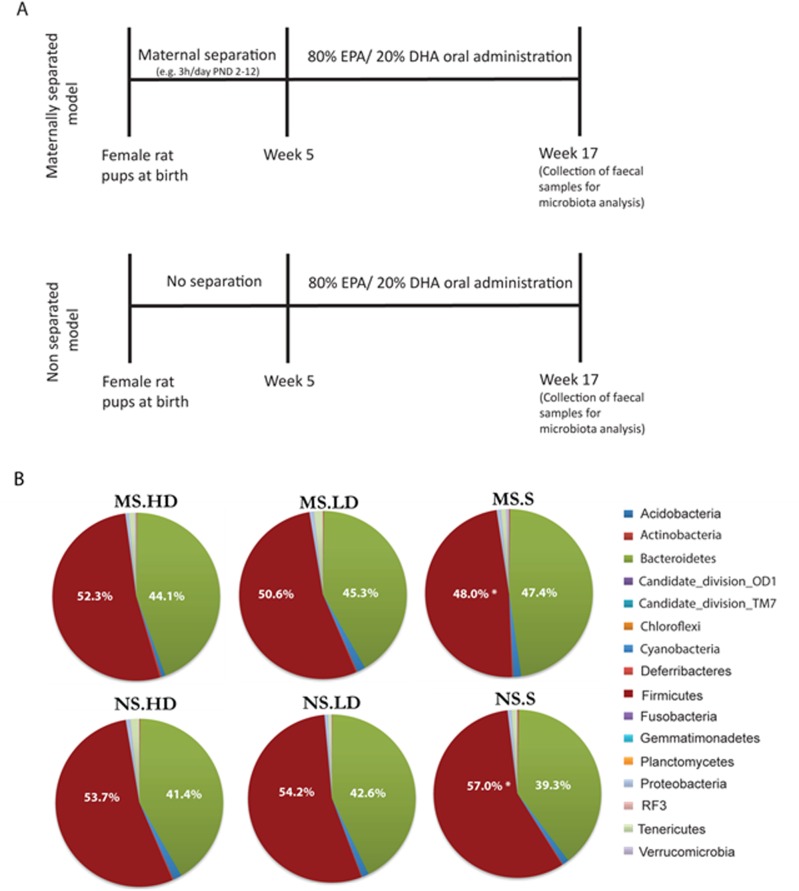
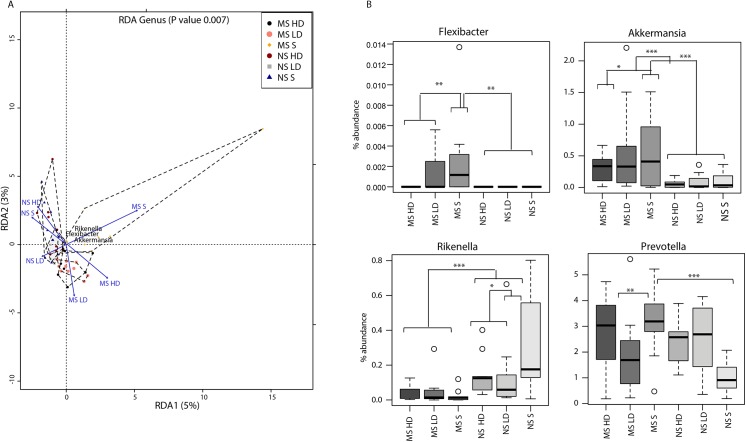
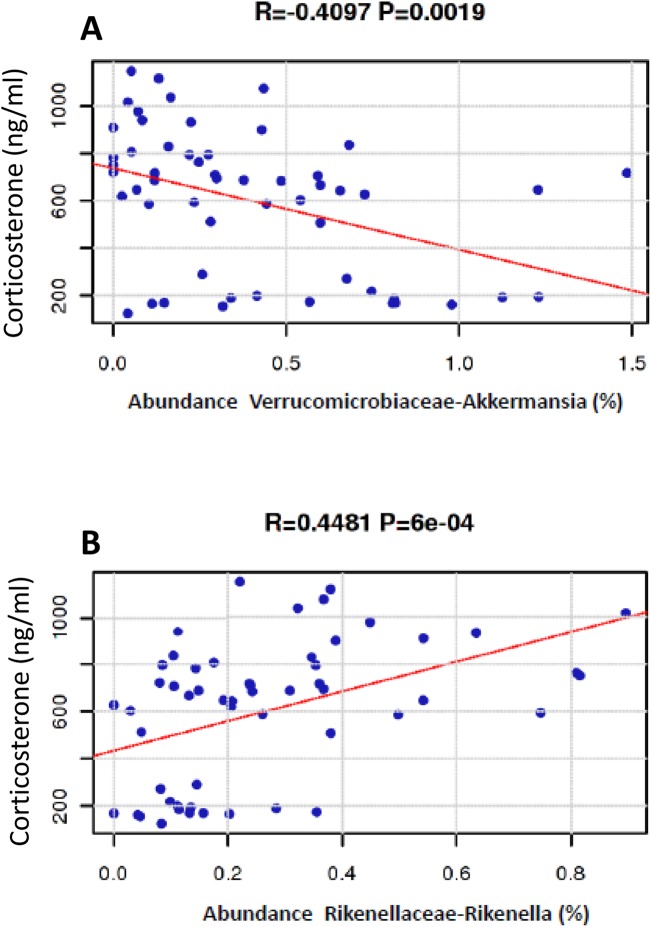
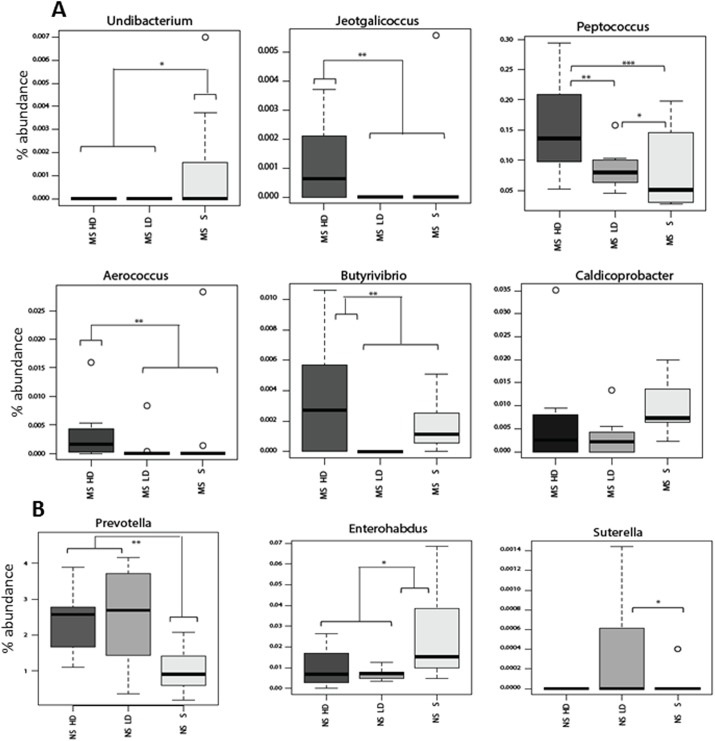
BACKGROUND: Early life stress is a risk factor for many psychiatric disorders ranging from depression to anxiety. Stress, especially during early life, can induce dysbiosis in the gut microbiota, the key modulators of the bidirectional signalling pathways in the gut-brain axis that underline several neurodevelopmental and psychiatric disorders. Despite their critical role in the development and function of the central nervous system, the effect of n-3 polyunsaturated fatty acids (n-3 PUFAs) on the regulation of gut-microbiota in early-life stress has not been explored. METHODS AND RESULTS: Here, we show that long-term supplementation of eicosapentaenoic acid (EPA)/docosahexaenoic acid (DHA) (80% EPA, 20% DHA) n-3 PUFAs mixture could restore the disturbed gut-microbiota composition of maternally separated (MS) female rats. Sprague-Dawley female rats were subjected to an early-life stress, maternal separation procedure from postnatal days 2 to 12. Non-separated (NS) and MS rats were administered saline, EPA/DHA 0.4 g/kg/day or EPA/DHA 1 g/kg/day, respectively. Analysis of the gut microbiota in adult rats revealed that EPA/DHA changes composition in the MS, and to a lesser extent the NS rats, and was associated with attenuation of the corticosterone response to acute stress. CONCLUSIONS: In conclusion, EPA/DHA intervention alters the gut microbiota composition of both neurodevelopmentally normal and early-life stressed animals. This study offers insights into the interaction between n-3 PUFAs and gut microbes, which may play an important role in advancing our understanding of disorders of mood and cognitive functioning, such as anxiety and depression.
Overview
The claims and statistics of this paper haven’t been checked yet.
Run the check — free, no account needed. It reads the open-access text and checks the sources it cites.
Integrity signals
Registry
Cites
Statistics
Figures
Verification
Claims the paper makes
The claims and statistics of this paper haven’t been checked yet.
Run the check — free, no account needed. It reads the open-access text and checks the sources it cites.
Claims other papers make about this one
Each is checked against this paper’s own text: does it say what the citing paper says it does?
The source backs part of the claim, not all of it — or backs it for a different population, condition or comparison.
In the citing paper
“While a polyunsaturated fatty acid-rich diet may be exerting its prosocial effects via modulation of fatty acid membrane levels in the brain, it has also been shown to positively affect the composition of the microbiota (Pusceddu et al., 2015;Robertson et al., 2017b) and thus a role for the microbiota is likely (Robertson et al., 2018).”
From The Microbiota-Gut-Brain Axis (2019) · cites this paper as Pusceddu et al., 2015
Experimental — accuracy not yet measured
Self-check
Percentages, sums and reported differences re-computed from the paper’s own numbers.
The self-check needs the paper’s full text.
Citations
Cites
Frank, D. N., St. Amand, A. L., Feldman, R. A., Boedeker, E. C., Harpaz, N., & Pace, N. R. (2007) · Proceedings of the National Academy of Sciences · doi:10.1073/pnas.0706625104 · Cited by 4,611
Mind-altering microorganisms: the impact of the gut microbiota on brain and behaviour
Cryan, J. F., & Dinan, T. G. (2012) · Nature Reviews Neuroscience · doi:10.1038/nrn3346 · Cited by 4,572
Self-citationNormal gut microbiota modulates brain development and behavior
Heijtz, R. D., Wang, S., Anuar, F., Qian, Y., Björkholm, B., Samuelsson, A., Hibberd, M. L., Forssberg, H., & Pettersson, S. (2011) · Proceedings of the National Academy of Sciences · doi:10.1073/pnas.1010529108 · Cited by 3,228
Altered fecal microbiota composition in patients with major depressive disorder
Jiang, H., Ling, Z., Zhang, Y., Mao, H., Ma, Z., Yin, Y., Wang, W., Tang, W., Tan, Z., Shi, J., et al. (2015) · Brain, Behavior, and Immunity · doi:10.1016/j.bbi.2015.03.016 · Cited by 2,275
Expansion of intestinal Prevotella copri correlates with enhanced susceptibility to arthritis
Scher, J. U., Sczesnak, A., Longman, R. S., Segata, N., Ubeda, C., Bielski, C., Rostron, T., Cerundolo, V., Pamer, E. G., Abramson, S. B., et al. (2013) · eLife · doi:10.7554/elife.01202 · Cited by 2,047
Bailey, M. T., Dowd, S. E., Galley, J. D., Hufnagle, A. R., Allen, R. G., & Lyte, M. (2011) · Brain, Behavior, and Immunity · doi:10.1016/j.bbi.2010.10.023 · Cited by 1,123
O'Mahony, S. M., Marchesi, J. R., Scully, P., Codling, C., Ceolho, A.-M., Quigley, E. M. M., Cryan, J. F., & Dinan, T. G. (2009) · Biological Psychiatry · doi:10.1016/j.biopsych.2008.06.026 · Cited by 1,069
Self-citationStecher, B., Robbiani, R., Walker, A. W., Westendorf, A. M., Barthel, M., Kremer, M., Chaffron, S., Macpherson, A. J., Buer, J., Parkhill, J., et al. (2007) · PLoS Biology · doi:10.1371/journal.pbio.0050244 · Cited by 1,048
Gut microbes and the brain: paradigm shift in neuroscience
Mayer, E. A., Knight, R., Mazmanian, S. K., Cryan, J. F., & Tillisch, K. (2014) · The Journal of Neuroscience · doi:10.1523/jneurosci.3299-14.2014 · Cited by 1,033
Self-citationPyrosequencing study of fecal microflora of autistic and control children
Finegold, S. M., Dowd, S. E., Gontcharova, V., Liu, C., Henley, K. E., Wolcott, R. D., Youn, E., Summanen, P. H., Granpeesheh, D., Dixon, D., et al. (2010) · Anaerobe · doi:10.1016/j.anaerobe.2010.06.008 · Cited by 977
Cited by
Sorted by citations
Cryan, J. F., O'Riordan, K. J., Cowan, C. S. M., Sandhu, K. V., Bastiaanssen, T. F. S., Boehme, M., Codagnone, M. G., Cussotto, S., Fulling, C., Golubeva, A. V., et al. (2019) · Physiological Reviews · doi:10.1152/physrev.00018.2018 · Cited by 5,286
Self-citationStress & the gut-brain axis: Regulation by the microbiome
Foster, J. A., Rinaman, L., & Cryan, J. F. (2017) · Neurobiology of Stress · doi:10.1016/j.ynstr.2017.03.001 · Cited by 1,150
Self-citationFrom gut dysbiosis to altered brain function and mental illness: mechanisms and pathways
Rogers, G. B., Keating, D. J., Young, R. L., Wong, M.-L., Licinio, J., & Wesselingh, S. (2016) · Molecular Psychiatry · doi:10.1038/mp.2016.50 · Cited by 969
The Role of Microbiota-Gut-Brain Axis in Neuropsychiatric and Neurological Disorders
Socała, K., Doboszewska, U., Szopa, A., Serefko, A., Włodarczyk, M., Zielińska, A., Poleszak, E., Fichna, J., & Wlaź, P. (2021) · Pharmacological Research · doi:10.1016/j.phrs.2021.105840 · Cited by 857
van de Wouw, M., Boehme, M., Lyte, J. M., Wiley, N., Strain, C., O'Sullivan, O., Clarke, G., Stanton, C., Dinan, T. G., & Cryan, J. F. (2018) · The Journal of Physiology · doi:10.1113/jp276431 · Cited by 789
Self-citationImpact of Omega-3 Fatty Acids on the Gut Microbiota
Costantini, L., Molinari, R., Farinon, B., & Merendino, N. (2017) · International Journal of Molecular Sciences · doi:10.3390/ijms18122645 · Cited by 741
van Kessel, S. P., Frye, A. K., El-Gendy, A. O., Castejon, M., Keshavarzian, A., van Dijk, G., & El Aidy, S. (2019) · Nature Communications · doi:10.1038/s41467-019-08294-y · Cited by 521
Feeding the microbiota–gut–brain axis: Diet, microbiome, and neuropsychiatry
Sandhu, K. V., Sherwin, E., Schellekens, H., Stanton, C., Dinan, T. G., & Cryan, J. F. (2017) · Translational Research · doi:10.1016/j.trsl.2016.10.002 · Cited by 491
Self-citationGut microbiota and the neuroendocrine system
Farzi, A., Fröhlich, E. E., & Holzer, P. (2018) · Neurotherapeutics · doi:10.1007/s13311-017-0600-5 · Cited by 478
Microbiota and the social brain
Sherwin, E., Bordenstein, S. R., Quinn, J. L., Dinan, T. G., & Cryan, J. F. (2019) · Science · doi:10.1126/science.aar2016 · Cited by 462
Self-citationGubert, C., Kong, G., Renoir, T., & Hannan, A. J. (2019) · Neurobiology of Disease · doi:10.1016/j.nbd.2019.104621 · Cited by 387
Fu, Y., Wang, Y., Gao, H., Li, D., Jiang, R., Ge, L., Tong, C., & Xu, K. (2021) · Mediators of Inflammation · doi:10.1155/2021/8879227 · Cited by 368
Gut reactions: Breaking down xenobiotic–microbiome interactions
Clarke, G., Sandhu, K. V., Griffin, B. T., Dinan, T. G., Cryan, J. F., & Hyland, N. P. (2019) · Pharmacological Reviews · doi:10.1124/pr.118.015768 · Cited by 319
Self-citationRobertson, R. C., Seira Oriach, C., Murphy, K., Moloney, G. M., Cryan, J. F., Dinan, T. G., Paul Ross, R., & Stanton, C. (2017) · Brain Behavior and Immunity · doi:10.1016/j.bbi.2016.07.145 · Cited by 268
Self-citationJašarević, E., Howard, C. D., Misic, A. M., Beiting, D. P., & Bale, T. L. (2017) · Scientific Reports · doi:10.1038/srep44182 · Cited by 262
The human milk microbiome and factors influencing its composition and activity
Gómez-Gallego, C., García‐Mantrana, I., Salminen, S., & Collado, M. C. (2016) · Seminars in Fetal and Neonatal Medicine · doi:10.1016/j.siny.2016.05.003 · Cited by 272
Das, U. N. (2018) · Journal of Advanced Research · doi:10.1016/j.jare.2018.01.001 · Cited by 256
Machate, D. J., Figueiredo, P. S., Marcelino, G., Guimarães, R. D. C. A., Hiane, P. A., Bogo, D., Pinheiro, V. A. Z., Oliveira, L. C. S. D., & Pott, A. (2020) · International Journal of Molecular Sciences · doi:10.3390/ijms21114093 · Cited by 243
The role of the gut microbiota in dietary interventions for depression and anxiety
Bear, T. L. K., Dalziel, J. E., Coad, J., Roy, N. C., Butts, C. A., & Gopal, P. K. (2020) · Advances in Nutrition · doi:10.1093/advances/nmaa016 · Cited by 229
Programming Bugs: Microbiota and the Developmental Origins of Brain Health and Disease
Codagnone, M. G., Spichak, S., O’Mahony, S. M., O’Leary, O. F., Clarke, G., Stanton, C., Dinan, T. G., & Cryan, J. F. (2019) · Biological Psychiatry · doi:10.1016/j.biopsych.2018.06.014 · Cited by 198
Self-citationGut Microbiota: A Novel Therapeutic Target for Parkinson’s Disease
Zhu, M., Liu, X., Ye, Y., Yan, X., Cheng, Y., Zhao, L., Chen, F., & Ling, Z. (2022) · Frontiers in Immunology · doi:10.3389/fimmu.2022.937555 · Cited by 177
Gut microbiome-Mediterranean diet interactions in improving host health
Nagpal, R., Shively, C. A., Register, T. C., Craft, S., & Yadav, H. (2019) · F1000Research · doi:10.12688/f1000research.18992.1 · Cited by 168
Gut Microbiome Composition in Non-human Primates Consuming a Western or Mediterranean Diet
Nagpal, R., Shively, C. A., Appt, S. A., Register, T. C., Michalson, K. T., Vitolins, M. Z., & Yadav, H. (2018) · Frontiers in Nutrition · doi:10.3389/fnut.2018.00028 · Cited by 163
Childhood adversity impact on gut microbiota and inflammatory response to stress during pregnancy
Hantsoo, L., Jašarević, E., Criniti, S., McGeehan, B., Tanes, C., Sammel, M. D., Elovitz, M. A., Compher, C., Wu, G., & Epperson, C. N. (2019) · Brain, Behavior, and Immunity · doi:10.1016/j.bbi.2018.11.005 · Cited by 156
Wiley, N., Dinan, T. G., Ross, R. P., Stanton, C., Clarke, G. A., & Cryan, J. F. (2017) · Journal of Animal Science · doi:10.2527/jas.2016.1256 · Cited by 190
Self-citationSaturated long-chain fatty acid-producing bacteria contribute to enhanced colonic motility in rats
Zhao, L., Huang, Y., Lü, L., Yang, W., Huang, T., Lin, Z., Lin, C., Kwan, H. Y., Wong, H. L. X., Chen, Y., et al. (2018) · Microbiome · doi:10.1186/s40168-018-0492-6 · Cited by 146
Time for food: The impact of diet on gut microbiota and human health
Zhang, N., Ju, Z., & Zuo, T. (2018) · Nutrition · doi:10.1016/j.nut.2017.12.005 · Cited by 153
Madore, C., Leyrolle, Q., Lacabanne, C., Benmamar-Badel, A., Joffre, C., Nadjar, A., & Layé, S. (2016) · Neural Plasticity · doi:10.1155/2016/3597209 · Cited by 141
Captivity and Animal Microbiomes: Potential Roles of Microbiota for Influencing Animal Conservation
Dallas, J. W., & Warne, R. W. (2022) · Microbial Ecology · doi:10.1007/s00248-022-01991-0 · Cited by 139
Multi-hit early life adversity affects gut microbiota, brain and behavior in a sex-dependent manner
Rincel, M., Aubert, P., Chevalier, J., Grohard, P. ‐., Basso, L., de Oliveira, C. M., Helbling, J., Lévy, É., Chevalier, G., Leboyer, M., et al. (2019) · Brain Behavior and Immunity · doi:10.1016/j.bbi.2019.03.006 · Cited by 139
Mueed, A., Shibli, S., Korma, S. A., Madjirebaye, P., Esatbeyoglu, T., & Deng, Z. (2022) · Foods · doi:10.3390/foods11203307 · Cited by 129
Brugman, S., Ikeda‐Ohtsubo, W., Braber, S., Folkerts, G., Pieterse, C. M. J., & Bakker, P. A. H. M. (2018) · Frontiers in Nutrition · doi:10.3389/fnut.2018.00080 · Cited by 134
The Microbiome-Gut-Brain Axis and Resilience to Developing Anxiety or Depression under Stress
Bear, T., Dalziel, J. E., Coad, J., Roy, N. C., Butts, C. A., & Gopal, P. K. (2021) · Microorganisms · doi:10.3390/microorganisms9040723 · Cited by 136
Heat-killed lactobacilli alter both microbiota composition and behaviour
Warda, A. K., Rea, K., Fitzgerald, P., Hueston, C. M., González-Tortuero, E., Dinan, T. G., & Hill, C. (2018) · Behavioural Brain Research · doi:10.1016/j.bbr.2018.12.047 · Cited by 129
Self-citationGao, X., Chang, S., Liu, S., Peng, L., Xie, J., Dong, W., Tian, Y., & Sheng, J. (2020) · mSystems · doi:10.1128/msystems.00391-20 · Cited by 122
Implications of Diet and The Gut Microbiome in Neuroinflammatory and Neurodegenerative Diseases
Hirschberg, S., Gisevius, B., Duscha, A., & Haghikia, A. (2019) · International Journal of Molecular Sciences · doi:10.3390/ijms20123109 · Cited by 120
Depressed gut? The microbiota-diet-inflammation trialogue in depression
Koopman, M., & El Aidy, S. (2017) · Current Opinion in Psychiatry · doi:10.1097/yco.0000000000000350 · Cited by 114
Shin, J., Noh, J., Choe, D., Lee, N., Song, Y., Cho, S., Kang, E., Go, M., Ha, S. K., Chang, D., et al. (2021) · Microbiome · doi:10.1186/s40168-021-01189-5 · Cited by 119
Davis, D. J., Hecht, P. M., Jasarevic, E., Beversdorf, D. Q., Will, M. J., Fritsche, K., & Gillespie, C. H. (2017) · Brain, Behavior, and Immunity · doi:10.1016/j.bbi.2016.09.003 · Cited by 112
Depression and Obesity: Analysis of Common Biomarkers
Milano, W., Ambrosio, P., Carizzone, F., Biasio, V. D., Munzio, W. D., Foia, M. G., & Capasso, A. (2020) · Diseases · doi:10.3390/diseases8020023 · Cited by 109
Visceral pain: gut microbiota, a new hope?
Pusceddu, M. M., & Gareau, M. G. (2018) · Journal of Biomedical Science · doi:10.1186/s12929-018-0476-7 · Cited by 102
Self-citationMaternal Microbiome and Metabolic Health Program Microbiome Development and Health of the Offspring
Calatayud, M., Koren, O., & Collado, M. C. (2019) · Trends in Endocrinology and Metabolism · doi:10.1016/j.tem.2019.07.021 · Cited by 102
Molecular Basis of the Beneficial Actions of Resveratrol
Repossi, G., Das, U. N., & Eynard, A. R. (2020) · Archives of Medical Research · doi:10.1016/j.arcmed.2020.01.010 · Cited by 96
Szyszkowicz, J. K., Wong, A., Anisman, H., Merali, Z., & Audet, M. (2017) · Brain Behavior and Immunity · doi:10.1016/j.bbi.2017.06.009 · Cited by 97
Intervention strategies for cesarean section–induced alterations in the microbiota-gut-brain axis
Moya-Pérez, Á., Luczynski, P., Renes, I. B., Wang, S., Borre, Y. E., Ryan, C. A., Knol, J., Stanton, C., Dinan, T. G., & Cryan, J. F. (2017) · Nutrition Reviews · doi:10.1093/nutrit/nuw069 · Cited by 100
Self-citationChanges in intestinal motility and gut microbiota composition in a rat stress model
Murakami, T., Kamada, K., Mizushima, K., Higashimura, Y., Katada, K., Uchiyama, K., Handa, O., Takagi, T., Naito, Y., & Itoh, Y. (2017) · Digestion · doi:10.1159/000452364 · Cited by 93
Targeting the gut microbiota to influence brain development and function in early life
Wang, S., Harvey, L., Martı́n, R., van der Beek, E. M., Knol, J., Cryan, J. F., & Renes, I. B. (2018) · Neuroscience & Biobehavioral Reviews · doi:10.1016/j.neubiorev.2018.09.002 · Cited by 97
Self-citationDietary fat and gut microbiota: mechanisms involved in obesity control
Coelho, O. G. L., Cândido, F. G., & Alfenas, R. D. C. G. (2018) · Critical Reviews in Food Science and Nutrition · doi:10.1080/10408398.2018.1481821 · Cited by 90
Stress gets into the belly: Early life stress and the gut microbiome
Hantsoo, L. V., & Zemel, B. S. (2021) · Behavioural Brain Research · doi:10.1016/j.bbr.2021.113474 · Cited by 97
The Microbiota–Gut–Brain Axis and Neurological Disorders: A Comprehensive Review
Nakhal, M. M., Yassin, L. K., Alyaqoubi, R., Saeed, S., Alderei, A., Alhammadi, A., Alshehhi, M., Almehairbi, A., Houqani, S. A., BaniYas, S., et al. (2024) · Life · doi:10.3390/life14101234 · Cited by 136
Early life adversity as a risk factor for cognitive impairment and Alzheimer’s disease
Huang, Z., Jordan, J. D., & Zhang, Q. (2023) · Translational Neurodegeneration · doi:10.1186/s40035-023-00355-z · Cited by 98
Lombardi, V. C., Meirleir, K. L. D., Subramanian, K., Nourani, S. M., Dagda, R. K., Delaney, S. L., & Palotás, A. (2018) · The Journal of Nutritional Biochemistry · doi:10.1016/j.jnutbio.2018.04.004 · Cited by 87
In Pursuit of Healthy Aging: Effects of Nutrition on Brain Function
Melzer, T. M., Manosso, L. M., Yau, S., Gil‐Mohapel, J., & Brocardo, P. S. (2021) · International Journal of Molecular Sciences · doi:10.3390/ijms22095026 · Cited by 97
Lactobacillus Bacteria in Breast Milk
Łubiech, K., & Twarużek, M. (2020) · Nutrients · doi:10.3390/nu12123783 · Cited by 88
Burren, A., Neuditschko, M., Signer‐Hasler, H., Frischknecht, M., Reber, I., Menzi, F., Drögemüller, C., & Flury, C. (2016) · Animal Genetics · doi:10.1111/age.12476 · Cited by 87
Mokkala, K., Houttu, N., Cansev, T., & Laitinen, K. (2019) · Clinical Nutrition · doi:10.1016/j.clnu.2019.05.003 · Cited by 82
Gut-brain axis: A matter of concern in neuropsychiatric disorders…!
Naveed, M., Zhou, Q.-G., Chu, X., Taleb, A., Meng, F. J., Ahmed, B., Zhang, Y., Fukunaga, K., & Han, F. (2020) · Progress in Neuro-Psychopharmacology and Biological Psychiatry · doi:10.1016/j.pnpbp.2020.110051 · Cited by 82
Aidy, S. E., Ramsteijn, A. S., Dini‐Andreote, F., van Eijk, R., Houwing, D. J., Salles, J. F., & Olivier, J. D. A. (2017) · Frontiers in Cellular Neuroscience · doi:10.3389/fncel.2017.00222 · Cited by 81
O’Mahony, S. M., Neufeld, K. M., Waworuntu, R. V., Pusceddu, M. M., Manurung, S., Murphy, K., Strain, C., Laguna, M. C., Peterson, V. L., Stanton, C., et al. (2019) · European Journal of Neuroscience · doi:10.1111/ejn.14514 · Cited by 82
Self-citationEffect of combined chronic predictable and unpredictable stress on depression-like symptoms in mice
Qiao, Y., Zhao, J., Li, C., Zhang, M., Wei, L., Zhang, X., Kurskaia, O. V., Bi, H., & Gao, T. (2020) · Annals of Translational Medicine · doi:10.21037/atm-20-5168 · Cited by 80
N-3 Polyunsaturated Fatty Acids through the Lifespan: Implication for Psychopathology
Pusceddu, M. M., Kelly, P., Stanton, C., Cryan, J. F., & Dinan, T. G. (2016) · International Journal of Neuropsychopharmacology · doi:10.1093/ijnp/pyw078 · Cited by 70
Self-citationRude, K. M., Pusceddu, M. M., Keogh, C. E., Sladek, J. A., Rabasa, G., Miller, E. N., Sethi, S., Keil, K. P., Pessah, I. N., Lein, P. J., et al. (2019) · Environmental Pollution · doi:10.1016/j.envpol.2019.07.066 · Cited by 67
Self-citationThe role of the gut microbiome in opioid use
Ren, M., & Lotfipour, S. (2019) · Behavioural Pharmacology · doi:10.1097/fbp.0000000000000538 · Cited by 69
Peng, M., Luo, H., Kumar, V., Kajbaf, K., Hu, Y., & Yang, G. (2019) · Aquaculture · doi:10.1016/j.aquaculture.2019.734288 · Cited by 65
Donninelli, G., Cornò, M. D., Pierdominici, M., Scazzocchio, B., Varı́, R., Varano, B., Pacella, I., Piconese, S., Barnaba, V., D’Archivio, M., et al. (2017) · Frontiers in Immunology · doi:10.3389/fimmu.2017.00643 · Cited by 66
The Role of Physical Exercise and Omega-3 Fatty Acids in Depressive Illness in the Elderly
Vecchioli, S. F., Sacchetti, S., di Robilant, N. V., & Cutuli, D. (2018) · Current Neuropharmacology · doi:10.2174/1570159x15666170912113852 · Cited by 67
The role of the commensal microbiota in adaptive and maladaptive stressor-induced immunomodulation
Mackos, A. R., Maltz, R. M., & Bailey, M. T. (2016) · Hormones and Behavior · doi:10.1016/j.yhbeh.2016.10.006 · Cited by 63
Verhage, F., Anten, N. P. R., & Sentelhas, P. C. (2017) · Climatic Change · doi:10.1007/s10584-017-2068-z · Cited by 63
Zhang, Y., Zhang, B., Dong, L., & Chang, P. (2018) · Advances in Nutrition · doi:10.1093/advances/nmy076 · Cited by 62
Aluthge, N. D., van Sambeek, D. M., Hinkle, E., Li, Y. S., Fernando, S. C., & Burkey, T. E. (2019) · Journal of Animal Science · doi:10.1093/jas/skz208 · Cited by 61
Jiang, T., Liu, B., Li, J., Dong, X., Lin, M., Zhang, M., Zhao, J., Dai, Y., & Chen, L. (2017) · Food & Function · doi:10.1039/c7fo00088j · Cited by 61
Dietary factors in rheumatic autoimmune diseases: a recipe for therapy?
Dahan, S., Segal, Y., & Shoenfeld, Y. (2017) · Nature Reviews Rheumatology · doi:10.1038/nrrheum.2017.42 · Cited by 62
Park, H. J., Kim, S. A., Kang, W. S., & Kim, J. W. (2021) · International Journal of Molecular Sciences · doi:10.3390/ijms22041899 · Cited by 59
Ramsteijn, A. S., Jašarević, E., Houwing, D. J., Bale, T. L., & Olivier, J. D. (2020) · Gut Microbes · doi:10.1080/19490976.2019.1705728 · Cited by 70
High Sn-2 Docosahexaenoic Acid Lipids for Brain Benefits, and Their Enzymatic Syntheses: A Review
Jin, J., Jin, Q., Wang, X., & Akoh, C. C. (2020) · Engineering · doi:10.1016/j.eng.2020.02.009 · Cited by 57
What’s bugging your teen?—The microbiota and adolescent mental health
McVey Neufeld, K.-A., Luczynski, P., Seira Oriach, C., Dinan, T. G., & Cryan, J. F. (2016) · Neuroscience & Biobehavioral Reviews · doi:10.1016/j.neubiorev.2016.06.005 · Cited by 56
Self-citationRincel, M., Lépinay, A. L., Janthakhin, Y., Soudain, G., Yvon, S., Silva, S. D., Joffre, C., Aubert, A., Séré, A., Layé, S., et al. (2017) · Brain Structure and Function · doi:10.1007/s00429-017-1526-8 · Cited by 60
Relationship between diet, the gut microbiota, and brain function
Tengeler, A. C., Kozicz, T., & Kiliaan, A. J. (2018) · Nutrition Reviews · doi:10.1093/nutrit/nuy016 · Cited by 61
The impact of maternal and early life malnutrition on health: a diet-microbe perspective
Forgie, A. J., Drall, K. M., Bourque, S. L., Field, C. J., Kozyrskyj, A. L., & Willing, B. P. (2020) · BMC Medicine · doi:10.1186/s12916-020-01584-z · Cited by 59
Deficiency of essential dietary n-3 PUFA disrupts the caecal microbiome and metabolome in mice
Robertson, R., Oriach, C. S., Murphy, K., Moloney, G., Cryan, J., Dinan, T., Ross, R., & Stanton, C. (2017) · British Journal of Nutrition · doi:10.1017/s0007114517002999 · Cited by 50
Self-citationMartemucci, G., Khalil, M., Luca, A. D., Abdallah, H., & D‘Alessandro, A. G. (2024) · Metabolites · doi:10.3390/metabo14060327 · Cited by 60
An overview on the interplay between nutraceuticals and gut microbiota
Cătinean, A., Neag, M. A., Muntean, D. M., Bocșan, I. C., & Buzoianu, A. D. (2018) · PeerJ · doi:10.7717/peerj.4465 · Cited by 56
Focus on fatty acids in the neurometabolic pathophysiology of psychiatric disorders
Mocking, R. J. T., Assies, J., Ruhé, H. G., & Schene, A. H. (2018) · Journal of Inherited Metabolic Disease · doi:10.1007/s10545-018-0158-3 · Cited by 57
Ortega, V. A., Mercer, E. M., Giesbrecht, G. F., & Arrieta, M. (2021) · Frontiers in Microbiology · doi:10.3389/fmicb.2021.634539 · Cited by 55
Maternal separation in rodents: a journey from gut to brain and nutritional perspectives
Rincel, M., & Darnaudéry, M. (2019) · Proceedings of The Nutrition Society · doi:10.1017/s0029665119000958 · Cited by 51
A Statistical Guide to the Design of Deep Mutational Scanning Experiments
Matuszewski, S., Hildebrandt, M. E., Ghenu, A., Jensen, J. D., & Bank, C. (2016) · Genetics · doi:10.1534/genetics.116.190462 · Cited by 49
Lourdudoss, C., Giuseppe, D. D., Wolk, A., Westerlind, H., Klareskog, L., Alfredsson, L. S., van Vollenhoven, R., & Lampa, J. (2017) · Arthritis Care & Research · doi:10.1002/acr.23245 · Cited by 46
Dietary Fatty Acids and Microbiota-Brain Communication in Neuropsychiatric Diseases
Marrone, M. C., & Coccurello, R. (2019) · Biomolecules · doi:10.3390/biom10010012 · Cited by 48
Guo, B., Liu, B., Wei, H., Cheng, K., & Chen, F. (2018) · Molecular Nutrition & Food Research · doi:10.1002/mnfr.201800808 · Cited by 45
Naudé, P. J. W., Claassen-Weitz, S., Gardner‐Lubbe, S., Botha, G., Kaba, M., Zar, H. J., Nicol, M. P., & Stein, D. J. (2019) · Acta Neuropsychiatrica · doi:10.1017/neu.2019.43 · Cited by 45
Jackson, L. M. D., & Waters, V. J. (2020) · Journal of Cystic Fibrosis · doi:10.1016/j.jcf.2020.10.008 · Cited by 44
Stress in the microbiome-immune crosstalk
Beurel, E. (2024) · Gut Microbes · doi:10.1080/19490976.2024.2327409 · Cited by 48
Pusceddu, M. M., Murray, K. M., & Gareau, M. G. (2018) · Current Pathobiology Reports · doi:10.1007/s40139-018-0160-3 · Cited by 44
Self-citationEffects of Heat Stress on Gut Microbiome in Rats
Qu, Q., Li, H., Bai, L., Zhang, S., Sun, J., Lv, W., Ye, C., Liu, C., & Shi, D. (2021) · Indian Journal of Microbiology · doi:10.1007/s12088-021-00948-0 · Cited by 45
Monocyte mobilisation, microbiota & mental illness
van de Wouw, M., Boehme, M., Dinan, T. G., & Cryan, J. F. (2019) · Brain Behavior and Immunity · doi:10.1016/j.bbi.2019.07.019 · Cited by 41
Self-citationSawchuk, E., Goldstein, S. T., Grillo, K. M., & Hildebrand, E. (2018) · Journal of Anthropological Archaeology · doi:10.1016/j.jaa.2018.08.001 · Cited by 39
Nutritional Lipids and Mucosal Inflammation
Wawrzyniak, P., Noureddine, N., Wawrzyniak, M., Lucchinetti, E., Krämer, S. D., Rogler, G., Zaugg, M., & Hersberger, M. (2020) · Molecular Nutrition & Food Research · doi:10.1002/mnfr.201901269 · Cited by 39
Adiponectin Role in Neurodegenerative Diseases: Focus on Nutrition Review
Polito, R., Meo, I. D., Barbieri, M., Daniele, A., Paolisso, G., & Rizzo, M. R. (2020) · International Journal of Molecular Sciences · doi:10.3390/ijms21239255 · Cited by 39
Kim, E. Y., Choi, J.-E., Kim, M., Hong, J., & Park, Y. (2020) · Molecular Neurobiology · doi:10.1007/s12035-020-01980-9 · Cited by 36
Gut microbiota: Linking nutrition and perinatal depression
Song, J. G., Bi, Z., Kan, J., Liu, G., Zhang, S., Si, L., Zhang, X., Yang, X., Ma, J., Cheng, J., et al. (2022) · Frontiers in Cellular and Infection Microbiology · doi:10.3389/fcimb.2022.932309 · Cited by 38
Metadata
- Authors
- Pusceddu, M. M., El Aidy, S., Crispie, F., O’Sullivan, O., Cotter, P., Stanton, C., Kelly, P., Cryan, J. F., & Dinan, T. G.
- Affiliations
- University College Cork (IE)
- Teagasc - The Irish Agriculture and Food Development Authority (IE)
- Corresponding author
- Dinan, Timothy G.
- ORCID
- Venue
- PLOS ONE
- Publisher
- Public Library of Science (PLoS)
- Published
- 2015-10-01
- Volume
- 10
- Issue
- 10
- Pages
- e0139721
- ISSN
- 1932-6203 (ISSN-L)
- PMC
- PMC4591340
- OpenAlex
- W2152995125
- Cited by
- 214
- References
- 51
- Citations by year
- 2026: 2 · 2025: 10 · 2024: 18 · 2023: 14 · 2022: 17 · 2021: 19 · 2020: 26 · 2019: 30 · 2018: 31 · 2017: 27 · 2016: 19 · 2015: 1
- FWCI
- 25.06
- Type
- journal article
- Language
- en
- Update notices
- correction (2015-10-30)
- Open access
- gold
- doi.org
- Licence
- Locations
- PLoS ONE (publishedVersion, cc-by)
- Europe PMC (PubMed Central) (publishedVersion, cc-by)
- PubMed Central (publishedVersion, cc-by)
- PubMed (publishedVersion)
- University of Groningen research database (University of Groningen / Centre for Information Technology) (publishedVersion, cc-by)
- Arrow@dit (Dublin Institute of Technology) (acceptedVersion)
- DOAJ (DOAJ: Directory of Open Access Journals) (submittedVersion, cc-by-sa)
- T-Stór (Teagasc) (submittedVersion, cc-by-nc-sa)
- University of Groningen research database (University of Groningen / Centre for Information Technology) (submittedVersion, cc-by)
- Funders
- Pfizer
- GlaxoSmithKline
- Mead Johnson Nutrition
- Food Institutional Research Measure
- Science Foundation Ireland (07/CE/B1368 and 12/RC/2273, 12/RC/2273, 12/RC/, 12/IA/1537, 07/CE/B1368)
- APC Microbiome Institute
- Topics
- Health Sciences › Nursing › Nutrition and Dietetics › Fatty Acid Research and Health
- Life Sciences › Biochemistry, Genetics and Molecular Biology › Molecular Biology › Gut microbiota and health
- Life Sciences › Agricultural and Biological Sciences › Food Science › Probiotics and Fermented Foods
- Keywords
- omega-3 fatty acids, eicosapentaenoic acid, docosahexaenoic acid, early life stress, maternal separation, gut microbiota, dysbiosis, gut-brain axis, anxiety, depression, brain development, dietary supplementation
- MeSH terms
- Gastrointestinal Microbiome, Animals, Behavior, Animal, Female, Male, Maternal Deprivation, Neuropsychological Tests, Stress, Psychological, Fatty Acids, Omega-3, Rats, Sprague-Dawley, Rats
About these checks
Registry, retraction, Cites and statistics results are computed, not judged, with one exception: a printed reference that no index lists is read once by a model before it counts as a citation error. Claims are extracted by a model and kept only when their quote appears verbatim in the text; each cited source is then checked, with a model’s help, for whether it says what the claim relies on. Those verdicts can be wrong — read the claim’s quote and the cited source before relying on one.
Statistics and arithmetic are recomputed, not judged.
Confidence bands are shown only for fields calibrated on our annotated test set. None is calibrated yet, so no band is shown.
What counts as a claim ›How we measure confidence ›How we check this ›
Are you an author, or do you see a problem with this page? Request a review
