

Statistically Controlling for Confounding Constructs Is Harder than You Think
Open accessThe DOI matches its Crossref record; 58 of the 58 references it cites were found in a registry or an index.
Abstract
Social scientists often seek to demonstrate that a construct has incremental validity over and above other related constructs. However, these claims are typically supported by measurement-level models that fail to consider the effects of measurement (un)reliability. We use intuitive examples, Monte Carlo simulations, and a novel analytical framework to demonstrate that common strategies for establishing incremental construct validity using multiple regression analysis exhibit extremely high Type I error rates under parameter regimes common in many psychological domains. Counterintuitively, we find that error rates are highest--in some cases approaching 100%--when sample sizes are large and reliability is moderate. Our findings suggest that a potentially large proportion of incremental validity claims made in the literature are spurious. We present a web application (http://jakewestfall.org/ivy/) that readers can use to explore the statistical properties of these and other incremental validity arguments. We conclude by reviewing SEM-based statistical approaches that appropriately control the Type I error rate when attempting to establish incremental validity.
Overview
The claims and statistics of this paper haven’t been checked yet.
Free: it reads the open-access text and checks the first 5 claims that cite a source we can check. Create a free account to check every claim.
Integrity signals
Registry
Cites
Statistics
Figures
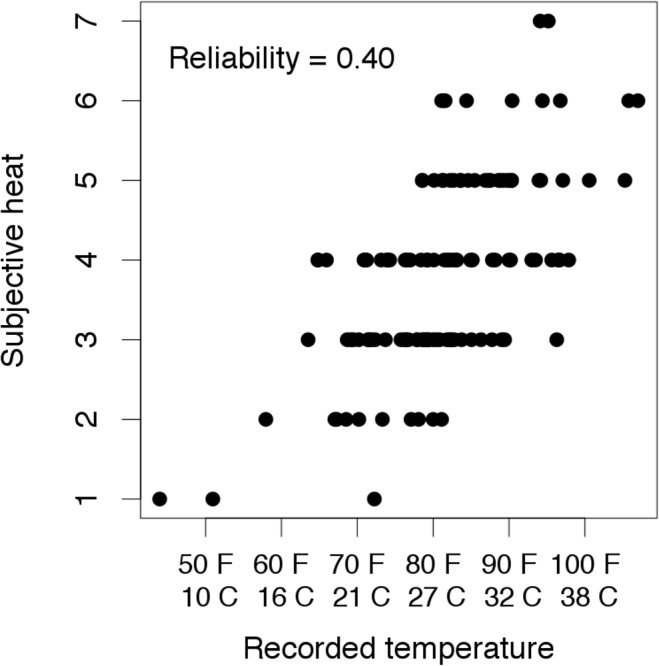
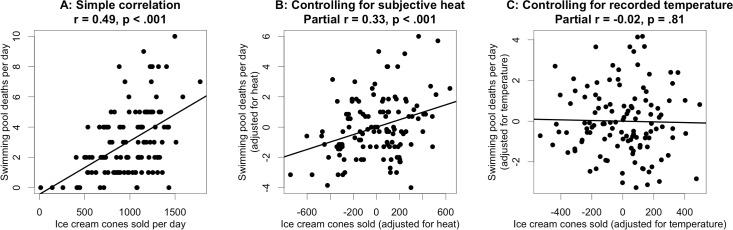
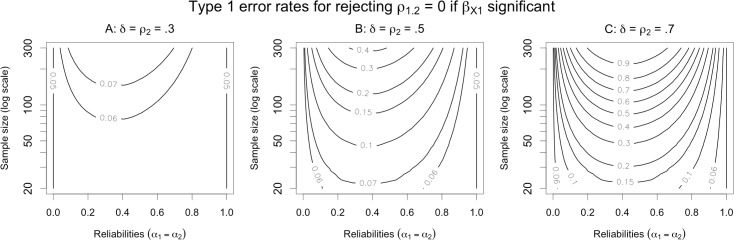
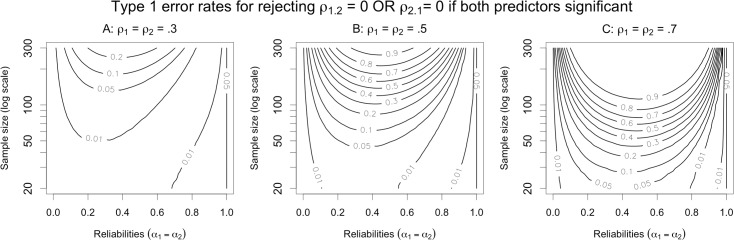
Verification
Claims the paper makes
The claims and statistics of this paper haven’t been checked yet.
Free: it reads the open-access text and checks the first 5 claims that cite a source we can check. Create a free account to check every claim.
Claims other papers make about this one
Each is checked against this paper’s own text: does it say what the citing paper says it does?
The source backs part of the claim, not all of it — or backs it for a different population, condition or comparison.
In the citing paper
“meaning that the association between loneliness and mental health outcomes in these studies is very likely to be inflated.16”
From Rapid Systematic Review: The Impact of Social Isolation and Loneliness on the Mental Health of Children and Adolescents in the Context of COVID-19 (2020) · cites this paper as [16]
Experimental — accuracy not yet measured
Self-check
Percentages, sums and reported differences re-computed from the paper’s own numbers.
The self-check needs the paper’s full text.
Citations
Cites
(1998) · Cited by 36,049
Structural Equations with Latent Variables.
Clogg, C. C., & Bollen, K. A. (1991) · Contemporary Sociology · doi:10.2307/2072165 · Cited by 17,442
Structural Equations with Latent Variables
Bollen, K. A. (1989) · Wiley series in probability and statistics · doi:10.1002/9781118619179 · Cited by 17,277
Construct validity in psychological tests.
Cronbach, L. J., & Meehl, P. E. (1955) · Psychological Bulletin · doi:10.1037/h0040957 · Cited by 11,195 · cited 2×
“After all, in any given analysis, there is a simple fact of the matter as to whether or not the unique contribution of one or more variables in a regression is statistically significant when controlling for other variables; what room is there for inferential error? Trouble arises, however, when researchers behave as i…”
BackgroundTHE BIG FIVE PERSONALITY DIMENSIONS AND JOB PERFORMANCE: A META‐ANALYSIS
BARRICK, M. R., & MOUNT, M. K. (1991) · Personnel Psychology · doi:10.1111/j.1744-6570.1991.tb00688.x · Cited by 8,689
Handbook of Personality: Theory and Research
Krueger, R. F., & Johnson, W. (2008) · Cited by 7,884
Implicit social cognition: Attitudes, self-esteem, and stereotypes
Greenwald, A. G., & Banaji, M. R. (1995) · Psychological Review · doi:10.1037/0033-295x.102.1.4 · Cited by 6,682
Handbook of Personality : Theory and Research
Pervin, L. A. (1992) · Cited by 4,543
Understanding and using the Implicit Association Test: III. Meta-analysis of predictive validity.
Greenwald, A. G., Poehlman, T. A., Uhlmann, E. L., & Banaji, M. R. (2009) · Journal of Personality and Social Psychology · doi:10.1037/a0015575 · Cited by 3,257
The New Statistics: Why and How
Cumming, G. (2014) · Psychological Science · doi:10.1177/0956797613504966 · Cited by 3,200 · cited 1×
“For example, suppose one takes the view that the null hypothesis is almost never exactly true, and that researchers should instead focus on parameter estimation [34,35].”
Background
Research works printed but not linked: 1
- Goldberg LR. The Eugene-Springfield community sample: Information available from the research participants. ORI Tech Rep. 2008; 45(1).
Cited by
Items 201–300 of 545
The “Gateway” hypothesis: evaluation of evidence and alternative explanations
Selya, A. (2024) · Harm Reduction Journal · doi:10.1186/s12954-024-01034-6 · Cited by 25
“As a result, even if specific questions have been validated, some imperfection remains (e.g., questionnaire responses do not perfectly capture underlying risk perceptions), and this imperfection or “measurement error” can lead to false-positive or spurious associations [40].”
BackgroundBerthelé, R., & Vanhove, J. (2017) · International Journal of Bilingual Education and Bilingualism · doi:10.1080/13670050.2017.1385590 · Cited by 29
“Specifically, Brunner and Austin (2009) and Westfall and Yarkoni (2016) show that when two variables are correlated with each other and are both measured with error, and only one of them is actually causally related to a third variable, then measurement error will increase the probability that a…”
BackgroundHot or Cool Processing? Adolescent Decision-Making and Delinquency
Timmer, A., Antonaccio, O., & French, M. T. (2020) · Justice Quarterly · doi:10.1080/07418825.2020.1730424 · Cited by 25
“The concept of self-control may be imperfectly captured by this simple one-item measure potentially resulting in the “residual confounding” bias and misleading results (Elwert and Winship, 2014; Westfall & Yarkoni, 2016).”
Fletcher, G. J. O., Overall, N. C., & Campbell, L. (2020) · Personality and Social Psychology Bulletin · doi:10.1177/0146167220910323 · Cited by 24
“…quality (see osf.io/r35hz/, Example 6).5 Another caveat raised by Eastwick et al. (2018) was that studies predicting outcomes and controlling for third variables with less than perfect reliability run the risk of artifactually inflating false positive rates (see Westfall & Yarkoni, 2016).”
BackgroundMany-Level Multilevel Structural Equation Modeling: An Efficient Evaluation Strategy
Pritikin, J. N., Hunter, M. D., von Oertzen, T., Brick, T. R., & Boker, S. M. (2017) · Structural Equation Modeling A Multidisciplinary Journal · doi:10.1080/10705511.2017.1293542 · Cited by 23
Whillans, A. V., Macchia, L., & Dunn, E. W. (2019) · Science Advances · doi:10.1126/sciadv.aax2615 · Cited by 25
“SEMs are often preferable when attempting to establish incremental validity because they more conservatively control type 1 error (21).”
BackgroundMethodA Path to Greater Credibility: Large-Scale Collaborative Education Research
Makel, M. C., Smith, K. N., McBee, M. T., Peters, S. J., & Miller, E. M. (2019) · AERA Open · doi:10.1177/2332858419891963 · Cited by 33
“Westfall and Yarkoni (2016) extensively discussed this problem and showed in simulation that researchers would nearly always falsely conclude that X and Y are associated even after controlling for a confounder when that confounder is measured with moderate (rather than perfect) reliability.”
BackgroundThe epidemiology of cognitive development
Guez, A., Peyre, H., Williams, C. M., Labouret, G., & Ramus, F. (2020) · Cognition · doi:10.1016/j.cognition.2021.104690 · Cited by 29
A distributional approach to understanding generational differences: What do you mean they vary?
Costanza, D. P., Ravid, D. M., & Slaughter, A. J. (2021) · Journal of Vocational Behavior · doi:10.1016/j.jvb.2021.103585 · Cited by 25
Schuberth, F., Rosseel, Y., Rönkkö, M., Trinchera, L., Kline, R. B., & Henseler, J. (2022) · Structural Equation Modeling A Multidisciplinary Journal · doi:10.1080/10705511.2022.2134140 · Cited by 28
“Westfall and Yarkoni (2016) reached the same conclusion when they showed that tests on individual parameters are more reliable in CB-SEM than in OLS regression if random measurement errors are present.”
BackgroundRmus, M., He, M., Baribault, B., Walsh, E. G., Festa, E. K., Collins, A. G. E., & Nassar, M. R. (2023) · eLife · doi:10.7554/elife.85243 · Cited by 32
Implicit impressions of creative people: Creativity evaluation in a stigmatized domain
Katz, J. H., Mann, T. C., Shen, X., Goncalo, J. A., & Ferguson, M. J. (2022) · Organizational Behavior and Human Decision Processes · doi:10.1016/j.obhdp.2021.104116 · Cited by 26
Knowledge of identity and reputation: Do people have knowledge of others’ perceptions?
Solomon, B. C., & Vazire, S. (2016) · Journal of Personality and Social Psychology · doi:10.1037/pspi0000061 · Cited by 21
White, R., Livingston, L. A., Taylor, E., Close, S. A. D., Shah, P., & Callan, M. J. (2022) · Journal of Autism and Developmental Disorders · doi:10.1007/s10803-022-05469-3 · Cited by 24
“This method is recommended by Westfall and Yarkoni (2016), who showed that the Type I error rate increases when testing incremental validity without modelling measurement error.”
MethodThe untapped potential of causal inference in cross-modal research
Pan, J., Mahdavi, A., Miño-Rodríguez, I., Martínez-Muñoz, I., Berger, C., & Schweiker, M. (2023) · Building and Environment · doi:10.1016/j.buildenv.2023.111074 · Cited by 22
Petrovic, K., Chapman, C. M., & Schofield, T. P. (2018) · Psychology of Religion and Spirituality · doi:10.1037/rel0000236 · Cited by 34
The comparative analysis of intelligence.
Flaim, M. E., & Blaisdell, A. P. (2020) · Psychological Bulletin · doi:10.1037/bul0000306 · Cited by 26
“Some statistical methods (like structural equation modeling, SEM, and confirmatory factor analysis [CFA]) can account for this, but multiple regression does not, increasing the likelihood of false positives (Westfall & Yarkoni, 2016).”
MethodBidgood, A., Pine, J. M., Rowland, C. F., Sala, G., Freudenthal, D., & Ambridge, B. (2021) · Language and Cognition · doi:10.1017/langcog.2021.8 · Cited by 23
“Nevertheless, given the very high correlation between the two, and the likelihood of residual confounding (see Westfall & Yarkoni, 2016), any apparent e ff ect of preemption beyond entrenchment, or vice versa, should be interpreted with extreme caution.”
BackgroundSirota, M., Dewberry, C., Juanchich, M., Kostovičová, L., & Marshall, A. C. (2018) · PsyArXiv (OSF Preprints) · doi:10.31234/osf.io/pfe79 · Cited by 22
“Aligned with the recommendations of Westfall and Yarkoni (2016), we restrict ourselves here to the claims concerning the incremental validity of the measures (not constructs), because we do not have sufficient statistical power to run a set of structural equation models.”
MethodMultimodal Elements of Suicidality Reduction After Transcranial Magnetic Stimulation
Barredo, J., Berlow, Y. A., Swearingen, H. R., Greenberg, B. D., Carpenter, L. L., & Philip, N. S. (2021) · Neuromodulation Technology at the Neural Interface · doi:10.1111/ner.13376 · Cited by 21
“Antidepressants, n (%) 18 (72) 6 (55) 2 (67) 10 (91)”
BackgroundBhaktha, N., & Lechner, C. M. (2021) · Frontiers in Psychology · doi:10.3389/fpsyg.2021.679481 · Cited by 24
Mallard, K., Song, J., Beristianos, M. H., Aajmain, S. T., Lane, J. E. M., Landy, M. S. H., Suvak, M. K., Shields, N., Monson, C. M., & Stirman, S. W. (2021) · Implementation Research and Practice · doi:10.1177/26334895211051791 · Cited by 23
“Although we would ideally be able to control for more therapist-level variables, there are also problems with oversaturating models with covariates (Westfall & Yarkoni, 2016).”
BackgroundValdes, E. A., Liu, J. H.-F., & Williams, M. N. (2022) · Asian Journal Of Social Psychology · doi:10.1111/ajsp.12555 · Cited by 17
Black, L., Humphrey, N., Panayiotou, M., & Marquez, J. (2023) · Assessment · doi:10.1177/10731911231158623 · Cited by 25
“Together these issues support sum-scoring for these five measures, and suggest risk of bias in structural models (Rhemtulla et al., 2020), or not accounting for measurement (un)reliability via structural equation modeling (Westfall & Yarkoni, 2016) may be minimal at the sample level.”
BackgroundBlack, L., Humphrey, N., & Marquez, J. (2023) · Royal Society Open Science · doi:10.1098/rsos.221230 · Cited by 20
“This structural equation modelling (SEM) approach can explicitly handle measurement error, limiting bias in slope estimates compared with ordinary least-squares regression [53].”
MethodApplicability of the Investment Model Scale in a natural‐fertility population
Winking, J., Eastwick, P. W., Smith, L. K., & Koster, J. (2018) · Personal Relationships · doi:10.1111/pere.12257 · Cited by 20
Vize, C. E., Collison, K. L., Miller, J. D., & Lynam, D. R. (2019) · Journal of Personality · doi:10.1111/jopy.12521 · Cited by 19
Green, M. A., Arcaya, M. C., & Subramanian, S. V. (2017) · Annals of the American Association of Geographers · doi:10.1080/24694452.2017.1310021 · Cited by 18
“If the design of the study does not fully account for such confounding factors, results that suggest the importance of neighborhood socioeconomic context might be misleading (Westfall and Yarkoni 2016).”
BackgroundCrone, D. L., Laham, S., & Rhee, J. J.-S. (2020) · Behavior Research Methods · doi:10.3758/s13428-020-01489-y · Cited by 22
Burtăverde, V., Raad, B. D., & Zanfirescu, A. Ș. (2018) · Journal of Research in Personality · doi:10.1016/j.jrp.2018.08.003 · Cited by 24
Narratives for Obesity: Effects of Weight Loss and Attribution on Empathy and Policy Support
Thibodeau, P. H., Uri, R., Thompson, B. C., & Flusberg, S. J. (2017) · Health Education & Behavior · doi:10.1177/1090198116684794 · Cited by 17
“We analyzed the data with structural equation models (SEMs), using the lavaan package in R (Rosseel, 2012), to investigate the complex relationships between the measures and to control for response biases of individual participants (see Westfall & Yarkoni, 2016).”
Olsson, T. T., Svensson, M., Hållmarker, U., James, S. K., & Deierborg, T. (2019) · Journal of Parkinson s Disease · doi:10.3233/jpd-191762 · Cited by 17
“However, adjusting for confounders can also increase the risk of type I errors, particularly when the measurement of the confounder is not exact, diet for example is difficult to retrospectively measure [21].”
Jangle fallacy epidemic in obesity research: a comment on Ruddock et al. (2017)
Vainik, U., & Meule, A. (2017) · International Journal of Obesity · doi:10.1038/ijo.2017.264 · Cited by 18
Bambi: A simple interface for fitting Bayesian mixed effects modelsPreprint
Yarkoni, T., & Westfall, J. (2016) · OSF Preprints (OSF Preprints) · doi:10.31219/osf.io/rv7sn · Cited by 23
Self-citationBiałek, M., Bergelt, M., Majima, Y., & Koehler, D. J. (2019) · Journal of Neuroscience Psychology and Economics · doi:10.1037/npe0000111 · Cited by 14
Sorjonen, K., Falkstedt, D., Wallin, A. S., Melin, B., & Nilsonne, G. (2021) · BMC Psychology · doi:10.1186/s40359-021-00653-z · Cited by 16
Cultivating ambiguity tolerance through mindfulness: An induction randomized controlled trial
Spinelli, C., Ibrahim, M., & Khoury, B. (2022) · Current Psychology · doi:10.1007/s12144-021-02597-4 · Cited by 24
“In addition, previous researchers have noted how examining incremental validity when using measurement-level variables and regression models can lead to greater Type-1 error (Westfall & Yarkoni, 2016).”
BackgroundBeyond generalized anxiety: the association of anxiety sensitivity with disordered eating
Perez, M. B., Hayes, T., & Frazier, L. D. (2023) · Journal of Eating Disorders · doi:10.1186/s40337-023-00890-0 · Cited by 19
“Broadly, if AS remains associated with eating disorder risk even after partialling out overlapping variance shared with general anxiety, this would support the idea that AS is a distinct and separable construct exhibiting potentially important incremental utility [63] in the eating disorder domain.”
BackgroundMethodRohrer, J. M., Seifert, I. S., Arslan, R. C., Sun, J., & Schmukle, S. C. (2024) · Collabra Psychology · doi:10.1525/collabra.121238 · Cited by 18
Triana, A. M., Salmi, J., Hayward, N., Saramäki, J., & Glerean, E. (2024) · PLoS Biology · doi:10.1371/journal.pbio.3002797 · Cited by 23
McBee, M. T., Brand, R. J., & Dixon, W. E. (2021) · Psychological Science · doi:10.1177/0956797620971650 · Cited by 20
“We hoped that including these covariates would reduce the confounding bias that would otherwise render the estimates uninterpretable, though it is unlikely that we eliminated it entirely (Westfall & Yarkoni, 2016).”
The relation of visual attention span with serial and discrete rapid automatized naming and reading
de Jong, P. F., & van den Boer, M. (2021) · Journal of Experimental Child Psychology · doi:10.1016/j.jecp.2021.105093 · Cited by 21
“Fixed-order regression analysis within SEM is less vulnerable to Type I errors because latent factors do not contain error variance, whereas the (un)reliability of observed variables used in regular multiple regression leads to an increase in Type I error rates (Westfall & Yarkoni, 2016).”
Bayesian Distributional Non-Linear Multilevel Modeling with the R Package brmsPreprint
Bürkner, P. (2017) · arXiv (Cornell University) · Cited by 17
Causal relationships in longitudinal observational data: An integrative modeling approach.
Biazoli, C. E., Sato, J. R., & Pluess, M. (2024) · Psychological Methods · doi:10.1037/met0000648 · Cited by 16
Tanksley, P. T., Brislin, S. J., Wertz, J., de Vlaming, R., Courchesne‐Krak, N. S., Mallard, T. T., Raffington, L., Linnér, R. K., Koellinger, P., Palmer, A. A., et al. (2024) · Clinical Psychological Science · doi:10.1177/21677026241260260 · Cited by 31
“We might have observed a greater change in the population genetic effect when including parental covariates if our study included more comprehensive and reliable measures of these parental phenotypes (Westfall & Yarkoni, 2016).”
Nowotny, K. M., Perdue, T., Cepeda, A., & Valdez, A. (2017) · Drug and Alcohol Dependence · doi:10.1016/j.drugalcdep.2017.08.041 · Cited by 15
The (un)reliability of item-level semantic priming effects
Heyman, T., Bruninx, A., Hutchison, K. A., & Storms, G. (2018) · Behavior Research Methods · doi:10.3758/s13428-018-1040-9 · Cited by 31
A Comparison of Parent, Teacher, and Youth Ratings on the Inventory of Callous–Unemotional Traits
Matlasz, T. M., Frick, P. J., & Clark, J. E. (2021) · Assessment · doi:10.1177/10731911211047893 · Cited by 17
Roemer, L., Lechner, C. M., & Rammstedt, B. (2022) · Journal of Intelligence · doi:10.3390/jintelligence10020026 · Cited by 20
“Third, claims about incremental validity are associated with high rates of false positive results (also known as residual confounding; Westfall and Yarkoni 2016).”
BackgroundResultInfluentialGreen, M. A., Hobbs, M., Ding, D., Widener, M. J., Murray, J., Reece, L. J., & Singleton, A. D. (2021) · International Journal of Environmental Research and Public Health · doi:10.3390/ijerph182413212 · Cited by 14
Sutu, A., Serrano, S., Schultz, L. H., Jackson, J. J., & Damian, R. I. (2019) · European Journal of Personality · doi:10.1002/per.2215 · Cited by 14
“Thus, we were limited to using regression analysis, which, although widely used, has been shown to produce biased estimates to the degree to which constructs are measured unreliably (cf. Westfall & Yarkoni, 2016).”
MethodFusaroli, M., Simonsen, A., Borrie, S. A., Low, D. M., Parola, A., Raschi, E., Poluzzi, E., & Fusaroli, R. (2023) · Journal of Speech Language and Hearing Research · doi:10.1044/2023_jslhr-22-00739 · Cited by 14
“Such studies would be at a loss trying to adjust for such a large number of medications and would lack reliable evidence related to all but the most commonly used ones (Rocca & Yarkoni, 2021; Westfall & Yarkoni, 2016).”
BackgroundMegreya, A. M., & Al‐Emadi, A. (2024) · Scientific Reports · doi:10.1038/s41598-024-70705-y · Cited by 20
“First, although controlling co-variates via multiple regression analyses is a well-established procedure in psychology literature, this procedure may increase type 1 error rates (false positives), which can be magnified when a sample size is large and measurement reliability is moderate 57 .”
MethodNavon, M., Shechter, A., & Bar‐Anan, Y. (2021) · Journal of Personality and Social Psychology · doi:10.1037/pspa0000275 · Cited by 13
Meta-Analytic Structural Equation Modeling With Fallible Measurements
Gnambs, T., & Sengewald, M.-A. D.-P. (2023) · Zeitschrift für Psychologie · doi:10.1027/2151-2604/a000511 · Cited by 17
Early rapid naming longitudinally predicts shared variance in reading and arithmetic fluency
Hoff, D. J., Amland, T., Melby‐Lervåg, M., Lervåg, A., & Protopapas, A. (2023) · Journal of Experimental Child Psychology · doi:10.1016/j.jecp.2023.105656 · Cited by 21
Collinearity isn't a disease that needs curingPreprint
Vanhove, J. (2020) · PsyArXiv (OSF Preprints) · doi:10.31234/osf.io/mv2wx · Cited by 21
“Conflating measurements and constructs can completely invalidate the conclusions drawn from a model even in the absence of collinearity (see Berthele and Vanhove, 2020; Brunner and Austin, 2009; Loftus, 1978; Wagenmakers et al., 2012; Westfall and Yarkoni, 2016).”
BackgroundAxt, J. R., Buttrick, N. R., & Feng, R. Y. (2023) · Personality and Social Psychology Bulletin · doi:10.1177/01461672221150229 · Cited by 17
“In large samples that use linear regression, inflated rates of Type I errors can emerge in claims of incremental predictive validity simply as a result of measurement error (Westfall & Yarkoni, 2016).”
BackgroundInfluentialThe Sociocognitive Origins of Personal Mastery
Brett, G., & Dubash, S. (2023) · Journal of Health and Social Behavior · doi:10.1177/00221465231167558 · Cited by 18
“Furthermore, following best practice, these models only adjust for ascribed statuses that are not theoretically suggested to be mediators or colliders for the focal relationship (Grätz 2022; Westfall and Yarkoni 2016).”
Interpersonal mattering and the experience of meaning in life
Guthrie, D., Maffly-Kipp, J., Gause, C., Kim, J., Martela, F., & Hicks, J. A. (2024) · The Journal of Positive Psychology · doi:10.1080/17439760.2024.2314289 · Cited by 17
“…adequately test incremental validity when the predictors and covariates are interrelated as well as reduce the Type I error rate by treating the constructs as latent variables rather than observed variables (e.g. averaged scores), which are prone to measurement errors (Westfall & Yarkoni, 2016).”
A Review of R-packages for Random-Intercept Probit Regression in Small Clusters
Josephy, H., Loeys, T., & Rosseel, Y. (2016) · Frontiers in Applied Mathematics and Statistics · doi:10.3389/fams.2016.00018 · Cited by 16
“Of course, as Westfall and Yarkoni [74] recently pointed out, this rather optimistic view might pose inferential invalidity when this assumption fails.”
Cross-Study, Cross-Method Associations Between Negative Urgency and Internalizing Symptoms
King, K. M., Halvorson, M. A., Kuehn, K. S., Feil, M. C., & Lengua, L. J. (2021) · Assessment · doi:10.1177/1073191120983889 · Cited by 16
“Finally, there are important concerns about inferences of partial correlations drawn from measures with low reliability (Westfall & Yarkoni, 2016).”
BackgroundLevels of measurement and statistical analyses
Williams, M. N. (2021) · Meta-Psychology · doi:10.15626/mp.2019.1916 · Cited by 21
Accounting for job satisfaction: Examining the interplay of person and situation
Corlin, T. E., & Kazemi, A. (2017) · Scandinavian Journal of Psychology · doi:10.1111/sjop.12384 · Cited by 14
Feng, X., Wang, J., & Rost, D. H. (2018) · Zeitschrift für Pädagogische Psychologie · doi:10.1024/1010-0652/a000218 · Cited by 18
Foodie Calls: When Women Date Men for a Free Meal (Rather Than a Relationship)
Collisson, B., Howell, J. L., & Harig, T. (2019) · Social Psychological and Personality Science · doi:10.1177/1948550619856308 · Cited by 15
“Given the high correlations between the dark triad traits, and consistent with the recommendations of Westfall and Yarkoni (2016), we decided to use structural equation modeling to evaluate the incremental prediction of the dark triad traits and gender roles.”
MethodInfant event-related potentials to speech are associated with prelinguistic development
Kailaheimo-Lönnqvist, L., Virtala, P., Fandakova, Y., Partanen, E., Leppänen, P. H. T., Thiede, A., & Kujala, T. (2020) · Developmental Cognitive Neuroscience · doi:10.1016/j.dcn.2020.100831 · Cited by 14
Liu, L., & Ambridge, B. (2021) · Cognitive Linguistics · doi:10.1515/cog-2019-0100 · Cited by 15
Milić, A., Kardum, I., & Švegar, D. (2022) · Current Psychology · doi:10.1007/s12144-021-02633-3 · Cited by 15
“Although using hierarchical linear regression to test the incremental validity is a standard procedure, this approach is problematic because it may overlook measurement errors and thus enhances the probability of type I error (Westfall & Yarkoni, 2016).”
MethodUnemployment and mental health
Øverland, S. N. (2016) · Occupational and Environmental Medicine · doi:10.1136/oemed-2016-103831 · Cited by 16
Sample size practices and guidelines in services marketing survey research
Ali, F. (2026) · Service Industries Journal · doi:10.1080/02642069.2026.2612706 · Cited by 23
“Conversely, overly large samples can inflate test statistics, producing results that are statistically significant but lack substantive meaning – thus compromising construct or external validity (Westfall & Yarkoni, 2016).”
Bignardi, G., Mareva, S., & Astle, D. E. (2023) · Developmental Science · doi:10.1111/desc.13451 · Cited by 17
Preschool Morphological Awareness and Developmental Change in Early Reading Ability
Diamanti, V., Grande, G., Protopapas, A., Melby‐Lervåg, M., & Lervåg, A. (2024) · Scientific Studies of Reading · doi:10.1080/10888438.2024.2370843 · Cited by 17
“In particular, measurement error can result in correlated variables picking up shared variance and seemingly making a unique contribution to the prediction of an outcome in the absence of a real direct effect (Westfall et al., 2016).”
InfluentialJabutay, F. A., Nirina, A. R. D., Cetaire, A.-E., & Limpachote, T. (2025) · Journal of Internet Commerce · doi:10.1080/15332861.2025.2479255 · Cited by 11
“Finally, the study did not control for potential confounding variables, which could affect the observed relationships (Westfall and Yarkoni 2016).”
du Rocher, A. R., & Pickering, A. D. (2022) · Journal of Individual Differences · doi:10.1027/1614-0001/a000373 · Cited by 14
Short-term dynamics of pride and state self-esteem change during the university-to-work transition
Diwan, K., Chung, J. M., Meyers, C., van Doeselaar, L., & Reitz, A. K. (2023) · European Journal of Personality · doi:10.1177/08902070231190255 · Cited by 15
“Imperfect measurement due to unmodeled measurement errors might contribute to incremental cross-lagged predictions (Westfall & Yarkoni, 2016).”
BackgroundIntergenerational continuity in attitudes: A latent variable family fixed-effects approach.
Schofield, T. J., & Abraham, W. T. (2017) · Journal of Family Psychology · doi:10.1037/fam0000375 · Cited by 12
“The high proportion of spurious findings produced when analyses fail to account for measurement error (Westfall & Yarkoni, 2016) has left family scientists from disciplines that prioritize measurement stuck between a rock and a hard place: capitalize on the advantages of fixed-effect models but…”
BackgroundLinking Stressful Experiences and Psychological Problems: The Role of Self-Esteem
de Moor, E. L., Hutteman, R., Korrelboom, K., & Laceulle, O. M. (2018) · Social Psychological and Personality Science · doi:10.1177/1948550618795167 · Cited by 14
“The regression analyses were conducted using latent variables for self-esteem and INT and EXT (Westfall & Yarkoni, 2016).”
MethodWallace, L., Wegener, D. T., Quinn, M. E., & Ross, A. J. (2020) · Personality and Social Psychology Bulletin · doi:10.1177/0146167220963678 · Cited by 12
“Some readers might be concerned that we only observed a significant effect of argument quality on perceived bias because of an inflation of the Type 1 error rate due to including covariates (Wang & Eastwick, 2020; Westfall & Yarkoni, 2016).”
BackgroundOn Modeling the Social-Psychological Foundations of Support for Donald Trump
Enders, A. M., & Uscinski, J. E. (2021) · American Politics Research · doi:10.1177/1532673x211022188 · Cited by 13
“Thus, these variables will be on a roughly equal playing field in terms of the influence of measurement error when comparing their effects in models below (Westfall & Yarkoni, 2016).”
Psychology’s Replication Crisis and Clinical Psychological SciencePreprint
Tackett, J. L., Brandes, C. M., King, K. M., & Markon, K. E. (2018) · PsyArXiv (OSF Preprints) · doi:10.31234/osf.io/kc8xt · Cited by 16
Widely-Used Measures of Overconfidence Are Confounded With AbilityPreprint
Spiller, S. A. (2023) · SSRN Electronic Journal · doi:10.2139/ssrn.4468920 · Cited by 16
Lemke, M. K., Thiese, M. S., Hege, A., Ogbonnaya, U. C., & Hegmann, K. T. (2022) · American Journal of Industrial Medicine · doi:10.1002/ajim.23437 · Cited by 10
Measuring Work Demands and Resources of Digitalisation: The ICT Resources and Stressors Scale
Cianci, J., Weibel, D., & Elfering, A. (2024) · Swiss Psychology Open · doi:10.5334/spo.59 · Cited by 17
On the robustness of reciprocal associations between personality and religiosity in a German sample
Lucas, R. E., & Rohrer, J. M. (2024) · Journal of Personality · doi:10.1111/jopy.12964 · Cited by 10
Pseudo Effects: How Method Biases Can Produce Spurious Findings About Close Relationships
Joel, S., Sakaluk, J. K., Kim, J. J., Khera, D. S., Qin, H. Y., & Stanton, S. C. E. (2025) · Psychological Science · doi:10.1177/09567976251370262 · Cited by 13
Liu, H., Motz, R. T., Tanksley, P. T., Barnes, J. C., & Harris, K. M. (2021) · Journal of Developmental and Life-Course Criminology · doi:10.1007/s40865-021-00166-8 · Cited by 10
Sorjonen, K., Nilsonne, G., Ingre, M., & Melin, B. (2022) · BMC Pediatrics · doi:10.1186/s12887-022-03349-4 · Cited by 14
Validating the Workplace Dignity Scale
Scott-Campbell, C., & Williams, M. N. (2020) · Collabra Psychology · doi:10.1525/collabra.337 · Cited by 11
Cognitive capacity similarly predicts insight into symptoms in first- and multiple-episode psychosis
Sauvé, G., Kline, R. B., Shah, J. L., Joober, R., MALLA, A. K., Brodeur, M. B., & Lepage, M. (2018) · Schizophrenia Research · doi:10.1016/j.schres.2018.11.013 · Cited by 10
Interpersonal Style and Posttraumatic Stress Disorder Symptoms in Female Victims of Dating Violence
Bernard, N. K., Yalch, M. M., Lannert, B. K., & Levendosky, A. A. (2019) · Violence and Victims · doi:10.1891/0886-6708.vv-d-18-00095 · Cited by 12
“In contrast to previous studies, we examined effects in this study using a latent variable modeling approach, which recent research suggests may yield more accurate estimates of effects than nonlatent approaches to effect estimation (e.g., multiple regression; see Westfall & Yarkoni, 2016).”
ResultJach, H. K., Cools, R., Frisvold, A., Grubb, M. A., Hartley, C. A., Hartmann, J., Hunter, L., Jia, R., de Lange, F. P., Larisch, R., et al. (2023) · doi:10.31234/osf.io/aj3rp · Cited by 10
Economic inequality and student outcomes: What we know and where to go from here.
Sommet, N., Claes, N., & Elliot, A. J. (2024) · Motivation Science · doi:10.1037/mot0000335 · Cited by 13
A Credibility Revolution for Relationship Science: Where Can We Step Up Our Game?
Joel, S., Eastwick, P. W., & Khera, D. S. (2025) · Social and Personality Psychology Compass · doi:10.1111/spc3.70042 · Cited by 12
França, T. F. A., Segura, I. A., Dias, N. M., Miranda, M. C., & Pompéia, S. (2025) · Developmental Psychobiology · doi:10.1002/dev.70069 · Cited by 11
“This is a serious issue because elevated measurement error threatens the validity of study results in different ways, depending on the characteristics of the data and type of analyses (Carlson and Herdman 2012; Westfall and Yarkoni 2016; Loken and Gelman 2017).”
Kirkegaard, E. O. W., & Fuerst, J. G. R. (2017) · Mankind Quarterly · doi:10.46469/mq.2017.57.4.4 · Cited by 11
Neural representations of aversive value encoding in pain catastrophizers
Brown, C. A., Almarzouki, A. F., Brown, R. J., & Jones, A. K. P. (2018) · NeuroImage · doi:10.1016/j.neuroimage.2018.09.052 · Cited by 8
A call for renewed attention to construct validity and measurement in psychopathology research
Hayden, E. P. (2022) · Psychological Medicine · doi:10.1017/s0033291722003221 · Cited by 12
“Limited measurement validity constrains even the most sophisticated studies of etiology as it cannot be addressed through statistical methods applied after the fact (Flake et al., 2022; Westfall & Yarkoni, 2016).”
BackgroundMisstatements, misperceptions, and mistakes in controlling for covariates in observational research
Yu, X. D., Zoh, R. S., Fluharty, D. A., Mestre, L. M., Valdez, D., Tekwe, C. D., Vorland, C. J., Jamshidi‐Naeini, Y., Chiou, S. H., Lartey, S. T., et al. (2024) · eLife · doi:10.7554/elife.82268 · Cited by 11
“Nevertheless, we should continue to strive for ever better measurements in which measurement error is minimized ( Westfall and Yarkoni, 2016 ) to levels that plausibly have far less biasing capacity.”
BackgroundExamination of DSM-5 Section III avoidant personality disorder in a community sample
Sellbom, M., Carmichael, K. L. C., & Liggett, J. (2017) · Personality and Mental Health · doi:10.1002/pmh.1388 · Cited by 11
Metadata
- Authors
- Westfall, J., & Yarkoni, T.
- Affiliations
- The University of Texas at Austin (US)
- Corresponding author
- Westfall, Jacob
- Venue
- PLOS ONE
- Publisher
- Public Library of Science (PLoS)
- Published
- 2016-03-31
- Volume
- 11
- Issue
- 3
- Pages
- e0152719
- ISSN
- 1932-6203 (ISSN-L)
- PMC
- PMC4816570
- OpenAlex
- W2333692357
- Semantic Scholar
- 0a1e930a87c0f634549c6d0ed64fb6b7f2d07ca2
- Cited by
- 547
- References
- 57
- Citations by year
- 2026: 37 · 2025: 44 · 2024: 43 · 2023: 51 · 2022: 39 · 2021: 67 · 2020: 60 · 2019: 72 · 2018: 60 · 2017: 57 · 2016: 16
- FWCI
- 74.91
- Type
- journal article
- Language
- en
- Open access
- gold
- doi.org
- Licence
- Locations
- PLoS ONE (publishedVersion, cc-by)
- Europe PMC (PubMed Central) (publishedVersion, cc-by)
- PubMed Central (publishedVersion, cc-by)
- PubMed (publishedVersion)
- RePEc: Research Papers in Economics (submittedVersion)
- DOAJ (DOAJ: Directory of Open Access Journals) (submittedVersion, cc-by-sa)
- Funders
- National Institute of Mental Health (R01MH096906)
- Topics
- Social Sciences › Decision Sciences › Management Science and Operations Research › Psychometric Methodologies and Testing
- Physical Sciences › Mathematics › Statistics and Probability › Statistical Methods and Bayesian Inference
- Social Sciences › Decision Sciences › Statistics, Probability and Uncertainty › Meta-analysis and systematic reviews
- Keywords
- type I error rate, measurement error, multiple linear regression, structural equation modeling, statistical power
- MeSH terms
- Humans, Monte Carlo Method, Probability, Psychometrics, Social Sciences, Reproducibility of Results, Models, Statistical
About these checks
Registry, retraction, Cites and statistics results are computed, not judged, with one exception: a printed reference that no index lists is read once by a model before it counts as a citation error. Claims are extracted by a model and kept only when their quote appears verbatim in the text; each cited source is then checked, with a model’s help, for whether it says what the claim relies on. Those verdicts can be wrong — read the claim’s quote and the cited source before relying on one.
Statistics and arithmetic are recomputed, not judged.
Confidence bands are shown only for fields calibrated on our annotated test set. None is calibrated yet, so no band is shown.
What counts as a claim ›How we measure confidence ›How we check this ›
Are you an author, or do you see a problem with this page? Request a review
Data sources
Bibliographic data: Semantic Scholar, OpenAlex, Crossref.
Contains information from the Semantic Scholar Academic Graph Datasets, made available under the ODC Attribution License (ODC-BY 1.0).
Semantic Scholar’s data is described in: Kinney, R., et al. (2023). The Semantic Scholar Open Data Platform. arXiv:2301.10140.
