

Statistically Controlling for Confounding Constructs Is Harder than You Think
Open accessThe DOI matches its Crossref record; 58 of the 58 references it cites were found in a registry or an index.
Abstract
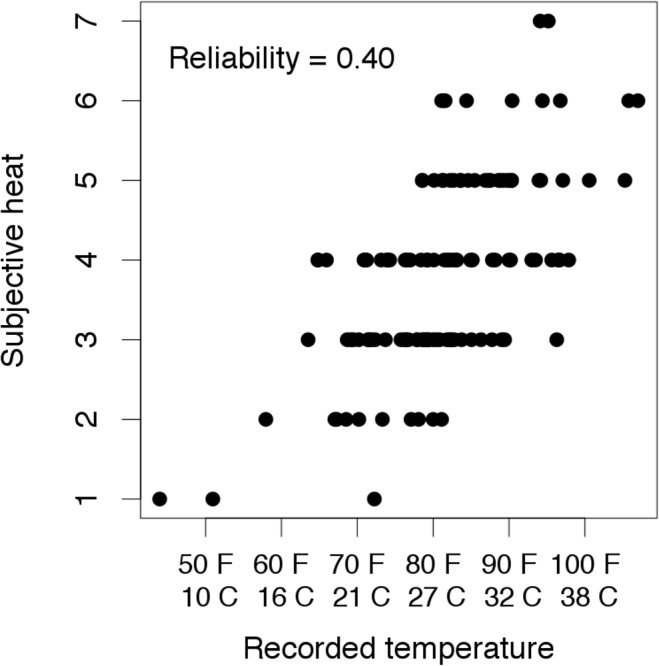
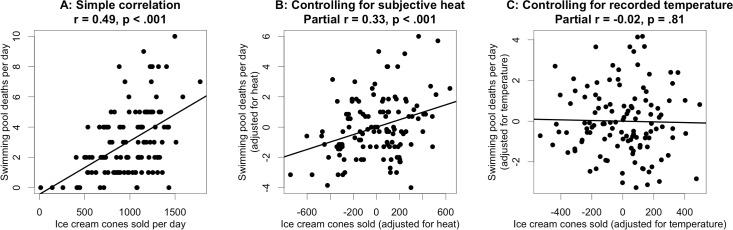
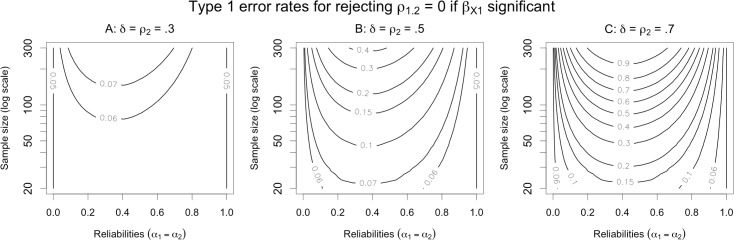
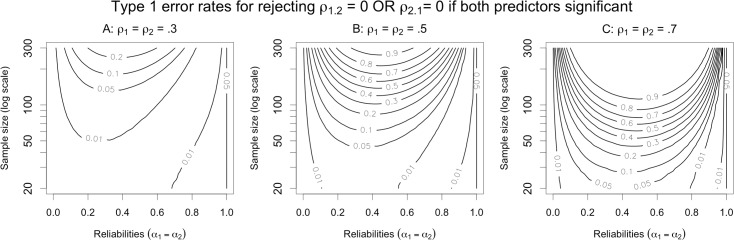
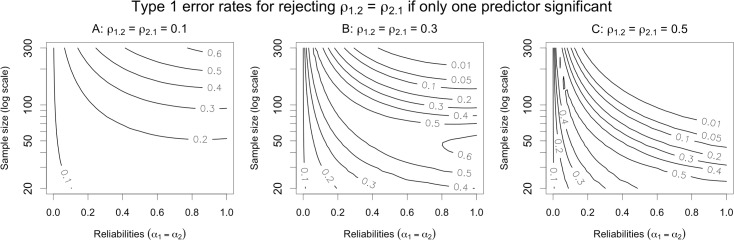
Social scientists often seek to demonstrate that a construct has incremental validity over and above other related constructs. However, these claims are typically supported by measurement-level models that fail to consider the effects of measurement (un)reliability. We use intuitive examples, Monte Carlo simulations, and a novel analytical framework to demonstrate that common strategies for establishing incremental construct validity using multiple regression analysis exhibit extremely high Type I error rates under parameter regimes common in many psychological domains. Counterintuitively, we find that error rates are highest--in some cases approaching 100%--when sample sizes are large and reliability is moderate. Our findings suggest that a potentially large proportion of incremental validity claims made in the literature are spurious. We present a web application (http://jakewestfall.org/ivy/) that readers can use to explore the statistical properties of these and other incremental validity arguments. We conclude by reviewing SEM-based statistical approaches that appropriately control the Type I error rate when attempting to establish incremental validity.
Overview
The claims and statistics of this paper haven’t been checked yet.
Free: it reads the open-access text and checks the first 5 claims that cite a source we can check. Create a free account to check every claim.
Integrity signals
Registry
Cites
Statistics
Figures
Verification
Claims the paper makes
The claims and statistics of this paper haven’t been checked yet.
Free: it reads the open-access text and checks the first 5 claims that cite a source we can check. Create a free account to check every claim.
Claims other papers make about this one
Each is checked against this paper’s own text: does it say what the citing paper says it does?
The source backs part of the claim, not all of it — or backs it for a different population, condition or comparison.
In the citing paper
“meaning that the association between loneliness and mental health outcomes in these studies is very likely to be inflated.16”
From Rapid Systematic Review: The Impact of Social Isolation and Loneliness on the Mental Health of Children and Adolescents in the Context of COVID-19 (2020) · cites this paper as [16]
Experimental — accuracy not yet measured
Self-check
Percentages, sums and reported differences re-computed from the paper’s own numbers.
The self-check needs the paper’s full text.
Citations
Cites
(1998) · Cited by 36,049
Structural Equations with Latent Variables.
Clogg, C. C., & Bollen, K. A. (1991) · Contemporary Sociology · doi:10.2307/2072165 · Cited by 17,442
Structural Equations with Latent Variables
Bollen, K. A. (1989) · Wiley series in probability and statistics · doi:10.1002/9781118619179 · Cited by 17,277
Construct validity in psychological tests.
Cronbach, L. J., & Meehl, P. E. (1955) · Psychological Bulletin · doi:10.1037/h0040957 · Cited by 11,195 · cited 2×
“After all, in any given analysis, there is a simple fact of the matter as to whether or not the unique contribution of one or more variables in a regression is statistically significant when controlling for other variables; what room is there for inferential error? Trouble arises, however, when researchers behave as i…”
BackgroundTHE BIG FIVE PERSONALITY DIMENSIONS AND JOB PERFORMANCE: A META‐ANALYSIS
BARRICK, M. R., & MOUNT, M. K. (1991) · Personnel Psychology · doi:10.1111/j.1744-6570.1991.tb00688.x · Cited by 8,689
Handbook of Personality: Theory and Research
Krueger, R. F., & Johnson, W. (2008) · Cited by 7,884
Implicit social cognition: Attitudes, self-esteem, and stereotypes
Greenwald, A. G., & Banaji, M. R. (1995) · Psychological Review · doi:10.1037/0033-295x.102.1.4 · Cited by 6,682
Handbook of Personality : Theory and Research
Pervin, L. A. (1992) · Cited by 4,543
Understanding and using the Implicit Association Test: III. Meta-analysis of predictive validity.
Greenwald, A. G., Poehlman, T. A., Uhlmann, E. L., & Banaji, M. R. (2009) · Journal of Personality and Social Psychology · doi:10.1037/a0015575 · Cited by 3,257
The New Statistics: Why and How
Cumming, G. (2014) · Psychological Science · doi:10.1177/0956797613504966 · Cited by 3,200 · cited 1×
“For example, suppose one takes the view that the null hypothesis is almost never exactly true, and that researchers should instead focus on parameter estimation [34,35].”
Background
Research works printed but not linked: 1
- Goldberg LR. The Eugene-Springfield community sample: Information available from the research participants. ORI Tech Rep. 2008; 45(1).
Cited by
Items 101–200 of 545
Wang, Y. A., Sparks, J., Gonzales, J. E., Hess, Y. D., & Ledgerwood, A. (2017) · Journal of Experimental Social Psychology · doi:10.1016/j.jesp.2017.04.011 · Cited by 63
“We focus here on the first context; a host of other issues are relevant for the second context and have been discussed in detail elsewhere (e.g., Westfall & Yarkoni, 2016; Yzerbyt, Muller, & Judd, 2004).”
BackgroundZhao, K., Ferguson, E., & Smillie, L. D. (2017) · Social Psychological and Personality Science · doi:10.1177/1948550616683018 · Cited by 65
“This approach was considered advantageous over multiple regression, which is prone to inflated false positive rates due to measurement error (Westfall & Yarkoni, 2016).”
BackgroundGoffin, C., & Ansari, D. (2019) · Mind Brain and Education · doi:10.1111/mbe.12206 · Cited by 59
Sujan, A. C., Öberg, A. S., Quinn, P. D., & D'Onofrio, B. M. (2019) · Journal of Child Psychology and Psychiatry · doi:10.1111/jcpp.13004 · Cited by 52
“Furthermore, error in the measurement of the characteristics may lead to far less confounding control than intended (Westfall & Yarkoni, 2016).”
Hudson, N. W., Lucas, R. E., & Donnellan, M. B. (2020) · Journal of Personality and Social Psychology · doi:10.1037/pspp0000290 · Cited by 75
“7When statistically controlling for variables, unreliability in the measures can produce misleading results (Westfall & Yarkoni, 2016).”
ResultAmbridge, B., Barak, L., Wonnacott, E., Bannard, C., & Sala, G. (2018) · Collabra Psychology · doi:10.1525/collabra.133 · Cited by 58
Yan, V. X., & Schuetze, B. A. (2023) · Psychological Bulletin · doi:10.1037/bul0000370 · Cited by 68
Reconsidering evidence of moral contagion in online social networks
Burton, J. W., Cruz, N., & Hahn, U. (2021) · Nature Human Behaviour · doi:10.1038/s41562-021-01133-5 · Cited by 42
Kurdi, B., & Banaji, M. R. (2017) · Psychological Inquiry · doi:10.1080/1047840x.2017.1373555 · Cited by 48
“That is, authors tended to report estimates of internal consistency for well-established and validated instruments used as criterion measures but not for ad hoc measures of behavior. relied on analytic approaches that explicitly take into account measurement error (Westfall & Yarkoni, 2016).”
Joel, S., Impett, E. A., Spielmann, S. S., & MacDonald, G. (2018) · Journal of Personality and Social Psychology · doi:10.1037/pspi0000139 · Cited by 57
Usslepp, N., Hübner, N., Stoll, G., Spengler, M., Trautwein, U., & Nagengast, B. (2020) · Journal of Personality · doi:10.1111/jopy.12547 · Cited by 66
Geiger, N., Gasper, K., Swim, J. K., & Fraser, J. (2019) · Journal of Environmental Psychology · doi:10.1016/j.jenvp.2019.101366 · Cited by 55
A bifactor analysis of the Weight Bias Internalization Scale: What are we really measuring?
Meadows, A., & Higgs, S. (2020) · Body Image · doi:10.1016/j.bodyim.2020.02.013 · Cited by 56
Schmidt, F. L. (2017) · Archives of Scientific Psychology · doi:10.1037/arc0000033 · Cited by 45
Visual short-term memory through the lifespan: Preserved benefits of context and metacognition.
Mitchell, D. J., Cam-CAN, & Cusack, R. (2018) · Psychology and Aging · doi:10.1037/pag0000265 · Cited by 52
“It is also important to bear in mind that although the adjustment accounts for measured sensorimotor performance it cannot perfectly control for the latent construct of sensorimotor ability (Westfall & Yarkoni, 2016).”
If, Why, and When Subjective Well-Being Influences Health, and Future Needed ResearchPreprint
Diener, E. F. (2017) · PsyArXiv (OSF Preprints) · doi:10.31234/osf.io/k6tvg · Cited by 64
Steeper discounting of delayed rewards in schizophrenia but not first-degree relatives
Yu, L. Q., Lee, S., Katchmar, N., Satterthwaite, T. D., Kable, J. W., & Wolf, D. H. (2017) · Psychiatry Research · doi:10.1016/j.psychres.2017.02.062 · Cited by 44
“…al., 2012; Reddy et al., 2014) and the Iowa Gambling Task (Kester et al., 2006; Ritter et al., 2004; Sevy et al., 2007; Shurman et al., 2005; Yip et al., 2009; though see Cavallaro et al. (2003), Evans et al. (2005), RodríguezSánchez et al. (2005), Turnbull et al. (2006) and Wilder et al. (1998)).”
Power Corrupts, but Control Does Not: What Stands Behind the Effects of Holding High Positions
Cisłak, A., Cichocka, A. K., Wójcik, A. D., & Frankowska, N. (2018) · Personality and Social Psychology Bulletin · doi:10.1177/0146167218757456 · Cited by 61
“Because using regression analyses may produce a Type I error, especially at moderate levels of reliability and with larger samples (Westfall & Yarkoni, 2016), we used structural equation modeling to examine the indirect effects.”
MethodThinking Clearly About Correlations and Causation: Graphical Causal Models for Observational DataPreprint
Rohrer, J. M. (2017) · PsyArXiv (OSF Preprints) · doi:10.31234/osf.io/t3qub · Cited by 60
The Support for Economic Inequality Scale: Development and adjudication
Wiwad, D., Mercier, B., Maraun, M. D., Robinson, A. R., Piff, P. K., Aknin, L. B., & Shariff, A. (2019) · PLoS ONE · doi:10.1371/journal.pone.0218685 · Cited by 56
Best Practices for Testing the Predictive Validity of Ideal Partner Preference-Matching
Eastwick, P. W., Finkel, E. J., & Simpson, J. A. (2018) · Personality and Social Psychology Bulletin · doi:10.1177/0146167218780689 · Cited by 44
“…items do predict outcomes, statistically controlling for the partner’s traits, but none of these demonstrations of incremental validity have employed the type of structural equation modeling approaches that can mitigate the high false positive rates in these contexts (Westfall & Yarkoni, 2016).”
BackgroundSmittenaar, P., Ramesh, B. M., Jain, M., Blanchard, J., Kemp, H., Engl, E., Isac, S. K., Anthony, J., Prakash, R., Gothalwal, V., et al. (2020) · Global Health Science and Practice · doi:10.9745/ghsp-d-20-00027 · Cited by 48
Dynamics and processes in personality change interventions
Hudson, N. W. (2021) · Elsevier eBooks · doi:10.1016/b978-0-12-813995-0.00050-9 · Cited by 56
Kammrath, L. K., Armstrong, B. F., Lane, S. P., Francis, M. K., Clifton, M., McNab, K. M., & Baumgarten, O. M. (2020) · Journal of Personality and Social Psychology · doi:10.1037/pspi0000189 · Cited by 46
Erceg, N., Galić, Z., & Ružojčić, M. (2020) · Judgment and Decision Making · doi:10.1017/s1930297500007907 · Cited by 51
“…b) low reliability of numeracy and CRT measures making both measures imperfect and incomplete measure of the numeracy construct (see Baron, et al., 2017 for a discussion about statistical control), or c) Type 1 error characteristic of this kind of regression analysis (Westfall & Yarkoni, 2016).”
BackgroundMethodNix, J., Pickett, J. T., & Mitchell, R. J. (2019) · Journal of Experimental Criminology · doi:10.1007/s11292-019-09363-4 · Cited by 41
Shook, N. J., Fitzgerald, H. N., Boggs, S. T., Ford, C. G., Hopkins, P. D., & Belanger, N. M. S. (2020) · PLoS ONE · doi:10.1371/journal.pone.0229432 · Cited by 48
“SEM was chosen as it eliminates concerns of multicollinearity [69,70].”
BackgroundCausal inference for psychologists who think that causal inference is not for them
Rohrer, J. M. (2024) · Social and Personality Psychology Compass · doi:10.1111/spc3.12948 · Cited by 55
Erevik, E. K., Torsheim, T., Andreassen, C. S., Vedaa, Ø., & Pallesen, S. (2017) · Frontiers in Psychology · doi:10.3389/fpsyg.2017.01934 · Cited by 50
“Regression models with large sample sizes and single items measurements could involve an increased risk of conducting type I errors (Westfall and Yarkoni, 2016).”
BackgroundThe replicability and generalizability of internalizing symptom networks across five samples.
Funkhouser, C. J., Correa, K. A., Gorka, S. M., Nelson, B. D., Phan, K. L., & Shankman, S. A. (2020) · Journal of Abnormal Psychology · doi:10.1037/abn0000496 · Cited by 46
Israel, A., Lüdtke, O., & Wagner, J. (2019) · Learning and Individual Differences · doi:10.1016/j.lindif.2019.03.001 · Cited by 46
Predicting Exercise With a Personality Facet: Planfulness and Goal Achievement
Ludwig, R. M., Srivastava, S., & Berkman, E. T. (2019) · Psychological Science · doi:10.1177/0956797619868812 · Cited by 47
Relationship between the Implicit Association Test and intergroup behavior: A meta-analysisPreprint
Kurdi, B., Seitchik, A. E., Axt, J. R., Carroll, T. J., Karapetyan, A., Kaushik, N., Tomezsko, D., Greenwald, A. G., & Banaji, M. R. (2018) · PsyArXiv (OSF Preprints) · doi:10.31234/osf.io/582gh · Cited by 53
Fisher, P., Salmon, P., Heffer-Rahn, P., Huntley, C., Reilly, J., & Cherry, M. G. (2020) · Journal of Affective Disorders · doi:10.1016/j.jad.2020.07.073 · Cited by 45
Lechner, C. M., Danner, D., & Rammstedt, B. (2019) · PLoS ONE · doi:10.1371/journal.pone.0224814 · Cited by 53
“However, if one conceives of grit as a facet of conscientiousness, controlling for conscientiousness (modeled as another first-order factor on the same level as grit or, more problematically [35], a manifest scale score) may not be the most desirable or conceptually sound approach.”
BackgroundMethodInfluentialShenhav, A., Rand, D. G., & Greene, J. D. (2017) · Judgment and Decision Making · doi:10.1017/s1930297500005209 · Cited by 50
Quinn, P. D., Fine, K. L., Rickert, M. E., Sujan, A. C., Boersma, K., Chang, Z., Franck, J., Lichtenstein, P., Larsson, H., & D’Onofrio, B. M. (2020) · JAMA Pediatrics · doi:10.1001/jamapediatrics.2020.2539 · Cited by 38
A Longitudinal Test of Three Theories of Overconfidence
Murphy, S. C., Barlow, F. K., & von Hippel, W. (2017) · Social Psychological and Personality Science · doi:10.1177/1948550617699252 · Cited by 44
Morote, R., Hjemdal, O., Krysinska, K. E., Martínez, P., & Corveleyn, J. M. T. (2017) · BMC Psychology · doi:10.1186/s40359-017-0205-0 · Cited by 48
“Finally, a SEM-based statistical approach was introduced [9].”
BackgroundMethodInfluentialSassenhagen, J. (2018) · Language Cognition and Neuroscience · doi:10.1080/23273798.2018.1502458 · Cited by 46
“Measurement error A second problem arises to the extent to which there is measurement error in X, or otherwise a column in X does not capture the actual characteristic of interest, but only approximates it (Westfall & Yarkoni, 2016).”
BackgroundMethodBiomicroscopy and scanning electron microscopy of early opacities in the aging human lens.
Vrensen, G. F. J. M., & Willekens, B. (1990) · PubMed · Cited by 46
Huang, T., Leung, A. K. ‐., Eom, K., & Tam, K. (2022) · Journal of Environmental Psychology · doi:10.1016/j.jenvp.2022.101774 · Cited by 54
Ross, R. M., Hartig, B., & McKay, R. (2016) · Journal of Behavior Therapy and Experimental Psychiatry · doi:10.1016/j.jbtep.2016.08.018 · Cited by 41
Is saving lives your task or God’s? Religiosity, belief in god, and moral judgment
Barak‐Corren, N., & Bazerman, M. H. (2017) · Judgment and Decision Making · doi:10.1017/s193029750000588x · Cited by 40
“…statistically significant even after accounting for gender, but we cannot draw conclusions about the role of age because, unlike gender, age is an imperfect measure of whatever underlying trait accounts for its correlations (e.g., cultural change over historical time; see Westfall & Yarkoni, 2016).”
BackgroundPlanfulness: A Process-Focused Construct of Individual Differences in Goal Achievement
Ludwig, R. M., Srivastava, S., & Berkman, E. T. (2018) · Collabra Psychology · doi:10.1525/collabra.136 · Cited by 43
That’s a lot to Process! Pitfalls of Popular Path ModelsPreprint
Rohrer, J. M., Hünermund, P., Arslan, R. C., & Elson, M. (2021) · PsyArXiv (OSF Preprints) · doi:10.31234/osf.io/paeb7 · Cited by 47
An Introduction to Causal InferencePreprint
Dablander, F. (2020) · PsyArXiv (OSF Preprints) · doi:10.31234/osf.io/b3fkw · Cited by 47
“However, as Westfall and Yarkoni (2016) show, adjusting for confounding using item-level responses that are a noisy proxy for the underlying construct can lead to incorrect causal conclusions.”
BackgroundInfluentialRe-assessing the incremental predictive validity of Implicit Association Tests
Buttrick, N. R., Axt, J. R., Ebersole, C. R., & Huband, J. M. (2020) · Journal of Experimental Social Psychology · doi:10.1016/j.jesp.2019.103941 · Cited by 41
Manlove, K. R., Cassirer, E. F., Plowright, R. K., Cross, P. C., & Hudson, P. J. (2017) · Journal of Animal Ecology · doi:10.1111/1365-2656.12664 · Cited by 38
“While this form of error is present yet unaccounted for in many ecological studies, recent work suggests it may factor disproportionately into inappropriate detection of effects (Westfall & Yarkoni 2016).”
Meier, M. E., Smeekens, B. A., Silvia, P. J., Kwapil, T. R., & Kane, M. J. (2018) · Journal of Experimental Psychology Learning Memory and Cognition · doi:10.1037/xlm0000431 · Cited by 41
“By accounting for (or at least limiting the contributions from; Westfall & Yarkoni, 2016) normal variation in mind wandering and attentional fluctuations, and still finding that WMC predicts antisaccade performance, we constrain the interpretation of the attentional mechanisms responsible for the…”
BackgroundSanderson, R. C., Prentice, M. S., Wolf, L. J., Weinstein, N., Kasser, T., & Crompton, T. (2019) · Frontiers in Psychology · doi:10.3389/fpsyg.2019.00559 · Cited by 41
Hobbs, M., Green, M. A., Roberts, K. E., Griffiths, C., & McKenna, J. (2019) · Journal of Epidemiology & Community Health · doi:10.1136/jech-2018-211798 · Cited by 33
O’Halloran, L., Nymberg, C., Jollans, L., Garavan, H., & Whelan, R. (2016) · Addiction · doi:10.1111/add.13629 · Cited by 35
The incremental validity of career adaptability in predicting academic performance
Avram, E., Burtăverde, V., & Zanfirescu, A. Ș. (2019) · Social Psychology of Education · doi:10.1007/s11218-019-09505-6 · Cited by 39
Testing the Information‐Seeking Theory of Openness/Intellect
Jach, H. K., & Smillie, L. D. (2020) · European Journal of Personality · doi:10.1002/per.2271 · Cited by 41
“First, as inferences concerning parameter values from multiple regression can sometimes be misleading with observed variables, we computed regressions with latent variables, which account for measurement error and typically give a better estimate of the true effect size (Westfall & Yarkoni, 2016).”
MethodA Causal Framework for the Comparability of Latent Variables
Sterner, P., Pargent, F., Deffner, D., & Goretzko, D. (2024) · Structural Equation Modeling A Multidisciplinary Journal · doi:10.1080/10705511.2024.2339396 · Cited by 42
“However, as Deffner et al. (2022) themselves state, psychologists are often interested in the constructs underlying the observed variables (Westfall & Yarkoni, 2016).”
The Causal Cookbook: Recipes for Propensity Scores, G-Computation, and Doubly Robust Standardization
Chatton, A., & Rohrer, J. M. (2024) · Advances in Methods and Practices in Psychological Science · doi:10.1177/25152459241236149 · Cited by 58
“This is a particular concern for psychological constructs because reliability may often be modest; for example, failing to account for measurement error in confounding constructs can lead to high rates of mis-taken conclusions (Westfall & Yarkoni, 2016).”
BackgroundCombining Trait Models of Impulsivity to Improve Explanation of Substance Use Behaviour
Stautz, K., Dinc, L., & Cooper, A. J. (2017) · European Journal of Personality · doi:10.1002/per.2091 · Cited by 30
“Weak reliability of predictors caused by measurement error can inflate Type I error rates in tests of incremental validity such as those used in the current study (Westfall & Yarkoni, 2016).”
MethodKim, J., Christy, A. G., Schlegel, R. J., Donnellan, M. B., & Hicks, J. A. (2017) · Social Psychological and Personality Science · doi:10.1177/1948550617727587 · Cited by 40
“Although the evaluation of incremental validity is controversial (Westfall & Yarkoni, 2016), this results suggests that there is a unique association between SA and amotivation, at least in these data.”
BackgroundCollinearity isn't a disease that needs curing
Vanhove, J. (2021) · Meta-Psychology · doi:10.15626/mp.2021.2548 · Cited by 32
Statistical testing and power analysis for brain-wide association study
Gong, W., Wan, L., Lu, W., Ma, L., Cheng, F., Cheng, W., Grünewald, S., & Feng, J. (2018) · Medical Image Analysis · doi:10.1016/j.media.2018.03.014 · Cited by 32
“Forth, the estimation of subjectlevel functional network is based on the Pearson correlation between pairwise BOLD signal time series in the current framework, which may be suboptimal [43, 44, 45].”
MethodStatistical Control Requires Causal JustificationPreprint
Wysocki, A. C., Lawson, K. M., & Rhemtulla, M. (2020) · PsyArXiv (OSF Preprints) · doi:10.31234/osf.io/j9vw4 · Cited by 32
Conceptual and methodological flaws undermine claims of a link between the gut microbiome and autism
Mitchell, K. J., Dahly, D. L., & Bishop, D. (2025) · Neuron · doi:10.1016/j.neuron.2025.10.006 · Cited by 35
O’Reilly, L. M., Pettersson, E., Quinn, P. D., Klonsky, E. D., Lundström, S., Larsson, H., Lichtenstein, P., & D'Onofrio, B. M. (2020) · Journal of Abnormal Psychology · doi:10.1037/abn0000512 · Cited by 35
“However, reliance on measured covariates to make causal inferences is frequently inadequate because of error in the measurement of confounding factors and the inability to account for unmeasured confounding factors (i.e., genetic and shared environmental factors; Westfall & Yarkoni, 2016).”
BackgroundUsing Bounded Estimation to Avoid Nonconvergence in Small Sample Structural Equation Modeling
Jonckere, J. D., & Rosseel, Y. (2022) · Structural Equation Modeling A Multidisciplinary Journal · doi:10.1080/10705511.2021.1982716 · Cited by 39
“This is unfortunate, as these procedures often lead to biased results and misinformed conclusions (Cole & Preacher, 2014; Westfall & Yarkoni, 2016).”
BackgroundFagley, N. S. (2018) · SAGE Open · doi:10.1177/2158244018818621 · Cited by 44
“Thus, when reliabilities differ, it is preferable to use an analysis procedure (e.g., structural equation modeling [SEM]) that takes reliability into account (Westfall & Yarkoni, 2016).”
MethodKing, K. M., Pullmann, M. D., Lyon, A. R., Dorsey, S., & Lewis, C. C. (2019) · Journal of Abnormal Psychology · doi:10.1037/abn0000417 · Cited by 39
“Indeed, researchers still struggle to interpret covariate effects, confounding and suppressor variables (MacKinnon, Krull, & Lockwood, 2000; Westfall & Yarkoni, 2016).”
BackgroundMeasurement Error and Bias in Causal Models in Accounting ResearchPreprint
Jennings, J. N., Kim, J. M., Lee, J. A., & Taylor, D. J. (2020) · SSRN Electronic Journal · doi:10.2139/ssrn.3731197 · Cited by 29
Awe & Memories of Learning in Science and Art Museums
Price, C. A., Greenslit, J., Applebaum, L. R., Harris, N. C., Segovia, G., Quinn, K. A., & Krogh‐Jespersen, S. (2021) · Visitor Studies · doi:10.1080/10645578.2021.1907152 · Cited by 37
“Also, broad studies of this type increase the possibility of Type 1 errors (Westfall & Yarkoni, 2016).”
BackgroundThe short-term stability of life satisfaction judgments
Lucas, R. E., Freedman, V. A., & Cornman, J. C. (2018) · Emotion · doi:10.1037/emo0000357 · Cited by 27
“…predictors may be associated with post-DUST life satisfaction even after controlling for pre-DUST life satisfaction simply because the pre-DUST measure does not adequately control for the associations between the predictors and stable levels of life satisfaction (Westfall & Yarkoni, 2016).”
Causal Inference and Bias in Learning Analytics: A Primer on Pitfalls Using Directed Acyclic Graphs
Weidlich, J., Gašević, D., & Drachsler, H. (2022) · Journal of Learning Analytics · doi:10.18608/jla.2022.7577 · Cited by 50
“For example, if a putative confounding variable cannot be measured with high reliability, this negatively affects our ability to reduce spurious association via statistical control (Westfall & Yarkoni, 2016).”
Backgrounddu Rocher, A. R., & Pickering, A. D. (2023) · Current Psychology · doi:10.1007/s12144-023-04624-y · Cited by 28
“…that type 1 error rates can increase when using correlation based statistical techniques as a means of controlling for confounding variables if there is any measurement error in the control variable, and that this problem can be magnified when sample sizes are large (Westfall & Yarkoni, 2016).”
Aspernäs, J., Erlandsson, A., & Nilsson, A. (2022) · Thinking & Reasoning · doi:10.1080/13546783.2022.2038268 · Cited by 33
“Controlling a confound by design has many advantages over attempting to control it through statistical analysis (Shadish et al., 2002; Westfall & Yarkoni, 2016).”
Snijder, J.-P., Tang, R., Bugg, J. M., Conway, A. R. A., & Braver, T. S. (2023) · Behavior Research Methods · doi:10.3758/s13428-023-02111-7 · Cited by 35
“In contrast to HBM, frequentist methods of accounting for hierarchical sources of variability, such as structural equation modeling or classical attenuation corrections, do not provide a natu-ral framework for generative modeling (Kurdi et al., 2019; Westfall & Yarkoni, 2016).”
MethodMunakata, Y., Placido, D., & Zhuang, W. (2023) · Current Directions in Psychological Science · doi:10.1177/09637214231199102 · Cited by 33
“Attempts to control for such potential confounds can yield high false-positive rates (Westfall & Yarkoni, 2016).”
BackgroundSelf-enhancement: Conceptualization and Assessment
Krueger, J. I., Heck, P. R., & Asendorpf, J. B. (2017) · Collabra Psychology · doi:10.1525/collabra.91 · Cited by 32
“Still, researchers should take care to guard against inflating Type I error rates when pursuing minor increments in validity (Westfall & Yarkoni, 2016).”
BackgroundAbeywickrama, R. S., Laham, S. M., & Crone, D. L. (2018) · Journal of Social Issues · doi:10.1111/josi.12297 · Cited by 30
Westrick, P. A., Schmidt, F. L., Le, H., Robbins, S. B., & Radunzel, J. (2020) · Educational Assessment · doi:10.1080/10627197.2020.1848423 · Cited by 37
Ambridge, B., Maitreyee, R., Tatsumi, T., Doherty, L., Zicherman, S., Pedro, P. M., Bannard, C., Samanta, S., McCauley, S. M., Arnon, I., et al. (2020) · Cognition · doi:10.1016/j.cognition.2020.104310 · Cited by 29
“As demonstrated by Westfall and Yarkoni (2016), when predictors are highly correlated, they can be separated using regression techniques only when they are measured essentially perfectly .”
BackgroundCausal Effects of Well-Being on Health: It's ComplicatedPreprint
Rohrer, J. M., & Lucas, R. E. (2020) · PsyArXiv (OSF Preprints) · doi:10.31234/osf.io/wgbe4 · Cited by 39
Partisan Bias in Political Judgment
Ditto, P. H., Celniker, J. B., Siddiqi, S. S., Güngör, M., & Relihan, D. P. (2025) · Annual Review of Psychology · doi:10.1146/annurev-psych-030424-122723 · Cited by 50
Body Odor Trait Disgust Sensitivity Predicts Perception of Sweat Biosamples
Liuzza, M. T., Olofsson, J., Sabiniewicz, A., & Sorokowska, A. (2017) · Chemical Senses · doi:10.1093/chemse/bjx026 · Cited by 27
“These 2 characteristics would make adding the control item scores to the model highly problematic (Westfall and Yarkoni 2016).”
BackgroundNtontis, E., Blackburn, A. M., Han, H., Stöckli, S., Milfont, T. L., Tuominen, J., Griffin, S. M., İkizer, G., Jeftić, A., Chrona, S., et al. (2023) · Journal of Environmental Psychology · doi:10.1016/j.jenvp.2023.102007 · Cited by 32
“Additionally, we examined whether the tested relationships between secondary stressors, social identification, expected support, and our outcome variables were influenced by potential false positives possibly emerging from measurement errors (Westfall & Yarkoni, 2016).”
Yao, N., Winkler, A. M., Barrett, J., Book, G. A., Beetham, T., Horseman, R., Leach, O., Hodgson, K., Knowles, E. E. M., Mathias, S. R., et al. (2017) · Human Brain Mapping · doi:10.1002/hbm.23612 · Cited by 30
“However, additional work is necessary to determine the accuracy of head motion indices, as even minimal measurement error can influence results [Cochran, 1968], reducing potential gains in incremental validity [Westfall and Yarkoni, 2016].”
BackgroundSimonsohn, U., Montealegre, A., & Evangelidis, I. (2025) · Journal of Personality and Social Psychology · doi:10.1037/pspa0000449 · Cited by 43
Gooding, P., Callan, M. J., & Hughes, G. (2018) · Frontiers in Psychology · doi:10.3389/fpsyg.2018.00623 · Cited by 27
“One limitation, however, is that our multiple regression approach fails to take measurement unreliability into account, which Westfall and Yarkoni (2016) showed can lead to spurious conclusions when testing for incremental validity.”
BackgroundLechner, C. M., Bhaktha, N., Groskurth, K., & Bluemke, M. (2021) · Measurement Instruments for the Social Sciences · doi:10.1186/s42409-020-00020-5 · Cited by 32
Wemm, S., Tennen, H. A., Sinha, R., & Seo, D. (2022) · Journal of Psychopathology and Clinical Science · doi:10.1037/abn0000771 · Cited by 27
The Good, the Bad, and the Ugly? A Triarchic Perspective on Psychopathy at Work
Kranefeld, I., & Blickle, G. (2021) · International Journal of Offender Therapy and Comparative Criminology · doi:10.1177/0306624x211022667 · Cited by 25
“…the need to examine psychopathy’s facets differentially: From a statistical perspective, several scholars have suggested that use of control variables tends to decrease the validity and interpretability of research findings (e.g., Becker et al., 2016; Sleep et al., 2017; Westfall & Yarkoni, 2016).”
BackgroundAssessing implicit attitudes about androgyny
Atwood, S., & Axt, J. R. (2021) · Journal of Experimental Social Psychology · doi:10.1016/j.jesp.2021.104162 · Cited by 28
“Moreover, Study 2 used structural equation modeling (SEM) analyses in light of past work showing that linear regression analyses can severely inflate the false positive rate, particularly when using large samples and measures with moderate internal reliability (Westfall & Yarkoni, 2016).”
MethodBryan, V. M., & Mayer, J. D. (2021) · Journal of Intelligence · doi:10.3390/jintelligence9040048 · Cited by 24
Firzly, N., Chamandy, M., Pelletier, L. G., & Lagacé, M. (2021) · Journal of Career Development · doi:10.1177/08948453211039286 · Cited by 46
“…that future research with larger sample sizes is needed to test these mediation hypotheses across time and with latent variables to account for random measurement error and better decorticate their unique contribution within the proposed model (Cole & Maxwell, 2003; Westfall & Yarkoni, 2016).”
BackgroundPorter, C. M., Woo, S. E., Alonso, N. A., & Snyder, G. (2023) · Journal of Vocational Behavior · doi:10.1016/j.jvb.2023.103856 · Cited by 36
Reproductive interests and dimensions of political ideology
Petersen, M. B. (2017) · Evolution and Human Behavior · doi:10.1016/j.evolhumbehav.2017.12.002 · Cited by 31
How to Enhance the Power to Detect Brain–Behavior Correlations With Limited Resources
de Haas, B. (2018) · Frontiers in Human Neuroscience · doi:10.3389/fnhum.2018.00421 · Cited by 26
“Statistical control for confounding factors can be difficult if they have to be estimated with noisy measures (Westfall and Yarkoni, 2016).”
BackgroundThe Relation Between Evaluation and Racial Categorization of Emotional Faces
Axt, J. R., Bar‐Anan, Y., & Vianello, M. (2019) · Social Psychological and Personality Science · doi:10.1177/1948550619848000 · Cited by 23
“Moreover, inferences were based on least squares linear regression, which fails to correct for measurement reliability (Westfall & Yarkoni, 2016).”
MethodReliable measurement in sport psychology: The case of performance outcome measures
Schweizer, G., Furley, P., Rost, N., & Barth, K. (2020) · Psychology of sport and exercise · doi:10.1016/j.psychsport.2020.101663 · Cited by 29
“229 Finally, this also holds for all kinds of multiple r gression strategies and related attempts 230 to control for one variable when estimating associations between two or more additional 231 variables (Westfall & Yarkoni, 2016).”
BackgroundOpen Peer Commentary and Author's Response
Bizumić, B., & Monaghan, C. (2020) · European Journal of Personality · doi:10.1002/per.2284 · Cited by 23
The Taboo Against Explicit Causal Inference in Nonexperimental PsychologyPreprint
Grosz, M. P., Rohrer, J. M., & Thoemmes, F. J. (2020) · PsyArXiv (OSF Preprints) · doi:10.31234/osf.io/8hr7n · Cited by 34
Casella, C., Bourbon‐Teles, J., Bells, S., Coulthard, E. J., Parker, G. D., Rosser, A., Jones, D. K., & Metzler‐Baddeley, C. (2020) · Journal of Huntington s Disease · doi:10.3233/jhd-200424 · Cited by 22
Metadata
- Authors
- Westfall, J., & Yarkoni, T.
- Affiliations
- The University of Texas at Austin (US)
- Corresponding author
- Westfall, Jacob
- Venue
- PLOS ONE
- Publisher
- Public Library of Science (PLoS)
- Published
- 2016-03-31
- Volume
- 11
- Issue
- 3
- Pages
- e0152719
- ISSN
- 1932-6203 (ISSN-L)
- PMC
- PMC4816570
- OpenAlex
- W2333692357
- Semantic Scholar
- 0a1e930a87c0f634549c6d0ed64fb6b7f2d07ca2
- Cited by
- 547
- References
- 57
- Citations by year
- 2026: 37 · 2025: 44 · 2024: 43 · 2023: 51 · 2022: 39 · 2021: 67 · 2020: 60 · 2019: 72 · 2018: 60 · 2017: 57 · 2016: 16
- FWCI
- 74.91
- Type
- journal article
- Language
- en
- Open access
- gold
- doi.org
- Licence
- Locations
- PLoS ONE (publishedVersion, cc-by)
- Europe PMC (PubMed Central) (publishedVersion, cc-by)
- PubMed Central (publishedVersion, cc-by)
- PubMed (publishedVersion)
- RePEc: Research Papers in Economics (submittedVersion)
- DOAJ (DOAJ: Directory of Open Access Journals) (submittedVersion, cc-by-sa)
- Funders
- National Institute of Mental Health (R01MH096906)
- Topics
- Social Sciences › Decision Sciences › Management Science and Operations Research › Psychometric Methodologies and Testing
- Physical Sciences › Mathematics › Statistics and Probability › Statistical Methods and Bayesian Inference
- Social Sciences › Decision Sciences › Statistics, Probability and Uncertainty › Meta-analysis and systematic reviews
- Keywords
- type I error rate, measurement error, multiple linear regression, structural equation modeling, statistical power
- MeSH terms
- Humans, Monte Carlo Method, Probability, Psychometrics, Social Sciences, Reproducibility of Results, Models, Statistical
About these checks
Registry, retraction, Cites and statistics results are computed, not judged, with one exception: a printed reference that no index lists is read once by a model before it counts as a citation error. Claims are extracted by a model and kept only when their quote appears verbatim in the text; each cited source is then checked, with a model’s help, for whether it says what the claim relies on. Those verdicts can be wrong — read the claim’s quote and the cited source before relying on one.
Statistics and arithmetic are recomputed, not judged.
Confidence bands are shown only for fields calibrated on our annotated test set. None is calibrated yet, so no band is shown.
What counts as a claim ›How we measure confidence ›How we check this ›
Are you an author, or do you see a problem with this page? Request a review
Data sources
Bibliographic data: Semantic Scholar, OpenAlex, Crossref.
Contains information from the Semantic Scholar Academic Graph Datasets, made available under the ODC Attribution License (ODC-BY 1.0).
Semantic Scholar’s data is described in: Kinney, R., et al. (2023). The Semantic Scholar Open Data Platform. arXiv:2301.10140.
