

The DOI matches its Crossref record; 111 of the 113 references it cites were found in a registry or an index.
Development and Validation of a Self-Report Measure of Mentalizing: The Reflective Functioning Questionnaire
Open accessAbstract
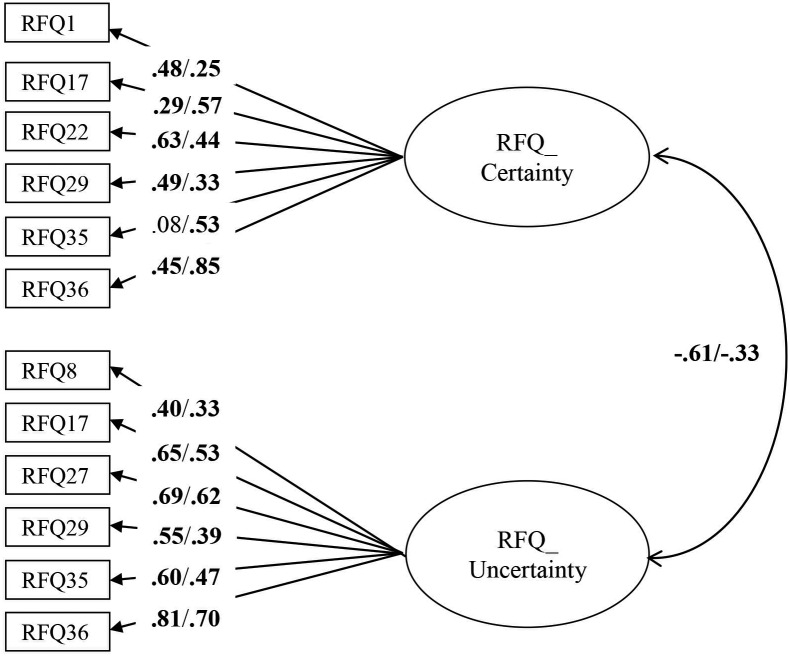
Reflective functioning or mentalizing is the capacity to interpret both the self and others in terms of internal mental states such as feelings, wishes, goals, desires, and attitudes. This paper is part of a series of papers outlining the development and psychometric features of a new self-report measure, the Reflective Functioning Questionnaire (RFQ), designed to provide an easy to administer self-report measure of mentalizing. We describe the development and initial validation of the RFQ in three studies. Study 1 focuses on the development of the RFQ, its factor structure and construct validity in a sample of patients with Borderline Personality Disorder (BPD) and Eating Disorder (ED) (n = 108) and normal controls (n = 295). Study 2 aims to replicate these findings in a fresh sample of 129 patients with personality disorder and 281 normal controls. Study 3 addresses the relationship between the RFQ, parental reflective functioning and infant attachment status as assessed with the Strange Situation Procedure (SSP) in a sample of 136 community mothers and their infants. In both Study 1 and 2, confirmatory factor analyses yielded two factors assessing Certainty (RFQ_C) and Uncertainty (RFQ_U) about the mental states of self and others. These two factors were relatively distinct, invariant across clinical and non-clinical samples, had satisfactory internal consistency and test-retest stability, and were largely unrelated to demographic features. The scales discriminated between patients and controls, and were significantly and in theoretically predicted ways correlated with measures of empathy, mindfulness and perspective-taking, and with both self-reported and clinician-reported measures of borderline personality features and other indices of maladaptive personality functioning. Furthermore, the RFQ scales were associated with levels of parental reflective functioning, which in turn predicted infant attachment status in the SSP. Overall, this study lends preliminary support for the RFQ as a screening measure of reflective functioning. Further research is needed, however, to investigate in more detail the psychometric qualities of the RFQ.
Overview
The claims and statistics of this paper haven’t been checked yet.
Run the check — free, no account needed. It reads the open-access text and checks the sources it cites.
Integrity signals
Registry
Cites
Statistics
Figures
Verification
Claims the paper makes
The claims and statistics of this paper haven’t been checked yet.
Run the check — free, no account needed. It reads the open-access text and checks the sources it cites.
Claims other papers make about this one
Each is checked against this paper’s own text: does it say what the citing paper says it does?
The cited source says what the claim attributes to it.
In the citing paper
“Internal consistency of RFQc and RFQu respectively are α = 0.65 and α = 0.77 in a clinical sample and α = 0.67 and α = 0.63 in a non-clinical sample, respectively [55].”
Self-check
Percentages, sums and reported differences re-computed from the paper’s own numbers.
The self-check needs the paper’s full text.
Citations
Cites
Diagnostic and Statistical Manual of Mental Disorders
Williams, J. B. W., & First, M. B. (2013) · Oxford University Press eBooks · doi:10.1093/acrefore/9780199975839.013.104 · Cited by 109,845
Hu, L., & Bentler, P. M. (1999) · Structural Equation Modeling A Multidisciplinary Journal · doi:10.1080/10705519909540118 · Cited by 108,788
Principles and Practice of Structural Equation Modeling
Tabri, N., & Elliott, C. M. (2012) · Canadian Graduate Journal of Sociology and Criminology · doi:10.15353/cgjsc.v1i1.3787 · Cited by 39,094
(1998) · Cited by 36,049
Structural Equations with Latent Variables
Bollen, K. A. (1989) · Wiley series in probability and statistics · doi:10.1002/9781118619179 · Cited by 17,944
Structural Equations with Latent Variables.
Clogg, C. C., & Bollen, K. A. (1991) · Contemporary Sociology A Journal of Reviews · doi:10.2307/2072165 · Cited by 17,475
Confirmatory factor analysis for applied research
Brown, T. A. (2007) · Choice Reviews Online · doi:10.5860/choice.44-2769 · Cited by 15,621 · cited 1×
“Consistent with state-of-the-art recommendations [55, 56], we limited the number of possible error correlations to a minimum, allowing only error correlations between items that were similar in formulation or meaning (e.”
BackgroundHappiness is everything, or is it? Explorations on the meaning of psychological well-being.
Ryff, C. D. (1989) · Journal of Personality and Social Psychology · doi:10.1037/0022-3514.57.6.1069 · Cited by 14,847 · cited 2×
“PLOS ONE | DOI:10.1371/journal.pone.0158678 July 8, 2016 15 / 28 The Amsterdam Scale of Well-Being (ASWB) [74] assesses well-being rated on the six dimensions described by Ryff (1989).”
BackgroundMethodInfluentialThe benefits of being present: Mindfulness and its role in psychological well-being
Brown, K. W., & Ryan, R. M. (2003) · Journal of Personality and Social Psychology · doi:10.1037/0022-3514.84.4.822 · Cited by 13,448 · cited 3×
“The RFQ_C was, as expected, positively related to other measures of internally based mentalizing, such as the BES and mindfulness as assessed with the MAAS, but was, against expectations, not related to perspective-taking.”
MethodInfluential(1978) · Medical Entomology and Zoology · Cited by 12,570
Measuring individual differences in empathy: Evidence for a multidimensional approach.
Davis, M. H. (1983) · Journal of Personality and Social Psychology · doi:10.1037/0022-3514.44.1.113 · Cited by 10,272 · cited 3×
“Perspective-taking: The 7-item Perspective-Taking Subscale (PTS) of the Interpersonal Reactivity Index [43] was used to assess perspective-taking capacities (α = 0.”
MethodInfluentialDiagnostic and Statistical Manual of Mental Disorders
Siegel, L. J., & Fletcher‐Janzen, E. (2008) · Wiley eBooks · doi:10.1002/9780470373699.speced0655 · Cited by 8,467
(1993) · Cited by 7,136
Cognitive-Behavioral Treatment of Borderline Personality Disorder
Cary, G. L. (1994) · American Journal of Psychotherapy · doi:10.1176/appi.psychotherapy.1994.48.1.155 · Cited by 6,299
The Eating Attitudes Test: psychometric features and clinical correlates
Garner, D. M., Olmsted, M., Bohr, Y., & Garfinkel, P. (1982) · Psychological Medicine · doi:10.1017/s0033291700049163 · Cited by 4,902 · cited 4×
“Reliability for the EAT is high.”
MethodInfluentialStructural Equation Modeling With AMOS: Basic Concepts, Applications, and Programming, Third Edition
Byrne, B. M. (2016) · doi:10.4324/9781315757421 · Cited by 4,653
Affect Regulation, Mentalization, and the Development of the Self
Fonagy, P., Gergely, G., Jurist, E. L., & Target, M. (2018) · doi:10.4324/9780429471643 · Cited by 3,886
Self-citationFlora, D. B., & Curran, P. J. (2004) · Psychological Methods · doi:10.1037/1082-989x.9.4.466 · Cited by 3,105
Structured clinical interview for DSM-IV axis I disorders : SCID-I : clinical version : scoresheet
First, M. B., Spitzer, R. L., Gibbon, M., & Williams, J. B. W. (1997) · American Psychiatric Press eBooks · Cited by 3,101
(1997) · American Psychiatric Press eBooks · Cited by 3,056
Li, C.-H. (2016) · Behavior Research Methods · doi:10.3758/s13428-015-0619-7 · Cited by 3,031
(2013) · The Lancet · doi:10.1016/s0140-6736(12)62129-1 · Cited by 3,010
The p Factor: One General Psychopathology Factor in the Structure of Psychiatric Disorders?
Caspi, A., Houts, R. M., Belsky, D. W., Goldman-Mellor, S. J., Harrington, H., Israel, S., Meier, M. H., Ramrakha, S., Shalev, I., Poulton, R., et al. (2014) · Clinical Psychological Science · doi:10.1177/2167702613497473 · Cited by 2,449
Social Cognitive Neuroscience: A Review of Core Processes
Lieberman, M. D. (2007) · Annual Review of Psychology · doi:10.1146/annurev.psych.58.110405.085654 · Cited by 2,010
Development and validation of the Basic Empathy Scale
Jolliffe, D., & Farrington, D. P. (2005) · Journal of Adolescence · doi:10.1016/j.adolescence.2005.08.010 · Cited by 1,625 · cited 3×
“The RFQ_C was, as expected, positively related to other measures of internally based mentalizing, such as the BES and mindfulness as assessed with the MAAS, but was, against expectations, not related to perspective-taking.”
MethodInfluentialPsychotherapy for Borderline Personality Disorder: Mentalization-based treatment
Bateman, A., & Fonagy, P. (2004) · doi:10.1093/med:psych/9780198527664.001.0001 · Cited by 1,460 · cited 1×
“Such impairments have been shown to play a key role in a variety of disorders and problem behaviors such as BPD [8], eating disorders (EDs) [9, 10], depression [11], and antisocial personality disorder [12].”
BackgroundSelf-citationIdentification of a Common Neurobiological Substrate for Mental Illness
Goodkind, M., Eickhoff, S. B., Oathes, D. J., Jiang, Y., Chang, A., Jones-Hagata, L. B., Ortega, B. N., Zaiko, Y. V., Roach, E. L., Korgaonkar, M. S., et al. (2015) · JAMA Psychiatry · doi:10.1001/jamapsychiatry.2014.2206 · Cited by 1,404
Bernier, A., Carlson, S. M., & Whipple, N. (2010) · Child Development · doi:10.1111/j.1467-8624.2009.01397.x · Cited by 1,388
Severe Personality Disorders: Psychotherapeutic Strategies
Kernberg, O. F. (1984) · Medical Entomology and Zoology · Cited by 1,308
Parental reflective functioning: An introduction
Slade, A. (2005) · Attachment & Human Development · doi:10.1080/14616730500245906 · Cited by 1,209 · cited 1×
“Recognizing the opacity of mental states and showing a genuine interest and curiosity in the internal world of the child are considered to be the hallmarks of genuine PRF [101], and these two features were indeed associated with RFQ_C in the current study.”
BackgroundHolgado–Tello, F. P., Chacón–Moscoso, S., Barbero–García, I., & Vila–Abad, E. (2010) · Quality & Quantity · doi:10.1007/s11135-008-9190-y · Cited by 1,200
Fonagy, P., Steele, H., & Steele, M. (1991) · Child Development · doi:10.1111/j.1467-8624.1991.tb01578.x · Cited by 1,173 · cited 1×
“Although one study found that parents’ general level of RF as assessed on the AAI was related to infant attachment status [85], it is typically assumed that the capacity of the parent to reflect on the mental states of their infant in particular, that is, PRF, is more closely related to infant attachment status.”
BackgroundSelf-citationFonagy, P., & Luyten, P. (2009) · Development and Psychopathology · doi:10.1017/s0954579409990198 · Cited by 1,146
Self-citationBateman, A., & Fonagy, P. (2009) · American Journal of Psychiatry · doi:10.1176/appi.ajp.2009.09040539 · Cited by 961
Self-citationMentalizing in Clinical Practice
Allen, J. G., Fonagy, P., & Bateman, A. W. (2008) · doi:10.1176/appi.books.9781615370887 · Cited by 944
Self-citationHandbook of Mentalizing in Mental Health Practice
Lazar, S. G. (2013) · Journal of Psychiatric Practice · doi:10.1097/01.pra.0000426331.79890.cf · Cited by 884
Construction of Circumplex Scales for the Inventory of Interpersonal Problems
Alden, L. E., Wiggins, J. S., & Pincus, A. L. (1990) · Journal of Personality Assessment · doi:10.1080/00223891.1990.9674088 · Cited by 876 · cited 2×
“The IIP is a self-report measure that includes items assessing interpersonal behaviors that respondents identify as “hard to do” or “does too much” on a 0 (not at all) to 4 (extremely) Likert-type scale.”
MethodMeins, E., Fernyhough, C., Fradley, E., & Tuckey, M. R. (2001) · Journal of Child Psychology and Psychiatry · doi:10.1111/1469-7610.00759 · Cited by 799 · cited 1×
“The aim of Study 3 was to test one of the key assumptions of the mentalizing approach using the RFQ—that the capacity for RF in the parent is related to infant attachment status through the capacity for parental RF (PRF), that is, the parents’ capacity to see their child as being motivated by intentional mental states…”
MethodMaternal mind-mindedness and attachment security as predictors of theory of mind understanding
Meins, E., Fernyhough, C., Wainwright, R., Das Gupta, M., Fradley, E., & Tuckey, M. (2002) · Child Development · doi:10.1111/1467-8624.00501 · Cited by 757
Skodol, A. E., Gunderson, J. G., McGlashan, T. H., Dyck, I. R., Stout, R. L., Bender, D. S., Grilo, C. M., Shea, M. T., Zanarini, M. C., Morey, L. C., et al. (2002) · American Journal of Psychiatry · doi:10.1176/appi.ajp.159.2.276 · Cited by 708 · cited 1×
“Additionally, the RFQ_U was highly significantly associated with clinical features that have been proposed as core features of personality pathology by many authors from various theoretical orientations, including selfharm [76], indices of structural personality pathology, including identity diffusion, the use of prim…”
BackgroundFonagy, P., Steele, H., & Steele, M. (1991) · Child Development · doi:10.2307/1131141 · Cited by 684
Self-citationAdvances in Psychology Research
O’Connor, M., Loughnan, S., & Haslam, N. (2008) · Cited by 676
Is there a general factor of prevalent psychopathology during adulthood?
Lahey, B. B., Applegate, B., Hakes, J. K., Zald, D. H., Hariri, A. R., & Rathouz, P. J. (2012) · Journal of Abnormal Psychology · doi:10.1037/a0028355 · Cited by 641
van Dierendonck, D. (2003) · Personality and Individual Differences · doi:10.1016/s0191-8869(03)00122-3 · Cited by 638
Handbook of Mentalization‐Based Treatment
(2006) · doi:10.1002/9780470712986 · Cited by 631
Self-citationImplicit social cognition: from measures to mechanisms
Nosek, B. A., Hawkins, C. B., & Frazier, R. S. (2011) · Trends in Cognitive Sciences · doi:10.1016/j.tics.2011.01.005 · Cited by 578 · cited 1×
“Research confirms that assessments of RF and social cognition more generally are particularly vulnerable to this limitation [29].”
Background(1991) · PubMed · Cited by 570
Self-citationChoi-Kain, L. W., & Gunderson, J. G. (2008) · American Journal of Psychiatry · doi:10.1176/appi.ajp.2008.07081360 · Cited by 565 · cited 2×
“Although several self-report measures have been developed to assess constructs related to mentalizing [19, 20], such as mindfulness, perspective-taking, empathy, theory of mind, alexithymia, and psychological mindedness, no self-report questionnaire of RF currently exist [20].”
BackgroundMethodThe parent–infant dyad and the construction of the subjective self
Fonagy, P., Gergely, G., & Target, M. (2007) · Journal of Child Psychology and Psychiatry · doi:10.1111/j.1469-7610.2007.01727.x · Cited by 555 · cited 2×
“The term reflective functioning (RF) (here used synonymously with the term mentalizing) was first popularized through work on borderline personality disorder (BPD) [1–4] and parent– infant attachment [5, 6].”
BackgroundSelf-citationKelly, K., Slade, A., & Grienenberger, J. F. (2005) · Attachment & Human Development · doi:10.1080/14616730500245963 · Cited by 553 · cited 1×
“Very few studies have simultaneously investigated the relationship between general RF and PRF and infant attachment status [89].”
BackgroundThe parental reflective functioning questionnaire: Development and preliminary validation
Luyten, P., Mayes, L. C., Nijssens, L., & Fonagy, P. (2017) · PLoS ONE · doi:10.1371/journal.pone.0176218 · Cited by 520 · cited 9×
“Furthermore, the RFQ scales were associated with levels of parental reflective functioning, which in turn predicted infant attachment status in the SSP.”
BackgroundInfluentialSelf-citationBPD's Interpersonal Hypersensitivity Phenotype: A Gene-Environment-Developmental Model
Gunderson, J. G., & Lyons-Ruth, K. (2008) · Journal of Personality Disorders · doi:10.1521/pedi.2008.22.1.22 · Cited by 511 · cited 1×
“Additionally, the RFQ_U was highly significantly associated with clinical features that have been proposed as core features of personality pathology by many authors from various theoretical orientations, including selfharm [76], indices of structural personality pathology, including identity diffusion, the use of prim…”
BackgroundTheory of mind and emotion regulation difficulties in adolescents with borderline traits
Sharp, C., Pane, H., Ha, C., Venta, A., Patel, A. B., Sturek, J., & Fonagy, P. (2011) · Journal of the American Academy of Child & Adolescent Psychiatry · doi:10.1016/j.jaac.2011.01.017 · Cited by 492 · cited 4×
“The distinction is all the more relevant as both types of impairments in RF might be differentially related to different types, or different aspects, of psychopathology [34, 38].”
BackgroundInfluentialSelf-citationThe Development of Borderline Personality Disorder—A Mentalizing Model
Fonagy, P., & Bateman, A. (2008) · Journal of Personality Disorders · doi:10.1521/pedi.2008.22.1.4 · Cited by 484
Self-citationThe cultural evolution of mind reading
Heyes, C. M., & Frith, C. (2014) · Science · doi:10.1126/science.1243091 · Cited by 481 · cited 1×
“Given the ubiquity of mentalizing in human culture [106], it is possible to see excessive certainty and the proliferation of hypotheses about the content of mental states in others as an adaptation to a maturational weakness or an emerging underlying deficit in the processing of mental state contents.”
BackgroundSharp, C., & Fonagy, P. (2008) · Social Development · doi:10.1111/j.1467-9507.2007.00457.x · Cited by 480 · cited 3×
“The distinction is all the more relevant as both types of impairments in RF might be differentially related to different types, or different aspects, of psychopathology [34, 38].”
BackgroundMethodResultSelf-citationZanarini, M. C. (2003) · Journal of Personality Disorders · doi:10.1521/pedi.17.3.233.22147 · Cited by 413 · cited 6×
“In the present study a subsample of clinical participants were administered the ZAN by their treating psychiatrist as part of their assessment interview.”
BackgroundMethodInfluentialLenzenweger, M. F., Clarkin, J. F., Kernberg, O. F., & Foelsch, P. A. (2001) · Psychological Assessment · doi:10.1037/1040-3590.13.4.577 · Cited by 341 · cited 5×
“The RFQ_U was associated with increased levels of self-harm, indices of maladaptive personality functioning as assessed with the IPO, higher levels of depression, greater social impairment, and lower quality of life as assessed with the DID.”
MethodInfluentialLahey, B. B., Van Hulle, C. A., Singh, A. L., Waldman, I. D., & Rathouz, P. J. (2011) · Archives of General Psychiatry · doi:10.1001/archgenpsychiatry.2010.192 · Cited by 341
SKODOL, A. E., PAGANO, M. E., BENDER, D. S., TRACIE SHEA, M., GUNDERSON, J. G., YEN, S., STOUT, R. L., MOREY, L. C., SANISLOW, C. A., GRILO, C. M., et al. (2005) · Psychological Medicine · doi:10.1017/s003329170400354x · Cited by 316
Lack of empathy in patients with narcissistic personality disorder
Ritter, K., Dziobek, I., Preißler, S., Rüter, A., Vater, A., Fydrich, T., Lammers, C.-H., Heekeren, H. R., & Roepke, S. (2011) · Psychiatry Research · doi:10.1016/j.psychres.2010.09.013 · Cited by 287 · cited 1×
“For instance, BPD patients often score normally on self-report questionnaire measures of empathy [35], a core component of RF with regard to others, while they typically perform worse than normal controls on experimental tasks assessing cognitive empathy [34, 36].”
BackgroundPreißler, S., Dziobek, I., Ritter, K., Heekeren, H. R., & Roepke, S. (2010) · Frontiers in Behavioral Neuroscience · doi:10.3389/fnbeh.2010.00182 · Cited by 286
Implicit measures of association in psychopathology research.
Roefs, A., Huijding, J., Smulders, F. T. Y., MacLeod, C. M., de Jong, P. J., Wiers, R. W. H. J., & Jansen, A. T. M. (2011) · Psychological Bulletin · doi:10.1037/a0021729 · Cited by 248 · cited 1×
“Limitations in self-knowledge and consequent biases associated with assessment of personality features through self-report questionnaires are well demonstrated [28].”
BackgroundEnsink, K., Normandin, L., Target, M., Fonagy, P., Sabourin, S., & Berthelot, N. (2015) · British Journal of Developmental Psychology · doi:10.1111/bjdp.12074 · Cited by 238 · cited 1×
“Another study reported modest correlations between general RF and RF with regard to traumatic experiences [102], again pointing to the domain-specific character of reflective capacities.”
BackgroundSelf-citationHypermentalizing in Adolescent Inpatients: Treatment Effects and Association With Borderline Traits
Sharp, C., Ha, C., Carbone, C., Kim, S., Perry, K., Williams, L. L., & Fonagy, P. (2013) · Journal of Personality Disorders · doi:10.1521/pedi.2013.27.1.3 · Cited by 236 · cited 1×
“RFQ_C, in turn, was generally negatively related to caseness, but may be more specifically related to types of psychopathology characterized by hypermentalizing, as is, for instance, observed in patients with eating disorders [13, 60, 103] or adolescents with BPD features, [104, 105].”
BackgroundSelf-citationMeins, E., Fernyhough, C., de Rosnay, M., Arnott, B., Leekam, S., & Turner, M. (2011) · Infancy · doi:10.1111/j.1532-7078.2011.00087.x · Cited by 221
A general psychopathology factor in early adolescence
Patalay, P., Fonagy, P., Deighton, J., Belsky, J., Vostanis, P., & Wolpert, M. (2015) · The British Journal of Psychiatry · doi:10.1192/bjp.bp.114.149591 · Cited by 220
Self-citationArnott, B., & Meins, E. (2007) · Bulletin of the Menninger Clinic · doi:10.1521/bumc.2007.71.2.132 · Cited by 215
Hermida, R. (2015) · RePEc: Research Papers in Economics · Cited by 214
Skårderud, F. (2007) · European Eating Disorders Review · doi:10.1002/erv.777 · Cited by 194 · cited 1×
“RFQ_C, in turn, was generally negatively related to caseness, but may be more specifically related to types of psychopathology characterized by hypermentalizing, as is, for instance, observed in patients with eating disorders [13, 60, 103] or adolescents with BPD features, [104, 105].”
BackgroundLeichsenring, F. (1999) · Journal of Personality Assessment · doi:10.1207/s15327752jpa730104 · Cited by 184 · cited 5×
“The RFQ_U was, congruent with expectations, highly positively correlated in both the clinical and non-clinical samples with borderline features as assessed with the BPI, with severity of depression as measured with the BDI, and with doi:10.1371/journal.pone.0158678.g001 impulsivity as assessed with the Do Subscale.”
MethodInfluentialFonagy, P., Twemlow, S. W., Vernberg, E. M., Nelson, J. M., Dill, E. J., Little, T. D., & SARGENT, J. A. (2009) · Journal of Child Psychology and Psychiatry · doi:10.1111/j.1469-7610.2008.02025.x · Cited by 182
Self-citationBadoud, D., Luyten, P., Fonseca‐Pedrero, E., Eliez, S., Fonagy, P., & Debbané, M. (2015) · PLoS ONE · doi:10.1371/journal.pone.0145892 · Cited by 177 · cited 4×
“Despite these limitations, together with two recent similar studies with the French version of the RFQ [42, 61], this study lends preliminary evidence for the reliability and validity of the RFQ as a brief measure of RF.”
MethodResultInfluentialSelf-citationSuchman, N. E., Decoste, C., Mcmahon, T. J., Rounsaville, B., & Mayes, L. (2011) · Infant Mental Health Journal · doi:10.1002/imhj.20303 · Cited by 172
Twemlow, S. W., Fonagy, P., Sacco, F. C., Gies, M., Evans, R., & Ewbank, R. (2001) · American Journal of Psychiatry · doi:10.1176/appi.ajp.158.5.808 · Cited by 167
Self-citationBrief Dynamic Interpersonal Therapy
Lemma, A., Target, M., & Fonagy, P. (2011) · Oxford University Press eBooks · doi:10.1093/acprof:oso/9780199602452.001.0001 · Cited by 164
Self-citationThe measurement of reflective function in adolescents with and without borderline traits
Ha, C., Sharp, C., Ensink, K., Fonagy, P., & Cirino, P. T. (2013) · Journal of Adolescence · doi:10.1016/j.adolescence.2013.09.008 · Cited by 156 · cited 1×
“Also, trajectories of change as a result of maturation or psychosocial interventions might differ for both types of impairments, and they might have different developmental and neurobiological underpinnings [25, 40, 41].”
BackgroundSelf-citationMind to Mind: Infant Research, Neuroscience, and Psychoanalysis
Demos, E. V. (2009) · The International Journal of Psychoanalysis · doi:10.1111/j.1745-8315.2009.00225_1.x · Cited by 153
Fearon, R. M. P., Van IJzendoorn, M. H., Fonagy, P., Bakermans-Kranenburg, M. J., Schuengel, C., & Bokhorst, C. L. (2006) · Developmental Psychology · doi:10.1037/0012-1649.42.6.1026 · Cited by 153 · cited 1×
“The correlation of attachment classification between twins is moderated by the specific sensitivity the parent shows to each sibling [86].”
BackgroundSelf-citationRutherford, H. J. V., Booth, C. R., Luyten, P., Bridgett, D. J., & Mayes, L. C. (2015) · Infant Behavior and Development · doi:10.1016/j.infbeh.2015.04.005 · Cited by 149 · cited 1×
“Studies have supported the reliability and validity of these three subscales in that they are related in theoretically predicted ways to parental attachment dimensions, emotional availability, parenting stress, infant attachment status in the SSP [94] and distress tolerance in a simulated baby paradigm [95].”
BackgroundSelf-citationEnsink, K., Berthelot, N., Bernazzani, O., Normandin, L., & Fonagy, P. (2014) · Frontiers in Psychology · doi:10.3389/fpsyg.2014.01471 · Cited by 144
Self-citationA Multilevel Perspective on the Development of Borderline Personality Disorder
Fonagy, P., & Luyten, P. (2016) · Wiley eBooks · doi:10.1002/9781119125556.devpsy317 · Cited by 136 · cited 5×
“This finding is congruent with other studies finding that BPD patients have significant impairments in RF on measures tapping into internally based mentalizing [25].”
BackgroundResultInfluentialSelf-citationZimmerman, M. A., Sheeran, T. F., & Young, D. (2003) · Journal of Clinical Psychology · doi:10.1002/jclp.10207 · Cited by 133 · cited 3×
“The RFQ_U was associated with increased levels of self-harm, indices of maladaptive personality functioning as assessed with the IPO, higher levels of depression, greater social impairment, and lower quality of life as assessed with the DID.”
BackgroundMethodInternal structure of the reflective functioning scale.
Taubner, S., Hörz, S., Fischer-Kern, M., Doering, S., Buchheim, A., & Zimmermann, J. (2013) · Psychological Assessment · doi:10.1037/a0029138 · Cited by 131 · cited 1×
“However, because it is time- and labour-intensive, and requires highly trained raters, sample sizes tend to be small [24].”
BackgroundSkårderud, F. (2007) · European eating disorders review · doi:10.1002/erv.817 · Cited by 130 · cited 5×
“Study 1 focused on the development of the RFQ and its factor structure in a sample of patients with BPD and EDs (n = 108) and a sample of normal controls (n = 295).”
BackgroundInfluentialWesten, D., Moses, M. J., Silk, K. R., Lohr, N. E., Cohen, R., & Segal, H. G. (1992) · Journal of Personality Disorders · doi:10.1521/pedi.1992.6.4.382 · Cited by 119 · cited 1×
“Additionally, the RFQ_U was highly significantly associated with clinical features that have been proposed as core features of personality pathology by many authors from various theoretical orientations, including selfharm [76], indices of structural personality pathology, including identity diffusion, the use of prim…”
BackgroundComorbid antisocial and borderline personality disorders: mentalization-based treatment.
Bateman, A., & Fonagy, P. (2008) · Journal of Clinical Psychology · doi:10.1002/jclp.20451 · Cited by 119
Self-citationMinding the Baby: A Mentalization‐Based Parenting Program
Sadler, L. S., Slade, A., & Mayes, L. C. (2006) · Wiley eBooks · doi:10.1002/9780470712986.ch14 · Cited by 115
Psychodynamic Psychotherapy for Personality Disorders: A Clinical Handbook
Fonagy, P., & Gabbard, G. O. (2010) · American Psychiatric Association Publishing eBooks · doi:10.1176/appi.books.9781615376643 · Cited by 114
Self-citationEating one's words, Part II: the embodied mind and reflective function in anorexia nervosa—theory
Skårderud, F. (2007) · European Eating Disorders Review · doi:10.1002/erv.778 · Cited by 113 · cited 1×
“Such impairments have been shown to play a key role in a variety of disorders and problem behaviors such as BPD [8], eating disorders (EDs) [9, 10], depression [11], and antisocial personality disorder [12].”
BackgroundThe Development of Mentalisation in Children From a Theory of Mind Perspective
Ensink, K., & Mayes, L. C. (2010) · Psychoanalytic Inquiry · doi:10.1080/07351690903206504 · Cited by 110
Lemma, A., Target, M., & Fonagy, P. (2011) · Psychiatry · doi:10.1521/psyc.2011.74.1.41 · Cited by 109
Self-citationDevelopmental science and psychoanalysis. Integration and innovation
(2008) · Psychoanalytic Psychotherapy · doi:10.1080/02668730802102708 · Cited by 93
Kuipers, G. S., & Bekker, M. H. J. (2012) · Current Psychiatry Reviews · doi:10.2174/157340012803520478 · Cited by 68 · cited 1×
“RFQ_C, in turn, was generally negatively related to caseness, but may be more specifically related to types of psychopathology characterized by hypermentalizing, as is, for instance, observed in patients with eating disorders [13, 60, 103] or adolescents with BPD features, [104, 105].”
BackgroundAttachment and Reflective Functioning in Women With Borderline Personality Disorder
Badoud, D., Prada, P., Nicastro, R., Germond, C., Luyten, P., Perroud, N. A., & Debbané, M. (2017) · Journal of Personality Disorders · doi:10.1521/pedi_2017_31_283 · Cited by 64 · cited 2×
“Despite these limitations, together with two recent similar studies with the French version of the RFQ [42, 61], this study lends preliminary evidence for the reliability and validity of the RFQ as a brief measure of RF.”
BackgroundResultSelf-citationAttachment and its Vicissitudes in Borderline Personality Disorder
Levy, K. N., Beeney, J. E., & Temes, C. M. (2010) · Current Psychiatry Reports · doi:10.1007/s11920-010-0169-8 · Cited by 63 · cited 1×
“Additionally, the RFQ_U was highly significantly associated with clinical features that have been proposed as core features of personality pathology by many authors from various theoretical orientations, including selfharm [76], indices of structural personality pathology, including identity diffusion, the use of prim…”
BackgroundFearon, P., Target, M., Sargent, J., Williams, L. L., McGregor, J., Bleiberg, E., & Fonagy, P. (2006) · Handbook of Mentalization‐Based Treatment · doi:10.1002/9780470712986.ch10 · Cited by 58
Self-citationThe role of child and parental mentalizing for the development of conduct problems over time
Ha, C., Sharp, C., & Goodyer, I. M. (2011) · European Child & Adolescent Psychiatry · doi:10.1007/s00787-011-0174-4 · Cited by 57 · cited 1×
“Also, trajectories of change as a result of maturation or psychosocial interventions might differ for both types of impairments, and they might have different developmental and neurobiological underpinnings [25, 40, 41].”
BackgroundOn tolerating mental states: Theory of mind in borderline patients
Fonagy, P. (1989) · UCL Discovery (University College London) · Cited by 52
Self-citationReflective Functioning in 70 Patients Suffering from Bulimia Nervosa
Pedersen, S. H., Lunn, S., Katznelson, H., & Poulsen, S. (2012) · European Eating Disorders Review · doi:10.1002/erv.2158 · Cited by 50 · cited 2×
“RFQ_C, in turn, was generally negatively related to caseness, but may be more specifically related to types of psychopathology characterized by hypermentalizing, as is, for instance, observed in patients with eating disorders [13, 60, 103] or adolescents with BPD features, [104, 105].”
BackgroundResultAttachment and personality pathology
Fonagy, P., Luyten, P., BATEMAN, A. W., Gergely, G., Strathearn, L., Target, M., & Allison, E. (2010) · UCL Discovery (University College London) · Cited by 50
Self-citationBrief Dynamic Interpersonal Therapy: A Clinician's Guide
Lemma, A., Target, M., & Fonagy, P. (2011) · Cited by 48
Self-citationKalpakci, A. H., Vanwoerden, S., Elhai, J. D., & Sharp, C. (2015) · Journal of Personality Disorders · doi:10.1521/pedi_2015_29_192 · Cited by 41 · cited 1×
“RFQ_C, in turn, was generally negatively related to caseness, but may be more specifically related to types of psychopathology characterized by hypermentalizing, as is, for instance, observed in patients with eating disorders [13, 60, 103] or adolescents with BPD features, [104, 105].”
BackgroundRobinson, P., Barrett, B., Bateman, A., Hakeem, A., Hellier, J., Lemonsky, F., Rutterford, C., Schmidt, U., & Fonagy, P. (2014) · BMC Psychiatry · doi:10.1186/1471-244x-14-51 · Cited by 32
Self-citationBers, S. A., Avi Besser, A., Harpaz‐Rotem, I., & Blatt, S. J. (2013) · Psychoanalytic Psychology · doi:10.1037/a0032512 · Cited by 30 · cited 2×
“The RFQ_C scale was associated with comorbidity between BPD and ED diagnosis, which is congruent with other studies suggesting substantial hyper-reflectivity in patients with these features [26, 39, 60].”
BackgroundResultLuyten, P., & Fonagy, P. (2014) · Springer eBooks · doi:10.1007/978-1-4939-1314-5_13 · Cited by 16 · cited 2×
“Hypomentalizing has been related to vulnerability for a wide range of disorders, including BPD [25], EDs [9], and depression [32, 33].”
BackgroundSelf-citationPrimary parental preoccupation: revisited
Leckman, J. F., Feldman, R., Swain, J. E., & Mayes, L. C. (2018) · Routledge eBooks · doi:10.4324/9780429473654-6 · Cited by 12
Claes, L., Vandereycken, W., & Vertommen, H. (2005) · Cited by 7
Leptin—a parameter for body fat measurement in patients with eating disorders
Zipfel, S., Specht, T., Blum, W. F., Hebebrand, J., Englaro, P., Hartmann, M., Wüster, C., Ziegler, R., & Herzog, W. (1998) · European Eating Disorders Review · doi:10.1002/(sici)1099-0968(199803)6:1 · Cited by 5
Fonagy (1991) · doi:10.1002/1097-0355(199123)12:3
Self-citationSansone (1998) · doi:10.1002/(sici)1097-4679(199811)54:7
Cited by
Sorted by citations
The mentalizing approach to psychopathology: State of the art and future directions
Luyten, P., Campbell, C., Allison, E., & Fonagy, P. (2020) · Annual Review of Clinical Psychology · doi:10.1146/annurev-clinpsy-071919-015355 · Cited by 748
“…such impairments and substance abuse, violence, eating disorders, and self-harm, which can all be seen as attempts to regulate, through specific goal-directed behavior, unbearable and unmentalized self-states (Fonagy et al. 2016, Jewell et al. 2016, Suchman et al. 2018, Taubner et al. 2016).”
BackgroundSelf-citationZeegers, M. A. J., Colonnesi, C., Stams, G. J. J. M., & Meins, E. (2017) · Psychological Bulletin · doi:10.1037/bul0000114 · Cited by 478
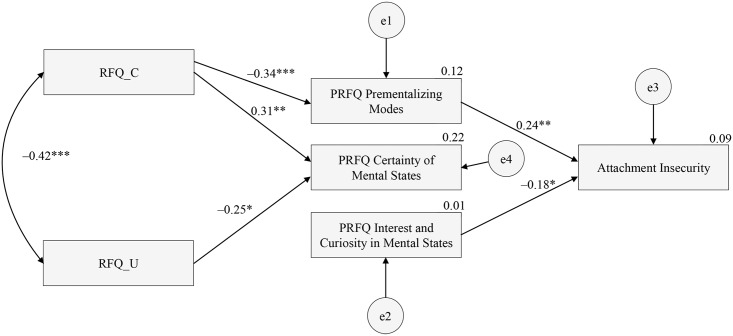
“The effect size was calculated from the average association of the three PRFQ subscales (i.e., prementalizing modes, certainty of mental states, and interest and curiosity of in mental states) with infant attachment security.”
BackgroundMethodInfluentialDevelopment and validation of a self-report measure of epistemic trust
Campbell, C., Tanzer, M., Saunders, R., Booker, T. L., Allison, E., Li, E. T., O’Dowda, C., Luyten, P., & Fonagy, P. (2021) · PLoS ONE · doi:10.1371/journal.pone.0250264 · Cited by 230
“The Reflective Function Questionnaire (RFQ) [29].”
InfluentialSelf-citationThe bodymind model: a platform for studying the mechanisms of change induced by art therapy
Czamanski-Cohen, J., & Weihs, K. L. (2016) · The Arts in Psychotherapy · doi:10.1016/j.aip.2016.08.006 · Cited by 209
The Mentalization Scale (MentS): A Self-Report Measure for the Assessment of Mentalizing Capacity
Dimitrijević, A., Hanak, N., Dimitrijević, A. A., & Marjanović, Z. J. (2017) · Journal of Personality Assessment · doi:10.1080/00223891.2017.1310730 · Cited by 221
“It is only very recently that this gap has been filled by the Reflective Functioning Questionnaire (RFQ; Badoud et al., 2015; Fonagy et al., 2016).”
Background
Metadata
- Authors
- Fonagy, P., Luyten, P., Moulton-Perkins, A., Lee, Y.-W., Warren, F., Howard, S., Ghinai, R., Fearon, P., & Lowyck, B.
- Affiliations
- University College London (GB)
- University of Surrey (GB)
- KU Leuven (BE)
- Corresponding author
- Fonagy, Peter
- Venue
- PLOS ONE
- Publisher
- Public Library of Science (PLoS)
- Published
- 2016-07-08
- Volume
- 11
- Issue
- 7
- Pages
- e0158678
- ISSN
- 1932-6203 (ISSN-L)
- PMC
- PMC4938585
- OpenAlex
- W2468117220
- Cited by
- 754
- References
- 113
- Citations by year
- 2026: 102 · 2025: 106 · 2024: 112 · 2023: 108 · 2022: 84 · 2021: 95 · 2020: 54 · 2019: 34 · 2018: 32 · 2017: 21 · 2016: 3
- FWCI
- 39.84
- Type
- journal article
- Language
- en
- Open access
- gold
- doi.org
- Licence
- Locations
- PLoS ONE (publishedVersion, cc-by)
- PubMed Central (publishedVersion, cc-by)
- PubMed (publishedVersion)
- Lirias (KU Leuven) (submittedVersion, other-oa)
- RePEc: Research Papers in Economics (submittedVersion)
- DOAJ (DOAJ: Directory of Open Access Journals) (submittedVersion)
- UCL Discovery (University College London) (submittedVersion)
- Funders
- National Institute for Health Research (NF-SI-0514-10157)
- Economic and Social Research Council (RES-060-25-0044)
- Topics
- Social Sciences › Psychology › Clinical Psychology › Personality Disorders and Psychopathology
- Social Sciences › Psychology › Clinical Psychology › Personality Traits and Psychology
- Social Sciences › Psychology › Clinical Psychology › Psychoanalysis and Psychopathology Research
- Keywords
- mentalization, reflective functioning, self-report measure development, borderline personality disorder, eating disorders, parental reflective functioning, infant attachment, Strange Situation Procedure, empathy, mindfulness, perspective taking, psychometric validation, factor structure
- MeSH terms
- Female, Humans, Male, Psychometrics, Surveys and Questionnaires, Theory of Mind, Self Report
About these checks
Registry, retraction, Cites and statistics results are computed, not judged, with one exception: a printed reference that no index lists is read once by a model before it counts as a citation error. Claims are extracted by a model and kept only when their quote appears verbatim in the text; each cited source is then checked, with a model’s help, for whether it says what the claim relies on. Those verdicts can be wrong — read the claim’s quote and the cited source before relying on one.
Statistics and arithmetic are recomputed, not judged.
Confidence bands are shown only for fields calibrated on our annotated test set. None is calibrated yet, so no band is shown.
What counts as a claim ›How we measure confidence ›How we check this ›
Are you an author, or do you see a problem with this page? Request a review
