

The DOI matches its Crossref record; 43 of the 43 references it cites were found in a registry or an index.
Neurokinin B and Dynorphin A in Kisspeptin Neurons of the Arcuate Nucleus Participate in Generation of Periodic Oscillation of Neural Activity Driving Pulsatile Gonadotropin-Releasing Hormone Secretion in the Goat
Open accessAbstract
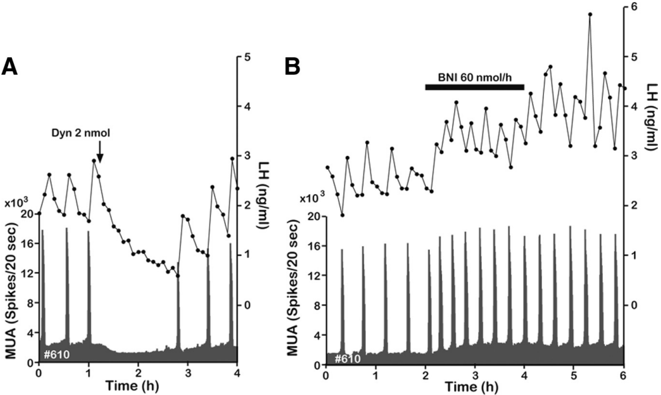
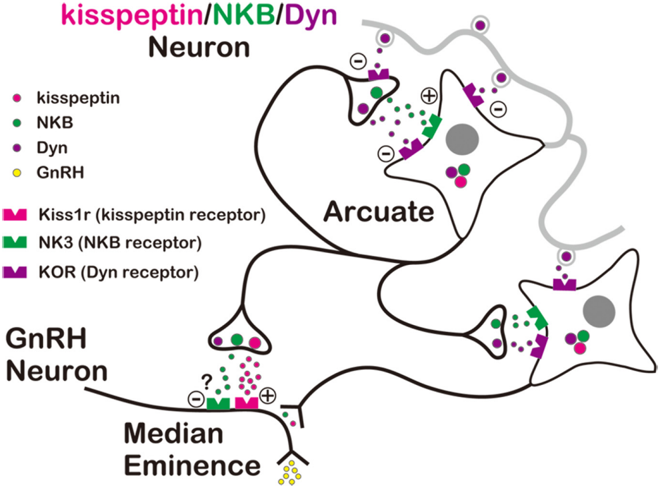
Gonadotropin-releasing hormone (GnRH) neurons in the basal forebrain are the final common pathway through which the brain regulates reproduction. GnRH secretion occurs in a pulsatile manner, and indirect evidence suggests the kisspeptin neurons in the arcuate nucleus (ARC) serve as the central pacemaker that drives pulsatile GnRH secretion. The purpose of this study was to investigate the possible coexpression of kisspeptin, neurokinin B (NKB), and dynorphin A (Dyn) in neurons of the ARC of the goat and evaluate their potential roles in generating GnRH pulses. Using double and triple labeling, we confirmed that all three neuropeptides are coexpressed in the same population of neurons. Using electrophysiological techniques to record multiple-unit activity (MUA) in the medial basal hypothalamus, we found that bursts of MUA occurred at regular intervals in ovariectomized animals and that these repetitive bursts (volleys) were invariably associated with discrete pulses of luteinizing hormone (LH) (and by inference GnRH). Moreover, the frequency of MUA volleys was reduced by gonadal steroids, suggesting that the volleys reflect the rhythmic discharge of steroid-sensitive neurons that regulate GnRH secretion. Finally, we observed that central administration of Dyn-inhibit MUA volleys and pulsatile LH secretion, whereas NKB induced MUA volleys. These observations are consistent with the hypothesis that kisspeptin neurons in the ARC drive pulsatile GnRH and LH secretion, and suggest that NKB and Dyn expressed in those neurons are involved in the process of generating the rhythmic discharge of kisspeptin.
Overview
The claims and statistics of this paper haven’t been checked yet.
Run the check — free, no account needed. It reads the open-access text and checks the sources it cites.
Integrity signals
Registry
Cites
Statistics
Figures
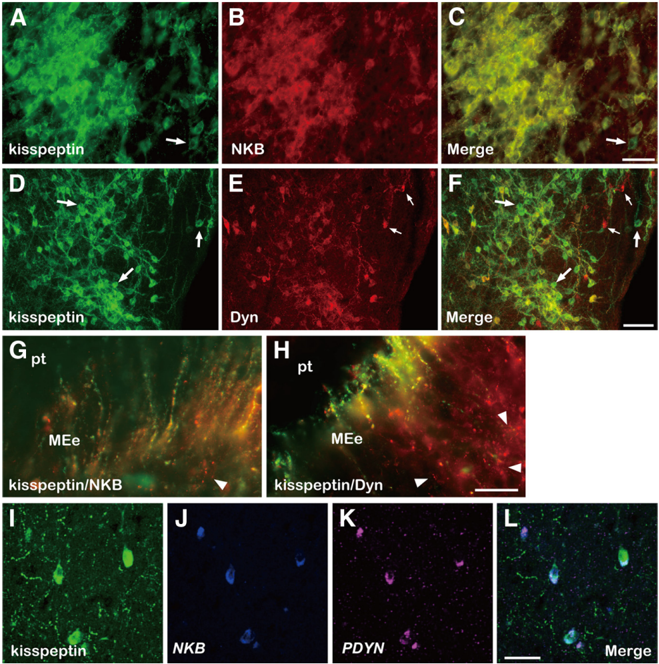
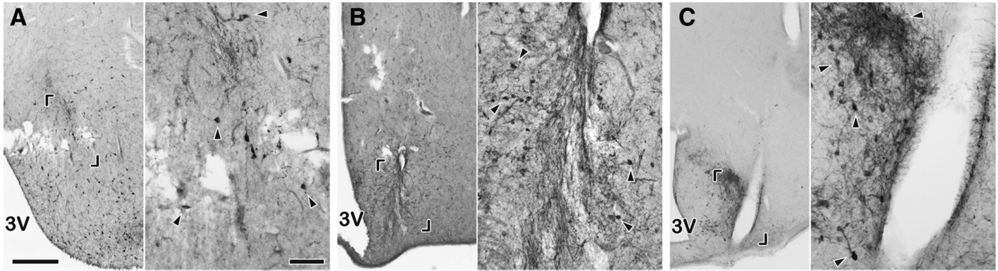
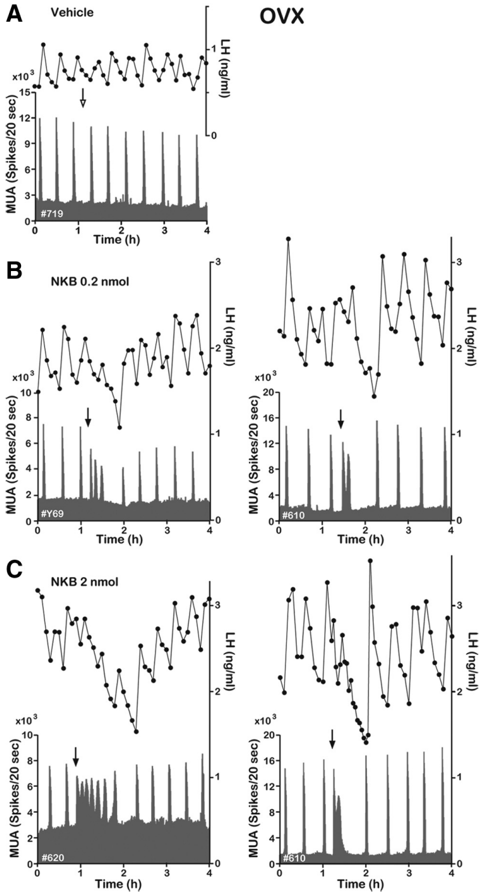
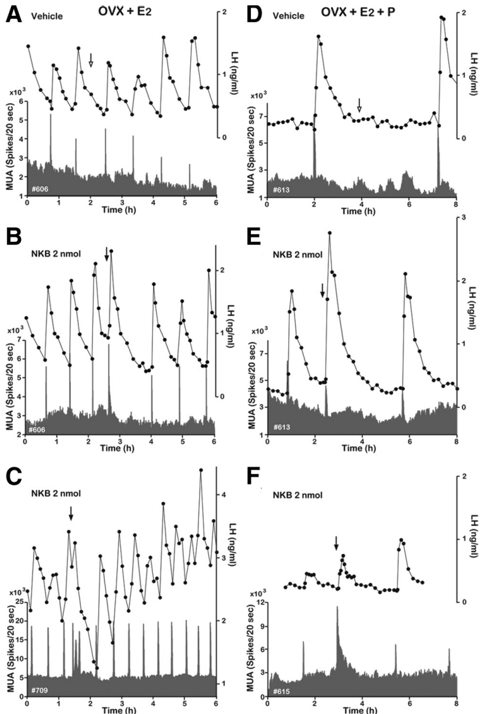
Verification
Claims the paper makes
The claims and statistics of this paper haven’t been checked yet.
Run the check — free, no account needed. It reads the open-access text and checks the sources it cites.
Claims other papers make about this one
Each is checked against this paper’s own text: does it say what the citing paper says it does?
The cited source says what the claim attributes to it.
In the citing paper
“administration of NKB or Dyn modulates MUA volley frequency in the ovariectomized goat (Wakabayashi et al., 2010)”
From The Origin of GnRH Pulse Generation: An Integrative Mathematical-Experimental Approach (2019) · cites this paper as Wakabayashi et al., 2010
In the citing paper
“Emerging evidence that KNDy neurons are an important part of the GnRH pulse generator (Lehman et al., 2010; Rance et al., 2010; Wakabayashi et al., 2010) strongly supports the hypothesis that they could also be involved in the generation of flushes.”
From Modulation of body temperature and LH secretion by hypothalamic KNDy (kisspeptin, neurokinin B and dynorphin) neurons: A novel hypothesis on the mechanism of hot flushes (2013) · cites this paper as Wakabayashi et al., 2010
Self-check
Percentages, sums and reported differences re-computed from the paper’s own numbers.
The self-check needs the paper’s full text.
Citations
Cites
Belchetz, P. E., Plant, T. M., Nakai, Y., Keogh, E. J., & Knobil, E. (1978) · Science · doi:10.1126/science.100883 · Cited by 1,385
The Neuroendocrine Control of the Menstrual Cycle
Knobil, E. (1980) · Elsevier eBooks · doi:10.1016/b978-0-12-571136-4.50008-5 · Cited by 1,285 · cited 1×
“The pulsatile release of gonadotropin-releasing hormone (GnRH) is a prerequisite for sustaining normal gonadotropin secretion in mammals (Knobil, 1980; Karsch, 1984); however, the cellular and molecular mechanisms that generate the rhythmic discharge of GnRH are unknown.”
BackgroundAlgorithms for the study of episodic hormone secretion
Merriam, G. R., & Wachter, K. W. (1982) · American Journal of Physiology-Endocrinology and Metabolism · doi:10.1152/ajpendo.1982.243.4.e310 · Cited by 1,221 · cited 1×
“LH pulses were identified by the PULSAR computer program (Merriam and Wachter, 1982).”
MethodAdvances in Male Contraception
Page, S. T., Amory, J. K., & Bremner, W. J. (2008) · Endocrine Reviews · doi:10.1210/er.2007-0041 · Cited by 1,138
Regulation of Kiss1 gene expression in the brain of the female mouse
Smith, J. T., Cunningham, M. J., Rissman, E. F., Clifton, D. K., & Steiner, R. A. (2005) · Endocrinology · doi:10.1210/en.2005-0488 · Cited by 1,102 · cited 1×
“Finally, kisspeptin/ NKB/Dyn neurons in the ARC have been proposed to be a primary site of negative feedback action of E2 and P (Smith et al., 2005a,b, 2007; Burke et al., 2006; Foradori et al., 2006; Goodman et al., 2007), and we demonstrated here that E2 and P suppress the occurrence of MUA…”
BackgroundSelf-citationHan, S.-K., Gottsch, M. L., Lee, K. J., Popa, S. M., Smith, J. T., Jakawich, S. K., Clifton, D. K., Steiner, R. A., & Herbison, A. E. (2005) · The Journal of Neuroscience · doi:10.1523/jneurosci.3328-05.2005 · Cited by 1,036 · cited 2×
“duces a prolonged activation of GnRH neurons in the mouse (Han et al., 2005; Pielecka-Fortuna et al., 2008).”
BackgroundResultTopaloglu, A. K., Reimann, F., Guclu, M., Yalin, A. S., Kotan, L. D., Porter, K. M., Serin, A., Mungan, N. O., Cook, J. R., Ozbek, M. N., et al. (2009) · Nature Genetics · doi:10.1038/ng.306 · Cited by 961 · cited 2×
“Indeed, Topaloglu et al. (2009) have recently shown that mutations of either Trc3 or Tacr3, which encode NKB and NK3, respectively, produce gonadotropin deficiency and pubertal failure in humans.”
BackgroundUse of cryoprotectant to maintain long-term peptide immunoreactivity and tissue morphology
Watson, R. E., Wiegand, S. J., Clough, R. W., & Hoffman, G. E. (1986) · Peptides · doi:10.1016/0196-9781(86)90076-8 · Cited by 933
Kisspeptin Signaling in the Brain
Oakley, A. E., Clifton, D. K., & Steiner, R. A. (2009) · Endocrine Reviews · doi:10.1210/er.2009-0005 · Cited by 842 · cited 1×
“Kisspeptin neurons in the hypothalamus play a key role in the regulation of GnRH neurons (Oakley et al., 2009), but the precise nature of the interaction between kisspeptin and GnRH neurons is just emerging.”
BackgroundNavarro, V. M., Gottsch, M. L., Chavkin, C., Okamura, H., Clifton, D. K., & Steiner, R. A. (2009) · The Journal of Neuroscience · doi:10.1523/jneurosci.1569-09.2009 · Cited by 779 · cited 19×
“Finally, we tested the hypothesis that NKB and Dyn play crucial roles in driving GnRH pulse generator activity by analyzing the effects of centrally administered NKB, Dyn, and a KOR antagonist on pulsatile MUA and LH secretion.”
BackgroundResultInfluential
Cited by
Sorted by citations
Dynamics of gonadotropin-releasing hormone release during a pulse.
Moenter, S. M., Brand, R. M., MIDGLEY, A. R., & Karsch, F. J. (1992) · Endocrinology · doi:10.1210/endo.130.1.1727719 · Cited by 1,257
Neuropeptide Transmission in Brain Circuits
van den Pol, A. N. (2012) · Neuron · doi:10.1016/j.neuron.2012.09.014 · Cited by 810
“Dynorphin and neurokinin B colocalize with kisspeptin in many mammals (Goodman et al, 2007); dynorphin is proposed to act back on the releasing kisspeptin neurons to synchronize and shape pulsatile release patterns of kisspeptin (Navarro et al, 2009; Wakabayashi et al, 2010).”
BackgroundKisspeptins and Reproduction: Physiological Roles and Regulatory Mechanisms
Pinilla, L., Aguilar, E., Diéguez, C., Millar, R. P., & Tena‐Sempere, M. (2012) · Physiological Reviews · doi:10.1152/physrev.00037.2010 · Cited by 843
“Thereafter, the presence of such KNDy neurons has been documented by a combination of in situ hybridization and IHC techniques in the mouse, goat, and monkey, although in the latter only NKB coexpression was analyzed (304, 305, 363, 491).”
BackgroundMethodInfluentialLehman, M. N., Coolen, L. M., & Goodman, R. L. (2010) · Endocrinology · doi:10.1210/en.2010-0022 · Cited by 768
“Although each of these three peptides is found in separate sets of neurons in other brain regions, recent evidence suggests that the colocalization of KNDy peptides seen in the ARC is unique among brain regions and is conserved across multiple mammalian species that include the rat (17), mouse (18), sheep (13), and go…”
BackgroundWitchel, S. F., Oberfield, S. E., & Peña, A. S. (2019) · Journal of the Endocrine Society · doi:10.1210/js.2019-00078 · Cited by 653
“Although GnRH and LH pulses generally exhibit a 1:1 ratio, preclinical data exist suggesting that a faster GnRH pulse frequency may be associated with decreased LH secretion [52].”
BackgroundDefinition of the hypothalamic GnRH pulse generator in mice
Clarkson, J., Han, S. Y., Piet, R., McLennan, T., Kane, G. M., Ng, J., Porteous, R. W., Kim, J. S., Colledge, W. H., Iremonger, K. J., et al. (2017) · Proceedings of the National Academy of Sciences · doi:10.1073/pnas.1713897114 · Cited by 392
“Alongside anatomical evidence, it has been suggested that the ARN neurons may exhibit synchronized behavior that could intermittently activate GnRH neurons and, thus, act as a pulse generator (15, 16, 19).”
BackgroundRance, N. E., Dacks, P. A., Mittelman-Smith, M. A., Romanovsky, A. A., & Krajewski-Hall, S. J. (2013) · Frontiers in Neuroendocrinology · doi:10.1016/j.yfrne.2013.07.003 · Cited by 380
“Coexpression of kisspeptin, NKB and dynorphin (the KNDy peptides) have been identified in the arcuate nucleus of the mouse, rat, goat, monkey and sheep (Burke et al., 2006; Goodman et al., 2007; Navarro et al., 2009; Ramaswamy et al., 2010; Rance and Bruce, 1994; Rometo et al., 2007; Smith, 2009; Smith et al., 2005a;…”
BackgroundInfluentialEpigenetic control of female puberty
Lomniczi, A., Loche, A., Castellano, J. M., Rønnekleiv, O. K., Bosch, M. A., Kaidar, G., Knoll, J. G., Wright, H., Pfeifer, G. P., & Ojeda, S. R. (2013) · Nature Neuroscience · doi:10.1038/nn.3319 · Cited by 318
60 YEARS OF NEUROENDOCRINOLOGY: The hypothalamo-pituitary–gonadal axis
Plant, T. M. (2015) · Journal of Endocrinology · doi:10.1530/joe-15-0113 · Cited by 289
Ramaswamy, S., Seminara, S. B., Ali, B., Ciofi, P., Amin, N. A., & Plant, T. M. (2010) · Endocrinology · doi:10.1210/en.2010-0223 · Cited by 267
The Gonadotropin-Releasing Hormone Pulse Generator
Herbison, A. E. (2018) · Endocrinology · doi:10.1210/en.2018-00653 · Cited by 261
Treatment and Outcomes of Precocious Puberty: An Update
Fuqua, J. S. (2013) · The Journal of Clinical Endocrinology & Metabolism · doi:10.1210/jc.2013-1024 · Cited by 260
“org J Clin Endocrinol Metab, June 2013, 98(6):2198–2207 doi: 10.”
BackgroundInfluentialSmith, J. T., Li, Q., Yap, K. S., Shahab, M., Roseweir, A. K., Millar, R. P., & Clarke, I. J. (2011) · Endocrinology · doi:10.1210/en.2010-1225 · Cited by 254
Navarro, V. M., Gottsch, M. L., Wu, M., García-Galiano, D., Hobbs, S. J., Bosch, M. A., Pinilla, L., Clifton, D. K., Dearth, A., Ronnekleiv, O. K., et al. (2011) · Endocrinology · doi:10.1210/en.2011-1143 · Cited by 254
“vicinity of KNDy neurons in the ARC of the goat (15).”
BackgroundSelf-citationPhysiology of the Adult Gonadotropin-Releasing Hormone Neuronal Network
Herbison, A. (2015) · Elsevier eBooks · doi:10.1016/b978-0-12-397175-3.00011-9 · Cited by 152
Interactions between kisspeptin and neurokinin B in the control of GnRH secretion in the female rat
Navarro, V. M., Castellano, J. M., McConkey, S. M., Pineda, R., Ruíz-Pino, F., Pinilla, L., Clifton, D. K., Tena‐Sempere, M., & Steiner, R. A. (2010) · American Journal of Physiology-Endocrinology and Metabolism · doi:10.1152/ajpendo.00517.2010 · Cited by 251
Goodman, R. L., Hileman, S. M., Nestor, C. C., Porter, K. L., Connors, J. M., Hardy, S. L., Millar, R. P., Cernea, M., Coolen, L. M., & Lehman, M. N. (2013) · Endocrinology · doi:10.1210/en.2013-1331 · Cited by 234
“They are thus called kisspeptin/neurokinin B/dynorphin (KNDy) neurons (8) and are found in sheep (12), rats (13, 14), mice (10), and goats (9).”
BackgroundResultInfluentialServili, A., Page, Y. L., Leprince, J., Caraty, A., Escobar, S., Parhar, I. S., Seong, J. Y., Vaudry, H., & Kah, O. (2011) · Endocrinology · doi:10.1210/en.2010-0948 · Cited by 226
“In mammals, KISS1 is expressed in both the preoptic area and the ventral hypothalamus (9, 14, 39, 40), and there is no KISS2 gene (16, 17).”
BackgroundNeuroendocrine control of the onset of puberty
Plant, T. M. (2015) · Frontiers in Neuroendocrinology · doi:10.1016/j.yfrne.2015.04.002 · Cited by 223
“A critical evaluation of this model is beyond the scope of this review but the evidence upon which the KNDy model of pulse generation is based has been recently documented in several excellent papers (Lehman et al., 2010; Rance et al., 2010; Wakabayashi et al., 2010; Goodman et al., 2014).”
Mittelman-Smith, M. A., Williams, H., Krajewski, S. J., McMullen, N. T., & Rance, N. E. (2012) · Proceedings of the National Academy of Sciences · doi:10.1073/pnas.1211517109 · Cited by 211
Neurokinin B and the hypothalamic regulation of reproduction
Rance, N. E., Krajewski, S. J., Smith, M. A., Cholanian, M., & Dacks, P. A. (2010) · Brain Research · doi:10.1016/j.brainres.2010.08.059 · Cited by 203
“First demonstrated in the ewe (Goodman et al., 2007), kisspeptin (or its mRNA) is coexpressed with NKB in the arcuate nucleus in the rat (Kirigiti et al., 2009), mouse (Navarro et al., 2009) and goat (Wakabayashi et al., 2010).”
BackgroundMethodInfluentialQiu, J., Nestor, C. C., Zhang, C., Padilla, S. L., Palmiter, R. D., Kelly, M. J., & Rønnekleiv, O. K. (2016) · eLife · doi:10.7554/elife.16246 · Cited by 199
“…3 (Tacr3) and Dyn/k-opioid receptor (KOR) signaling have been proposed to play a critical role in the generation of episodic GnRH/LH pulses via direct and synchronized action on GnRH nerve terminals in the median eminence (Navarro et al., 2009; Ohkura et al., 2009; Wakabayashi et al., 2010).”
BackgroundMittelman-Smith, M. A., Williams, H., Krajewski, S. J., Lai, J. Y., Ciofi, P., McMullen, N. T., & Rance, N. E. (2012) · Endocrinology · doi:10.1210/en.2012-1045 · Cited by 197
Neurobiological mechanisms underlying GnRH pulse generation by the hypothalamus
Maeda, K., Ohkura, S., Uenoyama, Y., Wakabayashi, Y., Oka, Y., Tsukamura, H., & Okamura, H. (2010) · Brain Research · doi:10.1016/j.brainres.2010.10.026 · Cited by 206
Kallmann syndrome: phenotype and genotype of hypogonadotropic hypogonadism
Stamou, M. I., & Georgopoulos, N. A. (2017) · Metabolism · doi:10.1016/j.metabol.2017.10.012 · Cited by 200
Moore, A. M., Coolen, L. M., Porter, D. T., Goodman, R. L., & Lehman, M. N. (2018) · Endocrinology · doi:10.1210/en.2018-00389 · Cited by 190
Han, S. Y., McLennan, T., Czieselsky, K., & Herbison, A. E. (2015) · Proceedings of the National Academy of Sciences · doi:10.1073/pnas.1512243112 · Cited by 189
“Although the identity of the neural elements giving rise to multiunit activity are unknown, it has been suggested that they may represent the activity of kisspeptin neurons within the ARN (19).”
BackgroundKisspeptin-10 is a potent stimulator of LH and increases pulse frequency in men
George, J. T., Veldhuis, J. D., Roseweir, A. K., Newton, C. L., Faccenda, E., Millar, R. P., & Anderson, R. A. (2011) · The Journal of Clinical Endocrinology & Metabolism · doi:10.1210/jc.2011-0089 · Cited by 186
“However, it is possible that endogenous release of kisspeptin is pulsatile, and pulsatile administration may have a different impact on GnRH pulsatility, modulated by cotransmitters such as neurokinins and dynorphins (39).”
BackgroundRole of Neurokinin B in the Control of Female Puberty and Its Modulation by Metabolic Status
Navarro, V. M., Ruíz-Pino, F., Sanchez-Garrido, M. A., García-Galiano, D., Hobbs, S. J., Manfredi-Lozano, M., León, S., Sangiao‐Alvarellos, S., Castellano, J. M., Clifton, D. K., et al. (2012) · Journal of Neuroscience · doi:10.1523/jneurosci.4288-11.2012 · Cited by 183
“…function that appears to be mediated, at least partially, by its ability to autoregulate the activity of Kiss1 neurons in the ARC (Lehman et al., 2010; Wakabayashi et al., 2010; Navarro et al., 2011a) and is dependent on preserved kisspeptin signaling (Ramaswamy et al., 2011; García-Galiano et…”
BackgroundEndocrinology of the aging male
de Araújo, A. B., & Wittert, G. (2011) · Best Practice & Research Clinical Endocrinology & Metabolism · doi:10.1016/j.beem.2010.11.004 · Cited by 184
Neuroanatomy of the kisspeptin signaling system in mammals: comparative and developmental aspects
Lehman, M. N., Hileman, S. M., & Goodman, R. L. (2013) · Advances in Experimental Medicine and Biology · doi:10.1007/978-1-4614-6199-9_3 · Cited by 180
“G oa t + + + + [ 3 6 – 38 ]”
BackgroundInfluentialYip, S. H., Boehm, U., Herbison, A. E., & Campbell, R. E. (2015) · Endocrinology · doi:10.1210/en.2015-1131 · Cited by 178
Neuroendocrine control by kisspeptins: role in metabolic regulation of fertility
Navarro, V. M., & Tena‐Sempere, M. (2011) · Nature Reviews Endocrinology · doi:10.1038/nrendo.2011.147 · Cited by 180
“Thus, colocalization of mRNA encoding dynorphin A and neurokinin B has been demonstrated in the arcuate nucleus of goats and mice (encoded by Pdyn and Tac2 , respectively, in these species) by in situ hybridization”
BackgroundCangiano, B., Swee, D. S., Quinton, R., & Bonomi, M. (2020) · Human Genetics · doi:10.1007/s00439-020-02147-1 · Cited by 184
Comprehensive Review on Kisspeptin and Its Role in Reproductive Disorders
Clarke, H., Dhillo, W. S., & Jayasena, C. N. (2015) · Endocrinology and Metabolism · doi:10.3803/enm.2015.30.2.124 · Cited by 180
Anatomy of the kisspeptin neural network in mammals
Lehman, M. N., Merkley, C. M., Coolen, L. M., & Goodman, R. L. (2010) · Brain Research · doi:10.1016/j.brainres.2010.09.020 · Cited by 172
“, 2009), and the temporal association of these electrophysiological rhythms with GnRH/LH pulses has led to speculation that they comprise a critical component of the “GnRH pulse generator” (Lehman et al., 2010; Navarro et al., 2009; Wakabayashi et al., 2010).”
BackgroundInfluentialYeo, S., & Herbison, A. E. (2011) · Endocrinology · doi:10.1210/en.2011-0164 · Cited by 174
García-Galiano, D., Schenau, D. V. I., León, S., Krajnc-Franken, M. A. M., Manfredi-Lozano, M., Romero‐Ruíz, A., Navarro, V. M., Gaytán, F., van Noort, P. I., Pinilla, L., et al. (2011) · Endocrinology · doi:10.1210/en.2011-1260 · Cited by 166
Neuroendocrine control of gonadotropin‐releasing hormone: Pulsatile and surge modes of secretion
Goodman, R. L., Herbison, A. E., Lehman, M. N., & Navarro, V. M. (2022) · Journal of Neuroendocrinology · doi:10.1111/jne.13094 · Cited by 157
Self-citationThe role of kisspeptin neurons in reproduction and metabolism
Harter, C. J. L., Kavanagh, G. S., & Smith, J. T. (2018) · Journal of Endocrinology · doi:10.1530/joe-18-0108 · Cited by 171
Young, J., George, J. T., Tello, J. A., Francou, B., Bouligand, J., Guiochon‐Mantel, A., Brailly‐Tabard, S., Anderson, R. A., & Millar, R. P. (2012) · Neuroendocrinology · doi:10.1159/000336376 · Cited by 158
True, C. A., Kirigiti, M. A., Ciofi, P., Grove, K. L., & Smith, M. S. (2010) · Journal of Neuroendocrinology · doi:10.1111/j.1365-2826.2010.02076.x · Cited by 159
Hypothalamo-Pituitary axis and puberty
Spaziani, M., Tarantino, C., Tahani, N., Gianfrilli, D., Sbardella, E., Lenzi, A., & Radicioni, A. F. (2020) · Molecular and Cellular Endocrinology · doi:10.1016/j.mce.2020.111094 · Cited by 176
Sex Steroids and the Control of the Kiss1 System: Developmental Roles and Major Regulatory Actions
García-Galiano, D., Pinilla, L., & Tena‐Sempere, M. (2011) · Journal of Neuroendocrinology · doi:10.1111/j.1365-2826.2011.02230.x · Cited by 157
Ruka, K. A., Burger, L. L., & Moenter, S. M. (2013) · Endocrinology · doi:10.1210/en.2013-1268 · Cited by 150
“Senktide increased the frequency of MUA peaks in multiple steroid milieus (48).”
BackgroundTakahashi, A., Kanda, S., Abe, T., & Oka, Y. (2016) · Endocrinology · doi:10.1210/en.2016-1356 · Cited by 148
Molecular Properties of Kiss1 Neurons in the Arcuate Nucleus of the Mouse
Gottsch, M. L., Popa, S. M., Lawhorn, J. K., Qiu, J., Tonsfeldt, K. J., Bosch, M. A., Kelly, M. J., Rønnekleiv, O. K., Sanz, E., McKnight, G. S., et al. (2011) · Endocrinology · doi:10.1210/en.2011-1521 · Cited by 141
Kisspeptins in Reproductive Biology: Consensus Knowledge and Recent Developments1
Roa, J., Navarro, V. M., & Tena‐Sempere, M. (2011) · Biology of Reproduction · doi:10.1095/biolreprod.111.091538 · Cited by 145
“This neuronal population has been proposed as a central node for the integral control of GnRH secretion, not only by virtue of its ability to activate GnRH neurons via direct Kp stimulation, but also because of the capacity of NKB and Dyn to reciprocally and finely regulate such Kp output [55, 68].”
BackgroundResultInfluentialNagae, M., Uenoyama, Y., Okamoto, S., Tsuchida, H., Ikegami, K., Goto, T., Majarune, S., Nakamura, S., Sanbo, M., Hirabayashi, M., et al. (2021) · Proceedings of the National Academy of Sciences · doi:10.1073/pnas.2009156118 · Cited by 146
“Specifically, ARC kisspeptin neurons are also referred to as KNDy neurons because the ARC kisspeptin neurons express neurokinin B (NKB, encoded by the Tac3 gene) and dynorphin A (Dyn, encoded by the Pdyn gene) (22, 27, 28).”
BackgroundMolecular regulation of hypothalamus–pituitary–gonads axis in males
Jin, J., & Yang, W. (2014) · Gene · doi:10.1016/j.gene.2014.08.048 · Cited by 142
Epigenetic regulation of female puberty
Lomniczi, A., Wright, H., & Ojeda, S. R. (2015) · Frontiers in Neuroendocrinology · doi:10.1016/j.yfrne.2014.08.003 · Cited by 136
Ramaswamy, S., Seminara, S. B., & Plant, T. M. (2011) · Neuroendocrinology · doi:10.1159/000329045 · Cited by 132
GnRH Pulse Generator Activity Across the Estrous Cycle of Female Mice
McQuillan, H. J., Han, S. Y., Cheong, I., & Herbison, A. E. (2019) · Endocrinology · doi:10.1210/en.2019-00193 · Cited by 127
“share many similarities with past ARN multiunit activity (MUA) recordings making it likely that MUA represents the electrical activity of ARN neurons (3, 8).”
BackgroundThe integrated hypothalamic tachykinin-kisspeptin system as a central coordinator for reproduction
Navarro, V. M., Bosch, M. A., León, S., Simavli, S., True, C., Pinilla, L., Carroll, R. S., Seminara, S. B., Tena-Sempere, M., Rønnekleiv, O. K., et al. (2015) · Endocrinology · doi:10.1210/en.2014-1651 · Cited by 128
Uenoyama, Y., Nakamura, S., Hayakawa, Y., Ikegami, K., Watanabe, Y., Deura, C., Minabe, S., Tomikawa, J., Goto, T., Ieda, N., et al. (2015) · Journal of Neuroendocrinology · doi:10.1111/jne.12257 · Cited by 130
Hanchate, N. K., Parkash, J., Bellefontaine, N., Mazur, D., Colledge, W. H., de Tassigny, X. D., & Prévot, V. (2012) · Journal of Neuroscience · doi:10.1523/jneurosci.4765-11.2012 · Cited by 125
“…Hrabovszky et al., 2010) and that have been postulated to drive short feedback loops within the tuberal region of the hypothalamus to control the rhythmic discharge of kisspeptin and induce the release of GnRH from fibers in the median eminence (Navarro et al., 2009; Wakabayashi et al., 2010).”
BackgroundVazquez, M. J., Toro, C. A., Castellano, J. M., Ruíz-Pino, F., Roa, J., Beiroa, D., Heras, V., Velasco, I., Diéguez, C., Pinilla, L., et al. (2018) · Nature Communications · doi:10.1038/s41467-018-06459-9 · Cited by 130
Hrabovszky, E., Sipos, M. T., Molnár, C. S., Ciofi, P., Borsay, B. Á., Gergely, P., Herczeg, L., Bloom, S. R., Ghatei, M. A., Dhillo, W. S., et al. (2012) · Endocrinology · doi:10.1210/en.2012-1545 · Cited by 124
“Senktide also stimulated LH secretion in castrated male monkeys (16), and in the 340 follicular, but not in the luteal, phase in ewes (38), whereas reduced net LH secretion was observed in 341 ovariectomized goats (8).”
BackgroundMethodResultInfluentialNew Insights into the Control of Pulsatile GnRH Release: The Role of Kiss1/Neurokinin B Neurons
Navarro, V. M. (2012) · Frontiers in Endocrinology · doi:10.3389/fendo.2012.00048 · Cited by 122
“…of NKB to goats induces a clear increase in the frequency and amplitude of MUA volleys in the ARC, which were invariably mirrored by LH pulses (Wakabayashi et al., 2010; Figure 3), yet the administration of kisspeptin modified LH pulses without modifying MUA volleys (Ohkura et al., 2009); (e)…”
BackgroundInfluentialEvidence of a Role for Kisspeptin and Neurokinin B in Puberty of Female Sheep
Nestor, C. C., Briscoe, A. M. S., Davis, S. M., Valent, M., Goodman, R. L., & Hileman, S. M. (2012) · Endocrinology · doi:10.1210/en.2011-2009 · Cited by 118
Osuka, S., Nakanishi, N., Murase, T., Nakamura, T., Goto, M., Iwase, A., & Kikkawa, F. (2018) · Reproductive Medicine and Biology · doi:10.1002/rmb2.12262 · Cited by 125
Nestor, C. C., Qiu, J., Padilla, S. L., Zhang, C., Bosch, M. A., Fan, W., Aicher, S. A., Palmiter, R. D., Rønnekleiv, O. K., & Kelly, M. J. (2016) · Molecular Endocrinology · doi:10.1210/me.2016-1026 · Cited by 118
The inhibitory effects of neurokinin B on GnRH pulse generator frequency in the female rat
Kinsey-Jones, J. S., Grachev, P., Li, X. F., Lin, Y. S., Milligan, S. R., Lightman, S. L., & O'Byrne, K. T. (2012) · Endocrinology · doi:10.1210/en.2011-1641 · Cited by 114
“It is postulated that the NKB/NK3R, kisspeptin/GPR54, and Dyn/ KOR signaling systems form a hierarchical mode of action within ARC neural networks and that NKB may act upstream of kisspeptin and Dyn to regulate pulsatile LH secretion.”
BackgroundResultInfluentialde Croft, S., Piet, R., Mayer, C., Mai, O., Boehm, U., & Herbison, A. E. (2012) · Endocrinology · doi:10.1210/en.2012-1616 · Cited by 101
Uenoyama, Y., Nagae, M., Tsuchida, H., Inoue, N., & Tsukamura, H. (2021) · Frontiers in Endocrinology · doi:10.3389/fendo.2021.724632 · Cited by 118
Current and future applications of GnRH, kisspeptin and neurokinin B analogues
Millar, R. P., & Newton, C. L. (2013) · Nature Reviews Endocrinology · doi:10.1038/nrendo.2013.120 · Cited by 107
Uenoyama, Y., Inoue, N., Pheng, V., Homma, T., Takase, K., Yamada, S., Ajiki, K., Ichikawa, M., Okamura, H., Maeda, K., et al. (2011) · Journal of Neuroendocrinology · doi:10.1111/j.1365-2826.2011.02199.x · Cited by 106
Qiu, J., Rivera, H. M., Bosch, M. A., Padilla, S. L., Stincic, T. L., Palmiter, R. D., Kelly, M. J., & Rønnekleiv, O. K. (2018) · eLife · doi:10.7554/elife.35656 · Cited by 115
Francou, B., Bouligand, J., Voican, A., Amazit, L., Trabado, S., Fagart, J., Méduri, G., Brailly‐Tabard, S., Chanson, P., Lecomte, P., et al. (2011) · PLoS ONE · doi:10.1371/journal.pone.0025614 · Cited by 109
Epigenetic regulation of puberty via Zinc finger protein-mediated transcriptional repression
Lomniczi, A., Wright, H., Castellano, J. M., Matagne, V., Toro, C. A., Ramaswamy, S., Plant, T. M., & Ojeda, S. R. (2015) · Nature Communications · doi:10.1038/ncomms10195 · Cited by 103
Kisspeptin and Puberty in Mammals
Terasawa, E., Guerriero, K. A., & Plant, T. M. (2013) · Advances in experimental medicine and biology · doi:10.1007/978-1-4614-6199-9_12 · Cited by 107
Chan, Y.-M., Butler, J. P., Sidhoum, V. F., Pinnell, N. E., & Seminara, S. B. (2012) · The Journal of Clinical Endocrinology & Metabolism · doi:10.1210/jc.2012-1282 · Cited by 100
Human GnRH Deficiency: A Unique Disease Model to Unravel the Ontogeny of GnRH Neurons
Balasubramanian, R., Dwyer, A. A., Seminara, S. B., Pitteloud, N., Kaiser, U. B., & Crowley, W. F. (2010) · Neuroendocrinology · doi:10.1159/000314193 · Cited by 104
Kisspeptin and GnRH Pulse Generation
Okamura, H., Tsukamura, H., Ohkura, S., Uenoyama, Y., Wakabayashi, Y., & Maeda, K. (2013) · Advances in experimental medicine and biology · doi:10.1007/978-1-4614-6199-9_14 · Cited by 101
Kisspeptin neurons from mice to men: similarities and differences
Goodman, R. L., & Lehman, M. N. (2012) · Endocrinology · doi:10.1210/en.2012-1550 · Cited by 103
κ-Opioid Receptor Is Colocalized in GnRH and KNDy Cells in the Female Ovine and Rat Brain
Weems, P. W., Witty, C. F., Amstalden, M., Coolen, L. M., Goodman, R. L., & Lehman, M. N. (2016) · Endocrinology · doi:10.1210/en.2015-1763 · Cited by 95
Mechanism of kisspeptin neuron synchronization for pulsatile hormone secretion in male mice
Han, S. Y., Morris, P. G., Kim, J.-C., Guru, S., Pardo-Navarro, M., Yeo, S.-H., McQuillan, H. J., & Herbison, A. E. (2023) · Cell Reports · doi:10.1016/j.celrep.2022.111914 · Cited by 91
“41 Whereas glutamate will be released from ARN KISS neurons terminals at very low firing frequencies, NKB transmission only occurs when the neuron reaches 10–20 Hz activation.”
Co‐Localisation of Kisspeptin with Galanin or Neurokinin B in Afferents to Mouse GnRH Neurones
Kalló, I., Vida, B., Deli, L., Molnár, C. S., Hrabovszky, E., Caraty, A., Ciofi, P., Coen, C. W., & Liposits, Z. (2011) · Journal of Neuroendocrinology · doi:10.1111/j.1365-2826.2011.02262.x · Cited by 94
Kanda, S. (2018) · General and Comparative Endocrinology · doi:10.1016/j.ygcen.2018.11.014 · Cited by 95
“Interestingly, GnRH analogues alone could induce ovulation in Siberian sturgeon (Williot et al., 2002), which is a non-teleost actinopterygian species.”
BackgroundPhysiology of Gnrh and Gonadotropin Secretion
Marques, P., Skorupskaite, K., George, J. T., & Anderson, R. A. (2015) · Cited by 95
True, C. A., Kirigiti, M. A., Kievit, P., Grove, K. L., & Smith, M. S. (2011) · Journal of Neuroendocrinology · doi:10.1111/j.1365-2826.2011.02144.x · Cited by 93
Plant, T. M. (2012) · Frontiers in Neuroendocrinology · doi:10.1016/j.yfrne.2012.02.002 · Cited by 93
Grachev, P., Li, X. F., Kinsey‐Jones, J. S., di Domenico, A., Millar, R. P., Lightman, S. L., & O'Byrne, K. T. (2012) · Endocrinology · doi:10.1210/en.2012-1574 · Cited by 92
“There is a substantial body of morphological evidence that confirms a high degree of coexpression between NKB and Dyn within ARC KNDy neurons in a variety of mammalian species, including mouse (6), rat (4), ewe (3), and goat (7), as well as in humans and nonhuman primates (39).”
BackgroundInfluentialGill, J. C., Navarro, V. M., Kwong, C., Noel, S. D., Martin, C., Xu, S., Clifton, D. K., Carroll, R. S., Steiner, R. A., & Kaiser, U. B. (2012) · Endocrinology · doi:10.1210/en.2012-1529 · Cited by 90
Sex Steroid Regulation of Kisspeptin Circuits
Smith, J. T. (2013) · Advances in experimental medicine and biology · doi:10.1007/978-1-4614-6199-9_13 · Cited by 90
Central Mechanism Controlling Pubertal Onset in Mammals: A Triggering Role of Kisspeptin
Uenoyama, Y., Inoue, N., Nakamura, S., & Tsukamura, H. (2019) · Frontiers in Endocrinology · doi:10.3389/fendo.2019.00312 · Cited by 92
“They also demonstrated that the frequency of the rhythmic increases in the MUA was suppressed by a central administration of dynorphin A and facilitated by antagonism of the kappa-opioid receptor (KOR, which preferably binds to dynorphin A) signaling in goats (89).”
BackgroundNeuroanatomy of the Human Hypothalamic Kisspeptin System
Hrabovszky, E. (2013) · Neuroendocrinology · doi:10.1159/000356903 · Cited by 91
Stamou, M. I., Cox, K. H., & Crowley, W. F. (2015) · Endocrine Reviews · doi:10.1210/er.2015-1045 · Cited by 91
RetractedHypothalamus as an Endocrine Organ
Clarke, I. J. (2014) · Comprehensive physiology · doi:10.1002/cphy.c140019 · Cited by 114
“Similar nomenclature has been adopted for all species since this colocalization (189,314), but the exception appears to be the human, in which coproduction of the neuropeptides is not observed in all cells (154).”
Kisspeptin neurons mediate reflex ovulation in the musk shrew ( Suncus murinus )
Inoue, N., Sasagawa, K., Ikai, K., Sasaki, Y., Tomikawa, J., Oishi, S., Fujii, N., Uenoyama, Y., Ohmori, Y., Yamamoto, N., et al. (2011) · Proceedings of the National Academy of Sciences · doi:10.1073/pnas.1113035108 · Cited by 86
“Kisspeptin neurons play a role in the generation of the surge mode of GnRH/LH release to mediate the estrogenpositive feedback effect and then ovulation (18–21) as well as the pulsatile GnRH/LH release responsible for follicular maturation (22, 23).”
BackgroundMOSTARI, M. P., Ieda, N., Deura, C., Minabe, S., Yamada, S., Uenoyama, Y., Maeda, K., & Tsukamura, H. (2013) · Journal of Reproduction and Development · doi:10.1262/jrd.2012-193 · Cited by 81
“The ARC kisspeptin neurons are recently referred to as KNDy neurons [19] because they co-express neurokinin B (NKB) and dynorphin (Dyn) [15, 17, 21].”
BackgroundInfluentialWakabayashi, Y., Yamamura, T., Sakamoto, K., Mori, Y., & OKAMURA, H. (2012) · Journal of Reproduction and Development · doi:10.1262/jrd.2012-136 · Cited by 84
“In a variety of species such as mice [16], rats [17], goats [18], sheep [19] and monkeys [20], kisspeptin neurons in the ARC have been shown to concomitantly express other neuropeptides implicated in the control of reproduction, including neurokinin B (NKB) and dynorphin A (Dyn) [21–23].”
BackgroundMethodInfluentialLi, X. F., Lin, Y. S., Kinsey‐Jones, J. S., & O'Byrne, K. T. (2012) · Endocrinology · doi:10.1210/en.2012-1223 · Cited by 83
Toro, C. A., Wright, H., Aylwin, C. F., Ojeda, S. R., & Lomniczi, A. (2017) · Nature Communications · doi:10.1038/s41467-017-02512-1 · Cited by 81
Uenoyama, Y., Inoue, N., Nakamura, S., & Tsukamura, H. (2021) · International Journal of Molecular Sciences · doi:10.3390/ijms22179229 · Cited by 85
“The frequency of KNDy neuronal activity recorded by the MUA volley was increased and decreased by a central administration of NKB and Dyn, respectively, in goats [87,104].”
BackgroundHu, M., Li, X. F., McCausland, B., Li, S. Y., Gresham, R., Kinsey‐Jones, J. S., Gardiner, J., Sam, A. H., Bloom, S. R., Poston, L., et al. (2015) · Endocrinology · doi:10.1210/en.2014-1655 · Cited by 80
“Our data fit well with the developing rodent KNDyGnRH dendron mode, which has shown that pulsed ARC KNDy neuron kisspeptin acting through Kiss1r on GnRH dendrons is crucial for GnRH pulse generation, although it is probably not the pulse generator per se (19, 73) because the electrical recording of ARC kisspeptin/KNDy…”
BackgroundResultHrabovszky, E. (2011) · Frontiers in Endocrinology · doi:10.3389/fendo.2011.00080 · Cited by 80
Fraser, G. L., Hoveyda, H. R., Clarke, I. J., Ramaswamy, S., Plant, T. M., Rose, C., & Millar, R. P. (2015) · Endocrinology · doi:10.1210/en.2015-1409 · Cited by 79
Quillet, R., Ayachi, S., Bihel, F. J. ‐., Elhabazi, K., Ilien, B., & Simonin, F. (2016) · Pharmacology & Therapeutics · doi:10.1016/j.pharmthera.2016.02.005 · Cited by 84
Neuropeptide co-expression in hypothalamic kisspeptin neurons of laboratory animals and the human
Skrapits, K., Borsay, B. Á., Herczeg, L., Ciofi, P., Liposits, Z., & Hrabovszky, E. (2015) · Frontiers in Neuroscience · doi:10.3389/fnins.2015.00029 · Cited by 79
“…the reported colocalization patterns vary largely by species, sex and age (Burke et al., 2006; Goodman et al., 2007; Navarro et al., 2009, 2011a; Amstalden et al., 2010; Cheng et al., 2010; Ramaswamy et al., 2010; Wakabayashi et al., 2010; Hrabovszky et al., 2011, 2012; Overgaard et al., 2014).”
Background
Metadata
- Authors
- Wakabayashi, Y., Nakada, T., Murata, K., Ohkura, S., Mogi, K., Navarro, V. M., Clifton, D. K., Mori, Y., Tsukamura, H., Maeda, K.-I., Steiner, R. A., & Okamura, H.
- Affiliations
- Institute of Agrobiological Sciences (JP)
- Nagoya University (JP)
- University of Washington (US)
- The University of Tokyo (JP)
- ORCID
- Venue
- The Journal of Neuroscience
- Publisher
- Society for Neuroscience
- Published
- 2010-02-24
- Volume
- 30
- Issue
- 8
- Pages
- 3124-3132
- ISSN
- 0270-6474 (ISSN-L)
- 1529-2401
- PMC
- PMC6633939
- OpenAlex
- W2045555035
- Cited by
- 597
- References
- 42
- Citations by year
- 2026: 12 · 2025: 27 · 2024: 19 · 2023: 24 · 2022: 32 · 2021: 36 · 2020: 38 · 2019: 36 · 2018: 42 · 2017: 39 · 2016: 42 · 2015: 42 · 2014: 54 · 2013: 48 · 2012: 47
- FWCI
- 58.30
- Type
- journal article
- Language
- en
- Open access
- hybrid
- doi.org
- Licence
- Locations
- Journal of Neuroscience (publishedVersion, cc-by-nc-sa)
- PubMed Central (publishedVersion)
- PubMed (publishedVersion)
- Funders
- National Institutes of Health (5u54hd012629-31)
- National Institute of Child Health and Human Development
- Eunice Kennedy Shriver National Institute of Child Health and Human Development (R01HD049651, U54-HD-12629, U54HD-012629)
- Topics
- Health Sciences › Medicine › Reproductive Medicine › Hypothalamic control of reproductive hormones
- Life Sciences › Neuroscience › Cellular and Molecular Neuroscience › Neuropeptides and Animal Physiology
- Life Sciences › Neuroscience › Endocrine and Autonomic Systems › Neuroendocrine regulation and behavior
- Keywords
- kisspeptin neurons, arcuate nucleus, neurokinin B, dynorphin A, pulsatile GnRH secretion, luteinizing hormone, multi-unit activity, goats, neuroendocrine regulation of reproduction
- MeSH terms
- Action Potentials, Animals, Arcuate Nucleus of Hypothalamus, Biological Clocks, Dynorphins, Electrophysiology, Female, Goats, Luteinizing Hormone, Gonadotropin-Releasing Hormone, Neurons, Neurosecretory Systems, Ovariectomy, Periodicity, Proteins, Reproduction, Gonadal Steroid Hormones, Neurokinin B, Tumor Suppressor Proteins, Estrous Cycle, Kisspeptins
About these checks
Registry, retraction, Cites and statistics results are computed, not judged, with one exception: a printed reference that no index lists is read once by a model before it counts as a citation error. Claims are extracted by a model and kept only when their quote appears verbatim in the text; each cited source is then checked, with a model’s help, for whether it says what the claim relies on. Those verdicts can be wrong — read the claim’s quote and the cited source before relying on one.
Statistics and arithmetic are recomputed, not judged.
Confidence bands are shown only for fields calibrated on our annotated test set. None is calibrated yet, so no band is shown.
What counts as a claim ›How we measure confidence ›How we check this ›
Are you an author, or do you see a problem with this page? Request a review
