

The DOI matches its Crossref record; 91 of the 91 references it cites were found in a registry or an index.
Circadian rhythms in mitochondrial respiration
Open accessAbstract
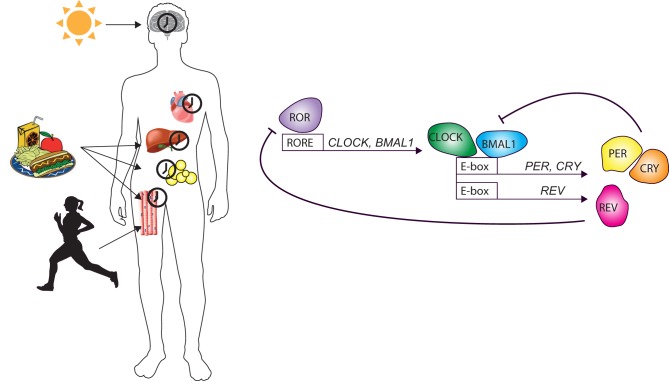
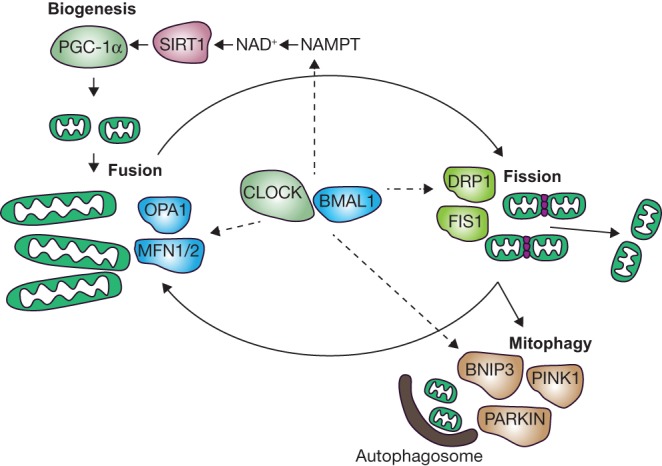
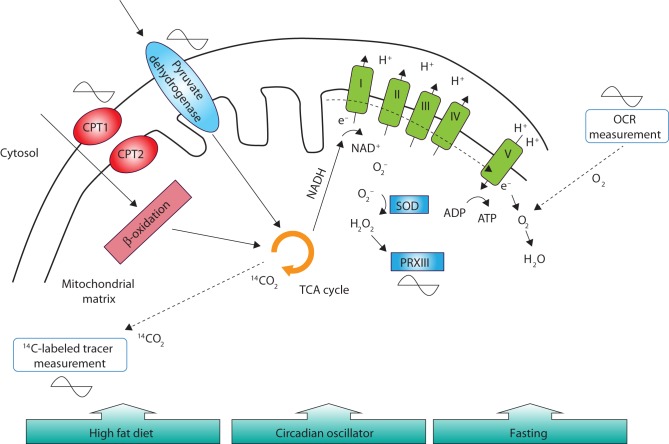
Many physiological processes are regulated with a 24-h periodicity to anticipate the environmental changes of daytime to nighttime and vice versa. These 24-h regulations, commonly termed circadian rhythms, among others control the sleep-wake cycle, locomotor activity and preparation for food availability during the active phase (daytime for humans and nighttime for nocturnal animals). Disturbing circadian rhythms at the organ or whole-body level by social jetlag or shift work, increases the risk to develop chronic metabolic diseases such as type 2 diabetes mellitus. The molecular basis of this risk is a topic of increasing interest. Mitochondria are essential organelles that produce the majority of energy in eukaryotes by converting lipids and carbohydrates into ATP through oxidative phosphorylation. To adapt to the ever-changing environment, mitochondria are highly dynamic in form and function and a loss of this flexibility is linked to metabolic diseases. Interestingly, recent studies have indicated that changes in mitochondrial morphology (i.e., fusion and fission) as well as generation of new mitochondria are dependent on a viable circadian clock. In addition, fission and fusion processes display diurnal changes that are aligned to the light/darkness cycle. Besides morphological changes, mitochondrial respiration also displays diurnal changes. Disturbing the molecular clock in animal models leads to abrogated mitochondrial rhythmicity and altered respiration. Moreover, mitochondrial-dependent production of reactive oxygen species, which plays a role in cellular signaling, has also been linked to the circadian clock. In this review, we will summarize recent advances in the study of circadian rhythms of mitochondria and how this is linked to the molecular circadian clock.
Overview
The claims and statistics of this paper haven’t been checked yet.
Run the check — free, no account needed. It reads the open-access text and checks the sources it cites.
Integrity signals
Registry
Cites
Statistics
Figures
Verification
Claims the paper makes
The claims and statistics of this paper haven’t been checked yet.
Run the check — free, no account needed. It reads the open-access text and checks the sources it cites.
Claims other papers make about this one
Each is checked against this paper’s own text: does it say what the citing paper says it does?
In the citing paper
“As many of the molecular processes that regulate mitochondrial content, function, and dynamics are regulated in a circadian manner [60,61] and considering that molecular markers of circadian rhythm are altered by a night of sleep deprivation [7,8], we also examined aspects of diurnal rhythmicity using the measures of peripheral skin temperature (obtained over 48 h, pre- and post-intervention) and”
From Exercise mitigates sleep-loss-induced changes in glucose tolerance, mitochondrial function, sarcoplasmic protein synthesis, and diurnal rhythms (2021) · cites this paper as [61]
Self-check
Percentages, sums and reported differences re-computed from the paper’s own numbers.
The self-check needs the paper’s full text.
Citations
Cites
Wu, Z., Puigserver, P., Andersson, U., Zhang, C., Adelmant, G., Mootha, V., Troy, A., Cinti, S., Lowell, B., Scarpulla, R. C., et al. (1999) · Cell · doi:10.1016/s0092-8674(00)80611-x · Cited by 4,139
Youle, R. J., & Narendra, D. P. (2011) · Nature Reviews Molecular Cell Biology · doi:10.1038/nrm3028 · Cited by 3,273
Nutrient control of glucose homeostasis through a complex of PGC-1α and SIRT1
Rodgers, J. T., Lerin, C., Haas, W., Gygi, S. P., Spiegelman, B. M., & Puigserver, P. (2005) · Nature · doi:10.1038/nature03354 · Cited by 3,160
Fission and selective fusion govern mitochondrial segregation and elimination by autophagy
Twig, G., Elorza, A., Molina, A. J. A., Mohamed, H., Wikstrom, J. D., Walzer, G., Stiles, L., Haigh, S. E., Katz, S., Las, G., et al. (2008) · The EMBO Journal · doi:10.1038/sj.emboj.7601963 · Cited by 3,082
Physiological Roles of Mitochondrial Reactive Oxygen Species
Sena, L. A., & Chandel, N. S. (2012) · Molecular Cell · doi:10.1016/j.molcel.2012.09.025 · Cited by 2,632
Transcriptional co-activator PGC-1α drives the formation of slow-twitch muscle fibres
Lin, J., Wu, H., Tarr, P. T., Zhang, C.-Y., Wu, Z., Boss, O., Michael, L. F., Puigserver, P., Isotani, E., Olson, E. N., et al. (2002) · Nature · doi:10.1038/nature00904 · Cited by 2,546
Coordinated Transcription of Key Pathways in the Mouse by the Circadian Clock
Panda, S., Antoch, M. P., Miller, B. H., Su, A. I., Schook, A. C., Straume, M., Schultz, P. G., Kay, S. A., Takahashi, J. S., & Hogenesch, J. B. (2002) · Cell · doi:10.1016/s0092-8674(02)00722-5 · Cited by 2,310
A circadian gene expression atlas in mammals: Implications for biology and medicine
Zhang, R., Lahens, N. F., Ballance, H. I., Hughes, M. E., & Hogenesch, J. B. (2014) · Proceedings of the National Academy of Sciences · doi:10.1073/pnas.1408886111 · Cited by 2,304
Metabolic control through the PGC-1 family of transcription coactivators
Lin, J., Handschin, C., & Spiegelman, B. M. (2005) · Cell Metabolism · doi:10.1016/j.cmet.2005.05.004 · Cited by 2,130
During autophagy mitochondria elongate, are spared from degradation and sustain cell viability
Gomes, L. C., Benedetto, G. D., & Scorrano, L. (2011) · Nature Cell Biology · doi:10.1038/ncb2220 · Cited by 1,735
Research works printed but not linked: 89
- 2012, Feedback control of adrenal steroidogenesis via H2O2-dependent, reversible inactivation of peroxiredoxin III in mitochondria, Molecular Cell, 46, 584, 10.1016/j.molcel.2012.05.030 · DOI
- 2002, The role of maternal mitochondria during oogenesis, fertilization and embryogenesis, Reproductive BioMedicine Online, 4, 176, 10.1016/S1472-6483(10)61937-2 · DOI
- 2011, Temporal orchestration of circadian autophagy rhythm by C/EBPβ, EMBO Journal, 30, 4642, 10.1038/emboj.2011.322 · DOI · Paper page
- 2016, Clock genes-dependent acetylation of complex I sets rhythmic activity of mitochondrial OxPhos, Biochimica et Biophysica Acta (BBA): Molecular Cell Research, 1863, 596, 10.1016/j.bbamcr.2015.12.018 · DOI
- 2014, Crosstalk between circadian rhythmicity, mitochondrial dynamics and macrophage bactericidal activity, Immunology, 143, 490, 10.1111/imm.12329 · DOI
- 2017, Differential effects of diet composition and timing of feeding behavior on rat brown adipose tissue and skeletal muscle peripheral clocks, Neurobiology of Sleep and Circadian Rhythms, 4, 24
- 1999, Mechanisms controlling mitochondrial biogenesis and respiration through the thermogenic coactivator PGC-1, Cell, 98, 115, 10.1016/S0092-8674(00)80611-X · DOI · Paper page
- 2015, Acute and delayed responses of C-reactive protein, malondialdehyde and antioxidant markers after resistance training session in elite weightlifters: effect of time of day, Chronobiology International, 32, 1211, 10.3109/07420528.2015.1079215 · DOI
- 2009, Circadian clock feedback cycle through NAMPT-mediated NAD+ biosynthesis, Science, 324, 651, 10.1126/science.1171641 · DOI · Paper page
- 2011, Uncoupling proteins and the control of mitochondrial reactive oxygen species production, Free Radical Biology and Medicine, 51, 1106, 10.1016/j.freeradbiomed.2011.06.022 · DOI
- 2003, The molecular machinery of Keilin’s respiratory chain, Biochemical Society Transactions, 31, 1095, 10.1042/bst0311095 · DOI
- 2017, Circadian and feeding rhythms orchestrate the diurnal liver acetylome, Cell Reports, 20, 1729, 10.1016/j.celrep.2017.07.065 · DOI
- 1979, Neonatal suprachiasmatic nucleus lesions: effects on the development of circadian rhythms in the rat, Brain Research, 164, 17, 10.1016/0006-8993(79)90003-9 · DOI
- 2012, Peroxiredoxins are conserved markers of circadian rhythms, Nature, 485, 459, 10.1038/nature11088 · DOI
- 2009, Nicotinamide enhances mitochondria quality through autophagy activation in human cells, Aging Cell, 8, 426, 10.1111/j.1474-9726.2009.00487.x · DOI
- YBuggerHZhangD, 2008, Disruption of the circadian clock within the cardiomyocyte influences myocardial contractile function metabolism and gene expression of : and, American Journal Physiology Heart Circulatory Physiology, 294
- 2014, The circadian clock maintains cardiac function by regulating mitochondrial metabolism in mice, PLoS ONE, 9, e112811, 10.1371/journal.pone.0112811 · DOI
- 2017, CRY1/2 selectively repress PPARδ and limit exercise capacity, Cell Metabolism, 26, 243.e6
- 2015, The endogenous molecular clock orchestrates the temporal separation of substrate metabolism in skeletal muscle., Skeletal Muscle, 5, 17, 10.1186/s13395-015-0039-5 · DOI
- 2015, The mammalian circadian clock gene Per2 modulates cell death in response to oxidative stress, Frontiers in Neurology, 5, 289
- 2001, Regulation of clock and NPAS2 DNA binding by the redox state of NAD cofactors, Science, 293, 510, 10.1126/science.1060698 · DOI · Paper page
- Neufeld, 2016, NooriLKupermanYGolikM Circadian control of oscillations in mitochondrial rate - limiting enzymes and nutrient utilization by PERIOD proteins https org, 113, 10.1073/pnas.1519650113 · DOI · Paper page
- 2012, Circadian autophagy rhythm: a link between clock and metabolism?, Trends in Endocrinology and Metabolism, 23, 319, 10.1016/j.tem.2012.03.004 · DOI
- 2016, Clock-genes and mitochondrial respiratory activity: evidence of a reciprocal interplay, Biochimica et Biophysica Acta (BBA): Bioenergetics, 1857, 1344, 10.1016/j.bbabio.2016.03.035 · DOI
- 2016, Mitochondrial H2O2 signaling is controlled by the concerted action of peroxiredoxin III and sulfiredoxin: linking mitochondrial function to circadian rhythm, Free Radical Biology and Medicine, 100, 73, 10.1016/j.freeradbiomed.2016.10.011 · DOI
- 2014b, Liver Clock Protein BMAL1 Promotes de Novo Lipogenesis through Insulin-mTORC2-AKT Signalling, Journal of Biological Chemistry, 289, 25925, 10.1074/jbc.M114.567628 · DOI
- 1993, Surviving Hypoxia: Mechanisms of Control and Adaptation
- 2003, Circadian rhythms of oxidative phosphorylation: effects of rotenone and melatonin on isolated rat brain mitochondria, Chronobiology International, 20, 451, 10.1081/CBI-120021385 · DOI
- 2009, Proteome differences between brown and white fat mitochondria reveal specialized metabolic functions, Cell Metabolism, 10, 324, 10.1016/j.cmet.2009.08.014 · DOI
- 2005, Nutrient control of glucose homeostasis through a complex of PGC-1alpha and SIRT1, Nature, 434, 113, 10.1038/nature03354 · DOI · Paper page
- 2015, Molecular mechanisms of mitochondrial autophagy/mitophagy in the heart, Circulation Research, 116, 1477, 10.1161/CIRCRESAHA.116.303790 · DOI
- 2015, The daily rhythms of mitochondrial gene expression and oxidative stress regulation are altered by aging in the mouse liver, Chronobiology International, 32, 1254, 10.3109/07420528.2015.1085388 · DOI
- 2015, Response of peripheral rhythms to the timing of food intake, Methods in Enzymology, 552, 145, 10.1016/bs.mie.2014.10.027 · DOI
- 1974, Proceedings: diurnal variation in athletic performance, Journal of Physiology, 236, 51P
- 2015, In vivo single-cell detection of metabolic oscillations in stem cells, Cell Reports, 10, 1, 10.1016/j.celrep.2014.12.007 · DOI
- 2015, ROS-dependent signal transduction, Current Opinion in Cell Biology, 33, 8, 10.1016/j.ceb.2014.09.010 · DOI
- 1998, Light responsiveness of the suprachiasmatic nucleus: long-term multiunit and single-unit recordings in freely moving rats, Journal of Neuroscience, 18, 9078, 10.1523/JNEUROSCI.18-21-09078.1998 · DOI
- 1981, Autophagic vacuoles in heart muscle and liver. A comparative morphometric study including circadian variations in meal-fed rats, Journal of Molecular and Cellular Cardiology, 13, 37, 10.1016/0022-2828(81)90227-3 · DOI
- 2008, The NAD+-dependent deacetylase SIRT1 modulates CLOCK-mediated chromatin remodeling and circadian control, Cell, 134, 329, 10.1016/j.cell.2008.07.002 · DOI · Paper page
- 2012, Nicotinamide-induced Mitophagy, Journal of Biological Chemistry, 287, 19304, 10.1074/jbc.M112.363747 · DOI
- 1984, Circadian rhythms in multiple unit activity inside and outside the suprachiasmatic nucleus in the diurnal chipmunk (Eutamias sibiricus), Neuroscience Research, 1, 45, 10.1016/0168-0102(84)90029-4 · DOI
- 2006, How might you compare mitochondria from different tissues and different species?, Journal of Comparative Physiology B, 176, 93, 10.1007/s00360-005-0025-z · DOI
- 2008, In vivo monitoring of circadian timing in freely moving mice, Current Biology, 18, 381, 10.1016/j.cub.2008.02.024 · DOI
- 2014, A circadian gene expression atlas in mammals: implications for biology and medicine, PNAS, 111, 16219, 10.1073/pnas.1408886111 · DOI · Paper page
- 2016, The evolution of per-cell organelle number, Frontiers in Cell and Developmental Biology, 4, 85
- 2015, Hepatic Bmal1 regulates rhythmic mitochondrial dynamics and promotes metabolic fitness, Cell Metabolism, 22, 709, 10.1016/j.cmet.2015.08.006 · DOI
- 2011, Tubular network formation protects mitochondria from autophagosomal degradation during nutrient starvation, PNAS, 108, 10190, 10.1073/pnas.1107402108 · DOI
- 2008, SIRT1 regulates circadian clock gene expression through PER2 deacetylation, Cell, 134, 317, 10.1016/j.cell.2008.06.050 · DOI · Paper page
- 2011, Loss of Bmal1 leads to uncoupling and impaired glucose-stimulated insulin secretion in β-cells, Islets, 3, 381, 10.4161/isl.3.6.18157 · DOI
- 2013, Circadian clock NAD+ cycle drives mitochondrial oxidative metabolism in mice, Science, 342, 1243417, 10.1126/science.1243417 · DOI
- 2012, Physiological roles of mitochondrial reactive oxygen species, Molecular Cell, 48, 158, 10.1016/j.molcel.2012.09.025 · DOI · Paper page
- 2011, During autophagy mitochondria elongate, are spared from degradation and sustain cell viability, Nature Cell Biology, 13, 589, 10.1038/ncb2220 · DOI · Paper page
- 2012, Mitophagy: mechanisms, pathophysiological roles, and analysis, Biological Chemistry, 393, 547, 10.1515/hsz-2012-0119 · DOI · Paper page
- ChenHChanDC, 2009, Mitochondrial dynamics fusion fission movement and mitophagy in neurodegenerative diseases https org, Human Molecular Genetics, 18, 169, 10.1093/hmg/ddp326 · DOI
- 1998, Inter-tissue differences in mitochondrial enzyme activity, RNA and DNA in rainbow trout (Oncorhynchus mykiss), Journal of Experimental Biology, 201, 3377, 10.1242/jeb.201.24.3377 · DOI
- 2013, Rev-erb-α modulates skeletal muscle oxidative capacity by regulating mitochondrial biogenesis and autophagy, Nature Medicine, 19, 1039, 10.1038/nm.3213 · DOI
- 2013, Mitochondrial morphology in mitophagy and macroautophagy, Biochimica et Biophysica Acta (BBA): Molecular Cell Research, 1833, 205, 10.1016/j.bbamcr.2012.02.012 · DOI
- 2015, Circadian oscillation of sulfiredoxin in the mitochondria, Molecular Cell, 59, 651, 10.1016/j.molcel.2015.06.031 · DOI
- 2015, Teaching the fundamentals of electron transfer reactions in mitochondria and the production and detection of reactive oxygen species, Redox Biology, 4, 381, 10.1016/j.redox.2015.02.001 · DOI
- 2012, Transcriptional architecture and chromatin landscape of the core circadian clock in mammals, Science, 338, 349, 10.1126/science.1226339 · DOI · Paper page
- 2006, Dissecting the functions of the mammalian clock protein BMAL1 by tissue-specific rescue in mice, Science, 314, 1304, 10.1126/science.1132430 · DOI
- 2015, The impact of circadian phenotype and time since awakening on diurnal performance in athletes, Current Biology, 25, 518, 10.1016/j.cub.2014.12.036 · DOI
- 2016, Circadian oscillations of NADH redox state using a heterologous metabolic sensor in mammalian cells, Journal of Biological Chemistry, 291, 23906, 10.1074/jbc.M116.728774 · DOI
- 2007, Identification of the circadian transcriptome in adult mouse skeletal muscle, Physiological Genomics, 31, 86, 10.1152/physiolgenomics.00066.2007 · DOI
- 2002, Transcriptional co-activator PGC-1α drives the formation of slow-twitch muscle fibres, Nature, 418, 797, 10.1038/nature00904 · DOI · Paper page
- 1975, A morphometric study of cellular autophagy including diurnal variations in kidney tubules of normal rats, Journal of Cell Biology, 64, 608, 10.1083/jcb.64.3.608 · DOI
- 2008, Mitochondrial biogenesis and turnover, Cell Calcium, 44, 24, 10.1016/j.ceca.2007.12.004 · DOI
- 2017, Mitochondrial dynamics: coupling mitochondrial fitness with healthy aging, Trends in Molecular Medicine, 23, 201, 10.1016/j.molmed.2017.01.003 · DOI
- 2004, Evidence for mitochondrial thioesterase as a peroxisome proliferator - activated receptor - α - regulated gene in cardiac and skeletal muscle of and https org, American Journal Physiology Endocrinology Metabolism, 1, 10.1152/ajpendo.00190.2004 · DOI
- 2015, Mitochondrial dynamics and mitochondrial quality control, Redox Biology, 4, 6, 10.1016/j.redox.2014.11.006 · DOI · Paper page
- 2007, Transcriptional coactivator PGC-1alpha integrates the mammalian clock and energy metabolism, Nature, 447, 477, 10.1038/nature05767 · DOI · Paper page
- 2014, Muscle insulin sensitivity and glucose metabolism are controlled by the intrinsic muscle clock, Molecular Metabolism, 3, 29, 10.1016/j.molmet.2013.10.005 · DOI · Paper page
- 2005, Metabolic control through the PGC-1 family of transcription coactivators, Cell Metabolism, 1, 361, 10.1016/j.cmet.2005.05.004 · DOI · Paper page
- 2011, Mechanisms of mitophagy, Nature Reviews Molecular Cell Biology, 12, 9, 10.1038/nrm3028 · DOI · Paper page
- 2008, Fission and selective fusion govern mitochondrial segregation and elimination by autophagy, EMBO Journal, 27, 433, 10.1038/sj.emboj.7601963 · DOI · Paper page
- 2010, CLOCK and BMAL1 regulate MyoD and are necessary for maintenance of skeletal muscle phenotype and function, PNAS, 107, 19090, 10.1073/pnas.1014523107 · DOI · Paper page
- 2002, Coordinated transcription of key pathways in the mouse by the circadian clock, Cell, 109, 307, 10.1016/S0092-8674(02)00722-5 · DOI
- 2012, Diurnal variation of hepatic antioxidant gene expression in mice, PLoS ONE, 7, e44237, 10.1371/journal.pone.0044237 · DOI
- 2016, Demonstration of a day-night rhythm in human skeletal muscle oxidative capacity, Molecular Metabolism, 5, 635, 10.1016/j.molmet.2016.06.012 · DOI · Paper page
- 2009, Circadian control of the NAD+ salvage pathway by CLOCK-SIRT1, Science, 324, 654, 10.1126/science.1170803 · DOI · Paper page
- 2016, Mitochondrial dynamics and metabolic regulation, Trends in Endocrinology and Metabolism, 27, 105, 10.1016/j.tem.2015.12.001 · DOI
- MHoodDA, 2003, coactivator alpha expression during thyroid hormone - and contractile activity - induced mitochondrial adaptations of https org, American Journal Physiology Cell Physiology, 1, 10.1152/ajpcell.00409.2002 · DOI
- 2010, Regulation of mitochondrial biogenesis, Essays in Biochemistry, 47, 69, 10.1042/bse0470069 · DOI · Paper page
- 2013, Mitochondrial fission-fusion as an emerging key regulator of cell proliferation and differentiation, BioEssays, 35, 955, 10.1002/bies.201300011 · DOI
- 2006, Quantitative proteomic comparison of rat mitochondria from muscle, heart, and liver, Molecular and Cellular Proteomics, 5, 608, 10.1074/mcp.M500298-MCP200 · DOI
- 2011, Genome-wide and phase-specific DNA-binding rhythms of BMAL1 control circadian output functions in mouse liver, PLoS Biology, 9, e1000595, 10.1371/journal.pbio.1000595 · DOI
- 2016, The circadian gene Rev-erbα improves cellular bioenergetics and provides preconditioning for protection against oxidative stress, Free Radical Biology and Medicine, 93, 177, 10.1016/j.freeradbiomed.2016.02.004 · DOI
- 2011, Tissue-specific differences in mitochondrial activity and biogenesis, Mitochondrion, 11, 207, 10.1016/j.mito.2010.09.011 · DOI
- 2015, Circadian regulation of cellular physiology, Methods in Enzymology, 552, 165, 10.1016/bs.mie.2014.10.006 · DOI · Paper page
Cited by
Sorted by citations
Items 101–200 of 219
Dhar, G., Bag, J., & Mishra, M. (2020) · Environmental Science and Pollution Research · doi:10.1007/s11356-020-09141-0 · Cited by 9
Gil, C. I., Löser, A., Lossow, K., Schwarz, M., Weber, D., Grune, T., Kipp, A. P., Klaus, S., & Ost, M. (2023) · Frontiers in Endocrinology · doi:10.3389/fendo.2023.1277866 · Cited by 11
The mitochondria chronicles of melatonin and ATP: Guardians of phase separation
Loh, D., & Reiter, R. J. (2024) · Mitochondrial Communications · doi:10.1016/j.mitoco.2024.07.002 · Cited by 10
Cervela‐Cardona, L., Francisco, M., & Strand, Å. (2025) · Plants · doi:10.3390/plants14162464 · Cited by 9
Huang, L., Zhang, L., Shi, S., Zhou, X., Yuan, H., Song, X., Hu, Y., Pang, W., Yang, G., Gao, L., et al. (2023) · Theriogenology · doi:10.1016/j.theriogenology.2023.03.004 · Cited by 8
Balieiro, L. C. T., Gontijo, C. A., Marot, L. P., Teixeira, G. P., Fahmy, W. M., Moreno, C. R. D. C., Maia, Y. C. D. P., & Crispim, C. A. (2021) · Scientific Reports · doi:10.1038/s41598-021-97946-5 · Cited by 8
The erythrocyte membrane stability is associated with sleep time and social jetlag in shift workers
Teixeira, K. R., de Medeiros, L. A., Mendes, J. A., Vaz, E. R., Cunha, T. M., de Oliveira, E. P., Penha‐Silva, N., & Crispim, C. A. (2019) · PLoS ONE · doi:10.1371/journal.pone.0222698 · Cited by 8
Carriel‐Nesvara, A., Muñoz-Medina, C., Deldicque, L., & Castro‐Sepúlveda, M. (2025) · The Journal of Physiology · doi:10.1113/jp289019 · Cited by 8
Zhang, Z., Liu, B., & Ding, S. (2025) · The FASEB Journal · doi:10.1096/fj.202501289r · Cited by 7
Lee, J., Yang, J. H., Weber, A. P. M., Bhattacharya, D., Kim, W., & Yoon, H. S. (2024) · Molecular Biology and Evolution · doi:10.1093/molbev/msae012 · Cited by 7
Zhou, S., Li, X., Liang, F., Ji, G., Lv, K., Yuan, Y., Zhao, Y., Yan, N., Zhang, C., Cai, S., et al. (2024) · International Journal of Molecular Sciences · doi:10.3390/ijms25094853 · Cited by 7
Wu, Y., Nie, Q., Wang, Y., Liu, Y., Liu, W., Wang, T., Zhang, Y., Cao, S., Li, Z., Zheng, J., et al. (2024) · European Journal of Nutrition · doi:10.1007/s00394-024-03414-x · Cited by 9
Bhaskar, R., Narayanan, K. B., Singh, D. K. K., & Han, S. S. (2025) · Current Alzheimer Research · doi:10.2174/0115672050381989250626071304 · Cited by 7
Vincent, E. P., Perry, B. W., Kelley, J. L., Robbins, C. T., & Jansen, H. T. (2023) · Journal of Comparative Physiology B · doi:10.1007/s00360-023-01513-5 · Cited by 7
The engagement of autophagy in maniac disease
Yang, Y., Yuan, R., Lu, Y., Zhu, C., Zhang, C., Lue, H., & Zhang, X. (2023) · CNS Neuroscience & Therapeutics · doi:10.1111/cns.14353 · Cited by 6
Semadhi, M. P., Muliaty, D., Halimah, E., & Levita, J. (2023) · Biomedical Reports · doi:10.3892/br.2023.1646 · Cited by 8
Aging: An evolutionary competition between host cells and mitochondria
Tan, D. X. (2019) · Medical Hypotheses · doi:10.1016/j.mehy.2019.04.007 · Cited by 6
Shinhmar, H., Kam, J. H., Mitrofanis, J., Hogg, C. R., & Jeffery, G. (2022) · Journal of Biophotonics · doi:10.1002/jbio.202200093 · Cited by 9
Matz‐Soja, M., Körner, C., Ott, F., Fischer, J., Marbach-Breitrück, E., Bergmann, C., Hofmann, U., Shevchenko, A., Wallach, I., Textoris‐Taube, K., et al. (2026) · Cellular and Molecular Life Sciences · doi:10.1007/s00018-025-06046-4 · Cited by 5
Boltzmann’s Theorem Revisited: Inaccurate Time-to-Action Clocks in Affective Disorders
Ferber, S. G., Weller, A., & Soreq, H. (2024) · Current Neuropharmacology · doi:10.2174/1570159x22666240315100326 · Cited by 5
Filipovská, E., Čočková, Z., Černá, B., Kubištová, A., Spišská, V., Telenský, P., & Bendová, Z. (2024) · European Journal of Neuroscience · doi:10.1111/ejn.16471 · Cited by 5
Chang, S., Chen, W., & Chai, C. (2024) · Journal of Trace Elements in Medicine and Biology · doi:10.1016/j.jtemb.2024.127507 · Cited by 6
Negri, M., Amatrudo, F., Provvisiero, D. P., Patalano, R., Trinchese, G., Cimmino, F., de Angelis, C., Simeoli, C., Auriemma, R. S., Mollica, M. P., et al. (2025) · Cancer Drug Resistance · doi:10.20517/cdr.2024.193 · Cited by 5
Genome-wide screening of circadian and non-circadian impact of Neat1 genetic deletion
Jacq, A., Becquet, D., Bello-Goutierrez, M.-M., Boyer, B., Guillen, S., Franc, J., & François‐Bellan, A. (2021) · Computational and Structural Biotechnology Journal · doi:10.1016/j.csbj.2021.04.022 · Cited by 5
Balit, N., Cermakian, N., & Khadra, A. (2024) · Journal of Theoretical Biology · doi:10.1016/j.jtbi.2024.111852 · Cited by 4
Li, Y., Gao, W., Jiao, L., Dong, D., Sun, L., Liu, Y., & Shen, L. (2025) · International Journal of Molecular Sciences · doi:10.3390/ijms26051895 · Cited by 4
Shan, C., Zhang, L., Ma, X., Lv, W., Wang, Q., Zhang, K., Zhu, M., Cheng, J., Guo, Y., Liu, Z., et al. (2025) · The FASEB Journal · doi:10.1096/fj.202500529r · Cited by 4
Anand, S., Balgote, P. J., & Jayanthi, S. (2025) · Molecular Biology Reports · doi:10.1007/s11033-025-11010-3 · Cited by 4
Choi, Y., Lee, S., & Kim, E. (2025) · Nutrients · doi:10.3390/nu17223571 · Cited by 4
Shaping mitochondria through fed–fast and circadian cycles
Khatri, S., Kazi, R. S., & Kolthur‐Seetharam, U. (2023) · Biochemical Journal · doi:10.1042/bcj20220378 · Cited by 4
Chen, W., Xue, Y., Scarfe, L., Wang, D., & Zhang, Y. (2019) · Frontiers in Cellular Neuroscience · doi:10.3389/fncel.2019.00076 · Cited by 4
Téglás, T., Torices, S., Marcos, A. C., Orzechowska-Wylęgała, B., & Toborek, M. J. (2025) · Fluids and Barriers of the CNS · doi:10.1186/s12987-025-00669-2 · Cited by 3
Avian circadian clock genes: ontogeny and role for adaptive programming in avian embryos
Wellard, C. J., Weger, M., Gachon, F., & Buchanan, K. L. (2025) · Frontiers in Physiology · doi:10.3389/fphys.2025.1586580 · Cited by 5
Progress in understanding how clock genes regulate aging and associated metabolic processes
Su, Y., Wang, M., Chen, J., Bao, Y., Wen, R., Ren, H., & Luan, Z. (2025) · Frontiers in Physiology · doi:10.3389/fphys.2025.1654369 · Cited by 4
Fitzgerald, L. S., Spurrier, C. S. R., Lau, N., Melamed, M. D., Burnett, L. A., Meyer, G. A., Gui, C., Hevener, A. L., Sanford, J. A., & Schenk, S. (2025) · American Journal of Physiology-Endocrinology and Metabolism · doi:10.1152/ajpendo.00027.2025 · Cited by 3
Koyuncu, H., Kara, N., & Dabak, Ş. (2024) · Nucleosides Nucleotides & Nucleic Acids · doi:10.1080/15257770.2024.2348089 · Cited by 3
Björk, V. (2021) · Rejuvenation Research · doi:10.1089/rej.2020.2388 · Cited by 3
CIRCADIAN RHYTHMS AND PERSONALIZED STRATEGIES FOR ANTI-AGING THERAPIES
Kalmukova, O., Kyryk, V. M., & Dzerzhynsky, M. (2022) · Anti-Aging Eastern Europe · doi:10.56543/aaeeu.2022.1.1.03 · Cited by 3
Metabolic influence on circadian oscillations рH and Eh in urine and saliva
Tatevosyan, A. S., Быков, И. М., & Gubareva, D. A. (2022) · Innovative medicine of Kuban · doi:10.35401/2541-9897-2022-25-4-82-89 · Cited by 3
Skeletal muscle clock and metabolism
Li, Y., & Chen, W. (2020) · Biological Rhythm Research · doi:10.1080/09291016.2020.1816037 · Cited by 3
Circadian rhythms in renal metabolism
Bignon, Y., & Firsov, D. (2025) · Current Opinion in Physiology · doi:10.1016/j.cophys.2025.100814 · Cited by 2
Circadian Rhythm and Muscle Function
Kim, H., & Shibata, S. (2025) · Advances in experimental medicine and biology · doi:10.1007/978-3-031-88361-3_6 · Cited by 2
Fitzpatrick, R., Wilson, J. J., Davison, G. W., McMahon, G. E., Bleakley, C., & McClean, C. M. (2026) · Journal of Sports Sciences · doi:10.1080/02640414.2026.2637042 · Cited by 3
Reprogramming the mitochondrial–circadian energy code with incretins
Nisoli, E., Ragni, M., Ruocco, C., & Valerio, A. (2026) · Trends in Endocrinology and Metabolism · doi:10.1016/j.tem.2026.02.011 · Cited by 2
Cho, Y.-H., Lee, J.-Y., & Seo, T.-B. (2023) · Exercise Science · doi:10.15857/ksep.2023.00367 · Cited by 2
Molecular Hydrogen: A New Treatment Strategy of Mitochondrial Disorders
Gvozdjáková, A., Kucharská, J., Sumbalová, Z., Rausová, Z., Kura, B., Bartolčičová, B., & Slezák, J. (2024) · Advances in biochemistry in health and disease · doi:10.1007/978-3-031-47375-3_4 · Cited by 2
Park, Y., Kang, H., Kang, S. J., Ku, H., Zarbl, H., Fang, M., & Park, J. (2024) · Archives of Toxicology · doi:10.1007/s00204-024-03686-6 · Cited by 2
Dynamic Real‐Time Biosensing Enabled Biorhythm Tracking for Psychiatric Disorders
Huizer, K., Banga, I. K., Kumar, R. M., Muthukumar, S., & Prasad, S. (2024) · Wiley Interdisciplinary Reviews Nanomedicine and Nanobiotechnology · doi:10.1002/wnan.2021 · Cited by 2
Environmental Stress: Mitochondria as Targets and Stressors in Cellular Metabolism
Bereiter‐Hahn, J., & Jendrach, M. (2019) · Springer eBooks · doi:10.1007/978-3-030-16996-1_5 · Cited by 2
Cunha, L., Paschalidis, M., Moysés‐Oliveira, M., Marquezini, B. P., Deconto, T. B., Guerreiro, P., Kloster, A. K., Mosini, A. C., Adami, L. N. G., Andersen, M. L., et al. (2023) · Sleep Medicine · doi:10.1016/j.sleep.2023.09.031 · Cited by 2
Rodrigues, T. (2024) · Springer eBooks · doi:10.1007/978-3-031-55022-5_6 · Cited by 2
Lee, S. B., & Yang, H. O. (2020) · doi:10.22541/au.159741621.14420392 · Cited by 2
Shinhmar, H., Kam, J. H., Mitrofanis, J., Hogg, C. R., & Jeffery, G. (2021) · bioRxiv (Cold Spring Harbor Laboratory) · doi:10.1101/2021.09.14.460393 · Cited by 2
Escalante‐Covarrubias, Q., Mendoza-Viveros, L., González-Suárez, M., Becerril-Pérez, F., Pacheco-Bernal, I., Carreño‐Vázquez, E., Sanchez, P. B. M., Bustamante-Zepeda, M., Orozco-Solís, R., & Aguilar‐Arnal, L. (2022) · bioRxiv (Cold Spring Harbor Laboratory) · doi:10.1101/2022.08.12.503453 · Cited by 2
Richardson, R. B., & Mailloux, R. J. (2022) · Free Radical Biology and Medicine · doi:10.1016/j.freeradbiomed.2022.11.036 · Cited by 2
RetractedSkubatz, H. (2022) · Plant Biology · doi:10.1111/plb.13466 · Cited by 1
Cela, O., Scrima, R., Pacelli, C., Rosiello, M., Piccoli, C., & Capitanio, N. (2024) · International Journal of Molecular Sciences · doi:10.3390/ijms25147797 · Cited by 2
Circadian rhythm homeostasis biomarkers: current landscape and emerging frontiers
Li, S., Zhang, C., Lin, Y., & Wang, S. (2025) · Oral Science and Homeostatic Medicine · doi:10.26599/oshm.2025.9610028 · Cited by 1
Diet-mediated bioenergetic flux: a double-edged sword for health and diseases
Nasb, M., Luo, A., Dayoub, L., Wang, M., & Chen, N. (2025) · Food Science and Human Wellness · doi:10.26599/fshw.2025.9250724 · Cited by 2
Невойт, Г. В., Potyazhenko, M., Mintser, O. P., Jaruševičius, G., & Vainoras, A. (2025) · International Journal of Molecular Sciences · doi:10.3390/ijms262110497 · Cited by 3
Are we trapped on Earth: space and accelerated ageing
Nunn, A. V. W., Bell, J. D., & Guy, G. (2025) · npj Microgravity · doi:10.1038/s41526-025-00551-3 · Cited by 1
Anderson, G. (2026) · Exploration of neuroscience · doi:10.37349/en.2026.1006132 · Cited by 1
Huang, Y., Tang, L., Li, D., Chen, L., Wu, W., Zeng, D., Zhong, Y., & Wang, M. (2026) · Mammalian Genome · doi:10.1007/s00335-026-10231-6 · Cited by 1
Liu, T., Fan, X., Zhang, N., Wang, Y., Qian, Z., Hou, X., Zhang, H., & Zou, J. (2026) · Journal of Biomedical Research · doi:10.7555/jbr.40.20260012 · Cited by 1
Circadian Rhythms and Exercise Metabolism
Wolff, C. A., Hesketh, S. J., & Esser, K. A. (2022) · Physiology in health and disease · doi:10.1007/978-3-030-94305-9_16 · Cited by 1
The Link Between Circadian Rhythm and ROS-Induced Cancer
Bari, A. B. A., & Samuel, P. J. (2022) · Handbook of Oxidative Stress in Cancer: Therapeutic Aspects · doi:10.1007/978-981-16-5422-0_215 · Cited by 1
Gamble, M. C., & Logan, R. W. (2023) · Elsevier eBooks · doi:10.1016/b978-0-12-823453-2.00009-6 · Cited by 1
Nutrition, Epigenetics, and Circadian Rhythms
Cai, D., Liu, H., Li, K., & Zhu, Y. (2024) · Epigenetics and human health · doi:10.1007/978-3-031-54215-2_8 · Cited by 1
Kamogashira, T., Kikuta, S., & Yamasoba, T. (2025) · Cells · doi:10.3390/cells14020081 · Cited by 1
Detection and analysis of dynamic patterns of diurnal expression of mammalian genes
Podkolodnaya, O. V., Tverdokhleb, N. N., & Podkolodnyy, N. L. (2019) · Vavilov Journal of Genetics and Breeding · doi:10.18699/vj18.450
The Link between Circadian Rhythm and ROS-Induced Cancer
Bari, A. B. A., & Samuel, P. J. (2022) · Handbook of Oxidative Stress in Cancer: Therapeutic Aspects · doi:10.1007/978-981-16-1247-3_215-1
Period 3 regulates mitochondrial function via the NAD+-SIRT3 axis in micePreprint
Xie, X., Shu, R., Zhang, M., Cui, D., Sun, L., Li, Z., & Han, Q. (2022) · Research Square · doi:10.21203/rs.3.rs-1767038/v1
Genetic Risk Factors for ME/CFS Identified using Combinatorial AnalysisPreprint
Das, S., Taylor, K., Kozubek, J. A., Sardell, J. M., & Gardner, S. (2022) · Research Square · doi:10.21203/rs.3.rs-2168850/v1
Exercício físico como sincronizador do ritmo circadiano no câncer.
Teixeira, A. A. D. S. (2020) · Digital Library of Theses and Dissertations (Universidade de São Paulo) · doi:10.11606/t.42.2020.tde-05052021-134229
Melatonin ve Çinkonun Egzersize Katkıları
Kaya, O. (2023) · Akademisyen Kitabevi eBooks · doi:10.37609/akya.2575
Campanhas Antitabagismo e a Nicotina
Santos, E. W. (2022) · Kerygma · doi:10.19141/1809-2454.kerygma.v17.n1.pe01560
Use of Minimally Invasive Methods to Assess Fuel Utilization and Circadian Rhythms in Older Adults
McLaren, C., Bohlman, C., Ezzati, A., Esser, K. A., Leeuwenburgh, C., Manini, T. M., Pahor, M., Anton, S. D., & Wohlgemuth, S. E. (2024) · Journal of Visualized Experiments · doi:10.3791/64628
McLaren, C., Bohlman, C., Ezzati, A., Esser, K. A., Leeuwenburgh, C., Manini, T., Pahor, M., Anton, S., & Wohlgemuth, S. E. (2024) · doi:10.3791/64628-v
Ge, Y., Liu, Y., Zhang, B., Xu, J., He, S.-Y., Cao, Q.-L., Li, P.-J., Bu, Y.-R., Bai, Y., Zhang, L., et al. (2024) · bioRxiv (Cold Spring Harbor Laboratory) · doi:10.1101/2024.04.02.587843
Hao, S., Chen, Z., Gu, Y., Chen, L., Sheng, F., Xu, Y., Wu, D., Han, Y., Lu, B., Chen, S., et al. (2023) · Figshare · doi:10.6084/m9.figshare.24209202
Hao, S., Chen, Z., Gu, Y., Chen, L., Sheng, F., Xu, Y., Wu, D., Han, Y., Lu, B., Chen, S., et al. (2023) · Figshare · doi:10.6084/m9.figshare.24209205
Hao, S., Chen, Z., Gu, Y., Chen, L., Sheng, F., Xu, Y., Wu, D., Han, Y., Lu, B., Chen, S., et al. (2023) · Figshare · doi:10.6084/m9.figshare.24209208
Maternal ancestry reveals cyclical aging of the mammary gland.Preprint
Germain, D., Mashaka, T., Chattopadhyay, M., Polushakov, D., Torres‐Martín, M., Sia, D., & Jenkins, E. C. (2024) · Research Square · doi:10.21203/rs.3.rs-4926839/v1
Perspective Therapy of Mitochondrial Disorders with Molecular Hydrogen
Gvozdjáková, A., Kucharská, J., Rausová, Z., Sumbalová, Z., Slezák, J., Kura, B., LeBaron, T. W., & Ohta, S. (2024) · Advances in biochemistry in health and disease · doi:10.1007/978-3-031-75741-9_24
Molecular Mechanisms of Mitochondrial Function
Gvozdjáková, A., & Cornélissen, G. (2024) · Advances in biochemistry in health and disease · doi:10.1007/978-3-031-75741-9_2
Circadian Regulation of Neuroinflammation
Saha, S., & Banerjee, A. (2024) · Progress in inflammation research · doi:10.1007/978-3-031-74744-1_1
Molecular and Cellular Mechanisms of Bipolar Disorder
McClung, C. A., & Blumberg, H. P. (2025) · Oxford University Press eBooks · doi:10.1093/med/9780197640654.003.0024
RP13-516M14.1 Regulates Autophagy Through miR-429 via Both a ceRNA Network and Direct Interaction
Yang, Z., Zeng, A., Yu, B., Xie, C. L., Zhu, W., Liu, H., Gu, C., & Fu, M. (2025) · Biochemical Genetics · doi:10.1007/s10528-025-11143-x
Level of reactive oxygen species in keratoconic eyes wearing scleral lenses
Dagar, S., Iqbal, A., Bharathselvi, M., Angayarkanni, N., Giridhar, D., & Natarajan, R. (2025) · Clinical and Experimental Optometry · doi:10.1080/08164622.2025.2578336
Taylor, K., Pearson, M. W., Das, S., Sardell, J. M., Chocian, K., & Gardner, S. (2024) · Figshare · doi:10.6084/m9.figshare.26634657
Additional file 1 of Genetic risk factors for ME/CFS identified using combinatorial analysis
Das, S., Taylor, K., Kozubek, J. A., Sardell, J., & Gardner, S. (2024) · Figshare · doi:10.6084/m9.figshare.26554556
Taylor, K., Pearson, M. W., Das, S., Sardell, J. M., Chocian, K., & Gardner, S. (2024) · Figshare · doi:10.6084/m9.figshare.26634663
Taylor, K., Pearson, M., Das, S., Sardell, J. M., Chocian, K., & Gardner, S. (2024) · Figshare · doi:10.6084/m9.figshare.26634654
Hao, S., Chen, Z., Gu, Y., Chen, L., Sheng, F., Xu, Y., Wu, D., Han, Y., Lu, B., Chen, S., et al. (2023) · Figshare · doi:10.6084/m9.figshare.24209211
Hao, S., Chen, Z., Gu, Y., Chen, L., Sheng, F., Xu, Y., Wu, D., Han, Y., Lu, B., Chen, S., et al. (2023) · Figshare · doi:10.6084/m9.figshare.24209214
Taylor, K., Pearson, M. W., Das, S., Sardell, J. M., Chocian, K., & Gardner, S. (2024) · Figshare · doi:10.6084/m9.figshare.26634651
Taylor, K., Pearson, M. W., Das, S., Sardell, J. M., Chocian, K., & Gardner, S. (2024) · Figshare · doi:10.6084/m9.figshare.26634660
Metadata
- Authors
- de Goede, P., Wefers, J., Brombacher, E. C., Schrauwen, P., & Kalsbeek, A.
- Affiliations
- 1Department of Clinical Chemistry, Laboratory of Endocrinology, Academic Medical Center (AMC), University of Amsterdam, Amsterdam, The Netherlands
- Maastricht University Medical Centre (NL)
- Amsterdam UMC Location University of Amsterdam (NL)
- Netherlands Institute for Neuroscience (NL)
- Corresponding author
- Kalsbeek, Andries
- Venue
- Journal of Molecular Endocrinology
- Publisher
- Bioscientifica
- Published
- 2018-04
- Volume
- 60
- Issue
- 3
- Pages
- R115-R130
- ISSN
- 0952-5041 (ISSN-L)
- 1479-6813
- PMC
- PMC5854864
- OpenAlex
- W2789456434
- Cited by
- 211
- References
- 91
- Citations by year
- 2026: 24 · 2025: 31 · 2024: 27 · 2023: 30 · 2022: 30 · 2021: 22 · 2020: 26 · 2019: 13 · 2018: 8
- FWCI
- 2.41
- Type
- journal article
- Language
- en
- Open access
- hybrid
- doi.org
- Locations
- Journal of Molecular Endocrinology (publishedVersion, cc-by)
- PubMed Central (publishedVersion, cc-by)
- PubMed (publishedVersion)
- KNAW research portal (Royal Academy of Art and Sciences (KNAW)) (publishedVersion, other-oa)
- Pure Amsterdam UMC (submittedVersion, other-oa)
- Data Archiving and Networked Services (DANS) (submittedVersion)
- Data Archiving and Networked Services (DANS) (submittedVersion, other-oa)
- Research Publications (Maastricht University) (submittedVersion, cc-by)
- Research Publications (Maastricht University) (submittedVersion, other-oa)
- Funders
- Nederlandse Organisatie voor Wetenschappelijk Onderzoek (40-00812-98-1404, 40-00812-98-14047)
- Topics
- Life Sciences › Neuroscience › Endocrine and Autonomic Systems › Circadian rhythm and melatonin
- Life Sciences › Biochemistry, Genetics and Molecular Biology › Molecular Biology › Mitochondrial Function and Pathology
- Social Sciences › Psychology › Experimental and Cognitive Psychology › Sleep and Work-Related Fatigue
- Keywords
- circadian rhythm, mitochondrial respiration, circadian clock, mitochondrial dynamics, mitochondrial fusion, mitochondrial fission, mitochondrial biogenesis, oxidative phosphorylation, reactive oxygen species, type 2 diabetes, metabolic disorders, shift work, social jetlag, light-dark cycle
- MeSH terms
- Animals, Circadian Rhythm, Humans, Mitochondria, Models, Biological, Reactive Oxygen Species, Cell Respiration, Mitophagy
About these checks
Registry, retraction, Cites and statistics results are computed, not judged, with one exception: a printed reference that no index lists is read once by a model before it counts as a citation error. Claims are extracted by a model and kept only when their quote appears verbatim in the text; each cited source is then checked, with a model’s help, for whether it says what the claim relies on. Those verdicts can be wrong — read the claim’s quote and the cited source before relying on one.
Statistics and arithmetic are recomputed, not judged.
Confidence bands are shown only for fields calibrated on our annotated test set. None is calibrated yet, so no band is shown.
What counts as a claim ›How we measure confidence ›How we check this ›
Are you an author, or do you see a problem with this page? Request a review
