

Prevalence of Autism Spectrum Disorder Among Children Aged 8 Years — Autism and Developmental Disabilities Monitoring Network, 11 Sites, United States, 2014
Open accessThe DOI matches its Crossref record; 37 of the 37 references it cites were found in a registry or an index.
Abstract
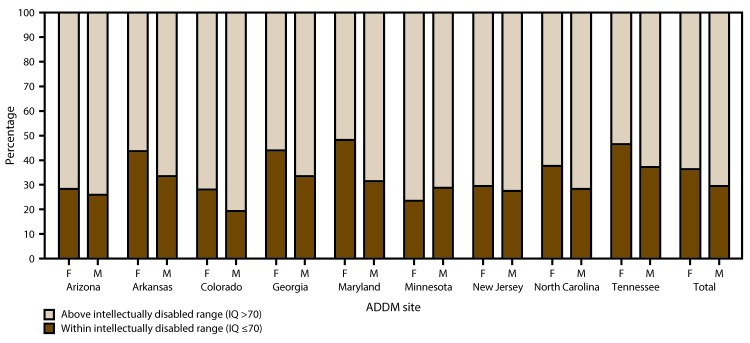
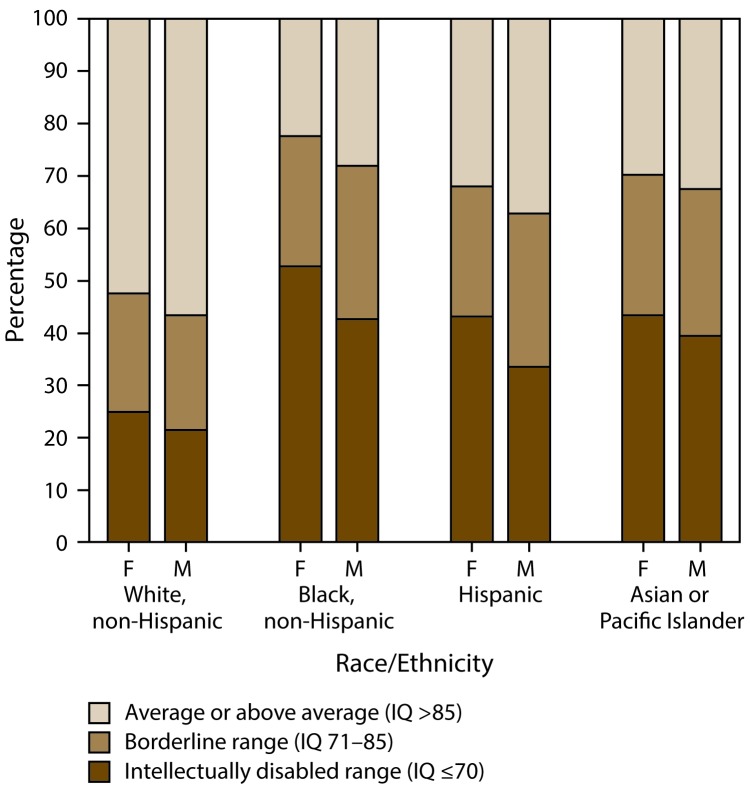
PROBLEM/CONDITION: Autism spectrum disorder (ASD). PERIOD COVERED: 2014. DESCRIPTION OF SYSTEM: The Autism and Developmental Disabilities Monitoring (ADDM) Network is an active surveillance system that provides estimates of the prevalence of autism spectrum disorder (ASD) among children aged 8 years whose parents or guardians reside within 11 ADDM sites in the United States (Arizona, Arkansas, Colorado, Georgia, Maryland, Minnesota, Missouri, New Jersey, North Carolina, Tennessee, and Wisconsin). ADDM surveillance is conducted in two phases. The first phase involves review and abstraction of comprehensive evaluations that were completed by professional service providers in the community. Staff completing record review and abstraction receive extensive training and supervision and are evaluated according to strict reliability standards to certify effective initial training, identify ongoing training needs, and ensure adherence to the prescribed methodology. Record review and abstraction occurs in a variety of data sources ranging from general pediatric health clinics to specialized programs serving children with developmental disabilities. In addition, most of the ADDM sites also review records for children who have received special education services in public schools. In the second phase of the study, all abstracted information is reviewed systematically by experienced clinicians to determine ASD case status. A child is considered to meet the surveillance case definition for ASD if he or she displays behaviors, as described on one or more comprehensive evaluations completed by community-based professional providers, consistent with the Diagnostic and Statistical Manual of Mental Disorders, Fourth Edition, Text Revision (DSM-IV-TR) diagnostic criteria for autistic disorder; pervasive developmental disorder-not otherwise specified (PDD-NOS, including atypical autism); or Asperger disorder. This report provides updated ASD prevalence estimates for children aged 8 years during the 2014 surveillance year, on the basis of DSM-IV-TR criteria, and describes characteristics of the population of children with ASD. In 2013, the American Psychiatric Association published the Diagnostic and Statistical Manual of Mental Disorders, Fifth Edition (DSM-5), which made considerable changes to ASD diagnostic criteria. The change in ASD diagnostic criteria might influence ADDM ASD prevalence estimates; therefore, most (85%) of the records used to determine prevalence estimates based on DSM-IV-TR criteria underwent additional review under a newly operationalized surveillance case definition for ASD consistent with the DSM-5 diagnostic criteria. Children meeting this new surveillance case definition could qualify on the basis of one or both of the following criteria, as documented in abstracted comprehensive evaluations: 1) behaviors consistent with the DSM-5 diagnostic features; and/or 2) an ASD diagnosis, whether based on DSM-IV-TR or DSM-5 diagnostic criteria. Stratified comparisons of the number of children meeting either of these two case definitions also are reported. RESULTS: For 2014, the overall prevalence of ASD among the 11 ADDM sites was 16.8 per 1,000 (one in 59) children aged 8 years. Overall ASD prevalence estimates varied among sites, from 13.1-29.3 per 1,000 children aged 8 years. ASD prevalence estimates also varied by sex and race/ethnicity. Males were four times more likely than females to be identified with ASD. Prevalence estimates were higher for non-Hispanic white (henceforth, white) children compared with non-Hispanic black (henceforth, black) children, and both groups were more likely to be identified with ASD compared with Hispanic children. Among the nine sites with sufficient data on intellectual ability, 31% of children with ASD were classified in the range of intellectual disability (intelligence quotient [IQ] <70), 25% were in the borderline range (IQ 71-85), and 44% had IQ scores in the average to above average range (i.e., IQ >85). The distribution of intellectual ability varied by sex and race/ethnicity. Although mention of developmental concerns by age 36 months was documented for 85% of children with ASD, only 42% had a comprehensive evaluation on record by age 36 months. The median age of earliest known ASD diagnosis was 52 months and did not differ significantly by sex or race/ethnicity. For the targeted comparison of DSM-IV-TR and DSM-5 results, the number and characteristics of children meeting the newly operationalized DSM-5 case definition for ASD were similar to those meeting the DSM-IV-TR case definition, with DSM-IV-TR case counts exceeding DSM-5 counts by less than 5% and approximately 86% overlap between the two case definitions (kappa = 0.85). INTERPRETATION: Findings from the ADDM Network, on the basis of 2014 data reported from 11 sites, provide updated population-based estimates of the prevalence of ASD among children aged 8 years in multiple communities in the United States. T
Overview
The claims and statistics of this paper haven’t been checked yet.
Free: it reads the open-access text and checks the first 5 claims that cite a source we can check. Create a free account to check every claim.
Integrity signals
Registry
Cites
Statistics
Figures
Verification
Claims the paper makes
The claims and statistics of this paper haven’t been checked yet.
Free: it reads the open-access text and checks the first 5 claims that cite a source we can check. Create a free account to check every claim.
Claims other papers make about this one
Each is checked against this paper’s own text: does it say what the citing paper says it does?
The source backs part of the claim, not all of it — or backs it for a different population, condition or comparison.
In the citing paper
“The U.S. reports a consistent pattern of increased ASD prevalence among higher socioeconomic status (SES) families (Baio et al. 2018; Durkin et al. 2010, 2017; Maenner et al. 2020; Pedersen et al. 2012), while European countries report increased prevalence among lower SES families (Delobel-Ayoub et al. 2015; Emerson 2012; Rai et al. 2012).”
From The Diagnosis of Autism: From Kanner to DSM-III to DSM-5 and Beyond (2021) · cites this paper as Baio et al. 2018
Experimental — accuracy not yet measuredThe source backs part of the claim, not all of it — or backs it for a different population, condition or comparison.
In the citing paper
“the mean patient age at ASD detection is several years later, generally between 3 and 4 years of age.1”
From Evaluation of the Diagnostic Stability of the Early Autism Spectrum Disorder Phenotype in the General Population Starting at 12 Months (2019) · cites this paper as [1]
Experimental — accuracy not yet measuredThe source backs part of the claim, not all of it — or backs it for a different population, condition or comparison.
In the citing paper
“Studies applied prospectively that compare DSM-IV with DSM-5 criteria reported that the latest revision narrowed eligibility for an autism spectrum diagnosis by between 4% [29] and more than 10% among children”
From Lobbying Autism's Diagnostic Revision in the DSM-5 (2020) · cites this paper as [29]
Experimental — accuracy not yet measuredThe cited source says what the claim attributes to it.
In the citing paper
“Racial differences also impact clinical presentation in the United States; a higher proportion of blacks diagnosed with autism were classified in the range of ID compared with Hispanic and white children (Baio et al., 2018).”
From Global prevalence of autism: A systematic review update (2022) · cites this paper as Baio et al., 2018
The check wasn’t confident either way, so it gives no verdict — never disputed.
In the citing paper
“Children with co-occurring intellectual disability are more likely to be identified earlier than children without intellectual disability, as indicated by an earlier median age at identification among this group (11) as well as the consistently higher proportion of children with intellectual disability at age 4 years (8,13) than at age 8 years (9,11,17).”
From Early Identification of Autism Spectrum Disorder Among Children Aged 4 Years — Autism and Developmental Disabilities Monitoring Network, 11 Sites, United States, 2018 (2021) · cites this paper as [17]
Experimental — accuracy not yet measured
5 more claims about this paper
Create a free account to see every claim other papers make about this one.
Self-check
Percentages, sums and reported differences re-computed from the paper’s own numbers.
The self-check needs the paper’s full text.
Citations
Cites
1 retracted
Christensen, D. L., Baio, J., Braun, K. V. N., Bilder, D., Charles, J., Constantino, J. N., Daniels, J., Durkin, M. S., Fitzgerald, R. T., Kurzius-Spencer, M., et al. (2016) · MMWR. Surveillance Summaries · doi:10.15585/mmwr.ss6503a1 · Cited by 1,964
Self-citationRetractedDiagnostic and Statistical Manual of Mental Disorders
American Psychiatric Association (2013) · doi:10.1176/appi.books.9780890425596 · Cited by 116,369
Identification and Evaluation of Children With Autism Spectrum Disorders
Johnson, C. P., Myers, S. M., & and the Council on Children With Disabilities (2007) · Pediatrics · doi:10.1542/peds.2007-2361 · Cited by 2,011
Naarden Braun, K. V., Lopez, M., White, T., et al. (2023) · Carolina Digital Repository (University of North Carolina at Chapel Hill) · doi:10.17615/y3kk-5x30 · Cited by 1,381
Self-citationPrevalence of Autism in a US Metropolitan Area
Yeargin-Allsopp, M., Rice, C., Karapurkar, T., Doernberg, N., Boyle, C., & Murphy, C. (2003) · JAMA · doi:10.1001/jama.289.1.49 · Cited by 1,248 · cited 4×
“CDC began tracking the prevalence of ASD and characteristics of children with ASD in the United States in 1998 (2,3).”
BackgroundResultInfluentialSelf-citationBlumberg, S. J., Bramlett, M. D., Kogan, M. D., Schieve, L. A., Jones, J. R., & Lu, M. C. (2013) · PubMed · Cited by 826
(2009) · PubMed · Cited by 812
Cited by
Items 701–800 of 1,133
Understanding autism spectrum disorders with animal models: Applications, insights, and perspectives
Li, Z., 昆明650500,中国, 云., Institute of Biomedical Research, Y. U., Zhu, Y.-X., Gu, L.-J., & Cheng, Y. (2021) · Zoological Research · doi:10.24272/j.issn.2095-8137.2021.251 · Cited by 68
Talbott, E. O., Marshall, L. P., Rager, J. R., Arena, V. C., Sharma, R. K., & Stacy, S. L. (2015) · Environmental Health · doi:10.1186/s12940-015-0064-1 · Cited by 79
Shivers, C. M., & Plavnick, J. B. (2014) · Journal of Autism and Developmental Disorders · doi:10.1007/s10803-014-2222-7 · Cited by 79
Brian, J. A., Smith, I. M., Zwaigenbaum, L., Roberts, W., & Bryson, S. E. (2015) · Autism Research · doi:10.1002/aur.1582 · Cited by 97
Electronic Health Record Based Algorithm to Identify Patients with Autism Spectrum Disorder
Lingren, T., Chen, P., Bochenek, J., Doshi-Velez, F., Manning-Courtney, P., Bickel, J., Wildenger Welchons, L., Reinhold, J., Bing, N., Ni, Y., et al. (2016) · PLOS ONE · doi:10.1371/journal.pone.0159621 · Cited by 79
Children’s low-level pesticide exposure and associations with autism and ADHD: a review
Roberts, J. R., Dawley, E. H., & Reigart, J. R. (2018) · Pediatric Research · doi:10.1038/s41390-018-0200-z · Cited by 100
Luo, Y., Eran, A., Palmer, N., Avillach, P., Levy-Moonshine, A., Szolovits, P., & Kohane, I. S. (2020) · Nature Medicine · doi:10.1038/s41591-020-1007-0 · Cited by 78
Masi, A., Lampit, A., Glozier, N., Hickie, I. B., & Guastella, A. J. (2015) · Translational Psychiatry · doi:10.1038/tp.2015.143 · Cited by 78
Knutsen, J., Crossman, M., Perrin, J., Shui, A., & Kuhlthau, K. (2019) · Autism · doi:10.1177/1362361318786490 · Cited by 78
Clinical developmental, neuropsychological, and social–emotional features of Turner syndrome
Hutaff‐Lee, C., Bennett, E., Howell, S., & Tartaglia, N. (2019) · American Journal of Medical Genetics Part C: Seminars in Medical Genetics · doi:10.1002/ajmg.c.31687 · Cited by 77
Untargeted Metabolomics for Autism Spectrum Disorders: Current Status and Future Directions
Glinton, K. E., & Elsea, S. H. (2019) · Frontiers in Psychiatry · doi:10.3389/fpsyt.2019.00647 · Cited by 83
The Role of PTEN in Neurodevelopment
Skelton, P. D., Stan, R. V., & Luikart, B. W. (2019) · Complex Psychiatry · doi:10.1159/000504782 · Cited by 98
Micai, M., Fulceri, F., Caruso, A., Guzzetta, A., Gila, L., & Scattoni, M. L. (2020) · Neuroscience & Biobehavioral Reviews · doi:10.1016/j.neubiorev.2020.06.027 · Cited by 105
Hiremath, C., Kommu, J. V. S., Yamini, B. K., Girimaji, A. S., Kumar, K. R., Sravanti, S. L., Padmanabha, H., Raju, K. N. V., Kishore, M. T., Jacob, P., et al. (2021) · Translational Psychiatry · doi:10.1038/s41398-020-01178-6 · Cited by 118
Large scale validation of an early-age eye-tracking biomarker of an autism spectrum disorder subtype
Wen, T. H., Cheng, A., Andreason, C., Zahiri, J., Xiao, Y., Xu, R., Bao, B., Courchesne, E., Barnes, C. C., Arias, S. J., et al. (2022) · Scientific Reports · doi:10.1038/s41598-022-08102-6 · Cited by 90
Owen-Smith, A. A., Bent, S., Lynch, F. L., Coleman, K. J., Yau, V. M., Pearson, K. A., Massolo, M. L., Quinn, V., & Croen, L. A. (2015) · Research in Autism Spectrum Disorders · doi:10.1016/j.rasd.2015.05.002 · Cited by 78
Overview of Mouse Models of Autism Spectrum Disorders
Bey, A. L., & Jiang, Y. (2014) · Current Protocols in Pharmacology · doi:10.1002/0471141755.ph0566s66 · Cited by 96
Adaptive Profiles in Autism and Other Neurodevelopmental Disorders
Mouga, S., Almeida, J., Café, C., Duque, F., & Oliveira, G. (2014) · Journal of Autism and Developmental Disorders · doi:10.1007/s10803-014-2256-x · Cited by 102
Autism Spectrum Disorders (ASD) in Blind Children: Very High Prevalence, Potentially Better Outlook
Jure, R., Pogonza, R., & Rapin, I. (2015) · Journal of Autism and Developmental Disorders · doi:10.1007/s10803-015-2612-5 · Cited by 96
A systematic review of sensory-based autism subtypes
DeBoth, K. K., & Reynolds, S. (2017) · Research in Autism · doi:10.1016/j.rasd.2017.01.005 · Cited by 94
Valenzuela-Zamora, A. F., Ramírez-Valenzuela, D. G., & Ramos-Jiménez, A. (2022) · Nutrients · doi:10.3390/nu14132660 · Cited by 78
Pas, E. T., Johnson, S. R., Larson, K. E., Brandenburg, L., Church, R. P., & Bradshaw, C. P. (2016) · Journal of Autism and Developmental Disorders · doi:10.1007/s10803-016-2898-y · Cited by 96
A pilot study on evaluating children with autism spectrum disorder using computer games
Chen, J., Wang, G., Zhang, K., Wang, G., & Liu, L. (2018) · Computers in Human Behavior · doi:10.1016/j.chb.2018.08.057 · Cited by 96
Jo, H., Eckel, S. P., Chen, J., Cockburn, M., Martinez, M. P., Chow, T., Lurmann, F. W., Funk, W. E., McConnell, R., & Xiang, A. H. (2019) · Environment International · doi:10.1016/j.envint.2019.104933 · Cited by 81
Autism and Epilepsy in Patients With Tuberous Sclerosis Complex
Specchio, N., Pietrafusa, N., Trivisano, M., Moavero, R., De Palma, L., Ferretti, A., Vigevano, F., & Curatolo, P. (2020) · Frontiers in Neurology · doi:10.3389/fneur.2020.00639 · Cited by 75
Hocking, D. R., Ardalan, A., Abu‐Rayya, H. M., Farhat, H., Andoni, A., Lenroot, R., & Kachnowski, S. (2022) · Journal of NeuroEngineering and Rehabilitation · doi:10.1186/s12984-021-00978-1 · Cited by 100
Putnam, O. C., McFayden, T. C., & Harrop, C. (2024) · Journal of Autism and Developmental Disorders · doi:10.1007/s10803-024-06498-w · Cited by 82
“While the school age ratio has decreased over time (Baio et al., 2018), it remains more imbalanced than the near 1:1 ratio seen in adults (Rutherford et al., 2016) and some elevated-likelihood sibling samples (Burrows et al., 2022).”
Ruskin, D. N., Fortin, J. A., Bisnauth, S. N., & Masino, S. A. (2017) · Physiology & Behavior · doi:10.1016/j.physbeh.2016.10.023 · Cited by 77
Links between self-injury and suicidality in autism
Moseley, R. L., Gregory, N. J., Smith, P., Allison, C., & Baron-Cohen, S. (2020) · Molecular Autism · doi:10.1186/s13229-020-0319-8 · Cited by 76
Looping Genomes: Diagnostic Change and the Genetic Makeup of the Autism Population
Navon, D., & Eyal, G. (2016) · American Journal of Sociology · doi:10.1086/684201 · Cited by 96
Sex differences in the association between infant markers and later autistic traits
Bedford, R., Jones, E. J. H., Johnson, M. H., Pickles, A. R., Charman, T., & Gliga, T. (2016) · Molecular Autism · doi:10.1186/s13229-016-0081-0 · Cited by 85
Copy number variants in autism spectrum disorders
Vicari, S., Napoli, E., Cordeddu, V., Menghini, D., Alesi, V., Loddo, S., Novelli, A., & Tartaglia, M. (2019) · Progress in Neuro-Psychopharmacology and Biological Psychiatry · doi:10.1016/j.pnpbp.2019.02.012 · Cited by 85
Griesi‐Oliveira, K., Fogo, M. S., Pinto, B. G. G., Alves, A. Y., Suzuki, Â. M., Morales, A. G., Ezquina, S., Sosa, J., Sutton, G. J., Sunaga, D. Y., et al. (2020) · Molecular Psychiatry · doi:10.1038/s41380-020-0669-9 · Cited by 86
Culotta, L., & Penzes, P. (2020) · Molecular Autism · doi:10.1186/s13229-020-00339-0 · Cited by 75
Siafis, S., Çıray, R. O., Schneider‐Thoma, J., Bighelli, I., Krause, M., Rodolico, A., Ceraso, A., Deste, G., Huhn, M., Fraguas, D., et al. (2020) · Molecular Autism · doi:10.1186/s13229-020-00372-z · Cited by 81
Macoun, S. J., Schneider, I., Bedir, B., Sheehan, J. C., & Sung, A. (2020) · Journal of Autism and Developmental Disorders · doi:10.1007/s10803-020-04723-w · Cited by 101
Amygdala connectivity and implications for social cognition and disorders
Meisner, O. C., Nair, A. R., & Chang, S. W. C. (2022) · Handbook of clinical neurology · doi:10.1016/b978-0-12-823493-8.00017-1 · Cited by 100
Oxytocin-augmented labor and risk for autism in males
Weisman, O., Agerbo, E., Carter, C. S., Harris, J. C., Uldbjerg, N., Henriksen, T. B., Thygesen, M., Mortensen, P. B., Leckman, J. F., & Dalsgaard, S. (2015) · Behavioural Brain Research · doi:10.1016/j.bbr.2015.02.028 · Cited by 88
CC2D1A Regulates Human Intellectual and Social Function as well as NF-κB Signaling Homeostasis
Manzini, M. C., Xiong, L., Shaheen, R., Tambunan, D. E., Costanzo, S. D., Mitisalis, V., Tischfield, D. J., Cinquino, A., Ghaziuddin, M., Christian, M., et al. (2014) · Cell Reports · doi:10.1016/j.celrep.2014.06.039 · Cited by 83
Clinical Evaluation of a Novel and Mobile Autism Risk Assessment
Duda, M., Daniels, J., & Wall, D. P. (2016) · Journal of Autism and Developmental Disorders · doi:10.1007/s10803-016-2718-4 · Cited by 107
Self-citationGender Dependent Evaluation of Autism like Behavior in Mice Exposed to Prenatal Zinc Deficiency
Grabrucker, S., Boeckers, T. M., & Grabrucker, A. M. (2016) · Frontiers in Behavioral Neuroscience · doi:10.3389/fnbeh.2016.00037 · Cited by 85
Mandell, D. S., Barry, C. L., Marcus, S. C., Xie, M., Shea, K., Mullan, K., & Epstein, A. J. (2016) · JAMA Pediatrics · doi:10.1001/jamapediatrics.2016.1049 · Cited by 75
Nevison, C., Blaxill, M., & Zahorodny, W. (2018) · Journal of Autism and Developmental Disorders · doi:10.1007/s10803-018-3670-2 · Cited by 71
Self-citationPredictive Validity of the Modified Checklist for Autism in Toddlers (M-CHAT) Born Very Preterm
Kim, S. H., Joseph, R. M., Frazier, J. A., O'Shea, T. M., Chawarska, K., Allred, E. N., Leviton, A., & Kuban, K. K. (2016) · The Journal of Pediatrics · doi:10.1016/j.jpeds.2016.07.052 · Cited by 74
Park, S. H., Song, Y. J. C., Demetriou, E. A., Pepper, K. L., Norton, A., Thomas, E. E., Hickie, I. B., Hermens, D. F., Glozier, N., & Guastella, A. J. (2019) · Autism · doi:10.1177/1362361318823925 · Cited by 75
Green, S. A., Hernandez, L., Lawrence, K. E., Liu, J., Tsang, T., Yeargin, J., Cummings, K., Laugeson, E., Dapretto, M., & Bookheimer, S. Y. (2019) · American Journal of Psychiatry · doi:10.1176/appi.ajp.2019.18121333 · Cited by 75
Jo, H., Eckel, S. P., Wang, X., Chen, J., Cockburn, M., Martinez, M. P., Chow, T., Molshatzki, N., Lurmann, F., Funk, W. E., et al. (2019) · Environmental Pollution · doi:10.1016/j.envpol.2019.113010 · Cited by 82
Gąssowska-Dobrowolska, M., Cieślik, M., Czapski, G. A., Jęśko, H. M., Frontczak‐Baniewicz, M., Gewartowska, M., Dominiak, A., Polowy, R., Filipkowski, R. K., Babiec, L., et al. (2020) · International Journal of Molecular Sciences · doi:10.3390/ijms21103576 · Cited by 86
Predicting ASD diagnosis in children with synthetic and image-based eye gaze data
Liaqat, S., Wu, C., Duggirala, P. R., Cheung, S.-C. S., Chuah, C., Ozonoff, S. J., & Young, G. S. (2021) · Signal Processing Image Communication · doi:10.1016/j.image.2021.116198 · Cited by 84
Mallory, C. L., & Keehn, B. (2021) · Frontiers in Psychiatry · doi:10.3389/fpsyt.2021.695825 · Cited by 131
Laverty, C., Surtees, A. D. R., O’Sullivan, R., Sutherland, D., Jones, C. A., & Richards, C. (2021) · Journal of Neurodevelopmental Disorders · doi:10.1186/s11689-021-09382-1 · Cited by 100
Resting state EEG in youth with ASD: age, sex, and relation to phenotype
Neuhaus, E., Lowry, S., Santhosh, M., Kresse, A., Edwards, L. A., Keller, J., Libsack, E. J., Kang, V. Y., Naples, A. J., Jack, A., et al. (2021) · Journal of Neurodevelopmental Disorders · doi:10.1186/s11689-021-09390-1 · Cited by 88
Diemer, M. C., Gerstein, E. D., & Regester, A. (2022) · Autism · doi:10.1177/13623613221113501 · Cited by 106
“As established, intellectual disability is found at disproportionate levels in female (Fombonne, 2009; Jeste & Geschwind, 2014; Rivet & Matson, 2011) and Black (Baio et al., 2018; Mandell et al., 2009) childhood autism diagnoses.”
BackgroundMiller-Kuhaneck, H., Madonna, S., Novak, A., & Pearson, E. (2015) · American Journal of Occupational Therapy · doi:10.5014/ajot.2015.017855 · Cited by 106
Anderson, A. H., Stephenson, J. R., Carter, M., & Carlon, S. (2018) · Journal of Autism and Developmental Disorders · doi:10.1007/s10803-018-3840-2 · Cited by 105
“The prevalence rate for autism spectrum disorder (ASD) is approximately one in 59 (1.7%; Centers for Disease Control and Prevention 2018; Randall et al.”
BackgroundInfluentialPłatos, M., & Pisula, E. (2019) · BMC Health Services Research · doi:10.1186/s12913-019-4432-3 · Cited by 94
Tensions on the spectrum: an inductive investigation of employee and manager experiences of autism
Whelpley, C. E., Banks, G. C., Bochantin, J. E., & Sandoval, R. (2021) · Journal of Business and Psychology · doi:10.1007/s10869-019-09676-1 · Cited by 74
Implicit and Explicit Attitudes Toward Autistic Adults
Dickter, C. L., Burk, J. A., Zeman, J. L., & Taylor, S. C. (2020) · Autism in Adulthood · doi:10.1089/aut.2019.0023 · Cited by 96
Graham Holmes, L., Zampella, C. J., Clements, C., McCleery, J. P., Maddox, B. B., Parish‐Morris, J., Udhnani, M. D., Schultz, R. T., & Miller, J. S. (2020) · Autism Research · doi:10.1002/aur.2275 · Cited by 74
Başpınar, B., & Yardımcı, H. (2020) · Eurasian Journal of Medicine · doi:10.5152/eurasianjmed.2020.19230 · Cited by 112
“every 59 children suffers from ASD, and in the occurrence is 4 times higher in boys than girls [3].”
BackgroundPehlivanidis, A., Papanikolaou, K., Mantas, V., Kalantzi, E., Korobili, K., Xenaki, L.-A., Vassiliou, G., & Papageorgiou, C. (2020) · BMC Psychiatry · doi:10.1186/s12888-020-02828-1 · Cited by 74
Parenting a Child With Autism Spectrum Disorder: Perspective of Jordanian Mothers
Shattnawi, K. K., Bani, S. W. M., Al‐Natour, A., Al‐Hammouri, M. M., AlAzzam, M., & Joseph, R. A. (2020) · Journal of Transcultural Nursing · doi:10.1177/1043659620970634 · Cited by 99
Connectivity alterations in autism reflect functional idiosyncrasy
Benkarim, O. M., Paquola, C., Park, B., Hong, S., Royer, J., de Wael, R. V., Larivière, S., Valk, S. L., Bzdok, D., Mottron, L., et al. (2021) · Communications Biology · doi:10.1038/s42003-021-02572-6 · Cited by 94
Evaluation of Classroom Active Engagement in Elementary Students with Autism Spectrum Disorder
Sparapani, N., Morgan, L., Reinhardt, V. P., Schatschneider, C. W., & Wetherby, A. M. (2015) · Journal of Autism and Developmental Disorders · doi:10.1007/s10803-015-2615-2 · Cited by 90
Getz, K. D., Anderka, M. T., Werler, M. M., & Jick, S. S. (2016) · Paediatric and Perinatal Epidemiology · doi:10.1111/ppe.12306 · Cited by 73
Tsiplova, K., Zur, R. M., Marshall, C. R., Stavropoulos, D. J., Pereira, S. L., Merico, D., Young, E. J., Sung, W. W. L., Scherer, S. W., & Ungar, W. J. (2017) · Genetics in Medicine · doi:10.1038/gim.2017.47 · Cited by 79
Patterns of Age-Related Cognitive Differences in Adults with Autism Spectrum Disorder
Powell, P. S., Klinger, L. G., & Klinger, M. R. (2017) · Journal of Autism and Developmental Disorders · doi:10.1007/s10803-017-3238-6 · Cited by 83
Moon, S. J., Hwang, J., Kana, R. K., Torous, J. B., & Kim, J. W. (2019) · JMIR Mental Health · doi:10.2196/14108 · Cited by 81
Autism Spectrum Disorder Symptoms in Infants with Fragile X Syndrome: A Prospective Case Series
Hogan, A. L., Caravella, K. E., Ezell, J. A., Rague, L., Hills, K. J., & Roberts, J. E. (2017) · Journal of Autism and Developmental Disorders · doi:10.1007/s10803-017-3081-9 · Cited by 86
Mother-newborn separation at birth in hospitals: A possible risk for neurodevelopmental disorders?
Császár-Nagy, N., & Bókkon, I. (2017) · Neuroscience & Biobehavioral Reviews · doi:10.1016/j.neubiorev.2017.08.013 · Cited by 89
Understanding the pediatric psychiatric phenotype of 22q11.2 deletion syndrome
Fiksinski, A., Schneider, M., Murphy, C. M., Armando, M., Vicari, S., Morey-Canyelles, J., Gothelf, D., Eliez, S., Breetvelt, E., Arango, C., et al. (2018) · American Journal of Medical Genetics Part A · doi:10.1002/ajmg.a.40387 · Cited by 80
Odom, S. L., Hall, L. J., & Suhrheinrich, J. (2019) · European Journal of Behavior Analysis · doi:10.1080/15021149.2019.1641952 · Cited by 80
Dennison, A., Lund, E. M., Brodhead, M. T., Mejia, L., Armenta, A., & Leal, J. (2019) · Behavior Analysis in Practice · doi:10.1007/s40617-019-00374-1 · Cited by 82
“Despite an increase in the prevalence of ASD for most groups, Latinos’ rate of ASD identification has lagged (Baio et al., 2018), and utilization of early childhood intervention services is low among Latino families (Lopez, 2014).”
BackgroundBejarano‐Martín, Á., Canal‐Bedia, R., Magán‐Maganto, M., Fernández-Álvarez, C. J., Cilleros, M. V. M., Gómez, M. C. S., Primo, P. G., Rose-Sweeney, M., Boilson, A. M., Linertová, R., et al. (2019) · Journal of Autism and Developmental Disorders · doi:10.1007/s10803-019-04253-0 · Cited by 99
“The ages of detection, diagnosis and access to intervention reported by family members are markedly lower than those reported in some previous studies (Baio 2018; Oswald et al.”
ResultLu, M., Zou, Y., Chen, X., Chen, J., He, W., & Pang, F. (2020) · Research in Autism · doi:10.1016/j.rasd.2020.101513 · Cited by 93
Guo, D., Yang, X., & Shi, L. (2020) · Cells · doi:10.3390/cells9040835 · Cited by 73
Dysbiosis of Gut Fungal Microbiota in Children with Autism Spectrum Disorders
Zou, R., Wang, Y., Duan, M., Guo, M., Zhang, Q., & Zheng, H. (2020) · Journal of Autism and Developmental Disorders · doi:10.1007/s10803-020-04543-y · Cited by 79
Piccardi, E. S., Ali, J. B., Jones, E. J. H., Mason, L., Charman, T., Johnson, M. H., Gliga, T., BASIS/STAARS Team, Agyapong, M., Bazelmans, T., et al. (2021) · Journal of Neurodevelopmental Disorders · doi:10.1186/s11689-020-09334-1 · Cited by 87
Welch, C. J., & Mulligan, K. A. (2022) · International Journal of Molecular Sciences · doi:10.3390/ijms23052894 · Cited by 80
Jiang, X., Chen, X., Su, J., & Liu, N. (2024) · BMC Psychiatry · doi:10.1186/s12888-024-05729-9 · Cited by 92
“ADDM Network in the United States reported that the prevalence of ASD has increased annually, reaching 14.6/1000 (1/68) in 2012, 16.8/1000 (1/59) in 2014, 18.5/1000 (1/54) in 2016, 22.7/1000 (1/44) in 2018, and 27.6/1000 (1/36) in 2020 [16–18, 47, 48].”
InfluentialWong, C. T., Wais, J., & Crawford, D. A. (2015) · European Journal of Neuroscience · doi:10.1111/ejn.13028 · Cited by 73
Future Directions for Research in Autism Spectrum Disorders
Damiano, C. R., Mazefsky, C. A., White, S. W., & Dichter, G. S. (2014) · Journal of Clinical Child & Adolescent Psychology · doi:10.1080/15374416.2014.945214 · Cited by 73
Minshawi, N. F., Wink, L. K., Shaffer, R., Plawecki, M. H., Posey, D. J., Liu, H., Hurwitz, S., McDougle, C. J., Swiezy, N. B., & Erickson, C. A. (2016) · Molecular Autism · doi:10.1186/s13229-015-0062-8 · Cited by 73
Dunaway, K. W., Islam, M. S., Coulson, R. L., Lopez, S. J., Vogel Ciernia, A., Chu, R. G., Yasui, D. H., Pessah, I. N., Lott, P., Mordaunt, C., et al. (2016) · Cell Reports · doi:10.1016/j.celrep.2016.11.058 · Cited by 72
Computational Assessment of Facial Expression Production in ASD Children
Leo, M., Carcagnì, P., Distante, C., Spagnolo, P., Mazzeo, P. L., Rosato, A. C., Petrocchi, S., Pellegrino, C., Levante, A., LUME', F. D., et al. (2018) · Sensors · doi:10.3390/s18113993 · Cited by 79
Colombo-Dougovito, A. M., & Block, M. E. (2019) · Review Journal of Autism and Developmental Disorders · doi:10.1007/s40489-019-00161-2 · Cited by 91
Feroe, A. G., Uppal, N., Gutiérrez-Sacristán, A., Mousavi, S., Greenspun, P., Surati, R., Kohane, I. S., & Avillach, P. (2021) · JAMA Pediatrics · doi:10.1001/jamapediatrics.2021.1329 · Cited by 72
Gender Dysphoria, Sexuality and Autism Spectrum Disorders: A Systematic Map Review
Øien, R. A., Cicchetti, D. V., & Nordahl‐Hansen, A. (2018) · Journal of Autism and Developmental Disorders · doi:10.1007/s10803-018-3686-7 · Cited by 72
Canonical Babbling: A Marker for Earlier Identification of Late Detected Developmental Disorders?
Lang, S., Bartl-Pokorny, K. D., Pokorny, F. B., Garrido, D., Mani, N., Fox-Boyer, A. V., Zhang, D., & Marschik, P. B. (2019) · Current Developmental Disorders Reports · doi:10.1007/s40474-019-00166-w · Cited by 90
Mahfouda, S., Panos, C., Whitehouse, A. J. O., Thomas, C. S., Maybery, M., Strauss, P., Zepf, F. D., O’Donovan, A., van Hall, H.-W., Saunders, L. A., et al. (2019) · Journal of Clinical Medicine · doi:10.3390/jcm8101503 · Cited by 72
Attention-Based Autism Spectrum Disorder Screening With Privileged Modality
Chen, S., & Zhao, Q. (2019) · IEEE/CVF International Conference on Computer Vision (ICCV) · doi:10.1109/iccv.2019.00127 · Cited by 93
“It is globally prevalent, and affects one in 59 children in the United States [2].”
BackgroundMcDiarmid, T. A., Belmadani, M., Liang, J., Meili, F., Mathews, E., Mullen, G. P., Hendi, A., Wong, W.-R., Rand, J. B., Mizumoto, K., et al. (2019) · Proceedings of the National Academy of Sciences · doi:10.1073/pnas.1912049116 · Cited by 78
Ethical Advocacy Across the Autism Spectrum: Beyond Partial Representation
McCoy, M. S., Liu, E. Y., Lutz, A. S. F., & Sisti, D. A. (2020) · The American Journal of Bioethics · doi:10.1080/15265161.2020.1730482 · Cited by 91
Hosozawa, M., Sacker, A., Mandy, W., Midouhas, E., Flouri, E., & Cable, N. (2020) · Autism · doi:10.1177/1362361320913671 · Cited by 105
“Also, the mean age of ASD diagnosis in the United States was 53 months in 2006 and 52 months in 2014, showing that there has been little increase in early identification during the last decade (Baio et al., 2018).”
Timing of diagnosis, depression and self-harm in adolescents with autism spectrum disorder
Hosozawa, M., Sacker, A., & Cable, N. (2020) · Autism · doi:10.1177/1362361320945540 · Cited by 91
“Finally, in our sample, the cognitive ability of around 90% of the children with ASD was within the normal range, which is higher than a previously reported figure for children with ASD (Baio et al., 2018).”
BackgroundMay, T., Pilkington, P. D., Younan, R., & Williams, K. J. (2021) · Autism Research · doi:10.1002/aur.2619 · Cited by 96
Franz, L., Goodwin, C. D., Rieder, A. D., Matheis, M., & Damiano, D. L. (2022) · Developmental Medicine & Child Neurology · doi:10.1111/dmcn.15258 · Cited by 98
Mental Health Services for Individuals with High Functioning Autism Spectrum Disorder
Lake, J. K., Perry, A., & Lunsky, Y. (2014) · Autism Research and Treatment · doi:10.1155/2014/502420 · Cited by 72
Severe Childhood Autism: The Family Lived Experience
Gorlin, J. B., Peden‐McAlpine, C., Garwick, A. W., & Wieling, E. A. (2016) · Journal of Pediatric Nursing · doi:10.1016/j.pedn.2016.09.002 · Cited by 127
Soke, G. N., Rosenberg, S. A., Hamman, R. F., Fingerlin, T., Rosenberg, C. R., Carpenter, L., Lee, L. C., Giarelli, E., Wiggins, L. D., Durkin, M. S., et al. (2017) · Journal of Autism and Developmental Disorders · doi:10.1007/s10803-016-2951-x · Cited by 72
Self-citation
Metadata
- Authors
- Baio, J., Wiggins, L., Christensen, D. L., Maenner, M. J., Daniels, J., Warren, Z., Kurzius-Spencer, M., Zahorodny, W., Robinson, C., Rosenberg, White, T., Durkin, M. S., Imm, P., Nikolaou, L., Yeargin-Allsopp, M., Lee, L.-C., Harrington, R., Lopez, M., Fitzgerald, R. T., Hewitt, A., Pettygrove, S., Constantino, J. N., Vehorn, A., Shenouda, J., Hall-Lande, J., Van, K., Naarden, Braun, & Dowling, N. F.
- Affiliations
- Centers for Disease Control and Prevention (US)
- University of North Carolina at Chapel Hill (US)
- Vanderbilt University Medical Center (US)
- Rutgers, The State University of New Jersey (US)
- University of Colorado Anschutz (US)
- Colorado Department of Public Health and Environment (US)
- University of Wisconsin–Madison (US)
- Johns Hopkins University (US)
- University of Arkansas for Medical Sciences (US)
- Washington University in St. Louis (US)
- University of Minnesota (US)
- University of Arizona (US)
- Corresponding author
- Baio, Jon
- ORCID
- Venue
- MMWR. Surveillance Summaries
- Published
- 2018-04-27
- Volume
- 67
- Issue
- 6
- Pages
- 1-23
- ISSN
- 1545-8636 (ISSN-L)
- 1546-0738
- PMC
- PMC5919599
- OpenAlex
- W2614349964
- Cited by
- 6,078
- References
- 30
- Citations by year
- 2026: 105 · 2025: 194 · 2024: 294 · 2023: 392 · 2022: 560 · 2021: 892 · 2020: 1038 · 2019: 853 · 2018: 500
- FWCI
- 485.15
- Type
- journal article
- Language
- en
- Open access
- hybrid
- doi.org
- Licence
- public-domain
- Locations
- MMWR Surveillance Summaries (publishedVersion, public-domain)
- Europe PMC (PubMed Central) (publishedVersion, cc-by)
- PubMed Central (publishedVersion, cc-by)
- PubMed (publishedVersion)
- UA Campus Repository (The University of Arizona) (acceptedVersion, public-domain)
- Carolina Digital Repository (University of North Carolina at Chapel Hill) (submittedVersion, public-domain)
- Carolina Digital Repository (University of North Carolina at Chapel Hill) (submittedVersion)
- UNC Libraries
- Funders
- U.S. Department of Education
- Vanderbilt University
- Emory University
- University of Minnesota
- Washington University in St. Louis
- Colorado Department of Public Health and Environment
- Johns Hopkins University
- University of Arkansas for Medical Sciences
- University of South Carolina
- Vanderbilt University Medical Center
- Centers for Disease Control and Prevention
- University of North Carolina at Chapel Hill
- National Center for Chronic Disease Prevention and Health Promotion
- National Center on Birth Defects and Developmental Disabilities
- Eunice Kennedy Shriver National Institute of Child Health and Human Development (U54HD087011)
- Topics
- Life Sciences › Neuroscience › Cognitive Neuroscience › Autism Spectrum Disorder Research
- Health Sciences › Medicine › Psychiatry and Mental health › Child Nutrition and Feeding Issues
- Social Sciences › Psychology › Clinical Psychology › Family and Disability Support Research
- Keywords
- autism spectrum disorder, prevalence, DSM-IV-TR diagnostic criteria, DSM-5 diagnostic criteria, surveillance case definition, autism epidemiology, developmental disabilities, comprehensive evaluation, United States
- MeSH terms
- Autism Spectrum Disorder, Child, Female, Humans, Male, Population Surveillance, United States, Prevalence
About these checks
Registry, retraction, Cites and statistics results are computed, not judged, with one exception: a printed reference that no index lists is read once by a model before it counts as a citation error. Claims are extracted by a model and kept only when their quote appears verbatim in the text; each cited source is then checked, with a model’s help, for whether it says what the claim relies on. Those verdicts can be wrong — read the claim’s quote and the cited source before relying on one.
Statistics and arithmetic are recomputed, not judged.
Confidence bands are shown only for fields calibrated on our annotated test set. None is calibrated yet, so no band is shown.
What counts as a claim ›How we measure confidence ›How we check this ›
Are you an author, or do you see a problem with this page? Request a review
Data sources
Bibliographic data: Semantic Scholar, OpenAlex, Crossref.
Contains information from the Semantic Scholar Academic Graph Datasets, made available under the ODC Attribution License (ODC-BY 1.0).
Semantic Scholar’s data is described in: Kinney, R., et al. (2023). The Semantic Scholar Open Data Platform. arXiv:2301.10140.
