

Prevalence of Autism Spectrum Disorder Among Children Aged 8 Years — Autism and Developmental Disabilities Monitoring Network, 11 Sites, United States, 2014
Open accessThe DOI matches its Crossref record; 37 of the 37 references it cites were found in a registry or an index.
Abstract
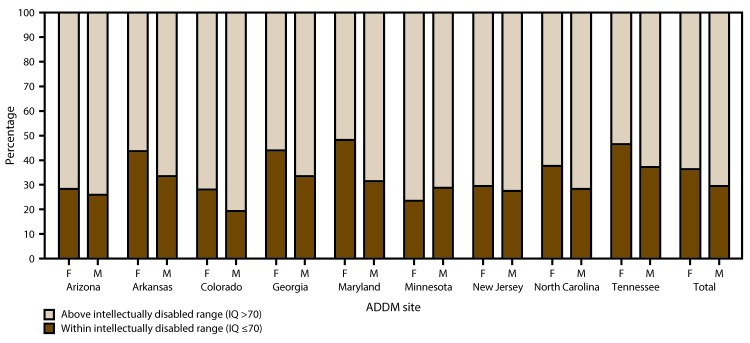
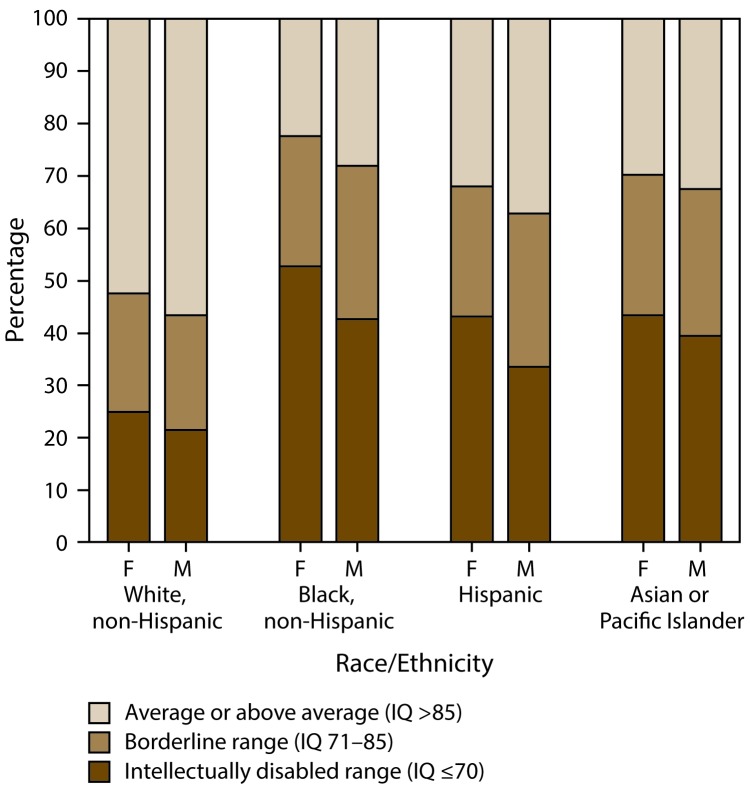
PROBLEM/CONDITION: Autism spectrum disorder (ASD). PERIOD COVERED: 2014. DESCRIPTION OF SYSTEM: The Autism and Developmental Disabilities Monitoring (ADDM) Network is an active surveillance system that provides estimates of the prevalence of autism spectrum disorder (ASD) among children aged 8 years whose parents or guardians reside within 11 ADDM sites in the United States (Arizona, Arkansas, Colorado, Georgia, Maryland, Minnesota, Missouri, New Jersey, North Carolina, Tennessee, and Wisconsin). ADDM surveillance is conducted in two phases. The first phase involves review and abstraction of comprehensive evaluations that were completed by professional service providers in the community. Staff completing record review and abstraction receive extensive training and supervision and are evaluated according to strict reliability standards to certify effective initial training, identify ongoing training needs, and ensure adherence to the prescribed methodology. Record review and abstraction occurs in a variety of data sources ranging from general pediatric health clinics to specialized programs serving children with developmental disabilities. In addition, most of the ADDM sites also review records for children who have received special education services in public schools. In the second phase of the study, all abstracted information is reviewed systematically by experienced clinicians to determine ASD case status. A child is considered to meet the surveillance case definition for ASD if he or she displays behaviors, as described on one or more comprehensive evaluations completed by community-based professional providers, consistent with the Diagnostic and Statistical Manual of Mental Disorders, Fourth Edition, Text Revision (DSM-IV-TR) diagnostic criteria for autistic disorder; pervasive developmental disorder-not otherwise specified (PDD-NOS, including atypical autism); or Asperger disorder. This report provides updated ASD prevalence estimates for children aged 8 years during the 2014 surveillance year, on the basis of DSM-IV-TR criteria, and describes characteristics of the population of children with ASD. In 2013, the American Psychiatric Association published the Diagnostic and Statistical Manual of Mental Disorders, Fifth Edition (DSM-5), which made considerable changes to ASD diagnostic criteria. The change in ASD diagnostic criteria might influence ADDM ASD prevalence estimates; therefore, most (85%) of the records used to determine prevalence estimates based on DSM-IV-TR criteria underwent additional review under a newly operationalized surveillance case definition for ASD consistent with the DSM-5 diagnostic criteria. Children meeting this new surveillance case definition could qualify on the basis of one or both of the following criteria, as documented in abstracted comprehensive evaluations: 1) behaviors consistent with the DSM-5 diagnostic features; and/or 2) an ASD diagnosis, whether based on DSM-IV-TR or DSM-5 diagnostic criteria. Stratified comparisons of the number of children meeting either of these two case definitions also are reported. RESULTS: For 2014, the overall prevalence of ASD among the 11 ADDM sites was 16.8 per 1,000 (one in 59) children aged 8 years. Overall ASD prevalence estimates varied among sites, from 13.1-29.3 per 1,000 children aged 8 years. ASD prevalence estimates also varied by sex and race/ethnicity. Males were four times more likely than females to be identified with ASD. Prevalence estimates were higher for non-Hispanic white (henceforth, white) children compared with non-Hispanic black (henceforth, black) children, and both groups were more likely to be identified with ASD compared with Hispanic children. Among the nine sites with sufficient data on intellectual ability, 31% of children with ASD were classified in the range of intellectual disability (intelligence quotient [IQ] <70), 25% were in the borderline range (IQ 71-85), and 44% had IQ scores in the average to above average range (i.e., IQ >85). The distribution of intellectual ability varied by sex and race/ethnicity. Although mention of developmental concerns by age 36 months was documented for 85% of children with ASD, only 42% had a comprehensive evaluation on record by age 36 months. The median age of earliest known ASD diagnosis was 52 months and did not differ significantly by sex or race/ethnicity. For the targeted comparison of DSM-IV-TR and DSM-5 results, the number and characteristics of children meeting the newly operationalized DSM-5 case definition for ASD were similar to those meeting the DSM-IV-TR case definition, with DSM-IV-TR case counts exceeding DSM-5 counts by less than 5% and approximately 86% overlap between the two case definitions (kappa = 0.85). INTERPRETATION: Findings from the ADDM Network, on the basis of 2014 data reported from 11 sites, provide updated population-based estimates of the prevalence of ASD among children aged 8 years in multiple communities in the United States. T
Overview
The claims and statistics of this paper haven’t been checked yet.
Free: it reads the open-access text and checks the first 5 claims that cite a source we can check. Create a free account to check every claim.
Integrity signals
Registry
Cites
Statistics
Figures
Verification
Claims the paper makes
The claims and statistics of this paper haven’t been checked yet.
Free: it reads the open-access text and checks the first 5 claims that cite a source we can check. Create a free account to check every claim.
Claims other papers make about this one
Each is checked against this paper’s own text: does it say what the citing paper says it does?
The source backs part of the claim, not all of it — or backs it for a different population, condition or comparison.
In the citing paper
“The U.S. reports a consistent pattern of increased ASD prevalence among higher socioeconomic status (SES) families (Baio et al. 2018; Durkin et al. 2010, 2017; Maenner et al. 2020; Pedersen et al. 2012), while European countries report increased prevalence among lower SES families (Delobel-Ayoub et al. 2015; Emerson 2012; Rai et al. 2012).”
From The Diagnosis of Autism: From Kanner to DSM-III to DSM-5 and Beyond (2021) · cites this paper as Baio et al. 2018
Experimental — accuracy not yet measuredThe source backs part of the claim, not all of it — or backs it for a different population, condition or comparison.
In the citing paper
“the mean patient age at ASD detection is several years later, generally between 3 and 4 years of age.1”
From Evaluation of the Diagnostic Stability of the Early Autism Spectrum Disorder Phenotype in the General Population Starting at 12 Months (2019) · cites this paper as [1]
Experimental — accuracy not yet measuredThe source backs part of the claim, not all of it — or backs it for a different population, condition or comparison.
In the citing paper
“Studies applied prospectively that compare DSM-IV with DSM-5 criteria reported that the latest revision narrowed eligibility for an autism spectrum diagnosis by between 4% [29] and more than 10% among children”
From Lobbying Autism's Diagnostic Revision in the DSM-5 (2020) · cites this paper as [29]
Experimental — accuracy not yet measuredThe cited source says what the claim attributes to it.
In the citing paper
“Racial differences also impact clinical presentation in the United States; a higher proportion of blacks diagnosed with autism were classified in the range of ID compared with Hispanic and white children (Baio et al., 2018).”
From Global prevalence of autism: A systematic review update (2022) · cites this paper as Baio et al., 2018
The check wasn’t confident either way, so it gives no verdict — never disputed.
In the citing paper
“Children with co-occurring intellectual disability are more likely to be identified earlier than children without intellectual disability, as indicated by an earlier median age at identification among this group (11) as well as the consistently higher proportion of children with intellectual disability at age 4 years (8,13) than at age 8 years (9,11,17).”
From Early Identification of Autism Spectrum Disorder Among Children Aged 4 Years — Autism and Developmental Disabilities Monitoring Network, 11 Sites, United States, 2018 (2021) · cites this paper as [17]
Experimental — accuracy not yet measured
5 more claims about this paper
Create a free account to see every claim other papers make about this one.
Self-check
Percentages, sums and reported differences re-computed from the paper’s own numbers.
The self-check needs the paper’s full text.
Citations
Cites
1 retracted
Christensen, D. L., Baio, J., Braun, K. V. N., Bilder, D., Charles, J., Constantino, J. N., Daniels, J., Durkin, M. S., Fitzgerald, R. T., Kurzius-Spencer, M., et al. (2016) · MMWR. Surveillance Summaries · doi:10.15585/mmwr.ss6503a1 · Cited by 1,964
Self-citationRetractedDiagnostic and Statistical Manual of Mental Disorders
American Psychiatric Association (2013) · doi:10.1176/appi.books.9780890425596 · Cited by 116,369
Identification and Evaluation of Children With Autism Spectrum Disorders
Johnson, C. P., Myers, S. M., & and the Council on Children With Disabilities (2007) · Pediatrics · doi:10.1542/peds.2007-2361 · Cited by 2,011
Naarden Braun, K. V., Lopez, M., White, T., et al. (2023) · Carolina Digital Repository (University of North Carolina at Chapel Hill) · doi:10.17615/y3kk-5x30 · Cited by 1,381
Self-citationPrevalence of Autism in a US Metropolitan Area
Yeargin-Allsopp, M., Rice, C., Karapurkar, T., Doernberg, N., Boyle, C., & Murphy, C. (2003) · JAMA · doi:10.1001/jama.289.1.49 · Cited by 1,248 · cited 4×
“CDC began tracking the prevalence of ASD and characteristics of children with ASD in the United States in 1998 (2,3).”
BackgroundResultInfluentialSelf-citationBlumberg, S. J., Bramlett, M. D., Kogan, M. D., Schieve, L. A., Jones, J. R., & Lu, M. C. (2013) · PubMed · Cited by 826
(2009) · PubMed · Cited by 812
Cited by
Items 601–700 of 1,133
Teachers’ Knowledge Regarding Autism Spectrum Disorder (ASD): A Systematic Review
Gómez‐Marí, I., Sanz‐Cervera, P., & Mínguez, R. T. (2021) · Sustainability · doi:10.3390/su13095097 · Cited by 142
Psychotropic Medication Use among Insured Children with Autism Spectrum Disorder
Madden, J. M., Lakoma, M. D., Lynch, F. L., Rusinak, D., Owen‐Smith, A. A., Coleman, K. J., Quinn, V. P., Yau, V. M., Qian, Y., & Croen, L. (2016) · Journal of Autism and Developmental Disorders · doi:10.1007/s10803-016-2946-7 · Cited by 111
Rapanelli, M., Frick, L. R., Xu, M., Groman, S. M., Jindachomthong, K., Tamamaki, N., Tanahira, C., Taylor, J. R., & Pittenger, C. (2017) · Biological Psychiatry · doi:10.1016/j.biopsych.2017.01.020 · Cited by 89
Association of Sex With Recurrence of Autism Spectrum Disorder Among Siblings
Palmer, N., Beam, A., Agniel, D., Eran, A., Manrai, A., Spettell, C., Steinberg, G., Mandl, K., Fox, K., Nelson, S. F., et al. (2017) · JAMA Pediatrics · doi:10.1001/jamapediatrics.2017.2832 · Cited by 89
Reinhardt, V. P., Wetherby, A. M., Schatschneider, C., & Lord, C. (2015) · Journal of Autism and Developmental Disorders · doi:10.1007/s10803-014-2223-6 · Cited by 89
Family involvement and parent–teacher relationships for students with autism spectrum disorders.
Garbacz, S. A., McIntyre, L. L., & Santiago, R. T. (2016) · School Psychology Quarterly · doi:10.1037/spq0000157 · Cited by 186
Vargas-Cuentas, N. I., Roman–Gonzalez, A., Gilman, R. H., Barrientos, F., Ting, J., Hidalgo, D., Jensen, K., & Zimic, M. (2017) · PLoS ONE · doi:10.1371/journal.pone.0188826 · Cited by 101
Longitudinal stability of reading profiles in individuals with higher functioning autism
Solari, E. J., Grimm, R. P., McIntyre, N. S., Zajic, M. C., & Mundy, P. C. (2019) · Autism · doi:10.1177/1362361318812423 · Cited by 90
“…(ASD) refer to a group of neurodevelopmental disorders characterized by impairments in social interaction, communication, and repetitive and restricted behaviors and interests; prevalence rates indicate that 1 in 59 individuals in the United States are diagnosed with ASD (Baio et al., 2018).”
BackgroundHao, Y., Franco, J. H., Sundarrajan, M., & Chen, Y. (2020) · Journal of Autism and Developmental Disorders · doi:10.1007/s10803-020-04439-x · Cited by 113
Yu, Y., Zhang, B., Ji, P., Zuo, Z., Huang, Y., Wang, N., Liu, C., Liu, S., & Zhao, F. (2022) · Nature Communications · doi:10.1038/s41467-022-28746-2 · Cited by 123
Disruption of an Evolutionarily Novel Synaptic Expression Pattern in Autism
Liu, X., Han, D., Somel, M., Jiang, X., Hu, H., Guijarro, P., Zhang, N., Mitchell, A., Halene, T., Ely, J. J., et al. (2016) · PLOS Biology · doi:10.1371/journal.pbio.1002558 · Cited by 87
TRANSTORNO DO ESPECTRO AUTISTA: ONDE ESTAMOS E PARA ONDE VAMOS
Schmidt, C. (2017) · Psicologia em Estudo · doi:10.4025/psicolestud.v22i2.34651 · Cited by 138
Diagnosing ASD in Adults Without ID: Accuracy of the ADOS-2 and the ADI-R
Fusar‐Poli, L., Brondino, N., Rocchetti, M., Panisi, C., Provenzani, U., Damiani, S., & Politi, P. (2017) · Journal of Autism and Developmental Disorders · doi:10.1007/s10803-017-3258-2 · Cited by 106
Campisi, L., Imran, N., Nazeer, A., Skokauskas, N., & Azeem, M. W. (2018) · British Medical Bulletin · doi:10.1093/bmb/ldy026 · Cited by 129
Defining Positive Outcomes in More and Less Cognitively Able Autistic Adults
McCauley, J. B., Pickles, A. R., Huerta, M., & Lord, C. (2020) · Autism Research · doi:10.1002/aur.2359 · Cited by 124
Autism Spectrum Disorder and Sleep
Johnson, K. P., & Zarrinnegar, P. (2021) · Child and Adolescent Psychiatric Clinics of North America · doi:10.1016/j.chc.2020.08.012 · Cited by 87
Pre-symptomatic intervention for autism spectrum disorder (ASD): defining a research agenda
Grzadzinski, R., Amso, D., Landa, R. J., Watson, L. R., Guralnick, M. J., Zwaigenbaum, L., Deák, G. O., Estes, A. M., Brian, J. A., Bath, K. G., et al. (2021) · Journal of Neurodevelopmental Disorders · doi:10.1186/s11689-021-09393-y · Cited by 107
REMOVED: Deep learning with image-based autism spectrum disorder analysis: A systematic review
Uddin, M. Z., Shahriar, M. A., Mahamood, M. N., Alnajjar, F., Pramanik, M. I., & Ahad, M. A. R. (2023) · Engineering Applications of Artificial Intelligence · doi:10.1016/j.engappai.2023.107185 · Cited by 105
RetractedSiblings of Children with Autism: the Siblings Embedded Systems Framework
Kovshoff, H., Cebula, K. R., Tsai, H.-W. J., & Hastings, R. P. (2017) · Current Developmental Disorders Reports · doi:10.1007/s40474-017-0110-5 · Cited by 115
Waisman-Nitzan, M., Gal, E., & Schreuer, N. (2019) · Journal of Management & Organization · doi:10.1017/jmo.2018.59 · Cited by 86
Autonomic response in autism spectrum disorder: relationship to social and cognitive functioning
Patriquin, M. A., Hartwig, E. M., Friedman, B. H., Porges, S. W., & Scarpa, A. (2019) · Biological Psychology · doi:10.1016/j.biopsycho.2019.05.004 · Cited by 86
Sex differences in the corpus callosum in preschool-aged children with autism spectrum disorder
Nordahl, C. W., Iosif, A.-M., Young, G. S., Perry, L. M., Dougherty, R., Lee, A., Li, D., Buonocore, M. H., Simon, T., Rogers, S., et al. (2015) · Molecular Autism · doi:10.1186/s13229-015-0005-4 · Cited by 85
Sam, A. M., Cox, A., Savage, M. N., Waters, V., & Odom, S. (2019) · Journal of Autism and Developmental Disorders · doi:10.1007/s10803-019-03945-x · Cited by 70
Mizuno, Y., Kagitani‐Shimono, K., Jung, M., Makita, K., Takiguchi, S., Fujisawa, T. X., Tachibana, M., Nakanishi, M., Mohri, I., Taniike, M., et al. (2019) · Translational Psychiatry · doi:10.1038/s41398-019-0679-z · Cited by 98
Sex Differences in Autism Spectrum Disorder: Focus on High Functioning Children and Adolescents
de Giambattista, C., Ventura, P., Trerotoli, P., Margari, F., & Margari, L. (2021) · Frontiers in Psychiatry · doi:10.3389/fpsyt.2021.539835 · Cited by 116
Brief Report: Parent–Child Sexuality Communication and Autism Spectrum Disorders
Holmes, L. G., & Himle, M. B. (2014) · Journal of Autism and Developmental Disorders · doi:10.1007/s10803-014-2146-2 · Cited by 116
Prenatal maternal stress events and phenotypic outcomes in Autism Spectrum Disorder
Varcin, K. J., Alvares, G. A., Uljarević, M., & Whitehouse, A. J. O. (2017) · Autism Research · doi:10.1002/aur.1830 · Cited by 85
Multicenter mapping of structural network alterations in autism
Valk, S. L., Di Martino, A., Milham, M. P., & Bernhardt, B. C. (2015) · Human Brain Mapping · doi:10.1002/hbm.22776 · Cited by 85
Drahota, A., Sadler, R., Hippensteel, C., Ingersoll, B., & Bishop, L. (2020) · Autism · doi:10.1177/1362361320931265 · Cited by 85
Sex Differences in the Gut-Brain Axis: Implications for Mental Health
Holingue, C., Budavari, A. C., Rodriguez, K. M., Zisman, C. R., Windheim, G., & Fallin, M. D. (2020) · Current Psychiatry Reports · doi:10.1007/s11920-020-01202-y · Cited by 85
Myers, S. M., Voigt, R. G., Colligan, R. C., Weaver, A. L., Storlie, C. B., Stoeckel, R. E., Port, J. D., & Katusic, S. K. (2019) · Journal of Autism and Developmental Disorders · doi:10.1007/s10803-018-3834-0 · Cited by 87
The Role of the Pediatric Cerebellum in Motor Functions, Cognition, and Behavior
Salman, M. S., & Tsai, P. T. (2016) · Neuroimaging Clinics of North America · doi:10.1016/j.nic.2016.03.003 · Cited by 97
African American Parents’ Perceptions of Diagnosis and Services for Children with Autism
Pearson, J. N., & Meadan, H. (2018) · Education and Training in Autism and Developmental Disabilities · doi:10.1177/215416471805300103 · Cited by 116
SP-ASDNet: CNN-LSTM Based ASD Classification Model using Observer ScanPaths
Tao, Y., & Shyu, M. (2019) · IEEE International Conference on Multimedia & Expo Workshops (ICMEW) · doi:10.1109/icmew.2019.00124 · Cited by 90
“Autism spectrum disorder (ASD) is a developmental disease that affects the communication, behaviors, and social skills of the subjects and reported to occur for about 1 in 59 children, according to the estimation of Autism and Developmental Disabilities Monitoring Network [1].”
BackgroundImproving Transition to Adulthood for Students with Autism: A Randomized Controlled Trial of STEPS
White, S. W., Smith, I. C., Miyazaki, Y., Conner, C. M., Elias, R., & Capriola-Hall, N. N. (2021) · Journal of Clinical Child & Adolescent Psychology · doi:10.1080/15374416.2019.1669157 · Cited by 84
“Approximately one in 59 youth have a diagnosis of autism spectrum disorder (ASD) based on estimates from the Centers for Disease Control and Prevention (Baio et al., 2018).”
BackgroundMethodPublic Stigma of Autism Spectrum Disorder at School: Implicit Attitudes Matter
Aubé, B., Follenfant, A., Goudeau, S., & Derguy, C. (2020) · Journal of Autism and Developmental Disorders · doi:10.1007/s10803-020-04635-9 · Cited by 112
Yao, X., Glessner, J. T., Li, J., Qi, X., Hou, X., Zhu, C., Li, X., March, M. E., Yang, L., Mentch, F. D., et al. (2021) · Translational Psychiatry · doi:10.1038/s41398-020-01195-5 · Cited by 85
Coleman, K. J., Lutsky, M. A., Yau, V., Qian, Y., Pomichowski, M. E., Crawford, P. M., Lynch, F. L., Madden, J. M., Owen-Smith, A., Pearson, J. A., et al. (2015) · Journal of Autism and Developmental Disorders · doi:10.1007/s10803-015-2358-0 · Cited by 85
Autism and Convictions for Violent Crimes: Population-Based Cohort Study in Sweden
Heeramun, R., Magnusson, C., Gumpert, C. H., Granath, S., Lundberg, M., Dalman, C., & Rai, D. (2017) · Journal of the American Academy of Child & Adolescent Psychiatry · doi:10.1016/j.jaac.2017.03.011 · Cited by 83
Garbarino, V. R., Gilman, T. L., Daws, L. C., & Gould, G. G. (2019) · Pharmacological Research · doi:10.1016/j.phrs.2018.07.010 · Cited by 85
Raz, R., Weisskopf, M. G., Davidovitch, M., Pinto, O., & Levine, H. (2015) · Journal of Autism and Developmental Disorders · doi:10.1007/s10803-014-2262-z · Cited by 84
Sex differences in cortical volume and gyrification in autism
Schaer, M., Kochalka, J., Padmanabhan, A., Supekar, K., & Menon, V. (2015) · Molecular Autism · doi:10.1186/s13229-015-0035-y · Cited by 84
Toward an autism-friendly home environment
Nagib, W., & Williams, A. (2016) · Housing Studies · doi:10.1080/02673037.2016.1181719 · Cited by 84
Curry, A. E., Yerys, B. E., Huang, P., & Metzger, K. B. (2018) · Autism · doi:10.1177/1362361317699586 · Cited by 83
Schmidt, M., Schmidt, C. T., Glaser, N. J., Beck, D. E., Lim, M., & Palmer, H. (2019) · Interactive Learning Environments · doi:10.1080/10494820.2019.1579236 · Cited by 92
“All participants were male and had an ASD diagnosis (ASD is four times more common among males than females; Baio et al., 2018).”
BackgroundAnderson, L., Larson, S. A., MapelLentz, S., & Hall‐Lande, J. (2019) · Intellectual and developmental disabilities · doi:10.1352/1934-9556-57.5.421 · Cited by 102
Self-citationSong, D., Kim, S. Y., Bong, G., Kim, J. M., & Yoo, H. J. (2019) · Journal of korean Academy of Child and Adolescent Psychiatry · doi:10.5765/jkacap.190027 · Cited by 111
Romantic Intimacy in Autism: A Qualitative Analysis
Sala, G., Hooley, M., & Stokes, M. A. (2020) · Journal of Autism and Developmental Disorders · doi:10.1007/s10803-020-04377-8 · Cited by 101
Brain MRI in Autism Spectrum Disorder: Narrative Review and Recent Advances
Rafiee, F., Habibabadi, R. R., Motaghi, M., Yousem, D. M., & Yousem, I. J. (2021) · Journal of Magnetic Resonance Imaging · doi:10.1002/jmri.27949 · Cited by 111
Balancing Proliferation and Connectivity in PTEN-associated Autism Spectrum Disorder
Tilot, A. K., Frazier, T. W., & Eng, C. (2015) · Neurotherapeutics · doi:10.1007/s13311-015-0356-8 · Cited by 93
Autism Spectrum Disorder Screening Instruments for Very Young Children: A Systematic Review
Towle, P. O., & Patrick, P. A. (2016) · Autism Research and Treatment · doi:10.1155/2016/4624829 · Cited by 103
Penner, M., Anagnostou, E., Andoni, L. Y., & Ungar, W. J. (2018) · Autism · doi:10.1177/1362361316685879 · Cited by 83
Cortico-Cerebellar Connectivity in Autism Spectrum Disorder: What Do We Know So Far?
Crippa, A., Vecchio, G. D., Ceccarelli, S. B., Nobile, M., Arrigoni, F., & Brambilla, P. (2016) · Frontiers in Psychiatry · doi:10.3389/fpsyt.2016.00020 · Cited by 103
Ward, D., & Webster, A. (2018) · International Journal of Disability, Development and Education · doi:10.1080/1034912x.2017.1403573 · Cited by 82
Whitehead, A. L. (2018) · Journal for the Scientific Study of Religion · doi:10.1111/jssr.12521 · Cited by 92
Phung, J. N., & Goldberg, W. A. (2019) · Journal of Autism and Developmental Disorders · doi:10.1007/s10803-019-04072-3 · Cited by 83
Yang, J., Fu, X. B., Liao, X., & Li, Y. (2020) · Psychiatry Research · doi:10.1016/j.psychres.2020.113471 · Cited by 94
Stahmer, A. C., Brookman-Frazee, L., Rieth, S. R., Stoner, J. T., Feder, J. D., Searcy, K., & Wang, T. (2017) · Autism · doi:10.1177/1362361316637580 · Cited by 82
Shank3 modulates sleep and expression of circadian transcription factors
Ingiosi, A. M., Schoch, H., Wintler, T., Singletary, K. G., Righelli, D., Roser, L. G., Medina, E., Risso, D., Frank, M. G., & Peixoto, L. (2019) · eLife · doi:10.7554/elife.42819 · Cited by 95
Rose, S., Bennuri, S. C., Murray, K. F., Buie, T., Winter, H., & Frye, R. E. (2017) · PLOS ONE · doi:10.1371/journal.pone.0186377 · Cited by 82
Boutain, A. R., Sheldon, J. B., & Sherman, J. A. (2020) · Journal of Applied Behavior Analysis · doi:10.1002/jaba.743 · Cited by 95
The transcriptional regulator ADNP links the BAF (SWI/SNF) complexes with autism
Vandeweyer, G., Helsmoortel, C., Van Dijck, A., Vulto‐van Silfhout, A. T., Coe, B. P., Bernier, R., Gerdts, J., Rooms, L., van den Ende, J., Bakshi, M., et al. (2014) · American Journal of Medical Genetics Part C: Seminars in Medical Genetics · doi:10.1002/ajmg.c.31413 · Cited by 82
Differences in Romantic Relationship Experiences for Individuals with an Autism Spectrum Disorder
Hancock, G. I., Stokes, M. A., & Mesibov, G. B. (2019) · Sexuality and Disability · doi:10.1007/s11195-019-09573-8 · Cited by 93
Zhu, Y., Mordaunt, C. E., Yasui, D. H., Marathe, R., Coulson, R. L., Dunaway, K. W., Jianu, J. M., Walker, C. K., Ozonoff, S. J., Hertz‐Picciotto, I., et al. (2019) · Human Molecular Genetics · doi:10.1093/hmg/ddz084 · Cited by 93
Mazurek, M. O., Parker, R. A., Chan, J., Kuhlthau, K., Sohl, K., & Collaborative, F. T. E. A. (2020) · JAMA Pediatrics · doi:10.1001/jamapediatrics.2019.6306 · Cited by 79
Trajectories of Autism Symptom Severity Change During Early Childhood
Waizbard-Bartov, E., Ferrer, E., Young, G. S., Heath, B., Rogers, S., Wu Nordahl, C., Solomon, M., & Amaral, D. G. (2021) · Journal of Autism and Developmental Disorders · doi:10.1007/s10803-020-04526-z · Cited by 81
Cai, K., Wang, J.-G., Liu, Z.-M., Zhu, L., Xiong, X., Klich, S., Maszczyk, A., & Chen, A. (2020) · Journal of Human Kinetics · doi:10.2478/hukin-2020-0007 · Cited by 104
Drug development for Autism Spectrum Disorder (ASD): Progress, challenges, and future directions
McCracken, J. T., Anagnostou, E. A., Arango, C., Dawson, G., Farchione, T. R., Mantua, V., McPartland, J. C., Murphy, D., Pandina, G., & Veenstra-VanderWeele, J. M. (2021) · European Neuropsychopharmacology · doi:10.1016/j.euroneuro.2021.05.010 · Cited by 98
Oxytocin normalizes altered circuit connectivity for social rescue of the Cntnap2 knockout mouse
Choe, K. Y., Bethlehem, R. A. I., Safrin, M., Dong, H., Salman, E., Li, Y., Grinevich, V., Golshani, P., DeNardo, L. A., Peñagarikano, O., et al. (2021) · Neuron · doi:10.1016/j.neuron.2021.11.031 · Cited by 86
Matheson, B. E., & Douglas, J. M. (2017) · Review Journal of Autism and Developmental Disorders · doi:10.1007/s40489-017-0103-7 · Cited by 81
Association Between Mitochondrial DNA Haplogroup Variation and Autism Spectrum Disorders
Chalkia, D., Singh, L. N., Leipzig, J. N., Lvova, M., Derbeneva, O. A., Lakatos, A., Hadley, D., Hakonarson, H. H., & Wallace, D. C. (2017) · JAMA Psychiatry · doi:10.1001/jamapsychiatry.2017.2604 · Cited by 91
Silleresi, S., Prévost, P., Zebib, R., Bonnet‐Brilhault, F., Conte, D., & Tuller, L. (2020) · Autism Research · doi:10.1002/aur.2268 · Cited by 103
Single Volume Image Generator and Deep Learning-Based ASD Classification
Ahmed, M. R., Zhang, Y., Liu, Y., & Liao, H. (2020) · IEEE Journal of Biomedical and Health Informatics · doi:10.1109/jbhi.2020.2998603 · Cited by 81
Neurodevelopmental Disorders Commonly Presenting with Sleep Disturbances
Shelton, A. R., & Malow, B. A. (2021) · Neurotherapeutics · doi:10.1007/s13311-020-00982-8 · Cited by 89
The Dopamine Hypothesis of Autism Spectrum Disorder Revisited: Current Status and Future Prospects
Pavăl, D., & Micluția, I. (2021) · Developmental Neuroscience · doi:10.1159/000515751 · Cited by 84
Living with autism spectrum disorder in Hanoi, Vietnam
Ha, V. S., Whittaker, A. M., Whittaker, M. A., & Rodger, S. (2014) · Social Science & Medicine · doi:10.1016/j.socscimed.2014.09.038 · Cited by 100
Lahiri, U., Bekele, E., Dohrmann, E., Warren, Z., & Sarkar, N. (2015) · Journal of Autism and Developmental Disorders · doi:10.1007/s10803-014-2240-5 · Cited by 81
Self-citationBrief Report: Emergency Department Utilization by Individuals with Autism
Iannuzzi, D. A., Cheng, E. R., Broder‐Fingert, S., & Bauman, M. L. (2014) · Journal of Autism and Developmental Disorders · doi:10.1007/s10803-014-2251-2 · Cited by 93
Template to Perpetrate: An Update on Violence in Autism Spectrum Disorder
Im, D. S. (2016) · Harvard Review of Psychiatry · doi:10.1097/hrp.0000000000000087 · Cited by 81
A current view on contactin-4, -5, and -6: Implications in neurodevelopmental disorders
Oguro‐Ando, A., Zuko, A., Kleijer, K. T. E., & Burbach, J. P. H. (2017) · Molecular and Cellular Neuroscience · doi:10.1016/j.mcn.2016.12.004 · Cited by 86
Shared Decision Making and Treatment Decisions for Young Children With Autism Spectrum Disorder
Levy, S. E., Frasso, R., Colantonio, S., Reed, H., Stein, G., Barg, F. K., Mandell, D. S., & Fiks, A. G. (2016) · Academic Pediatrics · doi:10.1016/j.acap.2016.04.007 · Cited by 80
Rossignol, D. A., & Frye, R. E. (2014) · Frontiers in Pediatrics · doi:10.3389/fped.2014.00087 · Cited by 79
Idiopathic Autism: Cellular and Molecular Phenotypes in Pluripotent Stem Cell-Derived Neurons
Liu, X., Campanac, E., Cheung, H., Ziats, M. N., Canterel-Thouennon, L., Raygada, M. J., Baxendale, V., Pang, A. L., Yang, L., Swedo, S. E., et al. (2016) · Molecular Neurobiology · doi:10.1007/s12035-016-9961-8 · Cited by 93
Preschool predictors of school-age academic achievement in autism spectrum disorder
Miller, L. E., Burke, J. D., Troyb, E., Knoch, K., Herlihy, L. E., & FEIN, D. A. (2016) · The Clinical Neuropsychologist · doi:10.1080/13854046.2016.1225665 · Cited by 88
Atypical developmental trajectory of local spontaneous brain activity in autism spectrum disorder
Guo, X., Chen, H., Long, Z., Duan, X., Zhang, Y., & Chen, H. (2017) · Scientific Reports · doi:10.1038/srep39822 · Cited by 89
The Neurodevelopment of Autism from Infancy Through Toddlerhood
Girault, J. B., & Piven, J. (2019) · Neuroimaging Clinics of North America · doi:10.1016/j.nic.2019.09.009 · Cited by 107
Supervised machine learning for diagnostic classification from large-scale neuroimaging datasets
Lanka, P., Rangaprakash, D., Dretsch, M. N., Katz, J. S., Denney, T. S., & Deshpande, G. (2020) · Brain Imaging and Behavior · doi:10.1007/s11682-019-00191-8 · Cited by 79
Wallis, K. E., Guthrie, W., Bennett, A. E., Gerdes, M., Levy, S. E., Mandell, D. S., & Miller, J. S. (2020) · PLOS ONE · doi:10.1371/journal.pone.0232335 · Cited by 79
Facial emotion recognition in autistic adult females correlates with alexithymia, not autism
Ola, L., & Gullon-Scott, F. (2020) · Autism · doi:10.1177/1362361320932727 · Cited by 93
Towle, P. O., Patrick, P. A., Ridgard, T., Pham, S., & Marrus, J. (2020) · Autism Research and Treatment · doi:10.1155/2020/7605876 · Cited by 109
Soorya, L. V., Siper, P. M., Beck, T. L., Soffes, S., Halpern, D. B., Gorenstein, M., Kolevzon, A., Buxbaum, J. D., & Wang, A. T. (2014) · Journal of the American Academy of Child & Adolescent Psychiatry · doi:10.1016/j.jaac.2014.12.005 · Cited by 107
Umbricht, D., del Valle Rubido, M., Hollander, E., McCracken, J. T., Shic, F., Scahill, L., Noeldeke, J., Boak, L., Khwaja, O., Squassante, L., et al. (2017) · Neuropsychopharmacology · doi:10.1038/npp.2016.232 · Cited by 79
Pleiotropic Mechanisms Indicated for Sex Differences in Autism
Mitra, I., Tsang, K., Ladd-Acosta, C., Croen, L. A., Aldinger, K. A., Hendren, R. L., Traglia, M., Lavillaureix, A., Zaitlen, N., Oldham, M. C., et al. (2016) · PLOS Genetics · doi:10.1371/journal.pgen.1006425 · Cited by 80
Pardo, C. A., Farmer, C. A., Thurm, A., Shebl, F. M., Ilieva, J., Kalra, S., & Swedo, S. (2017) · Molecular Autism · doi:10.1186/s13229-016-0115-7 · Cited by 80
Arias, V. B., Gómez, L. E., Morán, L., Alcedo, M. Á., Monsalve, A., & Gómez, Y. F. (2017) · Journal of Autism and Developmental Disorders · doi:10.1007/s10803-017-3289-8 · Cited by 106
Practice patterns and determinants of wait time for autism spectrum disorder diagnosis in Canada
Penner, M., Anagnostou, E., & Ungar, W. J. (2018) · Molecular Autism · doi:10.1186/s13229-018-0201-0 · Cited by 79
Maturation of auditory neural processes in autism spectrum disorder — A longitudinal MEG study
Port, R. G., Edgar, J. C., Ku, M., Bloy, L., Murray, R., Blaskey, L., Levy, S. E., & Roberts, T. P. L. (2016) · NeuroImage: Clinical · doi:10.1016/j.nicl.2016.03.021 · Cited by 79
May, T., Brignell, A., & Williams, K. (2020) · Autism Research · doi:10.1002/aur.2286 · Cited by 79
“Studies that have used screening and clinical assessment generally report lower prevalence than parent report [Baio et al., 2018; Christensen et al., 2018], and cultural factors may also be at play, with lower prevalence in minority groups [Levaot, Meiri, Dinstein, Menashe, & Shoham-Vardi, 2019].”
Mordaunt, C. E., Jianu, J. M., Laufer, B. I., Zhu, Y., Hwang, H., Dunaway, K. W., Bakulski, K. M., Feinberg, J. I., Volk, H. E., Lyall, K., et al. (2020) · Genome Medicine · doi:10.1186/s13073-020-00785-8 · Cited by 99
The sexual health, orientation, and activity of autistic adolescents and adults
Weir, E., Allison, C., & Baron‐Cohen, S. (2021) · Autism Research · doi:10.1002/aur.2604 · Cited by 79
Metadata
- Authors
- Baio, J., Wiggins, L., Christensen, D. L., Maenner, M. J., Daniels, J., Warren, Z., Kurzius-Spencer, M., Zahorodny, W., Robinson, C., Rosenberg, White, T., Durkin, M. S., Imm, P., Nikolaou, L., Yeargin-Allsopp, M., Lee, L.-C., Harrington, R., Lopez, M., Fitzgerald, R. T., Hewitt, A., Pettygrove, S., Constantino, J. N., Vehorn, A., Shenouda, J., Hall-Lande, J., Van, K., Naarden, Braun, & Dowling, N. F.
- Affiliations
- Centers for Disease Control and Prevention (US)
- University of North Carolina at Chapel Hill (US)
- Vanderbilt University Medical Center (US)
- Rutgers, The State University of New Jersey (US)
- University of Colorado Anschutz (US)
- Colorado Department of Public Health and Environment (US)
- University of Wisconsin–Madison (US)
- Johns Hopkins University (US)
- University of Arkansas for Medical Sciences (US)
- Washington University in St. Louis (US)
- University of Minnesota (US)
- University of Arizona (US)
- Corresponding author
- Baio, Jon
- ORCID
- Venue
- MMWR. Surveillance Summaries
- Published
- 2018-04-27
- Volume
- 67
- Issue
- 6
- Pages
- 1-23
- ISSN
- 1545-8636 (ISSN-L)
- 1546-0738
- PMC
- PMC5919599
- OpenAlex
- W2614349964
- Cited by
- 6,078
- References
- 30
- Citations by year
- 2026: 105 · 2025: 194 · 2024: 294 · 2023: 392 · 2022: 560 · 2021: 892 · 2020: 1038 · 2019: 853 · 2018: 500
- FWCI
- 485.15
- Type
- journal article
- Language
- en
- Open access
- hybrid
- doi.org
- Licence
- public-domain
- Locations
- MMWR Surveillance Summaries (publishedVersion, public-domain)
- Europe PMC (PubMed Central) (publishedVersion, cc-by)
- PubMed Central (publishedVersion, cc-by)
- PubMed (publishedVersion)
- UA Campus Repository (The University of Arizona) (acceptedVersion, public-domain)
- Carolina Digital Repository (University of North Carolina at Chapel Hill) (submittedVersion, public-domain)
- Carolina Digital Repository (University of North Carolina at Chapel Hill) (submittedVersion)
- UNC Libraries
- Funders
- U.S. Department of Education
- Vanderbilt University
- Emory University
- University of Minnesota
- Washington University in St. Louis
- Colorado Department of Public Health and Environment
- Johns Hopkins University
- University of Arkansas for Medical Sciences
- University of South Carolina
- Vanderbilt University Medical Center
- Centers for Disease Control and Prevention
- University of North Carolina at Chapel Hill
- National Center for Chronic Disease Prevention and Health Promotion
- National Center on Birth Defects and Developmental Disabilities
- Eunice Kennedy Shriver National Institute of Child Health and Human Development (U54HD087011)
- Topics
- Life Sciences › Neuroscience › Cognitive Neuroscience › Autism Spectrum Disorder Research
- Health Sciences › Medicine › Psychiatry and Mental health › Child Nutrition and Feeding Issues
- Social Sciences › Psychology › Clinical Psychology › Family and Disability Support Research
- Keywords
- autism spectrum disorder, prevalence, DSM-IV-TR diagnostic criteria, DSM-5 diagnostic criteria, surveillance case definition, autism epidemiology, developmental disabilities, comprehensive evaluation, United States
- MeSH terms
- Autism Spectrum Disorder, Child, Female, Humans, Male, Population Surveillance, United States, Prevalence
About these checks
Registry, retraction, Cites and statistics results are computed, not judged, with one exception: a printed reference that no index lists is read once by a model before it counts as a citation error. Claims are extracted by a model and kept only when their quote appears verbatim in the text; each cited source is then checked, with a model’s help, for whether it says what the claim relies on. Those verdicts can be wrong — read the claim’s quote and the cited source before relying on one.
Statistics and arithmetic are recomputed, not judged.
Confidence bands are shown only for fields calibrated on our annotated test set. None is calibrated yet, so no band is shown.
What counts as a claim ›How we measure confidence ›How we check this ›
Are you an author, or do you see a problem with this page? Request a review
Data sources
Bibliographic data: Semantic Scholar, OpenAlex, Crossref.
Contains information from the Semantic Scholar Academic Graph Datasets, made available under the ODC Attribution License (ODC-BY 1.0).
Semantic Scholar’s data is described in: Kinney, R., et al. (2023). The Semantic Scholar Open Data Platform. arXiv:2301.10140.
