

Prevalence of Autism Spectrum Disorder Among Children Aged 8 Years — Autism and Developmental Disabilities Monitoring Network, 11 Sites, United States, 2014
Open accessThe DOI matches its Crossref record; 37 of the 37 references it cites were found in a registry or an index.
Abstract
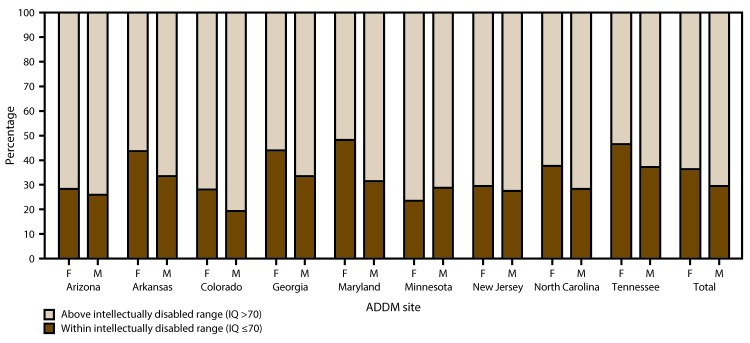
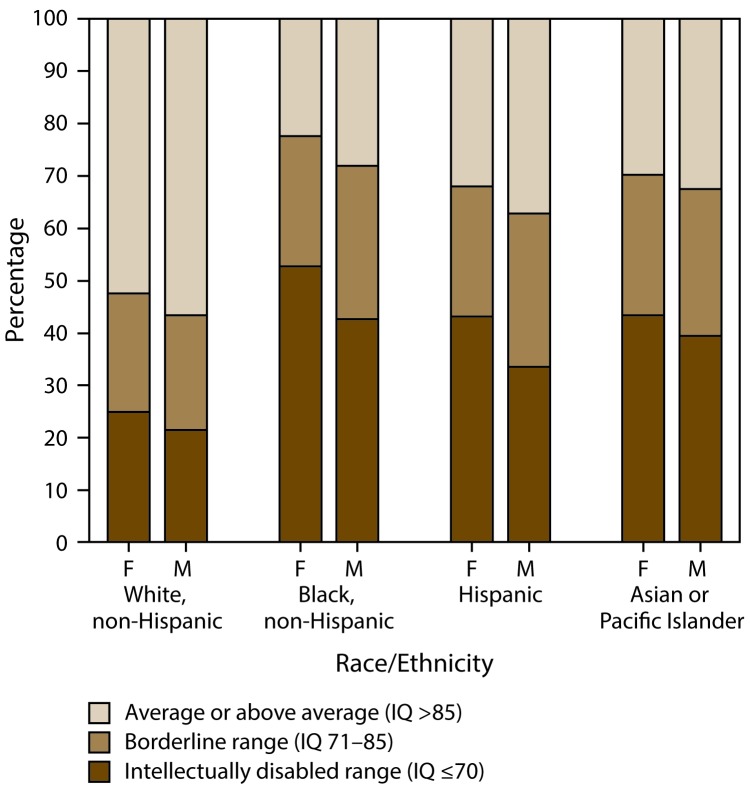
PROBLEM/CONDITION: Autism spectrum disorder (ASD). PERIOD COVERED: 2014. DESCRIPTION OF SYSTEM: The Autism and Developmental Disabilities Monitoring (ADDM) Network is an active surveillance system that provides estimates of the prevalence of autism spectrum disorder (ASD) among children aged 8 years whose parents or guardians reside within 11 ADDM sites in the United States (Arizona, Arkansas, Colorado, Georgia, Maryland, Minnesota, Missouri, New Jersey, North Carolina, Tennessee, and Wisconsin). ADDM surveillance is conducted in two phases. The first phase involves review and abstraction of comprehensive evaluations that were completed by professional service providers in the community. Staff completing record review and abstraction receive extensive training and supervision and are evaluated according to strict reliability standards to certify effective initial training, identify ongoing training needs, and ensure adherence to the prescribed methodology. Record review and abstraction occurs in a variety of data sources ranging from general pediatric health clinics to specialized programs serving children with developmental disabilities. In addition, most of the ADDM sites also review records for children who have received special education services in public schools. In the second phase of the study, all abstracted information is reviewed systematically by experienced clinicians to determine ASD case status. A child is considered to meet the surveillance case definition for ASD if he or she displays behaviors, as described on one or more comprehensive evaluations completed by community-based professional providers, consistent with the Diagnostic and Statistical Manual of Mental Disorders, Fourth Edition, Text Revision (DSM-IV-TR) diagnostic criteria for autistic disorder; pervasive developmental disorder-not otherwise specified (PDD-NOS, including atypical autism); or Asperger disorder. This report provides updated ASD prevalence estimates for children aged 8 years during the 2014 surveillance year, on the basis of DSM-IV-TR criteria, and describes characteristics of the population of children with ASD. In 2013, the American Psychiatric Association published the Diagnostic and Statistical Manual of Mental Disorders, Fifth Edition (DSM-5), which made considerable changes to ASD diagnostic criteria. The change in ASD diagnostic criteria might influence ADDM ASD prevalence estimates; therefore, most (85%) of the records used to determine prevalence estimates based on DSM-IV-TR criteria underwent additional review under a newly operationalized surveillance case definition for ASD consistent with the DSM-5 diagnostic criteria. Children meeting this new surveillance case definition could qualify on the basis of one or both of the following criteria, as documented in abstracted comprehensive evaluations: 1) behaviors consistent with the DSM-5 diagnostic features; and/or 2) an ASD diagnosis, whether based on DSM-IV-TR or DSM-5 diagnostic criteria. Stratified comparisons of the number of children meeting either of these two case definitions also are reported. RESULTS: For 2014, the overall prevalence of ASD among the 11 ADDM sites was 16.8 per 1,000 (one in 59) children aged 8 years. Overall ASD prevalence estimates varied among sites, from 13.1-29.3 per 1,000 children aged 8 years. ASD prevalence estimates also varied by sex and race/ethnicity. Males were four times more likely than females to be identified with ASD. Prevalence estimates were higher for non-Hispanic white (henceforth, white) children compared with non-Hispanic black (henceforth, black) children, and both groups were more likely to be identified with ASD compared with Hispanic children. Among the nine sites with sufficient data on intellectual ability, 31% of children with ASD were classified in the range of intellectual disability (intelligence quotient [IQ] <70), 25% were in the borderline range (IQ 71-85), and 44% had IQ scores in the average to above average range (i.e., IQ >85). The distribution of intellectual ability varied by sex and race/ethnicity. Although mention of developmental concerns by age 36 months was documented for 85% of children with ASD, only 42% had a comprehensive evaluation on record by age 36 months. The median age of earliest known ASD diagnosis was 52 months and did not differ significantly by sex or race/ethnicity. For the targeted comparison of DSM-IV-TR and DSM-5 results, the number and characteristics of children meeting the newly operationalized DSM-5 case definition for ASD were similar to those meeting the DSM-IV-TR case definition, with DSM-IV-TR case counts exceeding DSM-5 counts by less than 5% and approximately 86% overlap between the two case definitions (kappa = 0.85). INTERPRETATION: Findings from the ADDM Network, on the basis of 2014 data reported from 11 sites, provide updated population-based estimates of the prevalence of ASD among children aged 8 years in multiple communities in the United States. T
Overview
The claims and statistics of this paper haven’t been checked yet.
Free: it reads the open-access text and checks the first 5 claims that cite a source we can check. Create a free account to check every claim.
Integrity signals
Registry
Cites
Statistics
Figures
Verification
Claims the paper makes
The claims and statistics of this paper haven’t been checked yet.
Free: it reads the open-access text and checks the first 5 claims that cite a source we can check. Create a free account to check every claim.
Claims other papers make about this one
Each is checked against this paper’s own text: does it say what the citing paper says it does?
The source backs part of the claim, not all of it — or backs it for a different population, condition or comparison.
In the citing paper
“The U.S. reports a consistent pattern of increased ASD prevalence among higher socioeconomic status (SES) families (Baio et al. 2018; Durkin et al. 2010, 2017; Maenner et al. 2020; Pedersen et al. 2012), while European countries report increased prevalence among lower SES families (Delobel-Ayoub et al. 2015; Emerson 2012; Rai et al. 2012).”
From The Diagnosis of Autism: From Kanner to DSM-III to DSM-5 and Beyond (2021) · cites this paper as Baio et al. 2018
Experimental — accuracy not yet measuredThe source backs part of the claim, not all of it — or backs it for a different population, condition or comparison.
In the citing paper
“the mean patient age at ASD detection is several years later, generally between 3 and 4 years of age.1”
From Evaluation of the Diagnostic Stability of the Early Autism Spectrum Disorder Phenotype in the General Population Starting at 12 Months (2019) · cites this paper as [1]
Experimental — accuracy not yet measuredThe source backs part of the claim, not all of it — or backs it for a different population, condition or comparison.
In the citing paper
“Studies applied prospectively that compare DSM-IV with DSM-5 criteria reported that the latest revision narrowed eligibility for an autism spectrum diagnosis by between 4% [29] and more than 10% among children”
From Lobbying Autism's Diagnostic Revision in the DSM-5 (2020) · cites this paper as [29]
Experimental — accuracy not yet measuredThe cited source says what the claim attributes to it.
In the citing paper
“Racial differences also impact clinical presentation in the United States; a higher proportion of blacks diagnosed with autism were classified in the range of ID compared with Hispanic and white children (Baio et al., 2018).”
From Global prevalence of autism: A systematic review update (2022) · cites this paper as Baio et al., 2018
The check wasn’t confident either way, so it gives no verdict — never disputed.
In the citing paper
“Children with co-occurring intellectual disability are more likely to be identified earlier than children without intellectual disability, as indicated by an earlier median age at identification among this group (11) as well as the consistently higher proportion of children with intellectual disability at age 4 years (8,13) than at age 8 years (9,11,17).”
From Early Identification of Autism Spectrum Disorder Among Children Aged 4 Years — Autism and Developmental Disabilities Monitoring Network, 11 Sites, United States, 2018 (2021) · cites this paper as [17]
Experimental — accuracy not yet measured
5 more claims about this paper
Create a free account to see every claim other papers make about this one.
Self-check
Percentages, sums and reported differences re-computed from the paper’s own numbers.
The self-check needs the paper’s full text.
Citations
Cites
1 retracted
Christensen, D. L., Baio, J., Braun, K. V. N., Bilder, D., Charles, J., Constantino, J. N., Daniels, J., Durkin, M. S., Fitzgerald, R. T., Kurzius-Spencer, M., et al. (2016) · MMWR. Surveillance Summaries · doi:10.15585/mmwr.ss6503a1 · Cited by 1,964
Self-citationRetractedDiagnostic and Statistical Manual of Mental Disorders
American Psychiatric Association (2013) · doi:10.1176/appi.books.9780890425596 · Cited by 116,369
Identification and Evaluation of Children With Autism Spectrum Disorders
Johnson, C. P., Myers, S. M., & and the Council on Children With Disabilities (2007) · Pediatrics · doi:10.1542/peds.2007-2361 · Cited by 2,011
Naarden Braun, K. V., Lopez, M., White, T., et al. (2023) · Carolina Digital Repository (University of North Carolina at Chapel Hill) · doi:10.17615/y3kk-5x30 · Cited by 1,381
Self-citationPrevalence of Autism in a US Metropolitan Area
Yeargin-Allsopp, M., Rice, C., Karapurkar, T., Doernberg, N., Boyle, C., & Murphy, C. (2003) · JAMA · doi:10.1001/jama.289.1.49 · Cited by 1,248 · cited 4×
“CDC began tracking the prevalence of ASD and characteristics of children with ASD in the United States in 1998 (2,3).”
BackgroundResultInfluentialSelf-citationBlumberg, S. J., Bramlett, M. D., Kogan, M. D., Schieve, L. A., Jones, J. R., & Lu, M. C. (2013) · PubMed · Cited by 826
(2009) · PubMed · Cited by 812
Cited by
Items 201–300 of 1,133
Elevated protein synthesis in microglia causes autism-like synaptic and behavioral aberrations
Xu, Z.-X., Kim, G. H., Tan, J.-W., Riso, A. E., Sun, Y., Xu, E. Y., Liao, G.-Y., Xu, H., Lee, S.-H., Do, N.-Y., et al. (2020) · Nature Communications · doi:10.1038/s41467-020-15530-3 · Cited by 176
Da Paz, N. S., & Wallander, J. L. (2017) · Clinical Psychology Review · doi:10.1016/j.cpr.2016.10.006 · Cited by 176
Autism Spectrum disorders (ASD) in South Asia: a systematic review
Hossain, M. D., Ahmed, H. U., Jalal Uddin, M. M., Chowdhury, W. A., Iqbal, M. S., Kabir, R. I., Chowdhury, I. A., Aftab, A., Datta, P. G., Rabbani, G., et al. (2017) · BMC Psychiatry · doi:10.1186/s12888-017-1440-x · Cited by 179
Pediatric Feeding Disorder: A Nationwide Prevalence Study
Kovacic, K., Rein, L. E., Szabo, A., Kommareddy, S., Bhagavatula, P., & Goday, P. S. (2021) · The Journal of Pediatrics · doi:10.1016/j.jpeds.2020.07.047 · Cited by 178
Lim, Y. H., Partridge, K., Girdler, S., & Morris, S. L. (2017) · Journal of Autism and Developmental Disorders · doi:10.1007/s10803-017-3144-y · Cited by 176
Manzari, N., Matvienko-Sikar, K., Baldoni, F., O’Keeffe, G. W., & Khashan, A. S. (2019) · Social Psychiatry and Psychiatric Epidemiology · doi:10.1007/s00127-019-01745-3 · Cited by 174
“third trimester); [2] according to gender (male vs female); [3] according to different types of stress (objective vs subjective stress); [4] according to study design (cohort vs case–control); and [5] according to the study quality (minimal/low vs moderate/ high).”
BackgroundMethodChallenges Surrounding the Diagnosis of Autism in Children
Hus, Y., & Segal, O. (2021) · Neuropsychiatric Disease and Treatment · doi:10.2147/ndt.s282569 · Cited by 173
Green, R. M., Travers, A. M., Howe, Y., & McDougle, C. J. (2019) · Current Psychiatry Reports · doi:10.1007/s11920-019-1006-3 · Cited by 174
Narzisi, A., Posada, M., Barbieri, F., Chericoni, N., Ciuffolini, D., Pinzino, M., Romano, R., Scattoni, M. L., Tancredi, R., Calderoni, S., et al. (2020) · Epidemiology and Psychiatric Sciences · doi:10.1017/s2045796018000483 · Cited by 175
Uddin, L. Q., Dajani, D. R., Voorhies, W., Bednarz, H., & Kana, R. K. (2017) · Translational Psychiatry · doi:10.1038/tp.2017.164 · Cited by 173
Karami, B., Koushki, R., Arabgol, F., Rahmani, M., & Vahabie, A.-H. (2021) · Frontiers in Psychiatry · doi:10.3389/fpsyt.2021.665326 · Cited by 172
Snigdha, S., Ha, K., Tsai, P., Dinan, T. G., Bartos, J. D., & Shahid, M. (2022) · Pharmacology & Therapeutics · doi:10.1016/j.pharmthera.2021.107978 · Cited by 171
Schuck, R. K., Flores, R. E., & Fung, L. K. (2019) · Journal of Autism and Developmental Disorders · doi:10.1007/s10803-019-03998-y · Cited by 172
Takata, A., Miyake, N., Tsurusaki, Y., Fukai, R., Miyatake, S., Koshimizu, E., Kushima, I., Okada, T., Morikawa, M., Uno, Y., et al. (2018) · Cell Reports · doi:10.1016/j.celrep.2017.12.074 · Cited by 172
Health Conditions and Functional Status in Adults with Autism: A Cross-Sectional Evaluation
Fortuna, R. J., Robinson, L., Smith, T. H., Meccarello, J., Bullen, B., Nobis, K., & Davidson, P. W. (2016) · Journal of General Internal Medicine · doi:10.1007/s11606-015-3509-x · Cited by 169
African American Families on Autism Diagnosis and Treatment: The Influence of Culture
Burkett, K., Morris, E., Manning-Courtney, P., Anthony, J., & Shambley-Ebron, D. (2015) · Journal of Autism and Developmental Disorders · doi:10.1007/s10803-015-2482-x · Cited by 170
Project TENDR: Targeting Environmental Neuro-Developmental Risks The TENDR Consensus Statement
Bennett, D., Bellinger, D. C., Birnbaum, L. S., DABT, A.T.S, Bradman, A., Chen, A., Cory-Slechta, D. A., Engel, S. M., Fallin, M. D., et al. (2016) · Environmental Health Perspectives · doi:10.1289/ehp358 · Cited by 169
Social Camouflaging in Females with Autism Spectrum Disorder: A Systematic Review
Tubío-Fungueiriño, M., Cruz, S., Sampaio, A., Carracedo, A., & Fernández-Prieto, M. (2021) · Journal of Autism and Developmental Disorders · doi:10.1007/s10803-020-04695-x · Cited by 168
Keil, K. P., & Lein, P. J. (2016) · Environmental Epigenetics · doi:10.1093/eep/dvv012 · Cited by 167
Autism spectrum disorder and epilepsy: Disorders with a shared biology
Lee, B. H., Smith, T., & Paciorkowski, A. R. (2015) · Epilepsy & Behavior · doi:10.1016/j.yebeh.2015.03.017 · Cited by 167
Ingersoll, B., & Berger, N. I. (2015) · Journal of Medical Internet Research · doi:10.2196/jmir.4913 · Cited by 165
Service Needs Across the Lifespan for Individuals with Autism
Turcotte, P., Mathew, M., Shea, L. L., Brusilovskiy, E., & Nonnemacher, S. L. (2016) · Journal of Autism and Developmental Disorders · doi:10.1007/s10803-016-2787-4 · Cited by 167
The landscape of DNA methylation amid a perfect storm of autism aetiologies
Ciernia, A. V., & LaSalle, J. (2016) · Nature Reviews Neuroscience · doi:10.1038/nrn.2016.41 · Cited by 165
Mental health problems in children with intellectual disability
Totsika, V., Liew, A., Absoud, M., Adnams, C., & Emerson, E. (2022) · The Lancet Child & Adolescent Health · doi:10.1016/s2352-4642(22)00067-0 · Cited by 164
Gut microbiota changes in patients with autism spectrum disorders
Ding, X., Xu, Y., Zhang, X., Zhang, L., Duan, G., Song, C., Li, Z., Yang, Y., Wang, Y., Wang, X., et al. (2020) · Journal of Psychiatric Research · doi:10.1016/j.jpsychires.2020.06.032 · Cited by 166
Acetaminophen use in pregnancy and neurodevelopment: attention function and autism spectrum symptoms
Avella-Garcia, C. B., Julvez, J., Fortuny, J., Rebordosa, C., García-Esteban, R., Galán, I. R., Tardón, A., Rodríguez-Bernal, C. L., Iñiguez, C., Andiarena, A., et al. (2016) · International Journal of Epidemiology · doi:10.1093/ije/dyw115 · Cited by 165
Language Acquisition and Language Disorders
(2013) · Language acquisition & language disorders · doi:10.1075/lald · Cited by 165
Evidence supporting an altered immune response in ASD
Mead, J., & Ashwood, P. (2015) · Immunology Letters · doi:10.1016/j.imlet.2014.11.006 · Cited by 165
Zwaigenbaum, L., Bryson, S. E., Brian, J., Smith, I. M., Roberts, W., Szatmari, P., Roncadin, C., Garon, N., & Vaillancourt, T. (2016) · Autism Research · doi:10.1002/aur.1585 · Cited by 165
Shaw, K. A., Maenner, M. J., Bakian, A. V., Bilder, D. A., Durkin, M. S., Furnier, S. M., Hughes, M. M., Patrick, M., Pierce, K., Salinas, A., et al. (2021) · MMWR. Surveillance Summaries · doi:10.15585/mmwr.ss7010a1 · Cited by 165
Self-citationBail, C. A. (2016) · Proceedings of the National Academy of Sciences · doi:10.1073/pnas.1607151113 · Cited by 165
Cheng, C.-M., Chang, W.-H., Chen, M.-H., Tsai, C.-F., Su, T.-P., Li, C.-T., Tsai, S.-J., Hsu, J.-W., Huang, K.-L., Lin, W.-C., et al. (2018) · Molecular Psychiatry · doi:10.1038/mp.2017.217 · Cited by 164
Chun, H., Leung, C., Wen, S. W., McDonald, J., & Shin, H. H. (2020) · Environmental Pollution · doi:10.1016/j.envpol.2019.113307 · Cited by 164
Pagnozzi, A. M., Conti, E., Calderoni, S., Fripp, J., & Rose, S. E. (2018) · International Journal of Developmental Neuroscience · doi:10.1016/j.ijdevneu.2018.08.010 · Cited by 162
“The prevalence of ASD has dramatically increased in the last decades, reaching estimates of 1 subject in 59 as reported by the Centre for Disease, Control and Prevention in the US (Baio et al., 2018).”
BackgroundThe Co-Occurrence of Autism Spectrum Disorder in Children With ADHD
Zablotsky, B., Bramlett, M. D., & Blumberg, S. J. (2020) · Journal of Attention Disorders · doi:10.1177/1087054717713638 · Cited by 162
Kahathuduwa, C. N., West, B. D., Blume, J., Dharavath, N., Moustaid‐Moussa, N., & Mastergeorge, A. (2019) · Obesity Reviews · doi:10.1111/obr.12933 · Cited by 162
Saito, M., Hirota, T., Sakamoto, Y., Adachi, M., Takahashi, M., Osato-Kaneda, A., Kim, Y. S., Leventhal, B., Shui, A., Kato, S., et al. (2020) · Molecular Autism · doi:10.1186/s13229-020-00342-5 · Cited by 161
Tarver, J., Palmer, M., Webb, S., Scott, S., Slonims, V., Simonoff, E., & Charman, T. (2019) · Autism · doi:10.1177/1362361319830042 · Cited by 161
“Recent estimates from the Centers for Disease Control and Prevention (CDC) suggest that ASD may affect one in 59 children (Baio et al., 2018).”
Pu, Y., Yang, J., Chang, L., Qu, Y., Wang, S., Zhang, K., Xiong, Z., Zhang, J., Tan, Y., Wang, X., et al. (2020) · Proceedings of the National Academy of Sciences · doi:10.1073/pnas.1922287117 · Cited by 161
Recessive gene disruptions in autism spectrum disorder
Autism Sequencing Consortium, Doan, R. N., Lim, E. T., De Rubeis, S., Betancur, C., Cutler, D. J., Chiocchetti, A. G., Overman, L. M., Soucy, A., Goetze, S., et al. (2019) · Nature Genetics · doi:10.1038/s41588-019-0433-8 · Cited by 159
Hirvikoski, T., Boman, M., Chen, Q., D'Onofrio, B. M., Mittendorfer-Rutz, E., Lichtenstein, P., Bölte, S., & Larsson, H. (2020) · Psychological Medicine · doi:10.1017/s0033291719001405 · Cited by 157
Sacrey, L.-A. R., Armstrong, V. L., Bryson, S. E., & Zwaigenbaum, L. (2014) · Neuroscience & Biobehavioral Reviews · doi:10.1016/j.neubiorev.2014.10.011 · Cited by 160
Bishop-Fitzpatrick, L., Minshew, N. J., Mazefsky, C. A., & Eack, S. M. (2017) · Journal of Autism and Developmental Disorders · doi:10.1007/s10803-016-2910-6 · Cited by 160
Liu, R., Salisbury, J. P., Vahabzadeh, A., & Sahin, N. T. (2017) · Frontiers in Pediatrics · doi:10.3389/fped.2017.00145 · Cited by 160
Weiss, J. A., Isaacs, B., Diepstra, H., Wilton, A. S., Brown, H. K., McGarry, C., & Lunsky, Y. (2018) · Journal of Autism and Developmental Disorders · doi:10.1007/s10803-017-3292-0 · Cited by 159
Jack, A., & A. Pelphrey, K. (2017) · Journal of Child Psychology and Psychiatry · doi:10.1111/jcpp.12687 · Cited by 159
Fine particulate matter and the risk of autism spectrum disorder
Talbott, E. O., Arena, V. C., Rager, J. R., Clougherty, J. E., Michanowicz, D. R., Sharma, R. K., & Stacy, S. L. (2015) · Environmental Research · doi:10.1016/j.envres.2015.04.021 · Cited by 183
Public knowledge and stigma of autism spectrum disorder: Comparing China with the United States
Yu, L., Stronach, S. T., & Harrison, A. J. (2020) · Autism · doi:10.1177/1362361319900839 · Cited by 188
“…Hispanic and non-Hispanic groups in the United States have been frequently documented, including ASD prevalence, age of diagnosis, access to services (Baio et al., 2018; Magaña et al., 2013; Mandell et al., 2009), and symptom presentation (Harrison, Long, et al., 2017; Stronach & Wetherby, 2017).”
Gordon-Lipkin, E., Foster, J., & Peacock, G. (2016) · Pediatric Clinics of North America · doi:10.1016/j.pcl.2016.06.007 · Cited by 158
Flores-Pajot, M.-C., Ofner, M., Do, M. T., Lavigne, E., & Villeneuve, P. J. (2016) · Environmental Research · doi:10.1016/j.envres.2016.07.030 · Cited by 157
White, S. W., Simmons, G. L., Gotham, K. O., Conner, C. M., Smith, I. C., Beck, K. B., & Mazefsky, C. A. (2018) · Current Psychiatry Reports · doi:10.1007/s11920-018-0949-0 · Cited by 157
A Systematic Review of the Role of Prebiotics and Probiotics in Autism Spectrum Disorders
Ng, Q., Loke, W., Venkatanarayanan, N., Lim, D., Soh, A., & Yeo, W. (2019) · Medicina · doi:10.3390/medicina55050129 · Cited by 157
Yu, Q., Li, E., Li, L., & Liang, W.-Y. (2020) · Psychiatry Investigation · doi:10.30773/pi.2019.0229 · Cited by 228
Genetics of structural and functional brain changes in autism spectrum disorder
Hashem, S., Nisar, S., Bhat, A. A., Yadav, S. K., Azeem, M. W., Bagga, P., Fakhro, K., Reddy, R., Frenneaux, M. P., & Haris, M. (2020) · Translational Psychiatry · doi:10.1038/s41398-020-00921-3 · Cited by 157
Kerns, C. M., Winder-Patel, B., Iosif, A. M., Nordahl, C. W., Heath, B., Solomon, M., & Amaral, D. G. (2021) · Journal of Clinical Child & Adolescent Psychology · doi:10.1080/15374416.2019.1703712 · Cited by 156
Tyler, K. J., MacDonald, M., & Menear, K. S. (2014) · Autism Research and Treatment · doi:10.1155/2014/312163 · Cited by 215
Genetic correlates of phenotypic heterogeneity in autism
Warrier, V., Zhang, X., Reed, P., Havdahl, A., Moore, T. M., Cliquet, F., Leblond, C. S., Rolland, T., Rosengren, A., LEAP, E.-A., et al. (2022) · Nature Genetics · doi:10.1038/s41588-022-01072-5 · Cited by 152
Pretzsch, C. M., Freyberg, J., Voinescu, B., Lythgoe, D., Horder, J., Mendez, M. A., Wichers, R., Ajram, L., Ivin, G., Heasman, M., et al. (2019) · Neuropsychopharmacology · doi:10.1038/s41386-019-0333-8 · Cited by 153
Targeted DNA Sequencing from Autism Spectrum Disorder Brains Implicates Multiple Genetic Mechanisms
D’Gama, A. M., Pochareddy, S., Li, M., Jamuar, S. S., Reiff, R. E., Lam, A.-T. N., Sestan, N., & Walsh, C. A. (2015) · Neuron · doi:10.1016/j.neuron.2015.11.009 · Cited by 153
Exploring the Experience of Self-Diagnosis of Autism Spectrum Disorder in Adults
Lewis, L. F. (2016) · Archives of Psychiatric Nursing · doi:10.1016/j.apnu.2016.03.009 · Cited by 205
Oldehinkel, M., Mennes, M., Marquand, A., Charman, T., Tillmann, J., Ecker, C., Dell’Acqua, F., Brandeis, D., Banaschewski, T., Baumeister, S., et al. (2019) · Biological Psychiatry: Cognitive Neuroscience and Neuroimaging · doi:10.1016/j.bpsc.2018.11.010 · Cited by 153
Feinberg, J. I., Bakulski, K. M., Jaffe, A. E., Tryggvadottir, R., Brown, S. C., Goldman, L. R., Croen, L. A., Hertz-Picciotto, I., Newschaffer, C. J., Daniele Fallin, M., et al. (2015) · International Journal of Epidemiology · doi:10.1093/ije/dyv028 · Cited by 150
Liew, Z., Ritz, B., Virk, J., & Olsen, J. (2016) · Autism Research · doi:10.1002/aur.1591 · Cited by 151
Dababnah, S., Shaia, W. E., Campion, K., & Nichols, H. M. (2018) · Intellectual and Developmental Disabilities · doi:10.1352/1934-9556-56.5.321 · Cited by 151
Gialloreti, L. E., Mazzone, L., Benvenuto, A., Fasano, A., García-Alcón, A., Kraneveld, A. D., Moavero, R., Raz, R., Riccio, M. P., Siracusano, M., et al. (2019) · Journal of Clinical Medicine · doi:10.3390/jcm8020217 · Cited by 194
Vogan, V., Lake, J. K., Tint, A., Weiss, J. A., & Lunsky, Y. (2017) · Disability and Health Journal · doi:10.1016/j.dhjo.2016.11.002 · Cited by 151
West, P. R., Amaral, D. G., Bais, P., Smith, A. M., Egnash, L. A., Ross, M. E., Palmer, J. A., Fontaine, B. R., Conard, K. R., Corbett, B. A., et al. (2014) · PLoS ONE · doi:10.1371/journal.pone.0112445 · Cited by 151
Suk, W. A., Ahanchian, H., Asante, K. A., Carpenter, D. O., Díaz‐Barriga, F., Ha, E., Huo, X., King, M., Ruchirawat, M., da Silva, E. R., et al. (2016) · Environmental Health Perspectives · doi:10.1289/ehp.1510517 · Cited by 168
Frye, R. E. (2018) · CNS Drugs · doi:10.1007/s40263-018-0556-y · Cited by 151
Cascio, M. A., Weiss, J. A., & Racine, É. (2020) · Review Journal of Autism and Developmental Disorders · doi:10.1007/s40489-020-00204-z · Cited by 197
Epidemiological surveys of ASD: advances and remaining challenges
Fombonne, E., MacFarlane, H., & Salem, A. C. (2021) · Journal of Autism and Developmental Disorders · doi:10.1007/s10803-021-05005-9 · Cited by 147
Genetic and Epigenetic Etiology Underlying Autism Spectrum Disorder
Yoon, S., Choi, J., Lee, W., & Do, J. (2020) · Journal of Clinical Medicine · doi:10.3390/jcm9040966 · Cited by 149
Gut microbiota changes in children with autism spectrum disorder: a systematic review
Ho, L. K. H., Tong, V. J. W., Syn, N., Nagarajan, N., Tham, E. H., Tay, S. K., Shorey, S., Tambyah, P. A., & Law, E. C. N. (2020) · Gut Pathogens · doi:10.1186/s13099-020-0346-1 · Cited by 149
Current knowledge on the genetics of autism and propositions for future research
Bourgeron, T. (2016) · Comptes Rendus. Biologies · doi:10.1016/j.crvi.2016.05.004 · Cited by 149
Aoki, Y., Yoncheva, Y. N., Chen, B., Nath, T., Sharp, D., Lazar, M., Velasco, P., Milham, M. P., & Di Martino, A. (2017) · JAMA Psychiatry · doi:10.1001/jamapsychiatry.2017.2573 · Cited by 149
A systematic review of emotion regulation in children with Autism Spectrum Disorder
Cibralic, S., Kohlhoff, J., Wallace, N., McMahon, C., & Eapen, V. (2019) · Research in Autism Spectrum Disorders · doi:10.1016/j.rasd.2019.101422 · Cited by 148
Wiggins, L. D., Durkin, M., Esler, A., Lee, L., Zahorodny, W., Rice, C., Yeargin‐Allsopp, M., Dowling, N. F., Hall‐Lande, J., Morrier, M. J., et al. (2020) · Autism Research · doi:10.1002/aur.2255 · Cited by 148
“Consequently, some children with ASD characteristics do not receive a clinical diagnosis of ASD or may be diagnosed later than other children with a similar behavioral profile [Baio et al., 2018; Mandell, Ittenbauch, Levy, & Pinto-Martin, 2007; Magaña, et al., 2013].”
Self-citationMilajerdi, H. R., Sheikh, M., Najafabadi, M. G., Saghaei, B., Naghdi, N., & Dewey, D. (2020) · Games for Health Journal · doi:10.1089/g4h.2019.0180 · Cited by 206
English, M. C. W., Gignac, G. E., Visser, T. A. W., Whitehouse, A. J. O., Enns, J. T., & Maybery, M. T. (2021) · Molecular Autism · doi:10.1186/s13229-021-00445-7 · Cited by 148
Metabolic Dysfunction Underlying Autism Spectrum Disorder and Potential Treatment Approaches
Cheng, N., Rho, J. M., & Masino, S. A. (2017) · Frontiers in Molecular Neuroscience · doi:10.3389/fnmol.2017.00034 · Cited by 145
Brain Connectivity and Neuroimaging of Social Networks in Autism
Müller, R., & Fishman, I. (2018) · Trends in Cognitive Sciences · doi:10.1016/j.tics.2018.09.008 · Cited by 168
Bishop-Fitzpatrick, L., & Rubenstein, E. (2019) · Research in Autism Spectrum Disorders · doi:10.1016/j.rasd.2019.01.001 · Cited by 146
Berenguer, C., Baixauli, I., Gómez, S., Andrés, M. D. E. P., & De Stasio, S. (2020) · International Journal of Environmental Research and Public Health · doi:10.3390/ijerph17176143 · Cited by 149
ECHO Autism STAT: Accelerating Early Access to Autism Diagnosis
Mazurek, M. O., Curran, A., Burnette, C., & Sohl, K. (2019) · Journal of Autism and Developmental Disorders · doi:10.1007/s10803-018-3696-5 · Cited by 148
Joseph, R. M., O’Shea, T. M., Allred, E. N., Heeren, T., Hirtz, D., Paneth, N., Leviton, A., & Kuban, K. (2016) · Autism Research · doi:10.1002/aur.1644 · Cited by 165
Cox, B. E., Thompson, K., Anderson, A., Mintz, A., Locks, T., Morgan, L., Edelstein, J., & Wolz, A. (2017) · Journal of College Student Development · doi:10.1353/csd.2017.0004 · Cited by 147
A review on neural network models of schizophrenia and autism spectrum disorder
Lanillos, P., Oliva, D., Philippsen, A. K., Yamashita, Y., Nagai, Y., & Cheng, G. (2019) · Neural Networks · doi:10.1016/j.neunet.2019.10.014 · Cited by 175
Ozonoff, S., & Iosif, A.-M. (2019) · Neuroscience & Biobehavioral Reviews · doi:10.1016/j.neubiorev.2019.03.012 · Cited by 146
Curran, E. A., Dalman, C., Kearney, P. M., Kenny, L. C., Cryan, J. F., Dinan, T. G., & Khashan, A. S. (2015) · JAMA Psychiatry · doi:10.1001/jamapsychiatry.2015.0846 · Cited by 146
Prevalence of Autism Spectrum Disorders in Guanajuato, Mexico: The Leon survey
Fombonne, E. J., Marcín, C., Manero, A. C., Bruno, R., Diaz, C., Villalobos, M., Ramsay, K., & Nealy, B. (2016) · Journal of Autism and Developmental Disorders · doi:10.1007/s10803-016-2696-6 · Cited by 207
Kong, X., Liu, J., Cetinbas, M., Sadreyev, R., Koh, M., Huang, H., Adeseye, A., He, P., Zhu, J., Russell, H., et al. (2019) · Nutrients · doi:10.3390/nu11092128 · Cited by 146
The lifetime social cost of autism: 1990–2029
Cakir, J., Frye, R. E., & Walker, S. J. (2020) · Research in Autism · doi:10.1016/j.rasd.2019.101502 · Cited by 180
Wan, Y., Zuo, T., Xu, Z., Zhang, F., Zhan, H., CHAN, D., Leung, T.-F., Yeoh, Y. K., Chan, F. K. L., Chan, R., et al. (2022) · Gut · doi:10.1136/gutjnl-2020-324015 · Cited by 146
Timing of the Diagnosis of Attention-Deficit/Hyperactivity Disorder and Autism Spectrum Disorder
Miodovnik, A., Harstad, E., Sideridis, G., & Huntington, N. (2015) · Pediatrics · doi:10.1542/peds.2015-1502 · Cited by 148
Gardner, R. M., Lee, B. K., Magnusson, C., Rai, D., Frisell, T., Karlsson, H., Idring, S., & Dalman, C. (2015) · International Journal of Epidemiology · doi:10.1093/ije/dyv081 · Cited by 141
Asexuality: Sexual Orientation, Paraphilia, Sexual Dysfunction, or None of the Above?
Brotto, L. A., & Yule, M. A. (2016) · Archives of Sexual Behavior · doi:10.1007/s10508-016-0802-7 · Cited by 175
Abdelli, L. S., Samsam, A., & Naser, S. A. (2019) · Scientific Reports · doi:10.1038/s41598-019-45348-z · Cited by 144
Kang, D.-W., Adams, J. B., Vargason, T., Santiago, M., Hahn, J., & Krajmalnik-Brown, R. (2020) · mSphere · doi:10.1128/msphere.00314-20 · Cited by 144
The Contribution of Gut Microbiota–Brain Axis in the Development of Brain Disorders
Maiuolo, J., Gliozzi, M., Musolino, V., Carresi, C., Scarano, F., Nucera, S., Scicchitano, M., Oppedisano, F., Bosco, F., Ruga, S., et al. (2021) · Frontiers in Neuroscience · doi:10.3389/fnins.2021.616883 · Cited by 165
Primary care autism screening and later autism diagnosis
Carbone, P. S., Campbell, K., Wilkes, J., Stoddard, G. J., Huynh, K., Young, P. C., & Gabrielsen, T. P. (2020) · Pediatrics · doi:10.1542/peds.2019-2314 · Cited by 144
Metadata
- Authors
- Baio, J., Wiggins, L., Christensen, D. L., Maenner, M. J., Daniels, J., Warren, Z., Kurzius-Spencer, M., Zahorodny, W., Robinson, C., Rosenberg, White, T., Durkin, M. S., Imm, P., Nikolaou, L., Yeargin-Allsopp, M., Lee, L.-C., Harrington, R., Lopez, M., Fitzgerald, R. T., Hewitt, A., Pettygrove, S., Constantino, J. N., Vehorn, A., Shenouda, J., Hall-Lande, J., Van, K., Naarden, Braun, & Dowling, N. F.
- Affiliations
- Centers for Disease Control and Prevention (US)
- University of North Carolina at Chapel Hill (US)
- Vanderbilt University Medical Center (US)
- Rutgers, The State University of New Jersey (US)
- University of Colorado Anschutz (US)
- Colorado Department of Public Health and Environment (US)
- University of Wisconsin–Madison (US)
- Johns Hopkins University (US)
- University of Arkansas for Medical Sciences (US)
- Washington University in St. Louis (US)
- University of Minnesota (US)
- University of Arizona (US)
- Corresponding author
- Baio, Jon
- ORCID
- Venue
- MMWR. Surveillance Summaries
- Published
- 2018-04-27
- Volume
- 67
- Issue
- 6
- Pages
- 1-23
- ISSN
- 1545-8636 (ISSN-L)
- 1546-0738
- PMC
- PMC5919599
- OpenAlex
- W2614349964
- Cited by
- 6,078
- References
- 30
- Citations by year
- 2026: 105 · 2025: 194 · 2024: 294 · 2023: 392 · 2022: 560 · 2021: 892 · 2020: 1038 · 2019: 853 · 2018: 500
- FWCI
- 485.15
- Type
- journal article
- Language
- en
- Open access
- hybrid
- doi.org
- Licence
- public-domain
- Locations
- MMWR Surveillance Summaries (publishedVersion, public-domain)
- Europe PMC (PubMed Central) (publishedVersion, cc-by)
- PubMed Central (publishedVersion, cc-by)
- PubMed (publishedVersion)
- UA Campus Repository (The University of Arizona) (acceptedVersion, public-domain)
- Carolina Digital Repository (University of North Carolina at Chapel Hill) (submittedVersion, public-domain)
- Carolina Digital Repository (University of North Carolina at Chapel Hill) (submittedVersion)
- UNC Libraries
- Funders
- U.S. Department of Education
- Vanderbilt University
- Emory University
- University of Minnesota
- Washington University in St. Louis
- Colorado Department of Public Health and Environment
- Johns Hopkins University
- University of Arkansas for Medical Sciences
- University of South Carolina
- Vanderbilt University Medical Center
- Centers for Disease Control and Prevention
- University of North Carolina at Chapel Hill
- National Center for Chronic Disease Prevention and Health Promotion
- National Center on Birth Defects and Developmental Disabilities
- Eunice Kennedy Shriver National Institute of Child Health and Human Development (U54HD087011)
- Topics
- Life Sciences › Neuroscience › Cognitive Neuroscience › Autism Spectrum Disorder Research
- Health Sciences › Medicine › Psychiatry and Mental health › Child Nutrition and Feeding Issues
- Social Sciences › Psychology › Clinical Psychology › Family and Disability Support Research
- Keywords
- autism spectrum disorder, prevalence, DSM-IV-TR diagnostic criteria, DSM-5 diagnostic criteria, surveillance case definition, autism epidemiology, developmental disabilities, comprehensive evaluation, United States
- MeSH terms
- Autism Spectrum Disorder, Child, Female, Humans, Male, Population Surveillance, United States, Prevalence
About these checks
Registry, retraction, Cites and statistics results are computed, not judged, with one exception: a printed reference that no index lists is read once by a model before it counts as a citation error. Claims are extracted by a model and kept only when their quote appears verbatim in the text; each cited source is then checked, with a model’s help, for whether it says what the claim relies on. Those verdicts can be wrong — read the claim’s quote and the cited source before relying on one.
Statistics and arithmetic are recomputed, not judged.
Confidence bands are shown only for fields calibrated on our annotated test set. None is calibrated yet, so no band is shown.
What counts as a claim ›How we measure confidence ›How we check this ›
Are you an author, or do you see a problem with this page? Request a review
Data sources
Bibliographic data: Semantic Scholar, OpenAlex, Crossref.
Contains information from the Semantic Scholar Academic Graph Datasets, made available under the ODC Attribution License (ODC-BY 1.0).
Semantic Scholar’s data is described in: Kinney, R., et al. (2023). The Semantic Scholar Open Data Platform. arXiv:2301.10140.
