

Prevalence of Autism Spectrum Disorder Among Children Aged 8 Years — Autism and Developmental Disabilities Monitoring Network, 11 Sites, United States, 2014
Open accessThe DOI matches its Crossref record; 37 of the 37 references it cites were found in a registry or an index.
Abstract
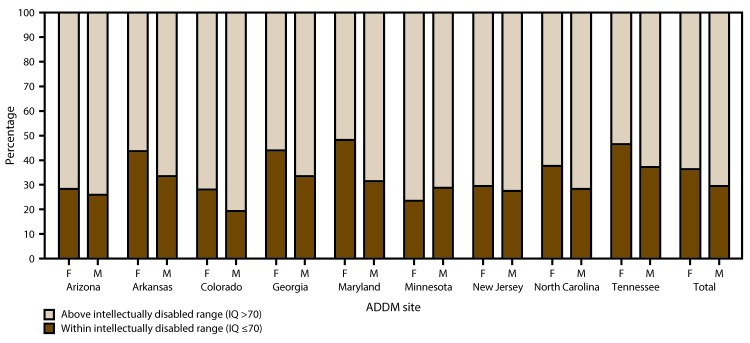
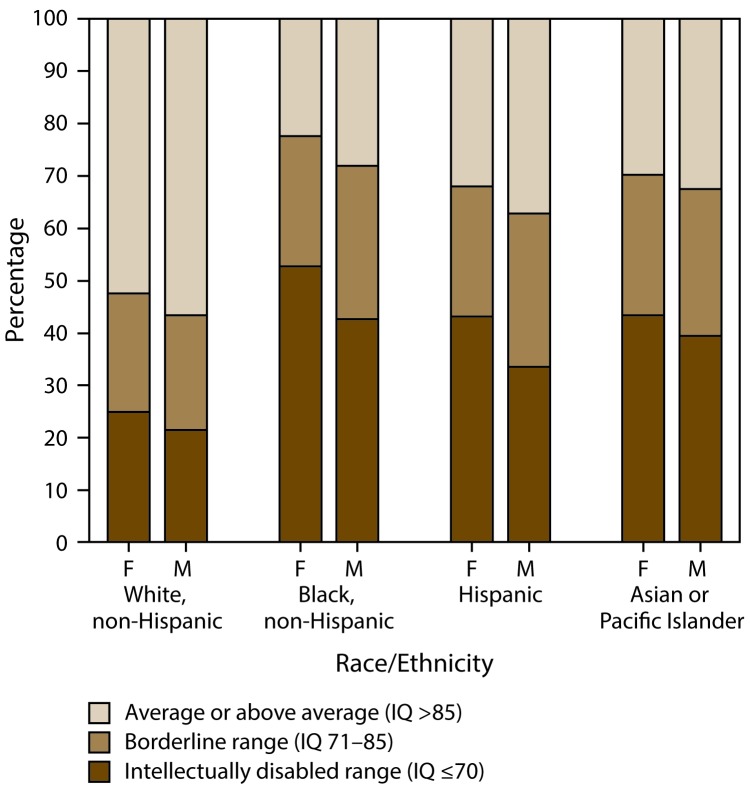
PROBLEM/CONDITION: Autism spectrum disorder (ASD). PERIOD COVERED: 2014. DESCRIPTION OF SYSTEM: The Autism and Developmental Disabilities Monitoring (ADDM) Network is an active surveillance system that provides estimates of the prevalence of autism spectrum disorder (ASD) among children aged 8 years whose parents or guardians reside within 11 ADDM sites in the United States (Arizona, Arkansas, Colorado, Georgia, Maryland, Minnesota, Missouri, New Jersey, North Carolina, Tennessee, and Wisconsin). ADDM surveillance is conducted in two phases. The first phase involves review and abstraction of comprehensive evaluations that were completed by professional service providers in the community. Staff completing record review and abstraction receive extensive training and supervision and are evaluated according to strict reliability standards to certify effective initial training, identify ongoing training needs, and ensure adherence to the prescribed methodology. Record review and abstraction occurs in a variety of data sources ranging from general pediatric health clinics to specialized programs serving children with developmental disabilities. In addition, most of the ADDM sites also review records for children who have received special education services in public schools. In the second phase of the study, all abstracted information is reviewed systematically by experienced clinicians to determine ASD case status. A child is considered to meet the surveillance case definition for ASD if he or she displays behaviors, as described on one or more comprehensive evaluations completed by community-based professional providers, consistent with the Diagnostic and Statistical Manual of Mental Disorders, Fourth Edition, Text Revision (DSM-IV-TR) diagnostic criteria for autistic disorder; pervasive developmental disorder-not otherwise specified (PDD-NOS, including atypical autism); or Asperger disorder. This report provides updated ASD prevalence estimates for children aged 8 years during the 2014 surveillance year, on the basis of DSM-IV-TR criteria, and describes characteristics of the population of children with ASD. In 2013, the American Psychiatric Association published the Diagnostic and Statistical Manual of Mental Disorders, Fifth Edition (DSM-5), which made considerable changes to ASD diagnostic criteria. The change in ASD diagnostic criteria might influence ADDM ASD prevalence estimates; therefore, most (85%) of the records used to determine prevalence estimates based on DSM-IV-TR criteria underwent additional review under a newly operationalized surveillance case definition for ASD consistent with the DSM-5 diagnostic criteria. Children meeting this new surveillance case definition could qualify on the basis of one or both of the following criteria, as documented in abstracted comprehensive evaluations: 1) behaviors consistent with the DSM-5 diagnostic features; and/or 2) an ASD diagnosis, whether based on DSM-IV-TR or DSM-5 diagnostic criteria. Stratified comparisons of the number of children meeting either of these two case definitions also are reported. RESULTS: For 2014, the overall prevalence of ASD among the 11 ADDM sites was 16.8 per 1,000 (one in 59) children aged 8 years. Overall ASD prevalence estimates varied among sites, from 13.1-29.3 per 1,000 children aged 8 years. ASD prevalence estimates also varied by sex and race/ethnicity. Males were four times more likely than females to be identified with ASD. Prevalence estimates were higher for non-Hispanic white (henceforth, white) children compared with non-Hispanic black (henceforth, black) children, and both groups were more likely to be identified with ASD compared with Hispanic children. Among the nine sites with sufficient data on intellectual ability, 31% of children with ASD were classified in the range of intellectual disability (intelligence quotient [IQ] <70), 25% were in the borderline range (IQ 71-85), and 44% had IQ scores in the average to above average range (i.e., IQ >85). The distribution of intellectual ability varied by sex and race/ethnicity. Although mention of developmental concerns by age 36 months was documented for 85% of children with ASD, only 42% had a comprehensive evaluation on record by age 36 months. The median age of earliest known ASD diagnosis was 52 months and did not differ significantly by sex or race/ethnicity. For the targeted comparison of DSM-IV-TR and DSM-5 results, the number and characteristics of children meeting the newly operationalized DSM-5 case definition for ASD were similar to those meeting the DSM-IV-TR case definition, with DSM-IV-TR case counts exceeding DSM-5 counts by less than 5% and approximately 86% overlap between the two case definitions (kappa = 0.85). INTERPRETATION: Findings from the ADDM Network, on the basis of 2014 data reported from 11 sites, provide updated population-based estimates of the prevalence of ASD among children aged 8 years in multiple communities in the United States. T
Overview
The claims and statistics of this paper haven’t been checked yet.
Free: it reads the open-access text and checks the first 5 claims that cite a source we can check. Create a free account to check every claim.
Integrity signals
Registry
Cites
Statistics
Figures
Verification
Claims the paper makes
The claims and statistics of this paper haven’t been checked yet.
Free: it reads the open-access text and checks the first 5 claims that cite a source we can check. Create a free account to check every claim.
Claims other papers make about this one
Each is checked against this paper’s own text: does it say what the citing paper says it does?
The source backs part of the claim, not all of it — or backs it for a different population, condition or comparison.
In the citing paper
“The U.S. reports a consistent pattern of increased ASD prevalence among higher socioeconomic status (SES) families (Baio et al. 2018; Durkin et al. 2010, 2017; Maenner et al. 2020; Pedersen et al. 2012), while European countries report increased prevalence among lower SES families (Delobel-Ayoub et al. 2015; Emerson 2012; Rai et al. 2012).”
From The Diagnosis of Autism: From Kanner to DSM-III to DSM-5 and Beyond (2021) · cites this paper as Baio et al. 2018
Experimental — accuracy not yet measuredThe source backs part of the claim, not all of it — or backs it for a different population, condition or comparison.
In the citing paper
“the mean patient age at ASD detection is several years later, generally between 3 and 4 years of age.1”
From Evaluation of the Diagnostic Stability of the Early Autism Spectrum Disorder Phenotype in the General Population Starting at 12 Months (2019) · cites this paper as [1]
Experimental — accuracy not yet measuredThe source backs part of the claim, not all of it — or backs it for a different population, condition or comparison.
In the citing paper
“Studies applied prospectively that compare DSM-IV with DSM-5 criteria reported that the latest revision narrowed eligibility for an autism spectrum diagnosis by between 4% [29] and more than 10% among children”
From Lobbying Autism's Diagnostic Revision in the DSM-5 (2020) · cites this paper as [29]
Experimental — accuracy not yet measuredThe cited source says what the claim attributes to it.
In the citing paper
“Racial differences also impact clinical presentation in the United States; a higher proportion of blacks diagnosed with autism were classified in the range of ID compared with Hispanic and white children (Baio et al., 2018).”
From Global prevalence of autism: A systematic review update (2022) · cites this paper as Baio et al., 2018
The check wasn’t confident either way, so it gives no verdict — never disputed.
In the citing paper
“Children with co-occurring intellectual disability are more likely to be identified earlier than children without intellectual disability, as indicated by an earlier median age at identification among this group (11) as well as the consistently higher proportion of children with intellectual disability at age 4 years (8,13) than at age 8 years (9,11,17).”
From Early Identification of Autism Spectrum Disorder Among Children Aged 4 Years — Autism and Developmental Disabilities Monitoring Network, 11 Sites, United States, 2018 (2021) · cites this paper as [17]
Experimental — accuracy not yet measured
5 more claims about this paper
Create a free account to see every claim other papers make about this one.
Self-check
Percentages, sums and reported differences re-computed from the paper’s own numbers.
The self-check needs the paper’s full text.
Citations
Cites
1 retracted
Christensen, D. L., Baio, J., Braun, K. V. N., Bilder, D., Charles, J., Constantino, J. N., Daniels, J., Durkin, M. S., Fitzgerald, R. T., Kurzius-Spencer, M., et al. (2016) · MMWR. Surveillance Summaries · doi:10.15585/mmwr.ss6503a1 · Cited by 1,964
Self-citationRetractedDiagnostic and Statistical Manual of Mental Disorders
American Psychiatric Association (2013) · doi:10.1176/appi.books.9780890425596 · Cited by 116,369
Identification and Evaluation of Children With Autism Spectrum Disorders
Johnson, C. P., Myers, S. M., & and the Council on Children With Disabilities (2007) · Pediatrics · doi:10.1542/peds.2007-2361 · Cited by 2,011
Naarden Braun, K. V., Lopez, M., White, T., et al. (2023) · Carolina Digital Repository (University of North Carolina at Chapel Hill) · doi:10.17615/y3kk-5x30 · Cited by 1,381
Self-citationPrevalence of Autism in a US Metropolitan Area
Yeargin-Allsopp, M., Rice, C., Karapurkar, T., Doernberg, N., Boyle, C., & Murphy, C. (2003) · JAMA · doi:10.1001/jama.289.1.49 · Cited by 1,248 · cited 4×
“CDC began tracking the prevalence of ASD and characteristics of children with ASD in the United States in 1998 (2,3).”
BackgroundResultInfluentialSelf-citationBlumberg, S. J., Bramlett, M. D., Kogan, M. D., Schieve, L. A., Jones, J. R., & Lu, M. C. (2013) · PubMed · Cited by 826
(2009) · PubMed · Cited by 812
Cited by
Items 1,001–1,100 of 1,133
Tomczak, M. T. (2021) · Journal of Disability Policy Studies · doi:10.1177/1044207320919945 · Cited by 59
“Some predictions assume that 1 in every 59 children aged 8 years in the United States may be suffering from this disorder (Baio et al., 2018); therefore, in the next years estimations show a significant increase in the number of young people with ASD transitioning to adult-hood (Hensel, 2017).”
BackgroundVargason, T., Frye, R. E., McGuinness, D. L., & Hahn, J. (2019) · Autism Research · doi:10.1002/aur.2128 · Cited by 59
Cerebrospinal fluid vasopressin and symptom severity in children with autism
Oztan, O., Garner, J. P., Partap, S., Sherr, E. H., Hardan, A. Y., Farmer, C., Thurm, A., Swedo, S. E., & Parker, K. J. (2018) · Annals of Neurology · doi:10.1002/ana.25314 · Cited by 59
Modified CBT for social anxiety and social functioning in young adults with autism spectrum disorder
Bemmer, E. R., Boulton, K. A., Thomas, E. E., Larke, B., Lah, S., Hickie, I. B., & Guastella, A. J. (2021) · Molecular Autism · doi:10.1186/s13229-021-00418-w · Cited by 59
Wiggins, L. D., Levy, S. E., Daniels, J., Schieve, L., Croen, L. A., DiGuiseppi, C., Blaskey, L., Giarelli, E., Lee, L.-C., Pinto-Martin, J., et al. (2015) · Journal of Autism and Developmental Disorders · doi:10.1007/s10803-015-2476-8 · Cited by 57
Self-citationMarkowitz, L. A., Reyes, C., Embacher, R. A., Speer, L. L., Roizen, N., & Frazier, T. W. (2016) · Autism · doi:10.1177/1362361315611382 · Cited by 58
Atypical Neural Activity in Males But Not Females with Autism Spectrum Disorder
Kirkovski, M., Enticott, P. G., Hughes, M. E., Rossell, S. L., & Fitzgerald, P. B. (2016) · Journal of Autism and Developmental Disorders · doi:10.1007/s10803-015-2639-7 · Cited by 54
Heffler, K. F., & Oestreicher, L. M. (2016) · Medical Hypotheses · doi:10.1016/j.mehy.2015.06.019 · Cited by 59
Knowledge and use of intervention practices by community-based early intervention service providers
Paynter, J. M., & Keen, D. (2015) · Journal of Autism and Developmental Disorders · doi:10.1007/s10803-014-2316-2 · Cited by 59
An investigation of the diet, exercise, sleep, BMI, and health outcomes of autistic adults
Weir, E., Allison, C., Ong, K. K., & Baron-Cohen, S. (2021) · Molecular Autism · doi:10.1186/s13229-021-00441-x · Cited by 58
Adaptive behavior in youth with autism spectrum disorder: The role of flexibility
Bertollo, J. R., Strang, J. F., Anthony, L. G., Kenworthy, L., Wallace, G. L., & Yerys, B. E. (2020) · Journal of Autism and Developmental Disorders · doi:10.1007/s10803-019-04220-9 · Cited by 58
Liu, X., Zou, M., Sun, C., Wu, L., & Chen, W.-X. (2022) · Journal of Autism and Developmental Disorders · doi:10.1007/s10803-021-04951-8 · Cited by 58
Thomaidis, L., Mavroeidi, N., Richardson, C., Choleva, A., Damianos, G., Bolias, K., & Tsolia, M. (2020) · Journal of Clinical Medicine · doi:10.3390/jcm9072163 · Cited by 57
Pellecchia, M., Connell, J. E., Kerns, C. M., Xie, M., Marcus, S. C., & Mandell, D. S. (2016) · Autism · doi:10.1177/1362361315577518 · Cited by 57
IQ in Autism Spectrum Disorder: A Population-Based Birth Cohort Study
Katusic, M. Z., Myers, S. M., Weaver, A. L., & Voigt, R. G. (2021) · Pediatrics · doi:10.1542/peds.2020-049899 · Cited by 54
Challenges of Females with Autism: A Parental Perspective
Mademtzi, M., Singh, P., Shic, F., & Koenig, K. (2018) · Journal of Autism and Developmental Disorders · doi:10.1007/s10803-017-3341-8 · Cited by 54
Imaging-genetics of sex differences in ASD: distinct effects of OXTR variants on brain connectivity
Hernandez, L. M., Lawrence, K. E., Padgaonkar, N. T., Inada, M., Hoekstra, J. N., Lowe, J. K., Eilbott, J., Jack, A., Aylward, E., Gaab, N., et al. (2020) · Translational Psychiatry · doi:10.1038/s41398-020-0750-9 · Cited by 54
Hartley, S. L., Papp, L. M., Mihaila, I., Bussanich, P. M., Goetz, G., & Hickey, E. J. (2017) · Journal of Child and Family Studies · doi:10.1007/s10826-017-0737-1 · Cited by 54
DiGuiseppi, C. G., Daniels, J. L., Fallin, D. M., Rosenberg, S. A., Schieve, L. A., Thomas, K. C., Windham, G. C., Goss, C. W., Soke, G. N., Currie, D. W., et al. (2016) · Disability and Health Journal · doi:10.1016/j.dhjo.2016.01.005 · Cited by 54
Self-citationNutritional management of (some) autism: a case for gluten- and casein-free diets?
Whiteley, P. (2015) · Proceedings of The Nutrition Society · doi:10.1017/s0029665114001475 · Cited by 52
Miller, H. L., Caçola, P. M., Sherrod, G. M., Patterson, R. M., & Bugnariu, N. L. (2019) · Gait & Posture · doi:10.1016/j.gaitpost.2018.08.038 · Cited by 53
Emotion regulation: A treatment target for autism spectrum disorder
Reyes, N. M., Pickard, K., & Reaven, J. (2019) · Bulletin of the Menninger Clinic · doi:10.1521/bumc.2019.83.3.205 · Cited by 53
Schwartzman, J. M., & Corbett, B. A. (2020) · Research in Autism Spectrum Disorders · doi:10.1016/j.rasd.2020.101613 · Cited by 53
Interactions between autistic individuals and law enforcement: a mixed-methods exploratory study
Copenhaver, A., & Tewksbury, R. (2019) · American Journal of Criminal Justice · doi:10.1007/s12103-018-9452-8 · Cited by 52
Making Research Possible: Barriers and Solutions For Those With ASD and ID
Thurm, A., Halladay, A., Mandell, D., Maye, M., Ethridge, S., & Farmer, C. (2022) · Journal of Autism and Developmental Disorders · doi:10.1007/s10803-021-05320-1 · Cited by 52
Neuropathology of the Anterior Midcingulate Cortex in Young Children With Autism
Uppal, N., Wicinski, B., Buxbaum, J. D., Heinsen, H., Schmitz, C., & Hof, P. R. (2014) · Journal of Neuropathology & Experimental Neurology · doi:10.1097/nen.0000000000000108 · Cited by 52
Contamination in the Prospective Study of Child Maltreatment and Female Adolescent Health
Shenk, C. E., Noll, J. G., Peugh, J. L., Griffin, A. M., & Bensman, H. E. (2016) · Journal of Pediatric Psychology · doi:10.1093/jpepsy/jsv017 · Cited by 52
Hohn, V. D., de Veld, D. M. J., Mataw, K. J. S., van Someren, E. J. W., & Begeer, S. (2019) · Journal of Autism and Developmental Disorders · doi:10.1007/s10803-019-03891-8 · Cited by 52
Mandy, W., Murin, M., Baykaner, O., Staunton, S., Cobb, R., Hellriegel, J., Anderson, S., & Skuse, D. (2016) · Autism · doi:10.1177/1362361315598892 · Cited by 52
(2015) · Europe PMC (PubMed Central) · Cited by 51
Effects Of State Insurance Mandates On Health Care Use And Spending For Autism Spectrum Disorder
Barry, C. L., Epstein, A. J., Marcus, S. C., Kennedy-Hendricks, A., Candon, M. K., Xie, M., & Mandell, D. S. (2017) · Health Affairs · doi:10.1377/hlthaff.2017.0515 · Cited by 50
Bronson, S. L., Chan, J. C., & Bale, T. L. (2017) · Biological Psychiatry · doi:10.1016/j.biopsych.2016.12.025 · Cited by 49
A Survey of Parents with Children on the Autism Spectrum: Experience with Services and Treatments
Becerra, T. A., Massolo, M. L., Yau, V. M., Owen-Smith, A. A., Lynch, F. L., Crawford, P. M., Pearson, K. A., Pomichowski, M. E., Quinn, V. P., Yoshida, C. K., et al. (2017) · The Permanente Journal · doi:10.7812/tpp/16-009 · Cited by 49
Maternal experience raising girls with autism spectrum disorder: a qualitative study
Navot, N., Jorgenson, A. G., & Webb, S. J. (2017) · Child: Care, Health and Development · doi:10.1111/cch.12470 · Cited by 48
Allard, M., Bergeron, J. D., Baharnoori, M., Srivastava, L. K., Fortier, L., Poyart, C., & Sébire, G. (2017) · Autism Research · doi:10.1002/aur.1647 · Cited by 48
Piccininni, C., Bisnaire, L., & Penner, M. (2017) · JAMA Pediatrics · doi:10.1001/jamapediatrics.2016.2695 · Cited by 47
Tomczak, M. T., Szulc, J. M., & Szczerska, M. (2021) · International Journal of Environmental Research and Public Health · doi:10.3390/ijerph18094696 · Cited by 47
The role of emotion regulation on co-occurring psychopathology in emerging adults with ASD
Charlton, A. S., Smith, I. C., Mazefsky, C. A., & White, S. W. (2020) · Journal of Autism and Developmental Disorders · doi:10.1007/s10803-019-03983-5 · Cited by 47
Wegiel, J., Flory, M., Kuchna, I., Nowicki, K., Ma, S. Y., Imaki, H., Wegiel, J., Frackowiak, J., Kolecka, B. M., Wierzba-Bobrowicz, T., et al. (2015) · Acta Neuropathologica Communications · doi:10.1186/s40478-015-0183-5 · Cited by 47
Sobolewski, M., Anderson, T., Conrad, K., Marvin, E., Klocke, C., Morris-Schaffer, K., Allen, J. L., & Cory-Slechta, D. A. (2018) · NeuroToxicology · doi:10.1016/j.neuro.2018.08.009 · Cited by 47
The assessment and treatment of autism spectrum disorder: A cultural examination.
La Roche, M. J., Bush, H. H., & D'Angelo, E. (2018) · Practice Innovations · doi:10.1037/pri0000067 · Cited by 46
Inherited risk for autism through maternal and paternal lineage
Bai, D., Marrus, N., Yip, B. H. K., Reichenberg, A., Constantino, J. N., & Sandin, S. (2020) · Biological Psychiatry · doi:10.1016/j.biopsych.2020.03.013 · Cited by 45
“Despite advances in early screening, the median diagnostic age is long after 2 years ( 36), an age at onset exhibiting diagnostic stability (37) as illustrated by this sample ’ s median diagnostic age of 7 years.”
Self-citationFamily Physicians' Awareness of Autism Spectrum Disorder: Results from a Survey Study
Altay, M. A. (2019) · Open Access Macedonian Journal of Medical Sciences · doi:10.3889/oamjms.2019.199 · Cited by 43
Jitlina, K., Zumbo, B., Mirenda, P., Ford, L., Bennett, T., Georgiades, S., Waddell, C., Smith, I. M., Volden, J., Duku, E., et al. (2017) · Journal of Autism and Developmental Disorders · doi:10.1007/s10803-017-3110-8 · Cited by 44
A randomized controlled trial of sertraline in young children with autism spectrum disorder
Potter, L. A., Scholze, D. A., Biag, H. M. B., Schneider, A., Chen, Y., Nguyen, D. V., Rajaratnam, A., Rivera, S. M., Dwyer, P. S., Tassone, F., et al. (2019) · Frontiers in Psychiatry · doi:10.3389/fpsyt.2019.00810 · Cited by 43
Emerging cognitive profiles in high-risk infants with and without autism spectrum disorder
Brian, A. J., Roncadin, C., Duku, E., Bryson, S. E., Smith, I. M., Roberts, W., Szatmari, P., Drmic, I., & Zwaigenbaum, L. (2014) · Research in Autism Spectrum Disorders · doi:10.1016/j.rasd.2014.07.021 · Cited by 43
Testing two screening instruments for autism spectrum disorder in UK community child health services
Charman, T., Baird, G., Simonoff, E., Chandler, S., Davison‐Jenkins, A., Sharma, A., O'Sullivan, T., & Pickles, A. (2016) · Developmental Medicine & Child Neurology · doi:10.1111/dmcn.12874 · Cited by 43
Pierce, S., Kadlaskar, G., Edmondson, D. A., McNally Keehn, R., Dydak, U., & Keehn, B. (2021) · Journal of Neurodevelopmental Disorders · doi:10.1186/s11689-020-09351-0 · Cited by 42
Altered synaptic ultrastructure in the prefrontal cortex of Shank3-deficient rats
Jacot-Descombes, S., Keshav, N. U., Dickstein, D. L., Wicinski, B., Janssen, W. G. M., Hiester, L. L., Sarfo, E. K., Warda, T., Fam, M. M., Harony-Nicolas, H., et al. (2020) · Molecular Autism · doi:10.1186/s13229-020-00393-8 · Cited by 41
Sex Hormones Regulate SHANK Expression
Berkel, S., Eltokhi, A., Fröhlich, H., Porras-Gonzalez, D., Rafiullah, R., Sprengel, R., & Rappold, G. A. (2018) · Frontiers in Molecular Neuroscience · doi:10.3389/fnmol.2018.00337 · Cited by 41
Rakap, S., Jones, H. A., & Emery, A. K. (2015) · Teacher Education and Special Education: The Journal of the Teacher Education Division of the Council for Exceptional Children · doi:10.1177/0888406414535821 · Cited by 41
Ardalan, A., Assadi, A. H., Surgent, O. J., & Travers, B. G. (2019) · Scientific Reports · doi:10.1038/s41598-019-56362-6 · Cited by 40
“Each data file had 62 dimensions that varied as a function of time: (1) 3D positions of 20 different joint dots on participant’s body captured by the Kinect Camera, and (2) 2D position of the participant’s center of gravity on the Wii Balance Board (Fig.”
MethodA New Performance Measurement System for Maternal and Child Health in the United States
Kogan, M. D., Dykton, C., Hirai, A. H., Strickland, B. B., Bethell, C. D., Naqvi, I., Cano, C. E., Downing-Futrell, S. L., & Lu, M. C. (2015) · Maternal and Child Health Journal · doi:10.1007/s10995-015-1739-5 · Cited by 39
Clinical Validity of the ADI-R in a US-Based Latino Population
Vanegas, S. B., Magaña, S., Morales, M., & McNamara, E. (2016) · Journal of Autism and Developmental Disorders · doi:10.1007/s10803-015-2690-4 · Cited by 38
Inhibition-Based Biomarkers for Autism Spectrum Disorder
Levin, A. R., & Nelson, C. A. (2015) · Neurotherapeutics · doi:10.1007/s13311-015-0350-1 · Cited by 39
Mast cell activation disease and the modern epidemic of chronic inflammatory disease
Afrin, L. B. (2016) · Translational Research · doi:10.1016/j.trsl.2016.01.003 · Cited by 39
Evolving toward a human-cell based and multiscale approach to drug discovery for CNS disorders
Schadt, E. E., Buchanan, S., Brennand, K. J., & Merchant, K. M. (2014) · Frontiers in Pharmacology · doi:10.3389/fphar.2014.00252 · Cited by 39
Takayanagi, M., Kawasaki, Y., Shinomiya, M., Hiroshi, H., Okada, S., Ino, T., Sakai, K., Murakami, K., Ishida, R., Mizuno, K., et al. (2022) · Journal of Autism and Developmental Disorders · doi:10.1007/s10803-021-04932-x · Cited by 38
Moon, S. J., Hwang, J., Hill, H. S., Kervin, R., Birtwell, K. B., Torous, J., McDougle, C. J., & Kim, J. W. (2020) · Archives of Disease in Childhood · doi:10.1136/archdischild-2019-318258 · Cited by 38
Jariwala-Parikh, K., Barnard, M., Holmes, E. R., West-Strum, D., Bentley, J. P., Banahan, B., & Khanna, R. (2019) · Administration and Policy in Mental Health and Mental Health Services Research · doi:10.1007/s10488-019-00960-z · Cited by 38
Wieckowski, A. T., Zuckerman, K. E., Broder‐Fingert, S., & Robins, D. L. (2022) · Autism Research · doi:10.1002/aur.2832 · Cited by 38
“…children with autism: children who are low-income, have low parental educational attainment, or are from minoritized racial/ethnic backgrounds experience diagnostic delays, and are less likely to receive treatment after diagnosis (Baio et al., 2018; Christensen et al., 2018; Durkin et al., 2017).”
BackgroundAmes, J. L., Ladd-Acosta, C., Fallin, M. D., Qian, Y., Schieve, L. A., DiGuiseppi, C., Lee, L.-C., Kasten, E. P., Zhou, G., Pinto-Martin, J., et al. (2021) · Biological Psychiatry · doi:10.1016/j.biopsych.2021.04.002 · Cited by 36
Self-citationAutism Spectrum Disorder Associated with Germline Heterozygous PTEN Mutations
Frazier, T. W. (2019) · Cold Spring Harbor Perspectives in Medicine · doi:10.1101/cshperspect.a037002 · Cited by 37
“Intellectual disability (ID) is present in ∼30% of ASD cases (Baio et al. 2018), further complicating presentation and driving functional impairment, and co-occurring medical and mental health conditions are common, including seizure disorder, gastrointestinal (GI) problems,…”
BackgroundFunctional connectivity subtypes associate robustly with ASD diagnosis
Urchs, S. G., Tam, A., Orban, P., Moreau, C., Benhajali, Y., Nguyen, H. D., Evans, A. C., & Bellec, P. (2022) · eLife · doi:10.7554/elife.56257 · Cited by 37
“Autism spectrum disorder (ASD) is a prevalent neurodevelopmental condition of impaired social communication and restrictive behaviour, diagnosed in about 1% of children (Lai et al., 2014; Baio et al., 2018), that is associated with extensive heterogeneity of behavioral symptoms and neurobiological endophenotypes (Jaco…”
BackgroundBennetto, L., Keith, J. M., Allen, P. D., & Luebke, A. E. (2017) · Autism Research · doi:10.1002/aur.1663 · Cited by 36
Windham, G. C., Lyall, K., Anderson, M., & Kharrazi, M. (2016) · Journal of Autism and Developmental Disorders · doi:10.1007/s10803-015-2587-2 · Cited by 36
Channell, M. M. (2020) · Autism & Developmental Language Impairments · doi:10.1177/2396941520962406 · Cited by 36
Imm, P., White, T., & Durkin, M. S. (2019) · Autism · doi:10.1177/1362361319827510 · Cited by 35
Self-citationHowell, B. W., & Smith, K. M. (2019) · Pharmacological Research · doi:10.1016/j.phrs.2018.11.019 · Cited by 35
Stephenson, K. G., Beck, J. S., South, M., Norris, M., & Butter, E. (2021) · Journal of Clinical Child & Adolescent Psychology · doi:10.1080/15374416.2020.1846543 · Cited by 35
“Furthermore, although highly related, executive functions (including inhibition, shifting, and working memory) and intelligence appear to be distinct and separate constructs according to a structural equation model by Brydges et al. (2012).”
BackgroundThe role of food selectivity in the association between child autistic traits and constipation
Harris, H. A., Micali, N., Moll, H. A., van Berckelaer‐Onnes, I., Hillegers, M., & Jansen, P. W. (2021) · International Journal of Eating Disorders · doi:10.1002/eat.23485 · Cited by 34
A cross-talk between nitric oxide and the glutamatergic system in a Shank3 mouse model of autism
Hamoudi, W., Tripathi, M. K., Ojha, S. K., & Amal, H. (2022) · Free Radical Biology and Medicine · doi:10.1016/j.freeradbiomed.2022.06.007 · Cited by 34
Lobbying Autism's Diagnostic Revision in the DSM-5
Kapp, S. K., & Ne’eman, A. (2020) · Autistic Community and the Neurodiversity Movement · doi:10.1007/978-981-13-8437-0_13 · Cited by 33
A Search for Blood Biomarkers for Autism: Peptoids
Zaman, S., Yazdani, U., Deng, Y., Li, W., Gadad, B. S., Hynan, L., Karp, D., Roatch, N., Schutte, C., Nathan Marti, C., et al. (2016) · Scientific Reports · doi:10.1038/srep19164 · Cited by 33
Uljarević, M., Frazier, T. W., Jo, B., Scahill, L., Youngstrom, E. A., Spackman, E., Phillips, J. M., Billingham, W., & Hardan, A. (2023) · Journal of the American Academy of Child & Adolescent Psychiatry · doi:10.1016/j.jaac.2022.07.863 · Cited by 33
Sáez-Suanes, G. P., García-Villamisar, D., del Pozo Armentia, A., & Dattilo, J. (2020) · Research in Developmental Disabilities · doi:10.1016/j.ridd.2020.103784 · Cited by 33
Benachenhou, S., Etcheverry, A., Galarneau, L., Dubé, J., & Çaku, A. (2019) · Autism Research · doi:10.1002/aur.2183 · Cited by 33
“The increasing prevalence of ASD [Baio et al., 2018] highlights the need for a better understanding of the underlying genetic and environmental factors that sustain initiation and development of autism [Belmonte & Bourgeron, 2006] and its associations with other syndromes or comorbidities.”
BackgroundCanals-Sans, J., Esteban-Figuerola, P., Morales-Hidalgo, P., & Arija, V. (2022) · Journal of Autism and Developmental Disorders · doi:10.1007/s10803-021-04928-7 · Cited by 33
Genesis, modelling and methodological remedies to autism heterogeneity
Rabot, J., Rødgaard, E.-M., Joober, R., Dumas, G., Bzdok, D., Bernhardt, B., Jacquemont, S., & Mottron, L. (2023) · Neuroscience & Biobehavioral Reviews · doi:10.1016/j.neubiorev.2023.105201 · Cited by 31
Association Between Celiac Disease and Autism Spectrum Disorder: A Systematic Review
Quan, J., Panaccione, N., Jeong, J., Underwood, F. E., Coward, S., Windsor, J. W., Ronksley, P. E., Gidrewicz, D., deBruyn, J., Turner, J. M., et al. (2021) · Journal of Pediatric Gastroenterology and Nutrition · doi:10.1097/mpg.0000000000003051 · Cited by 32
Berger, N. I., Manston, L., & Ingersoll, B. (2016) · Journal of Autism and Developmental Disorders · doi:10.1007/s10803-016-2863-9 · Cited by 31
DiGuiseppi, C., Rosenberg, S. A., Tomcho, M. A., Colborn, K., Hightshoe, K., Gutiérrez-Raghunath, S., Cordova, J. M., Dooling-Litfin, J. K., & Rosenberg, C. R. (2021) · Autism · doi:10.1177/1362361320974175 · Cited by 31
Yingling, M. E., Ruther, M. H., Dubuque, E. M., & Mandell, D. S. (2021) · Autism · doi:10.1177/13623613211002051 · Cited by 31
Autism and General Developmental Screening Practices Among Primary Care Providers
Mazurek, M. O., Kuhlthau, K., Parker, R. A., Chan, J., & Sohl, K. (2021) · Journal of Developmental & Behavioral Pediatrics · doi:10.1097/dbp.0000000000000909 · Cited by 30
Review of interventions for the management of anxiety symptoms in children with ASD
Delli, C. K. S., Polychronopoulou, S. A., Kolaitis, G. A., & Antoniou, A. S. G. (2018) · Neuroscience & Biobehavioral Reviews · doi:10.1016/j.neubiorev.2018.10.023 · Cited by 30
Li, Y., Mache, M. A., & Todd, T. A. (2020) · Journal of Biomechanics · doi:10.1016/j.jbiomech.2020.110073 · Cited by 29
Rim, S. J., Kwak, K., & Park, S. (2023) · Research in Autism Spectrum Disorders · doi:10.1016/j.rasd.2023.102134 · Cited by 27
Autism spectrum disorder in children with type 1 diabetes
Bethin, K. E., Kanapka, L. G., Laffel, L. M., Majidi, S., Chaytor, N. S., MacLeish, S., Adams, R., Foster, N. C., & the T1D Exchange Clinic Network (2019) · Diabetic Medicine · doi:10.1111/dme.14069 · Cited by 25
Downs, S. M., Bauer, N. S., Saha, C., Ofner, S., & Carroll, A. E. (2019) · JAMA Network Open · doi:10.1001/jamanetworkopen.2019.17676 · Cited by 25
Kanai, C., Hashimoto, R., Itahashi, T., Tani, M., Yamada, T., Ota, H., Iwanami, A., & Kato, N. (2017) · Research in Developmental Disabilities · doi:10.1016/j.ridd.2016.12.008 · Cited by 25
New therapeutic options for autism spectrum disorder: experimental evidences
Peñagarikano, O. (2015) · Experimental Neurobiology · doi:10.5607/en.2015.24.4.301 · Cited by 24
Academic attainment in students with autism spectrum disorders in distance education
Richardson, J. T. E. (2017) · Open Learning: The Journal of Open, Distance and e-Learning · doi:10.1080/02680513.2016.1272446 · Cited by 23
Muscatello, R. A., Vandekar, S. N., & Corbett, B. A. (2021) · Journal of Neurodevelopmental Disorders · doi:10.1186/s11689-020-09354-x · Cited by 23
Ventura, P., de Giambattista, C., Trerotoli, P., Cavone, M., Di Gioia, A., & Margari, L. (2022) · Journal of Clinical Medicine · doi:10.3390/jcm11102922 · Cited by 22
Hickey, E. J., Stransky, M., Kuhn, J., Rosenberg, J. E., Cabral, H. J., Weitzman, C., Broder-Fingert, S., & Feinberg, E. (2021) · Autism · doi:10.1177/13623613211001611 · Cited by 22
“Email: ejhickey2@wisc.edu (Baio et al., 2018; Centers for Disease Control and Prevention, 2007; Rice et al., 2010; Van Naarden Braun et al., 2015).”
Guided self-help for depression in autistic adults: The ADEPT feasibility RCT
Russell, A., Gaunt, D., Cooper, K., Horwood, J., Barton, S., Ensum, I., Ingham, B., Parr, J., Metcalfe, C., Rai, D., et al. (2019) · Health Technology Assessment · doi:10.3310/hta23680 · Cited by 22
Stephenson, K. G., Norris, M., & Butter, E. M. (2023) · Journal of Autism and Developmental Disorders · doi:10.1007/s10803-020-04836-2 · Cited by 20
White, S. W., Conner, C. M., Beck, K. B., & Mazefsky, C. A. (2021) · Evidence-Based Practice in Child and Adolescent Mental Health · doi:10.1080/23794925.2020.1796551 · Cited by 20
“The rate of diagnosis of ASD began to rise in the 1990s, coinciding with heightened recognition of ASD in cognitively unimpaired individuals (Baio et al., 2018).”
BackgroundSasayama, D., Kudo, T., Kaneko, W., Kuge, R., Koizumi, N., Nomiyama, T., Washizuka, S., & Honda, H. (2021) · Journal of Autism and Developmental Disorders · doi:10.1007/s10803-020-04619-9 · Cited by 20
Maenner, M. J., Graves, S. J., Peacock, G., Honein, M. A., Boyle, C. A., & Dietz, P. M. (2021) · American Journal of Epidemiology · doi:10.1093/aje/kwab106 · Cited by 18
Self-citation
Metadata
- Authors
- Baio, J., Wiggins, L., Christensen, D. L., Maenner, M. J., Daniels, J., Warren, Z., Kurzius-Spencer, M., Zahorodny, W., Robinson, C., Rosenberg, White, T., Durkin, M. S., Imm, P., Nikolaou, L., Yeargin-Allsopp, M., Lee, L.-C., Harrington, R., Lopez, M., Fitzgerald, R. T., Hewitt, A., Pettygrove, S., Constantino, J. N., Vehorn, A., Shenouda, J., Hall-Lande, J., Van, K., Naarden, Braun, & Dowling, N. F.
- Affiliations
- Centers for Disease Control and Prevention (US)
- University of North Carolina at Chapel Hill (US)
- Vanderbilt University Medical Center (US)
- Rutgers, The State University of New Jersey (US)
- University of Colorado Anschutz (US)
- Colorado Department of Public Health and Environment (US)
- University of Wisconsin–Madison (US)
- Johns Hopkins University (US)
- University of Arkansas for Medical Sciences (US)
- Washington University in St. Louis (US)
- University of Minnesota (US)
- University of Arizona (US)
- Corresponding author
- Baio, Jon
- ORCID
- Venue
- MMWR. Surveillance Summaries
- Published
- 2018-04-27
- Volume
- 67
- Issue
- 6
- Pages
- 1-23
- ISSN
- 1545-8636 (ISSN-L)
- 1546-0738
- PMC
- PMC5919599
- OpenAlex
- W2614349964
- Cited by
- 6,078
- References
- 30
- Citations by year
- 2026: 105 · 2025: 194 · 2024: 294 · 2023: 392 · 2022: 560 · 2021: 892 · 2020: 1038 · 2019: 853 · 2018: 500
- FWCI
- 485.15
- Type
- journal article
- Language
- en
- Open access
- hybrid
- doi.org
- Licence
- public-domain
- Locations
- MMWR Surveillance Summaries (publishedVersion, public-domain)
- Europe PMC (PubMed Central) (publishedVersion, cc-by)
- PubMed Central (publishedVersion, cc-by)
- PubMed (publishedVersion)
- UA Campus Repository (The University of Arizona) (acceptedVersion, public-domain)
- Carolina Digital Repository (University of North Carolina at Chapel Hill) (submittedVersion, public-domain)
- Carolina Digital Repository (University of North Carolina at Chapel Hill) (submittedVersion)
- UNC Libraries
- Funders
- U.S. Department of Education
- Vanderbilt University
- Emory University
- University of Minnesota
- Washington University in St. Louis
- Colorado Department of Public Health and Environment
- Johns Hopkins University
- University of Arkansas for Medical Sciences
- University of South Carolina
- Vanderbilt University Medical Center
- Centers for Disease Control and Prevention
- University of North Carolina at Chapel Hill
- National Center for Chronic Disease Prevention and Health Promotion
- National Center on Birth Defects and Developmental Disabilities
- Eunice Kennedy Shriver National Institute of Child Health and Human Development (U54HD087011)
- Topics
- Life Sciences › Neuroscience › Cognitive Neuroscience › Autism Spectrum Disorder Research
- Health Sciences › Medicine › Psychiatry and Mental health › Child Nutrition and Feeding Issues
- Social Sciences › Psychology › Clinical Psychology › Family and Disability Support Research
- Keywords
- autism spectrum disorder, prevalence, DSM-IV-TR diagnostic criteria, DSM-5 diagnostic criteria, surveillance case definition, autism epidemiology, developmental disabilities, comprehensive evaluation, United States
- MeSH terms
- Autism Spectrum Disorder, Child, Female, Humans, Male, Population Surveillance, United States, Prevalence
About these checks
Registry, retraction, Cites and statistics results are computed, not judged, with one exception: a printed reference that no index lists is read once by a model before it counts as a citation error. Claims are extracted by a model and kept only when their quote appears verbatim in the text; each cited source is then checked, with a model’s help, for whether it says what the claim relies on. Those verdicts can be wrong — read the claim’s quote and the cited source before relying on one.
Statistics and arithmetic are recomputed, not judged.
Confidence bands are shown only for fields calibrated on our annotated test set. None is calibrated yet, so no band is shown.
What counts as a claim ›How we measure confidence ›How we check this ›
Are you an author, or do you see a problem with this page? Request a review
Data sources
Bibliographic data: Semantic Scholar, OpenAlex, Crossref.
Contains information from the Semantic Scholar Academic Graph Datasets, made available under the ODC Attribution License (ODC-BY 1.0).
Semantic Scholar’s data is described in: Kinney, R., et al. (2023). The Semantic Scholar Open Data Platform. arXiv:2301.10140.
