

Prevalence of Autism Spectrum Disorder Among Children Aged 8 Years — Autism and Developmental Disabilities Monitoring Network, 11 Sites, United States, 2014
Open accessThe DOI matches its Crossref record; 37 of the 37 references it cites were found in a registry or an index.
Abstract
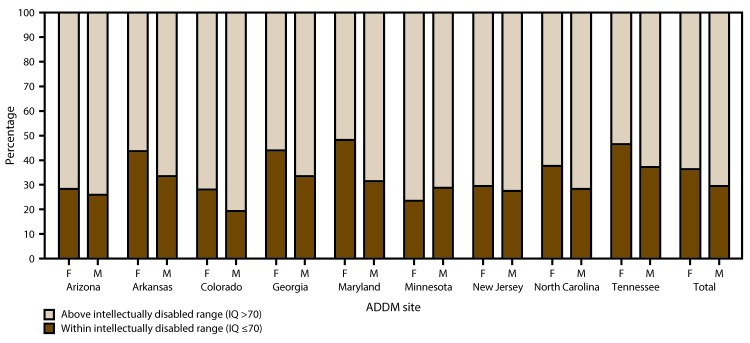
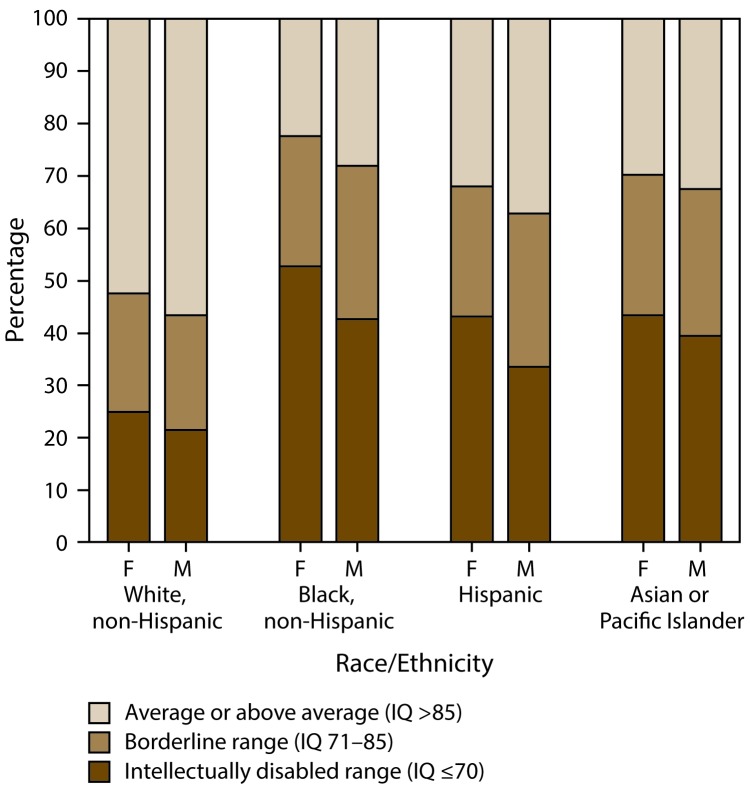
PROBLEM/CONDITION: Autism spectrum disorder (ASD). PERIOD COVERED: 2014. DESCRIPTION OF SYSTEM: The Autism and Developmental Disabilities Monitoring (ADDM) Network is an active surveillance system that provides estimates of the prevalence of autism spectrum disorder (ASD) among children aged 8 years whose parents or guardians reside within 11 ADDM sites in the United States (Arizona, Arkansas, Colorado, Georgia, Maryland, Minnesota, Missouri, New Jersey, North Carolina, Tennessee, and Wisconsin). ADDM surveillance is conducted in two phases. The first phase involves review and abstraction of comprehensive evaluations that were completed by professional service providers in the community. Staff completing record review and abstraction receive extensive training and supervision and are evaluated according to strict reliability standards to certify effective initial training, identify ongoing training needs, and ensure adherence to the prescribed methodology. Record review and abstraction occurs in a variety of data sources ranging from general pediatric health clinics to specialized programs serving children with developmental disabilities. In addition, most of the ADDM sites also review records for children who have received special education services in public schools. In the second phase of the study, all abstracted information is reviewed systematically by experienced clinicians to determine ASD case status. A child is considered to meet the surveillance case definition for ASD if he or she displays behaviors, as described on one or more comprehensive evaluations completed by community-based professional providers, consistent with the Diagnostic and Statistical Manual of Mental Disorders, Fourth Edition, Text Revision (DSM-IV-TR) diagnostic criteria for autistic disorder; pervasive developmental disorder-not otherwise specified (PDD-NOS, including atypical autism); or Asperger disorder. This report provides updated ASD prevalence estimates for children aged 8 years during the 2014 surveillance year, on the basis of DSM-IV-TR criteria, and describes characteristics of the population of children with ASD. In 2013, the American Psychiatric Association published the Diagnostic and Statistical Manual of Mental Disorders, Fifth Edition (DSM-5), which made considerable changes to ASD diagnostic criteria. The change in ASD diagnostic criteria might influence ADDM ASD prevalence estimates; therefore, most (85%) of the records used to determine prevalence estimates based on DSM-IV-TR criteria underwent additional review under a newly operationalized surveillance case definition for ASD consistent with the DSM-5 diagnostic criteria. Children meeting this new surveillance case definition could qualify on the basis of one or both of the following criteria, as documented in abstracted comprehensive evaluations: 1) behaviors consistent with the DSM-5 diagnostic features; and/or 2) an ASD diagnosis, whether based on DSM-IV-TR or DSM-5 diagnostic criteria. Stratified comparisons of the number of children meeting either of these two case definitions also are reported. RESULTS: For 2014, the overall prevalence of ASD among the 11 ADDM sites was 16.8 per 1,000 (one in 59) children aged 8 years. Overall ASD prevalence estimates varied among sites, from 13.1-29.3 per 1,000 children aged 8 years. ASD prevalence estimates also varied by sex and race/ethnicity. Males were four times more likely than females to be identified with ASD. Prevalence estimates were higher for non-Hispanic white (henceforth, white) children compared with non-Hispanic black (henceforth, black) children, and both groups were more likely to be identified with ASD compared with Hispanic children. Among the nine sites with sufficient data on intellectual ability, 31% of children with ASD were classified in the range of intellectual disability (intelligence quotient [IQ] <70), 25% were in the borderline range (IQ 71-85), and 44% had IQ scores in the average to above average range (i.e., IQ >85). The distribution of intellectual ability varied by sex and race/ethnicity. Although mention of developmental concerns by age 36 months was documented for 85% of children with ASD, only 42% had a comprehensive evaluation on record by age 36 months. The median age of earliest known ASD diagnosis was 52 months and did not differ significantly by sex or race/ethnicity. For the targeted comparison of DSM-IV-TR and DSM-5 results, the number and characteristics of children meeting the newly operationalized DSM-5 case definition for ASD were similar to those meeting the DSM-IV-TR case definition, with DSM-IV-TR case counts exceeding DSM-5 counts by less than 5% and approximately 86% overlap between the two case definitions (kappa = 0.85). INTERPRETATION: Findings from the ADDM Network, on the basis of 2014 data reported from 11 sites, provide updated population-based estimates of the prevalence of ASD among children aged 8 years in multiple communities in the United States. T
Overview
The claims and statistics of this paper haven’t been checked yet.
Free: it reads the open-access text and checks the first 5 claims that cite a source we can check. Create a free account to check every claim.
Integrity signals
Registry
Cites
Statistics
Figures
Verification
Claims the paper makes
The claims and statistics of this paper haven’t been checked yet.
Free: it reads the open-access text and checks the first 5 claims that cite a source we can check. Create a free account to check every claim.
Claims other papers make about this one
Each is checked against this paper’s own text: does it say what the citing paper says it does?
The source backs part of the claim, not all of it — or backs it for a different population, condition or comparison.
In the citing paper
“The U.S. reports a consistent pattern of increased ASD prevalence among higher socioeconomic status (SES) families (Baio et al. 2018; Durkin et al. 2010, 2017; Maenner et al. 2020; Pedersen et al. 2012), while European countries report increased prevalence among lower SES families (Delobel-Ayoub et al. 2015; Emerson 2012; Rai et al. 2012).”
From The Diagnosis of Autism: From Kanner to DSM-III to DSM-5 and Beyond (2021) · cites this paper as Baio et al. 2018
Experimental — accuracy not yet measuredThe source backs part of the claim, not all of it — or backs it for a different population, condition or comparison.
In the citing paper
“the mean patient age at ASD detection is several years later, generally between 3 and 4 years of age.1”
From Evaluation of the Diagnostic Stability of the Early Autism Spectrum Disorder Phenotype in the General Population Starting at 12 Months (2019) · cites this paper as [1]
Experimental — accuracy not yet measuredThe source backs part of the claim, not all of it — or backs it for a different population, condition or comparison.
In the citing paper
“Studies applied prospectively that compare DSM-IV with DSM-5 criteria reported that the latest revision narrowed eligibility for an autism spectrum diagnosis by between 4% [29] and more than 10% among children”
From Lobbying Autism's Diagnostic Revision in the DSM-5 (2020) · cites this paper as [29]
Experimental — accuracy not yet measuredThe cited source says what the claim attributes to it.
In the citing paper
“Racial differences also impact clinical presentation in the United States; a higher proportion of blacks diagnosed with autism were classified in the range of ID compared with Hispanic and white children (Baio et al., 2018).”
From Global prevalence of autism: A systematic review update (2022) · cites this paper as Baio et al., 2018
The check wasn’t confident either way, so it gives no verdict — never disputed.
In the citing paper
“Children with co-occurring intellectual disability are more likely to be identified earlier than children without intellectual disability, as indicated by an earlier median age at identification among this group (11) as well as the consistently higher proportion of children with intellectual disability at age 4 years (8,13) than at age 8 years (9,11,17).”
From Early Identification of Autism Spectrum Disorder Among Children Aged 4 Years — Autism and Developmental Disabilities Monitoring Network, 11 Sites, United States, 2018 (2021) · cites this paper as [17]
Experimental — accuracy not yet measured
5 more claims about this paper
Create a free account to see every claim other papers make about this one.
Self-check
Percentages, sums and reported differences re-computed from the paper’s own numbers.
The self-check needs the paper’s full text.
Citations
Cites
1 retracted
Christensen, D. L., Baio, J., Braun, K. V. N., Bilder, D., Charles, J., Constantino, J. N., Daniels, J., Durkin, M. S., Fitzgerald, R. T., Kurzius-Spencer, M., et al. (2016) · MMWR. Surveillance Summaries · doi:10.15585/mmwr.ss6503a1 · Cited by 1,964
Self-citationRetractedDiagnostic and Statistical Manual of Mental Disorders
American Psychiatric Association (2013) · doi:10.1176/appi.books.9780890425596 · Cited by 116,369
Identification and Evaluation of Children With Autism Spectrum Disorders
Johnson, C. P., Myers, S. M., & and the Council on Children With Disabilities (2007) · Pediatrics · doi:10.1542/peds.2007-2361 · Cited by 2,011
Naarden Braun, K. V., Lopez, M., White, T., et al. (2023) · Carolina Digital Repository (University of North Carolina at Chapel Hill) · doi:10.17615/y3kk-5x30 · Cited by 1,381
Self-citationPrevalence of Autism in a US Metropolitan Area
Yeargin-Allsopp, M., Rice, C., Karapurkar, T., Doernberg, N., Boyle, C., & Murphy, C. (2003) · JAMA · doi:10.1001/jama.289.1.49 · Cited by 1,248 · cited 4×
“CDC began tracking the prevalence of ASD and characteristics of children with ASD in the United States in 1998 (2,3).”
BackgroundResultInfluentialSelf-citationBlumberg, S. J., Bramlett, M. D., Kogan, M. D., Schieve, L. A., Jones, J. R., & Lu, M. C. (2013) · PubMed · Cited by 826
(2009) · PubMed · Cited by 812
Cited by
Items 801–900 of 1,133
Soke, G. N., Rosenberg, S. A., Hamman, R. F., Fingerlin, T., Rosenberg, C. R., Carpenter, L., Lee, L. C., Giarelli, E., Wiggins, L. D., Durkin, M. S., et al. (2017) · Journal of Autism and Developmental Disorders · doi:10.1007/s10803-016-2951-x · Cited by 72
Self-citationOral microbiota and autism spectrum disorder (ASD)
Olsen, I., & Hicks, S. D. (2019) · Journal of Oral Microbiology · doi:10.1080/20002297.2019.1702806 · Cited by 80
Ni’matuzahroh, Suen, M.-W., Ningrum, V., Widayat, Yuniardi, M. S., Hasanati, N., & Wang, J.-H. (2021) · Healthcare · doi:10.3390/healthcare10010052 · Cited by 71
Brookman-Frazee, L., Roesch, S., Chlebowski, C., Baker-Ericzen, M., & Ganger, W. (2019) · JAMA Psychiatry · doi:10.1001/jamapsychiatry.2019.0011 · Cited by 71
Schieve, L. A., Clayton, H. B., Durkin, M. S., Wingate, M. S., & Drews-Botsch, C. (2015) · Journal of Autism and Developmental Disorders · doi:10.1007/s10803-015-2402-0 · Cited by 71
Self-citationGreater freedom of speech on Web 2.0 correlates with dominance of views linking vaccines to autism
Venkatraman, A., Garg, N., & Kumar, N. (2015) · Vaccine · doi:10.1016/j.vaccine.2015.01.078 · Cited by 79
Role of Milk-Derived Opioid Peptides and Proline Dipeptidyl Peptidase-4 in Autism Spectrum Disorders
Jarmołowska, B., Bukało, M., Fiedorowicz, E., Cieślińska, A., Kordulewska, N. K., Moszyńska, M., Świa̧tecki, A., & Kostyra, E. (2019) · Nutrients · doi:10.3390/nu11010087 · Cited by 87
Maximo, J. O., & Kana, R. K. (2019) · Autism Research · doi:10.1002/aur.2058 · Cited by 71
Terry, D. M., & Devine, S. E. (2020) · Frontiers in Genetics · doi:10.3389/fgene.2019.01244 · Cited by 71
Canu, D., der Paelt, S. V., Canal‐Bedia, R., de la Paz, M. P., Vanvuchelen, M., & Roeyers, H. (2020) · European Child & Adolescent Psychiatry · doi:10.1007/s00787-020-01487-7 · Cited by 82
Primary Care Providers' Perceived Barriers and Needs for Support in Caring for Children with Autism
Mazurek, M. O., Harkins, C. M., Menezes, M., Chan, J. G. M., Parker, R. A., Kuhlthau, K. A., & Sohl, K. (2020) · The Journal of Pediatrics · doi:10.1016/j.jpeds.2020.01.014 · Cited by 79
Liao, X., & Li, Y. (2020) · Molecular Brain · doi:10.1186/s13041-020-00634-0 · Cited by 78
Microglia mediated neuroinflammation in autism spectrum disorder
Liao, X., Yang, J., Wang, H., & Li, Y. (2020) · Journal of Psychiatric Research · doi:10.1016/j.jpsychires.2020.07.013 · Cited by 89
Polychlorinated Biphenyls (PCBs): Risk Factors for Autism Spectrum Disorder?
Panesar, H. K., Kennedy, C. L., Keil Stietz, K. P., & Lein, P. J. (2020) · Toxics · doi:10.3390/toxics8030070 · Cited by 69
Fisher, W. W., Luczynski, K. C., Blowers, A. P., Vosters, M. E., Pisman, M. D., Craig, A. R., Hood, S. A., Machado, M. A., Lesser, A. D., & Piazza, C. C. (2020) · Journal of Applied Behavior Analysis · doi:10.1002/jaba.778 · Cited by 71
“This disorder affects approximately 1 in 59 children in the United States (Baio et al., 2018), and the prevalence of ASD has increased substantially over the last several decades (Burd et al., 1987).”
BackgroundLiu, S.-H., Shi, X., Fan, F.-C., & Cheng, Y. (2021) · Scientific Reports · doi:10.1038/s41598-020-79080-w · Cited by 81
Applications of Unsupervised Machine Learning in Autism Spectrum Disorder Research: a Review
Parlett-Pelleriti, C., Stevens, E., Dixon, D. R., & Linstead, E. J. (2022) · Review Journal of Autism and Developmental Disorders · doi:10.1007/s40489-021-00299-y · Cited by 90
Mandić-Maravić, V., Grujičić, R., Milutinovic, L., Munjiza, A., & Pejovic-Milovancevic, M. M. (2022) · Frontiers in Psychiatry · doi:10.3389/fpsyt.2021.787097 · Cited by 85
Arginine Vasopressin Is a Blood-Based Biomarker of Social Functioning in Children with Autism
Carson, D. S., Garner, J. P., Hyde, S. A., Libove, R. A., Berquist, S. W., Hornbeak, K. B., Jackson, L. P., Sumiyoshi, R. D., Howerton, C. L., Hannah, S. L., et al. (2015) · PLOS ONE · doi:10.1371/journal.pone.0132224 · Cited by 71
Plavnick, J. B., Kaid, T., & MacFarland, M. C. (2015) · Journal of Autism and Developmental Disorders · doi:10.1007/s10803-015-2434-5 · Cited by 71
Kimura, E., Matsuyoshi, C., Miyazaki, W., Benner, S., Hosokawa, M., Yokoyama, K., Kakeyama, M., & Tohyama, C. (2016) · Archives of Toxicology · doi:10.1007/s00204-015-1485-x · Cited by 71
Psychometric Properties of the Brief Autism Mealtime Behaviors Inventory
DeMand, A., Johnson, C., & Foldes, E. (2015) · Journal of Autism and Developmental Disorders · doi:10.1007/s10803-015-2435-4 · Cited by 71
Subdimensions of social‐communication impairment in autism spectrum disorder
Bishop, S. L., Havdahl, K. A., Huerta, M., & Lord, C. (2016) · Journal of Child Psychology and Psychiatry · doi:10.1111/jcpp.12510 · Cited by 71
Katrancha, S. M., Wu, Y., Zhu, M., Eipper, B. A., Koleske, A. J., & Mains, R. E. (2017) · Human Molecular Genetics · doi:10.1093/hmg/ddx355 · Cited by 71
Nguyen, R. L., Medvedeva, Y. V., Ayyagari, T., Schmunk, G., & Gargus, J. J. (2018) · Biochimica et Biophysica Acta (BBA) - Molecular Cell Research · doi:10.1016/j.bbamcr.2018.08.003 · Cited by 77
Sahin, N. T., Keshav, N. U., Salisbury, J. P., & Vahabzadeh, A. B. N. (2018) · Journal of Clinical Medicine · doi:10.3390/jcm7080188 · Cited by 85
Egorova, O., Myte, R., Schneede, J., Hägglöf, B., Bölte, S., Domellöf, E., A’roch, B. I., Elgh, F., Ueland, P. M., & Silfverdal, S. (2020) · Molecular Autism · doi:10.1186/s13229-020-0315-z · Cited by 79
Revisiting the Prevalence of Autism Spectrum Disorder among Omani Children: A multicentre study
Al-Mamari, W., Idris, A. B., Dakak, S., Al-Shekaili, M., Al-Harthi, Z., Alnaamani, A. M., Alhinai, F. I., Jalees, S., Hatmi, M. A., El-Naggari, M. A., et al. (2019) · Sultan Qaboos University Medical Journal · doi:10.18295/squmj.2019.19.04.005 · Cited by 67
As diverse as the spectrum itself: trends in sexuality, gender and autism
Sala, G., Pecora, L., Hooley, M., & Stokes, M. A. (2020) · Current Developmental Disorders Reports · doi:10.1007/s40474-020-00190-1 · Cited by 70
Patrick, M. E., Shaw, K. A., Dietz, P. M., Baio, J., Yeargin-Allsopp, M., Bilder, D. A., Kirby, R. S., Hall-Lande, J. A., Harrington, R. A., Lee, L.-C., et al. (2021) · Disability and Health Journal · doi:10.1016/j.dhjo.2020.101023 · Cited by 70
Self-citationVitamin D in Children’s Health
Weydert, J. A. (2014) · Children · doi:10.3390/children1020208 · Cited by 83
The autism spectrum phenotype in ADNP syndrome
Arnett, A. B., Rhoads, C. L., Hoekzema, K., Turner, T. N., Gerdts, J. A., Wallace, A. S., Bedrosian‐Sermone, S., Eichler, E. E., & Bernier, R. (2018) · Autism Research · doi:10.1002/aur.1980 · Cited by 73
Flower, R. L., Hedley, D., Spoor, J. R., & Dissanayake, C. (2019) · Journal of Vocational Education & Training · doi:10.1080/13636820.2019.1636846 · Cited by 70
“Current international estimates suggest that autism is present in approximately 1 in 59 people (Baio et al. 2018) and, in Australia, around 75,200 people of working age are estimated to have an autism diagnosis (Australian Bureau of Statistics 2015).”
BackgroundLi, H., Feng, J., Wang, B., Zhang, Y., Wang, C.-X., & Jia, F. (2019) · Psychology Research and Behavior Management · doi:10.2147/prbm.s225904 · Cited by 75
Scurvy as a Sequela of Avoidant-Restrictive Food Intake Disorder in Autism: A Systematic Review
Sharp, W. G., Berry, R. C., Burrell, L., Scahill, L., & McElhanon, B. O. (2020) · Journal of Developmental & Behavioral Pediatrics · doi:10.1097/dbp.0000000000000782 · Cited by 70
Drimalla, H., Scheffer, T., Landwehr, N., Baskow, I., Roepke, S., Behnia, B., & Dziobek, I. (2020) · npj Digital Medicine · doi:10.1038/s41746-020-0227-5 · Cited by 101
“Despite the substantial prevalence of ASD of 1 in 59 children, 61 there is only a limited amount of practitioners with expertise in diagnosing ASD.”
BackgroundPatel, S., Dale, R. C., Rose, D., Heath, B., Nordahl, C. W., Rogers, S., Guastella, A. J., & Ashwood, P. (2020) · Translational Psychiatry · doi:10.1038/s41398-020-00976-2 · Cited by 69
Sex Differences in Age of Diagnosis and First Concern among Children with Autism Spectrum Disorder
McDonnell, C. G., DeLucia, E. A., Hayden, E. P., Penner, M., Curcin, K., Anagnostou, E., Nicolson, R., Kelley, E., Georgiades, S., Liu, X., et al. (2021) · Journal of Clinical Child & Adolescent Psychology · doi:10.1080/15374416.2020.1823850 · Cited by 69
“Alarmingly, others have concluded that the average age of diagnosis has not changed appreciably (Baio et al., 2018; Brett et al., 2016) or has increased (Ouellette-Kuntz et al., 2009).”
BackgroundElectroencephalography in Assessment of Autism Spectrum Disorders: A Review
Milovanović, M., & Grujičić, R. (2021) · Frontiers in Psychiatry · doi:10.3389/fpsyt.2021.686021 · Cited by 95
Dental care protocol based on visual supports for children with autism spectrum disorders
Cagetti, M., Mastroberardino, S., Campus, G., Olivari, B., Faggioli, R., Lenti, C., & Strohmenger, L. (2015) · Medicina Oral Patología Oral y Cirugia Bucal · doi:10.4317/medoral.20424 · Cited by 70
Liu, T., Liu, X., Yi, L., Zhu, C., Markey, P. S., & Pelowski, M. J. (2017) · NeuroImage · doi:10.1016/j.neuroimage.2017.09.044 · Cited by 74
Singh, N. N., Lancioni, G. E., Karazsia, B. T., Myers, R. E., Hwang, Y., & Anālayo, B. (2019) · Frontiers in Psychology · doi:10.3389/fpsyg.2019.00385 · Cited by 91
“The average estimate of current prevalence of ASD is 16.8 per 1,000 or 1 in 68 (range = 13.1 to 29.3 per 1,000 children aged 8 years) as of 2014 in the United States (Baio et al., 2018).”
BackgroundInfluentialLopez, K., Magaña, S., Morales, M., & Iland, E. (2019) · Journal of Ethnic & Cultural Diversity in Social Work · doi:10.1080/15313204.2019.1570890 · Cited by 79
McCormack, G., Dillon, A. C., Healy, O., Walsh, C., & Lydon, S. (2019) · Review Journal of Autism and Developmental Disorders · doi:10.1007/s40489-019-00189-4 · Cited by 78
“However, the latest update from the CDC suggests that, in the USA, one child in 59 has autism (Baio et al. 2018).”
BackgroundMazefsky, C. A., Yu, L., & Pilkonis, P. A. (2021) · Journal of Clinical Child & Adolescent Psychology · doi:10.1080/15374416.2019.1703710 · Cited by 67
“Approximately 28% of the combined sample had co-occurring intellectual disability and 21% were female, consistent with national autism surveillance statistics (Baio et al., 2018).”
ResultBarry, L., Holloway, J., & McMahon, J. (2020) · Research in Autism · doi:10.1016/j.rasd.2020.101617 · Cited by 91
The Gut Microbiota and Oxidative Stress in Autism Spectrum Disorders (ASD)
Hu, T., Dong, Y., He, C., Zhao, M., & He, Q. (2020) · Oxidative Medicine and Cellular Longevity · doi:10.1155/2020/8396708 · Cited by 84
Karpur, A., Vasudevan, V., Shih, A. J., & Frazier, T. W. (2021) · Journal of Autism and Developmental Disorders · doi:10.1007/s10803-021-05100-x · Cited by 73
Schmidt, M., & Glaser, N. J. (2021) · Educational Technology Research and Development · doi:10.1007/s11423-021-10005-8 · Cited by 83
Epigenetics of Autism Spectrum Disorder: Histone Deacetylases
Tseng, C.-E. J., McDougle, C. J., Hooker, J. M., & Zürcher, N. R. (2021) · Biological Psychiatry · doi:10.1016/j.biopsych.2021.11.021 · Cited by 76
Mahajan, R., Dirlikov, B., Crocetti, D., & Mostofsky, S. H. (2016) · Autism Research · doi:10.1002/aur.1497 · Cited by 69
Deavenport‐Saman, A., Lu, Y. Z., Smith, K., & Yin, L. (2015) · Maternal and Child Health Journal · doi:10.1007/s10995-015-1830-y · Cited by 77
Endocannabinoid Signaling in Autism
Chakrabarti, B., Persico, A. M., Battista, N., & Maccarrone, M. (2015) · Neurotherapeutics · doi:10.1007/s13311-015-0371-9 · Cited by 84
Forrest, D. L., Kroeger, R. A., & Stroope, S. (2019) · Journal of Autism and Developmental Disorders · doi:10.1007/s10803-019-04282-9 · Cited by 84
A Systematic Review of Passing as Non-autistic in Autism Spectrum Disorder
Libsack, E. J., Keenan, E. G., Freden, C. E., Mirmina, J., Iskhakov, N., Krishnathasan, D., & Lerner, M. D. (2021) · Clinical Child and Family Psychology Review · doi:10.1007/s10567-021-00365-1 · Cited by 68
Neurodevelopmental Behavioral and Cognitive Disorders
Jeste, S. (2015) · CONTINUUM Lifelong Learning in Neurology · doi:10.1212/01.con.0000466661.89908.3c · Cited by 90
Challenges for females with high functioning autism in the workplace: a systematic review
Hayward, S. M., McVilly, K. R., & Stokes, M. A. (2018) · Disability and Rehabilitation · doi:10.1080/09638288.2016.1254284 · Cited by 68
Gardner, L. M., Campbell, J. M., & Westdal, J. (2018) · Journal of Autism and Developmental Disorders · doi:10.1007/s10803-018-3794-4 · Cited by 82
Autistic traits in individuals self-defining as transgender or nonbinary
Stagg, S. D., & Vincent, J. (2019) · European Psychiatry · doi:10.1016/j.eurpsy.2019.06.003 · Cited by 84
Elnahas, E. M., Abuelezz, S. A., Mohamad, M. I., Nabil, M. M., Abdelraouf, S. M., Bahaa, N., Hassan, G. A. M., Ibrahim, E. A.-S., Ahmed, A. I., & Aboul‐Fotouh, S. (2020) · Progress in Neuro-Psychopharmacology and Biological Psychiatry · doi:10.1016/j.pnpbp.2020.110185 · Cited by 83
Face-Based Attention Recognition Model for Children with Autism Spectrum Disorder
Banire, B., Al‐Thani, D., Qaraqe, M., & Mansoor, B. (2021) · Journal of Healthcare Informatics Research · doi:10.1007/s41666-021-00101-y · Cited by 74
Shaw, K. A., McArthur, D., Hughes, M. M., Bakian, A. V., Lee, L.-C., Pettygrove, S., & Maenner, M. J. (2022) · Journal of the American Academy of Child & Adolescent Psychiatry · doi:10.1016/j.jaac.2021.11.019 · Cited by 67
Self-citationRivera-Figueroa, K., Marfo, N. Y. A., & Eigsti, I. (2022) · American Journal on Intellectual and Developmental Disabilities · doi:10.1352/1944-7558-127.1.42 · Cited by 86
Mandleco, B. L., & Webb, A. E. M. (2015) · Journal for Specialists in Pediatric Nursing · doi:10.1111/jspn.12117 · Cited by 98
Social communication difficulties and autism in previously institutionalized children
Levin, A. R., Fox, N. A., Zeanah, C. H., & Nelson, C. A. (2015) · Journal of the American Academy of Child & Adolescent Psychiatry · doi:10.1016/j.jaac.2014.11.011 · Cited by 68
Bimodal Virtual Reality Stroop for Assessing Distractor Inhibition in Autism Spectrum Disorders
Parsons, T. D., & Carlew, A. R. (2015) · Journal of Autism and Developmental Disorders · doi:10.1007/s10803-015-2663-7 · Cited by 81
Improving Access to Care at Autism Treatment Centers: A System Analysis Approach
Austin, J., Manning-Courtney, P., Johnson, M. L., Weber, R., Johnson, H., Murray, D., Ratliff-Schaub, K., Tadlock, A. M., & Murray, M. (2016) · Pediatrics · doi:10.1542/peds.2015-2851m · Cited by 68
Zuckerman, K. E., Lindly, O. J., Sinche, B. K., & Nicolaidis, C. (2015) · Journal of Developmental & Behavioral Pediatrics · doi:10.1097/dbp.0000000000000136 · Cited by 68
Chez, M. G., Lepage, C., Parise, C. A., Dang-Chu, A., Hankins, A. I., & Carroll, M. P. (2018) · Stem Cells Translational Medicine · doi:10.1002/sctm.17-0042 · Cited by 75
Development of the AASPIRE Web Accessibility Guidelines for Autistic Web Users
Raymaker, D. M., Kapp, S. K., McDonald, K. E., Weiner, M., Ashkenazy, E., & Nicolaidis, C. (2019) · Autism in Adulthood · doi:10.1089/aut.2018.0020 · Cited by 68
Sex Differences in Variability of Brain Structure Across the Lifespan
Forde, N. J., Jeyachandra, J., Joseph, M. J. E., Jacobs, G. R., Dickie, E. W., Satterthwaite, T. D., Shinohara, R. T., Ameis, S. H., & Voineskos, A. N. (2020) · Cerebral Cortex · doi:10.1093/cercor/bhaa123 · Cited by 70
a qualitative study of autism policy in canada: Seeking consensus on children’s services
Shepherd, C. A., & Waddell, C. (2015) · Journal of Autism and Developmental Disorders · doi:10.1007/s10803-015-2502-x · Cited by 67
Lussu, M., Noto, A., Masili, A., Rinaldi, A. C., Dessì, A., De Angelis, M., De Giacomo, A., Fanos, V., Atzori, L., & Francavilla, R. (2017) · Autism Research · doi:10.1002/aur.1748 · Cited by 67
Berry, R. C., Novak, P., Withrow, N., Schmidt, B., Rarback, S., Feucht, S., Criado, K. K., & Sharp, W. G. (2015) · Journal of the Academy of Nutrition and Dietetics · doi:10.1016/j.jand.2015.05.016 · Cited by 67
Fluegge, K. (2016) · Environmental Toxicology and Pharmacology · doi:10.1016/j.etap.2016.08.013 · Cited by 72
McDonald, N. M., Şentürk, D., Scheffler, A., Brian, J. A., Carver, L. J., Charman, T., Chawarska, K., Curtin, S. L., Hertz‐Picciotto, I., Jones, E. J. H., et al. (2019) · JAMA Neurology · doi:10.1001/jamaneurol.2019.3341 · Cited by 71
“Recent estimates indicate an ASD prevalence of 1 in 59 children and a typical age of diagnosis of 4 years old 2 .”
Postmortem Studies of Neuroinflammation in Autism Spectrum Disorder: a Systematic Review
Liao, X., Liu, Y., Fu, X. B., & Li, Y. (2020) · Molecular Neurobiology · doi:10.1007/s12035-020-01976-5 · Cited by 73
Ristori, M. V., Mortera, S. L., Marzano, V., Guerrera, S., Vernocchi, P., Ianiro, G., Gardini, S., Torre, G., Valeri, G., Vicari, S., et al. (2020) · International Journal of Molecular Sciences · doi:10.3390/ijms21176274 · Cited by 76
Sulaiman, R., Wang, M., & Ren, X. (2020) · Chemical Research in Toxicology · doi:10.1021/acs.chemrestox.0c00167 · Cited by 81
Bilaver, L. A., Sobotka, S. A., & Mandell, D. S. (2021) · Journal of Autism and Developmental Disorders · doi:10.1007/s10803-020-04797-6 · Cited by 67
Pacia, C., Holloway, J., Gunning, C., & Lee, H. (2021) · Review Journal of Autism and Developmental Disorders · doi:10.1007/s40489-021-00249-8 · Cited by 103
“Given the high prevalence rates of ASD (1 in 59 children; Baio et al., 2018) and the importance of early intervention, attention has been called to innovating service delivery models that would allow clinicians to maximize their productive time and reach.”
BackgroundPrenatal hyperandrogenic environment induced autistic-like behavior in rat offspring
Xu, X., Zhang, H., Shou, X., Li, J., Jing, W.-L., Zhou, Y., Qian, Y., Han, S., Zhang, R., & Han, J. (2014) · Physiology & Behavior · doi:10.1016/j.physbeh.2014.09.014 · Cited by 70
Pivotal Response Treatment Parent Training for Autism: Findings from a 3-Month Follow-Up Evaluation
Gengoux, G. W., Berquist, K. L., Salzman, E., Schapp, S., Phillips, J. M., Frazier, T. W., Minjarez, M., & Hardan, A. Y. (2015) · Journal of Autism and Developmental Disorders · doi:10.1007/s10803-015-2452-3 · Cited by 86
In the eye of the beholder: Reports of autism symptoms by Anglo and Latino mothers
Blacher, J., Cohen, S. R., & Azad, G. F. (2014) · Research in Autism · doi:10.1016/j.rasd.2014.08.017 · Cited by 81
Huang, F., Long, Z., Chen, Z., Li, J., Hu, Z., Qiu, R., Zhuang, W., Tang, B., Xia, K., & Jiang, H. (2015) · PLOS ONE · doi:10.1371/journal.pone.0129052 · Cited by 67
Frye, R. E., Delhey, L., Slattery, J., Tippett, M., Wynne, R., Rose, S., Kahler, S. G., Bennuri, S. C., Melnyk, S., Sequeira, J. M., et al. (2016) · Frontiers in Neuroscience · doi:10.3389/fnins.2016.00080 · Cited by 67
Evidence for Brainstem Contributions to Autism Spectrum Disorders
Dadalko, O. I., & Travers, B. G. (2018) · Frontiers in Integrative Neuroscience · doi:10.3389/fnint.2018.00047 · Cited by 67
A Virtual Reality System for Practicing Conversation Skills for Children with Autism
Rosenfield, N. S., Lamkin, K., Re, J., Day, K., Boyd, L. E., & Linstead, E. J. (2019) · Multimodal Technologies and Interaction · doi:10.3390/mti3020028 · Cited by 89
“One in 59 American children is diagnosed with Autism Spectrum Disorder (ASD) [1].”
BackgroundZürcher, N. R., Loggia, M. L., Mullett, J. E., Tseng, C.-E. J., Bhanot, A., Richey, L., Hightower, B. G., Wu, C. J., Parmar, A. J., Butterfield, R. I., et al. (2020) · Molecular Psychiatry · doi:10.1038/s41380-020-0682-z · Cited by 74
Yu, Y., Chaulagain, A., Pedersen, S. A., Lydersen, S., LEVENTHAL, B. L., Szatmári, P., Aleksić, B., Ozaki, N., & Skokauskas, N. (2020) · BMC Psychiatry · doi:10.1186/s12888-020-2477-9 · Cited by 79
Sleep, brain development, and autism spectrum disorders: Insights from animal models
Wintler, T., Schoch, H., Frank, M. G., & Peixoto, L. (2020) · Journal of Neuroscience Research · doi:10.1002/jnr.24619 · Cited by 77
Sex differences in the first impressions made by girls and boys with autism
Cola, M., Plate, S. N., Yankowitz, L. D., Petrulla, V., Bateman, L., Zampella, C., de Marchena, A. B., Pandey, J., Schultz, R. T., & Parish‐Morris, J. (2020) · Molecular Autism · doi:10.1186/s13229-020-00336-3 · Cited by 88
Zhang, L., Huang, C.-C., Dai, Y., Luo, Q., Ji, Y., Wang, K., Deng, S., Yu, J., Xu, M., Du, X., et al. (2020) · Translational Psychiatry · doi:10.1038/s41398-020-0747-4 · Cited by 67
Feinberg, E., Augustyn, M., Broder-Fingert, S., Bennett, A., Weitzman, C., Kuhn, J., Hickey, E., Chu, A., Levinson, J., Sandler Eilenberg, J., et al. (2021) · JAMA Pediatrics · doi:10.1001/jamapediatrics.2020.5218 · Cited by 66
Pierce, K., Gazestani, V., Bacon, E., Courchesne, E., Cheng, A., Barnes, C. C., Nalabolu, S., Cha, D., Arias, S., Lopez, L., et al. (2021) · The Journal of Pediatrics · doi:10.1016/j.jpeds.2021.04.041 · Cited by 66
Yu, C. C.-W., Wong, S. W. L., Lo, F. S. F., So, R. C.-H., & Chan, D. F. Y. (2018) · BMC Psychiatry · doi:10.1186/s12888-018-1635-9 · Cited by 104
Brookman-Frazee, L., Chlebowski, C., Suhrheinrich, J., Finn, N., Dickson, K. S., Aarons, G. A., & Stahmer, A. (2020) · Administration and Policy in Mental Health and Mental Health Services Research · doi:10.1007/s10488-019-00931-4 · Cited by 64
Wang, M., Hossain, F., Sulaiman, R., & Ren, X. (2019) · Chemical Research in Toxicology · doi:10.1021/acs.chemrestox.9b00134 · Cited by 67
Hand, B. N., Benevides, T. W., & Carretta, H. J. (2019) · Journal of Autism and Developmental Disorders · doi:10.1007/s10803-019-04345-x · Cited by 72
Çavuş, N., Lawan, A. A., Ibrahim, Z., Dahiru, A., Tahir, S., Abdulrazak, U. I., & Hussaini, A. (2021) · Journal of Personalized Medicine · doi:10.3390/jpm11040299 · Cited by 87
Metadata
- Authors
- Baio, J., Wiggins, L., Christensen, D. L., Maenner, M. J., Daniels, J., Warren, Z., Kurzius-Spencer, M., Zahorodny, W., Robinson, C., Rosenberg, White, T., Durkin, M. S., Imm, P., Nikolaou, L., Yeargin-Allsopp, M., Lee, L.-C., Harrington, R., Lopez, M., Fitzgerald, R. T., Hewitt, A., Pettygrove, S., Constantino, J. N., Vehorn, A., Shenouda, J., Hall-Lande, J., Van, K., Naarden, Braun, & Dowling, N. F.
- Affiliations
- Centers for Disease Control and Prevention (US)
- University of North Carolina at Chapel Hill (US)
- Vanderbilt University Medical Center (US)
- Rutgers, The State University of New Jersey (US)
- University of Colorado Anschutz (US)
- Colorado Department of Public Health and Environment (US)
- University of Wisconsin–Madison (US)
- Johns Hopkins University (US)
- University of Arkansas for Medical Sciences (US)
- Washington University in St. Louis (US)
- University of Minnesota (US)
- University of Arizona (US)
- Corresponding author
- Baio, Jon
- ORCID
- Venue
- MMWR. Surveillance Summaries
- Published
- 2018-04-27
- Volume
- 67
- Issue
- 6
- Pages
- 1-23
- ISSN
- 1545-8636 (ISSN-L)
- 1546-0738
- PMC
- PMC5919599
- OpenAlex
- W2614349964
- Cited by
- 6,078
- References
- 30
- Citations by year
- 2026: 105 · 2025: 194 · 2024: 294 · 2023: 392 · 2022: 560 · 2021: 892 · 2020: 1038 · 2019: 853 · 2018: 500
- FWCI
- 485.15
- Type
- journal article
- Language
- en
- Open access
- hybrid
- doi.org
- Licence
- public-domain
- Locations
- MMWR Surveillance Summaries (publishedVersion, public-domain)
- Europe PMC (PubMed Central) (publishedVersion, cc-by)
- PubMed Central (publishedVersion, cc-by)
- PubMed (publishedVersion)
- UA Campus Repository (The University of Arizona) (acceptedVersion, public-domain)
- Carolina Digital Repository (University of North Carolina at Chapel Hill) (submittedVersion, public-domain)
- Carolina Digital Repository (University of North Carolina at Chapel Hill) (submittedVersion)
- UNC Libraries
- Funders
- U.S. Department of Education
- Vanderbilt University
- Emory University
- University of Minnesota
- Washington University in St. Louis
- Colorado Department of Public Health and Environment
- Johns Hopkins University
- University of Arkansas for Medical Sciences
- University of South Carolina
- Vanderbilt University Medical Center
- Centers for Disease Control and Prevention
- University of North Carolina at Chapel Hill
- National Center for Chronic Disease Prevention and Health Promotion
- National Center on Birth Defects and Developmental Disabilities
- Eunice Kennedy Shriver National Institute of Child Health and Human Development (U54HD087011)
- Topics
- Life Sciences › Neuroscience › Cognitive Neuroscience › Autism Spectrum Disorder Research
- Health Sciences › Medicine › Psychiatry and Mental health › Child Nutrition and Feeding Issues
- Social Sciences › Psychology › Clinical Psychology › Family and Disability Support Research
- Keywords
- autism spectrum disorder, prevalence, DSM-IV-TR diagnostic criteria, DSM-5 diagnostic criteria, surveillance case definition, autism epidemiology, developmental disabilities, comprehensive evaluation, United States
- MeSH terms
- Autism Spectrum Disorder, Child, Female, Humans, Male, Population Surveillance, United States, Prevalence
About these checks
Registry, retraction, Cites and statistics results are computed, not judged, with one exception: a printed reference that no index lists is read once by a model before it counts as a citation error. Claims are extracted by a model and kept only when their quote appears verbatim in the text; each cited source is then checked, with a model’s help, for whether it says what the claim relies on. Those verdicts can be wrong — read the claim’s quote and the cited source before relying on one.
Statistics and arithmetic are recomputed, not judged.
Confidence bands are shown only for fields calibrated on our annotated test set. None is calibrated yet, so no band is shown.
What counts as a claim ›How we measure confidence ›How we check this ›
Are you an author, or do you see a problem with this page? Request a review
Data sources
Bibliographic data: Semantic Scholar, OpenAlex, Crossref.
Contains information from the Semantic Scholar Academic Graph Datasets, made available under the ODC Attribution License (ODC-BY 1.0).
Semantic Scholar’s data is described in: Kinney, R., et al. (2023). The Semantic Scholar Open Data Platform. arXiv:2301.10140.
