

Prevalence of Autism Spectrum Disorder Among Children Aged 8 Years — Autism and Developmental Disabilities Monitoring Network, 11 Sites, United States, 2014
Open accessThe DOI matches its Crossref record; 37 of the 37 references it cites were found in a registry or an index.
Abstract
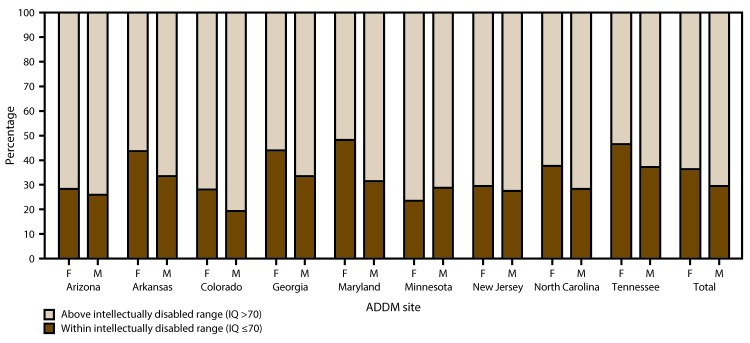
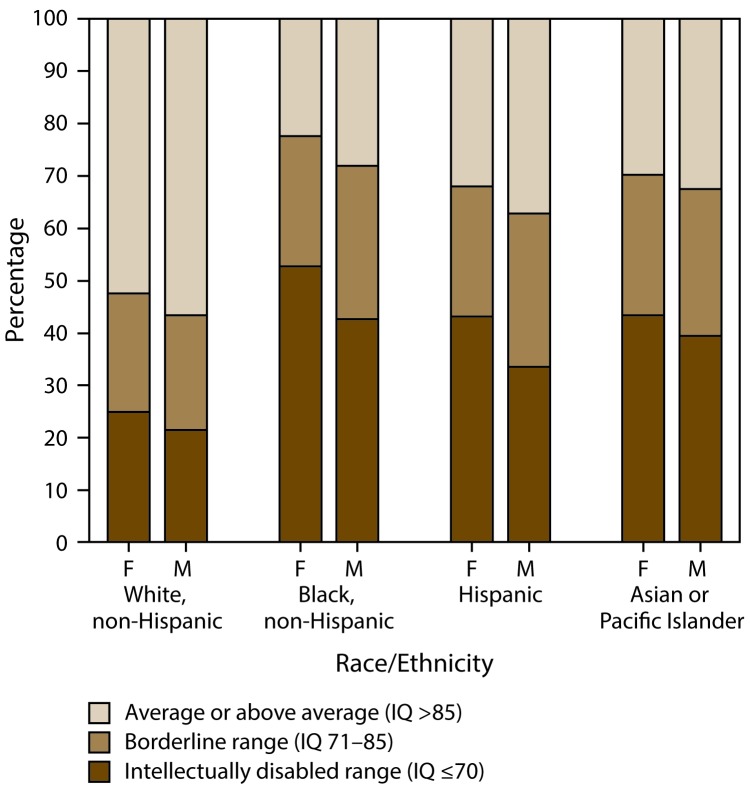
PROBLEM/CONDITION: Autism spectrum disorder (ASD). PERIOD COVERED: 2014. DESCRIPTION OF SYSTEM: The Autism and Developmental Disabilities Monitoring (ADDM) Network is an active surveillance system that provides estimates of the prevalence of autism spectrum disorder (ASD) among children aged 8 years whose parents or guardians reside within 11 ADDM sites in the United States (Arizona, Arkansas, Colorado, Georgia, Maryland, Minnesota, Missouri, New Jersey, North Carolina, Tennessee, and Wisconsin). ADDM surveillance is conducted in two phases. The first phase involves review and abstraction of comprehensive evaluations that were completed by professional service providers in the community. Staff completing record review and abstraction receive extensive training and supervision and are evaluated according to strict reliability standards to certify effective initial training, identify ongoing training needs, and ensure adherence to the prescribed methodology. Record review and abstraction occurs in a variety of data sources ranging from general pediatric health clinics to specialized programs serving children with developmental disabilities. In addition, most of the ADDM sites also review records for children who have received special education services in public schools. In the second phase of the study, all abstracted information is reviewed systematically by experienced clinicians to determine ASD case status. A child is considered to meet the surveillance case definition for ASD if he or she displays behaviors, as described on one or more comprehensive evaluations completed by community-based professional providers, consistent with the Diagnostic and Statistical Manual of Mental Disorders, Fourth Edition, Text Revision (DSM-IV-TR) diagnostic criteria for autistic disorder; pervasive developmental disorder-not otherwise specified (PDD-NOS, including atypical autism); or Asperger disorder. This report provides updated ASD prevalence estimates for children aged 8 years during the 2014 surveillance year, on the basis of DSM-IV-TR criteria, and describes characteristics of the population of children with ASD. In 2013, the American Psychiatric Association published the Diagnostic and Statistical Manual of Mental Disorders, Fifth Edition (DSM-5), which made considerable changes to ASD diagnostic criteria. The change in ASD diagnostic criteria might influence ADDM ASD prevalence estimates; therefore, most (85%) of the records used to determine prevalence estimates based on DSM-IV-TR criteria underwent additional review under a newly operationalized surveillance case definition for ASD consistent with the DSM-5 diagnostic criteria. Children meeting this new surveillance case definition could qualify on the basis of one or both of the following criteria, as documented in abstracted comprehensive evaluations: 1) behaviors consistent with the DSM-5 diagnostic features; and/or 2) an ASD diagnosis, whether based on DSM-IV-TR or DSM-5 diagnostic criteria. Stratified comparisons of the number of children meeting either of these two case definitions also are reported. RESULTS: For 2014, the overall prevalence of ASD among the 11 ADDM sites was 16.8 per 1,000 (one in 59) children aged 8 years. Overall ASD prevalence estimates varied among sites, from 13.1-29.3 per 1,000 children aged 8 years. ASD prevalence estimates also varied by sex and race/ethnicity. Males were four times more likely than females to be identified with ASD. Prevalence estimates were higher for non-Hispanic white (henceforth, white) children compared with non-Hispanic black (henceforth, black) children, and both groups were more likely to be identified with ASD compared with Hispanic children. Among the nine sites with sufficient data on intellectual ability, 31% of children with ASD were classified in the range of intellectual disability (intelligence quotient [IQ] <70), 25% were in the borderline range (IQ 71-85), and 44% had IQ scores in the average to above average range (i.e., IQ >85). The distribution of intellectual ability varied by sex and race/ethnicity. Although mention of developmental concerns by age 36 months was documented for 85% of children with ASD, only 42% had a comprehensive evaluation on record by age 36 months. The median age of earliest known ASD diagnosis was 52 months and did not differ significantly by sex or race/ethnicity. For the targeted comparison of DSM-IV-TR and DSM-5 results, the number and characteristics of children meeting the newly operationalized DSM-5 case definition for ASD were similar to those meeting the DSM-IV-TR case definition, with DSM-IV-TR case counts exceeding DSM-5 counts by less than 5% and approximately 86% overlap between the two case definitions (kappa = 0.85). INTERPRETATION: Findings from the ADDM Network, on the basis of 2014 data reported from 11 sites, provide updated population-based estimates of the prevalence of ASD among children aged 8 years in multiple communities in the United States. T
Overview
The claims and statistics of this paper haven’t been checked yet.
Free: it reads the open-access text and checks the first 5 claims that cite a source we can check. Create a free account to check every claim.
Integrity signals
Registry
Cites
Statistics
Figures
Verification
Claims the paper makes
The claims and statistics of this paper haven’t been checked yet.
Free: it reads the open-access text and checks the first 5 claims that cite a source we can check. Create a free account to check every claim.
Claims other papers make about this one
Each is checked against this paper’s own text: does it say what the citing paper says it does?
The source backs part of the claim, not all of it — or backs it for a different population, condition or comparison.
In the citing paper
“The U.S. reports a consistent pattern of increased ASD prevalence among higher socioeconomic status (SES) families (Baio et al. 2018; Durkin et al. 2010, 2017; Maenner et al. 2020; Pedersen et al. 2012), while European countries report increased prevalence among lower SES families (Delobel-Ayoub et al. 2015; Emerson 2012; Rai et al. 2012).”
From The Diagnosis of Autism: From Kanner to DSM-III to DSM-5 and Beyond (2021) · cites this paper as Baio et al. 2018
Experimental — accuracy not yet measuredThe source backs part of the claim, not all of it — or backs it for a different population, condition or comparison.
In the citing paper
“the mean patient age at ASD detection is several years later, generally between 3 and 4 years of age.1”
From Evaluation of the Diagnostic Stability of the Early Autism Spectrum Disorder Phenotype in the General Population Starting at 12 Months (2019) · cites this paper as [1]
Experimental — accuracy not yet measuredThe source backs part of the claim, not all of it — or backs it for a different population, condition or comparison.
In the citing paper
“Studies applied prospectively that compare DSM-IV with DSM-5 criteria reported that the latest revision narrowed eligibility for an autism spectrum diagnosis by between 4% [29] and more than 10% among children”
From Lobbying Autism's Diagnostic Revision in the DSM-5 (2020) · cites this paper as [29]
Experimental — accuracy not yet measuredThe cited source says what the claim attributes to it.
In the citing paper
“Racial differences also impact clinical presentation in the United States; a higher proportion of blacks diagnosed with autism were classified in the range of ID compared with Hispanic and white children (Baio et al., 2018).”
From Global prevalence of autism: A systematic review update (2022) · cites this paper as Baio et al., 2018
The check wasn’t confident either way, so it gives no verdict — never disputed.
In the citing paper
“Children with co-occurring intellectual disability are more likely to be identified earlier than children without intellectual disability, as indicated by an earlier median age at identification among this group (11) as well as the consistently higher proportion of children with intellectual disability at age 4 years (8,13) than at age 8 years (9,11,17).”
From Early Identification of Autism Spectrum Disorder Among Children Aged 4 Years — Autism and Developmental Disabilities Monitoring Network, 11 Sites, United States, 2018 (2021) · cites this paper as [17]
Experimental — accuracy not yet measured
5 more claims about this paper
Create a free account to see every claim other papers make about this one.
Self-check
Percentages, sums and reported differences re-computed from the paper’s own numbers.
The self-check needs the paper’s full text.
Citations
Cites
1 retracted
Christensen, D. L., Baio, J., Braun, K. V. N., Bilder, D., Charles, J., Constantino, J. N., Daniels, J., Durkin, M. S., Fitzgerald, R. T., Kurzius-Spencer, M., et al. (2016) · MMWR. Surveillance Summaries · doi:10.15585/mmwr.ss6503a1 · Cited by 1,964
Self-citationRetractedDiagnostic and Statistical Manual of Mental Disorders
American Psychiatric Association (2013) · doi:10.1176/appi.books.9780890425596 · Cited by 116,369
Identification and Evaluation of Children With Autism Spectrum Disorders
Johnson, C. P., Myers, S. M., & and the Council on Children With Disabilities (2007) · Pediatrics · doi:10.1542/peds.2007-2361 · Cited by 2,011
Naarden Braun, K. V., Lopez, M., White, T., et al. (2023) · Carolina Digital Repository (University of North Carolina at Chapel Hill) · doi:10.17615/y3kk-5x30 · Cited by 1,381
Self-citationPrevalence of Autism in a US Metropolitan Area
Yeargin-Allsopp, M., Rice, C., Karapurkar, T., Doernberg, N., Boyle, C., & Murphy, C. (2003) · JAMA · doi:10.1001/jama.289.1.49 · Cited by 1,248 · cited 4×
“CDC began tracking the prevalence of ASD and characteristics of children with ASD in the United States in 1998 (2,3).”
BackgroundResultInfluentialSelf-citationBlumberg, S. J., Bramlett, M. D., Kogan, M. D., Schieve, L. A., Jones, J. R., & Lu, M. C. (2013) · PubMed · Cited by 826
(2009) · PubMed · Cited by 812
Cited by
Items 301–400 of 1,133
Storch, E. A., Lewin, A. B., Collier, A. B., Arnold, E., De Nadai, A. S., Dane, B. F., Nadeau, J. M., Mutch, P. J., & Murphy, T. K. (2015) · Depression and Anxiety · doi:10.1002/da.22332 · Cited by 143
Frye, R. E., Rose, S., Slattery, J., & MacFabe, D. F. (2015) · Microbial Ecology in Health & Disease · doi:10.3402/mehd.v26.27458 · Cited by 142
Immune Endophenotypes in Children With Autism Spectrum Disorder
Careaga, M., Rogers, S., Hansen, R. L., Amaral, D. G., Van de Water, J., & Ashwood, P. (2017) · Biological Psychiatry · doi:10.1016/j.biopsych.2015.08.036 · Cited by 143
Adani, S., & Cepanec, M. (2019) · Croatian Medical Journal · doi:10.3325/cmj.2019.60.141 · Cited by 197
Racial and Ethnic Disparities in Geographic Access to Autism Resources Across the US
Liu, B. M., Paskov, K. M., Kent, J., McNealis, M., Sutaria, S., Dods, O., Harjadi, C., Stockham, N., Ostrovsky, A., & Wall, D. P. (2023) · JAMA Network Open · doi:10.1001/jamanetworkopen.2022.51182 · Cited by 166
Bishop-Fitzpatrick, L., Hong, J., Smith, L. E., Makuch, R. A., Greenberg, J. S., & Mailick, M. R. (2016) · Journal of Autism and Developmental Disorders · doi:10.1007/s10803-016-2816-3 · Cited by 142
Cognitive Load Measurement in a Virtual Reality-Based Driving System for Autism Intervention
Zhang, L., Wade, J., Bian, D., Fan, J., Swanson, A., Weitlauf, A., Warren, Z., & Sarkar, N. (2017) · IEEE Transactions on Affective Computing · doi:10.1109/taffc.2016.2582490 · Cited by 141
Self-citationRisk Factors for Unhealthy Weight Gain and Obesity among Children with Autism Spectrum Disorder
Dhaliwal, K. K., Orsso, C. E., Richard, C., Haqq, A. M., & Zwaigenbaum, L. (2019) · International Journal of Molecular Sciences · doi:10.3390/ijms20133285 · Cited by 140
Neural Signatures of Autism Spectrum Disorders: Insights into Brain Network Dynamics
Hernandez, L. M., Rudie, J. D., Green, S. A., Bookheimer, S. Y., & Dapretto, M. (2014) · Neuropsychopharmacology · doi:10.1038/npp.2014.172 · Cited by 164
Soke, G. N., Rosenberg, S. A., Hamman, R. F., Fingerlin, T., Robinson, C., Carpenter, L., Giarelli, E., Lee, L.-C., Wiggins, L. D., Durkin, M. S., et al. (2016) · Journal of Autism and Developmental Disorders · doi:10.1007/s10803-016-2879-1 · Cited by 140
Self-citationAutoimmunity, Autoantibodies, and Autism Spectrum Disorder
Edmiston, E., Ashwood, P., & Van de Water, J. (2017) · Biological Psychiatry · doi:10.1016/j.biopsych.2016.08.031 · Cited by 139
Association of Comorbid Mood and Anxiety Disorders With Autism Spectrum Disorder
Kirsch, A. C., Huebner, A. R. S., Mehta, S. Q., Howie, F. R., Weaver, A. L., Myers, S. M., Voigt, R. G., & Katusic, S. K. (2020) · JAMA Pediatrics · doi:10.1001/jamapediatrics.2019.4368 · Cited by 139
Wagner, L., Corona, L. L., Weitlauf, A. S., Marsh, K. L., Berman, A. F., Broderick, N. A., Francis, S., Hine, J., Nicholson, A., Stone, C., et al. (2021) · Journal of Autism and Developmental Disorders · doi:10.1007/s10803-020-04767-y · Cited by 138
Self-citationProfile and predictors of service needs for families of children with autism spectrum disorders
Hodgetts, S., Zwaigenbaum, L., & Nicholas, D. (2015) · Autism · doi:10.1177/1362361314543531 · Cited by 138
Lauer, E., & McCallion, P. (2015) · Journal of Applied Research in Intellectual Disabilities · doi:10.1111/jar.12191 · Cited by 137
Neonatal Transitions in Social Behavior and Their Implications for Autism
Shultz, S., Klin, A., & Jones, W. (2018) · Trends in Cognitive Sciences · doi:10.1016/j.tics.2018.02.012 · Cited by 161
Autism Spectrum Disorder as a Brain-Gut-Microbiome Axis Disorder
Saurman, V., Margolis, K. G., & Luna, R. A. (2020) · Digestive Diseases and Sciences · doi:10.1007/s10620-020-06133-5 · Cited by 137
Recent ultra-rare inherited variants implicate new autism candidate risk genes
Wilfert, A. B., Turner, T. N., Murali, S. C., Hsieh, P., Sulovari, A., Wang, T., Coe, B. P., Guo, H., Hoekzema, K., Bakken, T. E., et al. (2021) · Nature Genetics · doi:10.1038/s41588-021-00899-8 · Cited by 136
Khowaja, M. K., Hazzard, A. P., & Robins, D. L. (2015) · Journal of Autism and Developmental Disorders · doi:10.1007/s10803-014-2339-8 · Cited by 137
Intrinsic functional connectivity variance and state‐specific under‐connectivity in autism
Chen, H., Nomi, J. S., Uddin, L. Q., Duan, X., & Chen, H. (2017) · Human Brain Mapping · doi:10.1002/hbm.23764 · Cited by 137
Prevalence and Characteristics of Autism Spectrum Disorder Among Spanish School-Age Children
Morales-Hidalgo, P., Roigé-Castellví, J., Hernández-Martínez, C., Voltas, N., & Canals, J. (2018) · Journal of Autism and Developmental Disorders · doi:10.1007/s10803-018-3581-2 · Cited by 98
Mandy, W., & Tchanturia, K. (2015) · Molecular Autism · doi:10.1186/2040-2392-6-6 · Cited by 136
Smith, A. M., King, J. J., West, P. R., Ludwig, M. A., Donley, E. L. R., Burrier, R. E., & Amaral, D. G. (2019) · Biological Psychiatry · doi:10.1016/j.biopsych.2018.08.016 · Cited by 135
Financial and employment impact of intellectual disability on families of children with autism.
Saunders, B. S., Tilford, J. M., Fussell, J. J., Schulz, E. G., Casey, P. H., & Kuo, D. Z. (2015) · Families Systems & Health · doi:10.1037/fsh0000102 · Cited by 187
Neuropsychiatric comorbidities in adults with phenylketonuria: A retrospective cohort study
Bilder, D. A., Kobori, J. A., Cohen-Pfeffer, J. L., Johnson, E. M., Jurecki, E. R., & Grant, M. (2017) · Molecular Genetics and Metabolism · doi:10.1016/j.ymgme.2017.03.002 · Cited by 148
Age at First Identification of Autism Spectrum Disorder: An Analysis of Two US Surveys
Sheldrick, R. C., Maye, M. P., & Carter, A. S. (2017) · Journal of the American Academy of Child & Adolescent Psychiatry · doi:10.1016/j.jaac.2017.01.012 · Cited by 134
Almuqhim, F., & Saeed, F. (2021) · Frontiers in Computational Neuroscience · doi:10.3389/fncom.2021.654315 · Cited by 160
Mutluer, T., Aslan Genç, H., Özcan Morey, A., Yapici Eser, H., Ertinmaz, B., Can, M., & Munir, K. (2022) · Frontiers in Psychiatry · doi:10.3389/fpsyt.2022.856208 · Cited by 132
Woodman, A. C., Smith, L. E., Greenberg, J. S., & Mailick, M. R. (2015) · Journal of Autism and Developmental Disorders · doi:10.1007/s10803-014-2199-2 · Cited by 135
Depression in Children and Adolescents with Autism Spectrum Disorder
DeFilippis, M. (2018) · Children · doi:10.3390/children5090112 · Cited by 133
DNA Methylation and Susceptibility to Autism Spectrum Disorder
Tremblay, M. W., & Jiang, Y. (2019) · Annual Review of Medicine · doi:10.1146/annurev-med-120417-091431 · Cited by 160
Zheng, Z., Zhang, L., Li, S., Zhao, F., Wang, Y., Huang, L., Huang, J., Zou, R., Qu, Y., & Mu, D. (2017) · Scientific Reports · doi:10.1038/s41598-017-12003-4 · Cited by 132
Stedman, A., Taylor, B., Erard, M., Peura, C., & Siegel, M. (2019) · Journal of Autism and Developmental Disorders · doi:10.1007/s10803-018-3844-y · Cited by 132
Wang, L. A. L., Petrulla, V., Zampella, C., Waller, R. E., & Schultz, R. T. (2022) · Psychological Bulletin · doi:10.1037/bul0000358 · Cited by 179
Hertz‐Picciotto, I., Schmidt, R. J., Walker, C. K., Bennett, D. H., Oliver, M., Shedd-Wise, K. M., LaSalle, J. M., Giulivi, C., Puschner, B., Thomas, J. E., et al. (2018) · Environmental Health Perspectives · doi:10.1289/ehp535 · Cited by 167
“The enriched-risk design is well suited to the study of ASD, given its relatively low prevalence (currently 1 in 59) (Baio et al. 2018).”
A comprehensive survey of current and former college students with autism spectrum disorders.
Gelbar, N. W., Shefyck, A., & Reichow, B. (2015) · PubMed Central · Cited by 194
Frye, R. E., Rose, S., Chacko, J., Wynne, R., Bennuri, S. C., Slattery, J. C., Tippett, M., Delhey, L., Melnyk, S., Kahler, S. G., et al. (2016) · Translational Psychiatry · doi:10.1038/tp.2016.189 · Cited by 130
Parent Perceptions of Sexual Education Needs for Their Children With Autism
Mackin, M. L., Loew, N., González, A., Tykol, H., & Christensen, T. (2016) · Journal of Pediatric Nursing · doi:10.1016/j.pedn.2016.07.003 · Cited by 143
Grova, N., Schroeder, H., Olivier, J. L., & Turner, J. D. (2019) · International Journal of Genomics · doi:10.1155/2019/2085496 · Cited by 160
“According to estimates from CDC’s Autism and Developmental Disabilities Monitoring (ADDM) Network, about 1 in 59 US children have been identified with ASD in 2018, versus 1 in 166 in 2004 [65].”
MethodEmpathy in autism Spectrum disorder
Harmsen, I. E. (2019) · Journal of Autism and Developmental Disorders · doi:10.1007/s10803-019-04087-w · Cited by 129
An assessment of sex bias in neurodevelopmental disorders
Polyak, A., Rosenfeld, J. A., & Girirajan, S. (2015) · Genome Medicine · doi:10.1186/s13073-015-0216-5 · Cited by 129
Multidimensional Neuroanatomical Subtyping of Autism Spectrum Disorder
Hong, S.-J., Valk, S. L., Di Martino, A., Milham, M. P., & Bernhardt, B. C. (2018) · Cerebral Cortex · doi:10.1093/cercor/bhx229 · Cited by 128
Brief Report: Stress and Perceived Social Support in Parents of Children with ASD
Drogomyretska, K., Fox, R. J., & Colbert, D. (2020) · Journal of Autism and Developmental Disorders · doi:10.1007/s10803-020-04455-x · Cited by 171
Delobel-Ayoub, M., Saemundsen, E., Gissler, M., Ego, A., Moilanen, I., Ebeling, H., Rafnsson, V., Klapouszczak, D., Thorsteinsson, E., Arnaldsdóttir, K. M., et al. (2020) · Journal of Autism and Developmental Disorders · doi:10.1007/s10803-019-04328-y · Cited by 128
Bolognani, F., del Valle Rubido, M., Squassante, L., Wandel, C., Derks, M., Murtagh, L., Sevigny, J., Khwaja, O., Umbricht, D., & Fontoura, P. (2019) · Science Translational Medicine · doi:10.1126/scitranslmed.aat7838 · Cited by 128
Choi, C. S., Gonzales, E. L., Kim, K. C., Yang, S. M., Kim, J., Mabunga, D. F. N., Cheong, J. H., Han, S., Bahn, G. H., & Shin, C. Y. (2016) · Scientific Reports · doi:10.1038/srep36250 · Cited by 154
Immune Abnormalities in Autism Spectrum Disorder—Could They Hold Promise for Causative Treatment?
Gładysz, D., Krzywdzińska, A., & Hozyasz, K. K. (2018) · Molecular Neurobiology · doi:10.1007/s12035-017-0822-x · Cited by 127
Autism and virtual reality head-mounted displays: a state of the art systematic review
Bradley, R., & Newbutt, N. A. (2018) · Journal of Enabling Technologies · doi:10.1108/jet-01-2018-0004 · Cited by 155
Rankin, J. A., Paisley, C. A., Tomeny, T. S., & Eldred, S. W. (2019) · Clinical Child and Family Psychology Review · doi:10.1007/s10567-019-00294-0 · Cited by 162
Sleep in autism Spectrum disorder and attention deficit hyperactivity disorder
Singh, K., & Zimmerman, A. W. (2015) · Seminars in Pediatric Neurology · doi:10.1016/j.spen.2015.03.006 · Cited by 126
Standards of diagnostic assessment for autism spectrum disorder
Brian, J. A., Zwaigenbaum, L., & Ip, A. (2019) · Paediatrics & Child Health · doi:10.1093/pch/pxz117 · Cited by 126
Gentry, T., Kriner, R. E., Sima, A. P., McDonough, J., & Wehman, P. (2014) · Journal of Autism and Developmental Disorders · doi:10.1007/s10803-014-2221-8 · Cited by 151
Liu, Y., Li, J., Zheng, Q., Zaroff, C. M., Hall, B. J., Li, X., & Hao, Y. (2016) · BMC Psychiatry · doi:10.1186/s12888-016-0845-2 · Cited by 179
Kilroy, E., Aziz‐Zadeh, L., & Cermak, S. A. (2019) · Brain Sciences · doi:10.3390/brainsci9030068 · Cited by 206
Moaaz, M., Youssry, S., Elfatatry, A., & Abdel-Rahman, M. (2019) · Journal of Neuroimmunology · doi:10.1016/j.jneuroim.2019.577071 · Cited by 133
Early detection for autism spectrum disorder in young children
Zwaigenbaum, L., Brian, J. A., & Ip, A. (2019) · Paediatrics & Child Health · doi:10.1093/pch/pxz119 · Cited by 184
Autism Diagnosis Among US Children and Adults, 2011-2022
Grosvenor, L. P., Croen, L., Lynch, F. L., Marafino, B. J., Maye, M. P., Penfold, R. B., Simon, G. E., & Ames, J. (2024) · JAMA Network Open · doi:10.1001/jamanetworkopen.2024.42218 · Cited by 183
Karpur, A., Lello, A., Frazier, T., Dixon, P. J., & Shih, A. J. (2019) · Journal of Autism and Developmental Disorders · doi:10.1007/s10803-018-3862-9 · Cited by 121
Connolly, N., Anixt, J., Manning, P., Ping‐I Lin, D., Marsolo, K. A., & Bowers, K. (2016) · Autism Research · doi:10.1002/aur.1586 · Cited by 125
Autism Disparities: A Systematic Review and Meta-Ethnography of Qualitative Research
Singh, J. S., & Bunyak, G. (2018) · Qualitative Health Research · doi:10.1177/1049732318808245 · Cited by 151
Polyphenols Targeting NF-κB Pathway in Neurological Disorders: What We Know So Far?
Mamun, A. A., Shao, C., Geng, P., Wang, S., & Xiao, J. (2024) · International Journal of Biological Sciences · doi:10.7150/ijbs.90982 · Cited by 150
“According to the CDC, around 1.68% of children in the US who are 8 years old, or 1 in 59 children, get a diagnosis of ASD [140,141].”
BackgroundInfluentialKissin, D. M., Zhang, Y., Boulet, S. L., Fountain, C., Bearman, P., Schieve, L. A., Yeargin‐Allsopp, M., & Jamieson, D. J. (2014) · Human Reproduction · doi:10.1093/humrep/deu338 · Cited by 143
Self-citationFelice, A. D., Ricceri, L., Venerosi, A., Chiarotti, F., & Calamandrei, G. (2015) · Toxics · doi:10.3390/toxics3010089 · Cited by 146
Effectiveness of the Early Start Denver Model: a Systematic Review
Waddington, H. L., van der Meer, L. A. J., & Sigafoos, J. (2016) · Review Journal of Autism and Developmental Disorders · doi:10.1007/s40489-015-0068-3 · Cited by 135
Bremer, E., & Cairney, J. (2016) · American Journal of Lifestyle Medicine · doi:10.1177/1559827616640196 · Cited by 172
Plaza-Díaz, J., Gómez-Fernández, A., Chueca, N., Torre-Aguilar, M. J. D. L., Gil, Á., Perez-Navero, J. L., Flores-Rojas, K., Martín-Borreguero, P., Solis-Urra, P., Ruiz-Ojeda, F. J., et al. (2019) · Nutrients · doi:10.3390/nu11020337 · Cited by 123
Predicting aggression to others in youth with autism using a wearable biosensor
Goodwin, M. S., Mazefsky, C. A., Ioannidis, S., Erdogmus, D., & Siegel, M. (2019) · Autism Research · doi:10.1002/aur.2151 · Cited by 124
“ASD is one of the most common childhood disorders (1 in 59) [Baio et al., 2018] and it is associated with high health care cost [Amendah, Grosse, Peacock, & Mandell, 2011].”
BackgroundScahill, L., Bearss, K., Lecavalier, L., Smith, T., Swiezy, N., Aman, M. G., Sukhodolsky, D. G., McCracken, C., Minshawi, N., Turner, K., et al. (2016) · Journal of the American Academy of Child & Adolescent Psychiatry · doi:10.1016/j.jaac.2016.05.001 · Cited by 123
Support Needs of Fathers and Mothers of Children and Adolescents with Autism Spectrum Disorder
Hartley, S. L., & Schultz, H. M. (2015) · Journal of Autism and Developmental Disorders · doi:10.1007/s10803-014-2318-0 · Cited by 123
Potential serum biomarkers from a metabolomics study of autism
Wang, H., Liang, S., Wang, M., Gao, J., Sun, C., Wang, J., Xia, W., Wu, S., Sumner, S. J., Zhang, F., et al. (2016) · Journal of Psychiatry and Neuroscience · doi:10.1503/jpn.140009 · Cited by 123
Cannabidiol as a suggested candidate for treatment of autism spectrum disorder
Poleg, S., Golubchik, P., Offen, D., & Weizman, A. (2018) · Progress in Neuro-Psychopharmacology and Biological Psychiatry · doi:10.1016/j.pnpbp.2018.08.030 · Cited by 154
The Role of Microbiome, Dietary Supplements, and Probiotics in Autism Spectrum Disorder
Sivamaruthi, B. S., Suganthy, N., Kesika, P., & Chaiyasut, C. (2020) · International Journal of Environmental Research and Public Health · doi:10.3390/ijerph17082647 · Cited by 123
The prevalence and incidence of early‐onset dementia among adults with autism spectrum disorder
Vivanti, G., Tao, S., Lyall, K., Robins, D. L., & Shea, L. (2021) · Autism Research · doi:10.1002/aur.2590 · Cited by 149
The contributions of rare inherited and polygenic risk to ASD in multiplex families
Cirnigliaro, M., Chang, T. S., Arteaga, S. A., Pérez‐Cano, L., Ruzzo, E. K., Gordon, A., Bicks, L. K., Jung, J.-Y., Lowe, J. K., Wall, D. P., et al. (2023) · Proceedings of the National Academy of Sciences · doi:10.1073/pnas.2215632120 · Cited by 152
Nordahl, C. W., Mello, M., Shen, A. M., Shen, M. D., Vismara, L. A., Li, D., Harrington, K., Tanase, C., Goodlin-Jones, B., Rogers, S., et al. (2016) · Journal of Neurodevelopmental Disorders · doi:10.1186/s11689-016-9154-9 · Cited by 121
Dawson, G., Sun, J. M., Davlantis, K. S., Murias, M., Franz, L., Troy, J. D., Simmons, R., Sabatos‐DeVito, M., Durham, R., & Kurtzberg, J. (2017) · Stem Cells Translational Medicine · doi:10.1002/sctm.16-0474 · Cited by 136
EEG-Based Affect and Workload Recognition in a Virtual Driving Environment for ASD Intervention
Fan, J., Wade, J. W., Key, A. P., Warren, Z. E., & Sarkar, N. (2018) · IEEE Transactions on Biomedical Engineering · doi:10.1109/tbme.2017.2693157 · Cited by 121
Self-citationAnxiety and Mood Disorder in Children With Autism Spectrum Disorder and ADHD
Gordon-Lipkin, E., Marvin, A. R., Law, J. K., & Lipkin, P. H. (2018) · Pediatrics · doi:10.1542/peds.2017-1377 · Cited by 121
Toxic metal(loid)-based pollutants and their possible role in autism spectrum disorder
Bjørklund, G., Skalny, A. V., Rahman, M. M., Dadar, M., Yassa, H. A., Aaseth, J., Chirumbolo, S., Skalnaya, M. G., & Tinkov, A. A. (2018) · Environmental Research · doi:10.1016/j.envres.2018.05.020 · Cited by 122
Watkins, L., Ledbetter-Cho, K., O'Reilly, M., Barnard-Brak, L., & Garcia-Grau, P. (2019) · Psychological Bulletin · doi:10.1037/bul0000190 · Cited by 121
Prevalence and correlates of autism spectrum disorder in Qatar: a national study
Alshaban, F., Aldosari, M., Al‐Shammari, H., El‐Hag, S., Ghazal, I., Tolefat, M., Ali, M., Kamal, M., Abdel Aati, N., Abeidah, M., et al. (2019) · Journal of Child Psychology and Psychiatry · doi:10.1111/jcpp.13066 · Cited by 122
“Our estimate of 1.14% is broadly in line with recent studies (Arora et al., 2018; Baio et al., 2018; Diallo et al., 2018) and reviews (Elsabbagh et al., 2012; Hill et al., 2014; Meyers et al., 2018).”
InfluentialBrief Report: Scurvy as a Manifestation of Food Selectivity in Children with Autism
Ma, N. S., Thompson, C., & Weston, S. (2015) · Journal of Autism and Developmental Disorders · doi:10.1007/s10803-015-2660-x · Cited by 144
CNV biology in neurodevelopmental disorders
Takumi, T., & Tamada, K. (2018) · Current Opinion in Neurobiology · doi:10.1016/j.conb.2017.12.004 · Cited by 129
Walsh, R. J., Krabbendam, L., Dewinter, J., & Begeer, S. (2018) · Journal of Autism and Developmental Disorders · doi:10.1007/s10803-018-3702-y · Cited by 159
Eating and Mealtime Behaviors in Patients with Autism Spectrum Disorder: Current Perspectives
Margari, L., Marzulli, L., Gabellone, A., & de Giambattista, C. (2020) · Neuropsychiatric Disease and Treatment · doi:10.2147/ndt.s224779 · Cited by 120
DeStefano, F., & Shimabukuro, T. T. (2019) · Annual Review of Virology · doi:10.1146/annurev-virology-092818-015515 · Cited by 128
Elevated polygenic burden for autism is associated with differential DNA methylation at birth
iPSYCH-Broad ASD Group, Hannon, E., Schendel, D., Ladd-Acosta, C., Grove, J., Hansen, C. S., Andrews, S. V., Hougaard, D. M., Bresnahan, M., Mors, O., et al. (2018) · Genome Medicine · doi:10.1186/s13073-018-0527-4 · Cited by 118
Immersion into virtual reality for language learning
Lan, Y. (2020) · The Psychology of learning and motivation/The psychology of learning and motivation · doi:10.1016/bs.plm.2020.03.001 · Cited by 172
Rhythm and timing as vulnerabilities in neurodevelopmental disorders
Lense, M., Ladányi, E., Rabinowitch, T.-C., Trainor, L. J., & Gordon, R. L. (2021) · Philosophical Transactions of the Royal Society B Biological Sciences · doi:10.1098/rstb.2020.0327 · Cited by 156
Fathers' Experience With Autism Spectrum Disorder: Nursing Implications
Frye, L. S. (2015) · Journal of Pediatric Health Care · doi:10.1016/j.pedhc.2015.10.012 · Cited by 141
A Review of Language, Executive Function, and Intervention in Autism Spectrum Disorder
Friedman, L., & Sterling, A. M. (2019) · Seminars in Speech and Language · doi:10.1055/s-0039-1692964 · Cited by 191
Chromosomal contacts connect loci associated with autism, BMI and head circumference phenotypes
2p15 Consortium, Loviglio, M. N., 16p11.2 Consortium, Leleu, M., Männik, K., Passeggeri, M., Giannuzzi, G., van der Werf, I., Waszak, S. M., Zazhytska, M., et al. (2017) · Molecular Psychiatry · doi:10.1038/mp.2016.84 · Cited by 118
Genome‐wide Association Study of Autism Spectrum Disorder in the East Asian Populations
Liu, X., Shimada, T., Otowa, T., Wu, Y., Kawamura, Y., Tochigi, M., Iwata, Y., Umekage, T., Toyota, T., Maekawa, M., et al. (2016) · Autism Research · doi:10.1002/aur.1536 · Cited by 118
Keeping time in the brain: Autism spectrum disorder and audiovisual temporal processing
Stevenson, R. A., Segers, M., Ferber, S., Barense, M. D., Camarata, S., & Wallace, M. T. (2016) · Autism Research · doi:10.1002/aur.1566 · Cited by 118
Dysfunction of sensory oscillations in Autism Spectrum Disorder
Simon, D. M., & Wallace, M. T. (2016) · Neuroscience & Biobehavioral Reviews · doi:10.1016/j.neubiorev.2016.07.016 · Cited by 118
Baribeau, D. A., Vigod, S., Pullenayegum, E., Kerns, C. M., Mirenda, P., Smith, I. M., Vaillancourt, T., Volden, J., Waddell, C., Zwaigenbaum, L., et al. (2020) · Journal of the American Academy of Child & Adolescent Psychiatry · doi:10.1016/j.jaac.2019.08.478 · Cited by 117
Bundgaard-Nielsen, C., Knudsen, J., Leutscher, P. D. C., Lauritsen, M. B., Nyegaard, M., Hagstrøm, S., & Sørensen, S. (2020) · Gut Microbes · doi:10.1080/19490976.2020.1748258 · Cited by 117
Frye, R. E. (2015) · Epilepsy & Behavior · doi:10.1016/j.yebeh.2014.08.134 · Cited by 117
In Utero Exposure to Toxic Air Pollutants and Risk of Childhood Autism
von Ehrenstein, O. S., Aralis, H., Cockburn, M., & Ritz, B. (2014) · Epidemiology · doi:10.1097/ede.0000000000000150 · Cited by 115
Liu, G., Pearl, A. M., Kong, L., LESLIE, D. L., & Murray, M. J. (2016) · Journal of Autism and Developmental Disorders · doi:10.1007/s10803-016-2953-8 · Cited by 136
Metadata
- Authors
- Baio, J., Wiggins, L., Christensen, D. L., Maenner, M. J., Daniels, J., Warren, Z., Kurzius-Spencer, M., Zahorodny, W., Robinson, C., Rosenberg, White, T., Durkin, M. S., Imm, P., Nikolaou, L., Yeargin-Allsopp, M., Lee, L.-C., Harrington, R., Lopez, M., Fitzgerald, R. T., Hewitt, A., Pettygrove, S., Constantino, J. N., Vehorn, A., Shenouda, J., Hall-Lande, J., Van, K., Naarden, Braun, & Dowling, N. F.
- Affiliations
- Centers for Disease Control and Prevention (US)
- University of North Carolina at Chapel Hill (US)
- Vanderbilt University Medical Center (US)
- Rutgers, The State University of New Jersey (US)
- University of Colorado Anschutz (US)
- Colorado Department of Public Health and Environment (US)
- University of Wisconsin–Madison (US)
- Johns Hopkins University (US)
- University of Arkansas for Medical Sciences (US)
- Washington University in St. Louis (US)
- University of Minnesota (US)
- University of Arizona (US)
- Corresponding author
- Baio, Jon
- ORCID
- Venue
- MMWR. Surveillance Summaries
- Published
- 2018-04-27
- Volume
- 67
- Issue
- 6
- Pages
- 1-23
- ISSN
- 1545-8636 (ISSN-L)
- 1546-0738
- PMC
- PMC5919599
- OpenAlex
- W2614349964
- Cited by
- 6,078
- References
- 30
- Citations by year
- 2026: 105 · 2025: 194 · 2024: 294 · 2023: 392 · 2022: 560 · 2021: 892 · 2020: 1038 · 2019: 853 · 2018: 500
- FWCI
- 485.15
- Type
- journal article
- Language
- en
- Open access
- hybrid
- doi.org
- Licence
- public-domain
- Locations
- MMWR Surveillance Summaries (publishedVersion, public-domain)
- Europe PMC (PubMed Central) (publishedVersion, cc-by)
- PubMed Central (publishedVersion, cc-by)
- PubMed (publishedVersion)
- UA Campus Repository (The University of Arizona) (acceptedVersion, public-domain)
- Carolina Digital Repository (University of North Carolina at Chapel Hill) (submittedVersion, public-domain)
- Carolina Digital Repository (University of North Carolina at Chapel Hill) (submittedVersion)
- UNC Libraries
- Funders
- U.S. Department of Education
- Vanderbilt University
- Emory University
- University of Minnesota
- Washington University in St. Louis
- Colorado Department of Public Health and Environment
- Johns Hopkins University
- University of Arkansas for Medical Sciences
- University of South Carolina
- Vanderbilt University Medical Center
- Centers for Disease Control and Prevention
- University of North Carolina at Chapel Hill
- National Center for Chronic Disease Prevention and Health Promotion
- National Center on Birth Defects and Developmental Disabilities
- Eunice Kennedy Shriver National Institute of Child Health and Human Development (U54HD087011)
- Topics
- Life Sciences › Neuroscience › Cognitive Neuroscience › Autism Spectrum Disorder Research
- Health Sciences › Medicine › Psychiatry and Mental health › Child Nutrition and Feeding Issues
- Social Sciences › Psychology › Clinical Psychology › Family and Disability Support Research
- Keywords
- autism spectrum disorder, prevalence, DSM-IV-TR diagnostic criteria, DSM-5 diagnostic criteria, surveillance case definition, autism epidemiology, developmental disabilities, comprehensive evaluation, United States
- MeSH terms
- Autism Spectrum Disorder, Child, Female, Humans, Male, Population Surveillance, United States, Prevalence
About these checks
Registry, retraction, Cites and statistics results are computed, not judged, with one exception: a printed reference that no index lists is read once by a model before it counts as a citation error. Claims are extracted by a model and kept only when their quote appears verbatim in the text; each cited source is then checked, with a model’s help, for whether it says what the claim relies on. Those verdicts can be wrong — read the claim’s quote and the cited source before relying on one.
Statistics and arithmetic are recomputed, not judged.
Confidence bands are shown only for fields calibrated on our annotated test set. None is calibrated yet, so no band is shown.
What counts as a claim ›How we measure confidence ›How we check this ›
Are you an author, or do you see a problem with this page? Request a review
Data sources
Bibliographic data: Semantic Scholar, OpenAlex, Crossref.
Contains information from the Semantic Scholar Academic Graph Datasets, made available under the ODC Attribution License (ODC-BY 1.0).
Semantic Scholar’s data is described in: Kinney, R., et al. (2023). The Semantic Scholar Open Data Platform. arXiv:2301.10140.
