

Prevalence of Autism Spectrum Disorder Among Children Aged 8 Years — Autism and Developmental Disabilities Monitoring Network, 11 Sites, United States, 2014
Open accessThe DOI matches its Crossref record; 37 of the 37 references it cites were found in a registry or an index.
Abstract
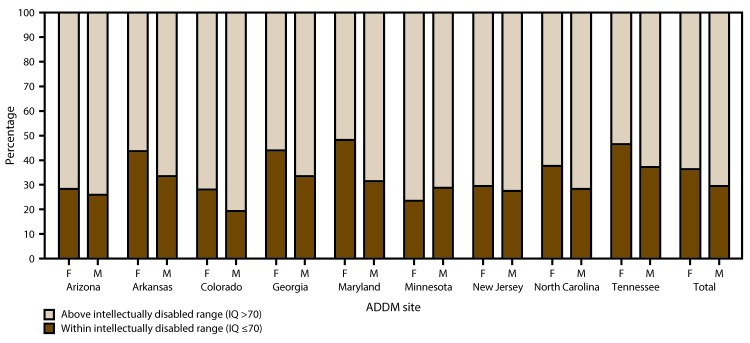
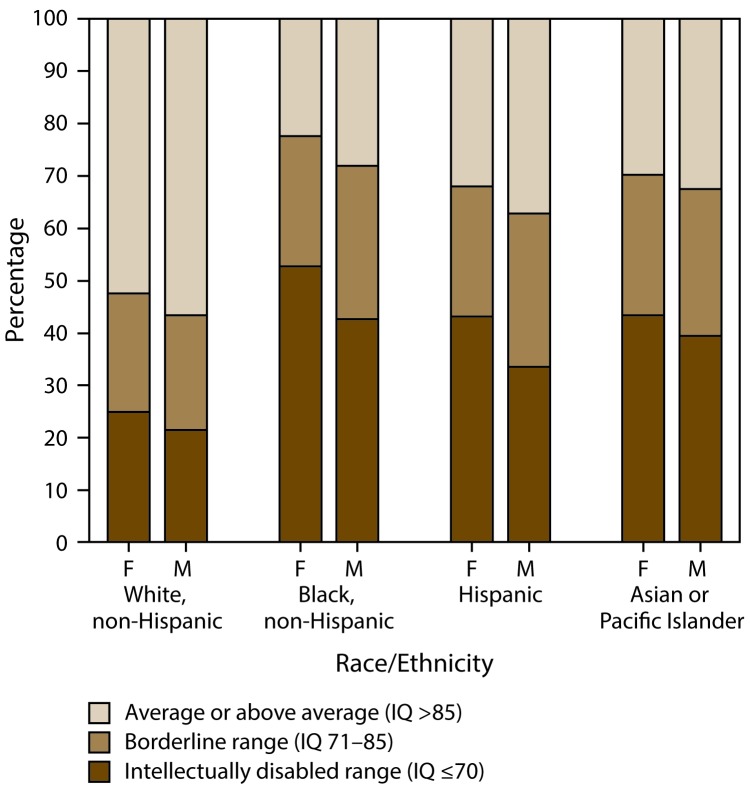
PROBLEM/CONDITION: Autism spectrum disorder (ASD). PERIOD COVERED: 2014. DESCRIPTION OF SYSTEM: The Autism and Developmental Disabilities Monitoring (ADDM) Network is an active surveillance system that provides estimates of the prevalence of autism spectrum disorder (ASD) among children aged 8 years whose parents or guardians reside within 11 ADDM sites in the United States (Arizona, Arkansas, Colorado, Georgia, Maryland, Minnesota, Missouri, New Jersey, North Carolina, Tennessee, and Wisconsin). ADDM surveillance is conducted in two phases. The first phase involves review and abstraction of comprehensive evaluations that were completed by professional service providers in the community. Staff completing record review and abstraction receive extensive training and supervision and are evaluated according to strict reliability standards to certify effective initial training, identify ongoing training needs, and ensure adherence to the prescribed methodology. Record review and abstraction occurs in a variety of data sources ranging from general pediatric health clinics to specialized programs serving children with developmental disabilities. In addition, most of the ADDM sites also review records for children who have received special education services in public schools. In the second phase of the study, all abstracted information is reviewed systematically by experienced clinicians to determine ASD case status. A child is considered to meet the surveillance case definition for ASD if he or she displays behaviors, as described on one or more comprehensive evaluations completed by community-based professional providers, consistent with the Diagnostic and Statistical Manual of Mental Disorders, Fourth Edition, Text Revision (DSM-IV-TR) diagnostic criteria for autistic disorder; pervasive developmental disorder-not otherwise specified (PDD-NOS, including atypical autism); or Asperger disorder. This report provides updated ASD prevalence estimates for children aged 8 years during the 2014 surveillance year, on the basis of DSM-IV-TR criteria, and describes characteristics of the population of children with ASD. In 2013, the American Psychiatric Association published the Diagnostic and Statistical Manual of Mental Disorders, Fifth Edition (DSM-5), which made considerable changes to ASD diagnostic criteria. The change in ASD diagnostic criteria might influence ADDM ASD prevalence estimates; therefore, most (85%) of the records used to determine prevalence estimates based on DSM-IV-TR criteria underwent additional review under a newly operationalized surveillance case definition for ASD consistent with the DSM-5 diagnostic criteria. Children meeting this new surveillance case definition could qualify on the basis of one or both of the following criteria, as documented in abstracted comprehensive evaluations: 1) behaviors consistent with the DSM-5 diagnostic features; and/or 2) an ASD diagnosis, whether based on DSM-IV-TR or DSM-5 diagnostic criteria. Stratified comparisons of the number of children meeting either of these two case definitions also are reported. RESULTS: For 2014, the overall prevalence of ASD among the 11 ADDM sites was 16.8 per 1,000 (one in 59) children aged 8 years. Overall ASD prevalence estimates varied among sites, from 13.1-29.3 per 1,000 children aged 8 years. ASD prevalence estimates also varied by sex and race/ethnicity. Males were four times more likely than females to be identified with ASD. Prevalence estimates were higher for non-Hispanic white (henceforth, white) children compared with non-Hispanic black (henceforth, black) children, and both groups were more likely to be identified with ASD compared with Hispanic children. Among the nine sites with sufficient data on intellectual ability, 31% of children with ASD were classified in the range of intellectual disability (intelligence quotient [IQ] <70), 25% were in the borderline range (IQ 71-85), and 44% had IQ scores in the average to above average range (i.e., IQ >85). The distribution of intellectual ability varied by sex and race/ethnicity. Although mention of developmental concerns by age 36 months was documented for 85% of children with ASD, only 42% had a comprehensive evaluation on record by age 36 months. The median age of earliest known ASD diagnosis was 52 months and did not differ significantly by sex or race/ethnicity. For the targeted comparison of DSM-IV-TR and DSM-5 results, the number and characteristics of children meeting the newly operationalized DSM-5 case definition for ASD were similar to those meeting the DSM-IV-TR case definition, with DSM-IV-TR case counts exceeding DSM-5 counts by less than 5% and approximately 86% overlap between the two case definitions (kappa = 0.85). INTERPRETATION: Findings from the ADDM Network, on the basis of 2014 data reported from 11 sites, provide updated population-based estimates of the prevalence of ASD among children aged 8 years in multiple communities in the United States. T
Overview
The claims and statistics of this paper haven’t been checked yet.
Free: it reads the open-access text and checks the first 5 claims that cite a source we can check. Create a free account to check every claim.
Integrity signals
Registry
Cites
Statistics
Figures
Verification
Claims the paper makes
The claims and statistics of this paper haven’t been checked yet.
Free: it reads the open-access text and checks the first 5 claims that cite a source we can check. Create a free account to check every claim.
Claims other papers make about this one
Each is checked against this paper’s own text: does it say what the citing paper says it does?
The source backs part of the claim, not all of it — or backs it for a different population, condition or comparison.
In the citing paper
“The U.S. reports a consistent pattern of increased ASD prevalence among higher socioeconomic status (SES) families (Baio et al. 2018; Durkin et al. 2010, 2017; Maenner et al. 2020; Pedersen et al. 2012), while European countries report increased prevalence among lower SES families (Delobel-Ayoub et al. 2015; Emerson 2012; Rai et al. 2012).”
From The Diagnosis of Autism: From Kanner to DSM-III to DSM-5 and Beyond (2021) · cites this paper as Baio et al. 2018
Experimental — accuracy not yet measuredThe source backs part of the claim, not all of it — or backs it for a different population, condition or comparison.
In the citing paper
“the mean patient age at ASD detection is several years later, generally between 3 and 4 years of age.1”
From Evaluation of the Diagnostic Stability of the Early Autism Spectrum Disorder Phenotype in the General Population Starting at 12 Months (2019) · cites this paper as [1]
Experimental — accuracy not yet measuredThe source backs part of the claim, not all of it — or backs it for a different population, condition or comparison.
In the citing paper
“Studies applied prospectively that compare DSM-IV with DSM-5 criteria reported that the latest revision narrowed eligibility for an autism spectrum diagnosis by between 4% [29] and more than 10% among children”
From Lobbying Autism's Diagnostic Revision in the DSM-5 (2020) · cites this paper as [29]
Experimental — accuracy not yet measuredThe cited source says what the claim attributes to it.
In the citing paper
“Racial differences also impact clinical presentation in the United States; a higher proportion of blacks diagnosed with autism were classified in the range of ID compared with Hispanic and white children (Baio et al., 2018).”
From Global prevalence of autism: A systematic review update (2022) · cites this paper as Baio et al., 2018
The check wasn’t confident either way, so it gives no verdict — never disputed.
In the citing paper
“Children with co-occurring intellectual disability are more likely to be identified earlier than children without intellectual disability, as indicated by an earlier median age at identification among this group (11) as well as the consistently higher proportion of children with intellectual disability at age 4 years (8,13) than at age 8 years (9,11,17).”
From Early Identification of Autism Spectrum Disorder Among Children Aged 4 Years — Autism and Developmental Disabilities Monitoring Network, 11 Sites, United States, 2018 (2021) · cites this paper as [17]
Experimental — accuracy not yet measured
5 more claims about this paper
Create a free account to see every claim other papers make about this one.
Self-check
Percentages, sums and reported differences re-computed from the paper’s own numbers.
The self-check needs the paper’s full text.
Citations
Cites
1 retracted
Christensen, D. L., Baio, J., Braun, K. V. N., Bilder, D., Charles, J., Constantino, J. N., Daniels, J., Durkin, M. S., Fitzgerald, R. T., Kurzius-Spencer, M., et al. (2016) · MMWR. Surveillance Summaries · doi:10.15585/mmwr.ss6503a1 · Cited by 1,964
Self-citationRetractedDiagnostic and Statistical Manual of Mental Disorders
American Psychiatric Association (2013) · doi:10.1176/appi.books.9780890425596 · Cited by 116,369
Identification and Evaluation of Children With Autism Spectrum Disorders
Johnson, C. P., Myers, S. M., & and the Council on Children With Disabilities (2007) · Pediatrics · doi:10.1542/peds.2007-2361 · Cited by 2,011
Naarden Braun, K. V., Lopez, M., White, T., et al. (2023) · Carolina Digital Repository (University of North Carolina at Chapel Hill) · doi:10.17615/y3kk-5x30 · Cited by 1,381
Self-citationPrevalence of Autism in a US Metropolitan Area
Yeargin-Allsopp, M., Rice, C., Karapurkar, T., Doernberg, N., Boyle, C., & Murphy, C. (2003) · JAMA · doi:10.1001/jama.289.1.49 · Cited by 1,248 · cited 4×
“CDC began tracking the prevalence of ASD and characteristics of children with ASD in the United States in 1998 (2,3).”
BackgroundResultInfluentialSelf-citationBlumberg, S. J., Bramlett, M. D., Kogan, M. D., Schieve, L. A., Jones, J. R., & Lu, M. C. (2013) · PubMed · Cited by 826
(2009) · PubMed · Cited by 812
Cited by
Items 501–600 of 1,133
Cumulative Incidence of Autism Into Adulthood for Birth Cohorts in Denmark, 1980-2012
Schendel, D. E., & Thorsteinsson, E. (2018) · JAMA · doi:10.1001/jama.2018.11328 · Cited by 101
The Effects of Psychological Trauma on Children with Autism Spectrum Disorders: a Research Review
Hoover, D. W. (2015) · Review Journal of Autism and Developmental Disorders · doi:10.1007/s40489-015-0052-y · Cited by 128
P300 amplitude and latency in autism spectrum disorder: a meta-analysis
Cui, T., Wang, P., Liu, S., & Zhang, X. (2016) · European Child & Adolescent Psychiatry · doi:10.1007/s00787-016-0880-z · Cited by 115
Robot-Based Intervention for Children With Autism Spectrum Disorder: A Systematic Literature Review
Bartl-Pokorny, K. D., Pykala, M., Uluer, P., Barkana, D. E., Baird, A., Kose, H., Zorcec, T., Robins, B., Schuller, B. W., & Landowska, A. (2021) · IEEE Access · doi:10.1109/access.2021.3132785 · Cited by 100
“Baio and colleagues [2] reported an average prevalence of 16.8 per 1,000 children aged 8 years in the USA.”
InfluentialIntervention and Support for Siblings of Youth with Developmental Disabilities: A Systematic Review
Tudor, M. E., & Lerner, M. D. (2014) · Clinical Child and Family Psychology Review · doi:10.1007/s10567-014-0175-1 · Cited by 130
Detection, processing and reinforcement of social cues: regulation by the oxytocin system
Menon, R., & Neumann, I. D. (2023) · Nature Reviews Neuroscience · doi:10.1038/s41583-023-00759-w · Cited by 100
“The differential maturation of the brain OXT system in boys and girls may also contribute to the higher prevalence of autism spectrum disorder (ASD) 146 — a psychiatric disease associated with severe impairment in various facets of social behaviour — in boys 147 .”
BackgroundKerns, C. M., Newschaffer, C. J., Berkowitz, S., & Lee, B. K. (2017) · Journal of Autism and Developmental Disorders · doi:10.1007/s10803-017-3111-7 · Cited by 99
Brief Report: Influence of Physical Activity on Sleep Quality in Children with Autism
Wachob, D. A., & Lorenzi, D. (2015) · Journal of Autism and Developmental Disorders · doi:10.1007/s10803-015-2424-7 · Cited by 105
Zhang, F., & Roeyers, H. (2019) · International Journal of Psychophysiology · doi:10.1016/j.ijpsycho.2019.01.003 · Cited by 119
Hickey, E. J., Hartley, S. L., & Papp, L. (2020) · Family Process · doi:10.1111/famp.12432 · Cited by 97
“The prevalence of diagnosed ASD differs by racial/ethnic group (Durkin et al., 2010; Baio et al., 2018; Jo et al., 2015), and is likely reflective of racial/ethnic disparities in access to healthcare, language barriers, differences in cultural perspectives and preferences, and diagnostic biases…”
BackgroundPinkham, A. E., Morrison, K. E., Penn, D. L., Harvey, P. D., Kelsven, S., Ludwig, K., & Sasson, N. J. (2019) · Psychological Medicine · doi:10.1017/s0033291719002708 · Cited by 111
McGuinn, L. A., Windham, G. C., Kalkbrenner, A. E., Bradley, C., Di, Q., Croen, L. A., Fallin, M. D., Hoffman, K., Ladd-Acosta, C., Schwartz, J., et al. (2020) · Epidemiology · doi:10.1097/ede.0000000000001109 · Cited by 97
Self-citationBölte, S., Lawson, W. B., Marschik, P. B., & Girdler, S. (2021) · BioEssays · doi:10.1002/bies.202000254 · Cited by 99
Using Telehealth to Provide Interventions for Children with ASD: a Systematic Review
de Nocker, Y. L., & Toolan, C. K. (2021) · Review Journal of Autism and Developmental Disorders · doi:10.1007/s40489-021-00278-3 · Cited by 129
Baranek, G. T., Watson, L. R., Turner-Brown, L., Field, S. H., Crais, E. R., Wakeford, L., Little, L. M., & Reznick, J. S. (2015) · Autism Research and Treatment · doi:10.1155/2015/386951 · Cited by 98
Morgan, J. T., Barger, N., Amaral, D. G., & Schumann, C. M. (2014) · PLoS ONE · doi:10.1371/journal.pone.0110356 · Cited by 99
Managing Stress: The Needs of Autistic Adults in Video Calling
Zolyomi, A., Begel, A., Waldern, J. F., Tang, J., Barnett, M., Cutrell, E., McDuff, D., Andrist, S., & Morris, M. R. (2019) · Proceedings of the ACM on Human-Computer Interaction · doi:10.1145/3359236 · Cited by 101
Dargenio, V. N., Dargenio, C., Castellaneta, S., De Giacomo, A., Laguardia, M., Schettini, F., Francavilla, R., & Cristofori, F. (2023) · Nutrients · doi:10.3390/nu15071620 · Cited by 98
Cardiac autonomic regulation in autism and Fragile X syndrome: A review.
Klusek, J., Roberts, J. E., & Losh, M. (2015) · Psychological Bulletin · doi:10.1037/a0038237 · Cited by 98
Angell, A. M., Empey, A., & Zuckerman, K. E. (2018) · International review of research in developmental disabilities · doi:10.1016/bs.irrdd.2018.08.003 · Cited by 124
Zurita, M. F., Cárdenas, P., Sandoval, M. E., Peña, M. C., Fornasini, M., Flores, N., Monaco, M. H., Berding, K., Donovan, S. M., Kuntz, T. M., et al. (2019) · Gut Microbes · doi:10.1080/19490976.2019.1662260 · Cited by 114
Parenting stress in caregivers of young children with ASD concerns prior to a formal diagnosis
DesChamps, T. D., Ibañez, L. V., Edmunds, S. R., Dick, C. C., & Stone, W. L. (2020) · Autism Research · doi:10.1002/aur.2213 · Cited by 98
“Additionally, the higher proportion of males in the ASD Concerns and Developmental Concerns groups may reflect known sex differences in rates of ASD and DD [Baio et al., 2018; Zablotsky, Black, & Blumberg, 2017].”
BackgroundResultInfluentialLinking risk factors and outcomes in autism spectrum disorder: is there evidence for resilience?
Elsabbagh, M. (2020) · BMJ · doi:10.1136/bmj.l6880 · Cited by 98
Cao, X., Liu, K., Liu, J., Liu, Y.-W., Li, X., Wang, H., Zhu, Y., Wang, P., Li, Z., Wen, J., et al. (2021) · Frontiers in Neuroscience · doi:10.3389/fnins.2021.635925 · Cited by 121
Conceptualization of autism in the Latino community and its relationship with early diagnosis.
Zuckerman, K. E., Sinche, B., Cobian, M., Cervantes, M., Mejia, A., Becker, T., & Nicolaidis, C. (2014) · Journal of Developmental & Behavioral Pediatrics · doi:10.1097/dbp.0000000000000091 · Cited by 97
Gestational Hyperandrogenism in Developmental Programming
Hakim, C., Padmanabhan, V., & Vyas, A. K. (2017) · Endocrinology · doi:10.1210/en.2016-1801 · Cited by 97
Guo, M., Zhu, J., Yang, T., Lai, X., Liu, X., Liu, J., Chen, J., & Li, T. (2017) · Brain Research Bulletin · doi:10.1016/j.brainresbull.2017.11.001 · Cited by 103
Differences in Cortical Structure and Functional MRI Connectivity in High Functioning Autism
Pereira, A. M., de Campos, B. M., Coan, A. C., Pegoraro, L. F., de Rezende, T. J. R., Obeso, I., Dalgalarrondo, P., da Costa, J. C., Dreher, J., & Cendes, F. (2018) · Frontiers in Neurology · doi:10.3389/fneur.2018.00539 · Cited by 123
Autism and Intellectual Disability: A Systematic Review of Sexuality and Relationship Education
Sala, G., Hooley, M., Attwood, T., Mesibov, G. B., & Stokes, M. A. (2019) · Sexuality and Disability · doi:10.1007/s11195-019-09577-4 · Cited by 111
“The current systematic literature review was conducted to identify SRE interventions delivered to those with ASD, ADHD, ID, DS and ABI.”
BackgroundInfluentialLu, A., & Perkowski, M. A. (2021) · Brain Sciences · doi:10.3390/brainsci11111446 · Cited by 119
“The estimated prevalence of ASD in the US is 1 in 59 children of ages 8 years and younger, and it is increasing [1].”
BackgroundDhanasekara, C. S., Ancona, D., Cortes, L., Hu, A., Rimu, A. H., Robohm-Leavitt, C., Payne, D., Wakefield, S. M., Mastergeorge, A. M., & Kahathuduwa, C. N. (2023) · Archives of Pediatrics and Adolescent Medicine · doi:10.1001/jamapediatrics.2022.5629 · Cited by 116
Broader Autism Phenotype in Siblings of Children with ASD—A Review
Pisula, E., & Ziegart-Sadowska, K. (2015) · International Journal of Molecular Sciences · doi:10.3390/ijms160613217 · Cited by 96
Kuban, K., Joseph, R. M., O’Shea, T. M., Allred, E. N., Heeren, T., Douglass, L. M., Stafstrom, C. E., Jara, H. J., Frazier, J. A., Hirtz, D., et al. (2016) · The Journal of Pediatrics · doi:10.1016/j.jpeds.2016.02.048 · Cited by 107
Genomic Sequencing Procedure Microcosting Analysis and Health Economic Cost-Impact Analysis
Sabatini, L. M., Mathews, C., Ptak, D. M., Doshi, S., Tynan, K. M., Hegde, M., Burke, T. L., & Bossler, A. (2016) · Journal of Molecular Diagnostics · doi:10.1016/j.jmoldx.2015.11.010 · Cited by 107
Tau Reduction Prevents Key Features of Autism in Mouse Models
Tai, C., Chang, C.-W., Yu, G.-Q., Lopez, I., Yu, X., Wang, X., Guo, W., & Mucke, L. (2020) · Neuron · doi:10.1016/j.neuron.2020.01.038 · Cited by 96
“Diagnosis of these conditions has increased sharply over the last few decades (Baio et al., 2018), and their economic cost in 2015 was estimated at $268 billion in the U.S. alone (Leigh and Du, 2015).”
BackgroundExploring the Structural and Strategic Bases of Autism Spectrum Disorders With Deep Learning
Ke, F., Choi, S., Kang, Y. H., Cheon, K.-A. A., & Lee, S. W. (2020) · IEEE Access · doi:10.1109/access.2020.3016734 · Cited by 110
“According to a report from the Centers for Disease Control and Prevention (CDC) in 2018 [2], one out of 59 children in the The associate editor coordinating the review of this manuscript and approving it for publication was Shadi Alawneh .”
MethodSleep problems in children with autism spectrum disorder: a multicenter survey
Chen, H., Yang, T., Chen, J., Chen, L., Dai, Y., Zhang, J., Li, L., Jia, F., Wu, L., Hao, Y., et al. (2021) · BMC Psychiatry · doi:10.1186/s12888-021-03405-w · Cited by 137
Saini, M., Stoddart, K. P., Gibson, M. F., Morris, R., Barrett, D. E., Muskat, B., Nicholas, D. B., Rampton, G., & Zwaigenbaum, L. (2015) · Research in Autism · doi:10.1016/j.rasd.2015.06.014 · Cited by 131
Freeman, S. M., Palumbo, M. C., Lawrence, R. H., Smith, A. L., Goodman, M. M., & Bales, K. L. (2018) · Translational Psychiatry · doi:10.1038/s41398-018-0315-3 · Cited by 82
Pairing Speech Sounds With Vagus Nerve Stimulation Drives Stimulus-specific Cortical Plasticity
Engineer, C. T., Engineer, N. D., Riley, J. R., Seale, J. D., & Kilgard, M. P. (2015) · Brain stimulation · doi:10.1016/j.brs.2015.01.408 · Cited by 100
Whole Exome Sequencing in Females with Autism Implicates Novel and Candidate Genes
Butler, M., Rafi, S., Hossain, W., Stephan, D., & Manzardo, A. (2015) · International Journal of Molecular Sciences · doi:10.3390/ijms16011312 · Cited by 95
Parent Expectations Mediate Outcomes for Young Adults with Autism Spectrum Disorder
Kirby, A. V. (2016) · Journal of Autism and Developmental Disorders · doi:10.1007/s10803-015-2691-3 · Cited by 119
Autism Spectrum Disorders and Metabolic Complications of Obesity
Shedlock, K. E., Susi, A., Gorman, G. H., Hisle-Gorman, E. J., Erdie-Lalena, C. R., & Nylund, C. M. (2016) · The Journal of Pediatrics · doi:10.1016/j.jpeds.2016.07.055 · Cited by 109
Development of a Machine Learning Algorithm for the Surveillance of Autism Spectrum Disorder
Maenner, M. J., Yeargin‐Allsopp, M., Braun, K. V. N., Christensen, D., & Schieve, L. A. (2016) · PLoS ONE · doi:10.1371/journal.pone.0168224 · Cited by 106
Self-citationThe Role of the Eukaryotic Translation Initiation Factor 4E (eIF4E) in Neuropsychiatric Disorders
Amorim, I. S., Lach, G., & Gkogkas, C. G. (2018) · Frontiers in Genetics · doi:10.3389/fgene.2018.00561 · Cited by 104
A study on the neurodevelopment outcomes of late preterm infants
You, J., Shamsi, B. H., Hao, M.-C., Cao, C.-H., & Yang, W. (2019) · BMC Neurology · doi:10.1186/s12883-019-1336-0 · Cited by 115
Zamberletti, E., Gabaglio, M., Woolley-Roberts, M., Bingham, S., Rubino, T., & Parolaro, D. (2019) · Frontiers in Cellular Neuroscience · doi:10.3389/fncel.2019.00367 · Cited by 104
Rubella Virus Infection, the Congenital Rubella Syndrome, and the Link to Autism
Mawson, A. R., & Croft, A. M. (2019) · International Journal of Environmental Research and Public Health · doi:10.3390/ijerph16193543 · Cited by 120
Chan, M. M. Y., & Han, Y. M. Y. (2020) · Molecular Autism · doi:10.1186/s13229-020-00374-x · Cited by 106
“Autism spectrum disorder (ASD) is a pervasive neurodevelopmental disorder that affects 1 in 59 people worldwide (1).”
BackgroundWang, L., Li, D., Pan, S., Zhai, J., Xia, W. T., Sun, C., & Zou, M. (2021) · Globalization and Health · doi:10.1186/s12992-021-00674-8 · Cited by 106
Genome-wide differential expression of synaptic long noncoding RNAs in autism spectrum disorder
Wang, Y., Zhao, X., Ju, W., Flory, M., Zhong, J., Jiang, S., Wang, P., Dong, X., Tao, X., Chen, Q., et al. (2015) · Translational Psychiatry · doi:10.1038/tp.2015.144 · Cited by 93
The role of interneurons in autism and Tourette Syndrome
Rapanelli, M., Frick, L. R., & Pittenger, C. (2017) · Trends in Neurosciences · doi:10.1016/j.tins.2017.05.004 · Cited by 93
Curran, E. A., Cryan, J. F., Kenny, L. C., Dinan, T. G., Kearney, P. M., & Khashan, A. S. (2016) · Journal of Autism and Developmental Disorders · doi:10.1007/s10803-015-2616-1 · Cited by 94
Realizing a diagnosis of autism spectrum disorder as an adult
Lewis, L. F. (2016) · International Journal of Mental Health Nursing · doi:10.1111/inm.12200 · Cited by 92
Wenger, T. L., Miller, J. S., DePolo, L. M., de Marchena, A. B., Clements, C. C., Emanuel, B. S., Zackai, E. H., McDonald-McGinn, D. M., & Schultz, R. T. (2016) · Molecular Autism · doi:10.1186/s13229-016-0090-z · Cited by 93
Port, R. G., Gaetz, W., Bloy, L., Wang, D., Blaskey, L., Kuschner, E. S., Levy, S. E., Brodkin, E. S., & Roberts, T. P. L. (2017) · Autism Research · doi:10.1002/aur.1686 · Cited by 94
Prenatal exposure to phthalates and autism spectrum disorder in the MARBLES study
Shin, H., Schmidt, R. J., Tancredi, D. J., Barkoski, J. M., Ozonoff, S. J., Bennett, D. H., & Hertz‐Picciotto, I. (2018) · Environmental Health · doi:10.1186/s12940-018-0428-4 · Cited by 112
Schmidt, R. J., Iosif, A., Angel, E. G., & Ozonoff, S. J. (2019) · JAMA Psychiatry · doi:10.1001/jamapsychiatry.2018.3901 · Cited by 112
Accuracy of the Childhood Autism Rating Scale: a systematic review and meta‐analysis
Moon, S. J., Hwang, J., Shin, A. L., Kim, J. Y., Bae, S. M., Sheehy‐Knight, J., & Kim, J. W. (2019) · Developmental Medicine & Child Neurology · doi:10.1111/dmcn.14246 · Cited by 134
Simacek, J. J., Elmquist, M., Dimian, A. F., & Reichle, J. E. (2020) · Current Developmental Disorders Reports · doi:10.1007/s40474-020-00214-w · Cited by 113
Autism Spectrum Disorder Studies Using fMRI Data and Machine Learning: A Review
Liu, M., Li, B., & Hu, D. (2021) · Frontiers in Neuroscience · doi:10.3389/fnins.2021.697870 · Cited by 106
Jin, Y., Wee, C.-Y., Shi, F., Thung, K., Ni, D., Yap, P., & Shen, D. G. (2015) · Human Brain Mapping · doi:10.1002/hbm.22957 · Cited by 104
Bakheet, S. A., Alzahrani, M. Z., Ansari, M. A., Nadeem, A., Zoheir, K. M. A., Attia, S. M., AL-Ayadhi, L. Y., & Ahmad, S. F. (2016) · Molecular Neurobiology · doi:10.1007/s12035-016-0066-1 · Cited by 101
Heffler, K. F., Sienko, D. M., Subedi, K., McCann, K. A., & Bennett, D. S. (2020) · JAMA Pediatrics · doi:10.1001/jamapediatrics.2020.0230 · Cited by 92
Lawrence, K. E., Hernandez, L. M., Bowman, H. C., Padgaonkar, N. T., Fuster, E., Jack, A., Aylward, E., Gaab, N., Van Horn, J. D., Bernier, R. A., et al. (2020) · Cerebral Cortex · doi:10.1093/cercor/bhaa105 · Cited by 93
“Autism spectrum disorder (ASD) is a prevalent neurodevelopmental condition, which is diagnosed on the basis of challenges with social communication, as well as the presence of repetitive behaviors and circumscribed interests (American Psychiatric Association 2013; Baio et al. 2018).”
BackgroundMiller, H. L., Sherrod, G., Mauk, J. E., Fears, N. E., Hynan, L. S., & Tamplain, P. M. (2021) · Journal of Autism and Developmental Disorders · doi:10.1007/s10803-020-04766-z · Cited by 111
Educational Interventions for Children and Youth with Autism: A 40-Year Perspective
Odom, S. L., Hall, L. J., Morin, K. L., Kraemer, B., Hume, K., McIntyre, N. S., Nowell, S. W., Steinbrenner, J. R. D., Tomaszewski, B. R., Sam, A. M., et al. (2021) · Journal of Autism and Developmental Disorders · doi:10.1007/s10803-021-04990-1 · Cited by 136
The therapeutic potential of insulin-like growth factor-1 in central nervous system disorders
Costales, J., & Kolevzon, A. (2016) · Neuroscience & Biobehavioral Reviews · doi:10.1016/j.neubiorev.2016.01.001 · Cited by 93
The Genetics of Autism Spectrum Disorders
Huguet, G., Benabou, M., & Bourgeron, T. (2016) · Research and perspectives in endocrine interactions · doi:10.1007/978-3-319-27069-2_11 · Cited by 126
Zaidel, A., Goin-Kochel, R. P., & Angelaki, D. E. (2015) · Proceedings of the National Academy of Sciences · doi:10.1073/pnas.1506582112 · Cited by 92
Understanding Service Usage and Needs for Adults with ASD: The Importance of Living Situation
Dudley, K. M., Klinger, M. R., Meyer, A., Powell, P., & Klinger, L. G. (2019) · Journal of Autism and Developmental Disorders · doi:10.1007/s10803-018-3729-0 · Cited by 92
Rai, D., Heuvelman, H., Dalman, C., Culpin, I., Lundberg, M., Carpenter, P., & Magnusson, C. (2018) · JAMA Network Open · doi:10.1001/jamanetworkopen.2018.1465 · Cited by 93
The Relationship Between Adverse Childhood Events, Resiliency and Health Among Children with Autism
Rigles, B. (2016) · Journal of Autism and Developmental Disorders · doi:10.1007/s10803-016-2905-3 · Cited by 110
A Subset of Autism-Associated Genes Regulate the Structural Stability of Neurons
Lin, Y., Frei, J. A., Kilander, M. B. C., Shen, W., & Blatt, G. J. (2016) · Frontiers in Cellular Neuroscience · doi:10.3389/fncel.2016.00263 · Cited by 110
The PACT Consortium, Salomone, E., Leadbitter, K., Aldred, C., Barrett, B., Byford, S., Charman, T., Howlin, P., Green, J., Le Couteur, A., et al. (2018) · Journal of Autism and Developmental Disorders · doi:10.1007/s10803-017-3392-x · Cited by 92
Prenatal Stress, Maternal Immune Dysregulation, and Their Association With Autism Spectrum Disorders
Beversdorf, D. Q., Stevens, H. E., & Jones, K. L. (2018) · Current Psychiatry Reports · doi:10.1007/s11920-018-0945-4 · Cited by 91
P-cresol Alters Brain Dopamine Metabolism and Exacerbates Autism-Like Behaviors in the BTBR Mouse
Pascucci, T., Colamartino, M., Fiori, E., Sacco, R., Coviello, A., Ventura, R., Puglisi-Allegra, S., Turriziani, L., & Persico, A. M. (2020) · Brain Sciences · doi:10.3390/brainsci10040233 · Cited by 92
An inside job: how endosomal Na+/H+ exchangers link to autism and neurological disease
Kondapalli, K. C., Prasad, H., & Rao, R. (2014) · Frontiers in Cellular Neuroscience · doi:10.3389/fncel.2014.00172 · Cited by 92
Pierce, K., Courchesne, E., & Bacon, E. (2016) · The Journal of Pediatrics · doi:10.1016/j.jpeds.2016.06.004 · Cited by 91
Alvares, G. A., Quintana, D. S., & Whitehouse, A. J. O. (2017) · Autism Research · doi:10.1002/aur.1692 · Cited by 91
Oswald, T. M., Beck, J. S., Iosif, A., McCauley, J. B., Gilhooly, L. J., Matter, J. C., & Solomon, M. (2015) · Autism Research · doi:10.1002/aur.1524 · Cited by 110
Subbaraju, V., Mahanand, B. S., Sundaram, S., & Sundararajan, N. (2016) · Medical Image Analysis · doi:10.1016/j.media.2016.08.003 · Cited by 98
Jamison, J., Fourie, E., Siper, P. M., Trelles, M. P., George-Jones, J., Grice, A. B., Krata, J., Holl, E., Shaoul, J., Hernández, B., et al. (2017) · Journal of Autism and Developmental Disorders · doi:10.1007/s10803-017-3045-0 · Cited by 100
The association between placental histopathology and autism spectrum disorder
Straughen, J. K., Misra, D. P., Divine, G., Shah, R., Perez, G., VanHorn, S., Onbreyt, V., Dygulska, B., Schmitt, R., Lederman, S., et al. (2017) · Placenta · doi:10.1016/j.placenta.2017.07.006 · Cited by 105
Gender Dysphoria in Children with Autism Spectrum Disorder
Hisle-Gorman, E., Landis, C. A., Susi, A., Schvey, N. A., Gorman, G. H., Nylund, C. M., & Klein, D. A. (2019) · LGBT Health · doi:10.1089/lgbt.2018.0252 · Cited by 91
McDonald, T. A. M. (2020) · Autism in Adulthood · doi:10.1089/aut.2019.0069 · Cited by 90
Dance/Movement Therapy as an Intervention for Children with Autism Spectrum Disorders
Benson, S. M. S., Reinders, N. J., Bryden, P. J., & Fletcher, P. C. (2014) · American Journal of Dance Therapy · doi:10.1007/s10465-014-9179-0 · Cited by 130
Ekas, N. V., Timmons, L., Pruitt, M. M., Ghilain, C. S., & Alessandri, M. (2015) · Journal of Autism and Developmental Disorders · doi:10.1007/s10803-015-2362-4 · Cited by 123
Perinatal Exposure to Traffic-Related Air Pollution and Autism Spectrum Disorders
Gong, T., Dalman, C., Wicks, S., Dal, H., Magnusson, C., Lundholm, C., Almqvist, C., & Pershagen, G. (2017) · Environmental Health Perspectives · doi:10.1289/ehp118 · Cited by 91
Dickerson, A. S., Rahbar, M. H., Han, I., Bakian, A. V., Bilder, D. A., Harrington, R. A., Pettygrove, S., Durkin, M., Kirby, R. S., Wingate, M. S., et al. (2015) · Science of The Total Environment · doi:10.1016/j.scitotenv.2015.07.024 · Cited by 90
Self-citationDevelopmental Neurotoxicity of Traffic-Related Air Pollution: Focus on Autism
Costa, L. G., Chang, Y.-C., & Cole, T. B. (2017) · Current Environmental Health Reports · doi:10.1007/s40572-017-0135-2 · Cited by 90
Written Expression in Individuals with Autism Spectrum Disorder: A Meta-Analysis
Finnegan, E. G., & Accardo, A. L. (2017) · Journal of Autism and Developmental Disorders · doi:10.1007/s10803-017-3385-9 · Cited by 107
Stahmer, A. C., Rieth, S. R., Dickson, K. S., Feder, J., Burgeson, M., Searcy, K., & Brookman-Frazee, L. I. (2019) · Autism · doi:10.1177/1362361319878080 · Cited by 99
“Email: astahmer@ucdavis.edu at dramatic rates, with a current incidence of 1 in 59 children (Baio et al., 2018).”
BackgroundAltered inter‐ and intrahemispheric functional connectivity dynamics in autistic children
Guo, X., Duan, X., Chen, H., He, C., Xiao, J., Fan, Y., Fan, Y.-S., Guo, J., & Chen, H. (2019) · Human Brain Mapping · doi:10.1002/hbm.24812 · Cited by 96
A Pilot Proteomic Analysis of Salivary Biomarkers in Autism Spectrum Disorder
Wetie, A. G. N., Wormwood, K. L., Russell, S., Ryan, J. P., Darie, C. C., & Woods, A. G. (2015) · Autism Research · doi:10.1002/aur.1450 · Cited by 100
Treatments for Biomedical Abnormalities Associated with Autism Spectrum Disorder
Frye, R. E., & Rossignol, D. A. (2014) · Frontiers in Pediatrics · doi:10.3389/fped.2014.00066 · Cited by 90
Kaur, K., Simon, A. F., Chauhan, V. P. S., & Chauhan, A. (2015) · Behavioural Brain Research · doi:10.1016/j.bbr.2015.02.001 · Cited by 99
The Emergent Literacy Skills of Preschool Children with Autism Spectrum Disorder
Westerveld, M. F., Paynter, J. M., Trembath, D. L., Webster, A. A., Hodge, A., & Roberts, J. (2016) · Journal of Autism and Developmental Disorders · doi:10.1007/s10803-016-2964-5 · Cited by 108
Investigating the accuracy of a novel telehealth diagnostic approach for autism spectrum disorder.
Smith, C. J., Rozga, A., Matthews, N., Oberleitner, R., Nazneen, N., & Abowd, G. (2017) · Psychological Assessment · doi:10.1037/pas0000317 · Cited by 89
Adjorlu, A., Hoeg, E. R., Mangano, L., & Serafin, S. (2017) · 2017 IEEE International Symposium on Mixed and Augmented Reality (ISMAR-Adjunct) · doi:10.1109/ismar-adjunct.2017.93 · Cited by 90
Metadata
- Authors
- Baio, J., Wiggins, L., Christensen, D. L., Maenner, M. J., Daniels, J., Warren, Z., Kurzius-Spencer, M., Zahorodny, W., Robinson, C., Rosenberg, White, T., Durkin, M. S., Imm, P., Nikolaou, L., Yeargin-Allsopp, M., Lee, L.-C., Harrington, R., Lopez, M., Fitzgerald, R. T., Hewitt, A., Pettygrove, S., Constantino, J. N., Vehorn, A., Shenouda, J., Hall-Lande, J., Van, K., Naarden, Braun, & Dowling, N. F.
- Affiliations
- Centers for Disease Control and Prevention (US)
- University of North Carolina at Chapel Hill (US)
- Vanderbilt University Medical Center (US)
- Rutgers, The State University of New Jersey (US)
- University of Colorado Anschutz (US)
- Colorado Department of Public Health and Environment (US)
- University of Wisconsin–Madison (US)
- Johns Hopkins University (US)
- University of Arkansas for Medical Sciences (US)
- Washington University in St. Louis (US)
- University of Minnesota (US)
- University of Arizona (US)
- Corresponding author
- Baio, Jon
- ORCID
- Venue
- MMWR. Surveillance Summaries
- Published
- 2018-04-27
- Volume
- 67
- Issue
- 6
- Pages
- 1-23
- ISSN
- 1545-8636 (ISSN-L)
- 1546-0738
- PMC
- PMC5919599
- OpenAlex
- W2614349964
- Cited by
- 6,078
- References
- 30
- Citations by year
- 2026: 105 · 2025: 194 · 2024: 294 · 2023: 392 · 2022: 560 · 2021: 892 · 2020: 1038 · 2019: 853 · 2018: 500
- FWCI
- 485.15
- Type
- journal article
- Language
- en
- Open access
- hybrid
- doi.org
- Licence
- public-domain
- Locations
- MMWR Surveillance Summaries (publishedVersion, public-domain)
- Europe PMC (PubMed Central) (publishedVersion, cc-by)
- PubMed Central (publishedVersion, cc-by)
- PubMed (publishedVersion)
- UA Campus Repository (The University of Arizona) (acceptedVersion, public-domain)
- Carolina Digital Repository (University of North Carolina at Chapel Hill) (submittedVersion, public-domain)
- Carolina Digital Repository (University of North Carolina at Chapel Hill) (submittedVersion)
- UNC Libraries
- Funders
- U.S. Department of Education
- Vanderbilt University
- Emory University
- University of Minnesota
- Washington University in St. Louis
- Colorado Department of Public Health and Environment
- Johns Hopkins University
- University of Arkansas for Medical Sciences
- University of South Carolina
- Vanderbilt University Medical Center
- Centers for Disease Control and Prevention
- University of North Carolina at Chapel Hill
- National Center for Chronic Disease Prevention and Health Promotion
- National Center on Birth Defects and Developmental Disabilities
- Eunice Kennedy Shriver National Institute of Child Health and Human Development (U54HD087011)
- Topics
- Life Sciences › Neuroscience › Cognitive Neuroscience › Autism Spectrum Disorder Research
- Health Sciences › Medicine › Psychiatry and Mental health › Child Nutrition and Feeding Issues
- Social Sciences › Psychology › Clinical Psychology › Family and Disability Support Research
- Keywords
- autism spectrum disorder, prevalence, DSM-IV-TR diagnostic criteria, DSM-5 diagnostic criteria, surveillance case definition, autism epidemiology, developmental disabilities, comprehensive evaluation, United States
- MeSH terms
- Autism Spectrum Disorder, Child, Female, Humans, Male, Population Surveillance, United States, Prevalence
About these checks
Registry, retraction, Cites and statistics results are computed, not judged, with one exception: a printed reference that no index lists is read once by a model before it counts as a citation error. Claims are extracted by a model and kept only when their quote appears verbatim in the text; each cited source is then checked, with a model’s help, for whether it says what the claim relies on. Those verdicts can be wrong — read the claim’s quote and the cited source before relying on one.
Statistics and arithmetic are recomputed, not judged.
Confidence bands are shown only for fields calibrated on our annotated test set. None is calibrated yet, so no band is shown.
What counts as a claim ›How we measure confidence ›How we check this ›
Are you an author, or do you see a problem with this page? Request a review
Data sources
Bibliographic data: Semantic Scholar, OpenAlex, Crossref.
Contains information from the Semantic Scholar Academic Graph Datasets, made available under the ODC Attribution License (ODC-BY 1.0).
Semantic Scholar’s data is described in: Kinney, R., et al. (2023). The Semantic Scholar Open Data Platform. arXiv:2301.10140.
